
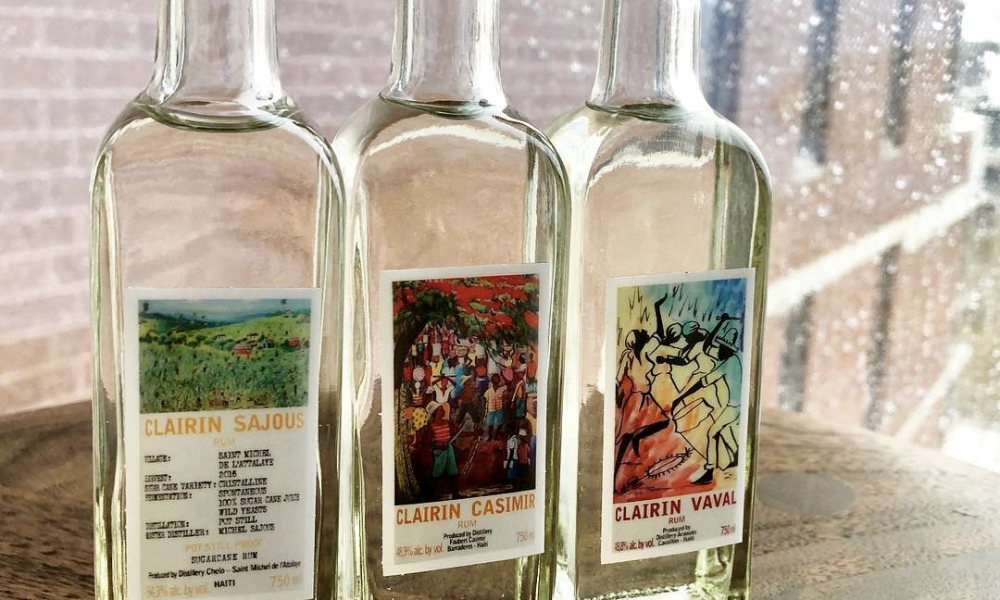
Clairin – Haiti's organic ancestral rum – is coming to America
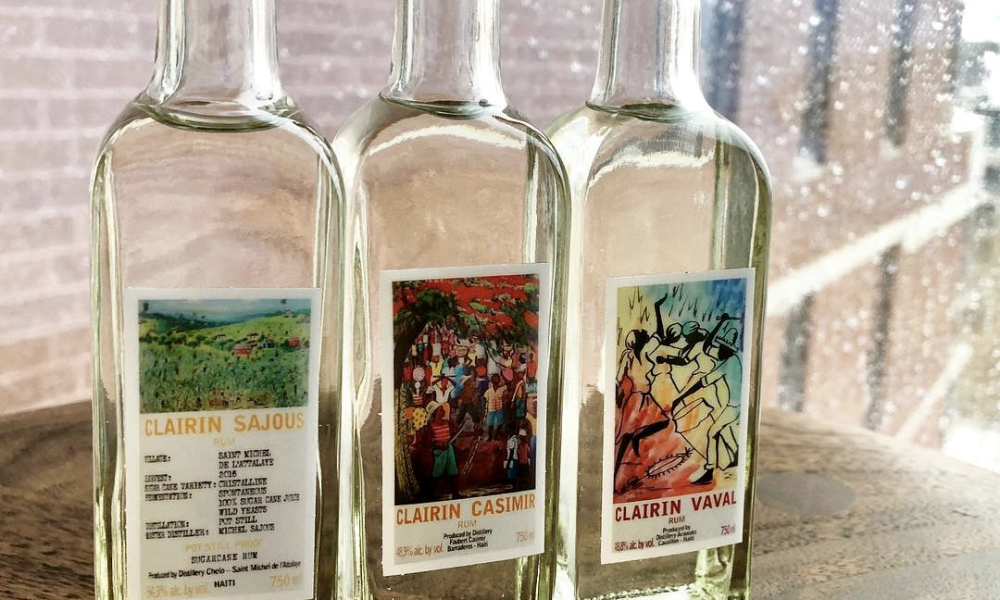
(Photo via Instagram/rumwonk)
Organic spirits are having a moment. Craft distillers from Maine to California are producing rum, gin, vodka and whiskey from fertilizer- and pesticide-free sources. But in Haiti, there’s an entire spirit category that’s virtually entirely artisanal and organic: clairin. And its coming to America.There are more than 500 distilleries in Haiti naturally fermenting organic sugarcane in small batches to produce clairn, a high-proof white rum that goes for about $1.50 on the streets of Port au Prince.Rather remarkably, this indigenous Caribbean rum, made in rural shacks in the poorest country in the Americas, is about to get a star turn in New York City, and start hitting store shelves across the U.S. for about $40 a bottle.Ironically, lack of sophistication is turning out to be clairin’s best selling point — a rare bit of good luck in a country perpetually beset by hurricanes, earthquakes, landslides and political turmoil.Haitian slaves learned the art of distillation from their French masters before mounting the most successful slave revolt in history, driving off their European colonizers and establishing the first black republic on the planet.“Clairin is produced in the same way today as it was in 1804,” says Kate Perry, U.S. market manager for La Maison & Velier, which is importing the potent spirit and sponsoring a clairin mixology competition in New York in May. “When they kicked out the French, they won their victory, but a lot of things stopped. So they still use stills from 1790 french technology, basically old Cognac stills.”
Velier’s Luca Gargano and Daniele Biondi basically stumbled across clairin (the word means “clear” in French Haitian Creole) during a trip to Haiti in 2013, finding rough distilleries producing the spirit in the middle of sugarcane fields.
#spiritofhaiti #rhumexport #clairin #clairinlakay #productionnational#canneasucre #A post shared by Clairin Lakay (@clairinlakayrhum) on Villages all over Haiti have their own variety of the drink; Velier is working with multiple producers and marketing several different varieties of clairin – all made by the same basic process, but each with its own distinctive flavor.
Haïti and Clairin. Pot Still or Column Still, 100% vésou or a blend with Honey Canne… When done right ! It's a wildly amazing Rhum ! #clairin #rhumagricole #rhum #haïti #haïtiamourA post shared by Rhumdiaries (@rhumdiaries) on “Haiti’s rum is the stuff that spirit nerds want: terroir driven, open air, wild fermented with wild yeast, heritage varietals, small pot still and made for local consumption,” said Perry. And, she says, it could be the beginning of something special for Haiti’s economy as a whole.
Moving Haiti's rustic, rum-like clairin to market
LEOGANE, Haiti – Haiti's most famous export is Barbancourt, a delicately flavored, carefully aged rum that's considered among the best in the world. Then there's its rustic cousin clairin, a drink that's much cheaper and relatively rare outside this struggling Caribbean country.Clairin, or kleren as it's known in Haitian Creole, is less refined than rum and typically not aged, though some artisanal varieties are subjected to an aging process to give them a more mellow and distinctive flavor. It's produced at hundreds of small distilleries scattered across Haiti.At one of them, Ti Jean, in the coastal town of Leogane west of the capital, men with their heads covered to ward off the tropical sun use machetes to cut down the towering sugar cane stalks that surround the distillery.They feed the cane into a grinder to produce the juice that is the raw material of both clairin and the type of rum associated with the French Caribbean. Most rum produced elsewhere is made from molasses.The juice that flows out the other side is a murky caramel color, though the finished product will be as clear as vodka.The clairin is fermented and filtered and then shipped in plastic jugs for sale in market stalls and by street merchants. Individual retailers add flavors with herbs or fruit. In Port-au-Prince, vendor Eddy Lecty adds cloves to spice up the clairin he sells in the capital's Cite Soleil slum. He and his father have been selling the drink for almost 20 years at the same sidewalk spot, which has become a meeting place locals call "The Citizens Club." He says even Haitian presidents have stopped by.Lecty and other vendors put the clairin into reused whiskey, vodka and soft drink bottles.In Haiti, like in other countries where unregulated liquor production flourishes, there have been unscrupulous producers who spiked their spirits with methanol, which can be deadly.Ti Jean owner Jeanty Bonnefois says his workers make sure they remove the toxic methanol byproduct that occurs during distillation, and his clairin has a good reputation among local consumers.A liter of clairin sells for about $1.36, one-eighth the price of the least expensive bottle of Barbancourt. That price tag makes all the difference in a country where about 60 percent of the people get by on less than $2 a day.Fox Business July 12, 2017