
Cafe Erzulie’s Haitian Spirit of Love
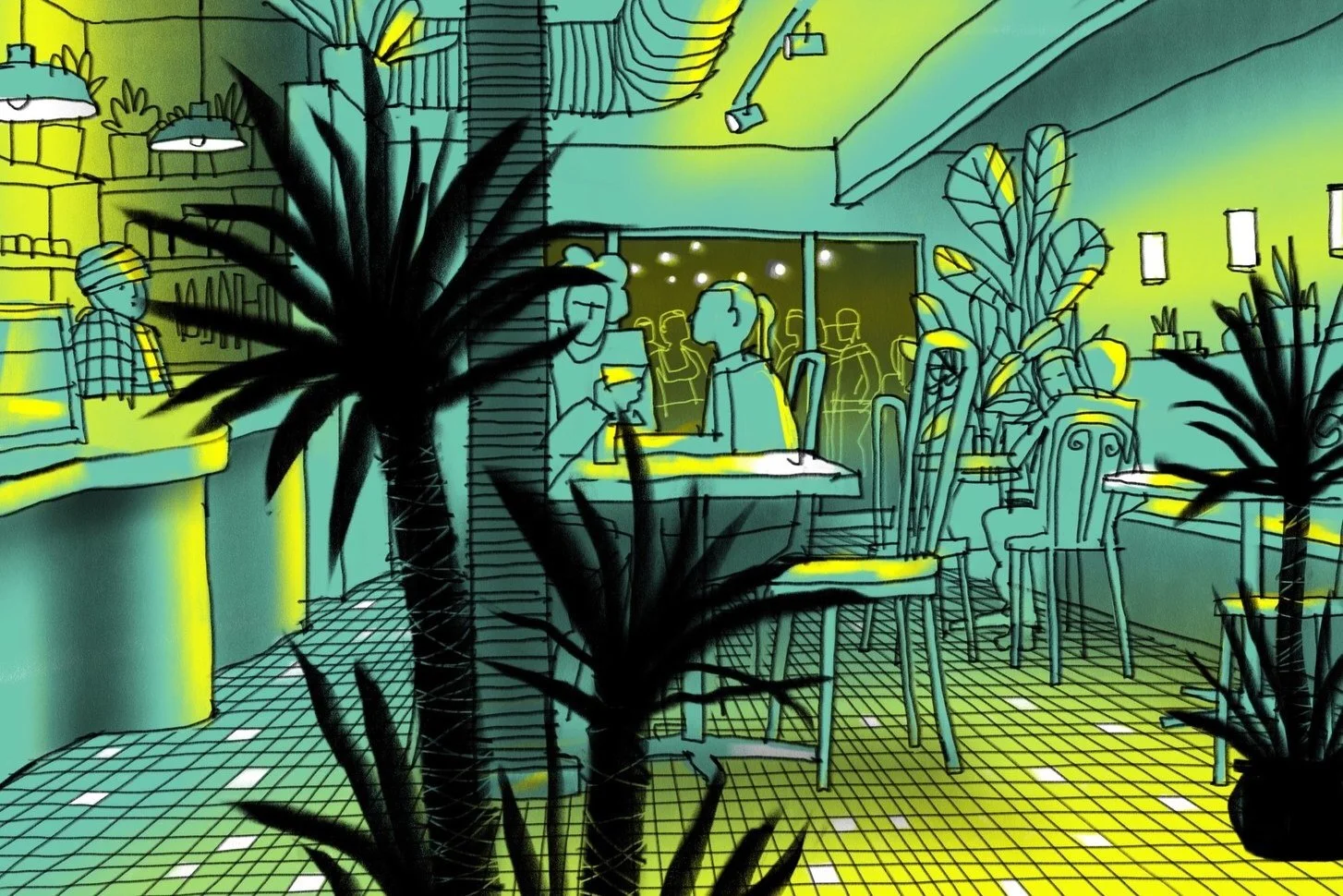
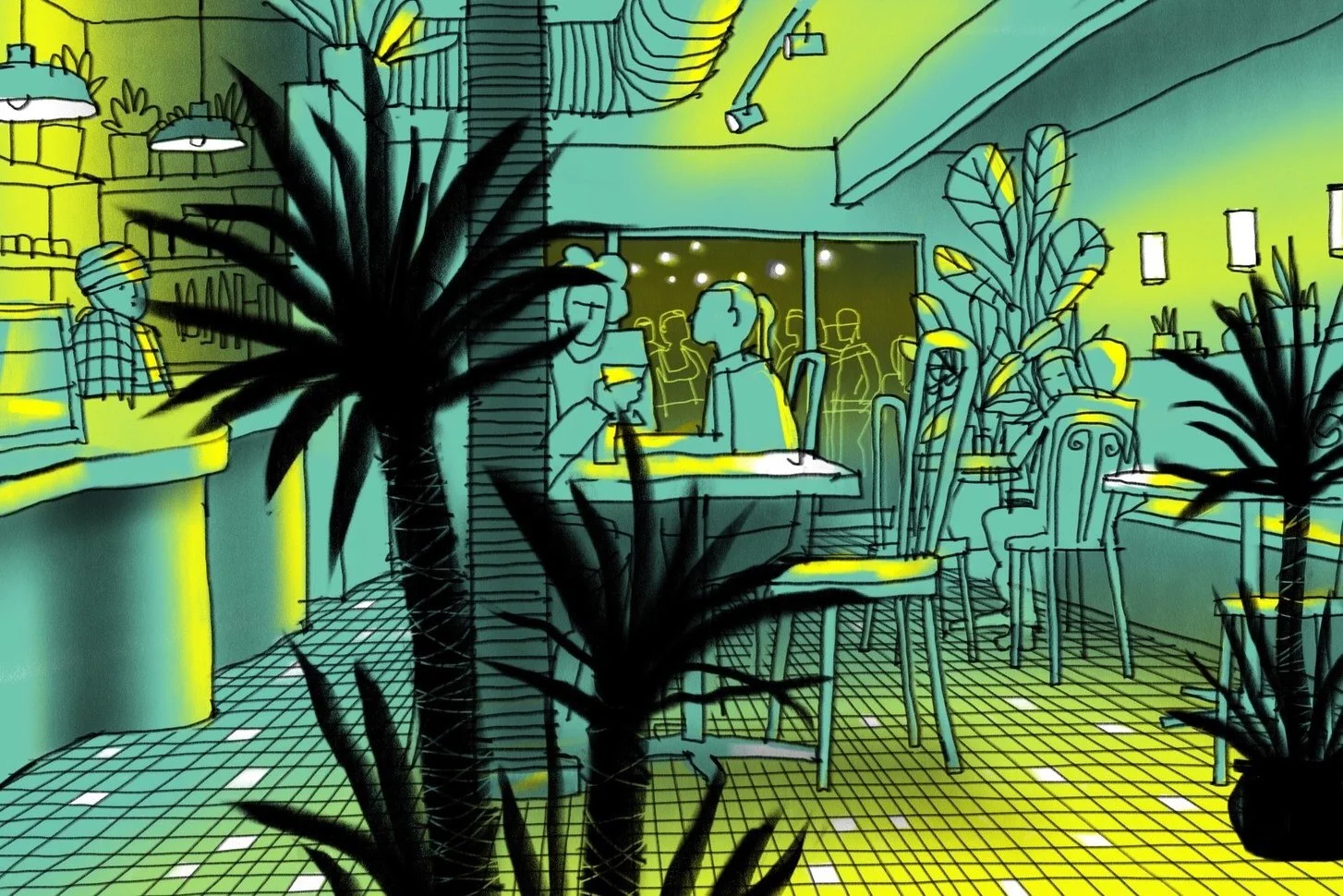
On any given night at this bar, named after the vodou goddess, there might be events like Afrofuturist lecturers, lobster festivals, or live jazz.Erzulie, the Haitian spirit of love and beauty, holds Thursdays sacred. After reading a longer list of her preferences, it may seem that the vodou goddess had a hand in more than just the name of this new café-cum-cocktail-lounge in Bushwick. Erzulie likes pink and light blue (the color of the floor tiles), sweet-smelling flowers and sparkling wine (provided in the form of the bubbly Kir de Jacmel), and small cakes (sticky buns are sold at the counter). The storefront is also home to Flowers by Leslie, a fifteen-year-old plant shop that was struggling to make rent. Instead of displacing it, the Erzulie owners preserved it as a business, and as a drink. Now patrons can browse the lilies and the basil for sale near the front on their way to grab a Flowers by Leslie cocktail, a pleasantly sour medley of vodka, mint, and St. Germain with crescents of cucumber. If they move farther along, to the back patio, they may chance on an event that would make Erzulie smile: on any given night, there might be Afrofuturist lecturers, a Jamaican lobster festival described as “Kingston meets Kennebunkport,” or live jazz. One evening, a steel-drum player, backed by a snare and an electric bass, performed an instrumental cover of Sam Cooke’s “Bring It on Home to Me.” Around eleven, as the musicians started tapping out the notes to “Signed, Sealed, Delivered,” a listener in red jeans and a blue button-down leapt up to become their vocalist, singing through the chorus about a dozen times. When the song finished, she twirled over to the band and asked if they knew her. They did not. “It’s all good!” the mysterious singer said. “I’ll see you next Thursday!” Was it the goddess herself? Perhaps. Thursday, after all, is her holy day. By Neima Jahromi | October 30, 2017
Haiti chefs carving out higher profile for country's cuisine
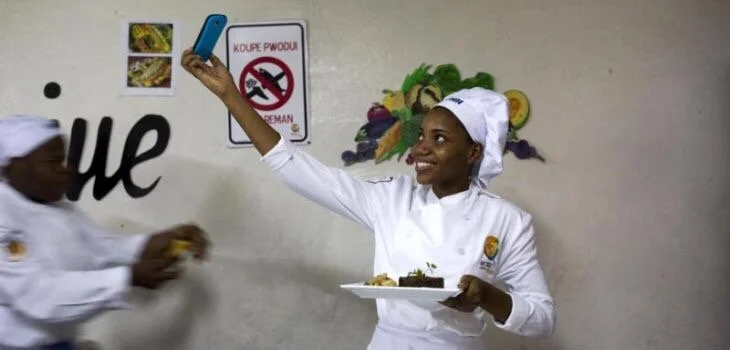
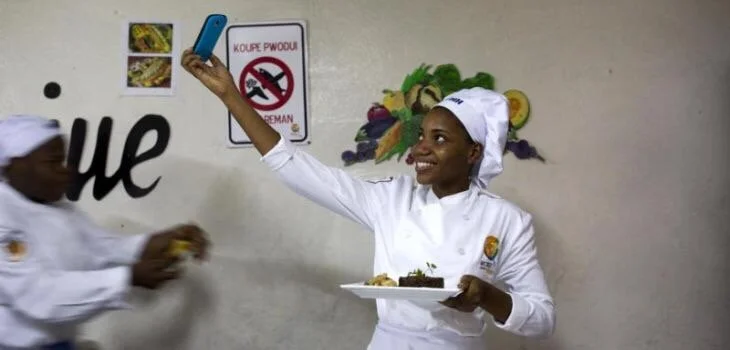
PORT-AU-PRINCE, Haiti - (AP) -- In a dining room in a wealthy district in the hills above Haiti's capital, waiters in black outfits whisk plates of crunchy malanga fritters and a creamy cornmeal dish to well-off locals and tourists. In the kitchen, the chef ladles glistening, fresh conch into a pot as his staff dice tomatoes and watercress.Haitian cuisine is a spicy confluence of French, Spanish, African and Amerindian cooking traditions that blends indigenous ingredients like the rich, earthy black mushroom known as djon djon with a variety of cooking techniques, crusted baguettes and flaky pastries. For decades, Haitian food has been seen as simple, hearty fare best simmered for hours over charcoal stoves at home or fried up and served in cheap curbside restaurants. Haitians who could afford a night out at a restaurant used to opt for versions of continental menus or a generic Caribbean fusion mimicking the food in island resorts.In recent years a new generation of Haitian chefs here and abroad has begun reimagining the country's cuisine. Traditional delicacies like the milky cornmeal beverage called akasan; the fiery carrot and cabbage condiment called pikliz; citrus-marinated chicken with boiled cashews; and whole fish in spiced broth are being prepared using haute cuisine techniques and served in the growing number of restaurants serving foreigners and Haiti's small middle- and upper-class."It's a real exciting time right now for Haitian gastronomy. We have serious, bona fide culinarians who are creative and focused on raising the profile of our food," chef Jouvens Jean said as chile-laced shrimp sizzled in a pan at Jojo Restaurant in Petionville.Accomplished chefs like Jean and Stephan Berrouet-Durand moved back to their homeland from the United States, importing the presentation and kitchen know-how of the various countries where they've worked, while others are increasingly vocal ambassadors for their food culture overseas, appearing on U.S. and European cooking programs."Suddenly, a lot of Haitian chefs don't have this fear of saying 'Haitian cuisine' out loud. It is becoming a very popular thing," said Georges Laguerre, a Miami-based food entrepreneur who ran a Haitian eatery in Los Angeles for over a decade.Dependence on food imports has grown as a result of intractable economic stagnation, but local favorites like malanga root, chayote squash and a dark spinach are still grown organically on farmland plowed by oxen and maintained without pesticides or chemical fertilizers only because most farmers could never dream of affording them.The fact that Haiti has a vibrant food culture at all can be surprising to those who only associate this Caribbean nation with hunger and crushing poverty. But even through decades of decline and recurrent political turmoil, Haiti never lost its delicious recipes."I think one of Haiti's greatest resources is its food. I have yet to meet anyone who did not appreciate the flavors of traditional Haitian cuisine," said Nadege Fleurimond, a Haitian-born writer and caterer based in New York City whose 2014 cookbook "Haiti Uncovered: A Regional Adventure into the Art of Haitian Cuisine " helped kick-start a fresh look at the country's recipes.Some beloved dishes have roots stretching back to Haiti's founding on Jan. 1, 1804, following the world's only successful slave rebellion. The vibrantly colored pumpkin soup known as joumou is a typical Sunday dish and a must on independence day for the world's first black republic. During the dark days of bondage, plantation slaves in Haiti were prohibited from eating an aromatic squash soup - a favorite of their French masters - or much of anything else other than rudimentary provisions."When we got our independence what better way to celebrate than to eat the very thing that we were unable to eat as slaves," Fleurimond said.Haitian restaurants and food festivals are springing up in cities such as Miami and Montreal, where members of the Grammy-winning rock group Arcade Fire back a Haitian eatery that serves specialties like stewed oxtail over rice along with cocktails made from the country's Barbancourt rum.One famed chef, Spanish-born Jose Andres, turned his culinary adventures around Haiti into a 2015 television documentary.In a culinary school in downtown Port-au-Prince operated by Andres' nonprofit and the Haitian government, young people eagerly prepare for careers as the nation's chefs and food-industry professionals, learning the basics of preparing dishes delectable to the eye as well as the palate."Haiti has a rich culinary history and we make sure we celebrate that in our curriculum," said Andres, whose World Central Kitchen nonprofit is also working to rejuvenate the country's fishing sector by investing in a new processing facility in the south coast town of Jacmel.A growing pride in Haitian food is apparent among aspiring chefs."This is my country's culture and I want to show it off," said 23-year-old culinary student Peraldine Alceguerre as she sliced juicy Haitian mangos to bake into a pie.Source : The Associated Press By DAVID McFADDEN (Associated Press)