
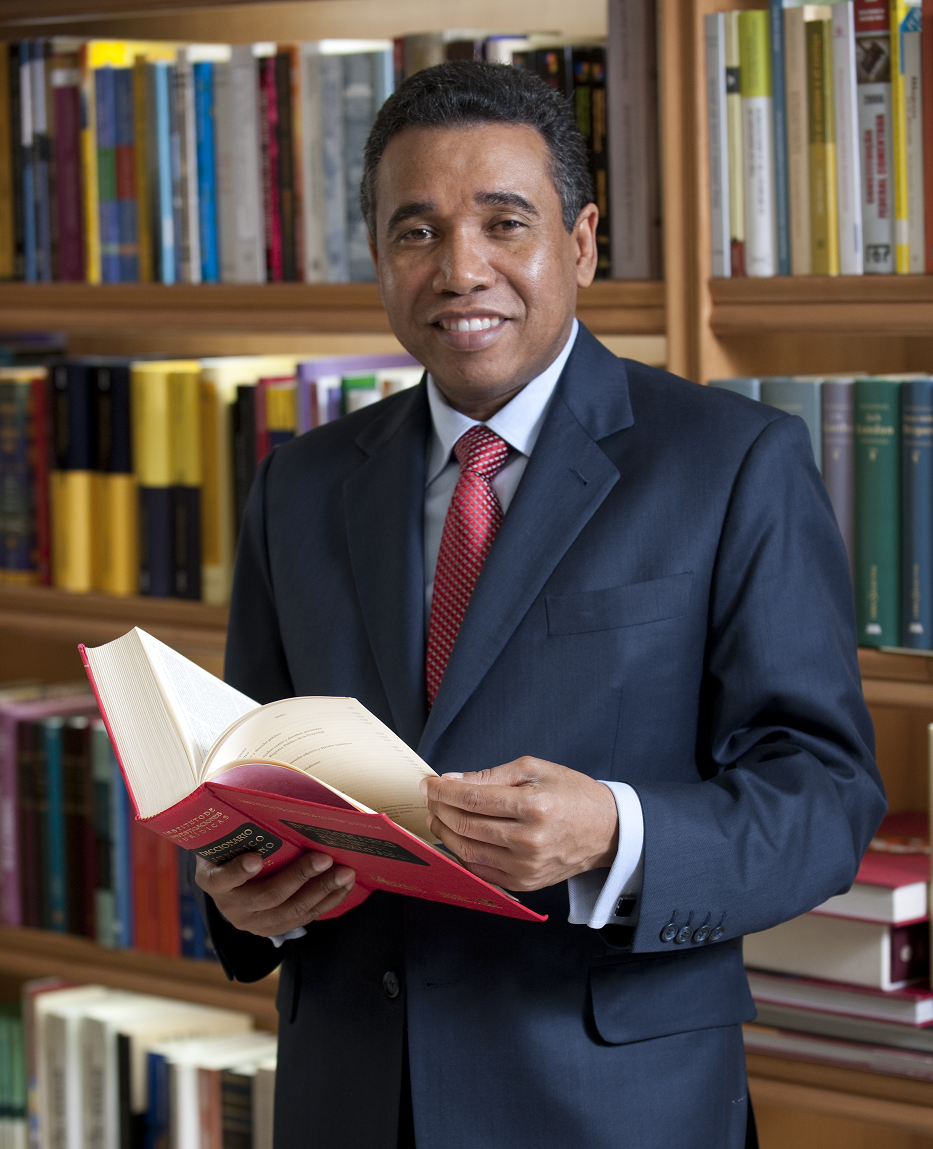
Dominican Senator and His Businesses Sanctioned by the US Under Global Magnitsky
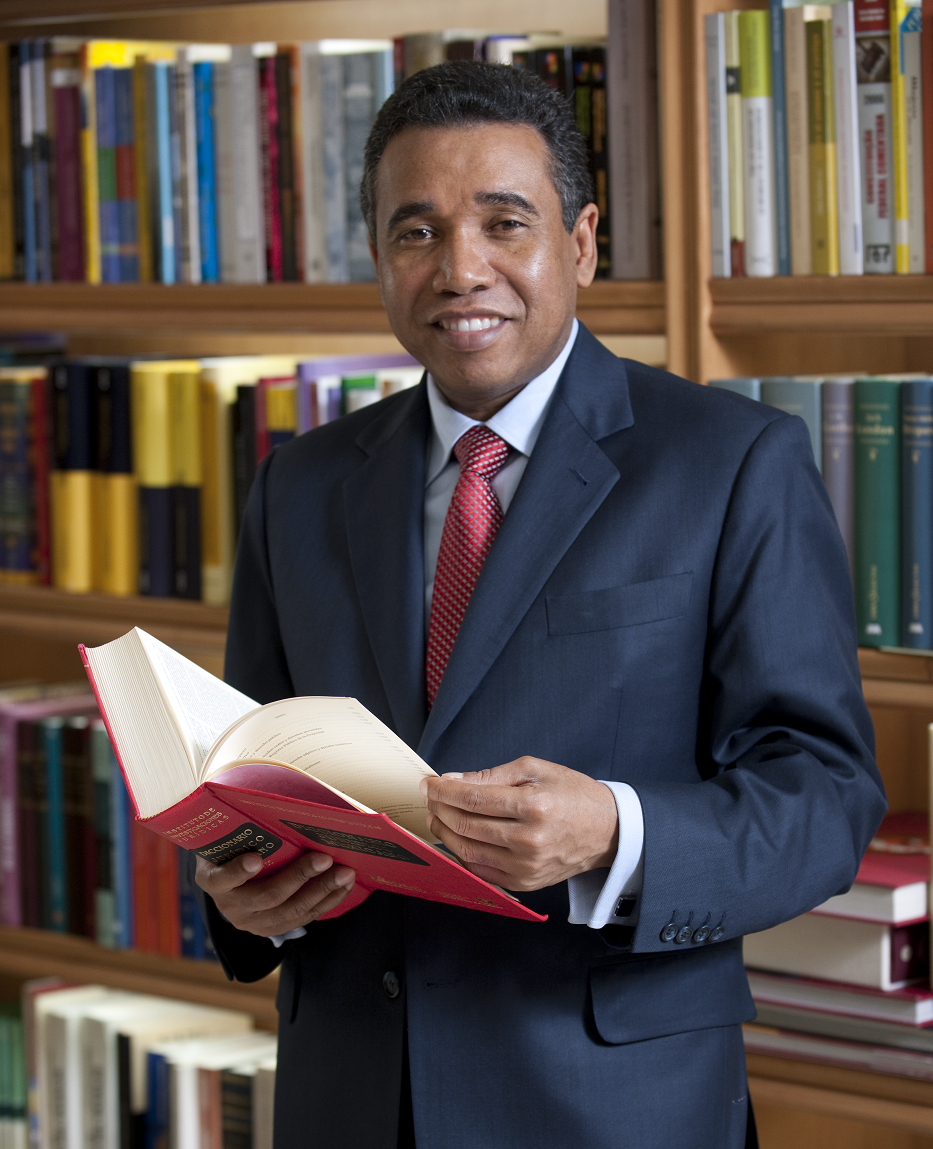
The U.S. Department of the Treasury’s Office of Foreign Assets Control (OFAC) issued a press release whereby they've "sanctioned Dominican Republic Senator Felix Ramon Bautista Rosario (Bautista) for engaging in corrupt acts, including in relation to reconstruction efforts in Haiti. “These actions are part of our continuing campaign to hold accountable government officials and other actors involved in human rights abuse and corrupt activities. Senator Bautista used his position to engage in corruption, including profiting off of humanitarian efforts related to rebuilding Haiti..." said Sigal Mandelker, Under Secretary of the Treasury for Terrorism and Financial Intelligence. “The United States will continue to use Global Magnitsky and our other authorities to ensure that corrupt actors and human rights violators cannot use our financial system to enable and support their abhorrent activities and exploit the innocent.”According to the Department of Treasury, "Bautista is a Senator from the Dominican Republic who has engaged in significant acts of corruption in both the Dominican Republic and Haiti, and who has been publicly accused of money laundering and embezzlement. Bautista has reportedly engaged in bribery in relation to his position as a Senator, and is alleged to have engaged in corruption in Haiti, where he used his connections to win public works contracts to help rebuild Haiti following several natural disasters, including one case where his company was paid over $10 million for work it had not completed.In a related action, OFAC designated five entities in the Dominican Republic that are owned or controlled by Bautista: Constructora Hadom SA, Soluciones Electricas Y Mecanicas Hadom S.R.L., Seymeh Ingenieria SRL, Inmobiliaria Rofi SA, and Constructora Rofi SA.The law also requires the Secretary of State to publicly or privately designate such officials and their family members. In addition to the designation of Senator Bautista, the Department is also publicly designating his spouse, Sarah Haydee Rojas Pena, their minor children, and his other children including Felix Ramon Bautista Abreu, Felix Jose Bautista Abreu, Felix Augusto Bautista Abreu, Felix Miguel Bautista Soler, Felix Fidel Bautista Grullon, and Yanilssa Bautista Bencosme.See full press release from The U.S. Department of the Treasury | June 12, 2018
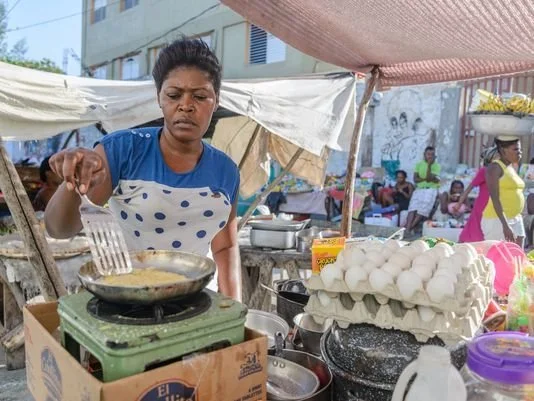
Cracking down on smuggling eggs into Haiti — for people to eat
JIMANI, Dominican Republic — It’s dusk on market day at the Haitian-Dominican border. Throngs of Haitians have cleared Dominican trucks of their wares, stuffing diapers, brooms and food-flavoring mixes into buses, and strapping the overflow to roofs for the return trip to Port-au-Prince.
But off the main drag here, a smuggling operation is underway.
Men and women empty a couple of trucks, tying boxes with colored string and setting them in piles on the ground. Purchasers stack them on wheelbarrows and rush them to nearby Lake Azuei, where wooden boats stand ready for the trip to Haiti.
The contraband is eggs. Demand is high in Haiti, where malnutrition is a real threat for many people. Haitians eat more than 30 million eggs a month, and most cross the border illegally from their only land neighbor, whose eggs can cost half the price.
Haiti essentially banned Dominican eggs in 2008. The move followed discovery of avian flu across the border, but many doubt that’s the main reason. Haiti faces a dilemma familiar to many countries: Keep prices low by allowing free trade, or restricting imports and encouraging domestic production, even though that is likely to drive up prices, at least in the short term.
Officials say its goal tightening the border should help create an internal market. Instead, dysfunction and lack of investment feed a vicious cycle that perpetuates Haiti’s status as the Western Hemisphere’s poorest country. The government has paid more attention to the border than to the other half of the strategy — boosting local production. But it hasn’t fully implemented either part, frustrating nearly everyone.
The border briefly re-opened to Dominican eggs after a devastating earthquake in 2010. But the next year, Haitian authorities cracked down with greater determination. Four years later, they banned 23 more common items, including pasta, snacks and cement mix from crossing the land border, citing the inability of customs officers to properly inspect and levy duties. Those products continue to pass as contraband, helping fill the boats on Lake Azuei.
While improving border controls might increase customs revenue, much of the public sees the effort as heavy-handed and arbitrary, especially when it’s not accompanied by strong efforts to develop the economy. The patchwork of half-measures makes life in Haiti even more precarious.
Those bringing Dominican eggs into Haiti never know if they will make it back to Port-au-Prince with their cargo, or if it will be seized. Haitian producers brace for a glut of cheap eggs during the Dominican tourism industry’s off-season. Uncertainty makes banks reluctant to provide loans to new producers.
Much of what is sold in Port-au-Prince comes from the twice-weekly market a couple of hours away in Jimani, where Haitians bargain heatedly before loading up and heading home.
Jocelyn Lefevre, who sells Haitian chickens and Dominican eggs in a Port-au-Prince open market, rails against the government for the way he is treated at the border.
“The police chase us, and the customs agents take our stuff while letting other merchandise go through!” he said. Besides, it’s expensive to travel to the border and to change money. But it’s still a better deal than buying Haitian eggs.
One problem, officials say, is the high cost of entering the poultry business in Haiti. To make a profit, you need a minimum of 10,000 hens, said Michel Chancy, a former Ministry of Agriculture official who now advises the government. Buying imported birds and cages, as most Haitian egg producers do, can cost $30 a bird, he said. The biggest expense after that is feed, whose ingredients generally come from the United States.
Haiti Broilers, a joint Haitian-Jamaican company producing chicken near Port-au-Prince, expanded into the egg market four years ago and is now the biggest supplier in Haiti, with 400,000 hens. The expansion created 200 more jobs.
Dominique Charles Jean, hatchery manager for Haiti Broilers, said the company financed its Haiti operations by itself, but the government helped with paperwork that reduced import duties on feed and equipment.
Damonclès Thermeus, who heads the Ministry of Agriculture’s unit on poultry production, foresees many more jobs in a growing egg and poultry industry, plus jobs for people growing corn and other ingredients for feed. If the ministry prioritizes egg production and invests every year, Haiti can reach self-sufficiency in eggs in 15 to 25 years, he said.
In particular, Thermeus and Chancy say, the government should provide technical assistance for producers, facilitate bulk purchases of feed for multiple producers, and provide incentives for banks to lend at low rates. But Chancy still thinks that securing the border is job one.
He knows it’s not easy. Last March, Chancy helped draft a plan to increase domestic egg production. The plan declared it “practically impossible to eliminate egg contraband at the border” due to the interdependence of the Haitian market and Dominican producers.
But it’s worth working toward that goal, Chancy said, citing an increase in domestic production since 2011. “That interdiction is an opportunity for us to invest,” he said.
In the last six years, Haitian companies have gone from producing a million eggs a month to 7 million. That’s a lot of eggs, but it still means that Haitian producers are providing less than one per month for each of the country’s 11 million people.
Max Antoine, who heads the government commission on border management, said political instability — a recent history of disputed elections, deposed leaders and interim governments — has made it difficult to secure the border. There also are budget and morale problems. Smugglers have attacked agents, and customs posts have been burned.
Many merchants in Port-au-Prince hate their country’s reliance on imported food, but also hate the government’s remedy.
Jorel Hibart buys eggs from sellers like Lefevre and fries them to sell in breakfast plates on a Port-au-Prince street. He said Haitian eggs would cost more, and he can’t afford it.
Hibart wants the government to focus on creating jobs and developing the economy. He doesn’t like depending on the Dominican Republic, which Haiti ruled long ago. But the idea that the government would cut his supply of eggs agitates him. If they do that, he cried, “We’ll all die in this country!”
“All of this stuff is Dominican,” he said, pointing angrily around his cluttered cooking table.
Then he paused to serve his next customer a heaping plate of fried Dominican egg with Dominican spaghetti and Dominican tomato sauce — a classic Haitian breakfast.
This story was produced in association with Round Earth Media, which is supporting the next generation of global journalists. Michel Joseph contributed to the report.
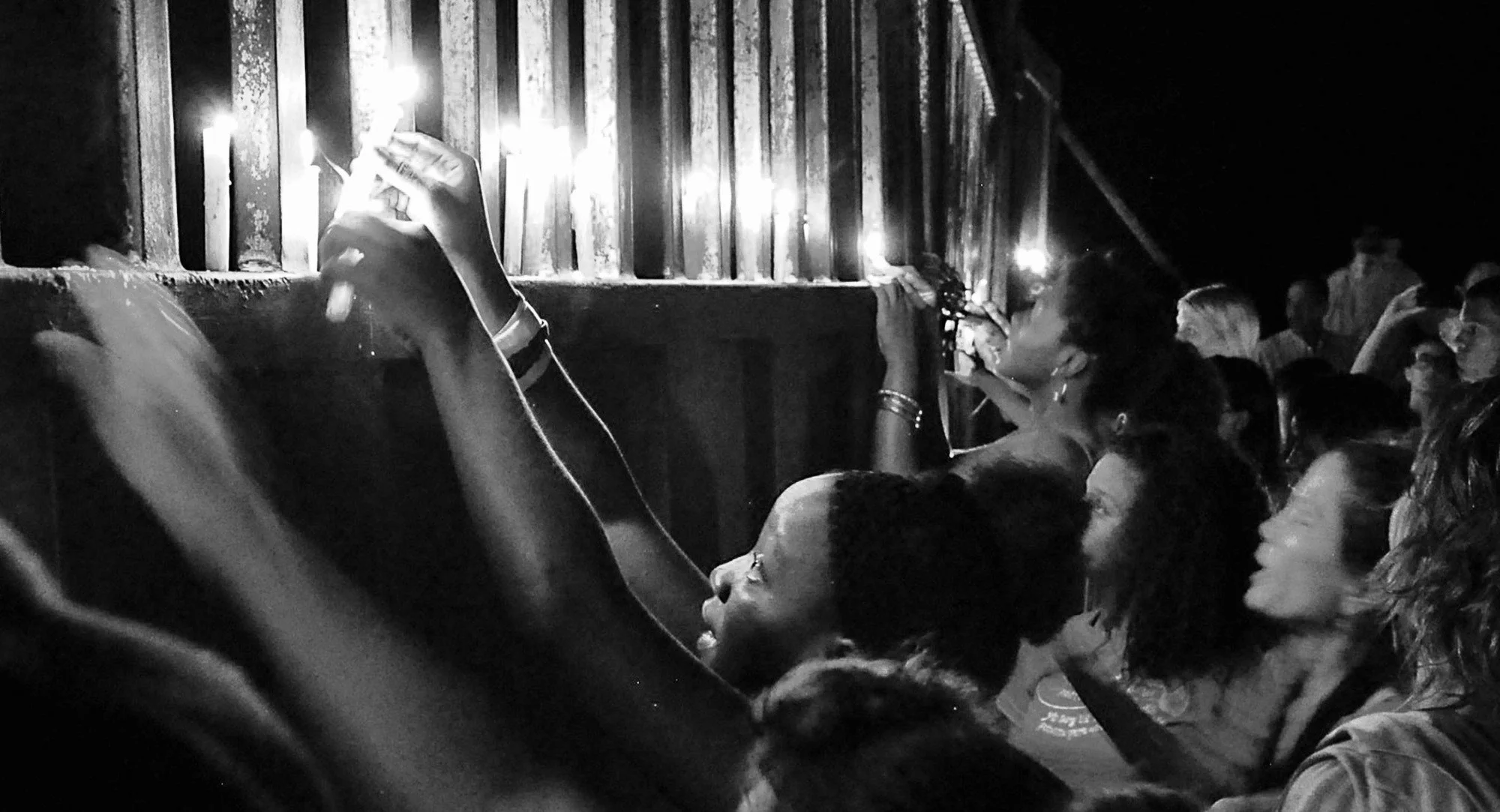
80 years after the massacre that changed the Dominican-Haitian border, an effort to heal
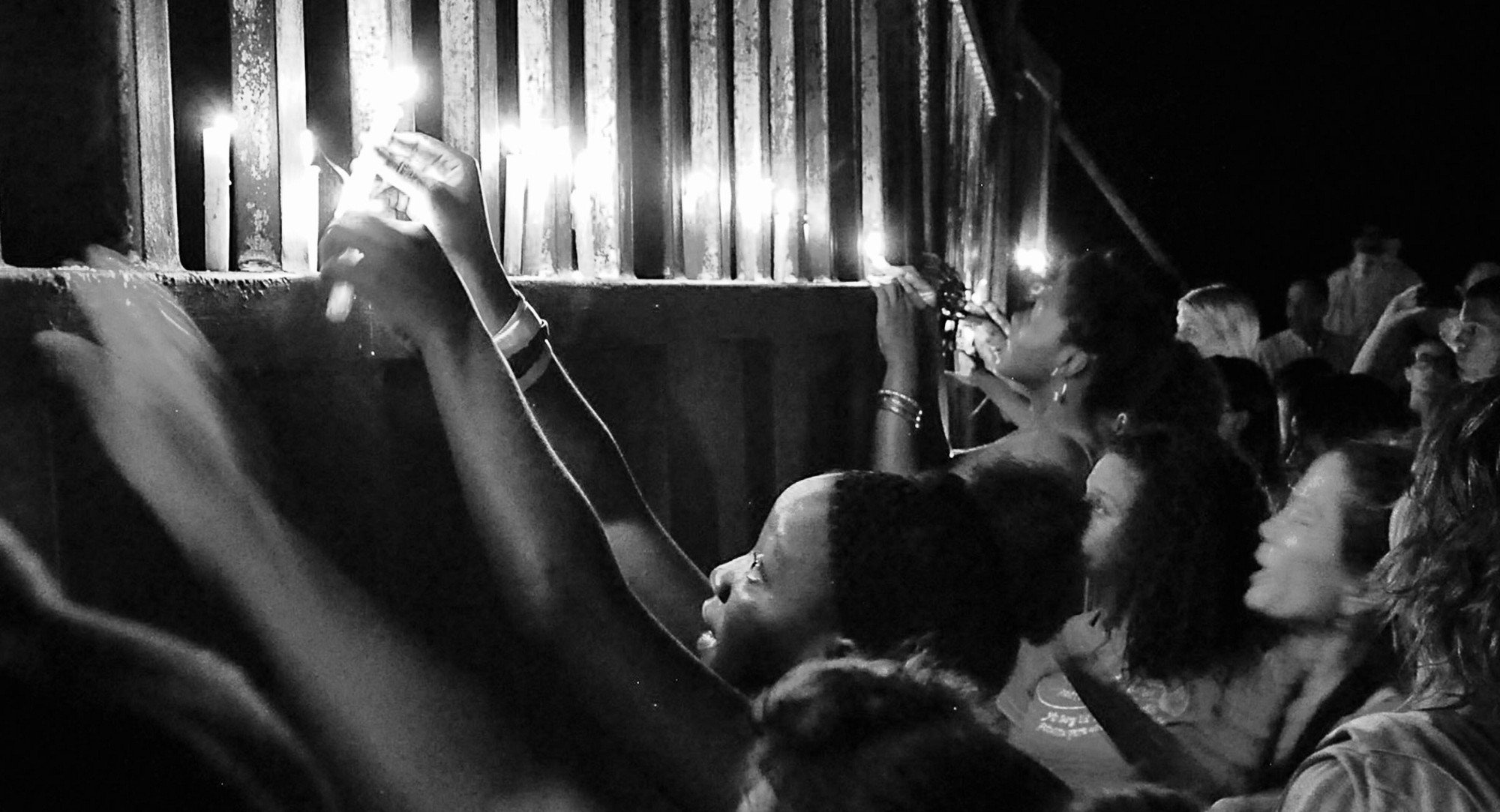
Love, art and respect are the three words that Cynthia Carrion, 36, believes encompass the goal of the collective Border of Lights, a group that is looking reconcile relationships at the fraught border of the Dominican Republic and Haiti.
Earlier this month, Carrion boarded a plane to join dozens of organizers, educators, artists and locals on the northern side of the Haiti-Dominican Republic border to commemorate the 80th Anniversary of the 1937 massacre that targeted Haitians on the border of the Dominican Republic and Haiti. The acts were carried out under the orders of Dominican dictator Rafael L. Trujillo.
The number of victims as a result of “Masacre de Perejil,” is still unknown. Edward Paulino, a professor of global history at John Jay College in New York City and author of “Dividing Hispaniola: The Dominican Republic’s Border Campaign Against Haiti” estimates approximately 15,000 lives were lost.
And the effects went beyond the loss of life. It sought to end a culture of collaboration. The porousness among the border communities didn’t fit Trujillo’s ultranationalist views for the Dominican Republic.
“Since [the massacre] you had this stark difference of what side you were on and what that meant,” says Carrion.
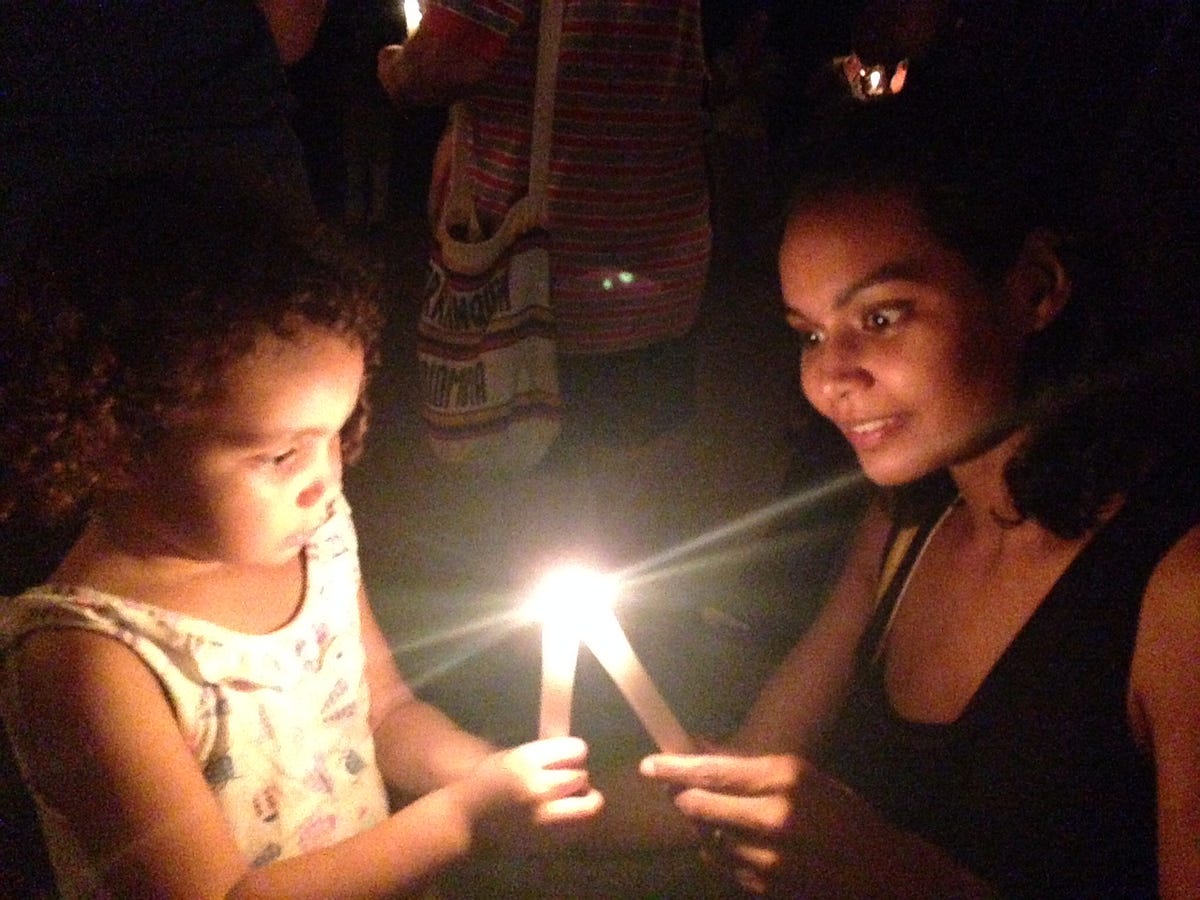
“What Border of Lights means to me now is this community of amazing and courageous people, both in the [Dominican Republic] and in Haiti, and around the world, but especially in the diaspora, who against all odds are still holding a light to this tragedy and this truth, which isn’t that easy,” she says.
The project started from a vision that renowned author Julia Alvarez shared at an event five years ago in New York City. Carrion approached Alvarez to get involved.
Every night for the next few months, organizers gathered by Carrion and Paulino would have conference calls to help plan an event surrounding the 75th anniversary.
At first, action around recognizing the anniversary was marked with skepticism.
“People would come up to us and say some of them would say ‘Why are you trying to unify the island?’ or this ultra-nationalistic kind of fear of what that meant, to be able to talk out loud, or to say that this occurred,” says Carrion.
As a mother of two and a proud Dominicana, it was important to Carrion to continue this work. “I want for [my daughters] to understand that they’re part of the shared struggle and shared beauty,”
Border of Lights kicks off every year with two masses followed by two processions and candle lightings happening in two places at the same time: one in the Dominican town of Dajabon, the other in the Haitian town of Ouanaminthe.
During the vigils, participants stand across from another, divided by the river that is between the two countries. and view each other from the distance.
Carrion has been present during four of the past five years (the exception was when she gave birth to her youngest daughter, Maya Soleil, on the evening of the procession two years ago).
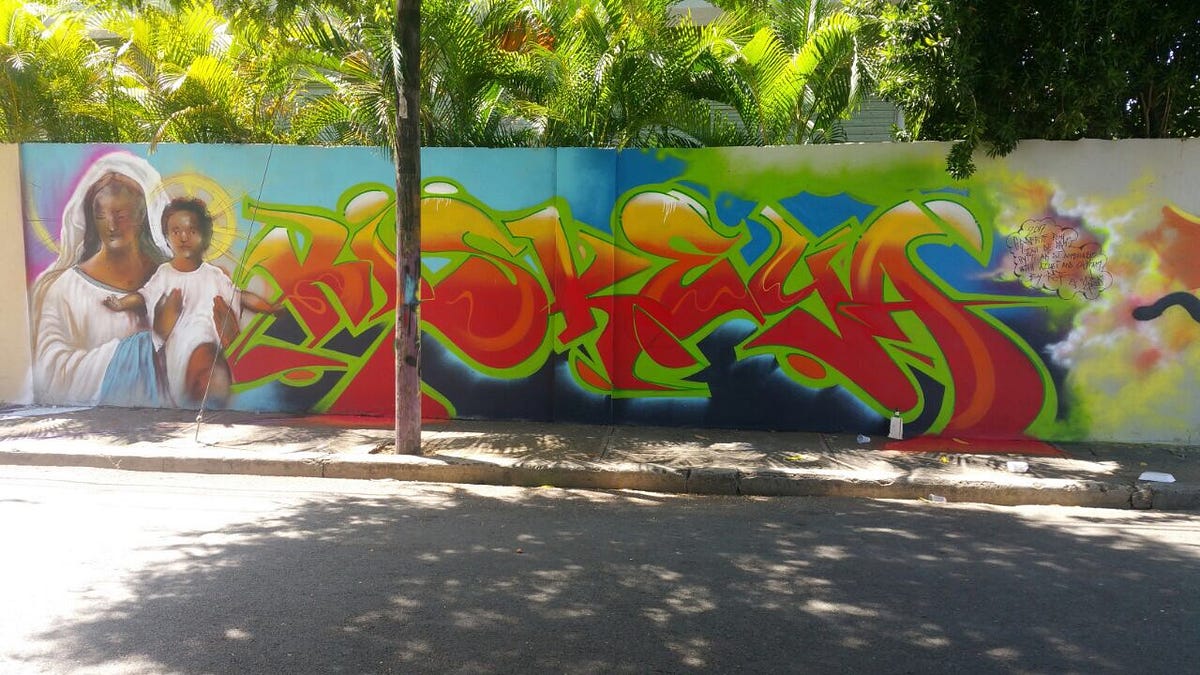
For the 80th Anniversary, the mission is expanding. The group is building a curriculum to be tested out in 10 schools and pushing for the date to be recognized on both the calendar of the Dominican Republic and Haiti as a Day of Remembrance. In Dajabon, there is a mural to commemorate the massacre.
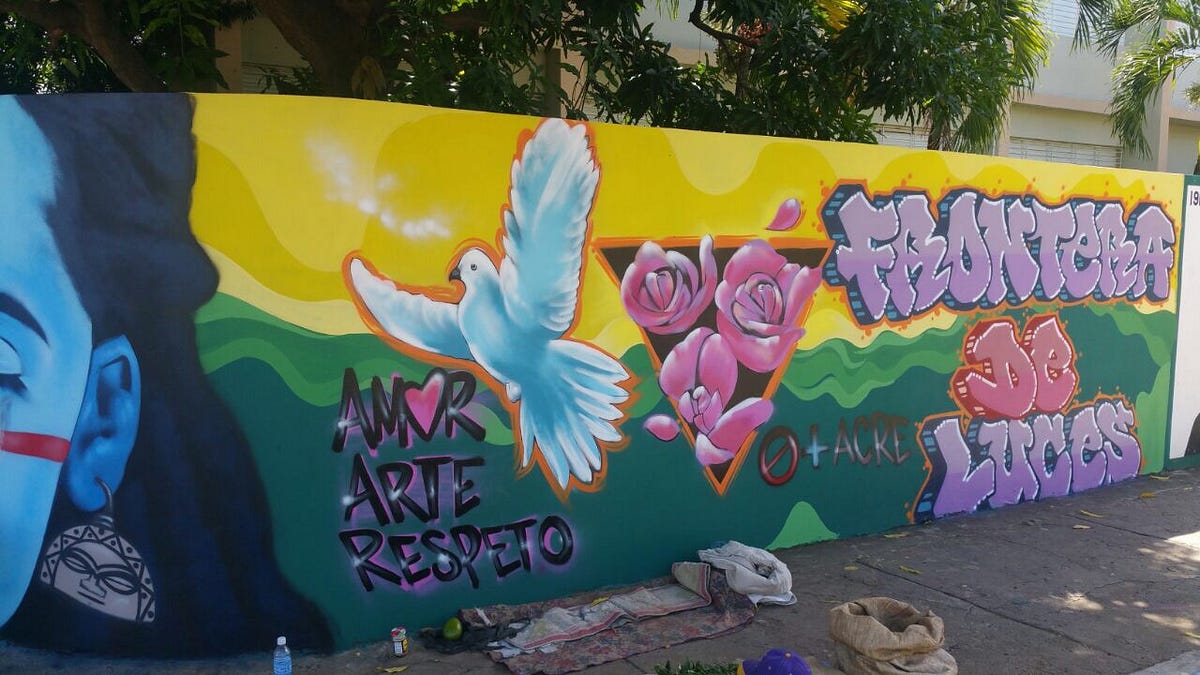
Organizing is made more difficult by strict border laws. This is in part due to sentences passed in 2015, one that stripped Dominicans of Haitian descent of their citizenship, followed by another sentence that sought to regulate immigration.
Carrion says she can’t help but find parallels between the struggle at the Haiti-Dominican Republic border and the politicization of the United States-Mexico border.
Borders have been regarded as a place for violence internationally, says Carrion, but she believes that can change.
We want “not just pay respect to [the massacre] but to also highlight collaboration among the [countries], you see it among the younger generation, people want to have stronger relationships with each other.”
Poverty Prevails on Dominican-Haitian Border
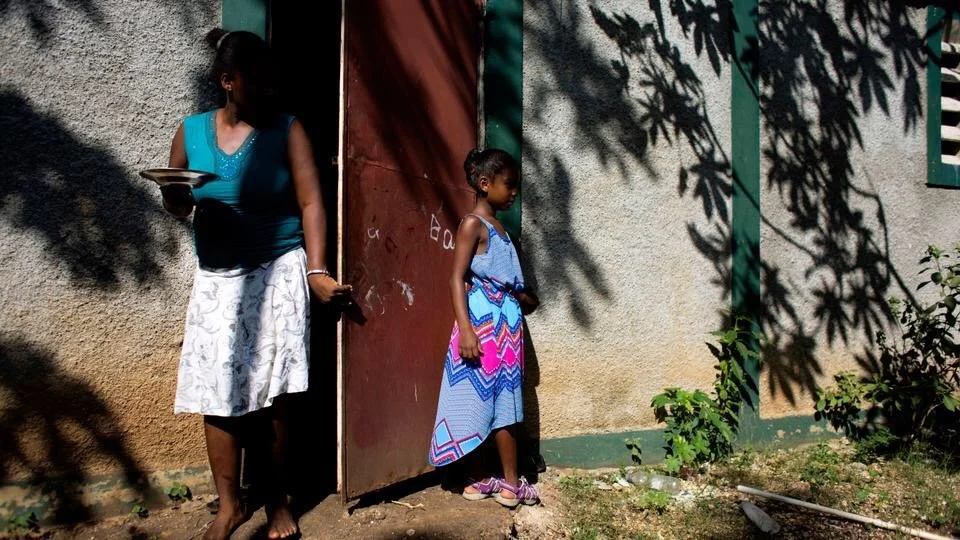
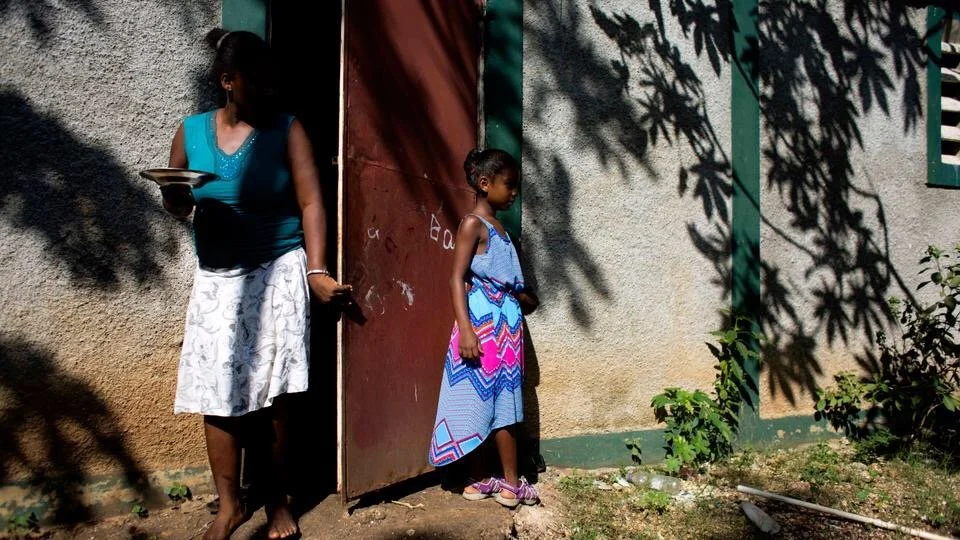
Santo Domingo, Oct 10 (Prensa Latina)On the Dominican-Haitian border, there is great poverty and the lives of its inhabitants are in the midst of precariousness and shortages.During a tour carried out by the press along with authorities of the Ministry of Defense through the border area of the provinces of Pedernales, Independencia and Elias Piña, visitors appreciated how the usual children's joy contrasted with the shy and astonished look of their parents.According to the information, these areas reflect the great geographical contrast between the Dominican Republic and Haiti, on the Dominican side there is vegetation and on the other side, a completely deserted panorama.However, what stands out the most is the desolation and in the distance, in Haitian territory, the presence of small houses built with rustic materials with their latrines and kitchens on the outside where large families make their lives.In the Elías Piña territory, Dominicans live on small conucos, while Haitians survive on informal commerce, selling artisan breads and fruits.Haiti and the Dominican Republic share a border of almost 400km on the Hispaniola island and from time to time the frictions usually aggravated by the presence of undocumented Haitians in Dominican territory.By: Prensa Latina | October 2017
80 Years On, Dominicans And Haitians Revisit Painful Memories Of Parsley Massacre
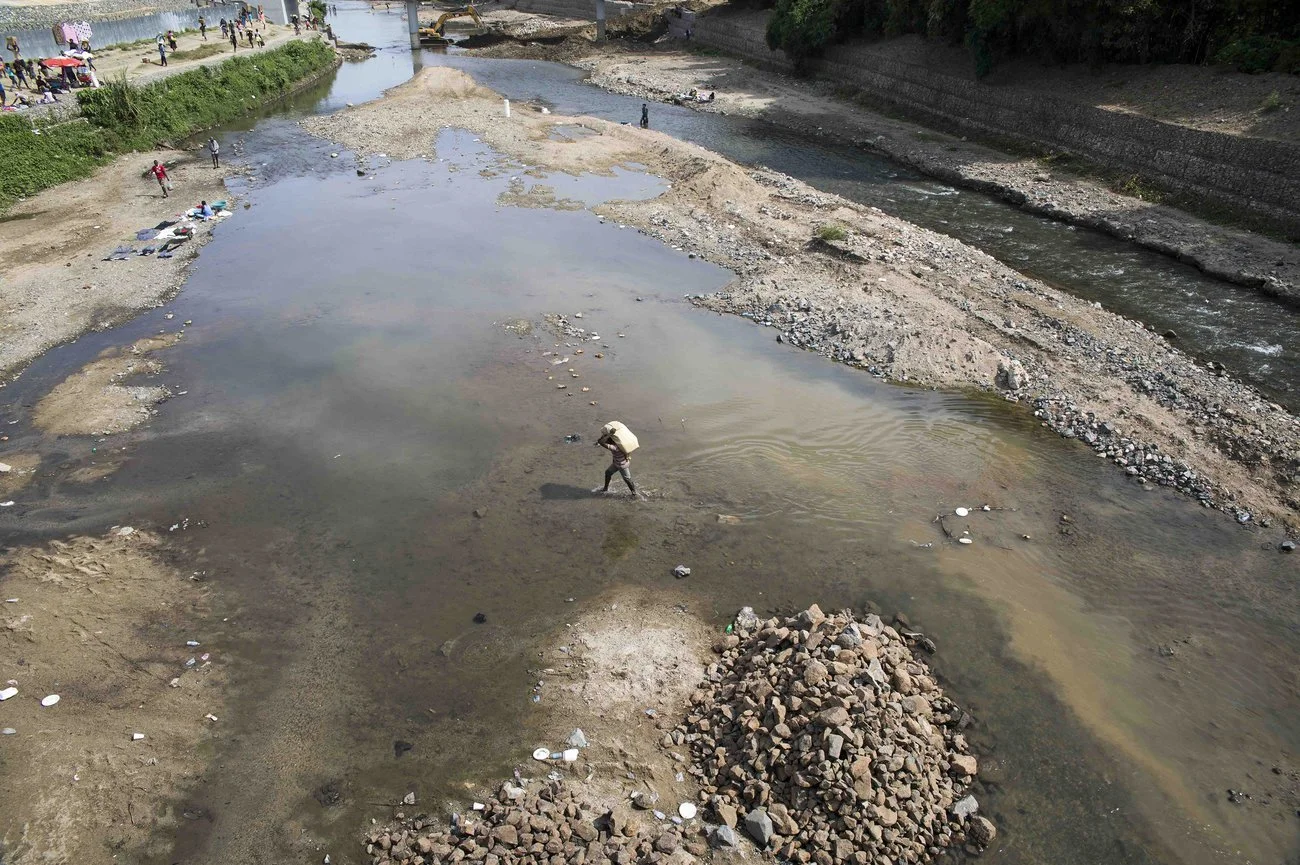
Even before Dominican dictator Rafael Trujillo carved it in blood, the 224-mile border dividing the island of Hispaniola between Haiti and the Dominican Republic was complicated. Tensions between the two countries stemmed back to a 19th century war. But in many ways, the border, which existed mostly on paper, was a notably seamless site: Children crossed back and forth freely to go to school on one side and home on the other. Sprawling cattle ranches spanned the divide, and Dominicans and Haitians mingled and intermarried frequently.That ended on Oct. 2, 1937, when the Dominican military, under Trujillo's orders, began to execute Haitian families as well as Dominicans of Haitian descent. The killings, many of which took place in the border region, were mostly carried out by machete to help sell the regime's official account that the massacre was a spontaneous uprising of patriotic Dominican farmers against Haitian cattle thieves.The killing lasted between five and eight days. Afterward, there was a moratorium on newspapers covering the massacre, and Trujillo refused to publicly admit his government's role or accept responsibility.After the dictator was assassinated in 1961, researchers began to investigate what had been an off-limits subject, conducting interviews, digging through documents and putting together the pieces of what happened. Estimates of the number of dead still vary widely — from less than 1,000 to 30,000. Mass graves were never found.Commonly known as the Parsley Massacre — Haitians and Dominicans pronounce the Spanish word perejil differently and, according to a popular though unconfirmed story, this was used as a litmus test of their origins — the killings are now acknowledged by Dominican society at large and taught in schools. But in many ways, the massacre remains a historical footnote, seen as an uncomfortable reminder of a brutal past.Eighty years after the Parsley Massacre, survivors and descendants of those who lived through that time shared their stories with a team from NPR's Latino USA.Still scared

Francisco Pierre, 90, was born to Haitian and Dominican parents in Loma de Cabrera, a Dominican town near the border with Haiti. He was 10 when a neighbor stopped by his house and called out, "Jump up and go across to Haiti right now, because they're killing people in the village."Pierre remembers filling a calabash with rice, loading up the family donkey and fleeing with his grandmother toward Haiti. Along the way, they passed the corpses of those who didn't make it. He lives in Ouanaminthe, Haiti, and has only returned once to the Dominican Republic — to visit a hospital when he was seriously ill. "I was scared of Dominicans," he says.A 'Massacre River' to safety

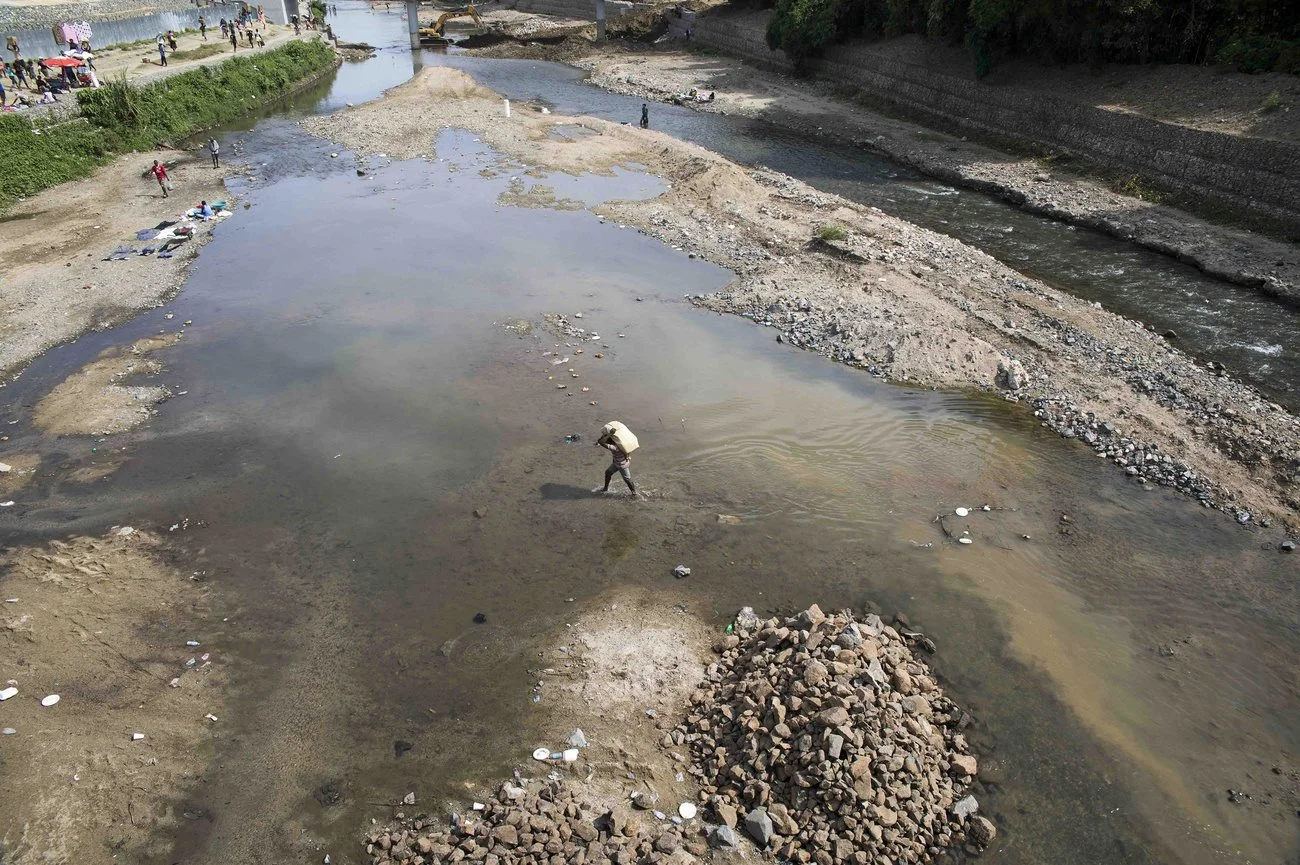
The Massacre River — named not for the 1937 killings, but an earlier massacre — marks the border in the northwest of the Dominican Republic. Many Haitians fleeing Trujillo's army crossed this river to reach safety in 1937. These days, Haitian merchants buying agricultural products in the Dominican Republic cross the river daily to avoid customs officials.Starting from scratch

"My father worked the land," recalls Germéne Julien (right), 83, born in the Dominican Republic. "He left behind a huge garden of yucca, rice and many other things." She was 3 years old when she fled with her parents and remembers they crossed the border in the afternoon. "Many members of my family were traveling from Montecristi and died on the journey," she says.In Haiti, where she lives today in a simple, mud-walled house (left), they had to start from scratch. "If we had known this would have happened in advance, we could have brought over the things we lost," she says.'I will fix this'

Across the street from this park in Dajabon, Dominican Republic, is the site of what used to be a government building where Trujillo, on a tour of the border area, is said to have told supporters about the massacre on Oct. 2, 1937. He claimed falsely that Haitian marauders were attacking Dominican farmers. According to a contemporary account, he said, "To the Dominicans who were complaining of the depredations by Haitians living among them thefts of cattle, provisions, fruits, etc., and were thus prevented from enjoying in peace the products of their labor, I have responded, 'I will fix this.' And we have already begun to remedy the situation."'He hated us'

Under pressure from the United States, Mexico and Cuba, Trujillo paid an indemnity of $525,000 in 1938 (equivalent to about $9 million today) to the Haitian government, which used a portion of the money to set up colonies for refugees from the massacre. Survivor Gilbert Jean, 93, (left) lives in Dosmond, one of those colonies. He says his family was friendly with local officials, who warned them about the coming massacre so they could flee before the soldiers caught them. "Trujillo did it because he hated us, because he didn't want to see black people in his country. It was in his roots to be racist," he says.Willy Azema, president of the Dosmond colony and a descendant of survivors, points (right) to a list of refugees and the land apportioned to them. "Our relatives came here with nothing but the clothes on their back," he says. He points out the poor housing and lack of a medical clinic and drinkable water in the colony. "Look around, we aren't living the way a human being should live, and it's the fault of the people who committed the massacre," he says.A complicated history

The Dominican Republic has the peculiarity of celebrating its independence not from a colonial power, but from Haiti, which ruled the entire island of Hispaniola for 22 years in the early 19th century. But the Dominican Republic won independence a second time — in 1865, after the Dominican Restoration War, in which Haiti helped the Dominican Republic fight Spain. A monument near the border, in the Dominican town of Capotillo, celebrates the start of that war.Encouraging dialogue

Regino Martinez, a Jesuit priest based in the Dominican border city of Dajabon, believes that dialogue about the 1937 massacre would help Dominican-Haitian relations — which remain tense today. He is involved in an annual commemoration of the massacre in Dajabon called Border of Lights, organized by a group of international scholars and activists, including many Dominicans and Haitian-Americans.'Dominicans and Haitians fell in love then, just like today'
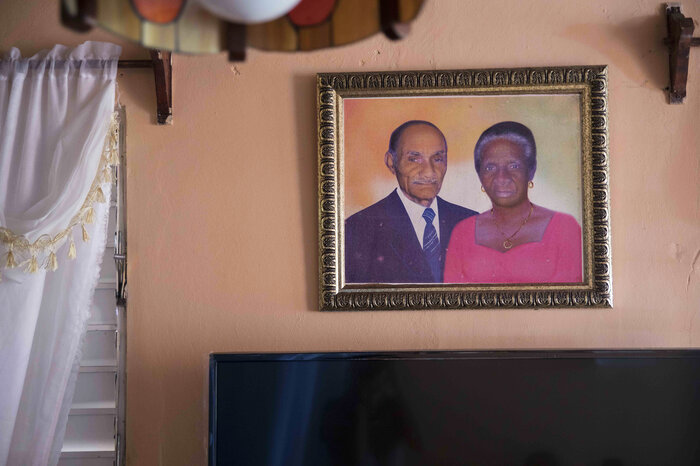
Paulina Recio, 84, keeps a portrait of her and her late husband in her living room in Restauración, Dominican Republic. Paulina is half-Dominican, half-Haitian. "Dominicans and Haitians fell in love then, just like today," she says. When she grew up in Restauración, she says, it was a completely Haitian town. "Dominicans didn't live here, it was Haitians."Part of Trujillo's "Dominicanization" process after the massacre involved bringing new Dominican settlers and infrastructure to towns on the border. Another was replacing place names, which often were in French or Haitian Creole, to patriotic-sounding names in Spanish. A new province in the Dominican northwest was named Liberator.A granddaughter makes amends

Nancy Betances' grandfather Rafael Enrique Betances was a Dominican military officer stationed in Loma de Cabrera during the massacre. "He had to participate and kill," she says. Now she tries to make amends by helping Haitian immigrants. More than 660,000 Haitians and their descendants live in the Dominican Republic, according to a U.N. census in 2012. Not everyone in town appreciates Betances' efforts. "People say that [my grandfather] defended the country," she says, "and that he'd be rolling over in his grave if he knew what I was doing."A cross-border pastime
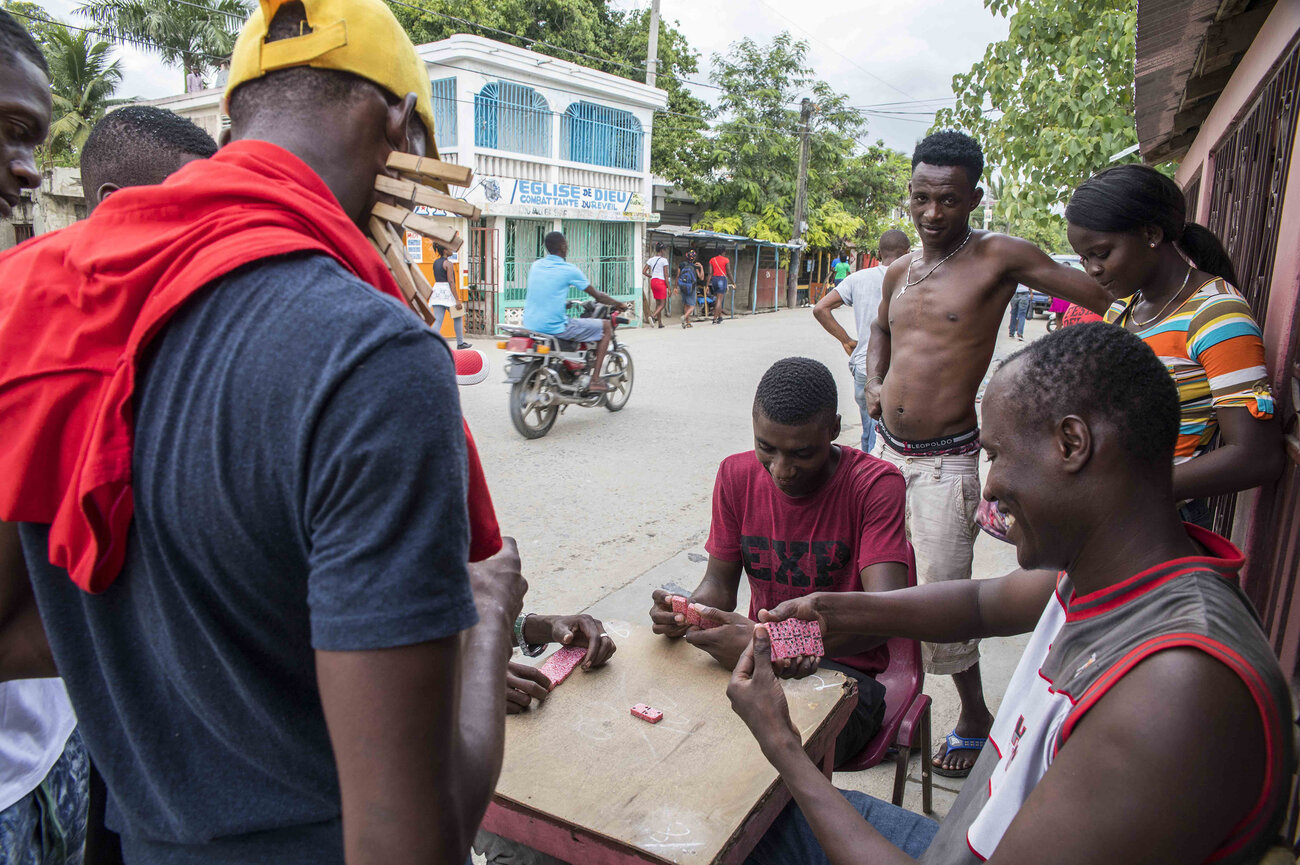
Playing dominoes is a passion shared by people on both sides of the border. In the Haitian border town of Ouanaminthe, residents relax with an afternoon game. Eighty years after the massacre, tensions between the Dominican Republic and Haiti remain high, in part because of the large numbers of Haitian immigrants who come to the Dominican Republic to work for low wages in fields like construction. One right-wing Dominican politician has suggested building a wall on the border to send a message to migrants. Yet in the border region itself, where Haitians and Dominicans interact in markets, schools and other places every day, people mostly get along well.

Tatiana Fernandez for Latino USA
Guidance from the Haitian Embassy to Haitians in DR
 Wednesday in a note, the Embassy of Haiti in the Dominican Republic informs the Haitian community that in anticipation of the passage of hurricane IRMA which will touch, on Thursday, September 7, much of the Dominican territory, an emergency unit composed of diplomatic officials was created to meet its needs.Emergency Cell Phone Numbers : (829) 259-0579, (829) 885-3133, (809) 617-7376, (829) 443-8994The Embassy recommends that you prepare an emergency kit for 7 days :"Water, provide at least 3 liters per day per person, plan a stock for 3 to 7 days;Consume non-perishable food (mainly canned), consider the specific needs of infants and the elderly;Kitchen utensils: a can opener, plastic plates and cutlery and other kitchen utensils...;First-aid kit: anti-bacterial product, pair of scissors;Hygienic products;Torch, oil lamp, candles, matches and battery;Mosquito repellent;Portable radio with new batteries;Cash (some banks may remain closed or not replenished for several days),Disinfectant tablets for water;Toys, books, games;Important documents (insurance, medical records, bank, passport, birth certificate, etc...)Gas bottles, Blankets, pillows, Clothes (seasonal, boots, raincoats)For your animals (water, food, cage, leash, muzzle, etc...)"HaitiLibre | September 7, 2017
JCE investigates on a network of false identities of Haitian children
Haiti - DR : JCE investigates on a network of false identities of Haitian children Sunday Castillo Pantaleón Member of the Dominican Committee for International Solidarity with Haiti, denounced the existence of a mafia network, which makes false identities from the data of the Dominicans who died in the hospitals "Luis Eduardo Aybar" and "Francisco Moscoso Puello" to document illegally against finance, Haitian children born on the Dominican soil.
He said that this network "demanded the certifications of deceased persons in the legal services of these two hospitals and with this data, they document for money, Haitian children with late birth declarations, which makes them appear as children of the deceased in the Civil Registry of the JCE."
Juan César Castaños Guzmán, the President of the JCE ("Junta Central Electoral") instructed Dolores Fernández, the National Director of Civil Registration, to carry out a thorough investigation of these two hospitals and to the Late Reporting Unit, on all cases that match these characteristics.
Guzmán assured that "the investigation will be conducted with the levels of promptness that circumstances deserve and in a timely manner we will take all necessary legal steps." Recalling that foreign mothers, irrespective of their nationality and not legally resident in the Dominican Republic, must register the birth of their child in the JCE Book of Aliens in accordance with the provisions of the Dominican Constitution.
HL/HaitiLibre

The Lottery of Haiti would like to draw inspiration from the Dominican Republic

Marie Margareth Fortuné, the Director General of the Haitian State Lottery (LEH), paid a 2-day visit to the Dominican Republic in the gambling sector to learn about the mechanisms operation of this industry and draw on good practices from our neighbors.In addition to a visit to Dominican Republic Lottery facilities in Santo Domingo, Mrs. Fortuné, met with lottery officials from the Dominican Republic with whom she shared their experiences and good practices and discussed the important role that national lotteries play in the socio-economic development of a country. A particularly developed and highly controlled sector in the Dominican Republic. Note that in the last six months alone in the national district, more than 5,300 illegal lottery banks have been closed (equivalent to the Borlettes in Haiti), more than 12,000 gaming equipment has been seized and destroyed as well as 844 slot machine that were in services in illegal gambling establishments.Mrs. Fortuné is convinced after her interviews with various players involved in the gaming industry that this industry is an important economic and financial sector capable of creating many jobs and incomes (over 3 billion pesos to the Dominican tax authorities per year)She also believes that this market in Haiti, regulated and controlled, could generate sufficient incometo the LEH to enable it to provide grants to the Government projects and also to socially oriented institutions and organizations.HL

1st edition of the Haiti Bodybuilding Classic competition

Sunday, July 23, at the Hotel Marriott will be held for the first time a friendly bodybuilding competition between Haiti and the Dominican Republic, Haiti Bodybuilding Classic (HBC). This competition is open only to Haitian and Dominican amateur athletes who will be able to participate in the following categories: Bodybuilding (welter, medium and light weight); Men's Physics; Bikini and Bodyfitness.One of the main objectives of this competition is to relaunch the strength training industry in Haiti and to allow the Haitian Federation to better supervise the Haitian athletes. With the support of the International Federation of Bodybuilding (IFBB), HBC organizers hope to eventually host a professional competition in Haiti where Haitian athletes could obtain their professional cards.For its First Edition, HBC will feature athletes from the Haitian diaspora and of course the Haitian pioneers who will come to support the event.Notes for Athletes :This competition will follow the IFBB standards and will be approved by the Federations of Haiti and the Dominican Republic. This competition is reserved only for Haitian and Dominican athletesAthlete Registration: 10 US DollarsRegistration and weight: from 7am to 9am a.m.Opening and competition: from 10.30 amNotes for the public :Sunday at the Marriott Hotel Port-au-Prince from 10:30 amAdmission: 10 US dollars or 650 GourdesVIP entry: 15 US dollars or 1,000 GourdesMusical entertainment during the show: DJ Olse.BF/ HaitiLibre 20/07/2017