
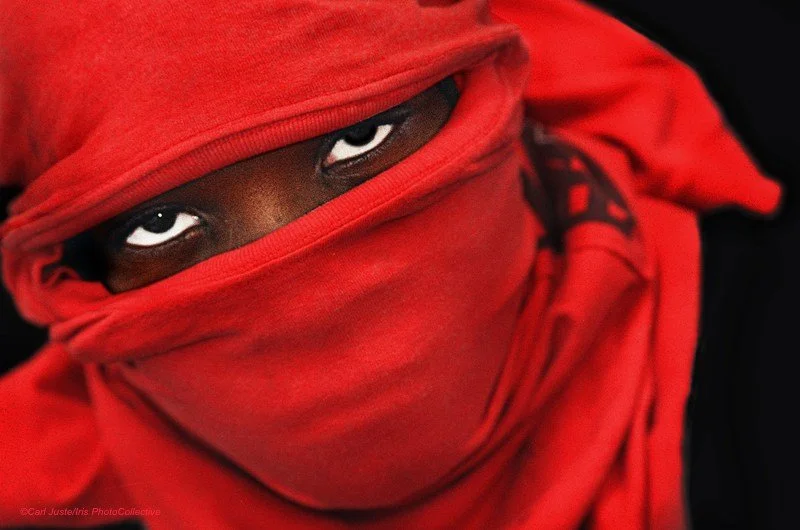
Haiti through Pulitzer Prize-winning photojournalist Carl Juste’s eyes
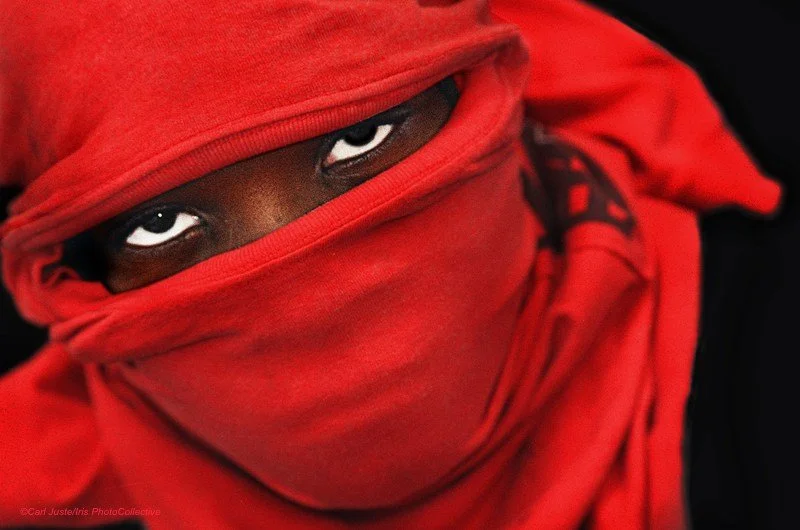
Carl Juste could not silence his inner voice calling him to become a photographer.For the past three decades, Juste has traveled the world using photography to tell meaningful stories and shed light on the struggles of Haitians in the United States and abroad.A Pulitzer Prize-winning Miami Herald photojournalist, Juste has been working diligently to advocate for the Haitian community’s diverse voices by capturing images that bridge the gap between opposing views and bridge gaps of understanding.“My camera is my weapon of choice,” Juste said. “When I make an image, people really stop and look at it. It allows me to amplify my voice and the voices of other people.”Juste recently spoke at FIU to discuss the struggles of Haitians experiencing racial, social, political and economic oppression.During his lecture, Juste showed a preview of his project, “Havana and Haiti: Two Cultures, One Community,” a visual narrative that concentrates on the common themes of both Cuban and Haitians through essays and photography, highlighting the two communities’ shared experiences.“My book is about celebrating these two cultures,” he said. “I stay as true to the message as much as I can. For me, it’s very important to communicate and expand the truth. Pictures have power to change the world but they aren’t responsible for the change.”After fleeing his homeland of Haiti under threat of persecution, Juste and his family settled in Miami’s Haitian community in the 1970s. From his experiences living in Miami, Juste, who was born to Cuban and Haitian parents, said that both communities have more in common than most people understand.“The story of Haiti and Cuba isn’t just for them but it’s for the world,” he said. “Both cultures have influences in art, dance and even science. You have this narrative that those identities are contained by boundaries, but they’re not. Their influences are global, and it’s about time that people understand that they’re not small and poor countries, but rich places.”Since becoming a photographer, Juste loves capturing Miami’s diversity.“A lot of my work stems from here,” Juste said. “I think what makes Miami so unique is the way all these cultures and various languages blend. It … also offers immigrants a place close to their birthplace.”Juste’s lecture, “Documenting Haiti: Realities and Representations,” was part of an annual lecture series, which this year celebrated the 20th anniversary of the Kimberly Green Latin American and Caribbean Center’s (LACC) Haitian Summer Institute.The Haitian Summer Institute is a six-week program designed for anyone interested in learning basic Haitian Creole and also for students who wish to continue their language training at the intermediate and advanced levels.“For over 20 years, LACC has been committed to investing in and promoting Haitian Studies and Haitian Creole language training,” said LACC Director Frank Mora. “The Haitian Summer Institute has been the center of that effort and is a cornerstone of the Haitian Studies Program of Excellence at FIU.”The institute offers students intensive language training courses, the lecture series and an optional two-week study abroad trip to Haiti, designed to expose students to its culture and allow them to experience Haitian Creole in Haiti.“The institute is the only one of its kind in the U.S., and we consistently attract a diverse group of students, scholars and professionals from across the globe,” Mora said.The final lecture of this year’s series, will feature Rodny Estéus, a founding member of the Haitian Creole Academy of the Republic of Haiti, and will be hosted on Monday, July 17.Juste hopes that students who participate in the Haitian Summer Institute and attend the lectures can be advocates for Haitians.“Become an ambassador and look beyond,” Juste said. “Be advocates for Haitians because they’re human and because they look like you and value the things you value. That’s what I’ve been trying to do for 30 years and it’s a beautiful struggle.”To learn more about the Haitian Summer Institute, click here.Posted by Melissa Burgess × 07/13/2017
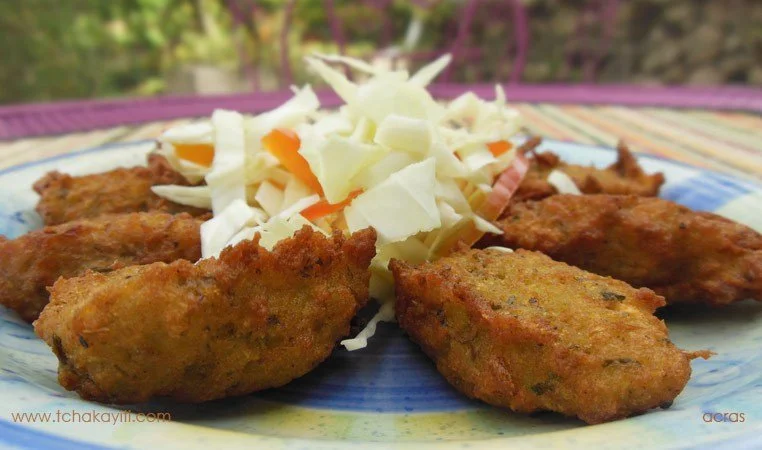
Accra
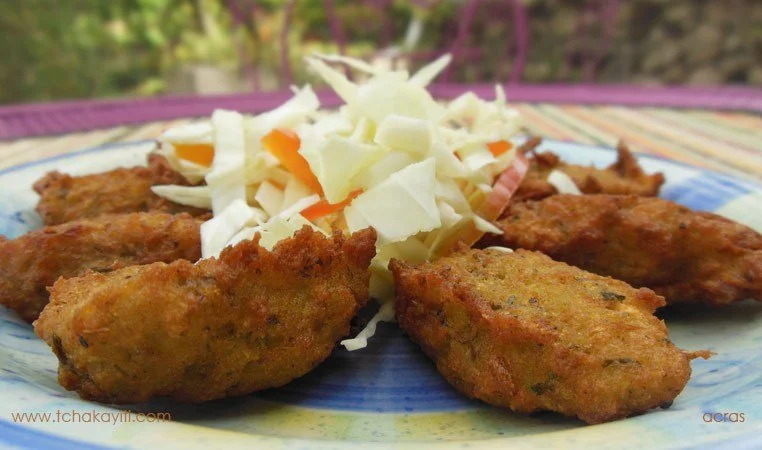

Ingredients
- Grate the malanga to make 2 cups.
-
In a blender, mix the black eyed peas, 1/2 cup water, salt, black pepper, scallion, shallot or onion, garlic, green bell pepper, and scotch bonnet pepper until it's the same consistency as the grated malanga.
-
In a bowl, mix the malanga with the black eye pea mixture. Mix in the beaten egg. Mix the flour and baking powder until you get a nice consistency.
-
Heat the oil on high heat until very hot.
-
Drop in a tablespoonful of the mixture in the hot oil.
-
Do not turn to the other side until the fritter is very dark brown.
-
While frying, scoop out any extra mix that breaks away from the batter in the hot oil, so it does not clutter or burn the oil.
-
When both sides of the fritter are very dark brown. scoop out of oil and Drain on a paper towel.
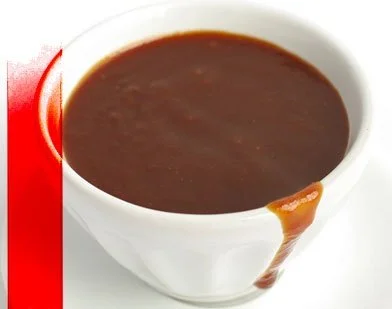
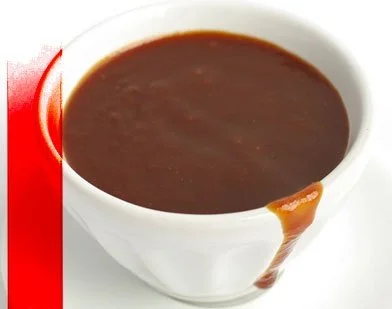
Sauce Pois/ Sos pwa (bean soup)

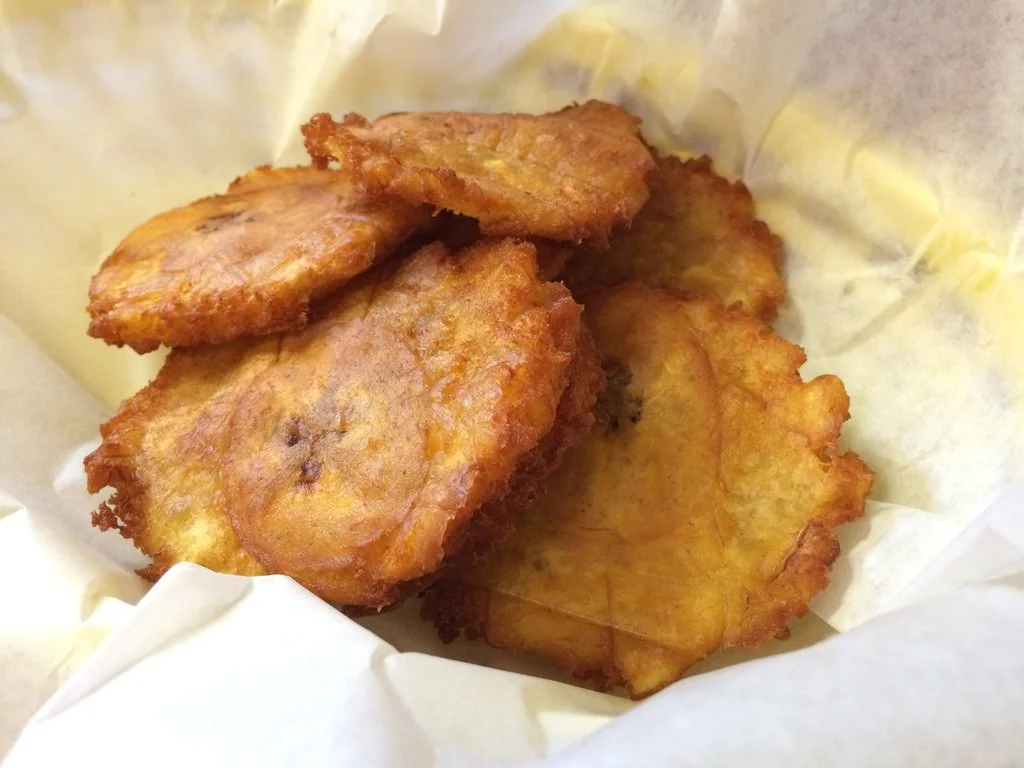
Banan Peze (Fried green plantains)
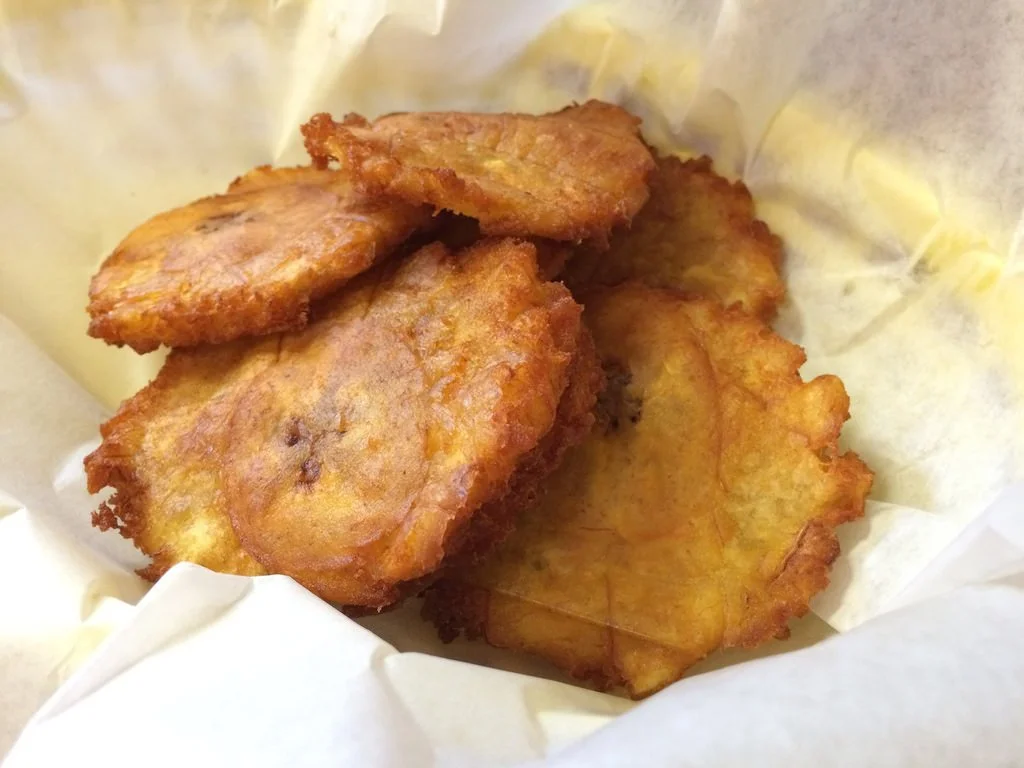
 Fried Plantains, twice-fried green plantains, are a favorite snack and side dish. Haitians call them bananes pesées, or banan peze.
6 to 8 servings
INGREDIENTS
- Green plantains, peeled and sliced diagonally into 1-inch pieces -- 2
- Oil for deep frying
METHOD
- Heat about 1/2-inch of oil in a heavy skillet over medium-high heat. Add half the plantain slices to the hot oil and fry, turning frequently, until they begin to brown on all sides. Remove to a paper-towel-lined plate and repeat with the remaining slices.
- When all the slices have been fried, use a glass or small plate to press each slice to a thickness of about 1/3-inch.
- Return half the flattened slices to the hot oil and fry again on each side until well browned and crispy. Drain on paper towels and repeat with the remaining flattened slices. Serve hot.
BANAN PEZE VARIATIONS
- Sometimes the plantains are soaked in salted water for about an hour and then dried well before they are fried. This is said to make them crispier and add flavor.
Pikliz Recipe (also known as Haitian Spicy Pickled Vegetables)
 Pikliz (also known as Haitian Spicy Pickled Vegetables)
About 2 quarts
INGREDIENTS
- Cabbage, shredded -- 1/2 head
- Carrots, peeled and chopped into small pieces or grated -- 2
- Onion, thinly sliced -- 1
- Scotch bonnet peppers -- 2 to 6
- Garlic cloves -- 4 to 6
- Salt -- 2 teaspoons
- Peppercorns -- 8 to 10
- White or cane vinegar -- 3 cups
METHOD
- Add all of the ingredients to a large bowl and toss well to mix. Place all of the vegetables into a clean 2-quart glass jar. Pour in enough vinegar to cover the vegetables, tamping them down to remove any air bubbles.
- Store the pikliz in the refrigerator for at least 24 hours before serving. It will keep in the refrigerator for a month or two.
PIKLIZ VARIATIONS
- Other Possible Additions: Sliced bell peppers, Serrano or jalapeno peppers, chopped green tomatoes, chopped cauliflower, peas.
Haiti chefs carving out higher profile for country's cuisine
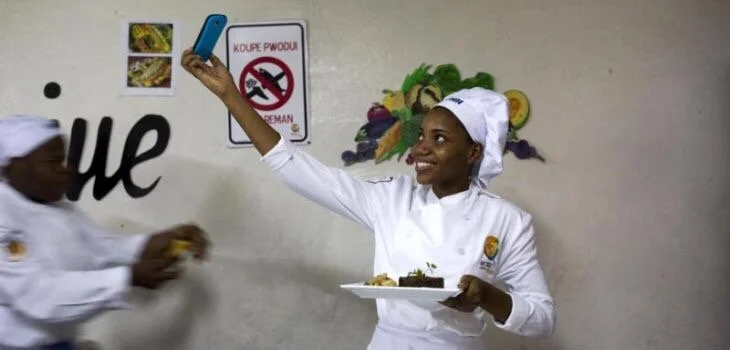
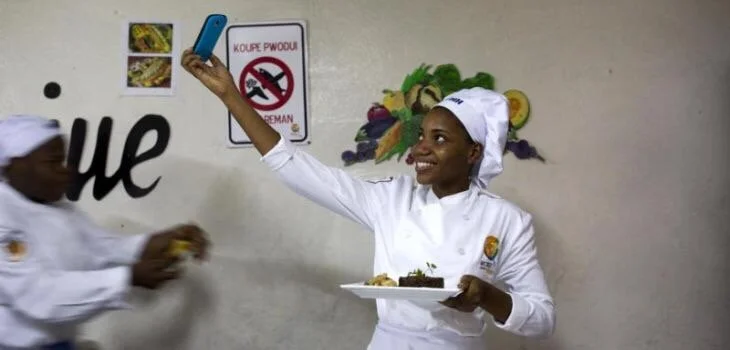
PORT-AU-PRINCE, Haiti - (AP) -- In a dining room in a wealthy district in the hills above Haiti's capital, waiters in black outfits whisk plates of crunchy malanga fritters and a creamy cornmeal dish to well-off locals and tourists. In the kitchen, the chef ladles glistening, fresh conch into a pot as his staff dice tomatoes and watercress.Haitian cuisine is a spicy confluence of French, Spanish, African and Amerindian cooking traditions that blends indigenous ingredients like the rich, earthy black mushroom known as djon djon with a variety of cooking techniques, crusted baguettes and flaky pastries. For decades, Haitian food has been seen as simple, hearty fare best simmered for hours over charcoal stoves at home or fried up and served in cheap curbside restaurants. Haitians who could afford a night out at a restaurant used to opt for versions of continental menus or a generic Caribbean fusion mimicking the food in island resorts.In recent years a new generation of Haitian chefs here and abroad has begun reimagining the country's cuisine. Traditional delicacies like the milky cornmeal beverage called akasan; the fiery carrot and cabbage condiment called pikliz; citrus-marinated chicken with boiled cashews; and whole fish in spiced broth are being prepared using haute cuisine techniques and served in the growing number of restaurants serving foreigners and Haiti's small middle- and upper-class."It's a real exciting time right now for Haitian gastronomy. We have serious, bona fide culinarians who are creative and focused on raising the profile of our food," chef Jouvens Jean said as chile-laced shrimp sizzled in a pan at Jojo Restaurant in Petionville.Accomplished chefs like Jean and Stephan Berrouet-Durand moved back to their homeland from the United States, importing the presentation and kitchen know-how of the various countries where they've worked, while others are increasingly vocal ambassadors for their food culture overseas, appearing on U.S. and European cooking programs."Suddenly, a lot of Haitian chefs don't have this fear of saying 'Haitian cuisine' out loud. It is becoming a very popular thing," said Georges Laguerre, a Miami-based food entrepreneur who ran a Haitian eatery in Los Angeles for over a decade.Dependence on food imports has grown as a result of intractable economic stagnation, but local favorites like malanga root, chayote squash and a dark spinach are still grown organically on farmland plowed by oxen and maintained without pesticides or chemical fertilizers only because most farmers could never dream of affording them.The fact that Haiti has a vibrant food culture at all can be surprising to those who only associate this Caribbean nation with hunger and crushing poverty. But even through decades of decline and recurrent political turmoil, Haiti never lost its delicious recipes."I think one of Haiti's greatest resources is its food. I have yet to meet anyone who did not appreciate the flavors of traditional Haitian cuisine," said Nadege Fleurimond, a Haitian-born writer and caterer based in New York City whose 2014 cookbook "Haiti Uncovered: A Regional Adventure into the Art of Haitian Cuisine " helped kick-start a fresh look at the country's recipes.Some beloved dishes have roots stretching back to Haiti's founding on Jan. 1, 1804, following the world's only successful slave rebellion. The vibrantly colored pumpkin soup known as joumou is a typical Sunday dish and a must on independence day for the world's first black republic. During the dark days of bondage, plantation slaves in Haiti were prohibited from eating an aromatic squash soup - a favorite of their French masters - or much of anything else other than rudimentary provisions."When we got our independence what better way to celebrate than to eat the very thing that we were unable to eat as slaves," Fleurimond said.Haitian restaurants and food festivals are springing up in cities such as Miami and Montreal, where members of the Grammy-winning rock group Arcade Fire back a Haitian eatery that serves specialties like stewed oxtail over rice along with cocktails made from the country's Barbancourt rum.One famed chef, Spanish-born Jose Andres, turned his culinary adventures around Haiti into a 2015 television documentary.In a culinary school in downtown Port-au-Prince operated by Andres' nonprofit and the Haitian government, young people eagerly prepare for careers as the nation's chefs and food-industry professionals, learning the basics of preparing dishes delectable to the eye as well as the palate."Haiti has a rich culinary history and we make sure we celebrate that in our curriculum," said Andres, whose World Central Kitchen nonprofit is also working to rejuvenate the country's fishing sector by investing in a new processing facility in the south coast town of Jacmel.A growing pride in Haitian food is apparent among aspiring chefs."This is my country's culture and I want to show it off," said 23-year-old culinary student Peraldine Alceguerre as she sliced juicy Haitian mangos to bake into a pie.Source : The Associated Press By DAVID McFADDEN (Associated Press)
MAY 18 | HAITIAN FLAG DAY
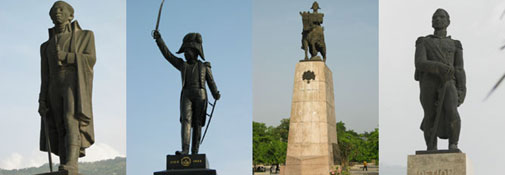
Toussaint Louverture, Jean-Jacques Dessalines, Henri Christophe, Alexandre Petion
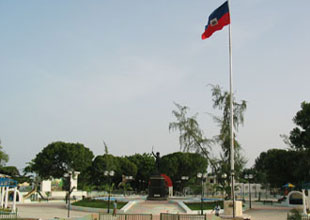
This meeting, known as the Congress of Arcahaie, was set for May 14 to 18, 1803; the agenda had two essential points: the establishment of a united command of the revolutionary army under the supreme authority of Jean-Jacques Dessalines, and the adoption of a flag by the indigenous army. The two principal leaders at this time, Dessalines and Pétion, jointly drew up this agenda. On May 14, 1803, military delegations flocked to Arcahaie; only a few of them were from the south.
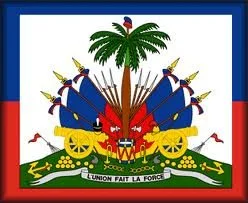
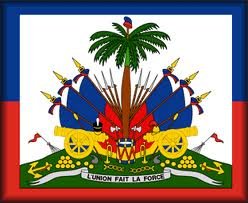
The principal heads of the insurgency did answer the call. The Congress was opened by Dessalines and Pétion May 15, 1803, on the Mérotte plantation in Arcahaie. The two men focused on the military situation, insisting on the need for all forces rebelling against the enemy to unite so that victory would be more rapid and decisive. Curiously, there was not a word about the new Haitian flag; priority was put on new strategies and tactics to thwart the colonial army and also to select a Commander of the insurrection army.Dessalines was appointed general-in-chief of the insurrection army.The question of the new Haitian Flag came up on the last day, May 18. The new Commander General suggested the old slogan "Live Free or Die" be replaced by "Liberty or Death." The debate over the proclamation of the creation of a new Haitian flag lasted a whole day. It was only in the evening that the Congress of Arcahaie definitively adopted the new Flag of Haiti. The white stripe was eliminated, while the remaining red and blue bands were attached together. The removal of the white stripe symbolizes the abolition of the White Man's control and the union of blacks and mulattoes in Haiti. The arms are composed of a palm tree surmounted by the Phrygian cap of liberty and ornamented with trophies with a banner across the bottom saying "L'Union Fait La Force" (through Unity there is Strength). 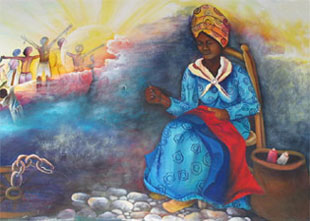 By this gesture, they publicly designated that this country no longer wanted to be recognized as a French territory and that the people who lived on this land preferred to be dead rather than be slaves. "Liberté ou la Mort!" meaning "Liberty or Death" had become the new motto as it had already been embraced at the Ceremony of Bwa Kayiman " held on August 14, 1791.Haiti's first flag was sewn by a lady named Catherine Flon at the Congress


 In 1805 , shortly after Jean-Jacques Dessalines proclaimed himself emperor, the Haitian flag color was changed to black and red bands placed vertically respectively. After the emperor's death, in 1806, the country will be divided into two republics for 14 years. Henri Christophe , in the northern part kept the flag that Dessalines used.In the South and the western part of the country, Alexandre Petion nourished the idea of giving the indigenous army its own flag. He went back to 1804's flag that was blue and red only this time he added the white squared portion that included the country arms and the famous motto " L'UNION FAIT LA FORCE ", meaning that through unity we find strength.This flag was in use till 1964 when Papa Doc Duvalier modified it with the black-red vertical bicolor of Dessalines on which he added a modified version of the arms of the Republic.On February 25 1986, after the fall of Baby Doc and the Duvalier regime, the Haitian flag was again changed with the request of the Haitian people to two equal-sized horizontal bands, a blue one on top and a red one underneath. The coat of arms of the Republic remained in the center. That is the flag used until today.As we celebrate the Haitian flag Day, we need to remember that our ancestors created this bicolor blue and red as a symbol of unity among all of us of Haitian descent to fight colonialism and live free forever.
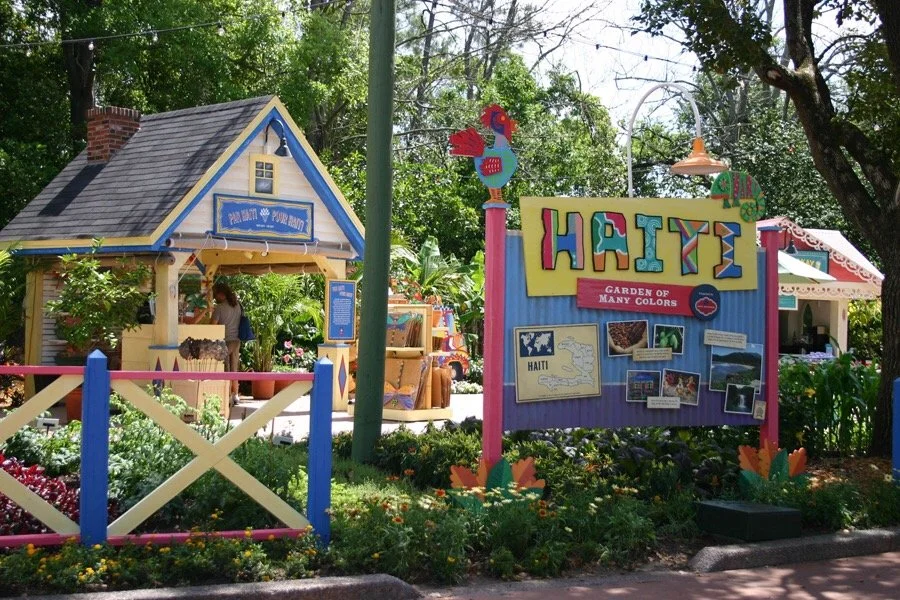
Fun Fact: Did You Know There Once Was A Haiti Garden Exhibit At Disney's Epcot Center?
FUN FACT:
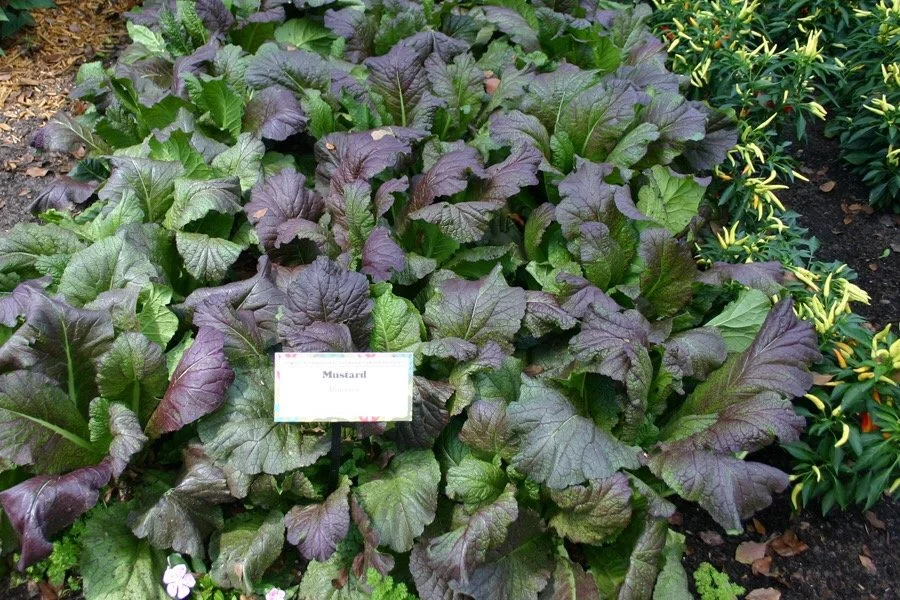
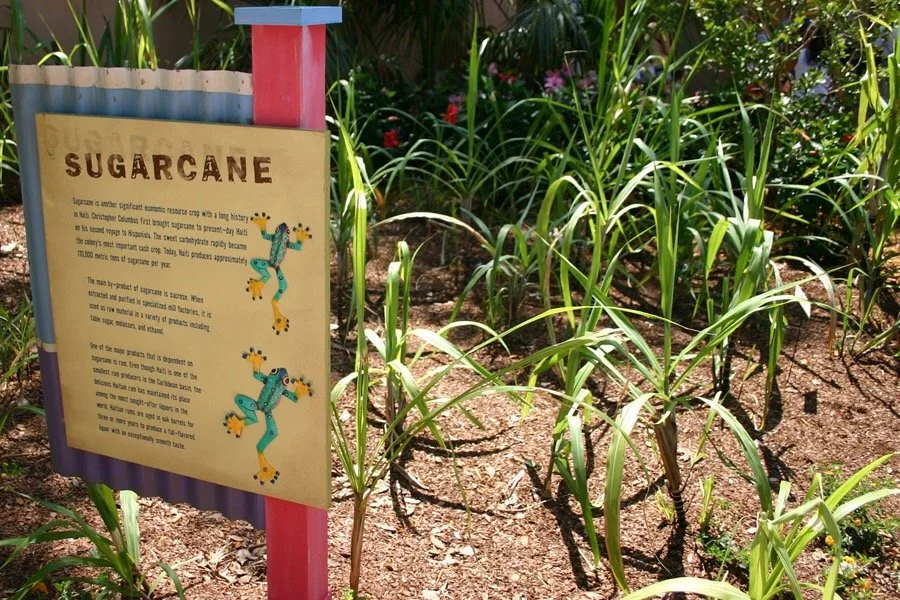
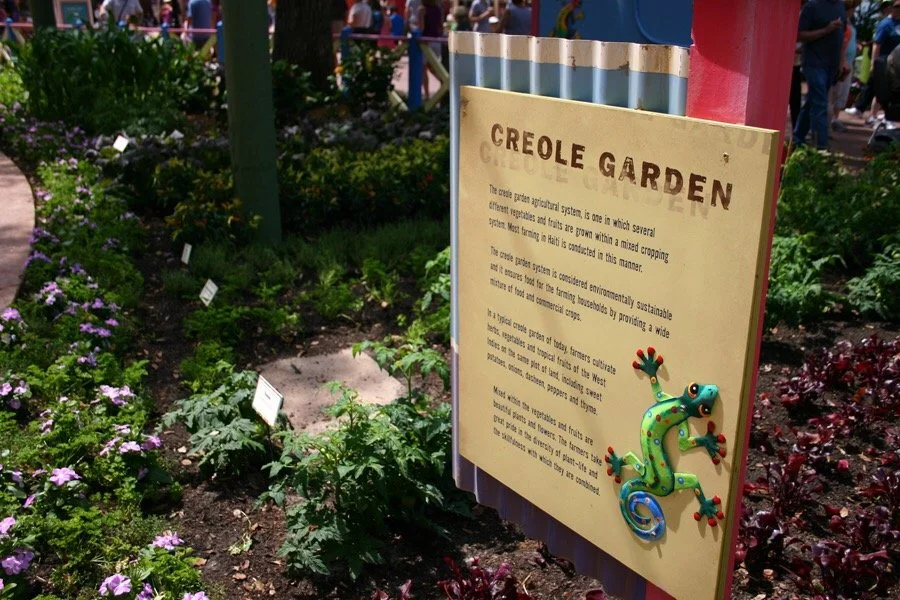
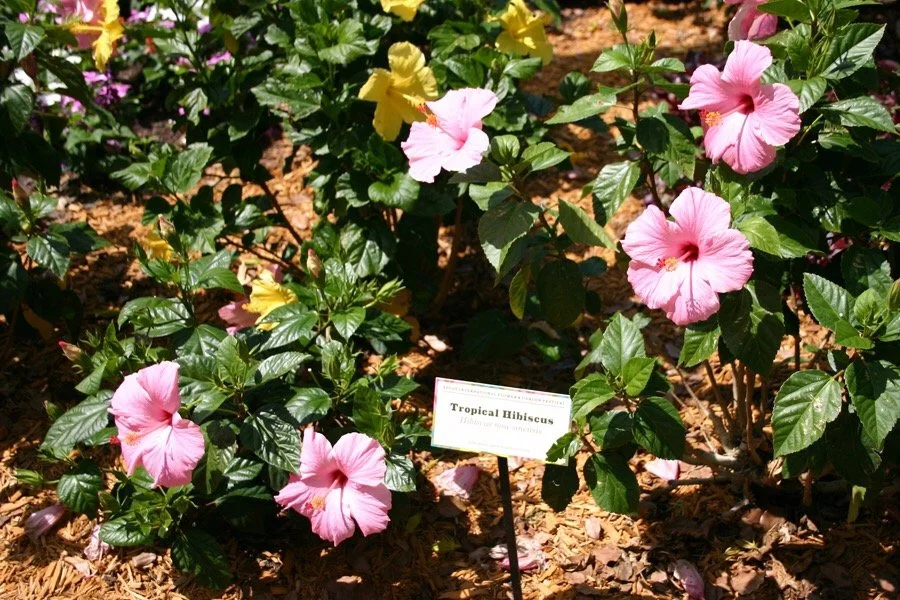
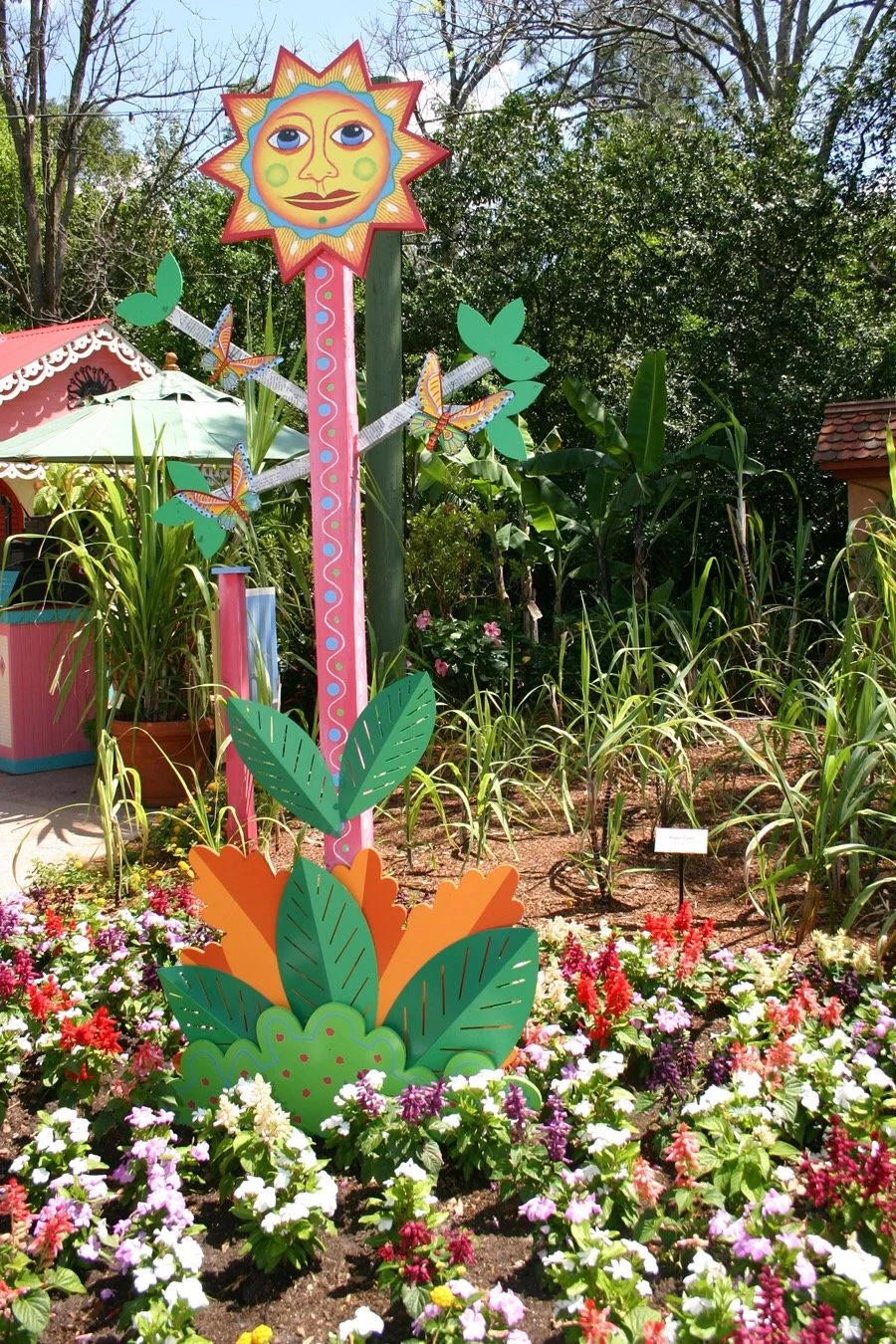
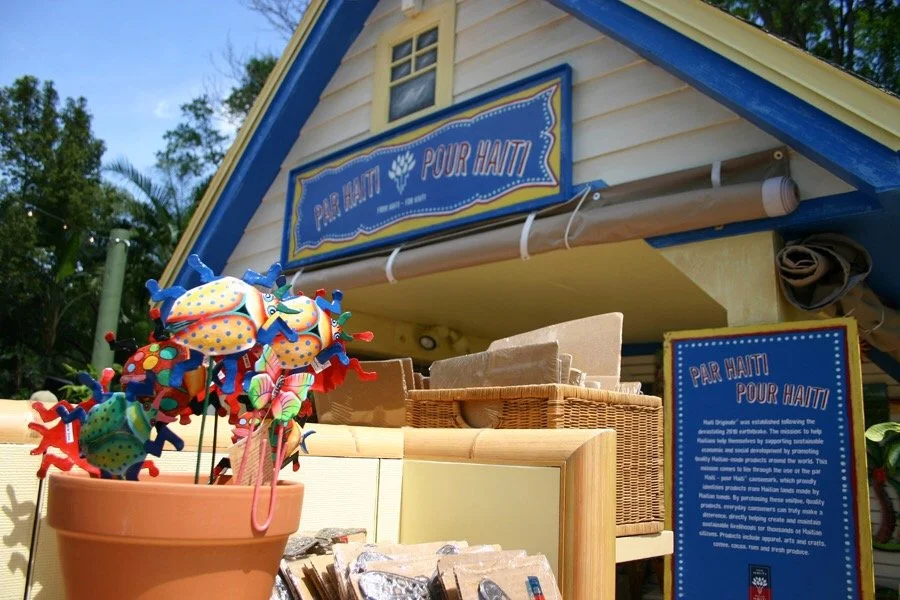
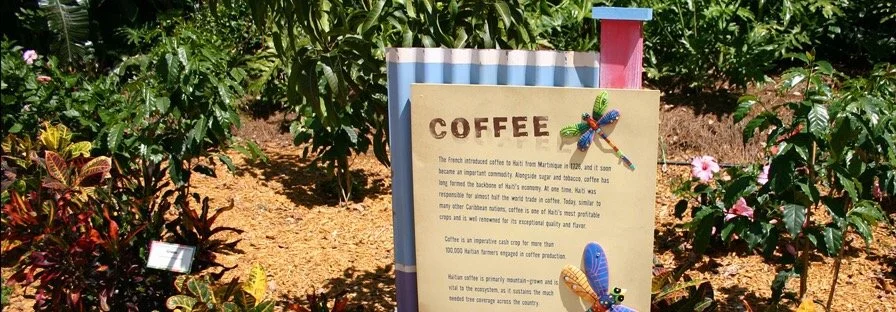
In 2012, Disney's Epcot Center introduced HAITI | GARDEN OF MANY COLORS
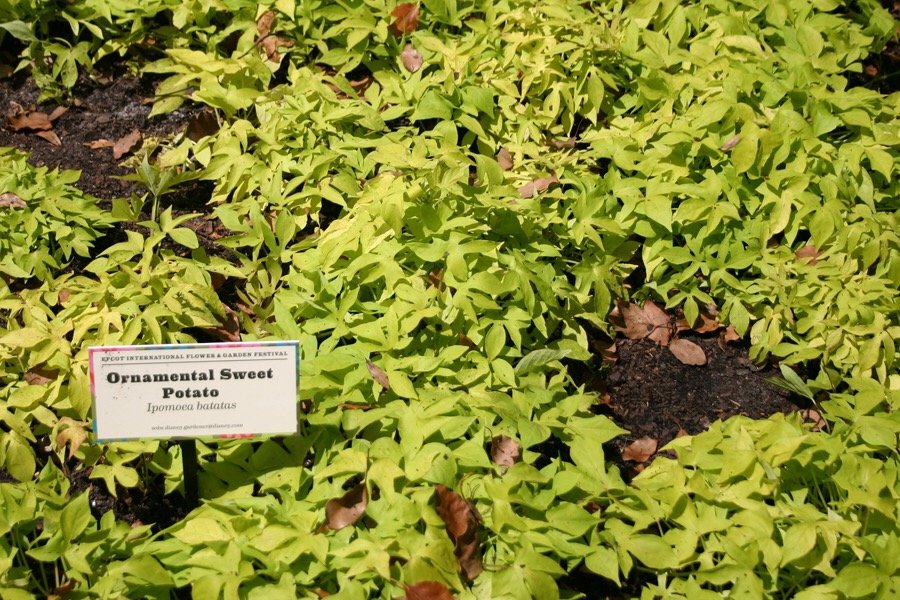
 Well, the Epcot International Flower & Garden Festival, presented by HGTV, is in full bloom! And throughout the festival, we at the Disney Parks Blog will be bringing to your attention to some of the exciting new things for 2012.One of the great horticulture additions this year is called Haiti: Garden of Many Colors. Sponsored by Haiti Originale, the spectacular garden exhibit showcases signature plants, flowers and crops of Haiti and offers information on the cultural heritage, sustainable art and artifacts of the beautiful island.Sugar cane, mustard, thyme and curly leaf parsley are bounty from the Creole Garden. Guests can also find information on Recyclable Art, Haitian Arts and Crafts, Art in Motion and the Art of Haitian music; and they can purchase Haitian coffee (a major industry in Haiti) and crafts made by Haitian artists.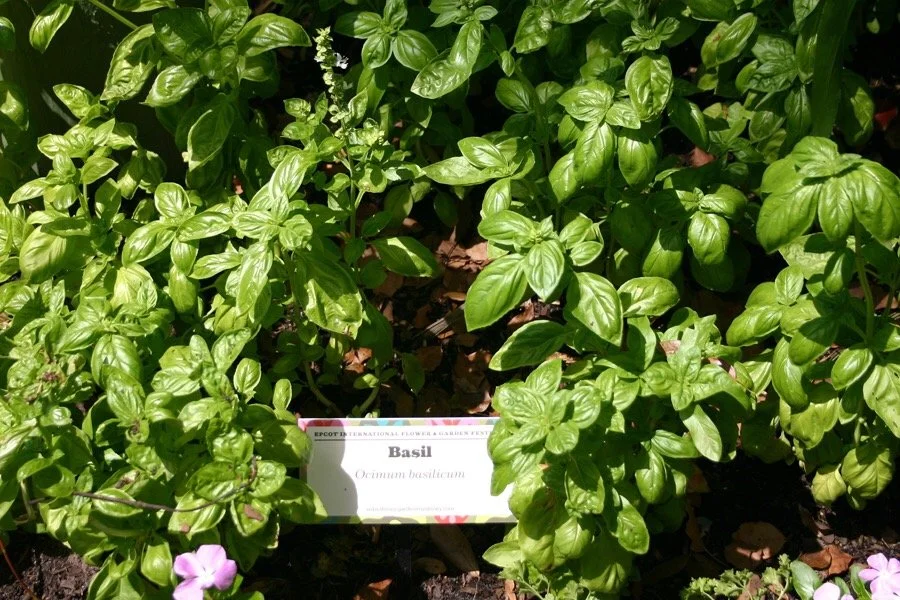

"Jeu de Bâton" A Fighting Art of the National Army

Monday in Lagrange (Artibonite Department), as part of the Day of Agriculture and Labor, the National Bureau of Ethnology (BNE) in collaboration with the Ministry of Tourism and Ministry of Culture organized a show of «Jeu de bâton» (stick game). This tradition that has existed since the colonial period in St Domingue, was also a means of combat used by the native army during the war of independence. It is also a martial art inspired by the forms of African combat. A variety of stick styles such as : "Baw Blan", "Migel" and "Pati kola" were used during this activity. An intangible cultural heritage strongly practiced and preserved in the Artibonite. Jessy C. Menos, the Minister who traveled to encourage stick Practitioners and BNE dancers, said the show "is part of a promotion of the 'Jeu du bâton' and a duty to remember."According to Erol Josué, the Director General of the BNE "This ritual was the means of combat of the native army" recalling that "Gran Toya", great aunt of the Emperor Jean Jacques Dessalines, was a great warrior and would have initiated the Emperor at this game from a young age. Other peoples like the Amazons of the former Dahomey also practice stick fighting.From this collaboration around the development of Ethno-Tourism in Haiti, an inventory of cultural practices and sites will be launched, which will begin in the Department of Artibonite in order to highlight the riches Haitian heritage. HaitiLibre | May 3, 2017