
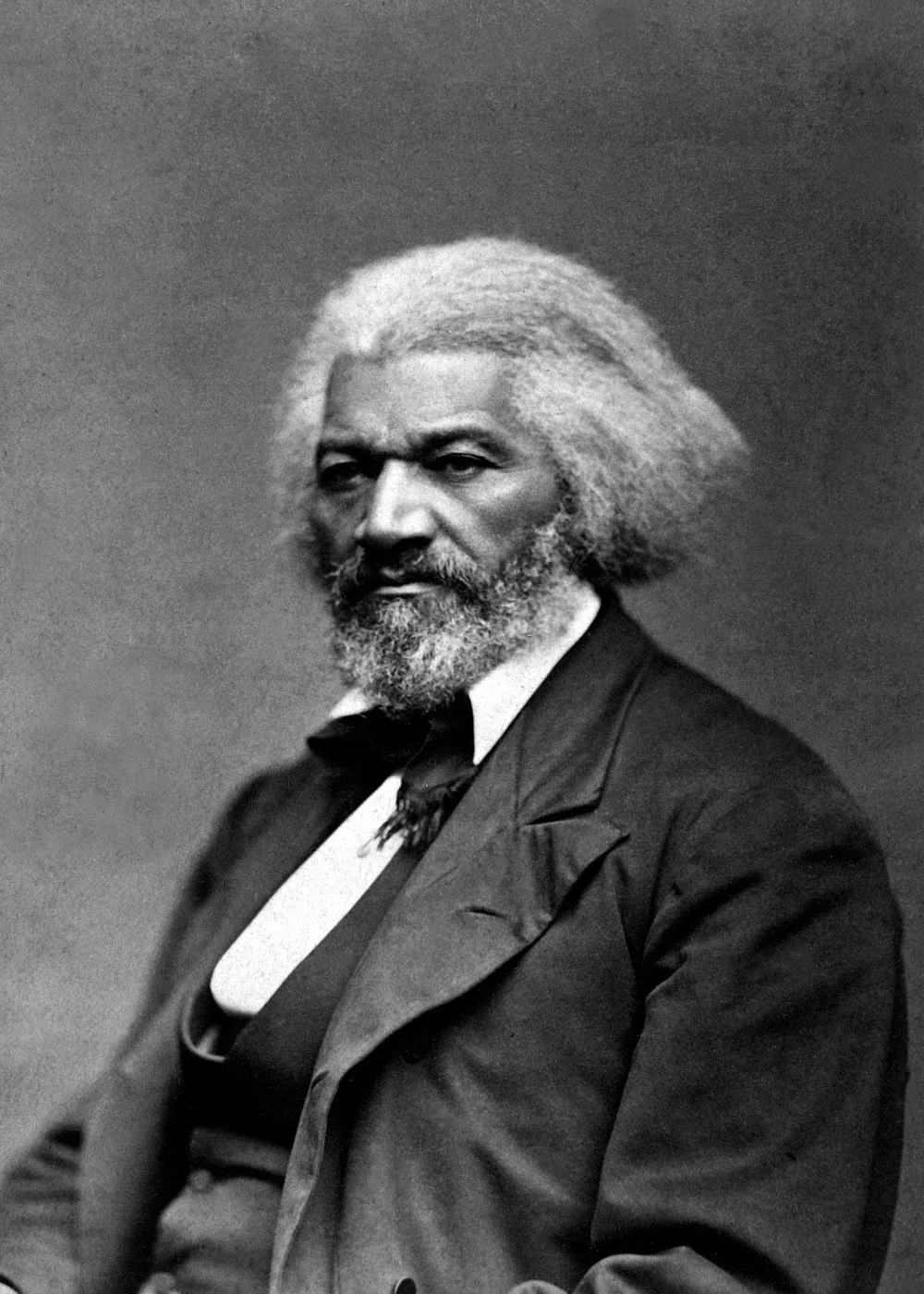
Frederick Douglass was named Minister to Haiti on this day in 1889
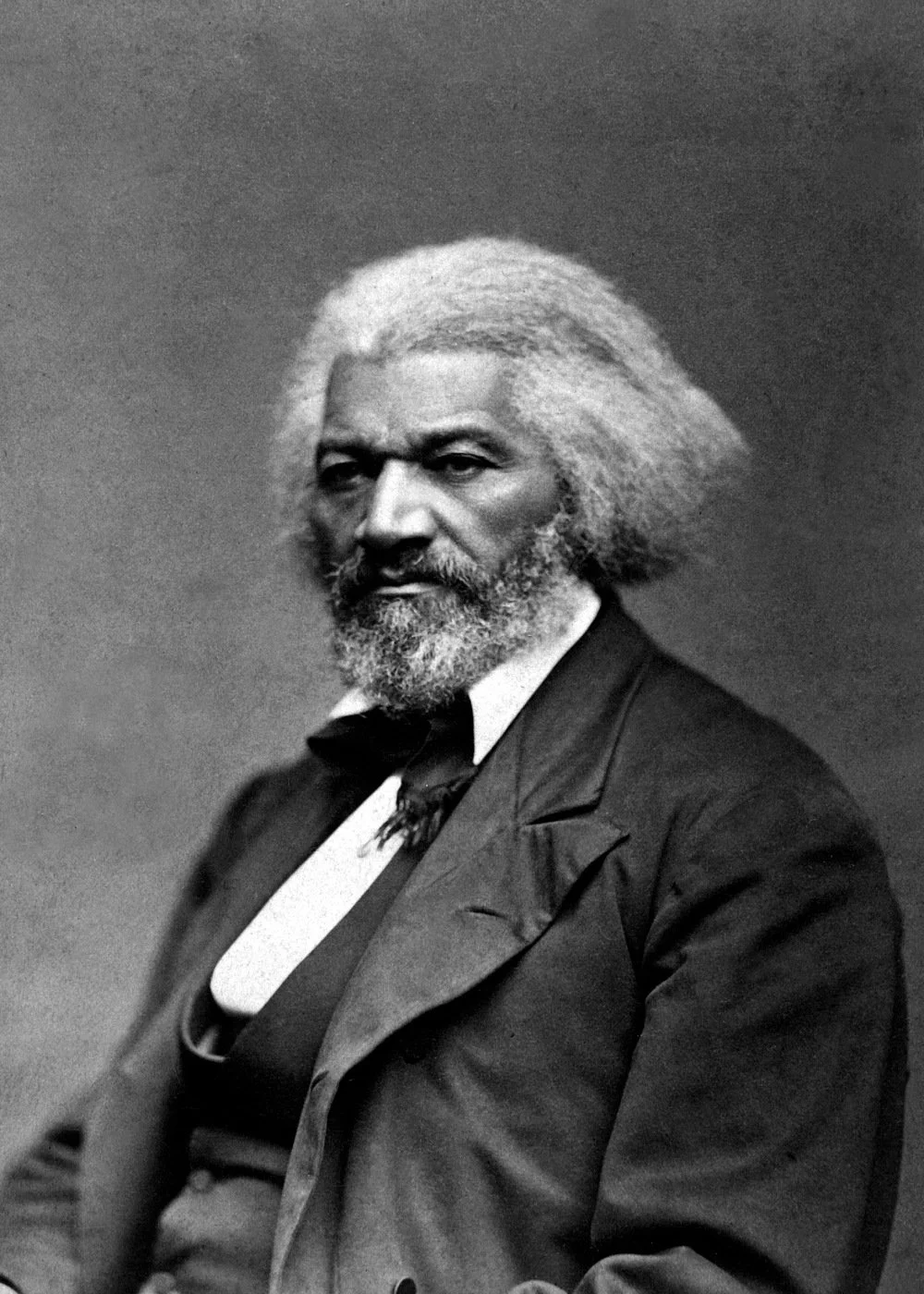
hen Frederick Douglass was appointed by Republican President Benjamin Harrison as the next U.S. Minister Resident and Consul General to the Republic of Haiti in 1889, the well-known abolitionist, author and orator was 72 years old. Born Frederick Augustus Washington Bailey, Douglass, a former slave, had escaped to freedom in 1838, marking the beginning of a journey that still astounds to this day.
His appointment as Minister in 1889 was not a first for African Americans as Republican Presidential administrations had previously appointed African Americans to serve at Port-au-Prince, Haiti, as a reward for black political support.
Douglass was the fourth black American to hold the position, however, his appointment came at a time when Haiti was “more than a diplomatic prize in the political spoils system,” wrote Douglass’ biographer William McFeeley.
Essentially, while African Americans viewed Haiti as a symbol of the liberation and autonomy of black people, for the U.S., the island nation “remained of crucial strategic importance in the time of coal-fired, steam-powered warships,” according to a report by the National Archives History Office.
Thus, the Harrison administration believed that Douglass moving to Haiti was “an intelligent and a liberal move.” Douglass arrived in Haiti at a time the island nation had just emerged from a revolution in which the government of President François Deny Légitime, who had been considered a political pawn of the French in the Caribbean, was overthrown.
During the unrest, the U.S. supported Légitime’s opponent, a former military general known as Florvil Hyppolite, by supplying his insurgents with arms shipments and naval support. In return, the Harrison administration expected Hyppolite to give his full backing to the lease of Haitian territory at Môle St. Nicolas for a future American naval facility.
A report by Black Perspectives of the AAIHS said Haiti’s Môle St. Nicolas “was a desirable prize because of its location at the northern entrance to the Windward Passage, its ample harbors, and its defensible geographic features.” Helping Hyppolite come to power, the Harrison administration expected talks to begin on plans to give the Haitian port town to it.
Douglass’ mission in Haiti was to obtain approval of this plan from Hyppolite and his government. U.S. Navy Rear Admiral Bancroft Gherardi joined the abolitionist as co-negotiator but things didn’t go as Douglass expected when the Harrison administration attempted to use force to acquire the Môle.
Douglass, within two months of assuming office, got to know that American naval officers had begun “scouting the conditions at Môle” and news soon spread in Haiti and the U.S. that Hyppolite planned to cede part of Haitian territory to the U.S. as a reward for helping bring him to power.
Amid criticisms from Hyppolite’s political enemies, Black Perspectives reports that on New Year’s Day, 1891, Haiti’s foreign minister Anténor Firmin visited Douglass, where he condemned a U.S. newspaper for stating that Hyppolite had promised the Môle to the U.S.
Douglass thought the newspaper report was “baseless”, nevertheless, he stressed the U.S. government’s willingness to lease, rent, or purchase the Môle according to “proper means . . . consistent with the peace and welfare of Hayti.”
With that same stance, Douglass and Gherardi, in late January of 1891, met with Hyppolite and Firmin and convinced them to approve the lease pending the approval of the legislative body. Douglass, during the meeting, promised that “the concession asked for was in the line of good neighborhood and advanced civilization, and in every way consistent with the autonomy of Haiti.”
On February 2, a formal written application for the lease was submitted yet political opposition and the arrival of five more American warships ruined the likelihood of having an agreement, according to the report by the National Archives History Office. In April, Douglass alerted the State Department that Haiti has declined lease of the Môle, the report added.
Douglass, accepting that his mission did not yield the desired result, applied for leave but remained in Port-au-Prince for a while to help in protecting refugees fleeing violence arising out of Hyppolite’s military actions.
Douglass later returned to the U.S., resigning on July 31, 1891. White critics and U.S. newspapers soon blamed him for the failed negotiations for the Môle, claiming that Douglass was too sympathetic to Haitians. Douglass responded.
According to Black Perspectives, “first, Douglass pointed out, the United States had given Gherardi a role for which he had no preparation solely because he was white and Haitians were supposed to be more willing to defer to a white man. That assumption was laughable, Douglass suggested.
“It showed a stunning ignorance of Haitian history. Besides…even if a white diplomat could have exploited Haitians, a supposedly great country like the United States should ‘ask nothing of Haïti on grounds less just and reasonable than those upon which they would ask anything of France or England.’”
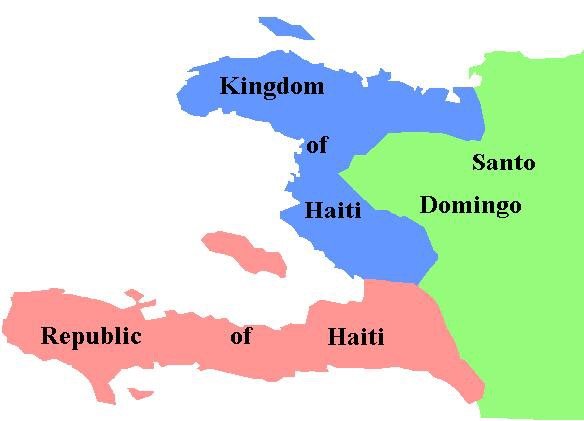
A proposed road map for the government in the Great North of Haiti
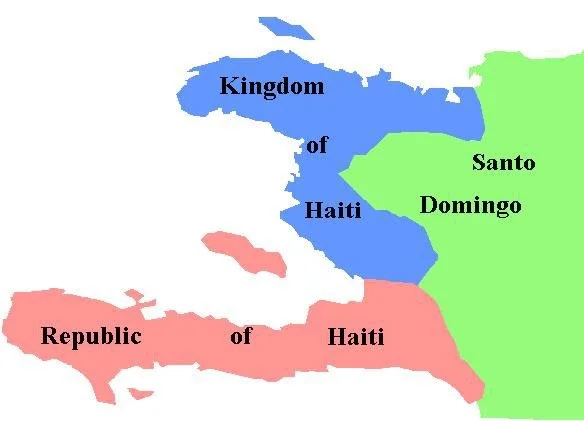
The Great North of Haiti that includes the North, the North East and the North West has been the theater of most of the battles two centuries ago leading to the liberation of the slaves of St Domingue, creating Haiti, the first black republic and facilitating the end of slavery in the world.Historically, the Great North of Haiti has always seen itself as one geographical entity; putting the three catchments areas together to plan the future makes sense to the environment and to the population.Culturally, the Great North of Haiti during most part of the summer shares a series of cultural-religious festivals that draw a number of pilgrims from one town to another that could become a caravan of wealth creation for the service purveyors.Yet the inter-connectivity of the three departments suffers in terms of infrastructure, electricity, water and hospitality. This essay should lead to further collaboration, structure and caucus that will put together the government, civil society, the university and the experts in the tourism and business sector to design a definitive roadmap to put the Great North on the road where it will profit not only of its proximity to the Dominican Republic and to Cuba but also serve as a hub for the economic development of the entire country.There are some antecedents to this concept, the Artibonite and the Center departments have benefited of funding from the European Union to design a corridor of economic activity that links the different cities together across the geographical borderline of one department.The Northern part of Haiti suffers from a lack of infrastructure that impedes its development. Aside from the corridor Ouanaminthe – Cape Haitian there are very few excellent paved roads leading from one city to another. This essay will look into the entire region to propose to the government direction and directives that will spur the development of the region as a whole.It fits into the public policy platform by the Jovenel/Lafontant government of mobilizing all the different ministries, bringing their resources together to concentrate on one region and as such filling the accumulated deficit of 60 years that impedes the economic development of the country.Starting with the North West, the government has just invested in a power plant that could introduce electricity to the entire region. We will look into transforming this energy into a vehicle for wealth creation. The island of Latortue, as well as the Far West region of Mole St Nicholas/Bombardopolis and Jean Rabel, constitutes neglected areas where there are very few state interventions. Their proximity to Cuba should interest the government to transform this part of Haiti into a free zone comparable to Ouanaminthe/Dajabon in the North East.On the other side of the department, St Louis and Anse a Foleur, close to the North Department, should be linked with a paved road from Le Borgne, making Cape Haitian and Port de Paix an easy ride avoiding the mountain road of Pilboreau leading to Gonaives and then to Port de Paix.The North of Haiti, in spite of its glorious past, constitutes the poorest region of the country not only in terms of infrastructure but also in terms of gross income of the citizens. There were very few major governmental investments aside from the Cape Haitian airport, albeit an ill conceived one, not prepared for a future tourism boom.The biggest problem of Cape Haitian is waste management. Its sewers are clogged beyond measure with sediment and discharge water that should have been treated before its exit to the sea. It is also overpopulated with its internal migrant population occupying now the mountains that should be reserved for protected areas.Cape Haitian which is comparable in architectural jewel and legacy to Old San Juan or to New Orleans has a great future in touristic development; it must first clean its act and become hygiene friendly. The five thousand tourists who visit Labadie weekly represent a natural market for the citizens of Cape Haitian.Grande Riviere, the second town of the north of Haiti, once a flourishing city is now a ghost town plagued by violence from political clans that feed on the misery and the poverty of the population. It has an asset that is unusual for the region. The government has built in Grande Riviere one of the biggest markets of the republic after the Hyppolite Market of Port au Prince.Will there be support to transform this market into a vehicle for wealth creation, rendering the city of Grande Riviere a free zone where merchants from the Dominican Republic, Cuba and Haiti will join together to exchange products make money, enrich themselves and the state? High level policy planning must directed towards putting in value this extraordinary instrument.Grande Riviere, being the birthplace of Haiti’s founding father, Jean Jacques Dessalines, as well as Haiti’s preferred uncle, Jean Price Mars, must be put in the tourist circuit whereby the tourists that visit Milot and the Citadel can also branch off into Grande Riviere for the slavery journey path.The North of Haiti is privileged to have some vibrant cities such as Limbe, St Raphael, Borgne, Port Margot, Milot, with the Citadels and Henry Christophe palace, La Plaine du Nord, Pignon. Other cities like Dondon, Bahon (except on Wednesday) Plaisance, Pilate, La Victoire, Ranquitte are dormant cities. This caucus should look into how to make those cities vibrant ones.The North East part of Haiti represents the growth area of the region because of Caracol and its industrial park, the 24 hour electricity in some major cities such as Trou, Limonade, Terrier Rouge and Ferrier. The bilateral market of Dajabon / Ounaminthe represents an economic force with repercussions as far as the southern part of the country. People living aux Cayes do not hesitate to travel 300 kilometers all the way up to Ouanaminthe to shop at the bilateral market of the Haitian Dominican border.The Limonade King Henry Public University, albeit in crisis, is a potential resource instrument that, if well managed, could also serve well the region.In conclusion, this essay looks at the region as a whole, seeking the potentiality of each catchment areas and suggesting to the caravan designed by the government how to make an impact that will benefit the population on a long term basis.By Jean H Charles | September 2, 2017
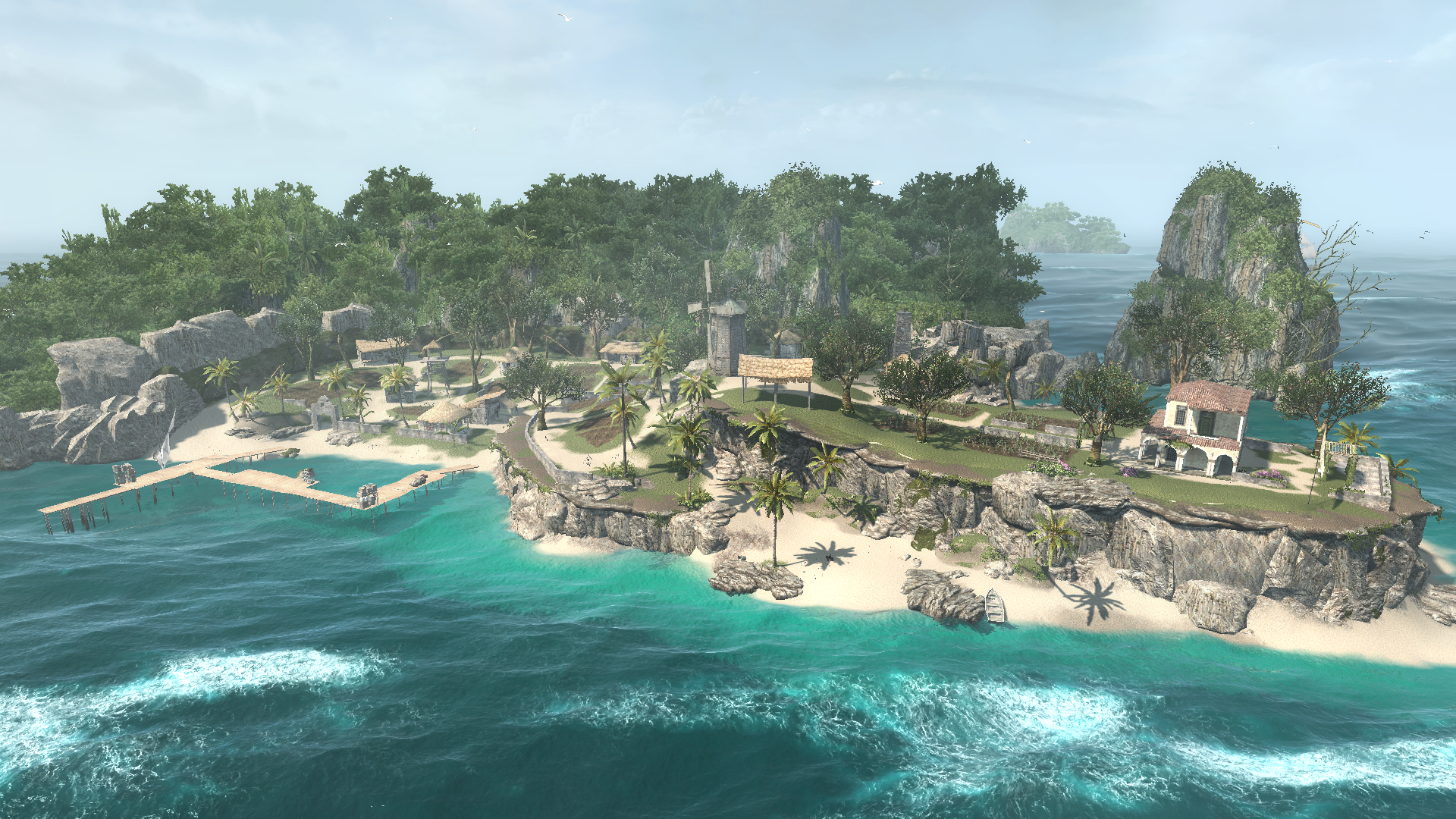
DID YOU KNOW: THAT ÎLE DE LA TORTUE IS ALSO FEATURED IN THE ASSASSIN'S CREED VIDEO GAME SERIES?
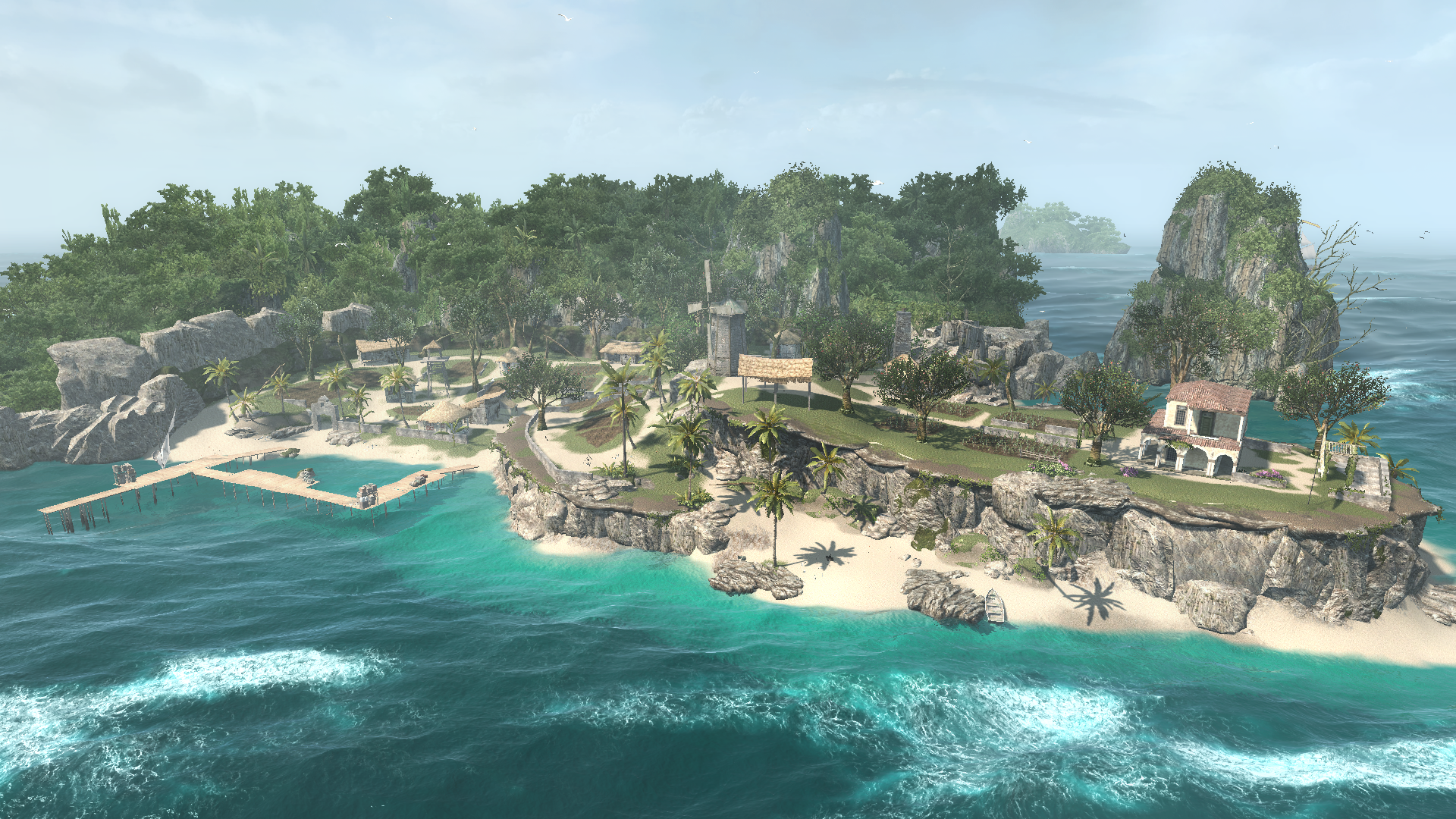
Tortuga (a/k/a Île de la Tortue)
Tortuga is an island in the Caribbean, north of Hispaniola. During the early 18th century, it was the site of a sizable sugar plantation owned by the Beckford Estate.Sometime during the 1710s it was raided by the pirate Edward Kenway, who claimed the contents of its warehouse. Later, the island's manor was used as a base by the head of a brutal slave trafficking network, until Kenway eliminated him as part of an assassination contract.[1] Two decades later, in the mid-1730s, the plantation was raided once again, this time by Adéwalé, an Assassin and Kenway's former quartermaster, who had come to free the plantation's slaves.[2]
References
- ↑ Assassin's Creed IV: Black Flag
- ↑ Assassin's Creed IV: Black Flag - Freedom Cry
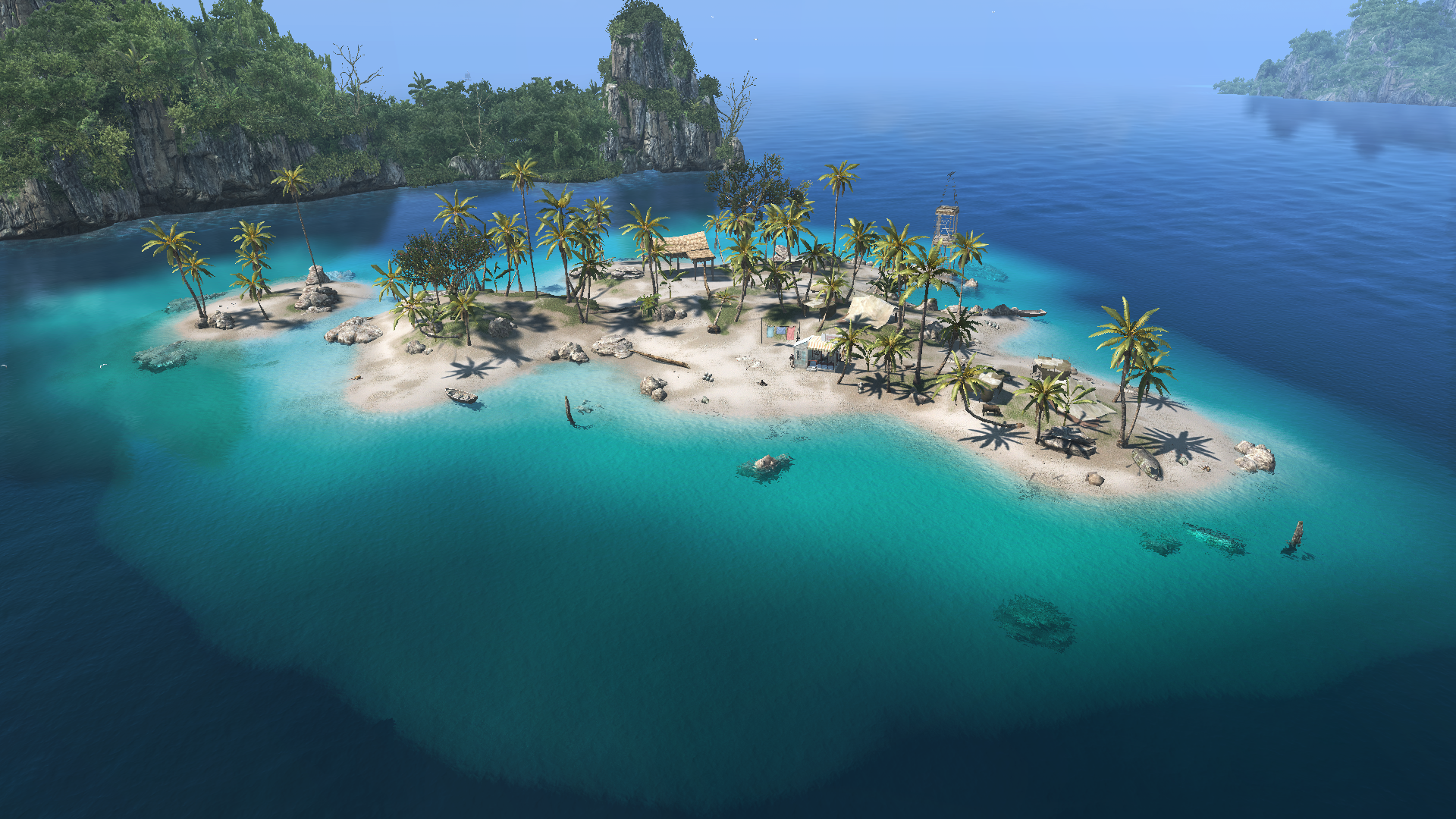
DID YOU KNOW: ÎLE-A-VACHE IS FEATURED IN THE ASSASSIN'S CREED VIDEO GAME SERIES
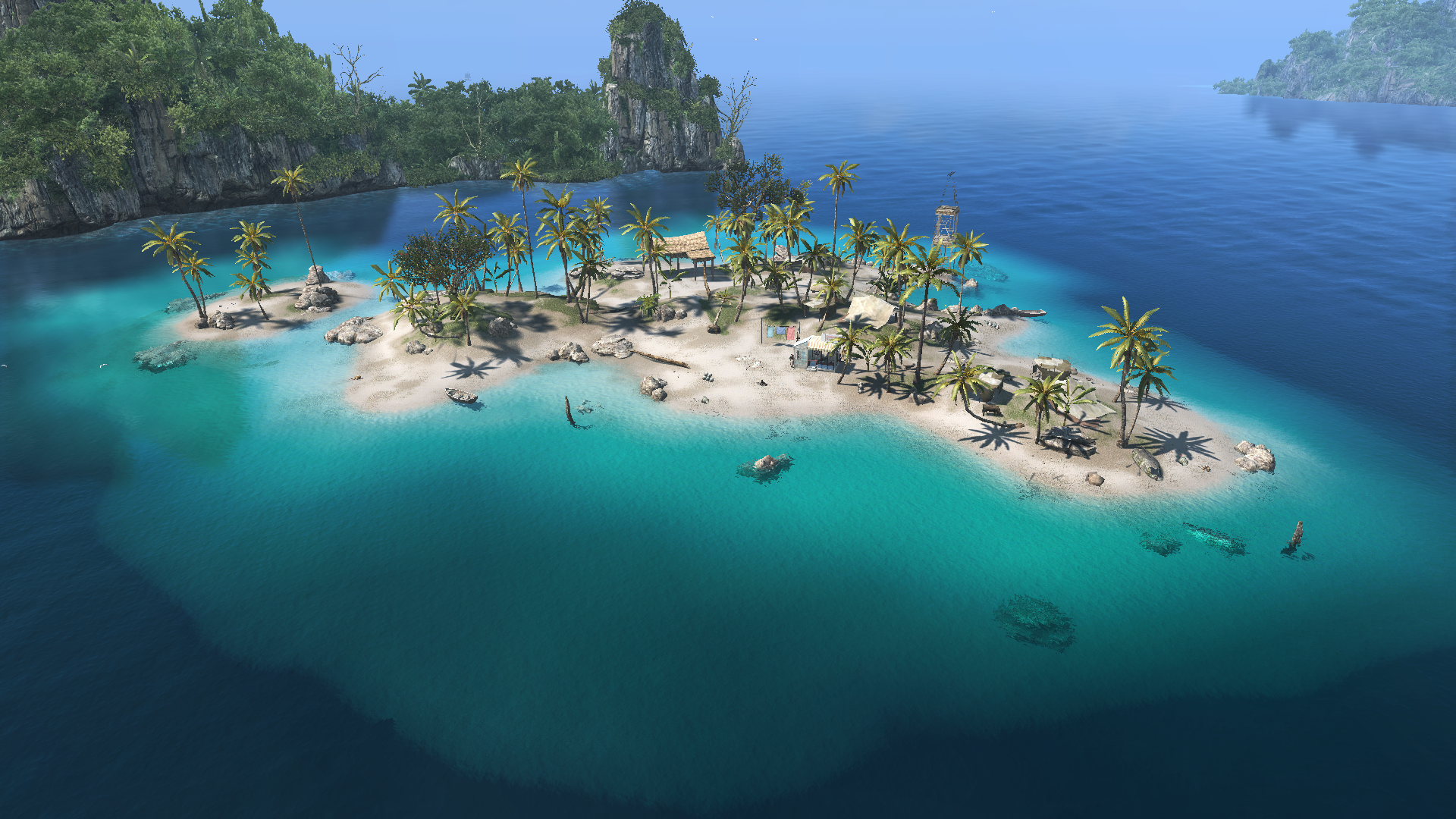
Île à Vache
Île à Vache is a Caribbean island located in the Baie de Cayes, just south of Haiti. During the Golden Age of Piracy, it served as a French trading post.During his time in the West Indies, the pirate Edward Kenway visited the island to accept two assassination contracts via pigeon coop. He later returned to the island in 1721 with the Assassin Mentor Ah Tabai, Adéwalé, and his new quartermaster Anne Bonny, to begin his search for his first major assassination target, Woodes Rogers. Besides a harbormaster's station, the island was also home to a tavern, named "Vino A Vache".
Trivia
- Île á Vache translates to Cow Island. True to the name, several cows can be seen freely roaming about the island.
Reference
- Assassin's Creed IV: Black Flag
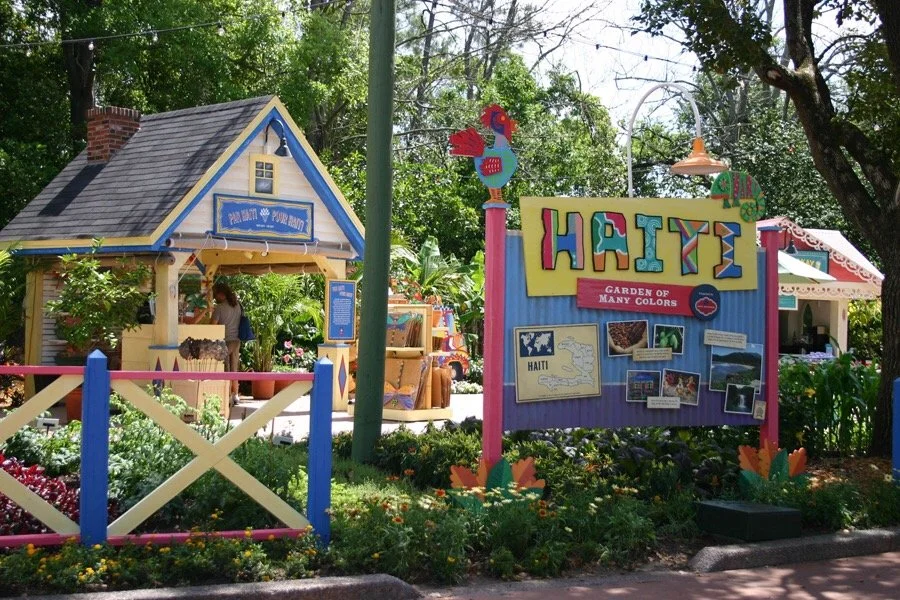
Fun Fact: Did You Know There Once Was A Haiti Garden Exhibit At Disney's Epcot Center?
FUN FACT:
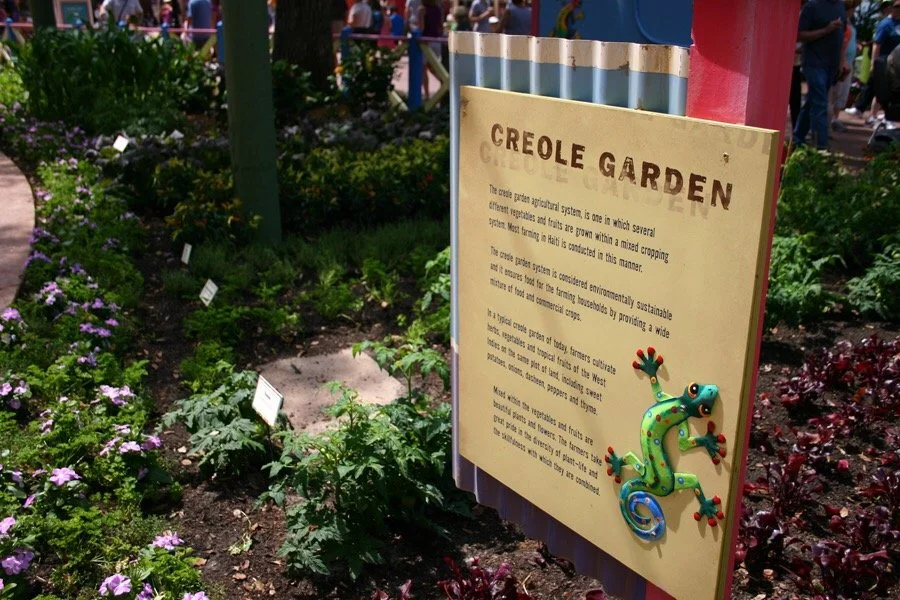
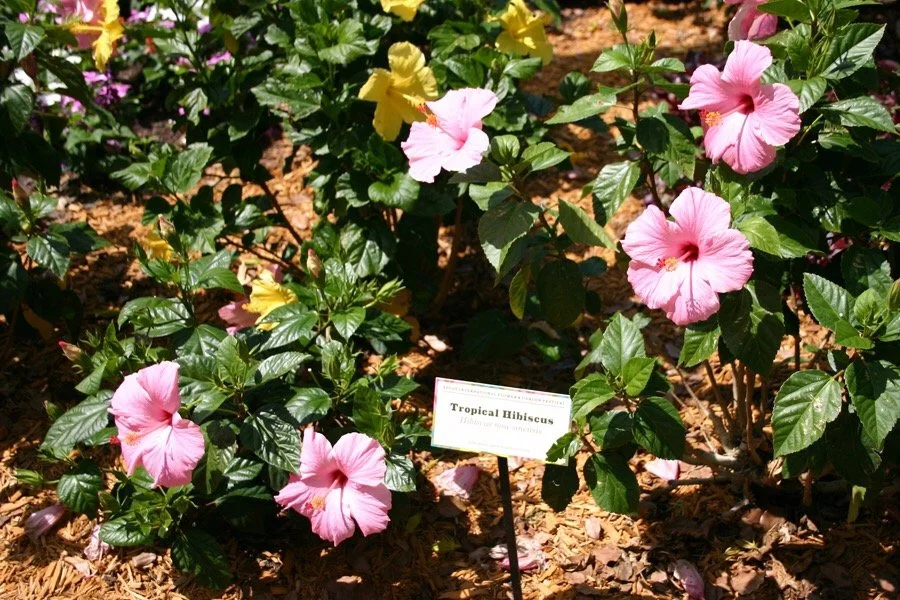
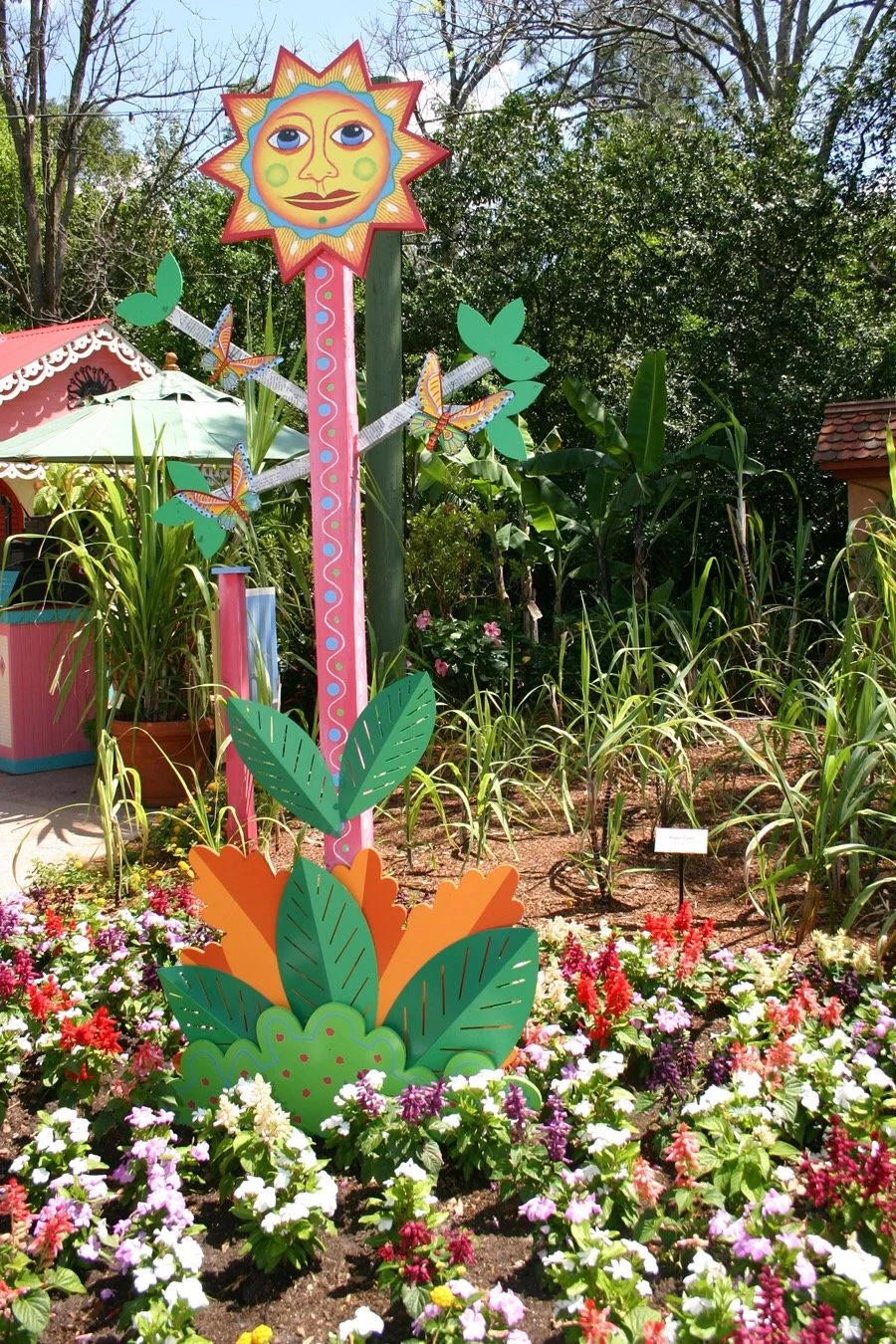
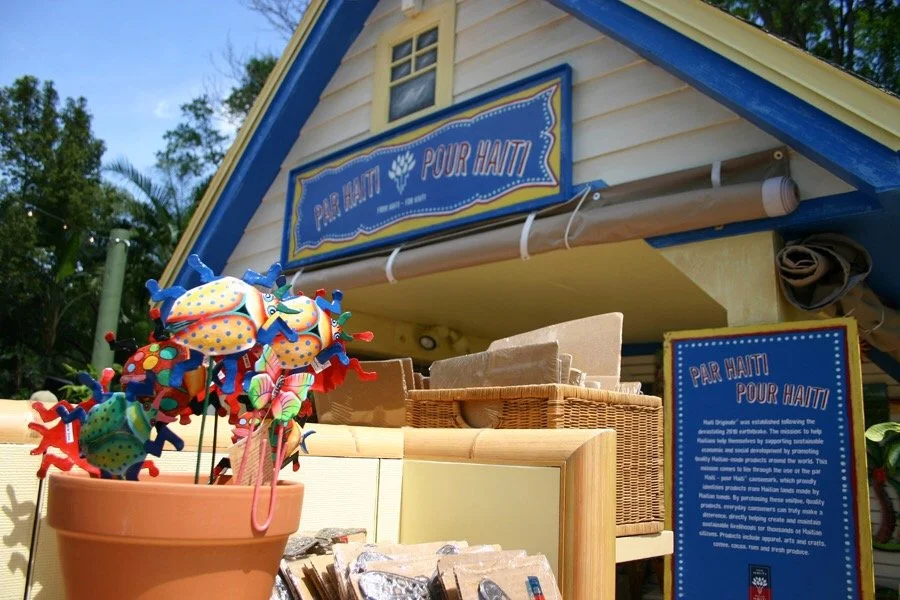
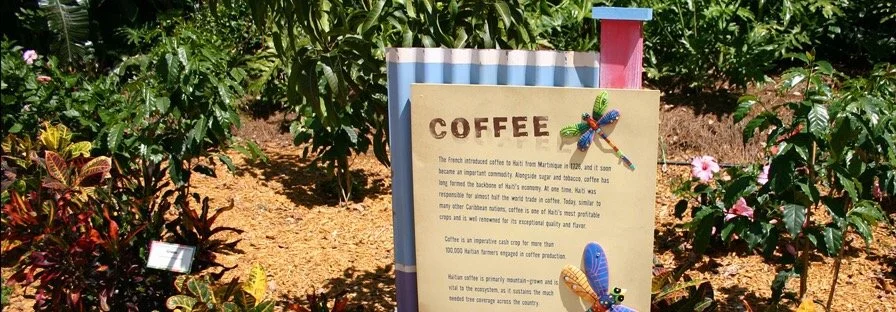
In 2012, Disney's Epcot Center introduced HAITI | GARDEN OF MANY COLORS
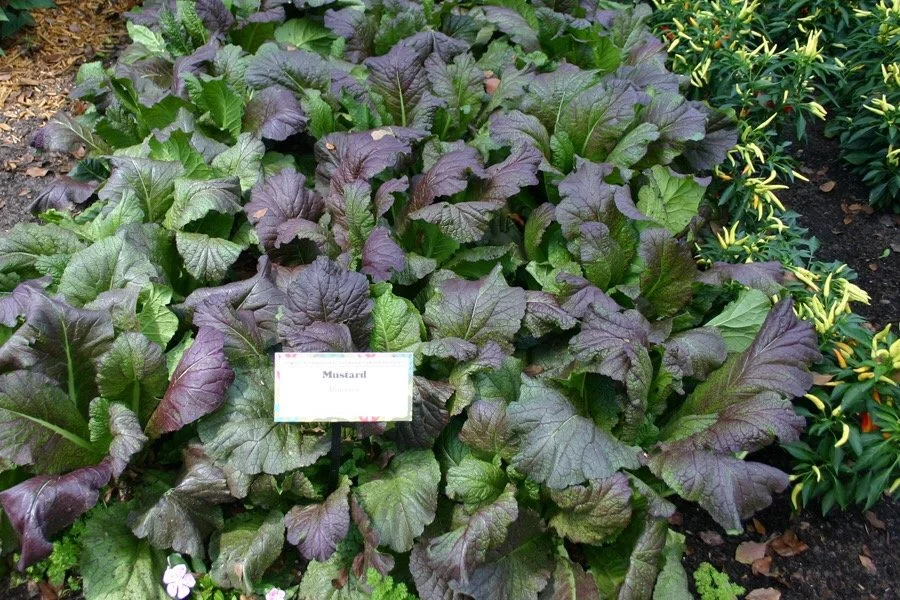
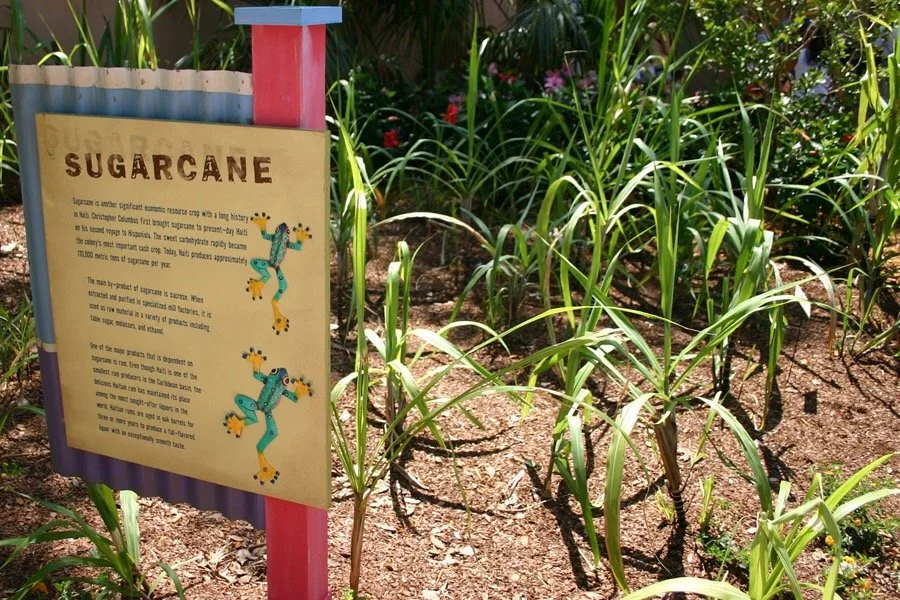
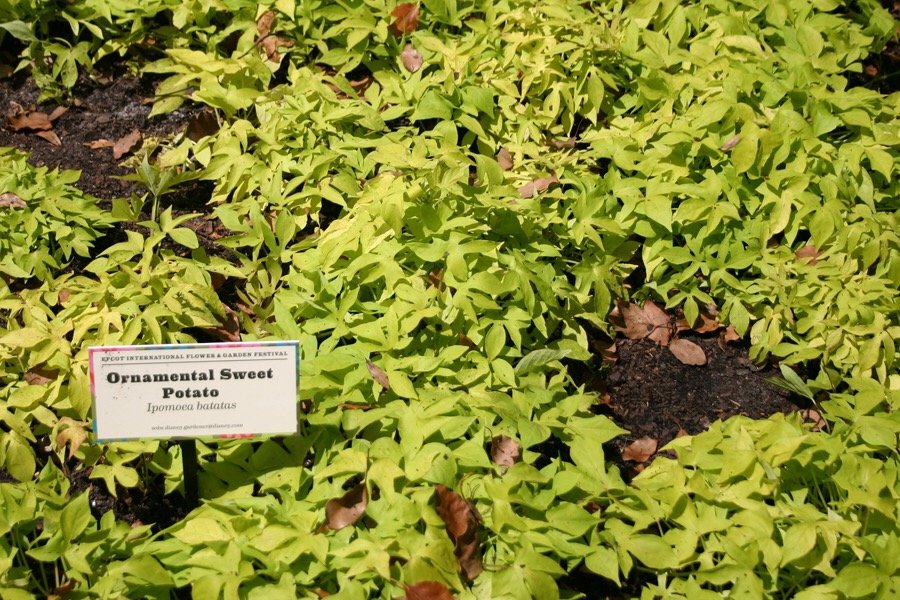
 Well, the Epcot International Flower & Garden Festival, presented by HGTV, is in full bloom! And throughout the festival, we at the Disney Parks Blog will be bringing to your attention to some of the exciting new things for 2012.One of the great horticulture additions this year is called Haiti: Garden of Many Colors. Sponsored by Haiti Originale, the spectacular garden exhibit showcases signature plants, flowers and crops of Haiti and offers information on the cultural heritage, sustainable art and artifacts of the beautiful island.Sugar cane, mustard, thyme and curly leaf parsley are bounty from the Creole Garden. Guests can also find information on Recyclable Art, Haitian Arts and Crafts, Art in Motion and the Art of Haitian music; and they can purchase Haitian coffee (a major industry in Haiti) and crafts made by Haitian artists.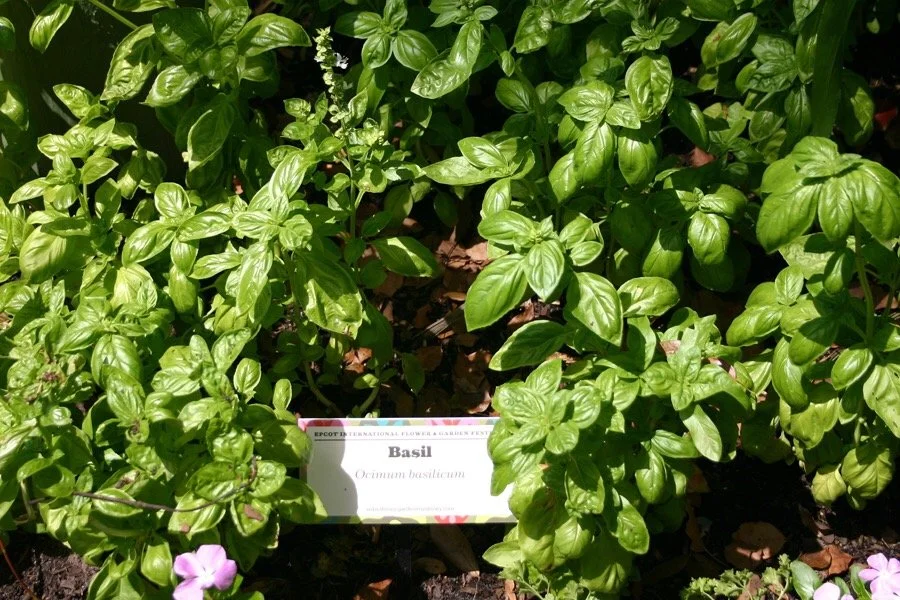
Haiti's new president taps medical doctor to be the country's new prime minister!
 PORT-AU-PRINCE - A relatively unknown medical doctor was tapped to be Haiti’s new prime minister, tasked with steering the government’s legislative agenda through parliament, President Jovenel Moise said late Wednesday.The choice of Jack Guy Lafontant as prime minister of the impoverished Caribbean country came two weeks after Moise took power as president.If parliament confirms Lafontant, perhaps best known as the president of the Rotary Club in the upscale district of Petionville, and allows him to choose other ministers, it would mark the country’s first elected government in a year.Moise announced the surprise pick on Twitter and noted that he consulted with the heads of both chambers of parliament on the selection. Moise did not indicate why he had chosen Lafontant. The two men are believed to be friends, according to local media.Haiti has been headed by a caretaker government since Michel Martelly, the last elected president and Moise’s political benefactor, stepped down early last year without a designated successor.Source: http://www.nydailynews.com/news/world

Word on the streets ... O.T GENASIS and FABOLOUS in Haiti soon!

 Lets wait and see! #Summer2017 Source: partyinginhaiti IGWhat do you think these 2 mainstream artists have planned? Either way, seems like a good look for Haiti!!! #staytuned