
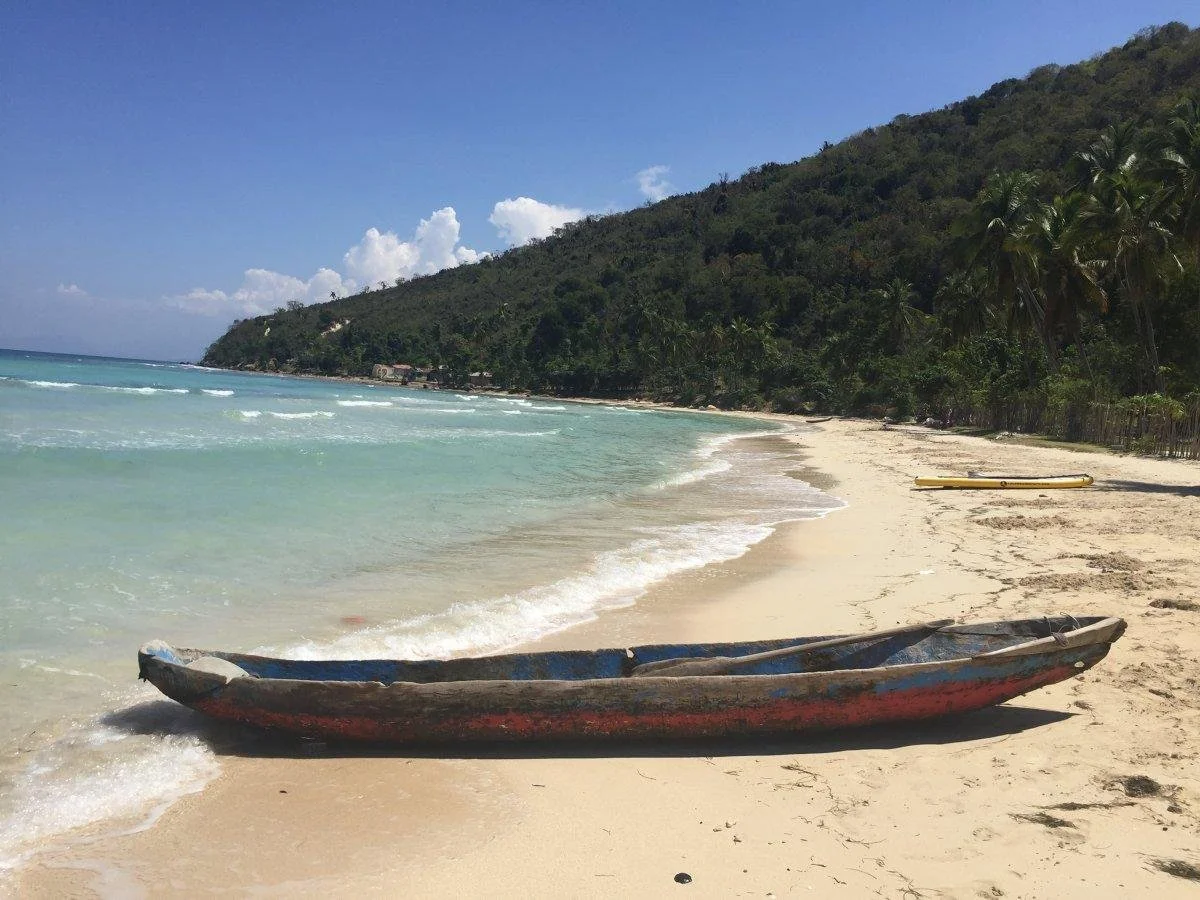
Despite what President Trump says, Haiti's a budding tourism destination
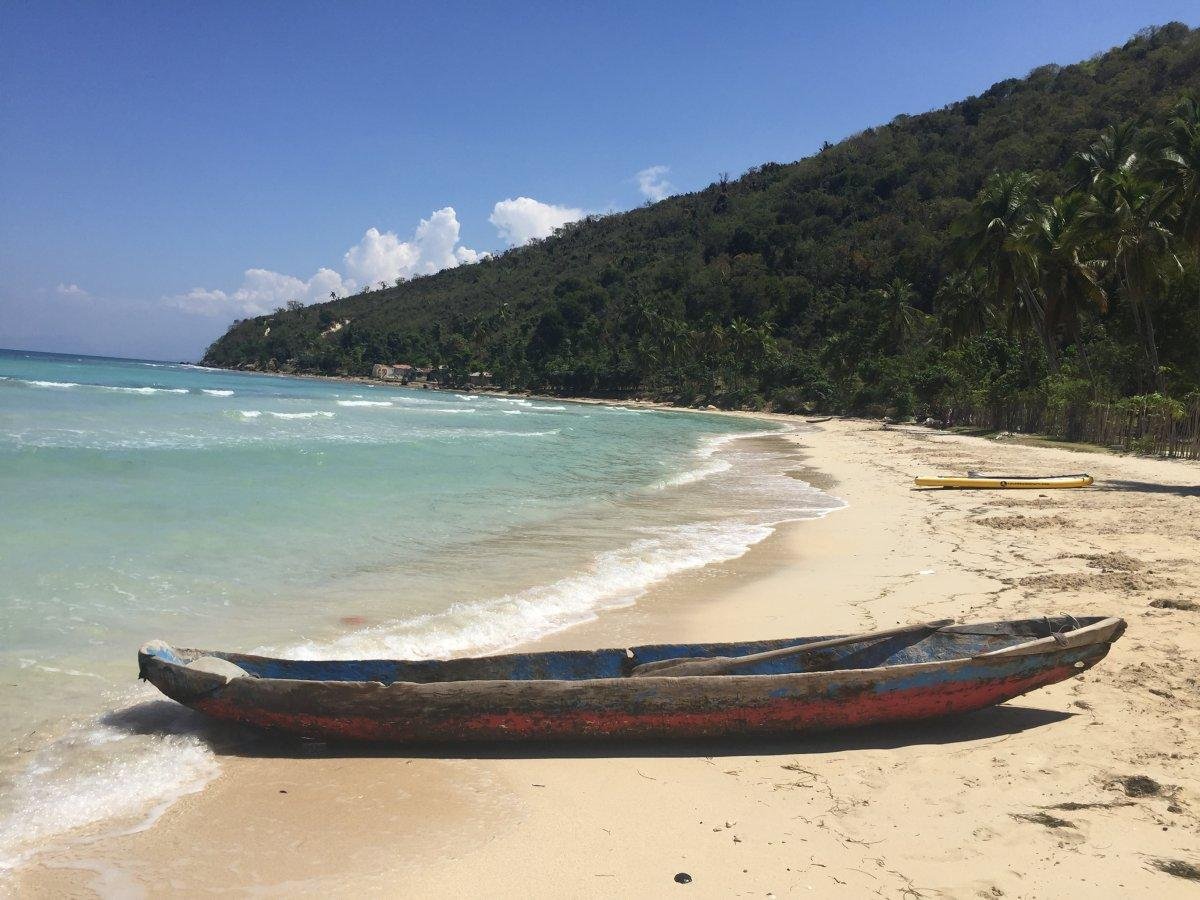
President Trump may have given Haiti an unlikely boost when he labeled the Caribbean country a “sh--hole” last month.The comment — made during an immigration meeting in the Oval Office — has prompted a spike in Google searches and general curiosity about this much misunderstood country, spurring visits like the one filmed by late night host Conan O’Brien for a recent TBS special.Pristine beaches, mountaintop fortresses and eclectic artist enclaves are not what spring to mind when most Americans consider Haiti. Poverty, political strife and natural disasters have long shaped the narrative around this Caribbean nation, which shares the island of Hispaniola with the Dominican Republic.

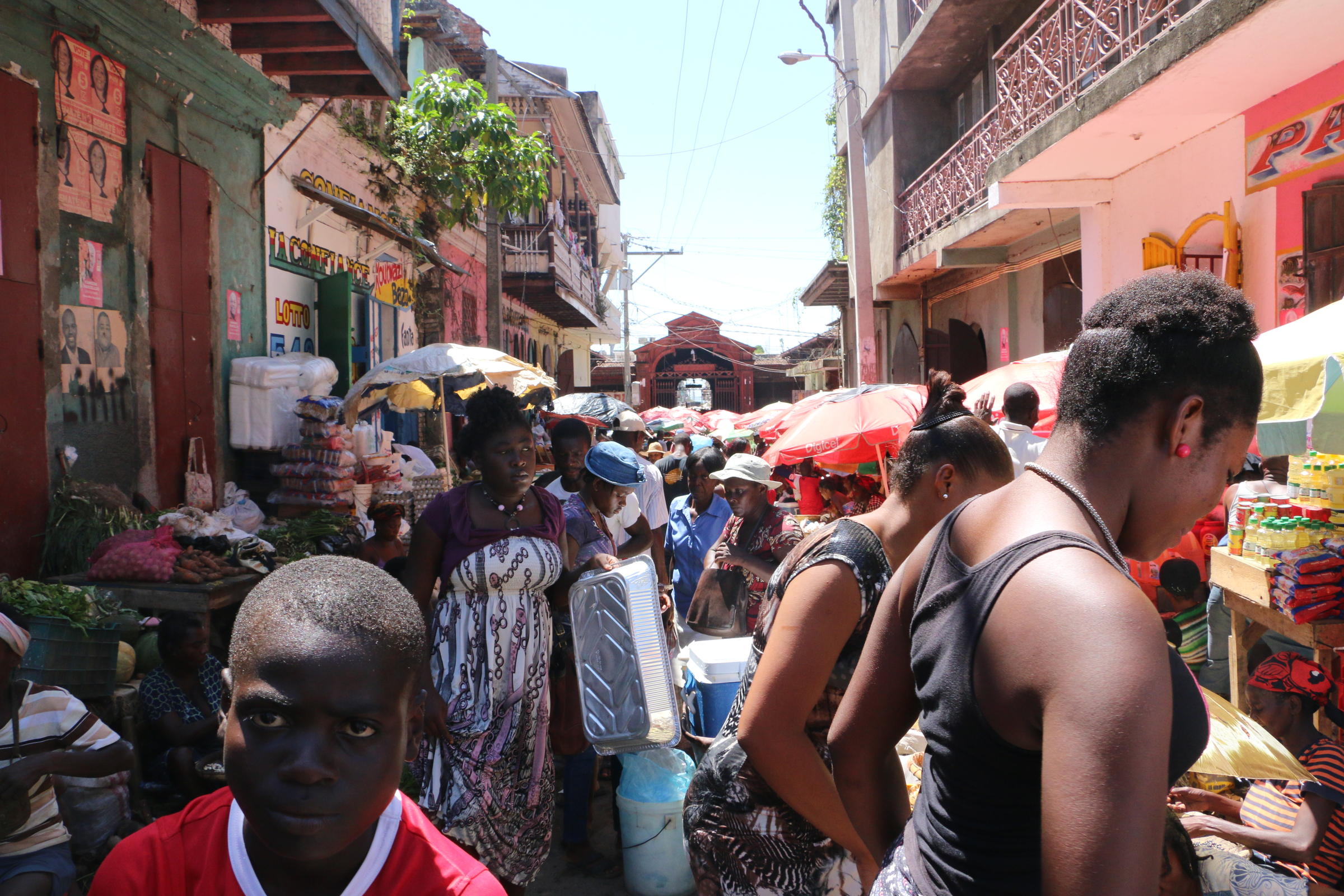
A typical daytime street scene in Port-au-Prince, a city still recovering from the effects of Haiti’s 2010 earthquake.(JESSE SERWER)
But, as Haiti continues to recover from the devastating earthquake of 2010, its natural assets and cultural treasures are returning into focus, and growing increasingly accessible.Tourists have actually flocked to Haiti for centuries. The first, Christopher Columbus, landed in the port city of Cap-Haïtien in 1492. In the 1960s and ‘70s, Mick Jagger and Jacqueline Kennedy Onassis leisured in the capital, Port-au-Prince. Today, aid workers and NGO contractors outnumber vacationers. But with a growing corps of grassroots travel operators highlighting Haiti’s heritage sites and the emergence of new festivals celebrating local culture, the seeds of a tourism revival are taking shape.

Diners at L’Observatoire, a restaurant atop Mount Boutilliers near Port-au-Prince.(JESSE SERWER)
Orient yourself on arrival with a visit to Musée du Panthéon National Haïtien, or MUPANAH. This compact museum, set underground in the heart of Port-au-Prince, illuminates Haiti’s complex legacy as the first republic founded by free black slaves. Among the remarkable artifacts here is the actual anchor from Columbus’ Santa Maria ship, and the pistol with which Henri Christophe, a leader of Haiti’s revolution and briefly its king, took his life in 1820.For an intro to Haiti’s natural beauty, head beyond the Port-au-Prince suburb of Petion-Ville, past the pastel shanty houses of Jalousie, to Mount Boutilliers, home of the aptly-named L’Observatoire. The panorama that unfolds from this stylish alpine bar and restaurant is awesome. Come before sunset, and let your preconceptions about Haiti wash away with a round of Rhum Barbancourt or Prestige beer.

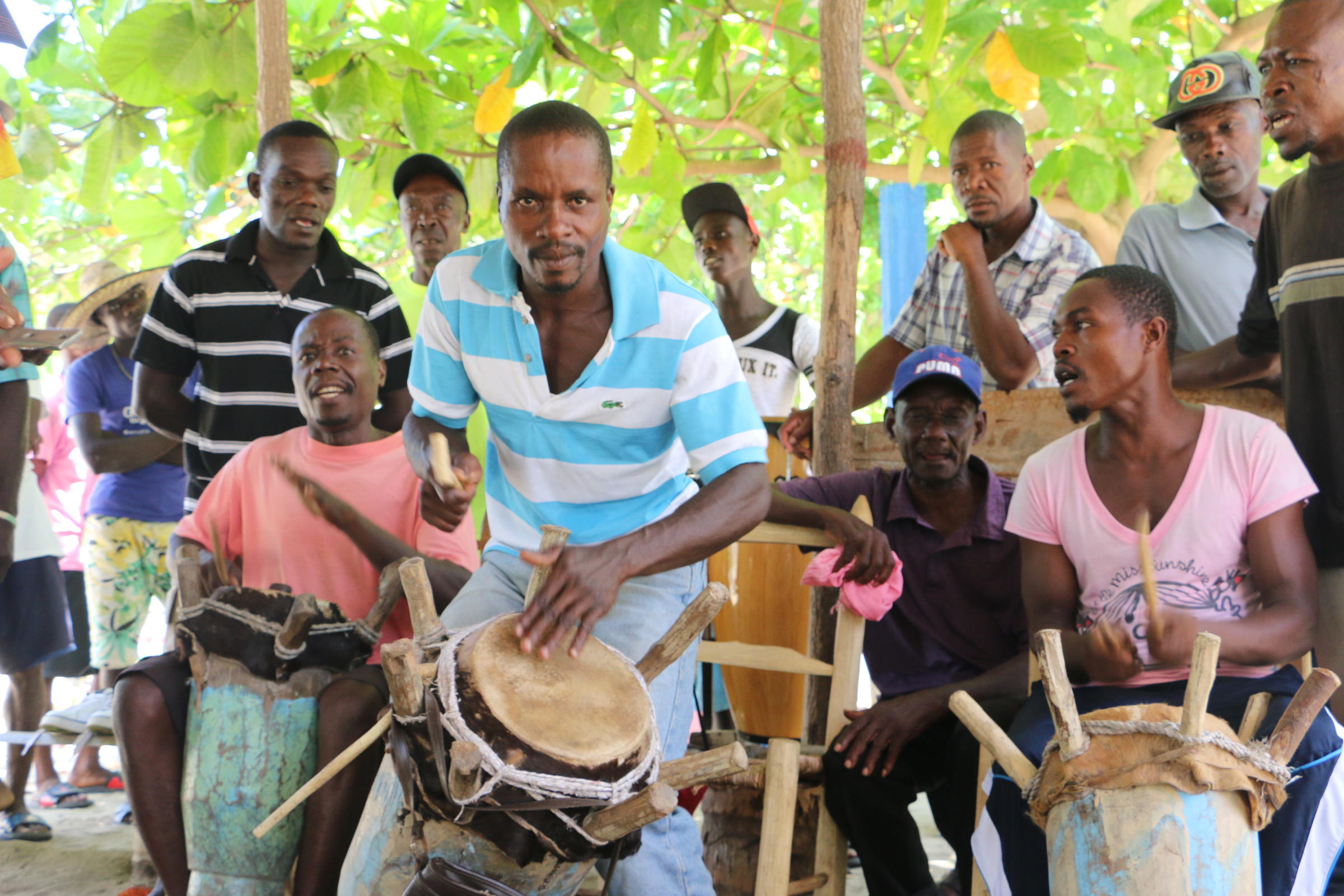
Musicians playing vaksin— traditional horn instruments made from bamboo — offer sounds of encouragement on the path to Citadelle Laferrière. (JESSE SERWER)
Port-au-Prince boasts two of the Caribbean’s most intriguing hotels, each of which are attractions in their own right.Insulated from the capital’s hectic downtown by lush gardens, Hotel Oloffson (hoteloloffson.com) i s one of Haiti’s great icons. This gingerbread mansion was built in the 1890s by the Sams, a prominent family that produced two Haitian presidents. Today the Oloffson is operated by Richard Auguste Morse, leader of the band RAM, which holds court in the hotel’s enchanting lobby every Thursday night. This weekly ritual, combining traditional vodou incantations and folkloric sounds with rock, has persevered uninterrupted for 28 years.

Citadelle Laferrière boasts one of the world’s largest collections of 19th century weapons and artillery. (JESSE SERWER)
The Marriott Port-au-Prince (marriott.com) shatters chain-hotel stereotypes. Philippe Dodard, the “Picasso of Haiti,” curated the décor, and local folk art is woven into every corner, from the bull-horn lampshades that hang above its main staircase, to the papier-mâché masks in the guestrooms. A poolside patio hosts live jazz, while the La Sirene restaurant offers delicious takes on Haitian staples griot (fried pork) and lambi creole (conch in a spicy red sauce).The intricate iron installation behind La Sirene’s bar comes from Noailles, an enclave in Port-au-Prince's northwest renowned for its metalwork. Here, you’ll find the workshops of some 60 artisans, chiseling brilliant crafts from post-industrial waste.

Citadelle Laferrière is situated in Haiti’s northern mountain range, near the city of Cap-Haïtien. (JESSE SERWER)
To visit Haiti’s premier attraction, Citadelle Laferrière, depart Port-au-Prince for the port city of Cap-Haïtien, in the north. The country’s largest cities are under 100 miles apart, but driving through the mountainous interior can take over seven hours. For $85 each way, Sunrise Airways (sunriseairways.net) will shuttle you between them in minutes. From Cap-Haïtien’s Hugo Chávez International Airport, it’s a short drive past distilleries producing clairin, a spirit made from cane sugar, to the village of Milot. There, you’ll find eager guides with horses ready to direct you up Bonnet a L’Eveque mountain to the Citadelle.A UNESCO World Heritage site, this vast fort complex was built by Henri Christophe immediately following independence from France. Remarkably well preserved, it’s now a museum boasting one of the world’s largest collections of 19th century artillery. Below the Citadelle, in Milot, lie the ruins of Sans-Souci Palace, Christophe’s royal residence. Sans-Souci hasn’t weathered the elements as well as the Citadelle, but its wear gives it a haunted, magical beauty.

The ruins of Sans-Souci Palace, once the royal residence of Haiti’s King Henri Christophe I, near Cap-Haïtien. (JESSE SERWER)
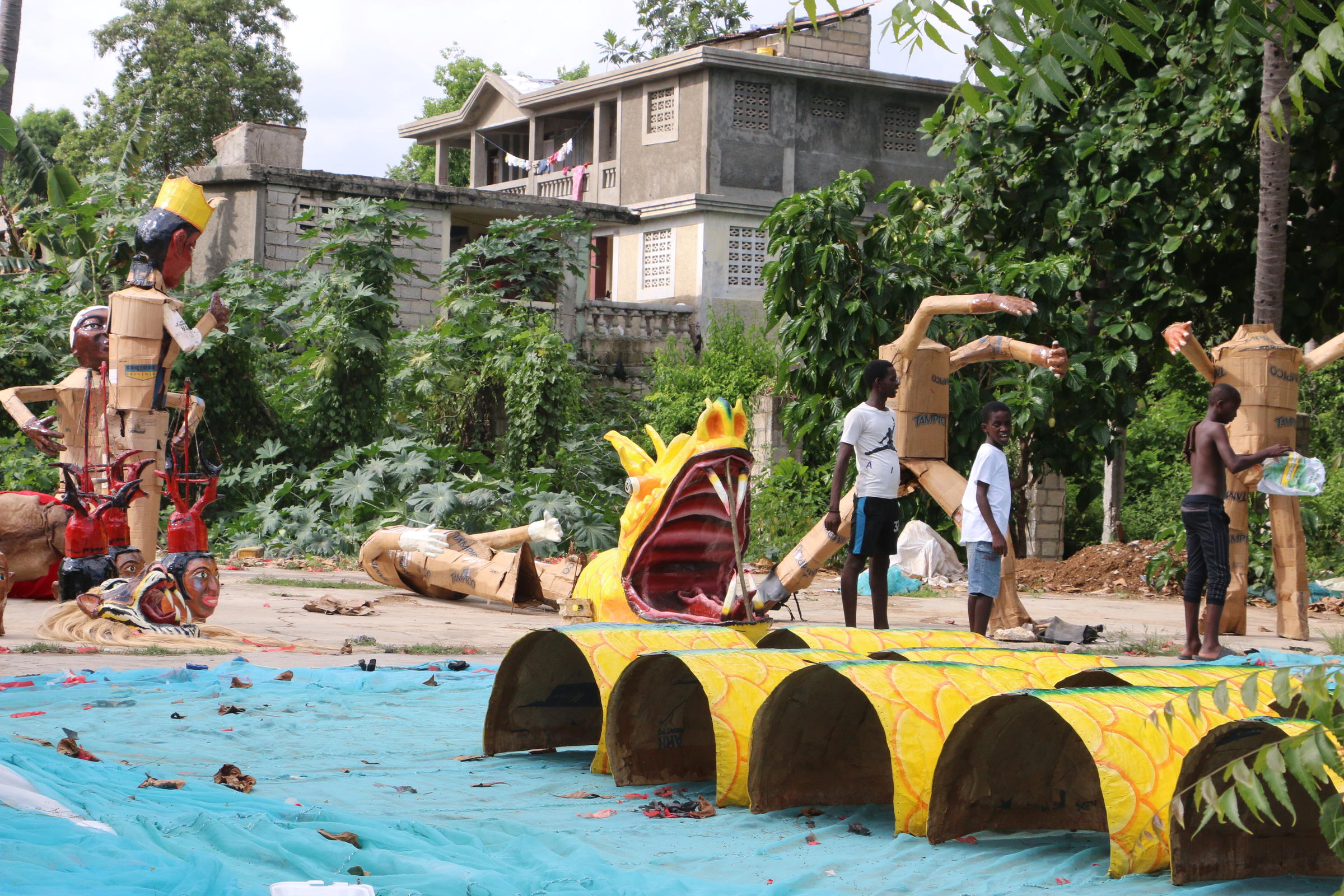
South of Port-au-Prince is Jacmel, Haiti’s “Ville créative.” This port city, with Creole architecture resembling New Orleans’ French Quarter, is liveliest during Carnaval in February, when residents flood the streets in elaborate costumes made of papier-mâché. Art permeates Jacmel’s rustic downtown. Mosaic murals color alleyways, stairwells and public spaces like Lakou New York, as the city’s newly spiffed-up waterfront promenade is known. Tours of artist workshops are available through the Jacmel tourism office.Jacmel is a convenient launchpad for other attractions in Haiti’s south. Fortunately, it has Hotel Florita (HotelFlorita.com), a converted 19th century residence that’s resisted all modernization save electricity. Florita’s bar, renowned for its rum sours, hosts occasional events like the Clairin World Championship (TheSpiritofHaiti.com), a cocktail competition scheduled for early May.

Jacmel’s Old Town, home to rustic Hotel Florita, is said to have inspired the architecture of New Orleans’ French Quarter. (JESSE SERWER)
Just outside Jacmel is Bassin Bleu, a cluster of emerald pools fed by waterfalls. Note the weather before making this trek: rains turn the water a chalky color that won’t make the swim any less refreshing, but will spoil your photo op.Haiti’s best-kept secret is its beaches. Bananier Beach (BananierBeach.com), accessible only by boat, is available for private rental through the operators of Port-au-Prince’s La Lorraine Hotel (lalorrainehaiti.net). For $300 (covers up to four adults), they’ll set you up with transportation, food, drinks and a weekend’s accommodation in a spartan two-bedroom villa along this palm-lined paradise. You’ll have your own private beach area, with other people using nearby areas down the beach during the day.

Bananier, an idyllic southern Haiti beach accessible only by boat, is available for private rental at an affordable price. (JESSE SERWER)
Kabic, about a 15-minute drive from Jacmel, is the only beach in Haiti where you can rent a surfboard. The sport arrived here in 2010, when an American doctor volunteering in Jacmel raised funds to import boards for local youth. Now young men, those same kids run the Surf Haiti (Surfhaiti.org) concession across from La Reference restaurant, where they can also be hired for lessons. The organization hosts July’s Surf Haiti Festival, which last year played out side by side with Kabic Fest, a Kreyol music festival. The dual events drew a mix of local music fans and international surfers, offering a glimpse into Haiti’s promising future as a niche tourism destination.
If you go...
Getting there:Jetblue and American Airlines offer daily direct flights between JFK and Port-au-Prince, starting at around $400 round-trip. Spirit Airlines flies from LaGuardia, with a connection at Fort Lauderdale, with prices starting at around $350.Stay:Standard rooms at the Marriott Port-au-Prince start at $144 a night; discounts are available on reservations booked 14 days or more in advance. Standard rooms at the Hotel Oloffson are $100 a night; bungalows are $125-150; suites are $200. Rooms at Hotel Florita range between $58 and $188 a night.Getting around:First-time visitors to Haiti should hire a reputable guide, or travel with a tour group. Safety remains a concern in Haitian cities, while weathered infrastructure presents challenges for drivers. Jean Cyrille Pressoir, a knowledgeable former journalist, offers custom packages through Tour Haiti (facebook.com/tourhaiti). Agence Citadelle (agencecitadelle.com), a concierge service operating in Haiti since 1946, boasts a stellar reputation.BY: JESSE SERWER | NEW YORK DAILY NEWS | Thursday, February 1, 2018

Why go to Haiti – spotlighting the positives sides of the Republic


AN ELDERLY GENTLEMAN sits in the shade in Port-au-Prince, the capital city of Haiti. (Photo by Kennth Neely)
In the hills of Haiti, about 40 minutes from the capital of Port-au-Prince, under the lavender bougainvillea and the fiery orange flamboyant trees, something even more beautiful happens behind the gate of the Maison Georges Anglade.The house, in the Thomassin community, is a sanctuary for Haiti writers.So it is a place where poets, novelists, and essayists come to complete their projects and engage in the practice of free expression. It is a place that takes care of the writer. A small fee is charged and the writer gets food and lodging. For those who don’t want to reside here, writers can come to use the library or the computer lab, where they sit in the shade of the bougainvillea and write.

ONE OF THE COMMON ROOMS at PEN Haiti. (Photo by Germaine Watkins)
It is a creative space. During the day, it is a space that welcomes all types of writers. There are those who are educated, those who live in tent cities, from those who believe they were born to write. It is also a space that provides workshops to students, local residents, pushing the realization that all can develop the capacity to be a writer. Most nights there are readings and music.PEN Haiti began in 2002 and is part of PEN International, a global organization that promotes freedom of expression as a way to advance human rights. The house was acquired in 2012 and named for a Haitian scholar and ethnographer.

A LOCAL RESIDENT RESTS during the heat of the day on a wall at the beach in Jacmel, a sun-splashed town in south Haiti known for its artists’ communities and music festivals. (Photo by Kenneth Neely)
Since the residence has opened, more than 400 young writers have come through. Some have had the opportunity to work and engage with such famous author poet-playwright Franck Etienne, and poet-novelist Lyonel Trouillot, both whom write in French and Haitian Creole, and with Emmelie Prophète, writer and diplomat, who represents a broadening and outreach to women writers in Haiti.PEN Haiti is an important space. In Haiti, only about 60 percent of the population can read or write and only about 20 percent progress to school beyond the eighth grade.“To fight against those kinds of statistics, the work we do encourages literacy,” said Evans Momparnousse, a director of PEN Haiti, who spoke through an interpreter and recently gave American visitors a tour of home. “We see what we do as a way to use writing as a way to preserve our culture, but also because it values freedom of speech and expression. We believe that supporting writers helps to bolster freedom of speech.”

EVANS MOMPARNOUSSE, a director of PEN Haiti. The organization advocates for literature and arts to help advance human rights. (Photo by Germaine Watkins)
To expand its mission, PEN Haiti is now providing yearly reading and writing seminars in rural areas, such as Jacmel, Gonaives, and Saint-Marc. “We want to reach the young people,” said Momparnousee, “giving them a way to use their voices to debate political, social, and economic issues in Haiti.”One way to do this, said PEN Haiti, is to encourage writing in Creole, the language that is a mix of African, French, and the indigenous tongue of the native people of Haiti. It is spoken by 7 million people and is the language of the everyday man and woman in Haiti. Though French is the formal language in Haiti, many Haitians speak another language–English, Spanish and more–as way to engage visitors, but “we support writing in the local tongue; to give value to it,” said Momparnousee. “Using it to create novels and poems is a way to preserve the language, too.”

WADSON DESIR, a Haitian who works to improve health, education and other outcomes in his community of Boutilliers. (Photo by Germaine Watkins)
In fact, PEN Haiti has instituted what it calls Creole Academy to promote the writing and sharing of culture among the people who use the local language, advocating its use as kind of confrontation with French, the language inherited from the colonial power and spoken by the elite minority. It’s a way, said Momparnousse, to tell the local people that their language and culture matters.The poet and writer Shelo Francois was recently at PEN Haiti in Thomassin on a three-week artist-in-residence to finish a book of poems that address environmental justice and cultural identification.He said he’s been a writer since he was born. One of his influences and favorite writers is the noted Haitian author Jacques Roumain, who wrote of peasant life and culture and was friends with American poet Langston Hughes.

ERVIN DYER, PHD, interviews Wadson Desir, a Haitian who works to improve health, education and other outcomes in his community of Boutilliers. (Photo by Germaine Watkins)
But growing up in Port-au-Prince, Francois was deeply influenced by urban culture and the diaspora arts that penetrated city life. He was drawn to slam and spoken-word poetry and rap music from France. He would perform in school and a teacher told him he had a potential to be a writer.He studied and earned a license in clinical psychology, but the love of writing and being creative never left his soul. Today, in addition to writing, he makes a living holding writing workshops in Kenscoff, a small city in the hills about 40 miles from Port-au- Prince.Francois said PEN Haiti is an important project because it provides writers with connections, a network of support, a peaceful environment to write, and a creative space to be inspired.

CHILDREN on their way from school in Milot, the town that sits at the bottom of the mountain that holds the Citadelle Laferriere, the grand fortress built in the early 1800s. (Photo by Kenneth Neely)
“It’s also important for its outreach and nurturing of young writing,” he said, filling a hole left by the government, which too often ignores writers until they find acclaim.Young writers today, said Francois, see writing as form of protest, a way to push for equality, embrace the intellectual canon, and to highlight social and cultural issues such as influence of voodoo on society.“We are grateful,” he said, “that a place like PEN Haiti opens the doors to help make this happen.”

A LOCAL MUSICIAN stopped by PEN Haiti to practice and share his music in an outdoor garden at the building. (Photo by Germaine Watkins)
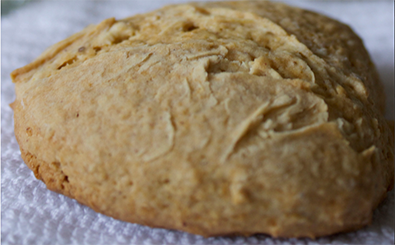
Konparet
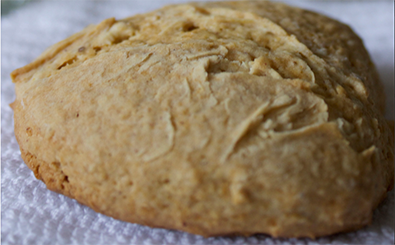


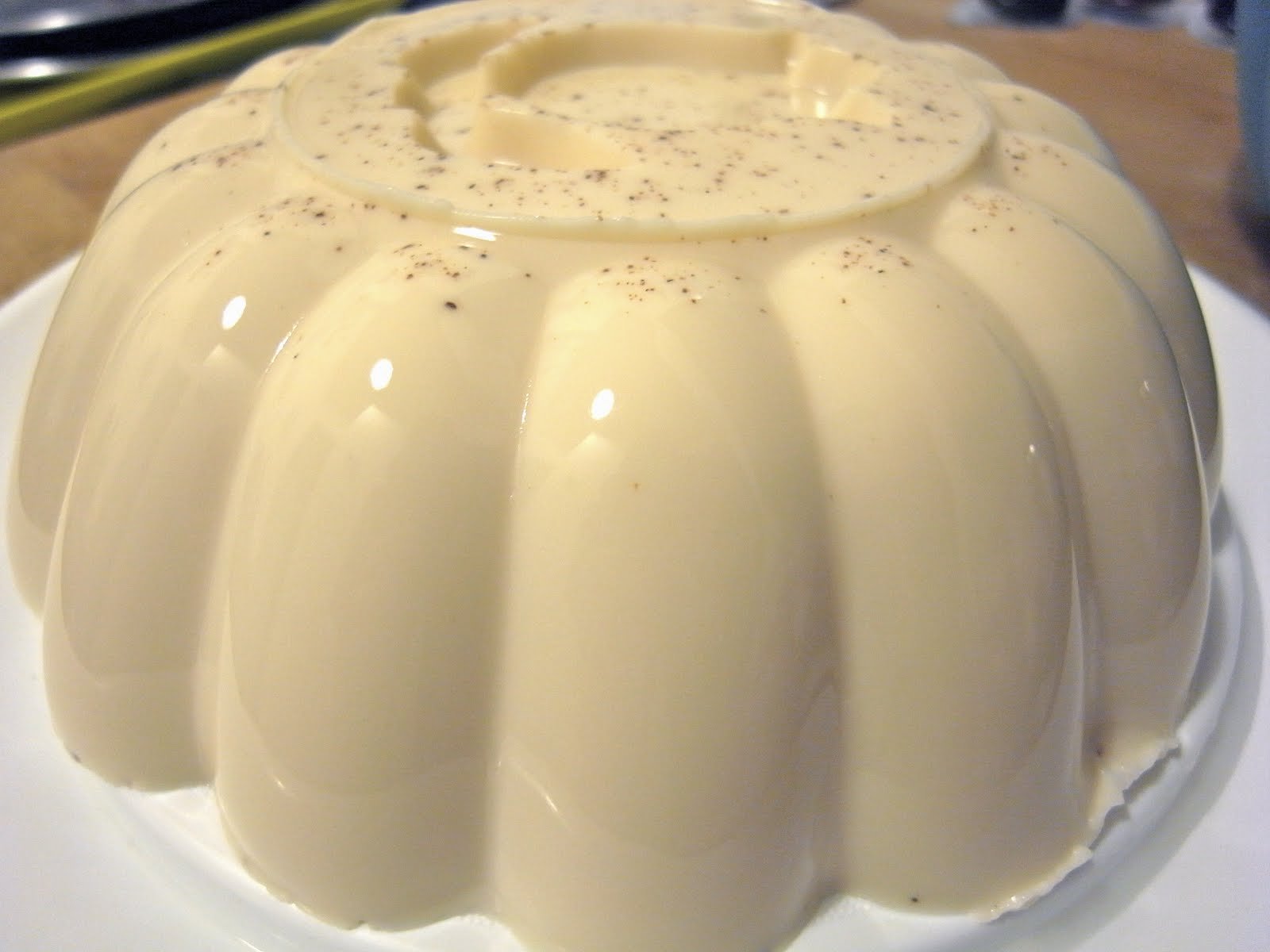
Blanc Manger (Custard pudding)
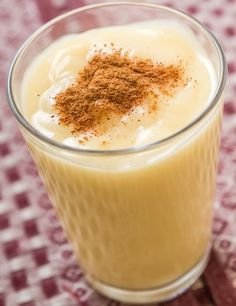
Akasan/ Ak100


Jus Papaye (Papaya Juice)


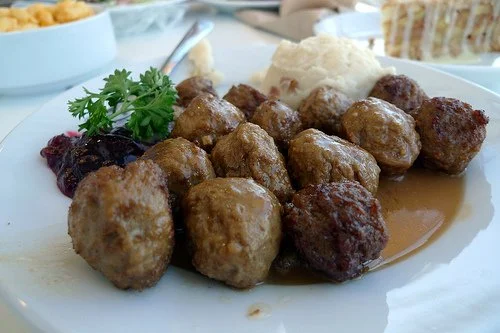
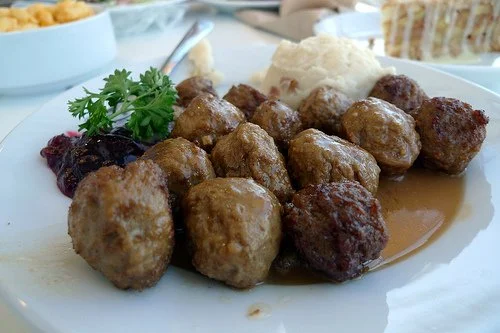
Boulette (Meatballs)

Coffee
A young couple treated themselves to a meal in an expensive restaurant in Petionville. After eating a huge meal they had settled back in their chairs to relax and chat. The waiter came along and asked: "Will you have American coffee or Haitian coffee?" The woman replied that she'd have American coffee, while the man chose Haitian coffee. The waiter said, "coming right up," and rushed off. "Ah," said the woman, this is a fantastic restaurant. The service is so solicitous and they have just everything." Her date agreed. After a few minutes the waiter returned with two cups, one small demitasse cup and one large coffee cup. He placed the large cup in front of the woman and the small cup in front of the man. Then, with great ceremony, he filled both cups from the same coffee pot!

Ginger and Cinnamon Tea


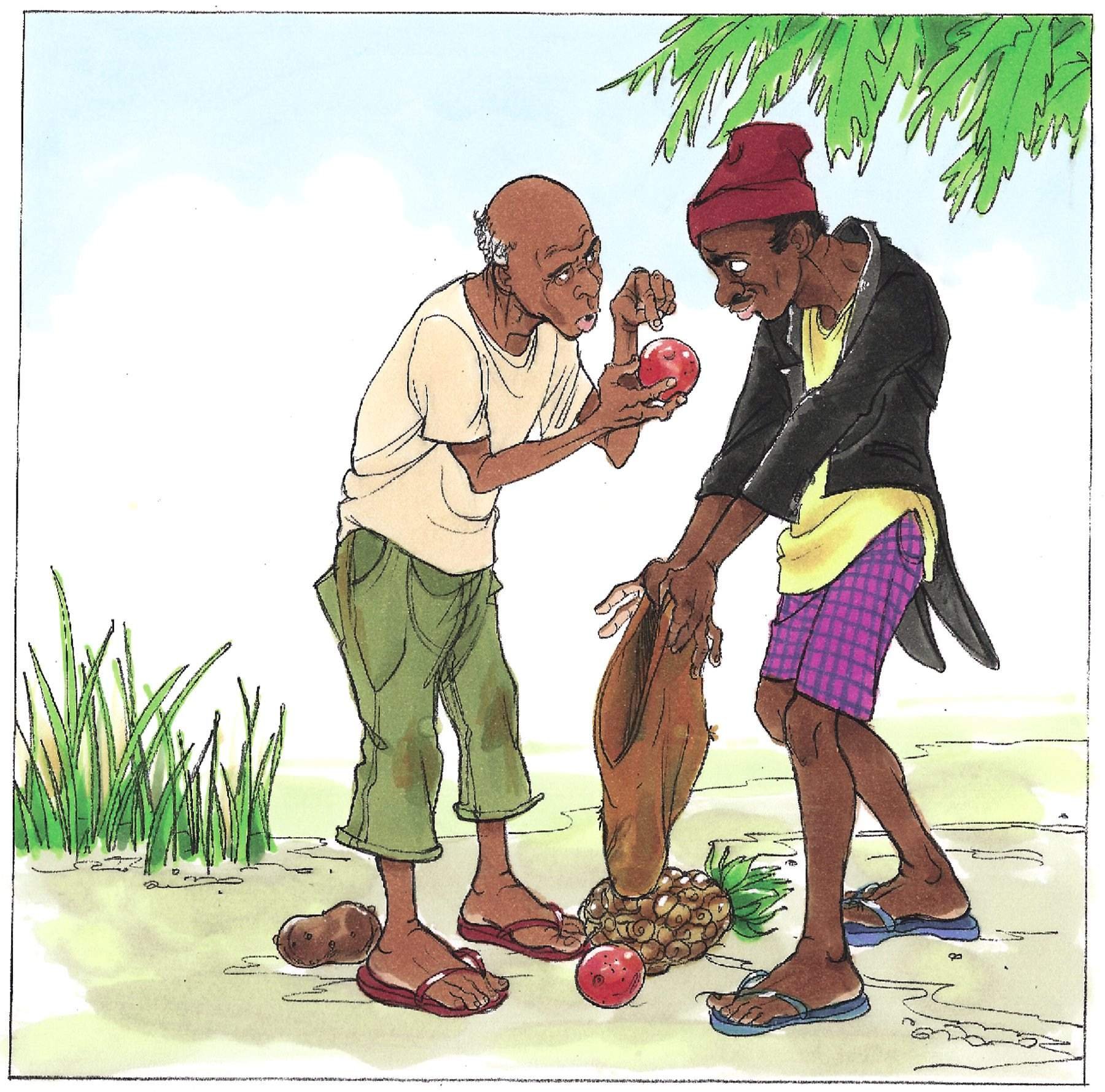
Wheeeeeeai (A Haitian Folktale)
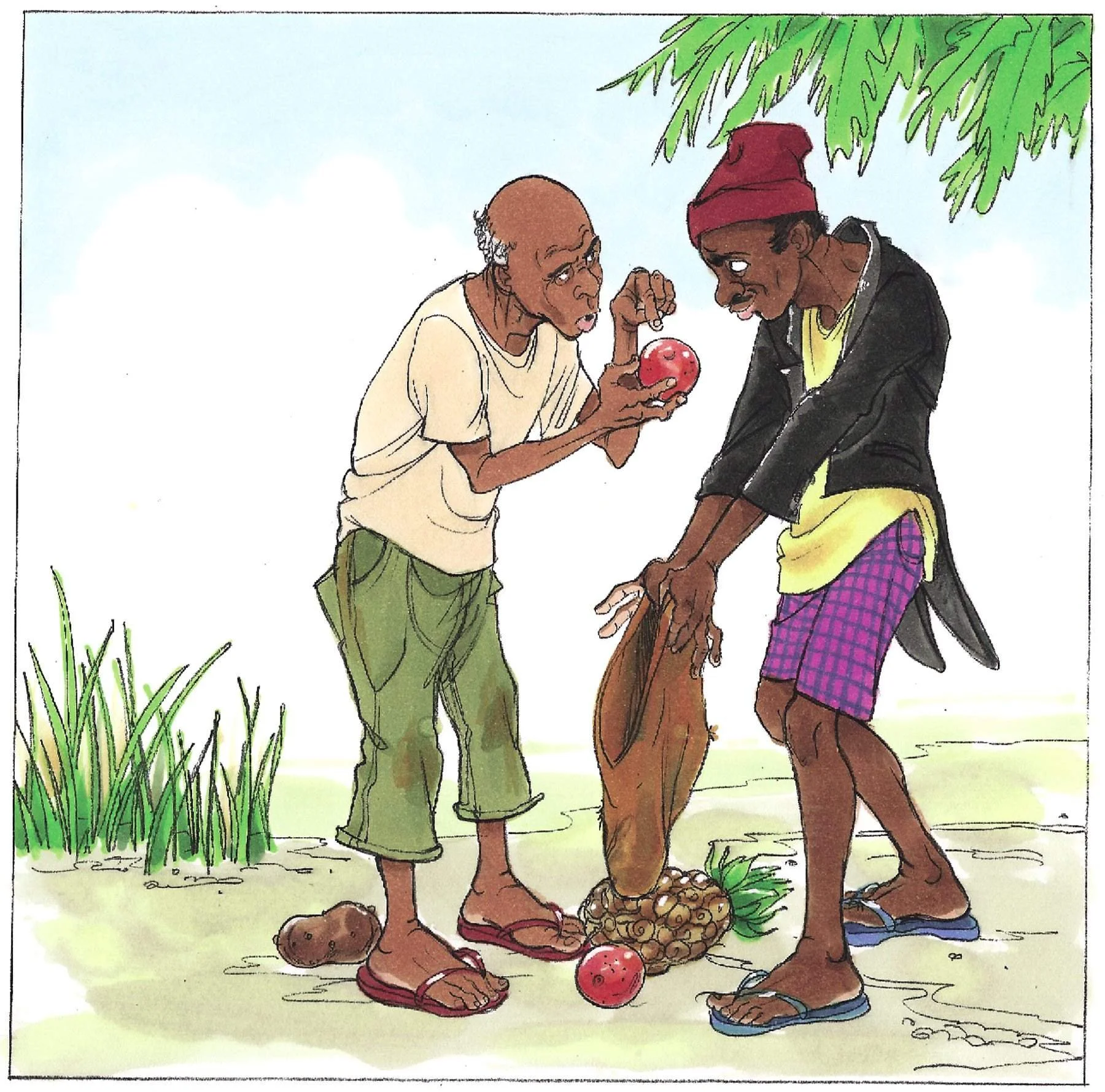
One hot summer day, Uncle Bouki was working hard in his garden. He had been digging and plowing for hours when at long last he decided it was time to quit."I've spent enough time in the garden," he said. "It's time to make a little money for my labor."He then packed a big burlap sack with a great many yams and peas, and he set off for the market.Uncle Bouki forgot to eat before he started walking, and when he was only halfway to the village, his stomach began to growl with hunger."My, my, I'll have to find something to eat very soon," he said. He walked a little farther, and he came upon a man squatting by the side of the road.When Uncle Bouki saw that the old man was eating, his stomach nearly leapt out of his body. You see, the old man was eating a bowl of calalou -- crabmeat, pork, onion, okra and, naturally, a great many peppers. The old man was clearly relishing his feast, licking his lips and fingers."Hello," Uncle Bouki called, "how are you?" He was dreaming of tasting some of that crabmeat -- and perhaps some onions, too. Maybe, he thought, the old man would share the bowl with him.But the old man was deaf, so he didn't hear Uncle Bouki. He was so wrapped up in a haze of happiness as he devoured his food that he didn't even notice poor Uncle Bouki."Please, sir," Uncle Bouki stepped closer, "could you tell me where I can get some of that fine food you're feasting upon?"Again, the old man didn't answer, and Uncle Bouki's mouth began to water. "Please," he begged, "just tell me what you call that fine repast you seem to be enjoying so?"It just so happened that right at that moment, the old man bit down on a hot pepper, a pepper so hot that he felt as if his tongue had caught fire. He opened his mouth wide and wailed, "Wheeeeeeai!""Thank you!" said Uncle Bouki, "I've never heard of Wheeeeeeai."He smiled and hurried off to the market, determined to buy himself a big bowl of the stuff -- or at least as much as 10 coins would purchase.When Uncle Bouki reached the market, he hurried to sell his yams and peas. Then he began to walk from stall to stall, searching for this food discovery. At each stall he pulled out his coins and said, "Excuse me, I'd like to buy some Wheeeeeeai."Each time the vendor only laughed and said, "You must be mad!"Everybody laughed at him and whispered behind his back, and that's how Ti Malice heard the story.When he learned that Uncle Bouki was searching for a treat called Wheeeeeeai, he had an idea. He hurried home, ahead of Uncle Bouki, and just around the bend from Uncle Bouki's house, Ti Malice climbed down to the river and cut some cactus leaves and stuffed them into a burlap bag.By the time Uncle Bouki had turned to walk home, he could think of nothing but finding some of that Wheeeeeeai. His stomach growled, and his mouth watered. His imagination soared. And all the way home he thought about Wheeeeeeai. He dreamed of how good it must taste!Just before he rounded the last bend in the road, he saw Ti Malice."Good day, Uncle Bouki," Ti Malice said. "And how are you today?""I'm fine," Uncle Bouki said, "except I'm dying to eat a bowl of Wheeeeeeai. Do you know where I could find some, Ti Malice?"Naturally, Ti Malice said he did. While Uncle Bouki was still walking home from the market, Ti Malice had placed a few oranges atop the cactus leaves in his burlap sack. And on top of these oranges he put a pineapple. And at the very top he placed a big potato."I just happen to have some Wheeeeeeai in this bag," he said. "Here you go."Uncle Bouki could not believe his great luck, and without thinking of all the tricks Ti Malice had played on him in the past, he reached into the sack.He pulled out the potato. "This isn't Wheeeeeeai," he complained."Reach in again," Ti Malice said. So Uncle Bouki did.This time he pulled out the pineapple. "This isn't Wheeeeeeai," he said, but he reached in again. Next he brought out the oranges. "And this isn't Wheeeeeeai, Ti Malice. You're making fun of me!""I'd never do that," Ti Malice said, smiling. "Reach in once more. I'm sure you'll be surprised at what you find!"So Uncle Bouki reached in one more time, and this time he touched those cactus leaves. The sharp needles pierced his hands, and he jumped into the air and cried, "Wheeeeeeai!"Ti Malice grinned. "There you go, my friend," he said. "You've found your Wheeeeeeai!"
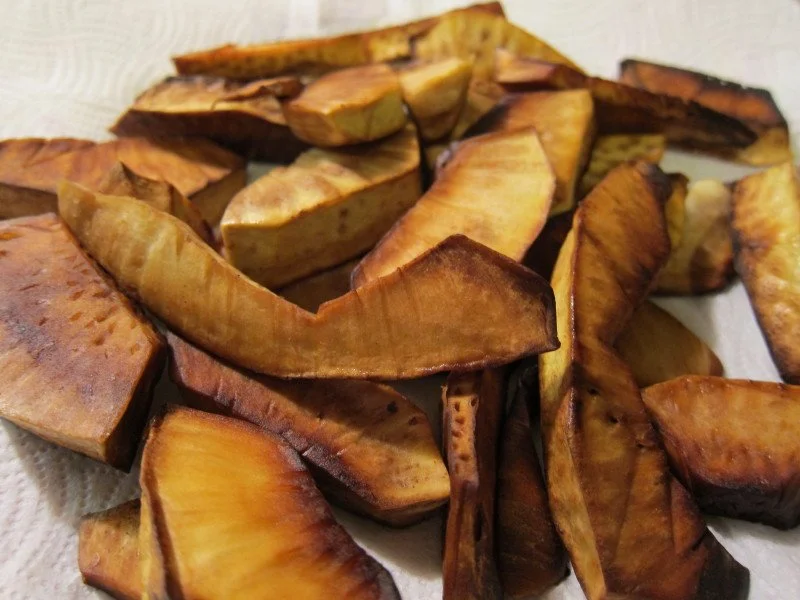
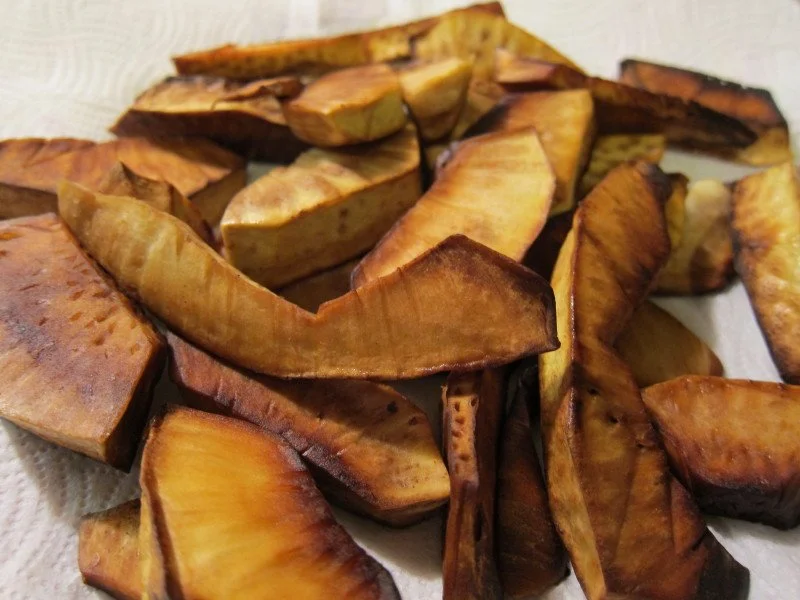
Veritab Fri (Fried Breadfruit)

Ingredients:
1 breadfruit, peeled and cut2 cups of oilsalt to taste
Directions:
1. Preheat oil in a deep-fryer or saucepan over high heat.2. Peel, core, and cut the breadfruit into medium-size chunks.3. Reduce to medium-high and deep-fry the breadfruit chunks.4. Cook in the oil for 25 mins.5. Remove from the oil and press the breadfruit pieces flat.6. Deep-fry the pieces over high heat until golden brown for 2-3 mins.7. Salt to taste.
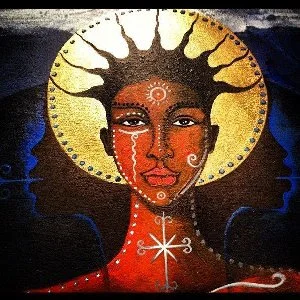
Little Haiti Takes Center Stage for Art Beat Miami during Art Basel Miami
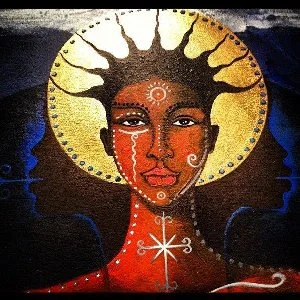
Art Beat Miami opens December 6th with the unveiling of works of emerging and renowned local, international and celebrity artists in the art mecca of Little Haiti.
MIAMI – Little Haiti once again becomes the heartbeat of all things art and Caribbean during the 2017 Art Basel season with Art Beat Miami.Art Beat Miami is the must attend art fair event taking place at the Caribbean Marketplace from December 6th – 10th.Art Beat Miami is a collaboration of local galleries, businesses, community and civic arts organizations which includes the Little Haiti Optimist Club, the Northeast Second Avenue Project (NE2P), MJ Diversity Consulting Group and Chefs of the Caribbean.From the Little Haiti Cultural Center and stretching the length of the NE 2nd Avenue corridor, the 2017 season again features the critically acclaimed Mural Mile public art walk, showcasing a collection of murals draped across 20 buildings.This world-famous walk of art showcases murals on buildings spanning the 2nd Ave Corridor from NE 54th Street to NE 62nd Street and 54th Street between NE 2nd Avenue and NW 6th Avenue, by some of South Florida’s best muralists.
Art Beat Miami Preview Party
Art Beat Miami opens with a free Preview Party on Wednesday, December 6th at 7PM with a special performance by musician Michael Benjamin, known as Mikaben.Art Beat Miami has again partnered with Haiti’s Minister of Culture and Communication, who is sponsoring these visiting artists from Haiti who are exhibiting at this year’s Art Basel/Miami Art Week: Francois Hazel, Levoy Exil, Payas and Valerie Noisette.For the art and culture aficionado, the wealth of offerings at Art Beat Miami has something for everyone.Attendees will be able to submerge themselves in the flavor that is Little Haiti. Art Beat Miami features art curated by Pulitzer Prize Winning Photojournalist Carl Juste, from artists, painters, sculptors and craftspeople from around the world, but all with a unique strain of Caribbean DNA.Guests will view art of celebrity notables such as Slip and Slide Records’ Ted Lucas, lead vocalist and guitarist Roberto Martino of famed Kompa band T-Vice, Theo of the Kompa band Kreyol La, Haitian-American best-selling novelist Edwidge Danticat, the reigning queen of Haitian music and one of the premier Haitian song writers of her generation Emeline Michel, Musician and lead singer of the dynamic Haitian band Harmonik, Mac D and Grammy nominated Blues and R&B artist and painter Valerie Woods. Art beyond musicians and other celebs features the great works of Master Haitian Vodou Painter Levoy Exil; Trinidadian born artist to the stars Stuart McClean; and representing multiple and multinational artists, private collector Lobey Art & Travel.One hundred percent of the proceeds from the work of the celebrity artists will benefit Hurricane relief efforts and a portion of the exhibiting artists’ work sold will also support hurricane recovery efforts.
Art Beat Miami will Spice It Up! Miami
Art Beat Miami will also highlight the “Art of Food” with Spice It Up! Miami on Friday, December 8th and the Chefs of the Caribbean Celebrity Brunch on Saturday, December 9th honoring world-renowned Spanish-American James Beard Award recipient Chef Jose Andres, best known for bringing the small plate dining concept to America.Chef Andres will be honored for his philanthropic work in disaster recovery efforts around the world. Chef Andres served over 3 million hurricane survivors in Puerto Rico and has worked in Haiti and other countries after natural disasters.He will be presented with an award commissioned by the Little Haiti Optimist Club from renowned national artist CJ Latimore as well as a proclamation and special recognitions from the City of Miami Commissioner Keon Hardemon and Miami-Dade County Commissioner Jean Monestime.
The Art Beat Miami Schedule
- Wednesday, Dec. 6th – Preview Party featuring musical artist Mikaben | Caribbean Marketplace – 5925 NE 2nd Ave 7PM – 10PM. The Beat kicks off with a free opening night mingle of music, art, food and fun. For more info – call: 305-492-7868|email: info@artbeatmiami.com
- Wednesday, Dec. 7th – Sunday, Dec. 10th – Little Haiti Mural Art Project | 8PM – Noon. Painting murals throughout the corridors of Little Haiti by local and international muralists.
- Thursday, Dec. 8th – Sunday, Dec. 10th – Art Beat Miami Art Fair | Noon – 8PM. Daily free art fair showcasing emerging, local and international artists and celebrities.
- Friday, Dec 8th – Spice it Up! Miami | Caribbean Marketplace – 5925 NE 2nd Ave 7PM – 10PM. Celebrity Chefs and restaurants show guests how to create appetizing bites and mix tropical drinks featuring: Chef Malcolm Prude of Southern Spice, Chef Alejandro of Ales Paella, vegan Chef Drigo the Culinary Alchemist, Chef Jenny Risonne of Pastry Is Art and Brand Ambassador/Mixologist Michael Ring of Coopers Craft. Learn to dance salsa, reggae, Kompas, network the night away and so much more. $65 More info: 305-492-7868 – RSVP for tickets : www.spiceitupmiami.eventbrite.com
- Sunday, Dec 10th – Art Beat Miami Art Fair concludes | Noon – 8PM.Sponsors of Art Beat Miami: Little Haiti Optimist Club, Northeast Second Avenue Partnership (NE2P), Art of Black Miami and Miami Heritage Month organized by the Greater Miami Conventions and Visitors Bureau, Eastside Ridge, MJ Diversity Consultant Group, Barefoot Wine & Bubbly, Miami Urban Contemporary Experience, Chefs of the Caribbean, Haiti’s Minister of Culture and Communication, the City of Miami Commissioner Keon Hardemon, Haitian American Chamber of Commerce of Florida and Little Haiti Cultural Complex.
Getting to Art Beat Miami
For guests’ convenience, the City of Miami will extend the Midtown trolleys to various locations throughout Little Haiti including the Art Beat Miami art fair.The route will start in Midtown and will offer free transportation between the Design District and Little Haiti.By: South Florida Caribbean News December 5, 2017
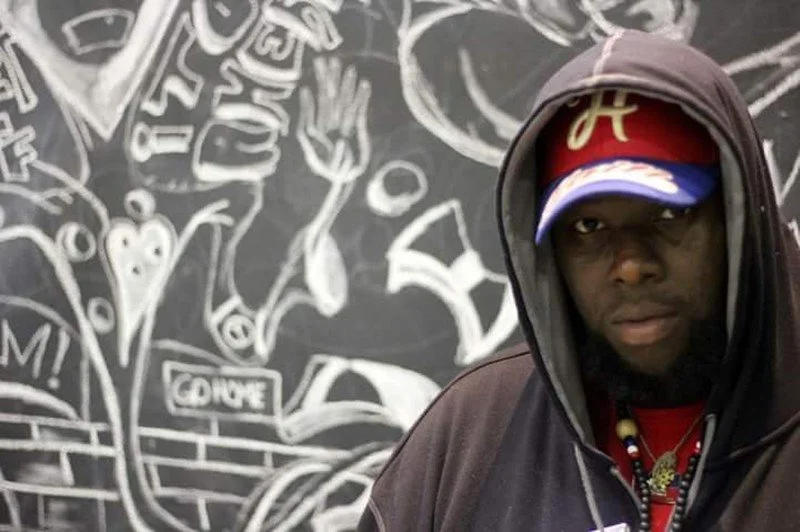
Artist finds ‘calling’ after 2010 earthquake in Haiti
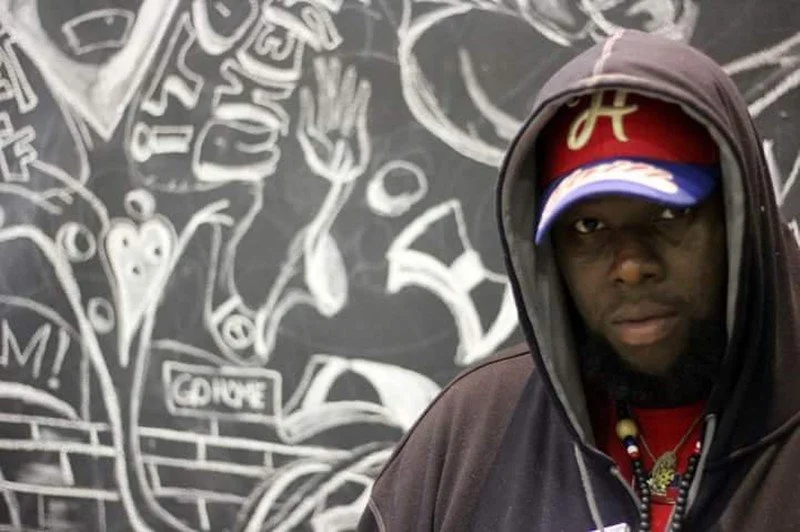

By: Kyoto Walker Special to The Palm Beach Post for the Palmbeachpost.com | November 29, 2017

Gaston Vilaire’s new book “The Eve of Paramour” is a profound dissertation about how the fragmented Haitian people face their homeland’s disintegration

 Gaston Vilaire, a migrant from Jérémie, Haiti, who has worked in research laboratories at MIT and University of Pennsylvania, has written articles on Haitian painting and social criticism, served on the board of several Haitian cultural and charitable organizations, and became a founding member of Organization Lavalas Philadelfi, has completed his new book “The Eve of Paramour”: a scholarly account that that presents a phenomenology of questions about metaphysics and its influence on native minds amidst a progressing society.Author Vilaire reflects on the obvious diversity of perspectives, yet seemingly mirrors the collective culture from which one has grown up with or has originated from: “These are fragments littering the American landscape that worldwide immigrants have discarded, sometimes with contempt as they adopted their new nation and their new way of life. I pick them up wherever I find them and mend them in quilt-like fashion, as a symbolic gesture of reverence to our humanitarian heritage. They are vagrants in search of a home. Like the question, they too are experiencing homelessness. Painters and poets of diaspora who capture them on canvas and paper give them a mythical space—though not mythical coherence. They take great care to change them into sterile deities before getting them laid in multicolored media. There, in a whim of fancy, they careen them on one side or the other of the frontier of the sexes. Exiled from their collective cultures, these elements were forced to abandon the countryside for shantytowns, where they would board flimsy kanters for the land of diaspora. They too are as lost and fragmented as their makers.”Published by New York City-based Page Publishing, Gaston Vilaire’s thought-provoking narrative not only confines itself to the Haitian mindset, but it also extends to all in general, as it finds universality in crisis brought about by wars, dictators, and disasters.Readers who wish to experience this powerful work can purchase“The Eve of Paramour” at bookstores everywhere, or online at the Apple iTunes store, Amazon, Google Play, Kobo, or Barnes and Noble.
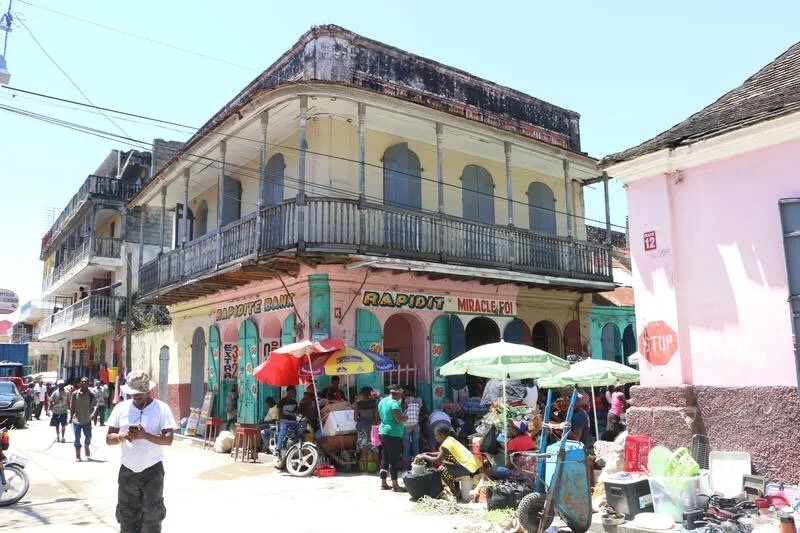
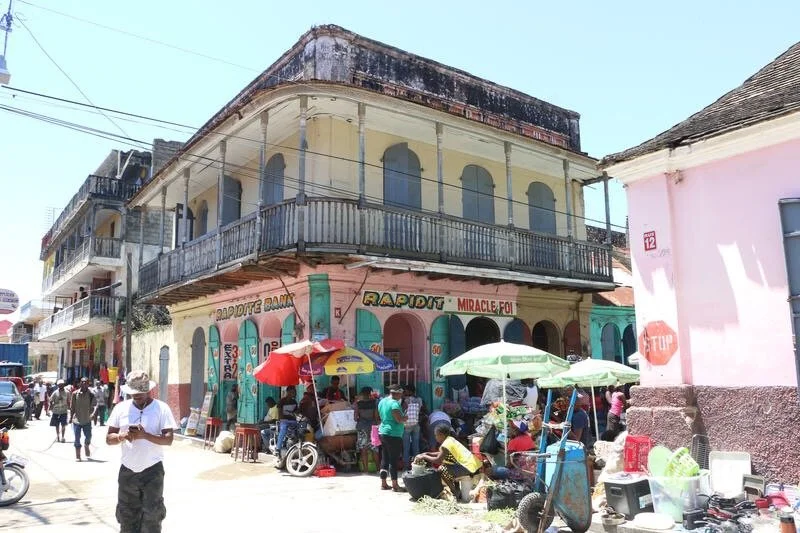
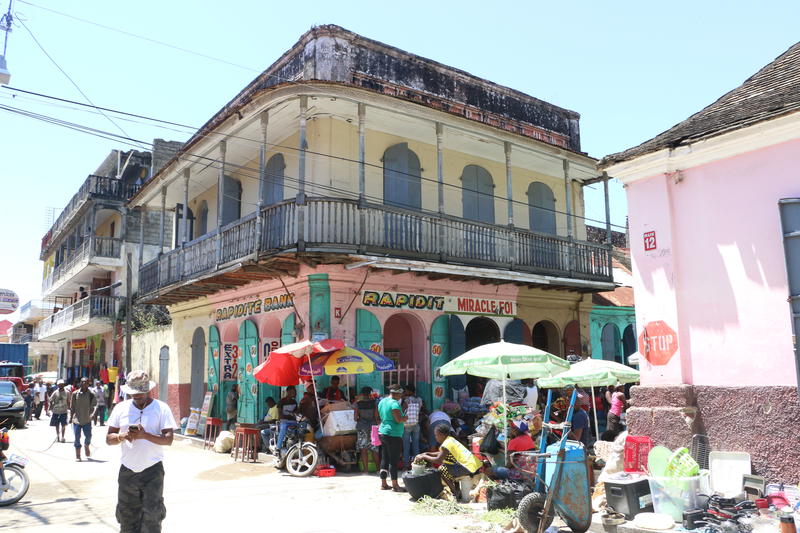
Haiti & New Orleans: Is The Feeling Mutual?
By "we," Barbara means native New Orleanians. And then, as if it was a setup, Barbara turns to a woman sitting a few pews behind her, and asks, "You have ancestors from Haiti?"The woman replies that she does not, but has friends that do. "Do you know the Burns? Or the Dumas?" responds the woman. "Yeah!" said Barbara. Those families come from Haiti, the woman responds. Barbara smiles and says "Ha! Same tribe, Same tribe."Barbara’s relatives leaving Haiti and making their way to New Orleans, is part of a larger migration of people fleeing Haiti during its revolution at the turn of the 19th century. The Haitian Revolution is the only successful rebellion by enslaved people in the Americas. And when it ended, and Haiti became independent, thousands of white, free black, and enslaved people -- fled or were forced from the island. Most went to New Orleans and Cuba. Then, a few years later, those same Haitian refugees that went to Cuba were expelled from Cuba, so they also came to New Orleans. This was 1809, when 10,000 Haitians arrived, and doubled the population of the city. This is partly why so many New Orleans families today are people of Haitian descent. And why a creole culture, born from African and European ancestry, define both places, and bind them together.They’re these similarities in heritage and homelands, and there’s also the architecture, religion, music, dance, food, carnival, and vulnerability to natural disaster. For all these reasons, Barbara believes Haiti is part of her city’s identity, and says other New Orleanians do, too. I’m not a native New Orleanian, but a lot of locals associate this connection with who they are as people. Even all these generations later. There’s this saying that New Orleans is "the northernmost point of the Caribbean," that basically comes from the city’s relationship with Haiti, and is one reason why New Orleans fancies itself part of the Caribbean, and Haiti, in particular, something of a sister city. But is New Orleans just fancying itself? Do Haitians think of New Orleans this way? Do they think of New Orleans at all? These two places were tied at the hip 200 years ago, But where does their relationship stand today?This story is told in three parts: The history of the original connection between these two places, what happened over time, and what the future can hold.PART I: The One-Way TripAndre Paultre belts his brains out behind the wheel of his forest green 4runner as it shakily bumps down a dirt road. Andre’s what’s called a fixer, he works with reporters when they travel to Haiti. We’re driving to a city called Jacmel, about three hours south of Port-au-Prince.
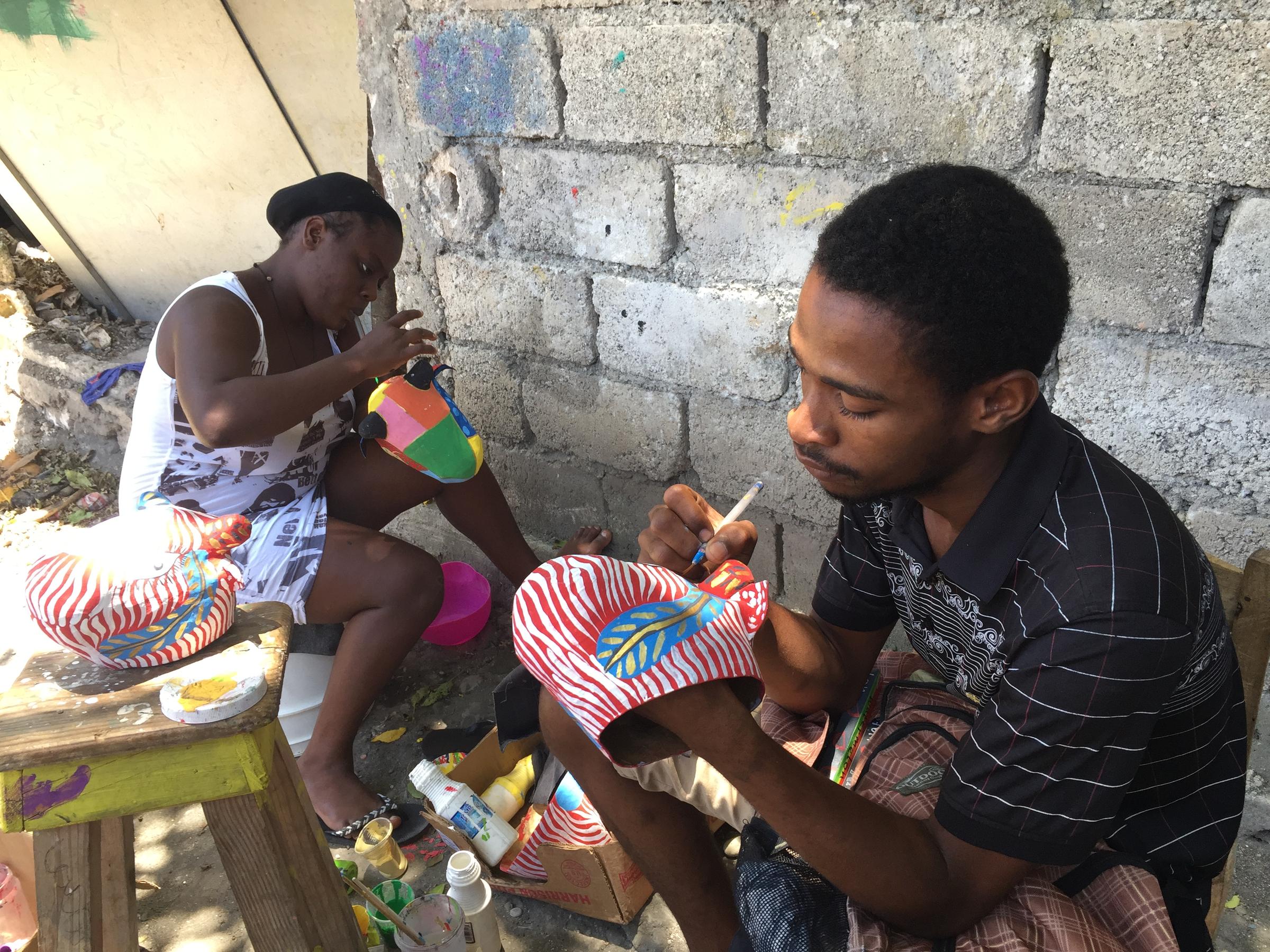
Jacmel is right on the coast, and feels like a beach town, surrounded by lush, green mountains. It gets more tourists than Port-au-Prince these days, not only because there are beautiful beaches, but because Jacmel is known for its Carnival celebration. The city is famous for its paper maché Carnival masks that people collect year round, and no matter when you visit, you’ll find artists painting them as you walk through the streets.We arrive at our first stop, and meet our tour guide for the day, Jean-Elie Gilles. He’s an opera singer, a professor, and the author of many books about Jacmel. He leads us towards the Florita Hotel, where he orders a round of drinks.
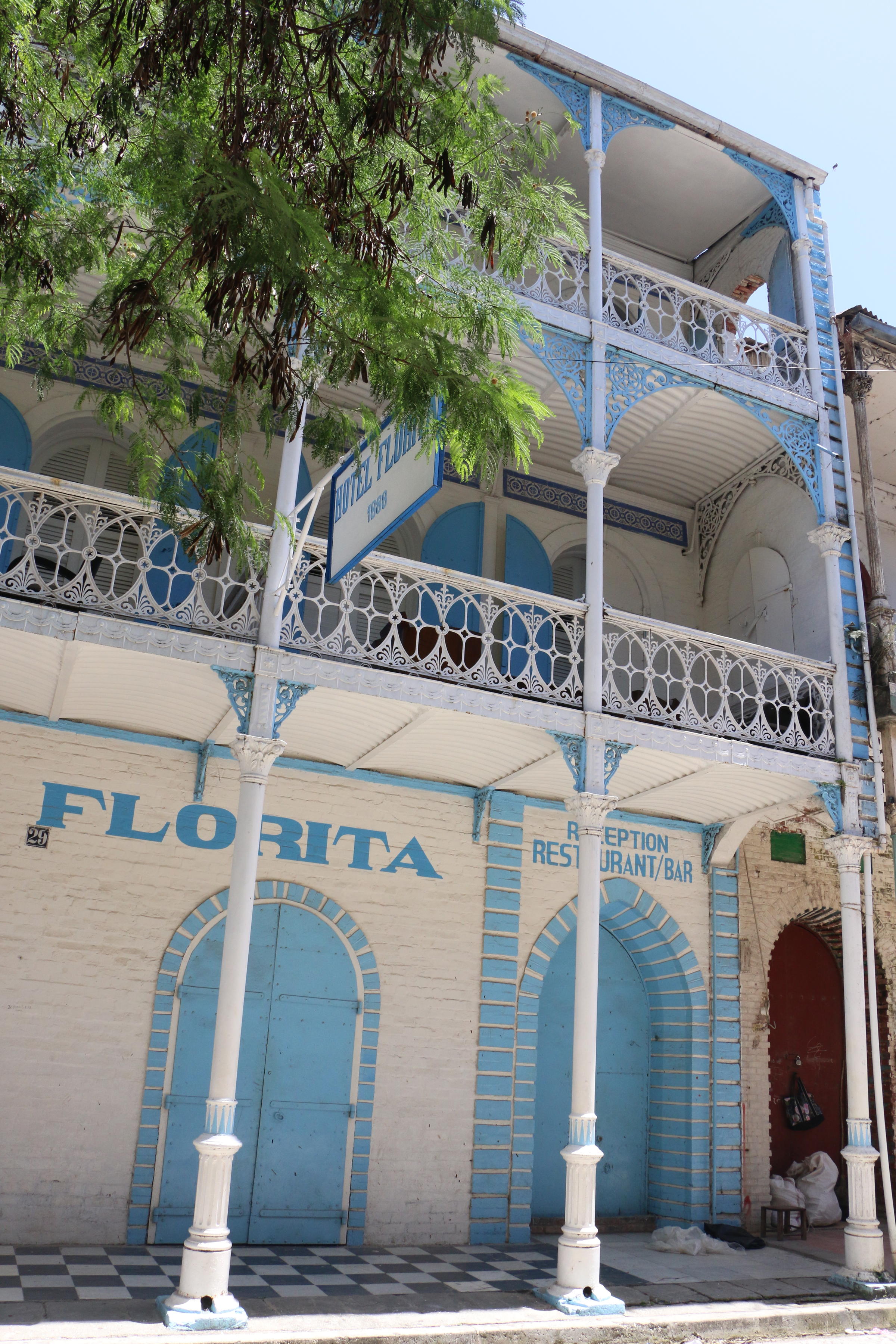
"The best rum sour is here in Jacmel, in Florita hotel," Jean-Elie says. It’s the best rum sour in Haiti, because this guy has a secret of doing something, I don’t know what! But it is good."That rum sour wasn’t the only reason Jean Elie brought us to the Florita Hotel. First of all, it’s beautiful -- the exterior is painted a cream-colored brick, the doors sky blue. Slim columns support an iron-lace balcony off the second floor that have huge ferns with water dripping through the bottom of their planters down to the curb. Everything about it looks exactly like what you would find in the French Quarter.It’s not just the Florita Hotel. Most of Jacmel is built in the same colonial style seen in the French Quarter, the Treme, the Marigny, and all over New Orleans. Two story buildings with wrought iron railings stuffed with hanging ferns. Bright colored shotgun houses, creole cottages. It was like a spitting image. To literally see the connection through this architecture was almost dizzying."This is what remains from that connection with Jacmel, and New Orleans, and Louisiana," says Andre, meaning this is what remains of that connection. Which makes it seem like something happened to this connection, something’s changed. But when did this connection start in the first place? Where does this shared history begin?Let’s start with the Haitian Revolution, says Henry Robert-Jolibois, an architect and historian who lives in Pétion-Ville, a wealthy suburb about 20 minutes -- or two hours -- south of Port-au-Prince, depending on the traffic. Most people who can afford it, choose to live in Pétion-Ville over Port-au-Prince. Unlike most towns in
Haiti, Pétion-Ville’s got sushi restaurants, yoga studios, iced coffee, and has its own private trash pickup service. It’s a stark contrast from Port-au-Prince, where poorer residents often get rid of their trash by burning it on the side of the road. This type of disparity is not new to the island."Well, everybody wanted their freedom," says Henry. Before Haiti was Haiti, it was a French colony called St. Domingue. Sugar and coffee ruled, and made the colony wealthy, on the backs of thousands of enslaved Africans. By the 1760s, St. Domingue was the most profitable colony in the Americas. This prosperity came at the expense of brutal, often fatal labor in the fields. Large numbers of enslaved people fled the plantations for the mountains, where they established maroon colonies. And started planning a revolution."The revolution started with the French Revolution," Henry says. When the French Revolution began in 1789, there was lots of division, to put it mildly. Some whites in St. Domingue opposed the Revolution in France, while others supported it in hopes of gaining the colony's independence. The free people of color, or gens de couleur, pressed for the equal rights that French Revolution seemed to promise. Then there were the enslaved and maroon populations -- which by the way, outnumbered whites on the island 10 to one -- they saw this political crisis as an opportunity to strike for their freedom. Which led to The Boukman Eksperyans, what’s widely considered the start of the Haitian Revolution. This happened in 1791, when a vodou priest named Dutty Boukman led a religious ceremony to kick off the first successful slave rebellion in the northern part of the colony.
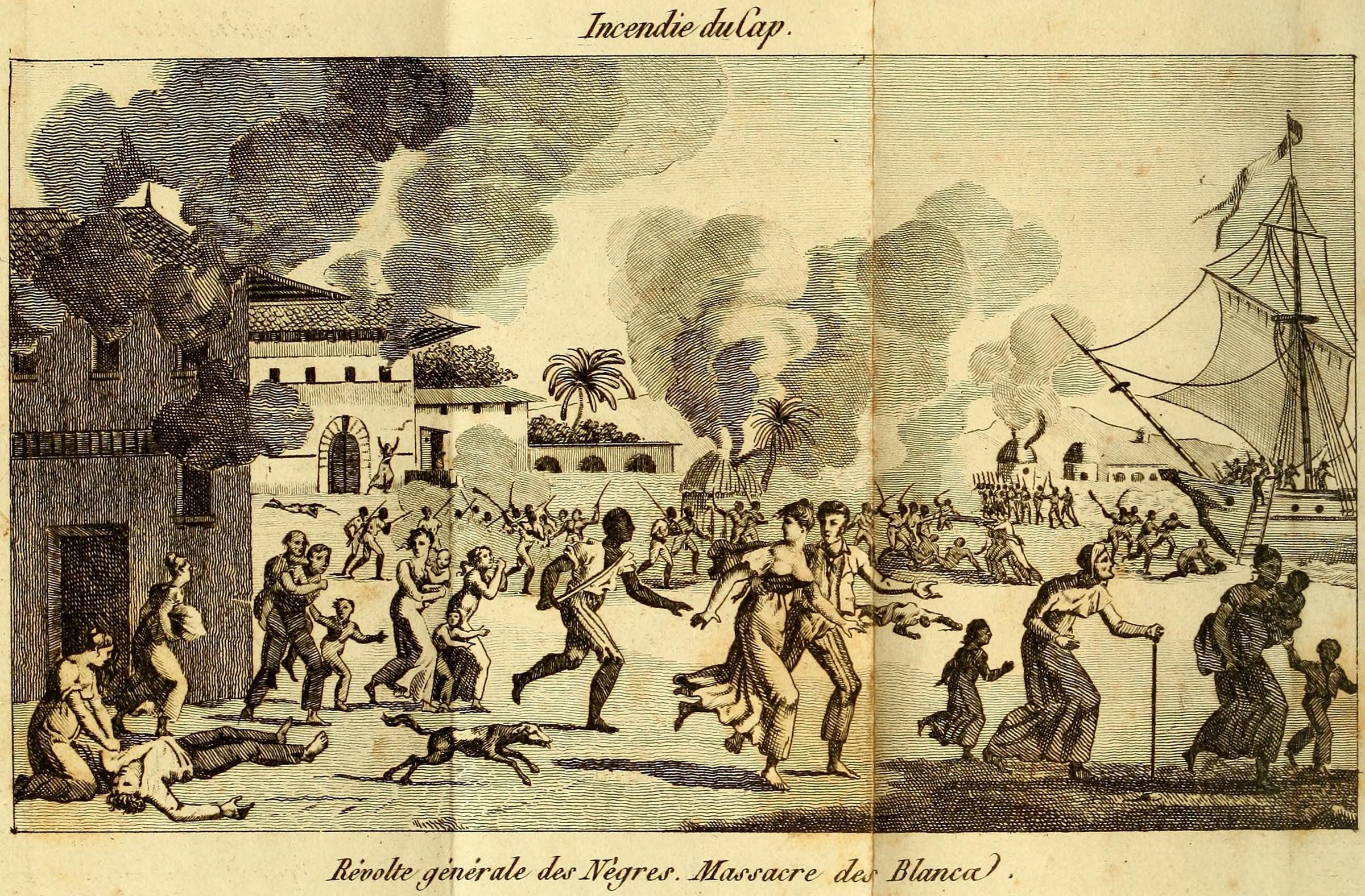
"The revolutionaries, their idea was simple: at the end of it all, we will be able to better negotiate agreements, and freedom for all," says Henry. "When finally we stopped fighting, the Haitians had won, and they had created one nation."It was 1804. Thirteen years after the Boukman Eksperyans, the enslaved population liberated itself, and their victory remains the largest and most successful slave uprising in the Americas. This uprising shed the colonial name St. Domingue, and the new black nation was called Haiti. The name Haiti comes from the indigenous language of the Taíno people who were native to the island. It means "land of high mountains." So they ditch the French name, and all the French are like, we should probably go."They went to Louisiana because it was another colony of France," says Henry. "It was part of the French network."Now, people had been fleeing Haiti over the course of this 13-year revolution to go live in other French colonies. Some went to Caribbean islands like Guadeloupe and Martinique, a lot went to Cuba, and many went to Louisiana. And it wasn’t just white people who fled -- a lot of enslaved and free people of color went with white Haitians to New Orleans, either with their master, or to escape the violence and turmoil that was happening on the island. When the revolution finally ends, Napoleon realizes he’s spread too thin. He decides to forget about Haiti, and double down on Europe. This led to the Louisiana Purchase.When you put the last battle of the Haitian Revolution and the signing of the Louisiana Purchase on a timeline, they happened just months apart in 1803. Now fast forward to 1809. Spain's at war with France -- and all that bad blood seeps into the Caribbean. Cuba is a Spanish colony, but it's full of French emigres that left Haiti during the revolution. So during this war, Spain up and kicks out all the French. Which means that all the people who had fled to Cuba from Haiti need to leave again. Where do they know a guy? Louisiana.Jean Marie Theodat is a geographer who lives in a town also called Theodat. "A part of our society just went to reproduce itself there. Like a chemical process. A lot of slaves, a lot of masters, escaped from St. Domingue, went to Louisiana and created a creole culture."
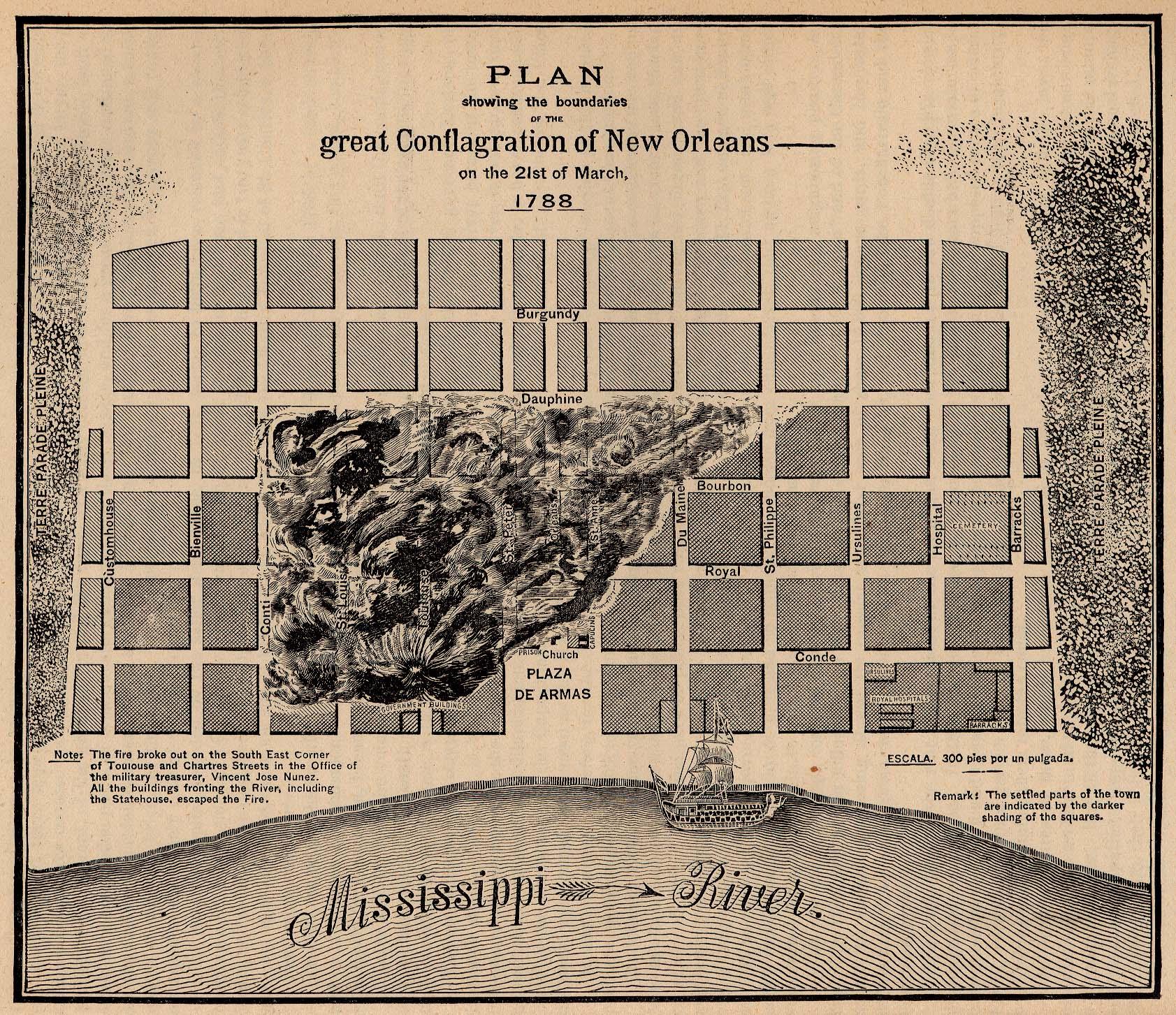
Almost overnight, 10,000 people of Haitian descent, ⅓ white, ⅓ enslaved, and ⅓ free people of color arrived at the port of New Orleans, and straight up doubled the size of the city. And it shows, Jean Marie says, "I mean, when I listen to your music, and sometimes taste your cook -- the dish, I think, this is ours!"This is how Jean Marie sees it: the St. Domingue colony didn’t disappear, parts of it just kind of picked up and started over again somewhere else. Which had a big impact on both economies. The Revolution devastated Haiti’s economy, leaving the new nation with almost nothing but burnt sugarcane fields. But when all these refugees, many of them planters, came to Louisiana, they started new plantations along the Mississippi river. The sugar industry exploded, and brought a lot of wealth to Louisiana, and New Orleans. This influx of Haitian refugees also came at an oddly convenient time to reshape the city. Even though New Orleans had been around for almost a century when they arrive, in a lot of ways the city was also a blank slate at that moment. The refugees pull up to this little frontier town that’s recovering from two massive fires that almost entirely wiped out New Orleans in the late 1700s. The first fire happened in 1788 and destroyed roughly 80 percent of the city. And then six years later another fire wiped out another 212 buildings.
New Orleans was rebuilding itself, and at the same time had just become an American city. It was a prime time for all of these Haitians to come and develop this old and new town. This is the root of the connection between Haiti and New Orleans: These major migrations transformed the future of the city during such a pivotal time, influencing its culture in every aspect -- food music, art, dance, language -- but with all that was brought to New Orleans, was there a reciprocal influence happening back in the new country of Haiti?Again, Jean Marie Theodat. "I mean, I personally, as a geographer, I know about it. I’ve heard and I’ve read about it. But still I think, that the average Haitian don’t know about that."For him, it’s simple: "I look to Louisiana, it’s like another island, far away. It was a one-way trip."PART II: Two IslandsMy field producer Wynne Muscatine Graham and I are walking around one of the main public squares in Port-au-Prince called the Champs de Mars. It’s a series of public parks that are separated by large boulevards congested with cars, motorbikes, and colorfully painted public transportation buses called Tap Taps. It’s late afternoon, and street vendors push carts offering freshly chopped coconut, candy, beer, ice cream. Others ring bells as they call out the service they’re offering, like a shoe shine, or a small bag of drinking water. People walk through the park and pass us in business attire, on their way home from work. Others sprawl out under a shady tree and watch a pickup game of soccer on an open patch of dirt.We wonder how many of these people know about the connection between New Orleans and Haiti? How many people walking past us in the heart of Port-au-Prince, have ever heard of New Orleans, period? We ask people as they pass by, if they’ve heard of New Orleans. And we did this in a few different cities in Haiti. Port au-Prince and Jacmel in the south, and up north in cities like Gonaïves, Cap-Haïtien, and villages in between. Everywhere we went we got mostly the same response: No.

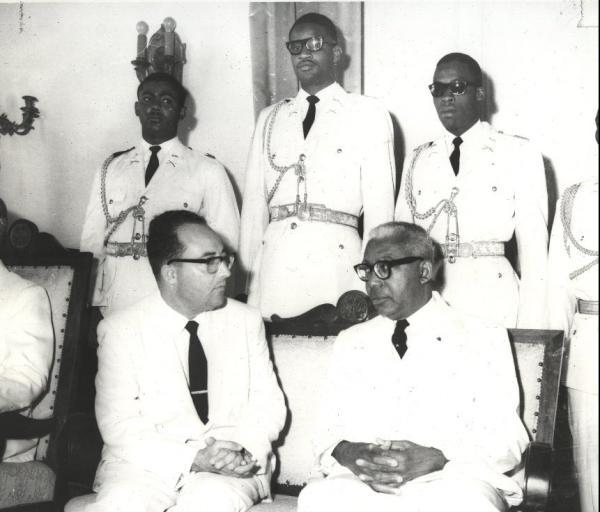
The average person on the street had never heard of New Orleans. With a few exceptions. Some high school students had heard of Hurricane Katrina, through hearing it on the news. Others knew that New Orleans celebrates carnival, just like they do in Haiti. And then someone who knows New Orleans because he’s an NBA fan. "Because there’s a good basketball team from there," he says. Maybe he’s talking about The Pelicans?Wynne asks him if he knows any people who live in Louisiana. "Well, I’ve heard Haitians live there, but me personally, I don’t have family living in Louisiana. My family lives in Florida or New York City, if they live in the United States."Florida, and New York. That’s where you’ll find much of the Haitian diaspora today, the man tells us. So, if thousands of Haitians moved to New Orleans 200 years ago, why’d they stop coming? What happened?"Louisiana has largely forgotten Haiti, and Haiti has largely forgotten Louisiana exists," says historian George Michel. "Louisiana has sunk into oblivion." George Michel is knowledgeable and dramatic. He started to list links that once existed between New Orleans and Haiti. Links that are now gone."When I was a boy, you had a thrice a week direct flight by Delta Airlines from Port-au-Prince to New Orleans. No more. So that was a link," he says. This direct flight he mentions was active in the mid 20th Century. He adds that there used to be a Haitian consulate in New Orleans. That’s also gone. George Michel continues: "We used to have shipping lines between New Orleans and the Haitian ports. This is long gone, as New Orleans dropped as an important port in the United States."New Orleans still has an active port. But it’s not what it used to be. The port employs a lot fewer people. Haitians looking for a better life in the United States can find more prospects in other cities. Like Miami, the city with the highest Haitian population (by a lot), followed by New York and then Boston. There is still an active Haitian community here, but it’s also not what it used to be. New Orleans doesn’t even crack the top 10 for Haitian populations in the United States.So to explain why Haitians stopped migrating to New Orleans, we arrive at factor #1: Jobs.Vladimir Laborde, a Haitian businessman who lives and works in Port-au-Prince. "New Orleans is not the most prosperous place." He says when Haitians think of the United States, "You don’t think of New Orleans. And then the proximity, as far as logistics, people go to Miami. Miami is less than an hour in the air."Factor #2: Geography. Michele Pierre Louis is a former Prime Minister of Haiti who now teaches the history of the Caribbean at a University in Port-au-Prince. "Getting into the Gulf was too difficult, whereas the tides take you to Miami," he says. Plus, Miami’s population exploded in the 20th Century. In 1910, Miami was brand spanking new. Only 5,000 people lived there. Ten years later, there were 30,000. And people just kept on coming. As Miami grew, so did the economy. So why go to New Orleans, when you can get to a faster growing city, even faster?Michele says Haitians went to cities in the United States, even though they might have felt more at home in a city like New Orleans. "But I don’t think it was in their mindset. They didn’t travel with an idea that that particular state had a connection to Haiti."Why not?"History is not well taught, at all, in Haiti," he says. Factor #3 to explain why Haitians stopped coming to New Orleans: Education."I’m telling you, I’m teaching at the University and I can see the ignorance of our students with so little knowledge of our own history which is so incredible," Michele says. "The dictatorship killed a lot of things here. There was a big darkness, in a way."The Duvalier dictatorship started when Haiti elected Francois Duvalier, aka Papa Doc, on a populist platform in 1957. He ruled the country with his own militia called the Tonton Macout. When he died in 1971, his son Jean-Claude, aka "Baby Doc" took over.
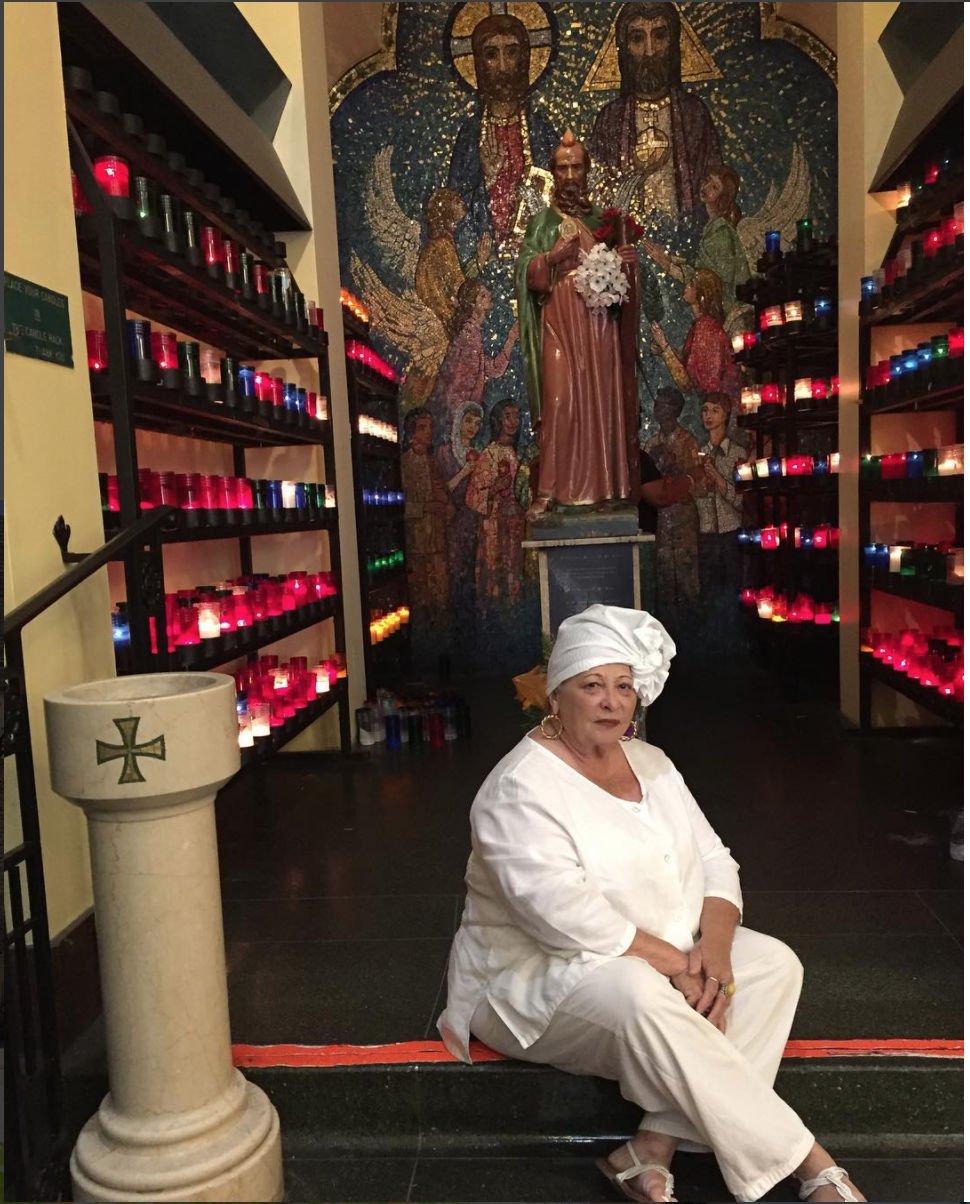
"Duvalier had changed the curriculum of teaching history at the primary and secondary level. Our heroes were the most important," he says. Michele’s point here is that Haitians are mostly unaware of the connection that they have to New Orleans, because that’s just one of many gaps in their history curriculum. But it goes both ways- there’s a parallel gap going on here in the United States. Did you learn about the Haitian Revolution in high school?There’s a big silence on this end.Dennis Kelly has been doing business with Haiti for the past 30 years, and splits his time between New Orleans and Port-au-Prince. "Many Haitians, or people of Haitian heritage who live here, have never been to Haiti."New Orleanians talk about Haiti. But they don’t actually go to Haiti. Factor #4: Not going to Haiti. Which explains why these two islands are no longer close. And they’re being referred to as two islands, but it’s important to remember that one is a small country, one of the poorest in the world, and the other a small city, that’s part of the wealthiest country in the world.So these "two islands" are no longer close. Vladimir Laborde, the Haitian businessman you heard from earlier (who actually moved to New Orleans from Haiti with his family when he was a kid, and went to high school here), he has a phrase for this kind of unconsummated love: "Affinity diaspora." New Orleans, he says, "don’t know how they’re related to Haitians. They really can’t put their finger on it. They just feel a connection. Sometimes I’m uncomfortable because they haven’t been here yet, and they’re talking about something they don’t know."Loyola University professor Angel Parham agrees. She wrote a book called American Routes, that traces the experience of Haitian descendants in Louisiana. She interviewed a lot of folks in New Orleans for the book. And how many of those people had actually visited Haiti?Angel says, "I don’t think any of them have visited Haiti. I do not recall anyone making a real trip to Haiti, and really being there for any length of time. No."Remember Barbara Trevigne, the woman in the beginning, wearing all white and praying at the St. Jude Shrine? We met at that shrine because it’s a place in New Orleans that reminds Barbara of Haiti. But Barbara has yet to visit Haiti. She wants to, but hasn’t made Haiti happen -- yet.
"People may be interested in talking about it," Angel suggests, "but how interested are they in actually traveling to Haiti? Are they going to feel that it’s a place that they will be safe? Haiti does not have this image as much of the Caribbean as a tourist destination that everyone wants to go to." A lot of the people Angel interviewed feel this nostalgic affinity towards the Haiti they have in their minds, but it’s almost like they want to keep it that way."It’s one thing to kind of claim this Caribbean heritage and memory, but then to not be supportive of it, I think is problematic," she says.Some of this could be financial. As Vlad Laborde said, New Orleans is not the most prosperous place. There may be plenty of folks who would love to travel to Haiti, but simply can’t afford it. That’s real. But there are other reasons why New Orleanians, and others, don’t visit."We have bad press," says Vladimir Laborde. "The perception is this is a no man's land. People think of Haiti and they say, 'dude, I need security you know? My insurance won’t let me go down there.'" And this negative image of Haiti, has been broadcast to the world since day one."We paid a dear price for that revolution," said Gigi Dupuis, a Haitian woman now living in New Orleans. It all goes back to the Haitian Revolution. It’s like what brought New Orleans and Haiti together, is the exact same thing that was used to keep them apart. "For doing away with the slave system. And we were isolated because of that," Gigi says. Architect Henry Robert- Jolibois agrees, "We were punished many times, and many times over, for daring to free ourselves. And we have been paying for it a long time."Ron Bluntschli is an American who lives with his wife, Carla, in the mountains outside Port-au-Prince. They run an organization called NASONJ, which in Creole means "We Will Remember.""They could not accept that a group of black people could win a battle against France and establish their own country and have it work. Because that would destroy the whole ideology of racism. Europe, France, and the United States were determined to see Haiti fail from the start. So they set the course in motion to destroy this country, and they never let up," Ron said.In the 1820s, South Carolina Sen. Robert V. Hayne made the U.S. position absolutely clear when he stated: "Our policy with regard to Haiti is plain. We never can acknowledge her independence." It took the United States until 1862 to recognize Haiti as an independent country. Almost 60 years after the revolution.

Now fast forward to 1893, the Chicago World Fair. Frederick Douglass is the U.S. ambassador to Haiti, and in a speech at that world fair Douglas says: "Haiti is black, and we have not yet forgiven Haiti for being black."Dennis Kelly is the businessman who lives in New Orleans and Port au Prince. He says the revolution remained unthinkable into the 20th century, because it overturned white power. "Haiti was still viewed as a slave colony that was insurrectionist and just didn't affirm any values of the power elite in the South, shall we say. I think that sums it up right there," he says.Dennis says that that can likely be traced back to the events of the beginning of the 19th century of the successful revolution. "Absolutely. That's directly traced to that."Haiti’s been painted as a dangerous place since the beginning, and people are still not encouraged to visit there. The poverty, the threat of natural disaster, the political instability, all of this dominates what we hear on the news about Haiti, and has done permanent damage to the country’s reputation, economy, and tourism industry. Americans are not eager to go over there. So while many New Orleanians may appreciate all the cultural ties they share with Haiti -- the music, the food, the architecture -- they’ve never actually seen it for themselves. This is the complicated nature of the current relationship: New Orleans might love Haiti, but at arms’ length.Andre Paultre, our driver in Haiti, has a cousin named Lionel Pressoir. He’s a tour guide outside Port-au-Prince. Some of their ancestors actually left Haiti for New Orleans during the Revolution. And Lionel says both places were neck-and-neck back then. But now, he says, they’ve gone in different directions. "There is not the connection that I thought that there was between Haiti and New Orleans. But we are looking for it. We need it."Pressoir says it’s not enough just to say that Haiti and New Orleans are "Sister Cities.""You know, we can talk about it. But let’s see what we can do as far as bringing something positive," he says.PART III: More Than A FeelingGigi Dupuy was born in Haiti, but her family moved to the states when she was a kid. Now her kids are all grown up, and they live in New Orleans. They urged her to move here, and said she would feel at home. So, she did.
"Leyla, my daughter called me, and she said, 'Mom, you need to move to New Orleans. It's so much like Haiti, you're gonna love it. There's corruption, there's potholes. It's just an incredible place,'" says Gigi. "Of course that's not what I love about Haiti but…"With a last name like Dupuy, a lot of people assume Gigi is from New Orleans. "But it took me a while to realize that," she says. "Until I went to yoga class. The woman registering participants said to me, ‘What's your first name?’ And I said, 'well, I'm sure there's only one Dupuy,’ because there never was more than one Dupuy! And she said, ‘no, actually I have six.’ And I was like what?!""You go into the phone book in New Orleans, and it’s like you’re looking in the phone book in Haiti," says Vladimir Laborde, the Haitian businessman who went to High School in New Orleans, and then moved back to Haiti. "You find Labordes, you find Toussaints, you know. All those people have my family’s last name.When Gigi goes back to Haiti to visit her cousins, she talks about New Orleans. "I say it's very similar. The most similar."No matter what’s happened to this relationship over time, New Orleans and Haiti still have so much in common.

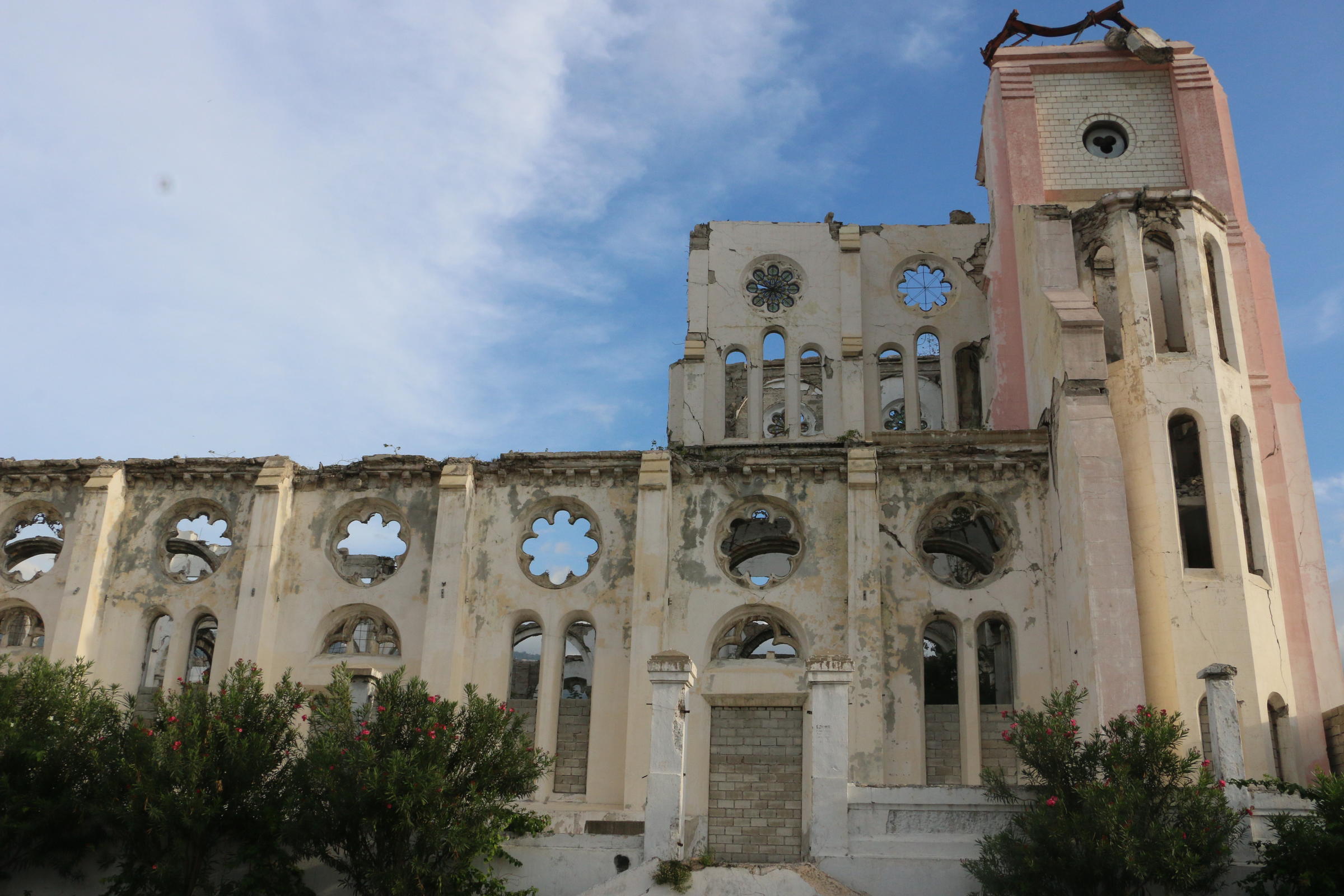
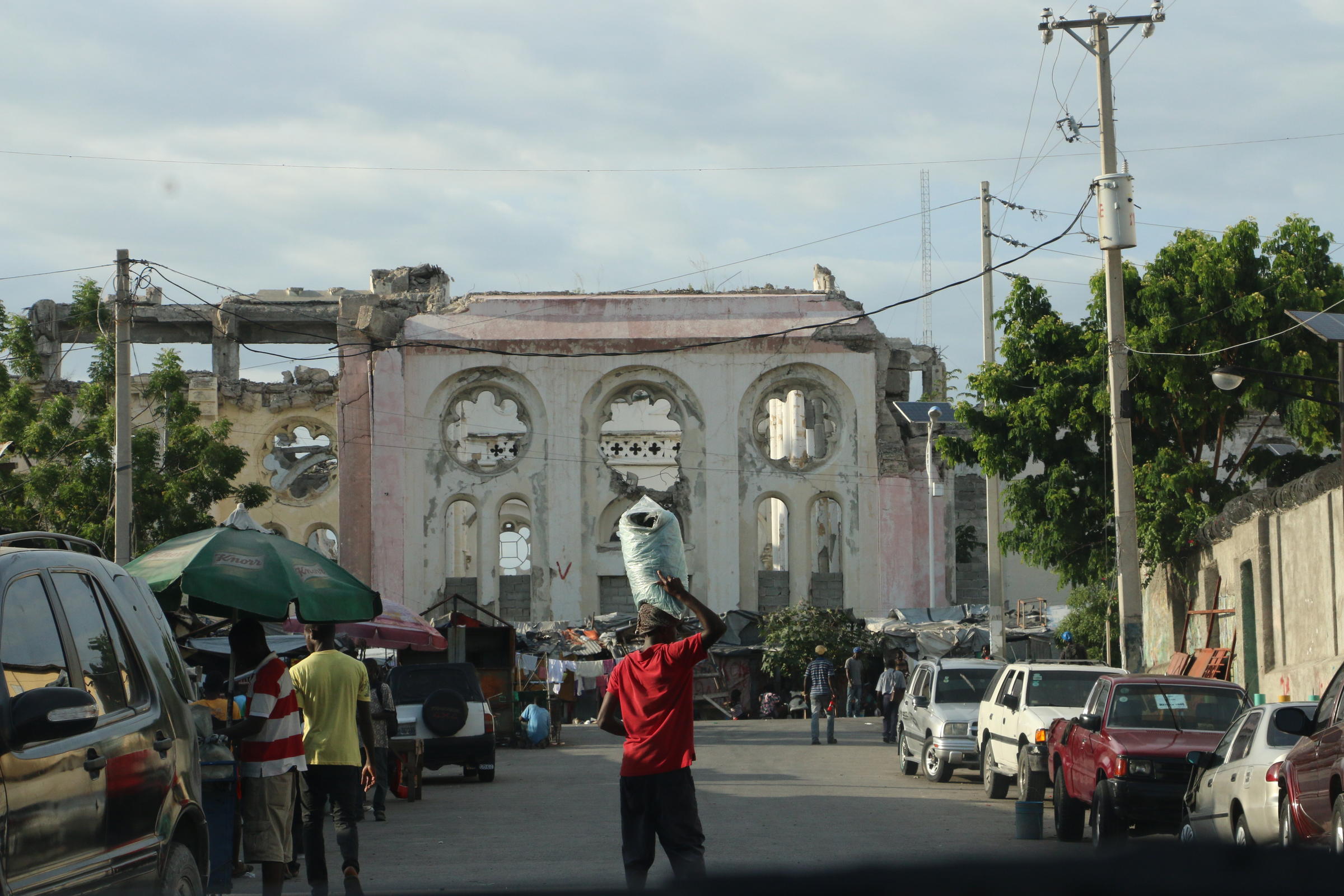
"Not only do we have historical and cultural ties, but we have a traumatic experience that almost wiped us out," he says.New Orleans has Hurricane Katrina, which ravaged the city in 2005, and Haiti has its earthquake that hit in 2010. The quake devastated most of the country, leveling cities and destroying major landmarks, that, as of 2017, are still piles of rubble. The degree of blight reminded me of some of the largest buildings in New Orleans that have been left virtually untouched since Katrina. Like Charity Hospital in the center of downtown. And, like in New Orleans, the aftermath of disaster isn’t just seen. It’s heard.
Jean-Elie Gilles, the tour guide in Jacmel, gave us a long tour of his house that day, because he has a large collection of Haitian art and antique furniture he wanted to show off. He started talking to us about a coffee table in his living room. There must have been something about that table, because before we knew it, Jean-Elie was back in 2010.
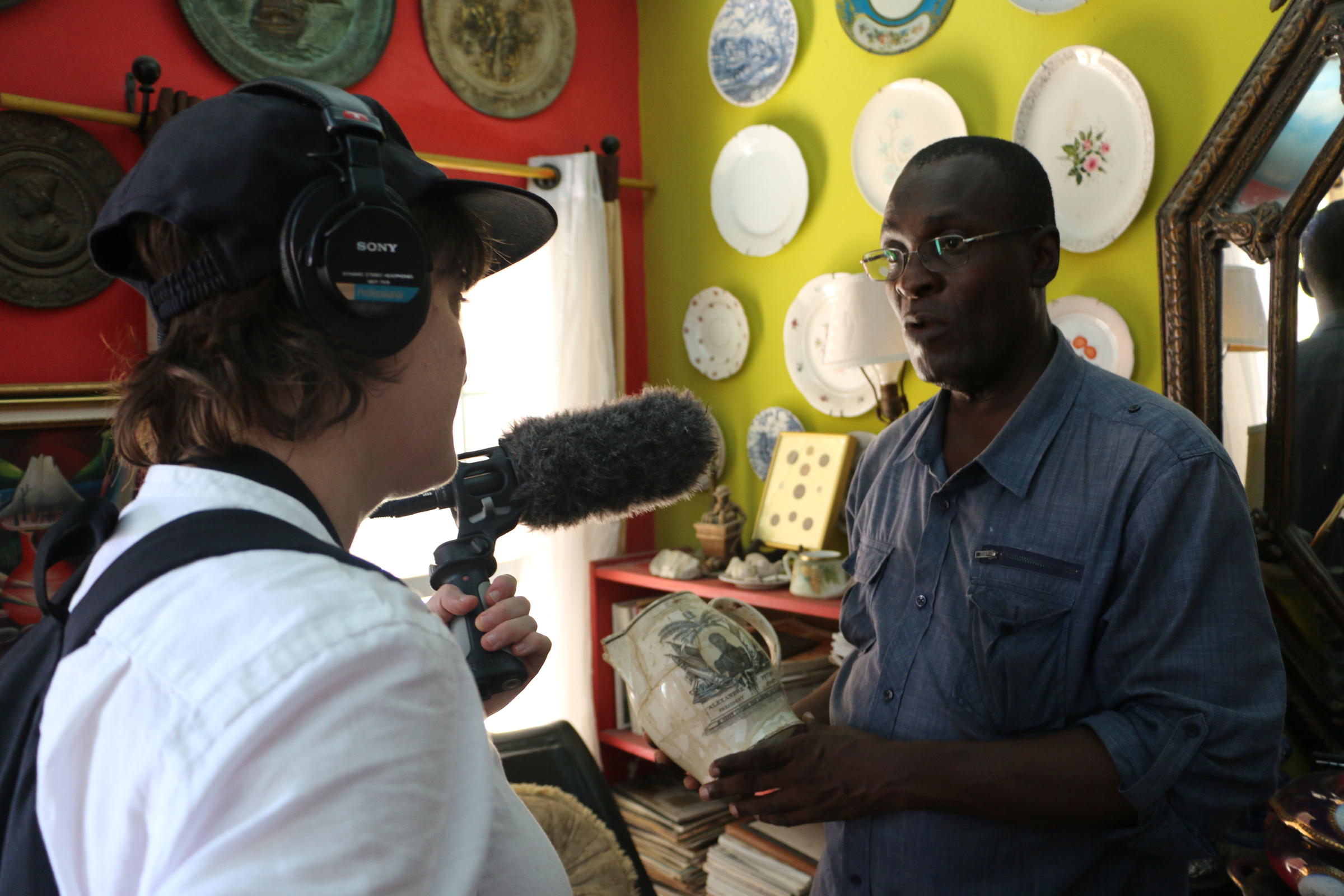
"I was living on the 6th floor and the house went down. I was inside. I was all the way living upstairs, and then I fell. And then I look up outside and I saw the house that was beside me, that was taller, didn’t exist anymore. That house became a pile of crap. And then pretty soon, the house just went down like that. It was like a pile of cards, you know? Like nothing," he says.He went on, with no idea how long ago he had stopped at the top of his staircase, looking beyond all of us, past the house we were all standing in, at the house he lost. "Now I am telling you, I am swearing that I could hear the sound of the earth crying. It’s worse than anything that you have ever heard. It’s like the sound of 10,000 women screaming from the womb. Oh it’s scary. I heard it, and I was not the only one! Very painful, painful. OK let’s go." And then, just like that, he turned on his heels and flew down the stairs.This kind of time travel, this relived trauma, still happens in New Orleans, too. "New Orleans went through Katrina, so they know a lot about disaster," Vlad recalls.And they know what it’s like to see a city full of holes. When our driver Andre gave us a tour of Port-au-Prince, most of what he stopped to show us were things that used to be there. Things that aren’t there anymore. "And that's why after the quake we felt like we were lost. Because all the landmarks that we could use to indicate a place...like we say, 'near the Cathedral,' 'near the national palace,' most of them were gone. Same as after Katrina, I guess."After the earthquake slammed Haiti in 2010, and again after Hurricane Matthew in 2014, people around the world asked themselves what their obligations are to this country. A country that, throughout history, has been cast aside, and treated as "other." Well, Vlad Laborde says, New Orleans knows what that’s like, too.

"New Orleans, Louisiana, often times feels apart from the rest of the United States. Haiti often times feels itself apart from the rest of the Caribbean," says Laborde.After Katrina, people threw around the idea of not rebuilding the city, period. Like New Orleans was an expendable part of the United States. Or not part of it at all. The same way Haiti has been punished for its blackness, New Orleans was shunned, many say, for that same reason. Still, thousands of people did rush in to try to help. Haiti and New Orleans have both been on the receiving end of countless recovery projects, and NGO missions. And both places have felt exploited, seeing too many of these fail, over and over again. This shared experience and the mutual understanding it creates might put Haiti and New Orleans in a position to work together.There’s a fear in Haiti that things are disappearing. Literally. Much of Haiti’s built environment is deteriorating. Whether it’s an earthquake that swiftly wipes huge landmarks off the map, or the slow crumbling of a 300-year-old shotgun house. Because New Orleans shares this distinct architecture, it knows how to restore -- and preserve -- Haiti’s historic buildings. John Williams runs Williams Architects in New Orleans. He’s done over 500 projects in the French Quarter and has also done a lot work in the Lower 9th Ward since Katrina.
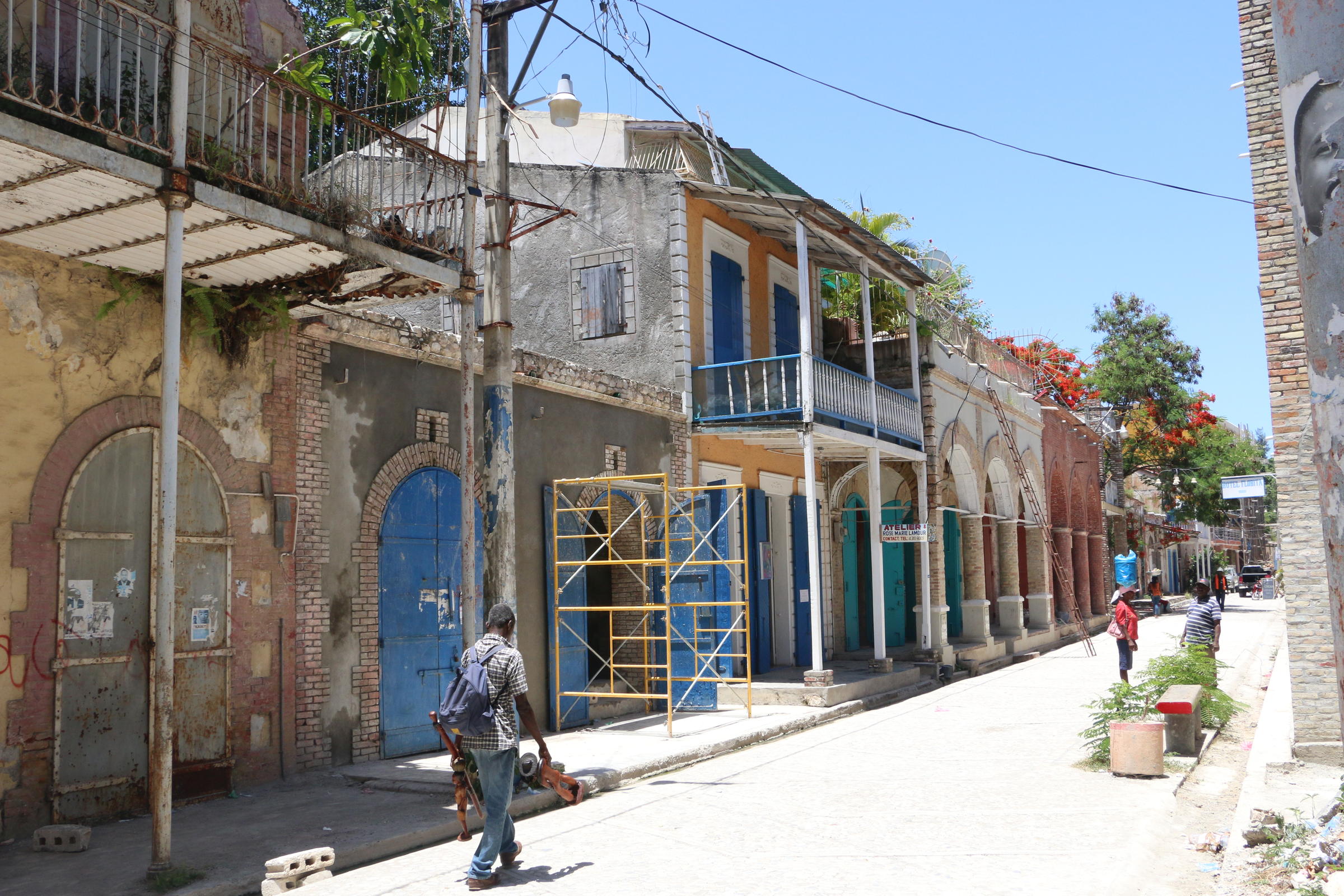
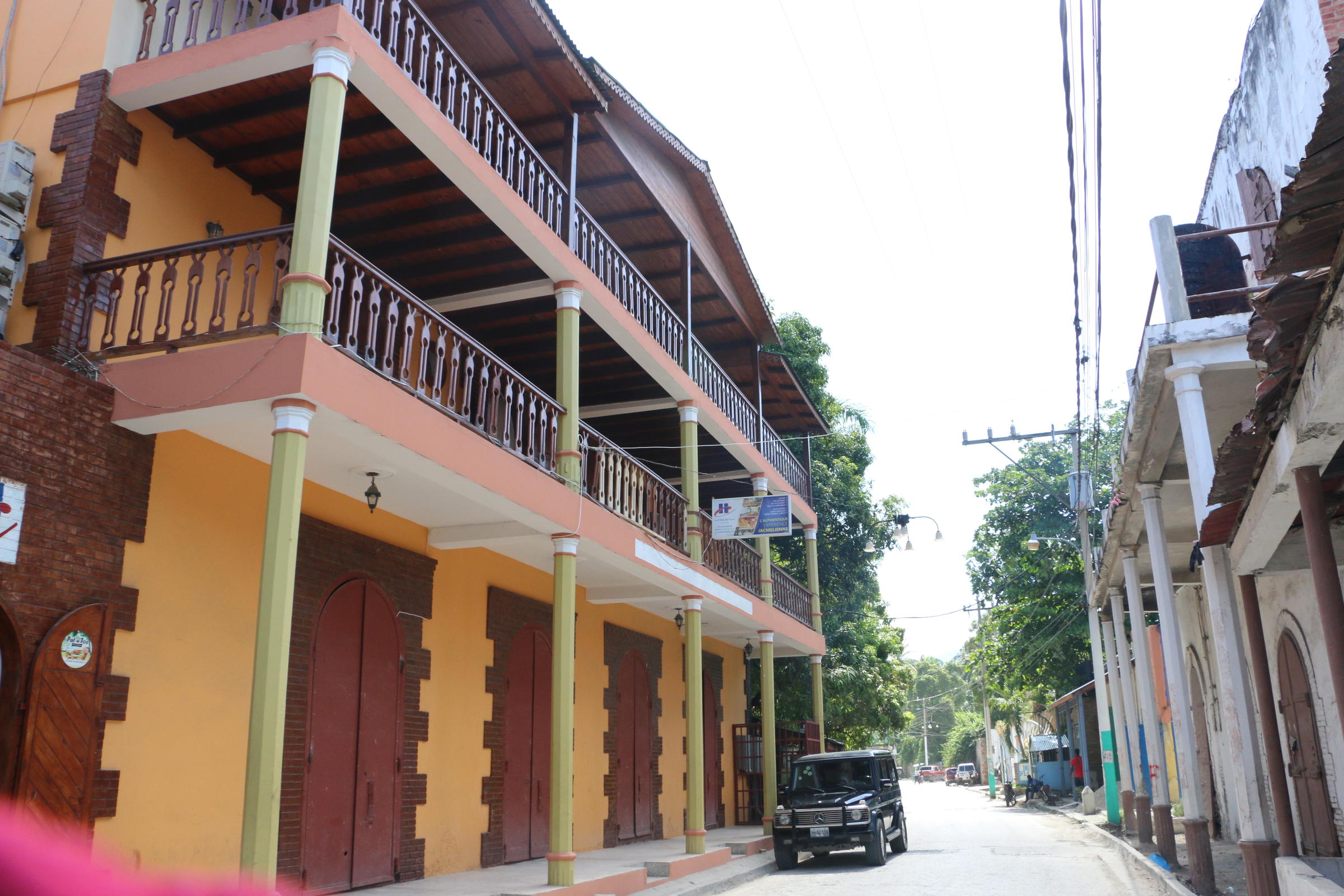
"I didn't ever intend to go to Haiti," he said. Nor did he want to. But after the earthquake, Vlad Laborde came a knocking."Well he brought me two bottles of Barbancourt," he said. (Barbancourt is Haitian rum.) "So it was over then, you know? And I said OK."Since then, John’s been to Haiti more than 10 times, visiting cities devastated by earthquakes and hurricanes."I know little teeny hardware details and woodwork details that I saw in Cap Haitian that are exactly copied in the French Quarter," he says. "Which means, he knows how to repair those details."
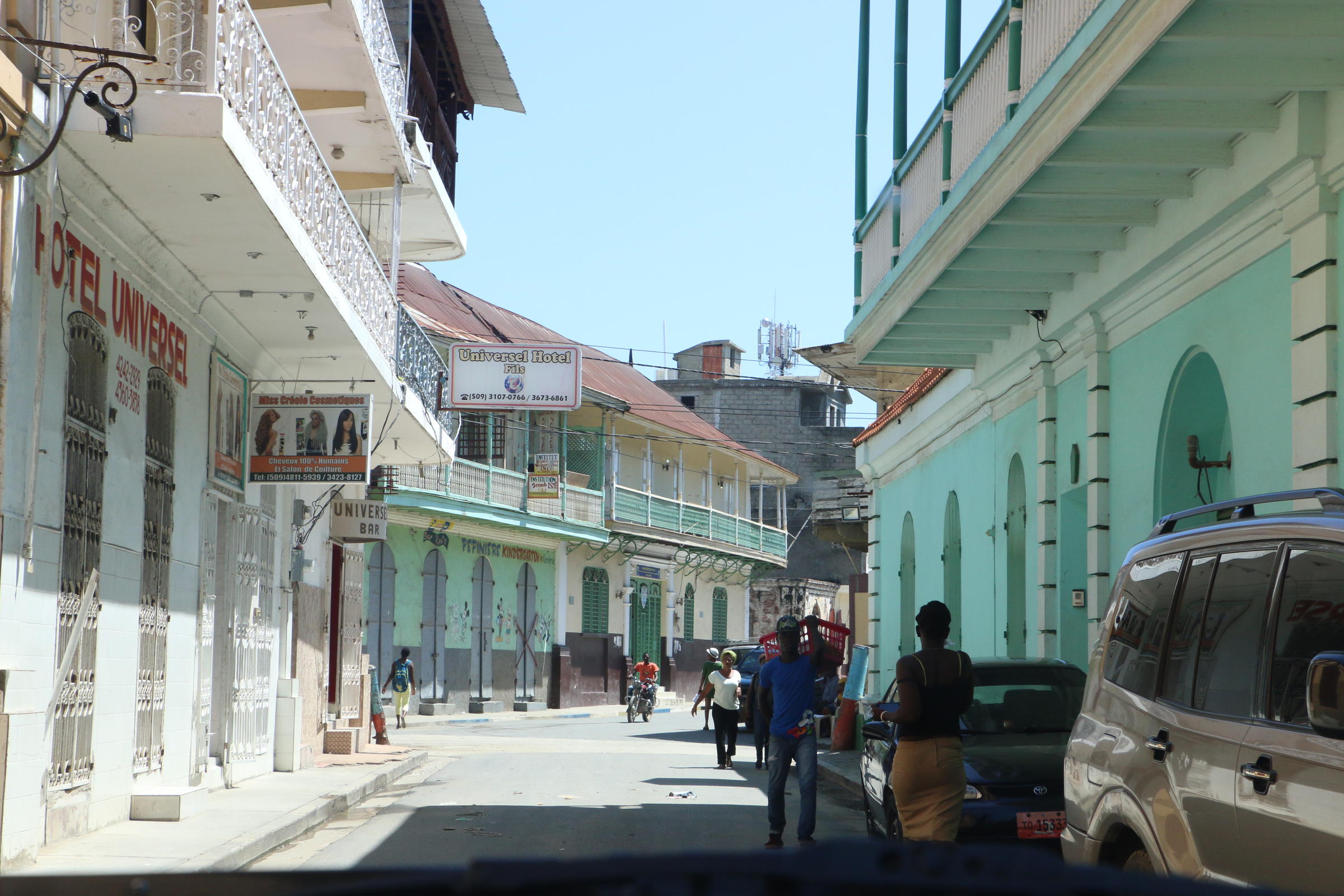
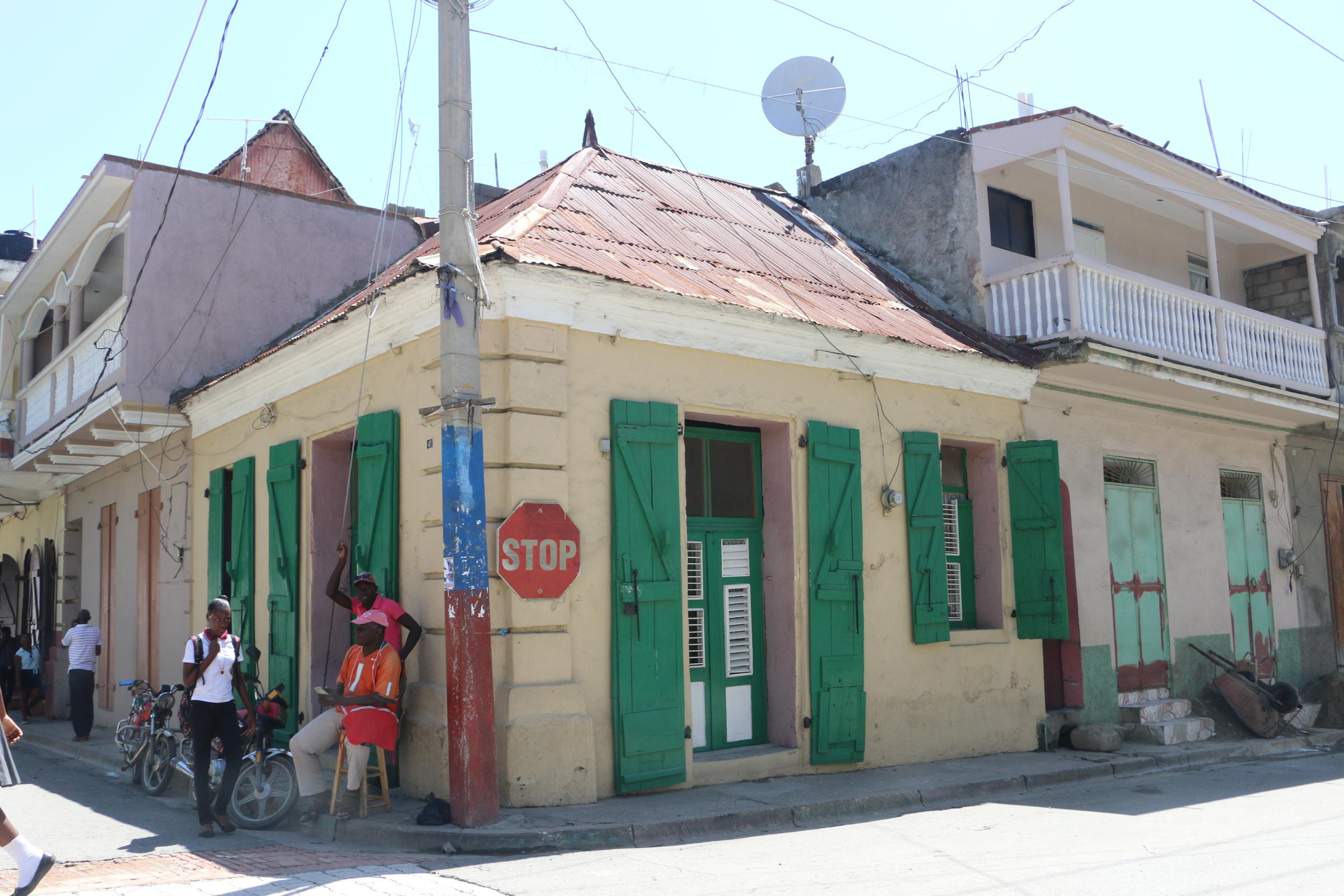
This is crucial, says Pierre Chauvin. He’s the former minister of tourism in Haiti, and says architecture in New Orleans is a huge attraction for tourists. Those walking tours of the Garden District, they’re all about ‘oohing and aahhing’ at old buildings. An artist named Paul Baruk knows this. "This is what I want Jacmel to look like. Nouvelle Orleans."Paul runs one of the many Carnival themed art galleries in Jacmel. When I told Paul where I was visiting from, that’s when she said she wished Jacmel looked like New Orleans. Or, even more like it.
"Because New Orleans looks like Jacmel, but Jacmel is not well taken care of. New Orleans is well taken care of, you see. And that would bring tourism. That would bring a new life for the people here. And it’s really what we need. Why don’t you send us some tourism?" She laughed too, but she was serious. Like she was egging us on to share the wealth. Which is an interesting thought. Just because New Orleans can do this stuff, does that mean it should?Dennis Kelly, the American businessman who works part-time in Haiti. Says there’s no way New Orleans can be responsible for Haiti or Haiti responsible for New Orleans, "but what you can do is look at what's coming down the road and say what opportunities are there that I want to take advantage? So I would say that there are many opportunities for the city of New Orleans and the city of Jacmel, and others, to mutually benefit one another."Vladimir Laborde is all about the mutual benefit, and says an obvious opportunity here, is Mardi Gras. "Imagine the Miami Herald, the Times Picayune, and The New York Times: ‘New Orleans and Jacmel, Haiti, Share Carnival 2018.’"
He sees Mardi Gras as an overlapping tradition that could raise the big bucks to revitalize cities like Jacmel. And that these revenue streams will make communities more livable for Haitians, and more hospitable for tourists. But these are tricky words in New Orleans. There’s endless debate surrounding who’s actually benefitting from preservation and tourism efforts. There’s skepticism towards these projects; are they actually improving the quality of life for the New Orleanian, or the quality of experience for the visitor?These are some of the questions Haiti has to reckon with as it grows its tourism industry and preservation program. And both those things are important, not only for the economic boost, but that more existential fear of disappearing.Pierre Chauvin, the former minister of tourism, will never forget a conversation he once had with a European colleague. "He came to visit Haiti and after one week, we ask him how do you find the country? And he said ‘you know, I have come to realize that in Haiti, you are full of diamonds. The whole country is full of diamonds. But you know, diamonds are stones. They have to be polished. Yet in Haiti, you don't polish them at all.’ And he was talking about these old houses, and you know our nature, and everything else that we have...And certain things are really crumbling. And you cannot re-create them."Haiti’s former prime minister Michele Pierre Louis says it’s not just about tourism dollars, or physical structures. It’s about Haiti reclaiming its image. "It’s extremely important that little students, little pupils know that the country is not deductible to violence and misery and poverty. Because we don’t have just drug dealers and bad politicians! We have Haitians that are great, that are artists, that are creative, that live with dignity."
It’s a reminder that so much of what we love about New Orleans, the culture we package to the outside world, and profit off of, a lot of that we got from Haiti. So what can New Orleans do in return? Michele says stop looking backwards 200 years when you think of Haiti, and make some new memories. "That would be great! That a new generation creates a momentum for, I wouldn't say reconciliation, but creating a connection back! That’s a good utopia."When I got back to New Orleans, I took a walk in my own neighborhood in Midcity. It was a Sunday afternoon, and I saw a group of people standing around this now empty pedestal where a statue of Jefferson Davis once stood. The city removed this and three other confederate monuments in the spring of 2017. People took turns passing around a crappy PA system and climbing up onto the empty pedestal, sharing their visions of replacement statues. This is where I met Nic Aziz. "Looking forward I think we need to have monuments that reflect the true identity of the city. For me I think that identity is Haiti."

Nic is 26. His mom was born in Haiti, and he’s a first generation New Orleanian. "Many people do not realize all the contributions that Haiti has to this city. I think a lot of the issues that we see, whether it's violence or you know economic opportunity or whatever some of that is rooted in identity issues. And I think if you show people who they are and like where they come from, that can have an impact on where they go."We’ve heard about folks not visiting Haiti. But Nic is one New Orleanian that did, back in 2011. He was 20. "As soon as I got there I felt something like you just felt...it was one of the most unique feelings of my life."But it became more than that. He met family members he had previously only known on facebook. He played soccer and talked about Kobe Bryant with kids in the neighborhood he was staying in. He got made fun of for not speaking Kreyol...and that’s when Nic was like, yeah, you’re right, I wanna know Kreyol. "I had this very deep desire that like I want to find that side of myself more. Because like I said I don't speak Kreyol but like I have a Haitian mother and my grandfather is from Haiti but still at the same time I don't feel enough of that side of me."In a lot of ways he embodies the utopia the former prime minister Michelle Pierre Louis talked about -- the young generation returning to Haiti to dig further into their roots, and reignite an exchange. When Nic goes to Haiti and talks to Haitians about New Orleans, they learn how they’re tied to the States. That forms them, the way it forms him, Nic says. It’s about shaping his home. Both of his homes.
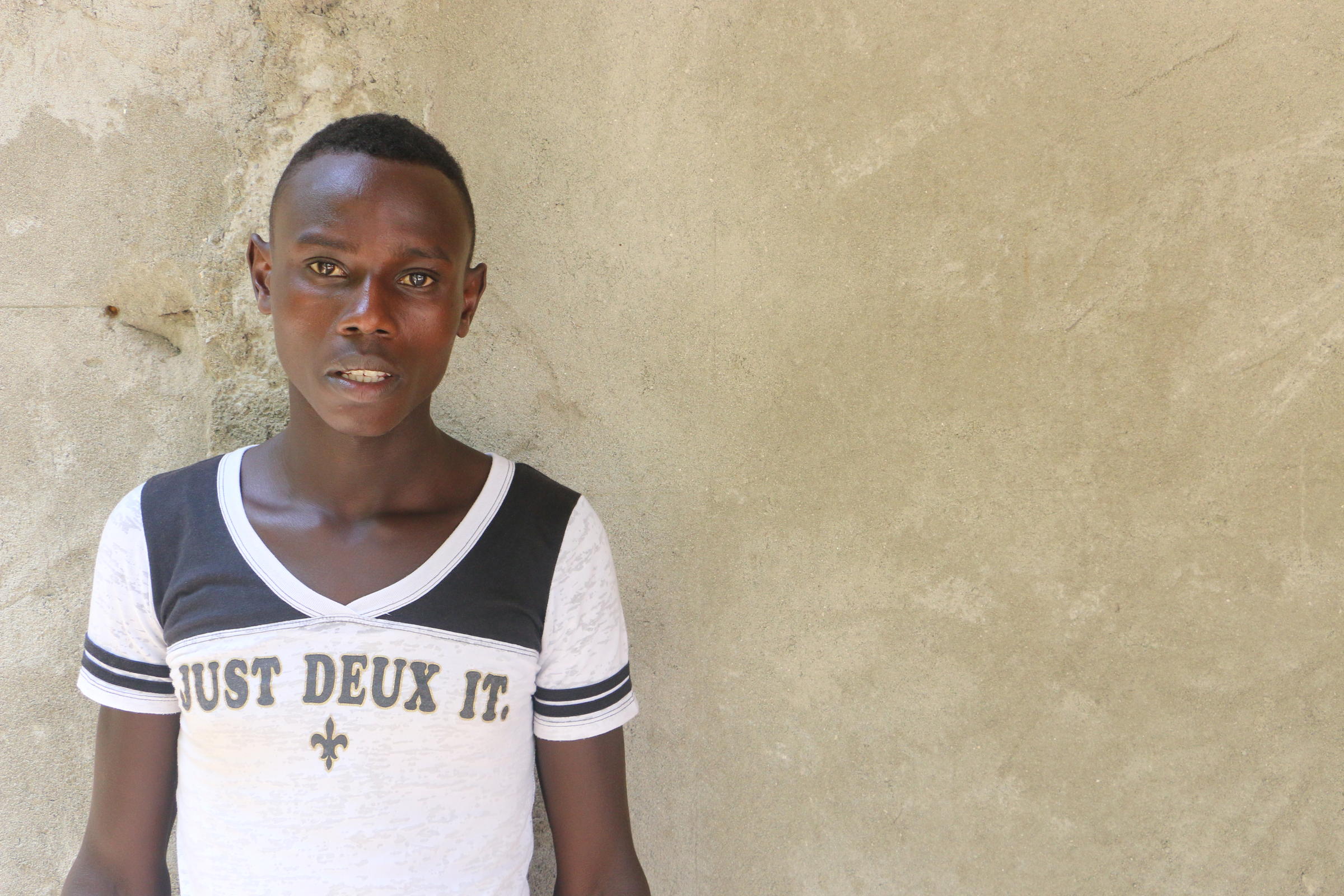
"There should definitely be like, so much more cultural connecting going between two cities," says Nic. "Just creating that channel to share that knowledge will allow both places, you know, really seeing the sides of its identity that you know really doesn't see and know yet."That’s why he sees the New Orleans Tricentennial as a perfect opportunity to move beyond the warm and fuzzy feelings the city has for Haiti, and formally acknowledge it as a key part of the city’s identity, past and present. And he’s got an idea for a new monument to replace the white confederate statues. Nic envisions a sculpture that celebrates one of the most iconic and meaningful traditions that Haiti gave to New Orleans: people second lining. Second lining has roots in West Africa, but in Haiti it became a celebration called Rara. It came to New Orleans from Haiti during the migration following the Revolution."Put a scene that people can obviously identify and resonate with because everybody in New Orleans knows a second second line, everybody loves second lining, that part of our culture," he says. "But then have a historical blurb by it that shows like, 'Oh wow, like I didn't know this came from Haiti. Wow.'"Epilogue: Same Same, But Different
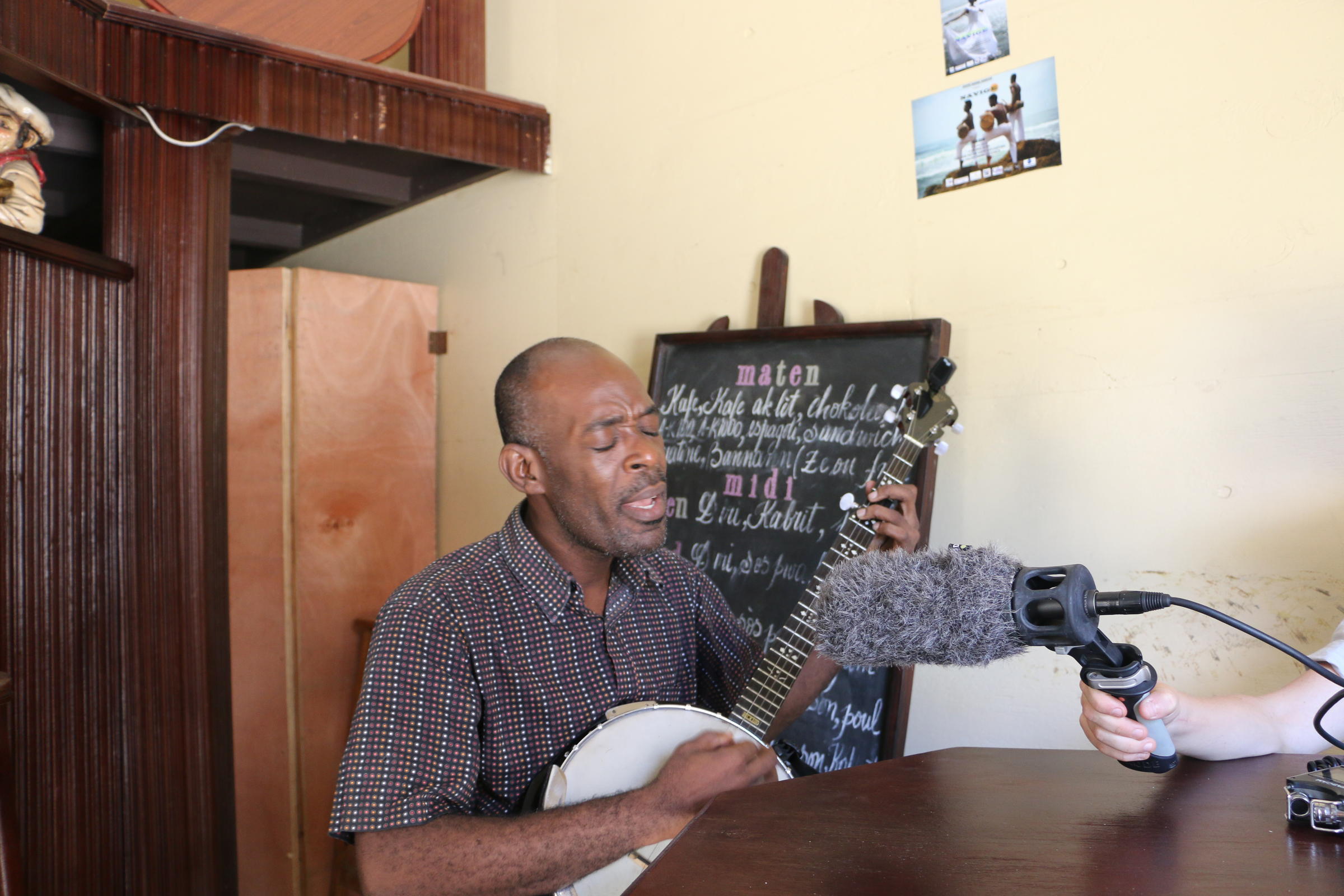
A banjo player named Pierre Ronnel Antoine sits in a little coffee shop around the corner from his apartment in Cap Haitien, with floor to ceiling shuttered doors that open out onto the busy street. He talks about his life as a musician in Haiti, about Jazz, and why he chose the banjo. He plays one of his favorite songs, a children’s song called "Panama M Tombe." It’s based on the Haitian proverb that says: When one’s hat falls, trouble is coming.The song reminded me of a a classic New Orleans tune called "Iko Iko" about two Mardi Gras Indian tribes that have a confrontation in the street. I play him the version by the Dixie Cups to play for Ronnel. "It sounds like Haitian music," he says and he starts humming along. "I thought it was a traditional Haitian song when I heard it. It’s the rhythm that does that. It’s almost the same music."It’s almost the same he says, not exactly, but almost. TriPod is a production of WWNO New Orleans Public Radio in collaboration with the Historic New Orleans Collection and the Midlo Center for New Orleans studies at UNO. This TriPod special was made possible with support from the New Orleans Center for the Gulf South at Tulane University through the Global South Fellowship program. Thanks to Evan Christopher for our theme music, and a special thanks to Bruce ‘Sunpie" Barnes for providing us with some of his original music that you heard in the program. Eve Abrams is the editor of TriPod. Molly Mitchell and Jess Dorman are TriPod's senior advisers, along with the rest of the Tripod editorial board Kevin Harrell, Connie Atkinson, Lee Leumas, Karen Leathem, Charles Chamberlain, Christina Bryant, and Christopher Harter. Special thanks to field Producer Wynne Muscatine Graham, fixer Andre Paultre, sound engineers Thomas Walsh and Peter Klingelhofer, and TriPod interns Ann Hackett, Tori Bush, and Michael Ceraso. Additional thanks to Alexis Erkert and Ben Depp, Nicole Phillips, Jacques Bartoli, Maryse Dejean, Mehdi Chalmers, Ned Sublette, Elektra Carras, Zach Niles, Rolando Bunster, Gregory Mevs, The ASB Hospital in Borgne, Haiti, The George Family in Cap Haitien, Viki Merrik, Maggie Herrman, Sanga Tabb, and Marina Magloire.By: Laine Kaplan-Levenson for wwno.org | October 27, 2017
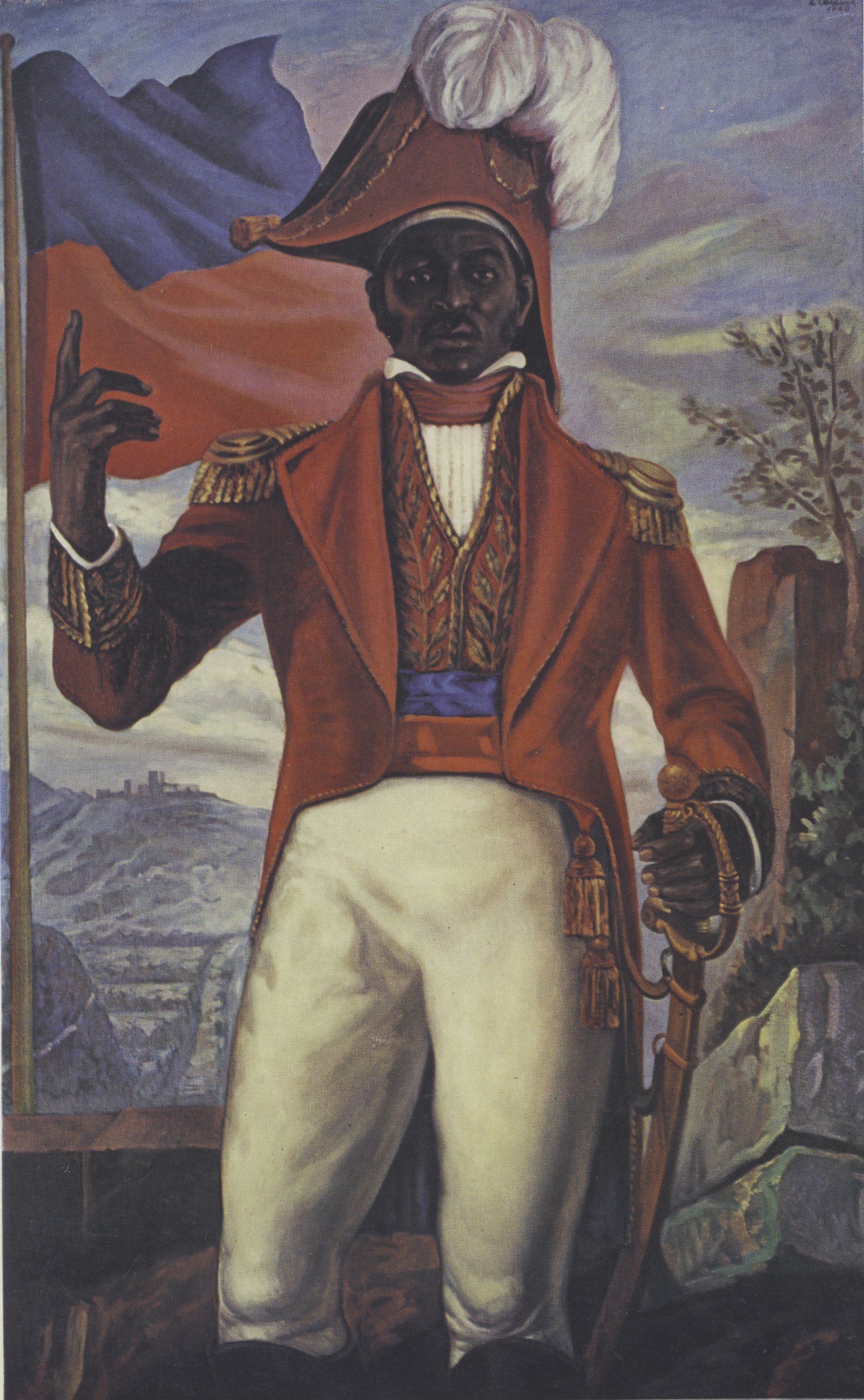
Haitian National Holiday: October 17th -Death of Jean-Jacques Dessaline
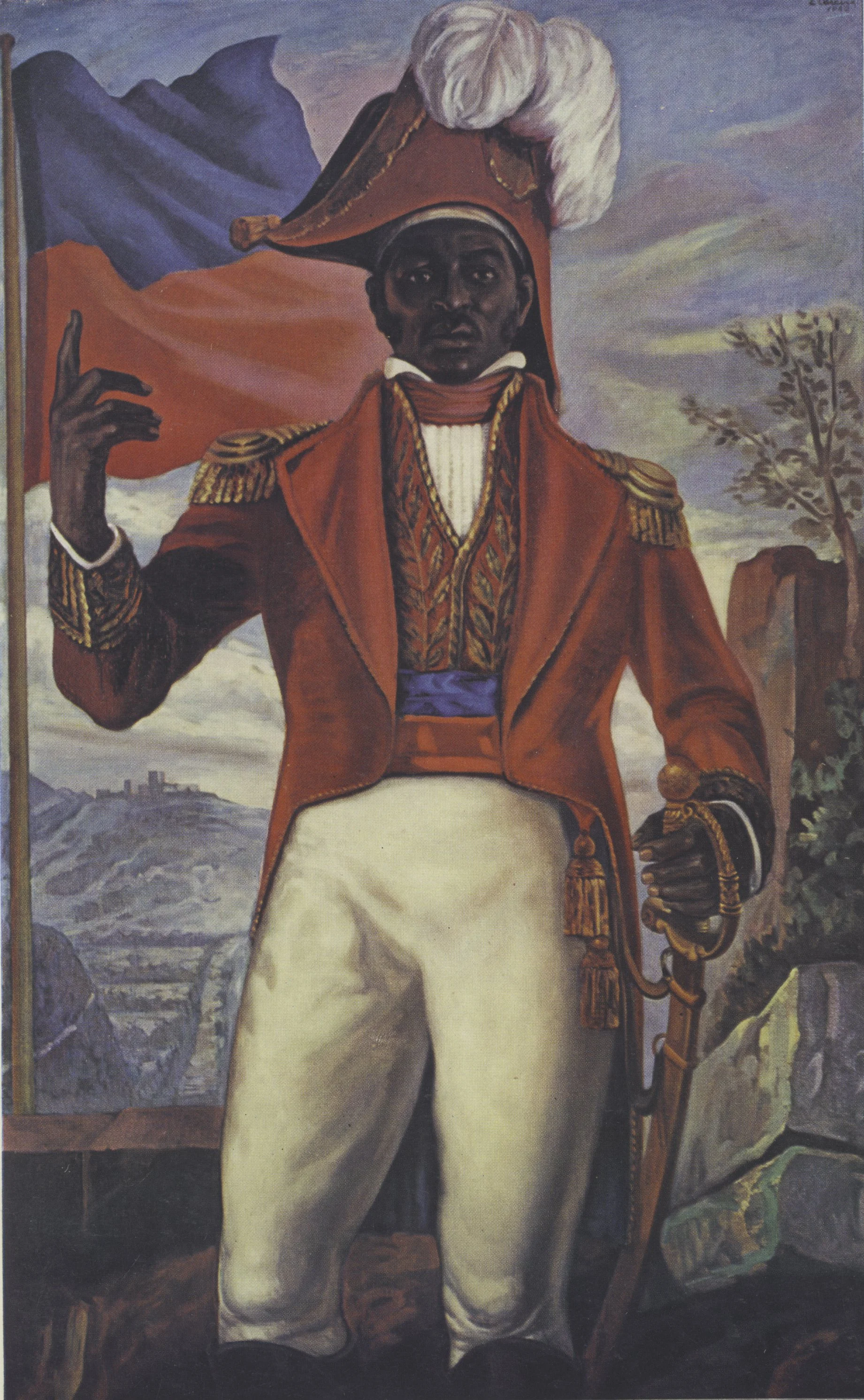
"We have dared to be free. Let us dare to be so by ourselves and for ourselves."— Jean-Jacques Dessalines
The death of Jean-Jacques Dessaline is a public holiday in Haiti. Haiti dignifies no other individual with an official national holiday. He is considered the “Père de la Patrie.”Born to Congolese parents, Dessalines was born on a plantation in an area called Cormiers, (today, Cormier), in the hills near the town of Grande Rivière du Nord 25 kms from Cap-Haitien. That plantation belonged to a French man named Duclos. The young man was ultimately given the name of Jacques Duclos. There isn’t much history about his parents, but there have been mentions of a beloved aunt, Victoria Montou, that he affectionately called “Toya.” At the age of 30 or so, he would be sold off on the market and be bought by a free black man named Dessalines, at which point he changed his name from Jacques Duclos to Jean Jacques Dessalines. He worked as a field hand for the black master until 1791, when he joined the slave rebellion that broke out in the colony amid the turmoil caused by the French Revolution.Upon joining the slave revolt that would ultimately lead to independence, Jean-Jacques followed the example of early band leaders, Boukman, Jean François and Biassou. He became a lieutenant in the Army of Jean François. He followed Jean François when he lent his services to the Royal majesty of Spain. There, he met Toussaint Bréda, who we would later come to know as Toussaint L' Ouverture who himself, was climbing the ranks and gaining notoriety for his successive brilliant victories against forces far superior to his. When the French Republic proclaimed freedom for all slaves, Dessalines followed Toussaint who rallied to the French flag in order to fight the armies of the Spanish and British crowns.Unable to read or write, Dessalines was nonetheless a quick study under L’Overture earning the nickname “the Tiger” for his fury in battle. In 1794 Dessalines’s military skill and leadership was vital to L’Overture’s success in capturing the Spanish-controlled eastern half of the island, and in return, L’Overture made him governor of the south.For a brief period of time after L’Overture’s capture in 1802 Dessalines appeared to be siding with the French, but the move was nothing more than a ruse designed to trick the French into trusting Dessalines so that he could regroup the insurgents and continue the fight for independence. It was successful. They expelled the French from Saint-Domingue, and on January 1, 1804, Dessalines, as governor-general, proclaimed the entire island of Hispaniola an independent country under the Arawak-derived name Haiti.Independence, however, did not bring peace, and from January 1804 until his death two years later, Dessalines “governed with terror.” Like L’Overture, Dessalines had himself appointed governor “for life.” The following September , emulating Napoleon, he adopted the title of emperor as Jacques I—and crowning his wife, Claire-Heureuse, empress. Fearing a French resurgence and the reinstatement of slavery that would accompany it, he ordered the massacre of approximately 5,000 of the island’s white men, women, and children declaring “I have saved my country. I have avenged America.” It was a move that two of Dessalines most influential generals, Alexandre Pétion and Henri Christophe, could not countenance and one that spoke to the growing political instability of the new government.On October 17, 1806, Dessalines met a violent death at the hands of his own lieutenants when he was ambushed; his body dragged through the streets before it was dismembered.Jean Jacques Dessalines was by all accounts a fearless soldier, a formidable general, great strategist, ruthless leader and unforgiving commander. However, most importantly, he was a man who fought for something he believed in. He fought for something bigger than just him. He fought for freedom.Sources: (1) "Jean-Jacques Dessalines: Demon, Demigod, and Everything in Between" by Lindsay J. Twa; (2) Blackpast.org "Dessalines, Jean-Jacques (1758-1806)" by Deborah McNally; (3) "Death of Dessalines Remembered in Haiti" by Aglobalworld.com; (4) "Jean Jacques Dessaline Emperor of Haiti by the Editors of the Encyclopedia Britannica
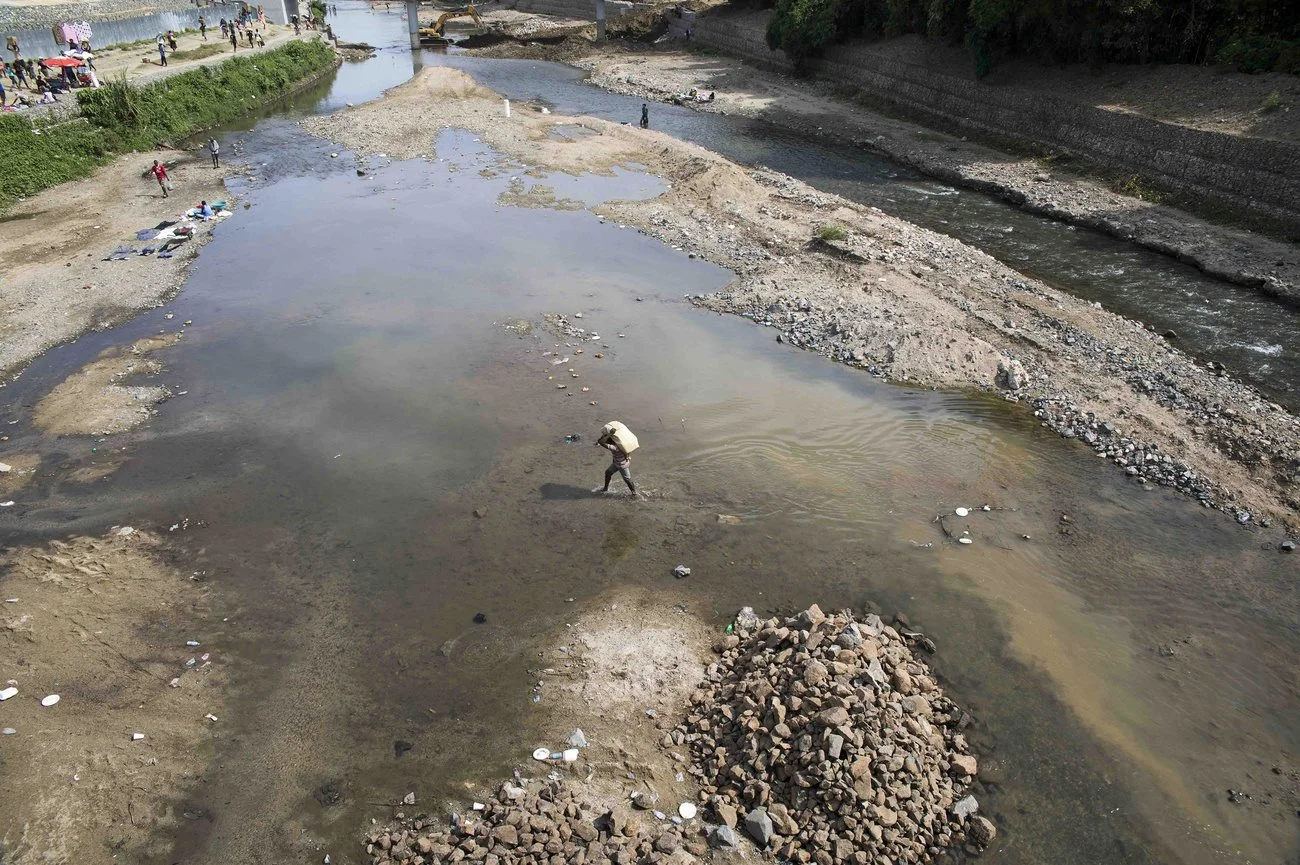
80 Years On, Dominicans And Haitians Revisit Painful Memories Of Parsley Massacre
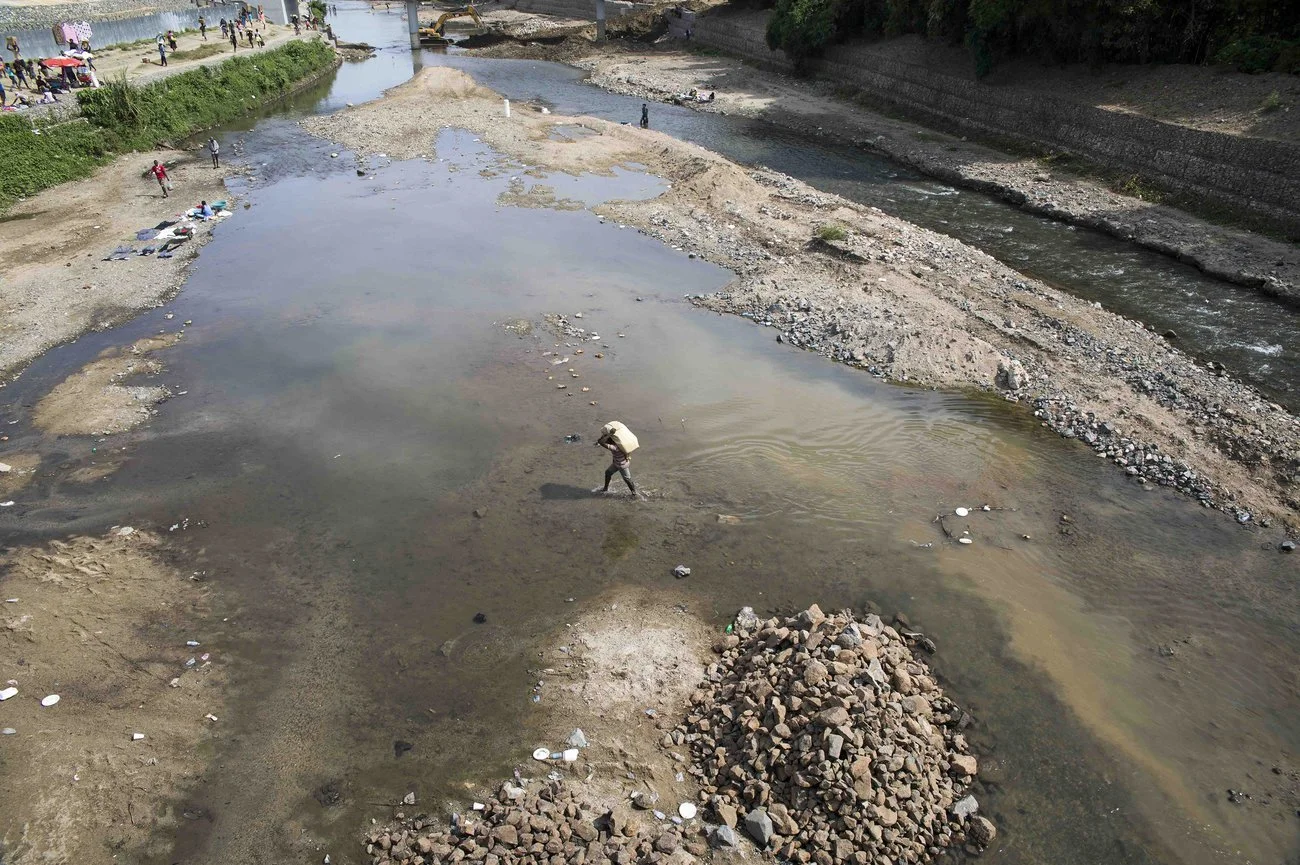
Even before Dominican dictator Rafael Trujillo carved it in blood, the 224-mile border dividing the island of Hispaniola between Haiti and the Dominican Republic was complicated. Tensions between the two countries stemmed back to a 19th century war. But in many ways, the border, which existed mostly on paper, was a notably seamless site: Children crossed back and forth freely to go to school on one side and home on the other. Sprawling cattle ranches spanned the divide, and Dominicans and Haitians mingled and intermarried frequently.That ended on Oct. 2, 1937, when the Dominican military, under Trujillo's orders, began to execute Haitian families as well as Dominicans of Haitian descent. The killings, many of which took place in the border region, were mostly carried out by machete to help sell the regime's official account that the massacre was a spontaneous uprising of patriotic Dominican farmers against Haitian cattle thieves.The killing lasted between five and eight days. Afterward, there was a moratorium on newspapers covering the massacre, and Trujillo refused to publicly admit his government's role or accept responsibility.After the dictator was assassinated in 1961, researchers began to investigate what had been an off-limits subject, conducting interviews, digging through documents and putting together the pieces of what happened. Estimates of the number of dead still vary widely — from less than 1,000 to 30,000. Mass graves were never found.Commonly known as the Parsley Massacre — Haitians and Dominicans pronounce the Spanish word perejil differently and, according to a popular though unconfirmed story, this was used as a litmus test of their origins — the killings are now acknowledged by Dominican society at large and taught in schools. But in many ways, the massacre remains a historical footnote, seen as an uncomfortable reminder of a brutal past.Eighty years after the Parsley Massacre, survivors and descendants of those who lived through that time shared their stories with a team from NPR's Latino USA.Still scared

Francisco Pierre, 90, was born to Haitian and Dominican parents in Loma de Cabrera, a Dominican town near the border with Haiti. He was 10 when a neighbor stopped by his house and called out, "Jump up and go across to Haiti right now, because they're killing people in the village."Pierre remembers filling a calabash with rice, loading up the family donkey and fleeing with his grandmother toward Haiti. Along the way, they passed the corpses of those who didn't make it. He lives in Ouanaminthe, Haiti, and has only returned once to the Dominican Republic — to visit a hospital when he was seriously ill. "I was scared of Dominicans," he says.A 'Massacre River' to safety

The Massacre River — named not for the 1937 killings, but an earlier massacre — marks the border in the northwest of the Dominican Republic. Many Haitians fleeing Trujillo's army crossed this river to reach safety in 1937. These days, Haitian merchants buying agricultural products in the Dominican Republic cross the river daily to avoid customs officials.Starting from scratch

"My father worked the land," recalls Germéne Julien (right), 83, born in the Dominican Republic. "He left behind a huge garden of yucca, rice and many other things." She was 3 years old when she fled with her parents and remembers they crossed the border in the afternoon. "Many members of my family were traveling from Montecristi and died on the journey," she says.In Haiti, where she lives today in a simple, mud-walled house (left), they had to start from scratch. "If we had known this would have happened in advance, we could have brought over the things we lost," she says.'I will fix this'

Across the street from this park in Dajabon, Dominican Republic, is the site of what used to be a government building where Trujillo, on a tour of the border area, is said to have told supporters about the massacre on Oct. 2, 1937. He claimed falsely that Haitian marauders were attacking Dominican farmers. According to a contemporary account, he said, "To the Dominicans who were complaining of the depredations by Haitians living among them thefts of cattle, provisions, fruits, etc., and were thus prevented from enjoying in peace the products of their labor, I have responded, 'I will fix this.' And we have already begun to remedy the situation."'He hated us'

Under pressure from the United States, Mexico and Cuba, Trujillo paid an indemnity of $525,000 in 1938 (equivalent to about $9 million today) to the Haitian government, which used a portion of the money to set up colonies for refugees from the massacre. Survivor Gilbert Jean, 93, (left) lives in Dosmond, one of those colonies. He says his family was friendly with local officials, who warned them about the coming massacre so they could flee before the soldiers caught them. "Trujillo did it because he hated us, because he didn't want to see black people in his country. It was in his roots to be racist," he says.Willy Azema, president of the Dosmond colony and a descendant of survivors, points (right) to a list of refugees and the land apportioned to them. "Our relatives came here with nothing but the clothes on their back," he says. He points out the poor housing and lack of a medical clinic and drinkable water in the colony. "Look around, we aren't living the way a human being should live, and it's the fault of the people who committed the massacre," he says.A complicated history

The Dominican Republic has the peculiarity of celebrating its independence not from a colonial power, but from Haiti, which ruled the entire island of Hispaniola for 22 years in the early 19th century. But the Dominican Republic won independence a second time — in 1865, after the Dominican Restoration War, in which Haiti helped the Dominican Republic fight Spain. A monument near the border, in the Dominican town of Capotillo, celebrates the start of that war.Encouraging dialogue

Regino Martinez, a Jesuit priest based in the Dominican border city of Dajabon, believes that dialogue about the 1937 massacre would help Dominican-Haitian relations — which remain tense today. He is involved in an annual commemoration of the massacre in Dajabon called Border of Lights, organized by a group of international scholars and activists, including many Dominicans and Haitian-Americans.'Dominicans and Haitians fell in love then, just like today'
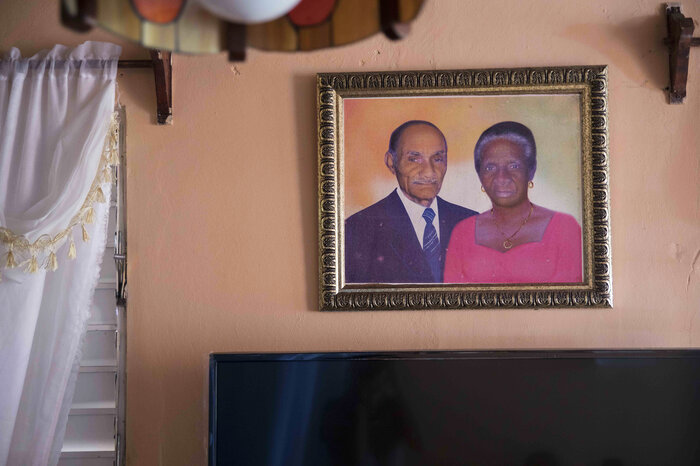
Paulina Recio, 84, keeps a portrait of her and her late husband in her living room in Restauración, Dominican Republic. Paulina is half-Dominican, half-Haitian. "Dominicans and Haitians fell in love then, just like today," she says. When she grew up in Restauración, she says, it was a completely Haitian town. "Dominicans didn't live here, it was Haitians."Part of Trujillo's "Dominicanization" process after the massacre involved bringing new Dominican settlers and infrastructure to towns on the border. Another was replacing place names, which often were in French or Haitian Creole, to patriotic-sounding names in Spanish. A new province in the Dominican northwest was named Liberator.A granddaughter makes amends

Nancy Betances' grandfather Rafael Enrique Betances was a Dominican military officer stationed in Loma de Cabrera during the massacre. "He had to participate and kill," she says. Now she tries to make amends by helping Haitian immigrants. More than 660,000 Haitians and their descendants live in the Dominican Republic, according to a U.N. census in 2012. Not everyone in town appreciates Betances' efforts. "People say that [my grandfather] defended the country," she says, "and that he'd be rolling over in his grave if he knew what I was doing."A cross-border pastime
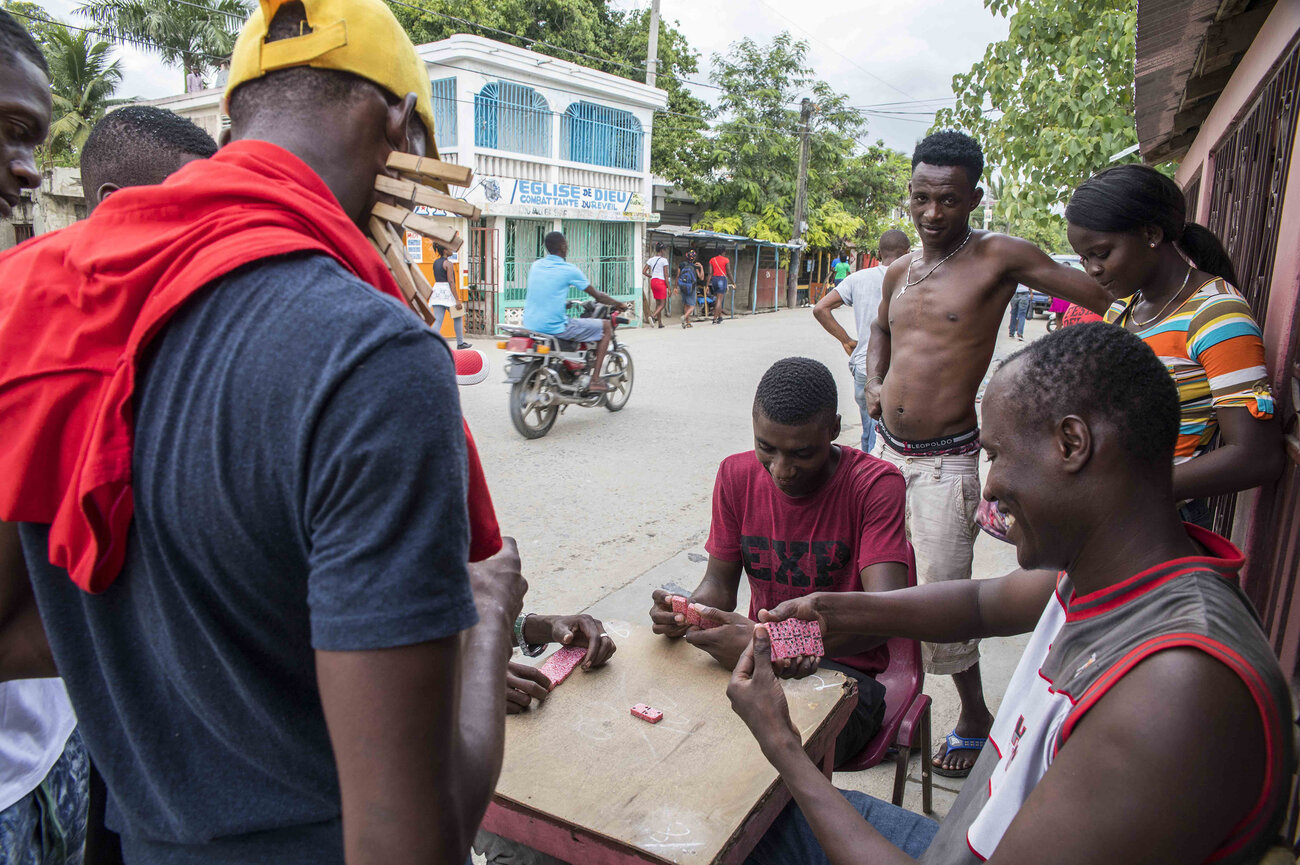
Playing dominoes is a passion shared by people on both sides of the border. In the Haitian border town of Ouanaminthe, residents relax with an afternoon game. Eighty years after the massacre, tensions between the Dominican Republic and Haiti remain high, in part because of the large numbers of Haitian immigrants who come to the Dominican Republic to work for low wages in fields like construction. One right-wing Dominican politician has suggested building a wall on the border to send a message to migrants. Yet in the border region itself, where Haitians and Dominicans interact in markets, schools and other places every day, people mostly get along well.

Tatiana Fernandez for Latino USA
Little Caribbean v Little Haiti – Not So Simple To Designate A Cultural Area In Flatbush
FLATBUSH JUNCTION – This morning around 10:30 am about two dozen neighbors, activists and members of the press gathered at the Flatbush Junction to hear a large swath of Flatbush, East Flatbush, and PLG be pronounced – Little Caribbean. The driving force behind this designation is Shelley Worrell of CaribBEING, a local cultural institution that started as Flatbush Film Festival back in 2010 and has grown to include creating experiences and curating exhibitions.Creating the Little Caribbean seems like a natural next step in her efforts to preserve and celebrate Caribbean food, culture and small businesses in the area, home to one of the largest populations of Caribbean immigrants in the country.

The organizers hope that the designation of the Little Caribbean will help create jobs and attract tourists to the area:The footprint runs along Flatbush Avenue from Empire to Nostrand Avenues (known as the Junction), includes the commercial area along Church Avenue from Ocean Avenue to New York Avenue, and Nostrand Avenue from Empire to Flatbush Avenues. All in all – about 5 miles of commercial corridors.

The initiative has received support from the Caribbean Tourism Organization (CTO), NYC & Company, Brooklyn Borough President Eric Adams and the Flatbush Nostrand Junction BID, Worrell said in a press release.“I’m proud to be a longtime supporter of the Little Caribbean, and I’m even prouder that this designation is coming to fruition,” said Brooklyn Borough President Eric Adams in a statement. “Brooklyn is the epicenter of the Caribbean Diaspora, and this branding promises to have an incalculable value on the economic development and cultural pride of Flatbush and East Flatbush.”There was music, of course.The event took place a few blocks south of Assembly member Rodneyse Bichotte’s office, however, she was not there. Local council members Mathieu Eugene and Jumanee Williams that represent the area were also nowhere to be seen. Assemblymember Bichotte issued a feisty press release last night, saying that the designation of “Little Caribbean” was premature, and did not have a wide community support:“For example, no meetings were held with the local elected officials including Congresswoman Yvette Clarke, State Senator Kevin Parker, Assemblymember N. Nick Perry, Assemblymember Diana Richardson, Assemblymember Rodneyse Bichotte, Councilmember Mathieu Eugene, and District Leaders Josue Pierre, Melba Brown, and Cory Provost, as well as the honorable Dr. Roy Hastick, who came up with the original idea. In addition, the local Business Improvement Districts (BIDS) are not entirely on board including the Flatbush and Church Avenue BIDs as well as Crown Heights merchants for similar reasons.The support of the idea for the designation is welcome, but it has to be discussed with local community members. ”The issue at heart? Designation for a “Little Haiti.” The Haitian community supports the designation of both “Little Haiti” and “Little Caribbean,” said Assemblymember Bichotte, who is the first Haitian-American to be elected to the State Legislature from New York City. “However, we were taken aback by the lack of engagement that has been shown to many of the elected officials and key stakeholders within the Haitian community throughout the overall process.”“Haiti has had a unique position within the Caribbean — it is in the Caribbean, but not of the Caribbean. Although Haiti is geographically part of the Caribbean, the Haitian community has historically been singled out and excluded as a member of the greater Caribbean community, which is why Haitians have had to build separate communities and organizations in order to survive,” she said.“Little Haiti” exists, de facto, because when Haitians first moved to the Flatbush neighborhood of Brooklyn, they were isolated in part due to speaking French-Creole versus English, which is spoken by other Caribbean countries.“Old wounds have been opened as the voices of the community and elected officials have not been engaged throughout the designation process. Although, the journey to unity has come a long way between island politics and differences, having both designations would be ideal to acknowledge the Haitian people’s struggle,” Assembly woman noted.By: By Liena Zagare - September 28, 2017
Pièce De Résistance: Haitian Artist’s Work Explores Life
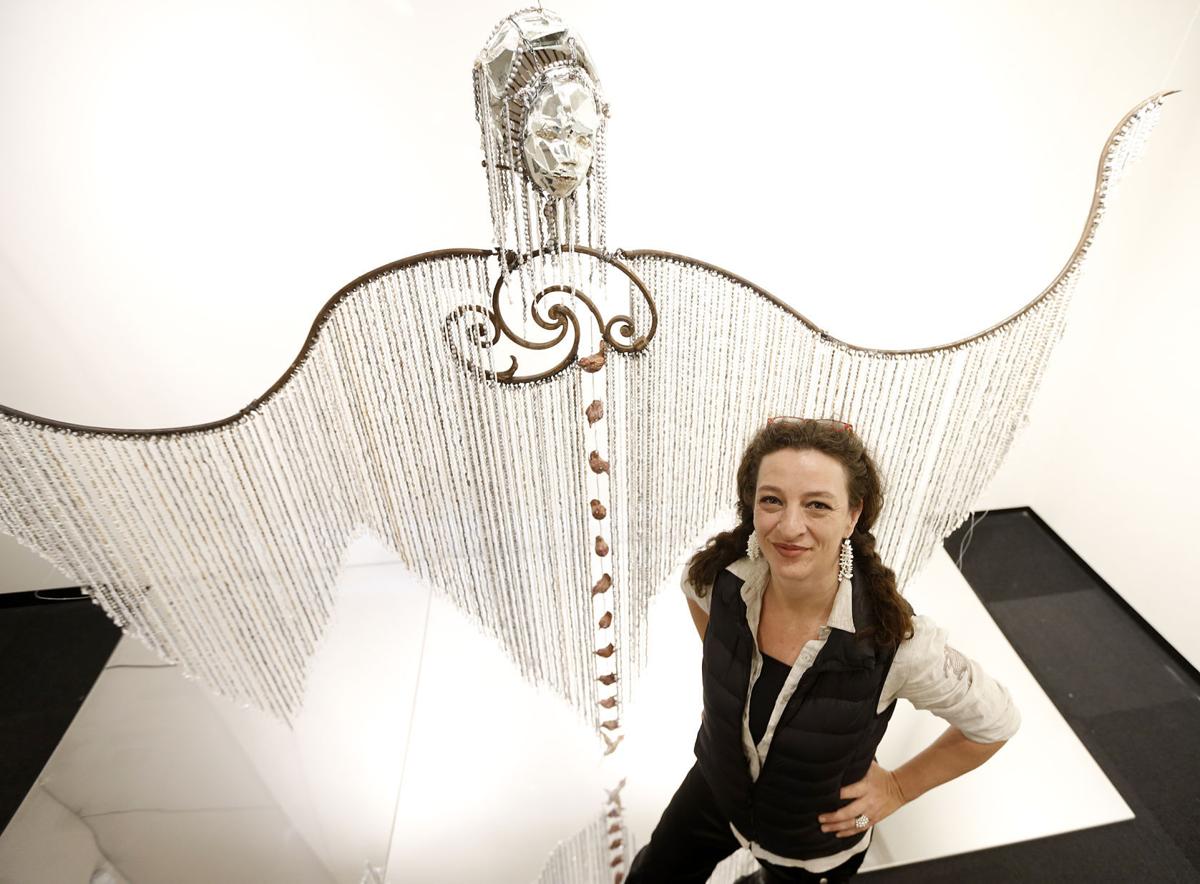
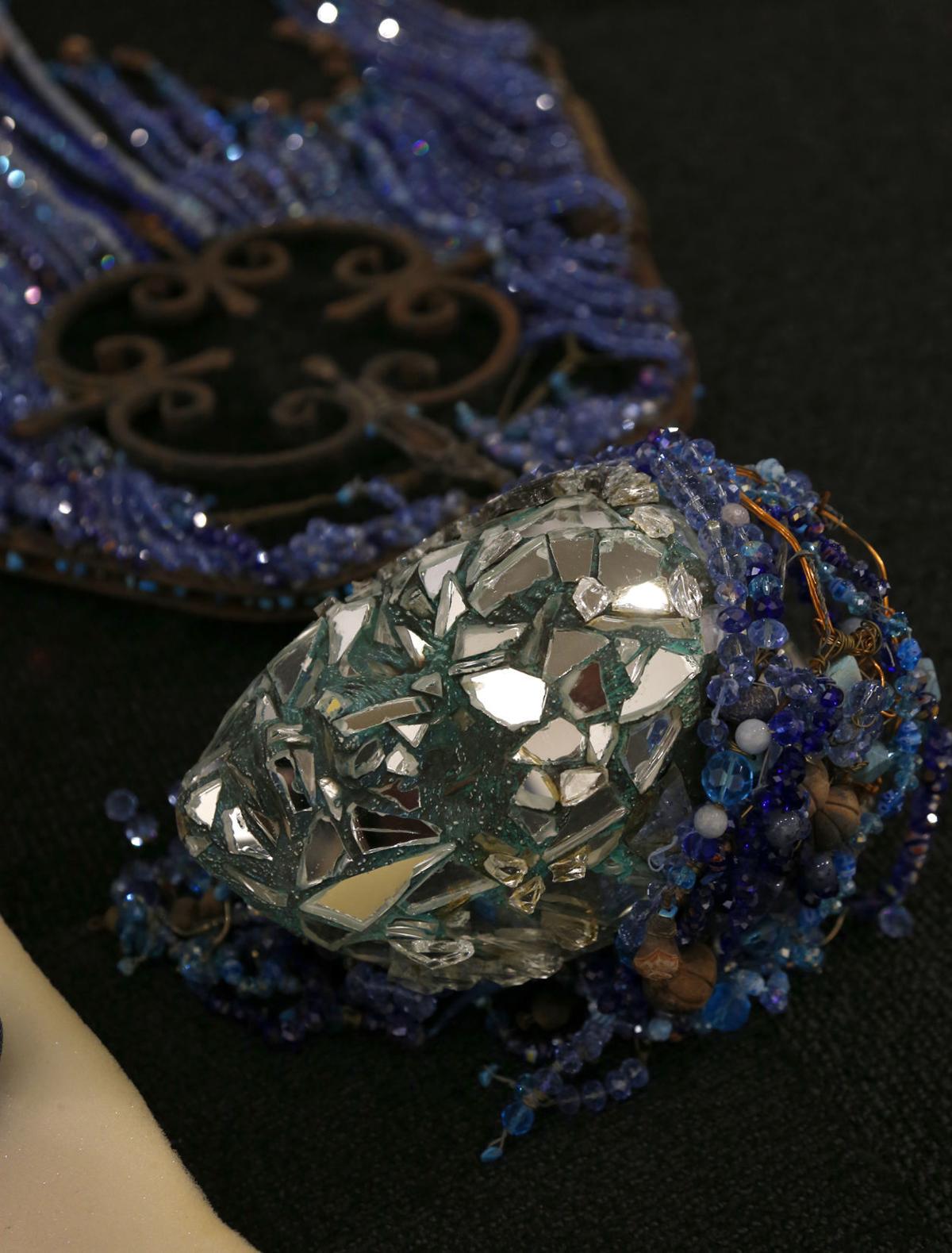
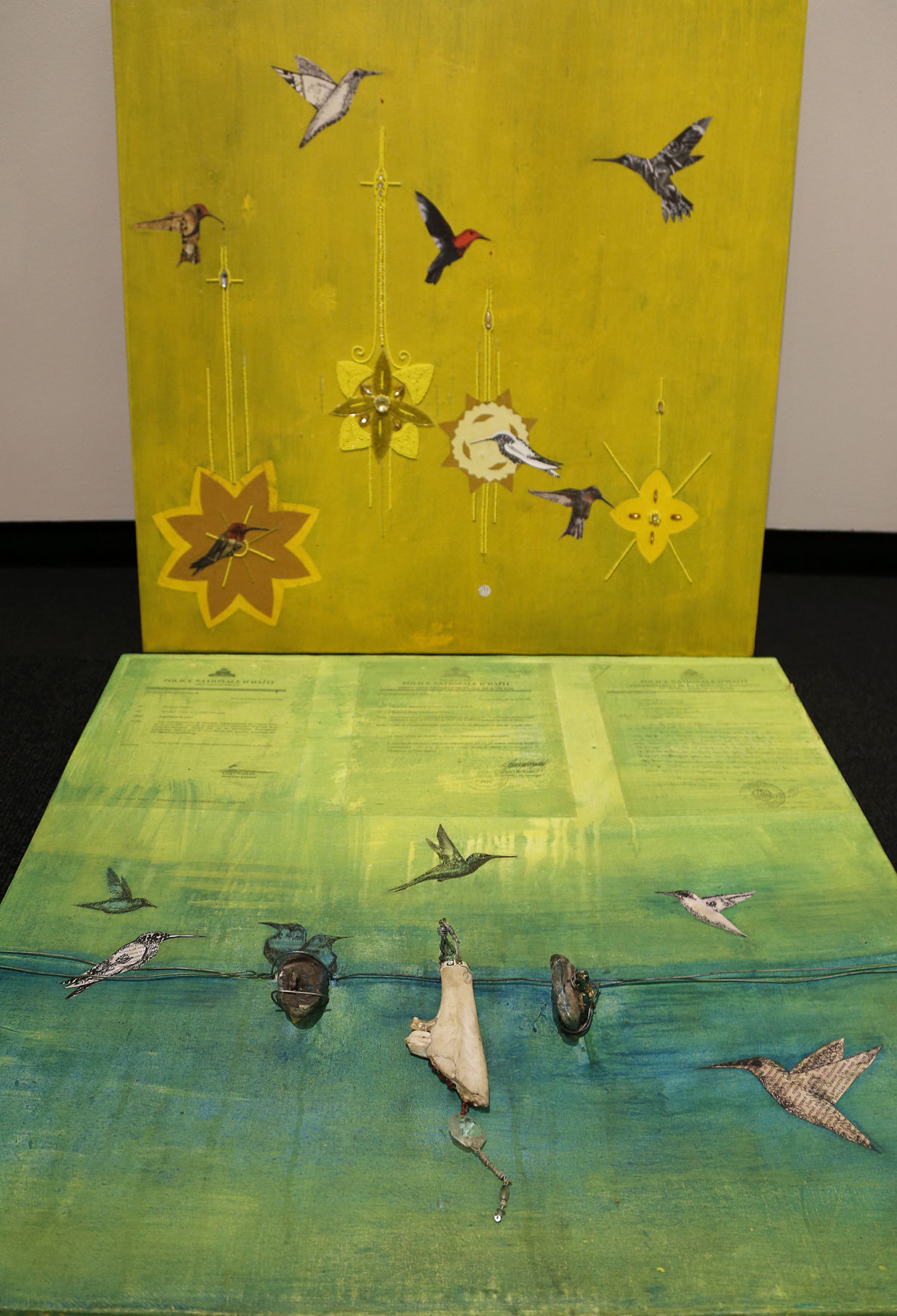 Monnin is one of the best-known contemporary female artists in Haiti, and her artwork has been exhibited in one-woman shows and exhibitions at art centers, museums and galleries around the world.
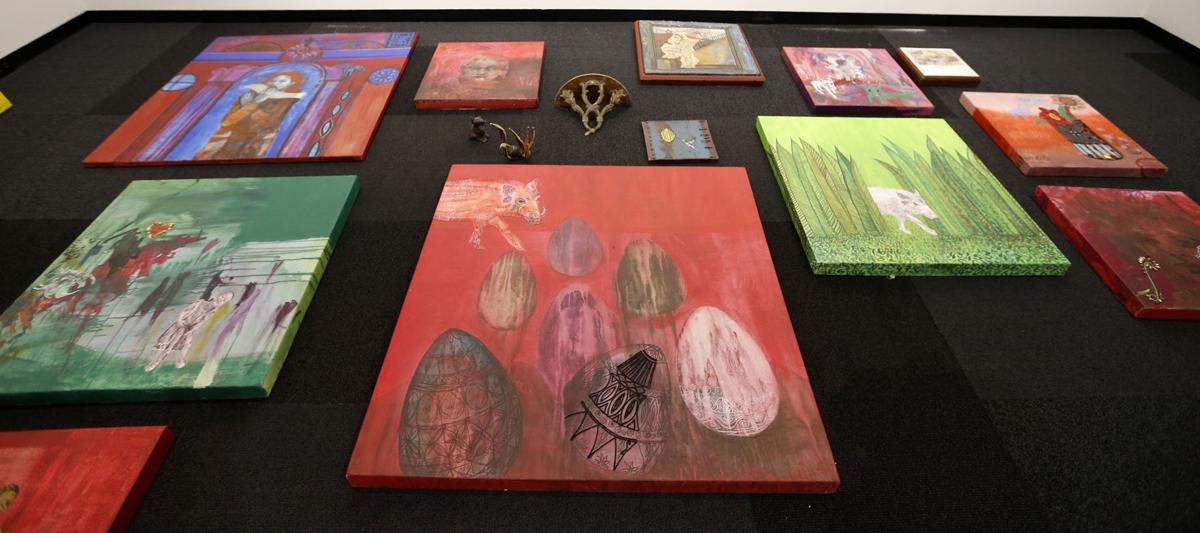 She studied art education, including painting, printmaking and sculpture in Geneva, and returned to Haiti to live in the 1990s. Recently, she moved to Paris.
Tarte a l’ oignon (Onion pie)

Bechamel sauce ingredients1 cup of evaporated milk2 tbsp of flour1 tbsp 1/2 of solid, cold butter
Onion preparation ingredients4 white onions7-8 tbsp of oil1 tbsp of butter
Directions
Cut your onions into cubes. Don’t worry about the quantity since they will eventually decrease in size as they cook.Take a deep pan and put it onto a low fire. Pour in your olive oil and add butter . This part is very important, DO NOT LET YOUR OIL AND BUTTER FRY! You should not hear the sizzling sound.Add your onions into the mix and use a wooden spoon to stir the onions.Keep stirring gently without stopping.Your onions should have a translucent appearance and should not stick to the pan. At this point you’ll start realizing that they have started decreasing in size. This should take no more than 30 mins.
To prepare your bechamel sauce, you need a small pot. Pour your milk into the pot and stir it for about 5 mins on low heat.Add your butter, gradually, you will add your flour into the butter and milk mixture, It will thicken. Make sure you mix well. You will obtain a thick bechamel sauce. You can now add maggie cube and the onions to the sauce
Pour the onion mixture into a prepared pie dish. Bake in 350 degree for 30mins