
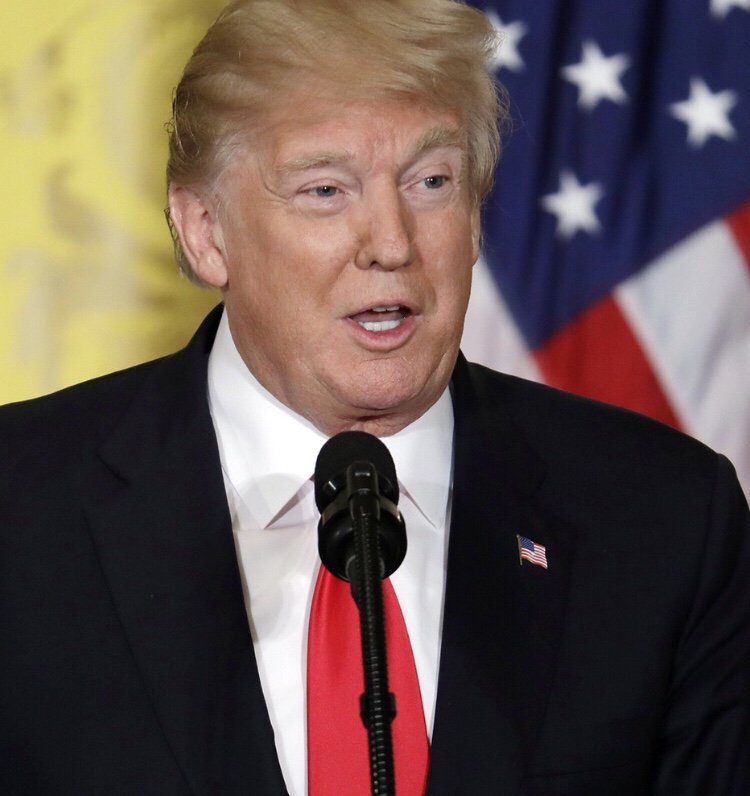
Trump referred to Haiti and African nations as 'shithole' countries

President Donald Trump referred to African countries, Haiti and El Salvador as "shithole" nations during a meeting Thursday and asked why the U.S. can't have more immigrants from Norway.
Trump referred to Haiti and African nations as 'shithole' countriesWASHINGTON — President Donald Trump on Thursday referred to Haiti and African nations as "shithole countries" during a meeting with a bipartisan group of senators at the White House, a Democratic aide briefed on the meeting told NBC News.Trump's comments were first reported by The Washington Post, which said the group of nations referred to also included El Salvador.The comments came as senators huddled in the Oval Office with the president to discuss a path forward on an immigration deal. Trump questioned why the United States would want people from nations such as Haiti while he was being briefed on changes to the visa lottery system.According to the aide, when the group came to discussing immigration from Africa, Trump asked why America would want immigrants from "all these shithole countries" and that the U.S. should have more people coming in from places like Norway. Thursday's meeting came one day after Trump met with Norwegian Prime Minister Erna Solberg at the White House.Ap source familiar with Thursday's meeting told NBC News the president was particularly frustrated during discussions about the visa lottery system — a program Trump has railed against repeatedly in recent months. Another White House source explained the language Trump used as his way of trying to emphasize his support for a merit-based immigration system.The White House issued a statement that did not deny the remarks."Certain Washington politicians choose to fight for foreign countries, but President Trump will always fight for the American people," White House Deputy Press Secretary Raj Shah told NBC Thursday, as part of a lengthy statement that did not directly dispute the language reportedly used in the meeting."He will always reject temporary, weak and dangerous stopgap measures that threaten the lives of hardworking Americans, and undercut immigrants who seek a better life in the United States through a legal pathway."Republican congressional reaction trickled in Thursday night, with some statements critical of the reported language calling on the White House to immediately provide an "explanation" or additional "context."But Republican Rep. Mia Love — the daughter of Haitian immigrants herself — released a tough statement calling Trump's comments "unkind, divisive, elitist, and fly in the face of our nation's values" and demanding an apology from the president.And Rep. Ileana Ros-Lehtinen (R-Fla.) said in a tweet that the reported remark "ignores the contributions thousands of Haitians have made to our #SoFla community and nation. Language like that shouldn't be heard in locker rooms and it shouldn't be heard in the White House".It’s not the first time reports have surfaced of Trump speaking unfavorably about immigrants, and Haitians in particular. The New York Times reported in December that Trump said Haitian immigrants "all have AIDS," during a summer 2017 meeting about immigration.According to the Times, Trump also targeted Nigerian immigrants during that meeting, complaining that once they came the United States they would never "go back to their huts." The White House vigorously denied the claims in the story at the time.By: Ali Vitali and Kasie Hunt for NBCnews.com | January 11, 2018
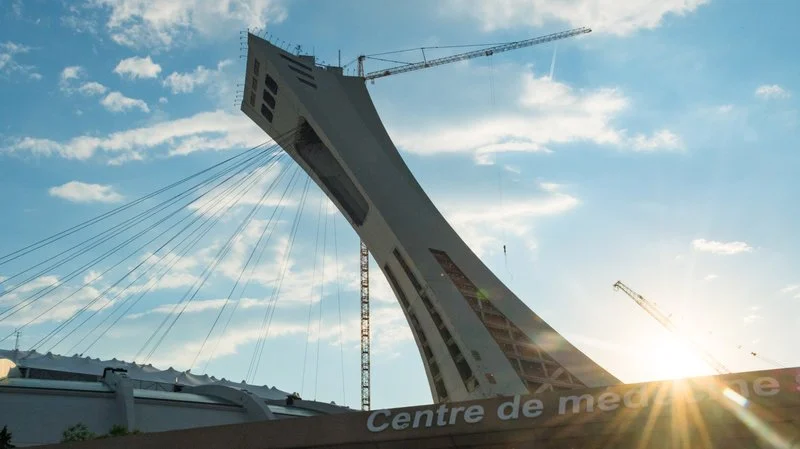
Olympic Stadium In Montreal Turned Into Welcome Center For Refugees From U.S.
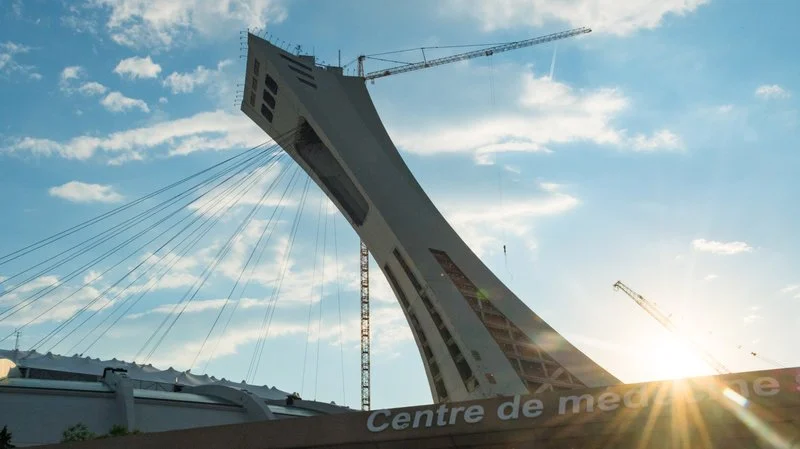
Faced with a flood of asylum seekers traveling from the United States into Quebec, Canada, local authorities have repurposed Montreal's Olympic Stadium and turned it into a refugee welcome center.A spokesperson for PRAIDA, the local government agency that helps refugees, tells the CBC more than 1,000 asylum seekers crossed the border into Quebec last month. "In comparison, PRAIDA helped 180 people in July 2016," the CBC writes.The vast majority of the asylum seekers are Haitians who initially fled the devastating earthquake in 2010, and whose future status in the U.S. is unclear under the Trump administration.The surge of refugees overwhelmed the YMCA facilities that are normally used to temporarily house new arrivals.So the agency turned to the Olympic Stadium — specifically, to the area by the concession stands, the CBC says.The first refugees to stay at the stadium were bused in on Wednesday, The Associated Press reports."Volunteers from the Quebec Red Cross helped set up the cavernous, concrete stadium for a temporary stay with cots and food in the rotunda," the wire service writes. "The stadium was the main venue of the 1976 Olympics. It has not had a main tenant since the Montreal Expos left in 2004."The stadium will be hosting up to 450 people for several months, but cannot provide shelter permanently, given the event schedule, the AP says.The Guardian reports on the transformation:
"It took just 24 hours for the stadium – built in the 1970s as a venue for the city's 1976 Olympics – to be converted into a welcome centre where the asylum seekers will be sheltered and receive help in finding housing and completing paperwork related to their asylum claims."So far, 150 cots – arranged neatly into rows among the concrete walls of a windowless area ... of the stadium – have been set up, along with access to showers and a cooking area."
The Haitians who make up the majority of the new arrivals are in a precarious legal situation in the U.S. Tens of thousands of people fleeing the disastrous earthquake were given temporary protected status in the U.S. under the Obama administration; that's not the same as asylum or refugee status, but it acknowledges a person can't return to their home country safely.The Trump administration extended that status for just six months — and urged Haitian refugees to "prepare for and arrange their departure from the United States." The administration cited "Haiti's success in recovering from the earthquake," although Haiti continues to struggle with a number of crises, including an ongoing cholera epidemic, a nightmarish sewage problem and a catastrophic hurricane.That helps explain why a sudden surge of refugees are leaving the U.S. As to why they're entering Quebec, the CBC cites the large Haitian community in Montreal."Obviously, there is a stronger attraction to coming to Quebec for Haitians than in other provinces," PRAIDA spokeswoman Francine Dupuis told the CBC. "They have the help of their community to get settled."But it's not clear if the Haitian refugees arriving in Canada will be permitted to stay, the CBC reports. The challenge is fundamentally the same as in America: A government evaluation of just how bad life is in Haiti."Asylum seekers originally from Haiti who have crossed the Canada-U.S. border could be deported back to Haiti if their application is refused because Canadian authorities deem Haiti as a sufficiently safe country," the CBC writes.NPR International August 2, 2017