
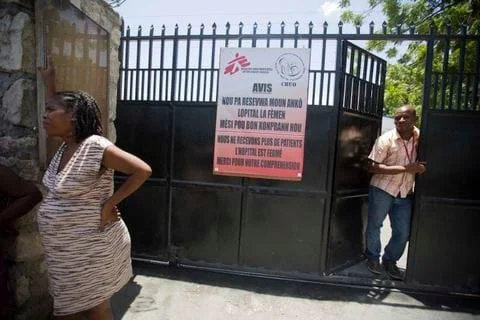
Doctors Without Borders Closing 2 Hospitals in Haiti
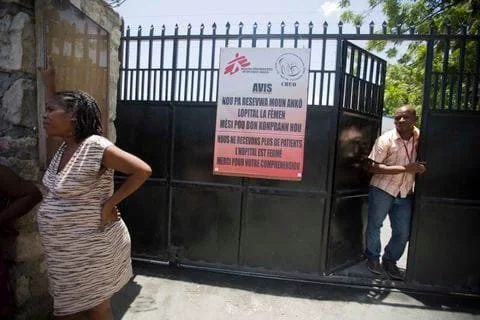
PORT-AU-PRINCE, Haiti — Doctors Without Borders is closing two hospitals in Haiti’s capital opened by the aid group in the aftermath of the January 2010 earthquake that devastated much of the city, an official with the organization said Friday.
A 176-bed obstetrics hospital in the Delmas area of Port-au-Prince will close in the coming days after some final patients are discharged and a hospital in the Tabarre area will close next year, said Michelle Chouinard, who heads the group’s mission in Haiti. Both facilities opened in the wake of the earthquake that killed tens of thousands of people and left the capital and much of southern Haiti in ruins. Both were intended to be temporary but were extended because of the medical needs in the impoverished country. “Given that the situation in Haiti is still difficult it was a very hard decision,” Chouinard said. Many poor people in the capital depend on the obstetrics hospital, which has treated about 500 patients a month. About 40,000 babies have been born there. Doctors Without Borders will continue to operate four clinics in Haiti, including one in Delmas that provides emergency medical care to victims of sexual and gender-based violence. Copyright 2018 The Associated Press. All rights reserved. This material may not be published, broadcast, rewritten or redistributed.
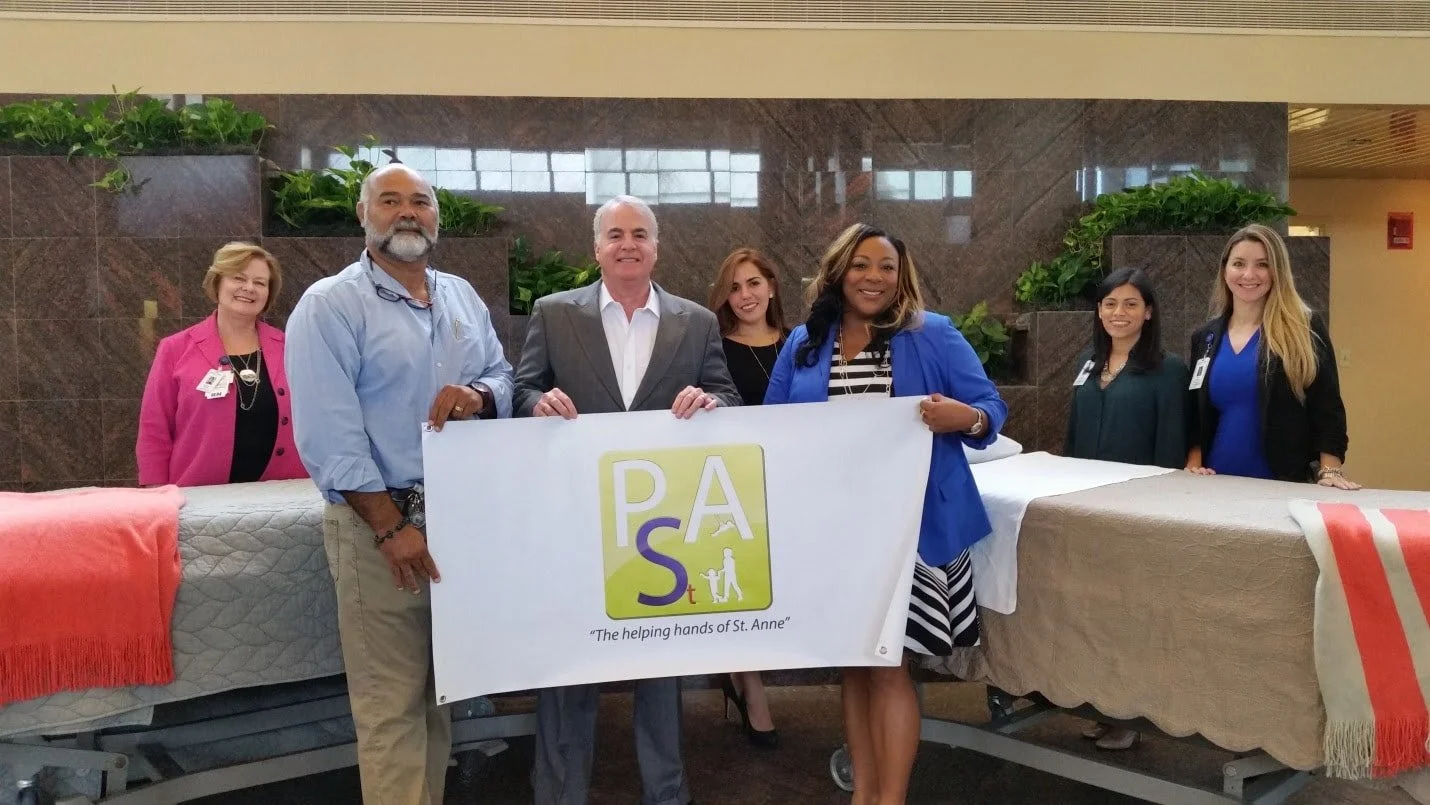
North Shore Medical Center (Miami) Donates Beds to Haiti
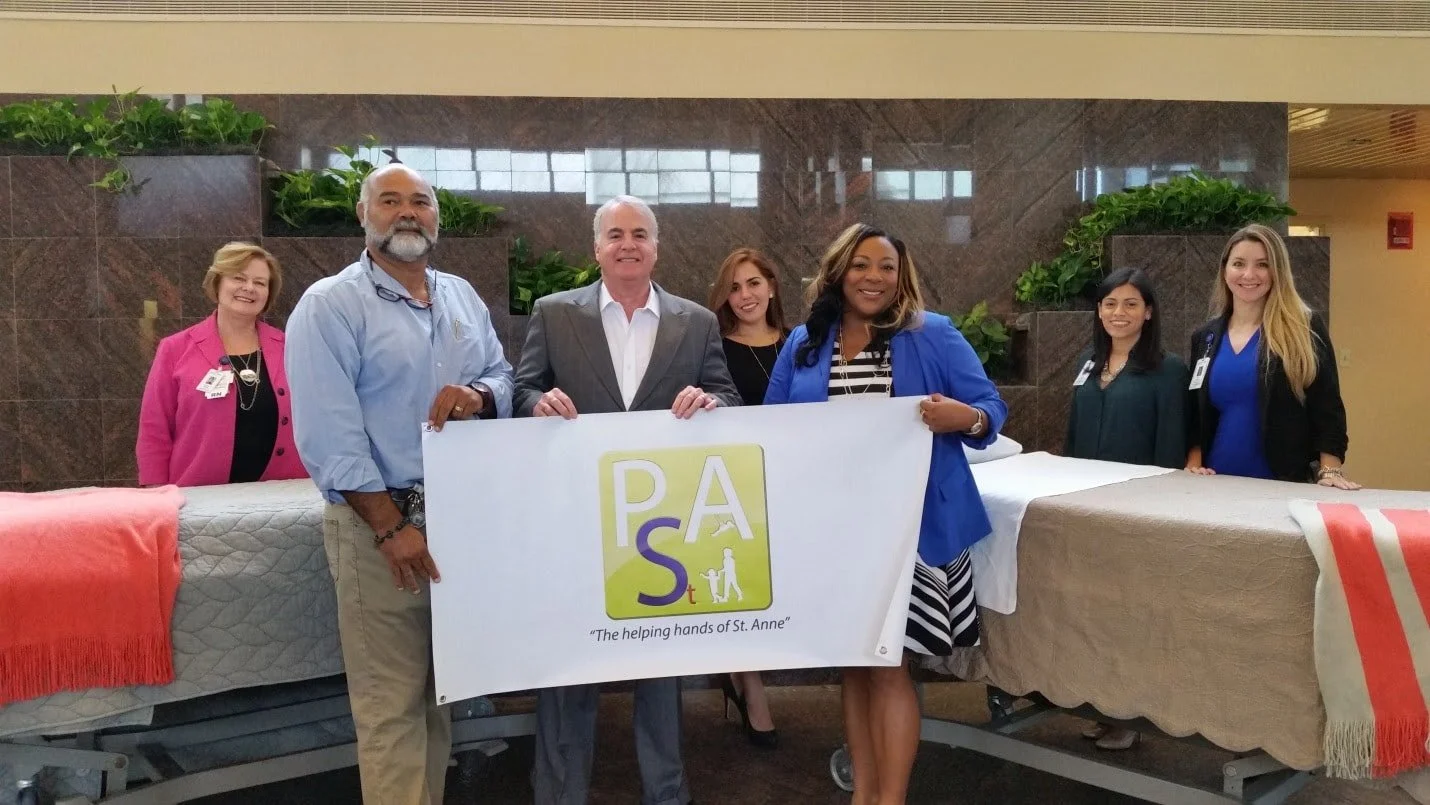
 North Shore Medical Center donated 30 hospital beds to Project St. Anne, part of a Clinic of Camp-Perrin located in Haiti. Project St. Anne is a non-profit that was founded by a group of women in 2008. The goal of the organization is to help the less fortunate. The 30 beds are going to be used by patients at the local hospital. “Receiving medical care in a comfortable environment can help speed up the healing process,” said Manny Linares, Chief Executive Officer of North Shore Medical Center. “The donation of these beds is part of our commitment to helping those who have been affected by hurricanes and other natural disasters and are in need of medical supplies.”By: Community News | October 4, 2017
Flagstaff to Haiti: 'Adopted' orphanage thrives
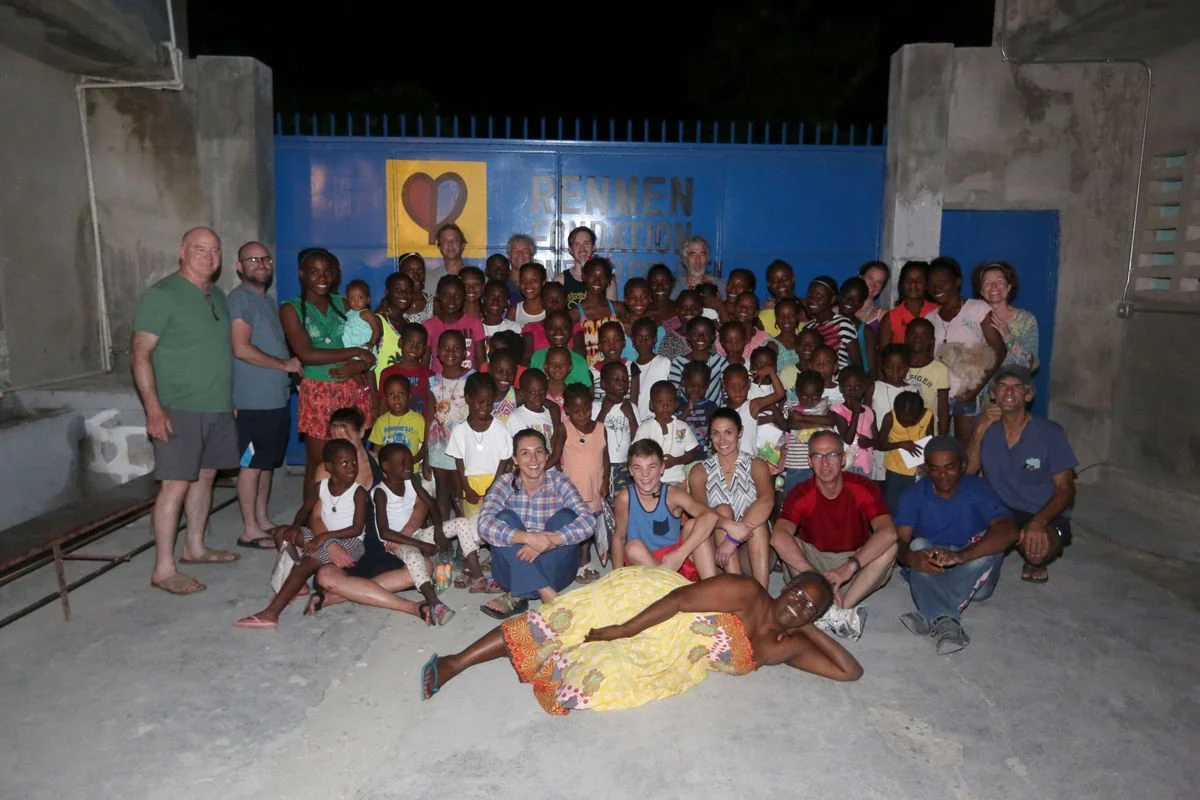
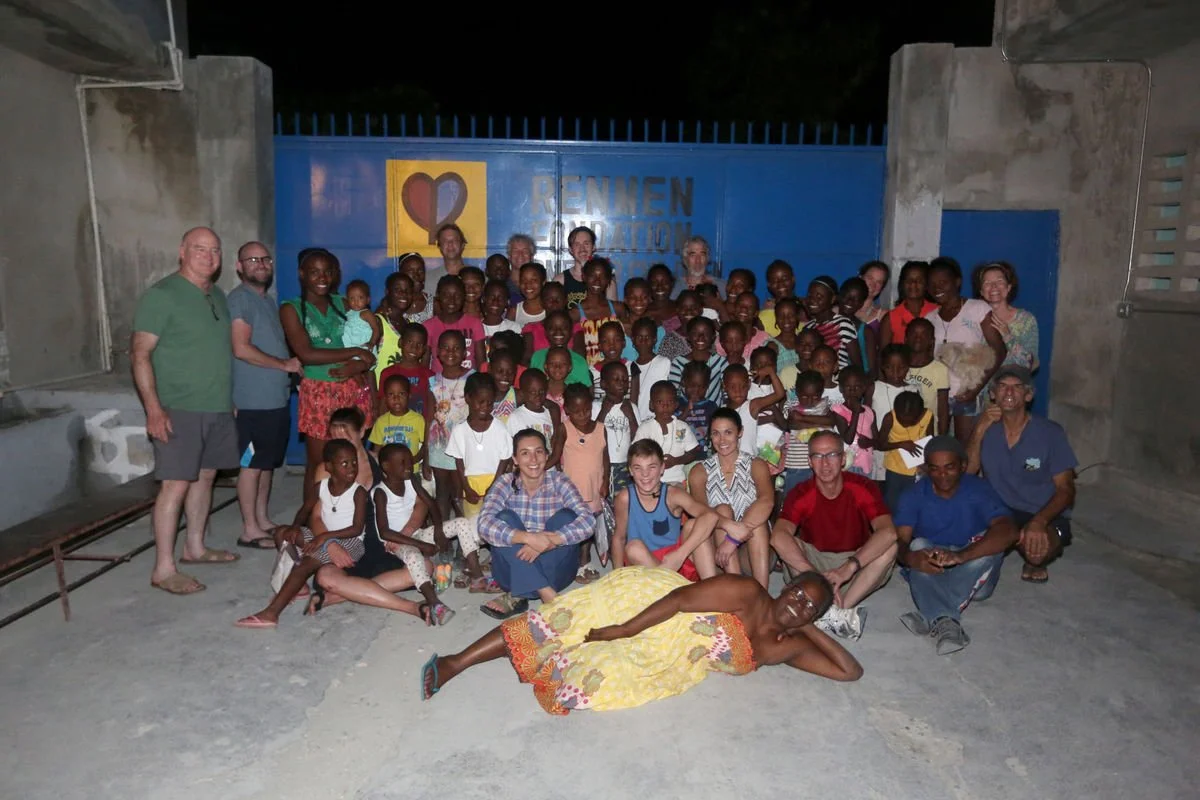
Each night as the sun slips away over a country wracked by natural disaster and poverty, 55 children line up inside a walled compound to sing their nightly prayers. Led by Florence Thybulle, who turned her home on the outskirts of Port au Prince, Haiti, into a sanctuary, the voices of the children rise in volume as their songs reverberate in the thick night air. The children come from all over Haiti and each of their stories is unique. Some were orphaned during the 2010 earthquake that ripped through Haiti; others lost their families after hurricane Matthew tore across the southern claw that forms the geography of this island nation. Still more are economic orphans whose families were unable to feed and shelter them.After the 2010 earthquake three teams from the Northern Arizona Volunteer Medical Corps (NAVMC) went to Haiti to assist with the humanitarian crisis. A field hospital had been set up right on the tarmac at the airport in Port au Prince.“The thing that touched the teams the most was watching kids die and suffer,” said Dr. Jon “Bull” Durham, who leads the medical trips to Haiti.
 “On my second trip to the tent medical city I was made chief medical officer to control the influx of patients. When I arrived there were nine kids in the pediatric intensive care unit. I had a full staff of pediatric intensive care physicians, pediatric intensive care nurses and respiratory therapists so I had the opportunity to save the lives of these sick kids and yet they all died. By the end of the week those nine kids were all dead and there were nine more in the tent,” said Durham.“We watched a lot of kids die and suffer. We had 6-month-olds with amputations, 2-year-olds with amputations so we came home raised a bunch of money at a fundraiser at the Orpheum and went back to Haiti to find an organization that we could vet and know exactly where the money was going.”In the six years since NAVMC has been supporting the Foye Renmen orphanage run by Thybulle, the organization has rebuilt the wall surrounding the compound, provided a generator to supplement the spotty power that comes from the national power grid, hired a teacher to teach the younger children inside the orphanage and paid the school fees for the older children to go to high school.“Since we have been involved every single kid has gone through high school and then each child has gone onto some form of post-secondary education. We have three kids in nursing school, one in law school, one in hotel and restaurant management school, one in a three year plumbing program and another in medical school.” Durham said.
When the team visited the orphanage in December they brought enough vaccine with them to vaccinate all 55 children and five staff for diphtheria, tetanus and pertussis.“It had never occurred to me that these kids had not been vaccinated until I watched a 10-year-old kid die of tetanus in October.” Durham said.One of the highlights of each medical trip to Haiti comes at the end of the trip when the medical staff leaves the hospital where they stay for a week doing back-to-back surgeries and travel to spend two days and a night at the orphanage with the children. During the trip in December Dr. Durham and his wife Lisa Jobin paid to rent a fleet of buses to give the orphans a treat. Despite living on an island and within 30 miles of the beach many of the children had never seen the ocean. Using their own money Durham and Jobin shepherded the children onto the air-conditioned buses with a picnic lunch and drove them to a private beach house that they had borrowed.“Is there anything better than this?” Durham said laughing through an armful of children as they hung onto him in the clear blue waters of the Caribbean. “This is what it’s all about.”Jake Bacon Arizona Daily Sun Aug 24, 2017