Two Haitian-Americans started a sustainable business to help provide jobs to Haitians.
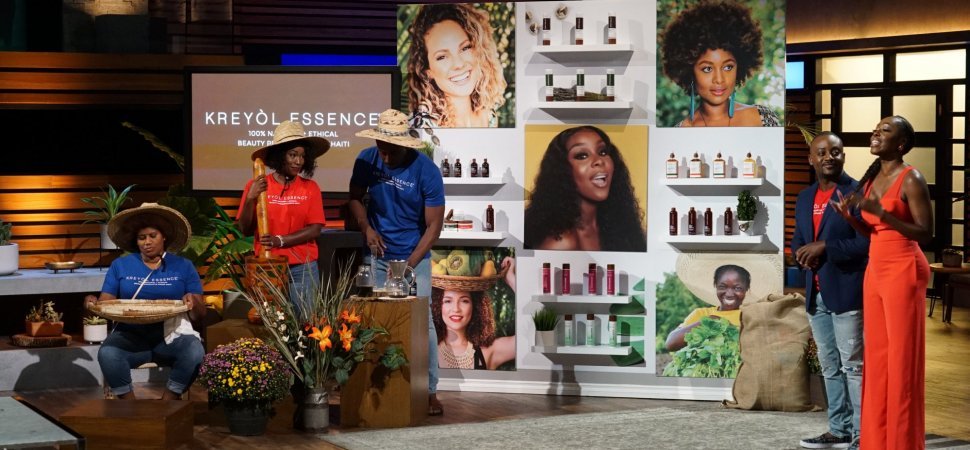
On Jan. 12, Stéphane Jean-Baptiste and Yve-Car Momperousse appeared on Shark Tank, exactly 10 years after a 7.0 magnitude earthquake hit Haiti in 2010.
The three million lives that were threatened in the 2010 earthquake was one of the things on their mind as they pitched their brand.
Jean-Baptiste, a 2006 communications alumnus, and Momperousse went on ABC’s Shark Tank, a show that gives beginning entrepreneurs the chance to earn investors, last month to pitch their beauty brand Kreyol Essence.
The brand’s inspiration comes from Haiti, as it employs female workers in the country and sources products for its shampoos, oils and pomades from it. Their products include Haitian black castor oil, Kreyol Essence’s signature ingredient.
The brand was not offered investment from any of the Sharks, but announced that their products will be sold at Ulta Beauty, a beauty chain store, across the United States in April, in addition to their products being sold at Whole Foods Market and on Kreyol Essence’s website.
While on the show, Jean-Baptiste and Momperousse felt a responsibility to authentically represent their Haitian-American community, they said.
“What better way to show the beauty of Haiti,” Jean-Baptise said. “We can change people’s perspectives of what they think about Haiti by focusing on the natural and amazing botanical ingredients we have coming out of the country.”
The idea for Kreyol Essence started in 2010, a few months before the earthquake, when Momperousse’s hair started falling out after it was burned from a straightening treatment in a hair salon. The Haitian castor oil she used as a child in Haiti was unavailable on American markets, so she and her partner Jean-Baptiste decided to fill the gap by creating their own products.
In the aftermath of the earthquake, however, they initially wanted to put their business idea on hold and focus on providing relief to victims. They worked with other Philadelphia residents to raise $100,000 for the Haiti Earthquake Relief and Rebuilding Fund.
But the two learned Haitian castor oil had the potential for social impact if they worked with local farmers and women, and could create jobs and alleviate poverty.
“We went back to what we know in our Haitian community, which is the Haitian castor oil,” Jean-Baptiste said.
Kreyol Essence uses quality ingredients and has a name and design packaging that helps “tell the story of Haiti,” he added.
“I’m about buying natural and ethically made products and as a physician, I am very mindful about how products and things can affect us,” said Josya-Goya Charles Laurent, a physician and customer. “I’ve used other natural products but the difference is that is they are personable, they are very much in tune with their customers.”
Soroya Pognan, patient safety analyst and Kreyol Essence customer said they like supporting the business because they can trace the products back to Haitian workers.
“I know that somewhere a woman’s life is being made better when I buy it, not only do I enjoy and Stephane and Yve-Car enjoy benefits, but so does that person,” Pognan said.
The hardest part of their business process has been raising funds because as entrepreneurs of color they don’t have access to capital and connections, Jean-Baptiste said.
In 2017, credit approval for small Black-owned businesses was 19 percent lower than white-owned firms, and of those approved, only 40 percent of minority-owned businesses received full funding, compared to 68 percent of white-owned firms, according to the Washington Post.
“We found ourselves really having to turn every stone, knock on every door and make our case from buyers all the way down to investors where they don’t necessarily understand our demographic or our business model or what we’re really trying to do here,” Jean-Baptiste said.
Going forward, Jean-Baptiste said he and Momperousse hope to build their team and continue to maintain their vision of a beauty brand that serves Haiti by always focusing on going back to the consumer and improving their experience.
“For me, its a best-kept secret, a lot of us grew up with [Haitian castor oil],” Laurent said. “When I saw it displayed on the shelf at Whole Foods, it brought a tear to my eye, to see the beauty of Haiti being shown in this way.”
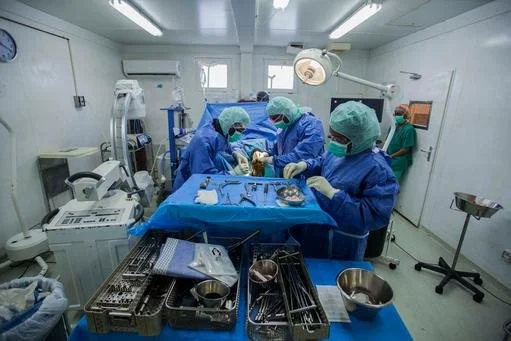
Since 2012, 60,000 Haitians from all walks of life have benefited from free, first-class surgical trauma care through MSF’s Nap Kenbé hospital in the Tabarre neighbourhood of Port-au-Prince.Opened in response to the earthquake in 2010 and the resultant spike in acute medical needs, MSF is gradually reducing its activities in the hospital and preparing for closure by mid-2019 so as to reallocate its resources according to current needs, in Haiti or elsewhere.We take a look at what has been achieved in one of MSF’s most advanced surgical projects and hear from some of the patients who have benefited.12 January 2010: the earth shatters in Haiti. Within a few seconds, the capital city is flattened. Over 100,000 die and thousands upon thousands are injured or trapped in the rubble.“In terms of consequences for the local health system, it’s similar to a large epidemic; but one caused by injuries instead of an infectious disease,” explains Dr Miguel Trelles, MSF surgical advisor. This spike in acute medical needs happened right at a time when the country was the least able to treat the wounded, as its medical infrastructure had been destroyed or was in disarray after the catastrophe.Faced with the scale and long-lasting impact of the disaster, MSF decided to open one of its first and most advanced trauma hospitals in Port-au-Prince. The organisation was already managing a trauma aisle in Port-au-Prince’s Trinité hospital, but it was flattened by the quake. It was also too small to meet the demand for such services, which soared even after the ‘epidemic of injuries’ had subsided, as a result of violent trauma and road accidents among other things.A surgical success storyNap Kenbé hospital, a temporary structure built on containers in the Tabarre neighbourhood of Port-au-Prince, opened its 107 beds on Valentine’s Day in 2012 and offered, for free, first-class surgeries that were before only available to the richest Haitians through the private sector.The hospital was quickly a victim of its success: within less than a year, the number of surgical interventions was twice the original plans, and demand kept growing, mainly from victims of accidental injuries such as traffic accidents.In its six years of existence, Nap Kenbé hospital has treated 60,000 Haitians from all walks of life, providing emergency trauma and visceral surgeries with often long physiotherapy follow-up required to ensure full recovery and use of limbs.Eight years after the earthquake, the emergency phase is clearly over and MSF, as an emergency organisation, is preparing to close its hospital by mid-2019.By that time there should be additional capacity to take over trauma care in Port-au-Prince, including the scheduled reopening of the Hopital de l’Université d’Etat d’Haïti (HUEH). With over 500 beds, the HUEH was the largest hospital in the country. It was destroyed during the quake but, with strong support from other international partners, its rehabilitation is nearing completion.First-class fracture treatmentInternal fixation is one of the services provided, for free, at Nap Kenbé hospital.In high-income countries, it is a routine procedure for closed fractures (i.e. where the skin has not been broken); it was routinely used to treat the wounded after the large 2011 earthquake in Japan, for example.Besides making recovery less painful, internal fixation speeds the recovery time and shortens the hospital stay. But it is a costly procedure and was not available in Haiti.The alternatives (for example using plaster or traction) require the patient to be immobilised, in hospital, for six weeks. This was a challenge following the Haiti earthquake, the most devastating in living memory: not only there were more people in need of hospitalisation than there were beds available in Port-au-Prince, but each patient needed to stay a very long time in those too few hospital beds.Internal fixation not only requires specific equipment and trained staff; it also carries too high a risk if not performed in perfect infectious control conditions – the risk of bone infection. “If surgery and hospitalisation conditions are not optimum, using internal fixation can do more harm than good,” Dr Trelles explains.Most low-resource countries where MSF traditionally works and has often provided emergency trauma care following natural disasters (Haiti, Indonesia and Nepal, to name but a few) have weak health systems and underfunded health facilities. It is not recommended to perform internal fixation in such situations, so MSF mostly uses traction or casts to treat patients with closed wounds.For MSF, Nap Kenbé hospital was a training ground to improve its intensive care unit management and improve its protocols for internal fixation. And from 2014 onwards the organisation trained 24 Haitian orthopaedic doctors and future surgeons each year as part of a residency programme.“I can rely on my hand again”Nine-year-old Derlens lives with his mother, who runs a small stall in in Port-au-Prince’s main market. His life was turned upside down on 25 July 2017, when he almost lost his right hand and forearm doing a few odd jobs for some bakers who had set themselves up in a yard next to his house.“I was only distracted for a moment, but my arm was already crushed,” says Derlens. “I shouted out so everyone would realise my arm was stuck in the machine.” He was taken to the Martissant emergency centre (managed by MSF) and was transferred from there to Nap Kenbé hospital in Tabarre.“After the accident I was very scared. I thought I was going to lose my hand. But when I arrived at the hospital, a nurse gave me hope. Now I’m healed and I find I can rely on my hand again,” says Derlens. After two months of hospitalisation and three months of rehabilitation, he has regained most of the function in his hand, despite being left with a noticeable scar.“A surgical operation like this one would have been impossible for us to afford in a private clinic. Look! I’m here with Derlen because his mother can’t even come with him to medical check-ups because she has to go and find food for her kids,” explains Guerdline, Derlens’ cousin, who has accompanied him to his physiotherapy session.A bullet in the leg in the name of revenge“I didn’t get this bullet in my leg during a fight or a scuffle. It was my best friend’s boyfriend. He was part of a notorious group of bandits operating in our community,” says Cheldine, 17, coolly. “I had tried to explain to my school friend that she didn’t realise who he really was. Unfortunately, she told him what I’d said, and he vowed to take revenge on me.“I bumped into him at a big crossroads, one afternoon when I was leaving school. He took out his gun in front of everyone and shot a bullet into my left leg. I gathered all my strength and didn’t cry, despite the blood running to the ground and the people panicking around me.“Frustrated and aware they couldn’t question him, the people who lived nearby came with me to the MSF clinic in Martissant, which is not too far from my neighbourhood. In the meantime, others told my mother to meet me there in the emergency centre. It was the first time I’d set foot in an MSF hospital. I already knew that services were offered for free. But I didn’t know all the care was free: I didn’t have to pay for medicines, radiography or lab exams.”“It was already difficult for me to pay for transport so I could visit Cheldine in hospital. I don’t know what I would have done if I’d had to pay [hospital] bills,” Mrs Jean Pierre, Cheldine’s mother, adds.“I was hit by the projectile when I was in bed.”Sophonie, 32, was hit by a stray bullet while she was lying in bed. “It was a little after 9pm,” she explains. “I wasn’t yet asleep when I felt something hit me right in the stomach. It was hot, and it hurt a lot. I rubbed the spot and realised that it was bloody. My boyfriend tried to give me some first aid, then I ran into the street to grab a motorbike to get to hospital.”“Once I’d reached the hospital, a private one, the staff gave me an intravenous infusion and advised me to go to MSF’s hospital in Tabarre because, according to them, my injury required specialised surgery that they weren’t able to offer. My partner had arrived in the meantime, and then an ambulance took me to MSF’s Nap Kenbé hospital. Of course I had a little money but I couldn’t pay for care at that level. And I didn’t want money to make the difference between life and death.”“I explained what had happened, and then I fell unconscious. It was if I had just been hit by the bullet. When I woke the next day, a nurse explained that I had been operated on, but that the doctors had decided not to touch the bullet because of how close it was to my heart. I followed the necessary treatment until I left the hospital after two weeks. Now I return regularly to the outpatient clinic for radiography. They tell me that the bullet hasn’t moved a millimetre. But it’s still possible that it might, which causes me great stress. I also have respiratory problems that are getting more and more serious. I’m haunted by the idea that someone will tell me one day that my days are numbered. I have to talk about this often with my only daughter so that she won’t suffer a terrible shock if I must leave her one day.”Sophonie sighs as she explains: “Since all this I’ve fallen into deep despair. I was no longer able to sleep in my room. I had to escape from it, and went to live in another neighbourhood. I knew that anything could happen in this country, but I still can’t believe that something like this could happen so easily. I’m not living in anger about my situation, but I remain frustrated, continually asking myself, ‘Why did this happen to me?’”By: Médecins Sans Frontières | August 13, 2018
A group called SOIL installs waterless toilets in hard-to-reach, impoverished communities and then transforms the waste into compost, improving food security.Last week, TreeHugger was invited to attend the second annual Spring Prize for Social and Environmental Regeneration, hosted by Lush Cosmetics in the UK (read overview here). The amazing people behind these projects are all fighting to create a world that's more resilient, self-sustaining, and nourishing, and thanks to the Lush Spring Prize, that fight has become a little bit easier.There was a time when Haiti was known as "the Pearl of the Antilles" for its fertile, beautiful land. Sadly, that is no longer the case. While it is still beautiful, much of the island has been deforested, the soil has been degraded, and its citizens suffer from endemic poverty. It has the highest childhood diarrhea mortality rate in the world, one of the worst cholera epidemics in modern history, and does not have enough food to feed its population. Annual hurricanes and occasional earthquakes make the situation worse. To top it off, Haiti was just named the most vulnerable nation in the world to climate change.Haiti's situation is deeply complex, making it a challenge for charities and NGOs to have a lasting effect. Monetary handouts offer temporary relief, but what Haitians need and want is what every other person in the world wants -- a job, a safe and clean space in which to live, a healthy family, and a sense of dignity.Enter SOIL, an organization founded in 2006 that is managing to offer all of these benefits to Haitians with an astonishingly simple solution -- the installation of a toilet in their homes. But this isn't just any toilet: it is a dry, waterless toilet, also known as container-based sanitation (CBS), that allows for human waste to be collected hygienically in sealable, removable containers, without relying on an expensive urban sewer system.
Participating families pay a small monthly fee (US$3-4) in exchange for toilet installation, maintenance, and weekly waste pickups. The waste is diverted into a bucket and the family adds a carbon cover layer made from sugarcane bagasse and crushed peanut shells to keep flies at bay and odors down. Once a week, SOIL's employees drive three-wheeled motorcycles along the narrow mountain roads to collect the waste buckets and deliver them to a central depot, where they're trucked out to the countryside for composting.The composting process takes nine months, during which all pathogens are killed and the final result is rich organic soil that is bagged and sold to gardeners, farmers, larger companies growing plantains, beans, and mangoes, and groups doing targeted reforestation across the island. Various studies have found it to be a powerful natural fertilizer, boosting crop yields by as much as 400 percent in the case of green peppers.
Last week I spoke with Natalie Miller, SOIL's communications and development associate, and Wisner Jean Louis, director of human resources. Both were in the UK to collect a £25,000 Spring Prize award, in recognition of SOIL's work toward social and environmental regeneration.Miller, who bubbles with enthusiasm about her work and delivers facts at dizzying speed, referred to SOIL as a rare success story, in light of so many other charities' struggles to effect lasting change in Haiti. She explained that SOIL's first attempt to build public toilets failed, despite communities having identified the need and saying they would maintain them. She told me:
"Just as would happen in Minnesota, where I'm from, or New York or London, people don't want to manage a public toilet for free, especially people who live in some of the most vulnerable, resource-poor communities in the world. They don't actually have more time to do that because they're working so much harder to help their families survive."
Fortunately SOIL did not give up, but reassessed where the real need lay -- in building toilets in people's homes. Since then, it has provided sanitation services to more than 6,000 people, made over 250 metric tons of compost, and employed 92 Haitians. Currently, it composts 40 metric tons of human waste every month, and that's set to grow. Thanks to the award from Lush, SOIL will be able to expand its composting facilities and further its research and development work.
I came away from the interview feeling amazed at the idea that something as humble as a toilet can combat cholera, create employment, boost crop yields to feed a hungry population, sequester carbon, and increase resilience to climate change by allowing the ground to retain more water during periods of drought and stay stable in times of flooding. It all makes sense, of course, that these things are interrelated, but it's such a beautifully simple solution to a problem that can appear extremely complicated.As Miller and Jean Louis told me, their work is about returning to technology that humans have used for thousands of years. "Since water and energy become so cheap and accessible, we went a little crazy with flush toilets," Miller said with a laugh. Container-based sanitation, by contrast, makes much more sense in dense urban settings like Haiti, and prove Miller's words: "Human poop is where it's at!"You can learn more about SOIL's work by visiting its website or Facebook page, or reading their bio on the Spring Prize website.By: Katherine Martinko for The TreeHugger.com | May 21, 2018
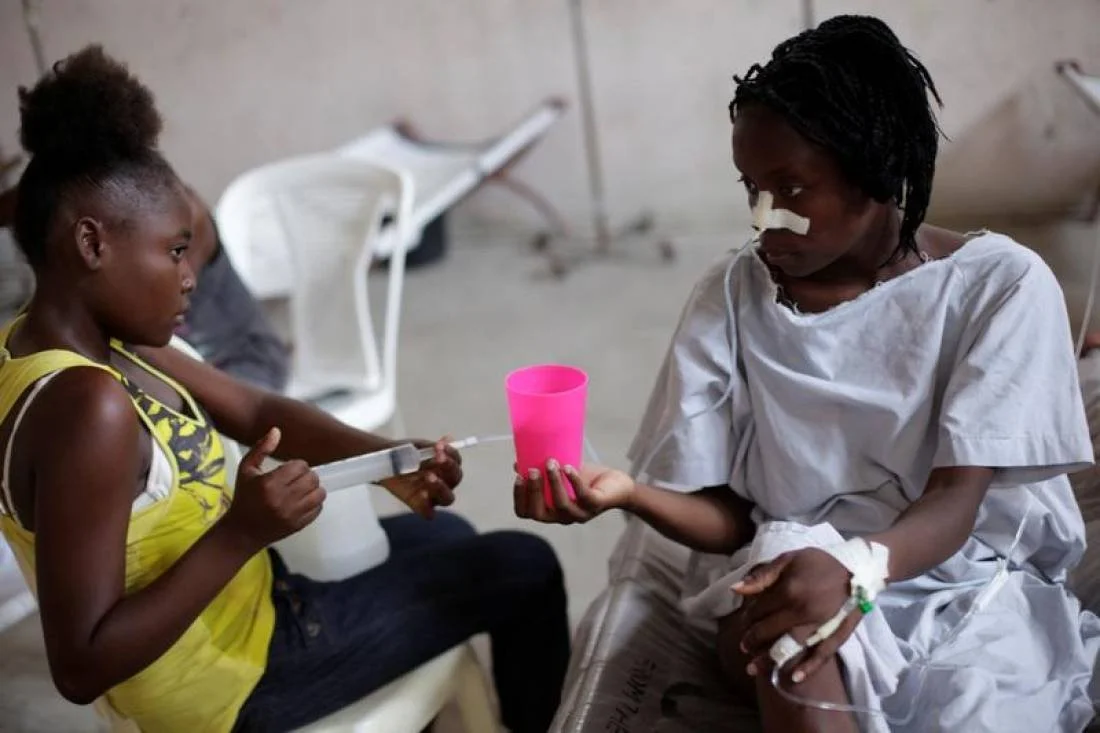
(A relative drip-feeds Louis Rosu Marcelle (R) in the Cholera Treatment Center of Diquini in Port-au-Prince, Haiti, September 7, 2016. Picture taken September 7, 2016. REUTERS/Andres Martinez Casares)
Haiti was free of cholera until 2010 when peacekeepers helping after a devastating earthquake accidentally dumped infected sewage into a riverBOGOTA, April 30 (Thomson Reuters Foundation) - Haitians battling cholera blamed on United Nations peacekeepers are getting little support with only two percent of promised funds materialising, according to campaigners accusing the global community of again failing the Caribbean nation.Haiti was free of cholera until 2010 when peacekeepers helping after a devastating earthquake that killed more than 250,000 people accidentally dumped infected sewage into a river.Since then about 9,750 Haitians have died of the waterborne disease that has infected more than 800,000 people, with the epidemic continuing to affect dozens of people every week.The United Nations has not accepted legal responsibility for the outbreak but in late 2016 outgoing U.N. Secretary-General Ban Ki-moon apologised to Haiti for the organisation's role and announced a $400 million fund to help affected Haitians.But to date - almost halfway through the fund's expected three-year term - the U.N. Haiti Cholera Response Multi-Partner Trust Fund has only raised $8.7 million or 2.2 percent of the total - and less than half has been spent, U.N. figures show.Sienna Merope-Synge, a human rights lawyer at the U.S.-based Institute for Justice and Democracy in Haiti (IJDH), said this showed "a failure by the U.N. system to honour that promise"."The U.N. promises, in particular to create a package of assistance that would provide redress to victims, (have) not been moved forward," she said.The IJDH previously filed a lawsuit against the U.N. on behalf of cholera victims, including a demand for financial compensation, but in 2016 a U.S. federal appeals court upheld the organisation's immunity from damages.
SLOW PROGRESS
The spotlight on the failure to eradicate cholera comes after the United Nations and aid organisations have faced criticism for slow reconstruction efforts in Haiti due to a lack of coordination and bypassing the government and businesses.The behaviour of aid workers in Haiti after the earthquake has also come under scrutiny with Oxfam rocked by allegations that staff, including a former Haiti country director, used prostitutes during the relief mission.Eight years after the disaster Haiti remains the poorest nation in the western hemisphere. World Bank figures show only one in four rural Haitians has access to a toilet, and less than half to clean water.Experts said improving the country's water and sanitation systems is vital to overcome Haiti's vulnerability to new cholera outbreaks, particularly after hurricanes.In emailed comments, the U.N. Special Envoy for Haiti, Josette Sheeran, said nearly $700 million had been spent by the U.N. and global community on fighting cholera in Haiti since 2010 but funding for the Multi-Partner Trust Fund was lacking.The office said Sheeran was working on "new innovative financing mechanisms" to raise funds but gave no details."There is still a big funding gap, and we urgently need $80 million to complete the next phase of cholera reduction, and community support," Sheeran said by email.Cholera is currently infecting about 74 more people each week although this is down from 18,500 at the outbreak's peak.Cholera expert Louise Ivers, executive director of the Centre for Global Health at the Massachusetts General Hospital said it was not enough to say things had improved since 2010."This has been one the biggest cholera epidemics in recent history and we are into the eighth year," said Ivers, a doctor who led cholera response efforts during the outbreak in Haiti as head of mission for medical charity Partners In Health."Epidemics go down because people have had the disease, they have some natural immunity now."
NO COMPENSATION
The U.N. fund envisions a two-track process.The first track would focus on eradicating cholera and building infrastructure for sanitation and clean water.The second is described as "a package of material assistance and support to those most affected by the disease" which Ban described as a "concrete expression of the regret of our organisation for the suffering so many Haitians have endured".But Merope-Synge said so far no one has received any type of financial compensation, and projects to help rebuild affected communities - such as constructing markets and clinics - were virtually non-existent.Ivers said working out which families could receive support is "daunting" because it is now hard to prove who died of what but that this should not account for the slow progress made."What's happened over the last year is a real reluctance by the U.N. system, including the donor states, to support direct payment to households," Merope-Synge said."There's a fear among the donors and within the U.N. system that it could set a precedent, that if the U.N. does something bad in the future it might have to compensate."In response to emails from the Thomson Reuters Foundation, the U.N. Office of the Special Envoy for Haiti did not confirm whether the U.N. had provided any direct financial assistance to individual cholera victims or families, or plans to do so.The U.N. office also did not provide requested details about any development projects that are up and running.It did say Sheeran and Haitian government officials met some cholera victims in February to discuss proposed pilot projects.Following consultations with four communities in the central town of Mirebalais, the first set of projects had been chosen, and will start next week, with $1.1 million disbursed, the U.N. office said.The United Nations did not provide details about what this would entail or look like on the ground but said it planned to carry out similar work in at about 140 more communities.However Ivers said some Haitians feel they have been excluded from the U.N. consultation process which had led to street protests over the past year.Merope-Synge said the cholera outbreak had left thousands of families struggling to rebuild their lives with little support."Families lost breadwinners that have plunged them further into poverty, people took on debt to buried loved ones. All these very real financial consequences," she said. (Reporting by Anastasia Moloney @anastasiabogota, Editing by Robert Carmichael and Belinda Goldsmith. Please credit the Thomson Reuters Foundation, the charitable arm of Thomson Reuters, that covers humanitarian news, women's rights, trafficking, property rights, climate change and resilience. Visit http://news.trust.org)By: Anastasia Moloney for Thomson Reuters Foundation News| April 30, 2018
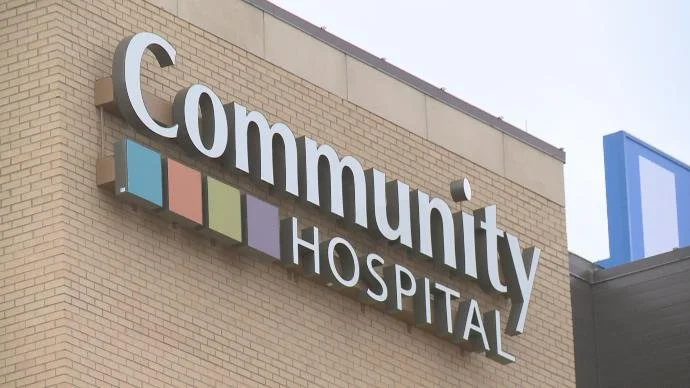
Two physicians who practice at Community Hospital in Grand Junction expect to join in a medical mission to Haiti.
Drs. Adam Baker and Katie McKee-Cole plan to travel to Haiti April 28 to May 5 to join a team from Thomas Jefferson University in performing free surgeries. The program is sponsored and coordinated by Chance, a not-for-profit organization that works to improve lives.
“We are incredibly honored to participate in this important mission trip to Haiti,” Baker said. “My first mission to Haiti was at St. Luc hospital in Port Au Prince in 2015. We traveled to Haiti as part of a pilot mission, and the Chance program has been very busy since then. I am very much looking forward to returning to help those in need.”
Drs. Baker and McKee-Cole both provide ears, nose and throat services. Baker specializes in facial plastic surgery and reconstruction, while McKee-Cole specializes in pediatric otolaryngology. For more information, call 644-3800 or log on to www.yourcommunityhospital.com/ENT.
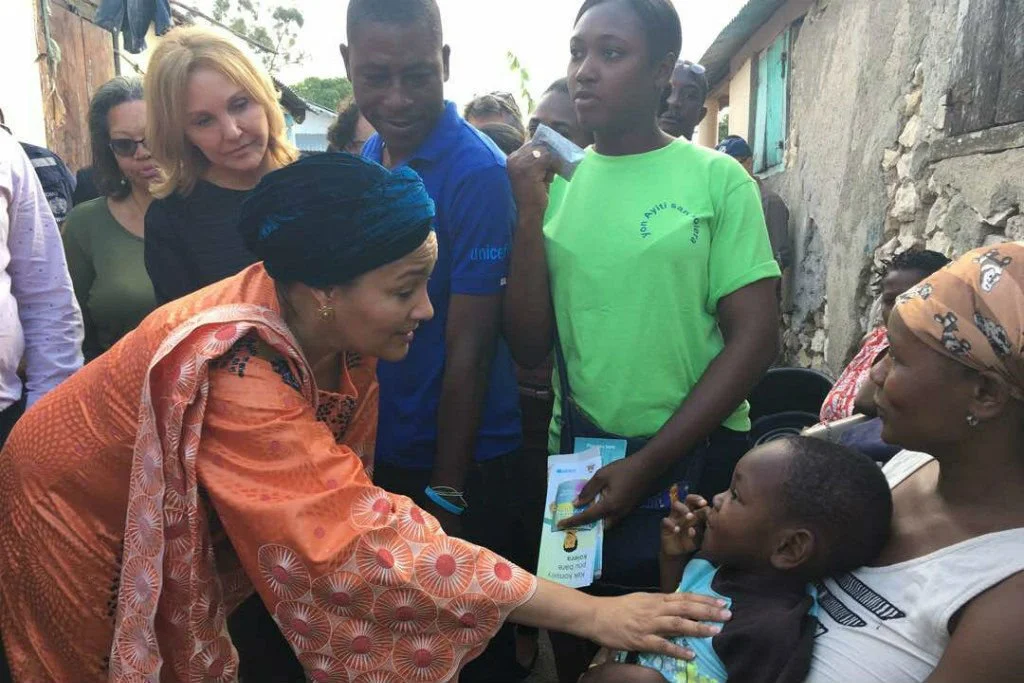
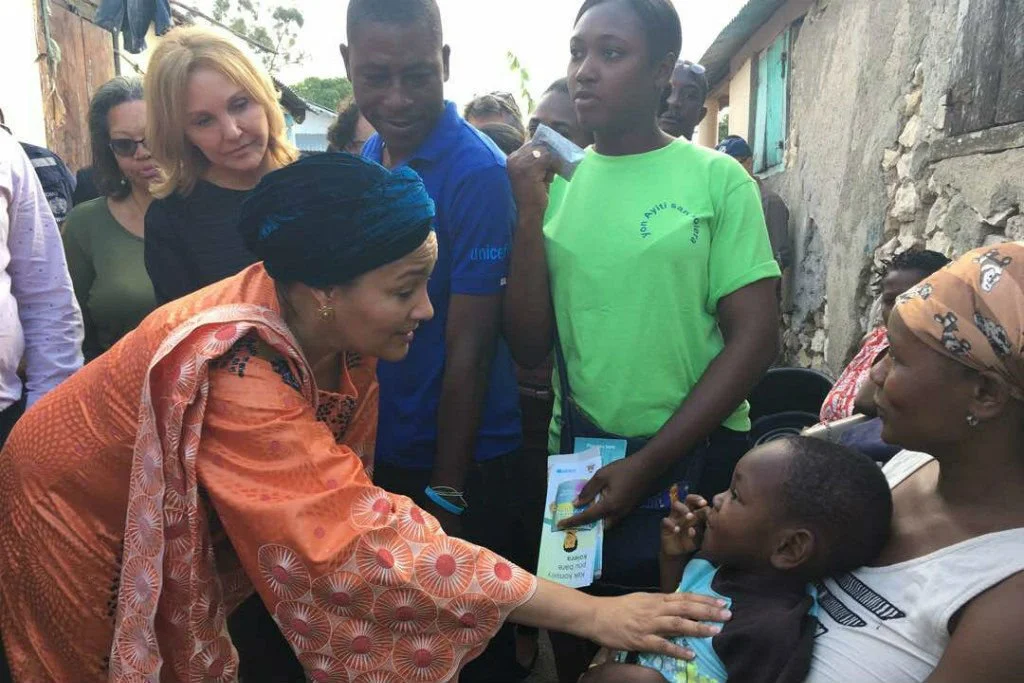
United Nations Deputy Secretary-General Amina Mohammed and UN Special Envoy for Haiti Josette Sheeran wrapped up a three-day visit to the island on Sunday, pledging more help to defeat cholera and assist the Government in achieving the broader aims of the UN 2030 Agenda for Sustainable Development.“The UN will walk this path with Haiti,” Ms. Mohammed said on Twitter, referring the work under way inside Haiti towards becoming an emergent country by 2030, the finish line agreed by all nations to achieve of the Agenda and its landmark 17 Goals, knows as the SDGs.The high-level delegation was dispatched by Secretary-General António Guterres to reaffirm the commitment of the United Nations to the Haitian people in a “new spirit of partnership.”In an opinion piece late last week in the Miami Herald, the UN chief said the partnership would stretch across the UN's work on the island – including to continue addressing Haiti's cholera challenge and the “unacceptable incidents” of sexual exploitation and abuse by UN personnel – and aims to help Haiti move “from an emergency approach to durable solutions, from assistance to investment support, from handouts to hand-to-hand cooperation for sustainable development, to democracy and dignity for all Haitians.”On Saturday, Ms. Mohammed echoed the “new spirit of partnership” set out by Mr. Guterres, saying: “We come to try to find another way to do things better; because in the past, we have fallen short. We were not able to do what we had planned,” she said in a joint press conference with Haitian President Jovenel Moise in the capital, Port-au-Prince.The visit of the two UN officials comes just after the appointment of Susan Page, of the United States, as the Special Representative of the Secretary-General and Head of the UN Mission in Support of Justice in Haiti (UNMIJUSTH), which succeeded the UN Stabilization Mission, known as MINUSTAH, on 16 October.The role of the new UN mission is to assist the Haitian Government to strengthen the rule of law institutions, to continue to develop the capacity of the national police and to promote human rights.
UN reaffirms commitment to eradicating cholera
As a key part of the visit, the two UN officials met families affected by cholera and coping with lack of access to water and sanitation.Ms. Mohammed and Ms. Sheeran also co-Chaired a High-Level Cholera Committee meeting (HLCC) alongside Haitian Prime Minister Jack Guy Lafontant. The Haitian Government and the UN representatives jointly expressed their determination work in partnership to achieve zero transmission of cholera. They further expressed their commitment to achieving the SDGs, including improving access to water, sanitation and healthcare.While cholera transmission has dropped dramatically, from over 18,000 new cases per week at the onset of the epidemic in 2010, to 250 per week this year, success will require more funding to maintain the highly effective work of emergency response teams, and commitment to the fight against cholera in the medium and long-term, the officials jointly agreed.Urging UN Member States and partners to provide comprehensive support, the Deputy Secretary-General emphasized during the meeting that “addressing the root causes of cholera in Haiti is critical to achieving the Sustainable Development Goals (SDGs). Additionally, in the immediate term, we urgently require funding to ensure continued operation of the rapid response teams; failure to do so risks losing the gains achieved to date.”The Deputy Secretary-General and the Special Envoy also witnessed the efforts of the “many heroes” working to eradicate the disease. Their visit was also an opportunity to learn about successful cholera control programmes, including in communities that ended open defecation, mobilized to build toilets, and raised awareness of the importance of sanitation.By: UN News Centre | November 5, 2017
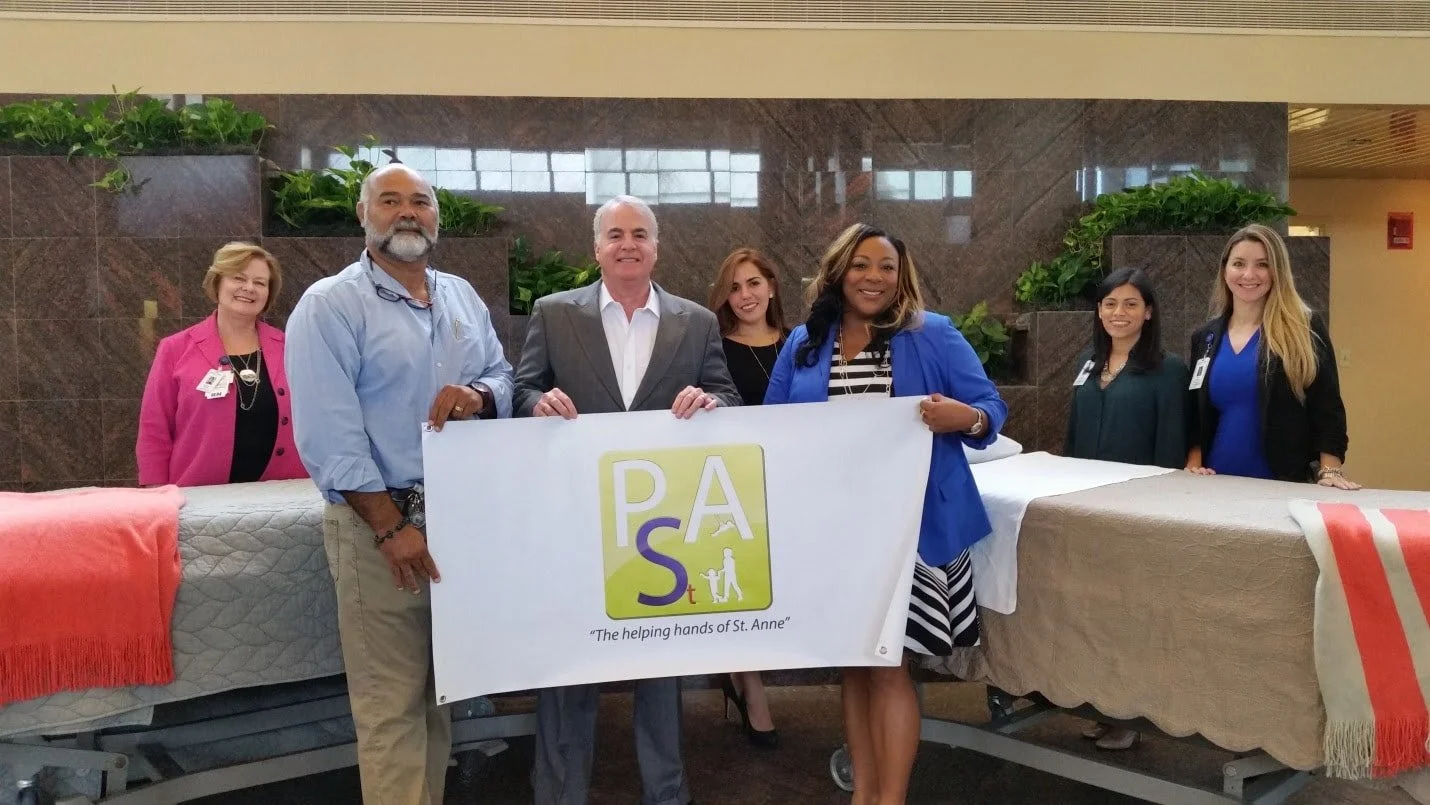
North Shore Medical Center donated 30 hospital beds to Project St. Anne, part of a Clinic of Camp-Perrin located in Haiti. Project St. Anne is a non-profit that was founded by a group of women in 2008. The goal of the organization is to help the less fortunate. The 30 beds are going to be used by patients at the local hospital. “Receiving medical care in a comfortable environment can help speed up the healing process,” said Manny Linares, Chief Executive Officer of North Shore Medical Center. “The donation of these beds is part of our commitment to helping those who have been affected by hurricanes and other natural disasters and are in need of medical supplies.”By: Community News | October 4, 2017
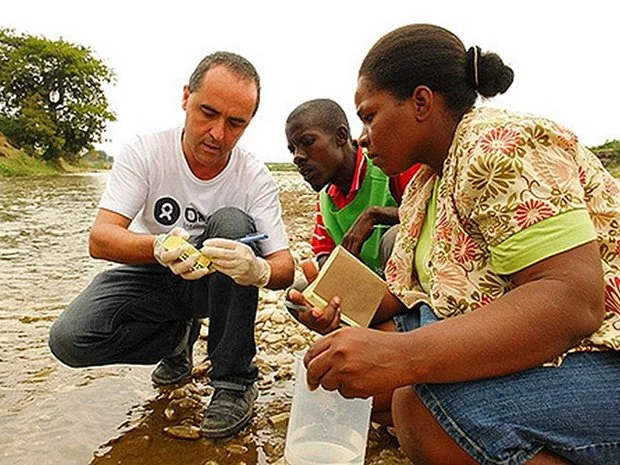
Global health experts don’t worry about if a major infectious disease outbreak will occur; it’s just a matter of when.A daunting barrier in that ongoing fight against infectious diseases—including malaria, dengue fever, Zika and more—is the ability to detect infectious agents in the environment before an outbreak begins.In June, the Vodafone Americas Foundation recognized a technology attempting to tackle exactly that problem in its ninth annual Wireless Innovation Project competition. A Purdue University spin-off called PathVis won first place and $300,000 for a smartphone-based platform designed to enable anyone to rapidly measure the level of a pathogen in an area and report back to health authorities with real-time data of when and where that pathogen was detected.Thanks to the award money, the team will take their prototype to Haiti in November and work with the Emerging Pathogens Institute to test its ability to detect cholera bacterium in water. Cholera is a highly infectious disease marked by watery diarrhea that can kill within hours if left untreated. It is transmitted through contaminated food and water. The World Health Organization estimates that there are up to 143,000 deaths each year due to cholera.The technology stems from work done over the last several years in the biomedical engineering labs of Jacqueline Linnes and Tamara Kinzer-Ursem at Purdue. In collaboration with Purdue mechanical engineer Steven Wereley and his postdoc Katherine Clayton, Kinzer-Ursem developed a method to measure Brownian motion, the erratic and random movement of microscopic particles in a fluid.The team first used the method to measure the presence of proteins in solution: When proteins fall apart in the presence of tiny beads—from 1 micron down to 100 nanometers—in a liquid, it increases the viscosity of the solution, and the researchers were able to detect the slowing motion of the beads.Kinzer-Ursem then enlisted Linnes, an expert in pathogen detection, to apply the same idea to detect DNA in solution. The team perfected their technique under a microscope, but then decided they could shrink the technology.(PathVis from Vodafone Americas Foundation on Vimeo.)“All we needed was a microscope, a camera to capture images, and a computer to crunch the algorithms. And we thought, well, we carry these computers and cameras around in our pockets everyday. Why not make this portable?” recalls Kinzer-Ursem.So they adapted the system for a smartphone. A user puts a sample of liquid, say, potentially contaminated water, into a small microfluidic chip attached to a smartphone. If cholera bacterium DNA is present, a chemical reaction on the chip will copy that DNA over and over, producing many DNA strands that increase the viscosity of the solution. If the bacterium is not present, there is no change in the liquid.
The user then takes a short video of the sample using the phone’s camera equipped with a small microscope. An accompanying app processes and analyzes the video for changes in Brownian motion of the liquid. The app then flags the sample as contaminated or not.Currently, the platform provides results in less than 30 minutes, compared to the five days it normally takes to send a water sample to a lab and get a result, says Kinzer-Ursem. Plus, a GPS tag in the app records the exact location where the sample was taken, so that locations can be compiled in a map for health officials. “The whole idea is that they can use this information to efficiently target where their resources need to go,” she notes.Cholera isn’t the only disease in PathVis’s crosshairs. The team is also adapting the technology to detect malaria in patient blood samples in collaboration with Indiana University’s School of Medicine, and hopes to also apply it to HIV and dengue virus detection.
The global market for Haitian vetiver oil is highly fragmented with many small-scale regional players, finds a new report by Transparency Market Research (TMR). This, as a result, creates an opportunity for multinational players, such as International Flavors and Fragrance, Lluch Essence, UniKode S.A., Frager S.A., and Robertet Groupe, to establish their presence in this market and improve their distribution and value chain for the target product.On the backdrop of continuous increase in the demand for Haitian vetiver oil from the fragrance, food and beverages, pharmaceuticals, and the personal care products industries, the existing key distributors of vetiver oil across the world are likely to include this Haitian variant in their product portfolio and stimulate growth of the global market over the next few years. New players are expected to be attracted towards this market due to the high profit margins in the near future, states the research report.According to the research study, the global Haitian vetiver oil market is expected to witness a surge in the production volume at a CAGR of 1.50% during the period from 2016 to 2024. However in terms of revenue, it is expected to decline at a CAGR of -1.10% over the same period of time from a value of US$32.4 mn in 2016 to US$29.7 mn by 2024. The demand for Haitian vetiver oil has been higher in the perfumes and scents and the trend is expected to continue throughout the period of the forecast, notes the market study.Conventional Vetiver Oil to Continue Leading Global Haitian Vetiver Oil MarketOn the basis of the product, the research report segments the global market for Haitian vetiver oil into conventional and organic vetiver oil. The usage of conventional vetiver oil is much higher than the organic one. With the increasing preference of organic products among consumers across the world, this this segment is anticipated to witness a slight decline in its market share in the near future. This, however, will not alter its market position over the years to come.In terms of the geography, Asia Pacific, Europe, Latin America, the Middle East and Africa, and North America have been considered as the main segments of the worldwide market for Haitian vetiver oil in this market report. Europe led the global market in 2016 with a share of nearly 75%. Analysts anticipate this regional market to maintain its lead over the period of the forecast, states the research report. “The reputation of Haiti as the producer of the best quality vetiver oil in the world has been the key factor behind the increasing demand for Haitian vetiver oil,” states the author of this study. Since vetiver oil is an essential raw materials used in fragrances, the rising trend of aromatherapy is fueling its demand significantly.In the coming years, the demand for vetiver oil as flavoring agent is expected to see an improvement due to its growing usage in food and beverage products to impart flavor, aroma, and certain functional properties. Apart from this, the rising usage of therapeutic and aromatic oils is also projected to boost the production of Haitian vetiver oil over the next few years. However, the easy availability of alternatives may limit its demand in the near future, impacting the growth of this market.
Next month marks the seventh anniversary of the cholera outbreak that ravaged Haiti. The disease, which can cause death within hours if left untreated, came less than a year after Haiti was rocked by an enormous earthquake that left hundreds of thousands dead and millions injured, displaced and destitute.
Haiti is prone to earthquakes and tropical storms — the island was spared the worst of Hurricane Irma last week — but the cholera outbreak was an anomaly; the disease had never before struck Haiti. It was brought in, it is widely believed, by United Nations peacekeepers from Nepal. One of the world’s most infectious waterborne diseases, cholera spreads quickly and has proved extremely difficult to contain in Haiti. Over 10,000 have died and nearly a million have been stricken to date.
But one organization has managed to nearly eradicate it in a large slum in Port-au-Prince that lacks clean water and sanitation.
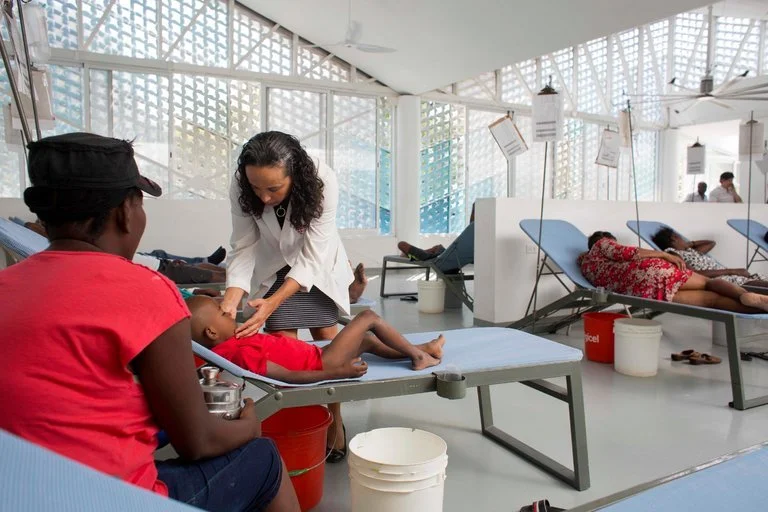
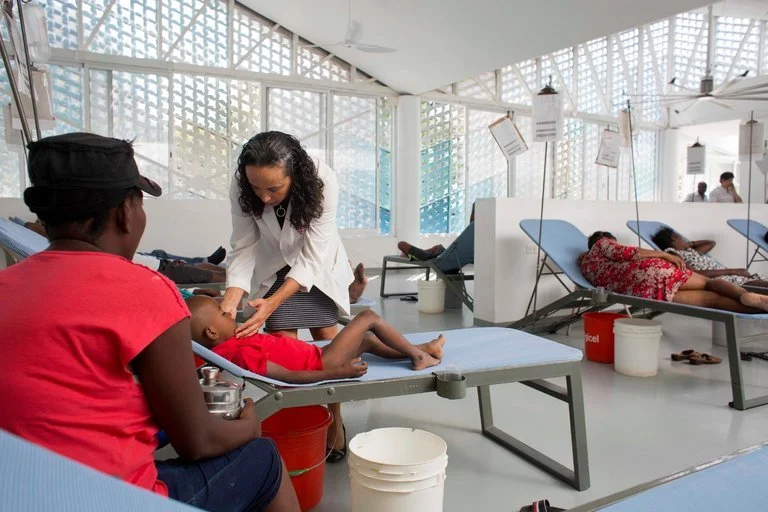
One of the game changers that would surprise most people, including global health experts, was actually a building. It wasn’t just any building, but a very intelligently and beautifully designed one: the Cholera Treatment Center, operated by Les Centres Gheskio, an acronym that stands for the Haitian Group for the Study of Kaposi’s Sarcoma and Opportunistic Infections.
Gheskio, founded in 1982 in the early days of the AIDS epidemic, provides primary care services free of charge to people suffering from tuberculosis, malnutrition, and other life threatening conditions in an area of the Haitian capital that is home to 60,000 Haitians. (Gheskio is a less well-known sister organization of Partners in Health, which focuses on Haiti’s rural population.)
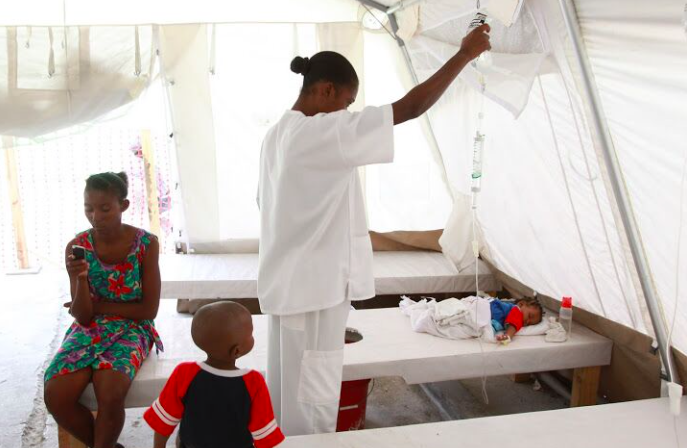
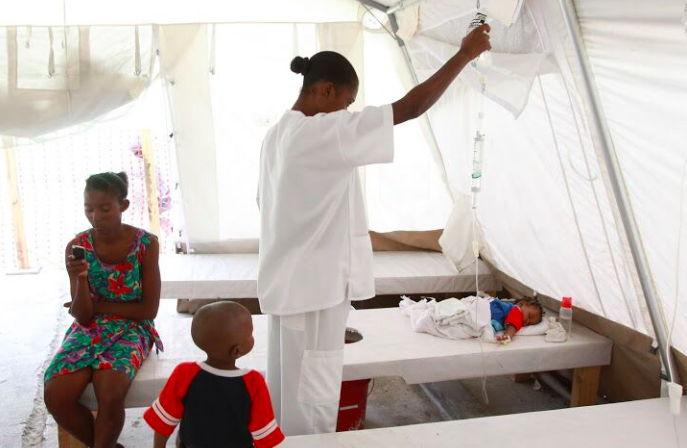
After the 2010 earthquake, Gheskio’s multi-acre campus was badly damaged. So the organization erected emergency tents to serve as a makeshift cholera treatment clinic. Once cholera reached Port-au-Prince, patients showed up on foot or were carried in wheelbarrows, around the clock.
Cholera manifests with extreme diarrhea and vomiting. Virtually all liquid is excreted from the body, causing victims to die of dehydration within hours of full manifestation if untreated. It is relatively easy to treat, but patients must be rehydrated immediately. To prevent it from spreading, infected human waste must be managed carefully.
Gheskio’s founder, Jean W. Pape, an infectious disease specialist and native of Haiti, knew that eradicating cholera would take years. So even as the organization struggled to keep up with the influx of patients during the first year of the epidemic, he embarked on a long-term solution: building a permanent treatment center.
Gheskio turned to MASS Design Group, a Boston-based nonprofit organization that specializes in architecture that promotes dignity and justice in resource-limited settings. It has built hospitals, health-worker housing, schools and civic spaces around the world, including a tuberculosis hospital for Gheskio. MASS Design began by studying the conditions inside the tents.
Tents provide relative shade and privacy but offer limited light and poor ventilation, trapping warm air and compounding the smell of bodily waste. The materials become worn by rain, wind and sun, and must be replaced routinely. Because of the nature of cholera, the makeshift beds, fashioned out of old fiberglass school chairs and costly army cots, also didn’t last long.
Most problematic, Gheskio was relying on manual removal of human waste by an outside vendor. This was both costly and risky: The organization couldn’t ensure its disposal would not recontaminate the water table, risking the infection of others.
“We did some back-of-envelope calculations and found that over a 10-year span of time, which was then considered optimistic for how long it would take to get rid of cholera, the tents and manual waste disposal system they were then using would cost Gheskio in excess of $500,000,” according to a co-founder of MASS Design, Alan Ricks.
Ricks estimated that MASS Design could build, for a comparable sum, a permanent structure that could be repurposed once the epidemic was fully contained. So MASS Design and Gheskio joined forces to raise philanthropic funding from the Deutsche Bank Foundation, Barr Foundation and individual donors, and began work.
One important innovation, developed with Fall Creek Engineers, based in Santa Cruz, Calif., was to bring a water-purification technology to Haiti called anaerobic baffled reactors. The reactors are a form of septic system that uses bacteria to treat sewage and contaminated water, turning it into clean water. Reactors, buried under the cholera center, force water through five chambers, each successively increasing the level of purification.
Each week, Pape receives a detailed report on the water quality. The system sanitizes and recycles 250,000 gallons of water annually, ensuring that the water is free enough of bacteria and other pathogens that it can be returned to the water table. This output is supplemented by separate, large cisterns to capture rainwater for drinking.
Many other details incorporated into the center also promote health, as well as comfort, beauty and pride. Above the reactors, for example, is a pavilion structure designed to maximize airflow. Rather than spending money on tents, furniture or waste disposal services — money that leaves the local economy — the organizations enlisted local artisans, whose metalwork is world renowned, to create perforated metal sheets, painted a chorus of blues, to wrap the building exterior. Waffle-like patterns of these sheets can be opened and closed to provide shade and privacy, or sealed completely during storms, as they were when Hurricane Irma neared Port-au-Prince last week.
The airflow is aided by large-diameter fans, like those in gyms and airports. The cement floor is smooth, free of crevices where bacteria can congregate, and sealed with epoxy. MASS Design interviewed many patients and staff members in an effort to design and create prototypes of beds that would be comfortable as well as easily sanitized and reused.
“What I love about MASS is their attention to detail,” Pape said. “They asked us everything that work and everything that doesn’t work. But most importantly, they are problem solvers.”
“The building looks absolutely extraordinary,” said Roger Glass, a cholera expert who is director of the Fogarty International Center for Advancing Science for Global Health at the National Institutes of Health and has visited the Gheskio campus. “For ventilation and coolness, it’s tremendous.”
Before encountering a hospital that MASS Design developed in Rwanda, Glass said, he had not seriously considered the relationship between health outcomes and building design. “If you had called me seven years ago to talk about buildings and health, I would have blown you off,” he said. Today, Glass is eager to see more collaborations with human-centered design firms, like MASS Design, in the field of global health.
Comparing the treatment center to the tents, Pape is blunt: “It was like going from hell to paradise.”
Amie Shao, who helped lead MASS Design’s work in Haiti, reflected: “When we started, our goal was simply to help Gheskio do their work better in treating their patients in a more dignified setting. We realized, however, that architecture could not only help treat these diseases after the fact, but prevent the spread of disease in the first place by controlling recontamination. In all of our work, we seek to proactively challenge many of the underlying risks and issues that global health faces.”
To be sure, the cholera treatment center is not solely responsible for halting the spread in Gheskio’s target area. Gheskio also developed a robust water chlorination program and maintains its own factory to produce chlorine. The organization also supports and participates in broad efforts by the Ministry of Health to raise public awareness about symptoms and the risk of contamination throughout the country.
And Gheskio joined forces with Partners in Health to get cholera vaccines approved in Haiti. Euvichol, a vaccine that can be administered orally and lasts up to 30 days without refrigeration, costs less than $2 per dose. “We would need a budget of less than $50 million for universal coverage for all of Haiti,” Pape estimates.
Gheskio’s Cholera Treatment Center was ultimately built for $750,000. Pape now predicts that the organization will have recouped that cost in just three years. Haiti needs a modern, countrywide water and sanitation system, but it’s unclear where the money will come from. In the meantime, Gheskio’s center has saved many lives.
By uniquely combining patient care with on-site water treatment, Gheskio’s center also holds lessons for other regions struggling to contain cholera or facing it in the future. Globally, the World Health Organization estimates there are between 1.3 million and four million cases of cholera annually in 42 countries, with 21,000 to 143,000 cholera-related deaths each year. This year, Somalia saw a major resurgence of the disease, with over 50,000 people infected. About 1,000 died.
In the three years since Gheskio’s Cholera Treatment Center opened, the facility has remained in constant use because those outside the organization’s target area continue to be exposed to contaminated water. It has admitted over 10,000 patients to date, including over 7,000 who were hospitalized. Eighty-three percent of those patients came from outside of Gheskio’s catchment area.
While cholera reports in Haiti were on the rise in 2015 and 2016 at upward of 25,000 cases annually, the country saw a decrease in 2017, which Pape attributes to higher-than-normal rainfall in the region. Of the 100 beds, no more than a third were occupied at any time this year, with as few as a handful of patients at times. The risk for outbreaks remains high, however, and the disease’s countrywide eradication is still years away.
“Haiti’s recently elected government, and the president particular, is focused on universal oral cholera vaccine as well as home chlorination,” Pape reports. “If we get the vaccines and if we pursue home chlorination, I truly believe we can rid of cholera within four to five years.”
Monday, the First Lady of Haiti, Martine Moïse, left Port-au-Prince to Belize to attend the Forum of First Ladies and Wives of Heads of State and Prime Ministers from CARICOM member countries.This meeting, which will establish a Caribbean network of first ladies, aims, among other things, to highlight the health and well-being of women, girls and adolescents in the Caribbean by 2030, objective #5 of sustainable development.Martine Moïse will participate in a series of discussions to support proposals for the promotion and valorisation of women from all Caribbean countries, notably through the Caribbean Child Initiative (CARIWAC) networks, which also intend to :
Promoting the health and well-being of adolescents in the Caribbean and reducing teenage pregnancy by 20% ;
Encourage the prevention, early diagnosis and treatment of cervical cancer, improve access to screening and strengthen infrastructure through the promotion and use of HPV vaccine ;
Eliminating mother-to-child transmission of HIV and congenital syphilis in the Caribbean ;
Support advocacy for the reduction of gender-based and sexual violence against women and children (including trafficking in persons) through appropriate legislation, psychosocial support for victims and the inclusion of men and boys in solutions.
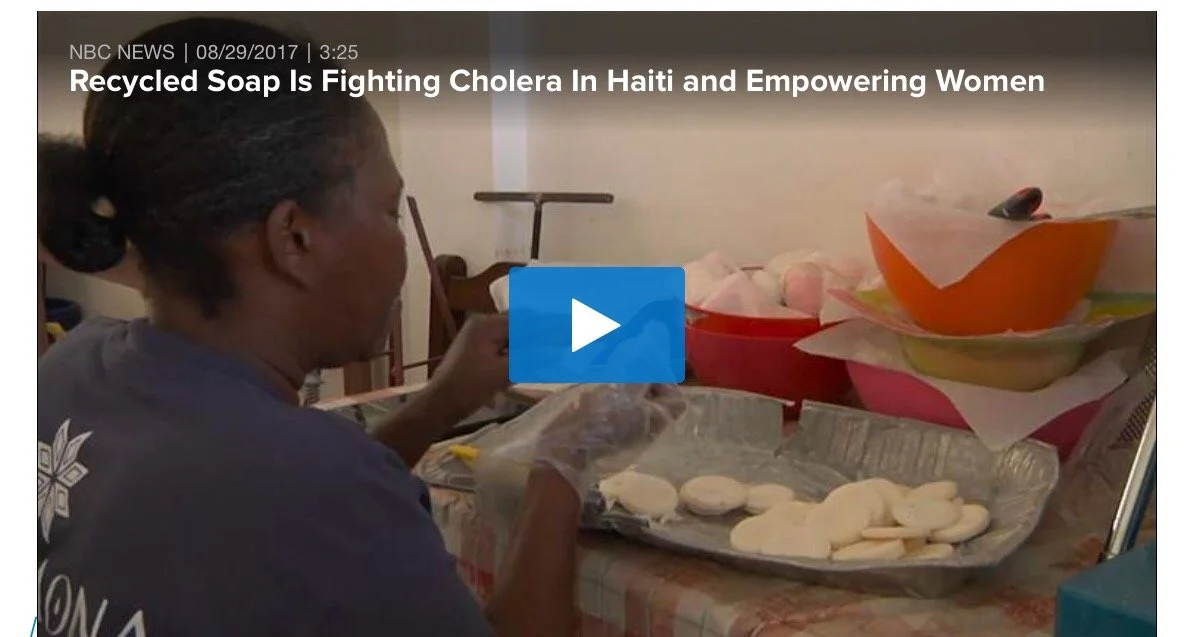
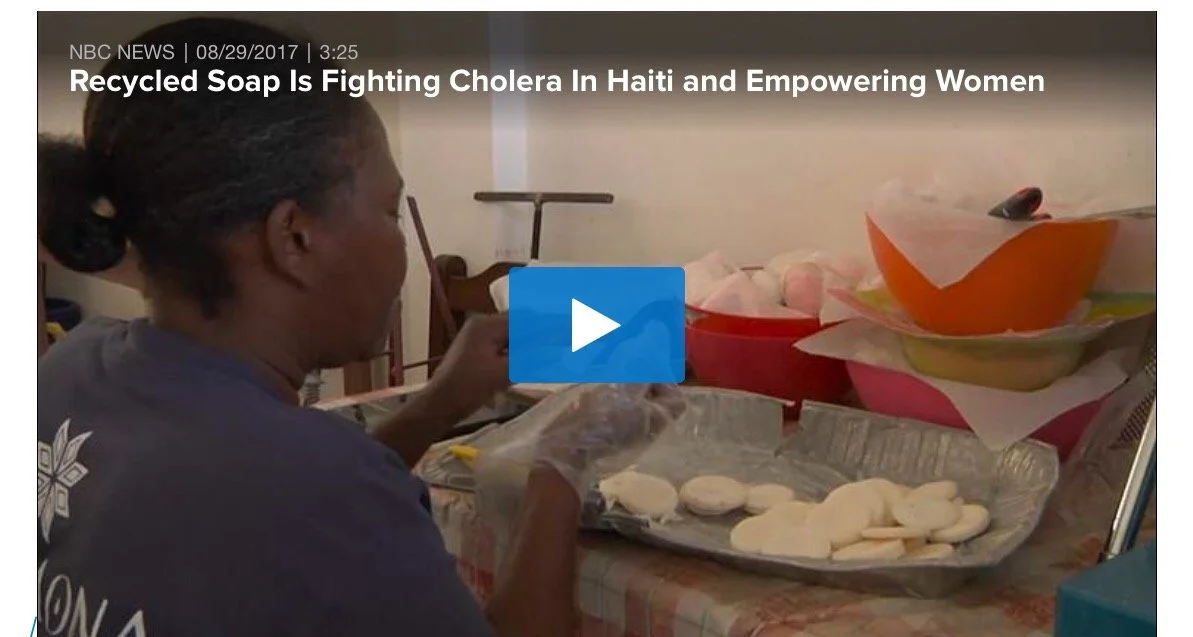
Laure Bottinelli opened a soap recycling business in Haiti that helps elevate women out of poverty while at the same time provides soaps for people in cholera prone areas of Haiti.
ST. JOHN’S, NEWFOUNDLAND AND LABRADOR and PORT-AU-PRINCE, HAITI (May 15, 2017)—Team Broken Earth will undertake its third Orthopaedic Trauma Symposium in Port-au-Prince, Haiti this week. The Pan-Canadian Medical Team, led by Dr. Andrew Furey, founder of Team Broken Earth, will head to the region on Tuesday, May 16, 2017 with the Symposium taking place on May 18 and 19. About 60 Medical Residents and Staff Physicians are expected to take part from four Port-au-Prince hospitals: l’Hôpital de l’Université d’État d’Haïti (HUEH); Hôpital Université de la Paix; Hôpital Justinien; and, Hôpital Bernard Mevs.“Team Broken Earth, through its over 1,000 volunteers across Canada and the United States, continues to have far-reaching effects on the lives of people in Haiti,” said Dr. Andrew Furey. “We have had a sustained medical relief effort in the country since the devastating earthquake in 2010, and it remains the core of our organization’s efforts.” Team Broken Earth has now expanded around the globe to also bring support to Nicaragua, Guatemala, Nepal and Bangladesh.The Symposium is intended to upgrade knowledge and skills for those practicing orthopaedic trauma care, including treatment of upper and lower extremity injuries. It will also focus on immediate care of injured patients with extremity injuries. The Symposium is funded through an educational grant from DePuy Synthes, part of Johnson and Johnson Medical Products. Team Broken Earth also acknowledged l’Hôpital Bernard Mevs/Project Medishare for facilitation of the Symposium and delivery of equipment in Haiti.Canadian Ambassador to Haiti, Paula Caldwell St-Onge, will officially open the Symposium on May 18. During this mission, Haitian President Jovenel Moïse and Prime Minister Dr. Jack Guy Lafontant are expected to extend a thank you to the organization for all it has done for the people of Haiti. A delegation from Canada’s Senate will also observe the Symposium on May 19.“We are humbled by the many thanks we receive for our efforts,” said Dr. Furey. “For us it’s about changing someone’s world for the better, and giving them hope to carry on, care for others and provide leadership in very difficult times.”The May 2017 Mission Team includes:Dr. Chad Coles (NS)Dr. Andrew Furey (Lead) (NL)Dr. Stephen Hunt (AB)Dr. Robert Leighton (NB)Dr. Ross Leighton (NS)Erin Marshall (NL)Dr. Rod Martin (NL)Karen McCarthy (NL)Kurt Misik (NL)Dr. Steve Papp (ON)Dr. Brad Petrisor (ON)Dr. Arthur Rideout (NL)Dr. Prism Schneider (AB)Broken Earth owes a debt of gratitude to its many sponsors and supporters, as well as Dr. Joanna Cherry, Chief Medical Officer, Hôpital Bernard Mevs, for her on-the-ground support in Port-au-Prince.About Team Broken EarthTeam Broken Earth is a volunteer task force composed of physicians, nurses, and other health professionals from across Canada and the United States committed to delivering and improving healthcare in impoverished nations.The team was initially assembled to support the relief effort in the aftermath of the 2010 earthquake that left the people of Haiti in dire need of medical assistance. From this extensive frontline experience, Team Broken Earth determined that the people of Haiti needed a sustained medical relief effort to help rebuild the country’s healthcare system and create sustainability through education of Haitian people and health care professionals. Our teams treat patients, providing acute care to the people of Haiti, but also work with Haitian medical professionals to train and upskill them in best practices, and educate the Haitian people on matters of public health. The model used in Haiti has been extended to other nations in need as Team Broken Earth expands its mission footprint.Many members of our team volunteer their vacation time to join our effort. Team Broken Earth is in Haiti to make a difference… for as long as it takes.For more information visit www.brokenearth.caBroken Earth | May 16, 2017
PORT-AU-PRINCE, Haiti — When President Trump and his (male) aides sit at a conference table deciding to cut off money to women’s health programs abroad, they call it a “pro-life” move.
Yet here in Haiti, I’ll tell you the result: Impoverished women suffer ghastly injuries and excruciating deaths. Washington’s new women’s health policies should be called “pro-death.”
When women and girls don’t have access to family planning and reproductive health care, they’re more likely to suffer pelvic organ prolapses, in which the bladder, uterus or bowel may protrude from the vagina. Or they suffer a fistula, a childbirth injury that leaves them leaking urine or feces, stinking and ostracized, and sometimes unable to walk. Women with prolapses or fistulas sit in their huts, humiliated, wondering if they are cursed, waiting to die.
In a room here in the Haitian capital, women with cervical and breast cancer wait for nurses to examine their ulcerated bodies. Beyond their almost unbearable physical pain is their mortification that they smell of rotting flesh, and in some cases incontinence. They are heroic in their quiet refusal to give up.
It’s not that these horrific conditions are caused by U.S. policy, but Trump is now halting all funds for many organizations working tirelessly to prevent this suffering. First came the “global gag rule,” ending funding to overseas health aid groups linked in some way to abortion, including counseling that mentions it as an option.
The latest is that Trump just cut every penny the U.S. provides the United Nations Population Fund. This organization has nothing to do with abortions but is a central player in the global effort to fight for women’s health.
“If the U.N. Population Fund has less money, more impoverished women in Haiti will die,” said Holdie Fleurilus, a nurse at Innovating Health International, which runs the cancer center I visited.
Across town, Dr. Raymond Fleurimon, the medical director of the Isaïe Jeanty Maternity Hospital, was equally blunt: “If U.N.F.P.A. is out of the game,” he said, using the initials of the fund’s old name, “this maternity ward will collapse, it’ll be completely dysfunctional, and more women will die.”
Republicans pushed to cut off the money because they think the fund colludes with China’s government in forced abortions there. But I lived in China for years, reporting extensively on the subject — and the critics have it all wrong.
Yes, China has relied on forced sterilizations and forced abortions. The U.N. Population Fund initially was oblivious, and in 1983 it stupidly gave a gold medal to the Chinese official overseeing forced abortions. But that’s history, and for decades the fund has put strong pressure on China to end the coerced abortions.
Moreover, the fund persuaded China in 1992 to switch to a more effective IUD, averting half a million abortions a year. Over the years, that’s 12 million abortions the Population Fund has prevented there. Can any anti-abortion group match that?
Those affected by Trump’s cutoff of funds for women’s health are people like Darling Leonce, a pregnant 16-year-old I met when she showed up for a prenatal exam at a one-day clinic set up in a remote part of southeastern Haiti. The clinic was supported by the U.N. Population Fund, and it was the first interaction Darling had ever had with a doctor or nurse in her life.
Darling never went to school, can’t read or write, and had never heard of birth control. Yet here she received her first-ever physical exam and was encouraged to deliver in a hospital rather than in her village. A nurse coached her on breast-feeding, gave her prenatal vitamins and acquainted her with contraception.
“Choose your partner carefully, and don’t have a kid just because you have a boyfriend,” the nurse advised.
Politicians in Washington don’t have a clue about the hideous things that happen when women are marginalized and health care is unavailable. What the Population Fund does is help girls like Darling avoid unwanted pregnancies and the nightmare of a fistula, a prolapse or cancer. That’s why The Lancet medical journal called Trump’s cutoff of funds “misogyny.”
When contraception is unavailable, people find ways to get abortions even where it’s illegal, as it is here. On my way back to the capital from the one-day clinic, I stopped at a pharmacy in a small town and asked for misoprostol, an abortion drug. For $15, the sales clerk handed over more than enough pills for an abortion.
The birth control provided by the U.N. Population Fund averted more than 3.7 million abortions last year alone, health advocates say. So if you’re against abortion, you should support the U.N. Population Fund, not try to destroy it.
Yet a group of blundering men in the Trump administration posture as moral leaders, and the result is that women in places like Haiti will suffer fistulas, prolapses and agonizing deaths in childbirth or from cervical cancer. Some of these women will be humiliated by the failures of their flesh, but the real shame belongs to sanctimonious zealots in Washington who don’t have a clue what they’re doing.
Eklà Beauté is a beauty salon like no other.Owner, Christina Fils-Aimé, had a vision. She wanted to offer professional service, excellent hair care and a truly one on one experience; All of that while inviting you into the peaceful, serene and calm environment of her studio.Christina, left Haiti at the age of 18 and moved to New York. There, she became a hair colorist and makeup artist and worked in many hair salons. At 30 years old, she moved back to Haiti and left the hair and makeup business. However, her love for fashion and hair care pulled her back to the hair business. Its her passion; And it shows in the results.She works by appointment only to give each client the time and care they expect, need and deserve. Her goal is simple: "I want it to be 100% about my clients. I want them to walk out feeling good about themselves and with a smile on their faces. That’s what I enjoy most of my job, to be able to put a smile on my clients’ faces”, she says. Eklà also offers manicures, pedicures and makeup services for a one stop shop to pamper yourself.The décor has a zen feel and the relaxing ambiance with soothing music is sure to please.If you're looking to escape the chaos of everyday, check them out for your beauty needs. Eklà is located at 46 Rue Rebecca, Petion-Ville, Haiti. You wont be disappointed!
Chargé d'Affaires Brian Shukan joined St. Luke's Foundation, the Haitian Ministry of Health, and the United States Agency for International Development (USAID) to inaugurate the first international medical training center in Haiti.The training center consists of two training and simulation rooms, a conference room, and an administrative meeting room. "This state-of-the-art medical training center will ensure that St. Luke staff and the greater Haitian medical community have a base to build and hone the most current skills they need to continue their vital work," said Shukan.The construction was supported by a $500,000 grant from USAID's Office of American Schools and Hospitals Abroad (ASHA), and the facility will host its first international conference, "The Haitian Acute Care and Emergency Care Conference" on April 28 and 29."Continuing Medical Education (CME) is a guarantee of quality in healthcare," said St. Luke Mission medical director, Dr. Marc Edson Augustin. "The conference will be the first of many such experiences at St. Luke's new training center, furthering our primary goal of bringing quality and dignified care to the most vulnerable."USAID/ASHA grants support the construction and purchase of equipment for medical institutions in Haiti. Additional recipients of ASHA grants include St. Boniface Haiti Foundation; Catholic Relief Services for equipment at Hospital St. Francois de Sales; Albert Schweitzer Hospital; and the International Child Care's training center and inpatient child care unit. Since 1979, ASHA grants have provided over $21 million in support to projects in Haiti.HL/ HaitiLibre HaitiVille
By David HendersonIn December, then United Nations Secretary General Ban Ki-moon delivered a carefully scripted speech on the UN’s role in Haiti’s cholera epidemic. As a young adult splitting my time between studying towards a degree in Global Health and working remotely for a medical clinic in Haiti, I spent the afternoon alone with my computer, gripped by a livestream of Ban’s address.After six years of denial, Ban admitting the UN’s guilt in introducing cholera to Haiti would have been a massive step towards justice for the patients I serve, and the Haitian friends my family holds dear (my parents have worked as missionaries in the country for over 25 years). But, Ban refused to do so. Instead, he offered up a $400 million plan to fight cholera and assist its victims in Haiti. To date, the UN has raised a meager $2 million to fund this plan.When the first outbreak of cholera appeared in October 2010, I, like many, could only watch from the United States in despair. Initially, I simply donated to anti-cholera vaccination efforts, but more recently I’ve worked for organizations striving to fight cholera in Haiti, interning at Partners in Health and eventually taking a job with IDADEE Health Center in Cap-Haitian.In the past 6 years, cholera has become a normal part of my life and work. Outbreaks have continued to resurface regularly. This can feel unremarkable, the natural order of things.But there is nothing natural about Haiti’s cholera epidemic. Immediately after the disease spread, journalists and local Haitians traced the outbreak to a Nepalese UN base, and their suspicions were confirmed when the strain running rampant in Haiti, which had never been seen in the country before, turned out to be a strain commonly found in Southeast Asia.Eventually, the UN commissioned an official report on the epidemic, which confirmed the overwhelming evidence that cholera had emanated from the base. Yet, the report blamed a “confluence of factors”, including Haitians’ bathing and farming practices, for the epidemic. Its authors concluded that the epidemic was “not the fault of… a group or individual”, an absurd assertion given that cholera had not even existed in Haiti until a group of Nepalese UN troops contaminated the Artibonite River with their fecal waste.The report was just the first of many UN efforts to save face without actually accepting responsibility for the outbreak. For six years, the UN has continued its scramble to deflect responsibility while the death toll in Haiti has continued to climb, reaching approximately 10,000 people.In August 2016, Ban Ki-moon publicly broached the topic of UN guilt for the first time, admitting that the UN had a “moral responsibility” to commit to fighting the disease. But, Ban did not admit UN troops were to blame for causing the epidemic.In his speech on Thursday, Ban continued to dance around a long-overdue mea culpa. Instead of admitting guilt for causing the epidemic, Ban lamented that the UN “simply did not do enough with regard to the cholera outbreak and its spread in Haiti.” Ban announced the UN was “profoundly sorry” for the suffering caused by the outbreak, and for the UN’s “role” in the tragedy. Never did Ban note precisely what the UN’s role was, namely, introducing the disease which killed 10,000 Haitians as a result of negligent waste disposal practices.While Ban’s remorse was evident, his speech was carefully crafted to avoid actually admitting guilt. By hinting that the UN regrets bringing cholera to Haiti, without admitting they did so, Ban acknowledged that everyone listening already knew the UN brought the disease to Haiti. Yet, he refused to say it; Doing so may have hurt the UN’s ability to insist that they are not legally responsible for the deaths cholera has caused.Being held legally responsible could prove costly–paying compensation to the families of victims would cost roughly $40 billion, per a confidential UN report. Accordingly, despite his talk of “moral responsibility,” Ban avoided saying anything that could force the UN to shoulder actual, legal responsibility.Instead, Ban sought to make up for the UN’s introduction of the disease by announcing a plan to spend $200 million fighting cholera and dedicate another $200 million to “material assistance” for communities and families affected by the epidemic. While the sums are substantial, these pity payments are essentially bribes: The UN hopes the international outcry and onslaught of lawsuits being brought against them will cease with a little money to a few communities and a half-hearted gesture towards regret.At first, this strategy worked–most media outlets framed Ban’s speech as an admission of guilt, and many took to social media to celebrate the UN’s strides towards “justice”.But the onlookers who welcomed Ban’s speech and the aid package as satisfactory sent a chilling message to Haitians, including my friends and coworkers: that their lives aren’t worth a compensation payment, or even an honest apology.After hiding behind a weak apology, the UN, now under the leadership of Secretary General Antonò Guterres, is beginning to show its true colors once again: The UN has raised a pathetic $2 million out of the $400 million it needs to carry out its cholera plan: a mere 1/200th of what Ban promised. Fortunately, news outlets, like The New York Times, are catching on.But even if the plan were fully financed, its execution wouldn’t represent justice. After all, criminals aren’t typically allowed to take stock of their level of “moral responsibility,” then determine an appropriate level of compensation to pay their victims.Justice will only be served when the UN, an organization that exists to promote human rights around the globe, admits responsibility for causing the epidemic, pleads guilty in a court of law, and compensates Haitians. If every person is a person, we should accept nothing less than court-mediated justice. Haitiantimes.com
By Wyatt MasseyIn the wake of the damaged caused by Hurricane Matthew in Haiti, Marie-Yolaine Eusebe is taking the long view of aid work. Not that she is working with any less haste than other organizations, but the CEO and FireStarter of Community2Community (C2C) looks at the underlying causes of some of Haiti’s most pressing needs after the storm.“This isn’t an issue of a hurricane,” Eusebe said. “This is an issue of the lack of proper infrastructure.”The damage of Hurricane Matthew is still being calculated, with the Directorate of Civil Protection of Haiti confirming 546 deaths. Another 2.1 million people were affected by the hurricane, along with 36 destroyed health facilities. But the lack of proper infrastructures made the damage and resulting emergency need even worse, Eusebe said. For example, mudslides are less likely if structures are built to code.Also, “If there’s clean water, there’s sanitation,” Eusebe said. “These are the things that decrease the rate of typhoid and cholera.”Stopping the spread of disease is one of the most pressing issues in the country after the hurricane. As of Oct. 25, PANO/WHO estimated 3,423 suspected cholera cases. Cholera is a virus, spread by contaminated water, that severely dehydrates those with the disease. Haiti’s Ministry of Health announced a vaccination campaign starting Nov. 8 to bring 1 million oral vaccines to areas affected by cholera.Research tied the arrival of typhoid in Haiti to United Nations aid workers arriving from Nepal. The strain of the disease in Haiti originated in Southeast Asia and was first spread throughout Caribbean country from a UN camp in the upper Artibonite River valley after the 2010 earthquake. According to the United Nations, 9,145 people have died from cholera since 2010, with more than 779,000 suspected cases.Typhoid fever is also spread by contaminated water, as well as food, and severe cases can lead to death. The disease shares many risk factors with cholera, which is why organizations are concerned about its possible rise in Haiti.The damage caused by Hurricane Matthew allowed cholera, and possibly typhoid, to spread at a faster rate. Haitians were walking through the contaminated water in the street because they had no other choice. Bottled water was available, but some residents who could not afford the bottles were left trying to purify the water, Eusebe said.While this process that does not always kill off all diseases, often residents had no other choice in order to survive, Eusebe said. “Water is a non-negotiable item.”C2C, a nonprofit focused on Haitian development, has been working on access to clean water with two communities in Petit-Goâve–a mountainside community of around 16,000 people and a city neighborhood of about 70 families–since 2010. The group partnered with indigenous leadership to build a captage for collecting groundwater and reservoir.The group is focusing on repairing its water distribution system, as well as a destroyed school, in Petit-Goâve. A needs assessment from those two groups said the hurricane destroyed 40 homes and damaged 140, destroyed two schools and damaged two more, killed 1,621 animals and destroyed 74 acres of garden. None of the captages were destroyed, but 10 were damaged. C2C is raising $645,000 to address the most pressing needs, but maintain its sustainability goals, Eusebe said.C2C is partnering with the International Black Women’s Public Policy Institute to provide immediate relief for Haitians in the form of boots. The policy organization collected more than 200 pairs of work and rain boots in Los Angeles, Perkins said. C2C will deliver 100 of them to their partners in Haiti on November 13.Barbara Perkins, president and co-founder, became involved in Haiti after seeing C2C’s long-term impact on the country. IBWPPI was working on the boot collection before Hurricane Matthew because proper footwear allows men, women and children to work in a variety of conditions and seasons. The boots also protect people if they have to walk in contaminated water, which is now a pressing need in Haiti.IBWPPI will begin advocating policy changes to make boots part of the emergency relief checklist, Perkins said.“If our cities, our counties and our state are going to help in a disaster, let’s make sure boots are on that list,” she said. “It’s not just charity because it lets everyone work and help themselves, too.”Perkins said her organization will continue to help Haiti by focusing on economic security and education.Eusebe said her efforts this year focus on how to prepare Haitians for the next hurricane. International organizations cannot be doing relief every year, she said, because it is not a sustainable system.“The relief and charity narrative have not worked,” Eusebe said, which is why she advocates for investment in long-term infrastructure solutions and support for indigenous leadership.“These are the things that are going to help the community move out of this relief narrative,” she said “We need to move out of relief to relieved.” haitiantimes.com


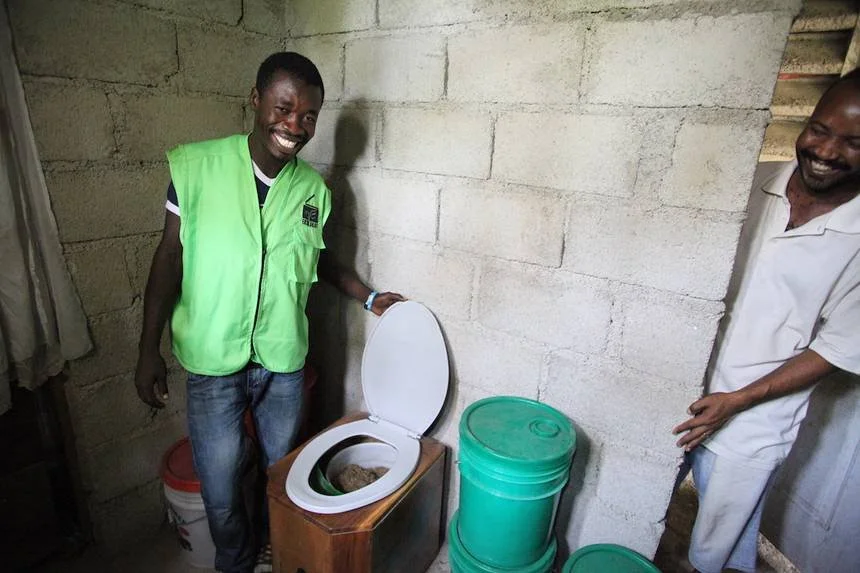
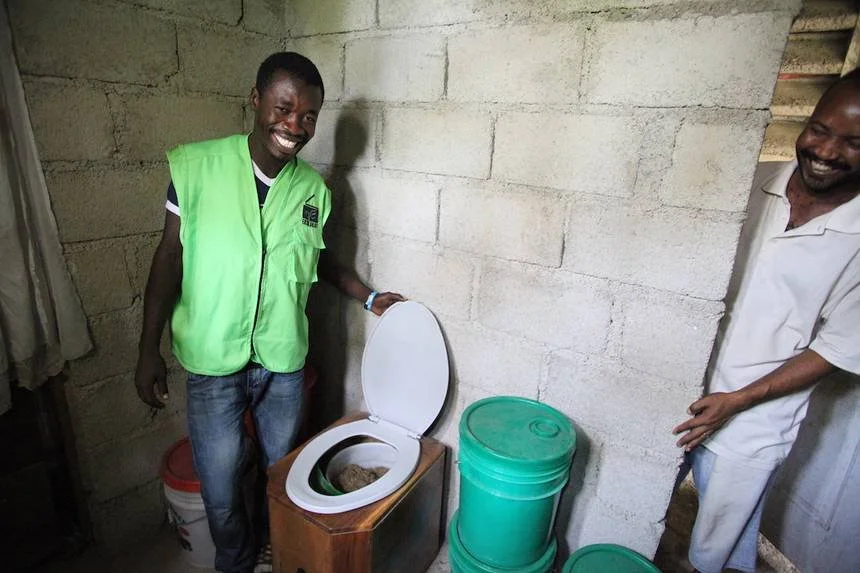
 © SOIL -- Waste is collected in sealed buckets in Cap-Haitien
 © SOIL (used with permission) -- Compost produced at the end of the 9-month process
 © Lush Spring Prize (used with permission) -- Natalie Miller and Wisner Jean Louis at Emerson College, UK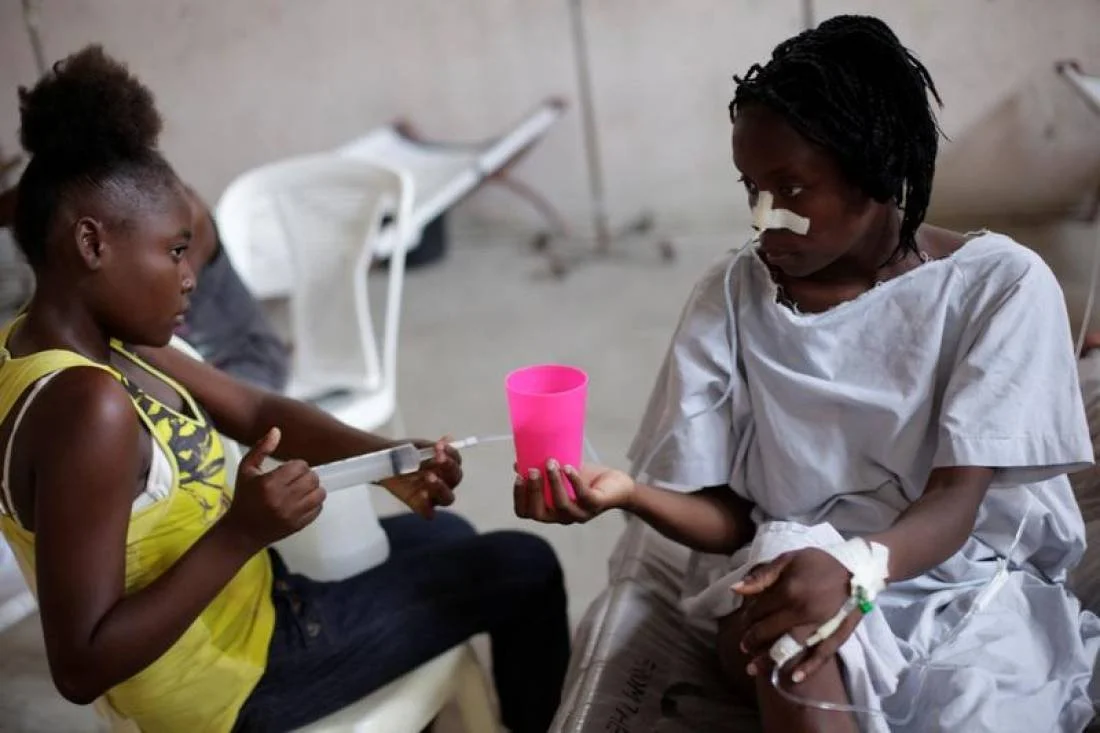

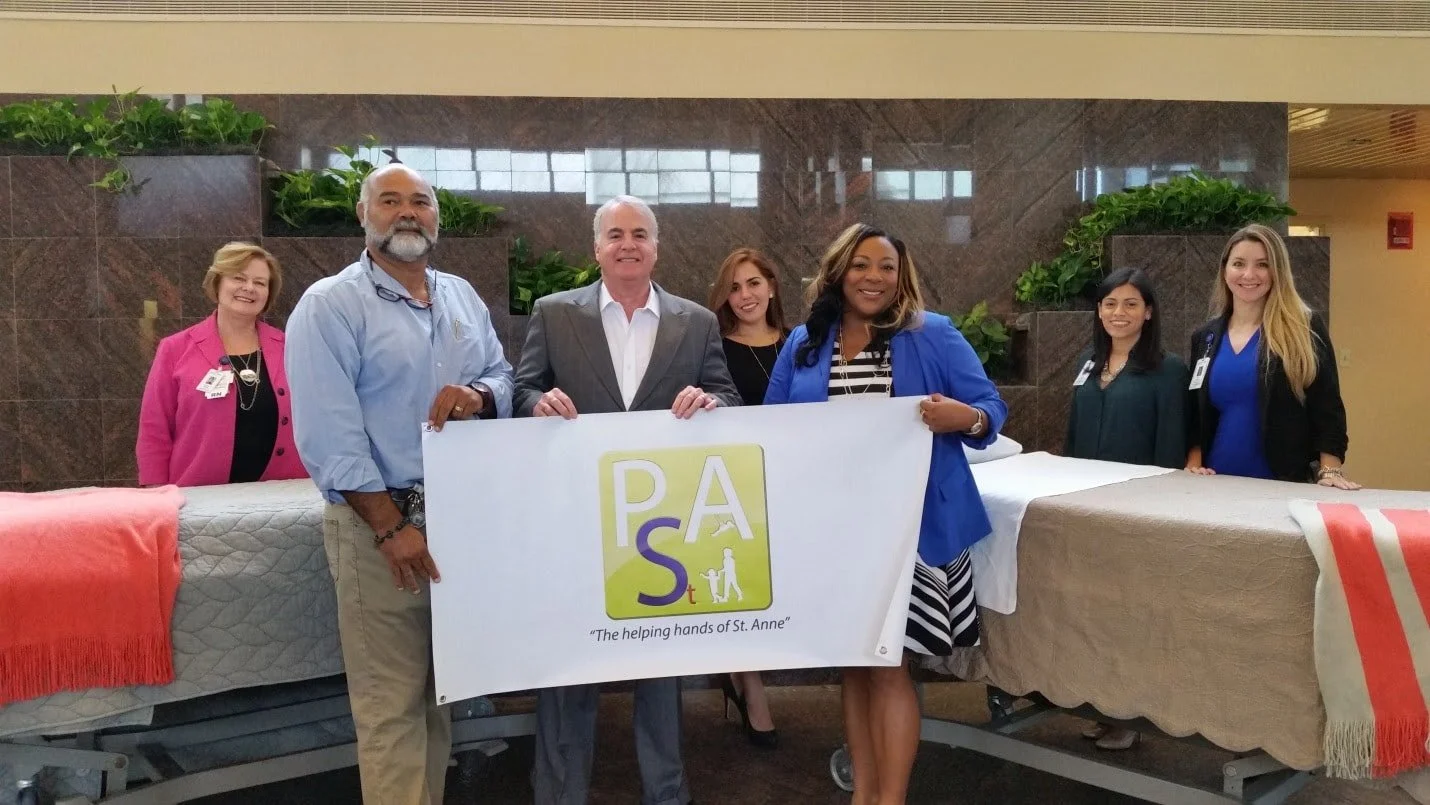
 North Shore Medical Center donated 30 hospital beds to Project St. Anne, part of a Clinic of Camp-Perrin located in Haiti. Project St. Anne is a non-profit that was founded by a group of women in 2008. The goal of the organization is to help the less fortunate. The 30 beds are going to be used by patients at the local hospital. “Receiving medical care in a comfortable environment can help speed up the healing process,” said Manny Linares, Chief Executive Officer of North Shore Medical Center. “The donation of these beds is part of our commitment to helping those who have been affected by hurricanes and other natural disasters and are in need of medical supplies.”By: Community News | October 4, 2017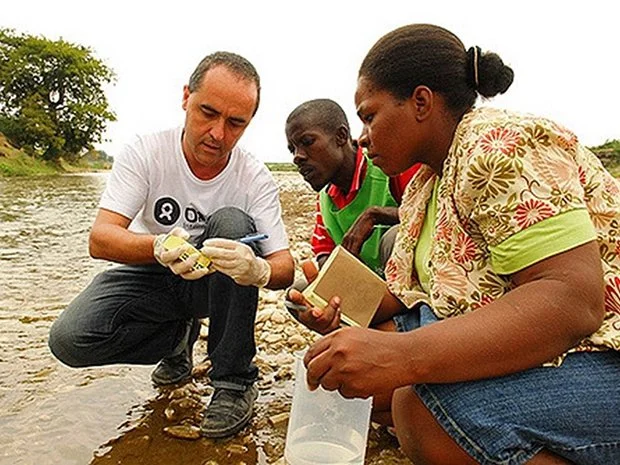




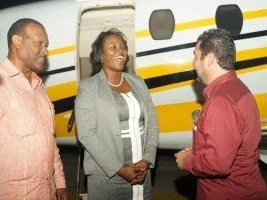
 Monday, the First Lady of Haiti, Martine Moïse, left Port-au-Prince to Belize to attend the Forum of First Ladies and Wives of Heads of State and Prime Ministers from CARICOM member countries.This meeting, which will establish a Caribbean network of first ladies, aims, among other things, to highlight the health and well-being of women, girls and adolescents in the Caribbean by 2030, objective #5 of sustainable development.Martine Moïse will participate in a series of discussions to support proposals for the promotion and valorisation of women from all Caribbean countries, notably through the Caribbean Child Initiative (CARIWAC) networks, which also intend to :


 Name: Christelle YoubinAge: 26International Relations

 Name: Madjolah PierreAge: 23Social Communications


 Name: Alise Murielle JosephAge: 23International Relations
 Name: Chrystel DufourAge: 24Psychology/Communications

 Name: Cassandra CheryAge: 21Model

 Name: Caroline Minerve BegeinAge: 22Administrative Assistant
 Name: Wheytnie AlexandreAge: 26Medical Student







 Eklà Beauté is a beauty salon like no other.
 Owner, Christina Fils-Aimé, had a vision. She wanted to offer professional service, excellent hair care and a truly one on one experience; All of that while inviting you into the peaceful, serene and calm environment of her studio.Christina, left Haiti at the age of 18 and moved to New York. There, she became a hair colorist and makeup artist and worked in many hair salons. At 30 years old, she moved back to Haiti and left the hair and makeup business. However, her love for fashion and hair care pulled her back to the hair business. Its her passion; And it shows in the results.She works by appointment only to give each client the time and care they expect, need and deserve. Her goal is simple: "I want it to be 100% about my clients. I want them to walk out feeling good about themselves and with a smile on their faces. That’s what I enjoy most of my job, to be able to put a smile on my clients’ faces”, she says. Eklà also offers manicures, pedicures and makeup services for a one stop shop to pamper yourself.The décor has a zen feel and the relaxing ambiance with soothing music is sure to please.
 If you're looking to escape the chaos of everyday, check them out for your beauty needs. Eklà is located at 46 Rue Rebecca, Petion-Ville, Haiti. You wont be disappointed!


 Chargé d'Affaires Brian Shukan joined St. Luke's Foundation, the Haitian Ministry of Health, and the United States Agency for International Development (USAID) to inaugurate the first international medical training center in Haiti.The training center consists of two training and simulation rooms, a conference room, and an administrative meeting room. "This state-of-the-art medical training center will ensure that St. Luke staff and the greater Haitian medical community have a base to build and hone the most current skills they need to continue their vital work," said Shukan.The construction was supported by a $500,000 grant from USAID's Office of American Schools and Hospitals Abroad (ASHA), and the facility will host its first international conference, "The Haitian Acute Care and Emergency Care Conference" on April 28 and 29."Continuing Medical Education (CME) is a guarantee of quality in healthcare," said St. Luke Mission medical director, Dr. Marc Edson Augustin. "The conference will be the first of many such experiences at St. Luke's new training center, furthering our primary goal of bringing quality and dignified care to the most vulnerable."USAID/ASHA grants support the construction and purchase of equipment for medical institutions in Haiti. Additional recipients of ASHA grants include St. Boniface Haiti Foundation; Catholic Relief Services for equipment at Hospital St. Francois de Sales; Albert Schweitzer Hospital; and the International Child Care's training center and inpatient child care unit. Since 1979, ASHA grants have provided over $21 million in support to projects in Haiti.HL/ HaitiLibre HaitiVille

 Kreyol Essence is excited to be the first company to launch Haitian beauty products at Whole Foods Market and the first Haitian company to bring Haiti’s beauty treasure to the mainstream U.S. & Canadian market! Haitian Black Castor Oil aka Lwil Maskriti is the Liquid Gold of the Caribbean. We have known for centuries how this indigenous oil promotes hair growth, moisturizes hair and skin, and is a staple for medicinal purposes.Having our products at Whole Foods is a testament to our quality and commitment to social impact in Haiti. We are launching in over 95 stores in Pennsylvania, New Jersey, Virginia, Maryland, Washington DC, Ohio, Kentucky, Florida, Canada, and are working on additional locations every day. If you want the best black castor oil and to help create work for women and farmers, purchase your bottle of oil at any of the Whole Foods Stores listed below and tell a friend to do the same. Check our website frequently for additional store addresses.
 KENTUCKYLexington – Lexington, KYMARYLANDBethesda – Bethesda, MDColumbia Maryland – Columbia, MDHarbor East – Baltimore, MDMount Washington – Baltimore, MDSilver Spring – Silver Spring, MDOHIOChagrin- Beachwood, OHPENNSYLVANIA Philly Center City – Philadelphia, PAPittsburgh – Pittsburgh, PAWexford – Wexford, PANEW JERSEY Cherry Hill – Cherry Hill, NJVIRGINIAArlington VA -- Arlington, VACharlottesville – Charlottesville, VAVirginia Beach, Virginia Beach VANewport News — Newport News, VAOld Town -- Alexandria, VAShort Pump – Glen Allen, VATysons, Fall Church, VAWASHINGTON DC Foggy Bottom – Foggy Bottom, DCGeorge Town – Washington, DCTenleytown – Washington, DCP Street – Washington, DCH Street— Washington, DC