
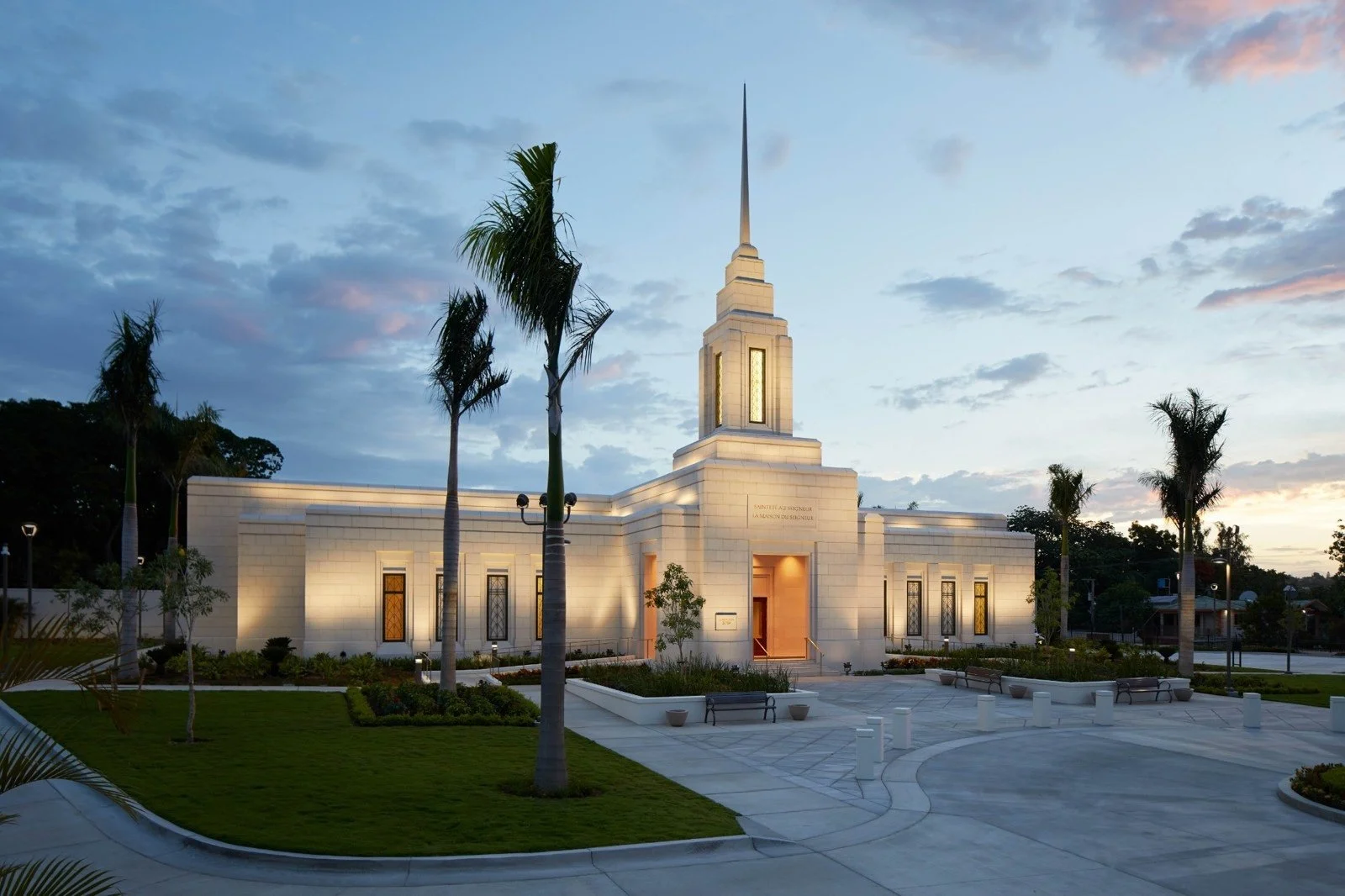
10 years after devastating earthquake, Haitian Latter-day Saints welcome friends to nation's first temple
Unimaginable horror fell upon Haiti in the opening month of 2010 when a massive earthquake claimed hundreds of thousands of lives and displaced legions more.
The disaster prompted a world-wide humanitarian response — including tens of millions of dollars from the Church to help fund food, clean water and other disaster aid efforts.
Almost a decade later, the quake recovery continues. But Haitian Latter-day Saints are celebrating this week as they welcome their friends and neighbors to their nation’s first temple.
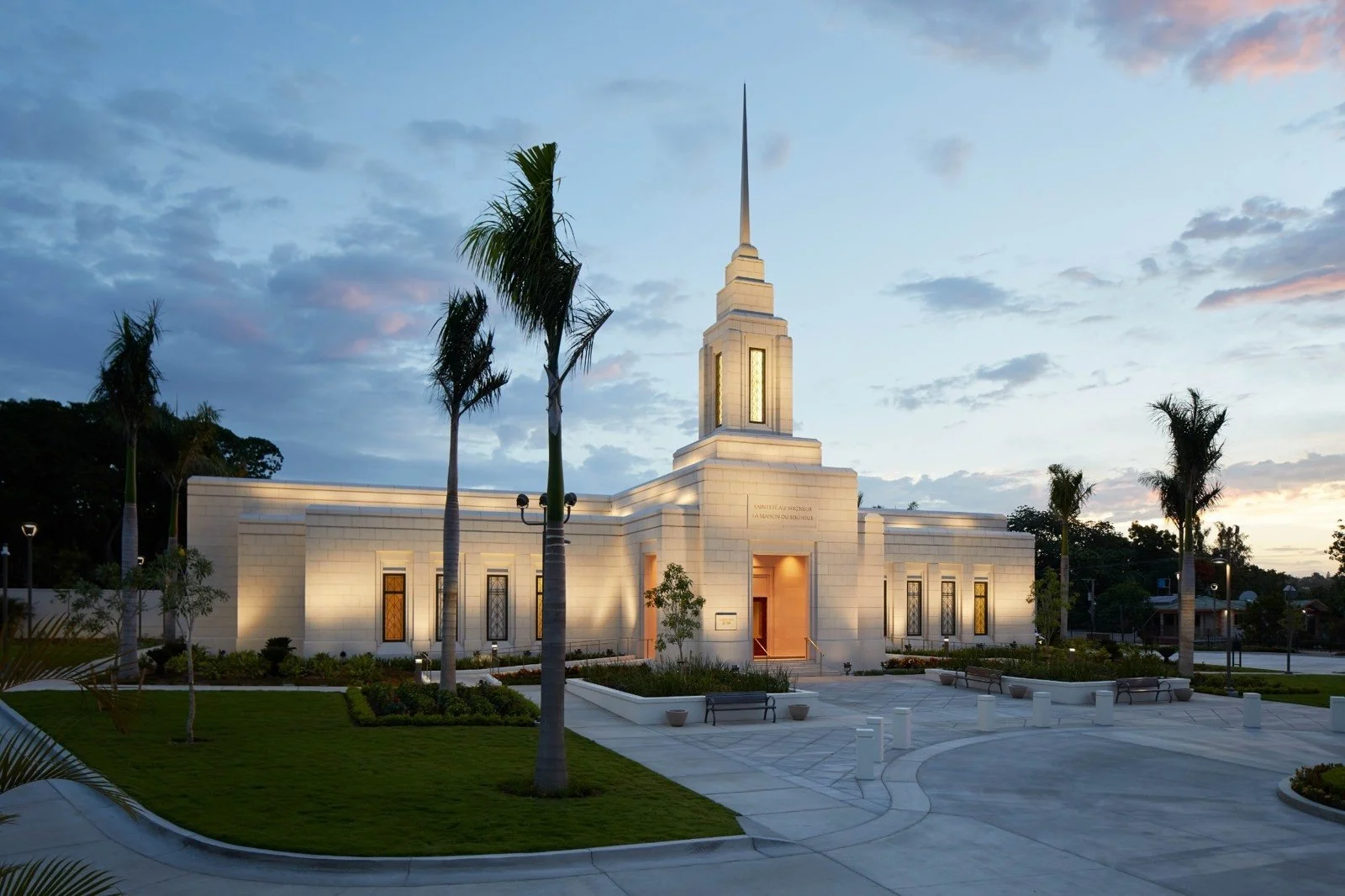
The Port-au-Prince Haiti Temple public open house officially begins on Tuesday, Aug. 6 — although a few visitors have already toured the new edifice, surrounded by lush gardens reflective of Caribbean flora.
“I can’t believe my eyes,” said Michael Paquette, a Canadian who was one of the first international missionaries to serve in Haiti in the 1980s. “I used to walk up and down this road outside the temple, Route de Freres. (That) was in the early days of missionary work; now there are (several) stakes here in Port-au-Prince. Now the temple is here.”
The building’s beauty is amazing, he added. “It is very special for the saints in Haiti.”

Counted among the first visitors to the Port-au-Prince temple was a delegation from the U.S. Embassy. They were hosted by Caribbean Area President Elder José Alonso, a General Authority Seventy, and Elder Bien Aimé Huberman, an Area Seventy and chairman of the temple’s organizing committee.
Elder Huberman noted the historic significance of having a temple operating in his homeland.
"The temple is, first and foremost, important because the members will be able to do their sacred ordinances,” he said.
In the past, the high cost of travel and passports prevented many Haitian Latter-day Saints from worshipping regularly inside temples in neighboring Dominican Republic and other nearby nations.
“(Now) we will also be able to go to the temple in our own country with our friends, family and our own people,” he said. “It is a new day for us, a new program. We are very satisfied. Everyone is excited and we are ready now for the open house to begin."
The Port-au-Prince temple is distinctly Haitian.
Turquoise blue and lime green carpets throughout the interior mimic the neighboring sea and the island’s fecund plant life. It’s patterned after an array of local vegetation — including palm leaves, tropical flowers and the hibiscus, Haiti’s national flower, according to a Church-provided facts report.

Palm leaf motifs are found in several areas of the temple such as the celestial room, sealing room, baptistry and foyer. Palm leaves, of course, were used to celebrate Christ’s triumphant entry into Jerusalem.
Temple visitors will also spot hibiscus-inspired wall plaster patterns in the brides’ room.
Artwork adorning the Port-au-Prince temple includes two original works: “Haiti Palm Trees by the Sea” and “Mountains near Port-au-Prince,” both by Russian artist Emin Zulfugarov, the report noted.
The public open house will continue through Saturday, Aug. 17 — except for Sunday, Aug. 11.
A youth devotional in Haiti will be held on the eve of the Sept. 1 dedication of the Port-au-Prince Haiti Temple. The temple will open for ordinances on Sept. 10.
Haiti is home to more than 23,000 Latter-day Saints.
By: Jason Swensen for churchnews.com | August 5, 2019
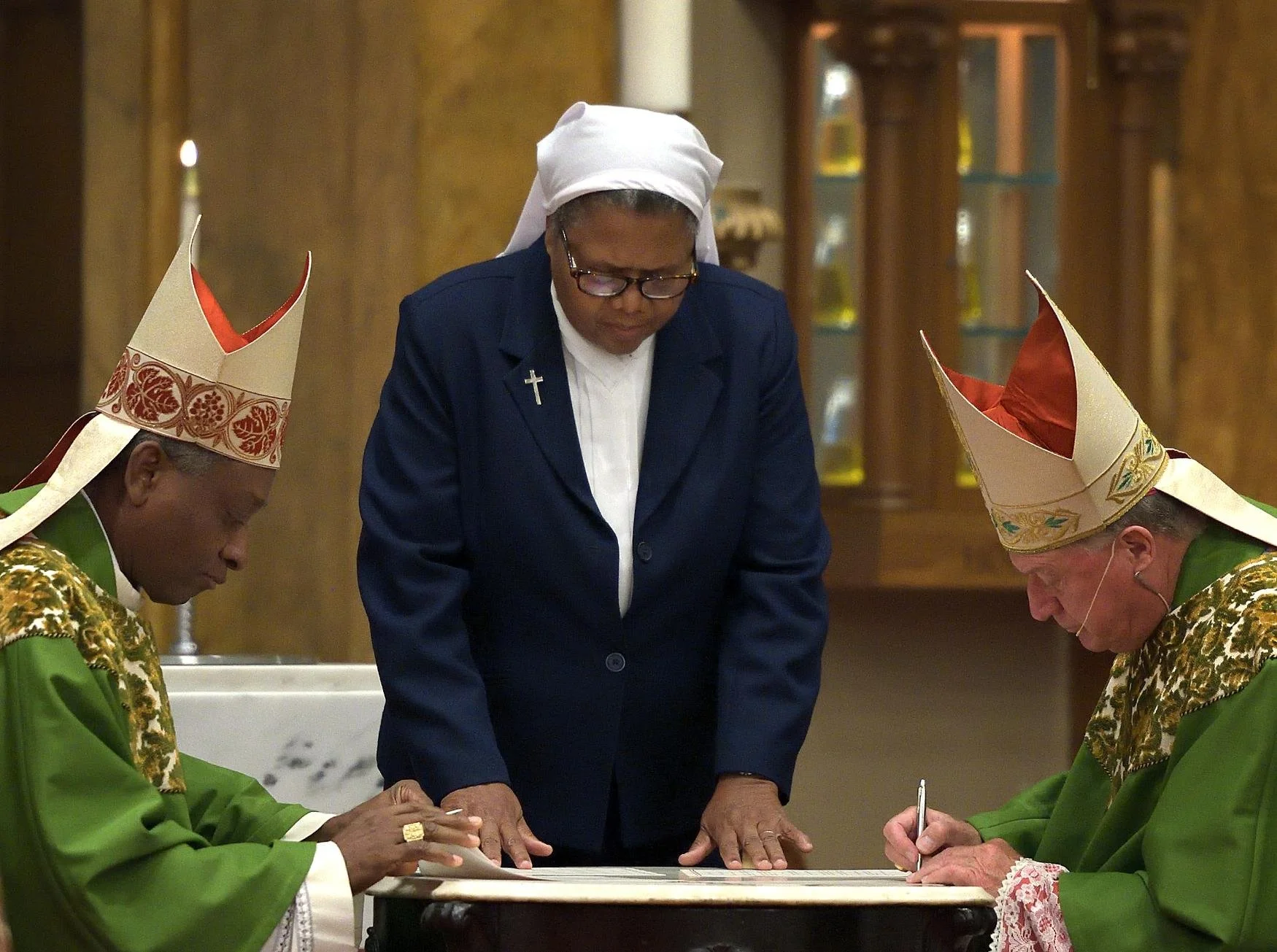
Bond sealed between Worcester, Haiti Catholics
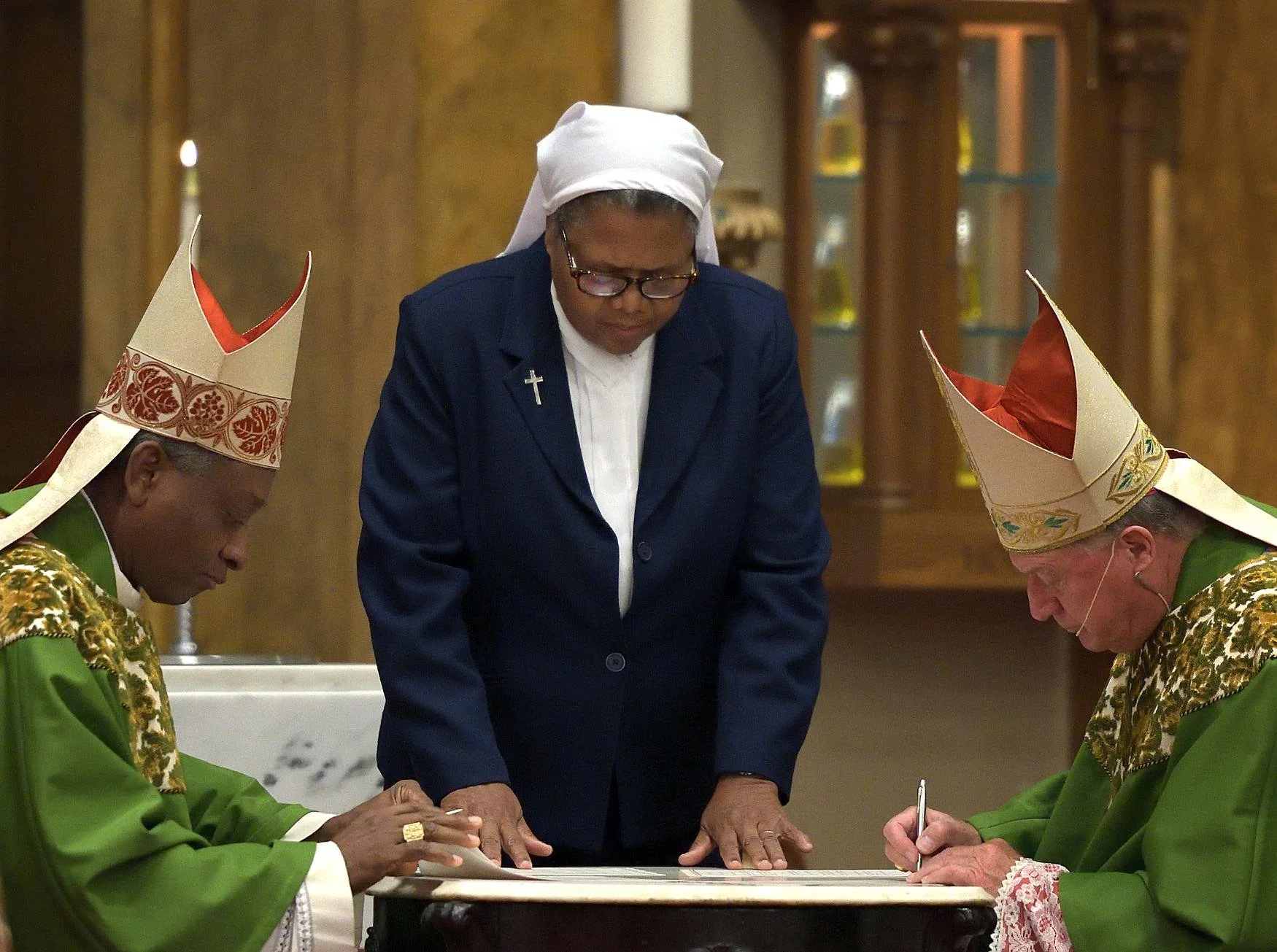
 WORCESTER - Haiti’s first-ever cardinal was greeted in Worcester on Sunday by the tail end of a hurricane.But Harvey’s rains, dousing New England on Labor Day weekend, didn’t dampen spirits on Grafton Hill as Cardinal Chibly Langlois of Haiti joined Bishop Robert McManus in celebrating Mass at St. Joseph’s Church, then attended a dinner at St. Stephen’s across the street.Cardinal Langlois, awarded the red hat in 2014 by Pope Francis, was in Worcester to renew a covenant of support and prayer between the dioceses of Les Cayes and Worcester.More than 1,000 Haitians live in Worcester and about 200 attend the French-language Mass at St. Joseph’s on Hamilton Street, said Sister Judith Dupuy, a Sister of St. Anne who is director of the Haitian Apostolate in the Worcester Diocese.“For me to be here in the Diocese of Worcester is to build the communion between our two dioceses, Les Cayes and Worcester, and try to reinforce the twinning between parish and parish and diocese and diocese,” Cardinal Langlois said after the Mass.“That’s very important for us in Haiti,” he said. “You have heard about the many needs we have.”
One of the world’s most impoverished nations, Haiti is still recovering from the battering it took from Hurricane Matthew in 2016. Storm-watchers this weekend were eyeing a new hurricane, Irma, that may be headed for Haiti in the coming week.The covenant of support and prayer between the dioceses was signed during the Mass at St. Joseph’s, which was founded as a parish to serve Worcester’s once-large French-Canadian Catholic community, and now welcomes new immigrants from Haiti to its French-language Mass.The “twinning” program between parishes in Worcester and Haiti is “a reminder to our people that we’re a universal church,” the Bishop McManus said. “Pope Francis has called the whole church to be a church in mission.“Anyone who has visited the church in Haiti realizes they cannot help themselves - it’s a dire situation,” he said. “In the sense of the fraternity and the solidarity of the faith, we and other dioceses in the United States are reaching out to other parts of Haiti. It’s a joy to have His Eminence with us.”By: Mark Sullivan | September 3, 2017
Subcommittee on the Church in Latin America Awards nearly $6 Million in Grants to Projects Including Pro-Life Centers, Hurricane Matthew Affected Areas
 WASHINGTON—The U.S. Conference of Catholic Bishops' (USCCB) Subcommittee on the Church in Latin America awarded nearly $4 million in funding in the form of 244 grants to support the pastoral work of the Church in Latin America and the Caribbean, and nearly $2 million in funding for continued reconstruction in Haiti after the 2010 earthquake. The grants were approved at the Subcommittee's meeting on June 12 in Indianapolis, Indiana.Projects that received funding include:Argentina, GRAVIDA—Centro de Asistencia a la Vida Naciente: This network of diocesan centers in Argentina works to promote, care for, and defend life from the moment of conception and promotes the dignity of parenting. These centers are located in 21 dioceses across the country and care for pregnant women at risk of having an abortion as well as with men to help them understand the value of fatherhood. The centers provide education and formation about the dignity of human life and conduct solidarity and awareness campaigns.Haiti, Catechetical Formation: This project will provide formation for 400 pastoral agents from four parishes that were impacted by Hurricane Matthew. The formation will be centered around the theme of the Christian family, and will take place over the course of three days. Seminars, workshops and group discussions will be facilitated, along with opportunities for prayer and daily Mass.In addition, the first grant to help rebuild churches on the western part of Haiti after Hurricane Matthew was approved. More of these requests will be considered at future meetings of the Subcommittee."I am continually inspired by all of those who support the Collection for the Church in Latin America," said Bishop Eusebio Elizondo, auxiliary bishop of Seattle and chairman of the Subcommittee on the Church in Latin America. "The generosity of Catholics across the United States makes a difference in the lives of countless people in Latin America and the Caribbean. This generosity reflects the love and compassion of God. I can see this especially in the response we received to help the victims of Hurricane Matthew. With that help, we not only fund pastoral projects, but help rebuild churches in some dioceses of Haiti."Other areas of funding include lay leadership training, seminarian and religious formation, prison ministry, and youth ministry. Grants are funded by the annual Collection for the Church in Latin America, taken in many dioceses across the U.S. on the fourth Sunday in January. The grants to Haiti are funded by the Special Collection for Haiti, which occurred after the 2010 earthquake. These reconstruction efforts are managed through the Partnership for Church Reconstruction in Haiti (PROCHE).The Subcommittee on the Church in Latin America oversees the collection and an annual grant program as part of the USCCB Committee on National Collections. It allocates revenue received from the Collection for the Church in Latin America as grants across Latin America and the Caribbean. More information about the Collection for the Church in Latin America and the many grants it funds, as well as resources to promote it across the country, can be found at http://www.usccb.org/catholic-giving/opportunities-for-giving/latin-america/index.cfm.By: United States Conference of Catholic Bishops | July 31, 2017