
Waterborne diseases a concern in Haiti following Hurricane Irma
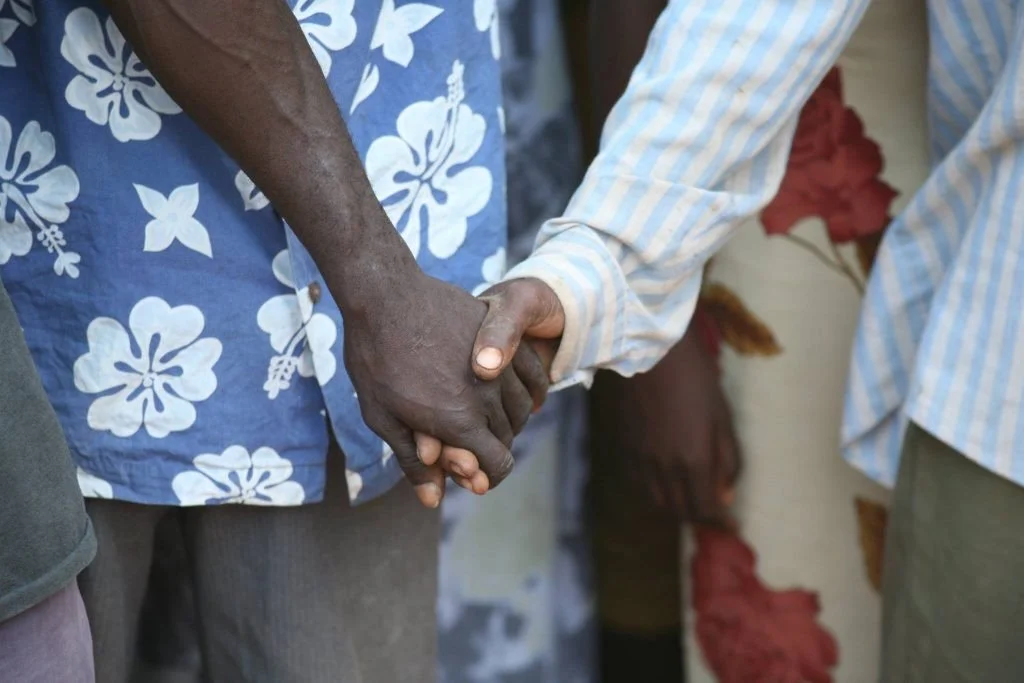
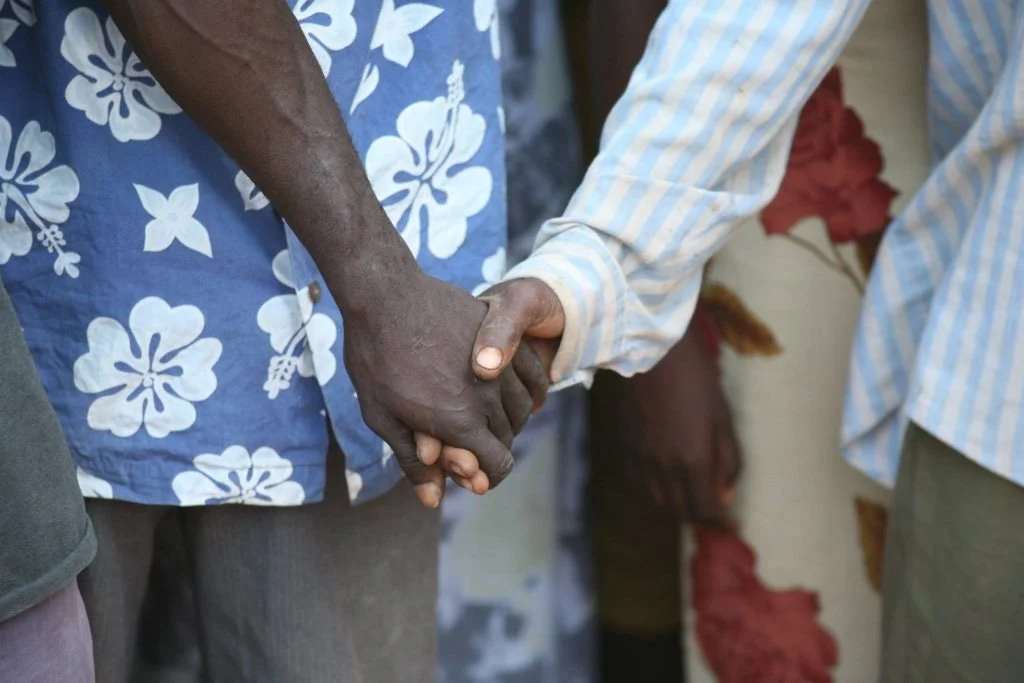
Haiti (MNN) — When Hurricane Irma was barreling towards the Caribbean as the Atlantic’s strongest Category 5 storm ever recorded, many feared the worst for Haiti — the poorest nation among in the Caribbean Islands.Thankfully, Haiti did not take a direct hit from Irma, but as Josh Ayers with Food for the Hungry explains, “Because of the sheer size of Irma, she dropped quite a bit of rain…along [Haiti’s] northern coast there. There was some localized flooding, particularly along rivers and with storm surge along the coast. We did see quite a bit of flooding.”Nearly 40 percent of the Haitian population faces moderate to severe food insecurity. And now according to Haiti’s agriculture ministry, around 18,000 farming families have lost all their food crops to Hurricane Irma.Additionally, one of the biggest fears now is a resurgence of cholera in the nation. Ayers says, “You may recall after the 2010 earthquake that cholera was introduced to Haiti for the first time. So anytime you have large amounts of water flowing in a country that doesn’t enjoy the same level of infrastructure development that countries like the United States enjoys, you often see waterborne illnesses spike. So with the introduction of cholera in the last ten years there, that has become a key concern going forward in the future.”Cholera is contracted when a person consumes human feces, typically through accidental water contamination. It leads to a severe form of diarrhea and can cause death if not treated. And Haiti is extremely vulnerable to cholera outbreaks in natural disasters.“Our response effort at Food for the Hungry has been focused on those waterborne illnesses; particularly around hygiene promotion and hygiene kits, and so those kits consist of things like soap and basic hygiene materials. We dispatched a shipment from one of our partners in Georgia and those materials are on their way. They may have already arrived and we’ll be distributing those shortly.”FH works through the local church whenever possible, enabling them to be the hands and feet of Christ to their own communities. “Because the local church [in Haiti] is under-resourced, as you might imagine, Food for the Hungry can provide much-needed goods and finances to empower that local church to reach out to its neighbors.”As FH strives to stem an outbreak of waterborne diseases in Haiti following Irma, they’re asking for the Body of Christ to come alongside them in a few ways.First, Ayers says, “Your prayers would be welcomed for the local church as well as the local organizations who are responding, Food for the Hungry being one of those. We’ve been working in Haiti for decades. Most of our staff are local Haitians and so sometimes they’re families are impacted by these things. You can pray for our staff.”And finally, you can be a tangible support through generous giving, and know that your gift is going to resource the Haitian Church acting as the hands and feet of Christ to their neighbors in disaster recovery.By Lyndsey Koh | September 25, 2017
Haiti - Social : The First Lady of Haiti in Belize
 Monday, the First Lady of Haiti, Martine Moïse, left Port-au-Prince to Belize to attend the Forum of First Ladies and Wives of Heads of State and Prime Ministers from CARICOM member countries.This meeting, which will establish a Caribbean network of first ladies, aims, among other things, to highlight the health and well-being of women, girls and adolescents in the Caribbean by 2030, objective #5 of sustainable development.Martine Moïse will participate in a series of discussions to support proposals for the promotion and valorisation of women from all Caribbean countries, notably through the Caribbean Child Initiative (CARIWAC) networks, which also intend to :
- Promoting the health and well-being of adolescents in the Caribbean and reducing teenage pregnancy by 20% ;
- Encourage the prevention, early diagnosis and treatment of cervical cancer, improve access to screening and strengthen infrastructure through the promotion and use of HPV vaccine ;
- Eliminating mother-to-child transmission of HIV and congenital syphilis in the Caribbean ;
- Support advocacy for the reduction of gender-based and sexual violence against women and children (including trafficking in persons) through appropriate legislation, psychosocial support for victims and the inclusion of men and boys in solutions.
By: HL/ HaitiLibre | September 5, 2017