

The crisis in Haiti, explained
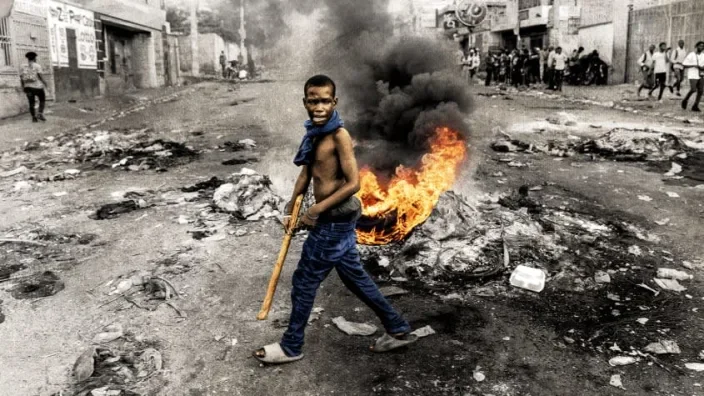
The small Caribbean nation of Haiti continues to face a slew of deep-seated humanitarian crises, with NGOs warning that the country could be on the verge of a complete societal collapse. Haitian officials have appealed to the international community for outside assistance, and while some have answered the call, there is still a barrage of issues, including supply shortages, rampant gang violence, and famine that threatens to derail foreign aid.
Humanitarian crises throughout Haiti are sadly not new, and there are a number of factors that have caused the country to reach this breaking point. Here's everything you need to know:
What is the driving force behind the humanitarian crisis?
Haiti has long suffered from poverty and economic hardships, stemming from massive external debt to its former French colonizers as well as decades of political instability. It remains one of the world's poorest nations and was ranked 163 out of 191 countries in the 2022 Human Development Index. However, the current blight facing the nation was set into motion this past summer, when armed gangs began seizing control of areas throughout the nation.
Most of this trouble was centered in Haiti's capital, Port-au-Prince, where a coalition of gangs called the G9 have taken de facto control of much of the city. While gang violence has been a historic problem, the assassination of Haitian President Jovenel Moise in 2021 plunged the country into chaos and created a vacuum that allowed gangs to seize power.
The humanitarian crisis began when G9 created a blockade around Varreux, one of the nation's most critical fuel terminals. This resulted in mass shortages of goods such as food, water, and other basic necessities. The blockade came in response to an announcement from Haitian Prime Minister Ariel Henry that his government would be ending fuel subsidies. G9 surrounded Varreux in protest and demanded Henry's resignation, though he remains in power.
What problems has the blockade caused?
Cutting off the Varreux terminal has had a domino effect on the nation, choking the country's supply chain and causing problems in numerous sectors of the economy. Reuters reported that most Haitian economic activity has come to a standstill as a result.
Beyond this, there have been reports of hospitals across the country being forced to shut down due to the supply shortage, as most of them are powered by diesel generators — a commodity that is no longer available. This has led to a whole host of problems within a nation that already struggles to provide adequate medical care, specifically due to the rampant diseases that are also currently plaguing Haiti.
Violence against children, rape, looting, civil unrest, and devastating levels of hunger have also become the norm within the country. More than 4 million people face food insecurity, according to the United Nations, with the U.N. deeming Haiti to be in a Level 5, or "catastrophic," phase of hunger for the first time in its history.
People living in Port-au-Prince additionally told Reuters that strong anti-government protests have often devolved into violence, with shootouts between rival gangs and law enforcement becoming a daily occurrence.
What other factors have contributed to the Haitian crisis?
Sadly, there have been a number of other variables that have added additional angst to the people of Haiti. One of the most prominent is the aforementioned diseases that are sweeping across the country — most notably, a deadly outbreak of cholera that has upticked in recent weeks.
According to the World Health Organization, cholera is an acute infection "caused by ingestion of food or water contaminated with the bacterium Vibrio cholerae." The crumbling infrastructure in Haiti, combined with the lack of clean drinking water, led to a massive spread of the disease starting in October. CBC News reported that at least 35 people have died and more than 600 people have gotten sick with cholera since the outbreak began.
Outbreaks of cholera have particularly been seen throughout the Haitian prison systems, where at least 200 of these cases are thought to have originated. One former inmate told CBC News that the country's main prison in Port-au-Prince had "the most unsanitary conditions you can think of. There's no running water ... the toilet is practically a hole in the ground that runs off into the outside — there's no sewage system."
If all of this wasn't bad enough, Haiti — and the Caribbean in general — is smack in the middle of earthquake territory, and Haiti in particular has become known for its devastating quakes. One such earthquake occurred in Aug. 2021, a 7.2 magnitude rumble that killed over 2,000 people and left more than 12,000 injured. Nearly 150,000 buildings throughout the country were destroyed in what would become the year's deadliest natural disaster, and the country was still in the midst of a massive recovery effort when this latest crisis began to unfold.
What is being done to try and help?
There have been calls for foreign intervention from both around the world and from within Haiti. The United States in particular has been urged by some to weigh in on the affair, and the Biden administration sent a delegation to the country to work on developing anti-gang strategies. The U.S. is also reportedly considering the plea from Prime Minister Henry to provide armed intervention, and has already accelerated the deployment of humanitarian aid to the nation.
While the U.S. has taken steps to impose massive visa restrictions in an effort to put pressure on the gangs, the Biden administration has been mostly uncommitted one way or another on armed intervention. It is easy to see why, especially since foreign meddling in Haitian affairs has often caused more harm than good, many times because of the Western assumption that Haiti is unable to govern itself. This plays in line with a long history of American leaders being reluctant to send troops to the country.
Despite what seems to be reluctance among some in the international community, the United Nations has taken a more direct approach, and urged countries around the world to assist Haiti via the military if necessary. It seems the U.S. may finally be getting on board with this idea as well, as The Washington Post obtained a copy of a federal government resolution to the U.N. pressuring the body to assemble "a multinational rapid action force." This marks the first real sign that the United States may be willing to involve itself in potential intervention in Haiti that could include a militarized component.
US Air Force Delivers Equipment To Haiti Police
MIAMI – The United States (US) Southern Command (SOUTHCOM) said it had transported “vital” security equipment to Haiti in response to a request for international assistance from the Haitian government to deal with the security situation in the French-speaking Caribbean Community (Caricom) country.
SOUTHCOM said that a US Air Force C-17 aeroplane, based at Joint Base Charleston, South Carolina, transported the security equipment to Port-au-Prince.
“The delivery of the vital equipment was part of a joint operation involving US Air Force and Royal Canadian Air Force aircraft,” said SOUTHCOM in a statement, stating that the equipment included tactical and armored vehicles, purchased by the Haitian National Police (HNP), from Canadian Forces Base Trenton in Ontario, Canada.
“The delivered equipment will help the HNP ensure access to vital resources and infrastructure urgently needed in Haiti to respond to a public-health crisis following a recent rise of cholera cases in the country,” it added.
SOUTHCOM, which is a joint US command, comprising more than 1,200 military and civilian personnel representing the Army, Navy, Air Force, Marine Corps, Coast Guard, and several other federal agencies, said the mission to Haiti comes three days after US Air Force Lieutenant General Andrew Croft, military deputy commander of SOUTHCOM, accompanied US Assistant Secretary of State for Western Hemisphere Affairs, Brian A Nichols, to Port-au-Prince.
Nichols led a US interagency delegation on a two-day visit to the country where they met with Prime Minister Ariel Henry, the Montana Group, private sector leaders, and broader civil society groups.
“They assessed how the US government can continue providing various forms of assistance aimed at helping the country improve security and respond to the growing humanitarian crisis,” SOUTHCOM said.
“Together with the Haitian government, the United States and Canada affirm the importance of working together to support the restoration of security in Haiti in partnership with the international community,” it added.
The United States and Canada also said in a joint statement on Saturday that the equipment will “assist the HNP in their fight against criminal actors, who are instigating violence and disrupting the flow of critically-needed humanitarian assistance, hindering efforts to halt the spread of cholera. The United States and Canada remain committed to supporting the HNP’s work of protecting and serving the Haitian people. In coordination with international partners, our governments are working with Haitian partners to strengthen Haiti’s capacity to train additional police officers and improve law enforcement operations.”
Noting that the United States and Canada commend the international community for mobilizing new commitments in support of Haiti’s most pressing needs, the statement went on to say that “we urge international partners to deliver on those commitments. We encourage partner nations to contribute to the UN Basket Fund to restore peace and citizen security for the Haitian people. Together with the Government of Haiti, the United States and Canada affirm the importance of working together to support the restoration of security in Haiti.”
Armed gangs have prevented fuel from being distributed in the country by commanding the primary fuel deports. Their actions, including inter-gang rivalry, have led to a state of insecurity in Haiti, where opposition forces have also been calling on Prime Minister Henry to demit office.
Henry came to office following the July 2021 assassination of President Jovenel Moise. The opposition has been calling for fresh presidential and legislative elections that are now overdue.
Last week, Henry urged the regional integration movement, of which his country is a member, to express solidarity and request assistance to alleviate what has been termed “the deepening humanitarian, security, political, and economic crises in Haiti”.
A statement issued by the Guyana-based Caricom Secretariat said Henry had written to the leaders of the 15-member grouping on the issue facing the French-speaking country.
“The actions of criminal gangs have resulted in the complete cessation of fuel distribution in several parts of the country forcing the closure of hospitals and schools and the shutting down of water pumps prohibiting the provision of clean water. The water shortage also has exacerbated the resurgence of a cholera epidemic particularly in poor neighborhoods,” Caricom said in the statement.
It said regional leaders “condemn the callous and inhumane actions of the armed gangs responsible for the roadblocks limiting movement of the Haitian people and of goods, the destruction of life and livelihoods and the deprivation of the basic needs of the people.
“Heads of Government call upon all stakeholders in Haiti to come together with urgency at this critical juncture in the country’s history to bring an end to the protracted political stalemate in the interest of the people of the country and choose a nation above self-interest.” CMC

Haiti – Mango Shipments To US Hit A Snag

PORT AU PRINCE, Haiti –The United States Department of Agriculture (USDA)has announced the closure of its mango preclearance program in Haiti, blaming the “worsening challenges” faced by its inspectors in the French-speaking CARICOM country.
In an October 24 letter to the President of the Association Nationale des Exportateur de Mangues (ANEM) Ralph Perry, the Area Director for Central America and The Caribbean at the USDA Preclearance and Offshore Programme, Jorge Abad, said the closure would take effect from the end of January next year.
“We are taking this action because of worsening challenges in Haiti that have made it impossible for our inspectors to safely work. This move is in alignment with information that we have received from the US Embassy in Port-au-Prince,” he said.
He said the USAID has placed all 10 inspectors in Haiti “on indefinite, paid leave starting on October 10, 2022” and that the team will remain on leave until the program officially closes.
“We commit to working very closely with them, Haiti’s national plant protection organization, and ANEM as we move forward with this process. We will consider reinstating the program if the situation in Haiti improves, in consultation with the US Embassy in Port-au-Prince,” Abad wrote.
He said that the safety of “our employees is our highest concern”.
Officials in Haiti said that the closure will seriously affect farmers, noting that last year, the sector recorded more than US$12 million in revenue.
But so far this year, they note that the volume of mangoes from Haiti, one of the leading producers of Francisque mangoes in the Caribbean and Central America, has declined to about 48 percent.
This decrease is mainly attributable to the situation of insecurity in Haiti, the difficulties of moving and transporting the fruit in the country as a result of the shortage of fuel caused by armed gangs seizing fuel depots as well as the high prices paid for the commodity on the black market. CMC
Haitian journalist hospitalized after assassination attempt
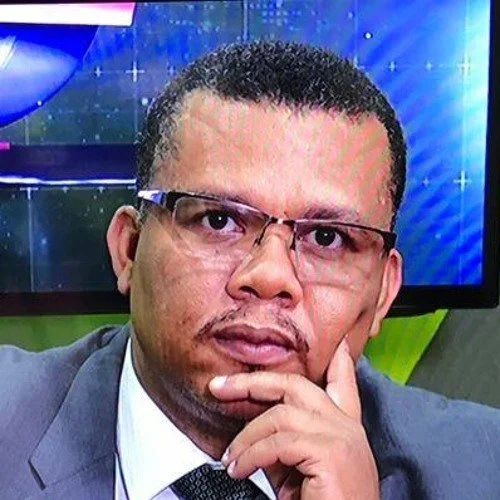
Officials say a well-known Haitian journalist has survived an assassination attempt that left his car riddled with bullets in the capital of Port-au-Prince
A well-known Haitian journalist survived an assassination attempt on Tuesday that left his car riddled with bullets in the capital of Port-au-Prince, officials said.
Roberson Alphonse, who works at the daily newspaper Le Nouvelliste and at radio station Magik9, is hospitalized but is expected to recover, according to Frantz Duval, chief editor for both media. He said Alphonse has undergone two operations so far.
Also on Tuesday, authorities found the body of another journalist who had been missing for several days. Garry Tess used to host a political talk show in the southern city of Les Cayes, according to the government's Office of Citizen Protection, which said it was extremely worried about the security of journalists in Haiti and urged they be protected.
No one has been arrested in either case, although journalists in Haiti have long been the target of warring gangs who have grown more powerful since the July 2021 assassination of President Jovenel Moïse.
Duval thanked an unidentified person he said rescued Alphonse and applied a tourniquet to stop the bleeding before medical help arrived.
Duval noted the car had more than 10 bullet holes, adding that neither Alphonse nor any of his colleagues were available for comment.
“Health is the absolute priority,” he wrote. “Thank you to everyone for your understanding.”
Haiti’s Ministry of Culture and Communication said it learned “with horror the news of the assassination attempt” that occurred in the Delmas neighborhood as Alphonse headed to the radio station for work.
“His rigor, his effort to be impartial, and his sense of perfection make him a model for the profession,” the ministry said in a statement.
Many colleagues echoed the sentiment, including Widlore Mérancourt of the online news site AyiboPost.
"My friend, Roberson Alphonse could be anything he wants anywhere in the world. He picked Haiti. He also could’ve (made) millions selling his platforms. He opted for integrity and independence. I love him and I wish him well,” he wrote.
Meanwhile, the president of Haiti’s Senate, Joseph Lambert, demanded a judicial investigation.
The attack comes more than a month after two other journalists identified as Tayson Latigue and Frantzsen Charles were fatally shot and their bodies set on fire while reporting in a slum controlled by gangs.
In January, gang members killed two other journalists who were reporting in Laboule, a community south of Port-au-Prince.
The Miami-based Inter American Press Association has said this year has been one of the most violent for the press since record-keeping began in 1987.
Journalists also are still seeking justice in the March 2018 disappearance of freelance photographer Vladjimir Legagneur, who was last seen in Port-au-Prince’s Grand Ravine area, one of the poorest and most dangerous.
The attack on Alphonse comes just weeks after Haitian leaders requested the immediate deployment of foreign troops as the country faces an unprecedented crisis. One of Haiti’s most powerful gangs surrounded a main fuel terminal more than a month ago, demanding the resignation of Prime Minister Ariel Henry as they prevent the distribution of petroleum. Gas stations have shut down, banks and grocery stores are operating on limited hours and potable water is becoming scarce as the country battles a cholera breakout that has killed at least 40 people, with more than 1,750 suspected cases so far.
UNICEF warned on Monday that the actual number is likely much higher given under-reporting. The agency noted that it has only been able to find a third of the 70,000 gallons of fuel needed to serve more than half of 16 cholera treatment centers in Port-au-Prince.
On Tuesday, the European Union said it was extremely concerned about the deterioration of Haiti's situation, adding that it has reached unsustainable levels.
“The EU regrets that as a humanitarian catastrophe unfolds and protests have been co-opted by gangs, escalating into violence, looting and territorial gains for armed gangs, political actors have so far failed failed to find a political solution to the crisis,” it said. “The EU therefore urges all political actors to ...engage in constructive negotiations to overcome the current political crisis and its security and humanitarian consequences.”
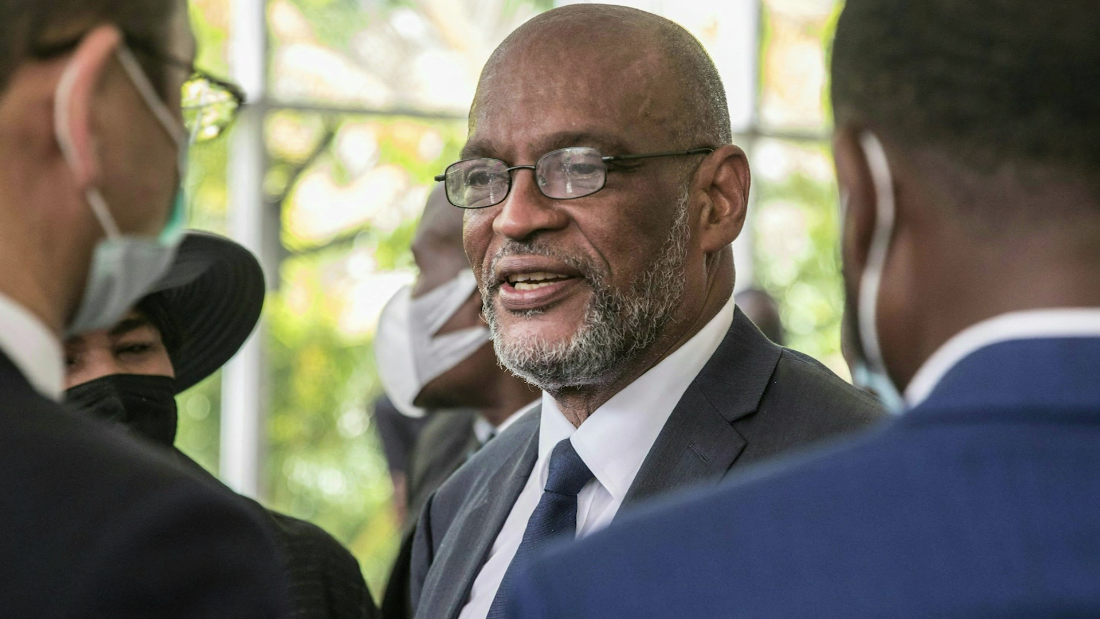
Haitian Prime Minister involved in planning the President's assassination, says judge who oversaw case
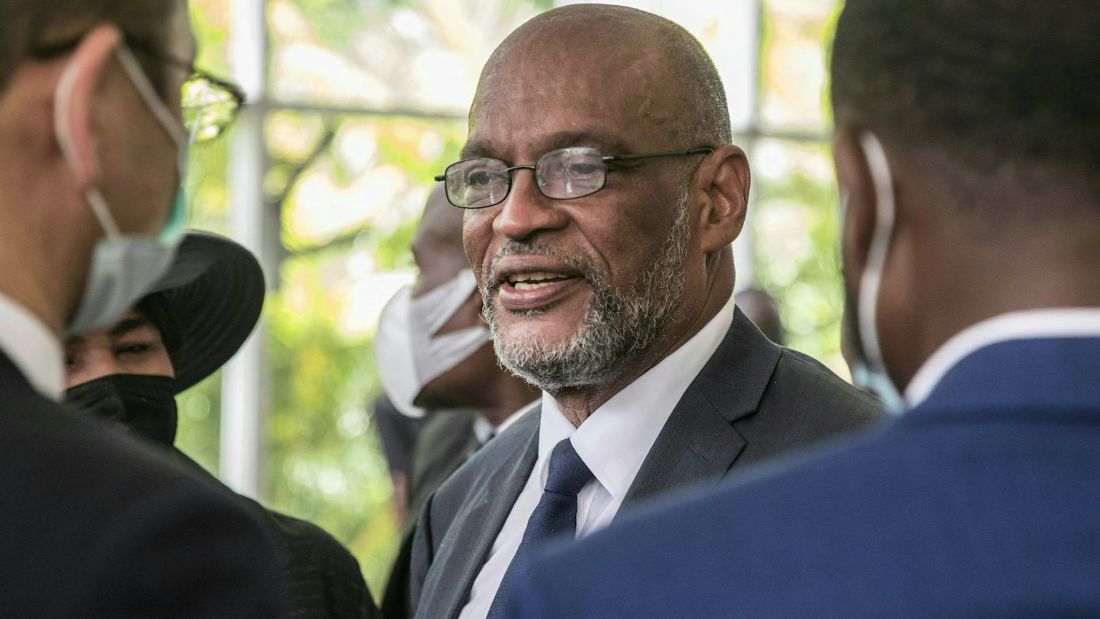
Port-au-Prince, Haiti (CNN)In early September, a dozen heavily armed members of an elite team of Haitian law enforcement sat quietly in several undercover vehicles in the capital of Port-au-Prince, the stillness of the night pierced only by the occasional motorcycle passing by.The veteran officers had all gone after high-profile targets before -- oligarchs, drug traffickers, gang leaders, even politicians.But this operation felt different, according to extensive conversations CNN had with two sources involved in its planning.This time, if they successfully executed their mission, the sources said it would change the trajectory of an entire nation by helping investigators prove their country's prime minister was connected to an assassination.Roughly two months earlier, in the early morning hours of July 7, 2021, Haitian President Jovenel Moïse was assassinated in the presidential residence.More than two dozen armed men swarmed the president's compound where they encountered little to no resistance from security forces there to protect the president.
Moïse was shot 12 times and killed. His wife, Martine Moïse, was also shot multiple times but survived.The man in charge of organizing the assassination squad, according to Haitian authorities, was a former Haitian anti-corruption official named Joseph Felix Badio, who was on the run.But on that early September night, those undercover officers thought they knew exactly where Badio would be: at a meeting with Haitian Prime Minister Ariel Henry, inside his official residence in the capital.
A confidential informant had told the officers that Henry would meet with Badio that night. Since the assassination, the pair had already met twice in-person, according to investigators.For weeks, Haitian investigators believed that Henry himself was involved in both the planning of the assassination and a subsequent cover-up.A private meeting between Henry and one of the top suspects in the case, they believed, would help connect those dots.The plan was to arrest Badio when he left the house and then, at a later date and with proof of the meeting in hand, arrest Henry as well.But Badio never showed up.Henry stayed inside all night, and after sunrise, the officers decided to abandon their mission.Investigators told CNN they later learned that word of the would-be raid had leaked. Badio and Henry had been tipped off, they said, so the pair called it off.The failed raid is just one example of Haitian investigators being thwarted in their attempts to investigate the assassination of the president.Multiple law enforcement sources have told CNN one man lies at the center of much of that obstruction: Ariel Henry. We are not identifying them for security reasons.
Those sources say they have laid out a series of questionable actions that, they say, detail the Prime Minister's alleged involvement in the assassination: both in plotting Moïse's death and in helping orchestrate the subsequent cover-up. And, when two of the top judicial authorities sought potential charges against him, they were fired."Henry is at the center of everything," one investigator told CNN. "All he has done since taking over as PM is obstruct (the investigation) and f**k us over."CNN's calls to Henry have not been returned, although he has previously denied any involvement in the assassination.The Prime Minister has often described solving the murder case as a personal mission."Nothing. Absolutely nothing. No political maneuver, no media campaign, no distraction can deter me from this goal to bring justice for President Moïse," Henry told world leaders at the United Nations General Assembly in September.
Judge: 'Ariel is connected ... to the mastermind'
The official case looking into the assassination is still proceeding in Haiti, but practically, it is all but dead. It has produced no new arrests, no new suspects or any evidence since August but technically, it continues.Dozens of suspects arrested in the first few weeks after the assassination are still being held in a Haitian prison. None of them have been formally charged.Until recently, Judge Garry Orélien was the top judicial official in Haiti overseeing the case.
In a recording taken in the fall of 2021, when he was still presiding over the investigation, Orélien makes his views on Henry's involvement very clear."Ariel (Henry) is connected and friends with the mastermind of the assassination. They planned it with him. Ariel is a prime suspect of Jovenel Moïse's assassination, and he knows it," Orélien said in the recording, obtained exclusively by CNN.CNN has verified the recording by comparing it to other known recordings of Orélien and through extensive conversations CNN has had with him, as well as from voice messages. Orélien did not know he was being recorded."I don't recall talking to anyone about the case in great detail," said Orélien when asked about the recording. "Lots of people are trying to influence the case and I will not play their game."
The assassination of Haitian President Jovenel Moïse
February 7, 2017
Jovenel Moïse is sworn in as Haiti's president after winning a controversial election. He succeeds President Michel Martelly, his political mentor and the man who launched his political career.
President-elect Jovenel Moïse arrives at the Provisional Electoral Council in Port-au-Prince on February 6. He will be sworn into office the following day.
Credit: Hector Tetamal/AFP/Getty Images
February 7, 2021
President Moïse says that his security forces have foiled an attempted coup against him, mounting suspicions that powerful political factions in the country are out to get him.
Credit: Dieu Nailo Chery/AP
July 5, 2021
President Moïse nominates Ariel Henry as Prime Minister. Henry still needs to be formally sworn-in to the position.
Credit: Valerie Baeriswyl/AFP/Getty Images
July 7, 2021, before dawn
More than two dozen heavily armed men breach the presidential residence compound while President Moïse and his wife Martine are inside. Moïse is fatally shot. His wife is left injured in the attack, but survives.
July 7, 2021, mid-day
A group of suspects — including more than 20 alleged Colombian mercenaries — are trapped by Haitian security forces shortly after leaving the presidential residence. During an intense firefight, several of the Colombian leaders are killed. Many others are captured. Several key suspects escape.
Alleged Colombian suspects and some of the weapons and equipment they allegedly used in the attack are seen at police headquarters in Port-au-Prince, Haiti on July 8, 2021.
Credit: AP Photo/Odelyn Joseph, File
July 20, 2021
Ariel Henry formally assumes leadership of a fractured transitional government as Prime Minister. His ascension to power is backed by the United States.
Designated Prime Minister Ariel Henry is seen at a ceremony honoring the late President Moïse on July 20, 2021.
Credit: Valerie Baeriswyl/AFP/Getty Images
August 2021
Sources tell CNN that multiple requests by investigators to expand upon the initial judicial inquiry into the assassination are ignored. No reasons are ever given to investigators as to why permission to continue investigating are not granted.
September 2021
A sting operation to catch top suspect at-large Joseph Felix Badio during a meeting with Henry is foiled after sources say the plans were leaked to one or both men. It would have been the third time Badio and Henry had met in-person after the assassination, according to investigators.
Badio's wanted poster, issued by Haitian National Police.
Credit: Haitian National Police
September 10, 2021
The country's top prosecutor, Bed-Ford Claude, accuses Henry of being connected to the assassination plot and requests that the Prime Minister appear for formal questioning.
September 14, 2021
Prime Minister Henry fires Claude and Justice Minister Rockefeller Vincent. Vincent had supported Claude's request to formally question Henry.
November 25, 2021
Attorney Berto Dorcé — who was once arrested for drug trafficking in 1997, according to a Haiti law enforcement source — is sworn in as Henry's nominee for Justice Minister. Dorcé had previously called the charges false. Prior to his appointment, Dorcé had argued on Henry's behalf that he should not face questioning in the assassination case.
Dorcé attends a ceremony for new cabinet ministers on November 24, 2021.
Credit: Ralph Tedy Erol/Reuters/Alamy
December 2021, January 2022
US federal prosecutors in the US Southern District of Florida indict two top suspects in the assassination case. They are charged with plotting to kill or kidnap outside the United States, signaling the US is ramping up its investigation into the assassination. According to the federal complaint, one of the men provided the arms and ammunition to kill Haiti's President.
Source: President Jovenel Moïse's inauguration, Justice Minister Rockefeller Vincent, Moïse's Twitter, Claude Joseph, Haitian government, a source close to the investigation, Haitian investigators, Bed-Ford Claude, a spokesman for Haitian Prime Minister Ariel Henry, a Haitian law enforcement source, US Department of Justice
Graphic: Sarah-Grace Mankarious, Marco Chacón, Mark Oliver, Kara Fox
Henry, the suspect
Henry became prime minister on July 20 after a power-sharing agreement was brokered in the wake of Moïse's death.Moïse had nominated Henry to the post two days before he was killed, but Henry had not yet been sworn in at the time of Moïse's death. In mid-July, the American, French, European Union and other embassies in Haiti all called for Henry to lead the country in the interim, paving the way for him to take power.But it didn't take long for questions to arise about Henry's alleged connections to at least one of the assassination's participants, or his alleged attempts to shut down the investigation and cover it up.In early August, just a couple of weeks after Henry's inauguration, police investigators produced an initial report on the assassination, as required by Haitian law.In that report, Haiti's then-top prosecutor Bed-Ford Claude, said that there was clear evidence that phone calls were made between Henry and Badio, a top suspect in the assassination, in the hours after the President's murder.Claude went public with the evidence in early September, barring him from leaving the country and requesting in a letter that Henry appear for formal questioning."It is confirmed you, Ariel Henry, had multiple phone calls, especially two on July 7, (about two hours after the president was assassinated) at 4:03 AM and 4:20 AM with one of the main suspect(s) wanted in the assassination of President Jovenel Moïse, Joseph Felix Badio," Claude said in the letter.Claude told CNN shortly after the letter was released that he was discussing charges against Henry with a judge.Henry declined to appear for questioning, and later, Henry told CNN he had "no recollection" of a phone call, "or if it took place."He said the allegations by Claude and his boss, Justice Minister Rockefeller Vincent, were merely political."I want to tell those who still have not understood, that the diversionary tactics to seed confusion and impede justice from doing its work serenely will not stand," Henry wrote in a series of tweets.Several days later, Henry fired Claude and Vincent."The evidence is overwhelming...Ariel is one of the main suspects in my opinion," Claude said to CNN recently when asked for comment."I wanted to indict Ariel Henry after questioning him and I think Ariel knew it, and fired me, and ignored my request (to come in for questioning)," he said.Vincent, the justice minister, has gone into hiding in Haiti, fearing for his safety. He spoke to CNN in the fall about Henry from an undisclosed location."He should resign. And we are still waiting for him to resign," he said. "Because on the night of the president's death, a few hours later ... he had phone conversations with the president's assassin," Vincent said.But multiple law enforcement sources have told CNN that any official inquiries into Moïse's death have been stalled for months.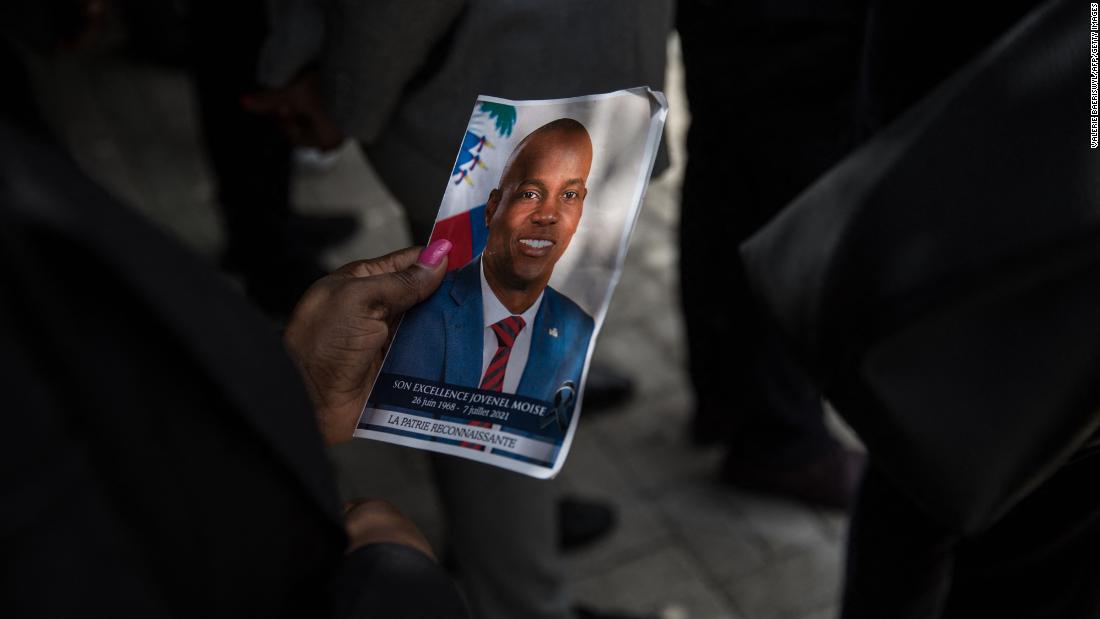 A ceremony for the slain Haitian President Jovenel Moïse in Port-au-Prince on July 20.As a result of that inaction, CNN has learned a small group of investigators have quietly continued their work investigating the assassination, determined not to let impunity rule the day."I'm not afraid for my life," one investigator told CNN when asked if he feared for his safety. "You can't kill a president and just get away with it."Several of those investigators now say that Badio, who still remains at large in Haiti, is currently under Henry's protection and is being hidden from authorities who would arrest him, if given the chance."Henry is doing his best to shield Badio from us because he knows that if we get Badio, he could give up the entire operation, including proving definitively who the masterminds are," one investigator told CNN.Henry's attempts at obstructing justice are clear, according to multiple Haitian law enforcement officials CNN has spoken to.But there are also a number of other developments that, while not directly attributable to Henry, have unfolded under his administration -- developments the group of investigators say are not coincidental.
'It won't see the light of day'
For one, the preliminary report about the assassination, produced in August, failed to progress into a full-blown investigation after it was submitted to judicial authorities.The report included evidence seized from the phones of suspects that had been arrested shortly after the president was murdered, according to a copy of the report seen by CNN.Investigators said they saw messages on at least one of these phones that alluded to bank transfers between the US and Haiti -- transfers that investigators believe could provide crucial evidence in finding out who funded the assassination plot.However, when investigators requested permission in August to expand their investigation, as required by Haitian law, including following up on the alleged bank transfers, they never received an answer from the head of the judicial police, Frédéric Leconte.A source close to the investigation told CNN that investigators have never been given any reason why their request was ignored."That means there is no longer a formal investigation in Haiti into the president's assassination," the source told CNN. "It's incredibly frustrating."Leconte, who reports to both the Minister of Justice and to Henry, could not be reached for comment.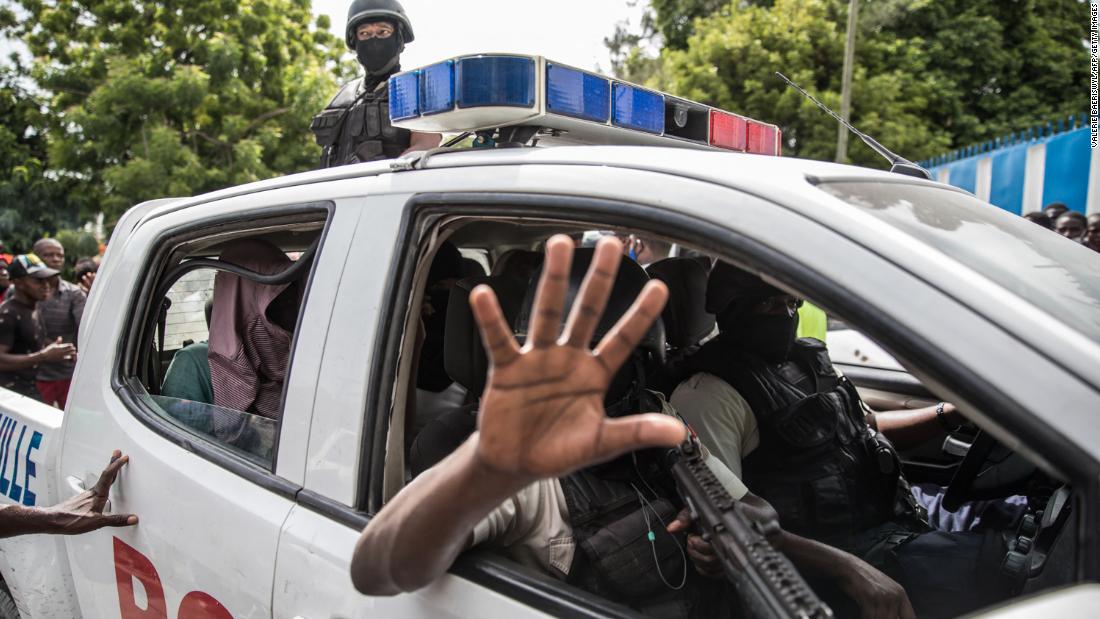 Haitian police transport two alleged suspects to a Port-au-Prince police station on July 8.Henry then reshuffled his cabinet in November, appointing a lawyer, Berto Dorcé, as justice minister.Prior to that appointment, Dorcé was among several attorneys who filed a letter to the country's top prosecutor arguing that Henry should not be forced to answer questions about his alleged complicity in the assassination, citing Henry's executive privilege.Dorcé was arrested for drug trafficking in 1997, according to a Haiti law enforcement source, a charge he said at the time was untrue.He now oversees huge swaths of the justice apparatus in Haiti. That gives him the ability to block any further requests from prosecutors or judges to question or charge Henry.There is no official record of him blocking such a request. But at least one of the judges, Orélien, who could have questioned Henry or sought charges against him while leading the investigation, believed he wouldn't get very far if he tried.
In the secret recording from November, Orélien is asked why he has not gone after Henry legally, given that he believes Henry is complicit in the assassination and the cover-up."Do you think I can touch Ariel (Henry) now? How can I do that? I won't be able to give (any order to indict him), it won't see the light of day," Orélien said.Dorcé did not respond to CNN's request for comment."It all can't be just a coincidence," one investigator said. "All of these things are connected."As the group of investigators continue to search for justice, there are growing calls for Henry to step down."Ariel Henry doesn't have any legitimacy or credibility to govern. His positions might send us to a deeper crisis," said James Beltis, president of the Transition National Council, a group of Haitian civil society leaders who want to install an independent transitional government to oversee the next round of elections.But Henry has no plans to step aside, something the US government has so far raised no opposition to.However, when asked by CNN why the US continues to support a prime minister that investigators have clearly implicated in the presidential assassination, a US State Department spokesperson conspicuously made no mention of backing Henry, and referred CNN to the US Department of Justice and to the government of Haiti.CNN also asked why the US government has stayed so quiet on the claims against Henry."The United States has vocally and repeatedly supported a thorough, independent investigation into President Moïse's assassination consistent with both Haitian law and international rule of law standards," said the spokesperson. "We want to see those who planned, funded, and carried out the assassination of President Moïse held accountable. The Haitian people need to see a transparent process and resolution to this investigation to demonstrate that perpetrators of such heinous crimes cannot escape justice."The US Justice Department has ramped up its own investigation into the assassination, recently extraditing and charging two top suspects in the case for allegedly planning the assassination on US soil. According to the federal complaint, one of the men provided the arms and ammunition to kill Haiti's President.Two Haitian investigators told CNN they believe that if their US counterparts keep digging, Henry will emerge as a key suspect for them as well.
Remaining missionaries kidnapped in Haiti released by gang, says justice minister
Port-au-Prince, Haiti (CNN) - The remaining 12 hostages kidnapped by an armed gang in Haiti two months ago were released Thursday, according to the country's justice minister Berto Dorcé.Seventeen missionaries representing Christian Aid Ministries (CAM), including 16 Americans and one Canadian, were kidnapped by armed men on October 16 while driving through the suburb of Croix des Bouquets, just outside of the capital city Port-au-Prince. The group had been returning from visiting an orphanage and were headed back to their home base.Two of the missionaries were released on November 21. Two weeks later, three more hostages were released followed by the remaining 12 on Thursday morning.
A source in Haiti's security forces said the remaining hostages were released around 5 a.m. ET in the neighborhood of Morne Cabrit.
According to the source, the missionaries were found by locals who dropped them off at a local police station, close to the territory controlled by the gang.
The freed group are undergoing a medical check and appear skinny, the source added.The gang that authorities said was responsible for the kidnappings, 400 Mawozo, had initially demanded a ransom of $1 million per hostage, according to Haiti's then-justice minister Liszt Quitel.
A ransom was paid to the 400 Mawozo, according to the source. A US official also said that a ransom was paid, but not by the US government. Though the exact amount is not known, the source said it was far less than the original request of $1 million per hostage.CNN has reached out to CAM for comment.CAM released a statement praising the release on Thursday."We glorify God for answered prayer -- the remaining twelve hostages are FREE! Join us in praising God that all seventeen of our loved ones are now safe. Thank you for your fervent prayers throughout the past two months. We hope to provide more information as we are able," the statement read."I will sing unto the Lord, for he hath triumphed gloriously" (Exodus 15:1b)," it concluded.The US State Department welcomed the news that the missionaries "are free and will soon be reunited with their loved ones."
A State Department spokesperson told CNN Thursday that they were continuing to provide "appropriate" assistance to the group and their families and thanked Haitian and international partners "for their assistance in facilitating their safe release.Kidnappings for ransom in Haiti are widespread and often indiscriminate, targeting rich and poor, young and old. Rising crime has accompanied the country's political instability, with kidnappings spiking in the months after the July assassination of President Jovenel Moise, according to local human rights organization CARDH. The 400 Mawozo group is particularly notorious for group kidnappings.
Did Anti-Drug Crusade Lead to Haiti President's Killing?
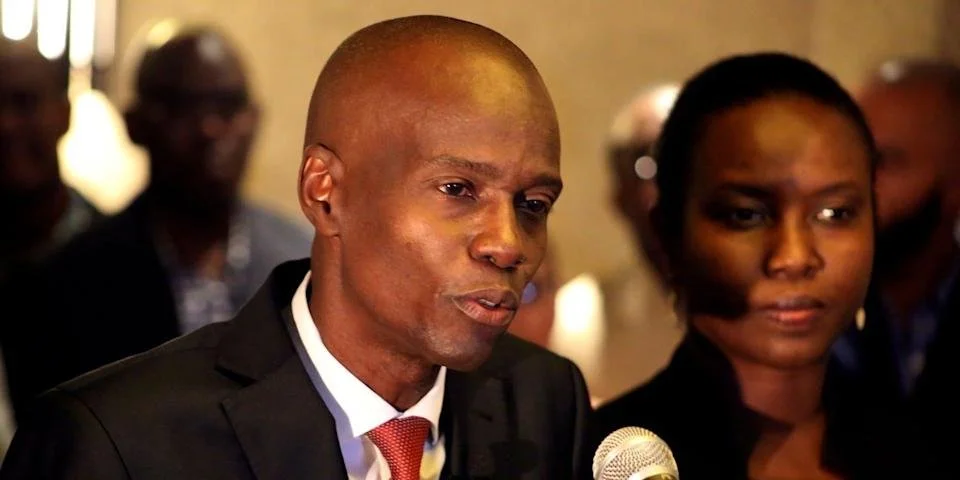
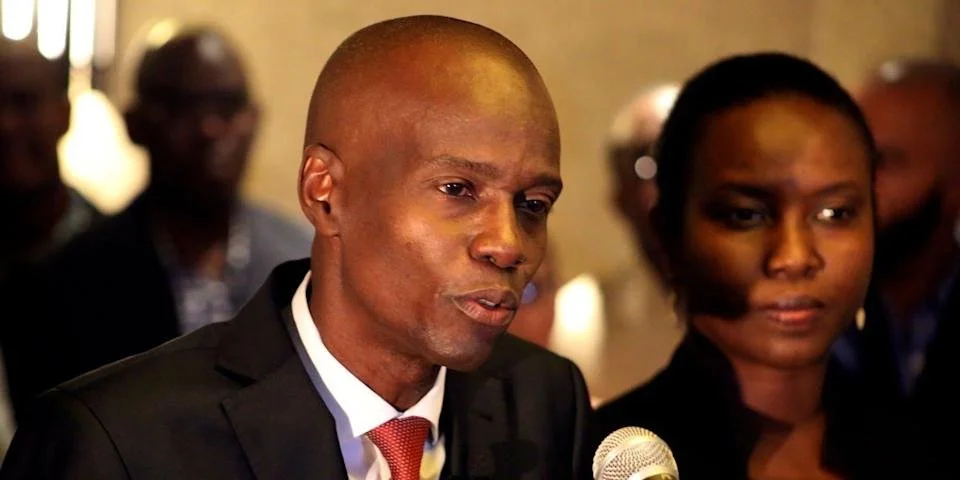
An explosive new report suggests that the high-profile assassination of Jovenel Moïse may have been related to a crackdown on drug trafficking and a list he was compiling of Haitian business and political elites involved in the trade, adding yet another theory to the possible motives for the former president's killing.
Before he was shot dead, President Moïse had planned to hand the names over to the US government, according to a New York Times report published December 12. The Times spoke to four senior Haitian advisers and officials who had knowledge of the document. Unnamed officials also told the Times that the hitmen had confessed to ransacking Moïse's house in search of the list.
"The president had ordered the officials to spare no one, not even the power brokers who had helped propel him into office," the Times reported.
A “central figure” included on the list, according to the Times, was businessman Charles Saint-Rémy, alias “Kiko.” The Times previously reported that US anti-drug officials who had worked in Haiti had suspected Saint-Rémy’s involvement in drug trafficking.
In 2015, Saint-Rémy allegedly met with senior Drug Enforcement Administration (DEA) officials, raising questions of corruption, according to Keith McNichols, a former DEA agent who was investigating the smuggling of hundreds of kilograms of cocaine and heroin from Colombia to Haiti. McNichols, and another DEA whistleblower, spoke out about how that investigation was grossly mishandled.
Saint-Rémy – who responded "no, no, no" to the Times when asked about alleged links to drug trafficking – is the brother-in-law of former President Michel Martelly, a close friend of current Prime Minister Ariel Henry. Haiti's former chief prosecutor previously accused Henry of being connected to Moïse’s murder.
The dossier wasn’t the only move Moïse's allegedly made against drug trafficking. In mid-2021, the DEA reportedly made Moïse aware of two clandestine airstrips used to receive drug flights in an area north of the capital, Port-au-Prince. Moïse ordered one of the airstrips destroyed, but local authorities reportedly refused to do so, according to the Times report.
Earlier that year, a close ally of the former president also allegedly ordered a crackdown on the country’s eel industry, which is used “as a way to launder illicit profits,” the Times report said.
These actions and the list he supposedly compiled were just one part of a “broader series of clashes Moïse had with powerful political and business figures, some suspected of narcotics and arms trafficking,” the Times reported.
InSight Crime Analysis
The latest reporting adds one more theory to the possible motives for President Moïse’s assassination. Yet his anti-drug crusade was never all that ambitious in a country that does not play a major role in the regional cocaine trade.
Aside from a few isolated arrests and extraditions, Haiti's security forces failed to capture any major drug traffickers - or the powerful elites protecting them - under Moïse’s watch. Arguably the last major blow to drug trafficking in Haiti came with the arrest of Guy Philippe, who the DEA tried to capture in 2007 before he was later convicted in 2017 of laundering drug money in the United States.
What's more, just eight percent of cocaine departing South America transited through the eastern Caribbean corridor via either Haiti or the Dominican Republic in 2019, according to the DEA’s 2020 National Drug Threat Assessment. Haiti's neighbor, the Dominican Republic, has emerged as a much bigger player in the transnational cocaine trade, thanks to its role as a regional hub for container ships, especially those arriving from Venezuela.

To be sure, in 2019, Haitian police seized a total of just 10 kilograms of cocaine. In 2020, the number rose to 103 kilograms, according to the State Department’s 2021 International Narcotics Control Strategy Report (INCSR). That said, the low seizure figures are likely more of an indication of the Haitian police’s woeful anti-narcotics operations, suggesting that the amount of cocaine passing through could be higher.
Indeed, notorious drug traffickers like Bedouin “Jaques” Ketant have in the past relied on Haiti as a transit point for large cocaine shipments. But the vast majority of cocaine heading north departs South America via the Eastern Pacific route off the shores of Colombia and Ecuador. The drugs then pass through Central America before continuing on to Mexico and eventually the United States.
In addition, clandestine airstrips like those reportedly targeted by Moïse do not abound in Haiti, as they do in other nations that serve as major aerial passageways, such as Guatemala and Honduras. In Honduras, the armed forces have destroyed 21 airstrips this year alone, according to local media reports. Since 2014, security forces there have uncovered more than 320 such airstrips.
Fuel Tanker Explodes in Haiti, Killing More Than 60
Scores more were injured in the blast. It was the latest tragedy to hit the country, which has been rocked by political violence, natural disasters, poverty and hunger.
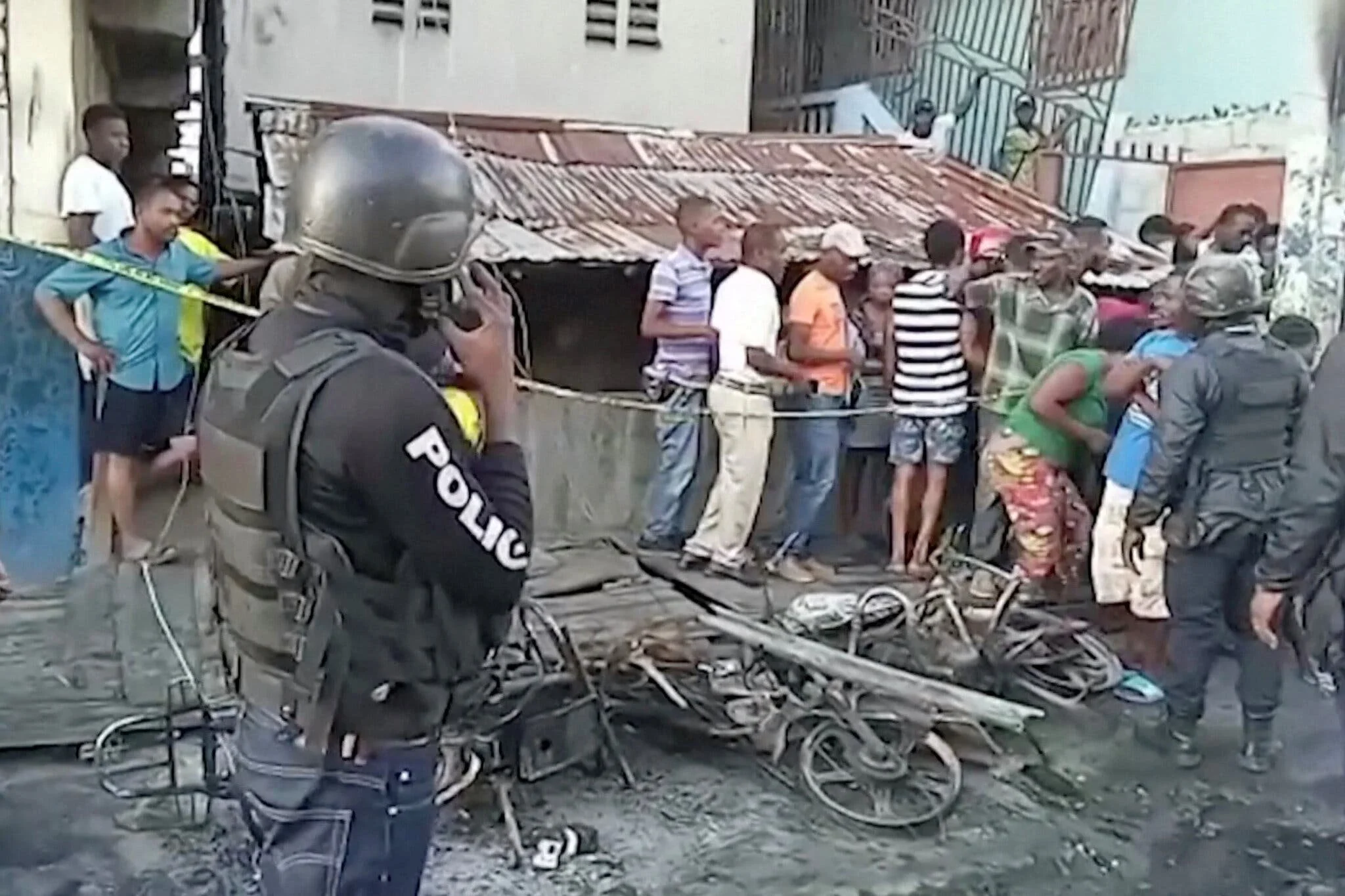
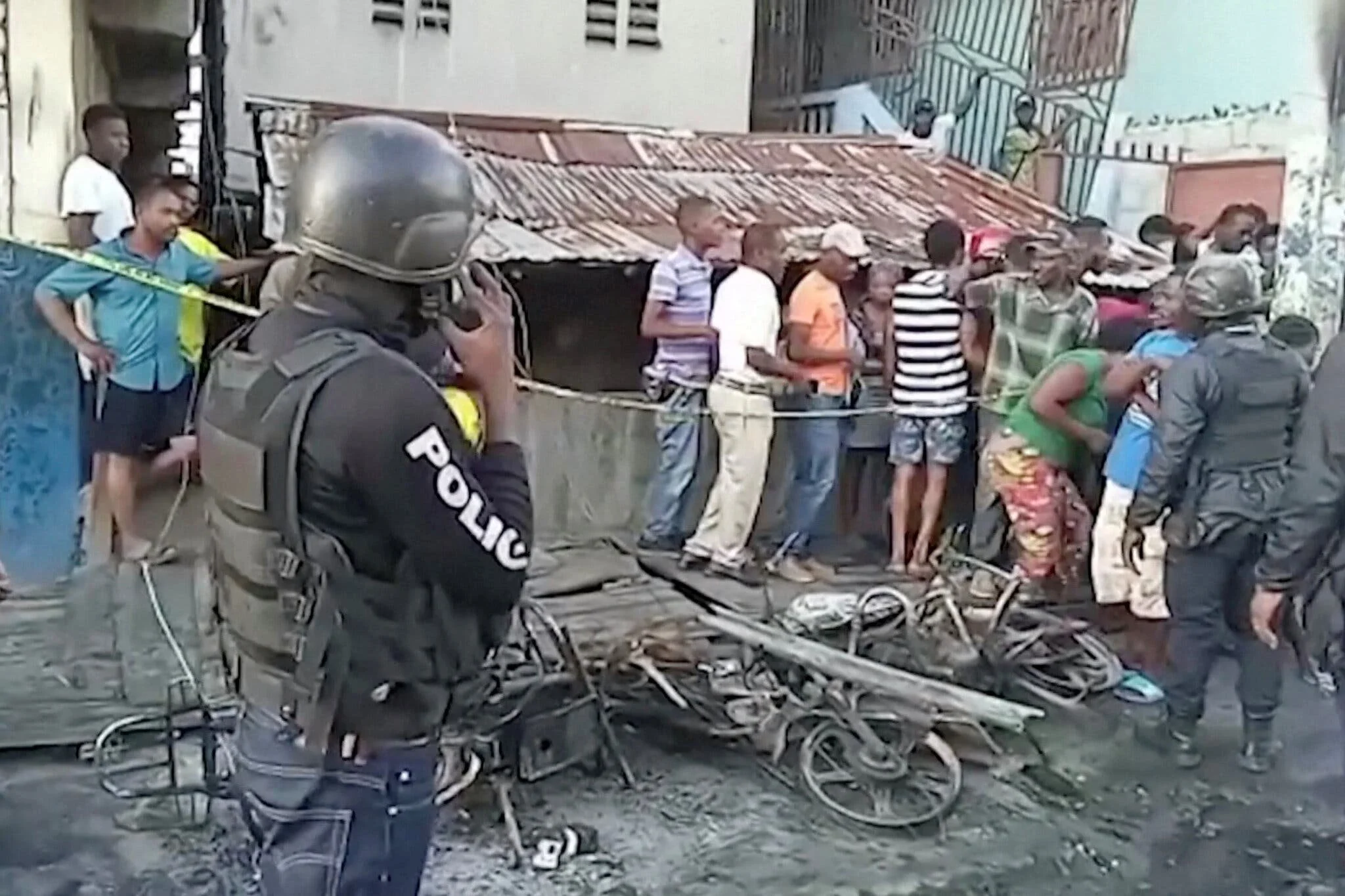
PORT-AU-PRINCE — More than 60 people were killed and scores more were wounded around midnight on Tuesday when a truck carrying gasoline exploded in northern Haiti, according to officials.
The truck, carrying 9,000 gallons of fuel, swerved and toppled over in a residential area of the city of Cap-Haïtien, according to local officials and witnesses. A crowd gathered to siphon off its gas and it exploded, scorching everything in a hundred-yard radius, said Frandy Jean, the head of firefighters for northern Haiti.
“It’s the first time since I’ve been a firefighter, in over 17 years, that I have lived such a catastrophe,” Mr. Jean, 49, said.
Haiti’s electrical grid is unreliable, so much of the country — including banks, hospitals and businesses — relies on generators for power. But the gangs that control access to fuel terminals have blocked deliveries over the last few months.
This has left Haitians facing a shortage and desperate for fuel, and, witnesses said, willing to risk approaching the downed truck to collect gas.
Beyond the dozens of dead, hundreds were also injured in the explosion, the office of the mayor of Cap-Haïtien said on Twitter.
“I am distraught at the tragedy affecting our city,” said the mayor of Cap-Haïtien, Yvrose Pierre, on Twitter. “All my thoughts are with the victims and all their loved ones in these tragic times.”
Patrick Almonor, the city’s deputy mayor, said that around 20 houses in the area were set on fire by the explosion and that the number of casualties released so far did not include those who may have died inside their homes, local media reported.
Videos and photos shared on social media showed flames erupting and black smoke billowing into the air above what appeared to be the charred carcass of a truck. Footage from the aftermath showed half a city block blackened by the explosion, with more than a dozen bodies covered in white sheets strewn on the ground among the twisted remains of scorched vehicles.
Prime Minister Ariel Henry, writing on Twitter, said medical teams were being dispatched to the site, and declared three days of mourning.
Mr. Henry later said he would be traveling to Cap-Haïtien with a number of government officials, doctors and emergency medical workers.
“I will take this opportunity to express my solidarity with the grieving families,” he added.
The two major hospitals in the area were both overwhelmed by dozens of people needing care, hospital officials said, and were asking for help from other hospitals and the public because they lack even the most basic supplies, such as sheets, to attend the wounded.
The injured included burn victims, officials said, and those who were trampled as people fled the scene.
The country’s services, long in a state of disrepair, have been battered as Haiti has been rocked by cascading tragedies.
Since July, when President Jovenel Moïse was assassinated, the Caribbean island nation has suffered a devastating earthquake and flash floods, disasters that left over 2,000 dead and many more injured and displaced.
The natural disasters have been compounded by poverty, hunger and increasing violence.
In recent months, a severe fuel shortage pushed the nation even deeper into collapse. Gangs, not the government, now control large areas of the country, and they have taken advantage of the need for fuel, hijacking gas trucks at will and blocking deliveries. Many truck drivers refused to work in October, in a nationwide strike that paralyzed the country.
In the capital, Port-au-Prince, gangs have become increasingly brazen, kidnapping people en masse and targeting everyone from school children to local religious leaders.
In October, 17 people and their children who had been working with an American Christian aid group were kidnapped after visiting an orphanage. Only five have been freed so far. The gang that detained the hostages, called 400 Mawozo, initially demanded a ransom of $17 million for their release.
Former Prime Minister Claude Joseph, who briefly took control of Haiti’s government immediately after the assassination, said he was heartbroken by the news of the explosion.
“I share the pain and sorrow of all the people,” he wrote on Twitter.
No quick fix for Haiti — but corruption comes first
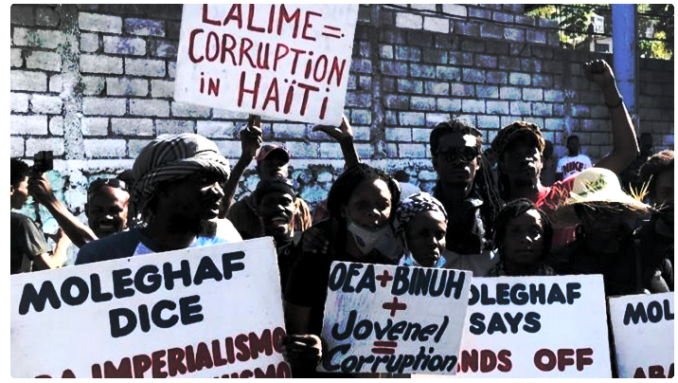
Recent headlines from Haiti portray a country in free fall. A president’s assassination, recovery from the massive August earthquake, fuel and hard currency shortages, kidnappings and criminal gangs operating with impunity all indicate a bleak future and possible failed state — all too close to the United States.
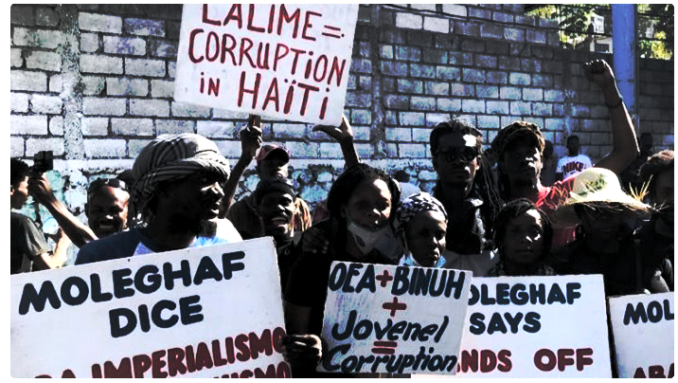
In this maze of challenges, a problem crying for solutions — and readily addressed — is corruption. This poison affects all sectors of the country and demoralizes Haiti’s people. Haitians alone cannot solve this challenge, but the United States has the key to doing so. Accountability and interdiction of illicit financial flows are not some esoteric undertaking, but are well within the legal means the United States already has in place.
Perhaps the most infamous of Haitian scandals is the $2 billion that was allegedly mismanaged in the PetroCaribe oil-loan program. The Haitian government purchased oil from Venezuela by paying 60 percent up front and borrowing the rest from the Caracas government. Proceeds from the sale of the oil in Haiti were to be used for social programs that rarely materialized. Despite a government inquiry alleging the extent of the crimes, Haitians continue to ask, “Where are the PetroCaribe funds?”
Corruption is sometimes seen by well-intentioned policymakers as a low-grade fever — something to observe but nothing to worry about. This is a fallacy and a root cause of failures to “help” Haiti from the outside. With “stability” often the most pressing goal of outsiders, a country’s wealth is siphoned away with bribes, extortion and phony invoicing, seen as the cost of doing business. Lacking a real fix to this syndrome, stability will never come. The fever, it turns out, could be fatal. Clearly, a new approach is needed.
President Biden’s Summit for Democracy, which begins today, provides a high-profile platform to announce an initiative that can be transformative. Not only can the administration promote an effort to help locate the PetroCaribe money, but it also can declare an innovative approach in a decades-long effort to help Haiti get on its feet.
Recent history in nearby Central America provides a roadmap out of this morass. Take Guatemala. In 2009, a new and independent institution, backed by the U.S. and the United Nations, was established to root out grand corruption by political figures — and it worked. During its 10 years, CICIG (its acronym in Spanish) helped dismantle 60 criminal networks, brought charges against 680 individuals, and had an 85 percent conviction rate. Seventy percent of Guatemalan people approved of it in a 2018 poll. Surely, a similar organization can flourish in Haiti.
A complement to a CICIG-like entity should be created to address petty corruption in low-level, public-facing government agencies that affect people’s everyday lives. An adjudication panel, composed of community and diaspora leaders, can review cases at a personal level. First-time offenders get a public reprimand and have to repay the bribes they demanded for driving permits and business licenses. A second offense slaps a fine on them; a third infraction means dismissal from their government job. This dual approach of attacking corruption of all types can readily establish a systems change in Haiti. Removing corruption as the status quo and relegating perpetrators to public shaming, or putting them behind bars, can be transformative.
There is fertile ground in Haiti for this type of effort. A large, cohesive and vigorous civil society community exists that will cheer such an idea. Indeed, the recent publication of a call to action by a broad coalition of groups seeks to “rebuild and reestablish [Haiti’s] institutions … in order to avoid the total collapse of the state.” Further, a presidential campaign due in 2022 could bring these anti-corruption bodies to the center of Haitian political discourse. The response from political parties to this anti-corruption approach will be revelatory. Anything less than full-throated support would indicate a desire to maintain the corrupt status quo.
From the U.S. perspective, fighting corruption in Haiti fits well with the Biden administration’s anti-corruption policy. CICIG provided tangible results in Guatemala for a mere $15 million per year. Such a high return on investment should prove attractive to both sides of the aisle.
The Biden administration can maintain our own status quo by fretting over who will be the next elected president of Haiti. Or it can address the source of instability and help build a secure, stable and peaceful Haiti over the long term.
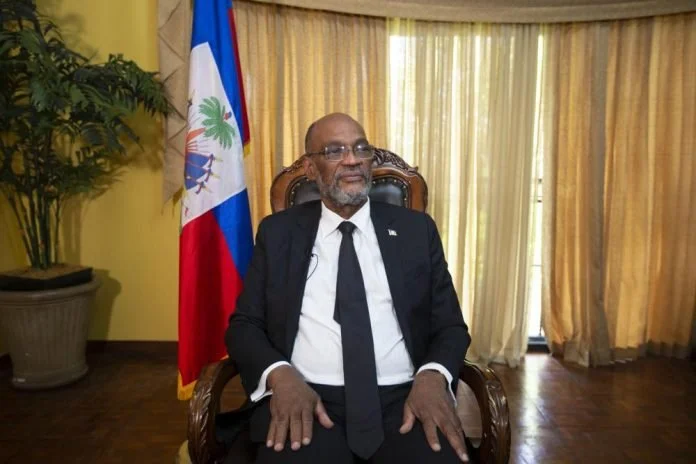
Haiti PM Promises Full Support to Ensure Security
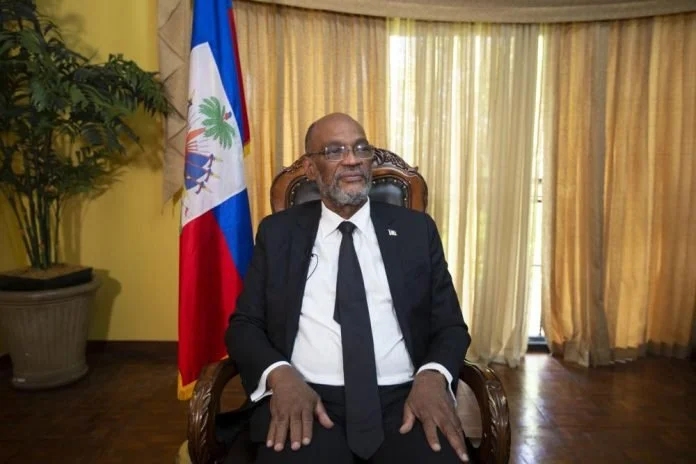
Prime Minister of Haiti, Ariel Henry has pledged his government’s support for the Haitian National Police (PNH) in their efforts to curb the high incidence of criminal activities in the country.
“My team is committed to restoring security and protecting lives and property throughout the country. I take this opportunity to salute the titanic work of the police, especially in the context of fuel transport safety. My government is firmly committed to improving the working conditions of our police officers and their environment,” said Henry, who met with the PNH Commander-in-Chief, Frantz Elbe and other members of the high command.
The visit by Prime Minister Henry accompanied by senior government ministers, including Justice Minister, Litz Quit, came 48 hours after police said that the body of second in command of the 400 Mawazo gang, was found on the street on Sunday.
The PNH said that Mortimé alias “Gaspillage” was fatally injured during an exchange of gunfire with h law enforcement authorities last Friday.
Police sad that they had also arrested at a hospital in the capital, Wimson Hyppolite a suspected gang leader while he was being treated.
On Monday evening, heavily armed men attacked the sub-police station located at Pernier. But they were repelled by members of the specialized units of the PNH that were sent to reinforce the police. The police believe that the gunmen belonged to the “400 Mawozo” gang, who are also blamed for the recent abduction of 17 missionaries from the United States and Canada.
The gang has demanded a ransom of US$17 million.
Suspect in assassination of Haiti's Moise dies of coronavirus complications
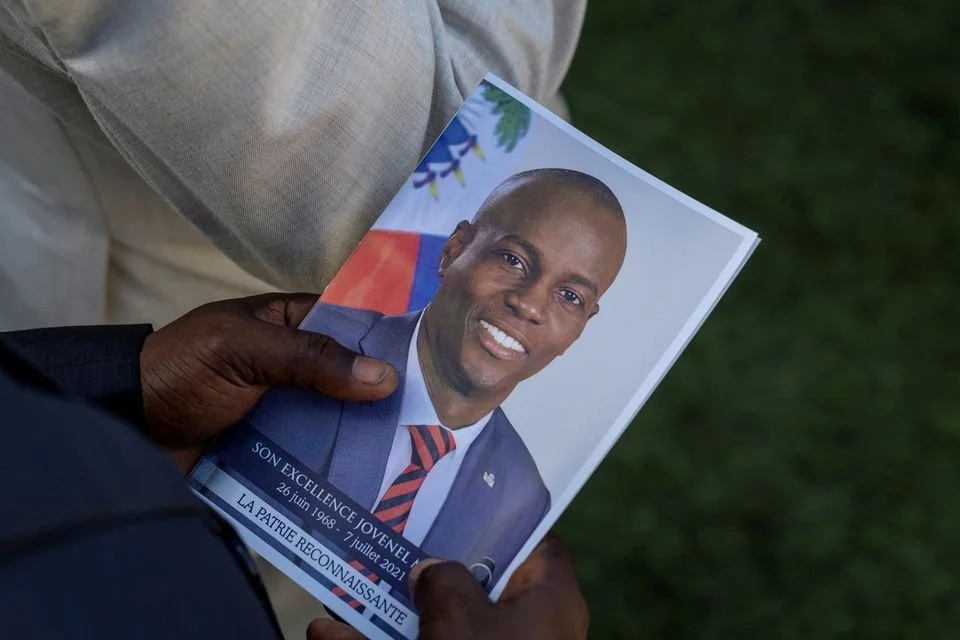
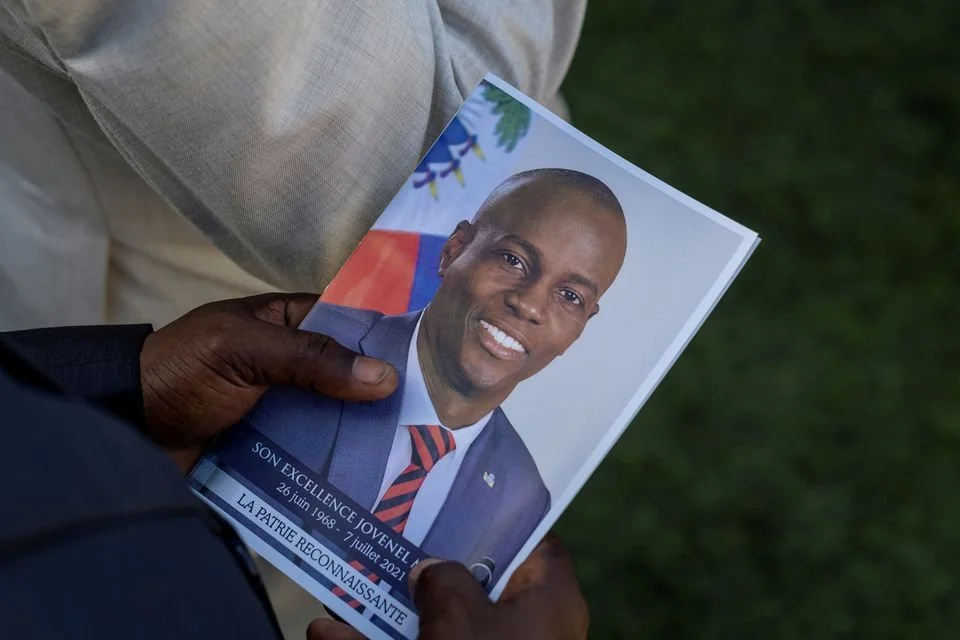
A suspect in the July assassination of Haitian President Jovenel Moise died while being transferred to a hospital from pretrial detention after suffering coronavirus symptoms, his wife said on Wednesday.
Gilbert Dragon, 52, a former police commissioner, died of cardiac arrest, said Marie Leslie Noel, adding she spent two weeks trying to get him moved to a hospital and struggled to get a COVID-19 test done on time.
"I finally got the authorization to bring him to the hospital this afternoon, and he died while was on his way," said Noel. "I had been fighting to get him out for two weeks."
Interior Minister Liszt Quitel did not reply to a request for comment.
The Haitian National Police said in an August report that Dragon had been in contact with other suspects on the night of Moise's assassination on July 7 and had participated in meetings to plan it.
Noel said her husband was unfairly imprisoned and that he had been asleep at their home on the night the killing took place. She said Dragon went to speak to investigators of his own accord after hearing that police had been looking for him.
"I was very impatient for the trial because I wanted to see the proof that they had," she said.
Haiti has made more than three dozen arrests, including a group of former Colombian military officers, in connection with the probe into Moise's killing.
Turkish authorities arrested another suspect, Samir Handal, in Istanbul, Haitian Foreign Minister Claude Joseph said on Monday.
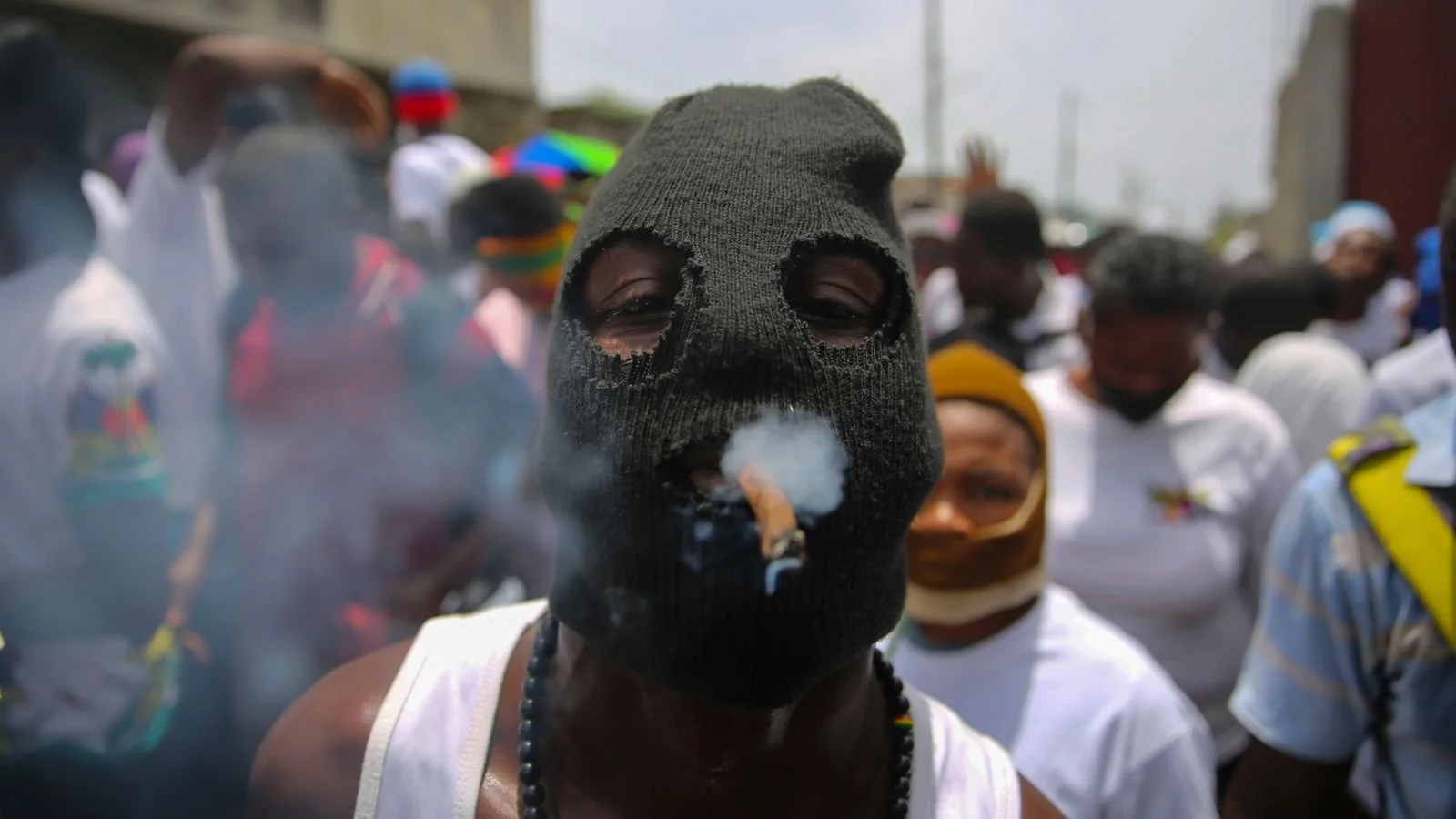
Anatomy of a kidnapping: Haitian woman recounts abduction
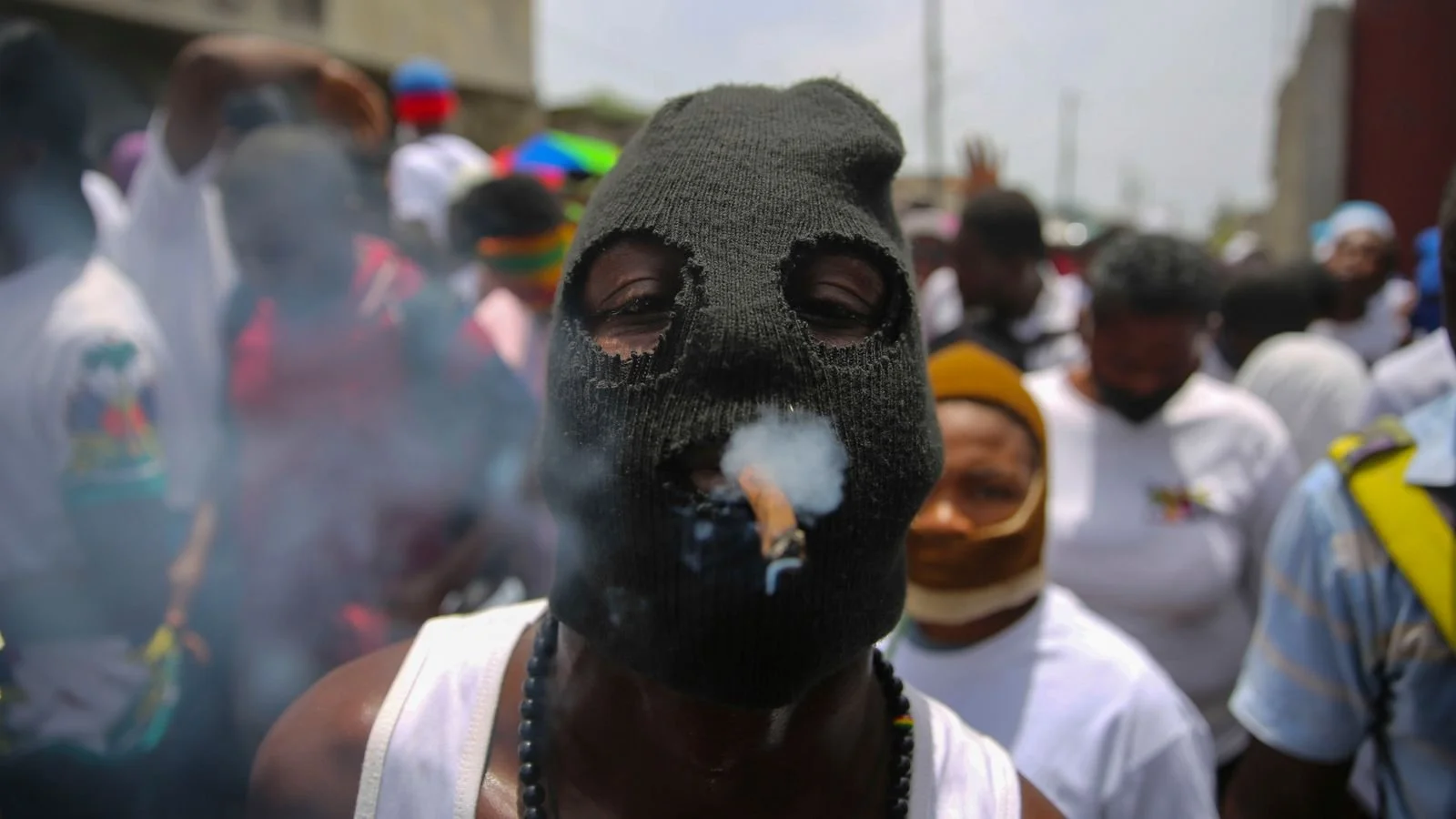
SAN JUAN, Puerto Rico (AP) — When Doris Michel steps outside her home in Haiti, she packs her bulletproof vest and tries to use a bulletproof car.
Ever since her father was kidnapped last month in the capital of Port-au-Prince, the 34-year-old Haitian-American woman won’t take any chances. She already travels with one bodyguard, and when she feels extra unsafe, she takes two.
“The insecurity in Haiti has been something that has been going on for years, but now it’s taken a turn that’s just unbearable,” she said.
Her 85-year-old father, a Vietnam veteran, was abducted in late September, along with his driver and a friend who is the mother of a Haitian singer. They were traveling through Martissant, a gang-controlled territory that many try to avoid, but it was the only route that would take her father where he needed to go.
The same kind of gang activity is being blamed for the kidnapping Saturday of 16 Americans and one Canadian — missionaries for a U.S. religious organization and their relatives. Their disappearance highlighted the worsening problem and prompted the U.S. government to mobilize to solve one of the biggest abductions in recent years.
By contrast, many other kidnappings go unnoticed — something that bothers people like Michel, who said the FBI provided her family with scant assistance.
Her father and the two other people were abducted by a gang run by Ti Lipli, a member of G9 Family and Allies — a federation considered one of the largest and most powerful in Haiti. They asked for a ransom of $6 million.
Michel and her mother said they didn’t have that kind of money. Two days later, the ransom increased to $10 million.
“We kept saying, ‘We don’t have that kind of money,’” Michel recalled. “Then it switched to, ‘What kind of money do you have?’”
As the negotiations dragged on, her father’s health began declining. He didn’t have his blood pressure medications, nor the pills for his prostate or the blood thinners he’d been taking ever since undergoing brain surgery in January. But the gang didn’t relent.
“When they called, they would say very harsh, cruel (things): ‘You don’t want your husband anymore? We don’t mind, we can kill him and you can pick him up from a pile of trash,’” Michel recalled.
The gang member never identified himself, but it was the same voice each time, with calls lasting no longer than two minutes.
During the ordeal, she subsisted on two boiled eggs and a few crackers a day. She and her mother each lost 8 pounds. At night, she took pills to help her sleep. During the day, she prayed.
Michel found out that her father and the two other hostages were given a single bowl of white rice each day and three small bags of water. They would ration what they had in case they didn’t get anything the next day. The three were kept in a locked room with boarded-up windows, where they heard voices of other people they believed also had been abducted.
“My dad, because he fought in Vietnam and had a tough life and dealt with a lot of stuff, he had the mechanism to cope,” she said. “But some days, he did crack.”
Michel blamed the Haitian government for the spike in kidnappings and the overall rise in violence that has plunged the country into one of its most unstable periods in recent years.
“They created the gangs,” she said. “Now they can’t control the monster.”
Experts say Haiti’s gang phenomenon was created when former President Jean-Bertrand Aristide began arming people in slums in the early 2000s since he had an understaffed police department and no army. The private sector and political groups also are accused of arming gangs, according to a top international official who wasn’t authorized to speak publicly about the topic.
Today, up to 40% of Port-au-Prince is under gang control, experts say, including the 400 Mawozo gang that police blame for the kidnapping of the missionaries on Saturday. That gang was born in a community east of the capital known as Canaan, which was established when people fled Port-au-Prince after a 2010 earthquake devastated the city.
Kidnapping is one way gangs make money, although abductions spike and wane depending on Haiti’s political and economic situation and, at one time, the presence of U.N. peacekeepers.
Many worry the situation will worsen as Haiti prepares for presidential and legislative elections next year following the July 7 assassination of President Jovenel Moïse.
Michel called on the U.S. government to get involved, saying, “One of these days, there’s going to be at tragedy that they will be partly responsible for, because they themselves dictate how this country operates. ... It’s time for them to step in.”
Haiti’s National Police force is lean in resources, and officers find themselves overwhelmed by multiple, well-armed gangs who feed on poverty. More than 11 million people live in Haiti, and 60% of the population makes less than $2 a day.
Michel said the gang member who called told her mother that he was educated and worked hard to get a degree but couldn’t get a job so he got a gun. “That’s how I make my money,” he said.
Ransom demands can range from a couple of hundred dollars to several million dollars, according to authorities.
Michel said she dropped off the money at a specific location, only for the gang members to claim they didn’t receive it. They demanded another payment.
She said the FBI did little to help and advised her to gather more money and restart negotiations. So Michel paid them again.
Haitian police did not get involved, she said, or bother to take a statement once the gang released her father by placing him on a motorcycle that took him to his family. He had been held captive for 11 days.
“Healthwise, he’s fine, but psychologically, not so great,” she said.
Haiti gang wants $17M ransom for kidnapped American and Canadian missionaries
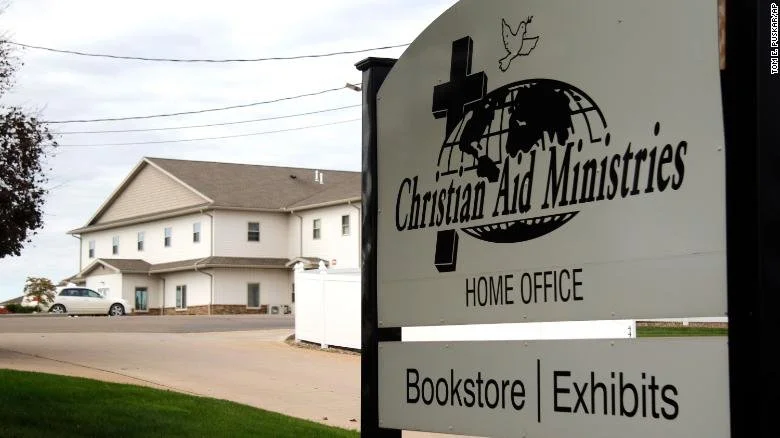
Port-au-Prince, Haiti (CNN)The gang that kidnapped a group of 17 American and Canadian missionaries in Haiti has asked for $1 million each for their release, a top Haitian official told CNN Tuesday.The 16 American citizens and one Canadian were kidnapped by the powerful "400 Mawozo" gang on Saturday after visiting an orphanage in Croix-des-Bouquets, a northeast suburb of the capital Port-au-Prince, over the weekend.Their abduction is part of a wave of indiscriminate kidnappings that has become more brazen as the country suffers from political instability, civil unrest, lack of quality healthcare and severe poverty.Haitian Justice Minister Liszt Quitel told CNN the kidnappers have demanded a total of $17 million for the group's release and that they were being held in a location outside the suburb.The missionaries are affiliated with the Ohio-based Christian Aid Ministries, which says the abducted group is made up of five men, seven women and five children.Quitel said the five children abducted include an 8-month-old baby and children ages 3, 6, 14 and 15 years old.The kidnappers first called Christian Aid Ministries' staff in Haiti at 4:53 p.m. on Saturday, stating their ransom demands at the time of the call, Quitel added. Several calls between the kidnappers and the missionary group have taken place since then, he said.Quitel said that both Haitian police negotiators and the FBI are advising the missionary group on how to proceed and that negotiations are ongoing. FBI agents are on the ground in Haiti assisting with the investigation but are not leading the negotiations, nor have they spoken directly with the kidnappers, he said."The FBI is part of a coordinated US government effort to get the Americans involved to safety. Due to operational considerations, no further information is available at this time," an FBI spokesperson told CNN.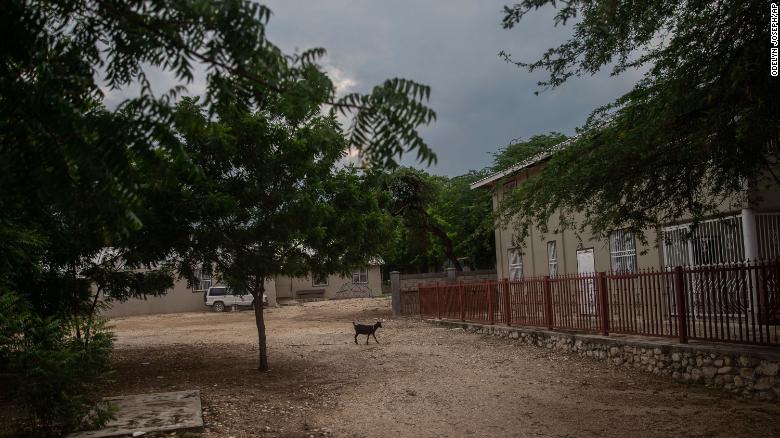 The missonaries had visited Maison La Providence de Dieu orphanage in Croix-des-Bouquets before being kidnapped.The hostages are being held somewhere outside of Croix-des-Bouquets, the Port-au-Prince suburb controlled by the gang, Quitel said."The gang has locations where they usually keep their hostages so that they can feel the hostages are safe. They feel comfortable keeping them there," Quitel told CNN."The kidnappers have been warned about harming the hostages and what may be the consequences for them [if that were to happen]. But they are not swayed by those warnings," said Quitel, adding that the kidnappers are sticking to their demands.A source in Haiti's security forces said that for the moment all hostages are safe. The source added the gang members in contact with authorities appear calm and not nervous.The ransom demands for the missionaries were first reported by the Wall Street Journal.The missionaries were traveling in a sprinter-type van when they left the orphanage on Saturday, according to a person familiar with the matter. The driver of the vehicle was an American who was a part of the group, the person said.Dan Hooley, a former field director for Christian Aid Ministries in Haiti, told CNN Sunday that all of the kidnapped people are believed to have been in one vehicle, and that some were able to contact the organization's local director before they were taken."A couple of fellows right away messaged the director and told him what was going on. And one of them was able to drop a pin, and that's the last thing (the organization) heard until the kidnappers contacted them later in the day," Hooley said.
'Gangs have taken over'
Much of the rise in kidnappings in Haiti is due to the 400 Mawozo, according to the Center for Analysis and Research for Human Rights (CARDH), a Port-au-Prince-based nonprofit.Gang members engage in near daily confrontations with Haitian police and tax local businesses.The 400 Mawozo has been growing in strength for the past three years, numbering up to 150 members, and has essentially taken control of Croix des Bouquets, the source in Haiti's security forces told CNN on Sunday.Kidnapping for ransom is a hallmark activity of the gang. They have abducted dozens of people this year alone, including foreign nationals, the source said.
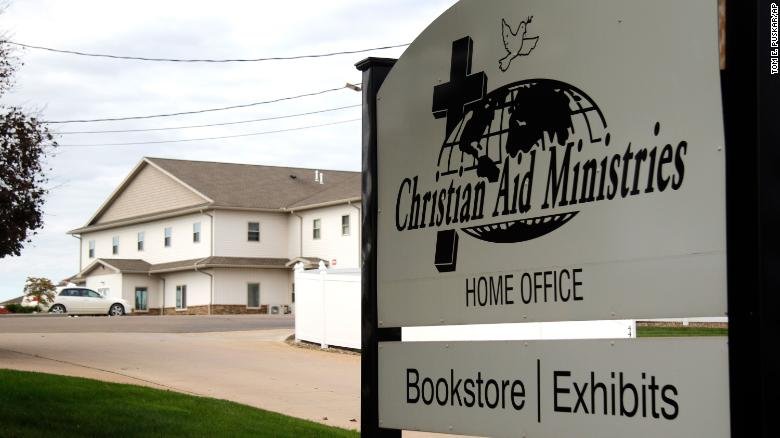
Once notorious for car theft, the 400 Mawozo has pioneered "collective" kidnappings of large groups of victims from buses and cars, according to CARDH.The majority of the gang's victims are Haitian citizens and kidnappings have surged in Haiti this year -- with a nearly 300% increase since July, CARDH said.At least 628 kidnappings have taken place since January, including of 29 foreigners, according to data released by the center. The 400 Mawozo has typically demanded ransoms of around $20,000, it said.Hooley said the members of the missionary group would have been aware of the risks they were taking."These are very dedicated people, people that have risked their lives, they knew the dangers that they were in, or at least were aware of what could happen, I'm sure," he said.In a 2020 blog post, a Christian Aid Ministries missionary in Haiti described the risks they faced working there. The missionary wrote how the organization's home base in Titanyen, a village north of Port-au-Prince, had been threatened by a local gang."With all the political uncertainty in Haiti, gangs have taken over. Gangs fighting each other breaks the calm nights with rapid gun fire," they wrote.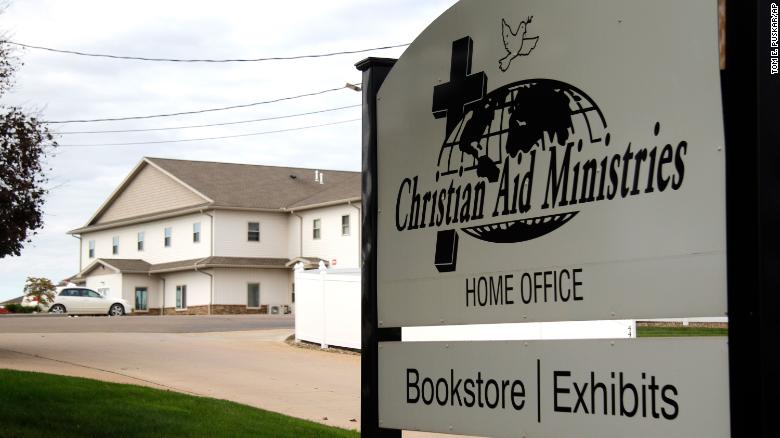 Christian Aid Ministries in Berlin, Ohio is seen here on October 17.The blog post does not state which gang was responsible, nor is it clear who authored the post. But the blog founders are a pair of missionaries who had been in Haiti for a number of years.In the post, the author writes that the missionary eventually began "working with the gang trying to resolve the ugly situation.""After much dialogue, they agreed to lay down their gang mentality and try to find a way to help out the community, instead of terrorizing it. Soon they agreed to work on rebuilding a road that goes through town," the author wrote.
'The Greatest Heist In History': How Haiti Was Forced To Pay Reparations For Freedom
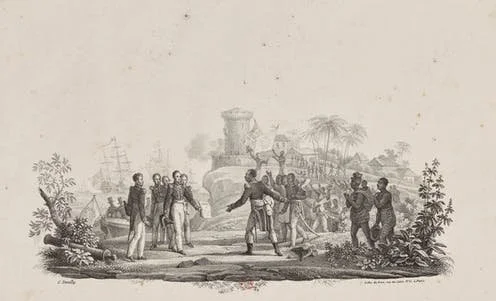
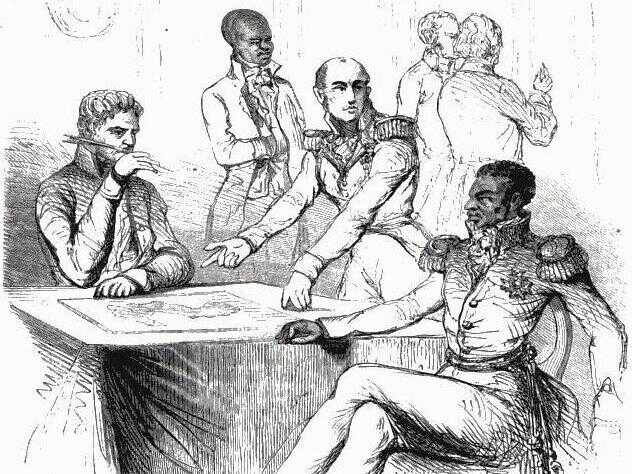
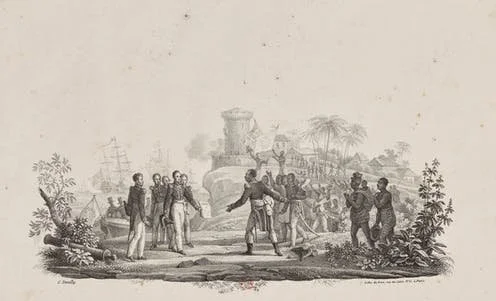
The Baron de Mackau of France presenting demands to Jean-Pierre Boyer, President of Haiti, in 1825Wikipedia
In recent weeks, thousands of refugees from Haiti have arrived at the U.S.-Mexico border, desperate for a better life. Most left Haiti years ago, after a 2010 earthquake ravaged what was already one of the most dismal economies in the world. They had originally settled in places like Chile, but the politics of the region have made them feel unwelcome, discriminated against, and fearful of the future.
The Haitian refugees hoped the United States, under President Biden, would offer them a lifeline. They were wrong. The Biden administration has been sending thousands back to Haiti, even though Haiti is a disaster zone, and many of the refugees fled it years ago. Some of those the U.S. government forcibly sent to Haiti are kids who have never lived there.
Ambassador Daniel Foote, who was appointed by President Biden as the U.S. special envoy to Haiti in July, resigned in protest against his administration's policy. "I will not be associated with the United States' inhumane, counterproductive decision to deport thousands of Haitian refugees," Foote wrote in his resignation letter.
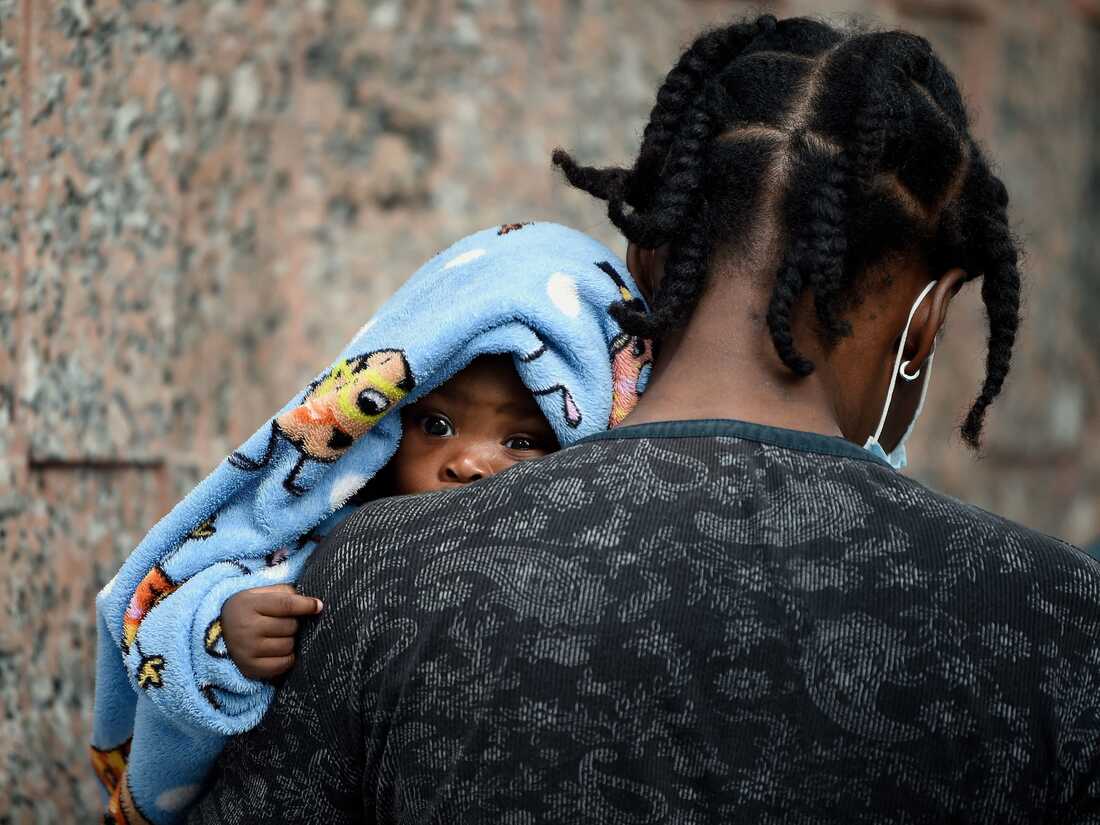
Tens of thousands of migrants, many of them Haitians previously living in South America, have arrived in recent weeks in Mexico hoping to enter the United States.ALFREDO ESTRELLA/AFP via Getty Images
The Haiti that refugees are being sent back to is a nation in crisis. With its unlucky coordinates on the map and its poor infrastructure, Haiti has been devastated by multiple hurricanes and earthquakes in recent years, including a 7.2 magnitude earthquake in August. In July, Haiti's president, Jovenel Moïse, was assassinated by Colombian mercenaries, some of whom had received U.S. military training. A Florida-based security company reportedly connected whoever wanted Moïse killed with the mercenaries, but the details of why Moïse was killed and who directed the mercenaries are still murky.
What is clear, however, is that Moïse's assassination continues Haiti's centuries-long political instability. In 2015, the World Bank concluded that Haiti's biggest political problem is that "a social contract is missing between the state and its citizens." Ambassador Foote, in his resignation letter, blasted the United States and other nations for contributing to this problem for the umpteenth time by unabashedly backing Moïse's unelected replacement, Ariel Henry. Henry was appointed Prime Minister by Moïse in July, and took on the additional role of President after Moïse's assassination. Haiti's chief prosecutor said he found evidence linking Henry to the president's killing, and Henry promptly fired him. Some Haitian authorities have asked Henry to step down and pleaded with the international community to stop supporting him. "This cycle of international political interventions in Haiti has consistently produced catastrophic results," Foote wrote.
Haiti is one of the poorest nations in the world, and rich countries have their fingerprints all over the nation's stunted development. The United States worked to isolate a newly independent Haiti during the early 19th century and violently occupied the island nation for 19 years in the early 20th century. While the U.S. officially left Haiti in 1934, it continued to control Haiti's public finances until 1947, siphoning away around 40% of Haiti's national income to service debt repayments to the U.S. and France.
Much of this debt to France was the legacy of what the University of Virginia scholar Marlene Daut calls "the greatest heist in history": surrounded by French gunboats, a newly independent Haiti was forced to pay its slaveholders reparations. You read that correctly. It was the former slaves of Haiti, not the French slaveholders, who were forced to pay reparations. Haitians compensated their oppressors and their oppressors' descendants for the privilege of being free. It took Haiti more than a century to pay the reparation debts off.
The Tragic Hope of Revolutionary Haiti
Haiti won its independence from France in 1804, and it was almost immediately made a pariah state by world powers. It was an independent, black-led nation — created by slaves who had cast aside their chains and fought their oppressors for their freedom — during a time when white-led nations were enforcing brutal, racist systems of exploitation around the world.
Haiti, then known as Saint-Domingue, had been the crown jewel of the French empire. It was the most lucrative colony in the whole world. French planters forced African slaves to produce sugar, coffee, and other cash crops for the global market. The system seemed to work well. That is, until the French and American revolutions helped to inspire, in 1791, what became the world's largest and most successful slave revolt. Against all odds, the slaves won. Former slaves sent slaveholders scurrying to France and America — and Haitians successfully fought back subsequent efforts to re-enslave them. Haiti was the first nation to permanently ban slavery.
But as a nation of freed black slaves, Haiti was a threat to the existing world order. President Thomas Jefferson worked to isolate Haiti diplomatically and strangle it economically, fearing that the success of Haiti would inspire slave revolts back home. With the invention and spread of the cotton gin, slavery was becoming much more lucrative at the very same time a free Haiti was coming into existence, and slaveholders in the United States and other countries clung to and expanded the inhumane means of production. Haitian success was perceived as a threat to this system for decades, and the United States didn't officially recognize Haiti until 1862, as slavery began being abolished.
During Haiti's critical period of development, France intervened even more directly than the U.S. to thwart its success. In July 1825, the French King, Charles X, sent an armed flotilla of warships to Haiti with the message that the young nation would have to pay France 150 million francs to secure its independence, or suffer the consequences. That sum was 10 times the amount the United States had paid France in the Louisiana Purchase, which had doubled the size of the U.S.
Almost literally at gunpoint, Haiti caved to France's demands in order to secure its independence. The amount was too much for the young nation to pay outright, and so it had to take out loans with hefty interest rates from a French bank. Over the next century, Haiti paid French slaveholders and their descendants the equivalent of between $20 and $30 billion in today's dollars. It took Haiti 122 years to pay it off. Professor Marlene Daut writes it "severely damaged the newly independent country's ability to prosper."
Righting The Wrongs
After the 2010 earthquake completely devastated Haiti, scholars and journalists wrote a letter to the French president demanding that France pay back Haiti. The French economist Thomas Piketty resurrected the idea in 2020, arguing that France owes Haiti at least $28 billion. The French government, under multiple presidents, has balked at the idea, and it is unlikely to pay Haiti back anytime soon.
But if the rich world wants to help right the wrongs done to Haiti in the past, perhaps the most effective policy right now would be to accept more Haitian refugees. This wouldn't only be a humane policy that would improve their and their future families' lives. It would also likely be a boost to the Haitian economy. According to the World Bank, Haitian expatriates sent $3 billion in remittances back home to Haiti in 2018, which was almost one-third of the island nation's entire GDP.

Fugees Kick Off Reunion Tour at Global Citizen Live as Group Performs Together for First Time in 15 Years

"Respect the miracle of this union," Lauryn Hill said as she, Wyclef Jean, and Pras Michel took the stage in New York City for Global Citizen Live, kicking off the Fugees' international tour
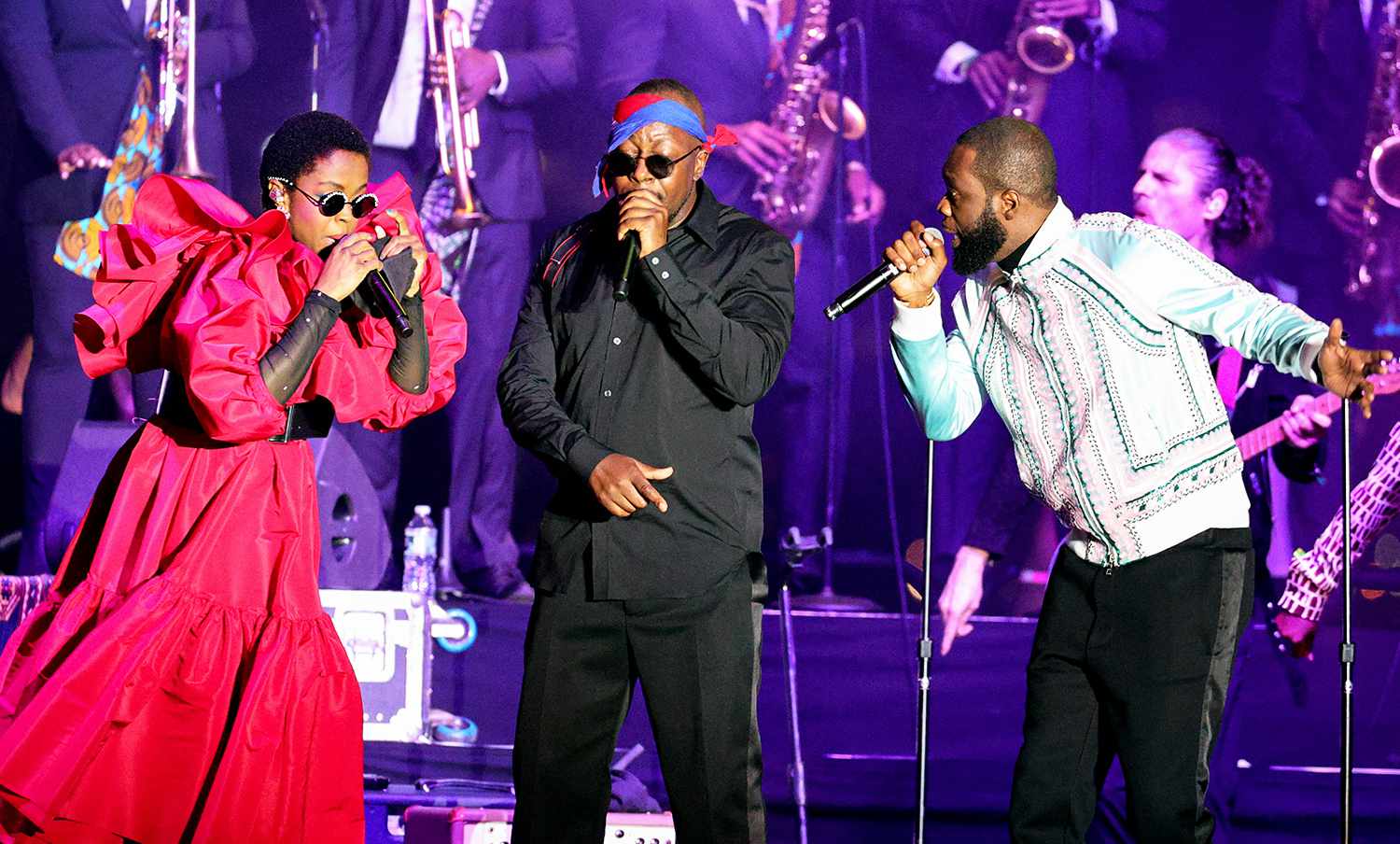
The Fugees are officially back after announcing their first world tour in 25 years, celebrating the milestone anniversary of their 1996 album The Score.
Lauryn Hill, Wyclef Jean, and Pras Michel reunited Wednesday in New York City for their first performance together in 15 years, which was taped as part of Saturday's 24-hour livestream for Global Citizen Live 2021.
The group performed their single "Ready or Not" for the enthusiastic audience, which was later streamed as part of the Global Citizen event, teasing what's to come for their 12-city international tour.
Global Citizen's 24-hour broadcast from cities around the world called on G7 countries and the European Union to share at least 1 billion COVID-19 vaccine doses with those most in need and to support calls for a waiver on COVID-19 vaccine intellectual property rights. The campaign also called on vaccine providers to share mRNA technology with the new World Health Organization-backed transfer hub based in South Africa.
"Respect the miracle. Respect the miracle of this union," Hill, 46, told the crowd, according to The Guardian. The group finally kicked off their secret show at Pier 17's rooftop venue after a delay of more than three hours, during which the audience had to surrender their phones.
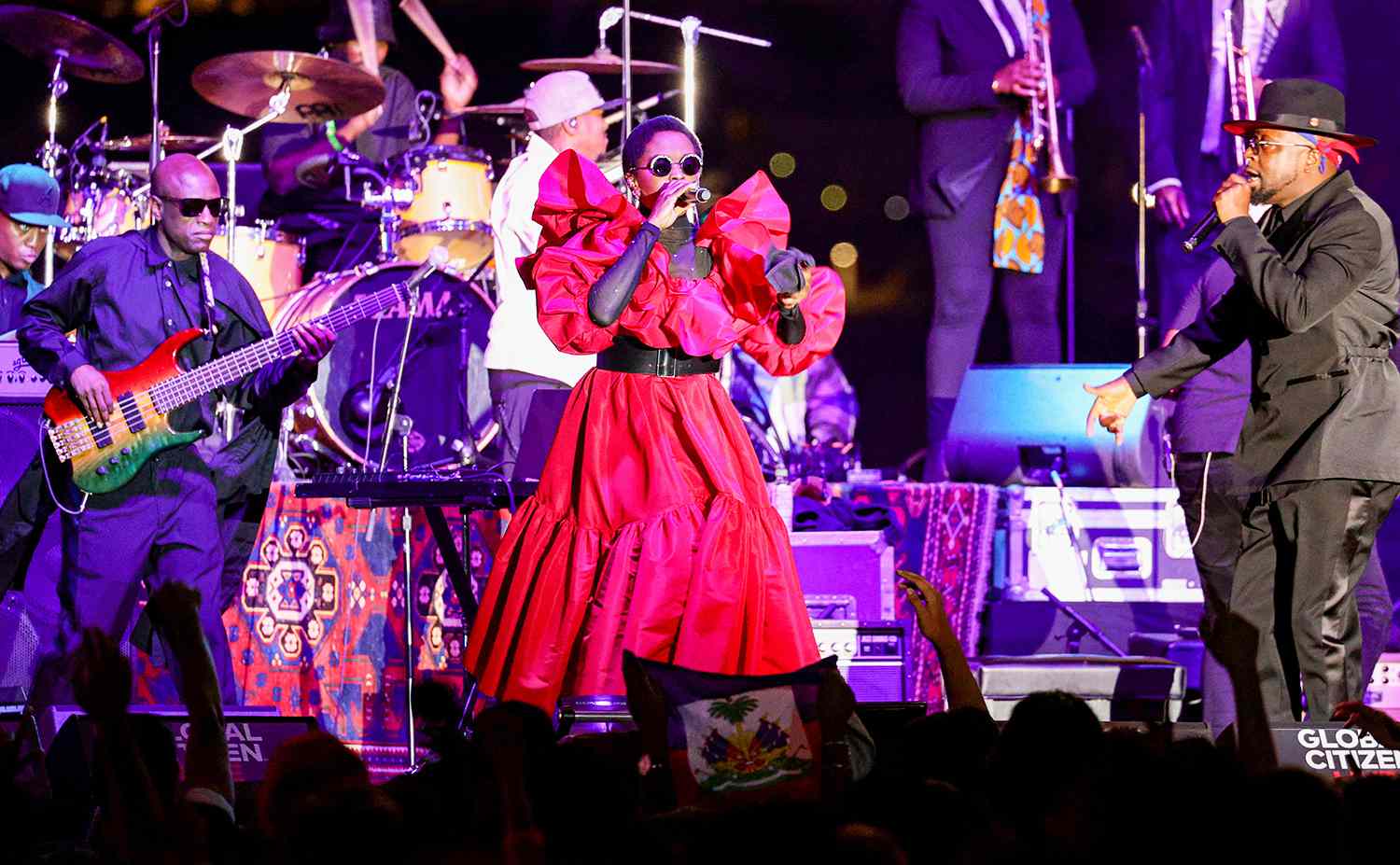
They also treated the audience to their songs "Killing Me Softly" and "Fu-Gee-La," and Jean, 51, performed his rendition of Bob Marley's "No Woman, No Cry."
The Fugees will continue the U.S. leg of their tour on November 2 in Chicago, before wrapping up with shows in Paris, London, Nigeria, and Ghana throughout December. They announced the reunion tour on Tuesday, just a day before the pop-up show at a previously undisclosed location in New York.
"The Fugees have a complex but impactful history. I wasn't even aware the 25th anniversary had arrived until someone brought it to my attention," Hill said in a statement. "I decided to honor this significant project, its anniversary, and the fans who appreciated the music by creating a peaceful platform where we could unite, perform the music we loved, and set an example of reconciliation for the world."
Jean added, "As I celebrate 25 years with the Fugees, my first memory was that we vowed, from the gate, we would not just do music, we would be a movement. We would be a voice for the unheard, and in these challenging times, I am grateful once again, that God has brought us together."
Formerly known as the Tranzlator Crew, the Fugees debuted in the early '90s and went on to release their debut album Blunted on Reality in 1994. The Score was their second and final album, going seven-time platinum as one of the best-selling albums in the world with two Grammy Awards.
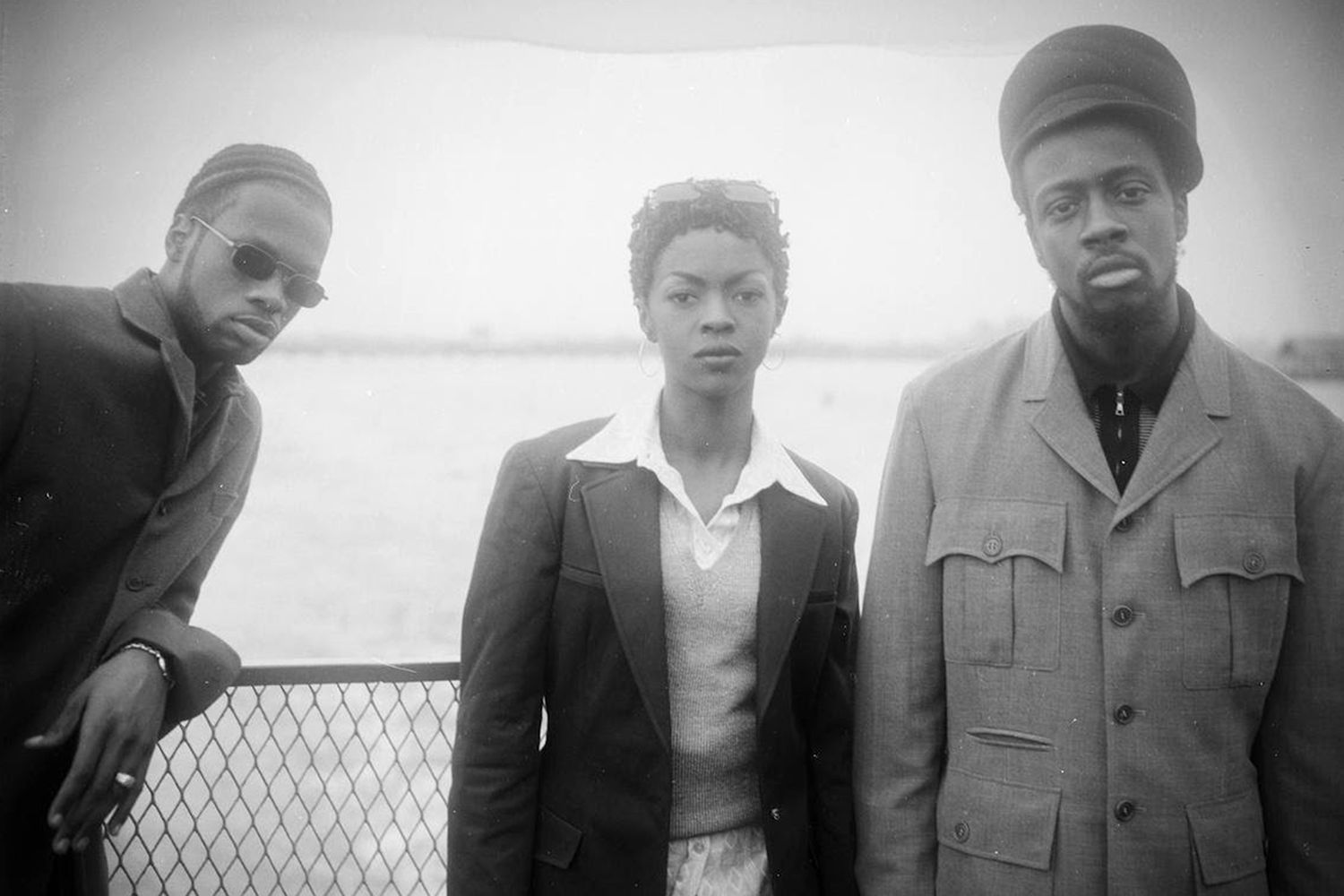
Although the group was initially only together for five years, their status as one of the world's most influential hip-hop acts has long been solidified. They last reunited in 2005 for their single, "Take It Easy."
See all tour dates and buy tickets for the Fugees' international tour at LiveNation.com.
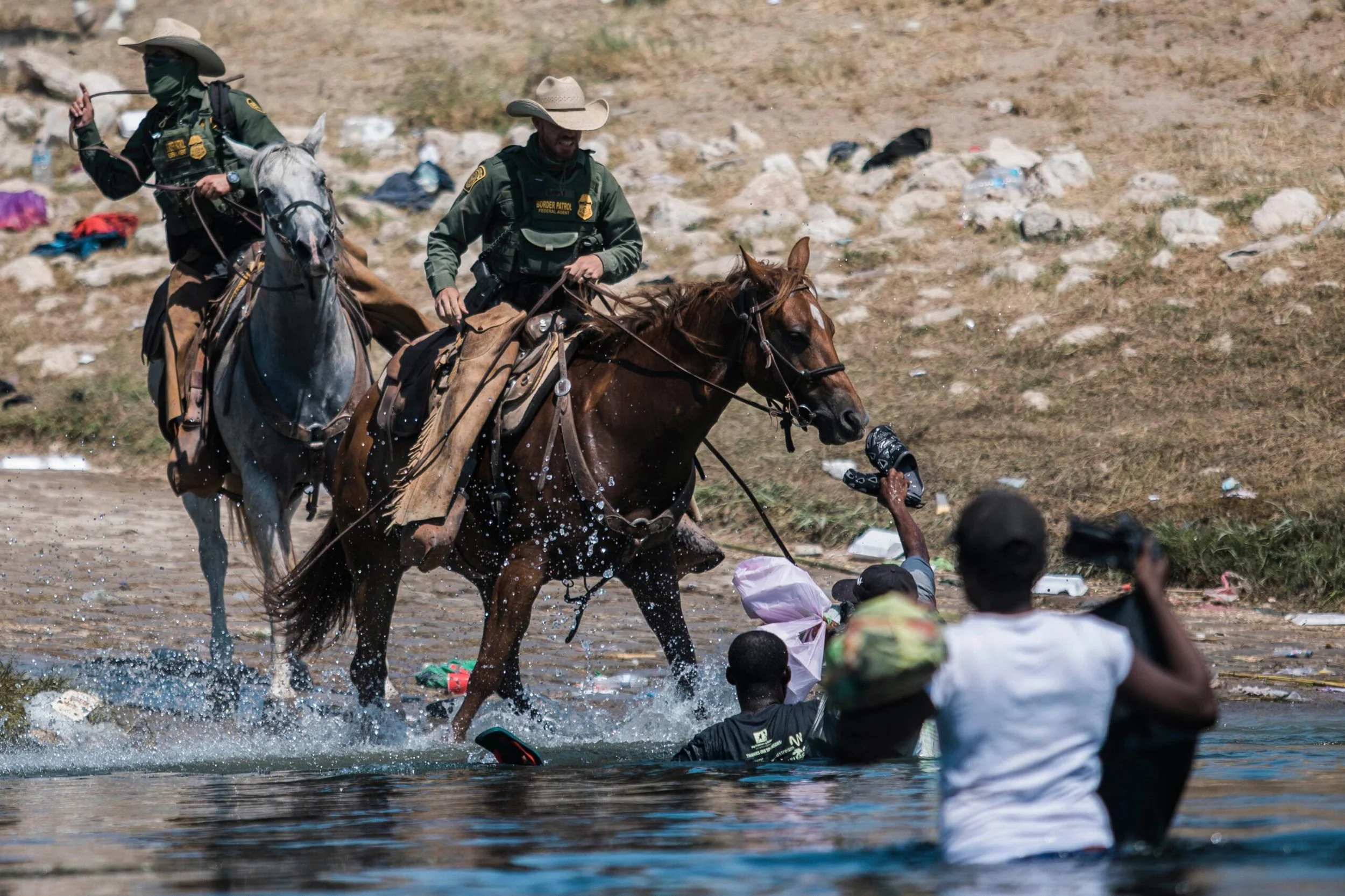
Inhumanity on the border forces NBA players to question if the US has changed

“We want fair treatment for Haitian refugees”.
Those are the words NBA hall of famer Dikembe Mutombo used when I asked him about the Haitian refugees being brutalized and subject to mass deportations at the US-Mexico border. It’s a statement that shouldn’t need any more explanation in a country that once said: “Give me your tired, your poor, your huddled masses yearning to breathe free”.
Unfortunately for Haitians, those words don’t appear to apply to them. Refugees from the Caribbean nation have been forced from their country by a combination of devastating natural disasters, poverty and political instability.
America’s welcome has included deporting thousands of the refugees to Haiti, a country some of them have never been to. But as well as the bureaucratic indifference to the plight of the refugees, there have been more visceral examples of the inhumanity shown by the United States. Images at the US-Mexico border captured by photojournalist Paul Ratje showed two Black men being pursued by a white security agent on horseback, who used his reins like a whip. Humans being treated like cattle is horrifying enough in any context, but the images were particularly repellant in a country founded on slavery.
There was relief when the regime of Donald Trump left the White House. But Ratje’s photos left many wondering if this is the change they voted for. Is trading someone who promotes, initiates, and supports evil (Trump) for someone who allows evil to continue (Biden) an improvement?
And those who have doubts include athletes in the NBA, where 75% of players are Black – some of them with roots in Haiti. Olden Polynice, a human rights activist and 15-year NBA veteran, was born in Port-au-Prince, Haiti. During a recent appearance on my podcast, I asked him for his thoughts on the treatment of Haitians at the border.
“My first reaction was sadness. I’ve seen this movie before. In 1993 when I did my hunger strike [to protest US policies on Haitian refugees] we had the same situation. But it wasn’t the coronavirus back then, it was the Aids epidemic. And America was spreading the false notion that Haitians were bringing Aids into the country and they began putting them in Guantanamo Bay. So I have already seen this. It’s history repeating itself.”
The end of historic injustices are exactly what NBA players have fought for in recent years – highlighted most clearly in the months after the police murder of George Floyd. Former NBA All-Star Joakim Noah told me the scenes at the border were a reminder that the journey is not over.
“The images of border patrol agents on horseback whipping Haitian asylum seekers are appalling and unacceptable. These are human beings who have lost everything and are knowingly willing to face such injustices to their human rights because there aren’t any better options,” he said.
“Of course immigration is complex, but no human being should be treated like an animal in order to find a better life – it’s shameful and inhumane. We fought so hard over the past few years to shed light on police brutality in brown and Black communities and to hold accountable those who abuse their positions of power. We need to hold the Biden administration accountable to process immigrants and asylum seekers according to international law and to hold border patrol and vigilantes accountable for their abuse of power.”
It is not just Polynice and Noah who were saddened by America’s treatment of the refugees. After a few days of anger from the public, Biden condemned the inhumane treatment of the Haitians and said that anyone who has mistreated refugees at the Mexico border “will pay”. It’s important to note that details about actual policy change were absent from Biden’s remarks, as well as those of Vice President Kamala Harris. There is no suggestion that America will now abandon the mass deportations and give the Haitians the same dignity and opportunities they give to refugees of other nationalities.
Biden’s comments far exceed anything Trump was willing to do – after all, he couldn’t even condemn white supremacists after the 2017 Charlottesville hate rally. But “better than Donald” is a low bar for Biden to set himself.
“We voted for these people, and politicians can be some of the biggest gangsters in the world. And whatever they say to get elected, isn’t always what they do after getting in office. They say bring us your tired and your huddled masses and come to a place of freedom, but the problem is, it’s not for everyone. It should be about human rights, but these people don’t see it that way,” says Polynice.
“The Haitians deserve the same that you gave to the Cubans that came over here, the same that you gave to the Afghans, the same that any other group of people receive from the United States. No more no less. Just give us the respect of valuing our human rights. That’s all we want.”
America voted for a changing of the guard, and in some cases NBA players actively assisted in that change. The expectation was for a massive change in policy. But rounding human beings up like cattle at the border seems like the same old America to many of us.
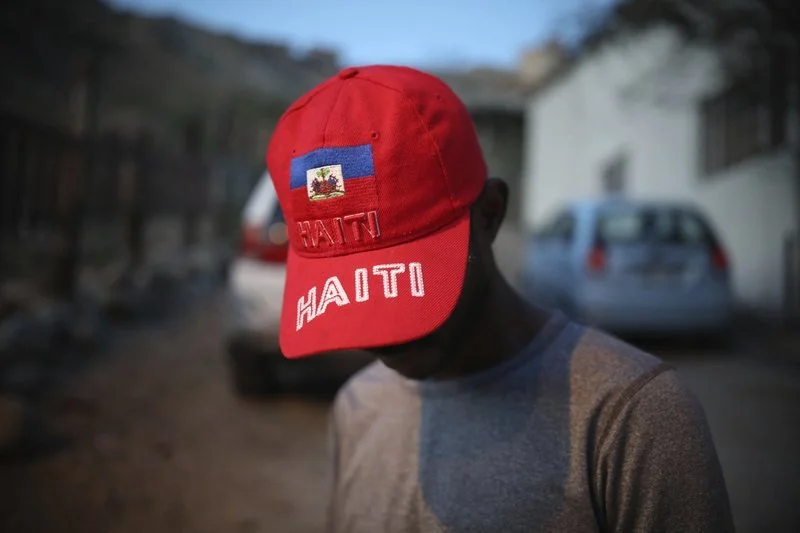
Exclusive: U.S. border authorities warn of food insecurity in Haiti, as Mayorkas defends deportations
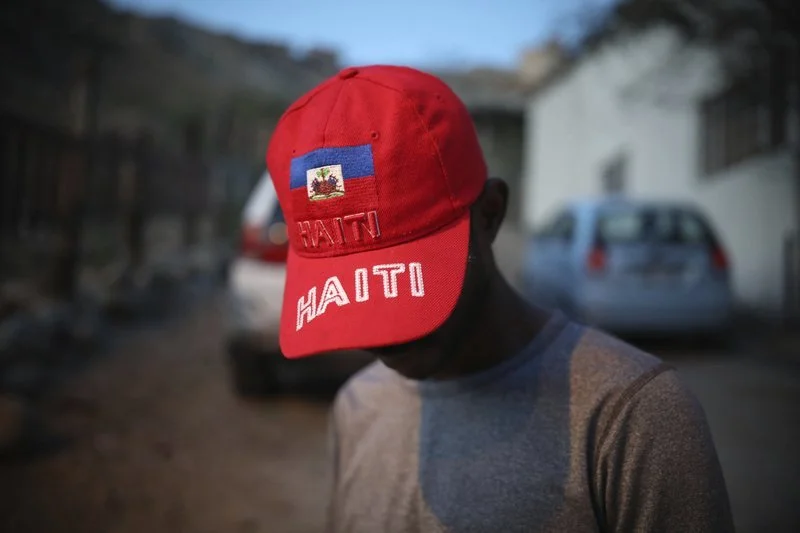
While the Biden administration has defended its decision to deport thousands to Haiti in recent days, internal government documents obtained by Yahoo News suggest U.S. immigration authorities are closely monitoringthe bleak conditions to which Haitians expelled from the U.S. are being forced to return.
On Sunday, U.S. Customs and Border Protection’s office of intelligence highlighted concerns of widespread food insecurity in Haiti in its daily report on current and emerging threats.
“On 24 September, Haitian authorities indicated about 4.3 million people are in a state of serious food insecurity,” reads the CBP bulletin, which was marked unclassified and “Law Enforcement Sensitive.” The alert cites an article from a Spanish-language news site reporting that, according to Haiti’s National Food Safety Coordination agency, “insecurity, poor production, natural disasters and inflation are the main drivers of current levels of severe food insecurity” on the island, while “gang violence has complicated the delivery of humanitarian response to the food crisis.”
Another report produced by the CBP intelligence office on Monday references an Associated Press article on the dire situation for Haitians returning home.
“The deportees join thousands of fellow Haitians who have been displaced from their homes, pushed out by violence to take up residence in crowded schools, churches, sports centers and makeshift camps among ruins,” reads the excerpt of the AP report cited in the CBP alert. “Many of these people are out of reach even for humanitarian organizations.”
The reports highlighted by CBP’s intelligence office seem to contradict public statements made by Homeland Security Secretary Alejandro Mayorkas, who has defended recent deportations of Haitian migrants despite concerns about conditions in the country following the president’s assassination in July and a devastating earthquake in August.
According to the Department of Homeland Security, since Sept. 19 the U.S. has expelled approximately 3,900 individuals to Haiti on 37 flights.
“We have continued to study the conditions in Haiti, and we have in fact determined, despite the tragic and devastating earthquake, that Haiti is in fact capable of receiving individuals,” Mayorkas told reporters at the White House on Friday. “And we are working with Haiti and with humanitarian relief agencies to ensure that their return is as safe and humanely accomplished as possible.”
When asked to comment on the apparent conflict between Mayorkas’s statements and the CBP intelligence reports warning of food shortages and other dangerous conditions in Haiti, a DHS spokesman referred Yahoo News to similar comments made by the secretary on various cable news shows on Sunday.
“We made a determination, based upon the facts, that in fact individuals could be safely returned to Haiti,” Mayorkas said during an appearance on CNN.
The Biden administration has come under heavy criticism for its response to an influx of Haitian migrants who have attempted to request asylum at the southern border in recent weeks.
Last week, several Democrats in Congress, along with a number of civil and human rights organizations, called on the administration to halt deportations to Haiti, raising questions about the country’s ability to repatriate deportees amid multiple ongoing crises.
Back in May, Mayorkas designated Haiti for Temporary Protected Status, citing the country’s “serious security concerns, social unrest, an increase in human rights abuses, crippling poverty, and lack of basic resources, which are exacerbated by the COVID-19 pandemic.” Under the new, 18-month designation, eligible Haitian nationals already living in the United States could apply for protected status, which would shield them from deportation “until conditions in Haiti improve so they may safely return home.”
Two months later, Mayorkas expanded this designation to include Haitians who have continuously resided in the U.S. since July 29 of this year, “in light of recent events in Haiti, including the July assassination of President Jovenel Moïse.”
While Mayorkas has acknowledged his earlier decision that Haitian nationals could not be sent back to the country safely, he insists that is no longer the case — even after the 7.2 magnitude earthquake that struck the country on Aug. 14, killing at least 2,200 people and leaving thousands more homeless.
Yahoo News reported last week that the Biden administration failed to anticipate the latest influx of Haitians at the U.S. border with Mexico, despite tracking Haitian migration for months. Several internal government documents obtained by Yahoo News show that multiple intelligence agencies within the Department of Homeland Security had repeatedly downplayed the potential for mass Haitian migration to the U.S. since as early as March 1.
As of Friday, Mayorkas told reporters that since Sept. 9, nearly 30,000 migrants, most of them Haitian, had been encountered by Border Patrol agents along the Rio Grande in Del Rio, Texas, where up to 15,000 people had gathered at one point in a makeshift encampment under a bridge.
By the end of the week, Mayorkas said that U.S. immigration officials had successfully cleared the Del Rio camp, with over 2,000 migrants placed on deportation flights to Haiti while thousands more had been transported to different parts of the border for processing. While Mayorkas has emphasized that the Biden administration is continuing to use a Trump-era public health order to expel most migrants, including Haitians, who attempt to cross the southern border, he noted Friday that roughly 12,400 of the Haitian migrants apprehended in Del Rio will be allowed to remain in the United States while they make the case for asylum or other protections before an immigration judge.
Internal administration documents obtained by Yahoo News showed there were still migrants awaiting processing in Del Rio on Friday morning. Approximately 2,000 Haitian migrants have been bused to shelters in Houston, and hundreds more have been allowed to board domestic flights in San Antonio, according to a Sept. 24 “Sensitive But Unclassified, For Official Use Only” senior leadership brief produced by the Department of Health and Human Services.

Why many thousands of Haitians converged on the US-Mexico border

(CNN)Thousands of Haitian migrants have appeared at the US-Mexico border seeking to cross the Rio Grande and find refuge in the US.Human rights activists are condemning images of US border agents, mounted on horseback, trying to head off migrants almost as if they're herding cattle. The US special envoy to Haiti, Daniel Foote, has now resigned to protest the Biden administration's "inhumane" effort to send them back to Haiti.At the same time, conservative lawmakers are accusing the Biden administration of failing to head off another crisis at the border and the distressing images of the massive migrant camp in Del Rio, Texas, back up that idea.How Haitian migrants, would-be refugees fleeing an island nation that is rocked by political instability and economic depression, converged at once at the US-Mexico border in a specific spot in Texas is complicated. So is the question of will happen to them next. Read the latest report from CNN's Priscilla Alvarez and Rosa Flores.
What's happening now:
- More than 10,000 Haitians converged in recent days near Del Rio, Texas, and have sought to stream into the US, creating a massive migrant camp under an overhead bridge between Coahuila, Mexico, and Del Rio, while they wait for access.
- Department of Homeland Security Secretary Alejandro Mayorkas has promised the US will clear out the camp in the coming days.
- Traffic between the US and Mexico has been disrupted, interrupting life in those towns.
- Mounted border agents in were filmed using aggressive tactics, drawing condemnation. Mayorkas said on CNN that he was were "horrified" by the images.
- The Texas governor ordered a miles-long drive-up border wall of parked vehicles.
- The Biden administration is using a Trump-era Covid policy to fly thousands of Haitians back to Port-au-Prince after days of detaining them in the US, and left them there, causing chaos at the airport there.
- DHS officials have desperately warned Haitians not to come to the border and said they would be turned away.
- CNN has witnessed some Haitians being driven across the border and allowed to enter the country.
- DHS has also been moving thousands of migrants from Del Rio to other processing sites.
How big is this surge?
The numbers are incredible; the number of migrants swelled from about 400 to a max of 14,000 in days.More could be on the way according to CNN's Alvarez, who writes: There are up to 30,000 Haitians in Colombia who may be seeking to travel north, CNN has learned. The department is tracking between 40,000 to 60,000 Haitians in the hemisphere, though they are not necessarily seeking to come to the US, according to the congressional aide. Recently, Mexico also stopped some buses of Haitians coming north, DHS said, according to the aide.
Why are Haitians, specifically, coming to the US border?
Back in May, Mayorkas announced an 18-month temporary protective status for Haitians already residing in the US, which now applies to Haitians in the country as of July 29. Mayorkas had cited "security concerns, social unrest, an increase in human rights abuses, crippling poverty, and lack of basic resources, which are exacerbated by the Covid-19 pandemic." And that spring announcement was before Haiti's president was assassinated and an earthquake struck over the summer.Many of those arriving at the US border now had left Haiti long ago and were either living or staying in other Central and South American countries, from Guatemala to Chile.CNN talked to 26-year-old Jameson Tilus. He fled Haiti years ago after he was assaulted in his home and his aunt was shot at.In Chile since 2015, he wants to join his brother, uncle and cousins, who are in the US. Friends told his family the border was open in Del Rio, so Tilus, his wife, their 5 year-old daughter and their 3 year-old son started the two-month journey there."I'm 26 years old, and I don't have a profession," Tilus said, his voice breaking. "I was doing very badly, I wanted a better life."Read more.
What's the US plan?
Here's what Mayorkas told lawmakers after visiting the border Monday:"The plan that we have is a multi-part plan.
- One is to address the root causes of irregular migration.
- Two is to ensure that there are safe, orderly, and humane pathways so people do not have to take the dangerous perilous journey to make a claim of asylum that our laws that Congress passed are recognized.
- And third is to rebuild our asylum system here in the United States."
What are the critics saying?
Patrice Lawrence leads the group UndocuBlack, which advocates for undocumented Black people in the US. She writes for CNN that the Biden administration should be distinguishing itself from the Trump administration and allowing for a more orderly asylum process rather than flying Haitians back to Haiti."The Biden administration could have made a strong statement in favor of due process and dignity by allowing for an orderly asylum process. Instead, it has opted for mass expulsions of vulnerable people."On the other side of the spectrum is Texas Republican Gov. Greg Abbott and his wall of police cars."When you have an administration that is not enforcing the law in this country, when you have an administration that has abandoned any pretense of securing the border and securing our sovereignty, you see the onrush of people like what we saw walking across this dam that is right behind me," Abbott said at a news conference in Val Verde County.
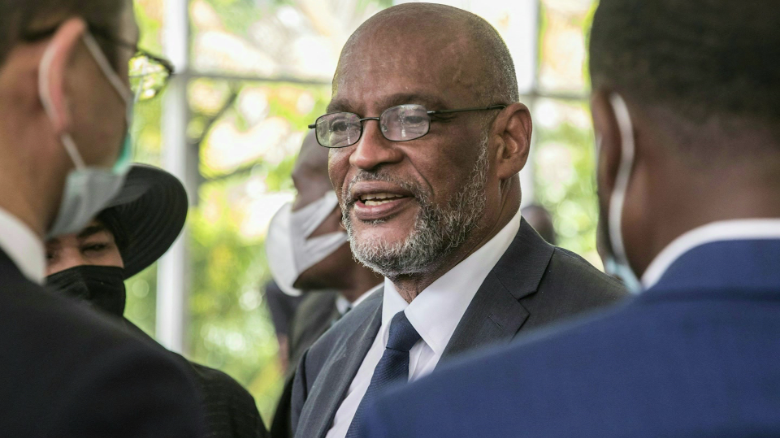
Haiti prosecutor seeks charges against Prime Minister in connection with President's assassination
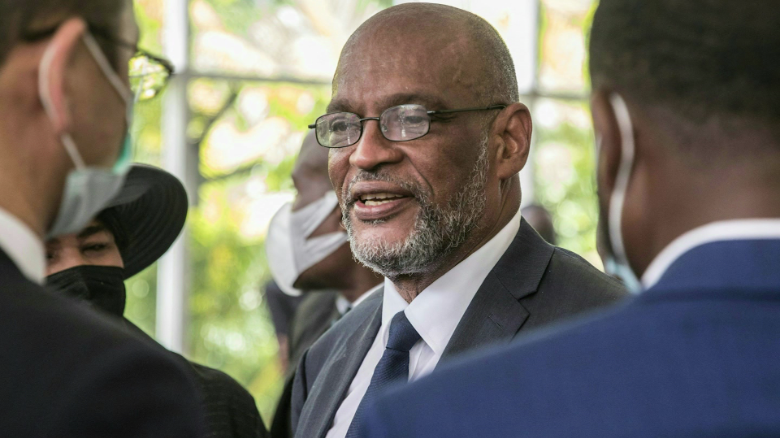
(CNN)Haiti's top prosecutor is seeking charges against Prime Minister Ariel Henry in connection with the assassination of the late President Jovenel Moise. He has also barred the Prime Minister from leaving the country.Port-au-Prince's chief prosecutor, Bed-Ford Claude, previously invited Henry to testify about the case, citing evidence that a key suspect in the assassination called him in the hours after the murder. Henry was due to testify on Tuesday morning.That suspect, former Haitian Justice Ministry official Joseph Felix Badio, is believed to be on the run. CNN has not been able to reach him for comment.Claude told CNN that he is discussing possible charges against Henry with the judge.
The late President Moise was brutally killed during an attack on his private residence on July 7. The investigation into his killing is ongoing and has turned up dozens of suspects, including US and Colombian citizens.
Moise's death prompted a weeks-long standoff over succession in the country's leadership between the recently nominated Henry -- a neurologist by training -- and then-acting Prime Minister Claude Joseph, before Henry ultimately took power.
In a series of tweets Saturday, Henry appeared to reference the case, writing, "I want to tell those who still have not understood, that the diversionary tactics to seed confusion and impede justice from doing its work serenely will not stand.""The true culprits, the intellectual authors and those who ordered the odious assassination of President Jovenel Moise will be identified, brought to justice and punished for their crime," he also wrote.The early months of Henry's tenure have been troubled by continuing intrigue over the assassination, deadly gang violence in capital city Port-au-Prince, and a catastrophic August earthquake in the country's south that left more than 2,100 dead and injured more than 12,200.
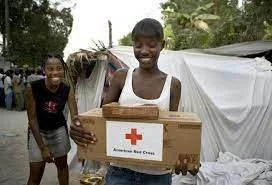
The American Red Cross' 2010 performance in Haiti has become the focus of critics who are urging people not to donate to the organization
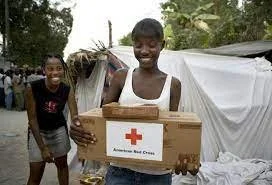

- In 2010, a 7.0-magnitude earthquake killed more than 200,000 people in Haiti.
- The American Red Cross raised nearly a half-billion dollars for Haiti after the 2010 earthquake.
- An NPR and ProPublica investigation found that little of the money reached Haitians in need.
A 7.2-magnitude earthquake struck the southwestern peninsula of Haiti on August 14, killing and injuring thousands. As its citizens search for survivors among the rubble, many Haitian Americans, Black activists, and individuals tied to the Haitian diaspora are warning those interested in donating money to recovery efforts to avoid giving to the American Red Cross.
In 2010, hundreds of thousands of Haitians were killed when a 7.0-magnitude earthquake rocked the country, which resulted in an outpouring of nearly a half-billion dollars in donations to the American Red Cross, NPR reported.
Dozens of Twitter users, including many Haitian Americans and individuals with ties to the Caribbean, used their platforms to remind their followers of a 2015 joint investigation by NPR and ProPublica that documented what the two news organizations said was a gap between funds donated to the American Red Cross and what actually went toward directly assisting victims in Haiti after the 2010 earthquake.
Their investigation found "poorly managed projects, questionable spending and dubious claims of success."
Despite the nonprofit's claim that it housed more than 130,000 people in the aftermath of the 2010 earthquake, the investigation revealed it had only built six permanent homes.
The investigation also found that many of the American Red Cross' reported failings in Haiti were of its own making and that less of the money had reached those in need than the charity had stated, according to ProPublica.
Issues that hindered the organization's work in Haiti included "an overreliance on foreigners who could not speak French or Creole," difficulties navigating the country's land title system, and the lack of progress souring relationships with residents.
Haiti's prime minister at the time of the 2010 earthquake, Jean-Max Bellerive, expressed doubt about figures relating to Haitian relief efforts that the American Red Cross used in its promotional materials.
"No, no," Bellerive told ProPublica. "It's not possible."
When asked about the calls on social media to avoid donating to their charity, the American Red Cross provided Insider a financial breakdown of how it spent donations following the 2010 earthquake in Haiti and said it strongly disputes the reporting done by NPR and ProPublica.
"Contrary to accusations, the American Red Cross has made a significant impact in Haiti, including investment in more than 50 hospitals and clinics, safer housing for more than 22,000 families, funding for the country's first wastewater treatment plant, support for Haiti's first-ever cholera vaccination campaign and so much more," a statement from the nonprofit organization read.
"Americans donated generously in the aftermath of the 2010 Haiti earthquake to save lives - which is exactly what their donations did. In fact, we spent nearly one-third of donations on helping to keep people alive in the first six months alone."
When one nonprofit betrays community trust, the whole sector pays for it.
Regina Birdsell, CEO of the Center for Nonprofit Management, said the real focus should be on transparency and whether a nonprofit uses the money to achieve the goals it outlined when soliciting donations. "The really important thing to remember is that [nonprofits] exist to serve the public. So as tax-exempt organizations, the trade-off is that we need to be transparent," she told Insider.
Birdsell said that the nonprofit sector has been debating what percentage of donations is appropriate to spend internally and is concerned that nonprofits don't talk enough about their need to pay staff living wages.
"At the end, we want to make sure that we never have the community feeling like they were misled. That dries up confidence in our sector, and that's not a good thing," Birdsell told Insider.
Nonprofits should proactively implement internal checks and balances before crises happen to ensure they have mechanisms in place to account for and properly disburse all donations, according to Birdsell. Even when billions of dollars are donated in response to a crisis, nonprofits need to be able to function in a dynamic environment and maintain transparency, Birdsell told Insider.
A 2016 Senate Judiciary and Finance Committee report said the American Red Cross spent a quarter of the nearly $500 million it raised for Haiti relief efforts on internal expenses, such as salaries, travel costs, and "oversight."