





Looking forward to working with you, @minujusth and Haiti to strengthen the rule of law. https://twitter.com/unpeacekeeping/status/926197050928181248 …

Conan Announces Trip to Haiti, Despite Trump’s ‘Very Negative Yelp Review’
The nation has been collectively riffing on President Trump’s “shithole” comment since Thursday, but so far, only one late-night host has responded to the president’s denigration of Haiti, El Salvador, and countries in Africa by booking himself a flight. “Headed to Haiti later this week to explore and make some new friends. Stay tuned for my report. #ConanWithoutBorders,” Conan O’Brien tweeted on Sunday.
O’Brien, whose self-titled TBS show has set itself apart from the herd with specials shot abroad in countries like Mexico, Cuba, and Israel, predicted his fondness for the Caribbean island nation based solely on Trump’s extremely low opinion of it. Joked Conan, “Still reeling from @realDonaldTrump’s very negative Yelp review of Haiti, which means I’ll love it.”
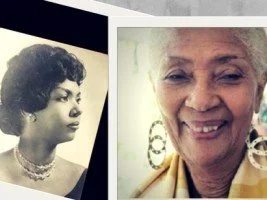
«Emmy», a star of Haitian voodoo folklore passed away
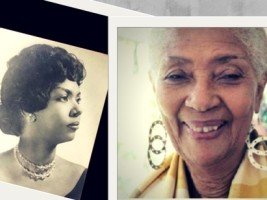
The Haitian cultural community does not end suffering the torments of death these days. After the disappearance of the Anthropologist of Culture, Rachel Beauvoir-Dominique on January 5th. It is the news of the passing of the singer, dancer and actress, Emerante Despradines Morse aka "Emmy", a day earlier, which comes to spread sorrow in the sector of Culture and in many homes."Limond Toussaint, Minister of Culture reverently salutes the memory and legacy of Madame de Despradines who was one of the first promoters of Haitian folklore. The first woman of a relatively educated and easy-going medium to dare to sing and dance Haitian voodoo folklore and put it on stage [...]The Haitian cultural sector will never forget a figure like Emerante Despradines Morse. The Minister Toussaint, the Director General, Jean Michel Lapin and all the executives of the Ministry, send to the members of the family and the close of this icon of the Haitian folklore, the testimony of their sincere affection."Learn more about Emerante de Despradines Morse :Emerante Despradines Morse, born September 23, 1928, is the daughter of the famous singer Auguste Linstant Despradines aka "Candio" and the late mother of Richard A. Morse musician and singer of the famous Haitian Racine Group RAM and also the deceased aunt of the former President of Michel Martelly. Emmy attended the schools of the best choreographers of her day, Catherine Dunham and Martha Graham. During a brief five-year career in the United States, she was employed by Catherine Dunham to teach others songs of Haitian folklore. It is perhaps thanks to this contribution that Haitians are now amazed and proud by watching on Youtube foreign choirs performing "Wangol" or "Peze Kafe". Accomplished artist, Emerante de Despradines, has 3 records to her credit.HL/ S/ HaitiLibre - January 8, 2018

From Haiti for Shady: Bills have an unsung hero, and punches the clock
As a freshman in high school, Vladimir Ducasse was starting to play more basketball and less soccer, his favorite sport growing up.After all, a child in Haiti, Port-Au-Prince to be exact, is expected to embrace the sport.Today, at 6-foot-5, 329 pounds, the Buffalo Bills are glad they have this athletic, gifted American Football player on the left side of the offensive line.Ducasse, left Haiti with his brother for Miami in 2002, wound up at a high school in Connecticut. Despite being raw, he played at the University of Massachusetts before being drafted by the Jets.He’s a long way from Haiti, and his workmanlike approach to football fits in perfect with what Buffalo Bills coach Sean McDermott is trying to accomplish.After practice this week, Ducasse stayed a few minutes extra to work on technique then went to the locker room alone, took his practice jersey and blue rib vest, his undershirt soaked with sweat.This was a guy preparing for a playoff game. He isn’t caught up in the 17-year playoff drought by the Bills or any of the storylines. He is an 8th-year veteran on his fifth team.“I’ve been sleeping and getting rest,” he said when asked about the hype surounding the city of Buffalo. “I’ve been driving home and coming back to work. From the minute we got here (for training camp), our head coach said, ‘Trust the Process’ and we are. We’ve had ups and downs but we’ve stuck together.”During an interview with the Batavia Daily News, Ducasse, or Vlad as players and coaches call him, doesn’t talk about his upbringing in Haiti, rather with his unique accent talks about the line coming together each week, setting records with running back LeSean McCoy.“When you have someone like Shady it makes your job easier, but whoever is back theRe, they all understand the game, I mean everyone knows what they are doing and it makes it easier,” he said, pausing for a moment, maybe realizing the magnitude of the playoffs, and said, “Every week we were getting closer and closer, it is a great group.”Defensive end Kyle Williams scored a touchdown against the Miami Dolphins last week and Ducasse made a devastating block to allow Williams to run in untouched.“I remember my time with the Jets, I played against him, he was always at a high level, I have tremendous respect for him,” he said. “Anytime you have a guy like Kyle - he’s been here so long - when he’s lining up that play, you know he’s going in!”So how does a guy make it from Haiti to an unsung hero on the Bills?“Some of my teammates in high school during my sophomore year, when I got up to 275 pounds said ‘hey, you should come out here.’ So I did, and the rest of history,” he said.So is the game Sunday.But don’t tell Vlad, he’s too busy working.THE DAILY NEWS - SATURDAY, JANUARY 6, 2018
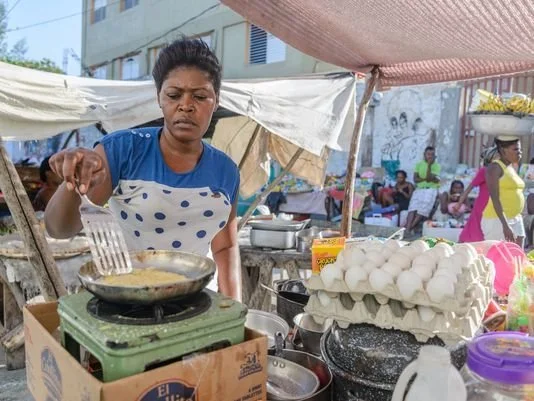
Cracking down on smuggling eggs into Haiti — for people to eat
JIMANI, Dominican Republic — It’s dusk on market day at the Haitian-Dominican border. Throngs of Haitians have cleared Dominican trucks of their wares, stuffing diapers, brooms and food-flavoring mixes into buses, and strapping the overflow to roofs for the return trip to Port-au-Prince.
But off the main drag here, a smuggling operation is underway.
Men and women empty a couple of trucks, tying boxes with colored string and setting them in piles on the ground. Purchasers stack them on wheelbarrows and rush them to nearby Lake Azuei, where wooden boats stand ready for the trip to Haiti.
The contraband is eggs. Demand is high in Haiti, where malnutrition is a real threat for many people. Haitians eat more than 30 million eggs a month, and most cross the border illegally from their only land neighbor, whose eggs can cost half the price.
Haiti essentially banned Dominican eggs in 2008. The move followed discovery of avian flu across the border, but many doubt that’s the main reason. Haiti faces a dilemma familiar to many countries: Keep prices low by allowing free trade, or restricting imports and encouraging domestic production, even though that is likely to drive up prices, at least in the short term.
Officials say its goal tightening the border should help create an internal market. Instead, dysfunction and lack of investment feed a vicious cycle that perpetuates Haiti’s status as the Western Hemisphere’s poorest country. The government has paid more attention to the border than to the other half of the strategy — boosting local production. But it hasn’t fully implemented either part, frustrating nearly everyone.
The border briefly re-opened to Dominican eggs after a devastating earthquake in 2010. But the next year, Haitian authorities cracked down with greater determination. Four years later, they banned 23 more common items, including pasta, snacks and cement mix from crossing the land border, citing the inability of customs officers to properly inspect and levy duties. Those products continue to pass as contraband, helping fill the boats on Lake Azuei.
While improving border controls might increase customs revenue, much of the public sees the effort as heavy-handed and arbitrary, especially when it’s not accompanied by strong efforts to develop the economy. The patchwork of half-measures makes life in Haiti even more precarious.
Those bringing Dominican eggs into Haiti never know if they will make it back to Port-au-Prince with their cargo, or if it will be seized. Haitian producers brace for a glut of cheap eggs during the Dominican tourism industry’s off-season. Uncertainty makes banks reluctant to provide loans to new producers.
Much of what is sold in Port-au-Prince comes from the twice-weekly market a couple of hours away in Jimani, where Haitians bargain heatedly before loading up and heading home.
Jocelyn Lefevre, who sells Haitian chickens and Dominican eggs in a Port-au-Prince open market, rails against the government for the way he is treated at the border.
“The police chase us, and the customs agents take our stuff while letting other merchandise go through!” he said. Besides, it’s expensive to travel to the border and to change money. But it’s still a better deal than buying Haitian eggs.
One problem, officials say, is the high cost of entering the poultry business in Haiti. To make a profit, you need a minimum of 10,000 hens, said Michel Chancy, a former Ministry of Agriculture official who now advises the government. Buying imported birds and cages, as most Haitian egg producers do, can cost $30 a bird, he said. The biggest expense after that is feed, whose ingredients generally come from the United States.
Haiti Broilers, a joint Haitian-Jamaican company producing chicken near Port-au-Prince, expanded into the egg market four years ago and is now the biggest supplier in Haiti, with 400,000 hens. The expansion created 200 more jobs.
Dominique Charles Jean, hatchery manager for Haiti Broilers, said the company financed its Haiti operations by itself, but the government helped with paperwork that reduced import duties on feed and equipment.
Damonclès Thermeus, who heads the Ministry of Agriculture’s unit on poultry production, foresees many more jobs in a growing egg and poultry industry, plus jobs for people growing corn and other ingredients for feed. If the ministry prioritizes egg production and invests every year, Haiti can reach self-sufficiency in eggs in 15 to 25 years, he said.
In particular, Thermeus and Chancy say, the government should provide technical assistance for producers, facilitate bulk purchases of feed for multiple producers, and provide incentives for banks to lend at low rates. But Chancy still thinks that securing the border is job one.
He knows it’s not easy. Last March, Chancy helped draft a plan to increase domestic egg production. The plan declared it “practically impossible to eliminate egg contraband at the border” due to the interdependence of the Haitian market and Dominican producers.
But it’s worth working toward that goal, Chancy said, citing an increase in domestic production since 2011. “That interdiction is an opportunity for us to invest,” he said.
In the last six years, Haitian companies have gone from producing a million eggs a month to 7 million. That’s a lot of eggs, but it still means that Haitian producers are providing less than one per month for each of the country’s 11 million people.
Max Antoine, who heads the government commission on border management, said political instability — a recent history of disputed elections, deposed leaders and interim governments — has made it difficult to secure the border. There also are budget and morale problems. Smugglers have attacked agents, and customs posts have been burned.
Many merchants in Port-au-Prince hate their country’s reliance on imported food, but also hate the government’s remedy.
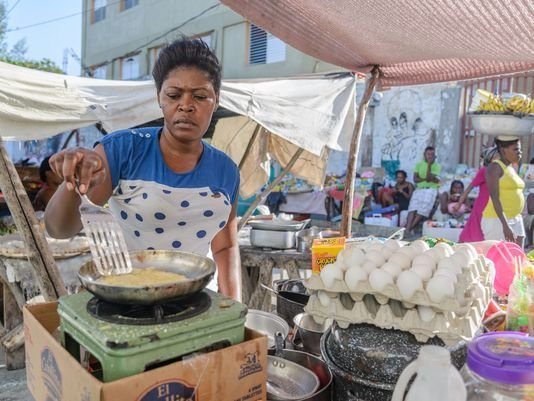
Jorel Hibart buys eggs from sellers like Lefevre and fries them to sell in breakfast plates on a Port-au-Prince street. He said Haitian eggs would cost more, and he can’t afford it.
Hibart wants the government to focus on creating jobs and developing the economy. He doesn’t like depending on the Dominican Republic, which Haiti ruled long ago. But the idea that the government would cut his supply of eggs agitates him. If they do that, he cried, “We’ll all die in this country!”
“All of this stuff is Dominican,” he said, pointing angrily around his cluttered cooking table.
Then he paused to serve his next customer a heaping plate of fried Dominican egg with Dominican spaghetti and Dominican tomato sauce — a classic Haitian breakfast.
This story was produced in association with Round Earth Media, which is supporting the next generation of global journalists. Michel Joseph contributed to the report.

Haitiville Interviews Jesse Woo | Promise Release Party 2017
[embedyt] https://www.youtube.com/watch?v=0raQaQURoKw[/embedyt]
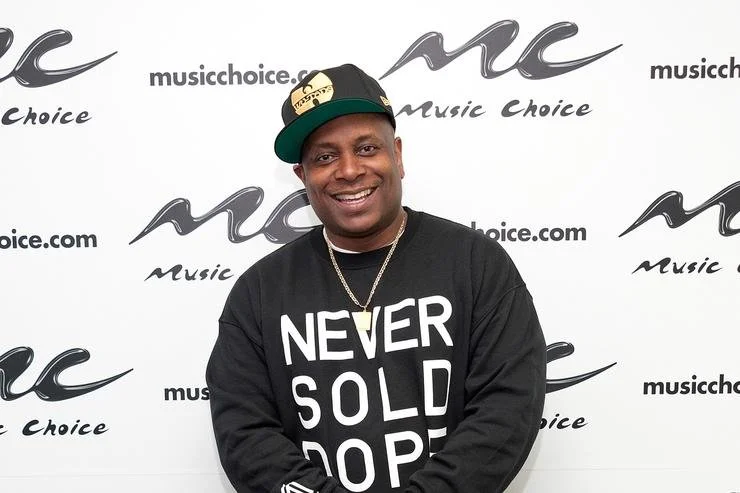
Reggie 'Combat Jack' Ossé, Hip-Hop Journalist And Podcaster, Dies At 48
 Reggie Ossé, better known to the hip-hop world as podcast host Combat Jack, has passed away from colon cancer. Chris Morrow, Ossé's friend and his co-founder of Loud Speaker Networks, confirmed his death, telling NPR that he died this morning at Mount Sinai Beth Israel Hospital in New York. Ossé was 48 years old.In October of this year, Ossé shared that he had been diagnosed with an aggressive form of colon cancer with his fans online.Ossé was born and raised in Brooklyn. Before Combat Jack, he worked as music attorney, representing the likes of Jay-Z and Capone-N-Noreaga during the fledgling stages of their careers. In 1989, Ossé switched from entertainment law to entertainment journalism. He would go on to work for MTV Networks before launching his own Internet radio show titled The Combat Jack Show in 2010.The Combat Jack Show started on a lark — with a crazy crew of sidemen including Dallas Penn, Premium Pete, an occasional Just Blaze, DJ Benhameen and producer A-King — on its way to becoming a pioneering hip-hop podcast. The show scored some of the rarest and rawest hip-hop interviews of an era when rap's center of gravity started its move toward the Internet. Ossé was able to get gems out of otherwise reserved or reclusive rappers by employing a type of interview style many emulate today. From Scarface playing guitar live and proclaiming his love for Pink Floyd to Prodigy detailing his own childhood kidnapping to J. Cole telling the story of how he wanted to sign Kendrick Lamar, listeners knew they would always get something special out of a Combat Jack interview.Ossé co-founded the Loud Speakers Network, a family of podcasts, in 2013. Before his passing, Ossé produced and hosted groundbreaking podcast Mogul: The Life & Death of Chris Lighty earlier this year. Produced in conjunction with Gimlet Media, the series about the life and death of the notable hip-hop industry executive Chris Lighty became hip-hop's first serial narrative podcast when it debuted on Spotify. "For Reggie to bring back the legacy of my brother Chris through the Mogul series was monumental for me and the culture of hip-hop," Chris's brother Dave Lighty tells NPR.In an interview with NPR Music earlier this year, Ossé explained why he felt it was necessary to champion Lighty's work ethic and accomplishments."Our culture is so rich — not just in hip-hop but [black culture]," Ossé said. "We have been the creators of culture since we hit this land. Let's look beyond the parameters that we already know and just really try to expand the dimensions of telling our stories."By: Sidney Madden for NPR.com | December 20, 2017
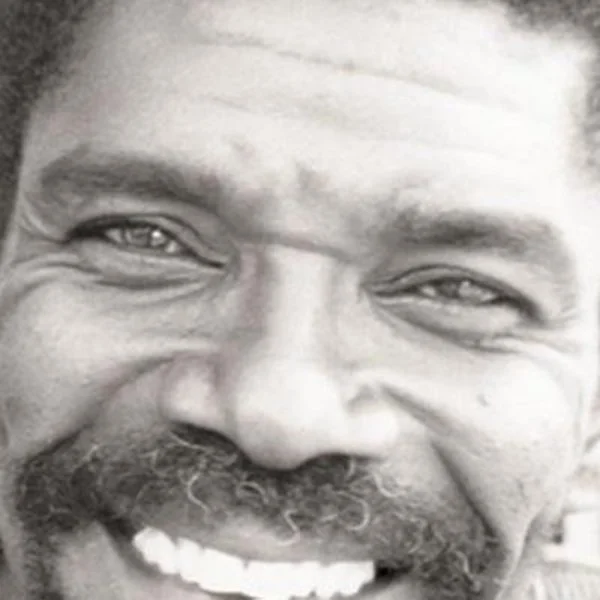
Haiti’s Beloved Troubadour Emmanuel “Manno” Charlemagne Dies at 69
And Haiti’s beloved folk singer and troubadour Emmanuel “Manno” Charlemagne has died in a Miami Beach hospital at the age of 69. Through his music, Charlemagne helped inspire a generation of Haitians to rebel against longtime dictator François Duvalier. He was often called the Haitian Bob Marley. He briefly served as mayor of Port-au-Prince in the 1990s.By: Democracynow.org| November 14, 2017
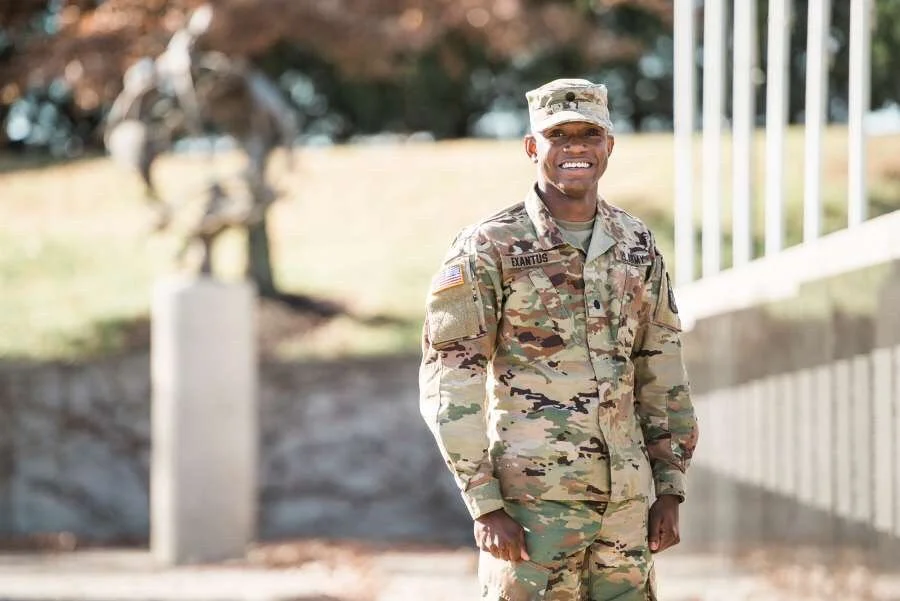
Commissioning ceremony a major milestone for student from Haiti
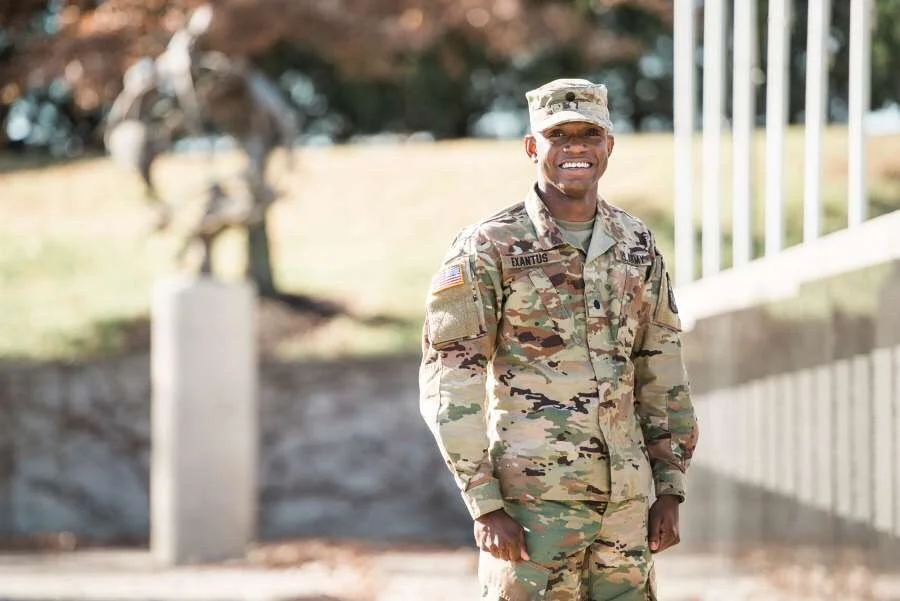
PITTSBURG, KANSAS - Clyvens Exantus is on the cusp of accomplishing two of his life goals in one day. The 25-year-old Pittsburg State student and Army ROTC cadet is set to commission as a Second Lieutenant and earn his bachelor’s degree in political science on Friday.“If you’d have told me this 10 years ago, I don’t think I’d have believed you,” said Exantus. “I’ve have wondered what you were up to, because it probably would have been no good.”Ten years ago, Exantus was living 2,000 miles away in his home country of Haiti. Exantus’ parents moved to the U.S. when he was a child in order to seek a better life for him and his siblings, who stayed behind in Haiti.“I grew up with my grandmother first,” said Exantus. “She passed away when I was about 10. I then was sent to live with my Auntie whose name was Sheila. She put an emphasis on going to school."Because they had moved to the U.S., his parents were able to pay for private school.“That’s a luxury not every kid in Haiti has,” said Exantus. “Now, I just want to emphasize what private school in Haiti is.” He pauses for a chuckle before adding, “It’s not the private school of here, but still, I was able to get an education.”Thanks to his aunt’s insistence on the importance of academics, and his parents’ financial support, Exantus began to see the possibilities an education could provide.“Most of my peers weren’t going to high school,” said Exantus. “My auntie and grandma really wanted me to be different. I guess I inherited their competitive nature. I wanted to do better than the rest of my peers. I had dreams of becoming a lawyer.”After spending his entire childhood away from his parents, Exantus found himself, at the age of 17, moving from Haiti live with them in Maryland.“It was a culture shock,” said Exantus. “There was no uniform to wear, buses came to pick you up and you didn’t have to pay the woman who drove you to school.”Not only did Exantus have to learn a new culture, he also had to reconsider his relationship with his parents — especially his father, who had transformed his own life from math teacher in Haiti to non-commissioned officer in the Army.“I’d never lived with my dad,” said Exantus. “So, I had this picture in my head of a math teacher. But then I came to live with him and here was this incredibly competitive man. He woke up early for P.T. (physical training), and took pride in what he did. His Army friends would come over and I remember thinking, ‘I want that type of brotherhood.’ So, I knew I wanted to join the Army.”His parents would move several times over the subsequent years, eventually settling in Fort Riley, Kansas, where his father currently is stationed. It was at PSU that Exantus was able to combine his two passions, military and academics, into one by contracting in the ROTC program.“I actually Googled colleges in Kansas, and Pittsburg State showed up,” said Exantus. “I saw the Gorilla mascot and thought, ‘Well, this is unique.’ When I toured campus, I was shown the ROTC Hall of Fame and that’s what sold me. I saw the type of people that graduated from here. I went home and told my dad I knew where I was going.”Exantus has made the most of his time while at PSU, and, according to Major Eric Hollingsworth of PSU’s Military Science department, he has a bright future.“He’s a hard worker, and he’s hungry,” said Hollingsworth. “A lot of the cadets haven’t had the trying life experience Clyvens has had. He’s definitely an outstanding example of the type of officer this program is known for producing.”For his part, Exantus understands the tremendous opportunities he’s had from Pittsburg State and the Army.“I can’t say thank you enough,” he said. “Think about it: A kid from the poorest country in the western hemisphere. For me to get an opportunity to come to Pittsburg State and not only graduate college, but to also commission in the United States Army, the greatest fighting force the world has ever seen. It’s beyond my wildest dreams.”Pittsburg State University’s ROTC Commissioning will take place at 10 a.m., on Friday, Dec. 15, in the Dean Family VIP Room at the Bicknell Family Center for the Arts.By: KOAM 7 News Koamtv.com : December 12, 2017
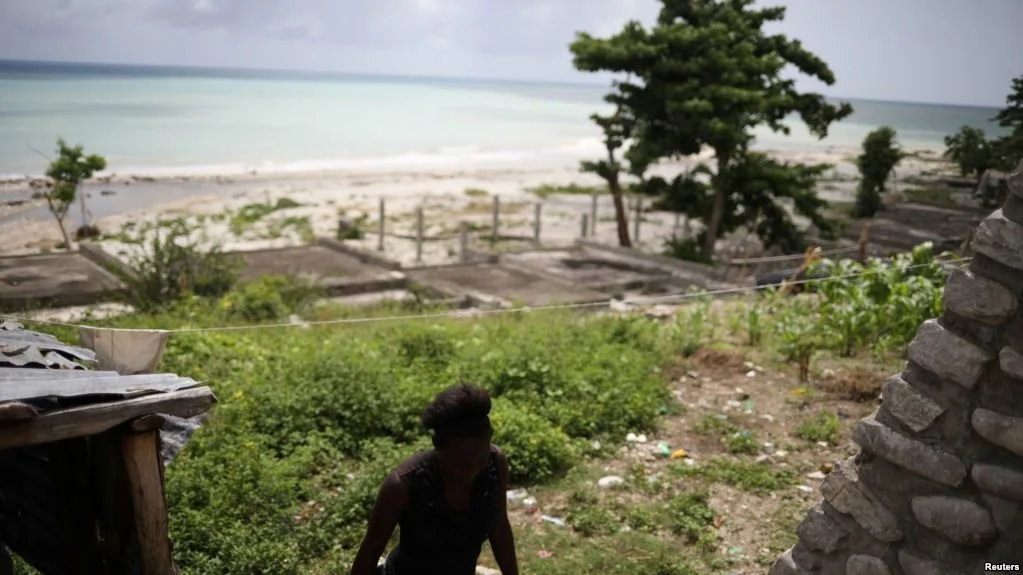
Haitian Women Seek Support for Children Fathered by UN Troops
BOGOTA, COLOMBIA — Lawyers representing 10 Haitian women who say they had children with U.N. peacekeepers have filed the first legal actions in Haiti against the U.N. and individual peacekeepers for child support and paternity claims.The lawsuits filed by the Haiti-based human rights group Bureau des Avocats Internationaux (BAI) are part of a legal battle by Haitian women to force peacekeepers who they say fathered their children to contribute to their upbringing."Having and then abandoning children is not within the official capacity of a U.N. peacekeeper and therefore we argue that this does give a Haitian court jurisdiction to resolve paternity and child support claims," Nicole Phillips, a lawyer at the U.S.-based Institute for Justice and Democracy in Haiti (IJDH), who is working on the case, said Tuesday.Ten mothers of 11 children who they say were abandoned by U.N. troops are seeking financial support from them. One of the mothers was 17 when she gave birth, which amounts to statutory rape under Haitian law, the IJDH said.Under the U.N.'s "zero-tolerance policy," sexual relationships between peacekeepers and residents of countries hosting a U.N. mission are strongly discouraged.Farhan Haq, a spokesman for U.N. Secretary-General Antonio Guterres, told the Thomson Reuters Foundation responsibility for child support rests with those "individuals who have been established to have fathered children."The United Nations "cannot legally establish paternity or child support entitlements ... compensation is a matter of personal accountability to be determined under national legal processes," Haq said by email.The 13-year U.N. mission left Haiti in October after being sent in to stabilize a country plagued by political turmoil.The mission introduced a cholera epidemic that killed 10,000 people and has been dogged by accusations of sexual assault.The Haitian mothers are struggling to bring up their children they say were fathered by soldiers from the U.N.'s peacekeeping force stationed in Haiti, known as MINUSTAH, who came from Uruguay, Argentina, Nigeria and Sri Lanka, said their lawyer, Mario Joseph at BAI, who filed the lawsuits."These mothers and their children face severe economic difficulties and discrimination," he said, adding that six of the mothers were left homeless after Hurricane Matthew devastated the Caribbean island last year.By: VOANews.com | December 12, 2017
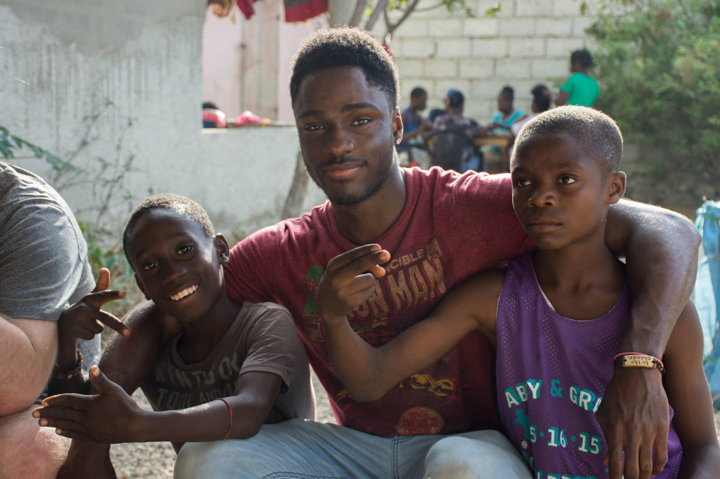
Penn State’s Franklyn Decker Is Pushing the Haitian Dream with Timoun Kontan
Franklyn Decker started Timoun Kontan as part of his service trip to Haiti, and the organization has turned into an active force in transforming the community there.ranklyn Decker, a neuroscience major at Penn State University, originally from Bowie, MD, created a non-profit organization in Haiti with a group of eight other students from his univeristy. Its name is Timoun Kontan, which means “Happy Kids” in Haitian Creole.Timoun Kontan started as a spring break service trip to Port Au Prince, the capital of Haiti, that was arranged through a sociology class taught by Sam Richards, a professor at Penn State, thanks to his connection to the Caribbean country. “Haiti is where we saw issues we could try to help with,” Franklyn says, explaining why they chose it as the place to start the non-profit. Since then, Timoun Kontan has developed from helping building a home for children during spring break to developing community through providing education to Haitian children and economic assistance to their families. “We are trying to raise the community up and give them the tools they need to become more successful,” Franklyn states.According to the USAID Fact sheet (2016), illiteracy remains one of the key challenge for this country, “75 percent of children at the end of first grade and nearly half of students finishing second grade could not read a single word. Half of the adult population is illiterate.” School enrollment is low, staying at roughly 75 percent, and the average years of schooling hovers around 5 years, which is mostly due to the cost of schooling. “School fees can be prohibitively expensive for low-income families,” the report points out.Another significant key challenge to the development of the community in Haiti is lack of government oversight. “Most schools in Haiti receive minimal government oversight and are expensive relative to average earnings. More than 85 percent of primary schools are privately managed by non-governmental organizations (NGOs), churches, communities, and for‐profit operators,” reported the USAID Fact sheet. At least 90 percent of Haiti’s 15,200 primary schools are non-public, many of which managed by religious organizations, NGOs and communities. This means a majority of Haitian school children rely on organizations such as Timoun Kontan for education.The earthquake that hit Haiti in 2010 further compromised the country’s education system. Thousands of schools were erased, at least 75 percent of which were in Port-Au-Prince. The ones that were escaped the disaster were in dilapidated condition, failing to meet the safety requirement for rebuilding. Charles Tardieu, former education minister of the country, stated, “Let’s face the reality that many schools are never going to be used again, and that we urgently need other ways to revive the system.”
“We are trying to raise the community up and give them the tools they need to become more successful,” Franklyn says.
Students were not only displaced of a place to go and learn, but also of a home. The disaster crushed the dreams of young Haitians under the rubbles of their school along with bodies of their friends, family, classmates and teachers. Michel Renau, director of national exams at the Ministry of National Education, Youth and Sports, mourned the situation, “without education, we have nothing. We’ve been set back very far. But if we pull ourselves together quickly, we’ll go on.”In that dark time, Timoun Kontan, a small non-profit organization, rose to make a huge difference in Haiti: it helps lessen the financial burden of sending children to school. The organization reached out to those kids who may not have a chance of education otherwise and ensured that they are provided with whatever they needed without forcing the family into poverty. “If a child does not have a family that takes care of them, our organization provides a home for them to live in. If a child does have a family, then we help the family support the child monetarily through a food and educational scholarship or stipend.” So far, Timoun Kontan has been able to pay for the education of several kids for the next year and provide them with a month’s worth of food and sanitary supplies.Despite the education issue in Haiti, according to Franklyn, things are not all bad. “Honestly, this experience helped me understand how perspective can drive your outlook on life. Going to Haiti, I foolishly expected everyone there to be suffering and miserable but after arriving and getting to know the people there it put me in a new state of mind.” The effort of the Haitians in changing their life and creating a better community surprised Franklyn, “The people of Haiti are funny, intelligent, kind and loving, which I’ve come to realize are characteristics any human being can embody regardless of the circumstances they face. I really love the people and the country in general.”

Franklyn has already gone back to Port Au Prince for a second time during the summer, and he definitely has plans to continue his work with the Timoun Kontan after graduating from Penn State. “I decided I wanted to become a surgeon after taking an anatomy and physiology class in high school and shadowing a couple of doctors. I’m currently not sure how I would integrate my involvement in this organization with my future profession, but I am excited to see how it all plays out.”Currently, Timoun Kontan is working on a home for the children of Larousse, who are currently living in “a cramped dilapidated home.” Their goal is to place them, primarily orphans and children given away by their families, in a safe environment with free food and education. The organization also strives to reunite those who have been given away with their families. In the mean time, the children’s home will also act as a community center where children of all ages and backgrounds can come together and nurture their dreams, which hopefully will grow into positive changes to their damaged community.
By Stephanie Yamoah, Towson University for Studybreaks.com | December 11, 2017
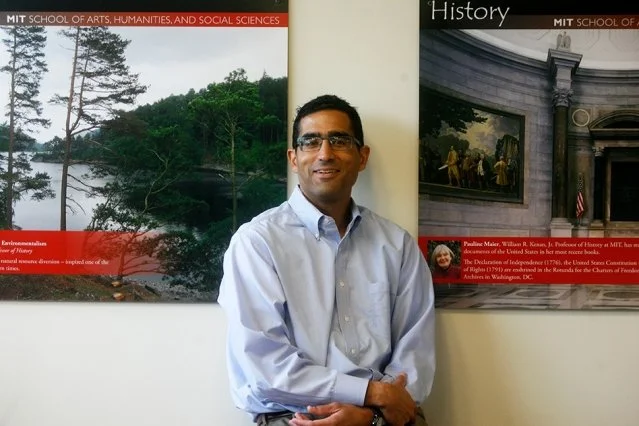
How Haiti helps us think differently about history
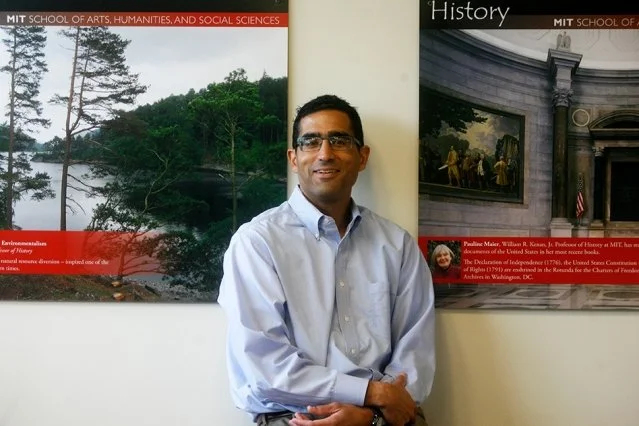
MIT historian Malick Ghachem gets readers and students to look anew at the Atlantic world.Back in the 18th century, Haiti was the most lucrative sugar-growing territory in the world, a key hub in the transatlantic economy, and, like the United States and France, the site of a democratic revolution. Battles over modern rights, slavery, and global commerce all figure prominently in Haiti’s history, though relatively few people know it.To MIT historian Malick Ghachem, this is both an oversight and an opportunity. Ghachem, a Haiti expert, thinks we too often treat the country as a blank spot on the historical map. Then again, his teaching and writing help fill this void by connecting Haiti to the larger historical currents that have shaped our world.“The fundamental responsibility of the historian is to uncover a story, put it in a new perspective, and show why it was important,” Ghachem says.Indeed, Haiti, once a French colony called Saint-Domingue, became the first country with universal legal equality, after its slave rebellion. But its path toward this breakthrough was complex. As Ghachem chronicled in his first book, the French feared such a possibility for years and instituted a legal regime that sought to keep slavery intact by controlling manumission — the freeing of slaves by their owners — while only occasionally punishing planters for their brutality.And there was both planter and slave unrest during the 1720s in Haiti, as Ghachem chronicles in a second book he is now completing. Back then the colony, like others in the Atlantic, was controlled by a monopoly trading company — in this case, the French Indies Company — and it was a white rebellion against the company’s slave-trading monopoly that helped produce Haiti’s large-scale sugar plantations. Studying Haiti as an integral part of this transatlantic world adds depth and nuance to our knowledge about democracy and globalization — for readers and MIT undergraduates alike.“Our students want to learn something that’s going to make them think differently,” Ghachem says. “And Haiti is good for that. It’s an unfamiliar place to a lot of people, a place that doesn’t figure in the calculus of a lot of disciplines. If you want to think about economic history or international law or human rights and you bring Haiti into the picture, it disturbs the conversation and upsets the terms of the debate.”Ghachem’s career has not followed the calculus of a lot of disciplines, either. He received his PhD in history from Stanford University at the same time he earned a law degree from Harvard University, and began a career in academia only after several years as a litigator. But today, when people act “as if the Haitian revolution did not exist,” Ghachem says, it reminds him why he is a historian: “We still have a long way to go. That’s why I think it’s important to be doing this work in the humanities.”Reading from morning to nightGhachem was born in Tulsa, Oklahoma, where his father was studying to be a petroleum engineer. The family moved to Chicago — Ghachem grew up a Cubs fan — and then to Saudi Arabia for several years, following a job opportunity for his father. Ghachem lived in Jeddah and attended an American school. When he wasn’t in the classroom, he played sports — “It’s always been a way that I’ve felt at home somewhere,” he says — and read. And read. And read some more.“I really became very bookish and would just for days and days read books from morning to night,” Ghachem recalls. “I think that’s why I became an academic. My parents and siblings were dismayed by my reclusiveness. I’ve never read more in my life.”Ghachem returned to the U.S. when he was of high school age, and started college at Georgetown University before transferring to Harvard. He got a BA in history, and in many of his classes realized that his professors were essentially “studying the history of revolution,” from France to Russia and beyond. The subject of revolution soon gripped Ghachem’s intellectual imagination — and it still does today, at MIT, where he helps teach 21H.001 (How to Stage a Revolution), a long-running history course.“It forces you to think about a subject, a nation, from the ground up,” Ghachem says. “As [political philosopher] Hannah Arendt put it, what makes a revolution a revolution is that the participants in it are gripped by the sense they are doing something new under the sun. … They’re inventing something new, which is kind of the ethos of this place [MIT] right here. At a human level, that’s a very contagious feeling.”Some parts of Ghachem’s career progression are easy to trace: Having entered graduate school in history at Stanford, he wrote a seminar paper about Haiti, which became the basis for his PhD dissertation, which became the basis for his first book. Even so, he also decided to study law while working toward his history doctorate.“I started reading about the law of slavery, so that became my interest in law,” Ghachem says. “That was the link.”Acquiring a history doctorate and a law degree is not a rare move for scholars, but pursuing the two degrees simultaneously on opposite coasts was a bit unusual. Eventually, in 2002, Ghachem emerged with his dual degrees — and promptly entered the legal profession. He clerked at the U.S. Court of Appeals for the Eleventh Circuit, in Miami, then became a lawyer in Boston, first at a small practice, then at a larger firm, Weil, Gotshal, and Manges LLP.As a lawyer Ghachem worked on criminal defense cases, First Amendment issues, and U.S.-mandated travel restrictions, among other matters. But he still wanted to pursue his academic research, and he liked the idea of teaching.“If you have cases like this, it’s very hard to leave,” Ghachem says. “They’re very engaging and you get very involved. But … at a certain point in time, I decided, if I’m not going to became an academic soon, I’m going to be in the law practice world forever. So I decided, let me try now.”Ghachem had served as a lecturer for two years at MIT and in 2010 took a full-time faculty position at the University of Maine’s law school. In 2013, he joined the MIT faculty, where he was awarded tenure earlier this year.Haiti and the global revoltWhile Ghachem’s first book explores the long run-up to the Haitian revolution, the one he is now completing allows him to look more extensively at commerce and “the earlier part of the story,” as he puts it. Like other countries, debt-ridden France had given license to private companies to develop colonial holdings, and in the 1720s, this led to revolts in multiple places, including Louisiana, after some companies went bankrupt. (The South Seas Bubble is the best-known such implosion.)“There is a global revolt against these companies that begins with financial crisis and spreads to other dimensions,” Ghachem says. “Saint-Domingue is I think the best example of this, but a little-known one.”In a sense, the new work parallels Ghachem’s first book, but with a larger focus on the economic forces driving Haiti’s exploitation and unrest. Either way — in finance and economics, as in politics and law — Ghachem believes we can know the past better by not thinking of Haiti as an isolated territory, but putting it squarely in the mainstream of issues we still grapple with now.“It’s not that I enjoy working on marginal subjects,” Ghachem says. “I enjoy working on subjects that only seem marginal. Haiti wasn’t marginal in the 18th century, and it’s not marginal today.”By: Peter Dizikes | MIT News Office December 5, 2017
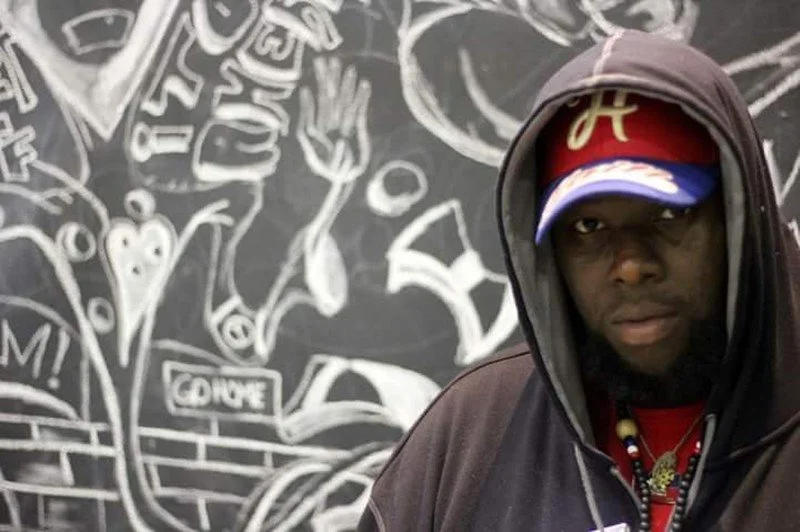
Artist finds ‘calling’ after 2010 earthquake in Haiti

West Palm Beach artist Jason “JaFleu” Fleurant was so profoundly affected by the 7.0 magnitude earthquake in Haiti, which left an estimated 200,000 to 300,000 dead and many more displaced on Jan. 12, 2010, that he had to do something to channel his emotions. So, Fleurant started to create.
“When the earthquake happened in Haiti back in 2010, something just took over me,” he said. “I couldn’t stop creating and in that, I found my calling or maybe my calling ended up finding me.”
Fleurant, 33, is a self-taught painter, but thinks his gift is greater than what he has learned so far.
“It started with me drawing what I was seeing on TV and then my friend Yanatha recommended I try painting on canvas, and the moment I did, everything changed,” Fleurant said.
“My family is from Haiti. So that feeling of knowing I had family and friends in the midst of it, that powerless feeling devastated me,” he said.
Fleurant believes it was a spiritual and artistic awakening. “That’s nothing but God,” he said. “The ancestors and spirits, whenever I create. I’m just the vessel.”
“I’d say the universe (had a plan). I didn’t go to school for it,” he said. “It’s all been from trial and error. Practice makes perfect, so I just kept doing it and doing it and in the process developed all my own unique styles.”
Although he explores imagery and an array of colors in his paintings, no image or color really excites Fleurant in particular. “I tell people all the time I have no earthly idea what I’m doing,” he said. “I just kind of go with the flow and whatever happens, happens.”
Fleurant, however, admits that color has always played an important role in his life. “I’ve always loved color, and that may be tied to being Haitian because in Haitian art there is often (many colors),” he said. “The only real conscious decision I make when it comes (down) to it is always trying to use blue and red somewhere in honor of Haiti.”
Fleurant has had celebrity encounters and is slowly gathering a following for his artwork. “My brother Jamaal ‘Visualist’ Clark and I (believe) if there’s a door cracked, we’re going in,” he said. “That mentality has led us to meet and give artwork to the likes of Dr. Michael Eric Dyson, U.S. Sen. Cory Booker, Jill Scott, Swizz (Beatz) and more.”
Fleurant and Clark were at the Drink Champs Podcast where they got to meet Hip Hop star Noreaga and DJ EFN, which led to a meeting with music producer Swizz Beatz, Fleurant said.
“One minute I’m just chilling in the back and next I look up to see Swizz walking directly towards me. He didn’t even, at the time, know I had art,” he said. “For whatever reason he just walked directly to me and started talking. So then I told him I had this painting I wanted him to see. We unrolled it and he digged it.”
Fleurant said he envisions himself becoming a version of Walt Disney, Dr. Suess and Stan Lee. “Art is cool, but I don’t really care for the art world or just making paintings,” he said. “I’ve come to use all my artistic skills now to be able to create my own books — be it family books, graphic novels or more. I’ve created and fallen (in) love with my own characters and I want to bring them to life.”
For more information about Fleurant, visit jafleutheartist.com.
Q & AWhat are your hobbies? Honestly, I don’t have any hobbies. I think some would view art to be, but that’s my career and therapy, too.What would you do if you were invisible for a day? I’d have an exhibit of my works and wander around and listen to people’s true thoughts on it. That was always a dream that nowadays seems even more less than likely.If you could have dinner with anyone in history, who would it be? Stevie Wonder — he’s hands down my favorite artist in all genres. I’d love to pick his brain.What’s the best advice you ever received?Paul Fisher once told me “Never wait to get your (expletive) together.” Too often we say ‘I’m going to do this or want to do this, but first I must do this.’ But, life is too short and the universe conspires for you when you move towards your dreams.What event in history would you have liked to have witnessed?Not so much an event but the whole movement of the Harlem Renaissance. From the artists going to Paris to get their props and coming home and banning together. I’d love to have been amongst that.What is your favorite childhood memory? Being at the kitchen table while my mom cooked and drawing ninja turtles and other cartoons that she too loved. Those were awesome memories that still stay in my head. Even when I quit art as a teen well into my adult years.Who is your hero, someone who inspires you?I’ll take that back to Stevie Wonder and the reason being, for someone to have no sight but see the world so clearly and create art that means so much. It’s inspiring and a reminder anything is possible.What is something that most people don’t know about you? How heavily I battle depression and mental illness. I used to be ashamed to say it. In fact, this is definitely the first time in any interview I have. But it’s important to address that, particularly in the black community. The arts have been very helpful with it and speaking to someone (about it) (with similar issues).What three things would you bring with you if you were stuck on a desert island? Music, art supplies and books and I’m good to go. I spend a lot of time outdoors, so I’ve grown accustomed to that.
By: Kyoto Walker Special to The Palm Beach Post for the Palmbeachpost.com | November 29, 2017
Book Signing and Fundraiser for Haiti
At a time when so many refugees in America are facing an uncertain future, one man's story may offer them hope. Born into Haiti's poorest class, Jocelyn "Josh" Apo was just 20 years old when he and 60 others crammed onto a makeshift boat and set out on a 17-day overseas trek to the United States, seeking a better life. Apo says his faith and ability to find joy in the little things helped him change his life. Since arriving in the US in 1980, he's been a migrant farm worker, nursing home employee, and middle school custodian. His positive attitude inspired a parent of one of the students Barker Road Elementary School to help him write his 2017 book, "Gold from the Well."Apo will discuss his experience and sign copies of the book at Bernunzio Uptown Music (122 East Avenue) Friday, November 17, from 7 p.m. to 8:30 p.m. For every book sold, $5 will be donated to a grassroots effort to revitalize Apo's home in Haiti. The event will also feature Haitian music, refreshments, and a raffle. Admission is free. For more information, visit bernunzio.com or call 473-6140.By: Kathy Laluk
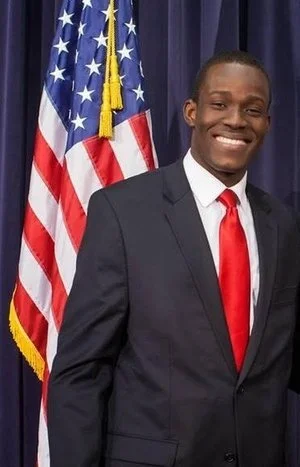
His ‘story of America’ took him from Haiti to Brockton’s City Council
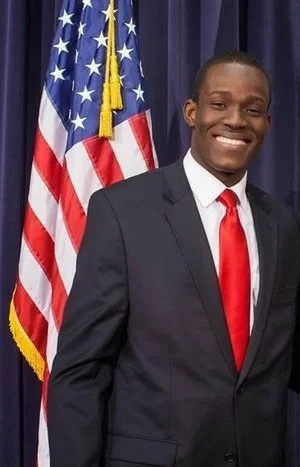
Jean Bradley Derenoncourt, 27, said that he was spurned by well-connected politicians in Brockton during his campaign to become the first Haitian-American member of the Brockton City Council.
BROCKTON – With less than two years of U.S. citizenship under his belt, after coming to this country from Haiti in the wake of the 2010 earthquake, Jean Bradley Derenoncourt was able to get himself elected as a leader of Brockton’s city government.The 27-year-old, who is the first Haitian-American elected to public office in Brockton, took one of the four at-large seats on the 11-person Brockton City Council during Tuesday’s citywide election. While Derenoncourt is proud to be an immigrant and a Haitian-American, the councilor-elect said his story shows the how opportunities are afforded to everyone who comes to live in the U.S.“What I would like people to understand is that it happened to be my name and my face,” said Derenoncourt, “but I do believe there are a lot of people out there, not just from Haiti but people from all over the world, who could do exactly the same thing. It’s not just a Haitian-American story. It is a story of America.”Derenoncourt launched his campaign for Brockton City Council on Feb. 11 this year, on the one-year anniversary of his obtaining U.S. citizenship. During his first campaign for public office, Derenoncourt won on Tuesday by picking up 5,250 votes, finishing fourth in a field of eight candidates.While many believe that he had support from the city’s political establishment, Derenoncourt said it was the total opposite. During an interview at his home on Saturday, the the city councilor-elect said that he built a campaign team of friends who he has met along the way from school and the community, in addition to supporters from the SEIU and the Massachusetts Coalition for Social Justice, which he campaigned with in 2014 to pass a ballot measure giving the chance to earn sick time to all workers in the state.“I would like people to understand the establishment did not support us, they truly did not,” Derenoncourt said. “I thought some of the folks who claimed to be the representation of Brockton would have jumped on board, but they did not. I had no big political backup. People think I do, but I do not.”Without naming names, Derenoncourt said he was spurned by several city leaders that he expected support from during the campaign. The city councilor-elect said some people even personally urged him to drop out of the race. Derenoncourt said that his election showed that a candidate doesn’t need to be well-connected in order to win.By Marc Larocque - 11/13/2017
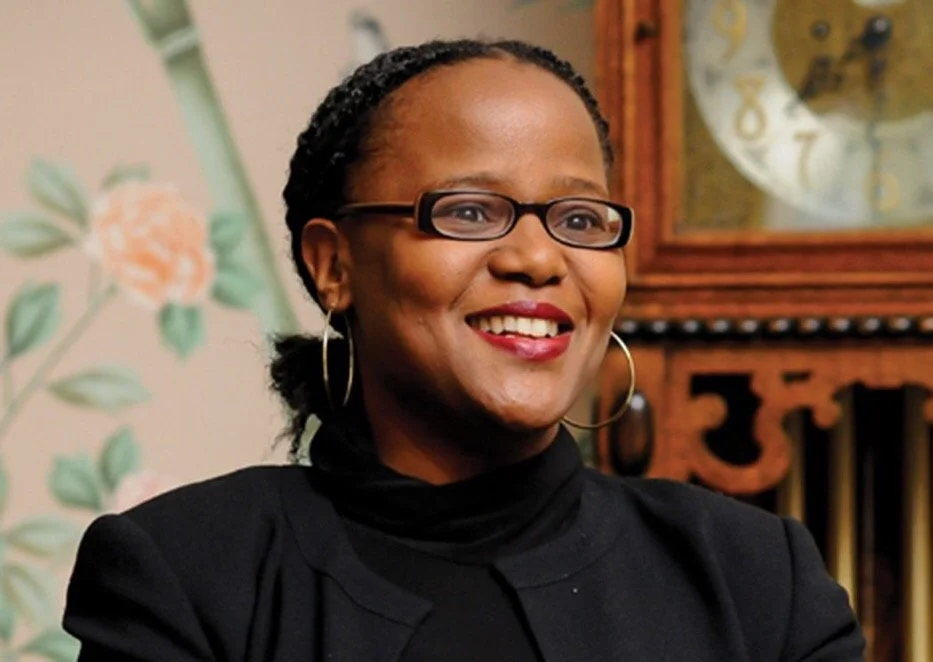
Edwidge Danticat announced as winner of $50,000 Neustadt International Prize for Literature at OU
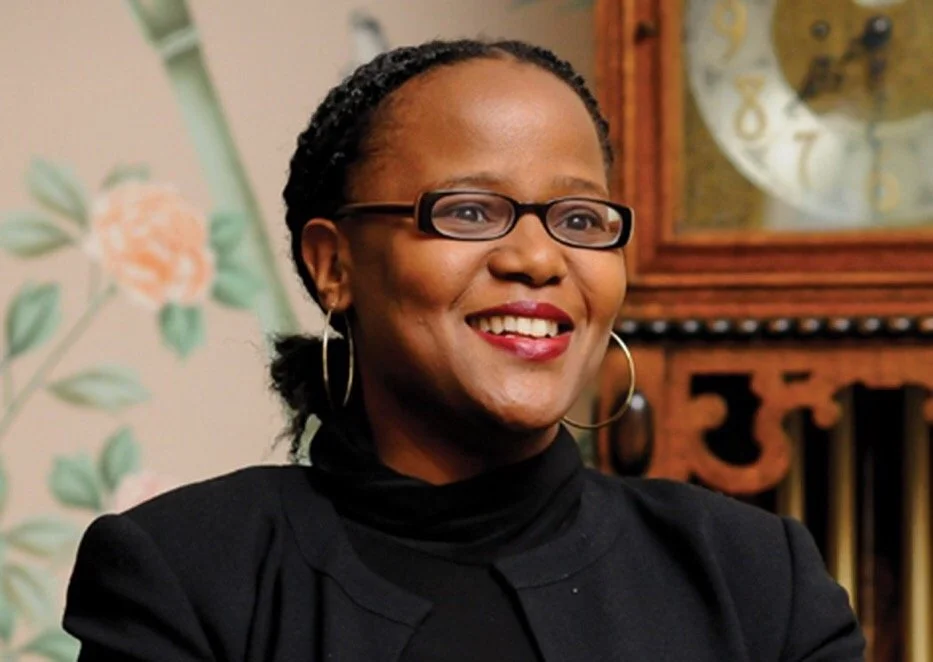
NORMAN — Haitian-American writer Edwidge Danticat has been named the winner of the 2018 Neustadt International Prize for Literature, officials announced Thursday evening.Danticat's award includes $50,000, a silver replica of an eagle feather and a certificate.The announcement was made at a reception at the University of Oklahoma, home to World Literature Today, the university's award-winning magazine of international literature and culture. The Neustadt International Prize for Literature is awarded in alternating years with the NSK Neustadt Prize for Children's Literature."Danticat is the author of stories, essays, travel commentary, film scripts, YA novels and four novels," according to a news release. "In addition to a Pushcart Prize, a National Book Critics Circle Award, the BOCAS Prize, and the Andrew Carnegie Medal for Excellence in Fiction, Danticat won a MacArthur Fellowship and holds two honorary degrees."Her first novel, 1994's "Breath, Eyes, Memory," was included in Oprah's Book Club in 1998."Danticat experiments with form and structure and frequently references the literary history of Haiti and the Caribbean" the release notes. "She paints scenes of immigrant life in New York and Miami with fresh details and palpable familiarity."Robert Con Davis-Undiano, World Literature Today's executive director, said in the release that Danticat is a “master writer whose newest work promises even greater heights.”The Neustadt Prize is the first international literary award of its scope to originate in the U.S., the release states, and is one of the only international prizes available to poets, novelists and playwrights. Any living author writing from anywhere in the world is eligible for the prestigious award. The jury is comprised of acclaimed international authors.By NewsOK | November 9, 2017
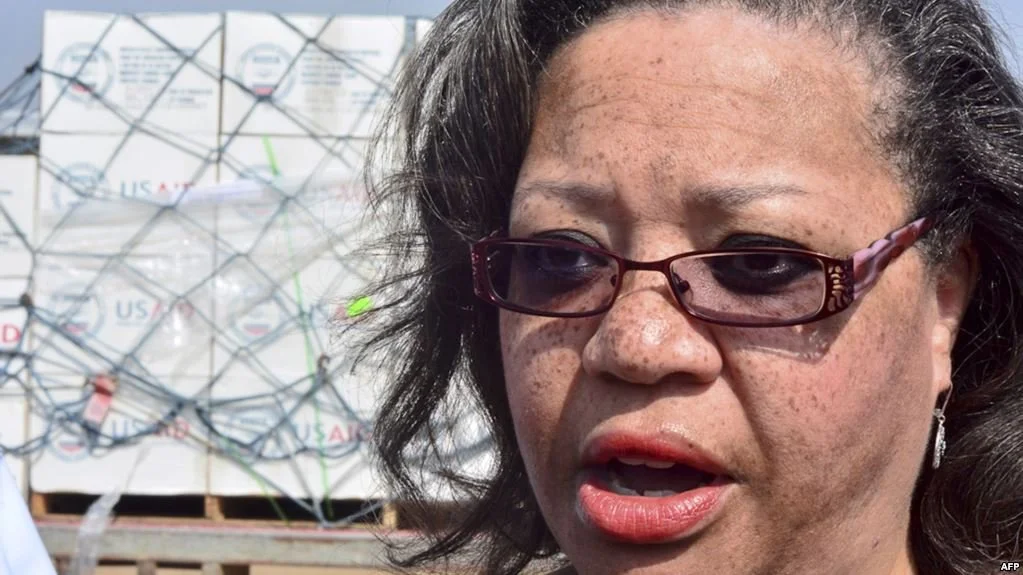
UN Names Special Representative to Haiti
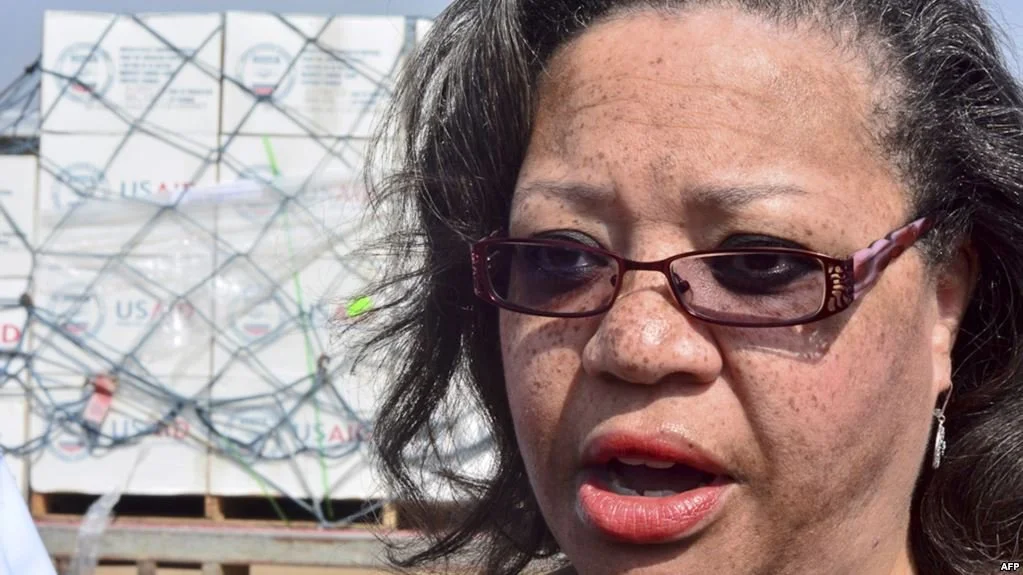
Veteran diplomat Susan Page has been named the United Nations' special representative to Haiti and will lead the new U.N. mission to enhance the country's justice system.Her appointment was announced Wednesday. On Friday, her first official day on the job, Page was expected to travel to Haiti with the deputy secretary-general, Amina Mohammed, and the special envoy for Haiti, Josette Sheer, according to the U.N. press office.
The U.N. diplomats were to meet with government officials and other stakeholders, the press office said. They also planned to tour the Haitian government's development initiatives and visit communities most affected by a deadly cholera epidemic.Since January, Page has served as deputy special representative for rule of law with the U.N. Stabilization Mission in Haiti (MINUSTAH). That mission, aimed at stabilizing the country after a 2004 coup, ended in mid-October.It was immediately succeeded by the U.N. mission for Justice Support in Haiti(MINUJUSTH), intended to strengthen the justice and corrections system, policing and the protection of human rights.The new mission has been embraced by the government of President Jovenel Moise but has some skeptics, as the Reuters news service has reported.“The country should expect nothing positive from this new mission, which is only a tactic to continue with the occupation that the Haitian people have rejected,” former presidential candidate Eric Jean-Baptiste was quoted as saying.

FILE - The Nepalese garrison stands at attention during the official closing ceremony of the United Nations Stabilization Mission in Haiti (MINUSTAH) in Tabarre Haiti on Oct. 5, 2017.
The U.N. has been blamed for the cholera epidemic, allegedly introduced by Nepalese peacekeepers who arrived to help after a massive earthquake in 2010. The bacterial disease has killed 9,722 of Haiti's nearly 11 million people.Last August, acknowledging the U.N.'s role in the epidemic, spokesman Farhan Haq said the organization would "do much more regarding its own involvement."Page is experienced in dealing with conflict.She served as the first U.S. ambassador to South Sudan, from late 2011 through Aug. 23, 2014, then became the acting U.S. ambassador to the African Union and the U.N. Economic Commission for Africa. She also was a U.S. deputy assistant secretary for African affairs and a senior adviser on Sudan and South Sudan.Page led the rule of law advisory unit for the U.N.'s Sudan mission, and served as legal adviser for the U.N. Development Program in Sudan and Rwanda.A native of Chicago, Illinois, Page was born in 1964. She earned a law degree from Harvard University and an undergraduate degree from the University of Michigan, where she majored in English.By: VOA News - November 03, 2017
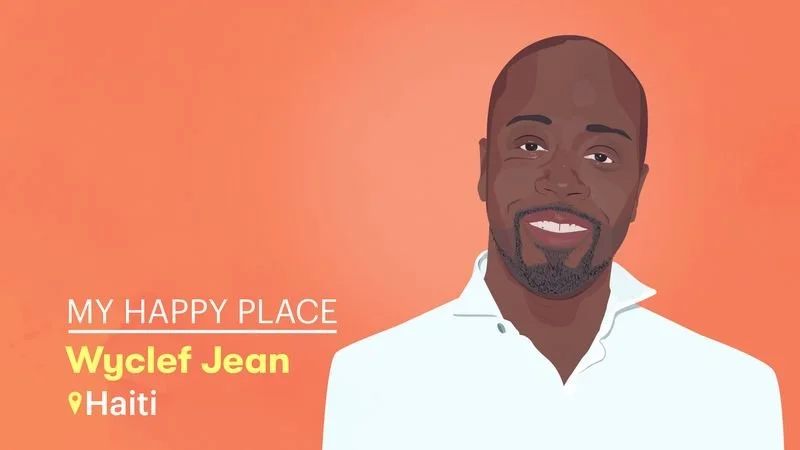
My Happy Place: Wyclef Jean Reveals His Hidden Paradise In Haiti
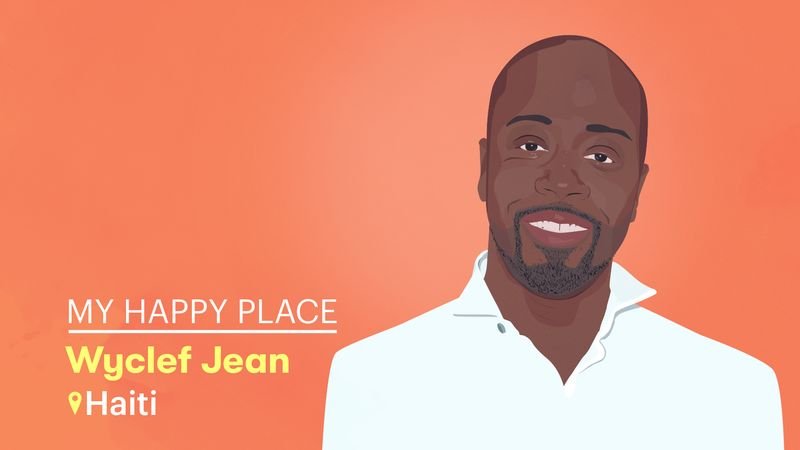
In My Happy Place, we talk to some of our favorite people about their emotional connection with an unforgettable destination.
Wyclef Jean is one the biggest musical names to ever come out of the island nation of Haiti. His star first rose as a member of the famed hip-hop group the Fugees and continued to climb as Jean pursued a career as a solo artist, collaborating with everyone from Shakira to Young Thug. A three-time Grammy award recipient, Jean has never forgotten his home country of Haiti and regularly extols his love for the country through his music. Mic caught up with Jean at an October benefit for VH1’s Save the Music Foundation, which is dedicated to bringing instrumental education to U.S. public schools.For Jean, there’s one place in Haiti that he can’t forget. "It’s like a magical river. It’s called Saut d’Eau," he said. Saut d’Eau is the name of a town and 100-foot waterfall about 60 miles north of Haiti’s capital, Port-au-Prince.

Saut d’Eau -- or Sodo in Creole -- is a place where natural beauty and Haiti’s rich history meet. The towering waterfall was created by an earthquake in the mid-1800s. According to local lore, shortly after a man saw the Virgin Mary appear near the waterfall. Saut d’Eau became a sacred site, and now, as Jean explains, "they have great ceremonies" every year.

The annual festival at Saut d’Eau occurs in mid-July, when Haitians, tourists and members of the diaspora travel to the waterfall to take part in the festivities. Attendees bathe in the water, hoping it will rid them of sicknesses or bring them good fortune. Both the Virgin Mary and her Vodou analog, the Haitian spirit Erzulie Dantor, are associated with the waterfall.Vodou -- more commonly spelled as "voodoo"-- is a key part of Haitian culture, and stems from its colonial history. When French colonizers made African slaves in plantation colonies like Haiti practice Catholicism, many combined the religion with indigenous African gods, giving birth to Vodou. That’s why Vodou spirits, like Erzulie are often so similar to Catholic religious figures like the Virgin Mary.

Music is woven into the yearly Saut d’Eau festivities. "You go out there, a lot of music is played," Jean said. "The style of the music is called rara. Rara is the roots." During the festival, rara musicians lead a procession from a church in Saut d’Eau to the waterfall. The main instrument used in rara is a bamboo or metal cylinder called a vaksen, which is accompanied by drums and other percussion instruments.
Rara is also played during Easter and Haiti’s equivalent of Mardi Gras, Carnival, which happens every year in the weeks leading up to Lent.

Jean hasn’t always had such a rosy relationship with his home country. After a catastrophic earthquake upended Haiti in 2010, his charity Yéle was accused of overspending on travel and luxury office expenses, as well as not fully paying its contractors. Jean responded to criticism in 2010 saying, "I never would ever take money for my personal pocket when it comes to Yéle," and that he has "always been committed to the people of Haiti." Despite being roiled by the Yéle controversy, Jean remains dedicated to uplifting his country, and he released a song named "Lady Haiti" in February 2017. For Jean, the synesthetic combination of music, nature and religious ceremonies make the Saut d’Eau waterfall and festivities one of the most treasured pieces of Haiti. And at the end of the day, it sums up what Jean loves so much about his native home: "You chill. You meditate. You enjoy nature."By: Benjamin Moe for Mic.com | November 6, 2017

See Why Haitian Born Designer Victor Glemaud Was Honored In Washington

You might not have heard the name of fashion designer and guru Victor Glemaud, but that is because he has been comfortably curating his career for decades behind the scenes. Now, the Haitian born creative is stepping into the spotlight and has introduced a new collection of knit sweaters inspired by both artists and by his father's own sweaters.So as they do, things are moving fast for Glemaud, especially in the public sphere. Recently, Glemaud was recently honored by the Embassy of Haiti for his accomplishments in fashion.
Glemaud moved to the U.S. at age 3, and although Victor did not live in Haiti for any length of time, he still feels very connected to his culture and country. The vibes of country are very vibrant and creative, which inspires his craft. We spoke to him exclusively right after he received his honor at the Haitian Embassy in Washington, D.C. He believes, “we need to support, foster and showcase the incredible work coming from Haiti and talented folks of Haitian decent.”

As a designer who is Black, Victor has prepared for years to reach this point in his journey. He possesses a lot of grit, passion and tenacity to achieve this early milestone in his career. “I ask a lot of questions. I read voraciously. I want to be aware of everything happening. I have certainly made mistakes along the way, but I’ve found it’s been vital to acknowledge and correct them.”

Victor's latest collection for Fall/Winter is unique because he has designed a unisex collection, perfect for sweater weather, which is fast approaching. See our favorite styles below.


“I don’t think I fully understood the weight of this achievement until our Embassy walk-through the day of the event.”The fashion designer hopes the celebration of the CFDA/Vogue Fashion Fund by the government of Haiti shows young Haitian creatives can achieve their dreams, too.

Florida commit Richard Gouraige motivated by mother’s triumph from Haiti

TAMPA, Fla. — Gator Nation got a jolt of enthusiasm Friday from Richard Gouraige.The 4-star offensive tackle from Cambridge Christian School (Tampa, Fla.) sent Florida football fans into a frenzy when he released his commitment video.As the tweet took off and news got out, Gouraige wasn’t celebrating. He didn’t obsess over the attention, text messages and Twitter notifications.No, the big man was in a team meeting for some last-minute game prep.“My main goal in life is win at everything I do with football,” Gouraige said. “It’s my only way out. Whatever I gotta do, I do it. I don’t have an excuse.”His mother, Kerlange, never had one. Her journey from Haiti to the United States serves as constant motivation for Gouraige.“She only came with the clothes on her back,” Gouraige said. “So coming over here was pretty hard. She had to go to school and work three jobs. Could barely speak English. She only knew Creole and French, so she struggled.”
Gouraige wakes up regularly at 6 a.m., whether it be for practice, school or team workouts. He’s also used to being up that early.“From the time I was little, my mom would wake me up at 5 in the morning every day to ride the bus,” Gouraige said. “Growing up, it was kind of rough for me before my siblings were born. But seeing my mom make it through all that, it taught me a lot.”Specifically? How to deal with failure.“Don’t let it bring you down,” Gouraige said. “Let your failure fuel you. Add more gas to that fire.”Gouraige is one of the nation’s top prospects at his position and accumulated more than 35 offers. But when his mother and siblings shared his desire to attend Florida, the decision was a done deal.“I’m just ready to play football, which is what I love,” Gouraige said. “I don’t really care about this recruiting process. I’m grateful to be here and humbled by it. But at the end of the day, you still have to go on the field and be a dog.“I’m very grateful that I had the opportunity to play football and stay off the streets. It led me to a better path really. That’s why I got this chip on my shoulder and it makes me keep working hard every day.”Gouraige has NFL aspirations after college and hopes to return to Haiti one day and build houses with non-profit organizations.His mother already has.“I want to help,” Gouraige said. “I’ve been to Haiti once. It’s hot, but there’s always dancing. That’s my culture and I just love those people.“I want to give back and show appreciation for the way they raised my mom, because she’s a very strong lady. You can’t get another lady like her.”By: Zach Abolverdi - October 22, 2017

Haitian artist Didier William conveys current events, life in homeland through painting

Artist Didier William visited the college Monday to discuss his career and present several of his works to students. William, who is currently the Chair of the Masters and Fine Arts Program at the Pennsylvania Academy of Fine Arts, was born in Haiti and moved to Boston, Mass. at six years old.Several of the pieces William presented focus on his own gender and sexuality, his Haitian heritage and the nation’s history and military. During the talk, William presented his painting “His Life Depends on Spotted Lies” and said his inspiration for the piece came from the Trayvon Martin case, in which unarmed teenager Trayvon Martin was killed by neighborhood watchman George Zimmerman, an act for which Zimmerman was acquitted.William said that his art comes from a small idea that expands and that he wants his artwork to reflect how difficult the process is. William is interested in a painting’s ability to “amaze and offend,” he said.William said his painting “Erzuile Toujours Konnen” focuses on his life in Haiti. His piece “This Pig is Heavy” focuses on an outbreak of swine flu that occurred in his homeland of Haiti. William also said that his painting “I Remember When I Was A Little Girl” is meant to tell a story about life in poverty.In his time as an artist, William has also taught at numerous prestigious schools, including Yale University. William shows his work in galleries and is currently based in Philadelphia, Pa.The paintings William presented to audience members included “Tumble,” “Sanitizing Sanity,” “Keyhole,” “I Remember When I Was A Little Girl” and several more. William also presented his most recent work titled “Camouflage.”William discussed his artistic background with the audience, explaining that as a young man he took numerous art classes. William started out as a sculptor and spent his time in graduate school digging through material. After a hesitant start, he ended up being successful in his craft, he explained.Many of William’s paintings also focus on the use of space and color, frequently including eyes. According to William, he has been inspired by artists like Robert Colescott, Helen Frankenthaler, Sigmar Polke, Carroll Dunham, Belkis Ayón and Azil Politik. He said that print has changed the way he has thought about painting. William explained that he didn’t choose to be an artist, but that art found him and he was always compelled to make art.According to art professor Nestor Gil, he invited William to the college for a variety of reasons, saying that William is an artist from whom “we can learn a great deal.” Gil knows William from collaborative work at the Experimental Printmaking Institute at Lafayette.“[William] treats themes and subjects that are current and urgent in our culture and society,” Gil said.William will exhibit his work in Miami this December and will return to the college in January to show his work in a collaborative effort called “Swarm” with Professor Gil. “Swarm” will be on display in the Grossman Gallery.By Anthony Orlando | October 20, 217