
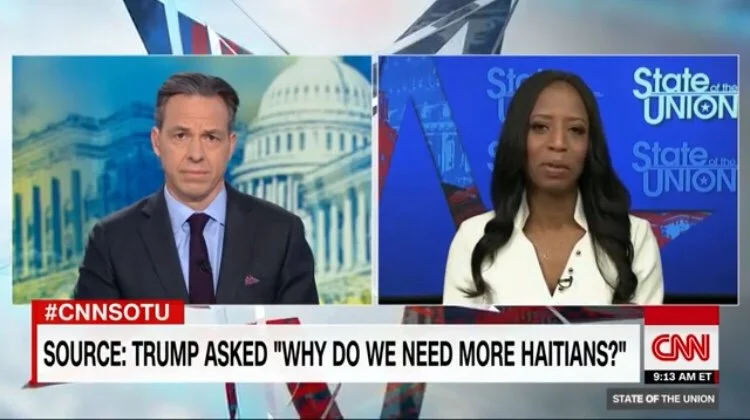
Trump meets with GOP Haitian-American congresswoman amid fallout from obscene remarks
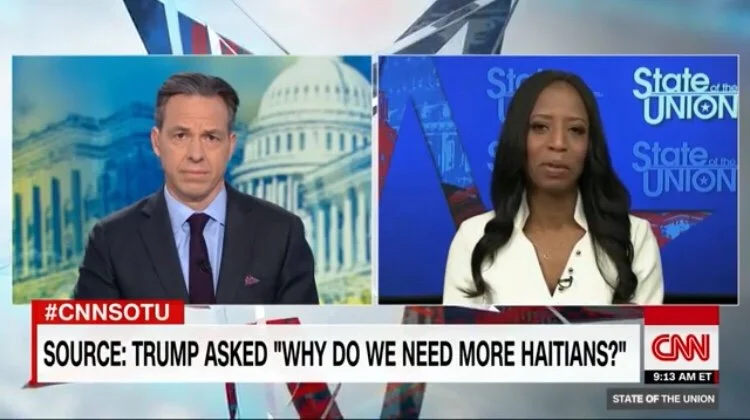
[embedyt] https://www.youtube.com/watch?v=-uvlvxiKec8[/embedyt] (CNN)Republican Rep. Mia Love discussed immigration with President Donald Trump in the Oval Office for half an hour Tuesday, just two days after she said she believed the President made racist remarks about Haitians during a meeting with lawmakers.
Haiti should relinquish its sovereignty
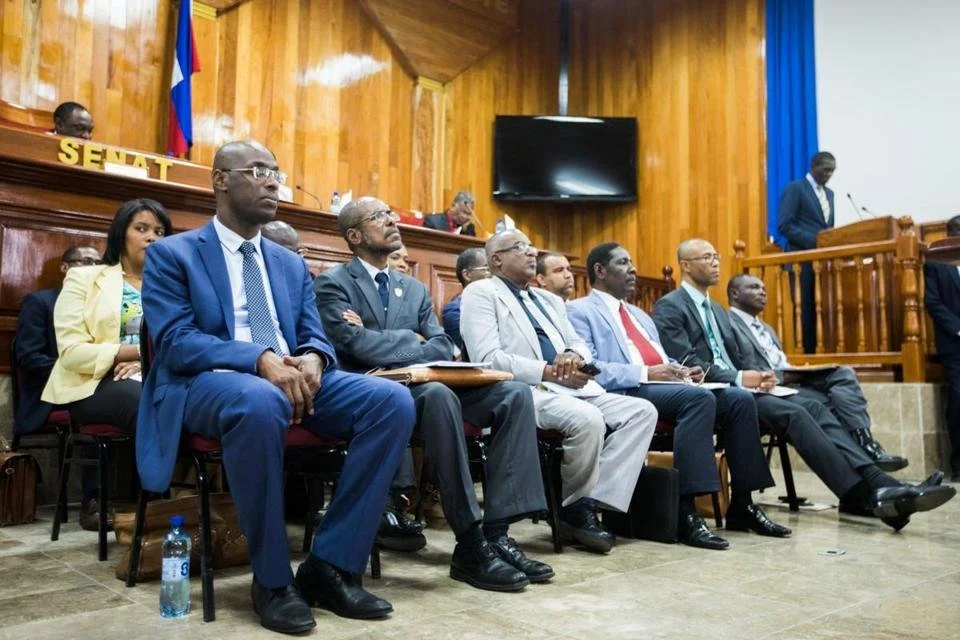
I moved back to my native Quebec from Port-au-Prince not long before Haiti adopted its constitution 30 years ago. Since then, Haitians have failed to build the democracy they envisioned for their new era of constitutionalism. Military rule, a legacy of colonial devastation, natural disasters and two coups — one engineered by the United States — certainly have not helped.The truth is that the constitution has not made much of a difference because the country needs a far more dramatic intervention. Nearly every part of everyday life is worse now than it was then. Conditions are so unspeakably awful that some find themselves recalling with misplaced affection the days of the Duvalier dictatorship.
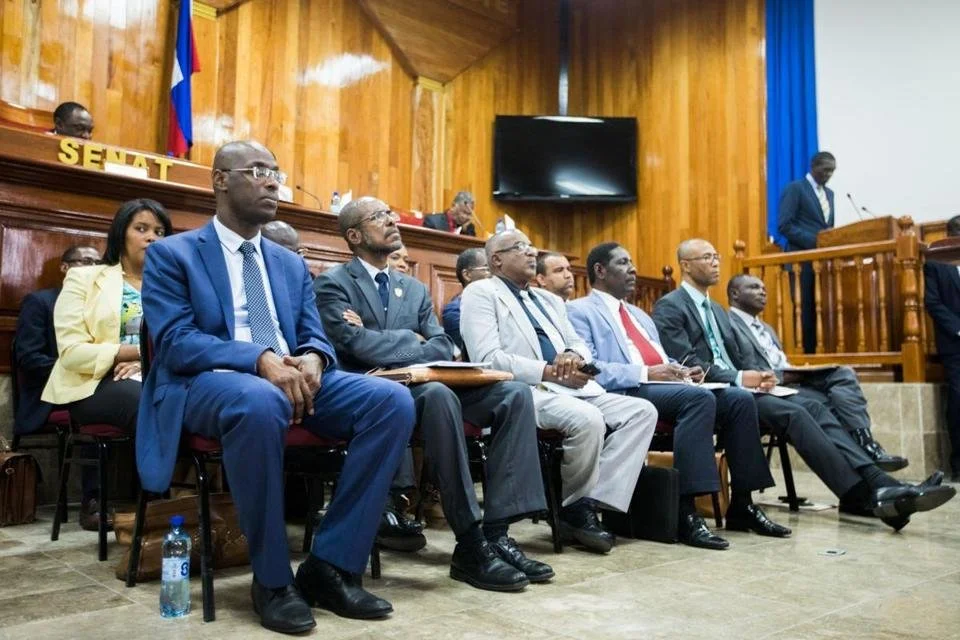
The problem rests not with the Haitian people but with their leaders. This year on the occasion of the constitution’s 30th anniversary, the Chamber of Deputies launched nationwide public consultations on how to amend the Haitian Constitution to rebuild faith in the country’s corrupt public institutions.Yet there is little reason to believe that constitutional amendments will do anything to give Haiti and its long-suffering citizens what they need most: political leaders inspired by an ethic of public service, not driven by narrow self-interest. History has proven that the political class has neither incentive nor interest to put the country first.This moment nonetheless offers an opportunity to transform Haiti for the better. Instead of settling for mere tinkering with their constitution, Haitians should demand an altogether new one that can help to finally bring the peace and prosperity they have lacked for over 200 years of independence since driving away their French slavers in 1804.The new Haitian Constitution should do something virtually unprecedented: renounce the power of self-governance and assign it for a term of years, say 50, to a country that can be trusted to act in Haiti’s long-term interests.Why would a country accept this multigenerational commitment? The optics alone of a majority-white country running Haiti — even if in Haiti’s best interests — revive ghosts of the distant but never-forgotten past of slavery.
The choice of sponsor is delicate, and the list is short. Despite the hundreds of thousands of Haitians who live in New York City, Miami, and Boston, the United States has ruined nearly everything it has touched in the land once called the “pearl of the Antilles.” France and the United Kingdom are likewise nonstarters. Brazil and South Africa are possibilities, though both are now preoccupied with their own political crises. And the United Nations in Haiti? It has been a disaster.The answer may be Canada, for years one of Haiti’s most loyal friends and foreign aid donors — and today one of the most popular destinations for the diaspora. Canadians today yearn for real influence in the world, and there may be no better way than building Haiti anew drawing from Canada’s values of equality, diversity, and compassion, and its unique expertise in humanitarian assistance. Prime Minister Justin Trudeau is still looking for a major foreign policy achievement since his election in 2015, and this commitment could leave a legacy that would match his father’s own achievements as prime minister.Critics would be right to wonder whether Haiti would remain a country in the conventional sense of the term. We live in a post-Westphalian world, but the organizing logic of countries today remains rooted in traditional understandings of the nation-state. We hold sometimes too strongly to the idea that a country is sovereign — all-powerful within its jurisdiction and an independent actor beyond its borders — to fully appreciate that external pressures are not only a reality of our global order but often also a force for good.Haiti would not be alone in surrendering an important marker of national sovereignty in the pursuit of larger objectives, in this case the most basic ones of all: improving the quality of life of its people and building a modern infrastructure for the country. Other countries have on occasion willingly forfeited some measure of their sovereignty to a foreign power. For example, many countries of the Commonwealth Caribbean choose to retain the Judicial Committee of the Privy Council in London as their court of final appeal instead of acceding to the jurisdiction of the homegrown Caribbean Court of Justice. Similarly, roughly 25 countries choose to outsource their monetary policy to the United States. And until 35 years ago, Canada had voluntarily ceded to the United Kingdom the power to amend its own constitution.Difficult times often yield impossible choices, and this would be an extraordinarily difficult decision for Haiti’s political leaders. Yet the greatest gift Haiti’s political class can give their fellow citizens is to give up the power to govern. This ultimate sacrifice would be a triumph of national over individual interests, and it would forever memorialize Haiti’s current leaders as the country’s modern founders.By Richard Albert May 02, 2017