
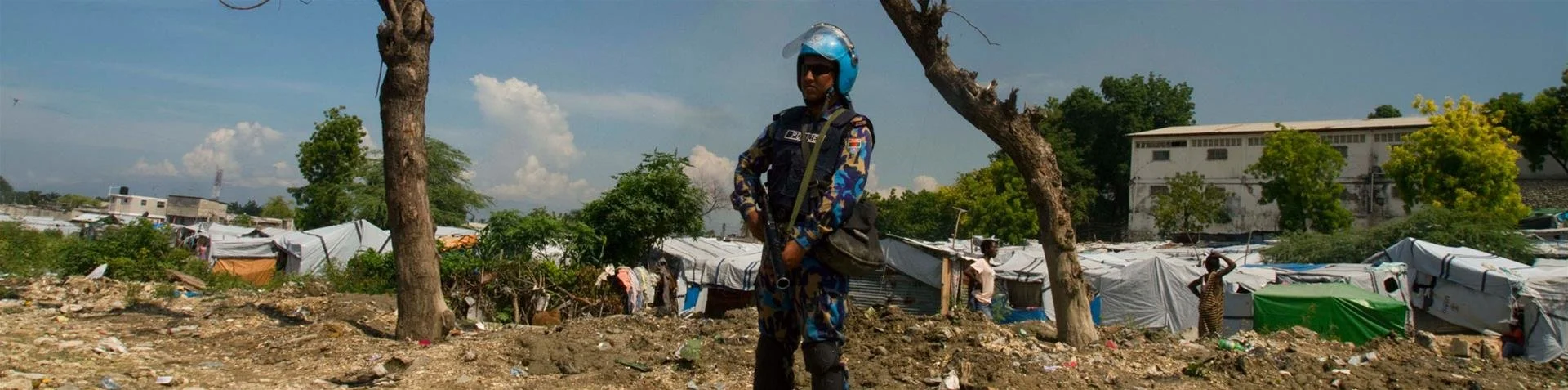
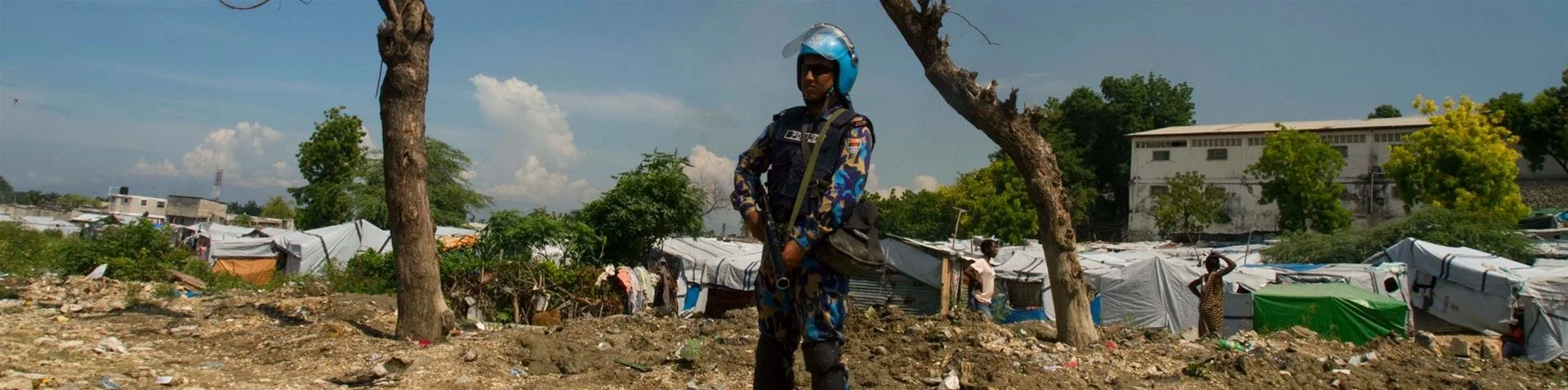
![A UN peacekeeper argues with a supporters of 2010 presidential candidate Michel Martelly in Port-au-Prince [File: Gulliermo Arias/AP Photo]](http://www.aljazeera.com/mritems/imagecache/mbdxxlarge/mritems/Images/2017/10/5/93b587f0214543e6a5c044dc19ff741b_18.jpg "UN peacekeepers leave Haiti: What is their legacy?")
PEACEKEEPERS IN HAITI
- What will be their legacy?
- Why were they there?
- What has taken so long?
- Why are they leaving now?
- What have Haitians said about the mission?
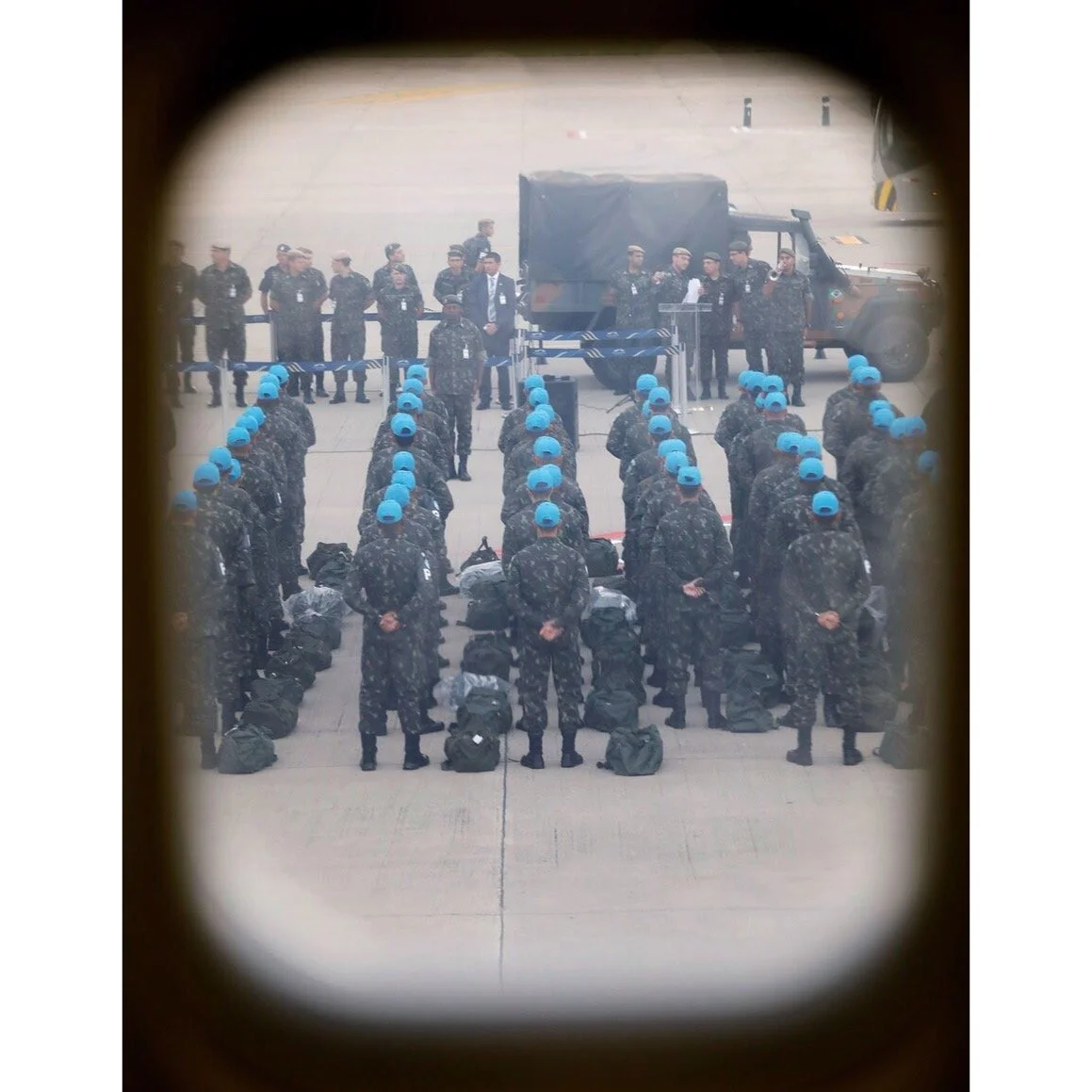
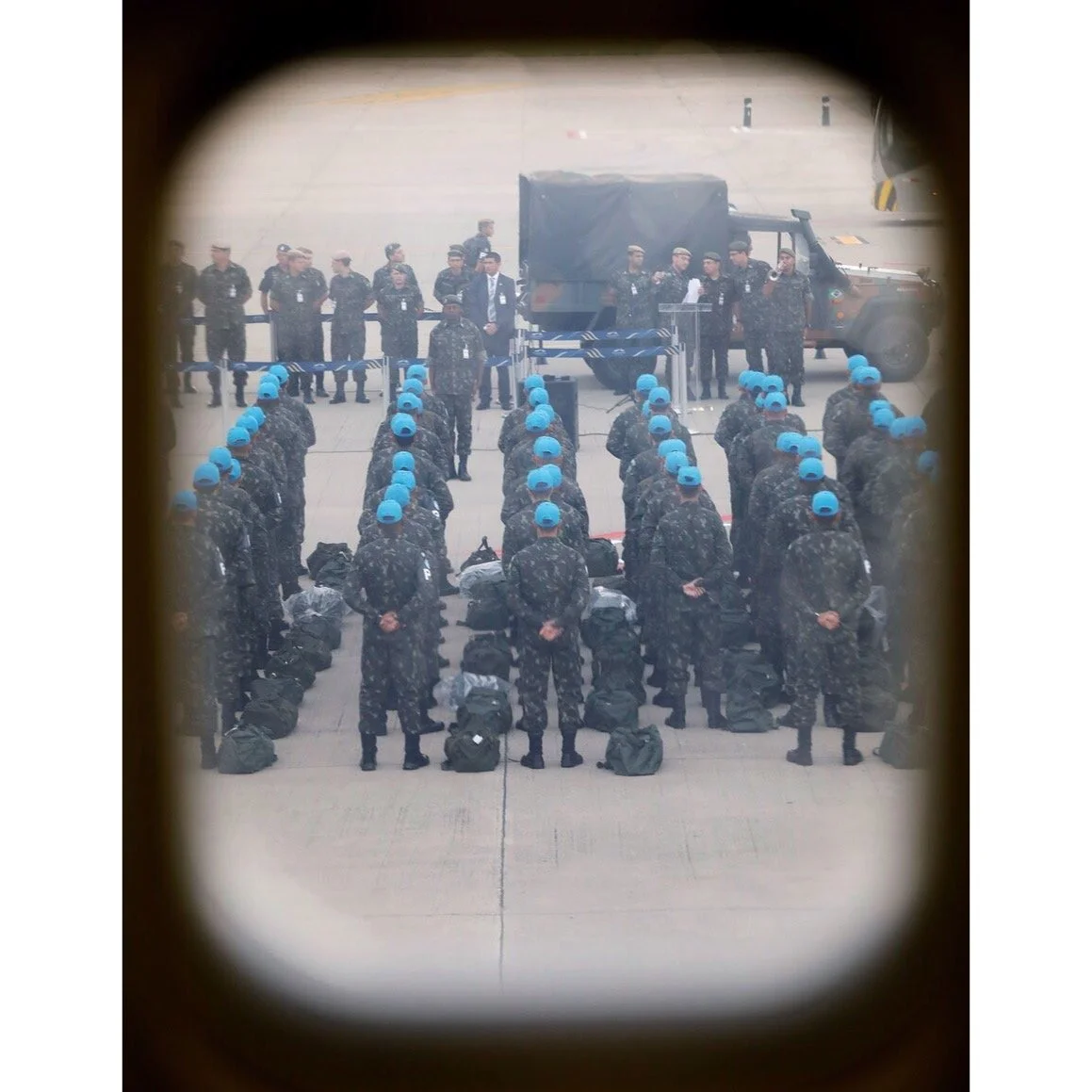
The United Nations peacekeeping mission in Haiti lowered its blue flag on Thursday, 13 years after it began.While the mission has been credited with helping bring stability to the poorest country in the Western Hemisphere, it has also been mired in controversy.The mission is blamed for bringing cholera to the country, and at least 134 of its peacekeepers have been involved in sexual abuse scandals.As the last of the thousands of peacekeepers who were in the country leave, Al Jazeera answers some of the key questions about why the blue helmets were there and what they are leaving behind.
What will be their legacy?
The presence of UN troops in Haiti has been a point of controversy on the island since the UN Stabilization Mission in Haiti (MINUSTAH) mission first began in 2004.UN officials have praised the mission for helping to re-establish law-and-order in the country marred by political unrest and bolster Haiti's democratic institutions. MINUSTAH has also helped recruit and train a new civilian police force, something that was virtually nonexistent before their arrival.However, critics argue the mission's forces have done more harm than good, pointing to the peacekeepers' involvement in the country's 2010 cholera outbreak and sex abuse scandals as evidence.Cholera outbreakThe source of the waterborne disease, which killed more than 9,000 people, was traced to a UN base.Al Jazeera's Fault Lines investigated the outbreak in 2010. The film - Haiti in a Time of Cholera - helped further expose the source of the disease on the island, and put additional pressure on the UN to investigate the allegations, and eventually admit its role in the outbreak.In August 2016, the UN for the first time acknowledged that it played a role in the spread of the disease.The UN at the time promised to respond to the epidemic with a "significant new set of UN actions".
 |
| A demonstrator spray paints the message in Creole "We demand justice for all cholera victims" on a building outside the UN headquarters in Haiti [File: Dieu Nalio Chery/AP Photo] |
In a report, the then UN Secretary-General, Ban Ki-moon, said that "the preponderance of the evidence does lead to the conclusion that personnel associated with [a UN peacekeeping] facility were the most likely source".Ban said the way the UN handled the outbreak "leaves a blemish on the reputation of UN peacekeeping and the organisation worldwide".He added: "For the sake of the Haitian people, but also for the sake of the United Nations itself, we have a moral responsibility to act and a collective responsibility to deliver."Ban created a $400m voluntary trust fund for Haiti's fight against cholera. The fund was also supposed to partially compensate victims of the disease.But earlier this year, The New York Times revealed that the fund only received a few million dollars and was nearly empty.In a statement in June, the UN deputy secretary-general said that "without additional resources, the intensified cholera response and control efforts cannot be sustained through 2017 and 2018".
|
|
Rape and other forms of sex abuseUN troops have also been implicated in sexual abuse scandals in Haiti since the MINUSTAH first began.Most recently, a UN report obtained and revealed by The Associated Press in April documented the sexual exploitation of nine children on the island from 2004-2007 at the hands of at least 134 peacekeepers.Al Jazeera later spoke to Maria Kalichi*, who had been raped by a peacekeeper when she was 17 years old. She became pregnant as result of the rape."I want justice by finding the person who did this," she told Al Jazeera."I want to hear what he has to say to me … I am walking around the streets feeling destitute because of the UN."A leaked report in 2015, found that UN peacekeepers in Haiti engaged in "transactional sex". At least 229 women said they traded sex for money and goods likes food and medicine.In 2012, at least two peacekeepers from Pakistan were jailed and fired from the army after raping a 14-year-old boy.Other cases of rape and other instances of sexual abuse have been reported and documented by the UN during the mission's 13-year term.In September, a UN fund to help the survivors of sexual abuse by peacekeepers worldwide grew to $1.5m after more than 10 countries made contributions.
Why were they there in the first place?
MINUSTAH, running since 2004, was the latest installment in a series of UN peacekeeping missions in the country, which shares a landmass with the Dominican Republic.
|
|
Peacekeepers first arrived in Haiti, home to 10.8 million people, in September 1993 as part of The United Nations Mission in Haiti (UNMIH).The mission had a mandate to modernise the Haitian army and establish a new national police force two years after Haiti's elected president, Jean-Bertrand Aristide, had been removed from office during a coup d'etat.After Aristide was restored to office in October 1994 following the UN-sanctioned, and US-led, "Operation Uphold Democracy" launched the month before, the mission's mandate was expanded to include helping to stabilise the government.However, UNMIH, which concluded in June 1996, appeared to have failed to deliver long-term stability. A decade later, history repeated itself as Aristide was overthrown for a second time.
Following Aristide's removal, Justice Boniface Alexandre assumed office as acting president.Alexandre appealed to the UN for help in ending the violence that had gripped Haiti in the wake of the political revolt, causing crime and murder rates to spiral.MINUSTAH, launched on June 1, 2004, in response to the crisis, led to the deployment of 6,700 UN-sanctioned troops - and 1,622 UN police - in Haiti.
Why has it taken so long for them to leave?
MINUSTAH was originally set up to support Haiti’s transitional government for a period of six months, with the aim of establishing a stable and secure environment following Aristide's removal.The mission was extended with adjusted mandates in the months and years that followed in order to allow peacekeepers to "adapt to the changing circumstances … and evolving requirements as dictated by the political, security and socioeconomic situation prevailing in the country", according to the UN.By the beginning of 2010, it appeared the mission had achieved its goals as violence had largely been removed from Haiti's politics and the country was experiencing economic growth.However, a devastating 7.0 magnitude earthquake hit the island on January 12, 2010, killing more than 220,000 people.The natural disaster destroyed vast swathes of Haiti's capital city, Port-au-Prince, and decimated the fragile Haitian economy.In response, the UN added additional peacekeepers and police officers to its mission as it sought to support the country in its efforts to rebuild following the earthquake.Force numbers have been gradually reduced in the last seven years, by a series of resolutions.
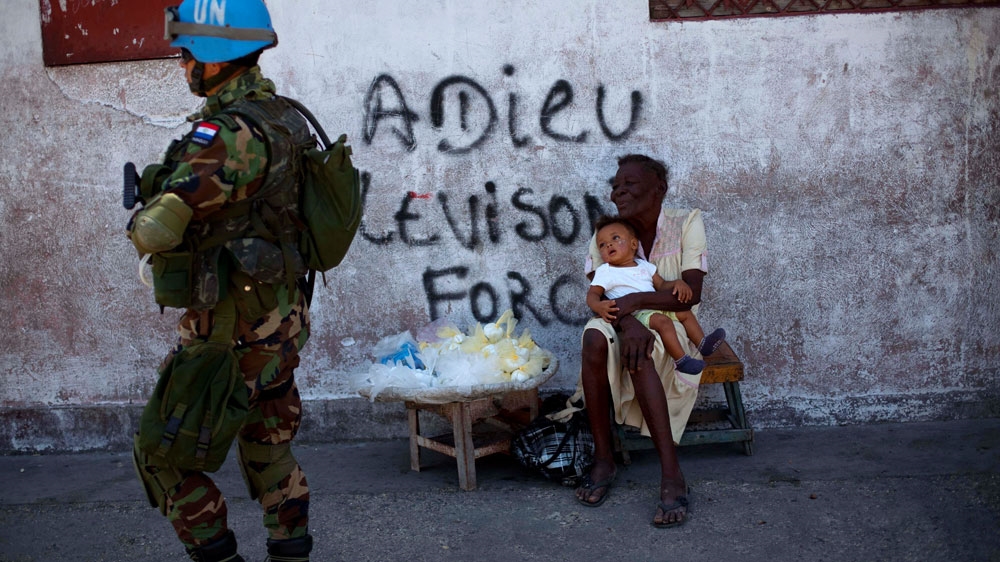 |
| A UN peacekeeper from Paraguay patrols the streets of Port-au-Prince, 2011. [File: Ramon Espinosa/AP Photo] |
Why are they leaving now?
The UN Security Council (UNSC) unanimously adopted a resolution in April of this year, ordering the removal of peacekeepers from Haiti by mid-October.The April 13 resolution sanctioned the gradual withdrawal of the 2,370 peacekeepers stationed in Haiti, according to The Los Angeles Times.The resolution was the result of a US-led review into the cost and effectiveness of the UN's current peacekeeping operations.Nikki Haley, the US representative to the UN, told the UNSC prior to the vote that the political context was right for the withdrawal of a military presence in Haiti.
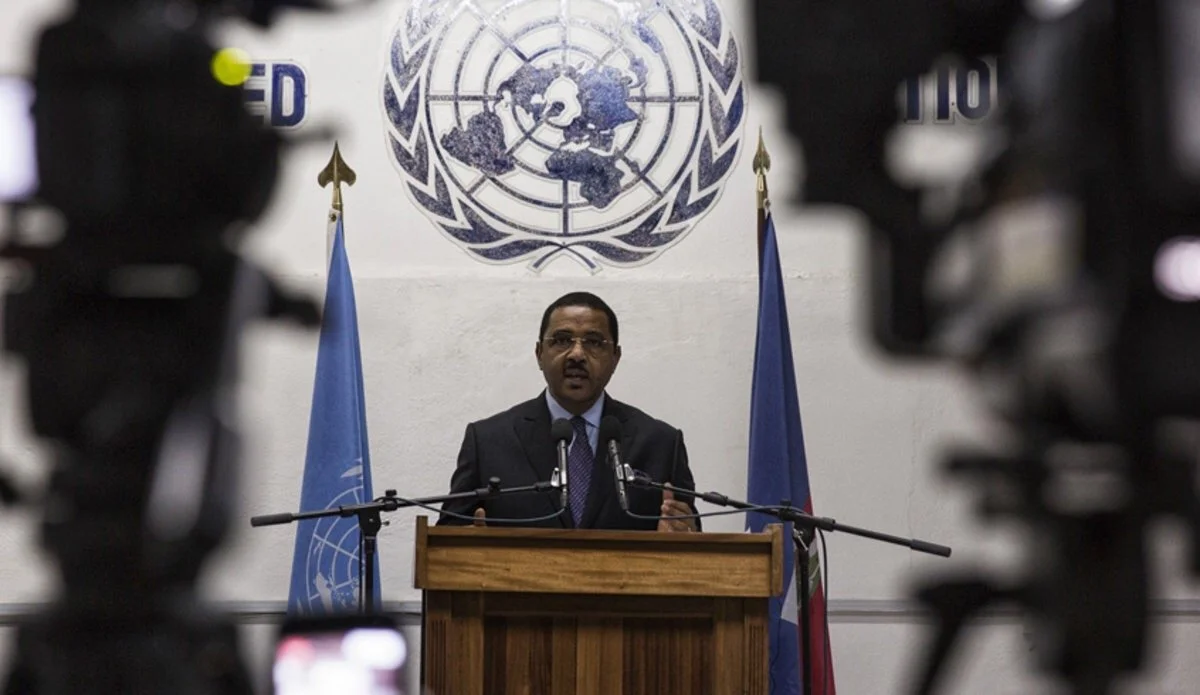
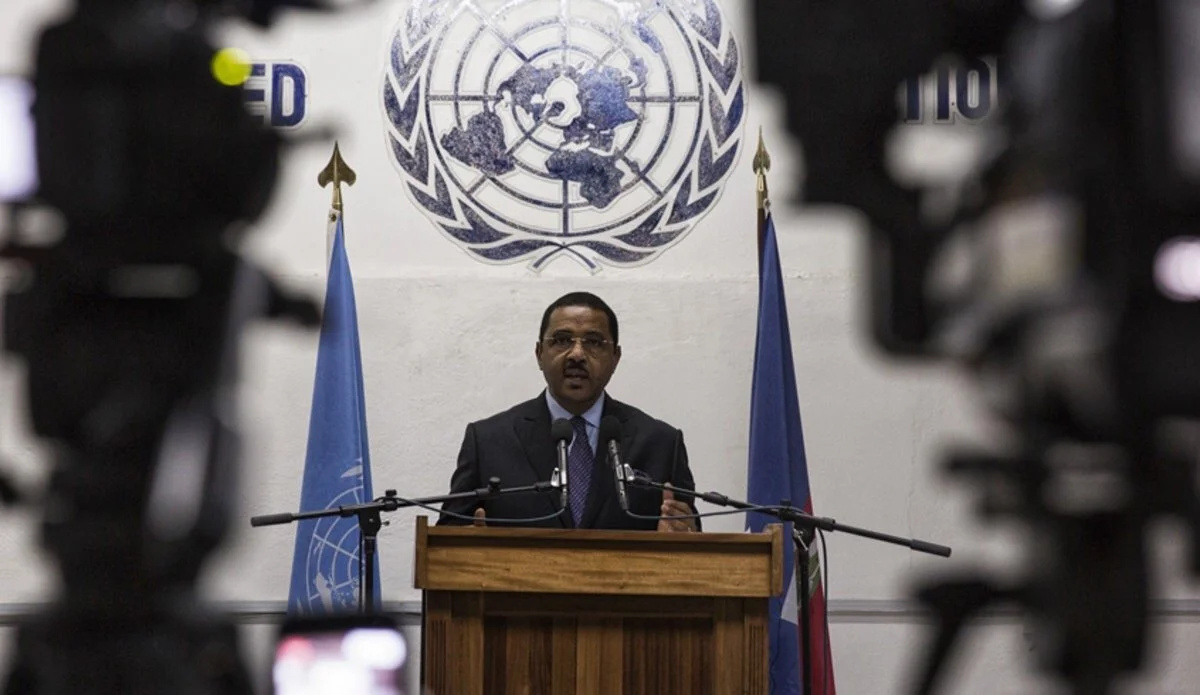
The "peaceful transition of power" demonstrated by Haiti's November 2016 presidential election showed the country had made an "important step towards stability and democracy", she said.As such, developments warranted an amended approach focused on fostering "the independence and self-sufficiency of the Haitian people".The peacekeeping mission will officially end on October 15 when a new UN mission made up of nearly 1,300 international civilian police officers, and about 350 civilians will begin in an effort to help the country reform its political system.In a recent interview with Al Jazeera, Sandra Honore, head of MINUSTAH, said the UN is winding down the mission because it has achieved its aims."It is a vote of confidence in the Haitian people," she said."It is an indication of the recognition by the Security Council that the stabilisation work which was entrusted to the mission did in fact produce positive results."
What have Haitians said about the mission?
Though February's presidential election seems to demonstrate Haiti is more politically stable now than when MINUSTAH began, a number of Haitians recently told Al Jazeera the mission has done little to improve their lives.Mothers who say they have had children, fathered by peacekeepers, also say they feel abandoned.
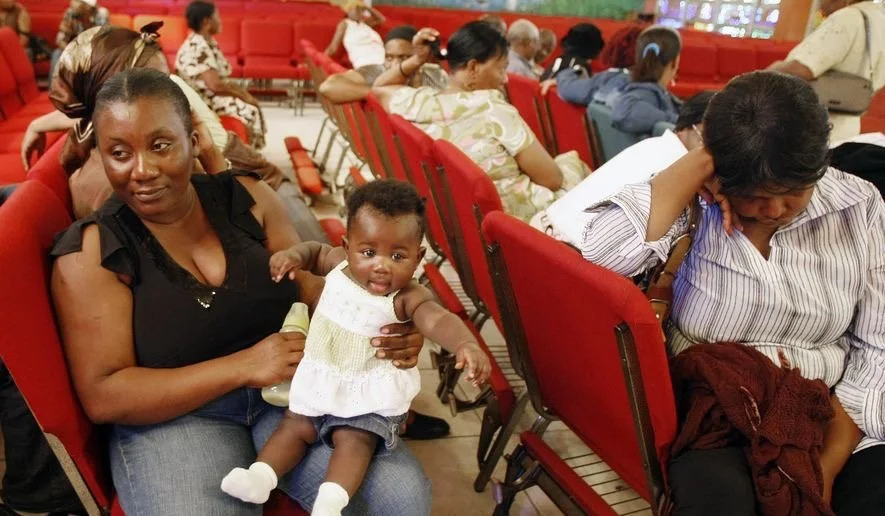
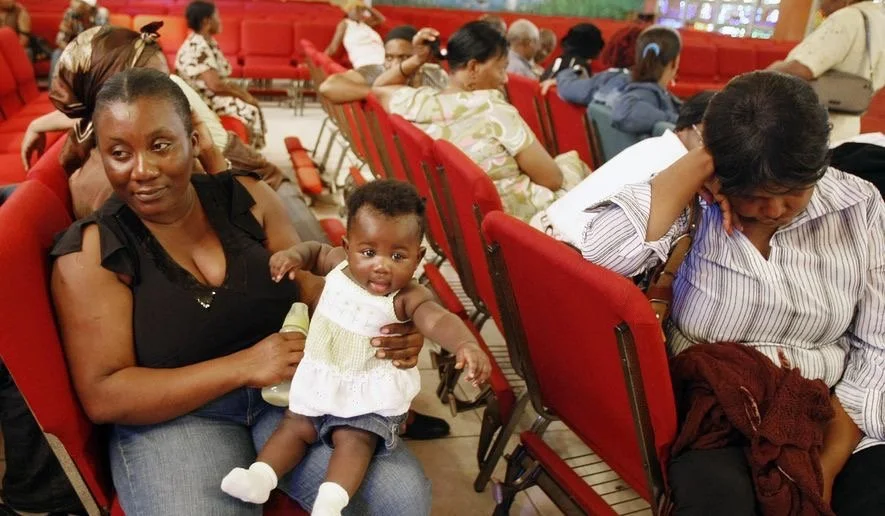
"After years of running around and false promises from the UN, nothing has happened," Saintil Benite, a mother, told Al Jazeera."They make us do a lot of stuff but there's no results," she said.Another mother, Roselaine Duperval, added that the mission has failed those people it sought to serve."I am very angry that the UN is leaving as it's left us with nothing," she said."They should take responsibility. They know about the kids. They did DNA tests and they told us they're positive but never give us the results."
 |
| Children play in the street while UN peacekeepers from Brazil patrol in Port-au-Prince [File: Dieu Nalio Chery/AP Photo] |
As peacekeepers leave, Haiti continues to experience political turbulence.Protests last month over the government's new budget plans brought much of the country to a halt.The government has defended its plans, which include increased taxes on fuel and property, saying the money raised will be invested in improving public services and infrastructure.*Name changed to protect identity
|
|
By: Al Jazeera and news agencies | October 6,2017


 “We support the Caribbean community. We are part of the Caribbean community. In recognition and in support of our heritage we advocated for placing the Haitian Studies Institute at Brooklyn College; not instead of “Little Haiti,” but in continuance of cultivating “Little Haiti’s” foundation.”


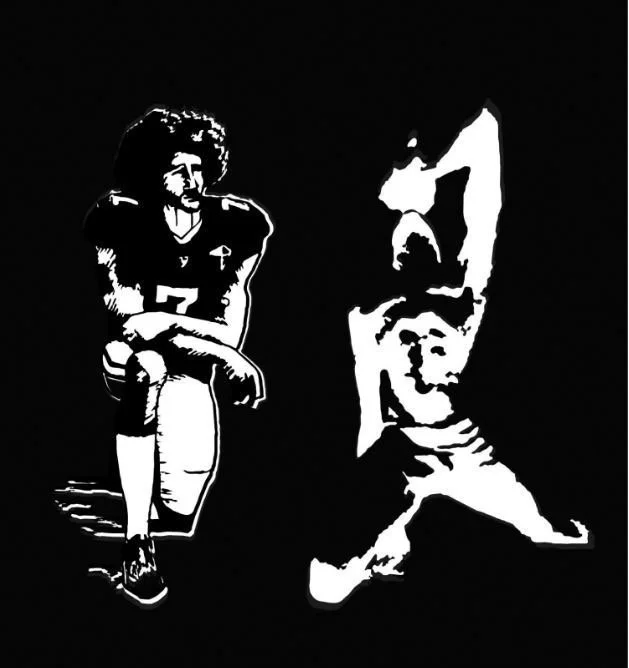
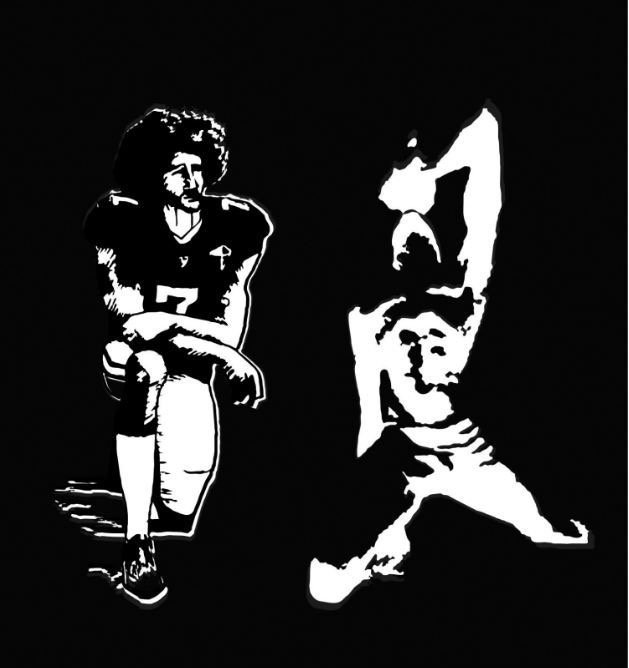
 Jefferson realized the Haitian Revolution had the potential to cause an upheaval against slavery in the U.S. not only by the slaves themselves, but by white abolitionists as well. Southern slaveholders feared the revolt might spread from the island of Hispaniola to the slave plantations of the South, which it briefly did in 1831 with the rebellion by Nat Turner that was inspired by the Haitian Revolution. The primary goal of the U.S. was to maintain social order in the country, so the U.S. suppressed Haiti’s revolution.The fear of oppressed people learning or talking about freedom is present today. Take for example the blackballing of Colin Kaepernick in the National Football League (NFL).There are suspicions that the NFL is blackballing Kaepernick out of fear of inciting the Black Lives Matter movement and the protest spreading to other players.According to John Mora, owner of the New York Giants, “I think there are certain issues obviously that go along with Colin Kaepernick and that may have scared some teams’ [owners] away.”Unfortunately, the lowest class of society in the U.S. and globally is still occupied by the disenfranchised and marginalized blacks. Though most black NFL players and other professional athletes are well off financially and generate yearly income exorbitantly more than most working citizens they represent an extremely small percentage of the overall population. According to Forbes, the wage gap between blacks and whites from 1979 to 2015 grew from 18 percent to 26 percent. The Economic Policy Institute contributes the growing earnings inequality primarily to discrimination of blacks in communities that most of the NFL players come from. In other words, the post-racial period we are supposedly living in has only gotten worse for blacks in terms of financial inequity.
 Adding to the racially disproportional margin that exists in income, is the staggering discrepancy in the incarceration rate between blacks and whites in the U.S. Many studies like the one published by The Sentencing Project in 2016 have argued that this discrepancy exists because of racial profiling by police and implicit racial bias in court against blacks and Latinos.Yet, when Kaepernick uses his platform and prominence to peacefully voice concerns and highlight the discrimination that the black community is facing, he gets ostracized by the rich NFL owners because supposedly his protest will affect their teams’ financial bottom line. The argument and pretext of the NFL owners, like the one by New York Giants’ John Mara, is that Kaepernick’s nationalanthem protest might lead to a white fan backlash resulting in a decrease in viewership and merchandise purchase.Although there might be some validity to his argument, most black people are suspicious of the motive, partly due to the slavery association they make between the NFL and the black players, but mainly because they believe there is a clear historical pattern of crackdown of black protests that dates back to slavery in the 18th and 19th centuries to the current BLM movement.It is probably unfair to compare slaves with NFL players, owever, lately there have been a lot of parallels between slavery and the relationships between the players and NFL owners.The comparison has been made in different sectors in our society, whether explicitly mentioned in the book Forty Million Dollar Slaves, uttered by some NFL players during interviews, or implicitly expressed in the popular movie Get Out, a fictional story of black bodies being used for either personal or financial gain.Ironically, the subtle correlation between the NFL and slavery was recently displayed by ESPN, NFL’s most popular media outlet, during a skit for a Fantasy Football auction that showed a white man standing on a podium holding a picture pretending to auction New York Giants wide receiver, Odell Beckham Jr. to a mainly white audience.This unintentional tone-deaf skit was not well received by Beckham and many other black athletes. The incident sparked more discussions about the racial dynamic between the NFL and the majority of its black players.It seems like whether it’s the violent Haitian revolution, the most violent attack ever of blacks on whites in the Caribbean, or the recent Kaepernick peaceful protest, arguably one of the least aggressive civil rights protests ever, in the U.S., the responses from whites in positions of power is always blatantly the same.By: