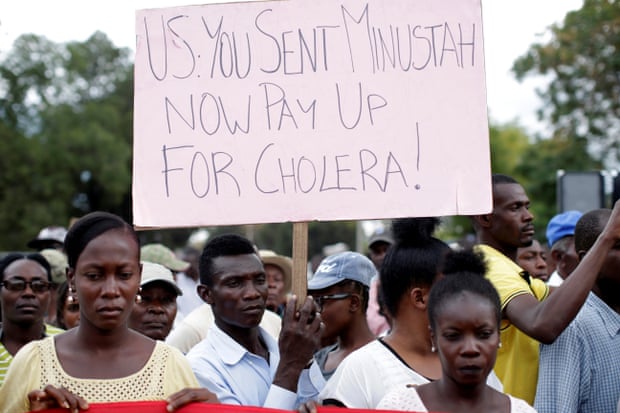

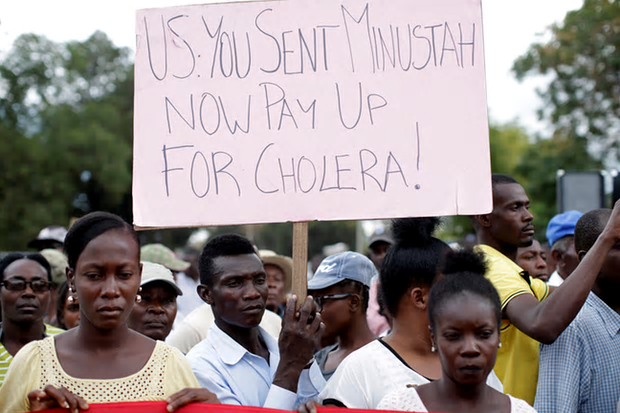
In June, the UN secretary general, António Guterres, asked member states to allow him to repurpose $40.5m (£30m) of leftover money to the Haiti cholera fund, which he said could have an “immediate impact in saving lives”.The appeal to reallocate unspent money designated for Haiti in 2015-16 has met with strong resistance from major donors. None of the five UN security council’s permanent members, which includes the US and the UK, approved the proposed funding reallocation. The UN Haiti cholera multi-partner trust fund, which gathered more than $2m, now lies almost empty.Brian Concannon, executive director of the Boston-based Institute for Justice and Democracy in Haiti (IJDH), said: “We have had conversations with the UK about cholera for years. They have been saying, ‘This is a matter of principle and we need to expect the rule of law.’”“Now that the money is on the table, the fact that the UK is not reallocating it is very concerning. No one else is going to step up.”Concannon, who was in the UK this week to meet the all-party parliamentary group on Haiti, said: “We’re asking the UK to take a leadership role in the UN security council. All the [permanent security council members] spend hundreds of millions of taxpayers dollars on the UN. But the UN is flouting its legal responsibilities towards the people of Haiti on cholera.”The UN only admitted its role in the outbreak last year. Former UN secretary general Ban Ki-Moon issued a carefully worded apology and said that the UN and member states had a “moral obligation” to relieve the Haitian suffering. The agency promised to raise $400m from member states to provide assistance to the Haitian victims. Since the fund was set up, however, only about $2.6m has been collected. The UK has donated $623,000 to this fund. Its share of the unspent $40.5m would be more than double that amount, at $2.3m.The IJDH works with thousands of cholera victims through the Bureau des Avocats Internationaux, a Port-au-Prince based human rights law firm. A lawsuit the groups filed on behalf of 5,000 cholera victims in a New York federal court in 2013 was dismissed by a judge, on the basis of UN immunity. After an appeal, the UN second circuit court of appeals in New York upheld the decision in 2016.Concannon is also working with the US Senate, to mobilise support for reallocating the funds. Democratic and Republican lawmakers have in the past criticised the Obama administration and the UN for failing to ensure Haiti’s victims were helped.Concannon said it was “shameful” the UN couldn’t come up with even a tenth of the amount originally promised. “The underspend idea wasn’t supposed to be the end result, but low-hanging fruit.“People in the UK or the US can forget about people in Haiti, but the people in Haiti cannot forget people in the UK or US.”Mario Joseph, a lawyer with BAI, said: “Imagine what would have happened if the Nepalese had brought the disease to the UK? What would be the reaction here – would there be the same disregard as people have shown the people of Haiti? For that reason alone, the UK should take a leadership role.”A Foreign and Commonwealth Office spokesperson said: “The UK recognises the devastating impact that cholera has had on the Haitian people, and we welcome the crucial role the UN is playing to eradicate it. The UK is the fourth largest donor to the UN trust fund, in addition to other contributions to tackling cholera in Haiti.“It is for each UN member state to decide how to use returned unspent peacekeeping funds. We call on all countries to volunteer contributions to the UN trust fund from whatever source is appropriate for them.”By: Karen McVeigh for TheGuardian.com | November 2, 2017
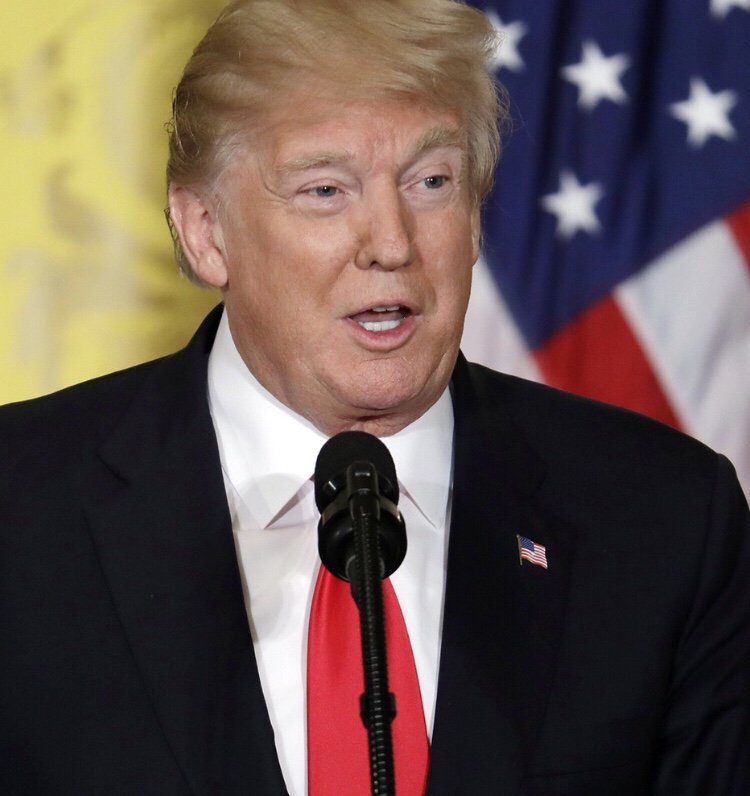
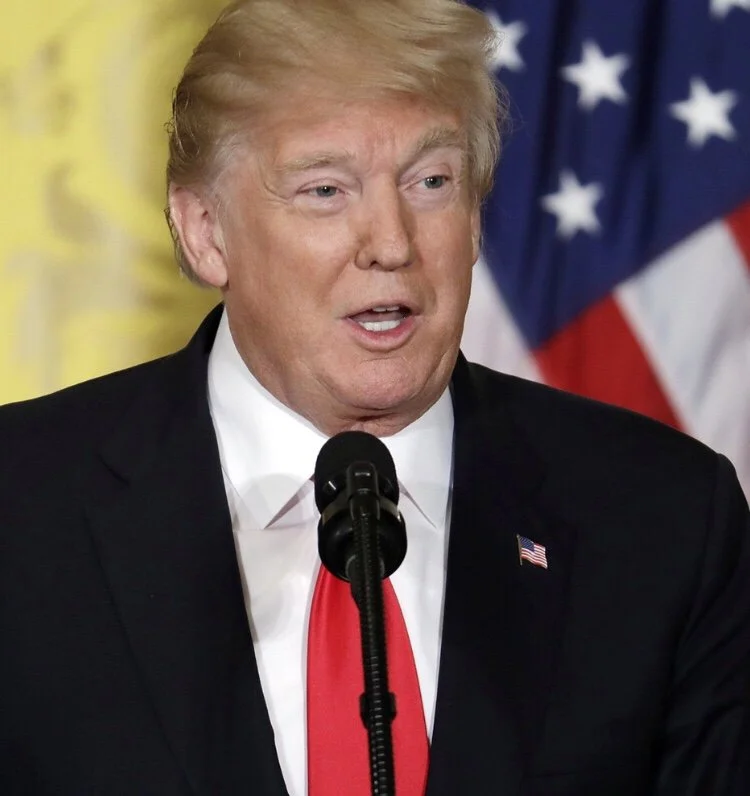
Trump referred to Haiti and African nations as 'shithole' countries
President Donald Trump referred to African countries, Haiti and El Salvador as "shithole" nations during a meeting Thursday and asked why the U.S. can't have more immigrants from Norway.
Trump referred to Haiti and African nations as 'shithole' countriesWASHINGTON — President Donald Trump on Thursday referred to Haiti and African nations as "shithole countries" during a meeting with a bipartisan group of senators at the White House, a Democratic aide briefed on the meeting told NBC News.Trump's comments were first reported by The Washington Post, which said the group of nations referred to also included El Salvador.The comments came as senators huddled in the Oval Office with the president to discuss a path forward on an immigration deal. Trump questioned why the United States would want people from nations such as Haiti while he was being briefed on changes to the visa lottery system.According to the aide, when the group came to discussing immigration from Africa, Trump asked why America would want immigrants from "all these shithole countries" and that the U.S. should have more people coming in from places like Norway. Thursday's meeting came one day after Trump met with Norwegian Prime Minister Erna Solberg at the White House.Ap source familiar with Thursday's meeting told NBC News the president was particularly frustrated during discussions about the visa lottery system — a program Trump has railed against repeatedly in recent months. Another White House source explained the language Trump used as his way of trying to emphasize his support for a merit-based immigration system.The White House issued a statement that did not deny the remarks."Certain Washington politicians choose to fight for foreign countries, but President Trump will always fight for the American people," White House Deputy Press Secretary Raj Shah told NBC Thursday, as part of a lengthy statement that did not directly dispute the language reportedly used in the meeting."He will always reject temporary, weak and dangerous stopgap measures that threaten the lives of hardworking Americans, and undercut immigrants who seek a better life in the United States through a legal pathway."Republican congressional reaction trickled in Thursday night, with some statements critical of the reported language calling on the White House to immediately provide an "explanation" or additional "context."But Republican Rep. Mia Love — the daughter of Haitian immigrants herself — released a tough statement calling Trump's comments "unkind, divisive, elitist, and fly in the face of our nation's values" and demanding an apology from the president.And Rep. Ileana Ros-Lehtinen (R-Fla.) said in a tweet that the reported remark "ignores the contributions thousands of Haitians have made to our #SoFla community and nation. Language like that shouldn't be heard in locker rooms and it shouldn't be heard in the White House".It’s not the first time reports have surfaced of Trump speaking unfavorably about immigrants, and Haitians in particular. The New York Times reported in December that Trump said Haitian immigrants "all have AIDS," during a summer 2017 meeting about immigration.According to the Times, Trump also targeted Nigerian immigrants during that meeting, complaining that once they came the United States they would never "go back to their huts." The White House vigorously denied the claims in the story at the time.By: Ali Vitali and Kasie Hunt for NBCnews.com | January 11, 2018
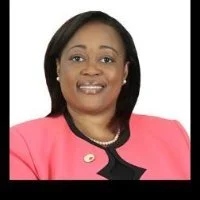
Message to the Nation by Senator Dieudonne Luma Etienne
 As part of the commemoration of the 214th anniversary of Haiti's independence, Sen. Dieudonne Luma Etienne, First Secretary of the Upper House and the only woman elected to the Senate, delivered a message to the Nation that we invite you to share.Message from Senator Étienne :"My dear compatriots,At the dawn of this new year coinciding with the 214th anniversary of Haiti's Independence Day, I call on all Haitians, from here and elsewhere, to stand together and defend the interests of the nation.Let's go United!Let us know that the destiny of our dear Haiti depends only on our visions oriented towards endogenous development and our actions. This country that our ancestors bequeathed us is an inheritance symbolizing union and freedom. We must work constantly to value and enhance its splendor.In this new year, join forces, our skills to make our country a place where reign 'the love of Tèt Ansanm'. have the imperious obligation to work, more than ever, in agreement with my fathers conscripted to defend the interests of the Nation by laws implementing new applications of change project for a transformed country.I pledge to push for the promotion of women's leadership I pledge to push for the promotion of women's "leadership" in order to continue to defend the rights of Haitian women and to work to eradicate all forms of economic violence against them. Always in the spirit of establishing a lasting democratic system for the benefit of the Nation, I will devote myself to taking vital decisions in relation to my parliamentary functions in order to equip the country with a Permanent Electoral Council, since 2018 is a year devoted to the preparation of the elections.With that, I remind you that the Fatherland needs your talents indistinctly. Haiti needs its sons and daughters from everywhere.Let us be strong, united and work together for our happiness, to enhance our dignity and our sovereignty.Happy New Year 2018 and Happy Independence Day to you all my dear compatriots !"By: HL/ HaitiLibre | January 3, 2018
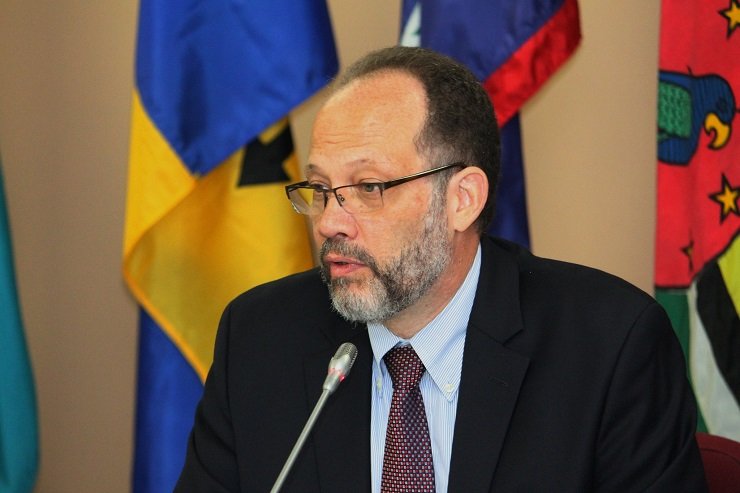
CARICOM congratulates Haiti on 214th anniversary of Independence
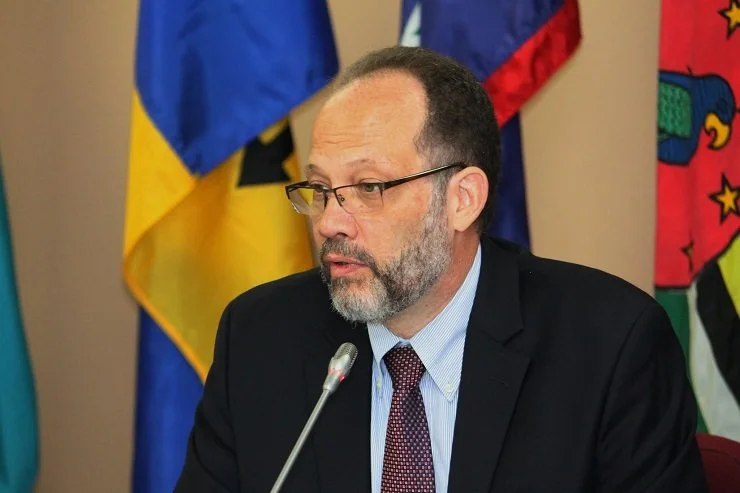
GEORGETOWN,Guyana (CMC) — The Caribbean Community (CARICOM) has congratulated the Government and people of Haiti on the nation's 214th anniversary of political independence from France.In a message to mark the anniversary, celebrated on January 1, CARICOM Secretary-General Irwin LaRoque said the occasion is cause for celebration “since history has proven that the success of the Haitian Revolution extended into the success of the region both socially and politically.”He noted that the French speaking CARICOM country has demonstrated its resilience to the world on several occasions.“The courage and fortitude of the Haitian people have served as an inspiration to the people of the Region. The contribution of the country to the world of art, music, literature and academia has gained Haiti international renown.”The Secretary General, in his letter to the President of Haiti, Jovenel Moïse, said that as the regional grouping looks forward to Haiti's leadership of CARICOM, the nation continues to make its mark through its commitment to the welfare of people with disabilities.“The Caribbean Community salutes Haiti as it continues its journey of self determination,” LaRoque said.By: Jamaicaobserver.com | January 1, 2018
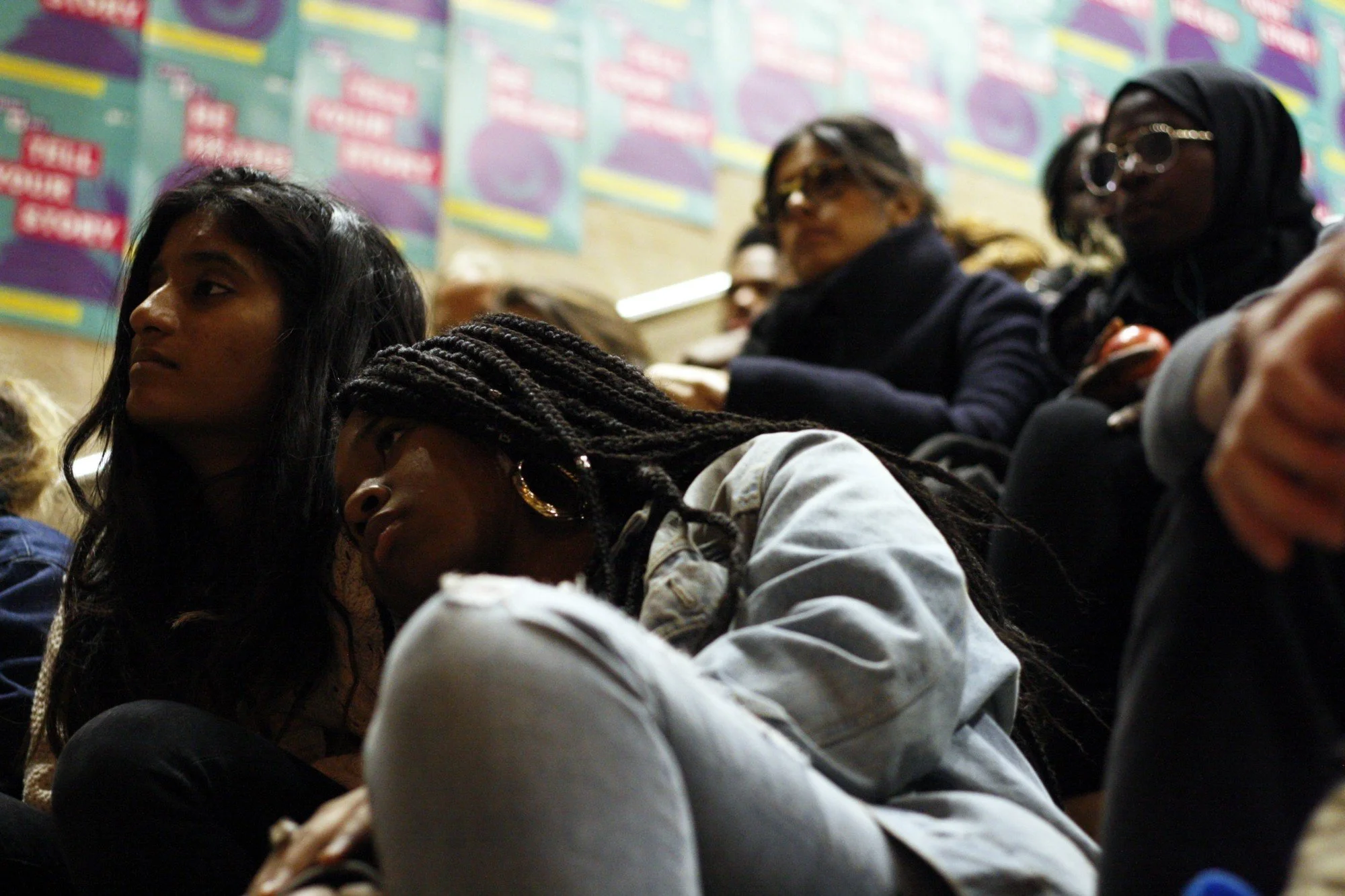
Haitian American Students Association Holds Sit-In After Trump Administration’s TPS Decision
“So even if I’m here and I feel good my friends are aware of this I’m still bitter, very bitter.”
“When I say Haiti, you say ‘Rise Up,’” Mathania Toussaint, the PR chair for Haitian American Student Association (HASA), instructed the group of students and allies gathered on the steps of Kimmel Thursday night. Toussaint lead them in the chant, which swelled with each call and response.
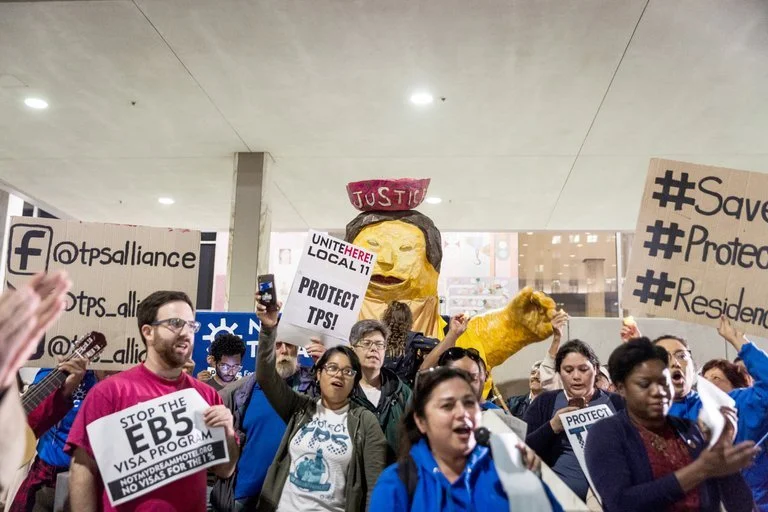
This was the scene from the sit-in, organized in response to the Trump administration’s recent decision to strip immigrants of their Temporary Protected Status (TPS). HASA said it was necessary to bring attention to the move, which will affect immigrants from Honduras, Nicaragua, Sudan and Haiti, because they believe the issue has been overlooked in discourse regarding immigrant struggles.
“After we first found out about the decision, HASA was kind of scrambling because we found out about it over Thanksgiving break and had a planned meeting,” Toussaint said. “So we flipped everything because this is more important. We need to talk about TPS. Trump has systematically removed immigrants of color from the U.S., it’s been group by group.”
Initially, Toussaint expressed qualms about the prospect of organizing the demonstration because she hadn’t planned a protest before. But the reaction from students, especially Haitian students like sophomore Fatima Julien, made it abundantly clear her decision to highlight this issue was necessary.
“After finding out about the TPS removal, I was like ‘Shit, what are we going to do…What can I do?’” Julien said. “Then finding out about the sit-in I harassed all my social media followers saying ‘Come: if you’re a social justice type I’m taking attendance.’”
“Being here, especially during the chant,” Julien continued, “I got a little emotional but it was good. It feels nice to be able to say that I was here and that my friends know about it.”

Julien, who immigrated to the U.S. two years ago, has family members who will be directly affected by the decision: a sister will have to return and cousins that were trapped under the rubble of the massive 2010 earthquake, will also be forced out of the U.S. In light of their trauma, Julien expressed trepidation about them returning to Haiti.
Despite those fears, she also made it clear she and her family would continue fighting to ensure everyone remained in the states.

The sit-in was planned to operate with the goals of bringing attention to the TPS matter and educating attendees on ways to help those affected going forward. Albert Saint Jean, the New York organizing fellow at the Black Alliance for Just Immigration (BAJI) and Ellie Happel an NYU Law graduate, both provided information on the latter.
Saint Jean recommended students reach out to organizations such as Haitian Women for Haitian refugees, Haitian Americans United for Progress and, the one he’s a part of, BAJI. “Because we’re actually in the communities doing work, helping people to get legal access,” he explained.
He added that often the help impacted communities need isn’t complex and can be as simple as assisting a family with filing paperwork.
Similarly, Happel suggested that helping the Haitian community could be very doable right here at NYU — with NYU Law and undergrads collaborating to monitor what’s happening in Congress, in Haitian neighborhoods and responding accordingly.
After the sit-in’s moment of silence for Haitians affected by the cholera epidemic the nation is still recovering from, attendees began to gather their belongings to leave. HASA president, Fabrice Juin, left those gathered with a final message.
“I personally only see things like these — sit-ins — as beneficial and productive if every single one of you leaves the space with more knowledge and ready to help physically and tangibly,” Juin said. “Thank you for showing up but I also want to let you know pay attention and ask yourself ‘What can I do in my own way to help the cause?’”
By: Arimeta Diop for NYUlocal.com | December 11, 2017
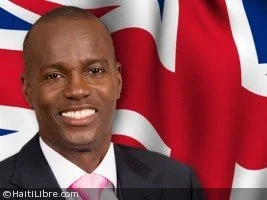
President Moïse blocked in the snow in London
Due to a winter storm that particularly hits Western Europe the plane carrying the presidential couple and a large delegation of Haitian businessmen remained grounded in London (330 flights canceled) because heavy snowfall.Due to an unfortunate meteorological episode, President Moïse was unable to attend Sunday evening at the evening organized by the Ambassador of Haiti in France Vanessa Lamothe Matignon, at the Hyatt Regency Hotel where he had to meet the Haitian community.Several hundred Haitians had filled the Salon Grand Palais Royal, on the fourth floor of Hayatt in the hope of seeing and listening to the President of Haiti. Unfortunately, just before 8 am a member of the Embassy delegation announced "We regret to announce that President Jovenel Moïse is currently stuck in London because of bad weather, he will not be able to be with us tonight," sowing disappointment, some of our compatriots having come from far away for this meeting.However, Ministers Antonio Rodrigue (Foreign Affairs), Pierre Simon Georges, (Environment) and Pierre Marie Du Meny (Commerce) present at this evening (arrival before the storm to participate in the "One Planet Summit", have improvised exchanges with a visibly frustrated audience. A documentary about the achievements of the Head of State during his 10 months in power was projected, without meeting the expectations of our compatriots.By: S/ HaitiLibre/December 11, 2017
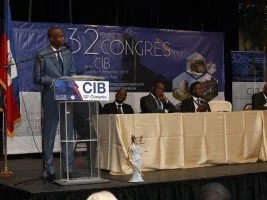
Justice : Opening of the 32nd Congress of the International Bar Conference
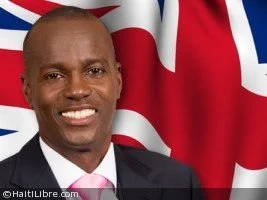
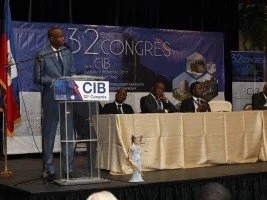
Wednesday the 32nd Congress of the International Conference of Bar Associations of Common Legal Tradition (CIB 32) opened in Haiti in the presence of President Jovenel Moïse, President of the National Assembly, the Honorable Youri Latortue, of President of the Council Superior of the Judiciary, Me Jules Cantave, of the Minister of Tourism, Colombe Émilie Jessy Ménos, and of secretary of the CIB, the bâtonnier Bernard Vatier and a pleiad of bâtonniers, lawyers and other legal professionals from Haiti, Europe, Africa, America and Asia.This event, organized for the third time on the American continent, after Montreal in 1988 and Quebec in 2004, which takes place at the Karibe Convention Center, from December 6 to 9 at the initiative of the Bar Association of Port-au-Prince is organized around of the theme: "The advocates of the Francophone space at the service of economic and social development". Its objective is to allow intellectual exchanges and to promote the sharing of experiences between the different member of bars and their lawyers.During his speech at the opening ceremony, President Jovenel Moïse expressed his appreciation of the holding in Haiti and declared "[...] I wish the most cordial welcome to the different guests During his speech at the opening ceremony, President Jovenel Moïse expressed his appreciation of the holding in Haiti and declared "[...] I wish the most cordial welcome to the different of the corruption that are delaying its economic and social development."The Head of State took the opportunity to recall that the judicial system in general, lawyers and magistrates in particular have a fundamental role to play in the realization of the profound change initiated by the new Haitian public administration "The Rule of Law allow to guarantee the fundamental rights of the people and to implement the economic and social development programs likely to improve the living conditions of the population. It promotes the intensification of private investment, the development of tourism and the expansion of arts and culture."While reassuring the Councils of the Order and the lawyers of Haiti of his full and whole support, the President Jovenel Moïse said he is convinced that the various topics will allow the bars of Haiti to go further in their reflections for the flourishing of law and justice.The bar president rancis Jackson Ngnie Kamga, President of the CIB, welcomed President Moïse's presence as a tangible proof of the importance given by the Head of State to questions of law and the promotion of good justice in the country.By: HL/ SL/ HaitiLibre/December 7, 2017
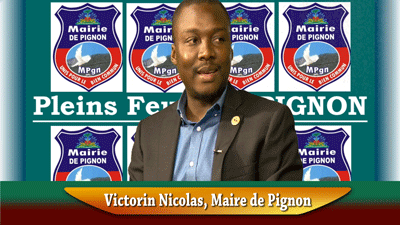
HCC grad turned Haitian mayor discusses what Trump policy means for his village
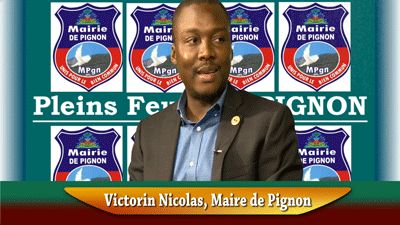
Nicolas Victorin has accomplished a lot for his Haitian village of Pignon since he was elected mayor nearly two years ago, thanks in part to connections made while living in Tampa from 2006 to 2010.Through funding from Tampa’s Debartolo Development, investment adviser Brent Wertz and mission Three Strand Cord, for example, Victorin, 31, has started a community radio station, constructed a school, purchased goats for start-up farms and founded a small business micro-loan program for women.But Victorin — who earned an associate degree in electronics engineering from Hillsborough Community College — says a village that operates on a monthly budget of $5,000, has no running water and unreliable electricity is not prepared for the return of nearly 1,000 of its 42,000 residents living in the United States under Temporary Protected Status.Who is Nicolas Victorin? Meet the HCC grad whose Tampa contacts aid him as mayor in HaitiThe Trump administration announced two weeks ago that it is ending the TPS program, which has allowed some 59,000 Haitians to live and work in the United States since a 2010 earthquake devastated their home country.These Haitians will have to leave the United States by 2019.Pignon, an agricultural village located in northern Haiti and about 100 miles from the heart of the 2010 earthquake that struck near the capital city of Port-au-Prince, was mostly spared from the destruction but not the economic aftershocks that followed.The Tampa Bay Times interviewed Victorin over email to get his assessment from Haiti.What is your reaction to the end of the TPS program for Haitians?This program provides safe conditions to those Haitians unable to securely return due to ongoing violence, political unrest, the very high unemployment rate and natural environment disasters. There must be political stability in Haiti for the country to start its real recovery and change the situation of the people.What is one of your tougher challenges in Pignon?The housing situation. We have some good concrete homes in the center of the city. However, for most of the countryside, people are living in mud homes that have palm tree roofs. During the raining seasons, most of them must leave their homes and go to stay in a secure place where it is not leaking.How will your village be affected if you lose money sent by countrymen living in the United States under the TPS program?The economy of Pignon depends on agriculture, raising animals and people living abroad who send dimes to their family. The Pignon beneficiaries of the TPS program left behind children, parents and other close relatives who they care for. Every month, thousands of dollars are sent by that diaspora to relatives back home.Chalvat Alce is a great example. He graduated from high school and went to technical school and graduated as an electrician, but unfortunately employment is not something that is guaranteed in Haiti. But he later benefited from the TPS program to go to Florida.He settled himself there, saved some money and now he is responsible for taking care of his widow mother, his sister, the boy he left back home and other members of his relatives. He sends them money regularly, food, clothes and supports them if there is need to go to the doctor, pay for a funeral, etc.Imagine if he is kicked back to Haiti in 2019?How do you think your villagers living in the United States will adjust to returning?Haiti is the poorest country in the Western Hemisphere. Unemployment is as high as 70 percent and the minimum wage is less than $5 per day.There are not enough structured apartments ones could rent easily in Haiti, electricity is only for a few hours a day where the structures exist and there is no running water in most of the cities.Imagine the cultural shock that will be for those people who are so used to the lifestyle in the U.S.?How can people reach you if they want to assist in your village’s ventures?They can email me at victorinnicolas@hotmail.com.By: Paul Guzzo/Tampa Bay Times/December 4, 2017
UN to Haiti: 'Proof is in the pudding' on Corruption
PORT-AU-PRINCE, Haiti (AFP) — The United Nations, which last month launched a fresh mission to promote long-term development in Haiti, has had it with nice words: when it comes to corruption and human rights, "the proof is in the pudding.""They have said they want to fight corruption, so they have to take responsibility," insisted Susan Page, who is heading the UN Mission for Justice Support in Haiti (MINUJUSTH)."I'm going to take them at their word, but I'm also going to help them if that is really what they want," the American career diplomat said.Elected president after an electoral crisis that paralyzed the country for two years, Jovenel Moise insists he is going to use his time in office to clean up Haitian politics."Corruption, in all its forms, eats away and atrophies the economy, it profoundly weakens the political foundations and destabilizes society's social tissue: corruption is a crime against development," the president, who took office earlier this year, told the UN general assembly in New York in September.The concern is that his words are taking their time in being translated into action. In late August, a minister was sacked over corruption allegations, but no legal action has yet been taken.The new UN mission starts just as one of the symbols of financial waste in Haiti resurfaces: on Thursday, the Senate will debate a parliamentary report accusing a dozen former ministers, who held office between 2010 and 2016, of "fraud on a grand scale.""We'll see how they react, not just in regard to the report but in general," said Page, pointing to Haitian institutions in charge of fighting corruption and money laundering."Will they strengthen the capabilities of agents in these organizations? Really put investigations in place which they will then pursue to the very end? Will they bring people to justice? We will see."Gnawed away by corruption, the country's justice system is notoriously slow-moving. Its prison population, 400 percent above capacity, is one of the highest in the world.Maintaining the rule of law also demands a real commitment to improving conditions in detention centers, but there, too, MINUJUSTH will not take the lead."It's an age-old problem that the Haitians will have to sort out themselves," said Page. "We are here to support, not to do it for them. They need to have the political will to do it."Restoring the UN's image in Haiti during this new mission will prove almost as big a task as overhauling its justice system.The 13 years of the preceding UN mission, known as MINUSTAH, were blighted by sex crimes perpetrated against Haitian woman and children by UN police and peacekeeping troops, as well as a cholera epidemic sparked by Nepalese peacekeepers that has already claimed 10,000 lives.MINUJUSTH is the UN's sixth peacekeeping mission in Haiti over the past 25 years, a country where there is very little risk of civil war, regional conflict or terrorist attacks. The label "peacekeeping" exasperates many Haitian politicians, who may support the drive against corruption but also want a debate to redefine the UN mandate.Aware of that debate, Page prefers not to take sides: "The UN Security Council considers it necessary to keep a certain level of stability here and to tackle the great challenges which threaten long-term development... that is not a mandate for development – that is to enable a transition between a peacekeeping mission and a lasting development."
By: Jamaicaobserver.com | November 29, 2017
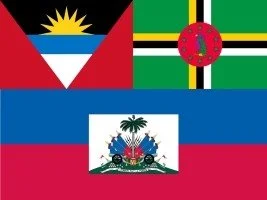
Haiti - Humanitarian : $250,000 donation from Haiti to Antigua and Barbuda and Dominica
After providing urgent humanitarian aid to Turks & Caicos Islands, badly affected by the passage of hurricanes Irma and Maria (630 generators, 1,000 sheets of plywood, 4,500 tarpaulins, 2,000 gypsum boards and 4,000 sheets among others). Permanent Representative of Haiti to the UN, Ambassador Denis Regis at the last high-level donor conference for the Caribbean in New York, announced Haiti's assistance to the Antigua and Barbuda Islands and Dominica $ 250,000 each.In his speech, Ambassador Regis explained "[...] The Republic of Haiti, having been hit hard by a series of deadly natural disasters over the last 10 years, [...] knows from experience the multiplicity of obstacles to which is faced the reconstruction and rehabilitation of critical infrastructure, especially in countries such as ours or structural handicaps are legion and the public investment capacity is so precarious [...][...] in response to the recent call by the CARICOM countries, I have the honor to announce that the Government of Haiti, despite the difficult economic and financial situation of the country, but fully involved in international solidarity is pleased to contribute US $ 250,000 to the reconstruction efforts of each of the sister nations of Antigua and Barbuda and Dominica, so hard hit by hurricanes Irma and Maria [...][...] These contributions, although modest, are nonetheless a testimony of friendship and fraternity, in the tradition of mutual aid and regional solidarity of the Caribbean Community, and in the spirit of international cooperation [...]"By: HL/ PI/ HaitiLibre | November 30,2017
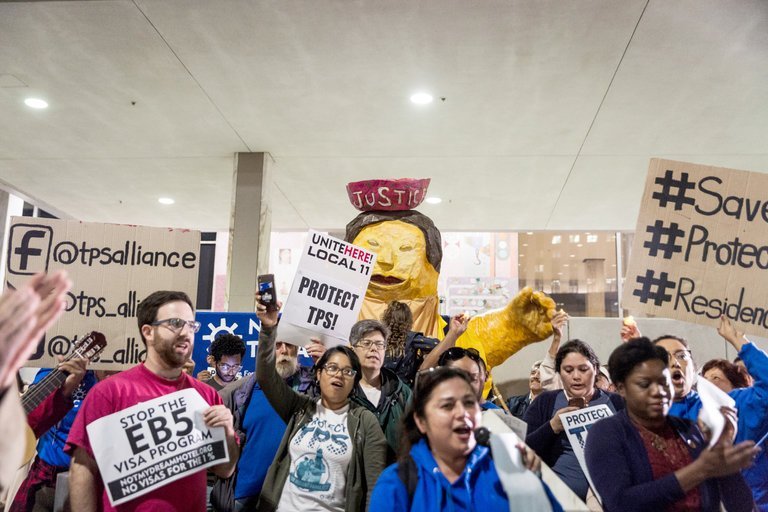
Trump Administration Ends Temporary Protection for Haitians

Haitians with what is known as Temporary Protected Status will be expected to leave the United States by July 2019 or face deportation.
The decision set off immediate dismay among Haitian communities in South Florida, New York and beyond, and was a signal to other foreigners with temporary protections that they, too, could soon be asked to leave.
About 320,000 people now benefit from the Temporary Protected Status program, which was signed into law by President George Bush in 1990, and the decision on Monday followed another one last month that ended protections for 2,500 Nicaraguans.
Haiti, the poorest country in the Western Hemisphere, is still struggling to recover from the earthquake and relies heavily on money its expatriates send to relatives back home. The Haitian government had asked the Trump administration to extend the protected status.
“I received a shock right now,” Gerald Michaud, 45, a Haitian who lives in Brooklyn, said when he heard the news. He has been working at La Guardia Airport as a wheelchair attendant, sending money to family and friends back home. He said he feared for his welfare and safety back in Haiti now that his permission to remain in the United States was ending.
“The situation is not good in my country,” he said. “I don’t know where I am able to go.”
Haitians are the second-largest group of foreigners with temporary status. The protection is extended to people already in the United States who have come from countries crippled by natural disasters or armed conflict that prevents their citizens from returning or prevents their country from adequately receiving them. The government periodically reviews each group’s status and decides whether to continue the protections.
The Obama administration renewed the protections for Haitians several times, after determining that conditions in Haiti remained precarious. But the Trump administration, which has sought greater controls on immigration, has said that the program, which was intended to provide only temporary relief, has turned into a permanent benefit for tens of thousands of people.
In a statement, the Department of Homeland Security said that after meeting with Haitian government officials and Haitian communities in the United States, it had decided to let the protections end.
“Since the 2010 earthquake, the number of displaced people in Haiti has decreased by 97 percent,” the statement said. “Significant steps have been taken to improve the stability and quality of life for Haitian citizens, and Haiti is able to safely receive traditional levels of returned citizens.”
The protection for Haitians was most recently extended in May, by John F. Kelly, the Homeland Security secretary at the time. He allowed only a six-month extension, a shorter one than is typical, saying that the Haitians “need to start thinking about returning.”
The decision on Monday by Elaine Duke, the acting secretary, set a termination date of July 2019 to give people time to make arrangements to leave.
The largest group of Temporary Protected Status beneficiaries, nearly 200,000 people, are from El Salvador. The Department of Homeland Security is scheduled to announce next month whether it will rescind or renew protection for that country, which is plagued with gang violence and high unemployment. The protection applies to Salvadorans who were in the United States without permission on Feb. 13, 2001, and was granted after deadly earthquakes in their home country.
Though Ms. Duke ended protections for Nicaraguans last month, she continued, at least for now, protections for Hondurans despite pressure from Mr. Kelly, now President Trump’s chief of staff, to end them.
Others who now benefit include people from Nepal, Somalia, Sudan, South Sudan, Syria and Yemen. In 2016, the Obama administration decided to end temporary protection for citizens from three West African countries that had been devastated by the Ebola virus several years ago.
The United States offered the protection to Haitians after the earthquake in January 2010 that killed hundreds of thousands of people, displaced more than a million and led to a cholera outbreak. Haitians who entered the United States within a year of the disaster qualified for the status.
A variety of American groups, including the Congressional Black Caucus, the United States Chamber of Commerce and immigrant advocacy organizations had urged the Trump administration to extend the protections again. On Monday, Senator Bill Nelson, Democrat of Florida, called the decision “unconscionable.”
“There is no reason to send 60,000 Haitians back to a country that cannot provide for them,” he wrote on Twitter. “I am strongly urging the administration to reconsider.”
There is no reason to send 60,000 Haitians back to a country that cannot provide for them. This decision today by DHS is unconscionable. And I am strongly urging the administration to reconsider. Ultimately, we need a permanent legislative solution. https://t.co/Ft0bE0itf6— Bill Nelson (@SenBillNelson) Nov. 21, 2017
Ileana Ros-Lehtinen, a Republican congresswoman from South Florida, said on Twitter that she had traveled to Haiti after the earthquake in 2010 and after Hurricane Matthew in 2015. “So I can personally attest that Haiti is not prepared to take back nearly 60,000 TPS recipients under these difficult and harsh conditions,” she said.
I travelled to #Haiti after the earthquake in 2010 and after hurricane Matthew in 2016. So I can personally attest that #Haiti is not prepared to take back nearly 60,000 #TPS recipients under these difficult and harsh conditions.— Ileana Ros-Lehtinen (@RosLehtinen) Nov. 21, 2017
Those with temporary protection constitute about half of the estimated 110,000 Haitians living in the United States without permanent permission, according to the Pew Research Center. Since Mr. Kelly signaled that Haiti might lose its special designation, thousands of Haitians have crossed the border between the United States and Canada to apply for asylum in Quebec.
Nearly 30,000 children have been born in the United States to Haitians with protected status. Those children are citizens and entitled to stay. Some of their parents may seek to avoid deportation by claiming it would cause extreme hardship to a United States-born child, but that option is limited.
Most will soon have to make a wrenching decision: take their children back to Haiti; leave them with relatives or guardians in the United States; or remain in the country illegally and risk arrest and deportation.
Mark Silverman, an attorney and director of policy at the Immigrant Legal Resource Center in San Francisco, said that if they are arrested, they would be entitled to deportation hearings. And contesting their cases “gives them at least seven to 10 years,” he said, because of the long backlogs in the immigration courts.
The decision is sure to be felt in Haiti, where remittances from the Haitian diaspora totaled $2.36 billion in 2016, an increase of 7 percent over the previous year, according to the World Bank. That money represented more than one-fourth of the country’s national income.
But Dan Stein, president of the Federation for American Immigration Reform, which lobbies for restrictions on immigration, said the cancellation of temporary protections for Haitians was “long overdue.”
“The notion that this would be reflexively renewed again and again is a corruption of the entire concept,” said Mr. Stein, adding, “it’s not a refugee program or an immigration program.”
“It’s supposed to be reviewed and it’s supposed to be temporary,” he said.
One of the younger beneficiaries of the program, Peterson Exais, barely survived the earthquake. He arrived in the United States when he was 9 years old to receive emergency medical care after surviving for days under the rubble. He endured more than a dozen surgeries and has become a promising dancer at a magnet school in Miami.
Now 17 years old, he dreams of pursuing studies at the Juilliard School.
“This is very devastating for me,” he said on Monday. “I might not be able to give all that I could give back if I went back to Haiti.”
By: Mariam Jordan for Nytimes.com | November 20,2017
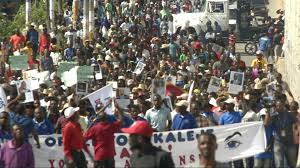
Haiti: Massive rallies call for Jovenel Moise to step down
Thousands of people have taken to the streets in Haiti calling for President Jovenel Moise to step down.It's the latest of ongoing protests against Moise that began two months ago.It comes on the day Moise officially reintroduced the national army, some 22 years after it was disbanded, and a week after an investigation revealed millions of dollars in earthquake relief had been stolen.By Teresa Bo for Aljazeera.com |November 19, 2017
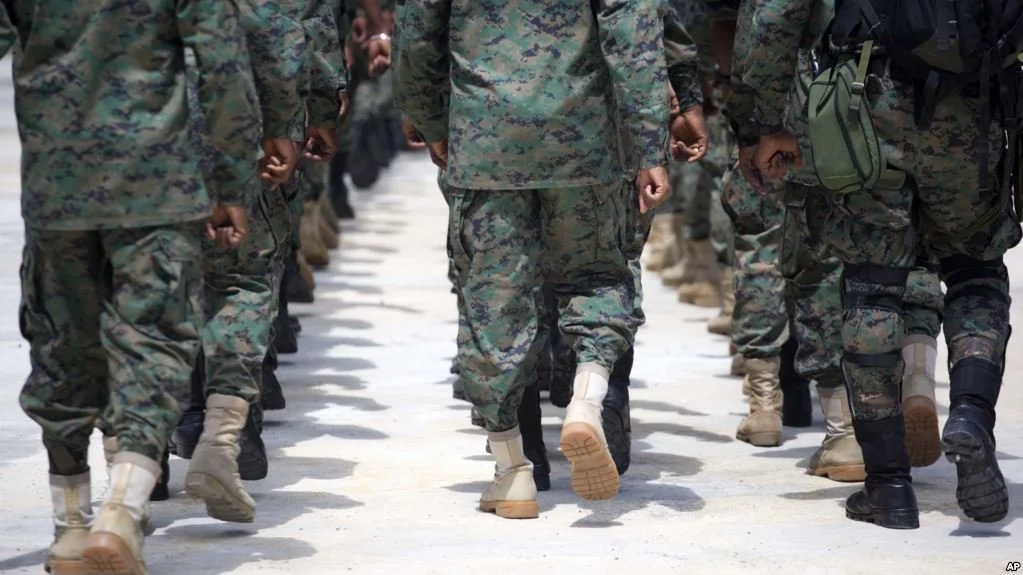
Haiti Prepares to Introduce Its Revived Military
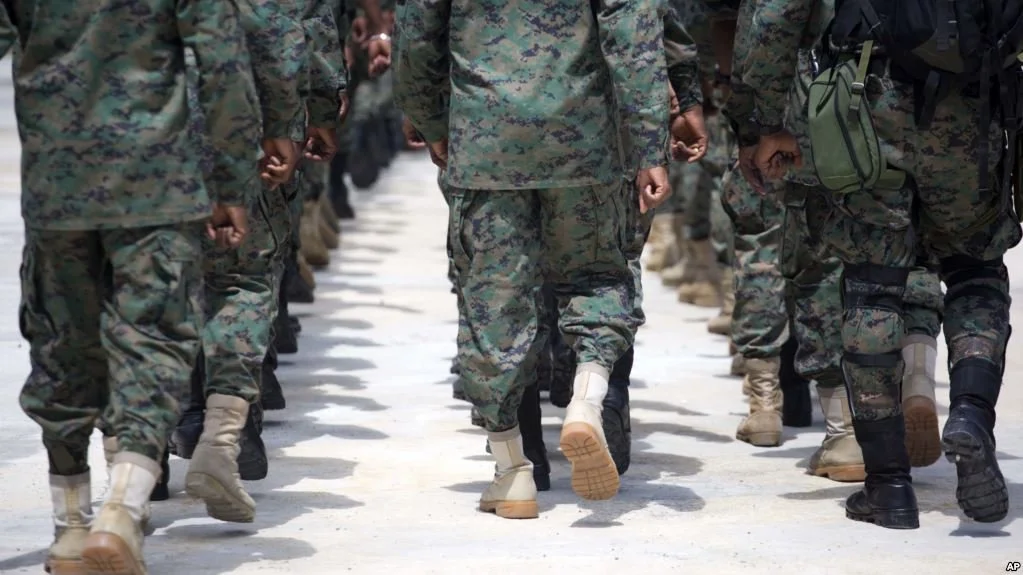
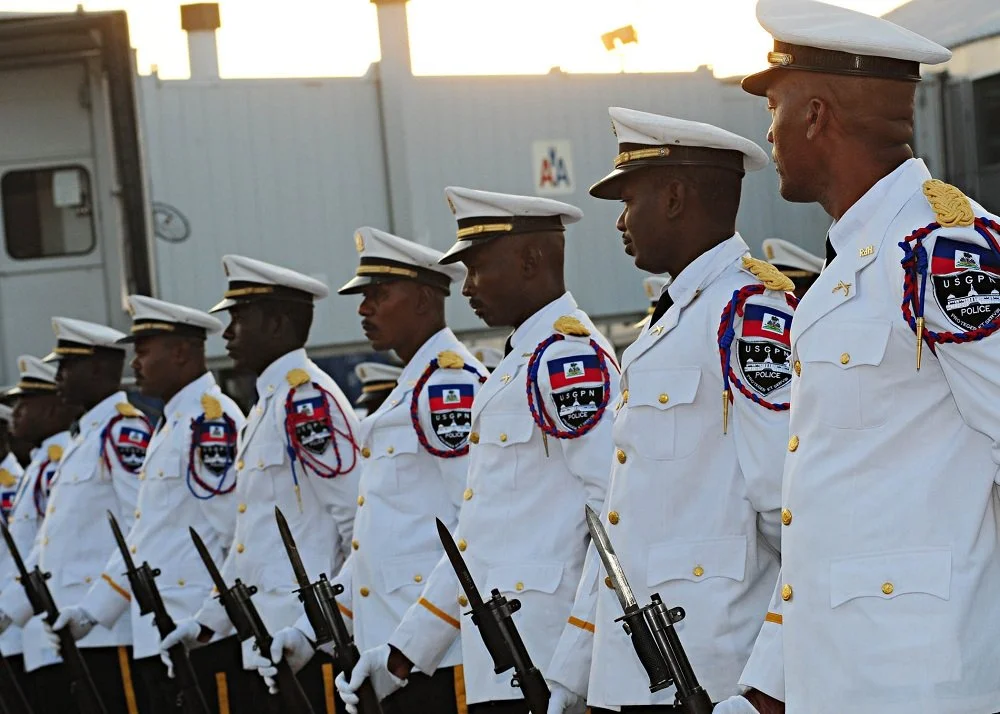
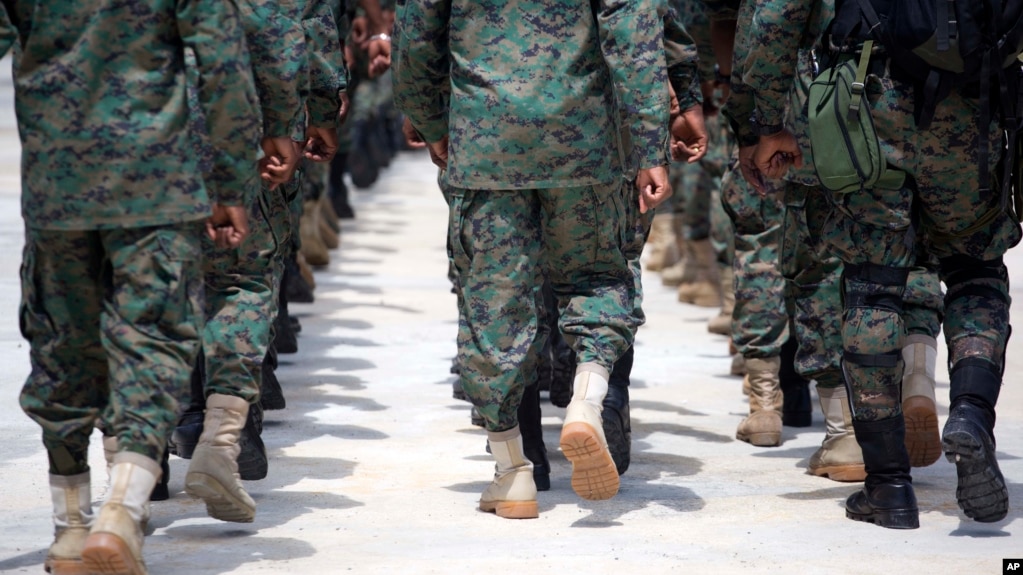 CAP-HAÏTIEN, HAITI — More than two decades after Haiti’s leader disbanded its army, with its history of violent coups, the Caribbean nation is about to unveil a reconstituted military.The Haitian National Army will be formally reintroduced with a parade in this northern port city on Saturday, the anniversary of a decisive 1803 battle [Battle of Vertières] nearby that secured Haiti’s independence from France.“The army I am reinstating for you is a professional one. It is a necessity for our country. It will not be an army of repression,” President Jovenel Moïse, who took office in February, said at a news conference last week. “It will be instead an army that will help out when a hurricane strikes our country. It will help repair roads. This is the army I have promised you.”
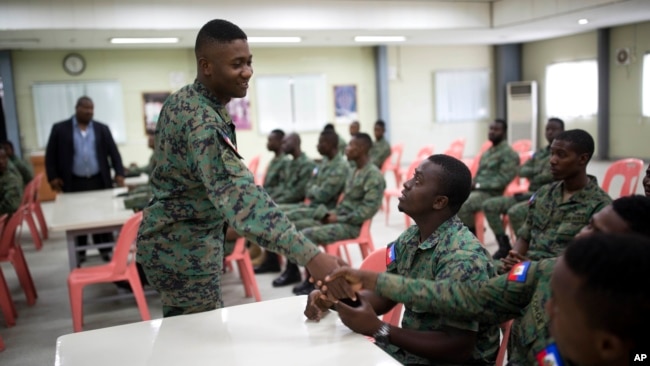
Civilian forceMoise aims to distinguish it from the military that overthrew Jean-Bertrand Aristide in 1991. When Aristide reclaimed the presidency in 1995, he dismantled the army and put security in the hands of the civilian Haitian National Police. That force now has roughly 15,000 officers.In contrast, the army has at least 150 recruits, young men and women mostly engaged in building up the impoverished country’s infrastructure, Defense Minister Hervé Denis said at news conference Monday. Since their selection in late summer, they have set up a medical clinic in central Haiti and begun fixing roads.Eventually, there could be 3,000 to 5,000 troops, Denis said.“But we know that we cannot have an army of that size the next day” because of budget constraints, he added.
Haiti’s government has allocated $8.5 million for defense spending in the 2018 fiscal year. Denis acknowledged funding challenges but, according to the Miami Herald, said the armed forces’ patrols could stem annual losses of $200 million to $500 million in contraband coming from neighboring Dominican Republic.The army’s restoration draws mixed reactions at home and abroad.The army offers precious jobs in a poor country whose unemployment rate tops 40 percent.But Wednesday marked the third consecutive day of street demonstrations in Cap-Haïtien, the country’s second-largest city, with hundreds of public high school students protesting spending on a new military when their teachers have gone unpaid for months.Their rallying cry: “We don’t want an army, we want an education!”“The country has other priorities that are more important than the army,” Edouard Innocent, the city’s former mayor, told VOA in a phone interview. He said Moise should “prioritize economic development, education, health. … I think this army is [a means] for the president to secure his power.”Right to an armyCiné Aneus Daneus, a lawyer in Cap-Haïtien, pointed out that Haiti has the constitutional and sovereign right to an army. He called for “a professional army” to protect the country’s borders and provide aid in case of natural disasters. He added, “This force must not be involved in politics.”Nenel Cassy, a Haitian senator, told VOA he worried that the army would strain the national budget and could be used to suppress political dissent. He said its reinstatement created “a chaotic situation.”
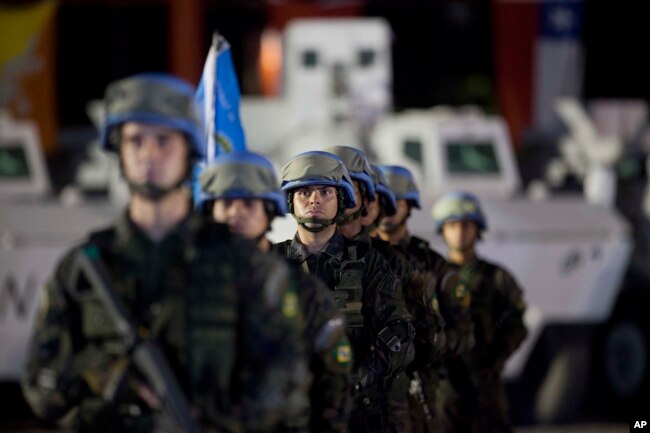
The army’s reinstatement comes a month after the end of the U.N. Stabilization Mission in Haiti (MINUSTAH), aimed at steadying the leadership after the 2004 military coup. That effort has given way to the U.N. Mission for Justice Support in Haiti (MINUJUSTH), meant to strengthen the justice system, policing and human rights protections.The United Nations and foreign governments, including the United States, discouraged Haiti from reviving its army. Instead, they supplied financial aid and training for the Haitian National Police.Kenneth Merten, the State Department’s special coordinator for Haiti, said the U.S. government disapproved of a reconstituted Haitian army because of that army’s history of coups d’etat. He told VOA’s Creole Service early this year that the U.S. has “spent a lot of money so Haiti could have a police force that is competent and transparent.”The United States, Haiti’s biggest benefactor, has disbursed at least $3.9 billion in post-2010 quake aid.‘Good reason to be nervous’Given the high degree of international involvement in Haiti, restoring the army brings “a sense of nationalistic pride with certain elements of the population,” Geoff Burt, executive director of the Canada-based Center for Security Governance, told VOA.But “there’s good reason to be nervous,” added Burt, who has explored the issue’s complexities in a report last year for the International Journal of Security & Development.One argument is that rebuilding the army could distract from the “more important priority of building a more effective, accountable police force.”“The big problem isn’t with the army per se, it’s the connection to the political process,” Burt said. “… Will the army become a player in Haitian politics? That’s what everyone would like to avoid.”By: Jacquelin Belizaire, Jean Philippe and Jean-Pierre Leroy for voanews.com | November 15, 2017.
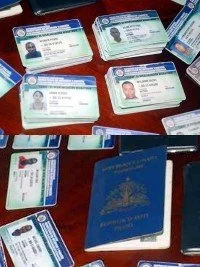
PNRE : False cards, more than a hundred Haitians will be expelled
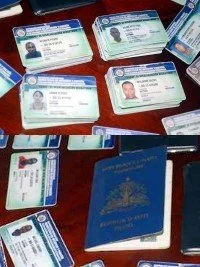
The Directorate General of Migration (DGM) of the Dominican Republic has seized more than a hundred counterfeit cards of the National Plan for the Regularization of Foreigners (PNRE), mainly cards belonging to Haitian citizens, in the possession of others, during operations in the northern provinces of the country.Among the documents confiscated as part of the immigration interdiction operations ordered by the Director General of Migration, Lieutenant General Máximo William Muñoz Delgado, included 152 false documents or with irregularities.The institution's report indicates that 116 of these modified documents of PNRE were confiscated in Dajabón, while in Santiago, 36 PNRE cards were seized, as well as 10 passports with irregularities and 2 student cards.The DGM informed that the documents were discovered and seized, thanks to the use of the readers and the consultation of the institution's database carried out by the migration inspectors.In accordance with the provisions of the Immigration Act and the regulations of the institution, in these cases, the cardholder is expelled because it is irregular in the country and it made an identity theft.Concerning the card owner, it is excluded from the National Plan for the Regularization of Foreigners (PNRE) and is therefore deported, if the existence of a complaint prior to the removal of the document before the corresponding authority is not demonstrated.Similarly, an investigation is still open with other state security agencies to identify those responsible for falsifying documents for subsequent submission to the courts.By: HaitiLibre - 11/15/2017
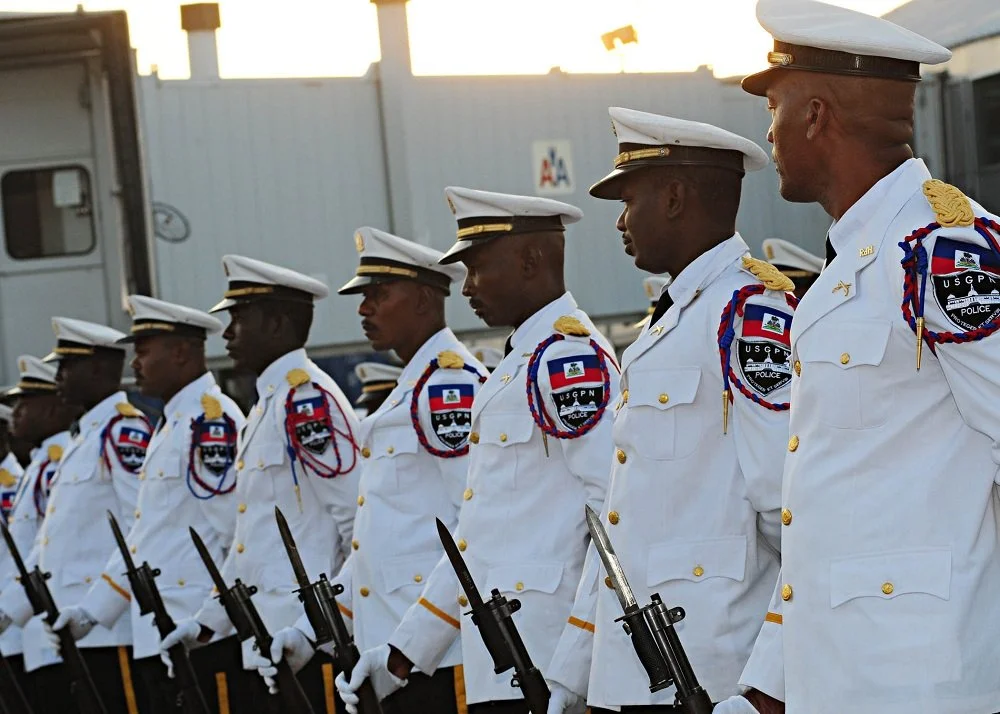
Haitian President Says Infamous National Army Should Be Reinstated As U.N. Leaves
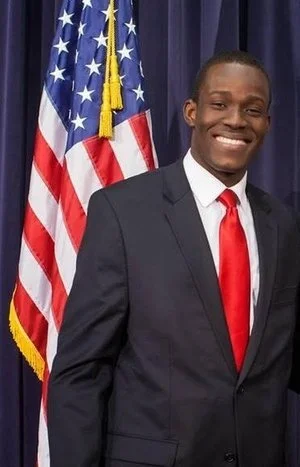
His ‘story of America’ took him from Haiti to Brockton’s City Council
Jean Bradley Derenoncourt, 27, said that he was spurned by well-connected politicians in Brockton during his campaign to become the first Haitian-American member of the Brockton City Council.
BROCKTON – With less than two years of U.S. citizenship under his belt, after coming to this country from Haiti in the wake of the 2010 earthquake, Jean Bradley Derenoncourt was able to get himself elected as a leader of Brockton’s city government.The 27-year-old, who is the first Haitian-American elected to public office in Brockton, took one of the four at-large seats on the 11-person Brockton City Council during Tuesday’s citywide election. While Derenoncourt is proud to be an immigrant and a Haitian-American, the councilor-elect said his story shows the how opportunities are afforded to everyone who comes to live in the U.S.“What I would like people to understand is that it happened to be my name and my face,” said Derenoncourt, “but I do believe there are a lot of people out there, not just from Haiti but people from all over the world, who could do exactly the same thing. It’s not just a Haitian-American story. It is a story of America.”Derenoncourt launched his campaign for Brockton City Council on Feb. 11 this year, on the one-year anniversary of his obtaining U.S. citizenship. During his first campaign for public office, Derenoncourt won on Tuesday by picking up 5,250 votes, finishing fourth in a field of eight candidates.While many believe that he had support from the city’s political establishment, Derenoncourt said it was the total opposite. During an interview at his home on Saturday, the the city councilor-elect said that he built a campaign team of friends who he has met along the way from school and the community, in addition to supporters from the SEIU and the Massachusetts Coalition for Social Justice, which he campaigned with in 2014 to pass a ballot measure giving the chance to earn sick time to all workers in the state.“I would like people to understand the establishment did not support us, they truly did not,” Derenoncourt said. “I thought some of the folks who claimed to be the representation of Brockton would have jumped on board, but they did not. I had no big political backup. People think I do, but I do not.”Without naming names, Derenoncourt said he was spurned by several city leaders that he expected support from during the campaign. The city councilor-elect said some people even personally urged him to drop out of the race. Derenoncourt said that his election showed that a candidate doesn’t need to be well-connected in order to win.By Marc Larocque - 11/13/2017

Violent demonstration in Petit-Goâve
Thursday, was held a violent demonstration of the members of the PHTK and allies of Petit-Goâve to demand their integration in the civil service and the departure of the Director of the APN of Petit-Goâve, Mrs. Carole.Early Thursday, November 9, 2017, after a few days of truce, activists of PHTK and allies of Petit-Goâve have resumed service. They invested the macadam to express their eternal namely : their appointment in the public offices and the Revocation of the Director of the APN Mrs. Carole, a close friend of Deputy Germain Alexandre Fils.The protesters demonstrated violently by burning the main barrier of the Petit-Goâve Customs with the help of inflamed tires.Activities are completely blocked at the offices of the Customs and APN.By Guyto Mathieu | Nivember11, 2017
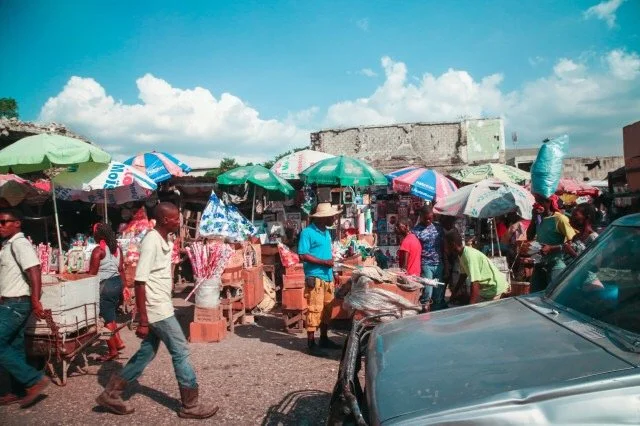
We Want To Stay': Haitian Immigrants In U.S. Fear End Of Temporary Protected Status
For decades, the United States has provided immigrants from 10 countries, mostly in Central America, what’s known as Temporary Protected Status. Under this status, temporary visas allow them to stay and work in the U.S. and prevent them from being forced to return to home countries at war or devastated by natural disasters.The Trump administration says it plans to end the special status. For 50,000 or so Haitians in the U.S. under the program, that means their Temporary Protected Status would expire Jan. 22.Joana Desir is one of those Haitians. On a recent day in Manhattan, the 32-year-old home health care provider is racing between patient visits.By midday, she already has helped transport one of her regular patients, a young girl with a severe respiratory disease, to school, and visited two senior patients in their homes. Soon she’ll head back to the girl’s school and make sure she gets home safely.“It’s a hard job, but rewarding,” says Desir.On weekends she picks up a few extra patients — just for fun, she says with a laugh.“Most of immigrants that I know, they have a busy life like me,” she says. “I leave home like 5:45 [a.m.] and sometimes I get home by like 9 p.m.”Desir came to the U.S. in 2008 to help out her aging parents, both legal residents. She overstayed her visa and was still in the U.S. when a powerful earthquake struck Haiti in 2010.Hundreds of thousands were killed, and the Obama administration granted Haitians temporary protected status. They were shielded from deportation and given work permits.Critics say the temporary program for Haiti and for others from countries where disasters and wars took place decades ago has become permanent and amounts to a backdoor immigration policy.During her years in the U.S., Desir put herself through nursing school, got a job and rose to supervisor. But she hasn’t forgotten those back home, who she says are still hurting.“We have that connection in Haitian families,” she says. “Since you succeed, you have to help others — it is a must.”It’s estimated by the think tank Inter-American Dialogue that all Haitians abroad this year will send home $2 billion. That’s nearly equal to Haiti’s annual operating budget.In May, citing improved conditions in Haiti, the Trump administration signaled it no longer would extend the temporary visas. It warned Haitians to prepare to go home in January, when the program expires.Desir is devastated — and as the news gets back to Haiti, concern is growing there too. Desir has 19 relatives who depend on her for financial support.In a hillside neighborhood above downtown Port-au-Prince, Desir’s cousin Daniele Joseph shows me around her three-room home. Seven people live here, including her husband, son and four of her sisters — all Desir’s relatives.Joseph says all but the youngest cousin remember Desir. Last month, Desir paid for the young cousin’s First Communion.As two of the girls cook dinner — spaghetti with a few onions and chiles — Joseph ticks off everything Desir helps with. After the earthquake, there was money sent to rebuild their home, preschool tuition for Joseph’s two-year-old son, multiple shipments of clothes — and the list goes on.Joseph says it will very difficult if Desir is sent home.In the same neighborhood Desir’s godmother, Margaret Estefan Altas, paints a much more dire prediction of what will happen to her family without assistance from abroad.“I call Joana and tell her I have a problem, we have no food — and she’ll say, ‘I’ll do what I can,’ ” says Altas. “She always comes through.”Her husband, who hasn’t worked since the earthquake and now has cancer, says it’s clear to him the family would starve without Desir’s help. Desir pays their annual rent, about $1,300 dollars, and tuition for the youngest son’s high school.Altas says she helped raise Desir and considers her a daughter. “These days, I feel more like she is the mother and father,” says Altas.Haitian officials have appealed to the Department of Homeland Security to extend TPS. Several U.S. lawmakers, including a bipartisan group from south Florida, have introduced legislation that would let the immigrants stay permanently.Haiti’s president, Jovenel Moise, told NPR in an interview that he is worried about stability in the region if 50,000 Haitians are sent home.“If they have to return, we have no other choice — they are our brothers and sister and we will receive them,” says Moise — but he is concerned about the loss of U.S. remittance dollars sent to families in Haiti, and the effect of that on the stability of the economy. He said that 25 percent of Haiti’s GDP comes from those remittances.Back in New York, Joana Desir says she can’t imagine giving up the life she’s built there.“I will always be grateful for America,” she says, “but please, we are professional — we want to stay.”For now, Desir has been giving away most of her possessions and reducing her belongings to what will fit in two big suitcases. She says she doesn’t want to leave — and if the U.S. tells her to go, then they’ll have to come get her and drive her to the airport.By Carrie Kahn | Nov. 5, 2017
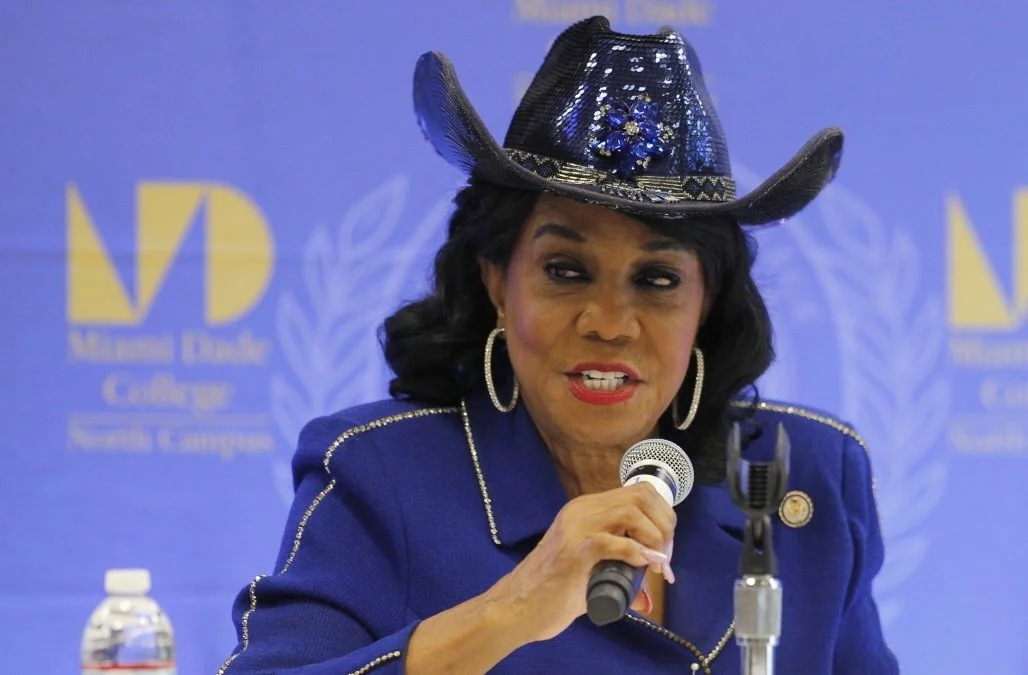
Congresswoman Frederica Wilson Leads Bipartisan Bill to Extend Temporary Protected Status for Haitian Nationals
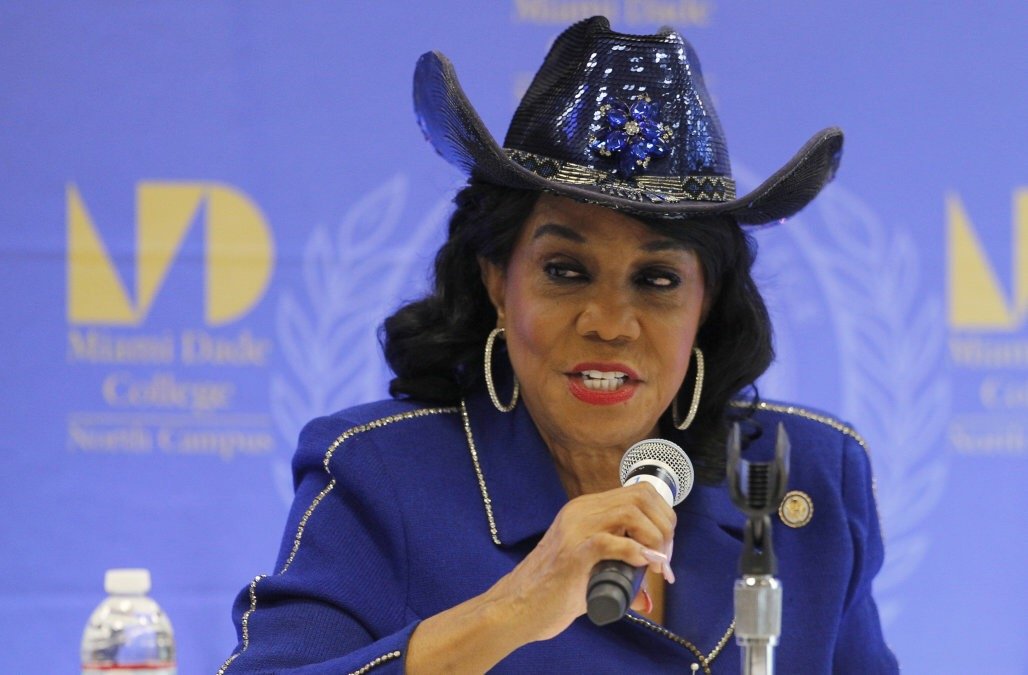
Washington, D.C. – Congresswoman Frederica Wilson has introduced a bipartisan resolution to extend Temporary Protected Status to Haitian nationals until Haiti has demonstrably recovered from a series of natural and manmade disasters. The designation is set to expire in January 2018, but the island nation is still struggling to rebuild in the aftermath of the 2010 earthquake, a cholera epidemic, Hurricane Matthew and other adverse events. H.Con.Res. 88, which has 36 co-sponsors, would extend TPS for Haitians by 18 months.The text of the legislation is available here.“Haiti is enmeshed in a long and extremely challenging process of rebuilding its infrastructure and economy. While it is impossible to predict how long that will take, there is no question that the country is in absolutely no position to absorb and aid tens of thousands of people forced to return to Haiti,” said Congresswoman Wilson.In January 2010, an earthquake displaced more than 1,500,000 people and caused $14,000,000,000 in damages. The level of suffering was exacerbated by a cholera outbreak started by United Nations peacekeepers who engaged in unsanitary practices while there to help with earthquake recovery efforts. Hurricane Matthew made matters even worse, leaving in its aftermath nearly $3 billion in additional damages and 1,400,000 more people in need of humanitarian assistance.According to the World Bank, Haiti’s economic growth has contracted to less than one percent and its unemployment rate is at 40 percent. In addition, 60 percent of Haitians live well below the nation’s shockingly low poverty line of $2.42 per day. Haitian TPS holders contribute a significant share of the $1,300,000,000 that their community in the U.S. sends back home through remittances that help boost Haiti’s economy and support the care of up to 500,000 relatives.“It would be both cruel and heartless of the United States to unnecessarily sentence nearly 60,000 people who have been living and working in the United States to lives of uncertainty and abject despair,” said Congresswoman Wilson. “In addition, such a move also will have an injurious impact on the American economy.”Deporting Haitian TPS holders would cost the United States nearly a half-billion dollars to send them home; more than $2,700,000,000 in GDP; and $428,000,000 in Social Security and Medicare contributions over 10 years.“Having toured the country and viewed first-hand the extreme devastation, I strongly urge Department of Homeland Security officials to travel to Haiti see it for themselves,” the Florida lawmaker adds. “It is the only way they will be able to make a fair and informed decision and I am confident that after doing so they will do the right thing and extend TPS for Haitian nationals.”Congresswoman Frederica Wilson | November 6, 3017
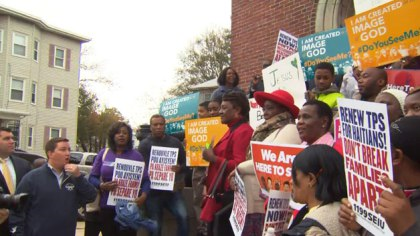
Rally Supports Haitian Immigrants With Temporary Protected Status

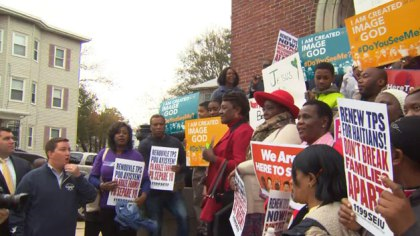
A rally in Mattahan to support Haitian who might lose their temporary protected status (WBZ-TV)
President Donald Trump has until November 6 to extend the status to citizens of Nicaragua and Honduras. The deadline for Haitians is November. 23.“I’m a student. I’m graduating in about six months. And getting deported would actually stop me from getting my Bachelor’s degree as an accountant so its a whole lot of things we would be deprived of after we’ve worked so hard to accomplish them,” said Marvens Leconte, who was at the rally.

Marvens Leconte (WBZ-TV)
The program was designed for immigrants from countries where natural disasters, war, or other factors make returning unsafe.Without the extension, those residents would have to leave by January.The State Department says conditions in their homeland has improved enough for them to return.Many at the rally said Haiti is still recovering from an earthquake, a hurricane, and a cholera epidemic.“It won’t be safe for us to send 58,000 people back to Haiti right now with everything that is going on so we want to make our voices heard to say that those people deserve an extension because it will take time for Haiti to rebuild,” explained Geralde Gabeau, a rally organizer.The Haitian community is hoping for an 18-month delay.By: CBS Boston | November 5, 2017
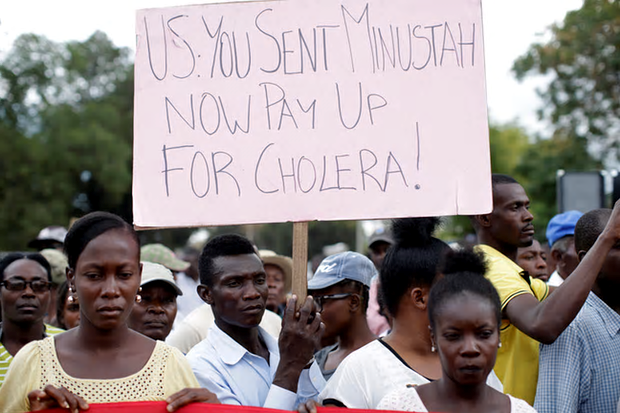
'Shameful': UK and US Under Fire Over Blocked Funds For Haiti Cholera Victims
China, France and Russia also among major UN donors resisting appeal to spend $40m of UN money on victims of cholera epidemic, claim lawyers