
Bipartisan Leaders Urge Expedited Haitian Family Reunification
 By Haitian Times President Barack Obama received three new pleas for the Department of Homeland Security to create a Haitian Family Reunification Parole Program (FRPP) to speed entry into the United States of nearly 110,000 beneficiaries of DHS-approved family-based visa petitions who remain on wait lists of up to over 12 years in Haiti.Democrat Alcee Hastings and Republican Mario Diaz-Balart co-sponsored a May 30 letter to the President signed by 63 members of the U.S. House of Representatives urging him to create this program “to save lives and accelerate Haiti’s recovery efforts.” Signatories included Republican Ileana Ros-Lehtinen, former Chair of the House Foreign Affairs Committee, seven of her Foreign Affairs committee colleagues, Immigration subcommittee ranking member Zoe Lofgren and three subcommittee colleagues, the entire South Florida congressional delegation and many others. The letter cites dire conditions including the ongoing deadly cholera outbreak and “what the U.S. Coast Guard knows all too well. Desperate Haitians are increasingly abandoned and dying at sea as they resort to smugglers to cross perilous routes… including the notoriously treacherous 80-mile-wide Mona Passage strait toward Puerto Rico.”“Creating a Haitian Family Reunification Parole Program would not only save lives and reunite families, but empower individuals to actively assist in Haiti’s recovery. Haitians remit about $2 billion annually, mostly from the diaspora in the United States, and Haitian parolees would be able to obtain work permits and send much-needed remittances back to Haiti.”The letter urges the President “to put an end to the indefinite waiting lists as soon as possible” through the creation of this program.In his May 31 South Florida Sun-Sentinel op-ed, “Create plan for Haitians equal to one for Cubans,” Archbishop Thomas G.Wenski of Miami also urged immediate creation of a Haitian FRPP. Citing the years-long wait periods for Haitians as an example of a broken system, he noted not only conditions in Haiti but the direct precedent of the Cuban FRPP created by DHS in 2007 under which tens of thousands have entered the United States.And on April 28, Congressional Black Caucus members U.S. Reps. Frederica Wilson, Yvette Clarke, Maxine Waters, Barbara Lee and John Conyers wrote President Obama urging immediate creation of a Haitian FRPP to “provide a lifeline to Haiti’s economy and reunite tens of thousands of Haitian families.”They called its creation “well rooted in need, precedent, and … critical for Haiti’s economic development. Creation of a Haitian FRPP, similar to that previously established for Cubans, would immediately boost Haiti’s economy, bolster the international effort to create sustainable growth in Haiti, and reunite tens of thousands of Haitian-Americans with family members already approved by [DHS].”“We respectfully request a meeting with you to discuss this much-needed action,” they urged the President. “The creation of a Haitian Family Reunification Parole Program is an executive action that would have strong support from members of Congress, other elected officials throughout our nation, non-profit organizations, and millions of American citizens. Congressional colleagues have joined us in sending letters to your Administration urging the creation of this program.”
United Nations Secretary General Sued Over Cholera Outbreak
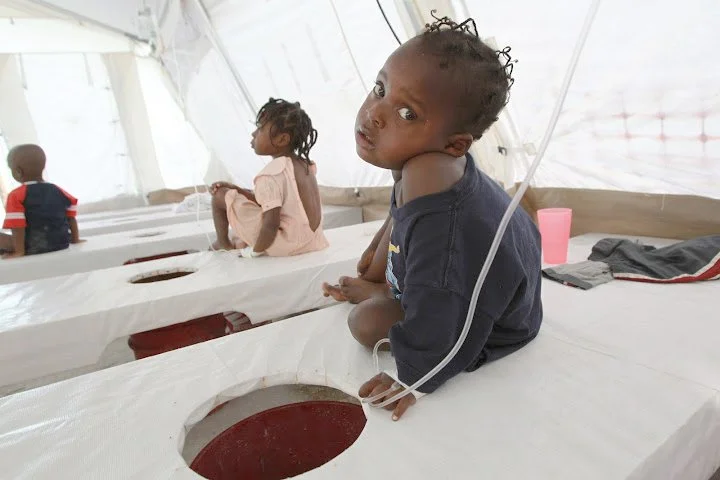
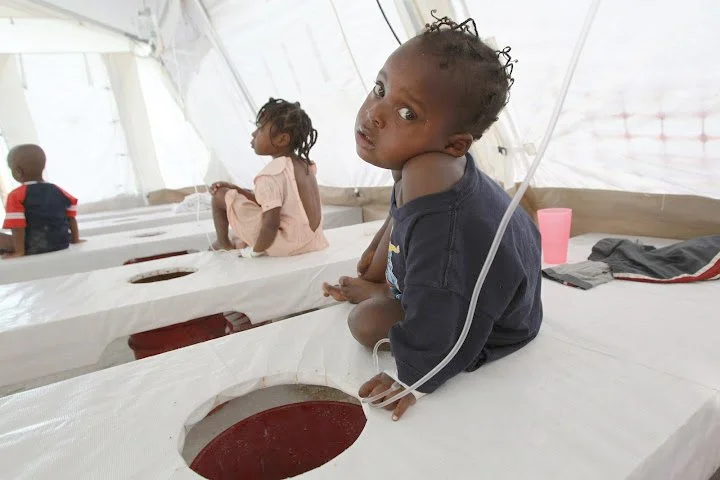
 In the aftermath of the January 2010 earthquake nearly 9,000 Haitians died from a cholera outbreak that hit the already devastated country. After months of speculation, the general consensus was that the source of the outbreak was the very body of people that were supposed to be helping the small island nation–the United Nations (UN) peacekeepers.In an unprecedented move, UN Secretary-General Ban Ki-moon was served on June 20 with court papers as he entered an event at the Asia society in midtown Manhattan. The complaint, which is a part of a Brooklyn federal lawsuit, was filed against Ki-moon and the UN over the cholera outbreak that killed thousands of Haitians.“This is a significant development in the fight to hold the United Nations responsible for the tragic events in Haiti,” said Stanley Alpert, an attorney representing more than 1,500 Haitian plaintiffs who filed suit against Ki-Moon and the UN. They are seeking compensation for victims and for the UN to bring critical sanitation systems to devastated Haitian communities.
 Ban Ki-Moon, Credit: United Nations“The United Nations now must directly respond to the fact that they have repeatedly waived immunity for their actions in Haiti,” said Tim Howard, another lead attorney for the plaintiffs. The plaintiffs’ lawyers cite a statement made by the UN in a 1996 report that implies the “assumption of liability is not a new concept for the UN.”According to the UN secretary general’s 1996 Report of the Secretary-General, Administrative and Budgetary Aspects of Financing of United Nations Peacekeeping Operations, the UN assumes “liability for damage caused by members of its forces in the performance of their duties.”“The UN explicitly agreed to set up a compensation process when they entered Haiti,” said Howard.”They now must face a U.S. federal judge and explain why they feel they are immune from fulfilling that agreed-upon responsibility.”The plaintiffs argue the UN failed to adequately screen troops headed for Haiti after the earthquake; and failed to engage in “sanitary practices of waste disposal.”“Silence is the worst weapon,”Gustavo Gallon, a United Nations’ independent expert on human rights, said. “The UN must take responsibility and “fully compensate victims.”By Vania André
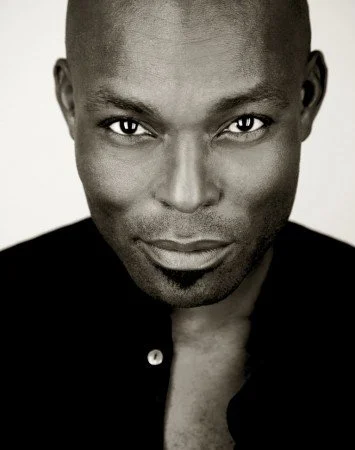
Jimmy Jean-Louis Joins the Cast of “Extant” on CBS for Multi-Episode Arc
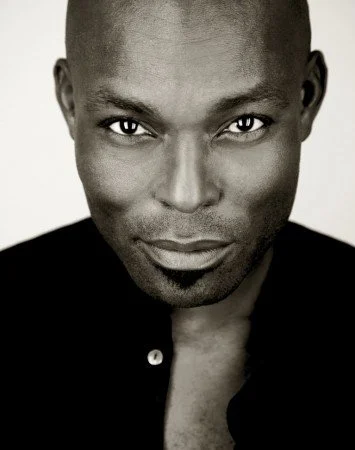
By Haitian Times Jimmy Jean-Louis has been cast on the new CBS sci-fi thriller, Extant. The actor, known for his role as “The Haitian” on the hit TV series Heroes will play astronaut Pierre Lyon, alongside Academy Award-winner Halle Berry, who starts an astronaut attempting to reconnect with her family.The highly-anticipated series is about astronaut Molly Watts (Berry), who returns from a year-long solo space mission, and attempts to reconnect with her husband and son in their everyday life. Produced by Steven Spielberg’s Amblin Television and CBS Television Studios, Extant is scheduled to premiere Wednesday, July 9 on CBS. The show also stars also stars Goran Visnjic and Pierce Gagnon as Berry’s husband and son.Jean-Louis garnered critical acclaim starring in Philippe Niang’s Toussaint Louverture, a film about the 18th century leader of the Haitian Revolution, who changed the course of history.Jean-Louis starred in the popular NBC show Heroes and more recently, Arrow (CW). His film credits include Tears of the Sun with Bruce Willis and Monster in Law with Jane Fonda and Jennifer Lopez. He also co-starred with Academy Award-winner Mo’Nique in the movie Phat Girlz. Jimmy Jean-Louis is the founder and President of Hollywood Unites for Haiti, a non-profit organization established in 2008 to help the underprivileged youth of Haiti.
Twelve-year-old Brooklyn Girl Dead After Hit-and-Run
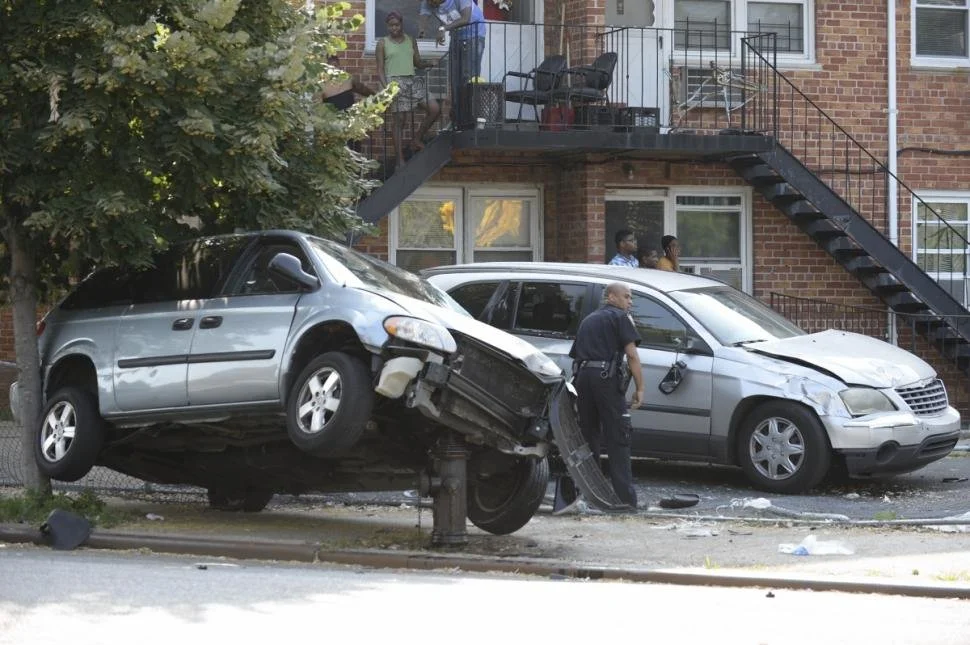
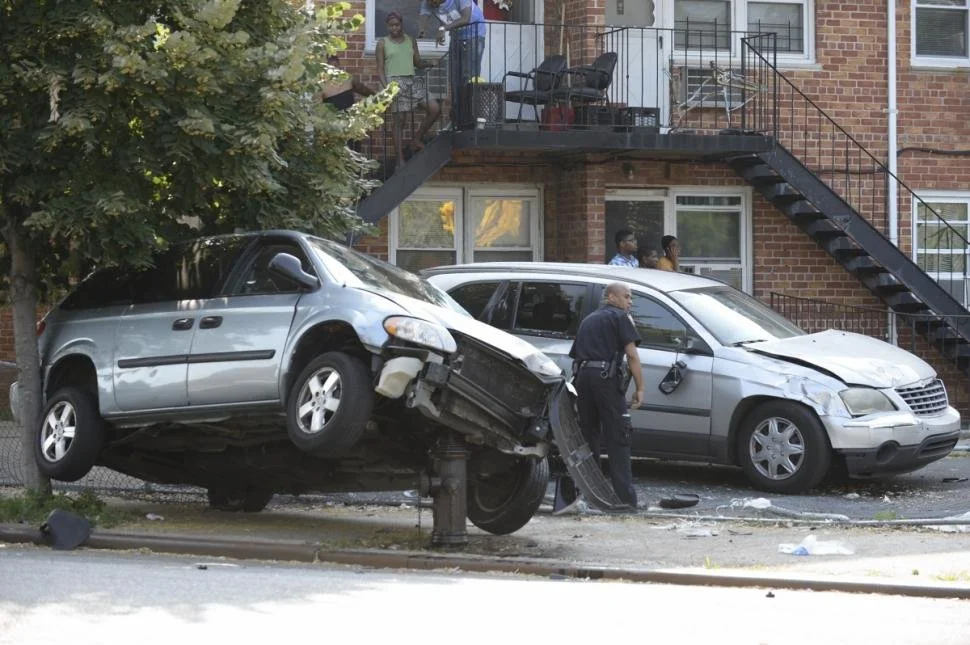
By Haitian Times A twelve-year-old Haitian-American Brooklyn girl is dead after she was rundown by a hit-and-run driver. Joie Sellers was standing at a bus stop on Flatlands Avenue with her mother Marcia Landais and sister Charli, when they were struck by Robert DeCarlo on July 2. Robert DeCarlo Credit: NYPDSellers and her mother were walking to the bus stop to pick up Charli, who was on her way home from summer camp on Long Island, Ronald Pierre, Landais’ cousin said. DeCarlo, 26, was behind the wheels of a stolen 2005 Dodge Caravan when the vehicle jumped the sidewalk hitting Sellers, her mother, 38, and sister Charlie, 9, shortly before 5 p.m. last Wednesday. The incident took place on Flatlands Avenue near East 46th Street. After the crash, DeCarlo fled on foot while onlookers followed questioning him.
 Credit: Joie Sellers performs in The Nutcracker 2013 Frederick PiccarelloAll three were rushed to Kings County Hospital where Sellers was pronounced dead. Charli and Landais are in critical, but stable condition, according to hospital officials. Charli, who’s been transferred to New York-Presbyterian/Columbia hospital in Manhattan, is unaware that her sister is dead, Pierre said.DeCarlo was apprehended the following day, July 3, on Kings Highway, according to the NYPD. He is charged with manslaughter, criminally negligent homicide, assault, leaving the scene of an accident resulting in death and in injury, grand larceny, reckless endangerment and unauthorized use of a vehicle. He also received citations for speeding and running a red light.He expressed remorse for the fatal hit-and-run.“As a man, as a human being, I’d like to say, ‘I’m sorry,’ ” DeCarlo said to the Daily News. “I took a life. I have to pay for that. I have to pay for a life.”DeCarlo made an initial court appearance on Thursday night and is being held without bail.
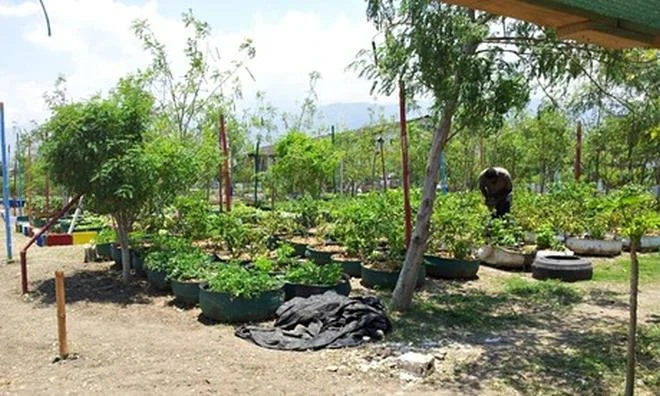
Haiti slum blooms into urban oasis
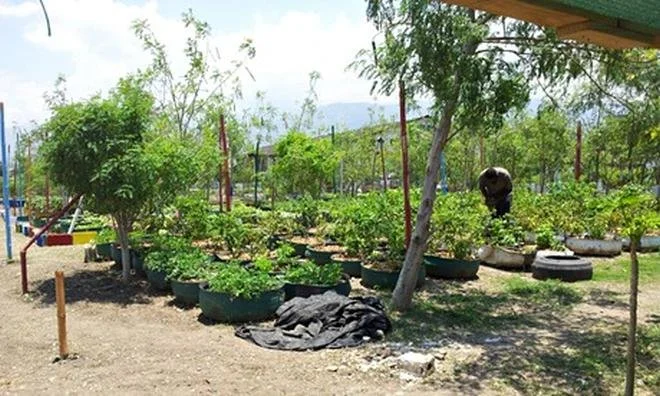
Written byThe Guardian  "Plant moringa; harvest community harmony" could be a good motto for Jaden Tap Tap, a green oasis in the tough, garbage-strewn eyesore that is Cité Soleil. The slum, in the north of the Haitian capital, Port-au-Prince, is often described as the one of the most dangerous in the western hemisphere.The Jaden Tap Tap, with its rows of quick-growing, nutritious moringa, known as the Tree of Life, is a community garden. Walking in from the sunbaked wasteland that is Cité Soleil, it is noticeably cooler. Like a leafy cocoon, it provides a shield from the harsh reality of life outside its walls. Its name is Haitian Creole for Garden Taxi – tap taps are the distinctive, brightly painted vehicles that ply the roads of Port-au-Prince.The garden was created three years ago by three men with a dream, but without any official backing or even enough money for an irrigation pump. They still do not have a pump and the authorities allegedly remain uninterested in the project and its potential, but Daniel Tillias, Jaden Tap Tap's director, is philosophical."Making a garden is about more than cultivating plants, it's about cultivating people," he says, quoting the late Japanese philosopher Masanobu Fukuoka, famous for his book The One Straw Revolution.Tillias, Herode Gary Laurent and Franz Francois, all of whom grew up in Cité Soleil, laid the first seeds in the garden on a couple of acres of landfill.Tillias says the history of the land they started to till is symbolic of some of Haiti's political turmoil. "People say that some wealthy businessmen abandoned the T-shirt factories that were here. People from Cité Soleil destroyed and ransacked everything after the overthrow of [President] Aristide in 2004. It became a landfill and the place in the neighbourhood where killings would happen."From the outset, the garden recycled decorated urban waste, with brightly painted tyres used for pots, for example. Also crucial was the willing labour of people who live in the tent camp across the road.They straggle across, tilling and planting in the quiet green space, eventually harvesting the vegetables for the family cookpot, sharing fairly and equitably. They take home seeds and plants, and start container gardens. For them, it's a chance to leave behind, even if briefly, the stifling reality of their lives in the plastic tents."I love to come here. It's a pretty space for the community," says Joseph Fanie, an elderly lady who appeared in the garden, hoe in hand, with other Cité Soleil residents. "I've started my own garden," she says proudly.It is proof, if any were needed, of the powerful example set by the Jaden Tap Tap, Haiti's largest urban garden with aspirations to link up with American urban agriculturist Will Allen's Growing Power movement."We want to give the people of Cité Soleil a model of success. Something to do. And something to eat too," says Tillias. The garden's abundant produce is shared by the community in an ad hoc but honourable fashion. There are 20 types of vegetables and herbs – aubergine, peppers, chard, radishes, potatoes, parsley and basil. And there is the moringa tree, its leaves rich in protein and vitamins, which poor Haitians add to juices, soups, cornmeal and rice. The Jaden Tap Tap shows that "something positive can come out of Cité Soleil", says Tillias.It is a bold statement. The neighbourhood, which is mostly hardscrabble land, with plastic tent camps as far as the eye can see, is routinely on every diplomatic mission's red zone or no-go list."We're trying to turn it from a red zone to yellow and then green," say Jaden Tap Tap's creators, pointing to at least 25 smaller copycat gardens that have sprung up in the slum.Next to the garden is Sakala, a youth group that teaches peace and development initiatives using basketball. Young children from Fraternité, a church primary school next to Jaden Tap Tap, use the oasis to learn how to grow the future.In the sewage-littered surrounds of Cité Soleil, the moringa forest is still just spindly rows of 10ft tall trees. "But they will grow to 20ft and they are a huge resource. Really the Tree of Life," says Tillias. "Almost every part is of some use to man or animal."Part of the garden is a moringa nursery and people are encouraged to grow a mini forest in an old tyre. "You don't need space to garden, we tell people, you just need to want to," says Tillias.
Haiti Elections in Doubt as Ex-Presidents Stir Pot
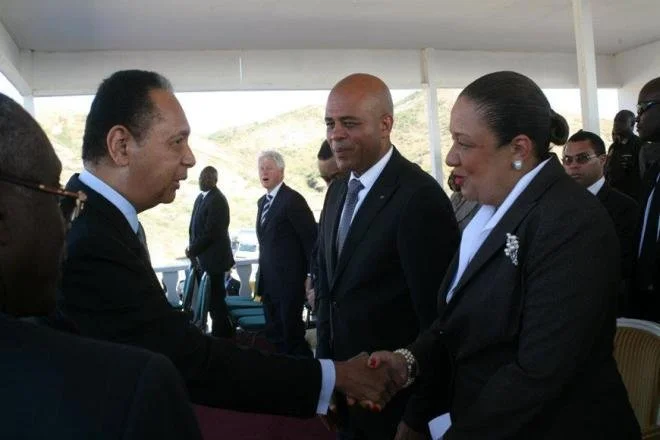
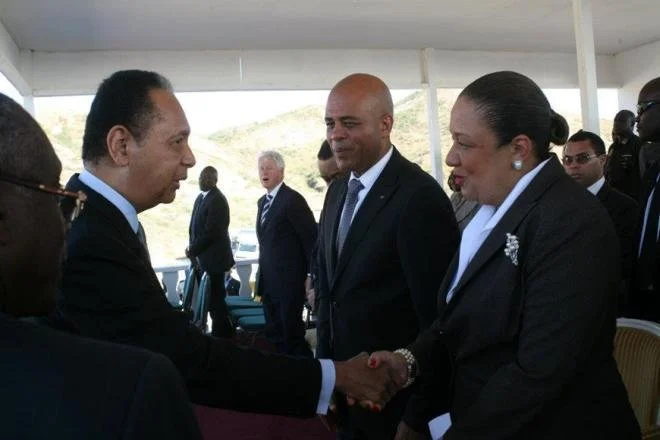
Written byRANDAL C. ARCHIBOLD (NEW YORK TIMES) PORT-AU-PRINCE, Haiti — When he returned to Haiti from exile three years ago, Jean-Bertrand Aristide, the former priest turned president turned deposed president, promised to stay out of politics. Yet the political party he founded and continues to inspire has routinely sent thousands of people into the streets to protest the current government, demanding the resignation of the prime minister.When the former dictator Jean-Claude Duvalier returned from exile a few months before Mr. Aristide, he kept largely to night spots and defending himself against an investigation into human rights atrocities during his rule. Yet not long ago he showed up in a seaside village to inaugurate a new political party that, however small, got a lot of people talking.And the current president, Michel Martelly, remains locked in a standoff with political opponents over long-overdue elections, attracting waves of international dignitaries in recent weeks to try to defuse a crisis that could leave the coup-prone country without a parliament and with a president ruling by decree, an ominous echo of its autocratic past.The story of the delayed reconstruction of Haiti after the January 2010 earthquake is largely one of unmet pledges of billions of dollars in aid from the international community. But the simmering, uncertain politics that perennially push the country to the brink of instability — and sometimes over it — have taken a more hidden toll, thwarting the kind of private investment vital to long-term development and improving its image, and laying bare yet again the fragility of democracy here.“It’s a constant frustration to see Haitian leaders more interested in fighting each other than coming together to work together for the future of Haiti,” said Robert Maguire, a George Washington University scholar and longtime observer of Haiti politics. “Opportunities are being squandered in Haiti, right when it needs them more than ever, because the politics are so polarized.”Mark L. Schneider, a Haiti expert at the International Crisis Group, an independent organization that analyzes conflict zones, said many investors who have expressed interest in Haiti have not followed through in part because of the unsettled politics, unfulfilled changes to business law to ease investment, and weak institutions.“People are just holding their breath,” Mr. Schneider said. “Until the political uncertainty is resolved, a lot of people do not want to invest.”Mr. Martelly and Parliament cannot agree on how municipal and legislative elections intended for October would be run. Without the election, Parliament could be dissolved in January, throwing the country into political chaos.Even if the election could be pulled off, things could get unwieldy: Two-thirds of the 30-member Senate, all 99 seats in the lower chamber and hundreds of municipal offices would be at stake.Both sides blame the other for intransigence. Mr. Martelly, his opponents say, has always wanted to rule by decree and so until recently, facing tremendous international pressure — including an Oval Office urging by President Obama — he has dragged his feet on negotiating for elections. Martelly supporters counter that members of Parliament have stalled because they wanted to extend their terms and weaken the president ahead of the presidential election in 2015.Mr. Martelly, who has made little secret of his disdain for Congress, is now attempting to push forward with the elections by naming his own council to run them, including last month appointing a Duvalier friend and lawyer to the panel, drawing new fire from opponents worried about the influence of the old dictator.Although a handful of new hotels have opened or are under construction, a few new garment and other industrial factories have opened, and, officials assert, crime has dropped, there is a sense that Haiti’s redevelopment should be farther along.Electricity still comes and goes, roads remain choked and potholed, refuse clogs drainage canals and 137,000 people remain in encampments — though that’s down from 1.5 million after the earthquake.On the streets people complain that the halting rebuilding has not done enough to narrow the deep chasm of inequality that has long bedeviled the country and often stirred political dissent.“In the media they say they are doing this and that, but not around here — it is all the same,” said Jean Lucknef, 38, an unemployed laborer in the Fort National neighborhood, one of the hardest hit in the quake. “No matter who is elected it is all the same. The government was supposed to create jobs, and we have none while we all have children to worry about.”He swept his hand around a group of idle young men, some smoking marijuana, who admitted they have participated in protests but denied, as some Martelly supporters have said, that they were paid to do so.“We want the change that we were promised,” said one, who declined to give his name out of fear of reprisals from the police.Mr. Martelly met last week with members of the Senate to reach a new compromise for elections, but talks ended without an agreement.Haiti’s newly appointed Cardinal Chibly Langlois had mediated a previous agreement to hold the elections, but it has not been ratified by the Senate because six members refuse to sit, denying a quorum for the vote.As part of that agreement, reached among some 50 political parties but boycotted by some of the largest Martelly opponents, Mr. Martelly’s prime minister, Laurent Lamothe, agreed to shake up the cabinet — the third one in two years — in a bid for more openness with the opposition. Haitian journalists, however, could find few if any dissident voices among the new appointees.Mr. Aristide’s Fanmi Lavalas party was conspicuously absent from the agreement.The party has splintered over internal disagreements since the return of Mr. Aristide, a touchstone figure of the left here and abroad who ushered in Haiti’s first democratic elections in 1991 in a coup-interrupted first term but left on an American military airplane in his second term in 2004 as dissent threatened to topple him.Maryse Narcisse, the party’s coordinator and a potential candidate for president, said Mr. Aristide, who did not respond to an interview request, remains the “charismatic leader” of the party and offers advice as someone who “has a lot of political experience,” but mainly focuses his time on his educational foundation. She denied the party was sowing chaos but instead, like a smattering of lesser-known parties protesting in the streets, was exercising its right to hold the government accountable.“Lavalas will continue to mobilize with the people of Haiti,” she said.Less certain is what Mr. Duvalier is up to. Several people with ties to his regime have served in the Martelly administration or advised it, and his sudden, if fleeting, reappearance on the political stage was seen among analysts as a tweak to Mr. Aristide, a bitter enemy and political opposite.Amid all the uncertainty, an array of international leaders — including ambassadors, former world leaders and members of the United States Congress — have visited Haiti in recent weeks to push for the elections and avert a worsening of the crisis.The lack of elections this year “would engender yet another political crisis, with unpredictable consequences for the future of Haitian democracy,” said a statement by the United Nations and the Core Group of ambassadors from the United States, France, Canada and other primary supporters of Haiti.The stalemate could go on. The president of the Senate, Simon Desras, has not sounded conciliatory, publicly accusing Mr. Martelly and Mr. Lamothe of violating the Constitution at best, corruption at worst. He has not pushed a vote on the accord because, he said, it is unconstitutional.“It is the dream of the government to rule by decree,” he said in an interview. “They don’t see the danger in the streets, that many senators and members of Congress could become militants. The country would plunge into chaos if there are no elections.”
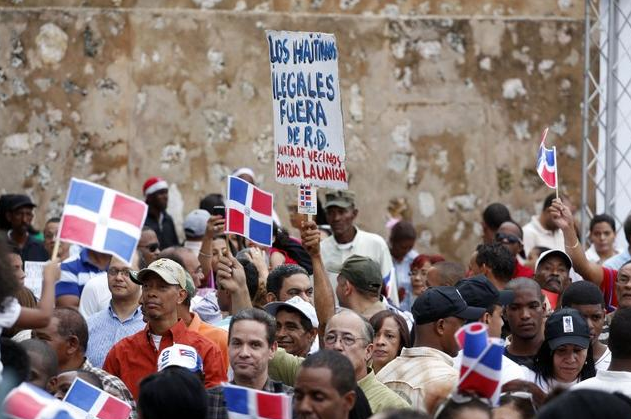
Dominican Republic President signs bill paving way for citizenship for Haitians
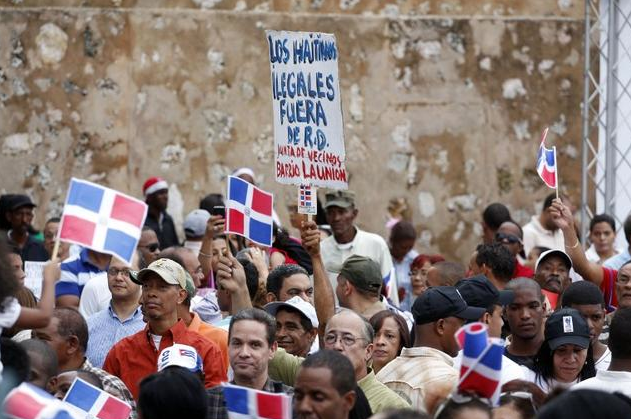
The following editorial appeared in the Miami Herald on Friday, May 30:The plight of Haitians who sail hundreds of miles to try to enter South Florida is well-known.Unlike Cuban refugees who have the protection of the Adjustment Act of 1966 or the wet-foot-dry-foot policy, Haitians who try to make it to the United States in pursuit of a better life are often turned back or deported. It's been as enduring a policy as it has been unfair.On the island of Hispaniola, which Creole-speaking Haiti shares with the Spanish-speaking Dominican Republic, the question of inequity is also in the forefront of an ugly immigration feud. South Florida has a dog in this fight because of the high number of Haitians and Dominicans who call this region home.It began in September when the Dominican Republic's highest judicial body issued a shocking ruling denying citizenship to generations of people born to Haitian parents living in the country. Those affected, a number placed in the tens of thousands, were in jeopardy of being left in citizenship limbo.In effect, the Dominican Republic had set a path for creating a large stateless population within its borders. The Constitutional Court's decree, which could not be appealed, would likely worsen already acrimonious relations between the Dominican Republic and Haiti.The ruling reached back to cover people born since 1929 - a category that overwhelmingly included Haitians who arrived in the Dominican Republic to work on farms, settled and then had children there.Now, an obvious injustice is slowly being corrected, thanks to D.R. President Danilo Medina and members of two legislative chambers who had worked to carve out a solution, one that, it is hoped, will help to improve the troubled relationship between the small, neighboring countries. Commend President Medina for introducing long-overdue fairness to the process.Advocacy groups did speak out, charging the high court's ruling was based on bigotry against predominantly black Haitians by largely racially mixed Dominicans, who have long feared being dragged down economically by their poor neighbors' problems.International eyebrows were raised. In March, Vice President Joe Biden was set to visit the Dominican Republic and urge Medina to find a resolution. Biden canceled his trip because of the crisis in Ukraine.Under the new, corrective legislation, the children of undocumented immigrants born in the Dominican Republic can register to acquire citizenship; in addition, Haitians living in the country can apply to enter a path for legal residency, provided they have no criminal record."This is progress, but the devil is in the details," University of Miami professor David Abraham, an immigration expert, told the Miami Herald Editorial Board. The Dominican Republic gets to decide who meets citizenship eligibility. He added the U.S.' interest in the issue is concern that Haitians unwelcome in the Dominican Republic will head to Florida.Nations have the right to decide who deserves citizenship, but the Dominican Republic could not absolve itself of moral responsibility by merely declaring that its constitution did not automatically give citizenship to those born there.For decades, Dominicans relied on that Haitian labor on sugarcane plantations to make their land profitable. To suddenly turn those workers and their descendants away was unjust, not to mention hypocritical. The following editorial appeared in the Miami Herald on Friday, May 30:The plight of Haitians who sail hundreds of miles to try to enter South Florida is well-known.Unlike Cuban refugees who have the protection of the Adjustment Act of 1966 or the wet-foot-dry-foot policy, Haitians who try to make it to the United States in pursuit of a better life are often turned back or deported. It's been as enduring a policy as it has been unfair.On the island of Hispaniola, which Creole-speaking Haiti shares with the Spanish-speaking Dominican Republic, the question of inequity is also in the forefront of an ugly immigration feud. South Florida has a dog in this fight because of the high number of Haitians and Dominicans who call this region home.It began in September when the Dominican Republic's highest judicial body issued a shocking ruling denying citizenship to generations of people born to Haitian parents living in the country. Those affected, a number placed in the tens of thousands, were in jeopardy of being left in citizenship limbo.In effect, the Dominican Republic had set a path for creating a large stateless population within its borders. The Constitutional Court's decree, which could not be appealed, would likely worsen already acrimonious relations between the Dominican Republic and Haiti.The ruling reached back to cover people born since 1929 - a category that overwhelmingly included Haitians who arrived in the Dominican Republic to work on farms, settled and then had children there.Now, an obvious injustice is slowly being corrected, thanks to D.R. President Danilo Medina and members of two legislative chambers who had worked to carve out a solution, one that, it is hoped, will help to improve the troubled relationship between the small, neighboring countries. Commend President Medina for introducing long-overdue fairness to the process.Advocacy groups did speak out, charging the high court's ruling was based on bigotry against predominantly black Haitians by largely racially mixed Dominicans, who have long feared being dragged down economically by their poor neighbors' problems.International eyebrows were raised. In March, Vice President Joe Biden was set to visit the Dominican Republic and urge Medina to find a resolution. Biden canceled his trip because of the crisis in Ukraine.Under the new, corrective legislation, the children of undocumented immigrants born in the Dominican Republic can register to acquire citizenship; in addition, Haitians living in the country can apply to enter a path for legal residency, provided they have no criminal record."This is progress, but the devil is in the details," University of Miami professor David Abraham, an immigration expert, told the Miami Herald Editorial Board. The Dominican Republic gets to decide who meets citizenship eligibility. He added the U.S.' interest in the issue is concern that Haitians unwelcome in the Dominican Republic will head to Florida.Nations have the right to decide who deserves citizenship, but the Dominican Republic could not absolve itself of moral responsibility by merely declaring that its constitution did not automatically give citizenship to those born there.For decades, Dominicans relied on that Haitian labor on sugarcane plantations to make their land profitable. To suddenly turn those workers and their descendants away was unjust, not to mention hypocritical.
Haiti announces legislative elections for October
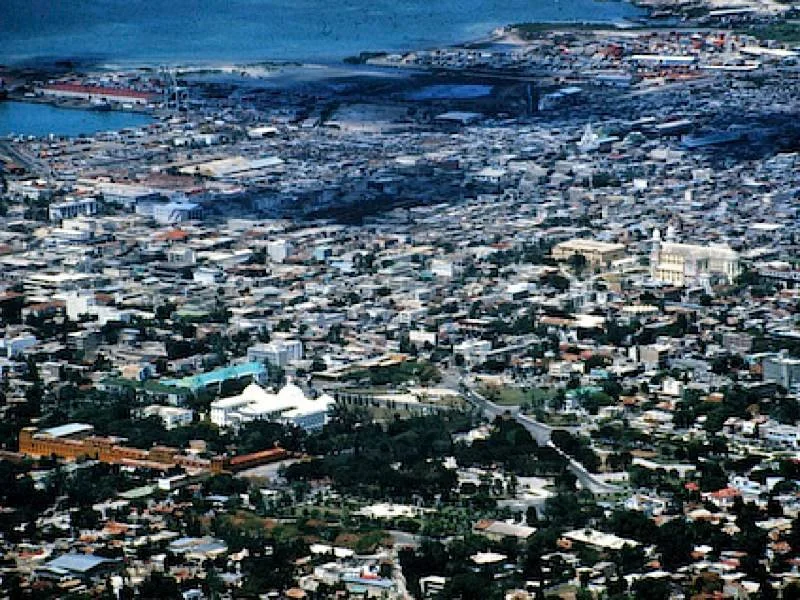
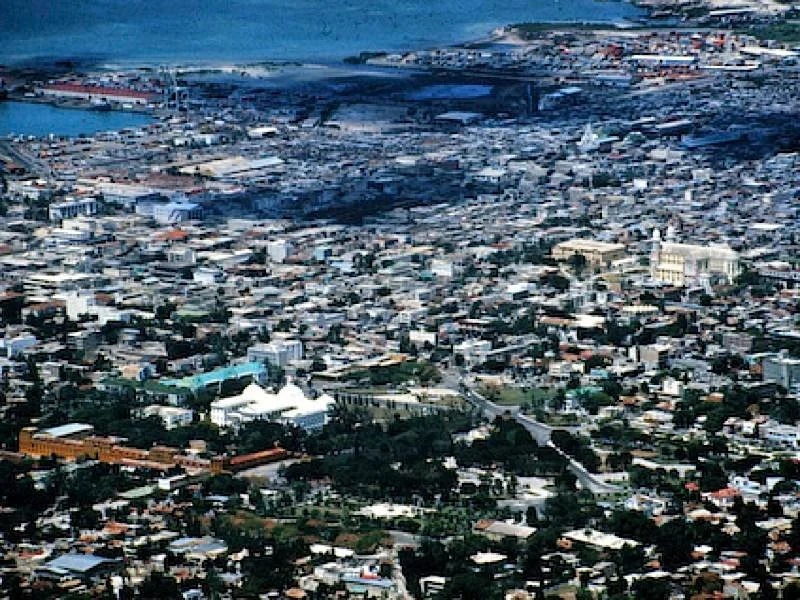
 The Haitian government Tuesday announced that legislative elections will be held in October, three years behind schedule amid a slow earthquake recovery process and gargantuan logistical woes.The election delay also has fueled the anti-government demonstrations which have rocked the Americas' poorest country.The first round of voting for 112 deputies and 20 senators is scheduled for October 26, a presidential spokesman said on national television. The date for the second round will be set by the electoral board.Thousands of people demonstrated in the streets of Port-au-Prince Tuesday calling for the resignation of President Michel Martelly and his chief of staff Laurent Lamothe, before police broke up the demonstration.Four years after a devastating January 2010 earthquake, the deeply impoverished nation is still struggling to recover from the widespread devastation that killed 250,000 people.The tragedy originally left about a million people homeless.Four years on, nearly 200,000 people are still living in dire conditions in temporary shelters, and residents complain of having received little help since most NGOs left the country. Donors pledged billions in aid, much of which has not materialized.