
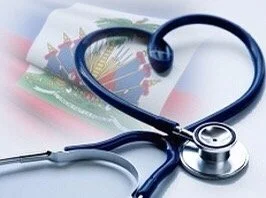
Nearly 40% of Haitian doctors settle abroad
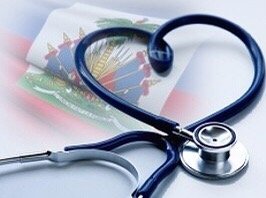
Nearly 40% of Haitian doctors settle abroad While in Haiti our hospitals are suffering from a shortage of doctors, nearly 40% of health care professionals, trained in Haiti at the Faculty of Medicine at the expense of taxpayers, are leaving the country.If 13% of US black doctors are Haitian origin US is not the only host country for our medical professionals Canada and the countries of South America are other countries privileged by our doctors in search of a decent life.Dr. Jean-Claude Cadet, Dean of the Faculty of Medicine and Pharmacy, acknowledges that with the inadequacy of the budget at the national level it is impossible to believe that a better life in Haiti can be offered to a doctor after 10 years studies...With an average of 6.5 doctors per 10,000 inhabitants (2009), Haiti ranks last among the countries with the lowest population of health personnel behind Guyana (11.2%), 4 times below the minimum standard of the World Health Organization (WHO) of 25 doctors per 10,000 population.HaitiLibre | August 2017

Sickle-Cell Patients See Hope in CRISPR

Hertz Nazaire is a soft-spoken artist who likes to paint in bright colors, with subjects like rainbow palm leaves and dancing women in twirling skirts. But one series of paintings he’s created is darker. Here, deep-red discs contrast with misshapen, bluish-purple ones against a black background. One canvas shows an African face drowning in the red and blue shapes, eyes streaming with tears, mouth agape in pain. The work reflects his lifelong struggle with sickle-cell disease.Nazaire, a 43-year-old Haitian-American, figures he’s been hospitalized more than 300 times since he was a child. He and other sickle-cell patients will tell you that the worst part of the disease is the debilitating pain. “It’s a horrifying thing to have, because it’s extremely painful. It’s a major fight all the time,” he says.Roughly 100,000 people in the U.S. have sickle-cell disease, most of them African-Americans and Latinos but also people of Middle Eastern, Asian, Indian, and Mediterranean descent. Compared with the average American, they live much shorter lives—about 40 to 60 years.The cause of sickle-cell has been known for a century, but the disease has long been underserved by the medical establishment and the pharmaceutical industry. That may be about to change. Its genetic origin—a single, well-studied mutation—makes it an attractive candidate for treatment with the gene-editing tool CRISPR. The idea is that CRISPR could correct the genetic mutation responsible for sickle-cell so that patients’ bodies could make normal red blood cells, alleviating the pain and other severe symptoms associated with the disease. Researchers have already tested the gene-editing tool on human sickle cells in the lab and are now working on getting the technique to clinical trials. Early results hint that sickle-cell could be among the first diseases that CRISPR essentially cures.Despite the lingering safety concerns about using CRISPR in people, some sickle-cell patients and their doctors are already embracing it. “I would be one of the first people to volunteer and say, ‘I want to take part in a study,’” Nazaire says. He first heard about CRISPR two years ago, when he came across a YouTube video featuring Jennifer Doudna and Emmanuelle Charpentier, two of the inventors of the technology. He’s been enthusiastic about the idea of using CRISPR to treat sickle-cell ever since.Sickle-cell disease is one of the most common genetic disorders, affecting millions of people around the world. It’s caused by a mutation in a gene known as HBB, which makes hemoglobin, a protein that transports oxygen throughout the body. Blood cells with healthy hemoglobin are red and disc-shaped. Cells with abnormal hemoglobin are shaped like sickles used to cut wheat, the characteristic that gives the disease its name.These misshapen cells are sticky and clump together. When too many of them build up, they create blockages in blood vessels and cut off oxygen to nearby parts of the body, causing severe episodes of pain. The disease can also cause frequent infections, eye problems, and organ damage.CRISPR Therapeutics is one of a handful of gene-editing startups pursuing new treatments for sickle-cell. The company's approach involves isolating stem cells from samples of patients’ blood. Scientists would use CRISPR to activate a genetic switch that would raise the levels of a fetal form of hemoglobin in red blood cells, turning them healthy. This fetal hemoglobin effectively counteracts the effects of the sickle mutation. The modified cells would then be infused back into the patients.Samarth Kulkarni, president of CRISPR Therapeutics, says this is safer than injecting the gene-editing mechanism directly into the patient. That’s risky because CRISPR can cause unintentional or off-target edits, meaning it may cut DNA it isn’t supposed to. Editing cells outside the body will allow scientists to make sure the technique works before reintroducing the cells, he says.Testing the method in lab experiments using stem cells taken from sickle-cell patients, researchers at CRISPR Therapeutics found that 85 percent of the cells were successfully edited, which means they were able to make healthy red blood cells. Kulkarni says when the stem cells are reintroduced back into the patient, they should be able to ameliorate all symptoms of sickle-cell. These stem cells are able to travel to the bone marrow, where they make more healthy blood cells for the rest of the body. The healthy cells will proliferate, and eventually, he says, they will outnumber the sickled ones. St. Jude Children’s Research Hospital, Editas Medicine, and Intellia Therapeutics are working on similar approaches.“Our hope is that it’s one-time and curative for life,” Kulkarni says. However, he wouldn’t say when the company plans to begin clinical trials of the technique.Meanwhile, researchers at Stanford University School of Medicine are working on a different method that aims to directly modify the mutated HBB gene itself using CRISPR. Researchers would do that outside the body as well. Matthew Porteus, an associate professor of pediatrics at Stanford, says his team is aiming to begin a clinical trial by the end of 2018 or the beginning of 2019.  One of Nazaire’s sickle-cell-inspired paintings Porteus says not all of a patient’s original sickle cells need to be replaced with edited ones to effectively cure the disease. He says if the proportion of sickle cells is below 30 percent, patients don’t have any symptoms. So far, his team has been able to achieve correction rates between 40 and 70 percent. He expects corrected blood cells to eventually surpass sickled ones in a patient’s body. Sickle cells live only 10 to 20 days, but normal red blood cells last from 90 to 120 days.The first clinical trials using CRISPR haven’t started in the U.S. yet, but researchers are already taking steps to educate patients about the technology. The National Institutes of Health is launching a story this month to examine opinions on the technology among up to 150 sickle-cell patients, parents of patients, and health-care providers.Vence Bonham, a researcher on genomics and health disparities at the National Human Genome Research Institute who is leading the study, says it’s important that scientists designing clinical trials consider patients' beliefs and concerns. Gauging the views of people who are most likely to be affected by a new scientific advance seems like a no-brainer, but it’s something that’s rarely been done in medical research. “This technology has been moving very quickly, but the disease and advocacy communities have not really been part of the conversation,” Bonham says.Participants in the NIH study will first be asked about their knowledge of CRISPR. Then they’ll watch an educational video about the technology and answer a second set of questions to see how the video may have influenced their knowledge or beliefs. After that, they’ll participate in focus groups with other patients, parents of patients, or health-care providers to talk about using CRISPR for sickle-cell disease. Bonham hopes the study will “inform the development of clinical trials to make them more appropriate and respectful of the concerns of the community.”Biree Andemariam, director of the New England Sickle Cell Institute at the University of Connecticut Health Center, has started talking to her adult patients within the past few months about CRISPR’s potential for treating sickle-cell disease. “Patients are very intrigued by it. They think it sounds wonderful,” she says.But Andemariam says there can also be trust issues between sickle-cell patients and their health-care providers. Black patients may be suspicious of signing up for clinical trials, particularly given historical examples of medical experimentation on African-Americans without their consent. The infamous Tuskegee study, for example, left African-American men with syphilis deliberately untreated in an experiment that ran from 1932 to 1972.“The Tuskegee experiment is fresh in lot of people’s minds even though that was decades ago,” says Andemariam, who is also chief medical officer for the Sickle Cell Disease Association of America.If a CRISPR cure for sickle-cell eventually reaches the market, one major question is who will have access to it. Isaac Odame, a Ghana-born physician at the Hospital for Sick Children in Toronto, who specializes in sickle-cell disease, says patients in Africa already have trouble paying for hydroxyurea, a common medication used to treat the disease. The drug costs one to two dollars per day, but even that is too expensive for many, he says. He worries the cost of CRISPR will put a cure out of reach for most of the world’s patients.“For 90 percent of people with sickle-cell disease who live in this world, this will still be something far too expensive for them to have access to,” he says.Until CRISPR is available, sickle-cell patients will have to cope with other treatments. To manage his disease, Nazaire recently underwent apheresis, a transfusion procedure that removed and replaced some of his red blood cells in an attempt to decrease the proportion of sickled ones. He’s in less pain than before, but the benefits could wear off over time.To Nazaire and others, CRISPR represents the promise for a better, longer life. That hope might not be far off, with both academic and commercial labs racing to develop CRISPR-based therapies. “When you’re faced with something that’s desperate and life-threatening, you want to see something done about it,” he says. “I think this is something that needs to be used. It could be beneficial for the world.” By Emily Mullin | August 23, 2017
Flagstaff to Haiti: 'Adopted' orphanage thrives
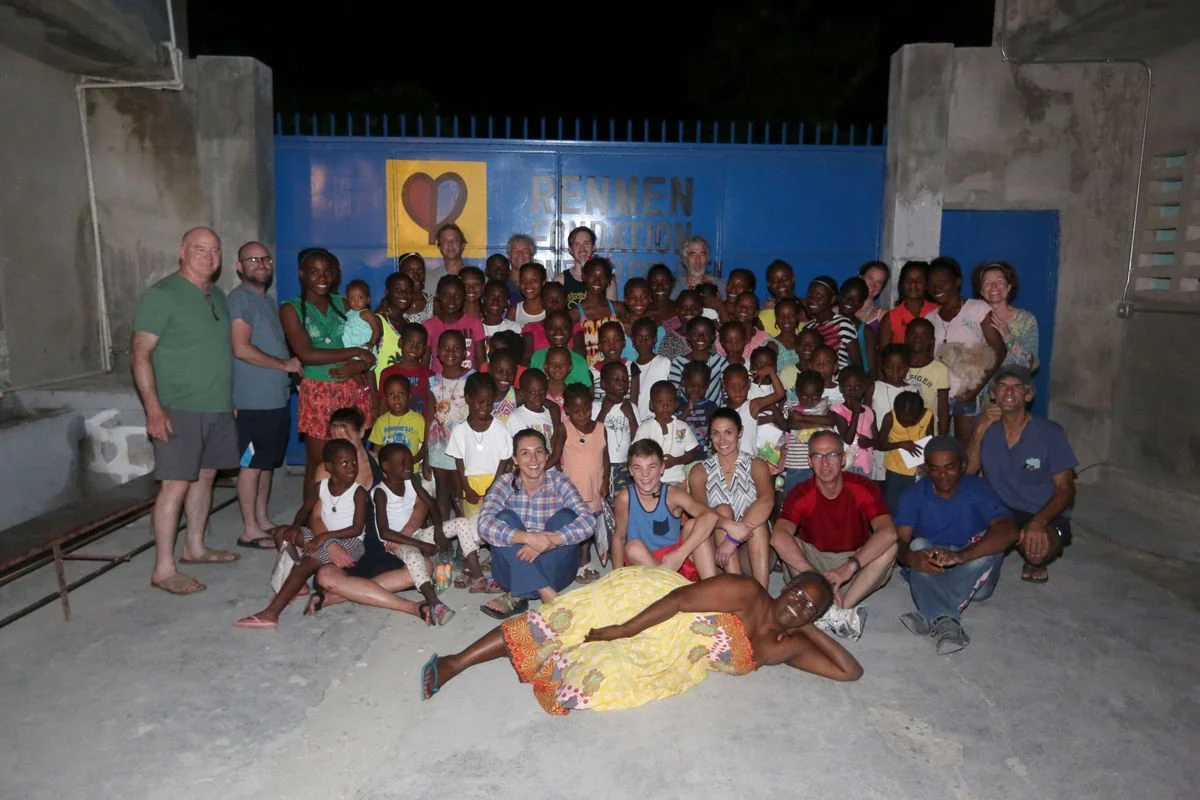
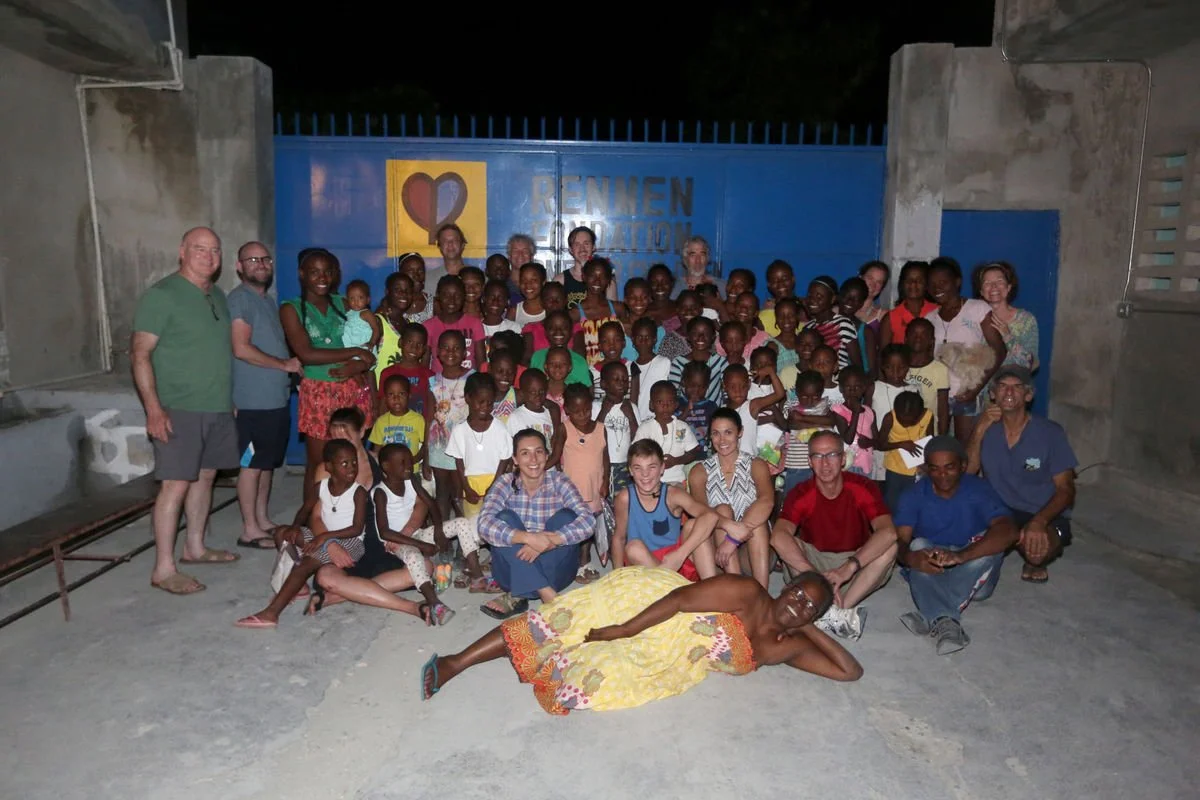
Each night as the sun slips away over a country wracked by natural disaster and poverty, 55 children line up inside a walled compound to sing their nightly prayers. Led by Florence Thybulle, who turned her home on the outskirts of Port au Prince, Haiti, into a sanctuary, the voices of the children rise in volume as their songs reverberate in the thick night air. The children come from all over Haiti and each of their stories is unique. Some were orphaned during the 2010 earthquake that ripped through Haiti; others lost their families after hurricane Matthew tore across the southern claw that forms the geography of this island nation. Still more are economic orphans whose families were unable to feed and shelter them.After the 2010 earthquake three teams from the Northern Arizona Volunteer Medical Corps (NAVMC) went to Haiti to assist with the humanitarian crisis. A field hospital had been set up right on the tarmac at the airport in Port au Prince.“The thing that touched the teams the most was watching kids die and suffer,” said Dr. Jon “Bull” Durham, who leads the medical trips to Haiti.
 “On my second trip to the tent medical city I was made chief medical officer to control the influx of patients. When I arrived there were nine kids in the pediatric intensive care unit. I had a full staff of pediatric intensive care physicians, pediatric intensive care nurses and respiratory therapists so I had the opportunity to save the lives of these sick kids and yet they all died. By the end of the week those nine kids were all dead and there were nine more in the tent,” said Durham.“We watched a lot of kids die and suffer. We had 6-month-olds with amputations, 2-year-olds with amputations so we came home raised a bunch of money at a fundraiser at the Orpheum and went back to Haiti to find an organization that we could vet and know exactly where the money was going.”In the six years since NAVMC has been supporting the Foye Renmen orphanage run by Thybulle, the organization has rebuilt the wall surrounding the compound, provided a generator to supplement the spotty power that comes from the national power grid, hired a teacher to teach the younger children inside the orphanage and paid the school fees for the older children to go to high school.“Since we have been involved every single kid has gone through high school and then each child has gone onto some form of post-secondary education. We have three kids in nursing school, one in law school, one in hotel and restaurant management school, one in a three year plumbing program and another in medical school.” Durham said.
When the team visited the orphanage in December they brought enough vaccine with them to vaccinate all 55 children and five staff for diphtheria, tetanus and pertussis.“It had never occurred to me that these kids had not been vaccinated until I watched a 10-year-old kid die of tetanus in October.” Durham said.One of the highlights of each medical trip to Haiti comes at the end of the trip when the medical staff leaves the hospital where they stay for a week doing back-to-back surgeries and travel to spend two days and a night at the orphanage with the children. During the trip in December Dr. Durham and his wife Lisa Jobin paid to rent a fleet of buses to give the orphans a treat. Despite living on an island and within 30 miles of the beach many of the children had never seen the ocean. Using their own money Durham and Jobin shepherded the children onto the air-conditioned buses with a picnic lunch and drove them to a private beach house that they had borrowed.“Is there anything better than this?” Durham said laughing through an armful of children as they hung onto him in the clear blue waters of the Caribbean. “This is what it’s all about.”Jake Bacon Arizona Daily Sun Aug 24, 2017
Partners sign agreement for first optometry school in Haiti
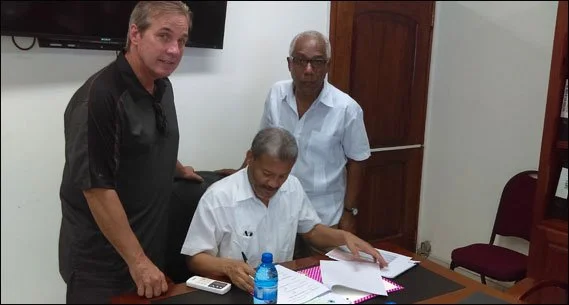
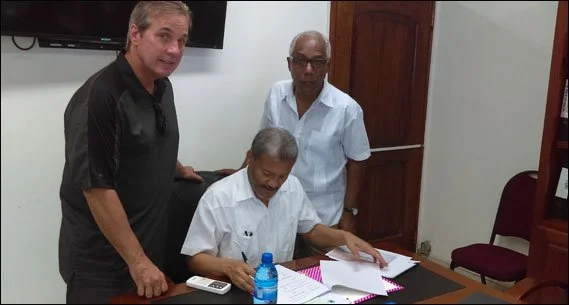
A memorandum of agreement has been signed to establish the first School of Optometry in Haiti, representing a collaboration between I’Universite d’Etat d’Haiti, Brien Holden Vision Institute, Optometry Giving Sight, VOSH International and Charity Vision, with support from University of Montreal.“This is a great moment in the development of eye health in Haiti,” Jean Claude Cadet, MD, dean of the faculty of medicine and pharmacy at I’Universite d’Etat d’Haiti, said in a press release from Optometry Giving Sight. “We are grateful to our international partners for helping us to realize our vision of establishing optometry as a profession in Haiti in order to improve access to primary eye care for the millions of people in need.”Currently, only three optometrists and 58 ophthalmologists serve Haiti’s 10 million people, most of whom are located in the capital, representing a significant barrier to access of eye care.The school will be offering a 5-year Bachelor of Vision Science degree and aims to graduate 16 optometrists per year.The collaborators hope to have students begin in October.Healio July 24, 2017
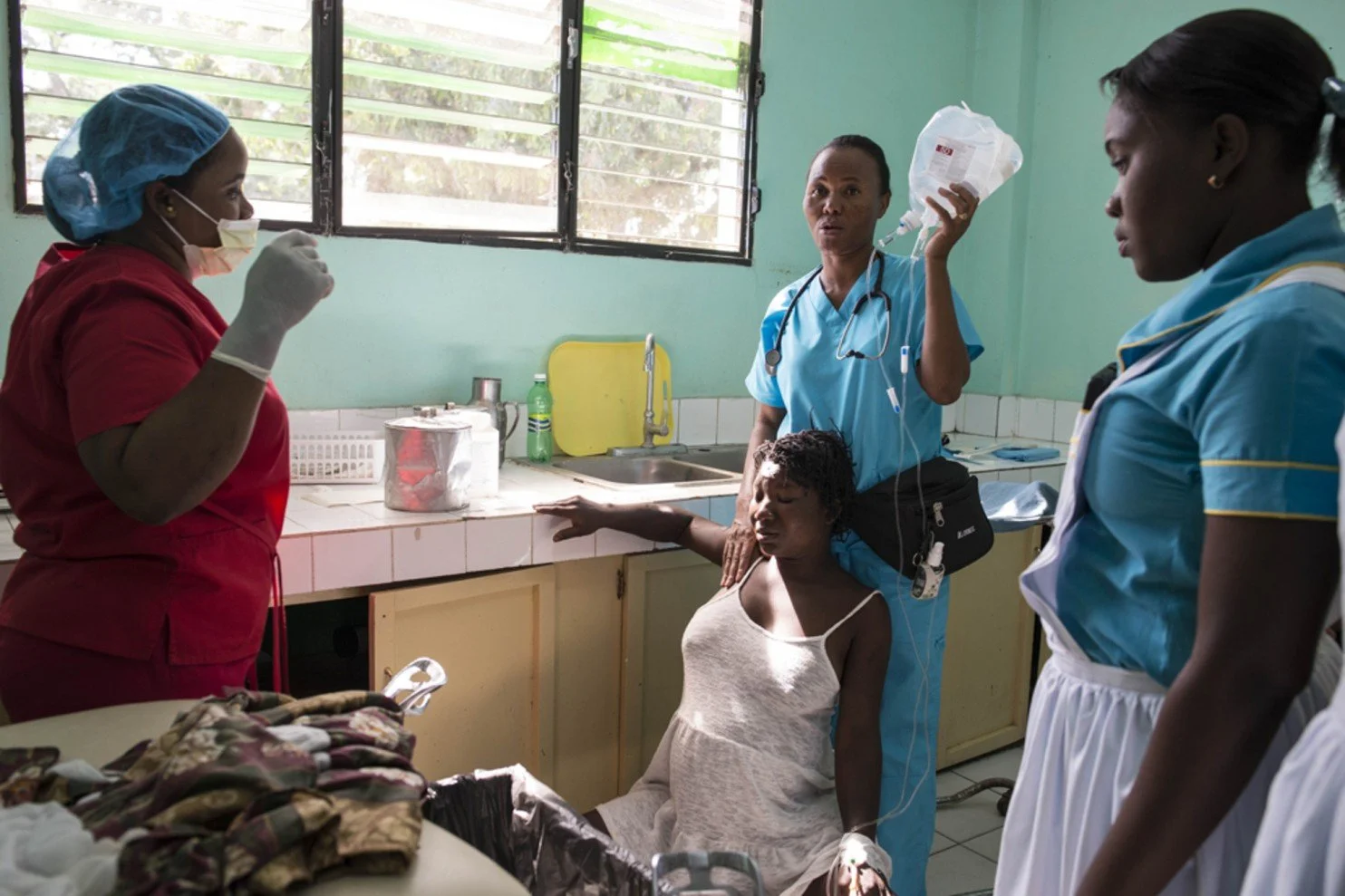
“I saw a lot of women who died during delivery, but I did not know how to help them.”
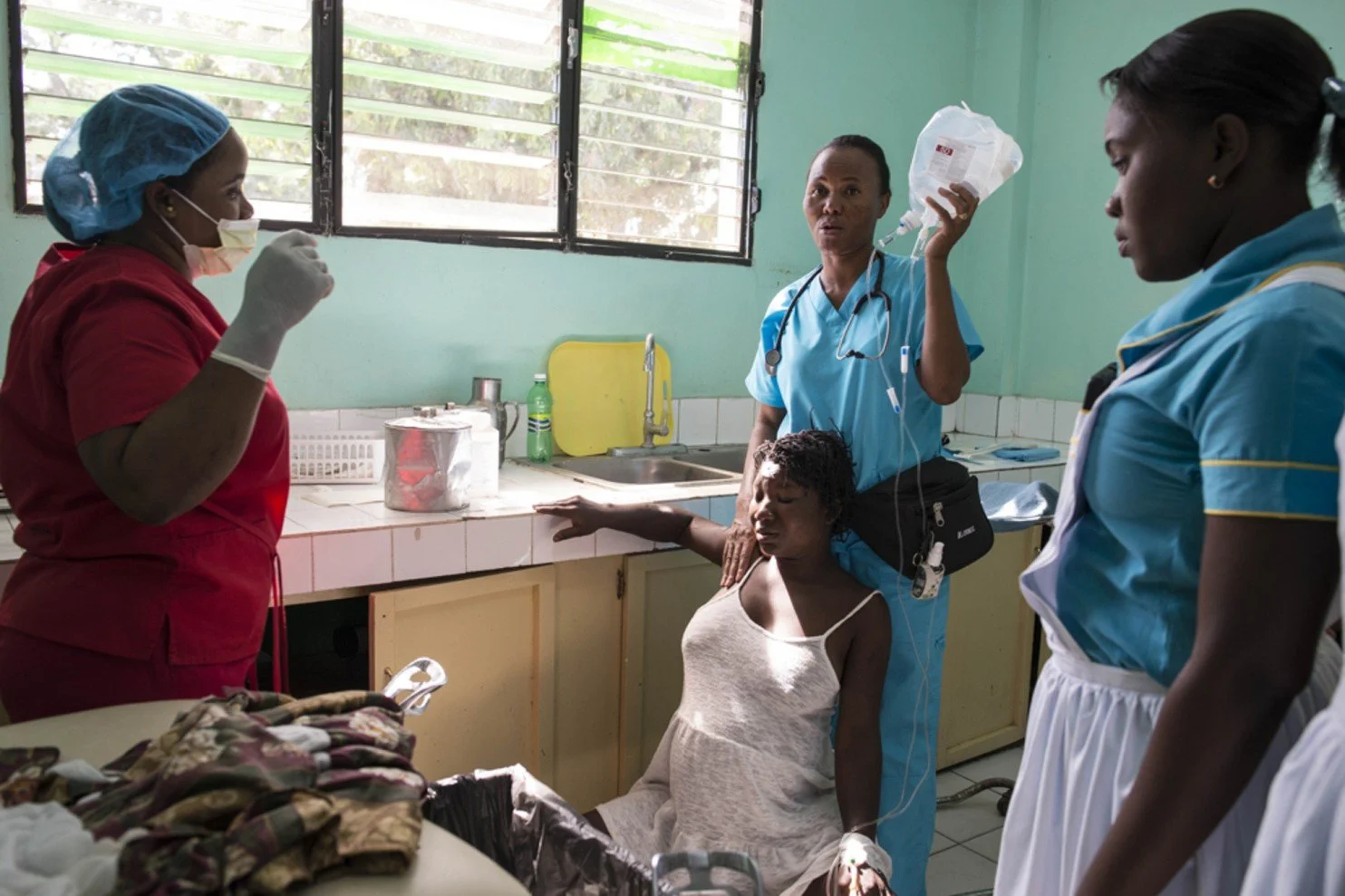
The maternity ward at St. Therese Hospital in Hinche, Haiti, doesn’t have running water. Waste is collected in buckets. When the electricity cuts out, as it does throughout the day, the midwives put on headlamps and keep on delivering babies. Nurses use antibacterial gel sparingly, not knowing when the next shipment will arrive.

The staff is small and overworked. The country has just one midwife for every 50,000 people, according to the United Nations Population Fund. And the lack of resources shows up in the statistics: Haiti has the highest infant mortality rate in the Western Hemisphere.
“I saw a lot of women who died during delivery, but I did not know how to help them,” midwife Juslene Regulus says between rounds one afternoon at St. Therese. “I have a cousin who died during delivery, and I said to myself that if I had the skills of a midwife, I could help her. That’s why I got into midwifery.”
Regulus was trained through a program operated by Midwives for Haiti. With funding from Every Mother Counts, a New York-based nonprofit founded by Christy Turlington Burns, and other donors, the program is working to change the statistics by training skilled birth attendants. Having skilled care at birth is considered the most important intervention to make childbirth safe.
Haiti’s infant mortality rate was 52.2 per 1,000 live births, according to a 2016 United Nations report. (The U.S. rate was 5.6.) The maternal mortality rate was 359 per 100,000 live births, the United Nations Population Fund reported in 2015. Although the infant mortality rate has been dropping since 2000, progress was hampered by the 2010 earthquake that destroyed the country’s only school for midwives, which also killed many health-care workers and led to the emigration of others.
Only 67 percent of women receive prenatal care, and only 37 percent have a skilled attendant at delivery, according to Countdown to 2030, a global health-care collaboration.
Midwives for Haiti, which has six Haitian teachers and help from visiting volunteers, has trained 124 birth attendants; another 32 students are in a year-long class that will graduate in 2018. Students are taught at St. Therese, as well as at mobile clinics.
 Early one morning, the current class begins the day by singing and praying. Then they settle down to learn about pain management for women in labor.
“Many people are suffering in Cabestor, where I’m from,” says one of the students, Sheila Pasquet.
After completing the program, Pasquet and other midwives will work in places such as Cabestor, a remote community where the maternal mortality ratio is roughly three times the national average and where about 1 in 5 children don’t make it to their fifth birthday. Mortality began to decrease there, Pasquet says, after a birth center was built.
The Cabestor center is run by Eclide Michel, a Midwives for Haiti graduate. She makes daily rounds to mothers who have recently given birth, sometimes walking up to two hours to remote locations.
Before the clinic opened, women seeking a skilled birth attendant would have to walk up to four hours and cross 20 rivers and streams to reach the nearest hospital.

“The terrain is so difficult that the women are carried down to the birth center by stretcher,” Pasquet says.
The students get practical and classroom training, learning how to educate women about pregnancy. Each morning a team piles into a truck that leaves Hinche for rural areas that don’t have medical professionals. They set up folding tables in the village square, where they offer lessons in family planning and suggestions for how pregnant women can monitor their health.
Eventually, they hope, their folding tables will be replaced by new clinics. By Wendy Galietta July 24
Organization Works to Help Haitian Youth with Hearing Loss
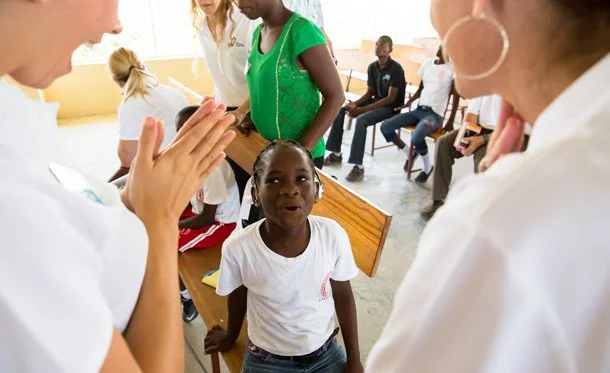
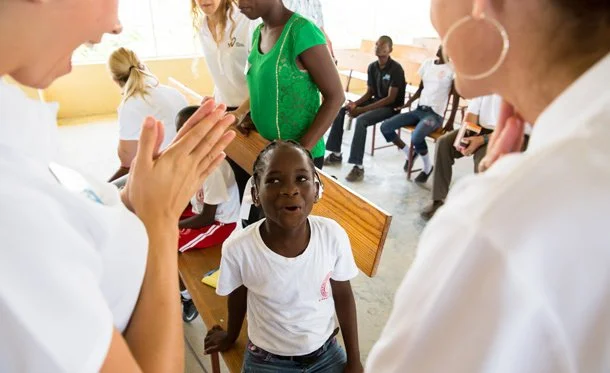
ADVOCACY Hearing loss or deafness can be devastating for a child, but in Haiti, they can be far more limiting than in the United States.The day we know that Joulie heard her first sound, she was already 8 years old.At 8 years old, Joulie would have probably enjoyed hearing a bedtime story from her mother, or saying goodbye to her sisters on her way to school each morning. At 8, she might have had a growing group of friends with whom she could have giggled and whispered secrets. She might have also had a chance to dance to her favorite music, and maybe even start playing an instrument.
Monstrous obstacles
But Joulie’s childhood was very different. She was born with hearing loss in Haiti. Families all over the world rally around children who are deaf or suffer from hearing loss, but for the multitudes of children in Haiti who are affected by this condition, the hurdles are often insurmountable due to the extreme poverty and lack of health care in the country.The Hear the World Foundation has partnered with several organizations, including the Haiti Deaf Academy and the Commissioned Believers Deaf Ministry, to set up a long-term project called Hear Haiti.This program is designed to provide early diagnosis for Haitian children with hearing loss through comprehensive hearing assessments, and to provide repair and maintenance services for existing devices. The Hear Haiti program also supports training for local residents to continue the work of providing follow-up care, a program feature that creates sustainability.As part of the program, teams of volunteers from the Sonova Group, the corporate parent of the Hear the World Foundation, travel to the region multiple times a year to provide services and train new hearing care providers.
A Brighter Future
Today, Joulie is flourishing with her newfound abilities to reach out to others. When her device was first turned on, she was excited to listen to every new sound that she could. Now, she can sign amazingly well. Best of all was the day she went home and said "Momma" to a woman that likely never believed she would hear those words from her child. Thanks to Hear Haiti, Joulie and many other children on this island will have a chance to live an abundant life and fulfill their promise, and maybe be part of leading their country into a new and brighter future. Haitian youth get help with hearing loss
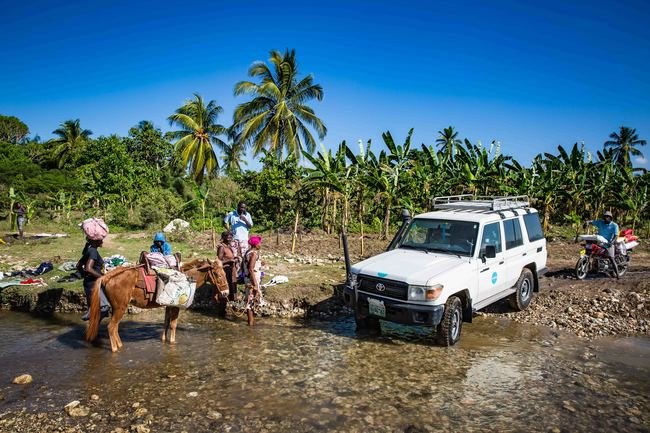
Organization Pushes For Sustainable Solutions To Cholera, Typhoid
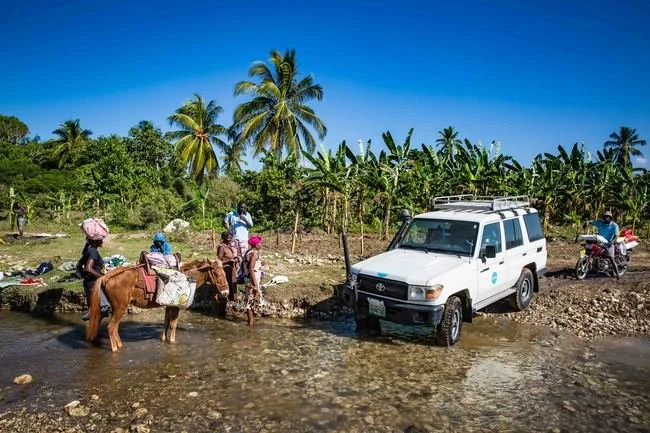
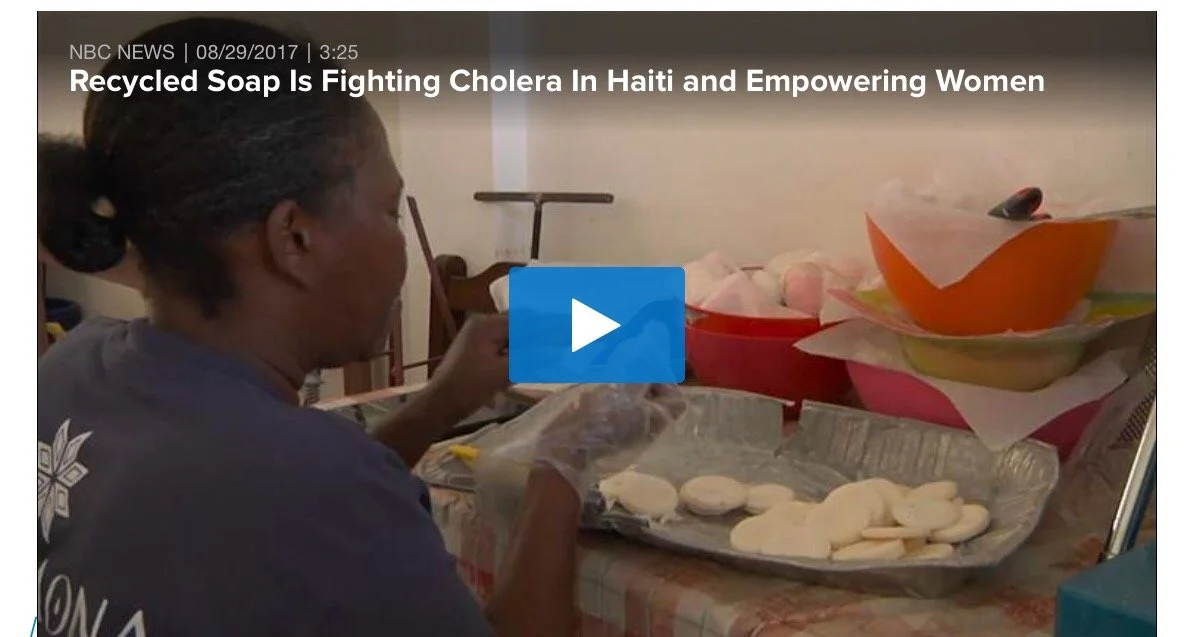
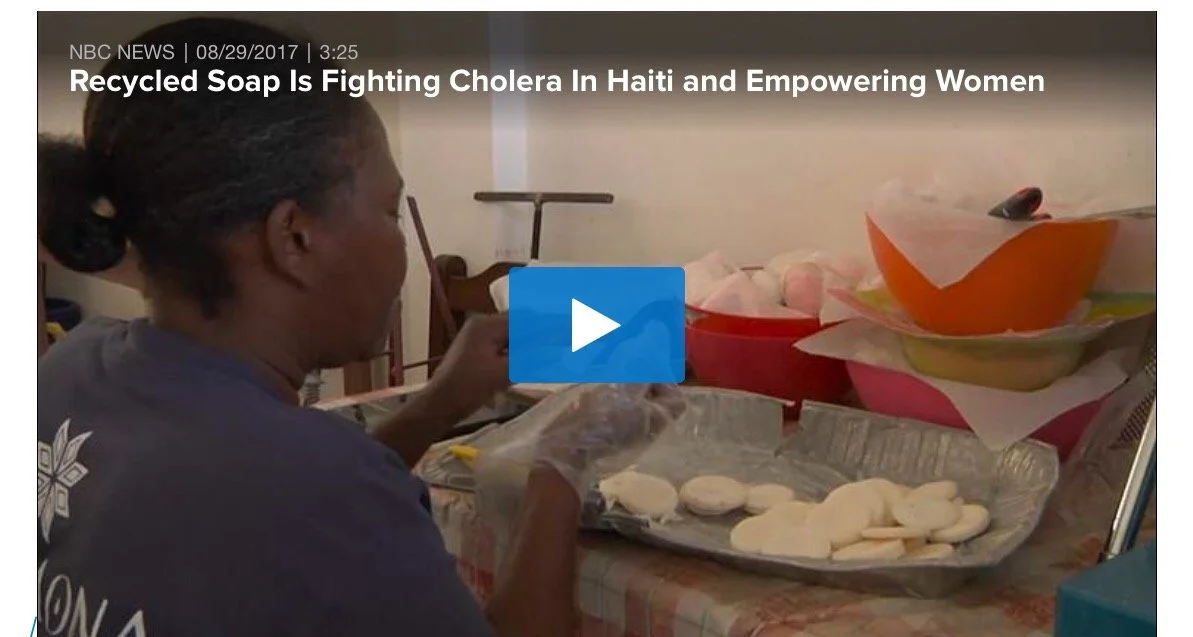
In the wake of the damaged caused by Hurricane Matthew in Haiti, Marie-Yolaine Eusebe is taking the long view of aid work. Not that she is working with any less haste than other organizations, but the CEO and FireStarter of Community2Community (C2C) looks at the underlying causes of some of Haiti’s most pressing needs after the storm.“This isn’t an issue of a hurricane,” Eusebe said. “This is an issue of the lack of proper infrastructure.”The damage of Hurricane Matthew is still being calculated, with the Directorate of Civil Protection of Haiti confirming 546 deaths. Another 2.1 million people were affected by the hurricane, along with 36 destroyed health facilities. But the lack of proper infrastructures made the damage and resulting emergency need even worse, Eusebe said. For example, mudslides are less likely if structures are built to code.Also, “If there’s clean water, there’s sanitation,” Eusebe said. “These are the things that decrease the rate of typhoid and cholera.”Stopping the spread of disease is one of the most pressing issues in the country after the hurricane. As of Oct. 25, PANO/WHO estimated 3,423 suspected cholera cases. Cholera is a virus, spread by contaminated water, that severely dehydrates those with the disease. Haiti’s Ministry of Health announced a vaccination campaign starting Nov. 8 to bring 1 million oral vaccines to areas affected by cholera.Research tied the arrival of typhoid in Haiti to United Nations aid workers arriving from Nepal. The strain of the disease in Haiti originated in Southeast Asia and was first spread throughout Caribbean country from a UN camp in the upper Artibonite River valley after the 2010 earthquake. According to the United Nations, 9,145 people have died from cholera since 2010, with more than 779,000 suspected cases.Typhoid fever is also spread by contaminated water, as well as food, and severe cases can lead to death. The disease shares many risk factors with cholera, which is why organizations are concerned about its possible rise in Haiti.The damage caused by Hurricane Matthew allowed cholera, and possibly typhoid, to spread at a faster rate. Haitians were walking through the contaminated water in the street because they had no other choice. Bottled water was available, but some residents who could not afford the bottles were left trying to purify the water, Eusebe said.While this process that does not always kill off all diseases, often residents had no other choice in order to survive, Eusebe said. “Water is a non-negotiable item.”C2C, a nonprofit focused on Haitian development, has been working on access to clean water with two communities in Petit-Goâve–a mountainside community of around 16,000 people and a city neighborhood of about 70 families–since 2010. The group partnered with indigenous leadership to build a captage for collecting groundwater and reservoir.The group is focusing on repairing its water distribution system, as well as a destroyed school, in Petit-Goâve. A needs assessment from those two groups said the hurricane destroyed 40 homes and damaged 140, destroyed two schools and damaged two more, killed 1,621 animals and destroyed 74 acres of garden. None of the captages were destroyed, but 10 were damaged. C2C is raising $645,000 to address the most pressing needs, but maintain its sustainability goals, Eusebe said.C2C is partnering with the International Black Women’s Public Policy Institute to provide immediate relief for Haitians in the form of boots. The policy organization collected more than 200 pairs of work and rain boots in Los Angeles, Perkins said. C2C will deliver 100 of them to their partners in Haiti on November 13.Barbara Perkins, president and co-founder, became involved in Haiti after seeing C2C’s long-term impact on the country. IBWPPI was working on the boot collection before Hurricane Matthew because proper footwear allows men, women and children to work in a variety of conditions and seasons. The boots also protect people if they have to walk in contaminated water, which is now a pressing need in Haiti.IBWPPI will begin advocating policy changes to make boots part of the emergency relief checklist, Perkins said.“If our cities, our counties and our state are going to help in a disaster, let’s make sure boots are on that list,” she said. “It’s not just charity because it lets everyone work and help themselves, too.”Perkins said her organization will continue to help Haiti by focusing on economic security and education.Eusebe said her efforts this year focus on how to prepare Haitians for the next hurricane. International organizations cannot be doing relief every year, she said, because it is not a sustainable system.“The relief and charity narrative have not worked,” Eusebe said, which is why she advocates for investment in long-term infrastructure solutions and support for indigenous leadership.“These are the things that are going to help the community move out of this relief narrative,” she said “We need to move out of relief to relieved.”
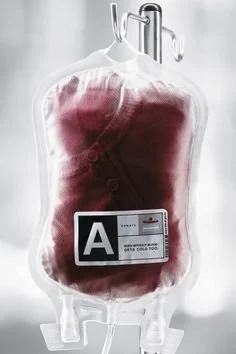
$5M for the future CRH National Blood Transfusion Center
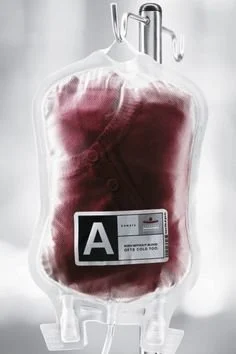
On Tuesday, the National Society of the Haitian Red Cross laid the foundation stone for the reconstruction of the National Center for Blood Transfusion (CNTS) of the Haitian Red Cross (CRH), which was destroyed during the 2010 earthquake.This new infrastructure, which will include a medical laboratory for specialized analyzes, is currently funded by the American Red Cross for close to $5 million and meets an urgent need for the installation of new physical facilities and equipment to ensure a regular supply of blood products to the Haitian population by the CRH.The ceremony was held at the headquarters of the National Society in Maïs-Gaté which will house the new building. Present for the occasion, alongside the Secretary General of the Federation, Mr Elhadj As Sy, Gthe eneral Councilor of the American Red Cross, David Meltzer, welcomed the commitment of the American Red Cross Sister Society to strengthening the Haitian Red Cross's work and capacity, particularly in the health sector where the organization has already invested $73 million over the 7 years following the earthquake in 2010 to strengthen Haiti's public health system to prevent disease and improve access to quality medical services.In his speech, Dr Guiteau Jean-Pierre, President of the National Society of the Haitian Red Cross, took the opportunity to thank the various partners involved in the implementation of the project, in particular the American Red Cross and the Secretary General Of the Federation who made the trip to testify to the commitment of the movement alongside the Haitian Red Cross.Note that this construction project also benefits from the additional financial contribution of other partners of the Red Cross movement including the Belgian, Japanese and Spanish Red Cross and the Italian Red Cross.HL/ TB/ HaitiLibre 20/07/2017

Team Broken Earth to Host 3rd Orthopaedic Trauma Symposium in Port-au-Prince, Haiti


ST. JOHN’S, NEWFOUNDLAND AND LABRADOR and PORT-AU-PRINCE, HAITI (May 15, 2017)—Team Broken Earth will undertake its third Orthopaedic Trauma Symposium in Port-au-Prince, Haiti this week. The Pan-Canadian Medical Team, led by Dr. Andrew Furey, founder of Team Broken Earth, will head to the region on Tuesday, May 16, 2017 with the Symposium taking place on May 18 and 19. About 60 Medical Residents and Staff Physicians are expected to take part from four Port-au-Prince hospitals: l’Hôpital de l’Université d’État d’Haïti (HUEH); Hôpital Université de la Paix; Hôpital Justinien; and, Hôpital Bernard Mevs.“Team Broken Earth, through its over 1,000 volunteers across Canada and the United States, continues to have far-reaching effects on the lives of people in Haiti,” said Dr. Andrew Furey. “We have had a sustained medical relief effort in the country since the devastating earthquake in 2010, and it remains the core of our organization’s efforts.” Team Broken Earth has now expanded around the globe to also bring support to Nicaragua, Guatemala, Nepal and Bangladesh.The Symposium is intended to upgrade knowledge and skills for those practicing orthopaedic trauma care, including treatment of upper and lower extremity injuries. It will also focus on immediate care of injured patients with extremity injuries. The Symposium is funded through an educational grant from DePuy Synthes, part of Johnson and Johnson Medical Products. Team Broken Earth also acknowledged l’Hôpital Bernard Mevs/Project Medishare for facilitation of the Symposium and delivery of equipment in Haiti.Canadian Ambassador to Haiti, Paula Caldwell St-Onge, will officially open the Symposium on May 18. During this mission, Haitian President Jovenel Moïse and Prime Minister Dr. Jack Guy Lafontant are expected to extend a thank you to the organization for all it has done for the people of Haiti. A delegation from Canada’s Senate will also observe the Symposium on May 19.“We are humbled by the many thanks we receive for our efforts,” said Dr. Furey. “For us it’s about changing someone’s world for the better, and giving them hope to carry on, care for others and provide leadership in very difficult times.”The May 2017 Mission Team includes:Dr. Chad Coles (NS)Dr. Andrew Furey (Lead) (NL)Dr. Stephen Hunt (AB)Dr. Robert Leighton (NB)Dr. Ross Leighton (NS)Erin Marshall (NL)Dr. Rod Martin (NL)Karen McCarthy (NL)Kurt Misik (NL)Dr. Steve Papp (ON)Dr. Brad Petrisor (ON)Dr. Arthur Rideout (NL)Dr. Prism Schneider (AB)Broken Earth owes a debt of gratitude to its many sponsors and supporters, as well as Dr. Joanna Cherry, Chief Medical Officer, Hôpital Bernard Mevs, for her on-the-ground support in Port-au-Prince.About Team Broken EarthTeam Broken Earth is a volunteer task force composed of physicians, nurses, and other health professionals from across Canada and the United States committed to delivering and improving healthcare in impoverished nations.The team was initially assembled to support the relief effort in the aftermath of the 2010 earthquake that left the people of Haiti in dire need of medical assistance. From this extensive frontline experience, Team Broken Earth determined that the people of Haiti needed a sustained medical relief effort to help rebuild the country’s healthcare system and create sustainability through education of Haitian people and health care professionals. Our teams treat patients, providing acute care to the people of Haiti, but also work with Haitian medical professionals to train and upskill them in best practices, and educate the Haitian people on matters of public health. The model used in Haiti has been extended to other nations in need as Team Broken Earth expands its mission footprint.Many members of our team volunteer their vacation time to join our effort. Team Broken Earth is in Haiti to make a difference… for as long as it takes.For more information visit www.brokenearth.caBroken Earth | May 16, 2017
Trump Thinks This Is Pro-Life?
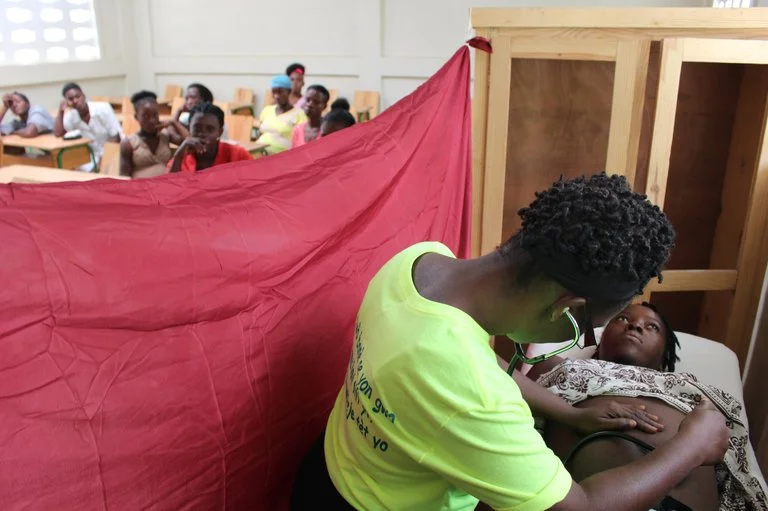

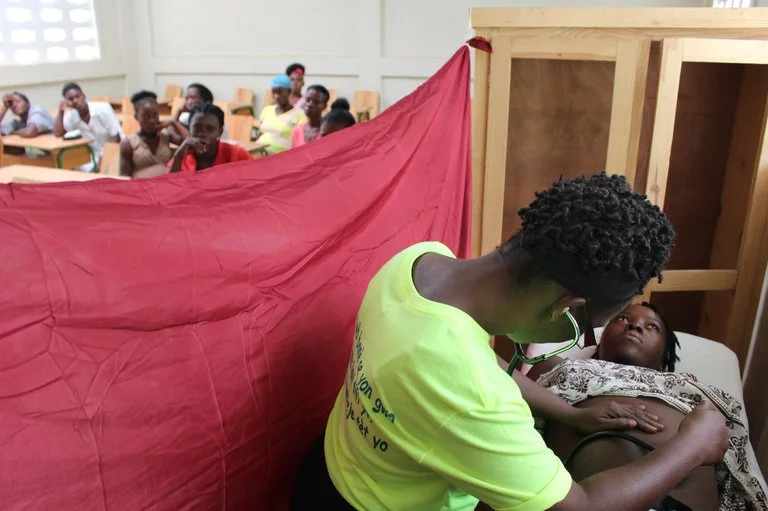
PORT-AU-PRINCE, Haiti — When President Trump and his (male) aides sit at a conference table deciding to cut off money to women’s health programs abroad, they call it a “pro-life” move.
Yet here in Haiti, I’ll tell you the result: Impoverished women suffer ghastly injuries and excruciating deaths. Washington’s new women’s health policies should be called “pro-death.”
When women and girls don’t have access to family planning and reproductive health care, they’re more likely to suffer pelvic organ prolapses, in which the bladder, uterus or bowel may protrude from the vagina. Or they suffer a fistula, a childbirth injury that leaves them leaking urine or feces, stinking and ostracized, and sometimes unable to walk. Women with prolapses or fistulas sit in their huts, humiliated, wondering if they are cursed, waiting to die.
In a room here in the Haitian capital, women with cervical and breast cancer wait for nurses to examine their ulcerated bodies. Beyond their almost unbearable physical pain is their mortification that they smell of rotting flesh, and in some cases incontinence. They are heroic in their quiet refusal to give up.
It’s not that these horrific conditions are caused by U.S. policy, but Trump is now halting all funds for many organizations working tirelessly to prevent this suffering. First came the “global gag rule,” ending funding to overseas health aid groups linked in some way to abortion, including counseling that mentions it as an option.
The latest is that Trump just cut every penny the U.S. provides the United Nations Population Fund. This organization has nothing to do with abortions but is a central player in the global effort to fight for women’s health.
“If the U.N. Population Fund has less money, more impoverished women in Haiti will die,” said Holdie Fleurilus, a nurse at Innovating Health International, which runs the cancer center I visited.
Across town, Dr. Raymond Fleurimon, the medical director of the Isaïe Jeanty Maternity Hospital, was equally blunt: “If U.N.F.P.A. is out of the game,” he said, using the initials of the fund’s old name, “this maternity ward will collapse, it’ll be completely dysfunctional, and more women will die.”
“What a nightmare,” warned Dr. Rahel Nardos, a women’s health expert, cautioning that less money for the fund meant more prolapses and fistulas.
Republicans pushed to cut off the money because they think the fund colludes with China’s government in forced abortions there. But I lived in China for years, reporting extensively on the subject — and the critics have it all wrong.
Yes, China has relied on forced sterilizations and forced abortions. The U.N. Population Fund initially was oblivious, and in 1983 it stupidly gave a gold medal to the Chinese official overseeing forced abortions. But that’s history, and for decades the fund has put strong pressure on China to end the coerced abortions.
Moreover, the fund persuaded China in 1992 to switch to a more effective IUD, averting half a million abortions a year. Over the years, that’s 12 million abortions the Population Fund has prevented there. Can any anti-abortion group match that?
Those affected by Trump’s cutoff of funds for women’s health are people like Darling Leonce, a pregnant 16-year-old I met when she showed up for a prenatal exam at a one-day clinic set up in a remote part of southeastern Haiti. The clinic was supported by the U.N. Population Fund, and it was the first interaction Darling had ever had with a doctor or nurse in her life.
Darling never went to school, can’t read or write, and had never heard of birth control. Yet here she received her first-ever physical exam and was encouraged to deliver in a hospital rather than in her village. A nurse coached her on breast-feeding, gave her prenatal vitamins and acquainted her with contraception.
“Choose your partner carefully, and don’t have a kid just because you have a boyfriend,” the nurse advised.
Politicians in Washington don’t have a clue about the hideous things that happen when women are marginalized and health care is unavailable. What the Population Fund does is help girls like Darling avoid unwanted pregnancies and the nightmare of a fistula, a prolapse or cancer. That’s why The Lancet medical journal called Trump’s cutoff of funds “misogyny.”
Oh, and on abortion — one more thing.
When contraception is unavailable, people find ways to get abortions even where it’s illegal, as it is here. On my way back to the capital from the one-day clinic, I stopped at a pharmacy in a small town and asked for misoprostol, an abortion drug. For $15, the sales clerk handed over more than enough pills for an abortion.
The birth control provided by the U.N. Population Fund averted more than 3.7 million abortions last year alone, health advocates say. So if you’re against abortion, you should support the U.N. Population Fund, not try to destroy it.
Yet a group of blundering men in the Trump administration posture as moral leaders, and the result is that women in places like Haiti will suffer fistulas, prolapses and agonizing deaths in childbirth or from cervical cancer. Some of these women will be humiliated by the failures of their flesh, but the real shame belongs to sanctimonious zealots in Washington who don’t have a clue what they’re doing.
And this is pro-life?
Nicholas Kristof | APRIL 22, 2017
Pharmacy school establishes public health program in Haiti
Submerging one’s self into another culture and providing medical and pharmacy care in an environment with few resources is a life-changing opportunity for student learners.
The Southern Illinois University Edwardsville School of Pharmacy is adding another such opportunity to its international learning experiences. The school has established a public health experiential rotation in Haiti that will begin in spring 2018.Kelly Gable, associate professor in the Department of Pharmacy Practice and coordinator of global partnerships; and Misty Gonzalez, clinical associate professor in the Department of Pharmacy Practice, traveled to Jacmel, Haiti, March 6-13 to explore opportunities for future student learning.Part of a team of eight volunteer medical professionals, the two participated in a medical mission through Hands Helping Haiti.“The purpose of our trip was to explore pharmacy student learning opportunities while also providing medical care to an underserved patient population in Haiti,” Gable said. “The SOP aspires to create programs such as this, as we believe that hands-on, culturally submerging experiences promote both personal and professional student growth.“These experiences force students to think critically, practice creative problem-solving with limited resources, and self-reflect,” Gable said. “Participation has the potential to not only dramatically enhance a student’s clinical skill set, but it also directly builds upon a student’s expression of compassion and altruism.”Through the new rotation, two fourth-year students will spend one week in Haiti, actively participating in the medical mission. They will then spend four weeks working on health education programming at two shelters in St. Louis. The public health focus of the learning experience includes reduction in infectious disease transmission, substance use and harm reduction, and preventative primary health care.“These types of experiences are invaluable for the student learner,” Gonzalez said. “We are excited to add this international learning experience to the growing number of opportunities offered to SIUE pharmacy students in Guatemala, Jamaica, India and Costa Rica.”Gable, Gonzalez and team provided preventative and acute medical care to 301 children and adults in Haiti through a pop-up pharmacy they set up in a school. They treated and encountered common illnesses such as scalp and skin fungus, ear infections, hypertension, diabetes, parasites and scabies.“Hands Helping Haiti travels to Jacmel twice a year and sets up ambulatory care clinics and a pharmacy at The Modern School and Kindergarten of Savannette,” Gable said. “This school is continually sponsored by the Hands Helping Haiti organization and provides education for pre-kindergarten through sixth-grade students.“The organization’s co-founders, Ruth and Warren Smith, are both health care providers practicing in Illinois,” Gable said. “Their central Illinois location and well-established medical-focused mission made for a perfect SIUE-SOP collaboration.”When not providing direct patient care, the team had the opportunity to enhance their cultural awareness by learning more about the clean water project, trying authentic Haitian cuisine, and exploring the beautiful growing art scene in Jacmel. Gonzalez documented the experience with the creation of this video.For more information, contact Gable at kgable@siue.edu, visit the School of Pharmacy’s global education website, or follow the school’s Global Education Facebook page.Advantage News/May 9, 2017

First international medical training center in Haiti!

 Chargé d'Affaires Brian Shukan joined St. Luke's Foundation, the Haitian Ministry of Health, and the United States Agency for International Development (USAID) to inaugurate the first international medical training center in Haiti.The training center consists of two training and simulation rooms, a conference room, and an administrative meeting room. "This state-of-the-art medical training center will ensure that St. Luke staff and the greater Haitian medical community have a base to build and hone the most current skills they need to continue their vital work," said Shukan.The construction was supported by a $500,000 grant from USAID's Office of American Schools and Hospitals Abroad (ASHA), and the facility will host its first international conference, "The Haitian Acute Care and Emergency Care Conference" on April 28 and 29."Continuing Medical Education (CME) is a guarantee of quality in healthcare," said St. Luke Mission medical director, Dr. Marc Edson Augustin. "The conference will be the first of many such experiences at St. Luke's new training center, furthering our primary goal of bringing quality and dignified care to the most vulnerable."USAID/ASHA grants support the construction and purchase of equipment for medical institutions in Haiti. Additional recipients of ASHA grants include St. Boniface Haiti Foundation; Catholic Relief Services for equipment at Hospital St. Francois de Sales; Albert Schweitzer Hospital; and the International Child Care's training center and inpatient child care unit. Since 1979, ASHA grants have provided over $21 million in support to projects in Haiti.HL/ HaitiLibre HaitiVille
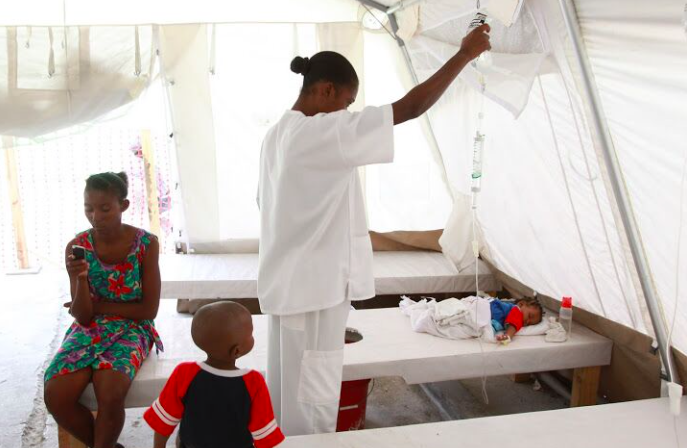
UN Secretary General Cholera Efforts Fall Short
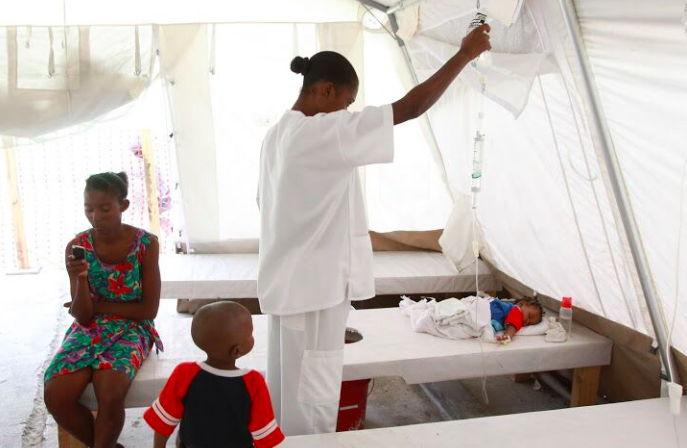
By David HendersonIn December, then United Nations Secretary General Ban Ki-moon delivered a carefully scripted speech on the UN’s role in Haiti’s cholera epidemic. As a young adult splitting my time between studying towards a degree in Global Health and working remotely for a medical clinic in Haiti, I spent the afternoon alone with my computer, gripped by a livestream of Ban’s address.After six years of denial, Ban admitting the UN’s guilt in introducing cholera to Haiti would have been a massive step towards justice for the patients I serve, and the Haitian friends my family holds dear (my parents have worked as missionaries in the country for over 25 years). But, Ban refused to do so. Instead, he offered up a $400 million plan to fight cholera and assist its victims in Haiti. To date, the UN has raised a meager $2 million to fund this plan.When the first outbreak of cholera appeared in October 2010, I, like many, could only watch from the United States in despair. Initially, I simply donated to anti-cholera vaccination efforts, but more recently I’ve worked for organizations striving to fight cholera in Haiti, interning at Partners in Health and eventually taking a job with IDADEE Health Center in Cap-Haitian.In the past 6 years, cholera has become a normal part of my life and work. Outbreaks have continued to resurface regularly. This can feel unremarkable, the natural order of things.But there is nothing natural about Haiti’s cholera epidemic. Immediately after the disease spread, journalists and local Haitians traced the outbreak to a Nepalese UN base, and their suspicions were confirmed when the strain running rampant in Haiti, which had never been seen in the country before, turned out to be a strain commonly found in Southeast Asia.Eventually, the UN commissioned an official report on the epidemic, which confirmed the overwhelming evidence that cholera had emanated from the base. Yet, the report blamed a “confluence of factors”, including Haitians’ bathing and farming practices, for the epidemic. Its authors concluded that the epidemic was “not the fault of… a group or individual”, an absurd assertion given that cholera had not even existed in Haiti until a group of Nepalese UN troops contaminated the Artibonite River with their fecal waste.The report was just the first of many UN efforts to save face without actually accepting responsibility for the outbreak. For six years, the UN has continued its scramble to deflect responsibility while the death toll in Haiti has continued to climb, reaching approximately 10,000 people.In August 2016, Ban Ki-moon publicly broached the topic of UN guilt for the first time, admitting that the UN had a “moral responsibility” to commit to fighting the disease. But, Ban did not admit UN troops were to blame for causing the epidemic.In his speech on Thursday, Ban continued to dance around a long-overdue mea culpa. Instead of admitting guilt for causing the epidemic, Ban lamented that the UN “simply did not do enough with regard to the cholera outbreak and its spread in Haiti.” Ban announced the UN was “profoundly sorry” for the suffering caused by the outbreak, and for the UN’s “role” in the tragedy. Never did Ban note precisely what the UN’s role was, namely, introducing the disease which killed 10,000 Haitians as a result of negligent waste disposal practices.While Ban’s remorse was evident, his speech was carefully crafted to avoid actually admitting guilt. By hinting that the UN regrets bringing cholera to Haiti, without admitting they did so, Ban acknowledged that everyone listening already knew the UN brought the disease to Haiti. Yet, he refused to say it; Doing so may have hurt the UN’s ability to insist that they are not legally responsible for the deaths cholera has caused.Being held legally responsible could prove costly–paying compensation to the families of victims would cost roughly $40 billion, per a confidential UN report. Accordingly, despite his talk of “moral responsibility,” Ban avoided saying anything that could force the UN to shoulder actual, legal responsibility.Instead, Ban sought to make up for the UN’s introduction of the disease by announcing a plan to spend $200 million fighting cholera and dedicate another $200 million to “material assistance” for communities and families affected by the epidemic. While the sums are substantial, these pity payments are essentially bribes: The UN hopes the international outcry and onslaught of lawsuits being brought against them will cease with a little money to a few communities and a half-hearted gesture towards regret.At first, this strategy worked–most media outlets framed Ban’s speech as an admission of guilt, and many took to social media to celebrate the UN’s strides towards “justice”.But the onlookers who welcomed Ban’s speech and the aid package as satisfactory sent a chilling message to Haitians, including my friends and coworkers: that their lives aren’t worth a compensation payment, or even an honest apology.After hiding behind a weak apology, the UN, now under the leadership of Secretary General Antonò Guterres, is beginning to show its true colors once again: The UN has raised a pathetic $2 million out of the $400 million it needs to carry out its cholera plan: a mere 1/200th of what Ban promised. Fortunately, news outlets, like The New York Times, are catching on.But even if the plan were fully financed, its execution wouldn’t represent justice. After all, criminals aren’t typically allowed to take stock of their level of “moral responsibility,” then determine an appropriate level of compensation to pay their victims.Justice will only be served when the UN, an organization that exists to promote human rights around the globe, admits responsibility for causing the epidemic, pleads guilty in a court of law, and compensates Haitians. If every person is a person, we should accept nothing less than court-mediated justice. Haitiantimes.com
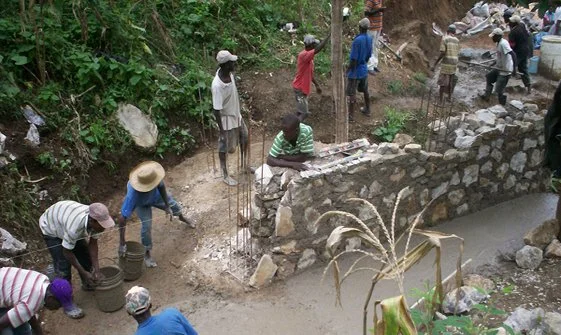
Organization Pushes For Sustainable Solutions To Cholera, Typhoid
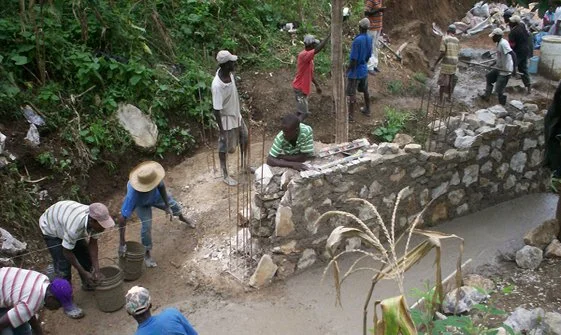
By Wyatt MasseyIn the wake of the damaged caused by Hurricane Matthew in Haiti, Marie-Yolaine Eusebe is taking the long view of aid work. Not that she is working with any less haste than other organizations, but the CEO and FireStarter of Community2Community (C2C) looks at the underlying causes of some of Haiti’s most pressing needs after the storm.“This isn’t an issue of a hurricane,” Eusebe said. “This is an issue of the lack of proper infrastructure.”The damage of Hurricane Matthew is still being calculated, with the Directorate of Civil Protection of Haiti confirming 546 deaths. Another 2.1 million people were affected by the hurricane, along with 36 destroyed health facilities. But the lack of proper infrastructures made the damage and resulting emergency need even worse, Eusebe said. For example, mudslides are less likely if structures are built to code.Also, “If there’s clean water, there’s sanitation,” Eusebe said. “These are the things that decrease the rate of typhoid and cholera.”Stopping the spread of disease is one of the most pressing issues in the country after the hurricane. As of Oct. 25, PANO/WHO estimated 3,423 suspected cholera cases. Cholera is a virus, spread by contaminated water, that severely dehydrates those with the disease. Haiti’s Ministry of Health announced a vaccination campaign starting Nov. 8 to bring 1 million oral vaccines to areas affected by cholera.Research tied the arrival of typhoid in Haiti to United Nations aid workers arriving from Nepal. The strain of the disease in Haiti originated in Southeast Asia and was first spread throughout Caribbean country from a UN camp in the upper Artibonite River valley after the 2010 earthquake. According to the United Nations, 9,145 people have died from cholera since 2010, with more than 779,000 suspected cases.Typhoid fever is also spread by contaminated water, as well as food, and severe cases can lead to death. The disease shares many risk factors with cholera, which is why organizations are concerned about its possible rise in Haiti.The damage caused by Hurricane Matthew allowed cholera, and possibly typhoid, to spread at a faster rate. Haitians were walking through the contaminated water in the street because they had no other choice. Bottled water was available, but some residents who could not afford the bottles were left trying to purify the water, Eusebe said.While this process that does not always kill off all diseases, often residents had no other choice in order to survive, Eusebe said. “Water is a non-negotiable item.”C2C, a nonprofit focused on Haitian development, has been working on access to clean water with two communities in Petit-Goâve–a mountainside community of around 16,000 people and a city neighborhood of about 70 families–since 2010. The group partnered with indigenous leadership to build a captage for collecting groundwater and reservoir.The group is focusing on repairing its water distribution system, as well as a destroyed school, in Petit-Goâve. A needs assessment from those two groups said the hurricane destroyed 40 homes and damaged 140, destroyed two schools and damaged two more, killed 1,621 animals and destroyed 74 acres of garden. None of the captages were destroyed, but 10 were damaged. C2C is raising $645,000 to address the most pressing needs, but maintain its sustainability goals, Eusebe said.C2C is partnering with the International Black Women’s Public Policy Institute to provide immediate relief for Haitians in the form of boots. The policy organization collected more than 200 pairs of work and rain boots in Los Angeles, Perkins said. C2C will deliver 100 of them to their partners in Haiti on November 13.Barbara Perkins, president and co-founder, became involved in Haiti after seeing C2C’s long-term impact on the country. IBWPPI was working on the boot collection before Hurricane Matthew because proper footwear allows men, women and children to work in a variety of conditions and seasons. The boots also protect people if they have to walk in contaminated water, which is now a pressing need in Haiti.IBWPPI will begin advocating policy changes to make boots part of the emergency relief checklist, Perkins said.“If our cities, our counties and our state are going to help in a disaster, let’s make sure boots are on that list,” she said. “It’s not just charity because it lets everyone work and help themselves, too.”Perkins said her organization will continue to help Haiti by focusing on economic security and education.Eusebe said her efforts this year focus on how to prepare Haitians for the next hurricane. International organizations cannot be doing relief every year, she said, because it is not a sustainable system.“The relief and charity narrative have not worked,” Eusebe said, which is why she advocates for investment in long-term infrastructure solutions and support for indigenous leadership.“These are the things that are going to help the community move out of this relief narrative,” she said “We need to move out of relief to relieved.” haitiantimes.com