
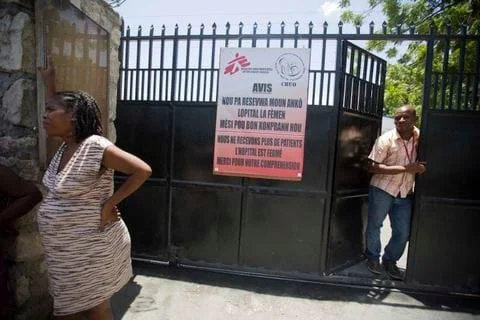
Doctors Without Borders Closing 2 Hospitals in Haiti
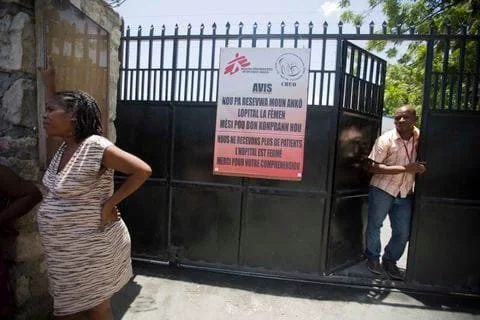
PORT-AU-PRINCE, Haiti — Doctors Without Borders is closing two hospitals in Haiti’s capital opened by the aid group in the aftermath of the January 2010 earthquake that devastated much of the city, an official with the organization said Friday.
A 176-bed obstetrics hospital in the Delmas area of Port-au-Prince will close in the coming days after some final patients are discharged and a hospital in the Tabarre area will close next year, said Michelle Chouinard, who heads the group’s mission in Haiti. Both facilities opened in the wake of the earthquake that killed tens of thousands of people and left the capital and much of southern Haiti in ruins. Both were intended to be temporary but were extended because of the medical needs in the impoverished country. “Given that the situation in Haiti is still difficult it was a very hard decision,” Chouinard said. Many poor people in the capital depend on the obstetrics hospital, which has treated about 500 patients a month. About 40,000 babies have been born there. Doctors Without Borders will continue to operate four clinics in Haiti, including one in Delmas that provides emergency medical care to victims of sexual and gender-based violence. Copyright 2018 The Associated Press. All rights reserved. This material may not be published, broadcast, rewritten or redistributed.
Providing Cancer Care in Haiti
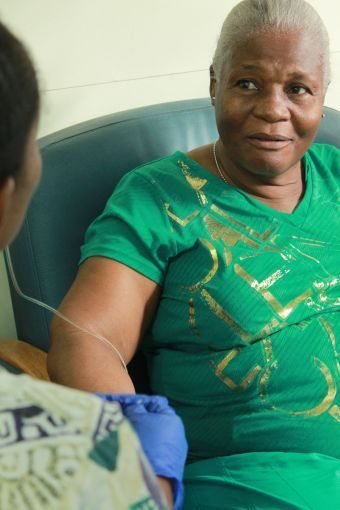

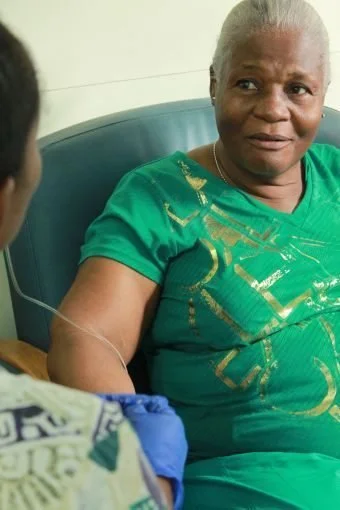
Women seeking treatment at the Innovating Health International offices.Image by Kate Corrigan. Haiti, 2017.
Youlette (whose name has been changed to protect her privacy) was a woman in her 30’s, newly married, when she arrived at the cancer program offices that Dr. Joseph Bernard works from in Port au Prince, Haiti.The day was very much like any other for the program that provides cancer care services: There were approximately 20 patients to be seen that day, some of them program patients in the midst of their chemotherapy. Others were like Youlette, women seeking treatment without understanding the cause of their ailment.The women who show up at the Innovating Health International (IHI) offices, the not-for profit organization where Bernard is the primary oncologist, are frequently referred from other physicians who suspect breast cancer but lack the capacity to diagnose and treat it. Often these women know why they are being referred but sometimes they do not. They only know that the mass growing in their breast is painful and negatively impacts their daily lives as they care for their families.After sitting down for a preliminary assessment, Bernard took a biopsy of Youlette’s affected breast and sent off standard labs he requires for any patient potentially undergoing treatment. He was certain it was cancer, and likely advanced stage, but what he found was not something he, or Youlette, was prepared for.It was indeed have cancer, stage IV, the most advanced stage and not survivable, but Youlette was also HIV-positive and likely pregnant.Global implications of cancer:Cancer has become a leading cause of death in both more and less economically developed countries, and the burden is expecting to grow worldwide, particularly in less developed countries, where a majority of the world's population resides.21.7 million new cases and 13 millions of deaths are predicted by 2030 as the population ages.Of that, breast cancer is by far, the most common cancer and most common cause of cancer-related death among women worldwide with trends in incidence and also mortality on the rise, specifically in less economically developed countries, like Haiti. The implication here is that women in less economically developed countries do not have the access to treatment they need.Bernard says half of the patients he treats are under the age of 50 and arrive with advanced stage cancer. For comparison, in the United States the average age of diagnosis is 63 and women typically present in the earliest stages of the disease. While it is unclear why this is the case, this is one area where Dr. Bernard and the team at IHI are researching to find answers.With only four facilities in Haiti that have the ability to provide chemotherapy treatment there is clearly a lack of access to care. The few laboratories functioning with the capacity to definitively provide diagnosis of cancer including grade and stage, key elements to creating a national database, are unable to meet the needs of an entire country.This scarcity of data regarding breast cancer in Haiti is due to poor infrastructure, and because of that the true extent of this emerging crisis is still unknown. Most experts agree that they only expect the number of cases to increase over the next few years as more research can be done.In a country of 10 million people, half of them women, Dr. Bernard estimates that there are millions of women at risk who are not even aware let alone able to seek screening and treatment services.Training a Haitian Oncologist:Dr. Bernard, a Haitian physician, first became interested in treating cancer while near the end of his medical studies at the L'Université Notre-Dame d'Haïti in Port-au-Prince. He was participating in an externship in Belgium, at which time he was able to participate for two months in the Belgian hospitals oncology services. “It was very active. You saw patients had spent years taking chemo… I really appreciated the first month.” Coming from a country like Haiti, where there are no formally trained oncologists, this opportunity was life changing.“There’s no oncologists per se in Haiti to even train with” stated Dr. Bernard, a situation similar to many other less economically developed countries.To that end, he decided to gain whatever training he could that might help him deliver oncology services in his home country. “I started to study cancer drugs and I was fascinated by the mechanism of action. And…I also presented on oncology in Haiti when I could. What I found though was there [is not] much information about cancer in Haiti. Most things [I found] were projections or estimations. But no good data,” Bernard said.“I went to a conference in Miami [in 2015] just to get more knowledge in oncology because at a certain point I wanted to do a study on cancer care in Haiti.” He learned about a U.S.-based physician in Haiti who was attempting to launch a cancer care program. “I approached and told him I’m pretty interested in oncology. I mainly want to know what cancer drugs they use here in Haiti so he gave me some information. But what stuck in his head was my interest in oncology so at the second meeting I proposed to him that I would be happy to help volunteer. When I could come see patients I would. And that’s how it started.”Through IHI, Bernard and other Haitian physicians have been able to receive intensive classroom education on breast cancer pathophysiology, presentation, diagnosis, and treatment. Additionally they are trained to use chemotherapy treatment algorithms and they receive direct supervision with the program director while initially managing clinic patients—a method of training particularly useful in a country with limited infrastructure and few resources. Using algorithms for treating something like breast cancer is similar to how HIV is treated in less economically developed countries—providing structure and a clear path that can be learned quickly and replicated easily. The results are effective.Cancer Care for Haiti in the Future:Bernard, a seasoned practitioner, discusses his long-term goals: He still refers to himself as a student but he hopes to create a center of excellence from his site in Port au Prince that can be replicated throughout the country. To him cancer-care treatment is attainable for the island nation, not just breast cancer but also all cancers though it will take a significant amount of time and commitment from physicians, surgeons, nurses, social workers and psychologists. Cancer care cannot be accomplished without being able to support all the needs of the patient, Bernard explains.Youlette never came back to the IHI offices and Bernard does not know what has happened to her. He thinks about her often though, because as sad as the story is, there are so many women in the country similarly at risk and in need of help. This is one of the many stories that drive him to continue this work.“Don’t be discouraged. It’s not your fault, we are all only human.” [IHI cancer patient, future survivor]By: KATE CORRIGAN | Pulitzer Center | June 19, 2018
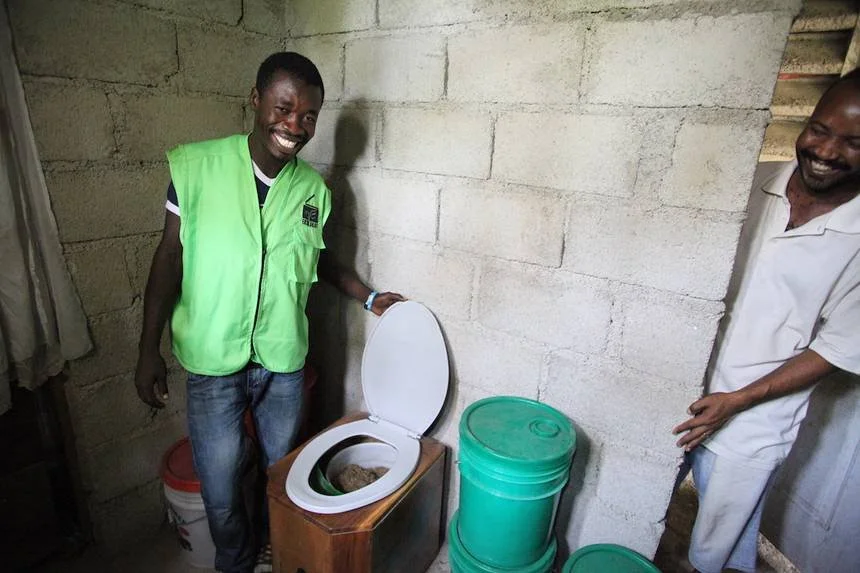
The Humble Toilet Is Bringing Health And Hope To Haiti
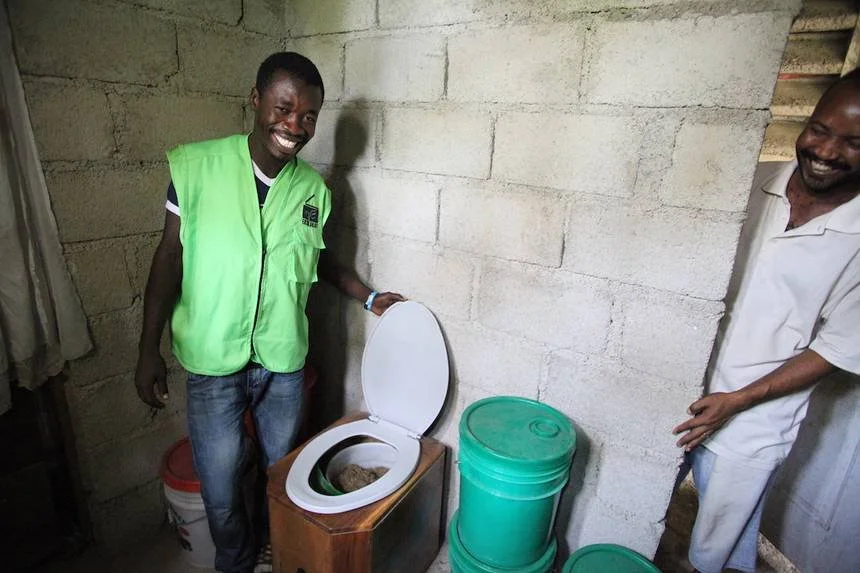
A group called SOIL installs waterless toilets in hard-to-reach, impoverished communities and then transforms the waste into compost, improving food security.Last week, TreeHugger was invited to attend the second annual Spring Prize for Social and Environmental Regeneration, hosted by Lush Cosmetics in the UK (read overview here). The amazing people behind these projects are all fighting to create a world that's more resilient, self-sustaining, and nourishing, and thanks to the Lush Spring Prize, that fight has become a little bit easier.There was a time when Haiti was known as "the Pearl of the Antilles" for its fertile, beautiful land. Sadly, that is no longer the case. While it is still beautiful, much of the island has been deforested, the soil has been degraded, and its citizens suffer from endemic poverty. It has the highest childhood diarrhea mortality rate in the world, one of the worst cholera epidemics in modern history, and does not have enough food to feed its population. Annual hurricanes and occasional earthquakes make the situation worse. To top it off, Haiti was just named the most vulnerable nation in the world to climate change.Haiti's situation is deeply complex, making it a challenge for charities and NGOs to have a lasting effect. Monetary handouts offer temporary relief, but what Haitians need and want is what every other person in the world wants -- a job, a safe and clean space in which to live, a healthy family, and a sense of dignity.Enter SOIL, an organization founded in 2006 that is managing to offer all of these benefits to Haitians with an astonishingly simple solution -- the installation of a toilet in their homes. But this isn't just any toilet: it is a dry, waterless toilet, also known as container-based sanitation (CBS), that allows for human waste to be collected hygienically in sealable, removable containers, without relying on an expensive urban sewer system.
 © SOIL -- Waste is collected in sealed buckets in Cap-Haitien
Participating families pay a small monthly fee (US$3-4) in exchange for toilet installation, maintenance, and weekly waste pickups. The waste is diverted into a bucket and the family adds a carbon cover layer made from sugarcane bagasse and crushed peanut shells to keep flies at bay and odors down. Once a week, SOIL's employees drive three-wheeled motorcycles along the narrow mountain roads to collect the waste buckets and deliver them to a central depot, where they're trucked out to the countryside for composting.The composting process takes nine months, during which all pathogens are killed and the final result is rich organic soil that is bagged and sold to gardeners, farmers, larger companies growing plantains, beans, and mangoes, and groups doing targeted reforestation across the island. Various studies have found it to be a powerful natural fertilizer, boosting crop yields by as much as 400 percent in the case of green peppers.
 © SOIL (used with permission) -- Compost produced at the end of the 9-month process
Last week I spoke with Natalie Miller, SOIL's communications and development associate, and Wisner Jean Louis, director of human resources. Both were in the UK to collect a £25,000 Spring Prize award, in recognition of SOIL's work toward social and environmental regeneration.Miller, who bubbles with enthusiasm about her work and delivers facts at dizzying speed, referred to SOIL as a rare success story, in light of so many other charities' struggles to effect lasting change in Haiti. She explained that SOIL's first attempt to build public toilets failed, despite communities having identified the need and saying they would maintain them. She told me:
"Just as would happen in Minnesota, where I'm from, or New York or London, people don't want to manage a public toilet for free, especially people who live in some of the most vulnerable, resource-poor communities in the world. They don't actually have more time to do that because they're working so much harder to help their families survive."
Fortunately SOIL did not give up, but reassessed where the real need lay -- in building toilets in people's homes. Since then, it has provided sanitation services to more than 6,000 people, made over 250 metric tons of compost, and employed 92 Haitians. Currently, it composts 40 metric tons of human waste every month, and that's set to grow. Thanks to the award from Lush, SOIL will be able to expand its composting facilities and further its research and development work.
 © Lush Spring Prize (used with permission) -- Natalie Miller and Wisner Jean Louis at Emerson College, UK
I came away from the interview feeling amazed at the idea that something as humble as a toilet can combat cholera, create employment, boost crop yields to feed a hungry population, sequester carbon, and increase resilience to climate change by allowing the ground to retain more water during periods of drought and stay stable in times of flooding. It all makes sense, of course, that these things are interrelated, but it's such a beautifully simple solution to a problem that can appear extremely complicated.As Miller and Jean Louis told me, their work is about returning to technology that humans have used for thousands of years. "Since water and energy become so cheap and accessible, we went a little crazy with flush toilets," Miller said with a laugh. Container-based sanitation, by contrast, makes much more sense in dense urban settings like Haiti, and prove Miller's words: "Human poop is where it's at!"You can learn more about SOIL's work by visiting its website or Facebook page, or reading their bio on the Spring Prize website.By: Katherine Martinko for The TreeHugger.com | May 21, 2018
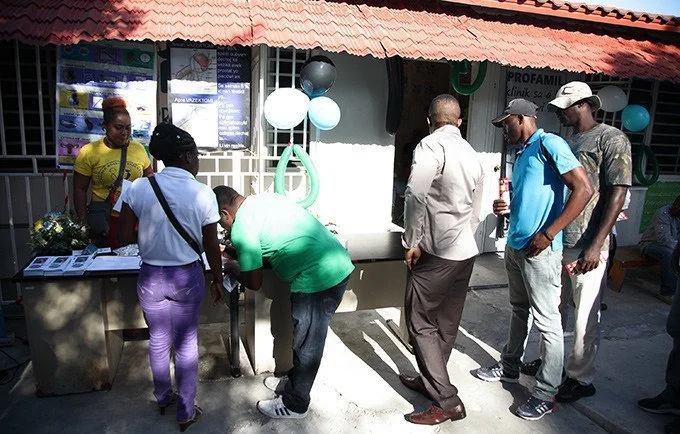
Haiti vasectomy campaign draws over 300 per cent anticipated turnout
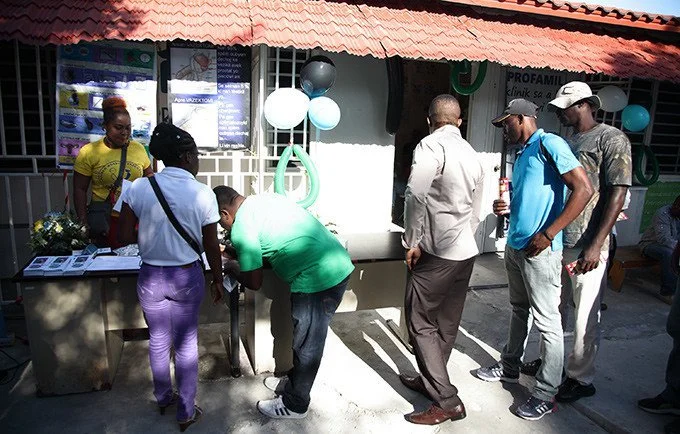
PORT-AU-PRINCE, Haiti – “At 55, I already have four children. I realized that I do not have enough resources to take care of more mouths in my family,” explained Lamour Denis, at a reproductive health clinic in Haiti’s capital, Port-au-Prince. “So,” he added, resolutely, “I decided to do it.”He decided to get a vasectomy.While vasectomies are a relatively common form of contraception in places like the United Kingdom and the Republic of Korea, according to 2017 data from the United Nations, the procedure is much less popular in Haiti.Because of traditional perceptions around masculinity, family planning is widely considered a woman’s responsibility. In 2012, only 0.1 per cent of women surveyed said they relied on a partner’s vasectomy as a form of contraception. Only 5 per cent relied on male condoms.
A press briefing, part of a vasectomy workshop and drive that aimed to increase theavailability of this contraceptive option in Haiti. © Moïse Alex Docteur/UNV
And many women lack access to contraception altogether. It is estimated that only 51 per cent of women in a relationship have their demand for contraception satisfied by modern, reliable methods.Improving information about – and access to – this contraceptive method is essential to empower both men and women to take control of their futures.And, as Mr. Denis’s experience shows, men are increasingly interested in exploring this option.
Increasing interest
The surgery was offered as part of an outreach event for men, supported by UNFPA and conducted by a health clinic run by the Association for the Promotion of the Haitian Family, also known as Profamil.The partnership hoped to reach 25 men. Organizers were stunned when over 100 people registered.“We had three teams of vasectomy surgeons with commodities for 25 people,” recounted Dr. Gianni De Castro, the director of Profamil. “But there were more than 100 people to register, and we had 83 vasectomies, compared to only 18 last year."Dr. De Castro credits improved awareness in the community for the turnout.Television and radio spots for the event drew attention with humour, announcing that the vasectomy procedure takes less time than a traffic jam at Canapé Vert, a suburb east of Port-au-Prince.And there is truth in this advertising: "Fifteen minutes were enough for each of the interventions, which were conducted without scalpel and by two of the leading specialists in this practice," the head of Profamil added. Two international doctors and three local doctors performed the procedures.
Choosing together
Many of the men who signed on for the procedure arrived at this choice with their partners.Mr. Denis, married for 20 years, spoke to his wife, Marlène Louis, about the surgery. They decided together that it was a sensible option for their family.Ms. Louis accompanied her husband to the event. While there, she reflected on the importance of access to family planning for all Haitians."It would be so much better if everyone on their own made arrangements to plan their lives in relation to the number of children they wanted to have," she said.UNFPA works in Haiti, and around the world, to increase the availability and variety of contraceptives, so individuals and couples can choose the methods that work best for them.By: UNFPA | May 15, 2018
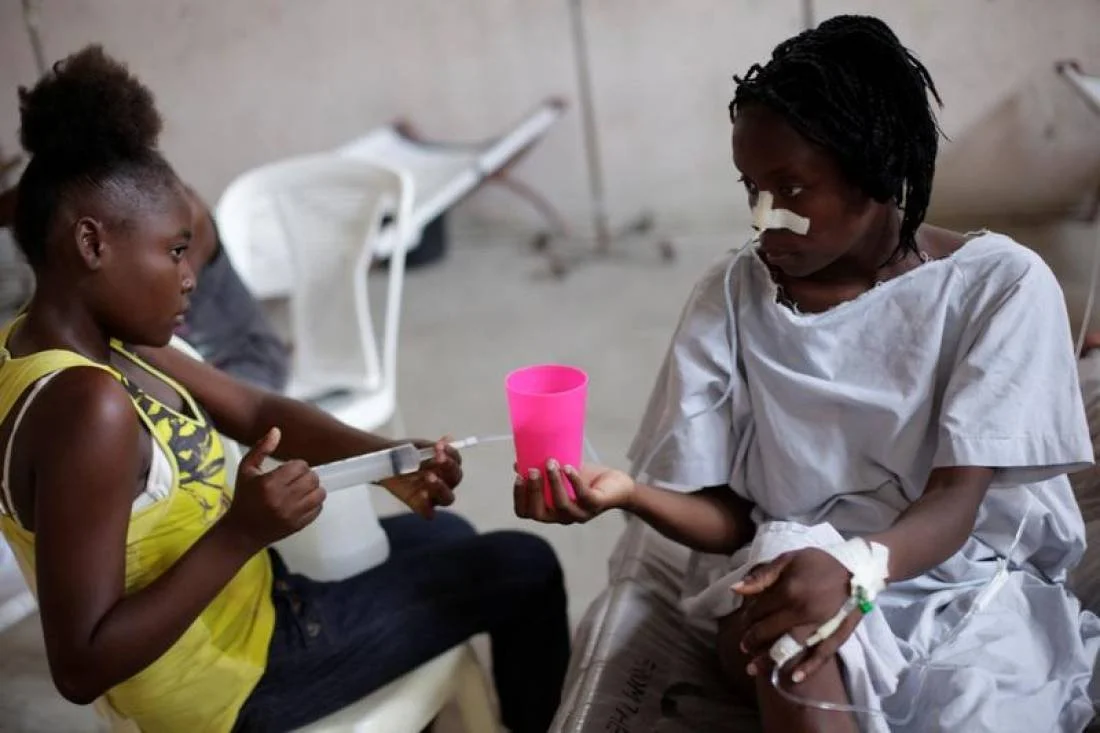
U.N. criticized for failing on promise to help Haiti cholera victims
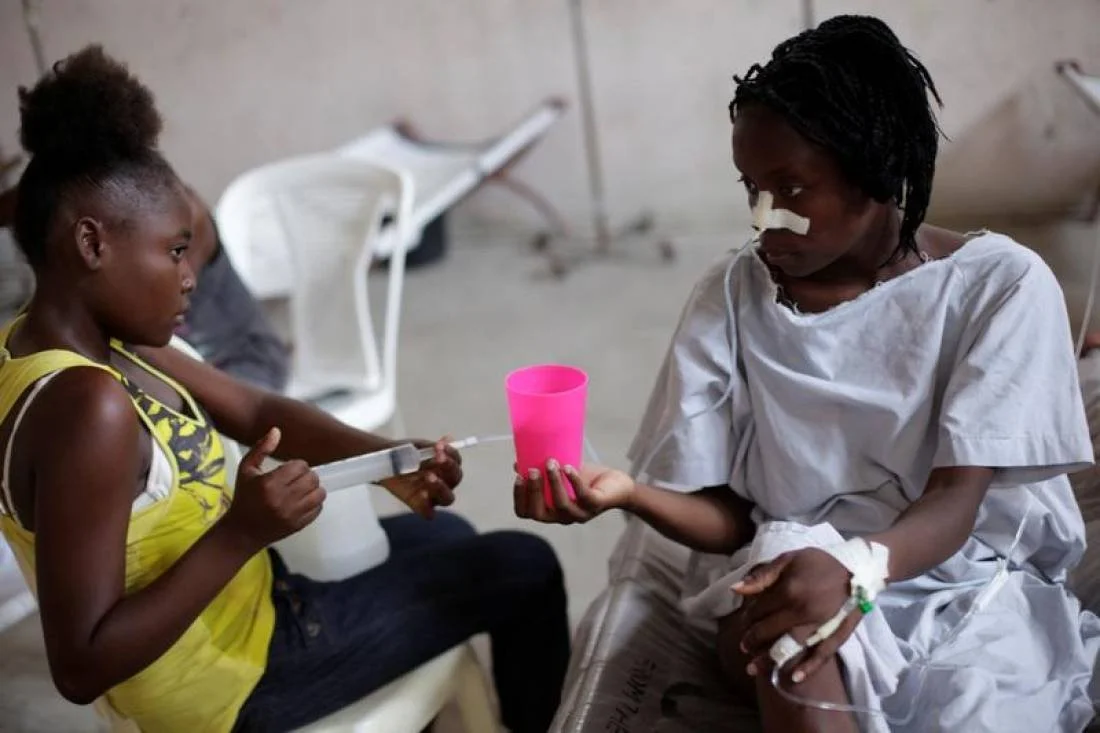
(A relative drip-feeds Louis Rosu Marcelle (R) in the Cholera Treatment Center of Diquini in Port-au-Prince, Haiti, September 7, 2016. Picture taken September 7, 2016. REUTERS/Andres Martinez Casares)
Haiti was free of cholera until 2010 when peacekeepers helping after a devastating earthquake accidentally dumped infected sewage into a riverBOGOTA, April 30 (Thomson Reuters Foundation) - Haitians battling cholera blamed on United Nations peacekeepers are getting little support with only two percent of promised funds materialising, according to campaigners accusing the global community of again failing the Caribbean nation.Haiti was free of cholera until 2010 when peacekeepers helping after a devastating earthquake that killed more than 250,000 people accidentally dumped infected sewage into a river.Since then about 9,750 Haitians have died of the waterborne disease that has infected more than 800,000 people, with the epidemic continuing to affect dozens of people every week.The United Nations has not accepted legal responsibility for the outbreak but in late 2016 outgoing U.N. Secretary-General Ban Ki-moon apologised to Haiti for the organisation's role and announced a $400 million fund to help affected Haitians.But to date - almost halfway through the fund's expected three-year term - the U.N. Haiti Cholera Response Multi-Partner Trust Fund has only raised $8.7 million or 2.2 percent of the total - and less than half has been spent, U.N. figures show.Sienna Merope-Synge, a human rights lawyer at the U.S.-based Institute for Justice and Democracy in Haiti (IJDH), said this showed "a failure by the U.N. system to honour that promise"."The U.N. promises, in particular to create a package of assistance that would provide redress to victims, (have) not been moved forward," she said.The IJDH previously filed a lawsuit against the U.N. on behalf of cholera victims, including a demand for financial compensation, but in 2016 a U.S. federal appeals court upheld the organisation's immunity from damages.
SLOW PROGRESS
The spotlight on the failure to eradicate cholera comes after the United Nations and aid organisations have faced criticism for slow reconstruction efforts in Haiti due to a lack of coordination and bypassing the government and businesses.The behaviour of aid workers in Haiti after the earthquake has also come under scrutiny with Oxfam rocked by allegations that staff, including a former Haiti country director, used prostitutes during the relief mission.Eight years after the disaster Haiti remains the poorest nation in the western hemisphere. World Bank figures show only one in four rural Haitians has access to a toilet, and less than half to clean water.Experts said improving the country's water and sanitation systems is vital to overcome Haiti's vulnerability to new cholera outbreaks, particularly after hurricanes.In emailed comments, the U.N. Special Envoy for Haiti, Josette Sheeran, said nearly $700 million had been spent by the U.N. and global community on fighting cholera in Haiti since 2010 but funding for the Multi-Partner Trust Fund was lacking.The office said Sheeran was working on "new innovative financing mechanisms" to raise funds but gave no details."There is still a big funding gap, and we urgently need $80 million to complete the next phase of cholera reduction, and community support," Sheeran said by email.Cholera is currently infecting about 74 more people each week although this is down from 18,500 at the outbreak's peak.Cholera expert Louise Ivers, executive director of the Centre for Global Health at the Massachusetts General Hospital said it was not enough to say things had improved since 2010."This has been one the biggest cholera epidemics in recent history and we are into the eighth year," said Ivers, a doctor who led cholera response efforts during the outbreak in Haiti as head of mission for medical charity Partners In Health."Epidemics go down because people have had the disease, they have some natural immunity now."
NO COMPENSATION
The U.N. fund envisions a two-track process.The first track would focus on eradicating cholera and building infrastructure for sanitation and clean water.The second is described as "a package of material assistance and support to those most affected by the disease" which Ban described as a "concrete expression of the regret of our organisation for the suffering so many Haitians have endured".But Merope-Synge said so far no one has received any type of financial compensation, and projects to help rebuild affected communities - such as constructing markets and clinics - were virtually non-existent.Ivers said working out which families could receive support is "daunting" because it is now hard to prove who died of what but that this should not account for the slow progress made."What's happened over the last year is a real reluctance by the U.N. system, including the donor states, to support direct payment to households," Merope-Synge said."There's a fear among the donors and within the U.N. system that it could set a precedent, that if the U.N. does something bad in the future it might have to compensate."In response to emails from the Thomson Reuters Foundation, the U.N. Office of the Special Envoy for Haiti did not confirm whether the U.N. had provided any direct financial assistance to individual cholera victims or families, or plans to do so.The U.N. office also did not provide requested details about any development projects that are up and running.It did say Sheeran and Haitian government officials met some cholera victims in February to discuss proposed pilot projects.Following consultations with four communities in the central town of Mirebalais, the first set of projects had been chosen, and will start next week, with $1.1 million disbursed, the U.N. office said.The United Nations did not provide details about what this would entail or look like on the ground but said it planned to carry out similar work in at about 140 more communities.However Ivers said some Haitians feel they have been excluded from the U.N. consultation process which had led to street protests over the past year.Merope-Synge said the cholera outbreak had left thousands of families struggling to rebuild their lives with little support."Families lost breadwinners that have plunged them further into poverty, people took on debt to buried loved ones. All these very real financial consequences," she said. (Reporting by Anastasia Moloney @anastasiabogota, Editing by Robert Carmichael and Belinda Goldsmith. Please credit the Thomson Reuters Foundation, the charitable arm of Thomson Reuters, that covers humanitarian news, women's rights, trafficking, property rights, climate change and resilience. Visit http://news.trust.org)By: Anastasia Moloney for Thomson Reuters Foundation News| April 30, 2018
Doctors To Join in Medical Mission to Haiti
Two physicians who practice at Community Hospital in Grand Junction expect to join in a medical mission to Haiti.
Drs. Adam Baker and Katie McKee-Cole plan to travel to Haiti April 28 to May 5 to join a team from Thomas Jefferson University in performing free surgeries. The program is sponsored and coordinated by Chance, a not-for-profit organization that works to improve lives.
“We are incredibly honored to participate in this important mission trip to Haiti,” Baker said. “My first mission to Haiti was at St. Luc hospital in Port Au Prince in 2015. We traveled to Haiti as part of a pilot mission, and the Chance program has been very busy since then. I am very much looking forward to returning to help those in need.”
Drs. Baker and McKee-Cole both provide ears, nose and throat services. Baker specializes in facial plastic surgery and reconstruction, while McKee-Cole specializes in pediatric otolaryngology. For more information, call 644-3800 or log on to www.yourcommunityhospital.com/ENT.
By: TheBusinessTimes.com | April 24, 2018Video and image courtesy of KJCT8.com
Haiti’s Maternal Health Crisis
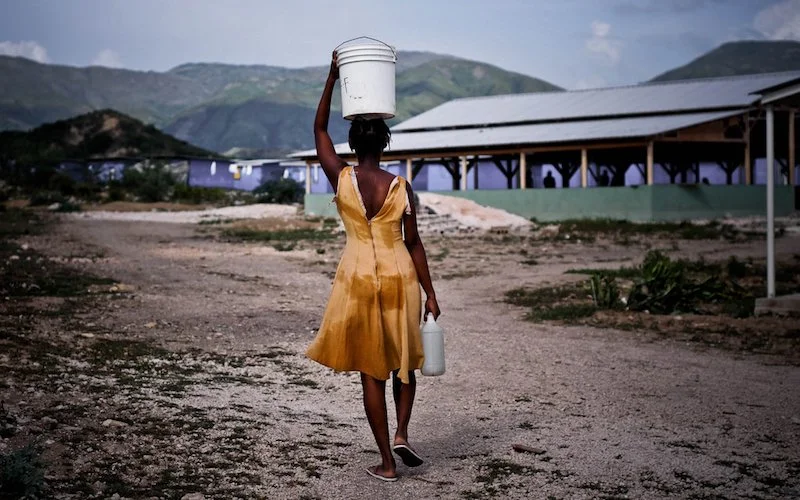
Imagine instructing your mother in Haiti over the phone on how to deliver your cousin’s baby. In 2012, Winfred Tovar’s cousin, Rose Annette, not realizing she was pregnant, suffered a seizure and stroke while delivering twins in her home. Rose Annette believed that she was menopausal and consequently was unaware that her ill symptoms correlated to an unplanned twin pregnancy. Following the delivery, Winfred could hear the agony in his cousin’s voice as she suffered a postpartum hemorrhage. The excessive bleeding was increasingly worrisome and he knew her life was at risk.This experience taught Winfred Tovar, M.D, an important lesson: in the developing world, maternal mortality remains unacceptably high. Expectant mothers in poorer communities experience high-risk pregnancies due to the lack of resources and are in jeopardy of suffering hazardous complications during and following pregnancy and childbirth. Statistics show that 99% of all complications result from lack of prenatal care, often because the ratio of patients to doctors in third-world countries is so high that most women choose to stay home instead of visiting a hospital or a clinic. Consequently, 75-80% of women defer to untrained individuals for home births with no knowledge of underlying complications that may kill them.A former attending physician at St. Barnabas Hospital in NYC, Winfred’s close connection to his mother, strong belief in female empowerment, and desire to invest in humanitarian medicine has inspired him to launch and serve as Executive Director of Mimsi International (Modification In Mother-Baby Mortality Statistics Initiative). Mimsi, a nonprofit organization, is a community-powered organization that provides training and pregnancy care to women in remote, rural areas of the developing world via mobile technology.The Mimsi process sets up mobile clinics, so that community volunteers can enter the home of the expectant mother with the materials needed to transform the patient’s home into a clinic. Mimsi trains young women and men to enter one of three programs: a two-year Pregnancy Care Provider Program to master prenatal care for members of the inner Haitian community, a one-year Ultrasound Provider Training Program or a one-year Postpartum Care Provider Program. The objective of these programs is to provide didactic and hands-on education to members living in disenfranchised, rural areas of Haiti and to transform these underserved areas into fully functioning clinic spaces to serve patients. Volunteers are trained to weigh the pregnant mother; to measure her vitals and blood pressure; to measure fundal height and fetal heart rate; to perform obstetrical ultra-sounds to establish due dates and evaluate the baby’s development; and to engage in preventative measures such as screening for STDs that could adversely affect both the mother and baby.When the members enter the patient’s home, they input all the information about the mother’s vitals into a prenatal mobile application, which is then uploaded to the Cloud and returns with possible diagnoses. In cases where a woman receives a critical diagnosis suggesting she is at high risk of a complication, a community volunteer will accompany her to a nearby hospital to seek medical care. Women in labor or with complications receive assistance in paying hospitalization fees and in obtaining free medication and medical supplies. Expectant and new mothers are also provided social services and support in collecting clothes, linens, sanitary items, and newborn articles for their new family.When Winfred started Mimsi, he felt inclined to pay homage to his family and beloved Haiti. Currently, Haiti has the highest maternal mortality rate in the Western Hemisphere. Every 20 minutes, a woman dies from childbirth in Haiti, a statistic that captures the grave nature of maternal mortality. According to estimates by United Nations Population Fund (UNFPA), a woman over her lifetime in Haiti has a one in 83 chance of dying due to pregnancy or childbirth, compared to a region-wide risk of 1 in 510. Poverty, flawed healthcare infrastructure, and lack of access and education are among the biggest contributing factors to this tragic statistic. Winfred aspires to convert the economically depressed villages into facilities that will ensure safe deliveries and available care to expectant mothers. As a result of Mimsi’s objectives and widespread presence in over 60 rural villages in Southern Haiti, the maternal mortality rate has decreased to 1 in 1,300. The mission continues to increase services with the ultimate goal to decrease and—hopefully one day—eliminate maternal mortality rates.By: Pooja Shah | INTERNATIONAL POLICY DIGEST | 03.03.18
Boston organization brings medical and mental health care to Haiti
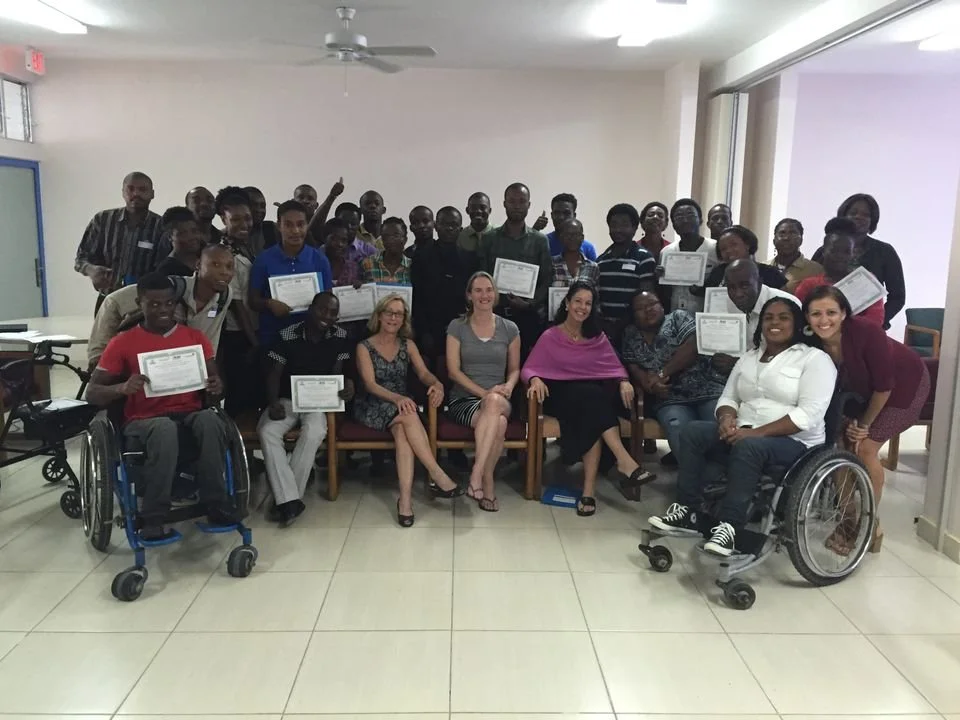
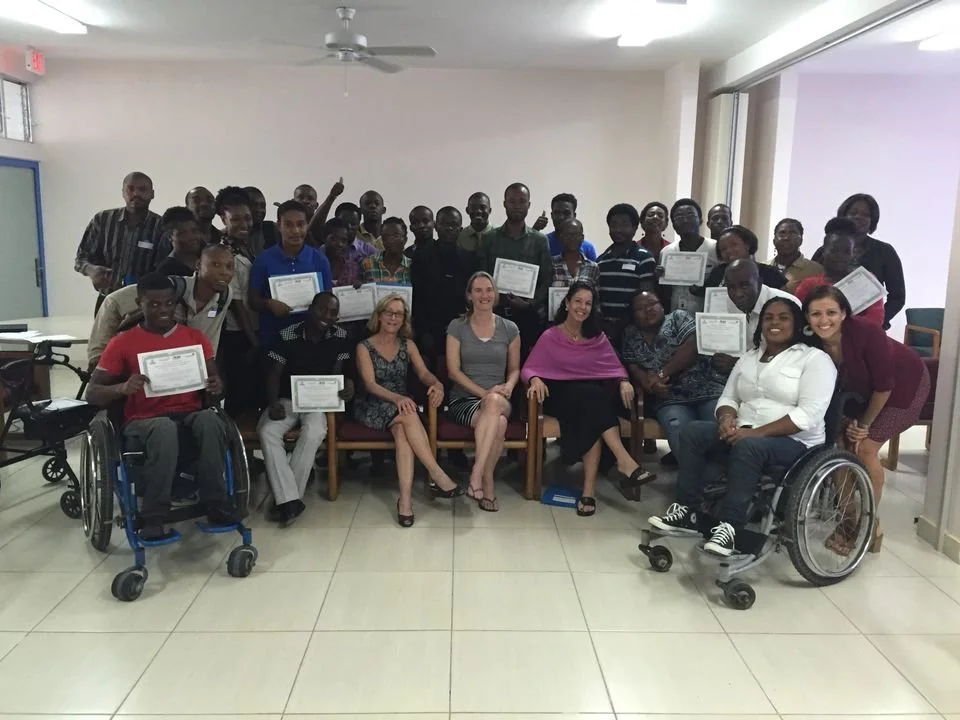
After a major earthquake devastated Haiti in 2010, many people became disabled by injuries. Perhaps equally damaging, many of them were then abandoned by their families."People with disabilities in Haiti, people don't see it like they should, like they are people with rights," said Myzraelle Casimir Zidor, known as Madam Zidor, program coordinator for the Rehabilitation Center at St. Boniface Hospital Haiti. Zidor said families did not know how they would find food and housing after the earthquake, and taking care of someone with disabilities seemed impossible."Many people were abandoned in the hospital, abandoned when they were injured," said Lauren Easton, senior director of behavior health at Commonwealth Care Alliance.Now, with the help of the Boston-based Commonwealth Care Alliance, St. Boniface is running a center that provides rehabilitation services, both medical and mental health, for people with spinal cord injuries.Zidor said before the program started, the hospital was offering good medical care. But it lacked mental health care and follow-up services. Even many doctors did not understand the value of treating psychiatric issues."Both mental health and people with disabilities, it was taboo in Haiti," Zidor said.Spinal cord injuries generally result in paralysis, and they can cause complications with the skin, bladder, respiratory system and other areas. Before the program started, someone with a spinal cord injury in Haiti had a life expectancy of 18 to 24 months.Commonwealth Care Alliance is a nonprofit health insurer and provider network that provides services to people who are eligible for MassHealth and Medicare. In 2010, a CCA doctor was contacted by Doctors Without Borders, which delivers medical services to needy areas, about sending a team to help people with spinal cord injuries.Easton led the team to Haiti and found a need for behavioral health and psychiatric services to help people deal with the trauma, depression and anxiety that came after a natural disaster. The Americans worked with a team in Haiti to set up a rehabilitation center as part of St. Boniface Hospital in a rural area of Haiti called Fond-des-Blancs.The program got funding from the U.S. Agency for International Development, and CCA also does private fundraising. It continues until today.Zidor was in Boston last week to visit CCA facilities, and she and Easton spoke to a reporter in Boston.Today, the inpatient rehabilitation center has 16 beds. Another eight beds are available for people who are medically ready to leave but cannot because of social problems - their family is unable to take them in or they lack appropriate housing.The facility has treated 135 people since 2010.Today, many of the patients are living for years.The rehabilitation center offers specialized medical care and rehabilitation, but it also focuses on social and psychological needs. U.S. clinicians visit annually and train Haitian providers.Social workers may help someone figure out how to return to a village where people are not used to seeing wheelchairs. Staff work with family members to teach the family how to support someone with a disability. The program offers vocational training where people with spinal cord injuries can learn computer skills, so they can work, and gardening, so they can grow food. It connects people with schooling and micro financing loans. Some former patients were hired by the hospital as peer educators. Staff also do home visits.Easton said psychiatric medication remains culturally unacceptable and expensive, so few patients use it.Zidor said she sees a major change in patients once they leave the rehabilitation center. They are no longer afraid of going home, they are more confident and their families tend to be more supportive.One man, after his injury, used to not leave his house. He now goes out in his wheelchair and works as a DJ and a peer educator."We help them to adjust, then find a new way to live," Zidor said.By: Shira Schoenberg | Mass Live | March 4, 2018
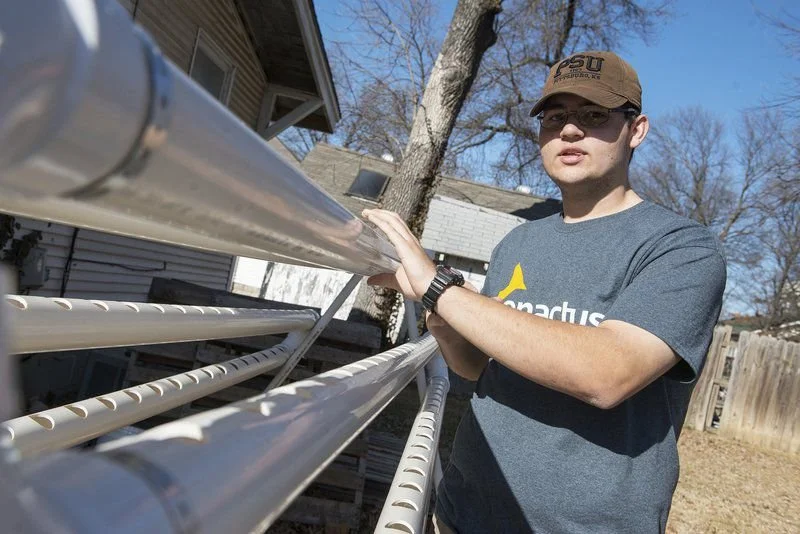
PSU Enactus team develops hydroponics system for Haitian orphanage
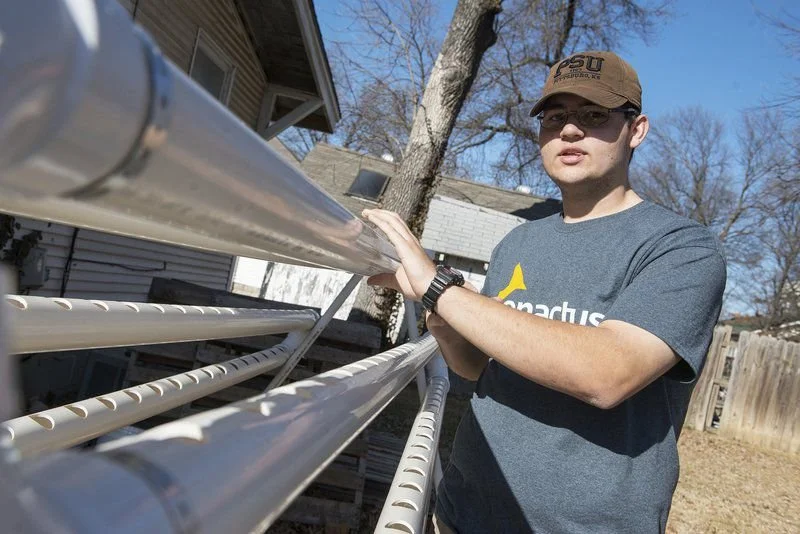
PITTSBURG, Kan. — A group of Pittsburg State University students is trying to leave its mark in the world by developing a hydroponics system for an orphanage in Haiti."Overall, in one word, it has been amazing," said Dodge Mattingly, a freshman from Bluff City, Kansas. "Getting to work with different kinds of people on the same project with one goal — I've had a lot of fun."The group, 20 to 25 students, makes up the university's team for Enactus, a community of student, academic and business leaders committed to using the power of entrepreneurial action to create a better world. Enactus students at PSU, who come from majors across the campus, apply business concepts to develop community outreach projects.Enactus has long been associated in Pittsburg with Krimson Kultuur, the fair-trade store it opened in 2013. The store, now only in an online format, sells the work of local artists and artisans in developing countries.Last year, Enactus set its sights on someplace different: Haiti, an impoverished country that in recent years has struggled with the aftermath of a deadly earthquake and subsequent cholera outbreak. The students' initial idea was to find a way to encourage business among the Haitians and bring back some items they could sell at Krimson Kultuur."Based upon success with other projects, they decided that if the local citizens were taught business skills, they could open their own businesses and create income for their families," said their adviser, Suzanne Hurt.Three students traveled to Haiti in April 2017 with a partner organization. But after a short time there, and after visiting an orphanage filled with children who had lost their parents in the 2010 earthquake, they discovered the locals didn't need business — they needed food. Enactus member Emily Vue, a Pittsburg State University senior in international business and international studies, was the project manager for the hydroponics system she and her fellow students built for an orphanage in Haiti. She said she made many young friends on a recent trip to the country. COURTESY | PITTSBURG STATE UNIVERSITY "We came up with hydroponics as an answer," said Emily Vue, a senior from Gravette, Arkansas, who is majoring in international business and international studies. "Building (a hydroponics system) would mean the orphanages could grow their own fresh vegetables and then sell the extra."Developing the systemMattingly, a mathematics and physics major, served as the project's chief engineer and designer. He researched existing hydroponics systems and tried to morph design aspects from each of them into one that would serve the Haitian orphanage.The system for the orphanage, he said, needed to be lightweight and inexpensive. Because of an unreliable power network in Haiti, the system also needed to be independent of an electric pump system, he said.He and the team settled on a nutrient film technique system that would be tailored specifically for use at the orphanage.

"It allows the water to be in a continuous loop and flow, and it will allow the roots of the plants to be covered at the bottom by a thin film of water," he said. "We decided that was the best system for what would be easiest for us to make."
Once the design was in place, the team created a list of needed materials and emailed it to Haiti so partners there could gather what was necessary. Five team members traveled to Haiti during their winter break to build the system at the orphanage.For Mattingly, the trip marked his first flight on an airplane and his first time out of the United States."It was a really unique, really special experience," he said. "I was really impacted by the kids at the orphanage. They imprint on your heart."Vue said it was all hands on deck, and the local Haitians were invested in the project.

"Not only did I gain a valuable experience (as the project manager), but I also feel like I received more than I gave in going to Haiti and meeting the children there," she said. "We were just a bunch of college students with an idea, and everyone there believed in us, and we were able to get it done." The team left the orphanage director with a complete manual for the system. Several of the students plan to return to Haiti sometime this spring to make sure the system is working properly and, hopefully, to find that the seeds they planted are growing."It's hard to capture in one sentence the passion and sacrifice made by a group of college students from a small town in Kansas," Hurt said in a statement from the university. In fact, I'm unsure if their accomplishments can be described in words. As said by one student, it's knowing that one more person, one more child has a full stomach when they go to bed that makes the effort worthwhile.By: Emily Younker | January 30, 2018
USA will invest nearly $100M in health care in Haiti
The United States Government announces $98,5 million in new investments in health services in Haiti. The "Projet Santé" will work in partnership with the Haitian government to support the country's health system and expand essential health care to 4.2 million people.Spending $98.5 million over the next four years, Projet Santé, a cooperative agreement between the United States Agency for International Development (USAID) and Caris Foundation International, will increase the number of Haitians receiving quality, essential health care. As part of a patient-centered approach, the project will offer integrated maternal and childcare to Haitian families, including immunization, reproductive health, nutrition services, and HIV prevention, care, and treatment.The project will be led by Caris Foundation and implemented in partnership with a consortium of partners that includes Catholic Medical Mission Board (CMMB) and the Haitian Health Foundation (HHF). With USAID support, the consortium will expand proven strategies for improving community and facility-based health services and increase local Haitian partners’ capacity to build on the project’s accomplishments and best practices."Projet Santé builds upon an established foundation and proven track record of strengthening local management and operational capacities to deliver health services," said USAID Mission Director Jene Thomas. "This agreement will not only improve access to care for millions of Haitian citizens, but promote a culture of Haitian excellence, leadership, and accountability.By: HL/ HaitiLibre/December 7, 2017
Summers in Haiti could sharpen aim of NGOs
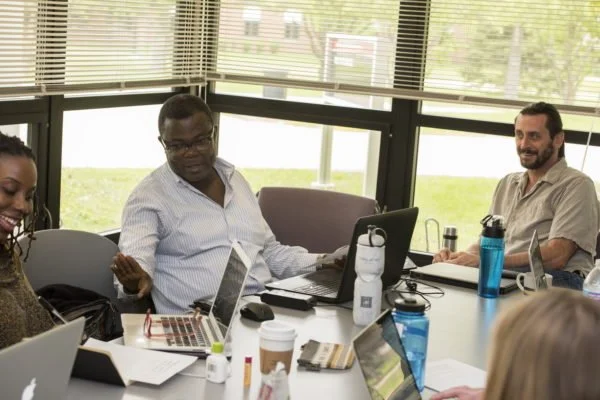
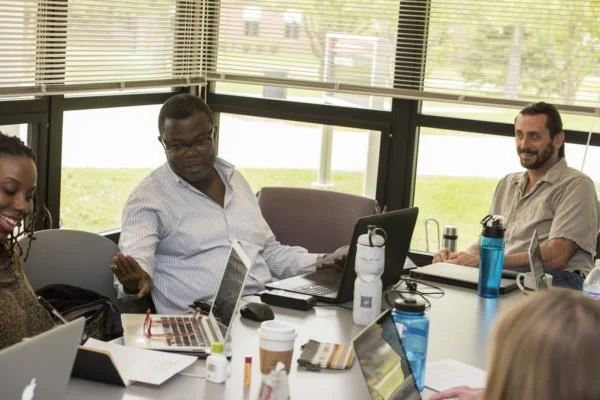
Thanks to NIU’s Center for Nonprofit and NGO Studies, hundreds of humanitarian non-governmental organizations (NGOs) may be able to deliver help to the impoverished people of Haiti that is more in tune with what Haitian people say they need.It has been estimated that NGOs and charitable groups deliver 80 percent of the basic services to that island country, whose per-capita GDP, unemployment and illiteracy have led many to call it the poorest nation in the Western Hemisphere.But how good a job are those groups really doing and how might they refocus their work? To find out, Mark Schuller, an NIU associate professor of anthropology and the NGO center, has conducted the second year of a five-year study of Haitians’ attitudes toward NGOs.Each summer beginning in 2016, Schuller has recruited eight graduate students from across the United States to go to Haiti. Teams each composed of one U.S. student plus one graduate student from Haiti’s Universite d’Etat d’Haiti spread out across southern Haiti to survey residents, interview local leaders and share notes with the community.The last two summers those teams included then-NIU student Heather Prentice-Walz. She received her master’s degree in anthropology last May and has begun work toward a Ph.D. at the University of California-Santa Barbara, financed by a prestigious National Science Foundation grant.“We’re taking a snapshot every year of how Haitians’ opinions change over time and how the community there changes over time,” Schuller said.Schuller said the students are chosen each year from a wide range of disciplines –not only anthropology but also political science, sociology, urban planning, international development and even literature and architecture. “That is by design, so each can bring a unique perspective to their results.”The teams ask Haitians to answer a survey. It includes open-ended queries, such as how would they rate NGOs and their own government, as well as 85 multiple-choice questions, such as “What is your greatest need?” Associate Professor Mark Schuller discusses Haiti’s needs with a local man.Prentice-Walz, 29, grew up in Juneau, Alaska before earning her bachelor’s degree in anthropology from Reed College in Oregon. She came all the way to DeKalb for her master’s study because she already had developed a commitment to Haiti, and Schuller’s work had become well known in the field.“I was interested in environmental issues, climate change and post-colonial societies, and all those subjects converge in Haiti,” Prentice-Walz said. “I also speak French pretty well, though once I started going to Haiti, I realized that wasn’t going to take me very far.”French might be spoken by the country’s elite, but everyone speaks the other official language, Haitian Creole, a blend of European and African tongues. While Prentice-Walz spent six months in Haiti doing internships before she came to NIU—the first time with an organization that provides composting toilets that turn human waste into fertilizer, the second time with an urban community center—she quickly learned Creole.Her master’s thesis and her work at UC-Santa Barbara center around the impact of NGOs on Haitian food systems and agriculture.
 NIU grad student Heather Prentice-Walz and her 2017 Haitian research partner, Jamesky Blaise, at their research site in southern Haiti.
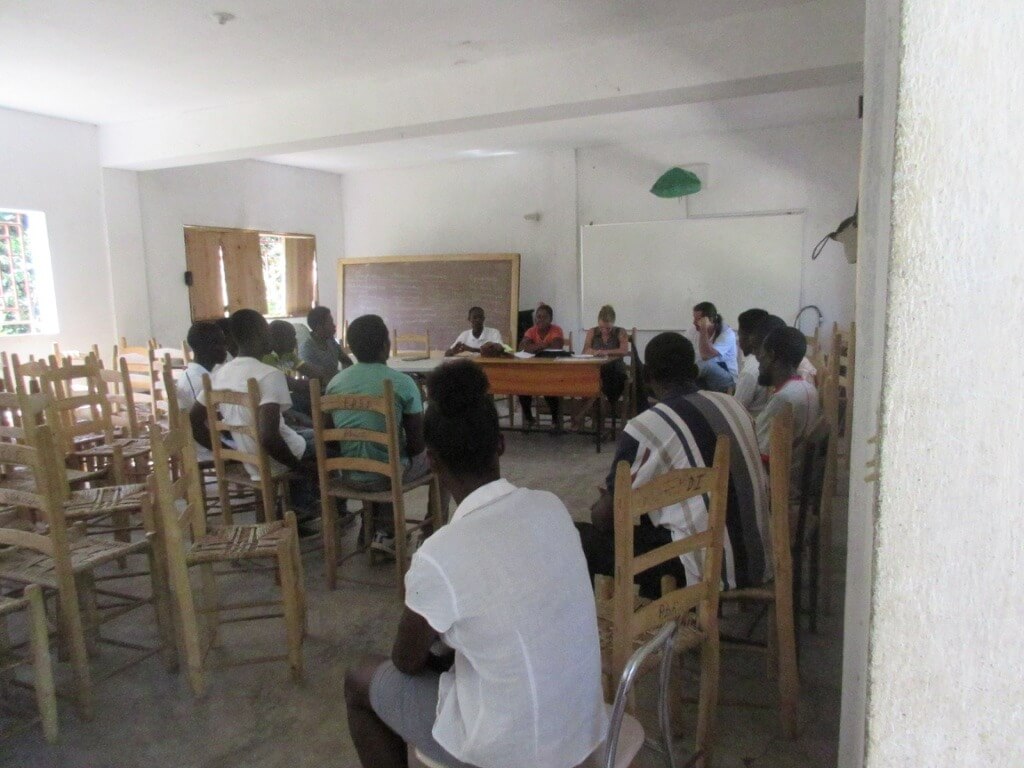 Grad student Heather Prentice-Walz, third from left, joins Associate Professor Mark Schuller, right, plus her 2017 Haitian research partner, Jamesky Blaise, and her 2016 research partner, Roseline Lamartiniere, during a panel discussion in Haiti to discuss their project last summer.But he said that people’s priorities don’t match what the NGOs have been providing. If NGOs take the research’s findings to heart, he said, they may be able to better focus on what the people most need.In the first two years of surveying, “one thing that has become clear is that people there show a lot of solidarity,” Schuller said. “Over 90 percent of the people report sharing with neighbors, and that is consistent across the sites and both before and after Hurricane Matthew.”Schuller’s website is www.anthropolitics.org.By: NIU Today/December 6, 2017
Millions at risk of famine in post-hurricane Haiti
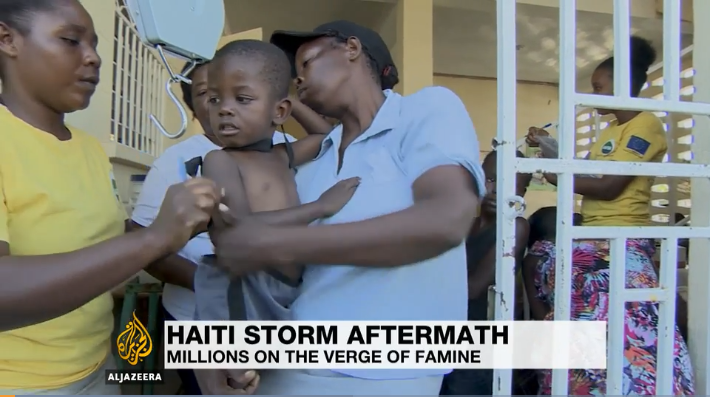
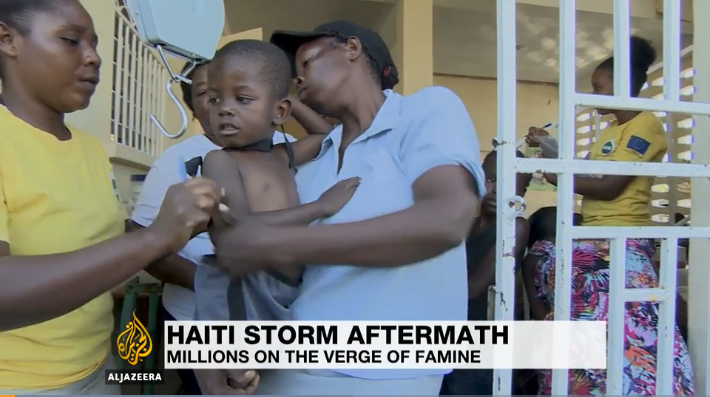
It's been almost a year since southern Haiti was devastated by Hurricane Matthew.It has also been almost eight years since an earthquake killed more than 300,000 people and left hundreds of thousands homeless.But a recent visit to a UNICEF treatment centre in the south shows everything continues to go wrong in the country.Dozens of malnourished children visit the centre daily, struggling against diseases and the endemic poverty that is so deeply entrenched in Haiti.Half of the country's population is malnourished. According to the World Food Programme, 1.32 million people are in Phase 3 Crisis, which means they are severely food insecure. Additionally, three million people are in Phase 2 Stress, which mean they are food insecure.Unfortunately, this is nothing new.Haiti has been struggling to feed its people for years. It is one of the poorest countries in the world.Natural disasters only deteriorate the situation. Hurricane Matthew had a devastating effect on food production. Agricultural plots, seeds and irrigation systems were destroyed.One year on, not much has changed.Everyone we spoke to repeated the same phrase over and over again: "I used to have … but now it's gone."It was very little, but at least some had a business, or seeds, or nets and other sources that would help them feed themselves. But they were destroyed by the hurricane.The UN has some small programmes assisting farmers, and is currently working on long-term development ones. But that's not enough to get people out of the current crisis.The UN appealed for more than $56m for food security. I have been told that less than 50 percent of that was provided by donor countries.
Political issues
But that's not the only problem. Nine months ago, Haiti's new President Jovenel Moise took office, with the promise to increase support to the country's agricultural sectors.Farmers denounce that only 6.9 percent of next year's budget has been assigned to assist communities in desperate need of help. Moise has also raised taxes and that's why demonstrations have been ongoing in the capital for months.The president was elected in an electoral process in which only 20 percent of the population voted."Moise has very little support. The only ones that are keeping him in power are the United States, France and the international community," a source told me in Port-au-Prince.And the budget?"It's been designed to benefit the elite and to continue strangling the poor," said economist Camille Charlemers."It is what keeps us dependent on foreign aid. Without food production, Haiti needs to import almost everything."And of course there is massive corruption. A recent investigation showed how politicians, including the presidents and prime ministers, allegedly embezzled around $2bn from a Petrocaribe deal with Venezuela.Haiti is currently paying off that debt while millions are going hungry.Some historians have said that the country has been condemned since it was born, adding that the first black republic was a bad example. They say that 'slaves' were not supposed to have a nation and that's why a brutal embargo was imposed by France, Spain, the US and the UK.Over 200 years later, Haiti continues to struggle, a victim of the ruling elites that profit from the enormous poverty rates in the country, and of an international community that, for whatever reason, continues to fail.By: Teresa Bo for Aljazeera.com | November 28, 2017
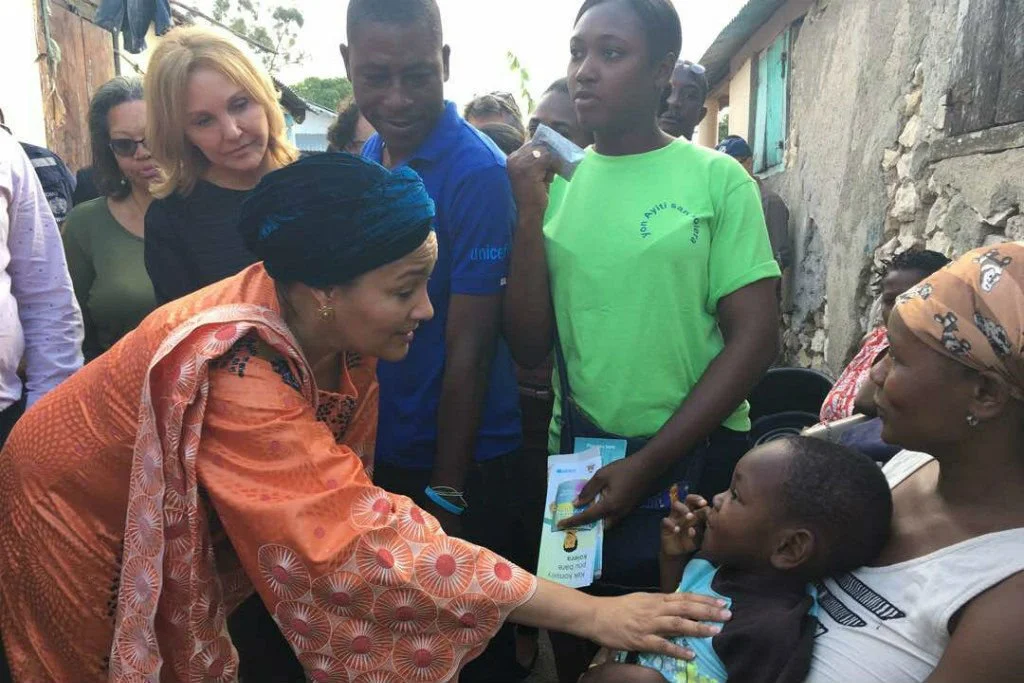
UN 'Will Walk With Haiti' On Path Towards Sustainable Development, Senior Official Pledges
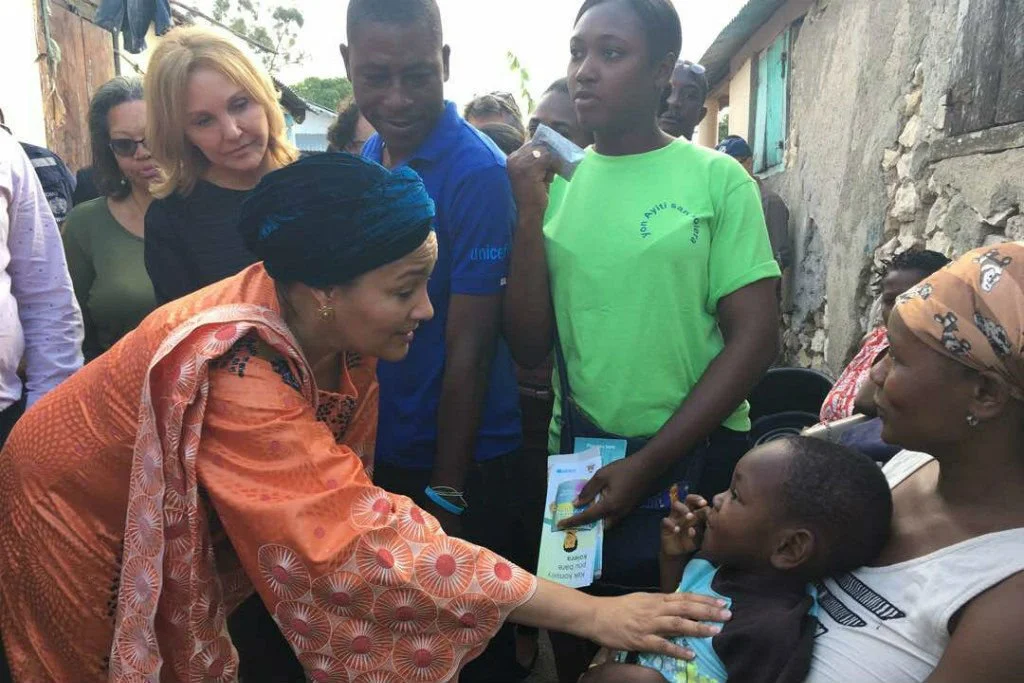

United Nations Deputy Secretary-General Amina Mohammed and UN Special Envoy for Haiti Josette Sheeran wrapped up a three-day visit to the island on Sunday, pledging more help to defeat cholera and assist the Government in achieving the broader aims of the UN 2030 Agenda for Sustainable Development.“The UN will walk this path with Haiti,” Ms. Mohammed said on Twitter, referring the work under way inside Haiti towards becoming an emergent country by 2030, the finish line agreed by all nations to achieve of the Agenda and its landmark 17 Goals, knows as the SDGs.The high-level delegation was dispatched by Secretary-General António Guterres to reaffirm the commitment of the United Nations to the Haitian people in a “new spirit of partnership.”In an opinion piece late last week in the Miami Herald, the UN chief said the partnership would stretch across the UN's work on the island – including to continue addressing Haiti's cholera challenge and the “unacceptable incidents” of sexual exploitation and abuse by UN personnel – and aims to help Haiti move “from an emergency approach to durable solutions, from assistance to investment support, from handouts to hand-to-hand cooperation for sustainable development, to democracy and dignity for all Haitians.”On Saturday, Ms. Mohammed echoed the “new spirit of partnership” set out by Mr. Guterres, saying: “We come to try to find another way to do things better; because in the past, we have fallen short. We were not able to do what we had planned,” she said in a joint press conference with Haitian President Jovenel Moise in the capital, Port-au-Prince.The visit of the two UN officials comes just after the appointment of Susan Page, of the United States, as the Special Representative of the Secretary-General and Head of the UN Mission in Support of Justice in Haiti (UNMIJUSTH), which succeeded the UN Stabilization Mission, known as MINUSTAH, on 16 October.The role of the new UN mission is to assist the Haitian Government to strengthen the rule of law institutions, to continue to develop the capacity of the national police and to promote human rights.
UN reaffirms commitment to eradicating cholera
As a key part of the visit, the two UN officials met families affected by cholera and coping with lack of access to water and sanitation.Ms. Mohammed and Ms. Sheeran also co-Chaired a High-Level Cholera Committee meeting (HLCC) alongside Haitian Prime Minister Jack Guy Lafontant. The Haitian Government and the UN representatives jointly expressed their determination work in partnership to achieve zero transmission of cholera. They further expressed their commitment to achieving the SDGs, including improving access to water, sanitation and healthcare.While cholera transmission has dropped dramatically, from over 18,000 new cases per week at the onset of the epidemic in 2010, to 250 per week this year, success will require more funding to maintain the highly effective work of emergency response teams, and commitment to the fight against cholera in the medium and long-term, the officials jointly agreed.Urging UN Member States and partners to provide comprehensive support, the Deputy Secretary-General emphasized during the meeting that “addressing the root causes of cholera in Haiti is critical to achieving the Sustainable Development Goals (SDGs). Additionally, in the immediate term, we urgently require funding to ensure continued operation of the rapid response teams; failure to do so risks losing the gains achieved to date.”The Deputy Secretary-General and the Special Envoy also witnessed the efforts of the “many heroes” working to eradicate the disease. Their visit was also an opportunity to learn about successful cholera control programmes, including in communities that ended open defecation, mobilized to build toilets, and raised awareness of the importance of sanitation.By: UN News Centre | November 5, 2017
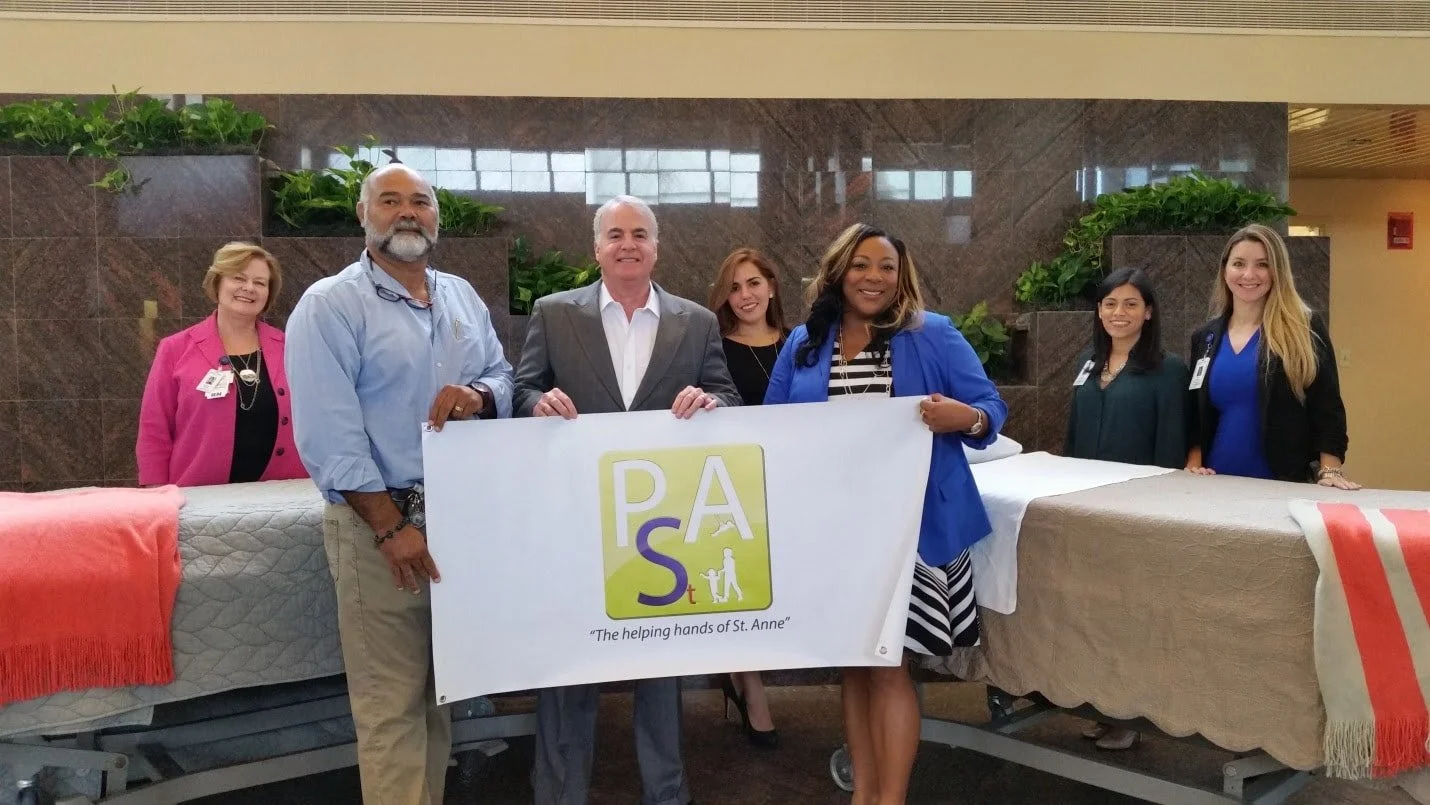
North Shore Medical Center (Miami) Donates Beds to Haiti
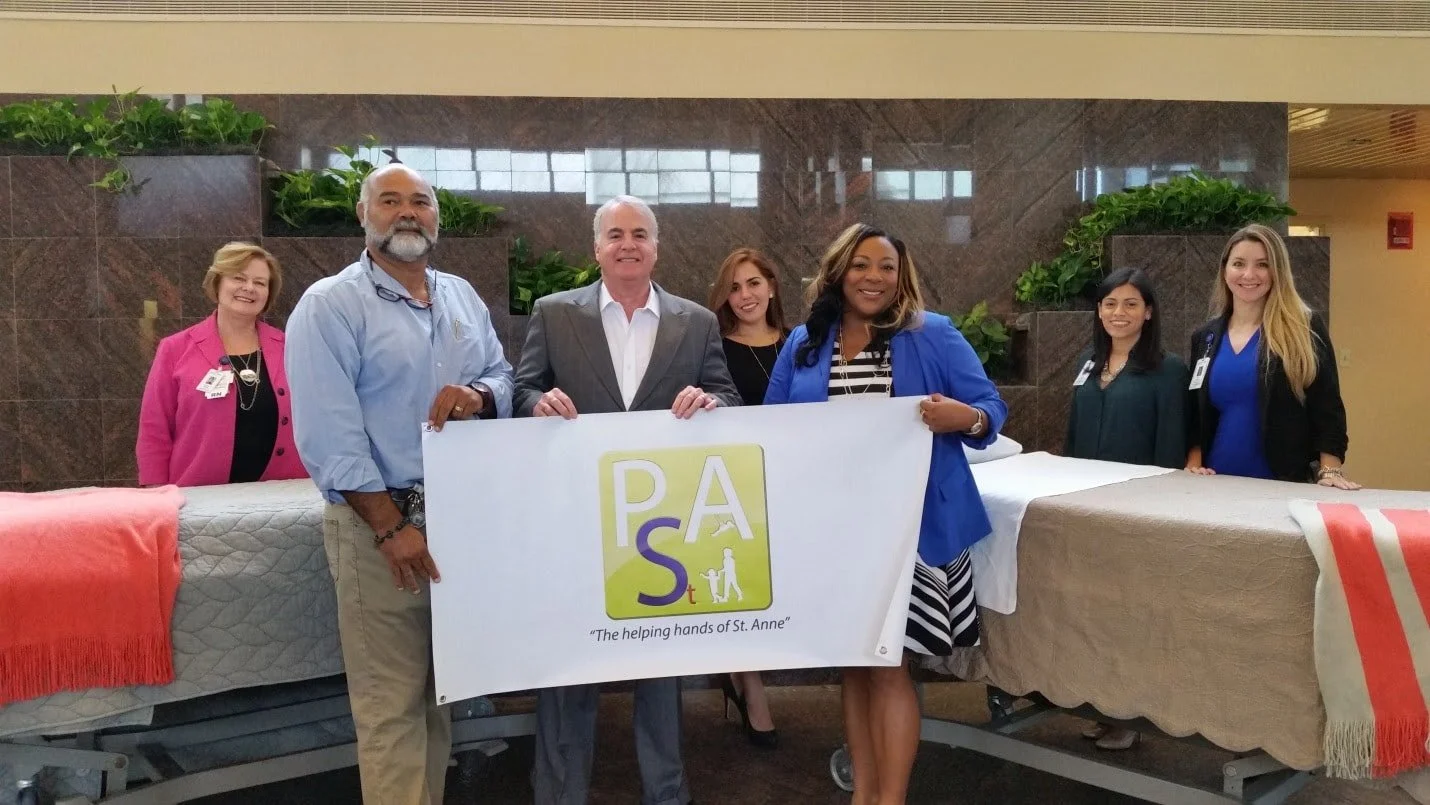
 North Shore Medical Center donated 30 hospital beds to Project St. Anne, part of a Clinic of Camp-Perrin located in Haiti. Project St. Anne is a non-profit that was founded by a group of women in 2008. The goal of the organization is to help the less fortunate. The 30 beds are going to be used by patients at the local hospital. “Receiving medical care in a comfortable environment can help speed up the healing process,” said Manny Linares, Chief Executive Officer of North Shore Medical Center. “The donation of these beds is part of our commitment to helping those who have been affected by hurricanes and other natural disasters and are in need of medical supplies.”By: Community News | October 4, 2017
Fighting Cholera With a Smartphone
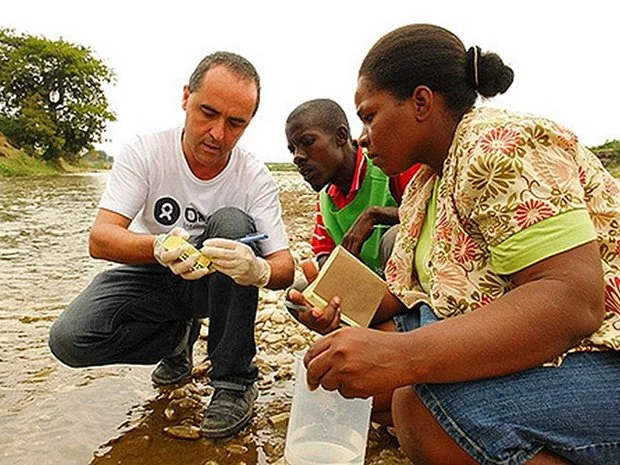

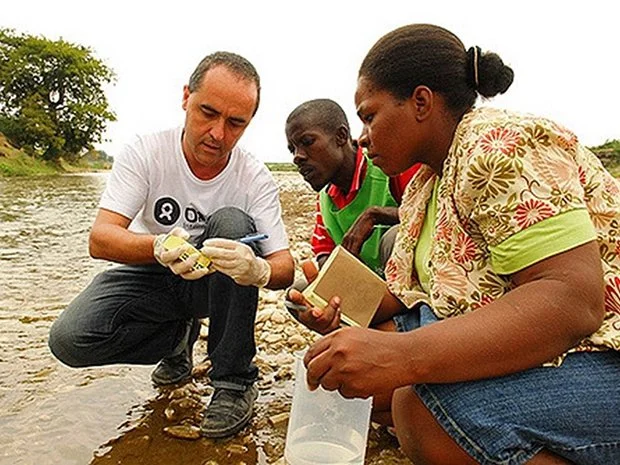
The user then takes a short video of the sample using the phone’s camera equipped with a small microscope. An accompanying app processes and analyzes the video for changes in Brownian motion of the liquid. The app then flags the sample as contaminated or not.Currently, the platform provides results in less than 30 minutes, compared to the five days it normally takes to send a water sample to a lab and get a result, says Kinzer-Ursem. Plus, a GPS tag in the app records the exact location where the sample was taken, so that locations can be compiled in a map for health officials. “The whole idea is that they can use this information to efficiently target where their resources need to go,” she notes.Cholera isn’t the only disease in PathVis’s crosshairs. The team is also adapting the technology to detect malaria in patient blood samples in collaboration with Indiana University’s School of Medicine, and hopes to also apply it to HIV and dengue virus detection.
Food Vouchers Strengthen Nutrition and Local Markets in Haiti
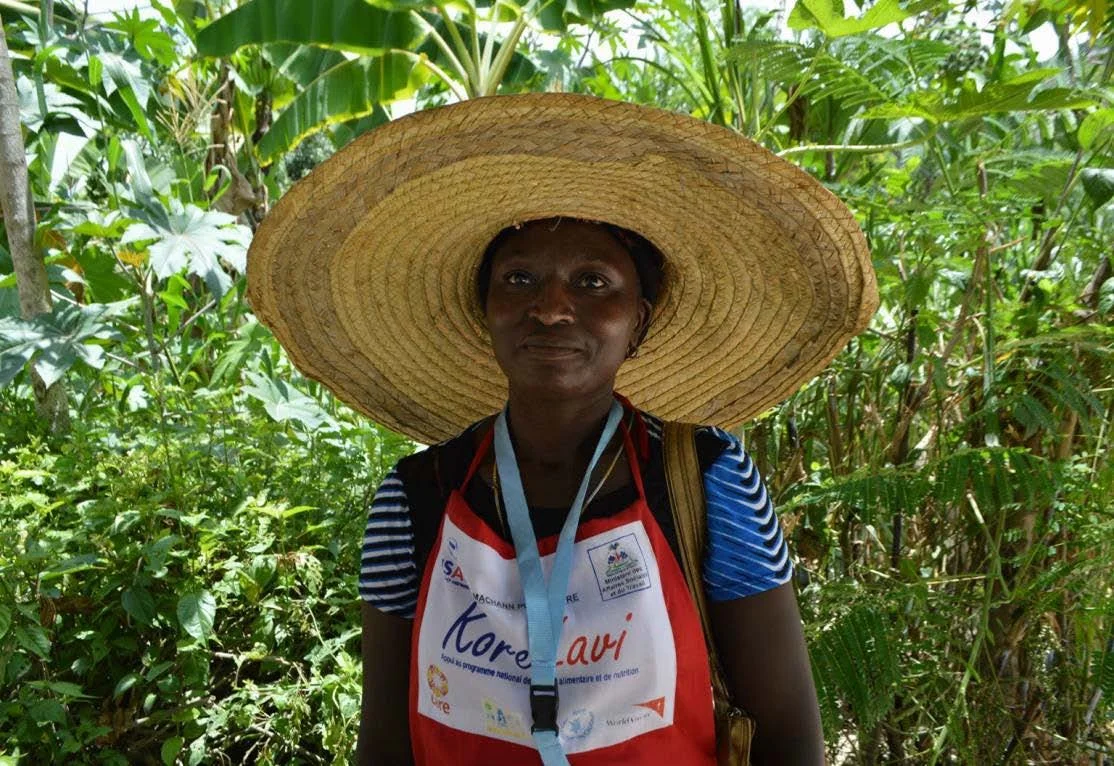
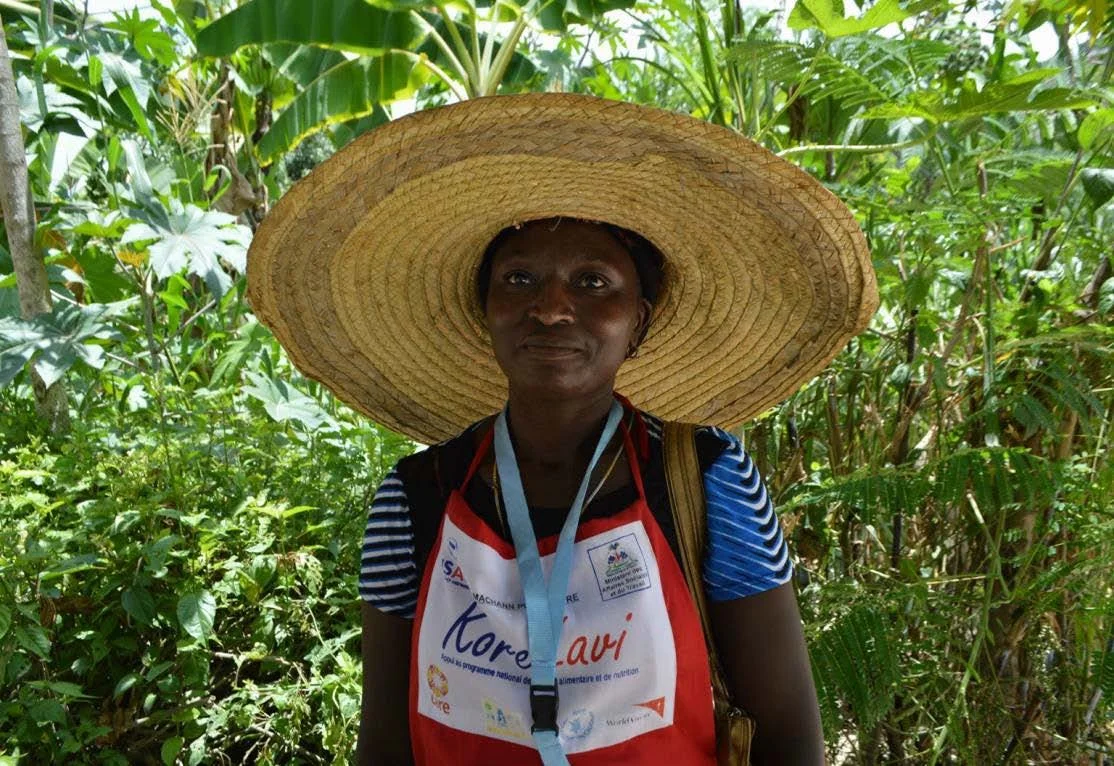
Each week in southern Haiti, Lucamène Chéry puts on her uniform and stocks her market stall with local vegetables. Shoppers filter past, selecting products for their families. In exchange for the produce, Chéry accepts a unique form for payment—food vouchers—which allows the most vulnerable members of the community to access nutritious foods that they would otherwise be unable to afford.Haiti is the poorest country in the Western Hemisphere and half the country’s population lives on less than $1.25 per day. Heavily dependent on food imports, Haiti remains extremely vulnerable to price spikes in the global food market.The country also remains particularly susceptible to natural disasters, including Hurricane Matthew, which hit in October 2016 and continues to drive elevated levels of food insecurity in the worst-affected communities.Since 2013, USAID has collaborated with the Government of Haiti and CARE to establish a safety net system that boosts household food security, reduces child malnutrition and fosters greater household resilience to shocks. The most vulnerable families in five of Haiti’s 10 departments receive food vouchers, which are redeemable for local foods from vendors like Chéry. The vendors then trade in the vouchers for cash.Chéry is part of a network of nearly 1000 Haitian food vendors who supply local agricultural products—such as fruits, vegetables and tubers—to chronically food-insecure families participating in a USAID-supported program.A mother of five, Chéry previously struggled to afford enough food for her family. Now, with a dedicated customer base in the program, Chéry earns a significantly higher income that allows her to support her family while also investing in her children’s future and expanding her business."I’m able to pay the school enrollment fees for my children without difficulty, and I also raise chickens, turkeys, goats and cows," she says.Chéry also belongs to one of the program’s 1,200 community-led village savings groups. These groups provide more than 35,800 program participants—including more than 26,300 women—financial training as well as access to small loans that can be used to improve their businesses.The increase in business has encouraged Chéry’s husband to become more involved in their food vending business. "Now, he accompanies me when I go buy merchandise and he helps me sell it at the market," says Chéry.Each month, the voucher program provides more than 18,150 food-insecure households with access to healthy foods that they might otherwise be unable to afford. Community-managed programs that distribute information on health, hygiene and nutrition complement the vouchers for food.By relying on local vendors selling local products, the program strengthens markets, encourages the development of the country’s private agricultural sector and fortifies community resilience to shocks.By: USAID | September 26, 2017
Waterborne diseases a concern in Haiti following Hurricane Irma
Haiti (MNN) — When Hurricane Irma was barreling towards the Caribbean as the Atlantic’s strongest Category 5 storm ever recorded, many feared the worst for Haiti — the poorest nation among in the Caribbean Islands.Thankfully, Haiti did not take a direct hit from Irma, but as Josh Ayers with Food for the Hungry explains, “Because of the sheer size of Irma, she dropped quite a bit of rain…along [Haiti’s] northern coast there. There was some localized flooding, particularly along rivers and with storm surge along the coast. We did see quite a bit of flooding.”Nearly 40 percent of the Haitian population faces moderate to severe food insecurity. And now according to Haiti’s agriculture ministry, around 18,000 farming families have lost all their food crops to Hurricane Irma.Additionally, one of the biggest fears now is a resurgence of cholera in the nation. Ayers says, “You may recall after the 2010 earthquake that cholera was introduced to Haiti for the first time. So anytime you have large amounts of water flowing in a country that doesn’t enjoy the same level of infrastructure development that countries like the United States enjoys, you often see waterborne illnesses spike. So with the introduction of cholera in the last ten years there, that has become a key concern going forward in the future.”Cholera is contracted when a person consumes human feces, typically through accidental water contamination. It leads to a severe form of diarrhea and can cause death if not treated. And Haiti is extremely vulnerable to cholera outbreaks in natural disasters.“Our response effort at Food for the Hungry has been focused on those waterborne illnesses; particularly around hygiene promotion and hygiene kits, and so those kits consist of things like soap and basic hygiene materials. We dispatched a shipment from one of our partners in Georgia and those materials are on their way. They may have already arrived and we’ll be distributing those shortly.”FH works through the local church whenever possible, enabling them to be the hands and feet of Christ to their own communities. “Because the local church [in Haiti] is under-resourced, as you might imagine, Food for the Hungry can provide much-needed goods and finances to empower that local church to reach out to its neighbors.”As FH strives to stem an outbreak of waterborne diseases in Haiti following Irma, they’re asking for the Body of Christ to come alongside them in a few ways.First, Ayers says, “Your prayers would be welcomed for the local church as well as the local organizations who are responding, Food for the Hungry being one of those. We’ve been working in Haiti for decades. Most of our staff are local Haitians and so sometimes they’re families are impacted by these things. You can pray for our staff.”And finally, you can be a tangible support through generous giving, and know that your gift is going to resource the Haitian Church acting as the hands and feet of Christ to their neighbors in disaster recovery.By Lyndsey Koh | September 25, 2017
Dispatches from Haiti: Headaches, Guilt, and Wyclef Jean–Part I
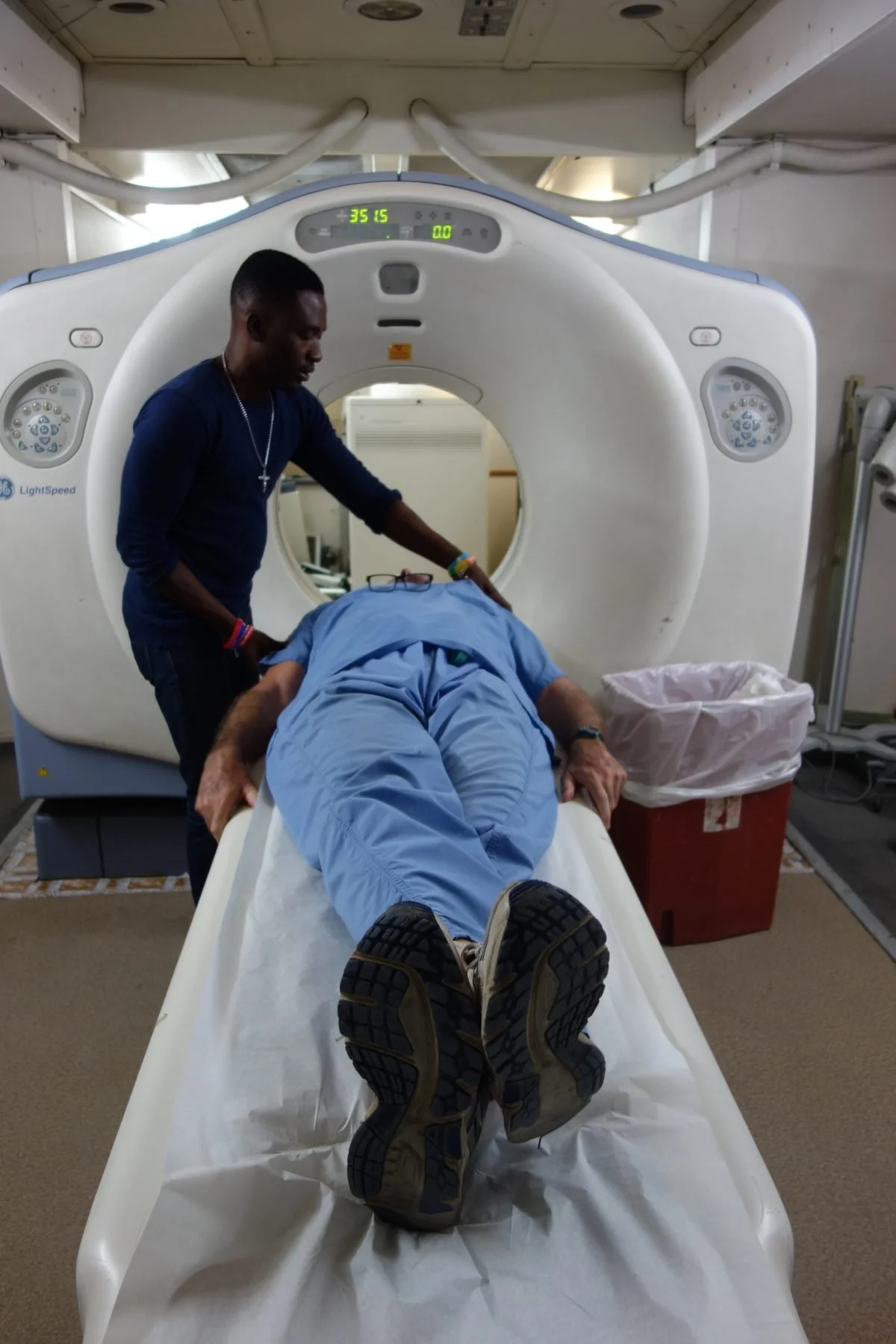
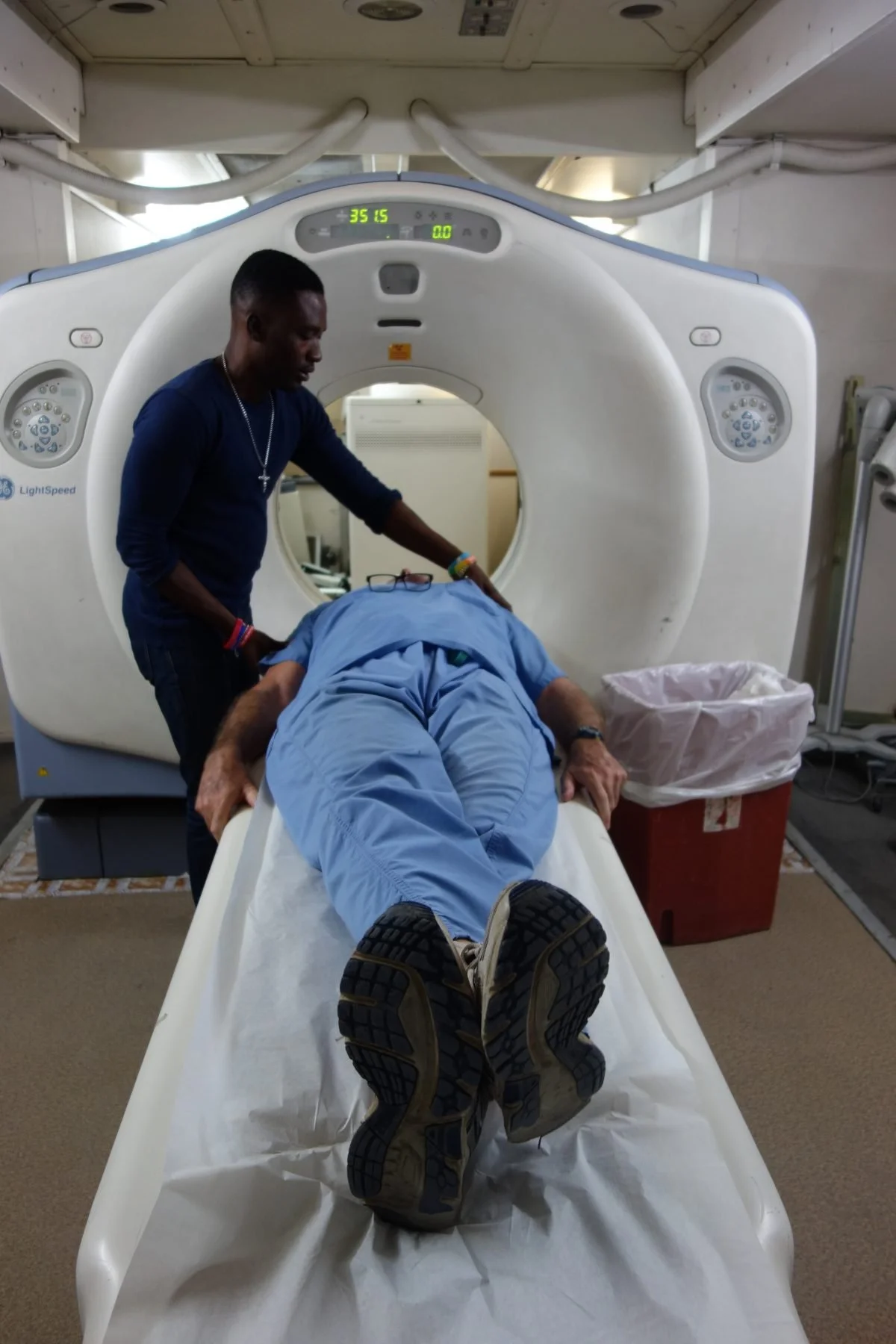
In December 2016 I developed frequent headaches which woke me up almost every morning at 5 AM. The pain was moderate in severity and dull in quality. And the pain would last a few hours and then go away. They were not my typical migraine with aura headaches that I have been getting since I was 12 years old. And the headaches kind of scared me because when something wakes you up at night, this is a red flag that can indicate something serious is lurking in your body.I tried various medications including gabapentin and prednisone. Some medication seemed to help but nothing helped consistently.The winter of 2016-17 ended and my headaches continued almost every night into the spring. In fact, I was not excited to go to Haiti with the headaches. I was sleep deprived and knew that I needed to be sharp in order to function well. And I had no diagnosis. I talked to my physician on the phone several times but did not go see him. Even though my physician happens to be wonderful, I simply don’t like going to the doctor and so I tried to self-diagnose my headaches. I also reached out to other physician friends of mine. I thought they might be “hypnic” headaches which, as it turned out, none of my medical colleagues had ever even heard of let alone made this diagnosis.April arrived and I decided to bite the bullet and go to Haiti with the headaches and see what happened. I hoped for a reprieve or even a miraculous cure.I had a productive week working in Soleil but the headaches continued waking me in the early hours, leaving me groggy in the mornings, and so I decided I had to do something. I decided to get a CAT scan in Port-au-Prince. There was a scanner at Bernard Mevs Hospital which had been donated by Wyclef Jean after the epic Haitian earthquake in January of 2010.On May 4 I went to Bernard Mevs late in the afternoon and climbed the steps to enter an air-conditioned trailer housing the CAT scan. I made up my mind on the way to the hospital that if the CAT scan was abnormal, I would return home and get the full workup. Also, I rationalized that getting the CAT scan done in Haiti rather than in the States would be less expensive because my Blue Cross/Blue Shield insurance has a very high deductible even though I pay a premium over 800 dollars per month.A Haitian CAT scan technician greeted me just inside the trailer and I told him I needed my head scanned. He told me that it would cost 300 dollars US and that I needed to pay at the cashier in a different building on the hospital grounds. As I walked to the cashier, I told myself that I would rather pay 300 dollars here than over 1,000 dollars in the States.The hospital cashier area was at the end of a hall and an armed security guard stood nearby. I had to bend down and speak to the cashier through a very small elliptical shaped hole cut in the bottom of a black tinted glass window. I slipped her 300 dollars US through this opening and she pushed out a little paper receipt of payment. I headed back to the CAT scan trailer all paid up.Along with other emotions I was having at the time, I felt very guilty about being able to pay this amount of cash for my CAT scan. I saw many Haitian patients scattered about the Bernard Meds compound with various types of pathology unable to pay a fraction of what I just paid.I climbed the stairs once again on the side of the trailer, showed the technician my receipt, and he ushered me into the adjacent room where the CAT scanner loomed. I laid down in the CAT scan gantry and waited.To make a long story short, he had to spin my brain three times to get adequate digital pictures to be able to send them to Florida to be read by an off-site radiologist. I knew this amount of radiation was not good and that CAT scans actually can cause cancer. But I felt fairly powerless to stop this process once it had started. I was on the slippery diagnostic slope and just wanted it to be over.At one point during the scan the technician came back in the room and told me that he was seeing a metallic object in my head at the vertex of my skull. I told him that when I was a young boy and playing in a sand pit back in Illinois, some older big boys walked along the ridge above me. They were carrying BB gun rifles and for some reason they thought it would be a good idea if they shot down at me. I dug into the side of the sandy hill as fast as I could, but it wasn’t quick enough because I felt something hit me on the top of the skull. I grabbed at my scalp and saw blood on my fingers. I had been hit in the head with a BB. I never had the BB removed and it is still lodged between my scalp and my skull.When the technician said the scan was complete, I got down from the gantry and went back into the room with the digital photographic pictures of my brain displayed on the monitor.I am definitely not an expert reading CAT scans of brains, but my attention was drawn immediately to a black shadow in my left frontal lobe. It appeared quite large to me and I didn’t like what I saw. I calmly asked the Haitian technician what he thought of my scan and he pointed to the same area right away which was visible on multiple slices. It looked like a cerebral infarct to me and the technician agreed. In other words, it appeared that I had a stroke at some time in the past.As I stood there in the trailer staring at my scan, I was wracking my brain how I could have stroked. I thought that strokes were for old people, or for people with bad blood vessels and uncontrolled hypertension. Strokes definitely were not for me.However, I did remember that during the summer of 2016 when I was talking with my brother Tom on the phone one morning. At about five minutes into our conversation, I became unable to speak. I knew what I wanted to say but could not form the words. I was aphasic except for a few words like “yeah” and “ok”. I could understand everything my brother was rattling on about, but I couldn’t respond. I remember being somewhat concerned by this, but I couldn’t tell him that I could not talk.Tom and I kid each other a lot…in fact, we are very very hard on each other in ways that only brothers can be with one another and still maintain a close friendship. Finally, after much silence, Tom became frustrated and said to me, “Well, obviously you don’t want to talk with me and so I will see you later.” And he hung up.No one was home at the time. Maria and Luke were gone. I had no one to explain this to even if I could have talked. I walked into the bathroom and looked in the mirror to see if my face appeared normal. It did. My other motor and sensory abilities seemed ok as I did a quick neuro exam on myself. But when I tried to say something like, “the toothpaste is in the cabinet”, nothing would come out.About 10 minutes later, I noticed my vision was becoming abnormal with flashing jagged lights (scotoma) blocking part of my visual field. I immediately recognized this symptom because temporary visual loss has been part of my migraines with aura that I have been experiencing for decades.So, as usual, I laid down on my bed to get ready to deal with a painful and nauseating migraine that almost always follow the visual loss. The scotoma lasted its usual length of 20 minutes and then the headache started.With the onset of the pain, I tried to speak again. And lo and behold the words started coming out clearly and I could speak in complete sentences. I happily spoke out loud to myself as the headache became worse and worse.The migraine lasted its usual four hours and then went away. I was happy because the headache was gone, I could see clearly, and my speech was back to normal.So there I was inside the Wyclef Jean CAT scan trailer in Haiti staring at my infarcted brain and wondering if my episode of aphasia last year was causally related. Migraine patients are considered to be at higher risk for stroke. I hoped that my infarct, so obviously present on the CAT scan, was due to a “complicated migraine” and not secondary to something else. And to confuse things a little more, I didn’t think this old stroke was the cause of my persistent headaches.I thanked the CAT scan technician for his help (aside from the two extra “spins of radiation” I had received) and headed back to my guesthouse in Port-au-Prince.I didn’t want to, but I knew I needed to return to Peoria for a more definitive workup including an MRI scan. I called Maria and told her that this wonderful Haitian trip needed to end.John A. Carroll, MD/www.haitianhearts.org/September 15, 2017
In Haiti, a Building Fights Cholera

Next month marks the seventh anniversary of the cholera outbreak that ravaged Haiti. The disease, which can cause death within hours if left untreated, came less than a year after Haiti was rocked by an enormous earthquake that left hundreds of thousands dead and millions injured, displaced and destitute.
Haiti is prone to earthquakes and tropical storms — the island was spared the worst of Hurricane Irma last week — but the cholera outbreak was an anomaly; the disease had never before struck Haiti. It was brought in, it is widely believed, by United Nations peacekeepers from Nepal. One of the world’s most infectious waterborne diseases, cholera spreads quickly and has proved extremely difficult to contain in Haiti. Over 10,000 have died and nearly a million have been stricken to date.
But one organization has managed to nearly eradicate it in a large slum in Port-au-Prince that lacks clean water and sanitation.
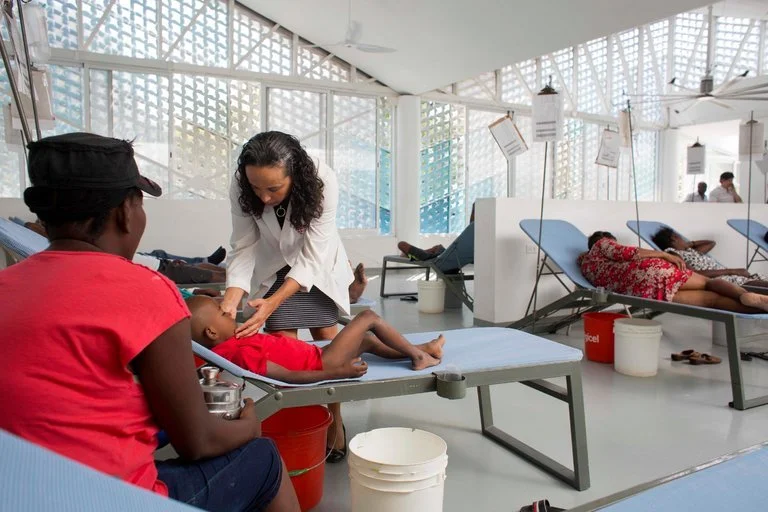
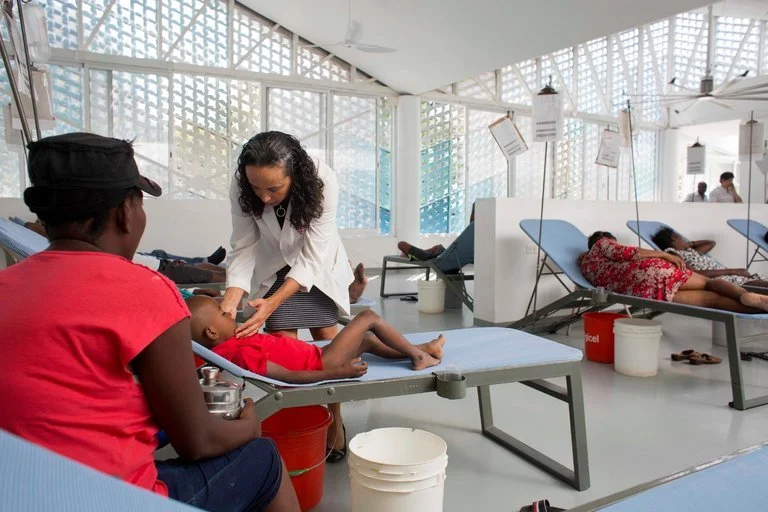
One of the game changers that would surprise most people, including global health experts, was actually a building. It wasn’t just any building, but a very intelligently and beautifully designed one: the Cholera Treatment Center, operated by Les Centres Gheskio, an acronym that stands for the Haitian Group for the Study of Kaposi’s Sarcoma and Opportunistic Infections.
Gheskio, founded in 1982 in the early days of the AIDS epidemic, provides primary care services free of charge to people suffering from tuberculosis, malnutrition, and other life threatening conditions in an area of the Haitian capital that is home to 60,000 Haitians. (Gheskio is a less well-known sister organization of Partners in Health, which focuses on Haiti’s rural population.)
After the 2010 earthquake, Gheskio’s multi-acre campus was badly damaged. So the organization erected emergency tents to serve as a makeshift cholera treatment clinic. Once cholera reached Port-au-Prince, patients showed up on foot or were carried in wheelbarrows, around the clock.
Cholera manifests with extreme diarrhea and vomiting. Virtually all liquid is excreted from the body, causing victims to die of dehydration within hours of full manifestation if untreated. It is relatively easy to treat, but patients must be rehydrated immediately. To prevent it from spreading, infected human waste must be managed carefully.
Gheskio’s founder, Jean W. Pape, an infectious disease specialist and native of Haiti, knew that eradicating cholera would take years. So even as the organization struggled to keep up with the influx of patients during the first year of the epidemic, he embarked on a long-term solution: building a permanent treatment center.
Gheskio turned to MASS Design Group, a Boston-based nonprofit organization that specializes in architecture that promotes dignity and justice in resource-limited settings. It has built hospitals, health-worker housing, schools and civic spaces around the world, including a tuberculosis hospital for Gheskio. MASS Design began by studying the conditions inside the tents.
Tents provide relative shade and privacy but offer limited light and poor ventilation, trapping warm air and compounding the smell of bodily waste. The materials become worn by rain, wind and sun, and must be replaced routinely. Because of the nature of cholera, the makeshift beds, fashioned out of old fiberglass school chairs and costly army cots, also didn’t last long.
Most problematic, Gheskio was relying on manual removal of human waste by an outside vendor. This was both costly and risky: The organization couldn’t ensure its disposal would not recontaminate the water table, risking the infection of others.
“We did some back-of-envelope calculations and found that over a 10-year span of time, which was then considered optimistic for how long it would take to get rid of cholera, the tents and manual waste disposal system they were then using would cost Gheskio in excess of $500,000,” according to a co-founder of MASS Design, Alan Ricks.
Ricks estimated that MASS Design could build, for a comparable sum, a permanent structure that could be repurposed once the epidemic was fully contained. So MASS Design and Gheskio joined forces to raise philanthropic funding from the Deutsche Bank Foundation, Barr Foundation and individual donors, and began work.
One important innovation, developed with Fall Creek Engineers, based in Santa Cruz, Calif., was to bring a water-purification technology to Haiti called anaerobic baffled reactors. The reactors are a form of septic system that uses bacteria to treat sewage and contaminated water, turning it into clean water. Reactors, buried under the cholera center, force water through five chambers, each successively increasing the level of purification.
Each week, Pape receives a detailed report on the water quality. The system sanitizes and recycles 250,000 gallons of water annually, ensuring that the water is free enough of bacteria and other pathogens that it can be returned to the water table. This output is supplemented by separate, large cisterns to capture rainwater for drinking.
Many other details incorporated into the center also promote health, as well as comfort, beauty and pride. Above the reactors, for example, is a pavilion structure designed to maximize airflow. Rather than spending money on tents, furniture or waste disposal services — money that leaves the local economy — the organizations enlisted local artisans, whose metalwork is world renowned, to create perforated metal sheets, painted a chorus of blues, to wrap the building exterior. Waffle-like patterns of these sheets can be opened and closed to provide shade and privacy, or sealed completely during storms, as they were when Hurricane Irma neared Port-au-Prince last week.
The airflow is aided by large-diameter fans, like those in gyms and airports. The cement floor is smooth, free of crevices where bacteria can congregate, and sealed with epoxy. MASS Design interviewed many patients and staff members in an effort to design and create prototypes of beds that would be comfortable as well as easily sanitized and reused.
“What I love about MASS is their attention to detail,” Pape said. “They asked us everything that work and everything that doesn’t work. But most importantly, they are problem solvers.”
“The building looks absolutely extraordinary,” said Roger Glass, a cholera expert who is director of the Fogarty International Center for Advancing Science for Global Health at the National Institutes of Health and has visited the Gheskio campus. “For ventilation and coolness, it’s tremendous.”
Before encountering a hospital that MASS Design developed in Rwanda, Glass said, he had not seriously considered the relationship between health outcomes and building design. “If you had called me seven years ago to talk about buildings and health, I would have blown you off,” he said. Today, Glass is eager to see more collaborations with human-centered design firms, like MASS Design, in the field of global health.
Comparing the treatment center to the tents, Pape is blunt: “It was like going from hell to paradise.”
Amie Shao, who helped lead MASS Design’s work in Haiti, reflected: “When we started, our goal was simply to help Gheskio do their work better in treating their patients in a more dignified setting. We realized, however, that architecture could not only help treat these diseases after the fact, but prevent the spread of disease in the first place by controlling recontamination. In all of our work, we seek to proactively challenge many of the underlying risks and issues that global health faces.”
To be sure, the cholera treatment center is not solely responsible for halting the spread in Gheskio’s target area. Gheskio also developed a robust water chlorination program and maintains its own factory to produce chlorine. The organization also supports and participates in broad efforts by the Ministry of Health to raise public awareness about symptoms and the risk of contamination throughout the country.
And Gheskio joined forces with Partners in Health to get cholera vaccines approved in Haiti. Euvichol, a vaccine that can be administered orally and lasts up to 30 days without refrigeration, costs less than $2 per dose. “We would need a budget of less than $50 million for universal coverage for all of Haiti,” Pape estimates.
Gheskio’s Cholera Treatment Center was ultimately built for $750,000. Pape now predicts that the organization will have recouped that cost in just three years. Haiti needs a modern, countrywide water and sanitation system, but it’s unclear where the money will come from. In the meantime, Gheskio’s center has saved many lives.
By uniquely combining patient care with on-site water treatment, Gheskio’s center also holds lessons for other regions struggling to contain cholera or facing it in the future. Globally, the World Health Organization estimates there are between 1.3 million and four million cases of cholera annually in 42 countries, with 21,000 to 143,000 cholera-related deaths each year. This year, Somalia saw a major resurgence of the disease, with over 50,000 people infected. About 1,000 died.
In the three years since Gheskio’s Cholera Treatment Center opened, the facility has remained in constant use because those outside the organization’s target area continue to be exposed to contaminated water. It has admitted over 10,000 patients to date, including over 7,000 who were hospitalized. Eighty-three percent of those patients came from outside of Gheskio’s catchment area.
While cholera reports in Haiti were on the rise in 2015 and 2016 at upward of 25,000 cases annually, the country saw a decrease in 2017, which Pape attributes to higher-than-normal rainfall in the region. Of the 100 beds, no more than a third were occupied at any time this year, with as few as a handful of patients at times. The risk for outbreaks remains high, however, and the disease’s countrywide eradication is still years away.
“Haiti’s recently elected government, and the president particular, is focused on universal oral cholera vaccine as well as home chlorination,” Pape reports. “If we get the vaccines and if we pursue home chlorination, I truly believe we can rid of cholera within four to five years.”
Haiti - Social : The First Lady of Haiti in Belize
 Monday, the First Lady of Haiti, Martine Moïse, left Port-au-Prince to Belize to attend the Forum of First Ladies and Wives of Heads of State and Prime Ministers from CARICOM member countries.This meeting, which will establish a Caribbean network of first ladies, aims, among other things, to highlight the health and well-being of women, girls and adolescents in the Caribbean by 2030, objective #5 of sustainable development.Martine Moïse will participate in a series of discussions to support proposals for the promotion and valorisation of women from all Caribbean countries, notably through the Caribbean Child Initiative (CARIWAC) networks, which also intend to :
- Promoting the health and well-being of adolescents in the Caribbean and reducing teenage pregnancy by 20% ;
- Encourage the prevention, early diagnosis and treatment of cervical cancer, improve access to screening and strengthen infrastructure through the promotion and use of HPV vaccine ;
- Eliminating mother-to-child transmission of HIV and congenital syphilis in the Caribbean ;
- Support advocacy for the reduction of gender-based and sexual violence against women and children (including trafficking in persons) through appropriate legislation, psychosocial support for victims and the inclusion of men and boys in solutions.
By: HL/ HaitiLibre | September 5, 2017