
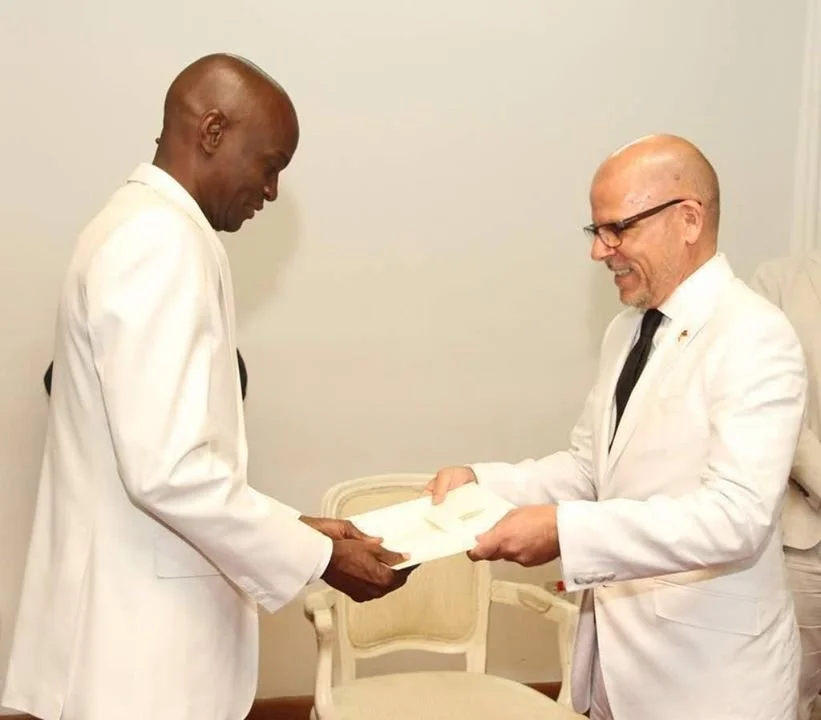
Diplomacy : Message from the new Ambassador of Canada to Haiti
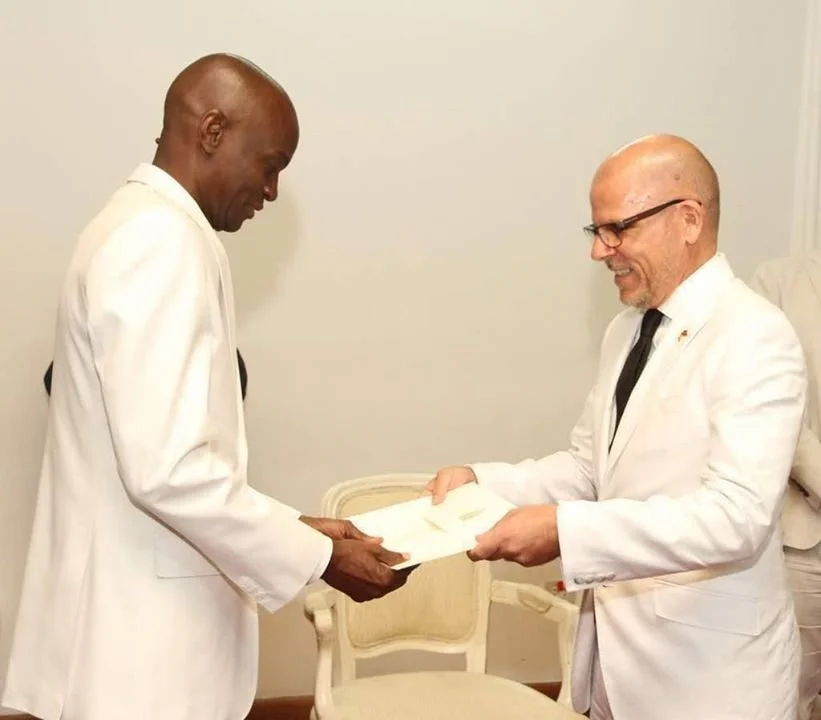
André Frenette, the new Ambassador of Canada accredited to Haiti on September 5, who replaces Ambassador Paula Caldwell St-Onge at the end of her mission, has delivered a message to the Government and the people of Haiti at the time of taking office, which we invite you to share :Message from Ambassador Frenette :"It is a great honor for me to have obtained the confidence of my Government to represent and promote in Haiti the Canadian values that are so dear to me. Canada promotes inclusion, respect for diversity and human rights, gender equality, openness to the world, democratic development that supports the strengthening of the middle classes, and assistance to the poor. It is on the basis of these values that I intend to work tirelessly to build strong and respectful partnerships between Canada and Haiti, with the aim of strengthening the historic relationship between our two countries.Canadians have repeatedly demonstrated that they are ready to walk hand in hand with the Haitian people. Following the announcement of Canada's new commitment to Haiti, we made the decision, after various consultations with Haitian authorities, to step up our efforts in areas of democratic and accountable governance, sustainable and green economic growth, health and well-being of women and girls, and the rule of law and security.More specifically, in June 2017, Canada launched its new policy of international feminist assistance, placing gender equality and empowerment of women at the heart of its development programming. We support the development of a stable, prosperous and equitable Haitian state that can provide health services, education and economic opportunities to all Haitians, especially women and girls.I am already looking forward to working on these key themes during the years of my mandate in Haiti, which will require serious and responsible commitments from all concerned. To ensure that this assistance continues to deliver on the expected results, Canada will count on the Government of Haiti's continued efforts to clearly define its priorities and to meet its financial and institutional commitments.Haiti remains at the heart of Canada's international policy agenda and I am proud to say: Nou la pou Ayiti !"By: HL/ HaitiLibre - 29/09/2017
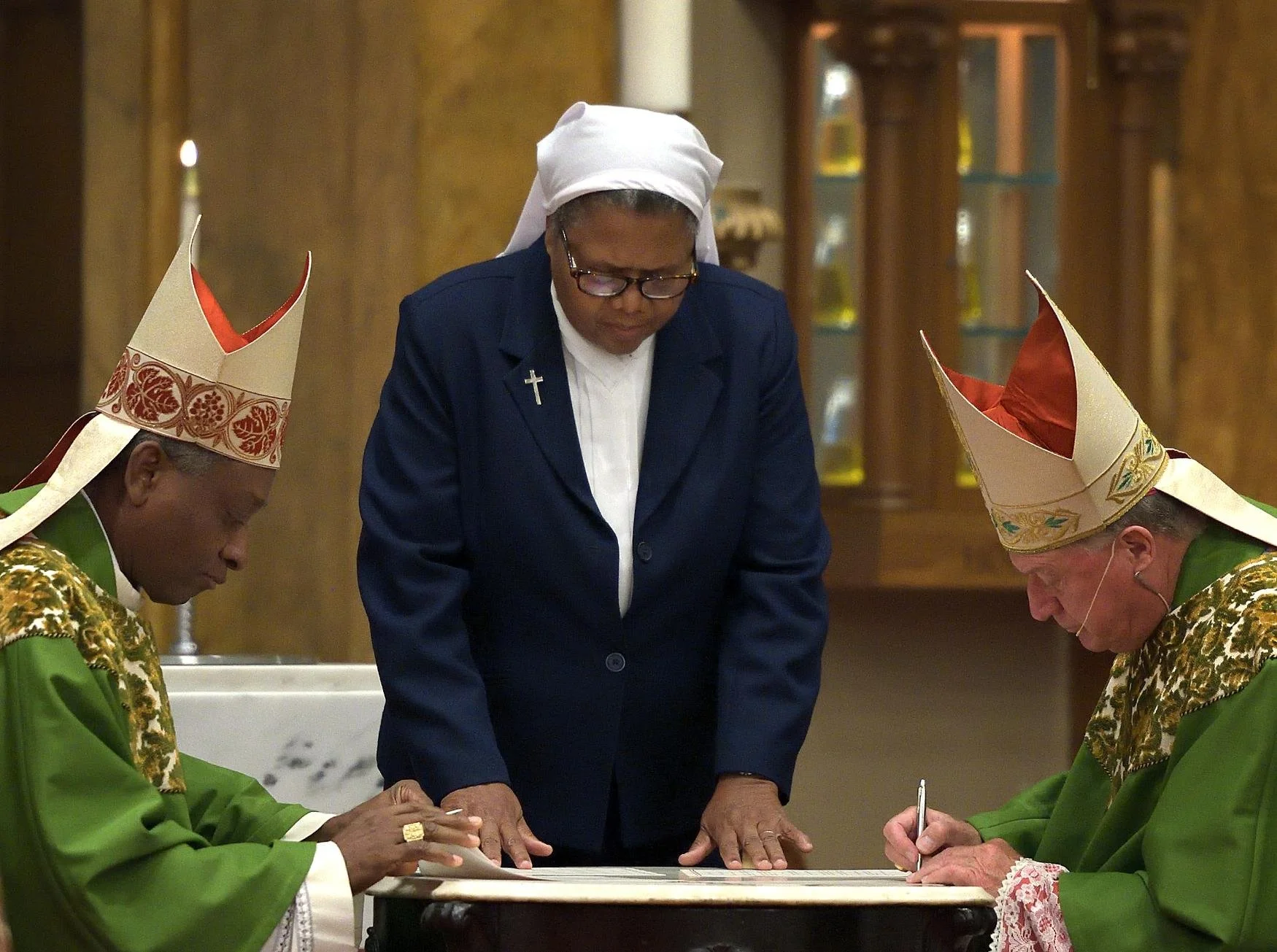
Bond sealed between Worcester, Haiti Catholics
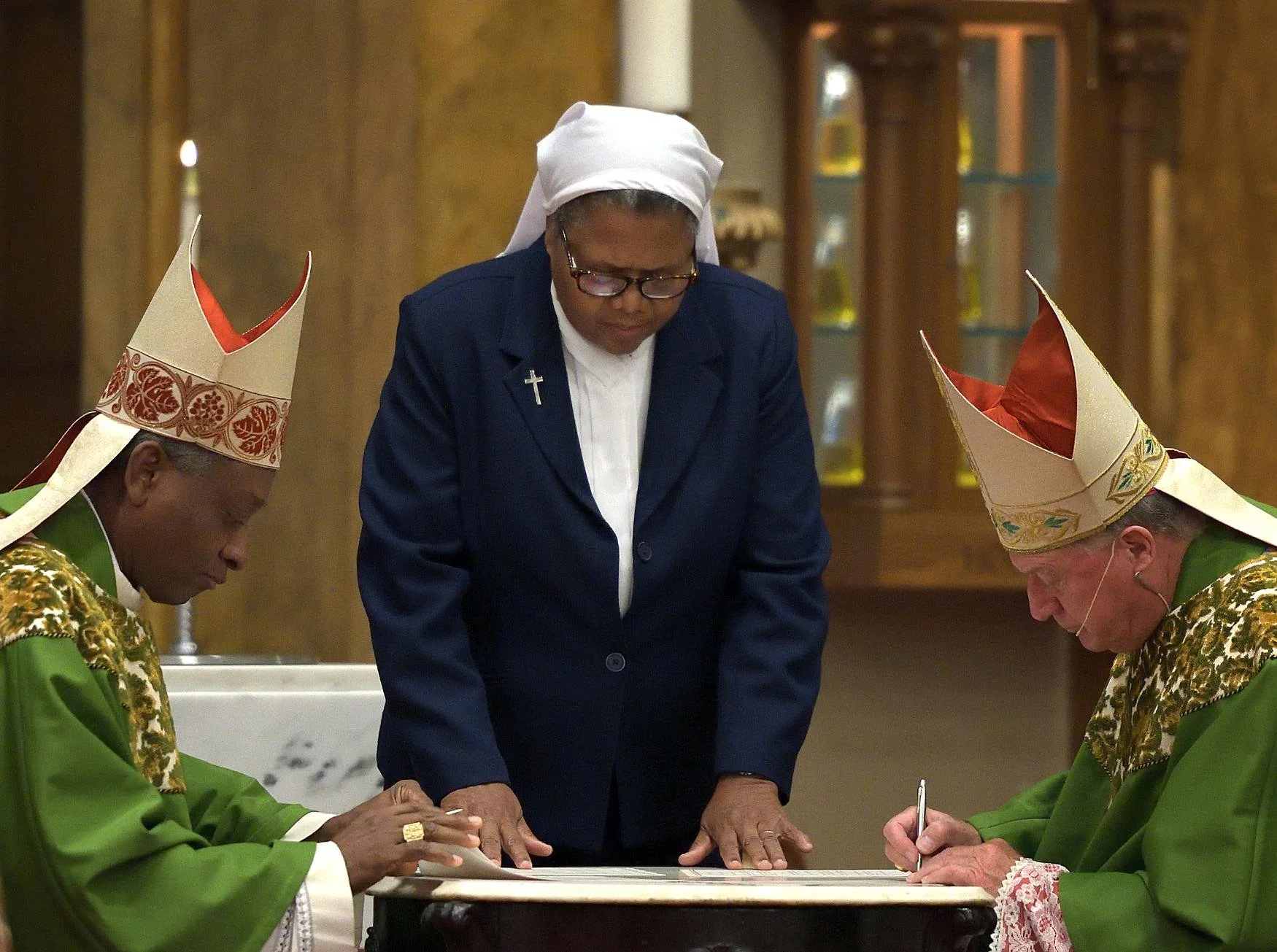
 WORCESTER - Haiti’s first-ever cardinal was greeted in Worcester on Sunday by the tail end of a hurricane.But Harvey’s rains, dousing New England on Labor Day weekend, didn’t dampen spirits on Grafton Hill as Cardinal Chibly Langlois of Haiti joined Bishop Robert McManus in celebrating Mass at St. Joseph’s Church, then attended a dinner at St. Stephen’s across the street.Cardinal Langlois, awarded the red hat in 2014 by Pope Francis, was in Worcester to renew a covenant of support and prayer between the dioceses of Les Cayes and Worcester.More than 1,000 Haitians live in Worcester and about 200 attend the French-language Mass at St. Joseph’s on Hamilton Street, said Sister Judith Dupuy, a Sister of St. Anne who is director of the Haitian Apostolate in the Worcester Diocese.“For me to be here in the Diocese of Worcester is to build the communion between our two dioceses, Les Cayes and Worcester, and try to reinforce the twinning between parish and parish and diocese and diocese,” Cardinal Langlois said after the Mass.“That’s very important for us in Haiti,” he said. “You have heard about the many needs we have.”
One of the world’s most impoverished nations, Haiti is still recovering from the battering it took from Hurricane Matthew in 2016. Storm-watchers this weekend were eyeing a new hurricane, Irma, that may be headed for Haiti in the coming week.The covenant of support and prayer between the dioceses was signed during the Mass at St. Joseph’s, which was founded as a parish to serve Worcester’s once-large French-Canadian Catholic community, and now welcomes new immigrants from Haiti to its French-language Mass.The “twinning” program between parishes in Worcester and Haiti is “a reminder to our people that we’re a universal church,” the Bishop McManus said. “Pope Francis has called the whole church to be a church in mission.“Anyone who has visited the church in Haiti realizes they cannot help themselves - it’s a dire situation,” he said. “In the sense of the fraternity and the solidarity of the faith, we and other dioceses in the United States are reaching out to other parts of Haiti. It’s a joy to have His Eminence with us.”By: Mark Sullivan | September 3, 2017

Envoy To Haitian TPS Holders: Leaving U.S. For Canada Not A Good Idea

This summer thousands of Haitians living under Temporary Protected Status (TPS) in the U.S. have been attempting to move to Canada. But Canada is warning them that’s not a good idea – and Ottawa sent an envoy to Miami on Thursday to get that message across. Canadian officials are alarmed that almost 10,000 Haitians have crossed or attempted to cross into their country, usually Quebec province, from the U.S. since June. Just about all those Haitians are TPS recipients. The Trump Administration has said TPS for some 60,000 Haitians will probably be canceled in January. So, many believe it’s better to go to Canada rather than be deported back to Haiti. The Canadian government sent Emmanuel Dubourg – a Haitian-born member of Parliament – to Miami’s Little Haiti - and he urged Haitians here not to enter Canada “irregularly,” as he put it. “The risk is...we’re going to deport them," said Dubourg. "And if we deport them the door is completely closed for them or for their family for next time. So they have to be aware of our system and that there are ways that they can come regularly.” Haitian-American leaders here echo Dubourg. And they warn TPS holders if they leave the U.S. for Canada now they also risk being unable to return here if the TPS issue gets resolved in their favor. “These are people who are here legally," said Marleine Bastien, who heads Haitian Women of Miami, or FANM. "So leaving documented status to go to Canada, where you’re not sure what’s going to happen – we think for the TPS holders it’s not a good idea.” TPS advocates insist Haiti is still too ravaged by natural and political disasters to take back so many Haitians living here. Florida Senator Bill Nelson says he will come to Little Haiti on Friday to call for TPS extension. By Tim Padgett | August 24, 2017

Haitian-Canadian Deputy Emmanue Dubourg on the front line.

 As part of the Canadian government's efforts to reduce the flow of Haitians illegally crossing the Canadian border to seek asylum, the Liberal Deputy of Parliament, of Haitian origin Emmanuel Dubourg (Bourassa riding) left the Canada for 3 days to Miami, today.Fluent in Creole, French and English, with strong ties to the Haitian diaspora, he was sent to Miami to gives interview with the Haitian media and hold meetings with diaspora leaders to rectify the information erroneous concerning Canada's immigration and refugee policies and attempting to slow down the flow of Haitian nationals to Canada.HL

President Moïse honors and decorates the Ambassador of Canada

Monday at the National Palace, President Jovenel Moïse, held a farewell ceremony in honor of Canadian Ambassador Paula Caldwell St-Onge at the end of the mission.During the ceremony, which was attended by Antonio Rodrigue, the Minister of Foreign Affairs and representatives of the diplomatic corps, the Head of State expressed his satisfaction to the Canadian diplomat for her dynamism and high contribution to strengthening relations between Canada and Haiti during her mission in the country.At this ceremony, Ambassador Paula Caldwell St-Onge was decorated by the Head of State of the National Order of Honor and Merit, at the rank of Grand Cross Silver Plate.HL/ HaitiLibre
Cornwall councillors seek answers as hundreds of Haitian refugee claimants arrive in Ontario
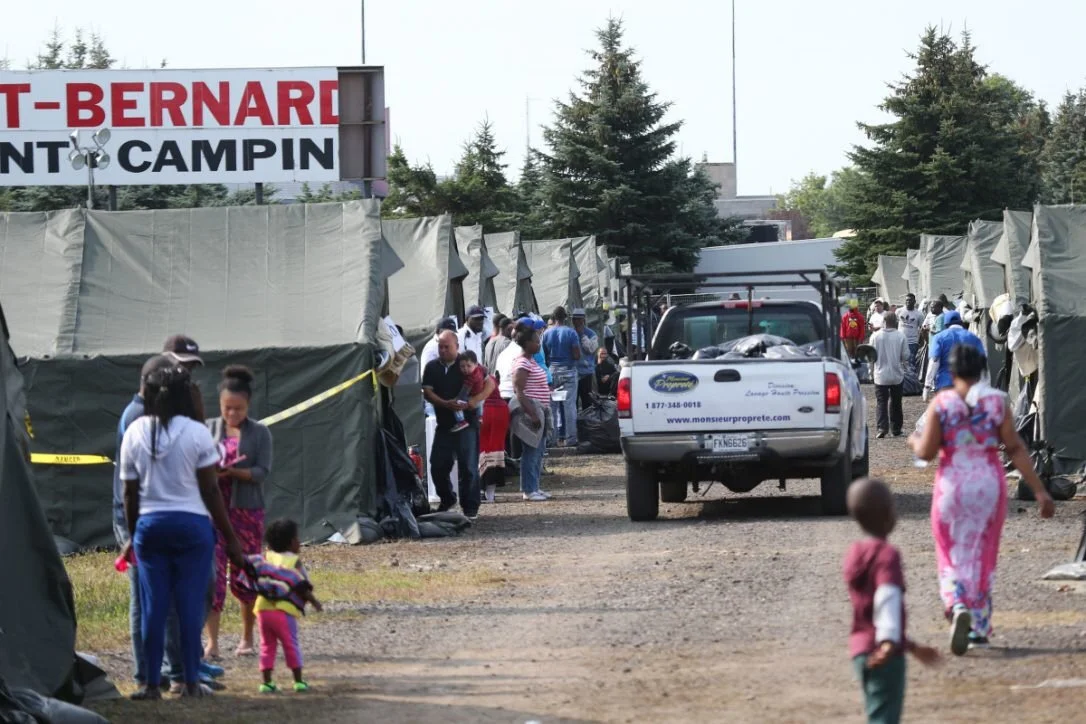
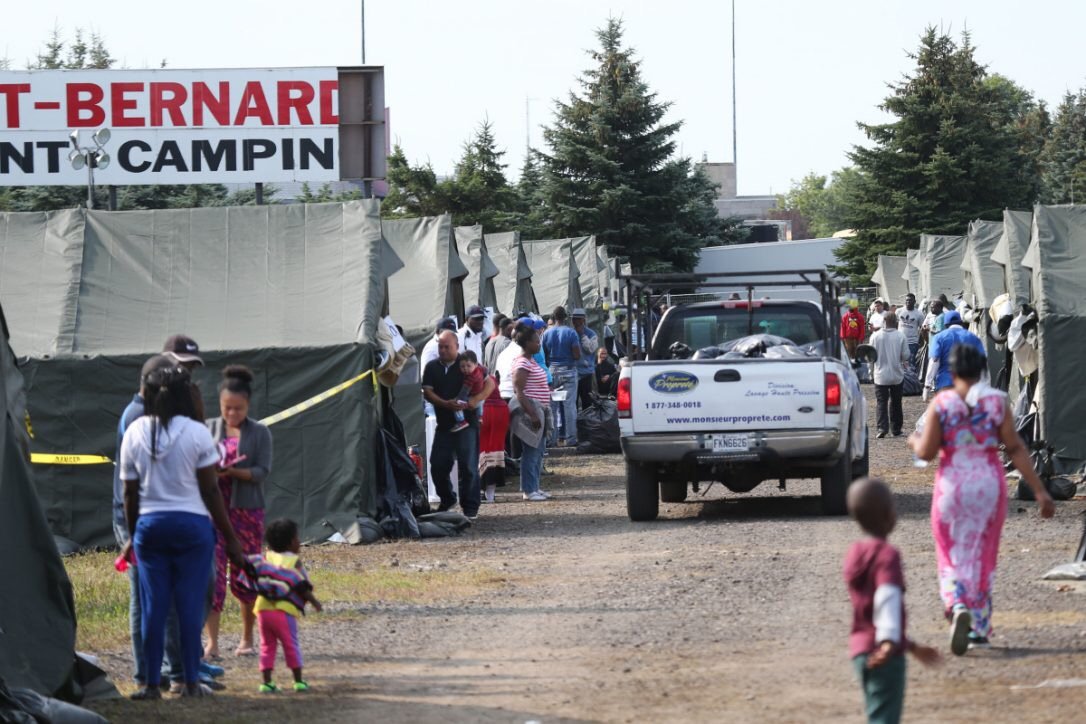
OTTAWA—As the surge of migrants pouring into Quebec hit 4,500 people — mostly Haitians — in the first three weeks of August, the federal government scrambled Monday to stem the tide with a sterner message to would-be asylum seekers and to accommodate hundreds more in the nearby Ontario border town of Cornwall. The office of Public Safety Minister Ralph Goodale acknowledged the RCMP had intercepted and arrested 4,500 irregular border crossers in Quebec so far this month — on top of 3,000 that crossed in July. They are mostly Haitian and found eligible to file a refugee claim. On Monday evening, Cornwall city councillors held a special meeting to demand answers of federal, provincial and municipal officials, saying citizens are worried about the impact of all the new arrivals, while many others want to help. At the Nav Centre conference and hotel facility now hosting 300 people — all Haitian families — is full, and manager Kim Coe-Turner said that with upcoming conferences it cannot accommodate more immediately. So the Canadian Forces are setting up a tent city on the Nav Centre grounds that will be an “interim lodging site” for up to 500 Haitians asylum seekers who will be directed there by border services authorities at Lacolle, Que., because Montreal’s shelters and services are overwhelmed, said Cornwall’s emergency management coordinator Bradley Nuttley. Nuttley assured councillors that the families can be well accommodated in tents with plywood flooring, electricity and heating, while nearby residents’ concerns will be met by low-noise electrical generators, and privacy fences up to 12 feet high to be erected on three sides. In part, he said, that’s to protect children — over 40 per cent of the refugee claimants now there are children under 7 — from “noxious weeds” on nearby land. Mayor Leslie O’Shaughnessy complained there is no lead federal agency to answer council’s or the public’s enquiries and that information “was changing by the hour.” He pressed federal officials to hold a public information meeting because “it is a federal project.” “Whoever the lead is, hopefully they’ll get the bills,” Councillor André Rivette said. He asked if Ottawa planned to set up a field hospital so that local residents wouldn’t find themselves waiting for health services. Stressing that no declaration of emergency had been issued because there are enough resources to meet the needs, Nuttley said almost all newcomers were quite healthy. There’d even been one birth of a “new Canadian citizen,” and a few more pregnant women are at the centre, he said, though officials see no need for anything more than a temporary clinic on the Nav Centre grounds. “I’ve not been requested to provide any services in this emergency – ‘er this event, sorry, a little Freudian slip there,” said Nuttley. Still, Louis Dumas, a senior federal immigration official, acknowledged “the current situation is a difficult one, we are seeing a spike” at Lacolle, Que. Refugee claimants are “entitled to due process” and the federal government’s goal “is to process people quickly,” he said. The hope is refugee claimants will within a week complete their applications and submit them for an assessment at a joint federal-provincial processing centre also set up at Cornwall’s Nav Centre before their claims are sent to the Immigration and Refugee Board for adjudication. But once their claims are submitted, the migrants are free to leave and most are expected to head back to Montreal where a large Haitian diaspora lives. Dumas said about 10 per cent will likely head elsewhere in Canada, mostly in Ontario. Haitians are flooding across the border because the United States administration under President Donald Trump has indicated it will revoke a temporary protected status for Haitians, issued after the 2010 earthquake, starting in January. Dumas said Haitians should not expect Canada will automatically allow permanent entry. He noted that last year, the independent IRB turned down 50 per cent of asylum claims by Haitians, who were then ordered deported back to Haiti. Earlier Monday Immigration Minister Ahmad Hussen and Public Safety Minister Ralph Goodale went before cameras at Lacolle earlier to say there is “no fast track” to refugee status for those who cross illegally and to warn against “border-hopping.” “Trying to cross the border in an irregular fashion is not a free ticket to Canada,” Goodale said, sounding a frustrated note. “We have been making this point over and over and over again since last January and February when the, the circumstances began.” That line is to be echoed by Haitian-Canadian MP Emmanuel Dubourg who Canadian Press reports is being dispatched to Florida to do Creole-language interviews and meet community leaders among Miami's Haitian diaspora and to speak to a slew of influential media outlets. By TONDA MACCHARLES | August 21, 2017
Haitians risk arrest in Canada for a better life
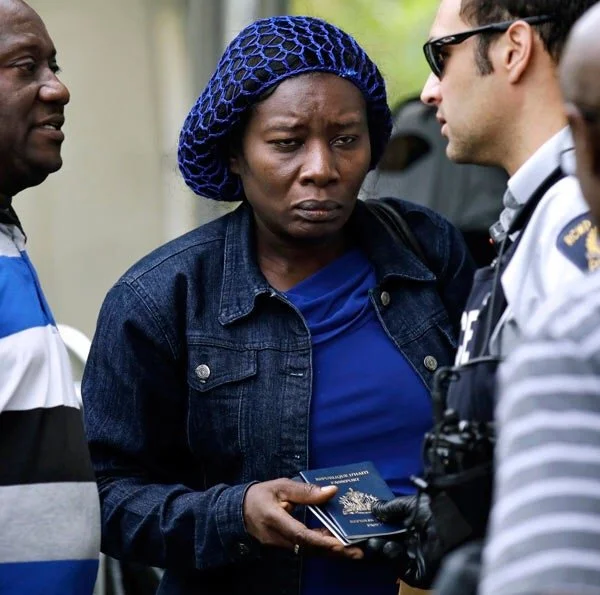
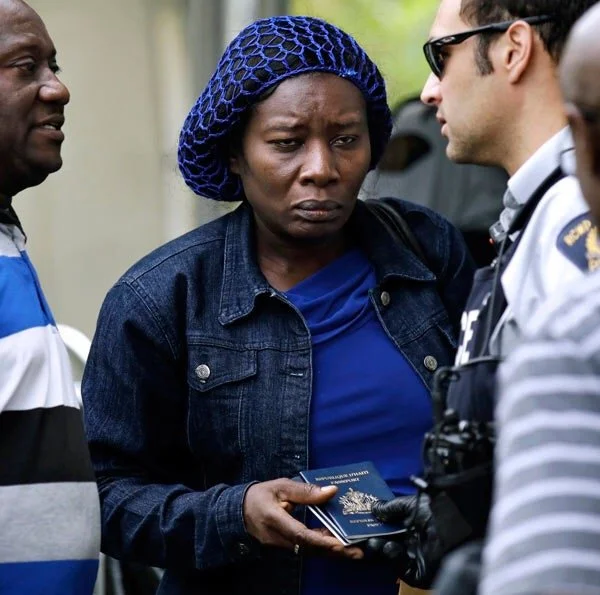
While United States President Donald J. Trump is clamping down on illegal immigration, thousands of Haitians with Temporary Protected Status (TPS) in the United States are rushing to the border crossing in Champlain, upstate New York, willing to face arrest in their pursuit of a better life, according to reports here. The popular stop near the border station at Lacolle, Quebec, Canada is quickly becoming a path to a new life for immigrants — and something of a tourist attraction, reported the Miami Herald. It said the migrant surge has overwhelmed Canadian officials who, after opening Olympic Stadium in Montreal to asylum seekers, recently reopened a shuttered hospital to accommodate the growing numbers, and deployed the military to construct a tent city near the official border crossing at St. Bernard-de-Lacolle. The refugees have decided that getting arrested with an uncertain future in Canada is better than risking deportation under Trump, the Herald said. Responding to the influx of refugees in his province, Quebec’s Prime Minister Philippe Couillard told the Canadian press that “it’s unfortunate” that asylum seekers have been led to believe that being admitted into Canada was “a done deal.” He and other officials stressed that, despite the warm reception and treatment refugees have received, there is an immigration process, adding that arriving migrants will have to demonstrate why they should not be returned to their home countries, according to the Herald. “We have the notion here people are being told, ‘Go to Canada, it’s welcoming. Just walk right in, the streets are paved gold and get a job,’” said Paul Clarke, the executive director of Action Réfugiés Montréal, which works with refugees seeking asylum in Canada. “But it’s not like that,” he added. “People have to make a refugee claim. They have to state why they are being persecuted or fear persecution in their home country for their race, religion. “The statistics in Canada for the last couple of years show that only 50 percent of Haitians meet that test,” Clarke continued. “Only 50 percent are accepted as refugees in Canada. But we kind of get the sense that’s not what’s being told in the States.” While the wave of Haitians crossing into Canada has been fueled by fears that the United States will send them back to Haiti early next year, when Haiti’s TPS is set to end, the community has been bombarded with misleading and false messages on WhatsApp, social media and Creole-language radio saying that Canada is offering free residency, the Herald said. The paper said that, in one message, a man claiming to be an attorney says the Canadian Consul in the United States is inviting “and even encourages all Haitians with or without TPS to apply for Canadian residency.” More than 6,500 asylum-seekers have crossed into Quebec province since the beginning of the year, and most estimates say about half are Haitians, according to the Herald. “Right now, the question is how can the governments, the municipal, the provincial government of Quebec and federal in Ottawa manage this?” said Donald Cuccioletta, a historian and senior research associate at the Université du Québec à Montréal’s Raoul Dandurand Center for Strategic and Diplomatic Studies. “It’s approaching a crisis. How do we handle these people once they come across?” The steady stream of Haitian migrants began in May when the Trump administration announced it was granting Haitians living in the United States only six months extension on their TPS — awarded after the 2010 earthquake that devastated Haiti — which would mean the status would end in January, the Herald said. In July, when the 180-day countdown for January began, the flow of people picked up again, it said. Migrant families are told they will be arrested by the Royal Canadian Mounted Police before crossing the United States to Canada at the border along Roxham Road, the Herald said. It said thousands of people have crossed over into Canada from an irregular crossing near the Champlain–St. Bernard de Lacolle border in hopes of finding residency in Canada. Among them are Haitians who worry that TPS in the US could soon end under the Trump administration, the Herald said. Nelson A. King | August 17, 2017
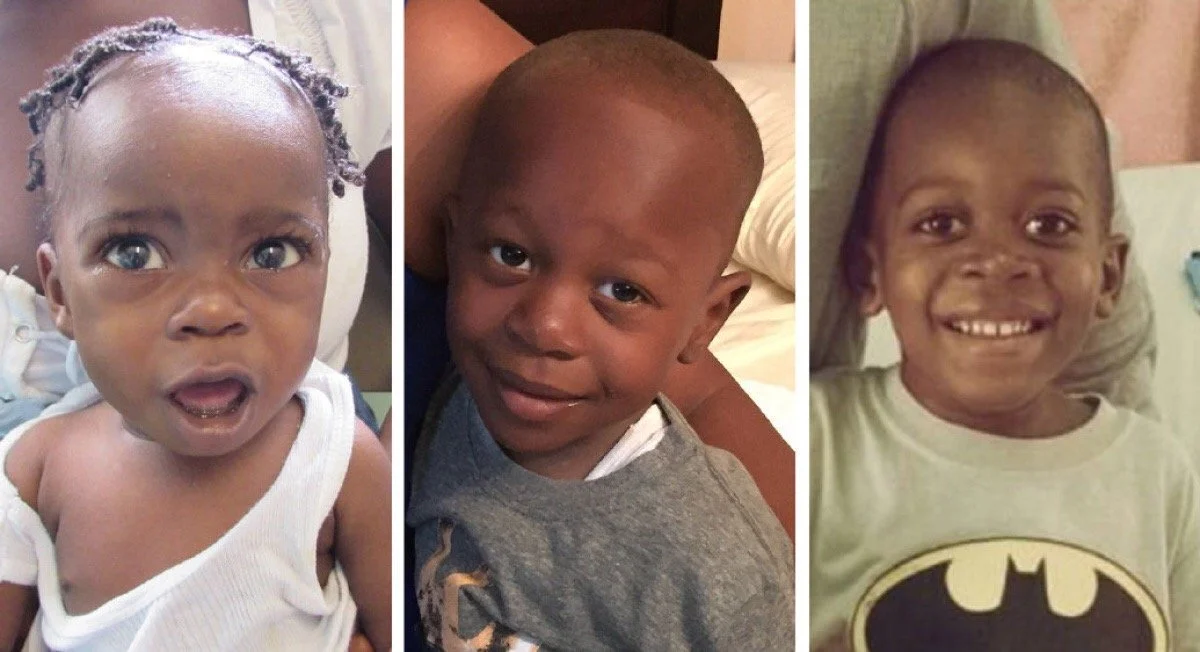
Three Haitian boys needing life-saving heart surgery require host families in Toronto
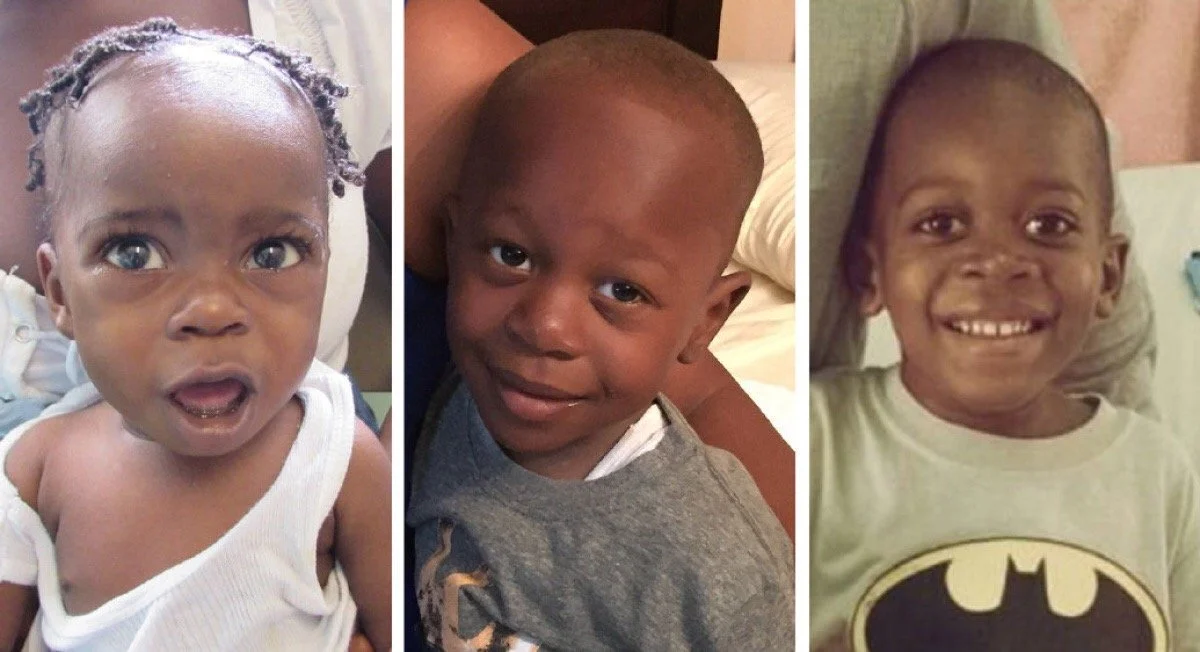
Haiti Cardiac Alliance is searching for people to take in three preschoolers as they recover from complex heart surgeries at SickKids hospital. Owen Robinson is desperate to find host families in Toronto for three Haitian boys with congenital heart defects who need life-saving surgery. Robinson’s organization, Haiti Cardiac Alliance, is helping the children, aged three to four years old, find treatment outside Haiti. The group has helped 300 Haitian kids get heart surgeries at hospitals all over the U.S. and the Caribbean since it began in July 2013. But the operations for these three boys, who all have holes in their hearts, are difficult and no hospital the group normally goes to has been willing to take the cases on. That’s when Sick Kids Hospital agreed to step in and do the surgeries with the help of the Herbie Fund, which offers financial support to children worldwide who require specialized care. “If these kids don’t get treatment in Toronto, I can say with a fair degree of confidence they’re not going to be able to access treatment at all,” Robinson said. “It would very literally be life-saving.” But Sick Kids can only do the operations as long as the kids have a place to recover once they are discharged from the hospital. And finding the boys a place to stay has proven to be tricky. “In the United States we have some solid connections with organizations and they help us welcome these families into their community, but in Toronto we don’t have that,” Robinson said. In July, he asked for help from Mark Brender, an old friend and the national director of Partners in Health Canada. Brender recently contacted the Haitian consulate in Toronto in the hopes that someone from the community would be willing to help the boys: Roobens Thelusma, David Smith Millien and Kervens Jeannot. But they are still waiting for responses. “If there’s care available it shouldn’t be limited to where you are born and if you have the funds,” Brender said. He’s hoping a Haitian family will offer to help, to make communicating with the visitors easier, but said that “anybody could step up.” Robinson is searching for people to take in one child and one parent at a time. A social worker would accompany the family for the first week to help them get settled and translate for them. The family would need to stay in Toronto for one or two months during the recovery period. The surgery would take place about a week after their arrival, and they would spend the next week or two at the hospital, he said. The families only speak French and Haitian Creole. Robinson said that while it would be helpful, the host family and volunteers don’t have to speak the language. Tools like Google translate, phrasebooks, or social workers who are available by phone could help bridge the language gap. The hosts and volunteers would be expected to provide the family with transportation to and from the hospital, food, or the means for the parent to cook, and a warm and supportive environment. The child’s parent would take care of the medical aspects of caring for the child. “If the child had been born in the U.S. or Canada, (the heart problem) would have been repaired in the first few months of the child’s life but these kids are three- or four-years-old now,” Robinson said. “We have situations all the time where a child’s been selected somewhere and they die before they can go, it just takes too long.” Anyone interested in helping can contact Robinson at orobinson@haiticardiac.org ALINA BYKOVA | Aug. 16, 2017

Olympic Stadium In Montreal Turned Into Welcome Center For Refugees From U.S.

Faced with a flood of asylum seekers traveling from the United States into Quebec, Canada, local authorities have repurposed Montreal's Olympic Stadium and turned it into a refugee welcome center.A spokesperson for PRAIDA, the local government agency that helps refugees, tells the CBC more than 1,000 asylum seekers crossed the border into Quebec last month. "In comparison, PRAIDA helped 180 people in July 2016," the CBC writes.The vast majority of the asylum seekers are Haitians who initially fled the devastating earthquake in 2010, and whose future status in the U.S. is unclear under the Trump administration.The surge of refugees overwhelmed the YMCA facilities that are normally used to temporarily house new arrivals.So the agency turned to the Olympic Stadium — specifically, to the area by the concession stands, the CBC says.The first refugees to stay at the stadium were bused in on Wednesday, The Associated Press reports."Volunteers from the Quebec Red Cross helped set up the cavernous, concrete stadium for a temporary stay with cots and food in the rotunda," the wire service writes. "The stadium was the main venue of the 1976 Olympics. It has not had a main tenant since the Montreal Expos left in 2004."The stadium will be hosting up to 450 people for several months, but cannot provide shelter permanently, given the event schedule, the AP says.The Guardian reports on the transformation:
"It took just 24 hours for the stadium – built in the 1970s as a venue for the city's 1976 Olympics – to be converted into a welcome centre where the asylum seekers will be sheltered and receive help in finding housing and completing paperwork related to their asylum claims."So far, 150 cots – arranged neatly into rows among the concrete walls of a windowless area ... of the stadium – have been set up, along with access to showers and a cooking area."
The Haitians who make up the majority of the new arrivals are in a precarious legal situation in the U.S. Tens of thousands of people fleeing the disastrous earthquake were given temporary protected status in the U.S. under the Obama administration; that's not the same as asylum or refugee status, but it acknowledges a person can't return to their home country safely.The Trump administration extended that status for just six months — and urged Haitian refugees to "prepare for and arrange their departure from the United States." The administration cited "Haiti's success in recovering from the earthquake," although Haiti continues to struggle with a number of crises, including an ongoing cholera epidemic, a nightmarish sewage problem and a catastrophic hurricane.That helps explain why a sudden surge of refugees are leaving the U.S. As to why they're entering Quebec, the CBC cites the large Haitian community in Montreal."Obviously, there is a stronger attraction to coming to Quebec for Haitians than in other provinces," PRAIDA spokeswoman Francine Dupuis told the CBC. "They have the help of their community to get settled."But it's not clear if the Haitian refugees arriving in Canada will be permitted to stay, the CBC reports. The challenge is fundamentally the same as in America: A government evaluation of just how bad life is in Haiti."Asylum seekers originally from Haiti who have crossed the Canada-U.S. border could be deported back to Haiti if their application is refused because Canadian authorities deem Haiti as a sufficiently safe country," the CBC writes.NPR International August 2, 2017