
Haiti: Top Officials Fired After Anti-Corruption Protests
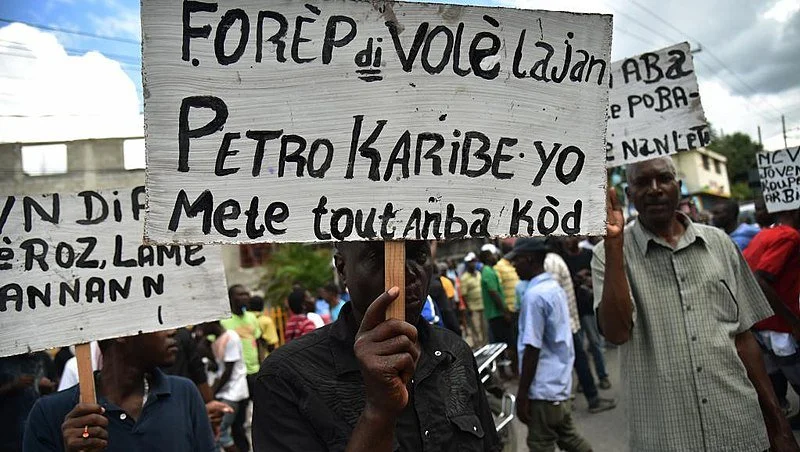
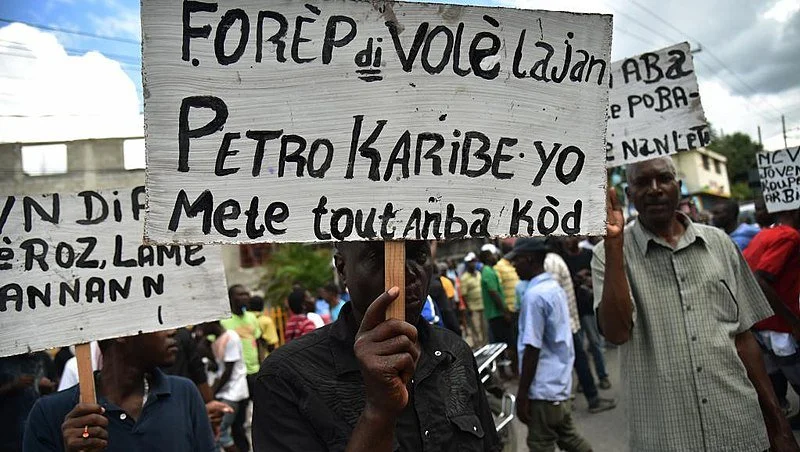
Haitian President Jovenel Moise removed Monday two top government officials in a purge of people linked to a corruption scandal that sparked violent mass protests last week, Channel News Asia reported.
The cabinet chief and the secretary general of the presidency were fired from their posts along with 15 government advisers, according to an official announcement.
These firings follow a report compiled in August by the Haitian Senate that called for charges to be brought against two former prime ministers and several other government officials for alleged embezzlement of US$3.8 billion, abuse of power and forgery in connection with a Venezuelan oil loan program.
PetroCaribe, a Venezuelan-led oil alliance between the South American nation and Caribbean countries, was funneling money into Haitian government coffers. But the Haitian Senate’s report follows up parliamentary investigation into whether the PetroCaribe funds were then misspent by previous administrations.
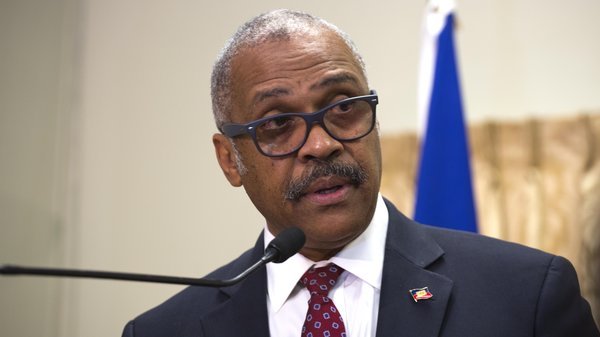
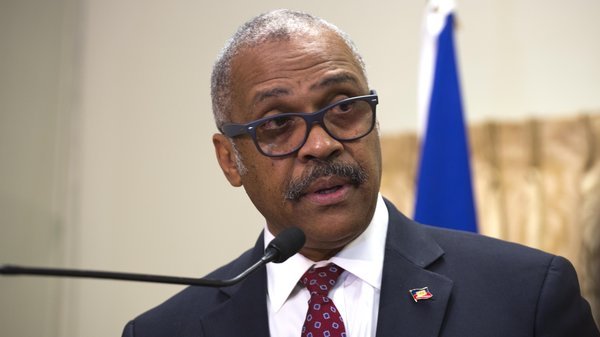
“To have a healthy process, the president has decided to rid the environment of people linked to Petrocaribe without admitting they are guilty of anything,” Prime Minister Jean-Henry Ceant said at a news conference this week.
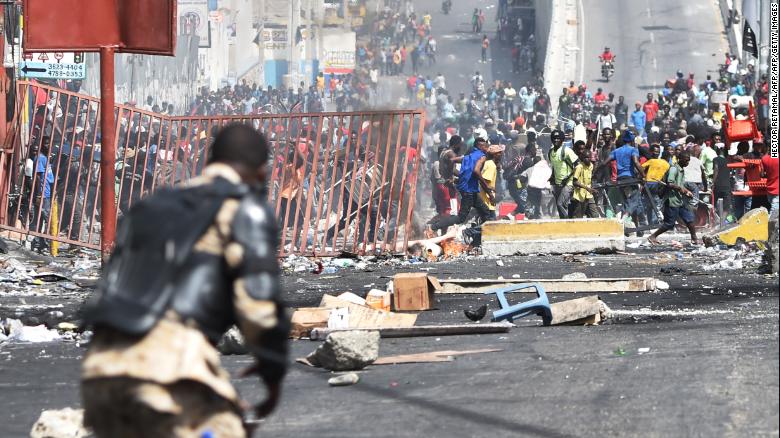
Haiti’s citizens remain outraged by the lack of arrests and the slow pace of the investigations. Last week at least two people were killed and dozens were injured as anti-corruption protesters numbering in the thousands surged through the streets of the Haitian capital of Port-au-Prince.
A police spokesman said 11 civilians were injured by bullets and 11 officers by flying rocks, but other officials reported higher civilian injuries.
The protests were kicked off by a photo tweeted by Haitian filmmaker and writer Gilbert Mirambeau Jr. showing him blindfolded and holding a cardboard sign reading “Where is the PetroCaribe money?” in Creole.
The social media campaign, called the #petrocaribechallenge, has spread like wildfire throughout Haiti, one of the poorest nations in the world.
“We are fed up with what’s going on,” said Mirambeau, 35. “It’s like we have a knife under our throats, and are looking at the government and not doing anything.”
Some marchers were heard calling for the resignation of President Jovenel Moise, who took office in February 2017 and whom many accuse of thwarting the PetroCaribe investigation.
In response to the protests, both Moise and Prime Minister Ceant reasserted their commitment to investigating the alleged embezzlement.
“No one will escape justice. It is a moral duty and a righteousness,” Moise tweeted on Thursday.
“We are going to create an independent commission to investigate the truth of Petrocaribe,” Ceant told journalists.
Haiti Calls For Funds To Deal With Cholera
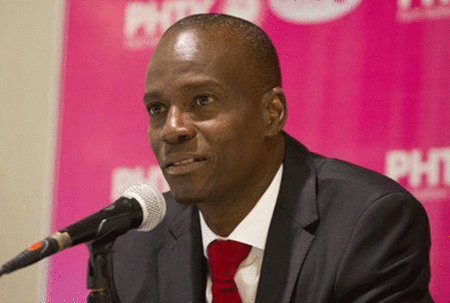
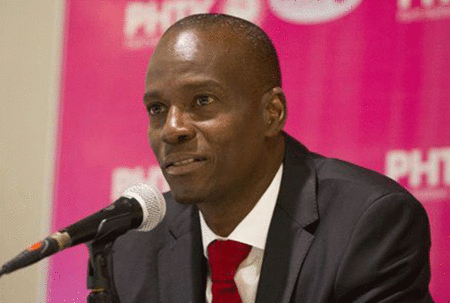
UNITED NATIONS – President Jovenel Moise has called on the international community to provide the funding needed to help the French-speaking Caribbean Community (CARICOM) country deal with the cholera epidemic.Addressing a round table discussion at the United Nations General Assembly (UNGA), Moise said that while significant progress had been made since the epidemic was first reported in 2010, the disease continues to claim victims in Haiti.He said much funds are needed if the country is to eradicate the disease completely by 2022.“I am advocating to the UN General Assembly to remind the urgency of continuing international funding to defeat cholera. We will need an estimated US$390 million if we really want to end this epidemic by 2022,” he said, adding that Haiti had a plan that is already operational to eradicate cholera.
“If the resources provided are available to us, the elimination of the disease will be within our reach,’ Moise said, recalling that the US$390 million request corresponds to the United Nations multi-partner trust fund for cholera in Haiti, which was launched in December 2016 by former UN Secretary-General Ban Ki-moon.But Moise told the meeting that despite the repeated calls of the former secretary general and his successor, Antonio Guterres, only two per cent of the promises made by international donors have been met.The fund has two main components including establishing a new strategy to develop a programme of material assistance and support to Haitians most directly affected by cholera as well as reducing the incidence of cholera, while addressing short- and long-term water, sanitation and health system improving access to care and treatment.The cholera outbreak here is being blamed on United Nations peacekeepers deployed from Nepal.The authorities have said more than 10 000 people have died since the first case was reported in October 2010 and several hundred thousand others have been sickened by the disease. (CMC)
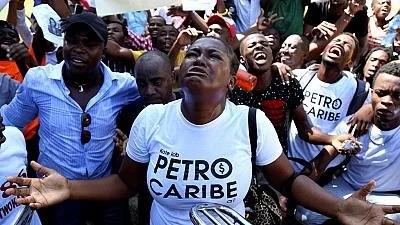
Haitians protest alleged misuse of PetroCaribe funds, demand accountability
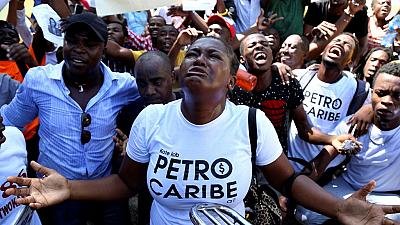
Haitians hit the streets to call for an investigation into the alleged misuse of Venezuela-sponsored PetroCaribe funds by previous administrations.A social media campaign drew attention to the issue and led hundreds of Haitians in front of the Superior Court of Accounts with some holding signs that read, “Where is the PetroCaribe money?”“We’re here to ask the court, the (Ministry of ) Justice – I want to know where the fund given by Venezuela is, the fund that should be invested in development projects in the country? A fund estimated at more than 3 million dollars. It’s unacceptable that a small group of people, the (Ministry of) Justice, the parliament can’t understand this dynamic. This morning we’re mobilizing to ask where is this fund”, an unidentified protester said.
I want to know where the fund given by Venezuela is, the fund that should be invested in development projects in the country?
Another protester said “We’re here to denounce the thieves. They should turn over the PetroCaribe fund. We’re starting a peaceful movement. If they don’t turn over the money this movement can take any form. It’s their obligation to turn it over.”Venezuela’s PetroCaribe scheme, launched in 2005, has furnished about 12 Caribbean states with oil supplies under a flexible credit mechanism. It obliging these states to pay cash for part of every shipment and finance the rest at low interest rates, or buy it with goods like food and clothing. However, a collapse in oil prices has caused a recession in Venezuela, and stalled many of the PetroCaribe shipments.Earlier this year judges were appointed to probe possible acts of corruption with PetroCaribe funds during the administrations of former Haitian presidents Rene Preval and Michel Martelly, between 2008 and 2016.Current President Jovenel Moise, who is from the same party that ruled during the period, has been criticized for not pursuing corruption as actively as he vowed to do.Haiti has a long tradition of corruption, and international partners and anti-graft watchdogs have often blamed Haitian politicians for failing to crack down on the menace.By: Reuters via Africanews.com| August 25, 2018
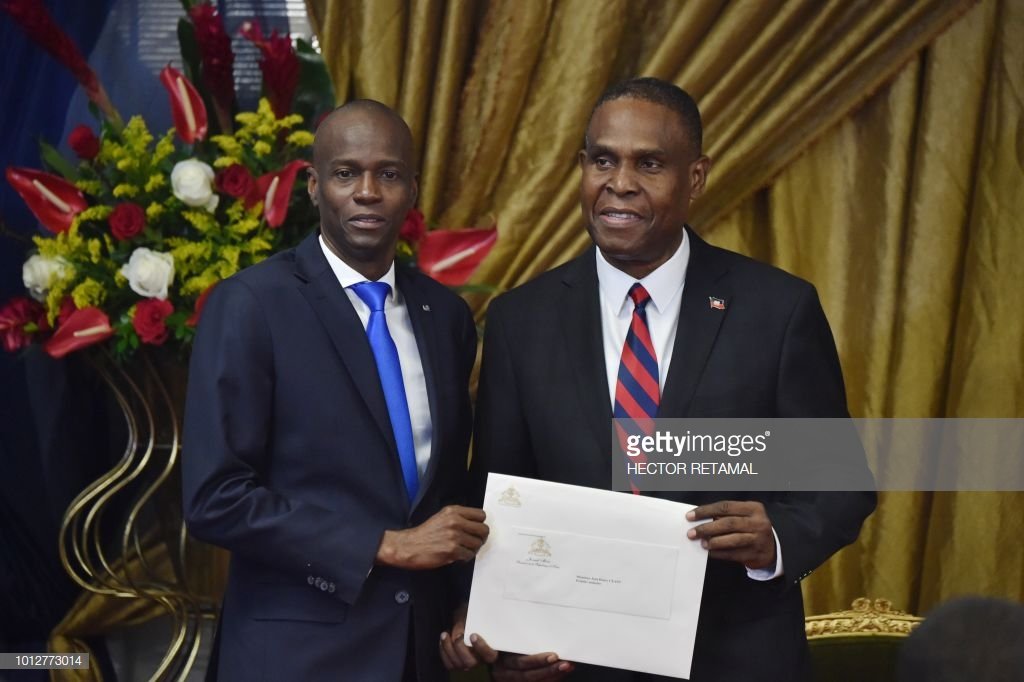
New Prime Minister Announced in Haiti Weeks After Deadly Protests
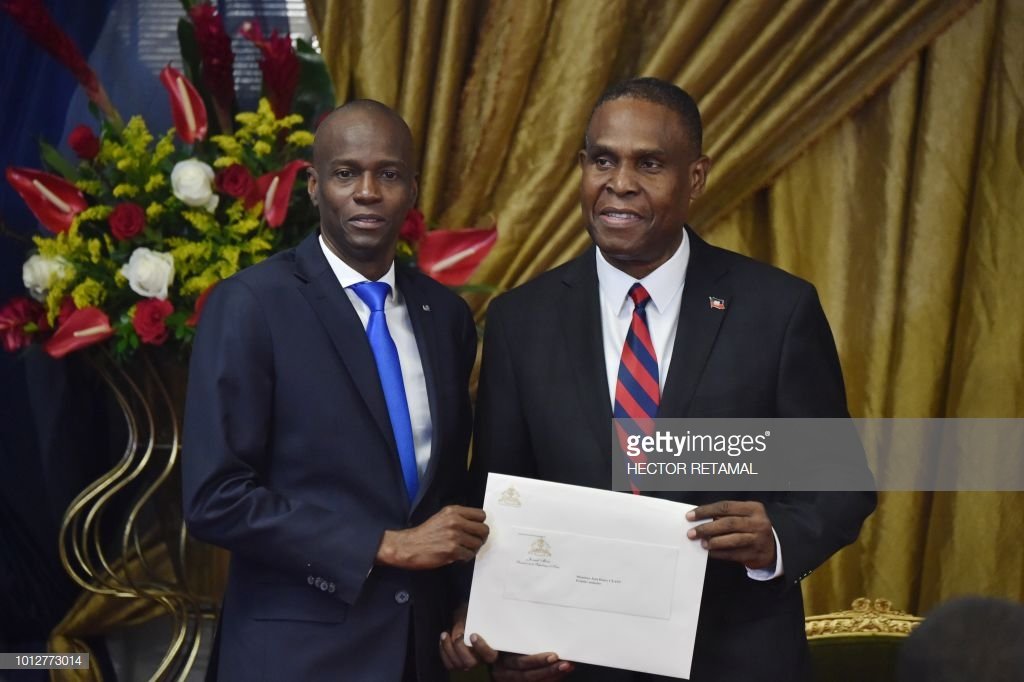
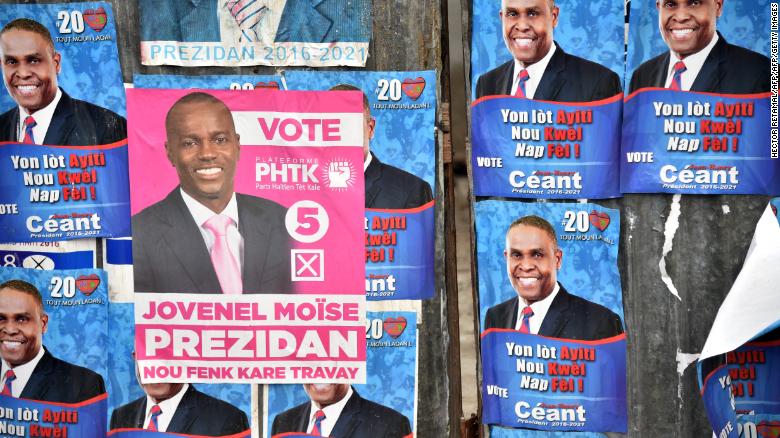
(CNN) Haitian President Jovenel Moise announced on Sunday that Jean-Henry Céant will be the nation's new prime minister.
Haiti's Prime Minister Resigns After Riots Over Fuel Price Hike
Haiti's Prime Minister Jack Guy Lafontant resigned Saturday after days of riots sparked by a plan to raise prices on fuel.Haitian President President Jovenel Moïse said on Twitter that he had accepted Lafontant's resignation as well as members of his cabinet. Moïse said he would work to choose a new prime minister.Lafontant, a doctor who only took up the job of prime minister in early 2017, resigned shortly before a no-confidence vote was to be called in Haiti's parliament, which could have led to his removal from office.Reports differ on how many people have been killed in riots — at least two, three or seven — that happened over the last weekend. Demonstrators reportedly blocked roads, burned tires and vandalized shops.The government announced on Friday, July 6 that prices would go up the following day by 38 percent for gasoline, 47 percent for diesel and 51 percent for kerosene.By the following day, Lafontant said the price rises would be suspended, and said the government "strongly condemns the acts of violence and vandalism" that happened after the initial announcement was made.The price increases were part of an agreement with the International Monetary Fund, which often requires countries to implement economic reforms in exchange for access to funds. The Haitian government signed an agreement earlier this year with the IMF to gain access to $96 million in loans and grants, according to the Miami Herald.The Herald reports that for the past week, Lafontant "had refused calls to step down from business and opposition groups, which accused the government of mishandling the double-digit fuel increase that its ministers announced with little notice."Haiti's government subsidizes the cost of fuel in the country. The World Bank said in a report last year that the richest 20 percent of Haitians were receiving 93 percent of the subsidies and that the country was spending 2.2 percent of its GDP on subsidies in 2014.But the price hikes were too much to bear for many in one of the world's poorest countries. The World Bank says the majority of Haitians, about 59 percent, make less than the equivalent of $2.41 per day.The IMF said Thursday that it still supports removing subsidies as a way to give the government funding for social services, but advised doing so more gradually.The U.S. State Department issued a "do not travel" warning for U.S. citizens on July 9 over what it called "widespread civil unrest and violent demonstrations in Haiti. Protests, tire burning, and road blockages are frequent and unpredictable."By: James Doubek for NPR.org| July 15, 2018
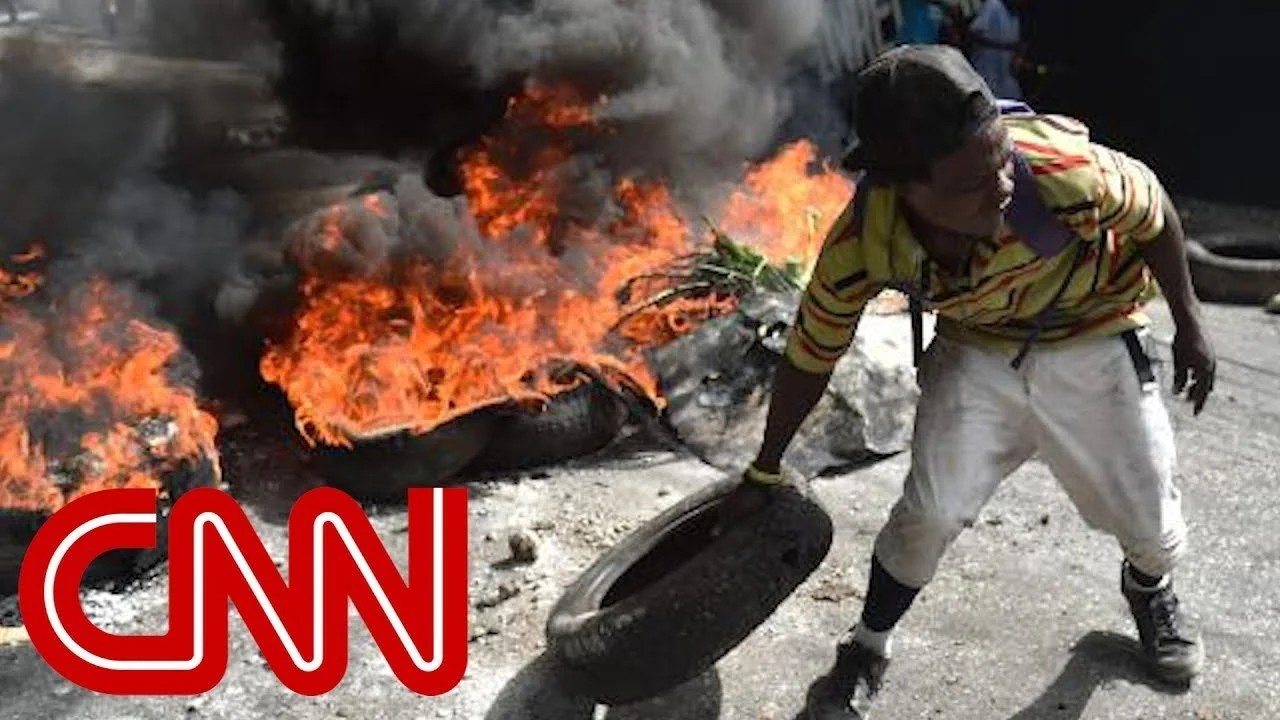
Haiti Unrest Leaves US Missionaries Stranded
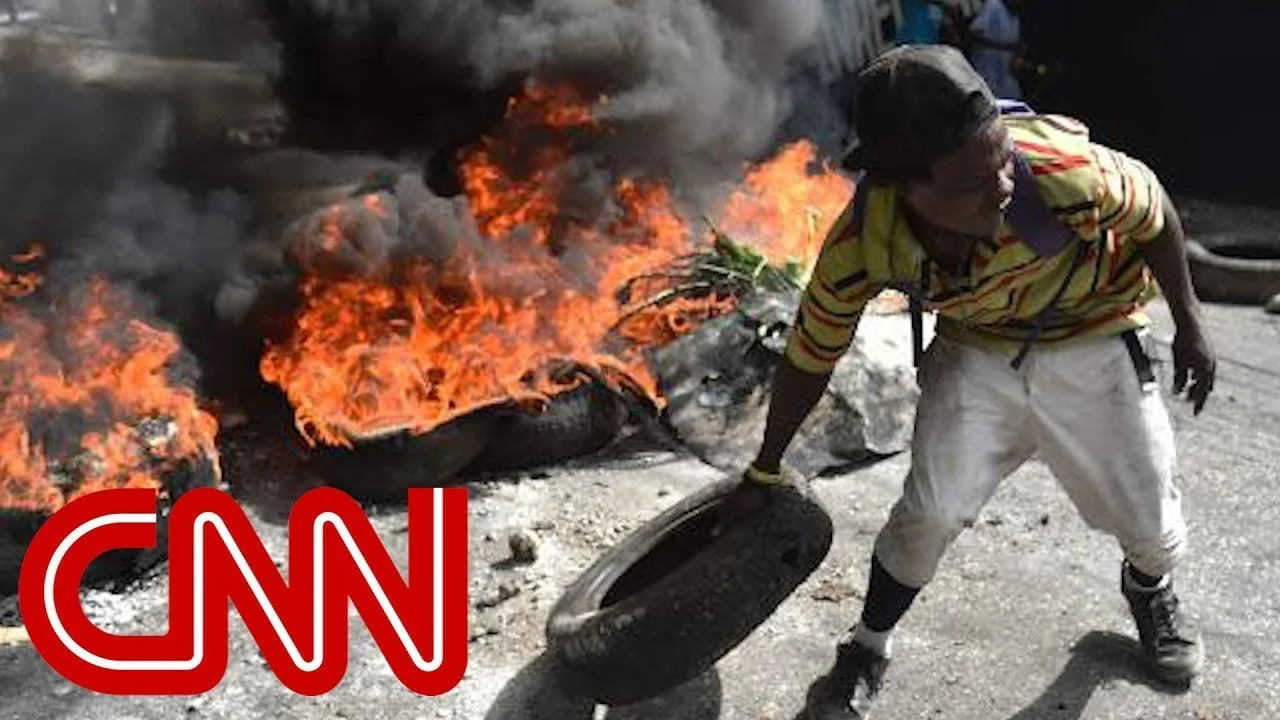
http://www.youtube.com/watch?v=P4mncxTJcDo(CNN)A number of US missionary groups are stranded in Haiti after protesters took to the streets following a fuel price hike ordered by the government.
Burning barricades
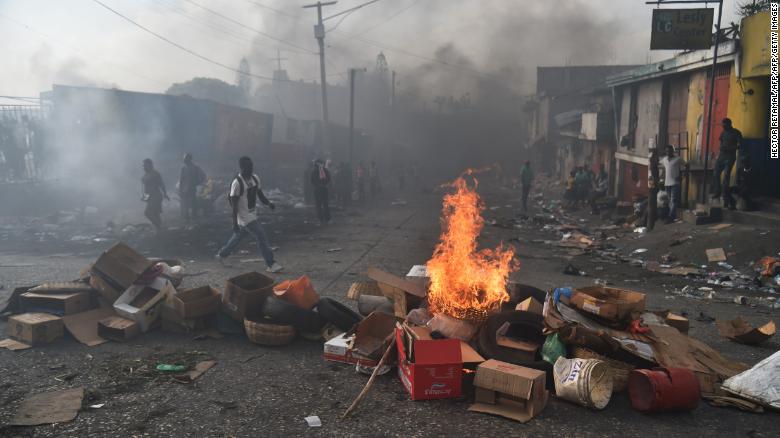
Waiting it out
Canceled flights

Raiders Safety Joseph Hopes to Use Football to Help Native Haiti

A large tattoo from Karl Joseph's left shoulder through the center of his back, a detailed emblem also featured on the Haitian flag.
Joseph was born in the impoverished island nation and raised there 11 years before moving to Orlando, Fla. with his mother. That formative period helped define the Raiders safety's work ethic, commitment to family and his roots.
Joseph hasn't forgotten it. Haiti remains a part of him, bonded by a connection expressed well beyond body art.
That's where he spent one of life's biggest moments, shunning the spotlight to be with relatives in Haiti when the Raiders selected him No. 14 overall in the 2016 NFL4. That was celebration of where he came from on the day he became wealthy beyond childhood dreams.
"It keeps me grounded," Joseph said on NBC Sports Bay Area's Raiders Insider Podcast. "That's one of the reasons I went back for my draft party. Anytime I get a chance to go back, I take it. It makes you appreciate the little things you have, the luxuries you often take for granted. It also makes me hungrier to work hard, play well and give back. Every time I go the memories come flooding back, which hits the reset button for me. It gets ready to come back here, ready to work."
Joseph frequently visits family in his native Jacmel, a port town off Haiti's southern coast. He went back again this spring, but not on holiday.
He joined former Seahawks defensive lineman Cliff Avril's annual pilgrimage to Haiti, which is more than a fundraiser and photo opp. This group goes to work.
They helped build a school, supply a health clinic and run a football camp. They met with Haiti president Jovenel Moise, discussing issue pressing a beautiful in need of help for its poorest people.
"That's one of the main reasons I was excited to go on this trip," Joseph said of the weeklong charitable venture. "I've seen some of the work he had done out there, and I was ready to get involved. A lot of people go out there and put their name on stuff, but few want to interact with the people and get their hands dirty."
Joseph broke from the pack late in the trip to visit family still living in Jacmel. They toured the now rundown house Joseph grew up in, a moment, among others, chronicled on his Instagram page.
Joseph plans to join Avril's trip each year, and eventually start his own foundation focused on helping bring awareness, funds and infrastructure to Haiti.
He understands that performing well will help that cause.
"I have to continue to do my part on the field," Joseph said. "The better I play, the more I contribute to Raiders victories, the more people will pay attention. I need to use that to shine a light on issues in the country I grew up in."
Joseph believes he can reach new heights working with new head coach Jon Gruden and staff. The safety has played well in spurts, but doesn't believe vast potential has been reached.
"I don't even feel like I've scratched the surface yet," Joseph said. "I feel like I have so much room for improvement in every aspect of my game. I've improved my mental game this offseason, and fit into this new defense. We've come a long way as a group, and that I've made strides personally. I'm going to keep pushing, even during the down period. I have such high expectations for myself. I'm excited about the season. People haven't even seen the real Karl Joseph yet."
The real Karl Joseph is a thumper, someone who can play deep and aggressive near the line of scrimmage. He's part of a safety group that also features Marcus Gilchrist and Reggie Nelson, and will have a chance to thrive in Paul Guenther's defense.
That would help the Raiders win and bring attention to Joseph and the place he's commitment to helping.
"Football is my platform to give back there," Joseph said. "That's my purpose in life, to be able to make this an opportunity to shine light on issues (in Haiti) and give back. I cherish the chance to go back and see the place where I was born and family that was around during a critical time in my life. It's a special place to me."
By: Scott Bair for nbcbayrea.com | June 11, 2018
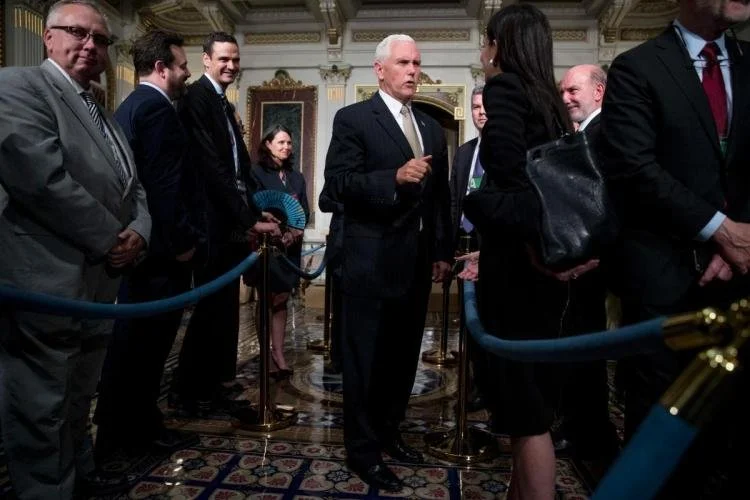
Haiti excluded from White House reception of 'like-minded' friends on Venezuela
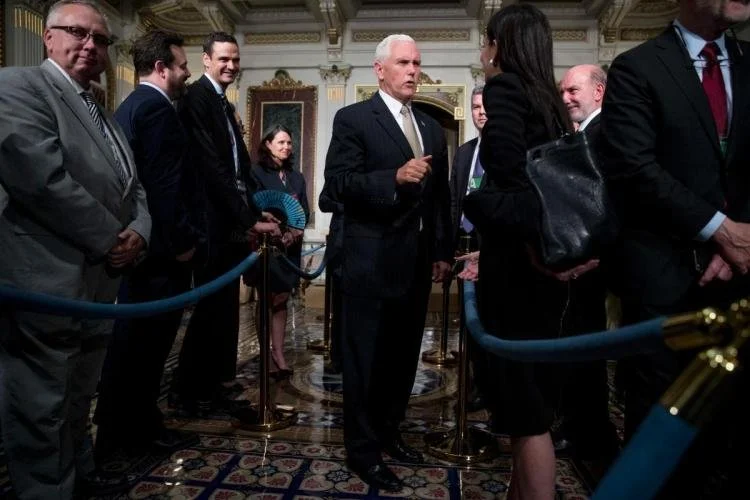
Vice President Mike Pence greets members of the audience at a reception for the Organization of American States in the Indian Treaty Room at the Eisenhower Executive Office Building on the White House complex in Washington, Monday, June 4, 2018, as the Trump administration renewed its call Monday for the Organization of American States to suspend Venezuela and for other members to step up pressure on the country's government to restore constitutional order. Andrew Harnik AP Photo
WASHINGTONThe government of Haiti was not invited to a special White House reception Monday night for “like-minded” governments who are standing with the United States in a call to suspend Venezuela from the Organization of American States.Vice President Mike Pence and his wife Karen invited a group of more than 22 countries' leaders to the White House for a cocktail reception. Mike Pence described the gathering as a “small token of appreciation” for support on such a challenging issue in the hemisphere.“I’ll make a promise to you,” Pence said. “Stand with us and know we’ll stand with you. Work with us and we will work with you.”Haiti was noticeably absent from the reception that also included top ranking members of the National Security Council and State Department as well as the Secretary General of the OAS Luis Almagro.It was a clear indication that despite considerable pressure in recent days by the administration and an April meeting between Haitian President Jovenel Moïse and Florida Republican and Venezuela hardliner Sen. Marco Rubio that the country had not caved and would not be supporting the U.S. toughening position on the Maduro regime.Held in conjunction with the 48th annual OAS General Assembly, Pence used the reception to call on allies to kick Venezuela out of the United Nations-like organization for the hemisphere.Carlos Trujillo, the U.S. ambassador to the OAS, said Haiti and others who backed Venezuelan leader Nicolás Maduro were intentionally left off the invitation list.“We did not invite any countries that recognize the Maduro regime as legitimate,” Trujillo said.Haiti has been under considerable pressure by the United States to change its stance from abstention to expulsion. But based on the speech Monday from its foreign minister, Antonio Rodrigue, it doesn’t appear that the Trump administration succeeded.While Caribbean ministers for the most part made no mention of the Venezuelan crisis in their interventions, Rodrigue pushed for dialogue with Venezuela and respect for all nations’ sovereignty and independence.“It is obvious to us that the Venezuelans themselves must resolve their problem. It’s the only way to a sustainable and lasting solution,” Rodrigue said.Among those who did receive invites were Argentina, Bahamas, Barbados, Brazil, Colombia, Ecuador and Guyana. But notably several Caribbean nations who have also been sympathetic to Venezuela were also invited, including Jamaica, Saint Lucia and Saint Kitts and Nevis.Tuesday’s vote will be a significant test for the Latin American and Caribbean diplomats who have been reluctant to take punitive measures against one of their own.“Whether the OAS takes this step will speak volumes about its relevance in the 21st Century — and it will make clear which nations in our hemisphere truly stand for freedom,” Pence said.Venezuela's subsidized oil export program, Petrocaribe, has been a powerful tool that the Maduro government has used to wield political influence in the Caribbean.Caribbean and Latin American nations such as Haiti, Saint Vincent and Grenadines, Dominica, Saint Kitts and Nevis and Nicaragua receive billions in cheap loans for oil. And in return, they have helped Maduro retain crucial diplomatic support and block hemispheric efforts to punish the regime.Moïse also currently serves as chair of the 15-member Caribbean Community regional bloc known as Caricom. While Caricom usually votes as a bloc on international issues, members have increasingly been divided over the Venezuelan issue.One observer noted those divisions are likely to continue should the issue go for a vote with some Caribbean countries voting for, others against and others abstaining.During a meeting of Caribbean ministers on Sunday, Rodrigue gave no indication of Haiti’s position, leading many to wonder if the country, an ally of the U.S. with a $2 billion debt to Venezuela, would switch its stance.Trujillo was not unsympathetic, but said the United States hoped Haiti would recognize the worsening conditions in Venezuela.“They’re in a difficult position,” Trujillo said of Haiti. “They have two friends, the United States and Venezuela. They have $2 billion in external debt that is due to the government of Venezuela but we’re hopeful that the government of Haiti will make the right decision. It’s a country that has suffered a lot.”By: Franco Ordoñez And Jacqueline Charles for mcclatchydc.com | June 4, 2018
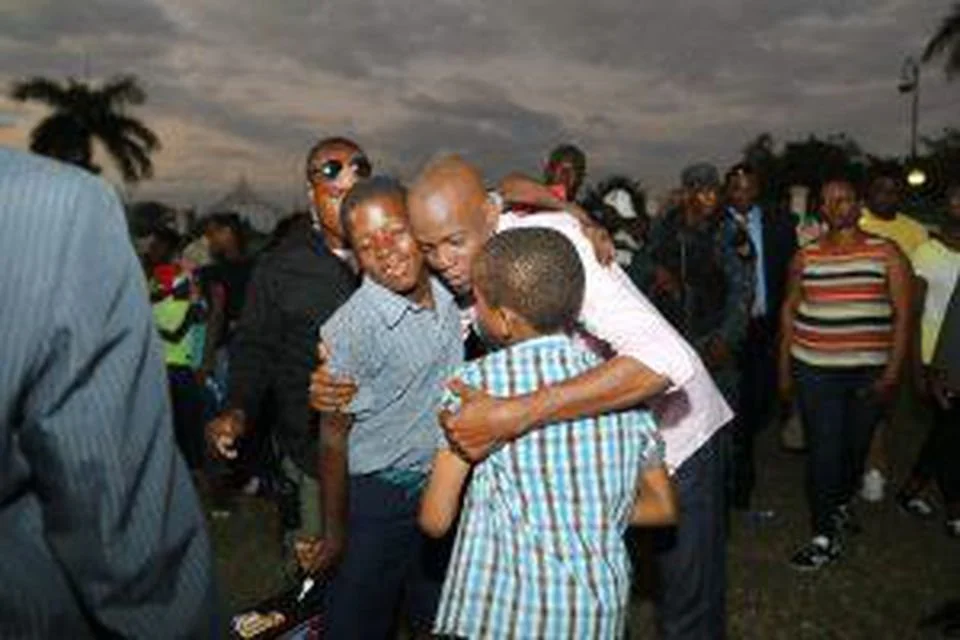
Haiti's President Jovenel Moïse Talks About His Ambitious Energy Agenda

Despite Haiti dominating the news cycle earlier this year over the infamous Oxfam sex scandal, some more recent positive news stories coming out of the country seem to have completely flipped the script. Earlier this month, President Jovenel Moïse’s flagship policy – the ‘Change Caravan’ – marked its one-year anniversary. This initiative is a big deal for Haiti and represents a bold new approach to addressing the long-time lack of adequate infrastructure and other necessities, which has prevented meaningful development in the country. This policy enables unprecedented coordination among multiple government departments, resulting in infrastructure project costs being almost halved and projects being completed at an unprecedented pace.
The Change Caravan has produced a number of impressive achievements in areas ranging from health care to education, from the environment and energy to infrastructure. In twelve months, over 200 kilometres of road have been built or renovated, eleven rivers cleaned, eight hospitals and health centres rehabilitated, and 400 classrooms renovated. Arguably, however, one of the most ambitious goals is rural electrification, with President Moïse going so far as to promise 24-hour electricity for all Haitians by the end of his term.I recently chatted with President Moïse about the Change Caravan, as well as his vision for Haiti’s future.What are the biggest challenges facing Haiti?There are some inherently complex problems facing Haiti, one of them being faith in the government and what it can achieve, so when I took office I vowed to win back and restore confidence. Our goal is to be at the service of the Haitian people and create a better life, a better country, for them. That’s why we launched the Change Caravan.Through this initiative, we’ve made great headway on some of the challenges facing the country, notably relating to electricity. I promised to deliver electricity 24 hours a day for all and, while I recognise this is a tall order, I have every confidence that we can do it. It is incredibly important because the lack of power is one the most significant constraints to economic growth and empowerment, with small businesses and households often needing to use expensive and unsustainable generators.In undertaking this challenge, we took advantage of lessons learned from our neighbours’ experiences. A key lesson is that a centralized power supply is the worst option for a climate-vulnerable island nation – a storm need strike only one area connected to the national grid in order to destroy the entire country’s power supply. Decentralisation thus became an integral part of our strategy.What exactly does your electricity strategy entail? Our strategy consists of three main components to generate the needed power. First, it means building and rehabbing the traditional, national grid to connect a handful of large urban centres across the country’s ten Departments (or regions). Secondly, we plan on building microgrids – decentralised, independent power sources – in the 100 or so smaller population centres, many of which are in hurricane-prone areas that currently have no access to electricity. All the energy generation from the microgrids will be mainly based on renewable energy sources (solar, wind, hydro and biomass).While these smaller cities could have been connected to the national grid, it is not cost-effective to connect them to the grid, as they are widely dispersed across lowly-populated areas. In addition, these microgrids are smaller and easier to create, meaning the whole project can be completed much faster. Remarkably, each microgrid requires less than 1 megawatt (MW) versus the 600 - 700 megawatts (MW) required to power the ten (10) regional grids.Lastly, for scarcely populated areas such as our mountain regions, electricity will be provided via small stand alone solar power systems. In fact, we have already deployed around 10,500 such off-grid systems through a pilot programme. With a government subsidy of 50%, the fee of each system is less than $2 per month.How does this compare to power challenges in other countries in your region, or even in Africa where power supply has been a major challenge?In emerging markets, the grid is only one part of the electricity strategy. We knew how important it was to diversify. Islands like Puerto Rico, for example, have learned the importance of diversification the hard way. The generating capacity in Puerto Rico is overly centralised and with hurricane season starting on June 1, there is a strong possibility that the whole country may be plunged into darkness, once again.Comparisons can be made further afield too with climate-vulnerable countries in Africa.As we are experiencing in Haiti, and as also evidenced in many African countries, there is a direct correlation between rising energy costs and slowed economic growth. A similarity between our approach and those seen in some African countries is that decentralising the grid is increasingly recognized as the necessary first step in solving power problems. Solar systems, which in our case will be supplied to people in places where mini grids are not viable, are a good way to connect people for whom it is a struggle to get on the main grid. Solar PV (photovoltaic) systems also can help people who are using expensive kerosene generators, which are ineffective and bad for the environment – something we are very serious about avoiding in Haiti. Solar PV systems have caught on in places like Nigeria too, with many private companies offering self-installed solar kits to a growing pool of customers.Besides the grid, are there any other energy-related projects in Haiti?Our energy strategy extends beyond the grid and mini-grids. We also are committed to renewable energy, as evidenced by the building of a hybrid diesel/wind/solar power plant – a technology first for Haiti. This power plan will operate four blocks containing 48 small vertical wind turbines capable of producing 500 watts each and a system of 408 solar panels (128 kW), for a combined total output of 152 kilowatts, and will include a diesel backup generator with a capacity of 100 kilowatts.Clean energy is very important to us and, in spite of the devastating natural disasters Haiti has faced, we are fully committed to creating a renewable energy economy. Last September, our parliament abolished import tariffs and duties on solar equipment to encourage as much growth in this industry as possible. Our reason for doing this is because we understand how well-placed Haiti is for solar power – we have a great deal of sunlight, comparable to, say, Phoenix, Arizona, and of course there are massive cost and environmental benefits.Like Africa, Haiti can leapfrog the fossil fuel industry and the construction of traditional grids as we work to achieve energy independence and economic stability.Where do you see Haiti in five years’ time?Through the Change Caravan, which has already achieved much in its first year, I anticipate in five years’ time Haiti will be almost unrecognisable. Besides becoming a renewable energy powerhouse, I see us making great leaps in terms of agriculture, education, health care, infrastructure, and many other areas.For decades, the relationship between the government and the people in Haiti was in disrepair, with international groups taking the place of the Government and providing some basic services to our country. My administration is changing this and restoring faith in the government. The Change Caravan is our way of putting an end to business as usual, putting an end to the inadequacies that have existed for far too long in Haiti’s government.We know that what we are undertaking is ambitious, but our unwavering priority is to modernise Haiti and restore its people’s faith in their Government, and I am confident that the Change Caravan has set us on the right path.By: Mfonobong Nsehe ,
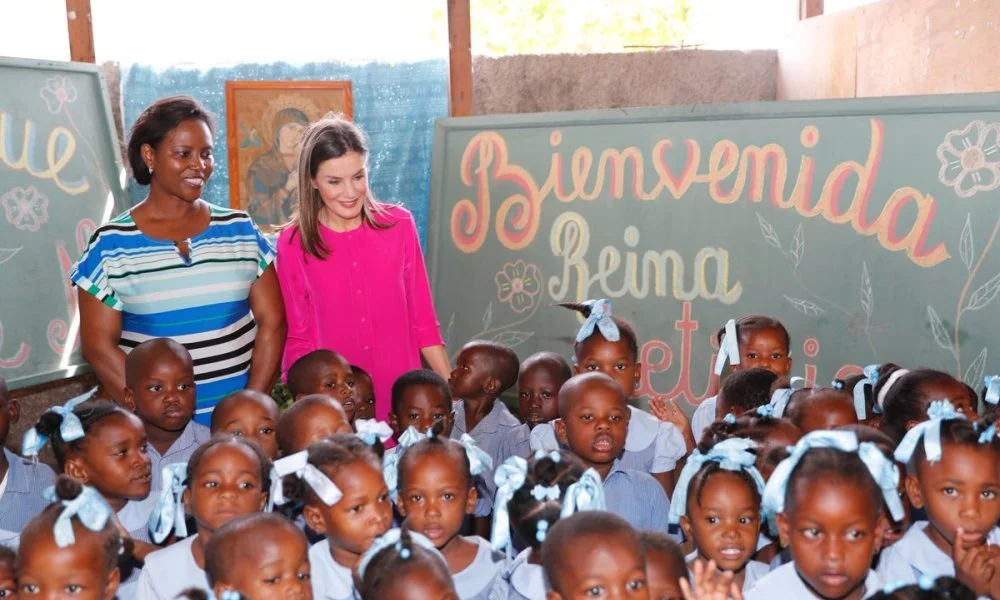
Queen Letizia Ends Co-Operation Trip To Haiti
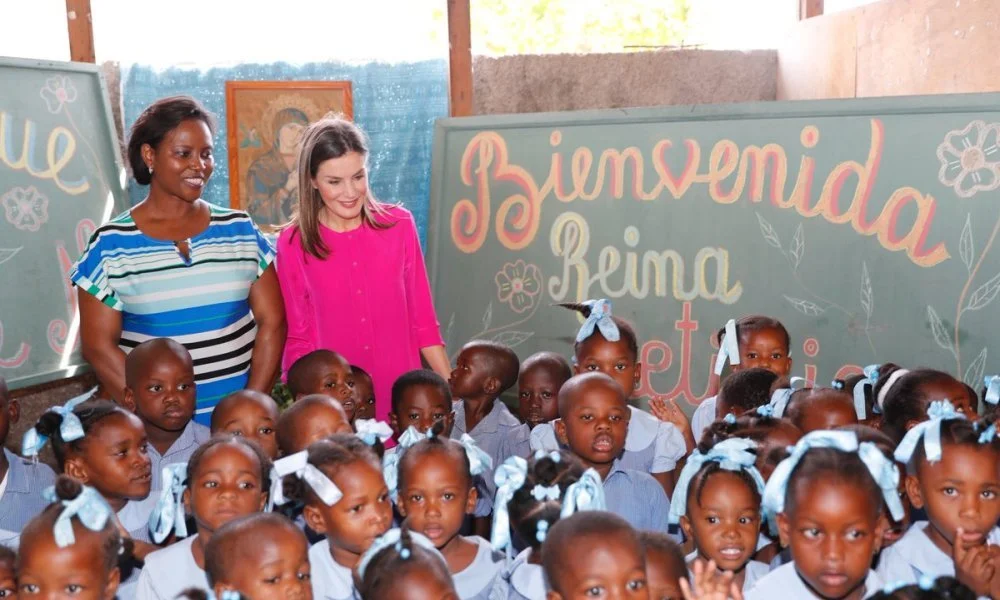
On 23 May, Queen Letizia spent her last day in Haiti, ending a three-day co-operation trip to the Dominican Republic and Haiti.

© Casa de SM el Rey
She first travelled to the Cité Soleil neighbourhood where she visited the Educational Centre of the Sisters of St. Vincent de Paul, in which Spanish Co-operation is financing several projects and, in particular, one on the sanitation of the complex.

© Casa de SM el Rey
Afterwards, Queen Letizia was received by the President and the First Lady of Haiti to have an official lunch at the Presidential Palace. The First Lady and the Queen then visited the National Museum of the Haitian Pantheon where the Queen of Spain held a meeting with a group of prominent Haitian women, to learn about the situation of women in that country.

© Casa de SM el Rey
At the Liceo Alexandre Petion, Queen Letizia attended a meeting with students and Spanish teachers, who will perform various performances before the Spanish delegation. This was the last event of the trip as the Queen then departed from Port-Au-Prince to travel back to Madrid.

© Casa de SM el Rey
Haiti is considered as Country of Association by the Spanish Co-operation. The Spanish Co-operation in Haiti focuses mostly on water, sanitation, and education. In addition to these, other essential intervention sectors have been established that have a large volume of funds: Economic Growth for the reduction of poverty, Rural Development and Fight against hunger, Environment, Democratic Governance and Culture, and Development. The Spanish Co-operation has concentrated its interventions in the capital, Port-au-Prince, and in the southeast of the country, especially in the city of Jacmel. During her co-operation trip, Queen Letizia had the opportunity to learn about all of the Spanish Co-operation’s work in both the Dominican Republic and Haiti.This was Queen Letizia’s third co-operation trip since becoming Queen in June 2014. Before that, Queen Sofía was the one taking part in those cooperation trip.By: Heaven Leemiller for Royalcentral.co.uk | May 24, 2018
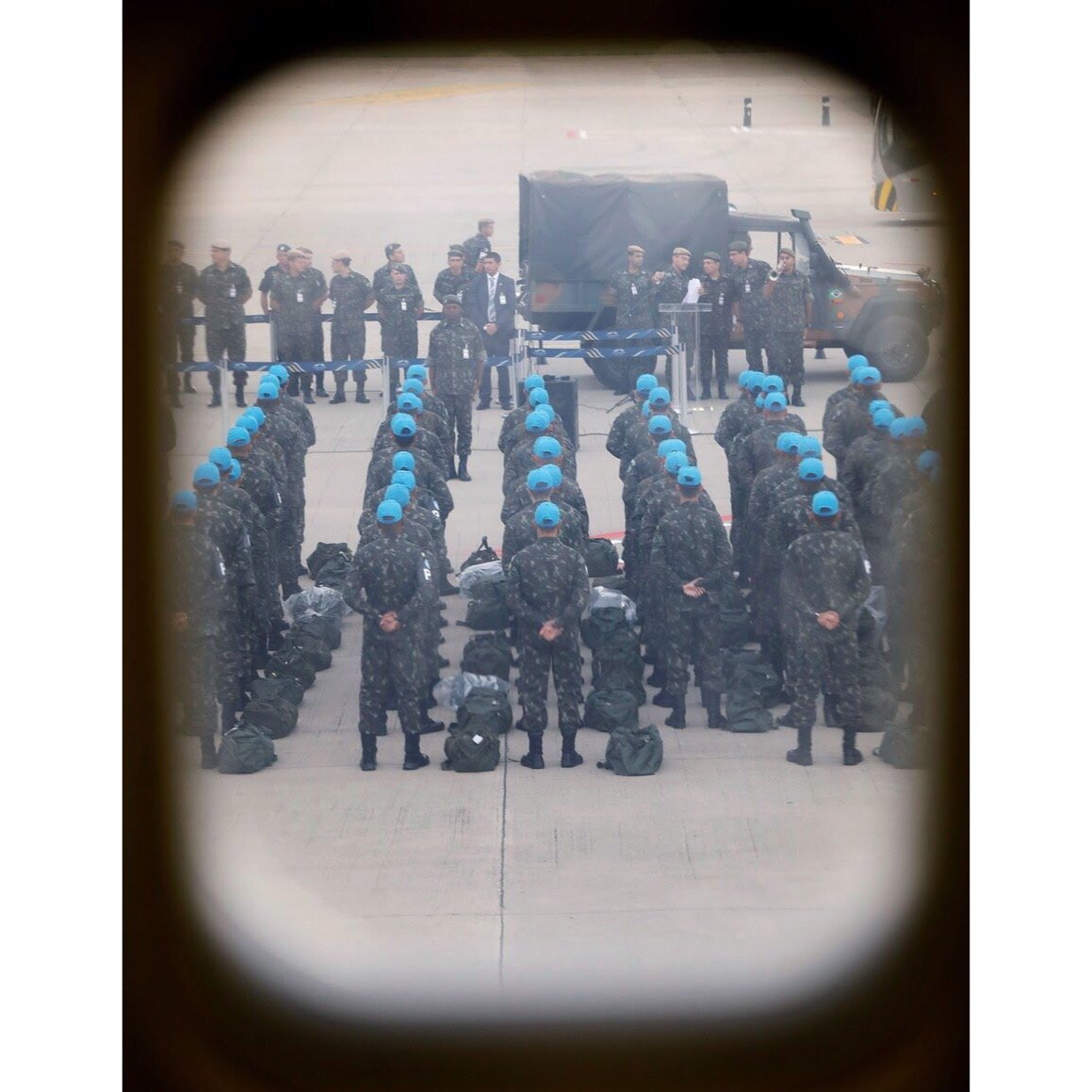
Haitian army general staff appointed amid tensions with the Dominican Republic
Recent events show that workers and peasants face grave dangers as the ruling elite on both sides of Hispaniola resurrect figures from their violent pasts.Haitian President Jovenel Moïse announced on March 13 the appointment of six general staff members for the reconstituted Forces Armées d’Haïti. All six held senior posts in the FAd’H before it was disbanded by President Jean-Bertrand Aristide in 1995. Three have blood on their hands from the period of the Raoul Cédras military dictatorship in the early 1990s.Colonel Jean-Robert Gabriel, a new assistant chief of staff, was convicted in absentia for his role in the April 1994 Raboteau Massacre under Cédras. After his appointment to the new general staff was announced, the Bureau des Avocats Internationaux, which had secured his conviction in connection with Raboteau in 2000, issued a press release noting that not only was he complicit in the massacre, but he also was a torturer under Cédras.A Haitian court overturned Gabriel’s conviction in 2006, using a technicality it had dredged up from a 1928 law passed during the American occupation.Brigade General Sadrac Saintil, the new army chief of staff, was a Lieutenant Colonel during the Cédras regime and participated in the official whitewash of the Raboteau Massacre.Another assistant chief of staff in the resurrected army, Derby Guerrier, had his assets frozen by the US Treasury in 1993 because of his role in the Cédras dictatorship. The current acting commander in chief of the FAd’H, Jodel Lesage, served in the military of Jean-Claude “Baby Doc” Duvalier and was trained by the US military as a member of the Leopard Corps.In announcing the appointments, Moïse claimed that the army will be used to manage responses to natural disasters and as a coast guard. He undoubtedly views it as a replacement for the United Nations’ hated forces and the US military, which deployed far fewer marines after Hurricane Matthew than after the 2010 earthquake.The US, France, and the UN view the Haitian National Police, which they helped build up to 15,000 members, as a more effective means of suppressing domestic unrest than military troops. US Senator Marco Rubio had this tactic in mind when he pretended last month to oppose Moïse’s military appointments, telling the Miami Herald, “I continue to question why, with so many other needs, Haiti would pursue creating an army.”While the reconstituted army has fewer than 200 troops at present, Haitian Defense Minister Hervé Denis plans to recruit 5,000.Despite his protestations about human rights, Moïse also sees the army as a means of addressing tensions along the border with the Dominican Republic. There is currently no criminal extradition treaty between the two countries, but in March the Dominican military demanded the extradition of a Haitian suspected in the murder of a Dominican husband and wife in Pedernales.In response, Haitian judge Françoise Morailles told Le Nouvelliste that “more than ever it is time for the FAd’H…to get to work on the violent situation with which Haitians find themselves confronted at the border.”Ramfis Domínguez Trujillo, the grandson of murderous dictator Rafael Leónidas Trujillo, has announced his candidacy for the upcoming presidential election in the Dominican Republic. According to a Gallup poll last month, 42 percent of Dominicans support his candidacy while 51 percent are opposed. In order to give his campaign a populist air, Trujillo is promising to institute anti-corruption measures that would include 30-year jail terms for guilty officials.More ominously, he is proposing to build a border wall between Haiti and the Dominican Republic. The Dominican Republic is already monitoring parts of the border with drones and cameras.On Sunday, according to the Providence Journal, Trujillo told a group of Dominican emigrants in Rhode Island that “we need to hold a tough and firm stance before the peaceful Haitian invasion. We need to remove all Haitians who are in the country illegally.”In the Pedernales case, a Haitian named Edner Noël is accused of murdering a couple on whose Dominican ranch he had worked. He was captured and jailed in Haiti after crossing the border.After the murders, vigilantes drove through Pedernales in a pickup truck with a loud speaker on March 13 and demanded that all Haitians leave within 24 hours. At least 250 families fled across the border to Anse-à-Pitres. Dominican President Danilo Medina ordered the deployment of 60 soldiers to Pedernales, along with 30 anti-riot police.There are conflicting reports of whether Haitians had been killed in retaliation, with the mayor of Anse-à-Pitres on the Haitian side of the border telling Le Nouvelliste that he had heard reports of deaths. Tensions continued to be high two weeks after the murders, with the international market still closed by Dominican authorities.In a second incident, a Dominican was murdered on March 19 in Barahona province, with a Haitian co-worker named Jacques Estimphil accused of the crime. The Haitian refugee support group GARR told Alterpresse that approximately 100 people had fled across the border to Haiti to avoid reprisals. Dominican soldiers stopped people who were trying to flee and demanded bribes of 150 pesos.By John Marion for World Socialist Web Site | April 6, 2018
Haiti’s President Says Trump Got at Least One Thing Right
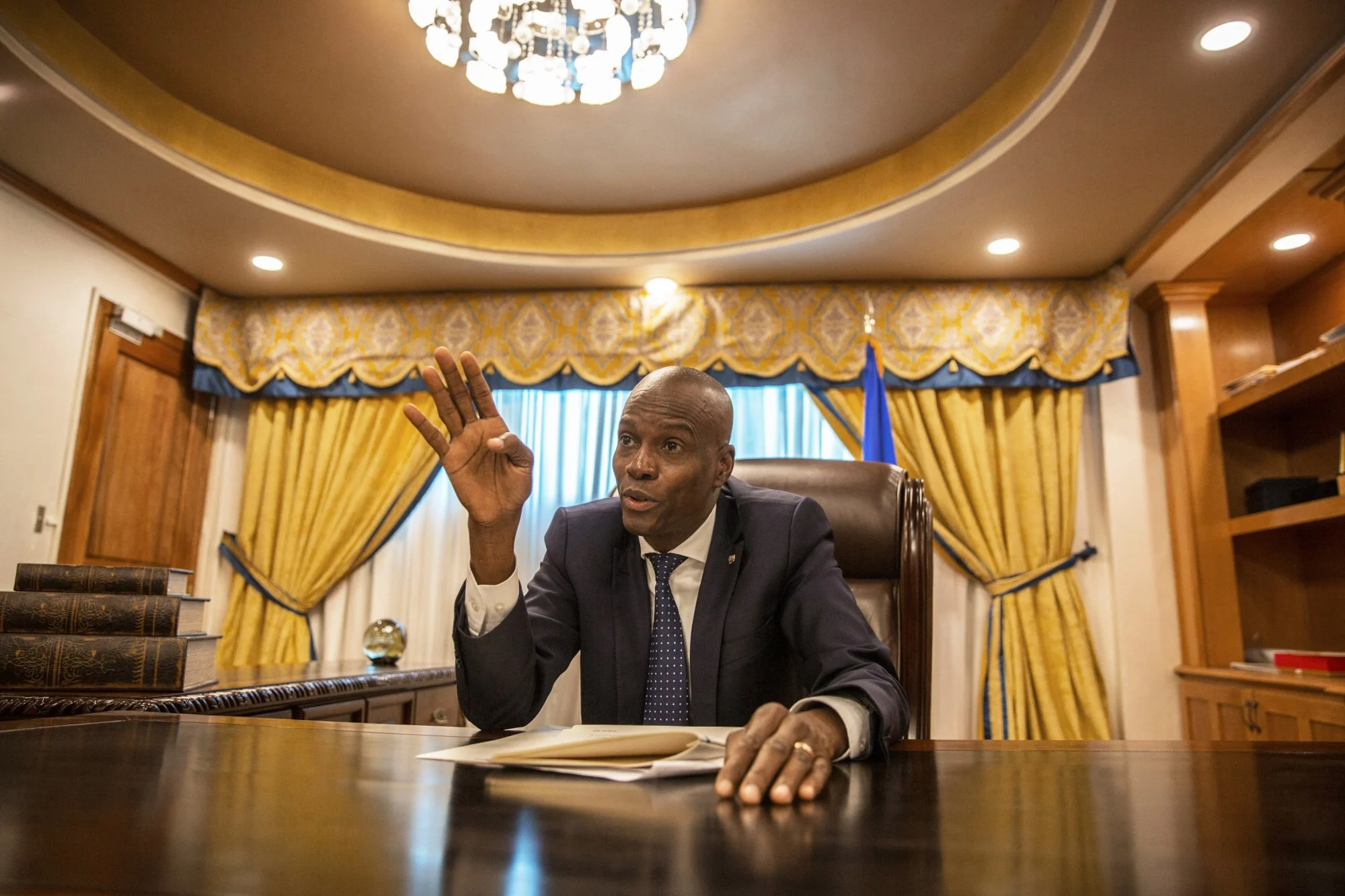
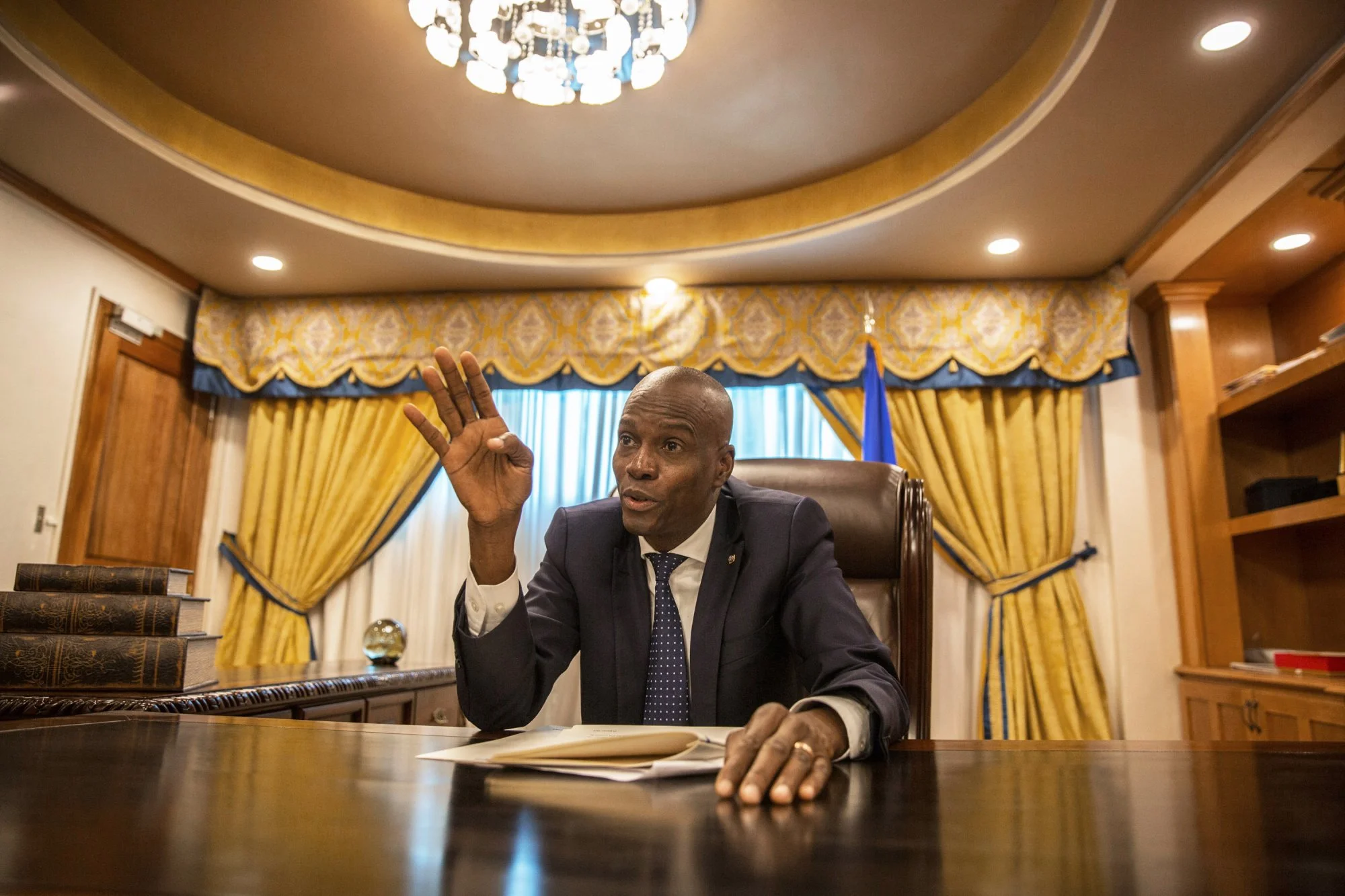
President Donald Trump may have a point when he says the U.S. is wasting money sending aid to foreign countries. And that’s according to the president of one of Trump’s “shithole” nations.Haiti President Jovenel Moise said he was “taken aback” by the “bizarre” derogatory remark Trump allegedly made about Haiti in a White House immigration meeting last month. First reading about it on Twitter, Moise summoned U.S. diplomats for an explanation, one of whom was “embarassed“ and “at a loss for words,“ he said.
Despite the undiplomatic language, the two leaders would find common ground when it comes to foreign aid. Trump has threatened to cut funding and complained that the U.S. hasn’t received enough in return from foreign countries. Moise said billions have been squandered in Haiti.“Right now in Haiti, the money of foreign taxpayers, your money, is being wasted,” the president said in an interview in Port-Au-Prince. “Every year we receive $1.2 billion to $1.4 billion in aid, or more. However, it’s all consumed in a state of disorder that constitutes public international development aid.”Haiti, the poorest country in the Western Hemisphere, has received attention in recent months as Trump has pushed to overhaul U.S. immigration policy, favoring educated, skilled workers over immigrants from poor nations in Latin America and the Caribbean. The administration removed Haiti from a list of countries eligible for temporary work visa programs and plans to end a program protecting tens of thousands of Haitians from deportation.
‘Republic of NGOs’
Trump allegedly described Haiti and unspecified African nations as “shithole countries” in a heated discussion about immigration reform with U.S. lawmakers on Jan. 12. He subsequently posted on Twitter that he, “Never said anything derogatory about Haitians other than Haiti is, obviously, a very poor and troubled country.”
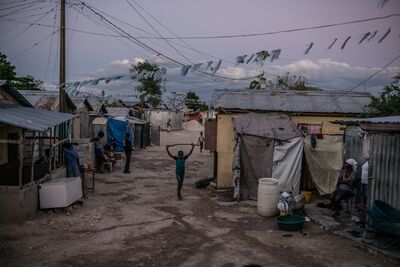
Moise, an entrepreneur who built a banana export business before taking office just weeks after Trump was inaugurated, said migration benefits all countries and that Haitians have made substantial contributions to the U.S. economy and culture. According to the Pew Research Center, about 110,000 undocumented Haitian immigrants live in the U.S., including those with protected status.Moise aimed his strongest criticism not at Trump, but at the way foreign aid has been administered in Haiti, a country with so many charities it’s been referred to by academics and local press as the "Republic of NGOs.”While he acknowledged Haiti still needs foreign funding, Moise said the Haitian government had been put “in hibernation” while multilateral organizations, charities, foreign governments and non-governmental organizations have wasted billions on development projects that are overpriced and inefficient.“If during the past 40 years the billions of dollars that were spent to assist in Haiti’s development did not provide the expected results, it’s because the paradigm, and approach must change,” Moise, who spoke mostly in Creole and French, said via a translator. “Haiti must have the ability to obtain loans for investments needs, to create wealth, to invest more, to provide electricity 24 hours a day.”
Government Plan
The Caribbean country of nearly 11 million has received $5.1 billion in aid from the U.S. alone since the 2010 earthquake, according to the U.S. Agency for International Development. The quake devastated the country, killing at least 200,000 people, leaving 1.5 million homeless and leveling much of its fragile infrastructure. Billions poured in from donors in the years that followed.Yet, the money has done little to address poverty. Haiti’s per-capita gross domestic product declined to $761 in 2017, according to the International Monetary Fund. Neighboring Dominican Republic, which shares the island of Hispaniola with Haiti, has a per capita GDP nearly 10 times higher.Haiti’s history of political instability -- marked by a series of coups in the 1990s and 2000s -- corruption and weak institutions have made charities and foreign donors wary of turning over funds to the government.Moise said he has held talks with the IMF, the World Bank, foreign governments and other organizations about giving the government more control. He wants aid agencies to follow a development plan that prioritizes the construction of a nationwide electricity grid, schools and health clinics, reforesting the countryside, and building roads. His four-year plan calls for $1.8 billion of investment.The government last year launched pilot projects in those areas, including one that equipped local public works departments to build roads for a fraction of the price that they were previously being constructed, he said. Moise keeps three toy construction trucks on his nearly empty wood desk in temporary government buildings located beside the remnants of the national palace that was destroyed during the quake.“We’re saying now we want to think of, conceive and implement the development ourselves,” he said. “It’s not that we’re telling our partners to leave, but we want to do it in a state of accountability.”
President Moïse blocked in the snow in London
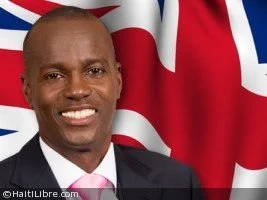
Due to a winter storm that particularly hits Western Europe the plane carrying the presidential couple and a large delegation of Haitian businessmen remained grounded in London (330 flights canceled) because heavy snowfall.Due to an unfortunate meteorological episode, President Moïse was unable to attend Sunday evening at the evening organized by the Ambassador of Haiti in France Vanessa Lamothe Matignon, at the Hyatt Regency Hotel where he had to meet the Haitian community.Several hundred Haitians had filled the Salon Grand Palais Royal, on the fourth floor of Hayatt in the hope of seeing and listening to the President of Haiti. Unfortunately, just before 8 am a member of the Embassy delegation announced "We regret to announce that President Jovenel Moïse is currently stuck in London because of bad weather, he will not be able to be with us tonight," sowing disappointment, some of our compatriots having come from far away for this meeting.However, Ministers Antonio Rodrigue (Foreign Affairs), Pierre Simon Georges, (Environment) and Pierre Marie Du Meny (Commerce) present at this evening (arrival before the storm to participate in the "One Planet Summit", have improvised exchanges with a visibly frustrated audience. A documentary about the achievements of the Head of State during his 10 months in power was projected, without meeting the expectations of our compatriots.By: S/ HaitiLibre/December 11, 2017
Justice : Opening of the 32nd Congress of the International Bar Conference
Wednesday the 32nd Congress of the International Conference of Bar Associations of Common Legal Tradition (CIB 32) opened in Haiti in the presence of President Jovenel Moïse, President of the National Assembly, the Honorable Youri Latortue, of President of the Council Superior of the Judiciary, Me Jules Cantave, of the Minister of Tourism, Colombe Émilie Jessy Ménos, and of secretary of the CIB, the bâtonnier Bernard Vatier and a pleiad of bâtonniers, lawyers and other legal professionals from Haiti, Europe, Africa, America and Asia.This event, organized for the third time on the American continent, after Montreal in 1988 and Quebec in 2004, which takes place at the Karibe Convention Center, from December 6 to 9 at the initiative of the Bar Association of Port-au-Prince is organized around of the theme: "The advocates of the Francophone space at the service of economic and social development". Its objective is to allow intellectual exchanges and to promote the sharing of experiences between the different member of bars and their lawyers.During his speech at the opening ceremony, President Jovenel Moïse expressed his appreciation of the holding in Haiti and declared "[...] I wish the most cordial welcome to the different guests During his speech at the opening ceremony, President Jovenel Moïse expressed his appreciation of the holding in Haiti and declared "[...] I wish the most cordial welcome to the different of the corruption that are delaying its economic and social development."The Head of State took the opportunity to recall that the judicial system in general, lawyers and magistrates in particular have a fundamental role to play in the realization of the profound change initiated by the new Haitian public administration "The Rule of Law allow to guarantee the fundamental rights of the people and to implement the economic and social development programs likely to improve the living conditions of the population. It promotes the intensification of private investment, the development of tourism and the expansion of arts and culture."While reassuring the Councils of the Order and the lawyers of Haiti of his full and whole support, the President Jovenel Moïse said he is convinced that the various topics will allow the bars of Haiti to go further in their reflections for the flourishing of law and justice.The bar president rancis Jackson Ngnie Kamga, President of the CIB, welcomed President Moïse's presence as a tangible proof of the importance given by the Head of State to questions of law and the promotion of good justice in the country.By: HL/ SL/ HaitiLibre/December 7, 2017