News, Politics News, Politics

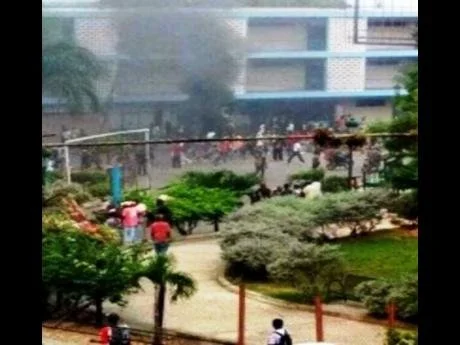
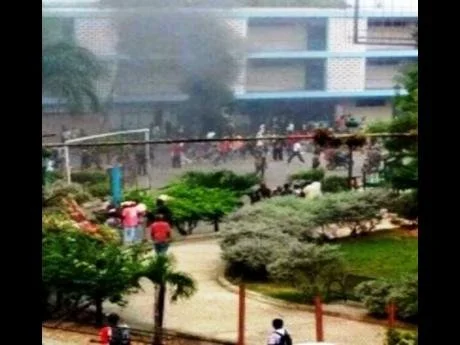
Police Use Teargas as Demonstrations Continue Against Budget Proposals in Haiti

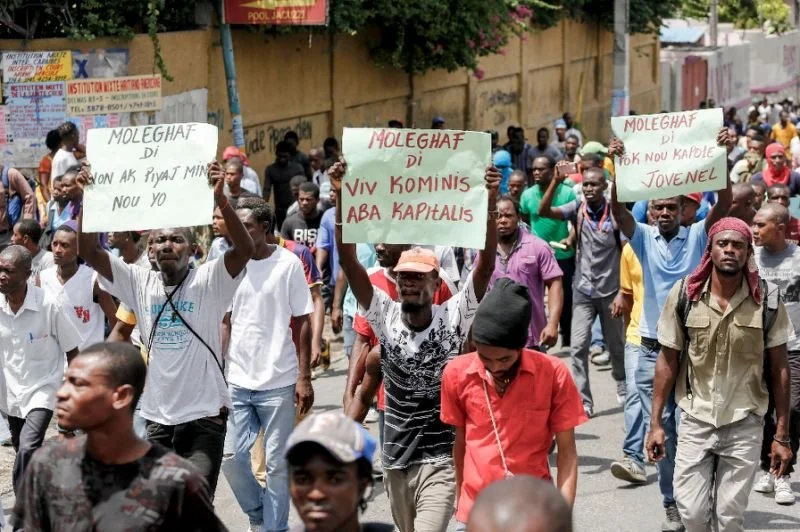
Haitians demonstrating against budget proposals presented to Parliament by President Jovenel Moise last month (Photo: CMC)
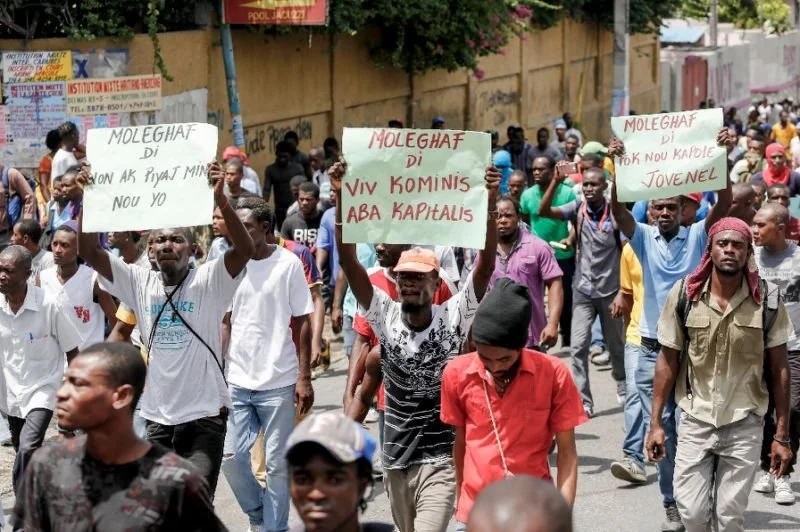
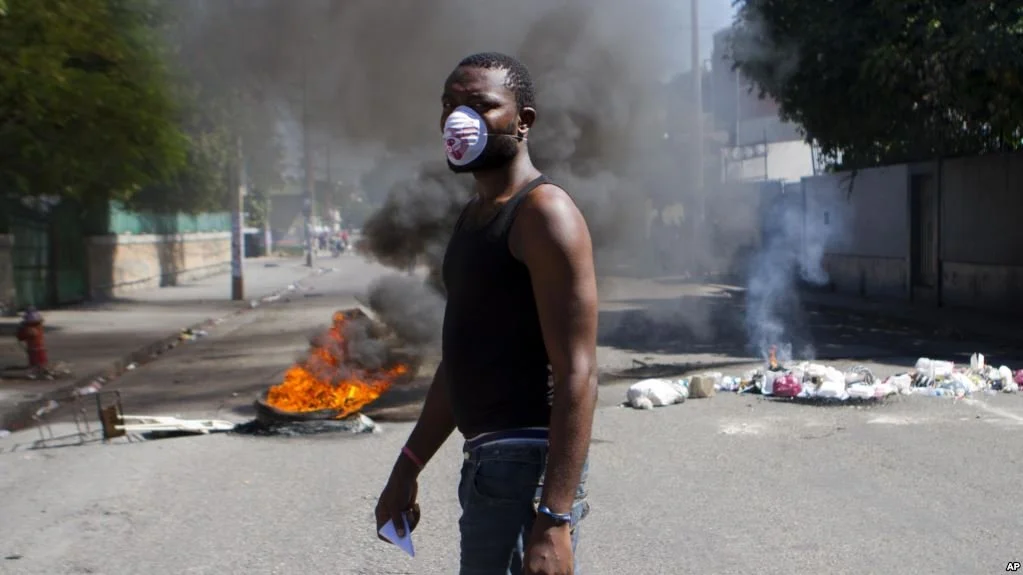
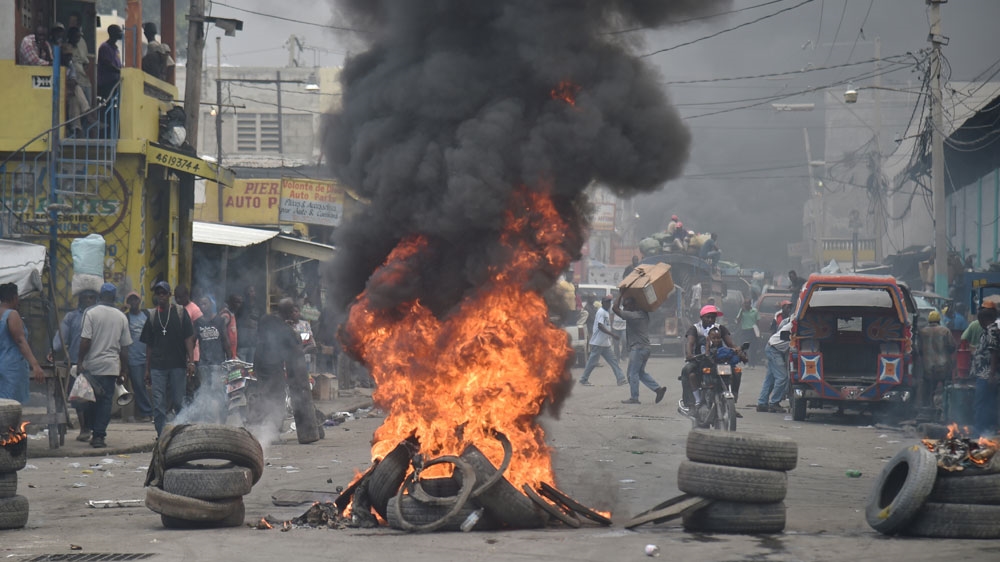
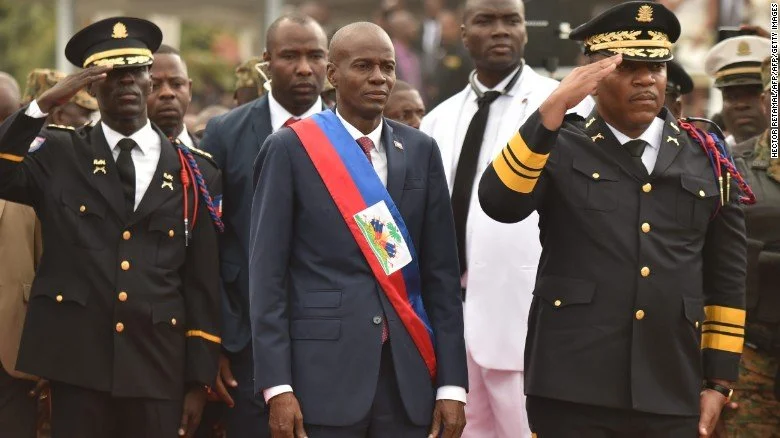
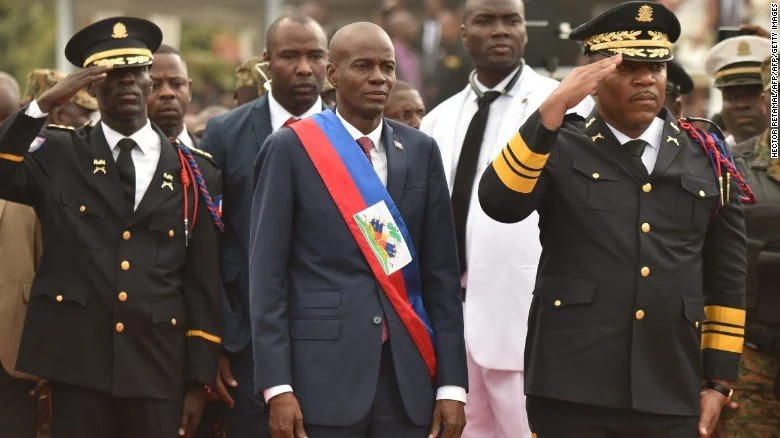
PORT AU PRINCE, Haiti (CMC) — Police used teargas to disperse hundreds of people demonstrating against the measures contained in the 2018 budget that has been presented to Parliament by President Jovenel Moise last month.The Parliament has approved the fiscal package, but Moise hinted at the possibility of reviewing some of the measures as demonstrators took to the streets again on Saturday in Pétion-ville demanding his removal from office.The demonstration planned by the political parties, Fanmi Lavalas, Pitit Desalin as well as other organisations and students attracted thousands of people, and despite the presence of members of the Body of Intervention and Maintenance of Order (CIMO), the protestors broke several storefronts and windshields of several vehicles.Stones and bottles were also thrown at some buildings even as the security agents fired gunshots into the air in a bid to disperse the crowd.The protesters also erected several barricades, blocking traffic and sporadic shooting was reported in the Juvénat neighbourhood, with media reports indicating that the damage “seemed considerable”.The police had to use teargas to disperse the crowd with several reports of being injured and there were several arrests.Commissioner Frantz Lerebours, spokesman for the Haitian National Police (PNH), was however, unable to give details.

Some of the demonstrators tried to reach the city centre but were met with a strong resistance from the CIMOs on the Champ de Mars.The opposition parties condemned the violence saying that the demonstrations had been infiltrated by people who wanted to provoke troubles and accuse the opposition of disorder…Last week, the Haitian Customs Association (ADH), gave the General Administration of Customs (AGD), of the Ministry of Economy an eight-day ultimatum to meet their demands or face work stoppage island-wide from Thursday.Customs officers, whose salaries are GOURDES17, 000 (One Gourdes=US$0.01 cents) after a nine-month training are demanding an 80 per cent wage increase.In addition, customs officers are demanding special status because of the importance of their mission and responsibilities: fiscal, economic and security.Meanwhile, the Council of Ministers last week adopted a preliminary draft law to amend article 149 of the Decree of 29 September 2005 on income tax.President Moise has since announced that he will convene an extraordinary session the Chamber of Deputies, once the draft bill has been ratified by the Senate.By: Jamaica Observer | October 01, 2017

Read More
News, People News, People

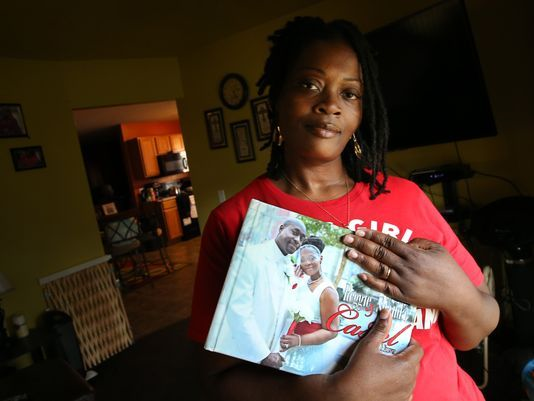
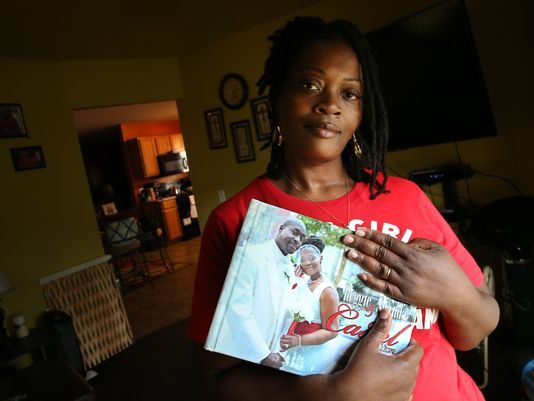
Rochester Family Torn Apart After Dad Deported


Reginald Castel was deported last Tuesday. The United States government flew him to Haiti in shackles, leaving him on an island he had not seen since he was 8 years old. He does not speak the language of his native country. When the plane landed, he knew no one there.

Castel, 44, went to Gates-Chili High School, sold cars for Vision Hyundai and lived with his family on Bay Street. His sole memory of Haiti was of the house with a metal roof where he lived as a boy. He was in despair as he flew to the island, handcuffed with 12 other Haitians and 49 men from the Dominican Republic.

“I was scared to death,” he said. “I am on the plane just praying to God.”

The plane landed in Haiti’s capital, Port au Prince. The deportees were handed over to Haitian officials who were friendly, at first. When the American officials left, deportees were told to hand over any money in their pockets if they wanted to call someone to pick them up. If no one came, they would be taken to prison.

Castel only had 8 cents, but he was allowed to call his mother in Greece. She had been frantically trying to find a relative or friend to go and get him. She told him that someone had managed to track down his estranged father, whom he had not seen or spoken to since he left Haiti at age 8.

It was his father who arrived to pick him up.  “I did not even recognize the man,” Castel said.  “One of the officials told me it was my father.”

They hugged each other. His father doesn’t speak English so they were unable to communicate much. Castel said his father pointed to his heart to express love. He pointed to his head to say don’t stress and don’t worry.  “He said ‘it has been a long time,’” said Castel. “I understood that.”

They left the facility with Castel’s one bag. It contained the clothes he was wearing  when immigration officials took him into custody on Aug. 10, a pack of oatmeal, some legal papers and a 30-day supply of insulin to treat his severe diabetes.

Until Aug. 10, Castel was among more than 900,000 immigrants in the United States living under final orders of removal, or deportation, that had not been enforced. Deportation officials generally focused on people considered to be a threat to national security.

 “They didn’t make me a priority under George Bush or Obama,” Castel said, by phone, from a home of his father’s friend in Port au Prince. Under the Trump administration, things have changed.

“With the executive order from President Trump, everybody with a removal order is at risk,” said Wedade Abdallah, program director for immigration for Legal Aid Society of Rochester.

Castel was subject to deportation because he pled guilty to a felony in 1999, after a dispute with his friend Reginald McQueen turned violent. Castel said that McQueen started chasing him with a knife and he ran to his truck to get a gun. “I defended myself,” he said. “I shot Reginald.”

At the time, Castel was a permanent resident with a green card, having come to the United States with his mother at age 8. He was eligible for citizenship, but hadn’t filled out the paperwork. His public defender advised him to plead guilty to assault to avoid risking the lengthy prison sentence that could result from being found guilty in a trial.

The lawyer did not tell him that a guilty plea, and his lack of citizenship, would make him eligible for deportation. Castel served six years in jail. When he was released, the U.S. Department of Homeland Security picked him up and held him in a detention center for 18 months as he appealed his deportation order.He was granted deferral of removal under the Convention Against Torture act because a judge ruled that his lack of ties in Haiti, combined with his need for daily insulin would likely cause him to die in the impoverished country. He was released in 2007 under an order of supervision.The federal government appealed this deferral and won, reinstating the deportation order against him. In 2011, Castel lost his final appeal. But he was not deported.

U.S. Immigration and Customs Enforcement gave him permission to work legally and required him to check in periodically. Castel built a career, got married, stayed out of legal trouble and never missed a check-in appointment, including one in Batavia on Aug. 10. His wife Lashanda waited for him outside as he went into the meeting. When she saw him next, he was handcuffed in the back of a patrol car. He was not allowed to get out of the car to give her a hug goodbye.

Every time she saw him after that was through glass at immigration detention centers.

“How do they tear a family apart and think nothing of it?” Lashanda Castel asked. “Where is the humanity in this?”

The laws that led to Castel’s deportation have long been on the books. President Donald Trump is just enforcing them, as promised in his campaign. Five days after his inauguration, Trump issued executive orders directing executive departments and agencies  "to employ all lawful means to enforce the immigration laws of the United States.”

He criticized previous administrations for failing to remove people with deportation orders. “We cannot faithfully execute the immigration laws of the United States if we exempt classes or categories of removable aliens from potential enforcement,” the president wrote.

In the past undocumented immigrants who had long histories of obeying the law and living quiet lives were not deportation priorities.  Trump's executive orders have changed things, said Wedade Abdallah, program director for immigration for the Legal Aid Society of Rochester. “We are seeing a more unpredictable type of enforcement,” she said. "It could be anybody (with a final removal order) at this point." She said she would encourage any immigrant who has a final order of removal to speak to an immigration attorney.

“Make America great,” Lashanda Castel said, with bitterness. “Let’s get the immigrants out of here.” She believes the government ought to make allowances for people like her husband, who has turned his life around and stayed out of trouble for more than a decade.

Reginald McQueen, the man shot by Castel in 1999, agrees. He made a statement in support of Castel that appears in a petition asking Gov. Andrew Cuomo to pardon Castel for his crime. Such a pardon would make it possible to reinstate his green card. “An unfortunate incident occurred that caused me harm and got Reggie arrested. However, it was the result of a personal problem between us and we have become friends again,” McQueen wrote, adding that he does not want to see Castel deported. ”I am satisfied that he has paid his debt to society and to me and I don’t think he should be punished any more for what he did. I have my health back and my life back and I would like Reggie to have his life back, too.”

Castel’s life is now spent in a spare room in the home of his father’s friend, a man who speaks a bit of English. Electricity comes and goes, sometimes for days. Clean drinking water is hard to come by. It is hot. Castel has been warned not to go out alone. His lack of language skills makes him an obvious outsider and easy target for desperate criminals found in a country where people must survive on an average of $2.25 a day.

So he sits in the house, waiting for his father to get out of work. He has time to wonder about another deportee he met on the plane who also had no connections in Haiti because he had grown up in Bermuda. “I am pretty sure he ended up in prison,” he said. He wonders what would have become of him if his father hadn’t been found. And, most painfully, he misses his family. He and his wife have a blended family of seven children. His youngest child, a daughter, has taken the situation very hard. There has not been a time they’ve spoken on the phone that she was not in tears. “They took someone who is loved,” said his wife.

She also cries. But she knows that tears won't help her husband return to the United States. If getting him home proves impossible in the short term, she must find a way to get him a stable supply of insulin. Castel suffers with Type 1 diabetes that his physician assistant at Anthony Jordan Health Center called “severe, chronic and incurable.”  It requires daily insulin shots, which are extremely difficult to get in Haiti. Castel's plans to visit the Diabetes Association in Port au Prince have been disrupted by unrest and violence on the streets.

Lashanda Castel is trying to navigate the permits, licenses and fees that would allow her to ship insulin to Haiti. She has applied for her passport so she can visit her husband, though she is concerned about U.S. State Department warnings about the risks of traveling to Haiti, including violent crime, instability and lack of adequate medical facilities.

She is buoyed by a group of local supporters including Rochester City School Board President Van White, who is also an attorney and volunteered to submit Castel's petition for the governor’s pardon. The petition includes statements of support from his boss at Vision Hyundai, the bishop of his church and many friends and family members. Rochester City School Board member Mary Adams continues to rally community activists to fight for his cause and to lobby Gov. Cuomo to pardon him quickly.

Adams was among the people who went to the Buffalo Federal Detention Facility to try to block the bus when Castel was being taken away for deportation. They could not see him through the tinted windows of the bus, but he saw them standing, praying and protesting his deportation. “I felt hopeful,” he said. “I had people in my corner.”

Those people will host an “Updates and Organizing to Support Reggie Castel and Family” meeting at 6 p.m. Sunday at the Freedom School, 630 N. Goodman Street. All are welcome, said Adams, to join the effort to bring Castel home.

For now, he remains in Port au Prince. He has learned how to say “please,” “thank you,” “I’m hungry,” and “water” in Kreyol.  His hope for a return to Bay Street remains. His insulin is running out.

By: Erica Bryant | September 29, 2017

Read More
News, Politics News, Politics

The city of Gonaïves will have its Airport

On Wednesday, a meeting on the construction of Gonaïves Airport in Morne Blanc brought together notably Olivier Jean General Director of the National Office of Civil Aviation (OFNAC), Colonel Irving Mehu, Director General of the National Airport Authority (AAN) and Senator of the Artibonite Carl Murat Cantave.Asked about the cost of this airport, Olivier Jean was very discreet and did not release any amount, stressing that the project was in the field study phase...Yves Mozart Augustin, the Director of Planning and Engineering at the AAN, said that the study is currently being carried out on the best place to build this airport, and he believes that the construction of this infrastructure will last two years.Colonel Irving Mehu, who confirmed with Olivier Jean that the city of Gonaïves will soon have its airport, recalled that the AAN was working to satisfy the travelers all over the country, citing other projects of large scale to come such as the expansion of the parking lot, the reorganization of the diplomatic hall and the reconstruction of the building of the fire brigade of the Toussaint Louverture Airport.By: HaitiLibre | September 30, 2017

Read More
News News

JGB’s Haitian operations record robust growth

Jamaica Broilers Group Ltd (JBG) is principally active in the poultry and allied agricultural businesses.In the first quarter of fiscal 2017, it sold its ethanol plant (for a combination of cash and a seller’s loan) and focussed its efforts on increasing the profitability of its Haitian and Jamaican operations.Also, in the USA, its 2016 acquisition of Welp Hatchery, which was renamed International Poultry Breeders, Iowa, enhanced its revenues in that market.Let us now review JBG’s results to April 29, 2017.Movements in financial positionTotal assets advanced by 12.7 per cent to close at J$27.47 billion from J$24.38 billion.Long-term assets closed at J$10.94 billion from J$11.93 billion. Within this category, property, plant and equipment contracted to J$7.06 billion from J$10.5 billion. The largest contraction was recorded under plant, machinery and equipment, which fell to J$3.46 billion from J$6.69 billion; this reduction mainly reflected the sale of the ethanol plant.A new item, loans receivable of J$2.05 billion, represents the long-term portion of a loan which is repayable in June 2023; the current portion is J$501 million, which included interest receivable of almost J$159 million. As part of the sale agreement for the ethanol facility, this loan was granted at 8 per cent interest and annual principal repayments are set at US$2.643 million.Post-employment benefits assets climbed to J$691.1 million from J$180.1 million. This represents the excess of the fair value of the pension plan’s assets of J$4.27 billion over the present value of its obligations of J$3.58 billion. The plan owns shares in the company’s stock valued at J$204 million.Current assets rose to J$16.52 billion from J$12.45 billion. Within this grouping, inventory of J$5.16 billion was the largest component. At the gross level, spares and inventories for resale increased to J$3.1 billion from J$2.5 billion. In contrast, grain and feed ingredients declined to J$1.2 billion from J$1.5 billion.Biological assets expanded to J$4.46 billion from J$2.95 billion. The entire increase was shown under poultry, which climbed to J$4.4 billion from J$2.9 billion. The cattle component was little changed at J$39 million.Receivables advanced to J$3.57 billion from J$3.28 billion. Net trade receivables closed at J$2.44 billion from J$2.37 billion. However, prepayments climbed to J$453 million from J$322 million while sums due from contract farmers slipped to J$272 million from J$287 million.The group’s holdings in investment funds are classified as financial assets at fair value through profit or loss; this value improved to J$761 million from J$701 million.Cash and short-term investments expanded to J$2.0 billion from J$1.2 billion.The largest component, cash at bank and in hand, climbed to J$1.67 billion from J$0.79 billion. Among other variables, in 2016, the acquisition of the Welp Hatchery consumed J$982.8 million.In contrast, in 2017, the cash proceeds from the sale of the ethanol plant and ERI Services (St Lucia) contributed J$461.9 million to its coffers.Total liabilities increased to J$13.05 billion from J$11.28 billion or by 15.7 per cent. Total borrowings climbed to J$7.70 billion from J$7.08 billion. Long-term borrowings rose marginally to J$5.2 billion from J$5.1 billion.Current borrowings grew to J$2.50 billion from J$1.98 billion. Here, the current portion of long-term debt declined to J$554.1 million from J$632.2 million. In contrast, bank overdrafts and other short-term borrowings increased to J$1.9 billion from J$1.3 billion.Current payables soared to J$4.41 billion from J$3.21 billion. Trade payables climbed to J$3.2 billion from J$2.0 billion. In addition, accrued charges increased to J$759 million from J$550 million. In contrast, “other” payables declined to J$281.6 million from J$410 million.Current taxes payable fell to J$179.3 million from J$482.2 million. On the other hand, deferred income taxes increased to J$729.8 million from J$485.3 million. Contributing to the latter was the increase in the re-measurement of the retirement benefit assets.Equity gainsTotal equity improved to J$14.42 billion from J$13.10 billion. Excluding non-controlling interests of J$22.8 million, shareholders’ equity closed at J$14.44 billion from J$13.16 billion.Retained earnings increased to J$12.5 billion from J$10.33 billion. The opening balance benefitted from the current year’s profit of J$2.23 billion along with the J$360 million of comprehensive income, which related to the re-measurement of retirement benefit assets.The major reduction was J$420 million in dividends to stockholders. Reserves fell to J$1.17 billion from J$2.06 billion. The principal reduction of J$835 million reflected the exchange differences on translating foreign operations along with J$56 million in realised reserves.Share capital was unmoved at J$765.1 million and the weighted average number of shares in issue was stable at 1,199,277,000; consequently, the book value of each share improved to J$12.04 from April 2016’s J$10.93.Income, profitRevenues improved by 15.4 per cent to J$44.44 billion from J$38.52 billion.Meanwhile, cost of sales increased by 15.8 per cent to J$32.6 billion from J$28.2 billion. These changes resulted in gross profit rising by 14.3 per cent to J$11.85 billion from J$10.37 billion.Contributing to the higher cost of sales was the increase in the value of inventories recognised as expense, which climbed to J$23.9 billion from J$20.9 billion, or by 14.2 per cent.In addition, fuel costs soared by 17.8 per cent to J$567 million from J$481.4 million.Both distribution costs and administration and other expenses increased; the former rose to J$1.58 billion from J$1.21 billion while the latter registered at J$7.37 billion from J$6.13 billion.Influencing these increases were higher staff costs, which advanced by 20.8 per cent, moving from J$6.96 billion to J$8.42 billion. Meanwhile, other expenses climbed by 31.7 per cent to J$2.95 billion from J$2.24 billion while outlays for trucking ended at J$1.27 billion from J$1.12 billion.These changes saw operating profit slip to J$3.23 billion from J$3.30 billion.Finance income climbed to J$379.4 million from J$159 million. Following the granting of a loan for the sale of assets, the major contributor was interest income, which moved from zero to J$165.3 million. In addition, foreign exchange gains improved to J$214 million from J$159 million.Finance costs fell to J$647.2 million from J$693.8 million. Helping this result was lower foreign exchange losses, which contracted to J$20 million from J$97 million. However, in line with larger debt, interest expenses rose to J$610.3 million from J$545.6 million. Other expenses and amortisation of debt financing fees declined to J$17 million from J$51 million.These variations resulted in pre-tax profit improving to J$2.97 billion from 2016’s J$2.77 billion.The effective tax rate declined to 23.6 per cent from 24.3 per cent; even so, the tax cost increased to J$701 million from J$672 million. This result translated to EPS of J$1.86 compared with the previous year’s J$1.45.EPS from continuing operations improved from J$1.76 to J$1.85 while EPS from discontinued operations registered at J$0.01 compared with a loss of J$0.31 in 2016.Country resultsRevenues from its Jamaican operations increased by 12.5 per cent, however, profit contribution declined by almost 20 per cent. This adverse movement was influenced by several factors.The oversupply of protein products in the market helped suppress margins at its Best Dressed Chicken division, which operates in both Jamaica and the Cayman Islands. The Hamilton’s Smokehouse segment also experienced sales growth.Over the period January to August 2017, additional investments were made in Best Dressed Feed Mill so as to enable it to respond to increased consumer demand.Following the end of a two-year drought, Hi-Pro Farm Supplies benefitted from higher sales of fertiliser, chemicals and equipment.The USA operations registered 23 per cent revenue expansion accompanied by a 26 per cent improvement in gross profit. This result was helped by the acquisition in 2016 of Welp Hatchery.Although Avian Influenza is a major threat to the US poultry industry, its USA operations remain free from that danger.At the Haitian operations, revenues grew by 23.5 per cent while profit exploded by 271.5 per cent. This result was driven by increased production and sales of eggs; higher production contributes to greater efficiencies through the feed mill, hatchery and general overheads. Increased egg production will continue into the current fiscal period.Q1 results to July 2017Revenues for the first quarter grew by 14.7 per cent, moving from J$10 billion to J$11.5 billion. On the other hand, net profits attributable to shareholders declined to J$197.7 million from J$400 million.Consequently, EPS contracted to J$0.165 from J$0.33.All country segments recorded top-line growth. At the Jamaican operations, several one-off factors restrained profit growth; the rebalancing of poultry inventory and third-party storage issues contributed to higher distribution costs. In addition, production volumes were lower.At Haiti Broilers SA, higher production and sale of table eggs saw revenues expand by 47 per cent while profit swelled by 61 per cent to J$121 million. That company now commands 30 per cent of the local market compared with 22 per cent previously.The US operations’ main products are fertile eggs and baby chicks. Here, revenues grew by 27 per cent while gross profit improved by seven per cent.Share price and dividendsJBG’s share price closed at J$14.36 on April 29, 2016. It subsequently fell to a low of J$14.03 on October 28, 2016, from which level it recovered and then ended at J$16.97 on April 28, 2017. That movement reflected a one-year appreciation of 18.2 per cent. The price then spiked to J$19.99 on May 17, 2017, but traded at J$16.50 on September 20, 2017.Dividends to shareholders improved from J$0.26 for fiscal 2016 to J$0.35 for fiscal 2017. At the recent price of J$16.50, the yield is 2.1 per cent. That price also reflects a P/E multiple of 8.87 and a price to book value of 1.37.By: Felix Pereira | September 28, 2017

Read More
News News

DGI NOTICE : Purchase of passport stamps before 1 October

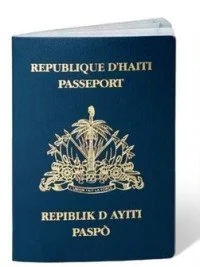
In a NOTICE dated Wednesday 27 September, the Ministry of the Interior informs the general public and all those wishing to obtain a passport booklets in particular, that notices of contributions paid to the DGI before 1 October 2017 and still valid, will also be accepted for applications in the new fiscal year of 2017-2018.Has clarified that passport booklets whose stamps were PURCHASED BEFORE the new tariffs for the 2017-2018 finance law, however, will be valid only for FIVE (5) years and not ten (10) years.The Ministry of the Interior invites taxpayers to continue to take their steps in peace and quiet, knowing that they are not at risk of having their passport application refused at the level of the Immigration and Immigration Directorate if they have a valid stamp.By: HL/ Haitilibre | September 28,2017

Read More
News, Politics News, Politics

Uncertain Future For Haitian Immigrants

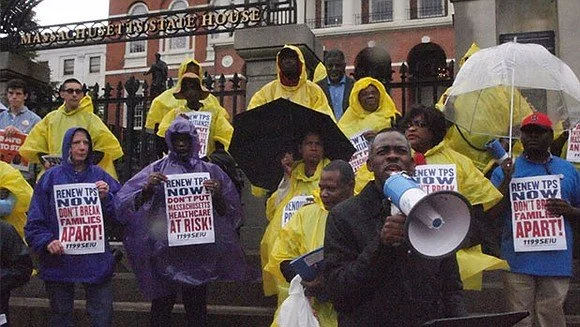
Demonstrators demand continued protection for Haitians who fled crises that still afflict the nationHolden Pierre, a 17-year-old Haitian immigrant, has spent the last ten years of his life growing up America. This January, he may be required to return to a country he has not lived in since he was 7—a country that is still struggling to recover from severe environmental and health crises.Over the course of his decade in the U.S.—more than half his life—Pierre has worked in community organizations such as the Mattapan Food and Fitness Coalition, earned a bachelor’s degree in business management from UMass-Boston, and now is employed at an organization focused on growing small businesses in low- and moderate-income communities.Pierre is one of about 58,000 Haitians who are living, working and studying in the U.S. under a program called Temporary Protected Status. Haitians beneficiaries of that protected status will see it expire on Jan. 22, 2018, unless the Trump administration moves to extend the program, something John Kelly, then-Secretary of Homeland Security, said in May is not guaranteed.Temporary Protected Status Temporary Protected Status allows immigrants meeting certain requirements to live and work in the U.S. if they cannot do so safely in their originating country due to conditions such as a civil war, epidemic or environmental disaster. While TPS is not a path to permanent residency, recipients may apply for such status while they hold this protection. In 2010, TPS was extended to Haitians following a devastating earthquake. To qualify, recipients had to demonstrate they had continually lived in the U.S. since January 2011 and continually been physically present since July 2011. The temporary status was extended since as further disasters hit the country. U.N. troops sparked a cholera outbreak that continues to cause fatalities today, and several hurricanes have taken a toll.State House rally On Wednesday last week, Haitian-Americans United, Inc. and the Institute of Justice & Democracy in Haiti held a rally on the State House steps, with a speaker list that included Pierre. Many speakers called for a deeper reworking of the immigration system to extend permanent residency to Haitians protect by TPS, noting that seven years is long enough that many have families and businesses here and are entrenched in their communities.“They are part of our society,” Congresswoman Katherine Clark said at the rally. “Now is not the time to uproot families, business owners and people who contribute to our economy.”Deportation would mean economic damage as well as the splintering of families, many said.“[TPS means we can] serve the communities we now call home,” Pierre said. “[Without it we] leave behind younger siblings who then are forced to make tough decisions like dropping out of school to support their families.”Roxana Rivera, vice president of SEIU 32BJ, said TPS recipients liable to be deported in January are good actors, who have followed the rules, including paying taxes and any fees asked of them and submitting to any requested background checks.A number of local elected officials support prolonging TPS, including Rep. Russell Holmes and City Councilor and mayoral contender Tito Jackson, who both spoke at the rally. In May, Mayor Martin Walsh urged federal officials to extend protected status for Haitians. In his letter, he noted that families would be split as deported parents are likely to leave behind U.S.-born children rather than bring them to nation already struggling to meet its residents’ basic needs.Following the rally, many attendees turned out to Gov. Charlie Baker’s office to deliver a message urging him to advocate for renewal of TPS for Haiti.Renewal? Several speakers also said that Haiti is still plagued by the kinds of issues that had led to the granting and repeated extensions of TPS. Brian Concannon Jr., executive director of the Institute for Justice & Democracy in Haiti, said Haiti’s cholera epidemic continues to be among the worst in modern times, killing about 1,000 people per month, and that hurricane-related rains are expected to exacerbate the disease’s spread.Rally organizers stated on their Facebook event page that Haiti has yet to fully recover from the 2010 earthquake, cholera epidemic or effects of last year’s Hurricane Matthew or this month’s Hurricane Irma, and cannot safely incorporate 50,000 more residents.In May 2017, Kelly extended Haitian TPS for six months, advising recipients to be prepared to return. He said Haiti demonstrated improved conditions, citing that many of the camps serving those displaced by the earthquake had closed, the Haitian government had declared plans to rebuild the president’s residence and the U.N. had withdrawn its stabilization mission. He said at the time that he expected the six months would allow TPS recipients and the Haitian government to prepare for repatriation.According to Haitian-Americans United, Inc., the Trump administration is expected to decide by Oct. 23 whether to extend TPS for Haitians past the Jan. 22, 2018 expiration date. TPS recipients from other countries such as El Salvador and Honduras also faced deadlines on their status.

By: Jule Pattison-Gordon | September 28, 2017

Read More
News News

Haiti - DR : Strong tension at the border of Malpasse-Jimani

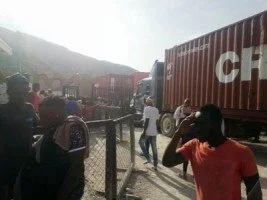
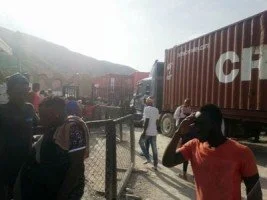
On Monday, Haitian carriers blocked the entrance to the Malpasse border crossing with their trailers and trucks, causing the access door to and from Haiti to be closed, causing long lines of more than 300 m on both sides of the border...Haitian transporters and merchants demanded the lifting of the ban on the importation of 23 products of Dominican origin, imposed under the Martelly government in September 2015.The binational market that takes place every Monday and Thursday in this sector of Mal Paso, had started early but trade was affected by seizures of goods on the Haitian side. Several Haitian traders who had already bought products nevertheless succeeded in transporting them on the Haitian territory by alternative routes...Trade unionist Jerald Desi, the Vice-President of the Carrier Association of Fond Parisien, said the Moïse to remove the ban on products of Dominican origin, qualifies as a joke. He pointed out that this ban was detrimental to the poorest Haitians living in the utmost poverty along the border, while the richest in Haiti import goods from the Dominican Republic without any concern.Jerald Desi warned that if Haitian merchants and haitian transporters do not meet their demands, they were able to close the entire border as long they did not win.In addition, Jerald Desi protested against the Land Border Security Corps (CESDRONT), which he accuses of seizing 24 Haitian taxi motorbikes Saturday and Sunday, on the pretext that they had no papers in order to make transportation in the city of Jimani.On Monday, following a meeting between Mrs. Thérèse Longchamp, Minister Counselor and Cheffe of post at the Haitian Consulate in Barahona and Dominican authorities, 16 motorcycles were returned to their Haitian owner in the afternoon.By: SL/ HaitiLibre 26/09/2017

Read More
News News

Haiti-Based Sunrise Airways Expands Fleet

Fast-growing Haiti-based airline Sunrise Airways has continued its fleet expansion with a new Boeing 737.The 168-seat aircraft is being acquired through a wet lease agreement with Czech Republic-based Travel Service.Sunrise will deploy the new aircraft on its routes from Orlando and Miami to Port-au-Prince, Haiti.Sunrise is launching its new Orlando service Oct. 18, with Miami flights set to launch Nov. 14.

Sunrise will be flying the Boeing on its new Haiti flights from Orlando and Miami.

“Our continued fleet expansion speaks to the tremendous potential we see in growing our route network within and beyond the Caribbean region, while also providing our customers with the very best inflight services and amenities in the skies,” said Philippe Bayard, President of Sunrise Airways.”The Boeing 737 will features business and economy service, with 18 seats in Business.By: the Caribbean Journal staff

Read More
News, People News, People

10 New York campuses to help establish village in Haiti

Ten campuses in New York's public university system are part of a project to establish a sustainable village and learning community in Haiti.The State University of New York said Monday the campuses will work with five not-for-profit organizations under an $800,000 grant from the W.K. Kellogg Foundation.SUNY says the goal is to develop educational, economic and social programs, resources and other needed services on 40 acres (16 hectares) of land donated by a Nassau Community College professor emeritus. Each campus will bring a specific expertise, such as public administration, public health and performing arts.The University at Buffalo, which will contribute social work expertise, says the project also will provide hands-on training and education for SUNY students.By: Associated Press| September 26, 2017

Read More
Featured, News Featured, News

Beekeeping an alternative activity for fishermen in St-Jean du Sud

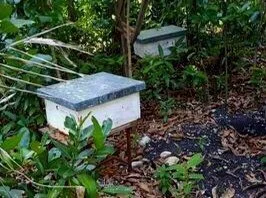
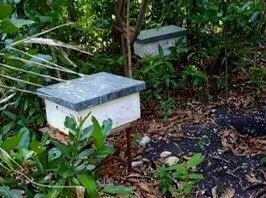
In order to allow fishermen living in the buffer zones of the mangrove ecosystems of St-Jean du Sud to have an alternative economic activity, the organization "Artisanal Fisheries and Integrated Development" (PADI) develops apiculture to Pointe Abacacou.Beekeeping is one of the sectors chosen within the framework of the green economy concept because of its transversal importance for increasing the yield of agricultural exploitations and a better management of biodiversity.PADI has organized two training sessions for the benefit of their members and other sectors in the area, with a view to an effective implementation of this sector within the fishermen's association of Point Abacou. Following these sessions, a multiplication apiary was set up with 10 colonies installed in the hives fabricated by the learners in the area.This activity also resulted in the strengthening of the cabinetmaking in Pointe Abacou. Managed by 5 learners under the supervision of the administration of the Fishermen's Association of Pointe Abacou, a workshop for the manufacture of hives with movable frame has been established.This initiative was carried out in collaboration with the International Labor Office (ILO), UN Environment Haiti and the Fishermen's Associations of the commune of Saint-Jean du sud and Port Salut.By: HaitiLibre | September 25,2017

Read More
News, Politics News, Politics

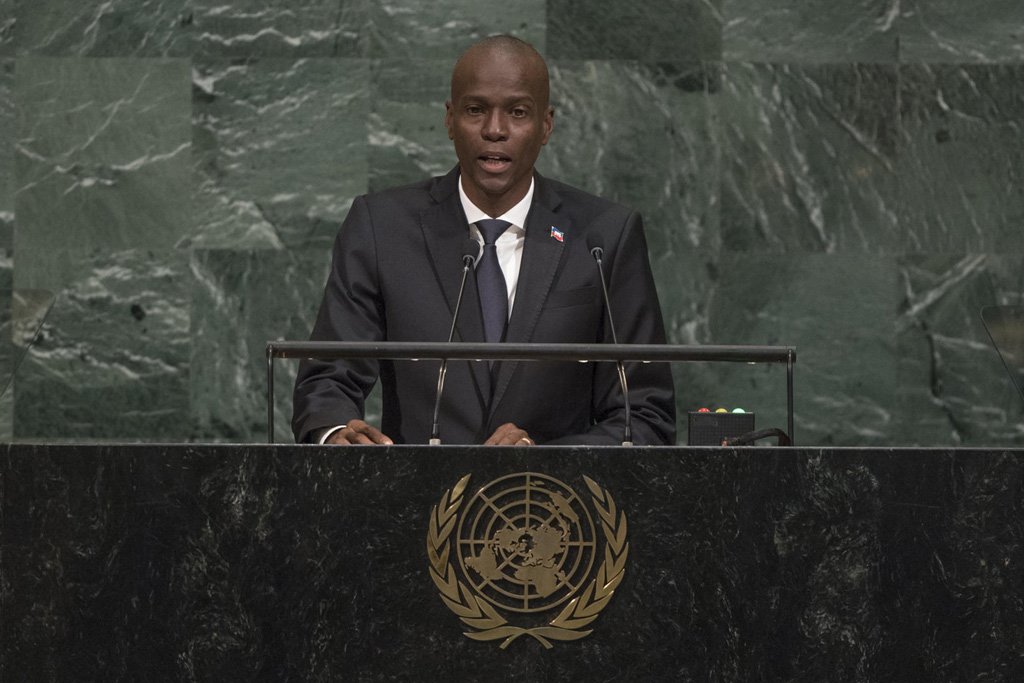
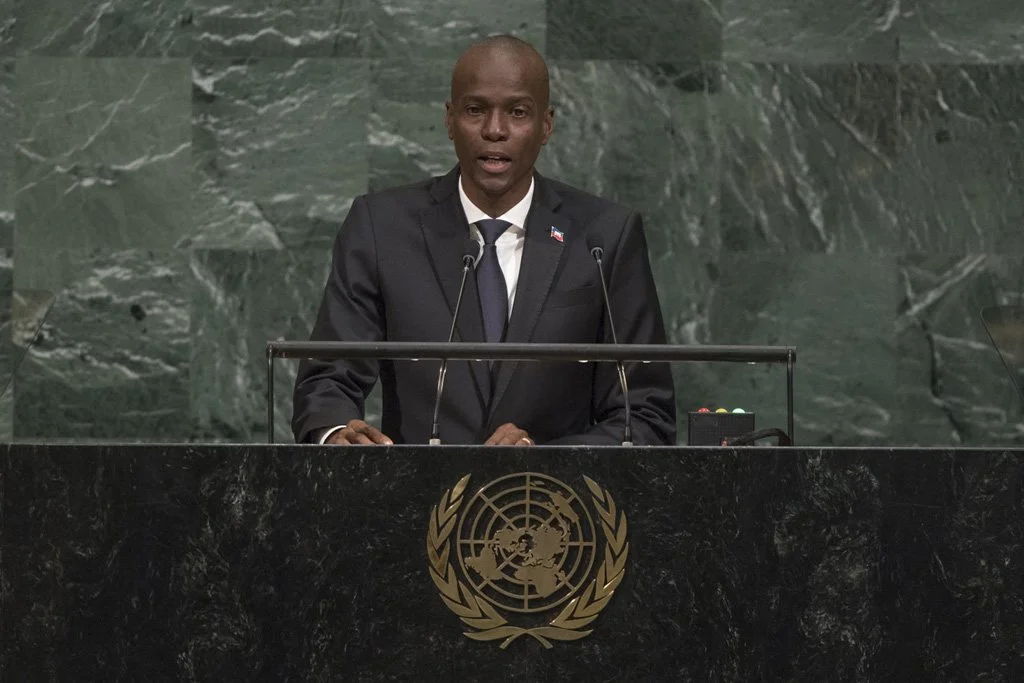
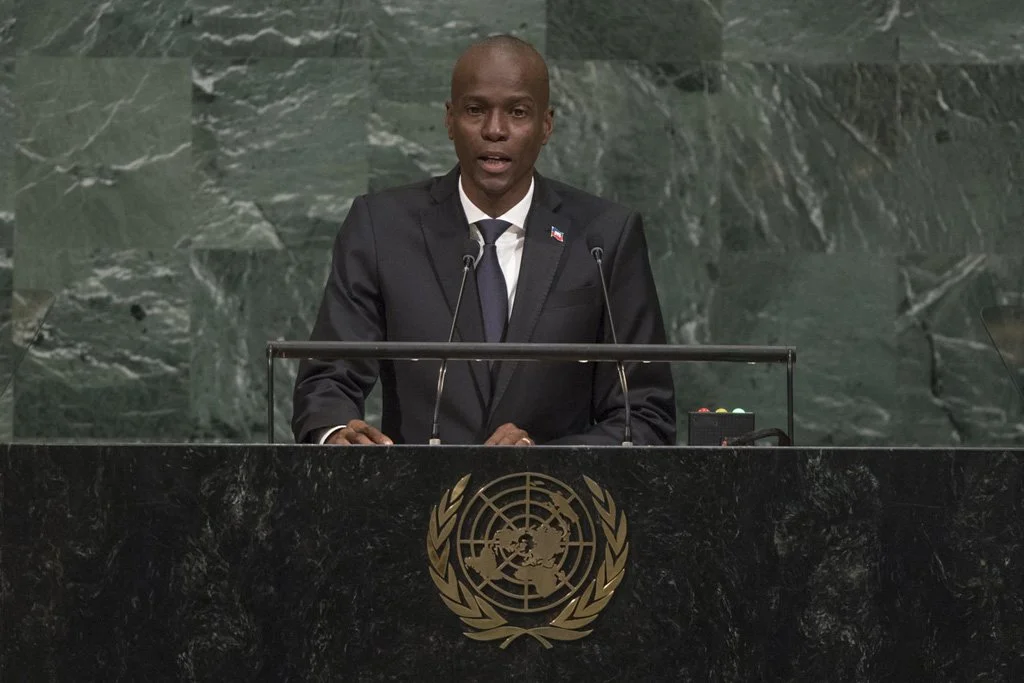
Video & Summary: President Jovenel Moise Addresses UN's General Debate, 72nd Session

Statement Summary:
JOVENEL MOISE, President of Haiti, said the mission of the United Nations had never been so important, and thus, it was necessary to adapt the Organization to modern realities on the ground.  Expressing support for any initiative that could contain crises and seek the peaceful resolution of conflicts, he encouraged the United Nations to move along the path of conflict prevention.  Haiti had always spoken out against the proliferation of nuclear weapons, and he condemned States’ blatant desire to acquire and increase nuclear arsenals.  He also expressed concern about the ongoing crises in Syria and Venezuela, as well as the conflict between Israelis and Palestinians.Haiti was deeply committed to the environmental facets of sustainable development, he said, and sought to build resilience against natural disasters that had consistently beleaguered its people and brother countries in the Caribbean.  His Government was committed to the Paris Agreement on climate change, and wished to see those countries most responsible for greenhouse gas production contribute the resources necessary for implementing that deal.  In the Caribbean, recent climatic events had drawn attention to the ways in which climate affected Haiti.  Such weather phenomena were due to the impact of humans on the environment, he stressed.  In January 2018, when Haiti assumed the presidency of the Caribbean Community (CARICOM), it would organize a regional conference aimed at establishing an inter-State commission that would devise a strategy for addressing climate issues, such as the availability of climate insurance.More broadly, he said Haiti had taken steps to consolidate democracy and the rule of law, having made significant efforts to promote development and political stability.  Noting that corruption had “infected” and shrunk Haiti’s economy, and compromised its political situation, he said it was time that official development aid (ODA) and domestic resources upheld the interests of the Haitian nation.  Corruption had prevented basic resources from being allocated to citizens, depriving them of adequate energy distribution, quality education, drinking water and socioeconomic opportunities.  Haiti’s new leaders were waging an unwavering struggle against such behaviour.  Efforts were also under way to guarantee the independence of and increase the effectiveness of the judicial apparatus.While the international community had spent more than a decade supporting security in Haiti, and had provided help when disaster struck, he said Haiti was using all levers available to grow the economy, despite its limited resources.  It was striving to create decent jobs for young people, and had made human resources management part of the State reform process.  His Government was determined to provide opportunities to the most vulnerable members of society, to ensure they were not tempted to leave the country, many times under life-threatening conditions.  Haiti could not allow institutions to be weakened or corruption to widen the distance between citizens and the State.  Haitians were acutely aware that they were responsible for their country’s development, he continued.Addressing two phenomena stemming from the United Nations presence in Haiti — the odious sexual abuse and exploitation by peacekeepers and United Nations staff, and the cholera epidemic — he said the Organization was morally obliged to provide the recourses to ensure that cholera left the country.  Improving Haiti’s health system, including by eradicating cholera, was a priority for his Government.  Despite some progress, the number of cholera victims stood at 10,000 people and continued to grow.  Further, there were tens of thousands of cholera orphans.  The United Nations must live by and give tangible form to its noble ideals, he stressed, by shouldering all its responsibilities to remedy the situation, which had caused grave harm to the Haitian people.

By: UN News Centre | September 21, 2017

Read More
News, Politics News, Politics

Haitian President Backs Paris Climate Accord, Calls On UN To Honor Commitments On Tackling Cholera

21 September 2017 – Addressing the United Nations General Assembly today, Jovenel Moise, President of Haiti, expressed deep commitment to the environmental targets in the global goals on sustainable development and said his island nation is seeking to build its resilience against the natural disasters and extreme weather events that consistently beleaguer its people and other countries in the Caribbean.“My Government is committed to the Paris Agreement on climate change,” Mr. Moise told delegations gathered for the Assembly’s annual general debate, adding that he wished to see those countries most responsible for greenhouse gas production contribute the resources necessary for implementing that accord.In the Caribbean, recent back-to-back extreme weather events had drawn attention to the ways in which climate affects Haiti. “Such weather phenomena are due to the impact of humans on the environment,” he stressed, and noted that in January 2018, when Haiti assumed the presidency of the Caribbean Community (CARICOM), it would organize a regional conference aimed at establishing an inter-State commission that would devise a strategy for addressing climate issues, such as the availability of climate insurance.More broadly, he said Haiti has taken steps to consolidate democracy and the rule of law, having made significant efforts to promote development and political stability. Noting that corruption has “infected” and eroded Haiti’s economy, and compromised its political situation, he said it is time that official development assistance (ODA) and domestic resources upheld the interests of the Haitian nation. In the meantime, Haiti’s new leaders are waging an unwavering struggle against corruption.Addressing two phenomena stemming from the UN presence in Haiti – heinous sexual abuse and exploitation by peacekeepers and other personnel, and the cholera epidemic – he said the Organization is morally obliged to provide the recourses to ensure that cholera left the country.Improving Haiti’s health system, including by eradicating cholera, is a Government priority for his Despite some progress, the number of cholera victims stood at 10,000 people and continued to grow. Further, there were tens of thousands of cholera orphans. The United Nations must live by and give tangible form to its noble ideals, including the announced ‘new approach’ to dealing with cholera, he stressed, by shouldering all its responsibilities to remedy the situation, which had caused grave harm to the Haitian people.Full statement (in French) available hereBy: UN News Centre | September 21, 2017 

Read More
News, Sports News, Sports

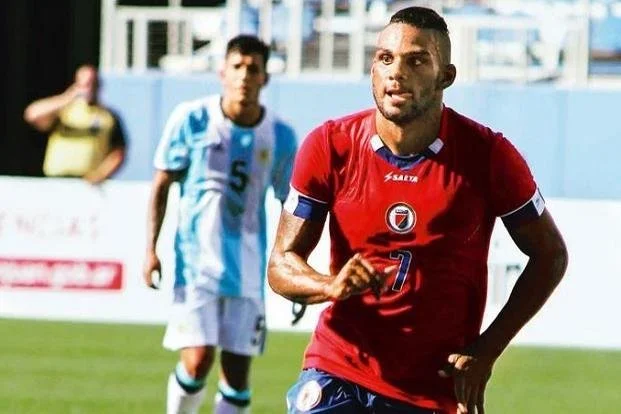
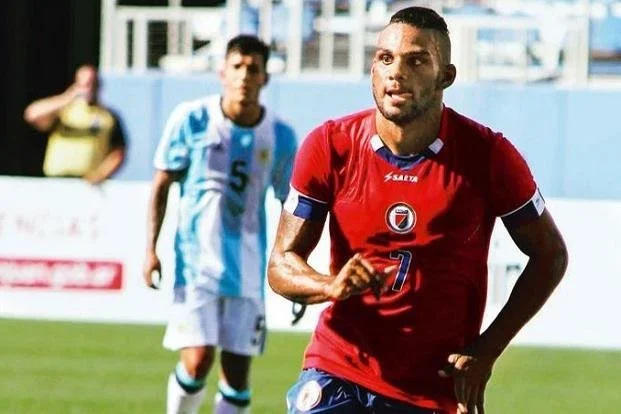
Under-17 World Cup: When Fabien Vorbe gave Haiti a reason to smile


Turbulent times and Haiti have gone hand-in-hand over the years. From inclement weather to internal strife, it’s a way of life for the island nation, which just survived hurricane Irma.

Football then is a lifeline in these parts, giving Haitians a reason to celebrate each time the boys take to the field, whether in a local game or during competition. The distraction is both welcome and needed, bringing relief to a nation and its hopeful youngsters, who dream of alleviating their misery through the beautiful game. When it’s the World Cup, Haiti comes to a standstill.Fabien Vorbe, 27, who signed for I-League club Neroca FC this season, is all too familiar with it, given that he was instrumental in helping Haiti qualify for the Fifa Under-17 World Cup in 2007. While growing up in the capital, Port-au-Prince, it didn’t take him long to catch the football bug that had long infected the Vorbe family.

“In Haiti, if you say my last name, the first thing that comes to anyone’s mind is football. All my uncles and cousins play football, whether professionally or as a hobby. Even the women in our family are football addicts. My uncle (Philippe Vorbe) started it all when he played in Haiti’s only Fifa World Cup in 1974,” Vorbe says.Haiti had stunned competition in the region by clinching the CONCACAF Championship, an association football tournament, in 1973. It helped them qualify for the World Cup in (West) Germany the following year.

Philippe, was an integral part of the squad, which was drawn in a tough group alongside Italy, Argentina and Poland. The Haitians lost all three matches, but the tournament produced an epic moment in World Cup history when Emmanuel Sanon scored against the Italians in the opener. The assist was a perfect through ball in space from Philippe, as Sanon outran his marker, cut past a diving Dino Zoff and slotted the ball in an empty net.

It wasn’t like Haiti registered an upset win through that goal; Italy were 3-1 winners eventually. However, the striker had wrecked an Italian defence, which had not conceded in 12 games that stretched back to September 1972. In goal was the legendary Zoff, who had also been a part of a stubborn Juventus side that had gone without conceding a goal in the league for an incredible 903 minutes.The rest of the tournament was rather forgettable, but for Haiti and its people, just qualifying for a World Cup, clubbed with Sanon’s heroics, meant the world.“It is obvious why from such a young age I started playing the sport. In fact, my mother and godmother founded the team FC Shana just for the purpose of pushing my cousin and me into football and trying to make our dream a reality. It is today the biggest youth football academy in Haiti,” says Vorbe.Under the watchful eye of his mentors, Vorbe learnt the tricks of the trade. All that changed in 2004 when Haiti was rocked by a revolt that disrupted daily life in general, let alone football. One moment, 14-year-old Vorbe was at school studying, the next, they would hear of violence erupting in the streets and had to rush home as soon as possible.Even as the political situation improved, Haiti was constantly rocked by torrential rains, hurricanes and heavy flooding that brought devastation time and again between 2004 and 2007. At a time the nation needed relief, yet again, it was football that was the saviour, this time through the exploits of the Under-17 team.In Honduras in April 2007, Haiti got their qualifying campaign underway for the Under-17 World Cup that would be played in South Korea later that year. Haiti started with a draw against Honduras (1-1) and Mexico (0-0), followed by a win over El Salvador (3-0), with Vorbe scoring in both games. As Group A toppers, they booked their berth for the World Cup, sending Haiti, across the Caribbean Sea, into raptures.“We stunned the world by finishing toppers, even eliminating mighty Mexico. They were favourites, having lifted the trophy two years earlier in Peru,” Vorbe says.“We couldn’t really come to terms with what had happened until we landed in Haiti. There we realized the enormity of what we had just accomplished.”It was yet another moment in Haiti’s history that had given people hope, similar to what the 1974 team had done. The airport was packed with well-wishers when the team arrived, as well as when they left for Korea.

But there was more drama on hand even before the team flew out. Haiti had been drawn in a group featuring Japan, Nigeria and France.

This was about an old grudge that dated back to the 17th century, when France colonized Haiti and started an era of slavery and oppression in the nation’s history. St Dominique, as Haiti was called back then, eventually became one of their most profitable colonies. The Haitian Revolution began in 1791, and lasted for another 13 years after which the colonial rulers were defeated. Haiti earned its independence in 1804 and became the first independent black republic in the process.However, the French slave owners demanded compensation from independent Haiti. A huge sum was eventually paid, which remains a bone of contention to this day.“Ever since we saw the draw, we knew that if there was one game we had to make sure we played well, it was against France. Everyone in Haiti felt the same and made sure we knew it too. You can only imagine what the game represented for us,” Vorbe says.The 1-3 opening loss to Japan then didn’t matter, as all eyes were on the France fixture three days later. The French team comprised players such as Yann M’Vila and Mamadou Sakho, who went on to play for the senior team. As if to answer the prayers of an entire country, Haiti played a game to remember, holding the European giants to a 1-1 draw.“We actually should have won the game, having scored a late goal which was pulled back by the referee for no reason. It prompted Fifa officials to formally apologize to us at our hotel, after having reviewed the footage. We did our job though and left it all behind on the field. Our countrymen applauded it, so we were all happy at the end of the day,” he says.A 1-4 loss to Nigeria, who went on to win the tournament, brought an end to Haiti’s campaign.“But at the end of the day, we left with our heads held up high. I can never forget the moment we stepped out on the pitch against France, and sang our national anthem, soaking it all in,” he says.

The 2007 edition is the only time Haiti has appeared at the Under-17 World Cup. It gave Vorbe the experience of playing at the top level and boosted his confidence in the years to come.

After the tournament, he joined the reserve squad of French club Bordeaux, then coached by World Cup and Euro winner Laurent Blanc. He went on to ply his trade in the US, Haiti and last played in Peru.

On the advice of old buddy, Sony Norde, a Haitian who turns out for Mohun Bagan, Vorbe made his way to India and will play for Neroca this season, who qualified for the I-League after winning the second division last year.

Back home, Vorbe supports FC Shana in every way that he can, as they continue to churn out more Vorbes, who give the nation of Haiti a reason to smile every once in a while.By Bill Cooke |

Read More
News, Politics News, Politics

Positive Meeting Between Moïse And The IDB

On Tuesday, on the sidelines of the 72nd Ordinary Session of the United Nations General Assembly, President Jovenel Moïse received in audience Luis Alberto Moreno, President of the Inter-American Development Bank (IDB) to discuss the priorities of the Government of Haiti.President Moïse insisted on the Caravan of Change as a strategy to bring the State closer to the population by providing basic services and giving it the tools it needs to develop its environment. A medium-term strategy aiming to attract investment in the region; to build road, energy and social infrastructures.For his part, the President of the IDB welcomed initiatives to deconcentrate public services, fight corruption and reform public administration.Moreno indicated that he intended to take steps to support the implementation of the priorities of the Moïse Administration and announced that he will visit Haiti on October to inquire about the progress of the Caravan of Change and assess its needs.This meeting is part of President Moïse' determination to find more opportunities for the country and to attract potential investors to Haiti.By: HL/ HaitiLibre | September 21, 2017

Read More
News, Politics News, Politics

Marchers Demand Haiti's President Step Down

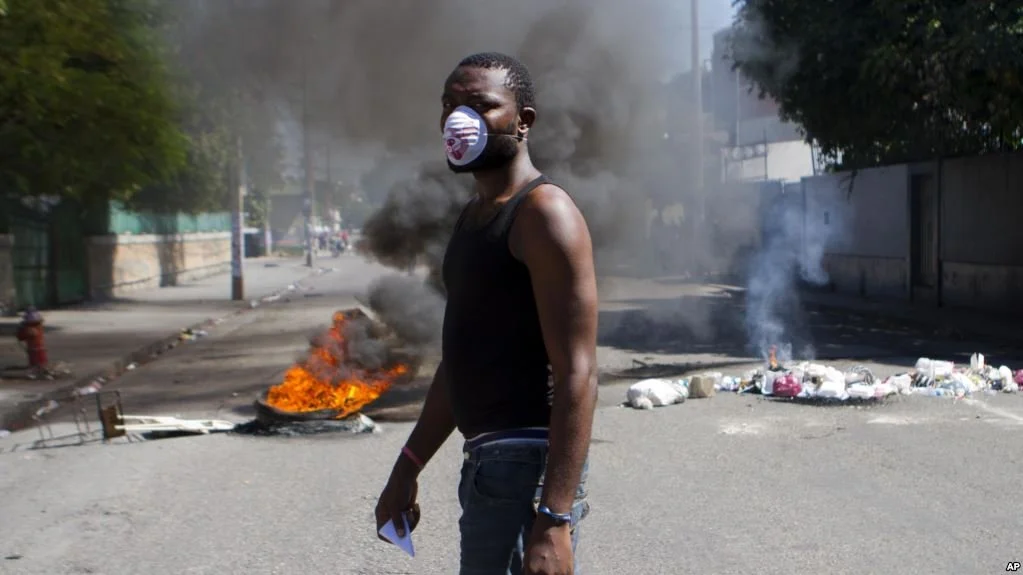
PORT-AU-PRINCE, Haiti (AFP) — Thousands took to the streets of Haiti's capital Wednesday to demand President Jovenel Moise step down following the publication of a national budget viewed as unfavorable to the country's poor."We do not agree with what Jovenel does: he is crushing the country," said Jean-David Senat, among a throng of demonstrators stretching down a main avenue."He said he would put money in our pockets, he did not. He said he would put food on our plates; we do not even have dirt to eat. So he and this team of thieves must leave," the protester said, referring to the president's campaign slogans.Since it was released in July, opposition lawmakers have decried the budget for fiscal year 2017-2018, saying it would balloon the debt of the poorest country in the western hemisphere.On Tuesday, protesters brought parts of Port-au-Prince to a standstill, setting vehicles alight and damaging local businesses.Protesters directed their anger toward senators who voted for the 2017-2018 budget last week and the deputies who approved it Saturday.Despite popular opposition, the government published the document in the official gazette late Tuesday.The lack of dialog has infuriated demonstrators.That the president "published the budget is a provocation to the Haitian people and to us the political leaders," said Moise Jean-Charles, an opposition leader who spearheaded the demonstration."The people will decide his fate," he said."An alternative is being prepared," Jean-Charles said. "This time we take our fate in our hands.""No one will be able to divert our movement to satisfy the bourgeoisie."The Haitian leader left the country Sunday to attend the UN General Assembly in New York and was due to deliver his speech Thursday and return to Haiti the following day.New anti-government demonstrations are already planned for Thursday and Friday in the capital.By: Jamaica Observer | September 20, 2017
Read More
News, Politics News, Politics

Strike Over New Transport Taxes Brings Haiti to a Halt

Protesters, unhappy with a new budget approved earlier this month, take to the streets for a second week.

The strike forced many shops and schools to close as employees and students could not get to work or class. [Dieu Nalio/AP Photo]
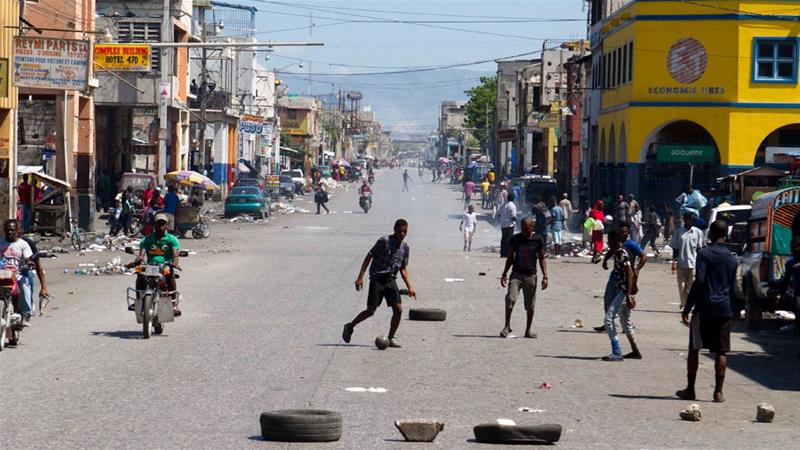
Much of Haiti has come to a halt because of a transportation strike over new taxes proposed by the government.Most Haitians do not have private cars, and they get around on motorcycle taxis or the often elaborately painted vans and trucks known as "tap taps". But none were available on Monday as drivers took part in a strike over driver's licenses, fuel and property, among other things."We don't want this budget [new taxes] to pass," one protester in the capital Port-au-Prince told The Associated Press. "We don't want it."Another protester, Eddy Edouard, said he supported the strike "100 percent because the situation is tough for us".

Most shops were closed, as were schools because students could not get to class. Government offices were technically open, but most employees could not get to work.President Jovenel Moise was out of the country to attend the UN General Assembly but has said the money will go back to the public in the form of services and new infrastructure.

'Revolution has just started'

Last week, protesters brought parts of Port-au-Prince to a standstill to protest the government's budget plans. The demonstrations, at times, turned violent."These little thieves in parliament voted for this budget to help the government exploit the people," protester Marco Paul Delva, who stood by a barricade of flaming tires near the legislature, told AFP news agency.Traffic in the centre of Port-au-Prince and on key routes around the city grounded to a halt after protesters threw stones and tires across roads.Although demonstrators gathered in relatively small groups, the protest took police by surprise - and they were unable to intervene in some blocked-off areas.Protesters directed their anger towards politicians who approved an unpopular budget earlier this month that raises taxes on products including cigarettes, alcohol and passports.

Anti-government protests in the centre of Port-au-Prince on September 12, 2017 [Hector Retamal/AFP]

"The revolution has just started. Jovenel Moise will have to retract his taxes, or he will have to leave immediately," Jacques Menard, a 31-year-old protester, told Reuters news agency."And this is a warning because the next phase can be very violent."At the same time, foreign aid to Haiti is slowing. The country is one of the poorest in the Americas and suffered a devastating earthquake in 2010 and the worst of Hurricane Matthew last year."If Jovenel Moise is intelligent, he should refrain from publishing the budget; otherwise he will have to face a series of street demonstrations that will further complicate the situation," former presidential candidate Jean-Charles Moise said on local radio last week.The government has defended the budget, saying that many of the things protesters are unhappy with are untrue."There are people manipulating public opinion," Economy and Fiance Minister Jude Alix Patrick Salomon said before last week's protests.By: Aljazeera| September 18, 2017

Read More
Featured, News, Politics Featured, News, Politics

The Financing of the new Haitian Parliament

Youri Latortue Senate President announced the reconstruction of the Parliament at the cost of about 3 billion Gourdes ($48 million). The new parliamentary complex will consist of 3 buildings, a 10-story building for the offices of parliamentarians including the working and meeting rooms of the Standing Commissions and the offices of the administration. The second one will comprise of three large hemicycles (Chamber of Deputies, Senate, and National Assembly), and finally the 3rd will include a four-story closed parking lot for parliamentarians and visitors...On Friday Sep. 15th, 2017, President Moïse wished to silence criticisms relating to the high budget of Parliament by stating that 50% of the 7.2 billion gourdes allocated to senators and deputies in the budget would be used for the reconstruction of Parliament in his message to the Nation regarding the publication of the budget.However, in reality, it is stated in the budget that the 7.2 billion Gourdes of the Parliament are divided 50/50 between the Senate and the Lower House, ie 3.6 billion for each Chamber. For the Senate 2 billion are devoted to the functioning and an "investments" heading has an envelope of 1.5 billion which will be allocated to the reconstruction of the Parliament. As for the budget of the lower chamber, it is essentially devoted to functioning and does not include any heading "investments". This means that only 50% of the estimated costs of reconstruction of Parliament will come from Parliament's budget and not all as Moïse said and the other 1.5 billion gourdes to complete the cost of the work, will have to come from other items in the State budget...If Senator Latortue evokes an amount of about 3 billion Gourdes for the new parliamentary complex, Clément Bélizaire, the Director of the Unit of Construction of Housing and Public Buildings (UCLBP) shows more reserved "We do not know yet how much will cost Parliament nor the firm that will carry out the work because adjustments have been requested," specifying that there will be no traditional call for tenders for the construction of the Haitian Parliament.SL/ HaitiLibre

Read More
News News

Hurricane Maria Haiti: Projected Track & Forecast

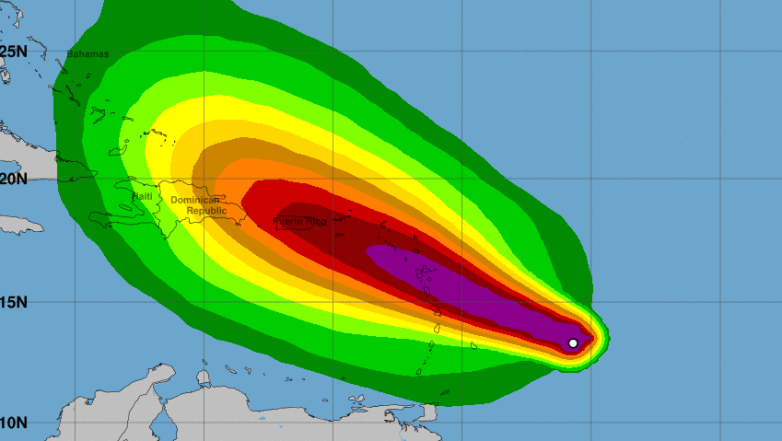
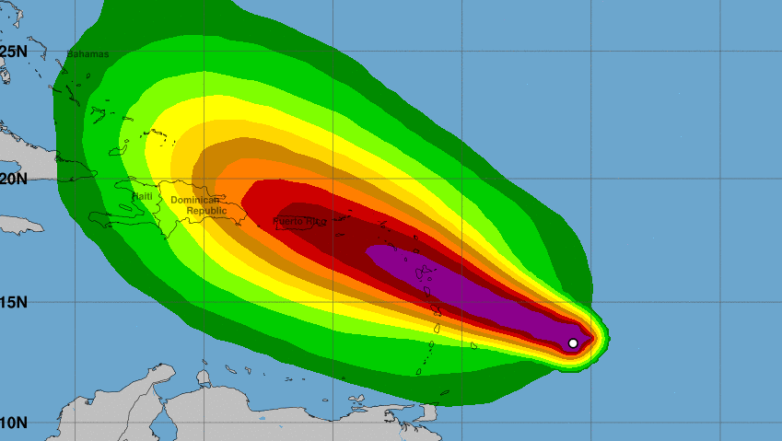
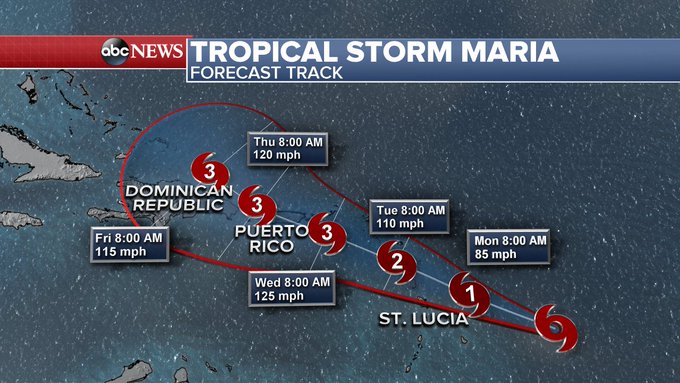
Hurricane Maria has Haiti in its path. The country, which sits on the west side of Hispaniola was already hit by Hurricane Irma earlier this month. The latest forecast from the U.S. National Hurricane Center predicts that Maria will reach the Leeward Islands by Monday night and could reach Haiti by Friday.

Hurricane Maria map, Hurricane Maria track, Hurricane Maria path

NHC/NOAAHurricane Maria forecast at 8 a.m. from the National Hurricane Center.

 The 8 a.m. ET cone track from the NHC shows Maria reaching Hispaniola, the island Haiti shares with the Dominican Republic, by early Friday morning after it passes Puerto Rico. The latest public advisory reports that Maria is 85 miles (135 km) east of Martinique and is moving west-northwest at 12 mph (19 kmh). Its maximum sustained winds are at 110 mph (175 kmh).

Hurricane Maria wind, Hurricane Maria forecast, Hurricane Maria

NHC/NOAAMaria wind speed probabilities map from the National Hurricane Center.

 There are no hurricane or tropical storm watches in effect for Haiti at this point. The Weather Channel forecasts that Haiti could see the effects of the storm Thursday, before Maria itself reaches Hispaniola.

Hurricane Irma caused damage throughout Haiti, although it could have been much worse. As The Miami Herald reported on September 9, the storm dealt a blow to the country’s economy and food supply.

SFWMDSeptember 18 spaghetti model for Maria.

 “We didn’t have people who died, but homes and farms were destroyed,” Artis Esperance told the Herald. “Just because you don’t see a lot of damages, it doesn’t mean that we haven’t been left deeper in misery.”

Forecasters warn Tropical Storm Maria is likely to hit Leeward Islands as a strengthening hurricane Tuesday http://abcn.ws/2habjUN 

Last year’s Hurricane Matthew was a catastrophic event for Haiti by comparison. There were reports that as many as 1,000 people died, but the official number was 546 deaths. It caused $2.8 billion in damage to the country, which is considered the poorest in the Western Hemisphere.“If [Hurricane Irma] had come with a lot of rain, a good amount of people here would be dead,” Neckson Joseph, a motorcycle taxi driver, told the Miami Herald. “There wasn’t a lot of rain, but there was this strong wind. We had this kitchen outside, covered with aluminum. It didn’t even leave a beam standing.”The CIA World Factbook estimates Haiti’s population at 10.6 million. Its capital city is Port-Au-Prince.By Daniel S. Levine/Heavy - Sept. 18, 2017

Read More
News, Politics News, Politics

President Moïse in New York

Sunday, President Jovenel Moïse left the country to New York to take part in the debate of the 72nd Ordinary Session of the General Assembly of the United Nations, which will be held from 18 to 26 September 2017.On the sidelines of the general debate, the Head of State will meet with Antonio Gutteres, the UN Secretary-General, Luis Alberto Moreno, President of the Inter-American Development Bank (IDB) and Christine Lagarde, Director General of the International Monetary Fund (IMF), among others, to discuss the economic and social development priorities of his administration.He will also take advantage of his stay in the United States to speak with compatriots of the Haitian community in the metropolitan area of New York.To this end, the Consulate General of the Republic of Haiti in New York invites the Haitian community to a meeting with President Jovenel Moïse on Thursday 21 September 2017 from 7:00 to 9:00 p.m. at Medgar Evers College located 1650 Bedford Ave, Brooklyn, NY 11225.The Head of State will return to Haiti on Friday, 22 September.By: HL/ HaitiLibre | September 18, 2017

Read More
Music, News Music, News

Wyclef Jean's new album is out today!!!!

Wyclef is Back with Carnival III

Wyclef Jean’s new album Carnival III: The Fall and Rise of a Refugee is here via Legacy Recordings. This is his first album is eight years and falls on the 20th anniversary of his debut album The Carnival. The former Fugees member released the first single off his new album “Fela Kuti” back in June, and the album follows his EP The J’ouvert. In March, Jean was wrongfully detained by Los Angeles County Sheriff's Department officers after being racially profiled and mistaken as a suspect of a robbery.

Carnival III includes contributions from Lunch Money Lewis, Emeli Sandé, The Knocks, Supah Mario and more.
Here's the tracklist:

The Carnival III: The Fall and Rise of a Refugee1. "Slums"2. "Turn Me Good"3. "Borrowed Time"4. "Fela Kuti"5. "Warrior"6. "Shotta Boys"7. "Double Dutch"8. "What Happened to Love"9. "Carry On"10. "Concrete Rose"11. "Trapicabana"12. "Thank God for the Culture"


Source: TheFader.com
Read More