
Envoy To Haitian TPS Holders: Leaving U.S. For Canada Not A Good Idea
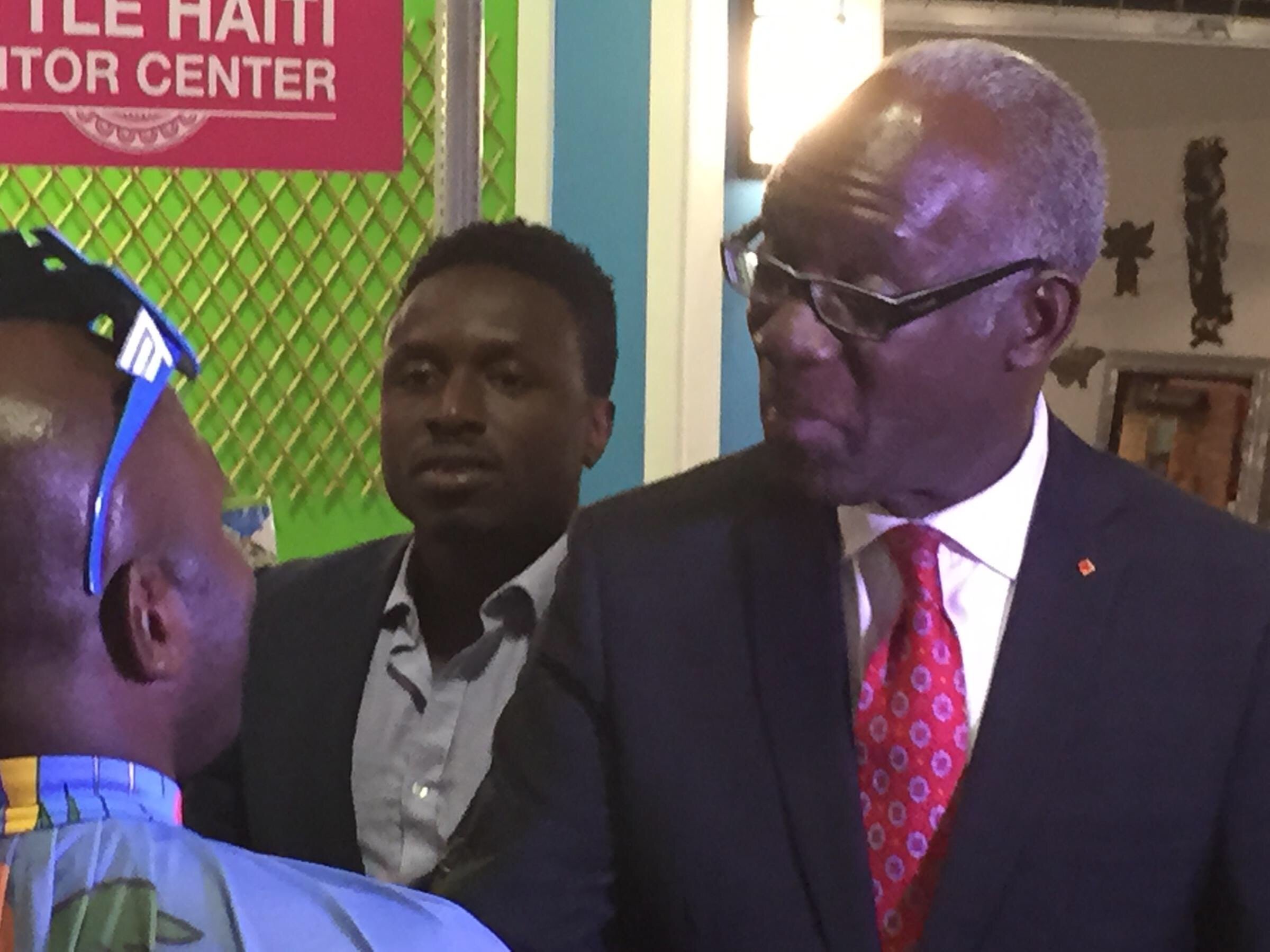
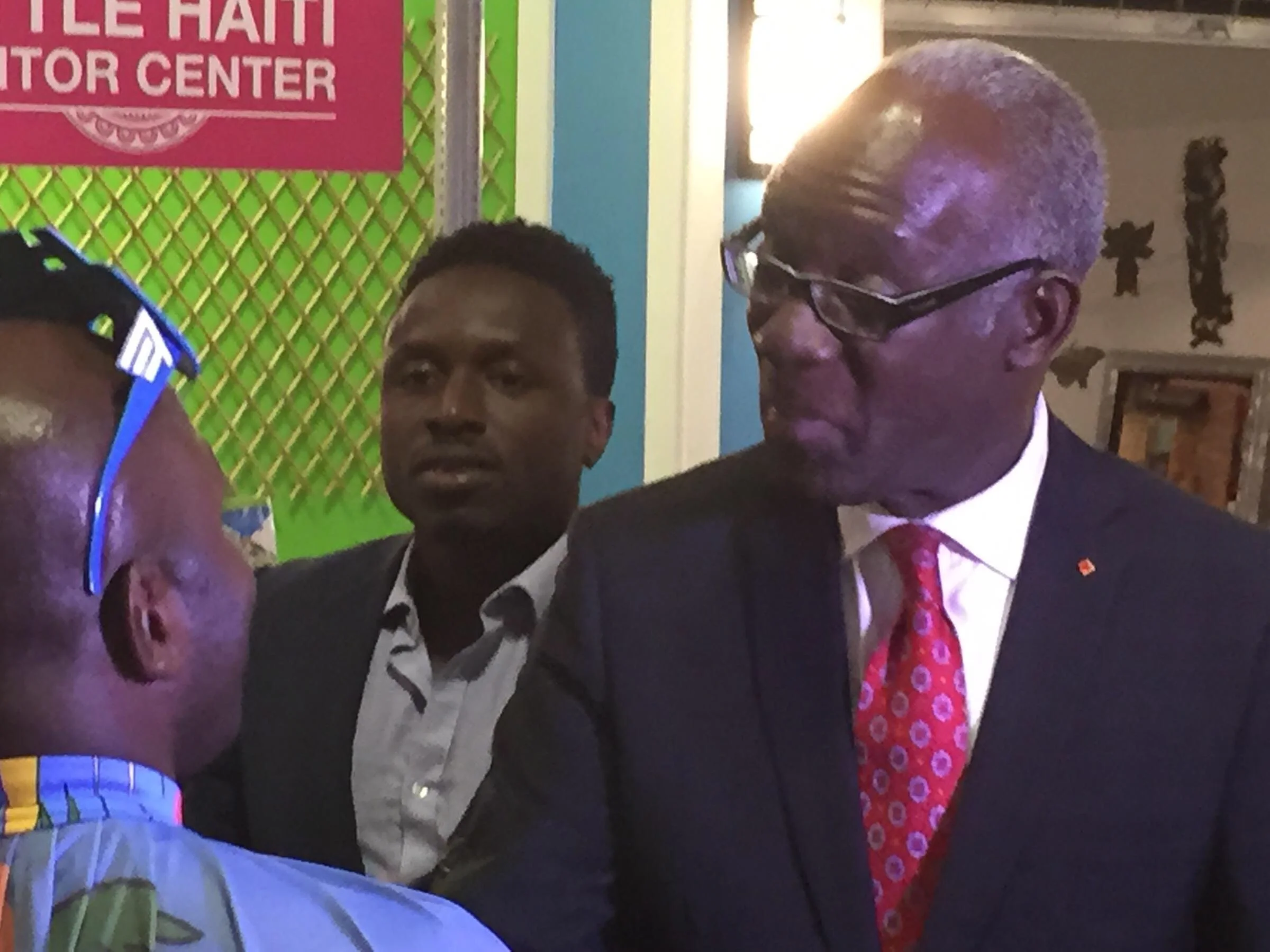
This summer thousands of Haitians living under Temporary Protected Status (TPS) in the U.S. have been attempting to move to Canada. But Canada is warning them that’s not a good idea – and Ottawa sent an envoy to Miami on Thursday to get that message across. Canadian officials are alarmed that almost 10,000 Haitians have crossed or attempted to cross into their country, usually Quebec province, from the U.S. since June. Just about all those Haitians are TPS recipients. The Trump Administration has said TPS for some 60,000 Haitians will probably be canceled in January. So, many believe it’s better to go to Canada rather than be deported back to Haiti. The Canadian government sent Emmanuel Dubourg – a Haitian-born member of Parliament – to Miami’s Little Haiti - and he urged Haitians here not to enter Canada “irregularly,” as he put it. “The risk is...we’re going to deport them," said Dubourg. "And if we deport them the door is completely closed for them or for their family for next time. So they have to be aware of our system and that there are ways that they can come regularly.” Haitian-American leaders here echo Dubourg. And they warn TPS holders if they leave the U.S. for Canada now they also risk being unable to return here if the TPS issue gets resolved in their favor. “These are people who are here legally," said Marleine Bastien, who heads Haitian Women of Miami, or FANM. "So leaving documented status to go to Canada, where you’re not sure what’s going to happen – we think for the TPS holders it’s not a good idea.” TPS advocates insist Haiti is still too ravaged by natural and political disasters to take back so many Haitians living here. Florida Senator Bill Nelson says he will come to Little Haiti on Friday to call for TPS extension. By Tim Padgett | August 24, 2017
Haitian-Canadian Deputy Emmanue Dubourg on the front line.
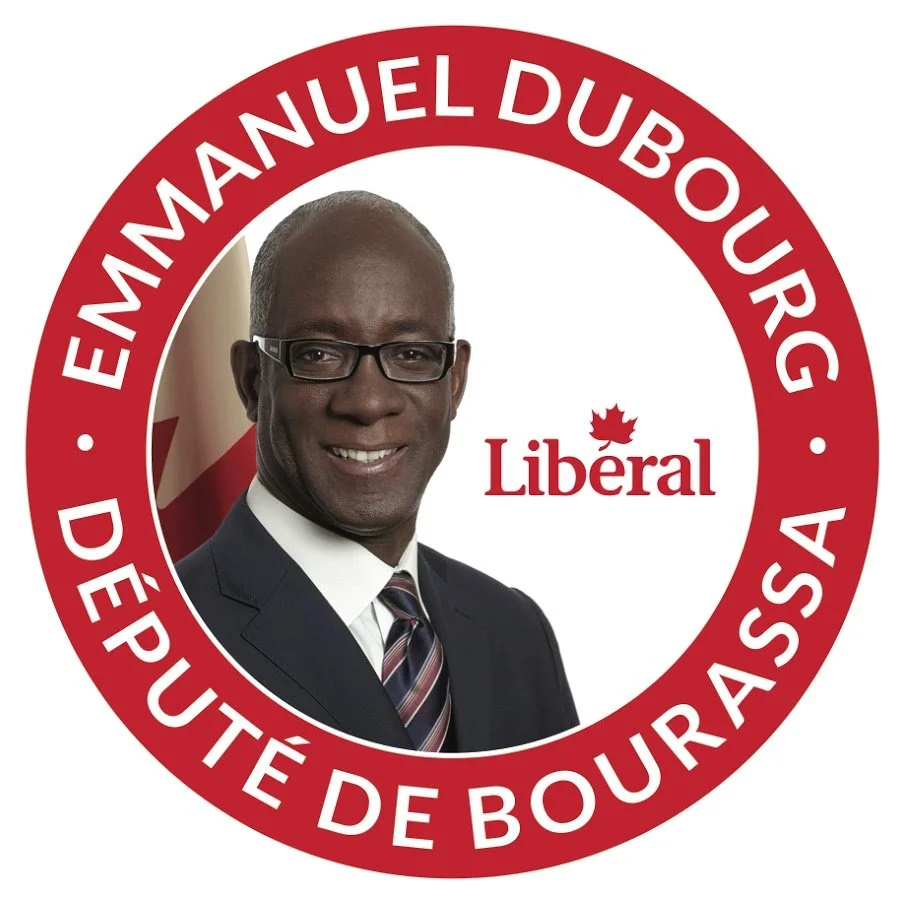
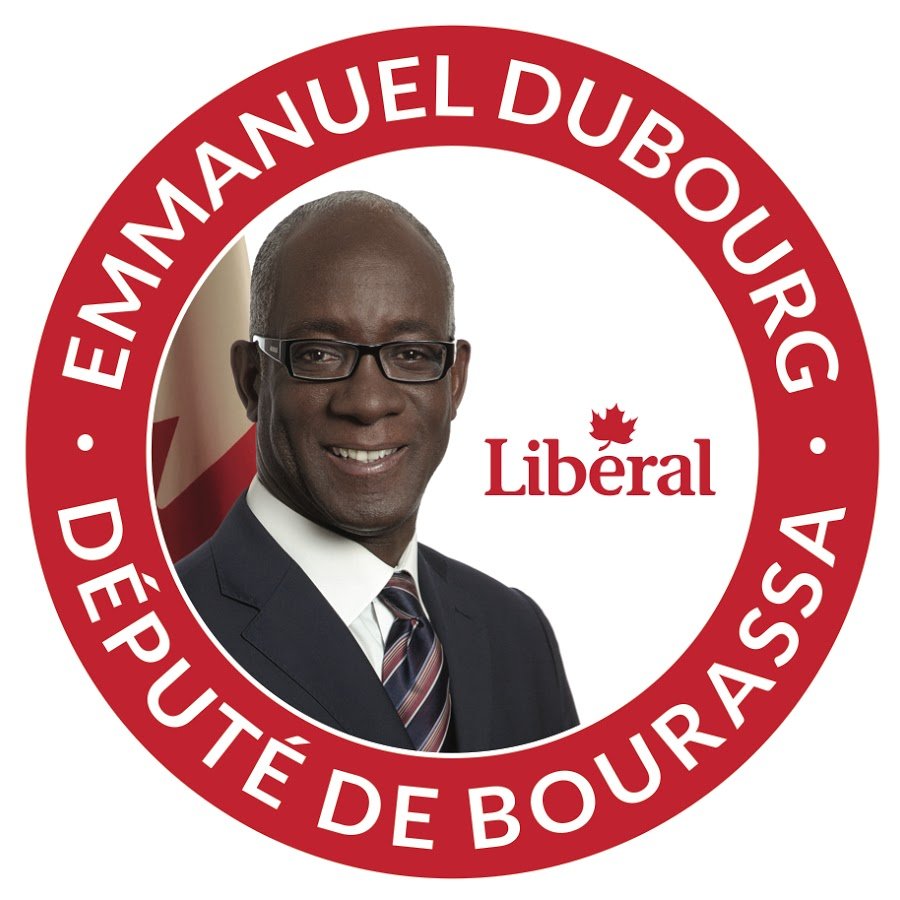
 As part of the Canadian government's efforts to reduce the flow of Haitians illegally crossing the Canadian border to seek asylum, the Liberal Deputy of Parliament, of Haitian origin Emmanuel Dubourg (Bourassa riding) left the Canada for 3 days to Miami, today.Fluent in Creole, French and English, with strong ties to the Haitian diaspora, he was sent to Miami to gives interview with the Haitian media and hold meetings with diaspora leaders to rectify the information erroneous concerning Canada's immigration and refugee policies and attempting to slow down the flow of Haitian nationals to Canada.HL
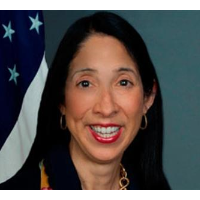
Ambassador to Haiti: Who Is Michele Sison?
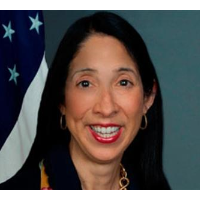
 Michele Sison was nominated to be U.S. ambassador to Haiti by President Donald Trump on July 20, 2017. Sison, who has been deputy permanent representative to the United Nations since December 2014, succeeds Peter Mulrean, who served in Port-au-Prince from October 2015 to February 2017.In her role at the United Nations, just a month before her nomination, Sison made it clear that the Trump administration did not intend to contribute to a UN trust fund to fight Haiti’s cholera epidemic because the U.S. had already contributed more than $100 million to the anti-cholera effort. It is widely believed that cholera was inadvertently introduced into Haiti by UN peacekeepers from Nepal in October 2010.Born May 27, 1959, in Arlington, Virginia, Michele Jeanne Sison is the first Filipino-American ambassador from the United States. Her mother is Veronica Travers Sison. Her father, Pastor Bravo Sison, originally from the province of Pangasinan in the Philippines, earned a master's degree from Harvard Law School and eventually spent 25 years with the World Bank, retiring as director for public affairs in its Asia Division. She has two sisters, Victoria and Cynthia. Sison earned her BA in Political Science from Wellesley College in 1981 and also studied at the London School of Economics.Sison joined the State Department in 1982 and served early career postings as a consular official in Port-au-Prince, Haiti, from 1982 to 1984; Lomé, Togo, from 1984 to 1988; Cotonou, Benin, from 1988 to 1991; Douala, Cameroon, from 1991 to 1993; and Abidjan, Côte d’Ivoire, from 1993 to 1996. Sison served as consul general at the U.S. consulate in Chennai, India, from 1996 to 1999.She was deputy chief of mission and chargé d’affaires at the U.S. embassy in Islamabad, Pakistan, from 1999 to 2002. Just one month before the terrorist attacks of September 11, 2001, Sison met with Taliban officials to try to secure the release of American aid workers who had been arrested in Afghanistan for allegedly showing a Christian video to an Afghan family. The following March, Sison was out jogging and waved to embassy employee Barbara Green and her 17-year-old daughter, Kristen Wormsley, who drove by on their way to church. Shortly thereafter, the two were killed in a grenade attack on the church.In Washington, Sison served as principal deputy assistant secretary in the Bureau of South Asian Affairs from 2002 to 2004, after which she was appointed ambassador to the United Arab Emirates (UAE), where she served from July 2004 to January 2008, putting a strong emphasis on promoting trade with the Dubai dictatorship, a strategy she referred to as “massive corporate diplomacy.”From the UAE she went to Lebanon, serving in Beirut as chargé d’affaires ad interim starting in February and as ambassador from June 2008 to August 2010. Her tour in Lebanon was a demanding one right from the start, as she had to deal with numerous controversial issues. For example, in April 2008, she sent a cable to the State Department explaining that Lebanon’s telecommunications minister, Marwan Hamadeh, had complained that Hezbollah (which held elected seats in the national legislature and a cabinet position) had set up its own fiber optic telecom network, which, in Sison’s words, “covers the Palestinian camps, and the Hezbollah training camps in the Bekaa, and is penetrating deep into the Christian Metn and Kesrwan areas.” On June 18, 2008, she was involved in a particularly unpleasant incident, when her motorcade in the southern Lebanon town of Nabatiyah was stoned by anti-American pro-Hezbollah militants.After her tour in Lebanon, Sison served as assistant chief of mission for Law Enforcement and Rule of Law Assistance in Baghdad, Iraq. She also served stateside as director of Career Development and Assignments in the Bureau of Human Resources from 2010 to 2011.Sison returned to South Asia to serve as U.S. Ambassador to Sri Lanka and Maldives from September 2012 to December 2014.As U.S. deputy representative to the United Nations, Sison again found herself in the thick of the action, particularly in 2016 when the Obama administration clashed with the Russian government over the war in Syria. In March 2017, she accused the government of South Sudan of conducting a “scorched earth campaign” that used man-made famine as a tactic in that country’s civil war.Sison has two daughters, Alexandra and Jessica; she and their father, Jeffrey J. Hawkins, are divorced. She speaks fluent French, basic Haitian Creole, and Arabic.By: David Wallechinsky, Matt Bewig | August 23,2017
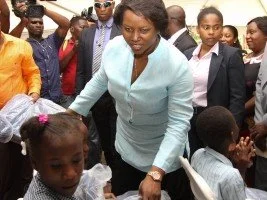
Martine Moïse Distributes School Kits
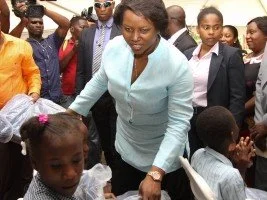
 Tuesday, at the Municipal Palace of Delmas, in order to help the most disadvantaged parents to prepare in better conditions, the back to school, the First Lady, Martine Moïse, accompanied by Régine Lamur the Minister of Youth, participated in a distribution of school kits and shoes to more than 2,000 students from national schools Canada and Pierre Labritie.In her speech, Martine Moïse insisted on the importance of education as a tool to build new citizens capable of participating in the project of national reconstruction. While reiterating her will to accompany the needy children, the First Lady has called on all players in the system to play their score in order to make the academic year coming, a total success.The First Lady promised to be with the children throughout the school year and insisted on a set of measures adopted to relieve parents and students during the year including free transportation of students and provision of a daily hot meal to students as part of the National School Canteen Program (PNCS).She also referred to the strengthening of the programs "Tout pou ti moun yo" and "Konte m, mwen konte", recalling that these programs aim, respectively, to increase the number of childcare centers in the country for children from 0 to 5 years and allow children from birth to have identification documents.Speaking to parents, Minister Régine Lamur stressed that the collective development of society and personal fulfillment, promote schooling and the need to work to provide children with a healthy learning environment. Considering teachers as essential actors in the development of the country, the Minister took the opportunity to congratulate them and encourage them to work to improve the level of education in Haiti.By: HaitiLibre | August 23, 2017
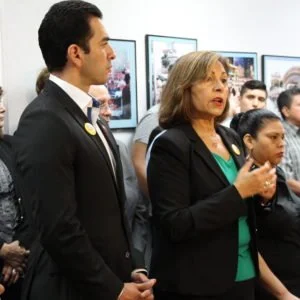
Union Urges Trump to Save Immigrants With Temporary Protections
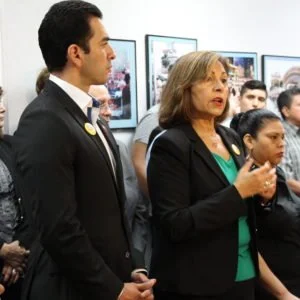
 A Las Vegas union is hoping to save thousands of immigrants from deportation Tuesday by urging President Donald Trump to extend their protected status.The Temporary Protected Status (TPS) program allows foreign nationals to stay in the country legally if they are unable to return to their home country safely. The protected status for 320,000 immigrants is set to expire at the end of this year. The Culinary Workers Union Local 226 believes the deadline should be extended.Local 226 held a press conference to make its case for why the protection should be extended. The union argues that it wouldn’t be right to force immigrants out after they have spent years building lives in the U.S. The union is urging the president and local lawmakers to extend the program until a pathway to citizenship can be implemented.“The Culinary Union has been on the front line fight for these immigrants,” Local 226 treasury secretary Geoconda Argüello-Kline said during the press conference. “They live here; they pay their taxes; they work really hard. They want to be citizens of this country.”House Reps. Jacky Rosen and Ruben Kihuen joined the press conference in support of the union push. Both representatives are Democrats from the state of Nevada. They urged Republican Sen. Dean Heller to also support the extension with so many participants in their state.Local 226 notes that many of the immigrants at risk have been here for almost three decades. They have worked in the country and become a part of their community. They have raised children who only know how to be Americans. Local 226 is working alongside its national affiliate, Unite Here, to bring attention to the issue.The TPS program currently includes immigrants from El Salvador, Haiti, Honduras, Nepal, Nicaragua, Somalia, Sudan, South Sudan, Syria, and Yemen. Unite Here has specifically focused on the 50,000 Haitians that have a protected status. The union argued those immigrants still don’t have a safe home to go back to.Unite Here organized protests and launched a petition to bring national attention to the issue. The union also joined forces with other advocates like the Haitian Women of Miami and the Florida Immigrant Coalition. The union has argued that the statutes should be extended until pathways to citizenship are developed for them.The Trump administration announced May 22 that the program would be extended for the Haitians. Department of Homeland Security (DHS) announced the six-month extension just a day before it was set to expire. The Haitians have lived in the country since their homeland was hit by an earthquake seven years ago.“After careful review of the current conditions in Haiti and conversations with the Haitian government, I have decided to extend the designation of Haiti for Temporary Protected Status for a limited period of six-months,” Homeland Security Secretary John Kelly said in a statement. “Haiti has made progress across several fronts since the devastating earthquake in 2010.”Unite Here and other critics expressed dissatisfaction with the extension when it was announced. The union argues that the ideal would be to extend the program until the government develops pathways so they can stay permanently. The union says they have been here too long to send them back now.Trump has promised to better enforce immigration law, and pursue policies that protect domestic workers from unfair foreign competition. The administration has said it will prioritize criminal aliens for deportation, but critics have expressed concern the administration will pursue mass deportation, which would include illegal immigrants that are otherwise acting lawfully.Unite Here represents 270,000 members across the hotel, gaming, food service, manufacturing, textile, distribution, laundry, transportation, and airport industries. The union, in general, has been a vocal supporter of a more open immigration system.By: Connor D. Wolf | August 22, 2017
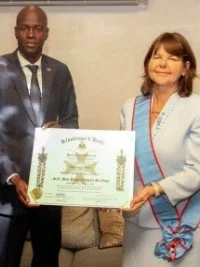
President Moïse honors and decorates the Ambassador of Canada
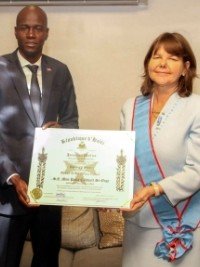
Monday at the National Palace, President Jovenel Moïse, held a farewell ceremony in honor of Canadian Ambassador Paula Caldwell St-Onge at the end of the mission.During the ceremony, which was attended by Antonio Rodrigue, the Minister of Foreign Affairs and representatives of the diplomatic corps, the Head of State expressed his satisfaction to the Canadian diplomat for her dynamism and high contribution to strengthening relations between Canada and Haiti during her mission in the country.At this ceremony, Ambassador Paula Caldwell St-Onge was decorated by the Head of State of the National Order of Honor and Merit, at the rank of Grand Cross Silver Plate.HL/ HaitiLibre
Cornwall councillors seek answers as hundreds of Haitian refugee claimants arrive in Ontario
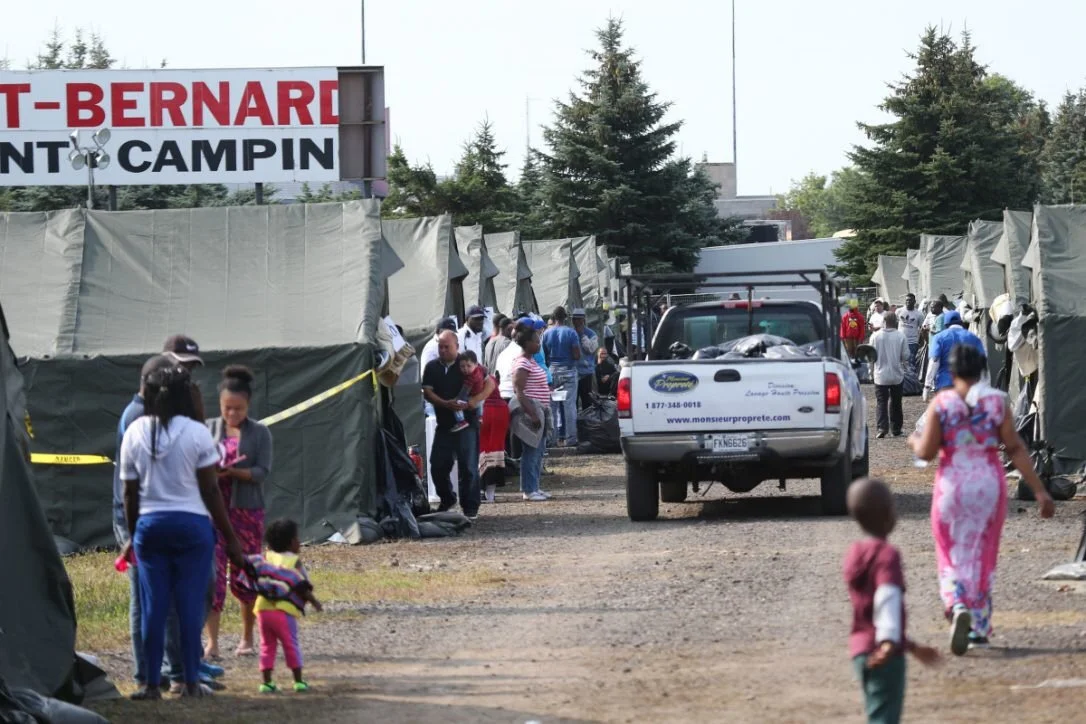
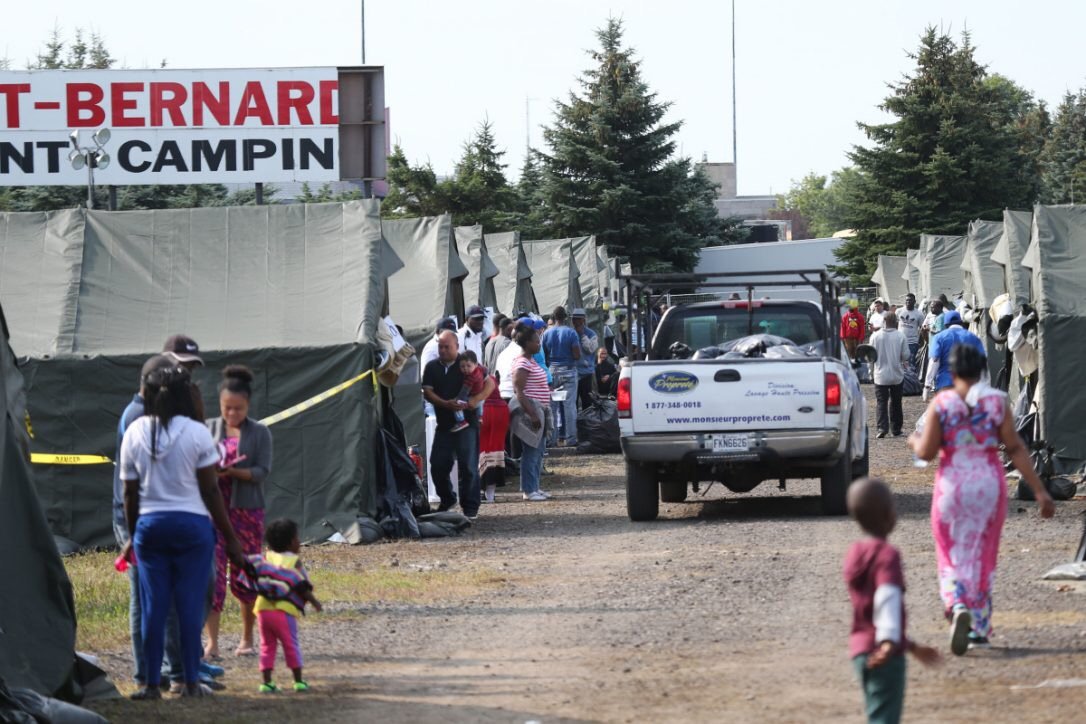
OTTAWA—As the surge of migrants pouring into Quebec hit 4,500 people — mostly Haitians — in the first three weeks of August, the federal government scrambled Monday to stem the tide with a sterner message to would-be asylum seekers and to accommodate hundreds more in the nearby Ontario border town of Cornwall. The office of Public Safety Minister Ralph Goodale acknowledged the RCMP had intercepted and arrested 4,500 irregular border crossers in Quebec so far this month — on top of 3,000 that crossed in July. They are mostly Haitian and found eligible to file a refugee claim. On Monday evening, Cornwall city councillors held a special meeting to demand answers of federal, provincial and municipal officials, saying citizens are worried about the impact of all the new arrivals, while many others want to help. At the Nav Centre conference and hotel facility now hosting 300 people — all Haitian families — is full, and manager Kim Coe-Turner said that with upcoming conferences it cannot accommodate more immediately. So the Canadian Forces are setting up a tent city on the Nav Centre grounds that will be an “interim lodging site” for up to 500 Haitians asylum seekers who will be directed there by border services authorities at Lacolle, Que., because Montreal’s shelters and services are overwhelmed, said Cornwall’s emergency management coordinator Bradley Nuttley. Nuttley assured councillors that the families can be well accommodated in tents with plywood flooring, electricity and heating, while nearby residents’ concerns will be met by low-noise electrical generators, and privacy fences up to 12 feet high to be erected on three sides. In part, he said, that’s to protect children — over 40 per cent of the refugee claimants now there are children under 7 — from “noxious weeds” on nearby land. Mayor Leslie O’Shaughnessy complained there is no lead federal agency to answer council’s or the public’s enquiries and that information “was changing by the hour.” He pressed federal officials to hold a public information meeting because “it is a federal project.” “Whoever the lead is, hopefully they’ll get the bills,” Councillor André Rivette said. He asked if Ottawa planned to set up a field hospital so that local residents wouldn’t find themselves waiting for health services. Stressing that no declaration of emergency had been issued because there are enough resources to meet the needs, Nuttley said almost all newcomers were quite healthy. There’d even been one birth of a “new Canadian citizen,” and a few more pregnant women are at the centre, he said, though officials see no need for anything more than a temporary clinic on the Nav Centre grounds. “I’ve not been requested to provide any services in this emergency – ‘er this event, sorry, a little Freudian slip there,” said Nuttley. Still, Louis Dumas, a senior federal immigration official, acknowledged “the current situation is a difficult one, we are seeing a spike” at Lacolle, Que. Refugee claimants are “entitled to due process” and the federal government’s goal “is to process people quickly,” he said. The hope is refugee claimants will within a week complete their applications and submit them for an assessment at a joint federal-provincial processing centre also set up at Cornwall’s Nav Centre before their claims are sent to the Immigration and Refugee Board for adjudication. But once their claims are submitted, the migrants are free to leave and most are expected to head back to Montreal where a large Haitian diaspora lives. Dumas said about 10 per cent will likely head elsewhere in Canada, mostly in Ontario. Haitians are flooding across the border because the United States administration under President Donald Trump has indicated it will revoke a temporary protected status for Haitians, issued after the 2010 earthquake, starting in January. Dumas said Haitians should not expect Canada will automatically allow permanent entry. He noted that last year, the independent IRB turned down 50 per cent of asylum claims by Haitians, who were then ordered deported back to Haiti. Earlier Monday Immigration Minister Ahmad Hussen and Public Safety Minister Ralph Goodale went before cameras at Lacolle earlier to say there is “no fast track” to refugee status for those who cross illegally and to warn against “border-hopping.” “Trying to cross the border in an irregular fashion is not a free ticket to Canada,” Goodale said, sounding a frustrated note. “We have been making this point over and over and over again since last January and February when the, the circumstances began.” That line is to be echoed by Haitian-Canadian MP Emmanuel Dubourg who Canadian Press reports is being dispatched to Florida to do Creole-language interviews and meet community leaders among Miami's Haitian diaspora and to speak to a slew of influential media outlets. By TONDA MACCHARLES | August 21, 2017
‘Perfect storm’ holding up Hamilton man’s adoption of Haitian orphan
Canadian couple has been caring for girl since shortly after mother’s death in 2009
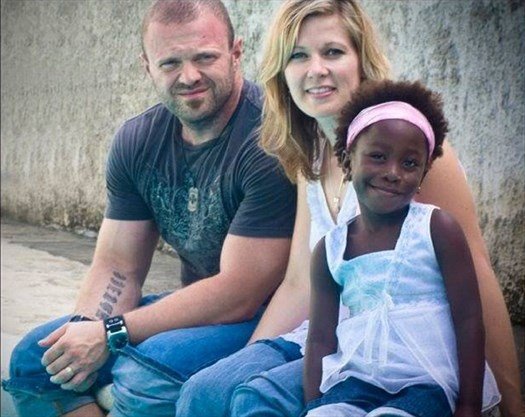
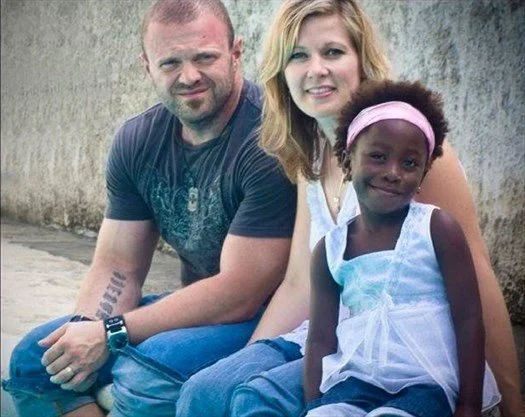
Vaden Earle first met Mari-Thérèse Pierre, a Haitian refugee, in the Dominican Republic in 2005 when he was on a humanitarian mission with a youth group he founded in Canada. The Hamilton man would see the woman with her newborn child, Widlene, scavenging for food around a giant dump site near Puerto Plata and would often chat with her.One day in 2009, the mother and girl disappeared, and he learned that Pierre had died and the child was sent back to Haiti to live with a relative. Worried about the well-being of the girl, Earle and his wife set out to find her. They eventually tracked her down in Haiti and have been her primary care providers ever since.Eight years after Earle and his wife initiated Widlene's adoption — and after a series of mishaps — the now 12-year-old is stranded and stateless in the Dominican Republic, waiting to come to Canada with her adoptive parents. To do that, the couple is asking for co-operation from immigration officials."It has been a nightmare in a perfect storm. It's just unbelievable," said Earle, 42, who moved to the Caribbean country in 2009 to look after Widlene full-time, while his wife, Christl, travels monthly from Toronto to see her family.Earle, who quit his position as CEO of the youth group Live Different and now runs a car rental business and café in Puerto Plata, said he and his wife were drawn to Widlene partly by their belief in empowering youth for social change."Widlene just finished Grade 6 (at a private school). She is an avid soccer player and loves watching hockey. She is a big Edmonton Oilers fan," said Earle. "She wants to become a pediatrician and work in developing countries."It's a future that would not have been imaginable when Earle first found Widlene in Gonaïves, in northern Haiti, where she was on the verge of being sold as a child domestic worker in 2009.He and his wife, who have no children of their own, applied to Haitian authorities for Widlene's guardianship in order to bring the girl home to formalize the adoption in Canada. They completed a government assessment in Ontario of their skills and talents as potential parents.Then the 7.0-magnitude earthquake struck Port-au-Prince in January 2010, causing widespread devastation — and destroying all the documents necessary for Widlene's adoption, including proof of her mother's death and the signed consent of her biological father, whose whereabouts are still unknown.The couple then attempted to carry out the adoption in Haiti, but in 2013, the Haitian government suddenly put a moratorium on international adoptions.In 2015 the family encountered yet another hurdle when a new law was enacted that revoked Haitian citizenship for anyone born outside Haiti, even to Haitian parents.Earle said Widlene subsequently had her Haitian passport and citizenship stripped, and became stateless in the Dominican Republic, because that country does not grant citizenship by birth on its soil."As a Haitian, she is living in a country where Haitians are not welcomed and are targets for exploitation, racism and deportation," said Earle. "As a Dominican-born child, Haiti refuses to recognize her as a citizen. Today, we, as Canadian citizens, are effectively exiled from Canada by virtue of our decision to save the life of a child."Being stateless, Widlene does not have a valid travel document.The family's Toronto lawyer, Chantal Desloges, has asked immigration officials to issue a temporary resident permit to let Widlene into Canada so the couple can complete the adoption — and the immigration process — in this country.Immigration officials have yet to decide on the matter. They say they've been responding to correspondence from Earle since September 2016."We understand the rules are there, but this is a humanitarian case. We need the exceptional discretion applied in this case," said Desloges, adding that the permit, unlike a tourist visa, is designed for the entry of an otherwise inadmissible foreigner because of "compelling needs."Toronto StarBy Nicholas Keung | August 21, 2017

The World Bank Continues To Subsidize The Education Sector

The working meetings in Washington of the Haitian delegation led by the Minister of National Education, Pierre Josué Agénor Cadet, with the World Bank (WB) and the Global Partnership for Education (SME) in order to find funding for the implementation of several educational projects have been fruitful and open up new opportunities for Haiti in the education sector.According to Minister Cadet, the World Bank has confirmed its support for a donation of 30 million, as it had already done in 2016. These funds will in particular make it possible to maintain and increase the coverage of school canteens for the benefit of children as soon as the next school year scheduled for 4 September.Other additional funds are planned for Haiti. To this end, the total contribution of the World Bank to Haiti will increase by 140 million, from 120 million to 260 million. Education will be particularly beneficiary to this increase.Recall that Minister Cadet was accompanied by Norbert Stimphil, Coordinator of the Education For All (EFA) project, Delima Pierre Director General of the National Office for Education Partnership (ONAPE) and of Communication Director of the Ministry, Miloody Vincent.by: HaitiLibre | August 18,2017
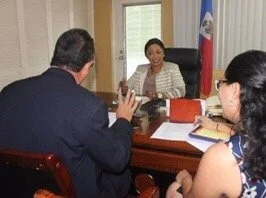
MHAVE seeks to strengthen cooperation with Mexico
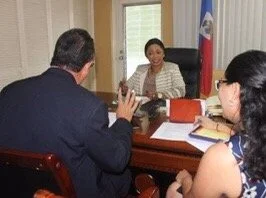
Stéphanie Auguste, Minister of Haitians living Abroad, received the visit of the Mexican Ambassador Jose Luis Alvaro, who was accompanied by his assistant, Georgina Marina. Discussions focused on identifying cooperation projects involving the Haitian Diaspora in their design and/or implementation and on migration issues. During this meeting, Minister Auguste expressed the will to see the realization of the project relating to the initiatives of the diaspora in a form updated according to the realities of the moment and by insisting on investment. To this end, she has requested Mexico's assistance in a "Diaspora Support Initiatives Project for Local and Regional Authorities", whose mission will be, among other things, to identify and support the initiatives already undertaken, to define with the uthorities of the communities the needs according to their plan of communal development, to define the mechanisms of support to the diaspora through the investment in the niches identified in the development plans of the communes. The Minister wished Mexico's cooperation in establishing a network of information centers on migration as well as establishing a communication network with migrants in Mexico, especially those whose situation was recently regularized. Such assistance will facilitate the establishment of a federation or confederation of Haitian diaspora organizations in Mexico. Ambassador Alvaro assured that he would follow up on these requests and told Minister Auguste that the process of regularization of Haitians in Tijuana and Mexicali was still under way for Haitian nationals with an official document, particularly a passport. HL | August 17,2017

The Lottery of Haiti would like to draw inspiration from the Dominican Republic

Marie Margareth Fortuné, the Director General of the Haitian State Lottery (LEH), paid a 2-day visit to the Dominican Republic in the gambling sector to learn about the mechanisms operation of this industry and draw on good practices from our neighbors.In addition to a visit to Dominican Republic Lottery facilities in Santo Domingo, Mrs. Fortuné, met with lottery officials from the Dominican Republic with whom she shared their experiences and good practices and discussed the important role that national lotteries play in the socio-economic development of a country. A particularly developed and highly controlled sector in the Dominican Republic. Note that in the last six months alone in the national district, more than 5,300 illegal lottery banks have been closed (equivalent to the Borlettes in Haiti), more than 12,000 gaming equipment has been seized and destroyed as well as 844 slot machine that were in services in illegal gambling establishments.Mrs. Fortuné is convinced after her interviews with various players involved in the gaming industry that this industry is an important economic and financial sector capable of creating many jobs and incomes (over 3 billion pesos to the Dominican tax authorities per year)She also believes that this market in Haiti, regulated and controlled, could generate sufficient incometo the LEH to enable it to provide grants to the Government projects and also to socially oriented institutions and organizations.HL
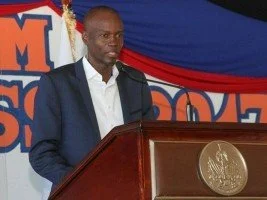
President Jovenel Moïse in the first Youth Forum at Les Cayes
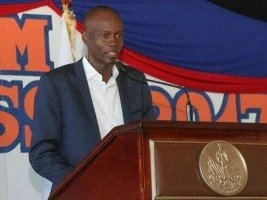
On Saturday August 12th 2017, as part of the celebration of World Youth Day, President Jovenel Moïse was accompanied by his wife and Prime Minister Jack Guy Lafontant. They participated in the first Youth Forum, organized by the Town Hall of Les Cayes, around mental health, education, employment, famine, poverty, health and the environment.In the presence of the Mayor of the City of Les Cayes, Gabriel Fortuné, Ministers Roosevelt Bellevue (Social Affairs), Régine Lamur (Youth), Senators of the South, Hervé Fourcand and François Sildor, members of the Commission for Innovation and Socio-professional Integration of Youth, international diplomats and several hundred young people, the Head of State addressed the young people of Haiti, affirming recognize "their anxieties, their worries about the future, their material concerns but also the immensity of their their talents, their generosity and their spontaneity."Advocating for a valorization of the capacity and talents of the young people of the country. He warned all those who try to manipulate, to deprive youth of their pride, their national pride and their love of the land of Haiti. "I say that they have gone wrong. They are wrong in making you believe that the future is elsewhere. They have been mistaken for not being able to show what we are, for leaving you as the only horizon of emigration or exile," continued Moïse, who believes that it is through youth that Haitians can know where they come from, where they are and where they are going, convinced that the success of Haiti depends on the place that society dedicates to its youth in the making of the common future.The Mayor of Les Cayes, Gabriel Fortuné, affirmed that Haiti can not exist without young people, that the future of the country, the South and of Les Cayes depends on them and that it is up to the elders the duty of transmission of values to . He took the opportunity to recall some initiatives taken by the Town Hall of Les Cayes which is already working with young people through a new civic service of 2,000 young people, with various missions that can participate in their development.In her speech, Minister Lamur praised the courage of the young people of the country and invited the actors involved in youth development to come together, ensuring that her ministry is committed to working with them, with a view to better addressing the obstacles linked to the full development of young people in Haiti.HL

What Bill And Hillary Clinton Did To Haiti!

(ThyBlackMan.com) ‘BUT YOU DISOWNED THE HOLY AND RIGHTEOUS ONE AND ASK FOR A MURDERER BE GRANTED TO YOU ! …ACTS 3:14LIKE all crime families the CLINTON’S are involved in many illicit endeavors , bank fraud, charities, drug dealing and murder when necessary but even by the CLINTON’S standards the theft of billions of dollars from the already impoverished nation of HAITI after the devastating 2010 earthquake that killed 300,000 people was a new low.ACCORDING to former and present HAITIAN officials only .06 % of the donated money given by international donors to the CLINTON FOUNDATION for the rebuilding HAITI actually went to HAITIAN organizations and another 9.6 % wound up in the hands of the HAITIAN government the remaining 89.8 % about $ 5.4 BILLION was stolen away from the HAITIAN people .THE CLINTON’S were also accused of raising another $100 million for the purpose of construction a hospital that was never built , it’s funny because the only presidential candidate that bought up the HAITIAN issue during the presidential campaign was TRUMP when he accused BILL CLINTON of using his influence to solicit donations from his FOB’S of ‘friends of bill’s’ in return for political favors and rebuilding contracts and according to the UNITED NATIONS office of special envoy to HAITI BILL CLINTON had undertaken 75 projects himself in the first year worth $3.2 billion but only five had been completed for only $84 million and the second year 2012 the IHRC reported that $ 9.5 billion been pledged and only $ 5.9 million had been disbursed but nobody knows where.THE CLINTON’S have a long history in HAITI starting with their honeymoon and prior to the earthquake BILL CLINTON was named U.N special envoy to HAITI in 2009 but it still didn’t stop them from raising money in these poor people’s name and simply walking away with it and leaving a devastated country in complete ruins 7 years after the earthquake and also leaving the HAITIAN people hurt and angry. https://youtu.be/3c2oBh1yDhcWHO IS LAURA SILSBY ?MOST of us may not know this but HAITI is the child trafficking capital of the world and these people ‘child traffickers’ actually gravitate to calamities like natural disasters and war knowing these societies are busted up and many of its children are unprotected , LAURA SILSBY and her NEW LIFE CHILDREN’S REFUGE and 10 missionaries from IDAHO were some of these people who were caught trying to cross the DOMINICAN REPUBLICAN border with 33 HAITIAN children who were not orphans and had families and fake bandages had been placed on them to feign injury and since they did not have authorization to transport the children the HAITIAN government who were on the look out for traffickers arrested her and the group of missionaries.NINE of the ten missionaries were later released but LAURA SILSBY was detained and put on trial and the found guilty but was only given time served and released.AND now thanks to HILLARY’S aide HUMA ABEDIN who’s emails were leaked by WIKILEAKS , we know HILLARY had a long history with the child trafficker LAURA SILSBY and it started around 2001 , the emails also state HILLARY’S interest in LAURA purchasing the land in the DOMINICAN REPUBLIC to build a orphanage but the D.R said she never made such a application. https://wikileaks.org/clinton-emails/emailid/3776HUMA was constantly sending articles to HILLARY about LAURA and her organization , they discussed her lawyer ‘JORGE PUELLO TORRES’ a man who also a convicted child trafficker https://wikileaks.org/gifiles/docs/32/323249_-os-haiti-us-legal-adviser-to-u-s-haiti-missionaries.html and even more disturbing , how much does it cost to transport the children and also the most important thing that was discussed was HILLARY urging BILL to put pressure of the HAITIAN government to get LAURA released.I can’t say for sure HILLARY is directly involved in child trafficking but the articles and emails paint a disturbing picture because LAURA SILSBY and her associates are all known child traffickers but you do have to ask yourself why would HILLARY have anything to do with a person like her?https://youtu.be/xPBk7YHzdBM THE CLINTON’S KILL!THIS is a update of the HAITIAN story,in the wake of the CLINTON’S long political career the have left a trail of dead bodies long enough to wrap around the planet and almost all died mysteriously and at the most opportune time for the CLINTON’S like prior to elections and or court appearances and now we have the latest , it was a HAITIAN official due to testify last month at the HAITIAN SENATE -ETHICS AND ANTI- CORRUPTION COMMISSION, he was going to expose the extent of the corruption that went on in HAITI with the CLINTON FOUNDATION.HIS name was KLAUS ERBERWIN and he stated many times to friends and family that he feared for his life , obviously he knew the history of the CLINTON’S, his friends and family are all shocked and claimed he was in good health and spirits and can’t believe he took his own life.HIS death was ruled a suicide although he was shot in the head with a shot gun, KLAUS ERBERWIN was a fierce critic of the CLINTON’S and he was one of the HAITIAN official that openly protested at the CLINTON’S foundation headquarters in NEW YORK where he said of the CLINTON’S ‘ they are thieves, they are liars and a disgrace and he should’ve added they’re also killers!ThyBlackMan.com - August 9, 2017

Haiti Senate Votes to Ban Gay Marriage

Haiti's constitution established a secular republic but the country is marked by deep religious beliefs. "Although the state is secular, it is people of faith who are the majority," Latortue said, stressing the commonly held belief in Haiti that homosexuality is a Western practice only.A vote by the Haitian Senate to ban gay marriage as well as “public demonstration of support” for homosexuality reflects the will of the people, the chamber’s president has said. The Senate approved a bill late Tuesday that said “the parties, co-parties and accomplices” of a homosexual marriage can be punished by three years in prison and a fine of about USD 8,000.“All senators are opposed to same-sex marriage, so this simply reflects the commitments the senators made during their campaigns,” Senate President Youri Latortue told AFP. Haiti’s constitution established a secular republic but the country is marked by deep religious beliefs. “Although the state is secular, it is people of faith who are the majority,” Latortue said, stressing the commonly held belief in Haiti that homosexuality is a Western practice only.“A country has to focus on its values and traditions. Some people in other countries see it differently, but in Haiti, that’s how it’s seen.” Haitian law already defines marriage as a union between a man and a woman, making it unclear what consequences the bill, if passed, would have in practice.However, it also called for banning “any public demonstration of support for homosexuality and proselytizing in favour of such acts.” It is this ambiguous wording that raises concern among Haitian homosexuals and their advocates.“We see this as an attack on the LGBT community in this country,” said Charlot Jeudy, president of the Kouraj group, which defends the rights of homosexuals and transgender people.“This text divides our society, it reinforces prejudices and discrimination. It’s really a shame.” The two gay rights organisations still officially recognised by the state record daily instances of insults, threats and violence. Politicians “know very well that this will bring much more violence and prejudice against the LGBTI community,” Jeudy said.Only police and the judicial system can intervene in response to reported violations under the measure. The bill now goes to the Chamber of Deputies for debate, though its passage into law is all but certain.By AFP | August 3, 2017
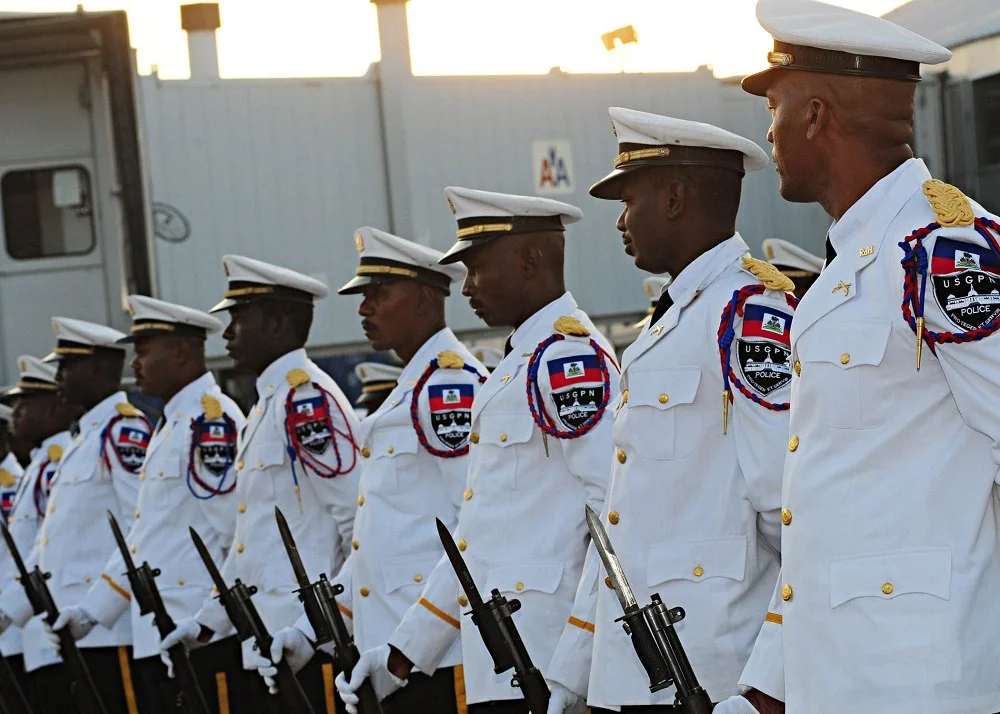
Haiti's Revived Military Could Pose More Security Risks Than Solutions
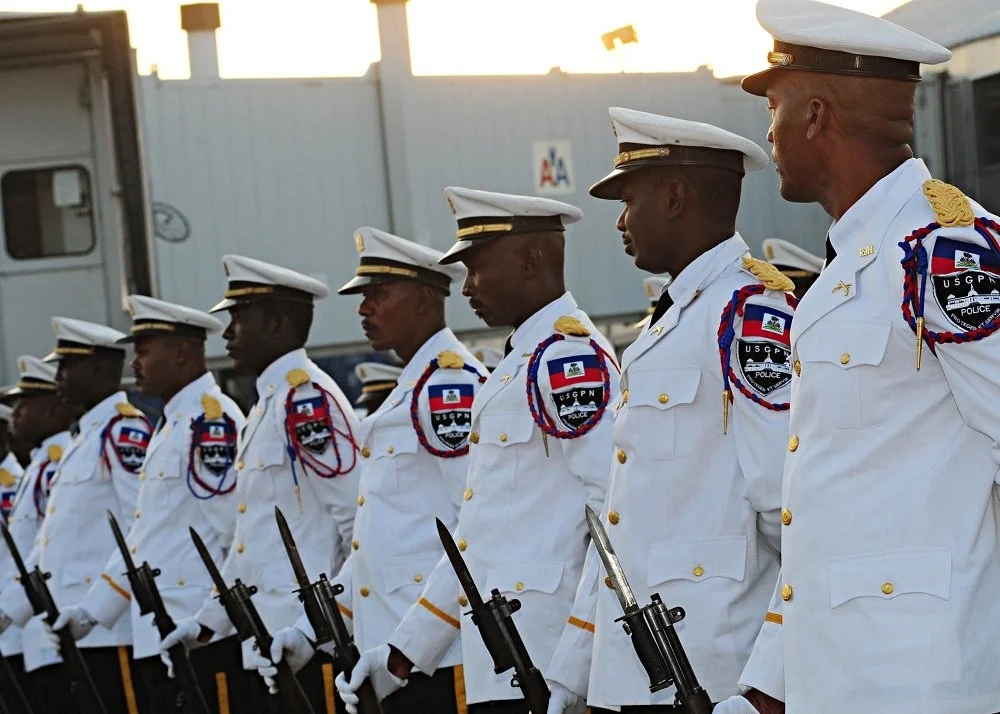
Haiti is reconstituing its previously disbanded army after more than two decades, amid concerns about growing insecurity as a United Nations peacekeeping force is set to withdraw later this year. And while politicians have justified the move as a step toward combating contraband trafficking, the real motivations behind the decision may be political.The recruitment effort for the new army was announced by the Defense Ministry in early July and has seen more than 2,200 candidates sign up in the first round, reported Haiti Libre. Due to budget constraints, the force will have fewer than 500 members.Defense Minister Hervé Denis said the army's mission would be to fight against contraband smuggling and provide relief in case of natural disasters, according to the Miami Herald. The minister argued that the cost of the force will be outweighed by its impact on smuggling from the Dominican Republic, which he estimated causes lost tax revenues for Haiti of between $200 million and $500 million per year.However, critics have said that the recruitment process has lacked transparency and has been conducted in the absence of a command structure for the force, reported AlterPresse.Others have questioned the logic of investing in an army instead of dedicating increased resources to Haiti's 15,000-strong National Police. An August 2016 report by the UN Secretary General noted significant shortcomings in planned improvements to the force, including ramping up its border control capabilities.
InSight Crime Analysis
 Several experts consulted by InSight Crime raised concerns about the potential efficacy of the army in terms of the proposed anti-contraband efforts, while pointing to possible political motivations for re-establishing the force. And all warned of the risk that the violent and abusive history of Haiti's military repeat itself."Sending a poorly-trained, underpaid military to the border to confront a massive corruption scheme appears destined for failure," said Jake Johnston, a research associate at the Center for Economic and Policy Research (CEPR) who has done extensive research and reporting on Haiti.Indeed, an inadequate fiscal framework and corruption within an inefficient customs agency are the two primary drivers of contraband along the border -- not the lack of a military presence."The push to restore the military is not a rational one based on Haiti's needs, but an ideological one," he told InSight Crime."This is a party with close connections to the old Duvalierist and militarist clique that had ruled Haiti for decades and whose power and influence was threatened by previous governments. It would be difficult for the government to turn its back on its source of power now that it is in office," the CEPR researcher said, referring to the governments of François "Papa Doc" Duvalier and his son Jean-Claude, also known as "Baby Doc." The authoritarian political dynasty, which lasted from the 1950s to the 1980s, was associated with the use of armed forces as a tool of political repression -- a fact that contributed to the decision of then-President Jean-Bertrand Aristide to disband the army in 1995.Johnston's comments echoed those of Brian Concannon, the executive director of the Institute for Justice and Democracy in Haiti advocacy organization."I have seen nothing that would indicate that the army would do a better job of policing the borders or responding to natural disasters than civilian police," Concannon said.He added that other examples of militarized security initiatives across the Americas suggest a better course of action may be to strengthen the civilian police rather than create a new, military institution."That is especially true considering the Haitian army's history of corruption and professional misconduct," the human rights advocate told InSight Crime.Concannon also pointed to political motives at play, arguing the army would help the government "exert control over its political opponents," evidenced by "the initial army proposal of [former] President [Michel] Martelly that specifically included spying on journalists and others, to the current efforts to recruit soldiers before there is even much structure."Interestingly, both Concannon and Johnston noted underlying socioeconomic factors behind the public's support for the army and the seemingly widespread interest in the recruitment effort."This has gained some additional traction because of the high level of youth unemployment, where any opportunity for steady pay is welcome. Also, given the high proportion of Haiti's population which is quite young, many lack the historical experience that others have of the Haitian military and its repressive actions," Johnston explained."People are signing up because they are desperate for jobs and meaning," Concannon added, and warned that "once [members of the new army] have the position, they will do what they need to do to preserve that status."By Tristan Clavel
Haiti - Symposium on University and Territorial Development
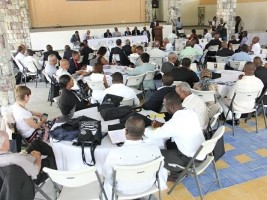 Aware of the fundamental social role attributed to the university in the production and animation of ideas and convinced of the need to strengthen the governance capacity of local authorities, territorial development managers; the UPR network, under the patronage of the Ministry of National Education (MENFP), has decided to organize (28 to 30 July) at the Hotel La Cretonne, in Les Cayes of assizes, which are supported by Unesco and several experts from universities in Haiti, Canada, France, the Caribbean and the United States.These scientific days are intended to provide a space for critical debate on the mission of the University in a framework of analysis of sustainable territorial development according to local resources, needs and expectations of the various actors (citizens, users of public services, companies, tourists and visitors) to offer them a quality of life.Pierre Josué Agénor Cadet, the Minister of National Education, officially launched the Symposium in the presence of the Rectors of the Public Universities in Regions (UPR), Senator Pierre Francois Sildor, former Prime Minister Jacques Edouard Alexis, technical and financial partners, deans, professors and researchers from France, Canada, the USA and the Caribbean.For the Minister Cadet "the University must play its role in the production and animation of ideas and help to strengthen the governance capacity of public authorities, managers of territorial development. In this sense, we must listen to the various actors, citizens, users of public services and businesses [...]"He hoped that the outcomes of the conference would provide an inexhaustible source for researchers and a redefinition of more rational and responsible public policies based on a reliable diagnosis of our reality.Speaking also at the opening ceremony, representatives of the French Embassy, the Agence Universitaire de la Francophonie (AUF) and Unesco welcomed this initiative by the UPR and the Ministry and expressed their willingness to cooperate in this action for the benefit of local and regional authorities.Research and territorial development, University and territorial development, higher professionalization and territorial development, ICT and decentralization of higher education, financing of territorial development are among the main themes to be debated during these three scientific days.HL/ HaitiLibre
Haiti To Cut International Missions Due to Economic Crisis
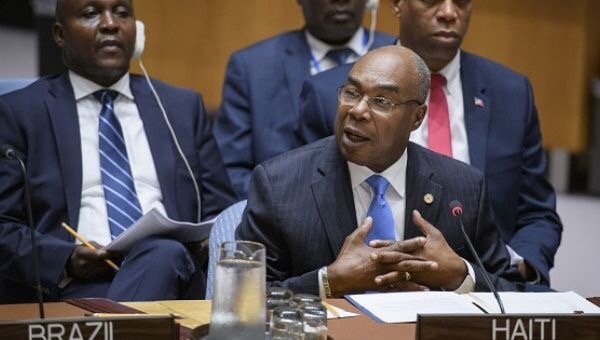
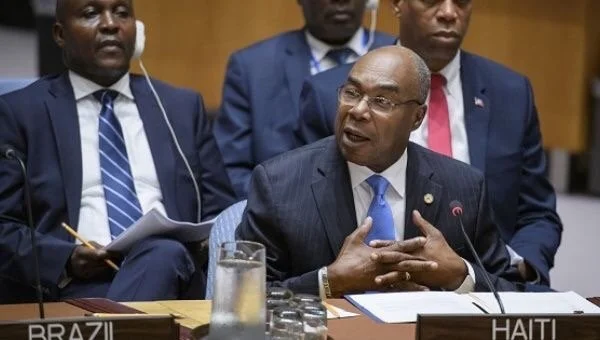
The Ministry of Foreign Affairs stated they will be closing and reducing approximately 66 percent of their missions around the world.In a series of cuts made by the Ministry of Foreign Affairs, Haiti announced its plans to reduce its diplomatic missions by 60 percent.Minister of Foreign Affairs Antonio Rodrigue confirmed the decision Tuesday, citing the country’s budgetary issues. The minister reported that the government’s contractual staff from around the world will be the first to be cut, with more than 40 missions closing due to the economic crisis."For now we spend US$4.2 million a month on missions and we want to reduce it to US$2.5 million," the minister said in a statement. "We are aware of the economic situation of the country and we have to act according to reality.”The administration’s plan is to reduce its diplomatic presence worldwide and concentrate on constructing missions only where large numbers of Haitians reside. Already government staff and officials have been recalled from Germany, Argentina, Bahamas, Belgium, Canada, Chile, Taiwan, France, Italy, Japan, the Dominican Republic, the Vatican, the OAS and UNESCO.Haitians have been protesting the devastating economic conditions in the country which have not been addressed by successive governments.TeleSUR | July 26, 2017
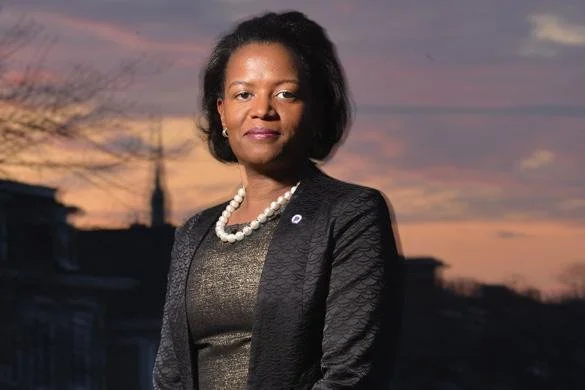
Haitian American Senator Linda Dorcena Forry speaks her mind over Donald Trump's ban
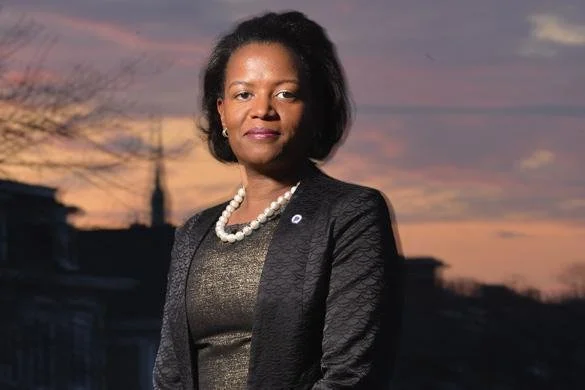
Great speech by Haitian American Senator, Linda Dorcena Forry. Senator Forry speaks her mind over Donald Trump's ban on Immigration. Forry is a Democratic member of the Massachusetts Senate, representing the 1st Suffolk district since June 2013. She previously represented the 12th Suffolk District in the Massachusetts House of Representatives after winning a special election in April 2005. Haitian-American, Forry, is the former House Chair of the Joint Committee on Community Development and Small Business. #haiti #haitianamerican #america
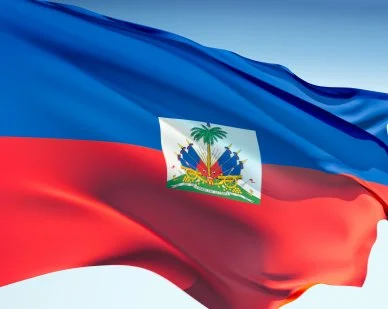
Adoption in Council of Ministers: Bill on Legal Assistance!
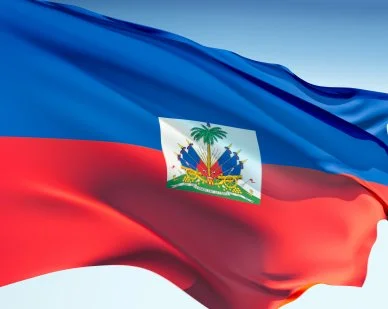
The bill on the creation and organization of a National Council of Legal Assistance (CNAL) was adopted in the Council of Ministers, confirmed on Tuesday July 4th by the Secretary General of the Council of Ministers.In order to make justice accessible to the economically disadvantaged and the vulnerable in our society, the Government has drafted this Bill in accordance with the requirements of the Universal Declaration of Human Rights and other international conventions and agreements signed by Haiti on the matter.This bill proposes to create a National Council of Legal Assistance, offering counseling and advocacy services to the poor, irrespective of gender, age and political opinion, with administrative and financial autonomy under the supervision of a Board of Directors chaired by the Minister of Justice.Recall that legal assistance is recognized throughout the world as a fundamental human right, without which one can not speak of a system of fair justice nor of respect for the rule of law. It should also be noted that this public service proposed in this draft law has been inspired on the basis of observations and experiences already made in Haiti.HL/ HaitiLibre
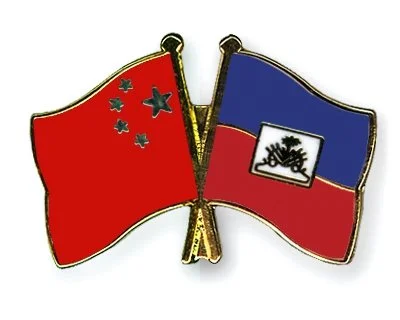
China Donates To Haiti
On Wednesday July 5th in the annex of the Ministry of Youth, Sports and Civic Action (MJSAC) to Frères, Mario Florvil the Director General of the Ministry of Youth, Sports and Civic Action, in the presence of the executives of the Directorate of Physical and Sports Activities (DAPS) of the Ministry, received from Ling Jun, the Permanent Representative of the China Trade Development Bureau in Haiti, a donation of sports equipments and materials as part of bilateral cooperation Haiti - People's Republic of China.The donation consisted of 18 lots of sports equipment, including balls, jerseys, football boots, basketball and volleyball, sports socks, nets, trophies.Mario Florvil welcomed China's initiative "This aid comes at a time when the Haitian government through the MJSAC wants to give another direction and a new breath to the sport sector," considering that Haiti greatly needs all the forms of support that can enable it to support sport, whose development represents a priority for the new government, ensuring that its Ministry will make good use of these materials.Ling Jun hopes that these materials will contribute to the improvement of the conditions of training and the physical constitution of the young Haitians. Reaffirming the importance that China attaches to physical and sports development before evoking the Haitian Ministry's desire to return sport to school.HL