
We are not prepared at all': Haiti, already impoverished, confronts a pandemic
With barely 60 ventilators for 11 million people, Haiti is the most vulnerable nation in the Americas to the coronavirus. While many countries would struggle to cope with a serious spread of Covid-19, Haiti might never recover from one.
The reality inside Haiti's intensive care units is even bleaker than that number - taken from a 2019 study - suggests. According to Stephan Dragon, a respiratory therapist in the capital, Port-au-Prince, the true number of ventilators is actually closer to 40, and maybe 20 of those aren't working.
"We also have a very, very limited group of doctors who know how to operate them," Mr Dragon said.
The Haitian government has recently attempted to buy much-needed equipment - from ventilators to PPE, including tens of thousands of facemasks from Cuba - but Haitian healthcare practitioners like Mr Dragon fear it is too little, too late.
"To tell you the truth, we are not prepared at all," he said.
So far, this small impoverished nation has only registered three deaths from the virus and 40 confirmed cases, but many more cases may be going unreported, especially in remote areas.
Levels of testing are low and enforcement of social distancing is patchy at best. The Haitian population also suffers high levels of diabetes and other health conditions, and a major coronavirus outbreak would place an unbearable strain on a collapsing healthcare system.
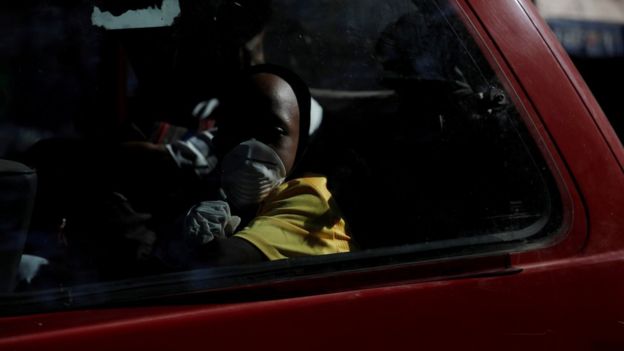
Haiti's ability to respond is confounded by its economic straits. Around 60% of Haitians live below the poverty line and many face a stark choice: either go about your daily business and run the risk of contracting COVID-19, or stay indoors, as the government advises, and be unable to put food on the table.
It is little wonder that so many are taking their chances.
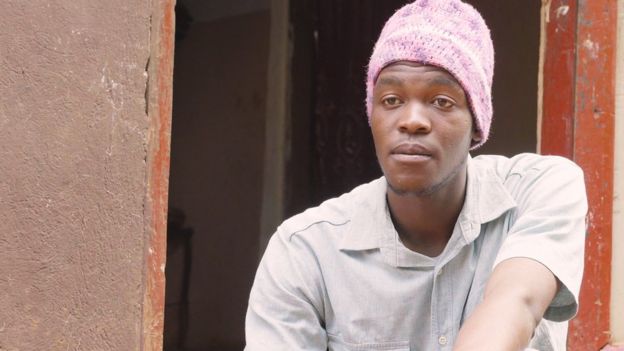
That is the dilemma facing Jean Raymond and his family. He lives in Furcy, a mountainous village outside of Port-au-Prince where most families scratch a meagre living from land.
Jean Raymond, however, isn't a farmer but a motorbike taxi driver, part of Haiti's vast informal economy. Rremaining indoors is not an option if he is to feed his wife and two young children, he said.
"It's impossible for me to not leave the house," he said. "If I'm obligated to stay in my home, what would we eat?"
Jean Raymond's wife, Lucienne, criticised the government for failing to show enough support in the village. "We want to respect the rules but we can't," she said. "I see what governments are doing in other countries, but here they aren't doing anything."
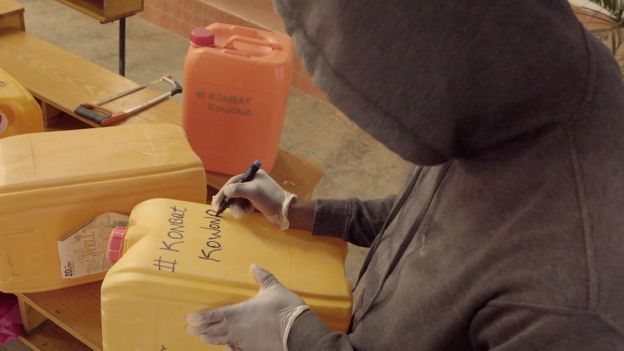
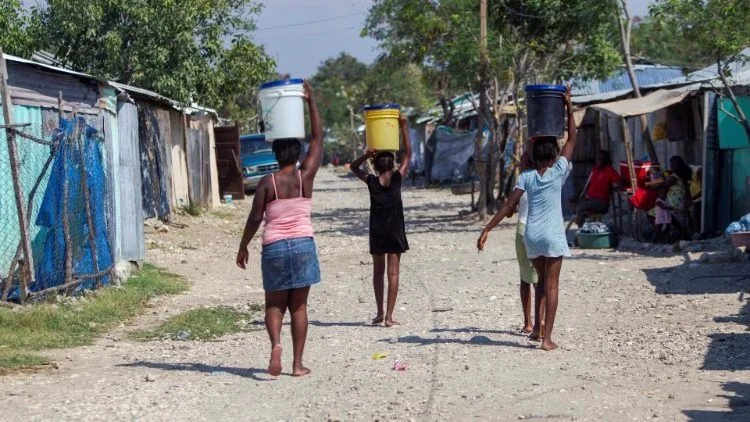
In the absence of the state, it has fallen to local grassroots organisations to carry out basic but vital tasks. Clean water is a precious commodity in Furcy - indeed it is a scarce resource across Haiti - and one environmentalist group called Ekoloji pou Ayiti has prepared dozens of water canisters to make handwashing stations in some of the neediest communities.
Given the deep distrust of NGOs in Haiti, it was crucial to "make sure the community leaders were part of the project," said Max Faublas, co-founder of Ekoloji pou Ayiti.
As well as building 88 water stations, the group showed people how to make their own hand-sanitiser using vinegar. They have also tried to tackle widespread misinformation with a public education campaign on the importance of wearing a facemask, avoiding handshakes and disinfecting shoes and clothes.
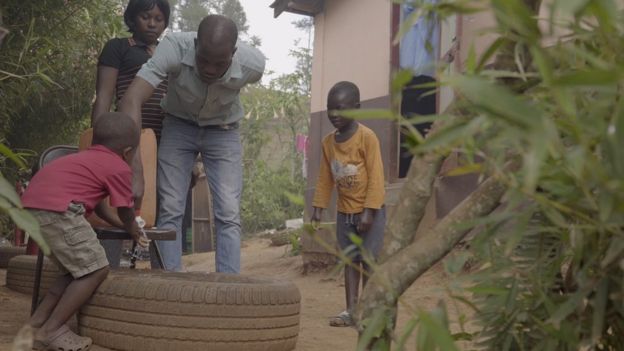
Still, although members of the community appreciate the rules in theory, putting them into practice can be hard. For example, Jean Raymond and his family live with his parents - six people in a tiny home, all living on top of each other.
And if social distancing is difficult in rural Furcy, it is almost out of the question for many in Haiti's sprawling, densely-populated shantytowns.
In Port-au-Prince, market days have been cut back, creating further demand for basic food supplies. Some are growing desperate. There have been chaotic scenes outside food distribution points and trucks selling bread. The government has been distributing food parcels to the most vulnerable households but many are angry at having to jostle and compete in a crowd for food.
"The way they are distributing food is humiliating," one resident, Mesmin Louigene, told the Reuters news agency. "People do not respect social distancing. The government should organise it better. I'm very concerned at the sanitary conditions, it's very worrying."
That the looming healthcare crisis is a great threat to Haiti is of little surprise - that is true of most of Latin America and the Caribbean. What's especially deadly in the region's poorest country though is the combination of the pandemic and a crippling economic crisis. In a bid to stave off further economic ruin, the Prime Minister Joseph Jouthe said this week the country's textile factories would re-open later this month, but the move runs contrary to advice from the Pan American Health Organisation to keep lockdown restrictions in place.
In Furcy, Jean Raymond was under no illusions about what a major COVID-19 outbreak would mean to his village.
"If Coronavirus comes into my community, it would be a disaster. We don't have a hospital or even a good road. The conditions we live in…" his voice trailed off.
"There's no way. We will all die if coronavirus comes here."
Haiti in Canada Health System Link-Up
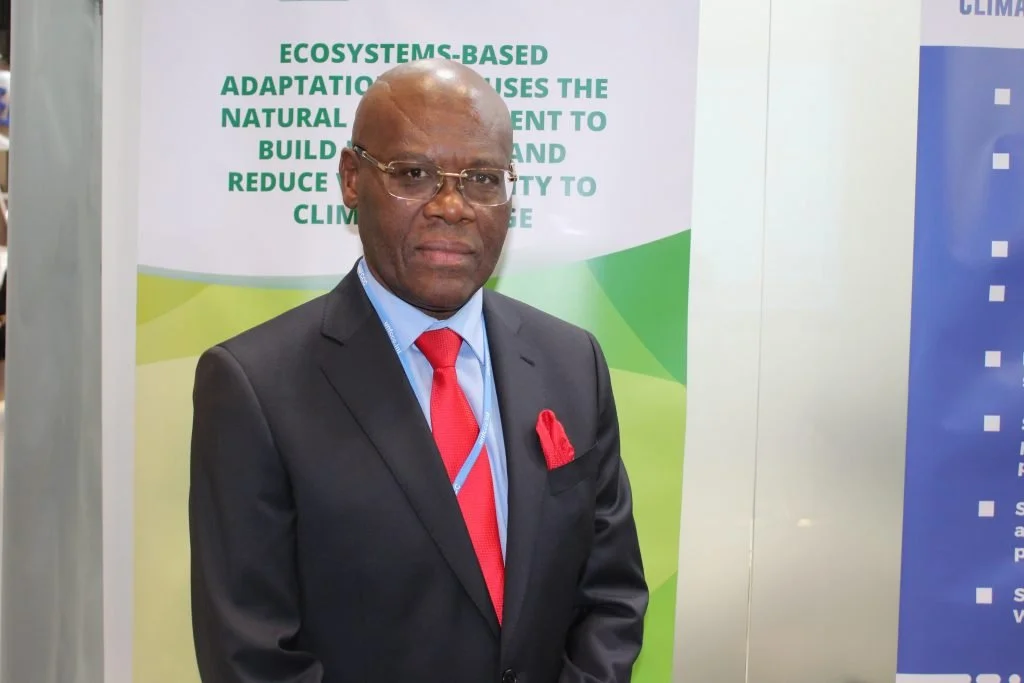
PORT-AU-PRINCE, Haiti – Haiti is seeking to strengthen its health system by developing enhanced cooperation with Canada.
This was one topic discussed during a meeting between Prime Minister Joseph Jouthe and the Canadian Ambassador accredited to Haiti, Stuart Savage.
During the recent meeting, Savage said he was open to any request from the Haitian Government relating to the consolidation and extension of its body of health workers, the need for equipment for health infrastructure in the country.
He stressed that synergy must be developed in order to provide proportional responses to the fight against the coronavirus pandemic.
Jouthe informed Savage that Haiti had already placed orders for more than 400 tonnes of medical equipment and he hopes to acquire powerful sprayers for disinfecting urban spaces.
The Prime Minister also informed the Canadian diplomat that steps were underway with the Minister of Finance to open a solidarity account intended to collect funds from donors, the private sector and citizens wishing to help the country to face the health crisis in which the country engages.
He also mentioned, among other things, the program of distributing food kits to the most vulnerable people in society.
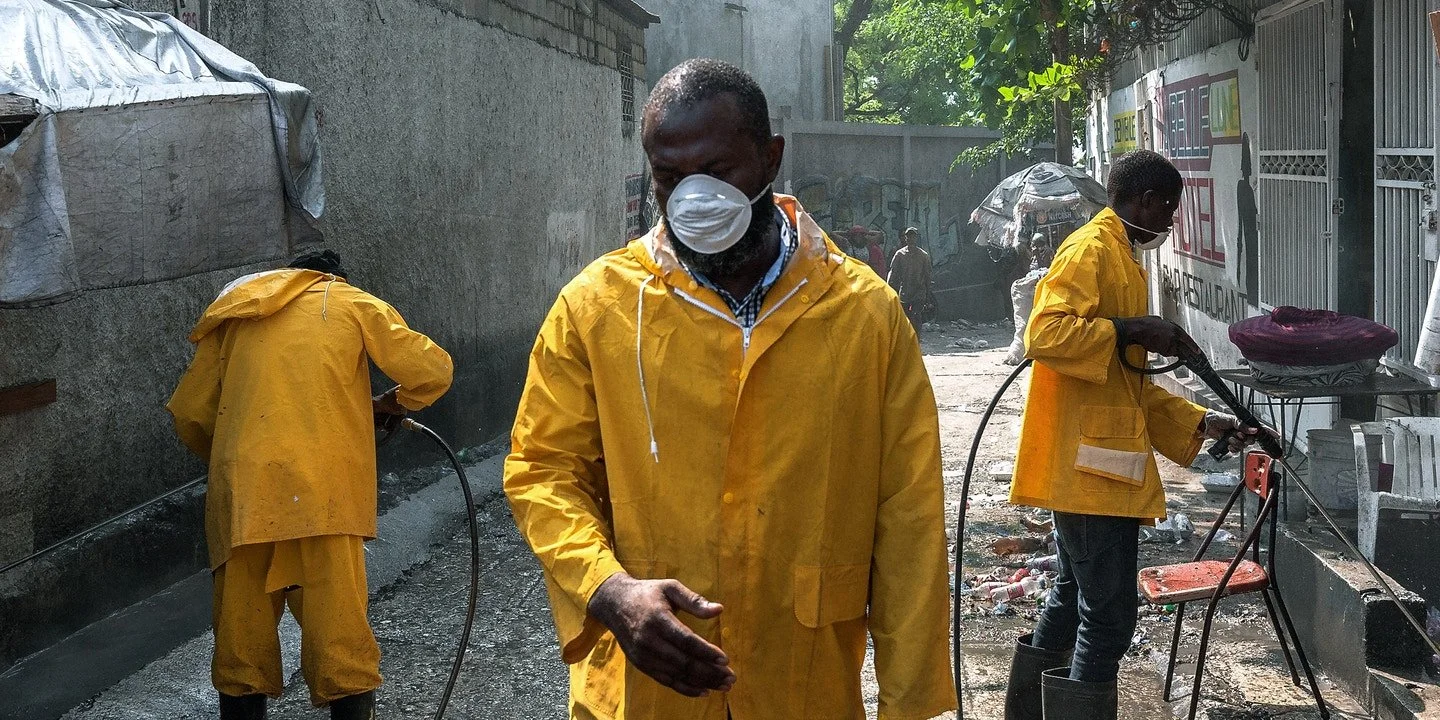
“IRRESPONSIBLE AND DANGEROUS”: U.S. DEPORTS HAITIANS DESPITE CORONAVIRUS RISKS
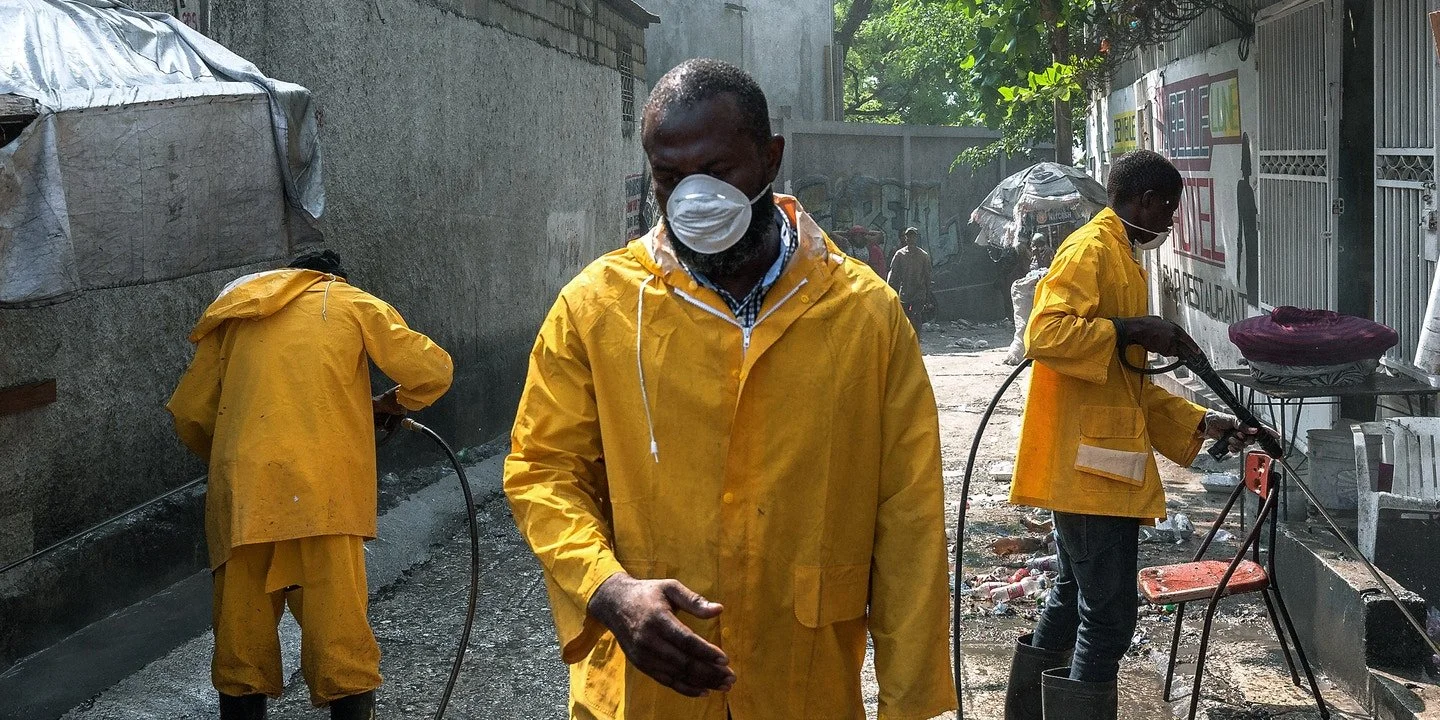
THE UNITED STATES, the new epicenter of the global coronavirus pandemic, deported 61 Haitians on April 7 despite warnings that such deportations could contribute to the spread of the virus in Haiti. Public health experts fear that an outbreak could have particularly deadly consequences for the impoverished island nation, where many people lack access to basic necessities like health care and food.
Haiti lacks the resources to cope with a major outbreak of Covid-19, warned Cate Oswald, chief policy and partnership officer for Partners in Health, a Boston-based global health nonprofit whose Haitian sister organization, Zanmi Lasante, is coordinating with Haiti’s government to respond to the virus. For its population of 11 million people, Haiti has just 124 ICU beds and the ability to ventilate less than 70 patients, according to a 2019 study by the Research and Education Consortium for Acute Care in Haiti. “I’m nervous to see how this new disease has overwhelmed even the better-resourced health care systems,” Oswald told The Intercept.
To prevent the virus’s spread, the Haitian government has closed schools and most factories and is encouraging people to adopt social distancing measures. However, the majority of Haitians live on less than $2 a day and many work in the informal sector. The significant depreciation of the value of local currency and skyrocketing inflation have driven up prices of basic necessities like food. For people already struggling to feed their families, staying home is a luxury few can afford. And in the markets and public transit systems that informal sector workers depend on, it is often all but impossible to adhere to the social distancing guidelines recommended by public health authorities.
The weaknesses of Haiti’s health care system, and the precarious conditions in which many Haitians live, have both been identified as factors in the deadly toll of the cholera outbreak that killed an estimated 10,000 Haitians between 2010 and 2018. Oswald points out that other nations were able to help Haiti respond to the cholera epidemic by sending medical personnel and supplies. She fears that international assistance will be less forthcoming amid the Covid-19 pandemic because governments around the world are already struggling to respond to outbreaks within their own borders.
In this context, Oswald said, U.S. deportations to Haiti are “irresponsible and dangerous from a public health standpoint.” Because none of the 61 migrants the U.S. deported had been tested for the coronavirus, the Haitian government was forced to divert its scarce resources into quarantine measures. “It is certainly adding a strain to the already overburdened system that has been set up,” she said.
While more than 545,000 people in the U.S. have tested positive for the coronavirus, Haiti has reported 33 cases of infection and three deaths from Covid-19. Given how limited testing has been in Haiti — only 365 tests had been carried out nationwide as of April 9 — Oswald suspects that the actual number of cases could be much higher.
A Haitian public servant involved in Haiti’s coronavirus response agreed with this assessment. “There could be a lot of infections and some deaths that are not reported,” the official, who declined to be named over concerns of retaliation, told The Intercept. He warned that in addition to “creating stress on an already vulnerable system,” the U.S. deportations are “creating a very dangerous precedent.”
The deportations, which were carried out via a plane chartered by U.S. Immigration and Customs Enforcement, took place weeks after the Haitian government officially closed its borders in the wake of discovering the country’s first two coronavirus cases.
For its population of 11 million people, Haiti has just 124 ICU beds and the ability to ventilate less than 70 patients.
Haiti’s foreign minister, Claude Joseph, said he pleaded with the U.S. government to suspend the scheduled deportation flight. Partners in Health, which is calling for a moratorium on all deportations amid the pandemic, also mobilized to try to stop the U.S. from deporting the Haitian migrants, as did the Institute for Justice and Democracy in Haiti, a Boston-based human rights group, and several U.S. members of Congress. A lawyer representing one of the Haitian migrants who was scheduled to be deported spoke out about the public health risks, pointing out that his client had been detained in two separate ICE facilities with reported Covid-19 cases.
Despite these concerns, and the U.S. government’s own public advisories, which emphasize the need to “avoid all international travel due to the global impact of Covid-19,” the U.S. deportation flight proceeded as scheduled. Yet seven of the Haitians on board were removed at the last minute. Among those yanked from the plane was the man who was potentially exposed to the virus in ICE custody. ICE did not provide a public explanation for its actions and did not respond to The Intercept’s requests for comment. The man’s wife later reported that he had been taken to another ICE facility where a detainee had tested positive for the virus.
Oswald, who participated in the mobilization to stop the deportations, said the outcome left her extremely frustrated. “It showed me the powers that exist in that system,” she said, and “that we all need to be advocating for an end to deportations during this time.”
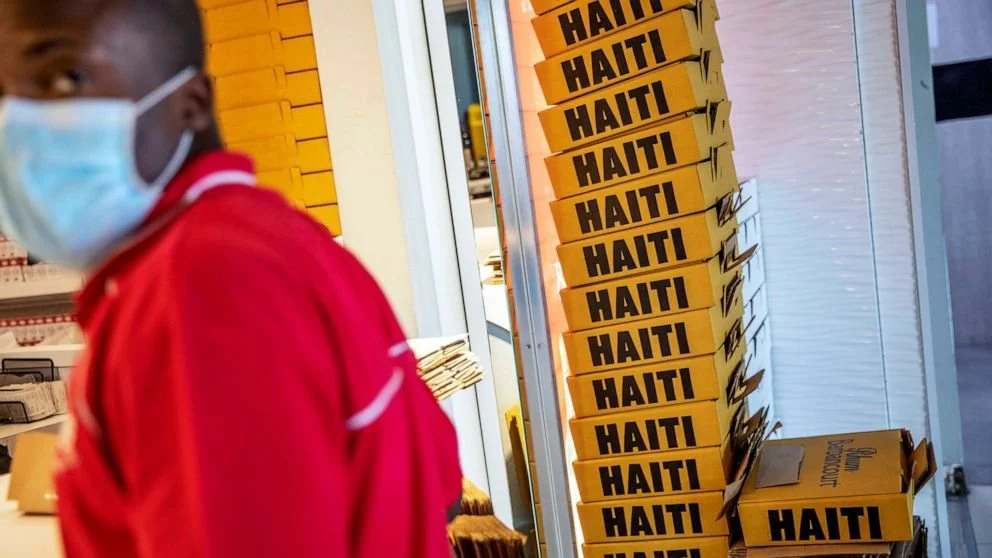
COVID-19: Killer of Black, Brown and Poor of US and Haiti
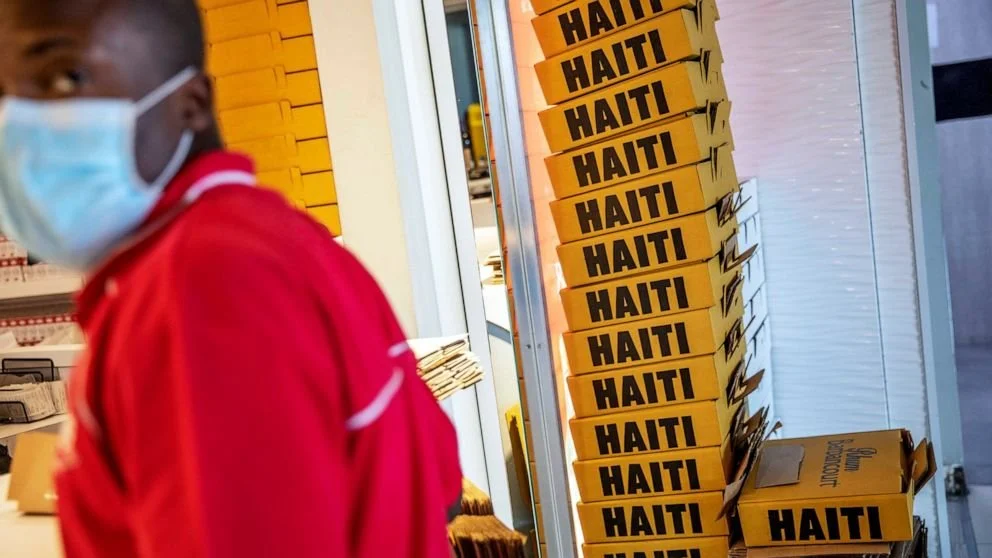
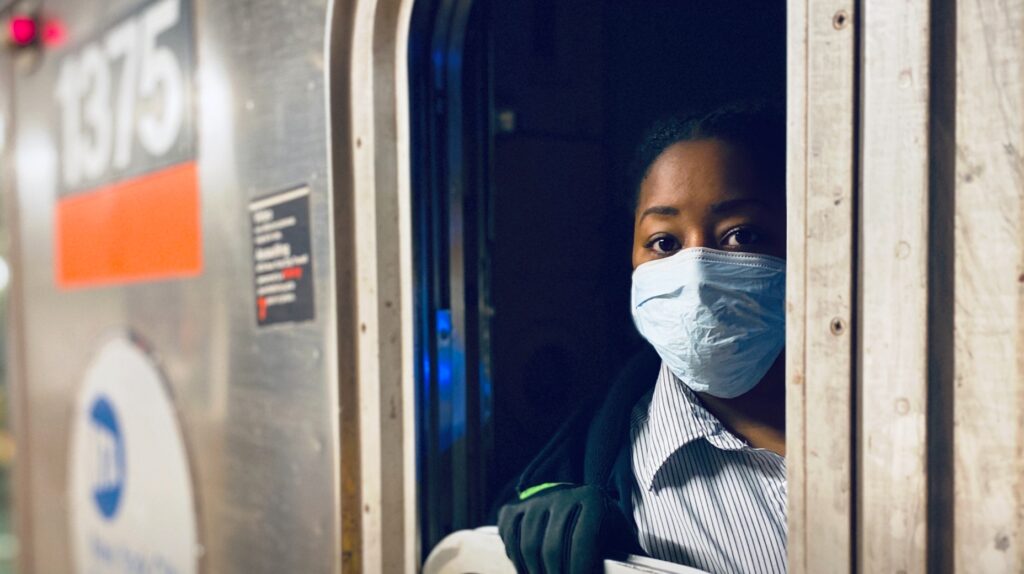
We are supposed to be thinking this week about the health disparities in the United States based on race and ethnicity, since the New York Times, Washington Post, National Public Radio, and even USA Today are going on about it. This is the hot topic presumably because of a recent analysis of the demographics of COVID-19 deaths by the Center for Disease Control and Prevention (CDC). Such an analysis, however, cannot be found. Instead, the public health departments of several US states simultaneously published their COVID-19 racial breakdowns. One cannot help but suspect that this orchestrated and sudden discovery of the institutional racism of the US is nothing but an election-year ploy to sway Black and Hispanic voters from one to another of two politically parties that care nothing about them. Politicians have learned, from Obama’s speechwriters, that when they state a problem accurately while not promising to do anything about it, they leave everyone in the room thinking that they’ve said they will address the problem. But nothing ever gets done: not by the overtly xenophobic and racist political party that courts far-right elements at home and abroad, and not by the metrosexual party that says all the right things but embraces the same xenophobic and racist policies on the quiet.
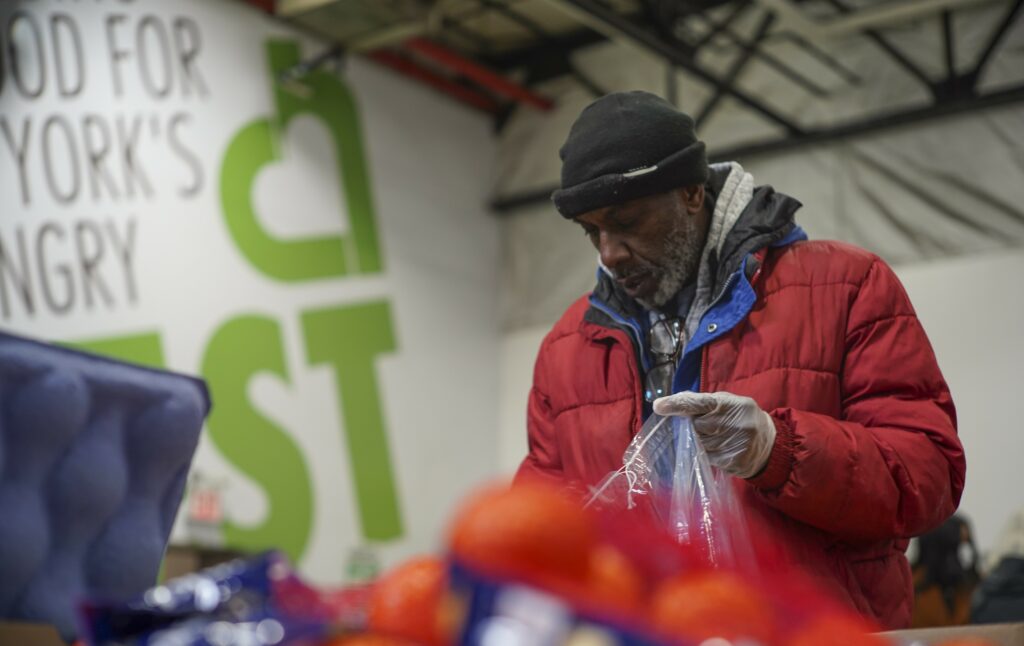
Nevertheless, these data should make us think more deeply about why the poorer citizens of this country are dying in greater numbers from a virus that, in principle, does not discriminate by race and ethnicity. For a while the CDC trumpeted the fact that 90 percent of the people hospitalized for COVID-19 had underlying health problems like old age, pulmonary or cardiovascular issues, diabetes, or cancer. Since many of these problems are linked to obesity, this has been used as a way to blame the victim. To be blunt about it, some writers stopped just short of declaring, particularly to the populations of states with large Black and Latino populations: “It’s your fault that you’re dying, because you’re fat.” To this I say: “No. You’re dying because you’re poor.”
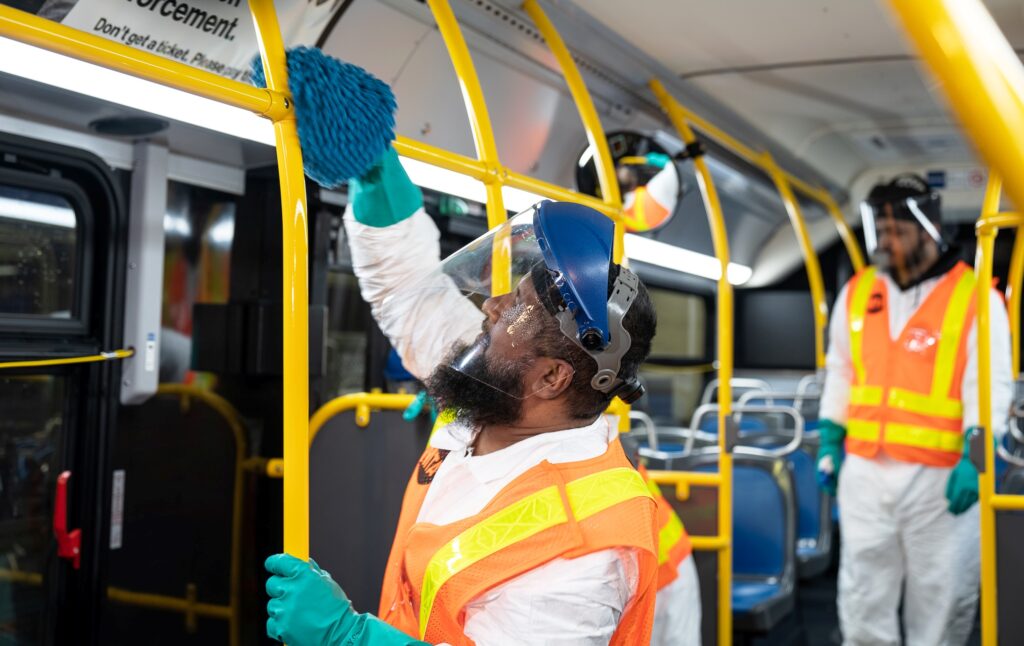
If you had been fat, middle class and in relatively poor health, you would have fled your city and worked from your vacation home. You would have scrupulously observed the directives to shelter at home, ordered deliveries of groceries, wine and take-out foods, and still got your paychecks. And if you had been obese, rich and in poor health, you would have done the same things and maybe also worried about the stock market making you less rich. But even if you had schmoozed with people like Prince Charles and caught SARS-CoV-2 from them, you would have had a platinum health insurance policy, and you would have received excellent care and been unlikely to die from COVID-19.
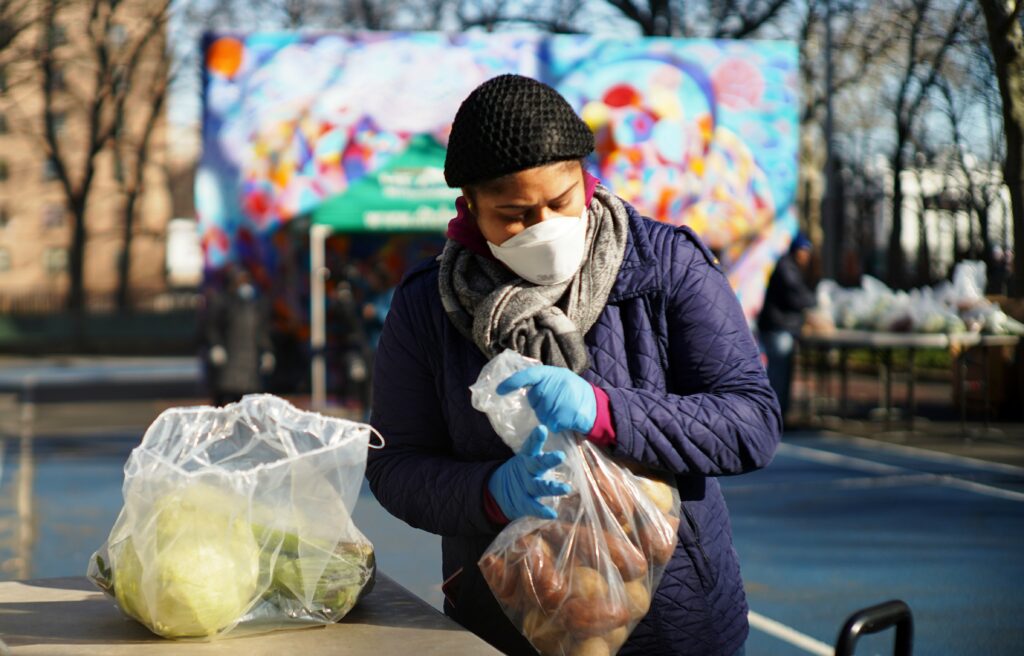
In Louisiana, for example, the chance of a black person dying from COVID-19 is 70 percent, although African-Americans represent only 32 percent of the state’s population. By contrast, a white person has only a 29 percent chance of dying although this demographic represents 62 percent of the population. The figures in Illinois and several other states are also gruesome. Even in areas like California and New York City, where the data in the aggregate appear not to belie any institutional racism, if one dissects away the areas with a large black population, the same pattern emerges. As startling as these figures might be, however, they would be far worse if they were broken down by income and wealth. But I believe the idea is to make us think about race before we begin to form a thought about class: much like a red cape distracts an enraged bull from impaling a matador.
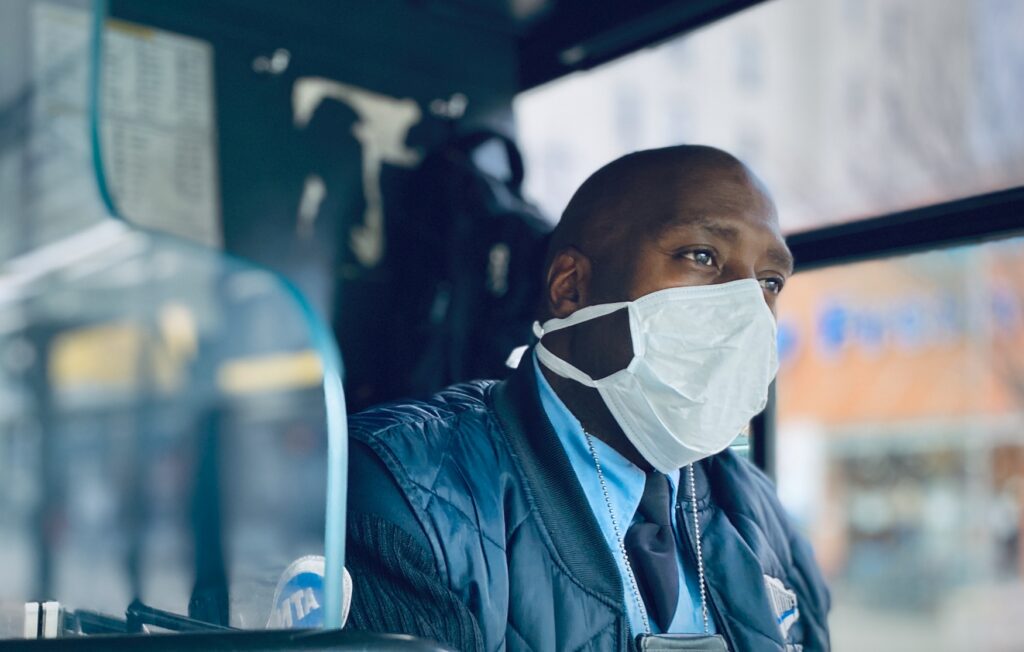
A major factor that makes the poor more vulnerable to being killed by SARS-CoV-2 is their job. The poor are overwhelmingly employed in more exposed jobs, like care of children, the mentally ill and the elderly; janitorial work; low-level hospital jobs; transit jobs like bus driving, and jobs as baristas and grocery clerks. Many such workers must keep two or three jobs to make ends meet, in a system that denies them full-time work so they get no health insurance. Consequently, they come into contact with many more people at work, usually in situations where they are enclosed in poorly ventilated spaces. To get to work, the poorest of such workers take public buses and trains, which are often crowded and also poorly ventilated. At home, they live in larger family groups in neighborhoods where the air and water are often polluted. Finally, for the poor, the next paycheck takes priority over all other issues, including health problems. And so the poor age prematurely: most never find a moment to care for themselves and work till they’re used up.
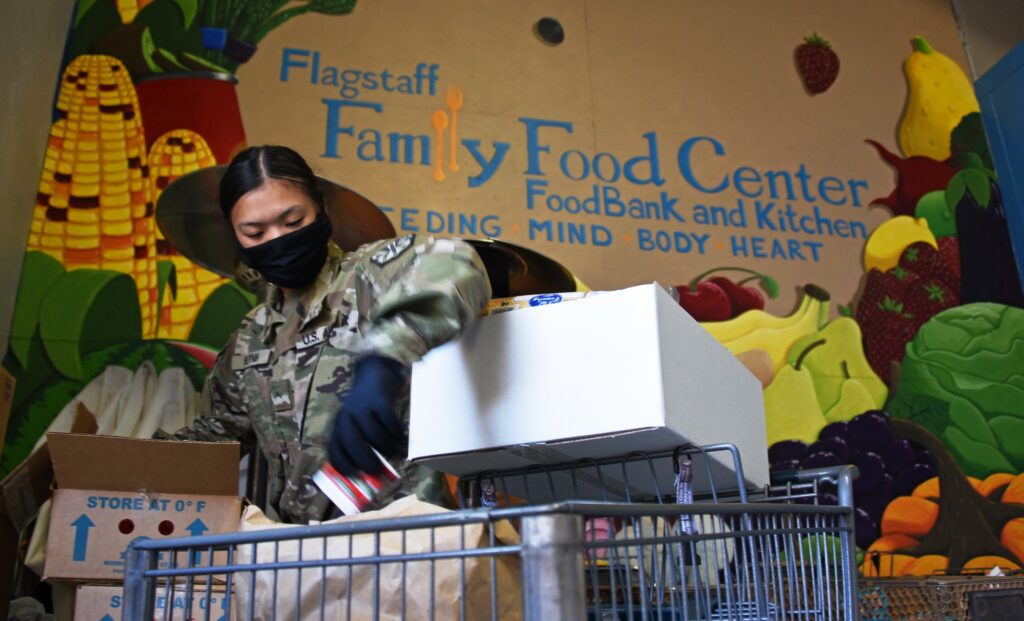
As dire as the situation might appear in the US, it is far worse in the developing world, where many governments are inimical to their populations and propped up from outside. In Haiti, for example, the so-called government, which is now reduced to only the executive branch, has done everything in its power to create an emergency situation that will cause aid money to flow to a small group of politicians. Despite the raging pandemic, on March 17, Haiti left its airports open to flights to and from the US and Cuba. Deportations from the US, including a recent one from Louisiana, continue. A Cuban medical contingent of 1,500 people left Haiti on March 22, to care for the Cuban sick, the passengers of a cruise ship, and the Italian sick. This was terrible news, because the Cuban health brigades have been the main protection of Haitians from health NGOs. Such NGOs are, for the most part, unqualified. Furthermore, they are often predatory and less interested in healing the sick than in conducting drug trials for big Western pharmaceutical companies. After a brief shutdown, on March 30 Haiti reopened its assembly factories to manufacture medical gowns and masks. Despite the supposed greater distance between workers, this situation effectively gathered large numbers of women in fluorescently lit boxes with appalling ventilation. The government also chose to roll out its National ID Distribution around the same time, forcing long lines of people to stand around together for hours.
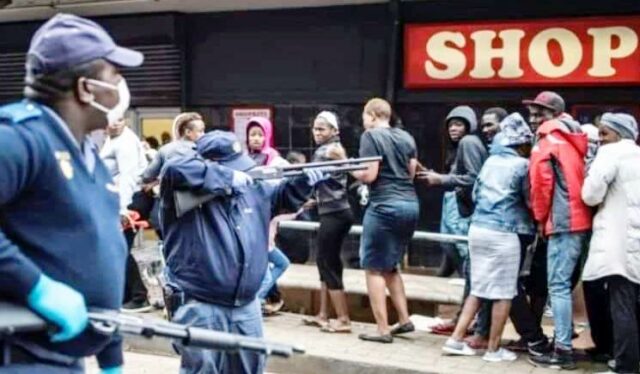
Why would a government be so eager to kill its own citizens? I believe the incentive is the lucrative business of supplying human subjects to big Western pharmaceutical companies for their drug trials. On April 2, Haiti got $20 million from the World Bank, which required COVID-19 deaths as a precondition for its donation.
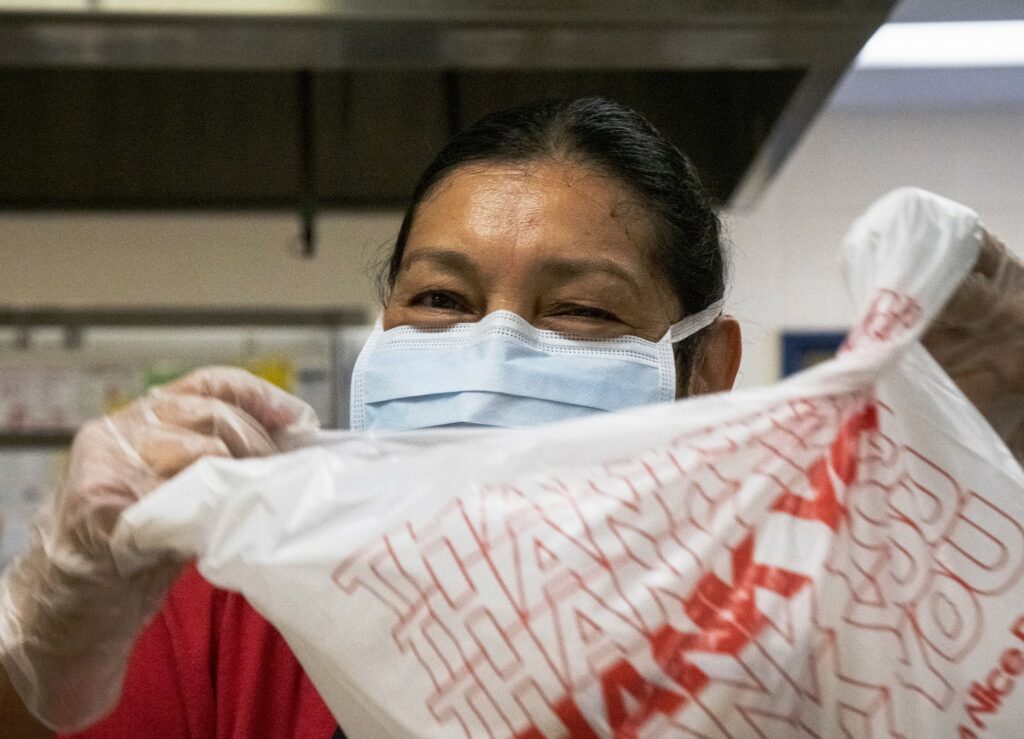
Indeed the deathwatch has started again in Haiti, this time for COVID-19 instead of the cholera that was permitted to kill 10,000 people. So far, two people have died from the viral infection and human neglect: a 55-year old lawyer from the Ministry of Justice, and an unidentified 69-year-old woman. The cause of the first death is being contested by the man’s family. Whether or not it is correct is hardly worth one’s attention, because most of the news from the country is a tissue of lies. As of April 7, only 270 tests had been done, although the Ministry of Public Health and Population (MSPP) supposedly had in hand 2,000 tests and ordered 10,000 more. Most of the tests were administered to politicians — and no doubt their families too — on the order of the prime minister, who demanded testing of all the country’s ministries. Indeed, 187 of those 270 tests were in the West Department, where the capital city and politicians are.
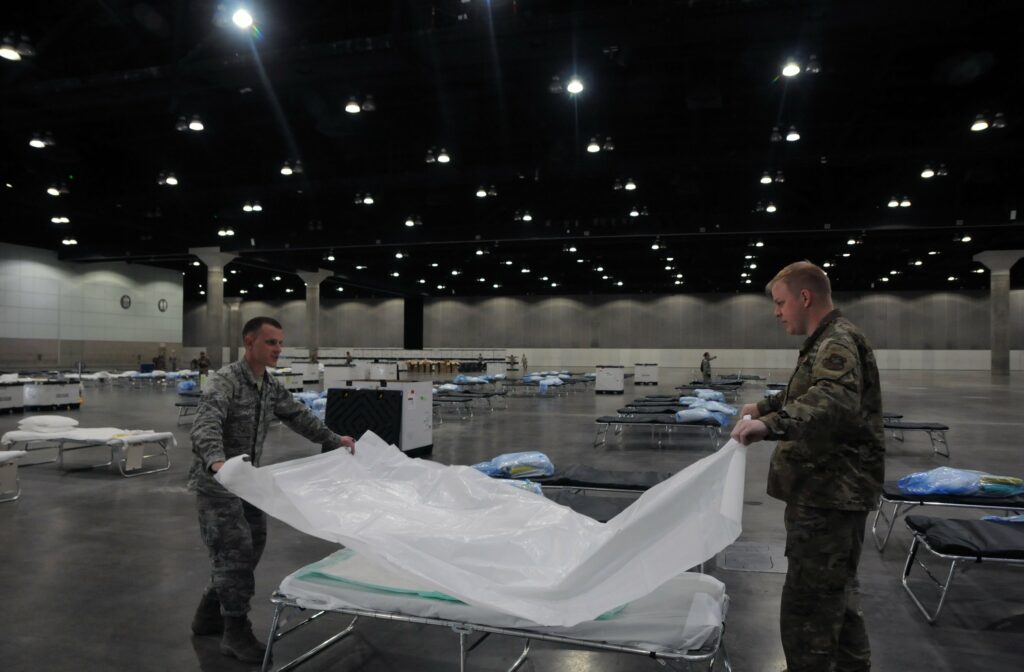
To say that the COVID-19 pandemic is compounded by societal problems is an understatement. In Haiti, for example, the diaspora’s remittances account for about 30 percent of the GDP, but everywhere the diaspora is losing its jobs because of the global economic shutdown. Haiti is a place where people walk for miles and then stand in line for hours to buy their water, where even the street markets sell mainly imported produce and dry goods, and where the exchange rate has deteriorated from 75 to 100 Haitian gourdes per US dollar. The Minister of Public Works says he is ready to bury 1,000 to 1,500 people. The scenario for Haiti is quite analogous to that of most the developing world, with only changes in the details. Let us hope the poor bury their governments first.
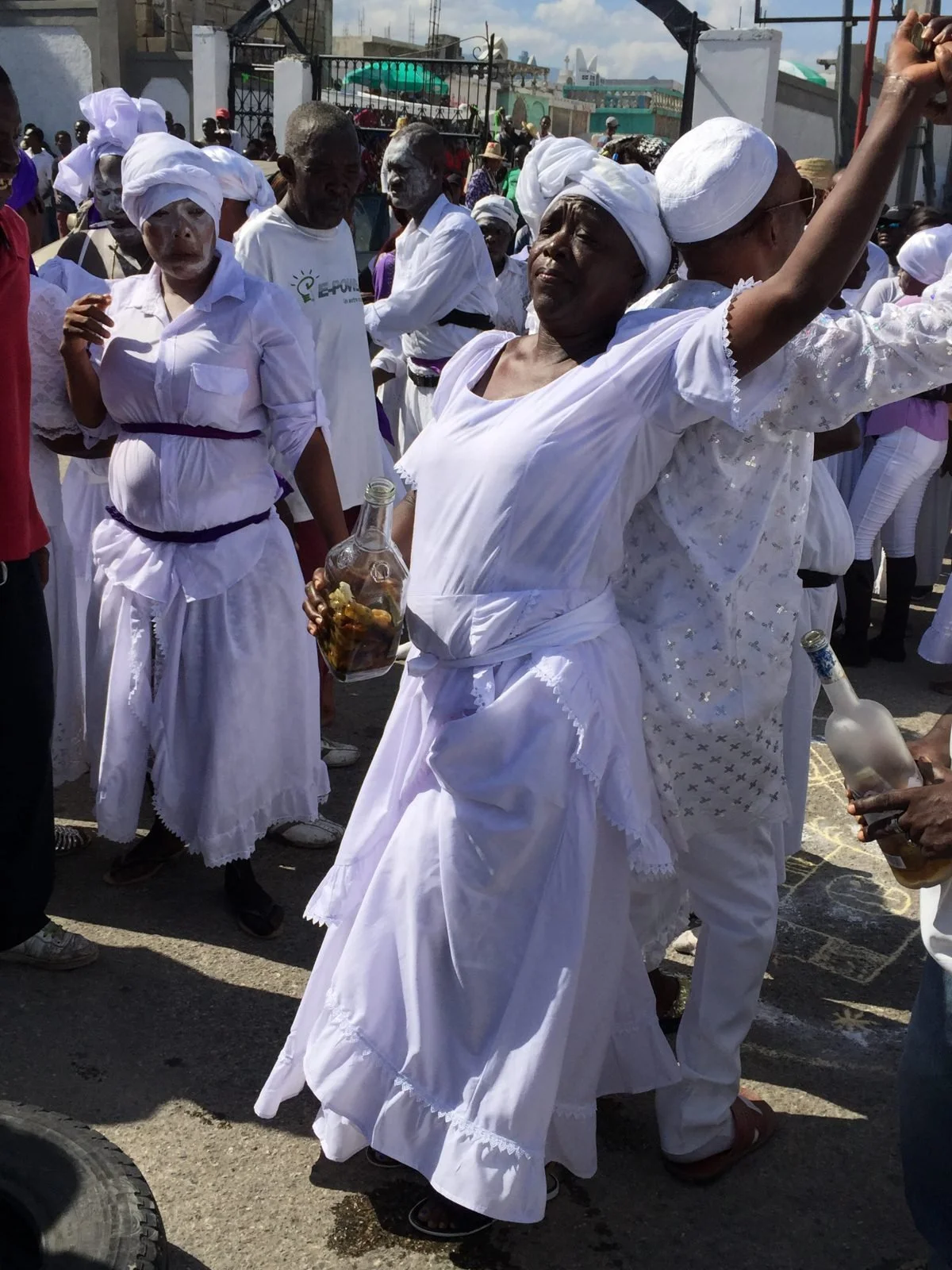
Haiti and the US Covid-19 Crises–Closer Than We Think
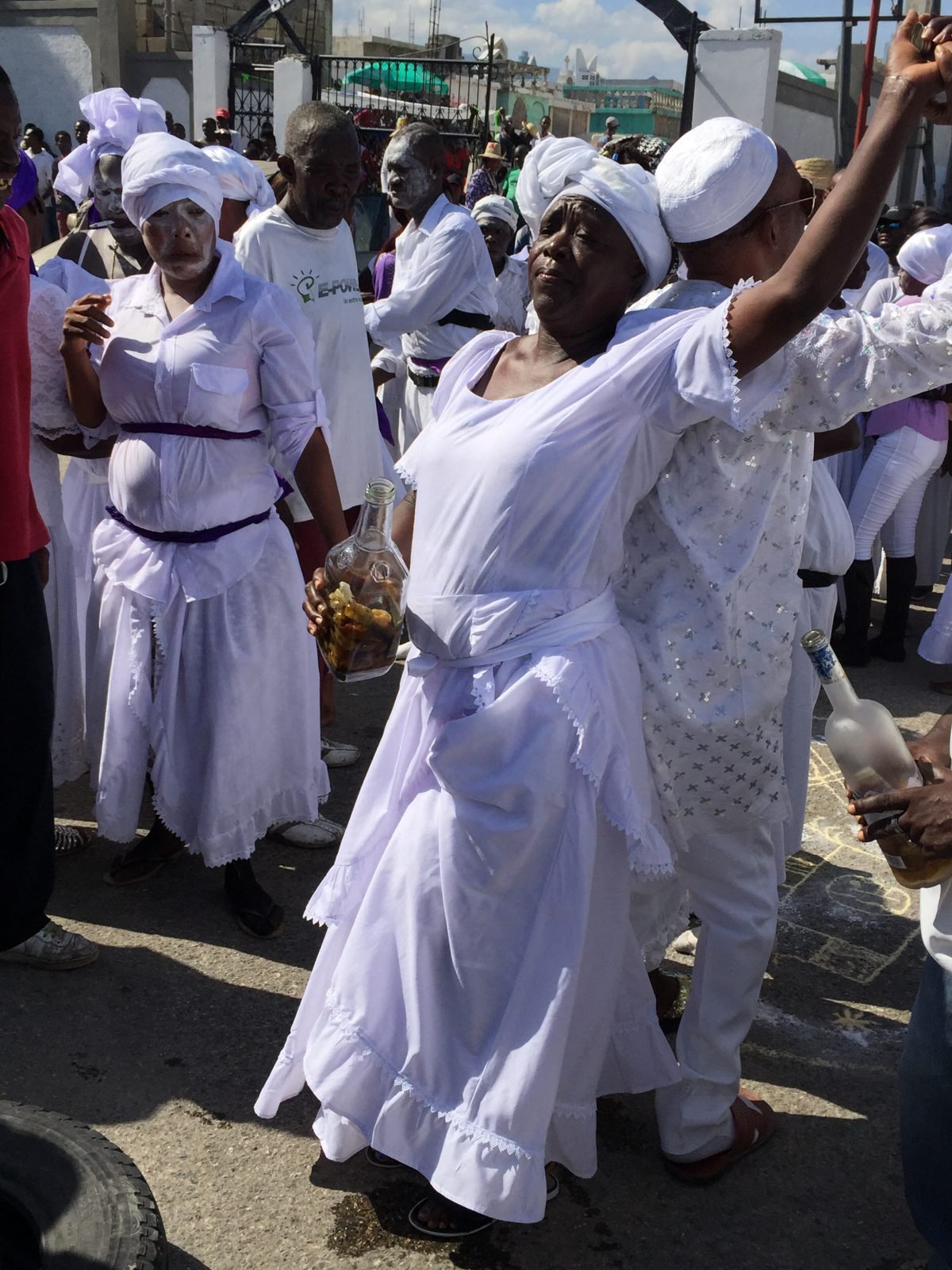
Haiti has a population of 11 million and reports 31 cases of confirmed coronavirus and one death as of today (April 10, 2020). Several hundred diagnostic PCR tests have been done.
The Dominican Republic (DR) has 10 million people and shares the island of Hispaniola with Haiti. The DR reported several days ago that they have 2,349 coronavirus cases with 118 deaths. Thousands of Dominicans have been tested.
I always wonder how many Haitians and Dominicans have coronavirus signs and symptoms which have not been recognized and have not been reported. Probably many.
Since the summer of 2015, hundreds of thousands of people with Haitian blood have been sent back to Haiti from the Dominican Republic. However, within the last couple of weeks, thousands of Haitians in the DR have been fleeing back to Haiti to escape the virus. They fear not only the viral illness but what could happen to them by their Dominican neighbors if they show signs of the virus.
Jacqueline Charles/Miami Herald 4/9/2020–
“A daily exodus of Haitians fleeing the rapid increase of coronavirus cases in the neighboring Dominican Republic — many evading military patrols and medical screenings as they sneak back into Haiti through the closed land border — is raising concerns about Haiti’s ability to halt the spread of the deadly virus.
“Even in normal situations, managing the flows at the borders is incredibly difficult,” said Giuseppe Loprete, the country director for the United Nations’ International Organization for Migration. The agency has adapted its tracking of migrant flow along the 224 miles dividing Haiti and the Dominican Republic on the island of Hispaniola to support the ongoing preparedness and response to the COVID-19 global pandemic.”
—–
During recent months in Haiti, healthcare workers have staged numerous walkouts, protesting a lack of essential supplies and abysmal sanitary conditions in Haitian hospitals. Unsurprisingly, hospitals in Port are reporting they are utterly unprepared to face the looming pandemic. Medical staff have limited access to Personal Protective Equipment (PPE), and quarantine rooms (in public hospitals) are nowhere near fit for that purpose. (Haiti Support Blog)
Consequently, Haitian doctors and nurses who work in Haiti’s public hospitals, have publically said that they will not care for Covid-19 patients unless they have the proper PPE. And they don’t really believe that the Haitian government will be providing it for them.
And why doesn’t Haiti have PPE? Well, I cannot say for sure, but is anyone surprised? Their dysfunctional health care system does not have much of anything.
However, there was an article from the New York Times yesterday which spins the situation a little differently and describes “modern-day piracy” which may limit some countries from having adequate supplies to fight the virus.
The Times (April 9, 2020)–
“As the United States and European Union countries compete to acquire scarce medical equipment to combat the coronavirus, another troubling divide is also emerging, with poorer countries losing out to wealthier ones in the global scrum for masks and testing materials.
“Scientists in Africa and Latin America have been told by manufacturers that orders for vital testing kits cannot be filled for months, because the supply chain is in upheaval and almost everything they produce is going to America or Europe. All countries report steep price increases, from testing kits to masks.”
And even if the Haitian health care providers had the requisite PPE, so what? Haiti has only 130 ICU beds in the entire country and most of them are not functional. And there are an estimated 64 ventilators in the country–but ventilators don’t run themselves and need to be controlled by highly trained physicians who are able to monitor the settings while evaluating the patient’s clinical status at the same time.
It is easy to understand how Haitian medical staff may lack PPE, but what about the United States? The US medical providers have been short on PPE also. How can this be?
And to make matters worse, threats have been made against numerous doctors and nurses by their hospital administration when they spoke out on social media and reported that their workplace was not safe because PPE was not sufficient to protect themselves and their patients in the face of the growing Covid-19 pandemic. Both physicians and nurses in the States have lost their jobs for stating this. And many other healthcare professionals have said they feel they can’t tell their story for fear they too will face disciplinary action from their employer, as reported by Medscape Medical News.
——
Currently, the US is in the middle of social distancing. However, this public health maneuver attempting to “beat the virus” has been politicized.
The Hill (April 9, 2020)–
“Attorney General William Barr late Wednesday suggested that the federal government in May should begin relaxing some of the “draconian” social distancing restrictions imposed throughout the U.S.
“Barr said in an interview with Fox News that the U.S. had to be “very careful” to ensure some of the measures being “adopted are fully justified, and there are not alternative ways of protecting people” amid the novel coronavirus outbreak.
“I think, you know, when this — when this period of time is — at the end of April expires, I think we have to allow people to adapt more than we have and not just tell people to go home and hide under the bed, but allow them to use other ways — social distancing and other means — to protect themselves,” he said.
“Leading health experts have continually called for keeping social distancing requirements in place until the U.S. sees a significant and consistent drop in the number of hospitalizations from the virus. Those requirements have devastated the economy, leading to a wave of business closures and a surge in unemployment applications.”
In short, human lives compete against the economy and time will tell which wins out.
In Haiti, where people live on top of each other, it is very hard for the poor to practice social distancing for so many reasons. The poor in Haiti are like the poor in the United States–they both need to provide for their families during this pandemic.
“…the government of President Moïse Jovenel has called for people to isolate themselves, stay home, frequently wash their hands and engage in social distancing.
“But on $2.41 a day or less, it is hard to feed yourself and your family and buy the soap, and in many instances, the water, needed to wash your hands. Most poor Haitian families live in a single room, which makes social distancing impractical, especially since their neighbors are just a wall away.
“If people don’t go out to work, they starve.”
And on Twitter today was this Tweet which is nauseating–
And if the challenges in Haiti are not big enough, many Haitians do not believe that coronavirus even exists in Haiti. They believe it is a white man’s disease that they will not get.
However, data from the United States is telling a different story.
USA Today (April 9, 2020)–
“Black Americans are overwhelmingly dying of the coronavirus at much higher rates compared to others in some major cities. But most federal officials and states are not keeping track or releasing racial data on coronavirus victims.
“While black residents make up about 29% of Chicago’s population, a whopping 72% of the city’s residents who have died from COVID-19 so far are black. And according to the public health commissioner, 52% of those testing positive are black.”
And in New York City—
“As of Wednesday morning, more than 3,500 residents had died of coronavirus, the city Department of Health and Mental Hygiene reported. That figure does not count more who died at home and were not tested for the virus.
“Black and Latino city residents have died from coronavirus at twice the rate of white or Asian New Yorkers, preliminary data released Wednesday by city officials shows.
“Latinos have died at a rate of 22.8 per 100,000 residents and black New Yorkers at a rate of 19.8 per 100,000 the analysis shows.
“By comparison, whites in New York City with confirmed cases of COVID-19 have died at a rate of 10.2 — and Asians at a rate of 8.4 — per 100,000 people.
“Health disparities and access to care play a key role. Many essential workers holding down jobs like driving buses, childcare or in grocery stores are black. As the pandemic continues to take a toll on health and economics, there are calls for addressing underlying racial inequities.”
—-
Conclusion–
Eric Topol, MD reports in Medscape his view of this pandemic–
“The handling of the COVID-19 pandemic in the United States will go down as the worst public health disaster in the history of the country. The loss of lives will make 9/11 and so many other catastrophes appear much smaller in their scale of devastation. Perhaps what we in the medical community will remember most is how our country betrayed us at the moment when our efforts were needed most.”
And in Haiti, Dr. Ernst Noël, of the Faculty of Medicine and Pharmacy, in Port-au-Prince, believes that a projection of 800,000 deaths from COVID-19 is not an exaggeration.
Other Haitian experts are talking about 1,000 deaths per day in Haiti by May and the distinct possibility of burying bodies in mass graves as was done after the Haitian earthquake in 2010.
I hope all of these predictions will be wrong. But looking 700 miles north and seeing what is happening with Covid-19 in the States, Haiti most likely will not be spared.
Haiti's crowded prisons a coronavirus catastrophe waiting to happen
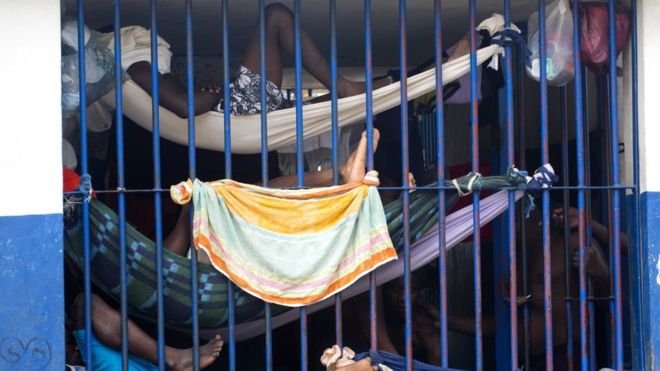
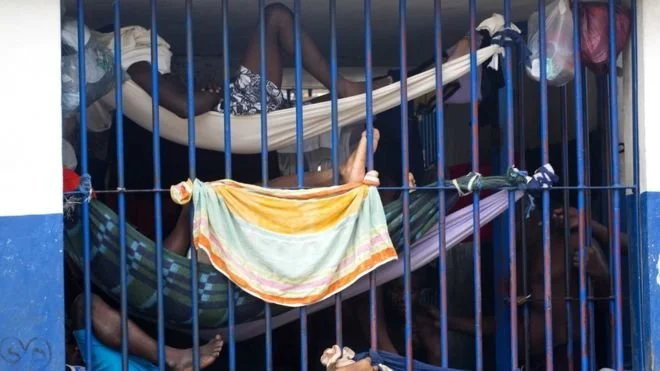
PORT-AU-PRINCE, Haiti (AFP) — Imagine the struggle of containing the coronavirus if it hits Haiti's hellish prison system, the world's most overcrowded, where filthy, sometimes windowless cells meant to house 20 people are teeming with up to 80, unable to even go outside for fresh air.
The poorest country in the Americas has reported only one coronavirus death out of 25 recorded cases so far. But activists and officials fear the prison network is an epidemiological ticking time bomb.
The system is a mess, from a new women's prison built in 2016 to crumbling provincial jails that over time have become places for long-term detention rather than short stays. All of them are overcrowded.
Haiti has 11,300 people behind bars — most of them waiting to go on trial, sometimes for years—- in conditions that human rights activists liken to torture.
“Prison cells in Haiti are small rooms with space for 10 to 20 people if you use the rule of 4.5 square meters per prisoner,” said Marie Rosy Auguste Ducena of the National Human Rights Network. That works out to about seven feet by seven feet per man or woman.
“But these cells hold up to 80 people. So you can just imagine the levels of overcrowding these people are forced to endure,” she added.
“The cells are also very poorly lit and have little ventilation, so the prisoners become very weak,” said Auguste.
Because there is not money to hire enough guards, prisoners are not allowed outside to get fresh air or exercise, said Auguste.
Human rights groups have complained for decades about the appalling conditions in Haiti's prisons.
But now, as the novel coronavirus sweeps the globe and even countries as rich as the United States struggle to keep prisoners safe — sometimes simply releasing them — Haiti is in a race against time.
The idea is to thin out the prison population before coronavirus hits the destitute Caribbean nation in earnest and conceivably spreads like wildfire through the inmates.
Charles Nazaire Noel, the director of the national prison system, said he has sent the Justice Ministry a list of 600 prisoners as candidates for release.
“That is not much,” Nazaire added, although he is making up a second list that would comprise only people awaiting trial.
Indeed, that is the case for a staggering three-quarters of the prison population. And some have been held even longer than they would be if found guilty of the crime they are accused of.
“There are people in prison for stealing a cellphone or a goat. For petty larceny like that, they are supposed to spend a year in prison. But some have been in prison for five or six years,” said Nazaire.
SHORTAGE OF MASKS
He said he has warned the government time and time again about the dangerous conditions in the prison system, to no avail.
“Our prison overcrowding has reached a limit. The government should have been aware of this,” said Nazaire.
Another threat comes from a shortage of protective masks for prison guards.
“Prison guards and other employees are people who go home at night. They are potential COVID-19 vectors for the prison system,” said Auguste.
“If COVID-19 makes it into the prisons, we will be facing an absolute catastrophe,” she warned.
Covid-19: Holy Week in poverty-stricken Haiti
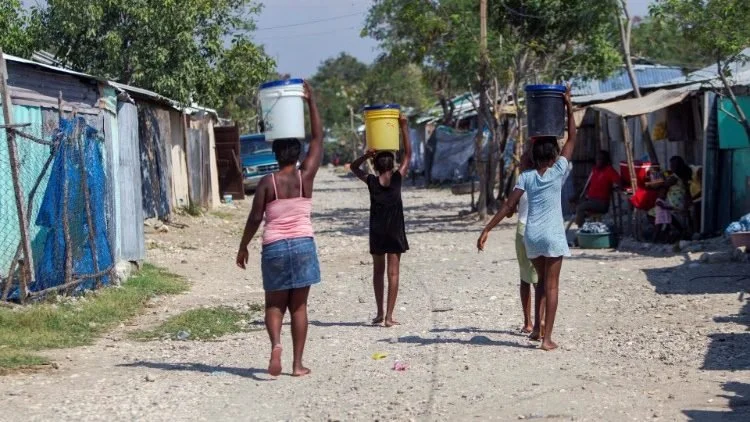
Fr Richard Frechette, a 67-year-old American doctor and priest is performing both of these duties with all his heart as the poor, quarantined, nation of Haiti celebrates Holy Week.
Haiti is the poorest country in the western hemisphere. Over 6million people live below the poverty line and over 2.5 people live below the extreme poverty line. The coronavirus pandemic has led to economic downfall even in the richest of countries. Where does that leave one of the world’s poorest nations?
The fears
The news reaching Haiti from abroad is “terrible”, says Fr Rick. Speaking to Vatican Radio’s Marie Duhamel, he says that “the focus is not on the fact that 80% of the people get better”. The focus is on those who are ending up in hospital in critical conditions, the deaths and the “solitary funerals”, he says.
Fr Rick also expresses the fear people face “of being targeted” and of “what might happen to you if you are sick” noting that “There has already been hostility towards centres offering a place to those affected by Covid-19, as well as “towards people who have actually been sick”.
The first confirmed case of Coronavirus in Haiti dates back to 19 March. Since then, 21 cases of Covid-19 have been officially confirmed throughout the country.
The Haitian reality
The Haitian government has applied similar measures to those that are being seen in other countries: borders are closed, the airport has been closed and a lot of businesses and factories are also closed. But “the application of all these is very difficult in an economy that was already disastrous”, says Fr Rick. In an economy which has “such a high cost of living for people who have literally almost no income”, quarantine is making life extremely difficult.
“Just to give an example, my sister in the United States, sheltering in her place, is enjoying swordfish and salmon every night and playing scrabble. But for here, somebody having to shelter in a place with no chance to go on the streets and hustle to make enough money to live for today, means that tonight they are going to be sitting on their own, hungry with their children and worried about tomorrow.”
Living in total panic, “hand to mouth every day. That’s what makes the measures difficult to apply”, he reiterates.
A hospital's help
Hospital activity has been reduced. Fr Rick explains that they have “stopped bringing people together for lesser problems and have reduced their staff”. A 40-bed unit has opened up and they have managed to equip it with some ventilators. “It’s not huge in face of the need”, says Fr Rick, and “there aren’t a lot of other hospitals stepping up”. They do what they can, making the area “very tightly controlled with whatever protective gear they can find” in the midst of a global scarcity.
No mass for the children
The 600 children living in our children’s homes are all in quarantine, says Fr Rick. “They can’t come out and nobody goes in.” Holy Week is difficult. In Haiti “as in many other countries, all the churches are closed to public ceremonies”. He says he will be not going to the children’s homes because as a priest and physician he is in direct contact with Covid-19 patients and “there is no way” he will break their quarantine to say Mass for them.
Enough to ask God for the strength
However, there are still some Masses taking place in the front of our chapel, says Fr Rick. There, it is nice and airy and everybody can be separated by 2-3 metres. Although very few people gather to hear the basic liturgies and to “keep the tradition”, it is enough, he says. It is enough to “invoke from God the grace of these prayers and these sacraments in these high holy days”. We need His protection, concludes Fr Rick, “so we can find the internal strength that we all need, to face this pandemic”.
Haiti reports its first coronavirus death
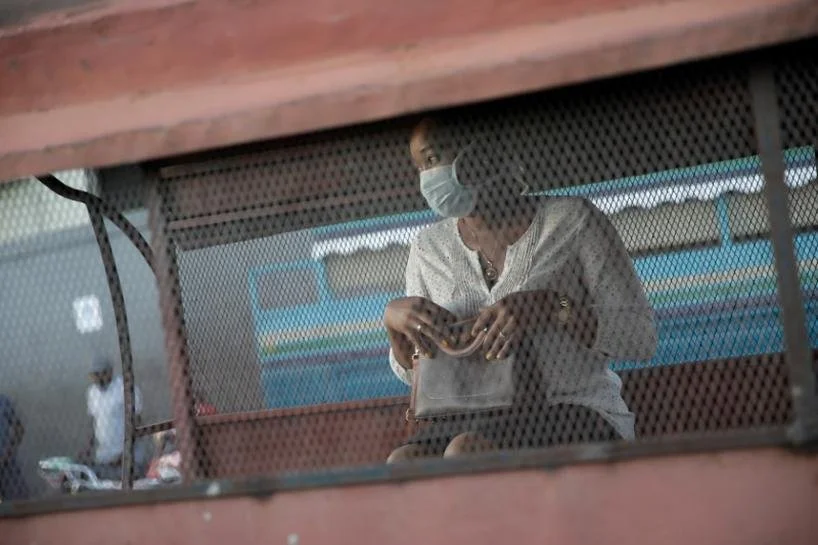
Port-au-Prince (AFP)
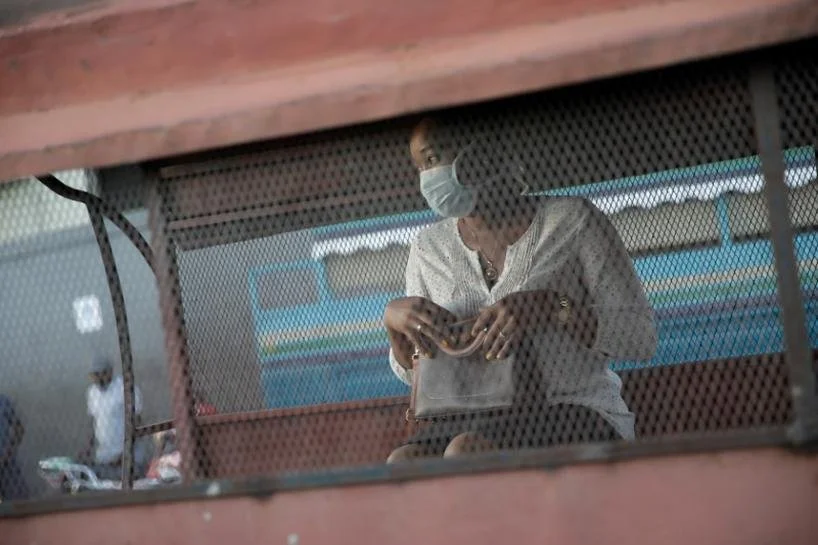
Haiti on Sunday reported its first novel coronavirus death, a 55-year-old man who had underlying health conditions.
The health ministry said the man suffered from diabetes and hypertension.
He was one of only 21 confirmed cases of the COVID-19 virus in Haiti, a demographically young country where over half those diagnosed with the disease have been under age 45.
Only 218 tests for the new coronavirus have been carried out in Haïti since the first two cases were confirmed March 19, however, leading to criticism from the national medical community of the government's handling of the pandemic.
Since the virus first appeared, the government has announced stringent measures to contain it, but they have not been rigorously followed or enforced.
A ban on gatherings of 10 or more people is routinely violated, notably in the country's crowded public transportation system.
Stay-at-home measures, like those in place in Italy and France, are difficult to apply in Haiti because the vast majority of its inhabitants depend on the informal economy to survive.
The density of the population of Port-au-Prince, the most populous capital in the Caribbean, with three million people, also makes strategies like social distancing impractical.
Haiti Street Vendors Have Little Knowledge of Looming Coronavirus Dangers
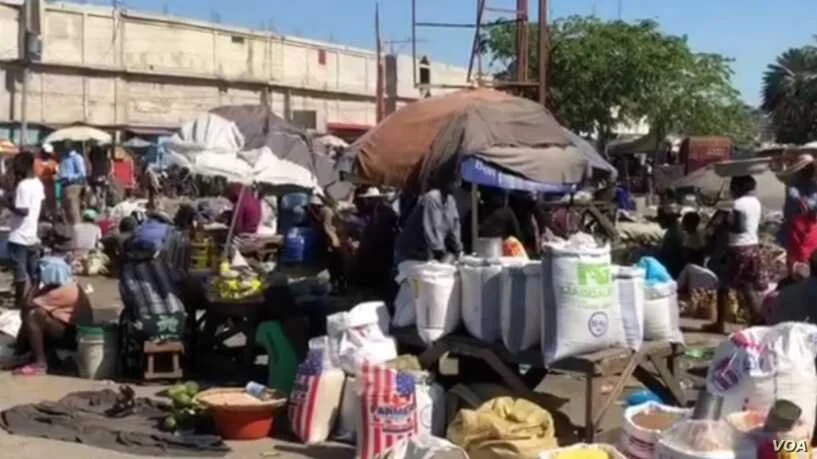
WASHINGTON/PORT-AU-PRINCE - Vendors at the busy Croix-des-Bossales market in downtown Port-au-Prince have not heard much about the coronavirus pandemic that is currently sweeping the world.
VOA Creole found Monday that half of the vendors were busy trying to make ends meet and had no knowledge or incorrect information about the virus.
“I haven’t heard about it. I only came back to the capital yesterday,” a female vendor told VOA. “I do have a radio at home, but it’s not working.”
“I heard it’s people who eat mice who have this disease,” a vendor in her 20s told VOA. “People who eat rats. I heard coronavirus is killing people, but I have no idea whether it’s here in Haiti.”
Farther down the row of merchants, another female vendor had more accurate information.

“I heard that corona is a virus that we should avoid. We should wash our hands, but that’s all I know,” she said. “But I did hear someone say it originated with white people who eat cockroaches, rats and mice — that’s what I heard on the street.”
A male vendor in his 40s knew that COVID-19 has infected people worldwide.
“I don’t know much else about it,” he said, “because I’m still waiting to hear what the experts have to tell us.”
Another vendor told VOA she believes drinking moonshine can keep the virus at bay.
“I heard the virus doesn’t like hot climates nor strong alcohol, so that’s our protection,” she said.
Among vendors who had some knowledge of the virus and the precautions they can take to keep it from spreading, several admitted the advice wasn't easy to follow.
“They told us we shouldn’t touch our faces, but after moving merchandise, sometimes we sweat, and out of habit, we wipe our forehead (with our hand),” a woman said. “How are we supposed to avoid doing that?”
A vendor selling rice and beans said she washes her hands often, but noted that her clients may or may not do the same.
“When a person is hungry, they may not remember to wash their hands before they come to my stand to buy food. All they can think of is eating,” she said.
A male vendor said he was praying for God’s protection. As for social distancing, he said Haitians will never stop kissing each other when they meet.
“We poor people are used to bacteria, so it doesn’t kill us,” he said, adding that he will say an extra prayer to remain healthy as he continues to greet his friends with kisses.

Haiti has no confirmed cases of COVID-19 and is working to keep it that way, through nationwide information campaigns, public service announcements on radio and television, and daily press briefings.
Over the weekend, the National Federation of Haitian Mayors announced a nationwide campaign in the country’s 10 departments to inform people about the pandemic.
On Sunday, Interior Minister Audin Bernadel Fils announced he would go downtown Monday evening, accompanied by members of the police force and Justice Ministry officials, to shut down roadside merchant stands.
“We will close them, because coronavirus is not a ghost, it’s not fake news, it’s real,” he said. “We have been fortunate not to have any cases yet, and we intend to keep it that way as long as we can.”
Monday at midnight, Haiti is shutting its border with the Dominican Republic, where the coronavirus has sickened 11 people. An exception is being made for merchandise coming across the border, which will be required to undergo screening both in the Dominican Republic and in Haiti immediately after entering the country.
Haiti has also stepped up patrols of its maritime borders and has suspended air travel from Europe and Latin America. Air travel between Haiti and the United States has not yet been halted but is currently under review, according to Prime Minister Jouthe Joseph.
Haiti Closes Border with Dominican Republic, Suspends Most Flights
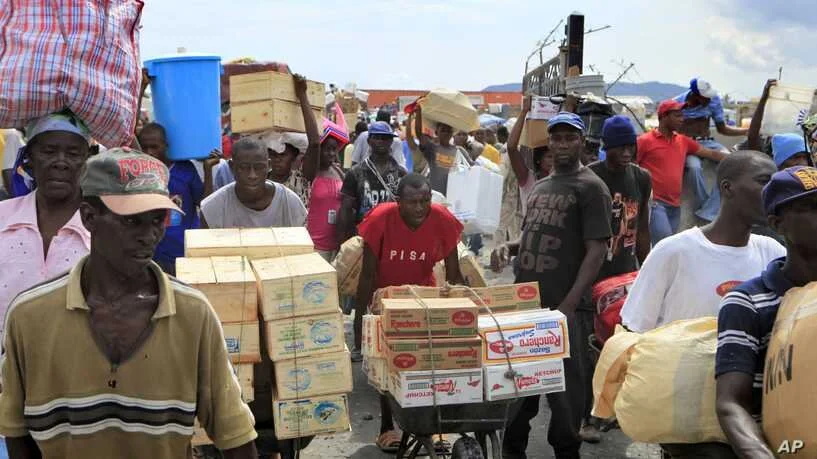
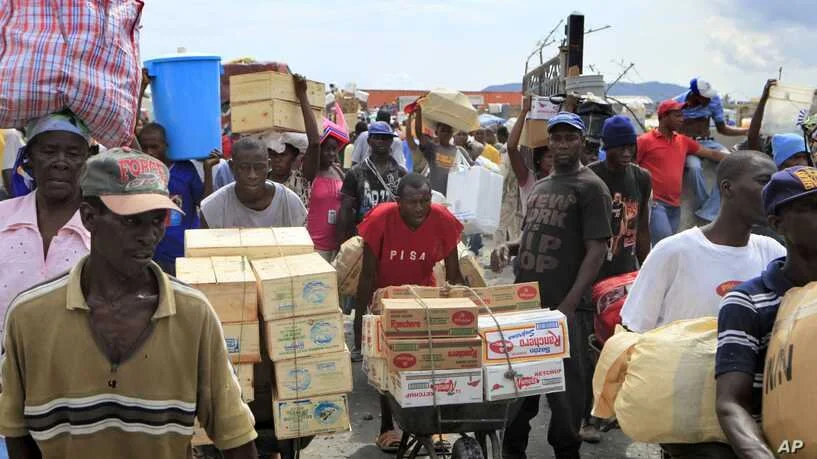
WASHINGTON/PORT-AU-PRINCE - Haiti will close its border with the Dominican Republic as of midnight on Monday, Prime Minister Jouthe Joseph announced Sunday.
Joseph said an exception is being made for merchandise, which will still be allowed across the border after screening. He said Dominican officials will test those aboard the vehicles prior to entering Haiti, and Haitian health officials will also test them upon entry.
The move aims to keep the coronavirus, which has sickened 11 people in the neighboring Dominican Republic, out. So far Haiti has no confirmed cases of the deadly disease. The country's first suspected case, an unidentified foreign woman who had traveled to one of the countries where the coronavirus has spread, tested negative for the disease.

“We are asking people to take this pandemic very seriously,” Joseph said. “We are asking for the cooperation of all Haitian citizens as well as foreigners living in Haiti.”
The prime minister announced that Haiti is also suspending all flights from Europe and Latin America. Flights from the United States are under evaluation, he said.
“We are evaluating fights between Port-au-Prince and New York, Port-au-Prince and Miami, Cape Haitian and Miami, Cape Haitian and Fort Lauderdale,” he said. “We have an agreement with American air transportation officials that all passengers boarding planes for Haiti must be screened for coronavirus.”
He said Public Health officials at the nation’s two international airports - in Port-au-Prince and Cape Haitian - are already screening passengers for the virus upon arrival. Quarantine facilities have also been set up for passengers who exhibit flu-like symptoms. They will be required to fill out a special form, regarding the disease.
“If you are asked to undergo testing or if you are ordered to be quarantined, we urge you to cooperate. Don’t be angry, this is being done to protect our country,” he said.

Joseph appealed to avoid traveling outside of the country, unless it’s an emergency.
“We urge all Haitians to avoid all non-essential travel. Do not travel to any foreign country unless it’s urgent that you do so,” Joseph said.
According to the prime minister, the extra measures to reinforce the country’s land and maritime borders and its airports have been successful in keeping the pandemic out so far.
In addition to new restrictions affecting civilian travel, the prime minister said the government has cancelled all official travel. Joseph said any official who wants to travel abroad must first get approval from either President Jovenel Moise, the prime minister or the foreign minister.
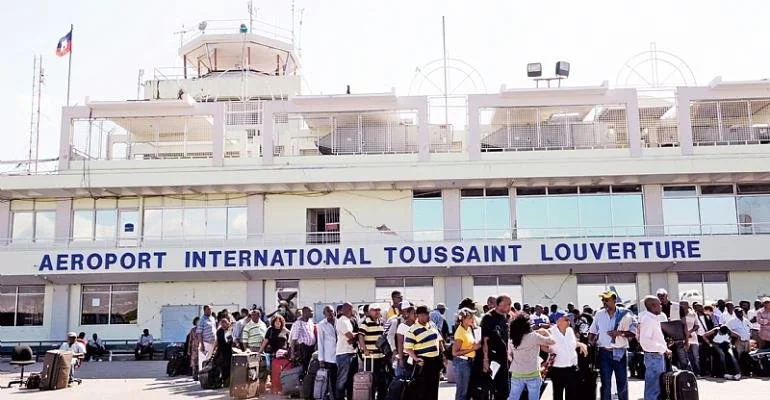
Coronavirus: Haitian Leaders Urging Authorities To Secure Airports And Bus Stations As Virus Hit The Dominican Republic
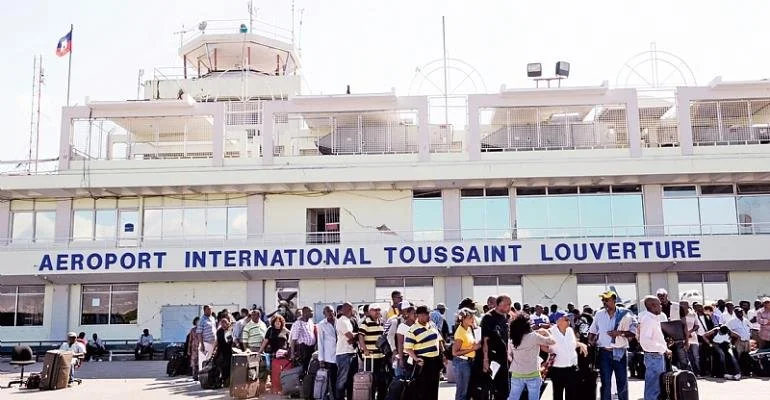
According to reports from local media like Bon Déjeuner! Radio (BDR! Live), VOA, and Radio Television Caraibes, the opposition leaders, health leaders, and other political leaders across Haiti are asking the Haitian Government officials and other agencies officials across Haiti to keep their eyes on the tourists from the U.S. and other countries who are entering the country due to Coronavirus fear as death are growing overseas.
The opposition leaders and other political leaders across Haiti are afraid that the Coronavirus hit Haiti when the country doesn't have good hospitals and types of equipment to solve the problem. That virus is from China and it is reportedly in the Dominican Republic now, so this is why the leaders in Haiti are making sure that the virus stays overseas because Haitian authorities are not ready for cases in a poor country like Haiti. Unfortunately, President Jovenel Moise and the new Prime Minister Jouthe Joseph are quiet about how to secure the security and the safety of Haiti Citizens.
As the Coronavirus death toll going up in Asia countries, Italy, the United States, and others, the leaders in Haiti are making sure there are no cases in Haiti because the health leaders said Haiti doesn't have the proper equipment for such a thing.
"It's sad that the Coronavirus is already in the Dominican Republic, and I hope the Dominican Republic leaders do their best to protect their Citizens like we are doing our best to protect our Citizens in Haiti.", said Mr. Werley Nortreus and other political leaders across Haiti.
As the virus is growing overseas, even the employees at the government-run, General Hospital in Haiti’s capital, Port-au-Prince, fear the day when the first coronavirus patient checks in.
Dr. Jacques Mackenzie told VOA that no measures have been taken to protect the staff at the nation’s largest health facility if Coronavirus hit the country.
“It’s sad to say this but the hospital receives a lot of patients daily and we are not — I repeat — we are not ready, as far as I know, to diagnose a person who has the coronavirus,” he said, adding that they don’t even have the test to determine if someone is infected.
According to reports, the Dominican Republic health officials are now reporting five cases, including a 56-year-old Dominican woman who lives in Italy, and a 12-year-old who recently returned from a European vacation with his family. Both are in quarantine at home. There are now a total of 15 confirmed COVID-19 cases in the Caribbean, and that's why Haiti leaders are making sure that Haiti stays clean without Coronavirus in the country.
"I am calling the Government officials and other agencies officials to keep their eyes on the tourists from the U.S. and other countries entering the country to make sure that they are not infected because Haiti is not ready for this mess.", said Mr. Werley Nortreus, a political leader and founder of Vanyan Sòlda Ayiti and A New Haiti Before 2045 (ANHB 2045).
The number of people in the Caribbean who have contracted the novel coronavirus continues to grow with the Pan American Health Organization confirming Friday an additional positive case in the Dominican Republic and eight new ones in the French overseas territories, bringing the total to 12.
“The diagnosis is biological so the laboratory has to confirm the diagnosis. We don’t have the test. We, the medical personnel, have not received any instructions at all with regards to detecting coronavirus cases, nor how to protect ourselves. We are seeing (in the news) all the equipment other countries have to deal with the coronavirus, their doctors, their technicians are well equipped. We, on the other hand, have never received anything that would allow us to face the possible arrival of coronavirus in the country.”, said health officials and Doctors in Haiti.
French Guiana is reporting five cases of COVID-19 while Martinique confirmed two cases. The cases are in addition to three previous cases — two in St. Martin and one in Saint Barthelemy — that had been previously reported along with a previously confirmed case in the Dominican Republic. No information was released on whether any of the 12 patients have died.
As the Coronavirus death toll going up in Asia countries, Italy, the United States, and others, some leaders in Haiti, including Mr. Werley Nortreus are making sure there are no Coronavirus cases in Haiti and the Caribbean.
Children’s Nutrition Program Of Haiti To Host Annual Benefit Dinner On March 20
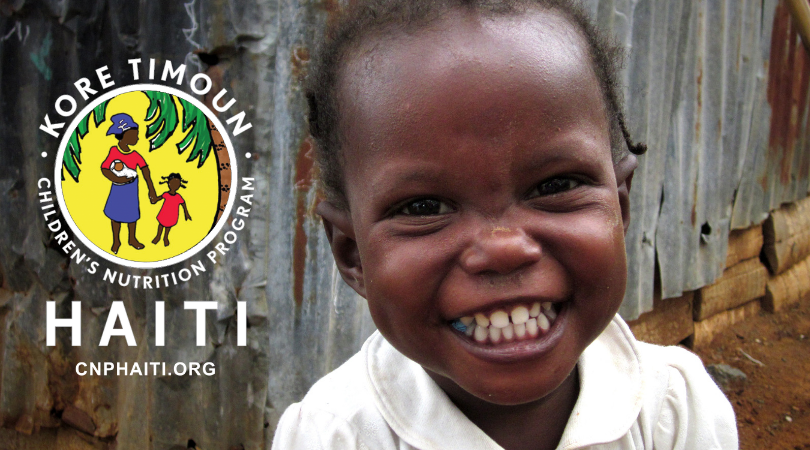
The Children’s Nutrition Program of Haiti will host their annual awards ceremony and benefit dinner at Stratton Hall on March 20. This year’s theme is “Building a Firm Foundation – One Child at a Time.” The Legacy Reception will begin at 5:30 p.m. followed by dinner at 6:30 p.m.
"Jan. 12 marked the 10th anniversary of the catastrophic earthquake that took the lives of over 200,000 people in Haiti," officials said. "The epicenter of that quake was in Leogane, just miles from the Children's Nutrition Program headquarters. To commemorate this event, the evening will invite attendees to remember the lives lost in the earthquake and celebrate the everyday heroes who continue to help Haiti to build a firm foundation. Proceeds from the night will further their work to prevent and treat malnutrition in Haiti."
The keynote speaker will be Len Gengel, co-founder of Be Like Brit.
"Len's work in Haiti began in 2010, only months after his 19-year-old daughter, Britney, lost her life in Haiti's devastating earthquake," officials said. "Len's work reflects his inspiring commitment to honor her legacy by investing in Haiti's children."
The Deb Watlington Heart for Haiti award recognizes individuals who have given their heart, soul and time to fight against childhood malnutrition in Leogane. This year’s award will be presented to Dr. and Mrs. Chuck and Martha Sternbergh and Reverend and Mrs. John and Mary Talbird.
For more information or to register or donate online, visit www.cnphaiti.org.

Burn clinic in Haiti treats all victims for free

Haiti (MNN) — From Haiti with Love is the only free burn clinic in the country, and Haiti desperately needs it.
Last Thursday, a fire burned an orphanage in Haiti, killing 15 children. Not only was the orphanage unprepared for the fire (the living conditions were cramped and dirty, and candles were used for lighting), but firefighters took 90 minutes to respond. When they did arrive, they lacked the equipment necessary to save any of the children, such as bottled oxygen.
This tragedy only highlights the danger posed to Haitian citizens by fire and burning, and ongoing unrest in this poverty-stricken country doesn’t help.
The clinic

Haitians uses motorcycles as axis, and even ambulances. (Photo courtesy of For Haiti With Love)
Eve DeHart from For Haiti with Love points out that every burn is unique, and that many burns result from people falling off overcrowded motorcycles (these vehicles are used as taxis.) Others result from house fires. Children are often burned from falling or reaching into pots of cooking food.
Because burn victims need bandage changes, the small clinic treated almost 600 people by themselves in January. “So for a relatively small organization, that’s a lot of gloves. That’s a lot of bandages. That’s a lot of tape. That’s a lot of masks. That’s a lot of burn cream. That’s a lot of antibiotic cream for the cuts.”
And the work is directly saving lives. DeHart says, “With the living conditions down there, burns open your body to outside germs and possible infections. And the more the burn, of course, the more the exposure and the more likely it is that without treatment it would be fatal.”
“So, there are a lot of people leaving the clinic when they’re well who acknowledge, “Thank you for everything, you saved my life.’”

Pray that the gospel would spread through Haiti. (Photo courtesy of For Haiti With Love)
DeHart says one trouble facing the clinic is that pharmaceutical companies don’t typically give donations to small organizations. Instead, they give to very large organizations. “That’s the way the pharmaceutical [companies] handles [it]. They don’t dole out little bits anymore. And by little bit, so I would be talking [roughly] 5000 tubes, but still that is small when you’re thinking of filling a container. And that’s the only way they want to donate it. And the expiration date wouldn’t allow us to take it even if we had the [storage space].”
Healing and the Gospel intersect
While the patients are being treated, they want to talk about something to distract them from the pain. Workers at the clinic often share the Gospel with them.
“And that is the best topic for keeping their mind off of what is happening to them. And particularly if it happens to be self-inflicted injuries, by someone who was involved in Voodoo. Because it’s very easy to talk about a loving Lord who does not require you to do those things to show your faithfulness to Him. So it’s probably the most relaxed, the most concentrated focus you could get . . . for sharing the gospel because you literally have their undivided attention when they’re on the table.”
Because DeHart can’t foresee how many people the clinic will be treating, she asks for prayer that the money for supplies will stay available. The clinic tries to treat anyone who shows up with an injury, and DeHart doesn’t want to turn anyone away. “Because they don’t have anywhere else to go. The hospitals wrapped them in dry gauze and sent them to us.”
Pray also for the staff and patients at For Haiti With Love, that the healing would thrive, and that many would come to know the great Healer. Consider giving to support the ministry and the work God has given them to do.
11th annual ‘Hope for Haiti’ reception in Boca Grande
The Boca Grande Hope For Haitians Committee agreed to fund 150 homes in the remote area of Savann Kabrit, Haiti, over a three-year period. Thanks to the generosity of Ben and Louise Scott and the committee, 100 homes have been funded for families through Food For The Poor.
Fundraising for the remaining 50 homes in Phase III of Savann Kabrit will continue with the Boca Grande Hope For Haitians annual cocktail and hors d’oeuvres reception at The Gasparilla Inn Beach Club in Boca Grande on Tuesday, Feb. 4, 2020. The event will feature a silent auction.
Guests attending the reception will have the opportunity to meet Food For The Poor’s new president and CEO, Ed Raine, who also is this year’s keynote speaker. He will share how lives are being transformed in Haiti, thanks to the generosity of Boca Grande residents.
For additional information about the Boca Grande Hope For Haitians reception, please call (954) 427-2222 ext. 4020, or visit FoodForThePoor.org/bocagrande.
Haiti reaches one-year free of Cholera
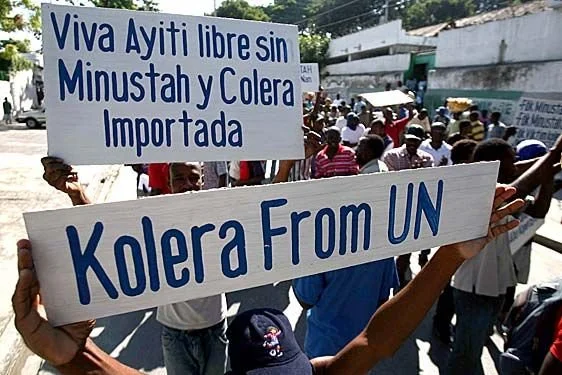
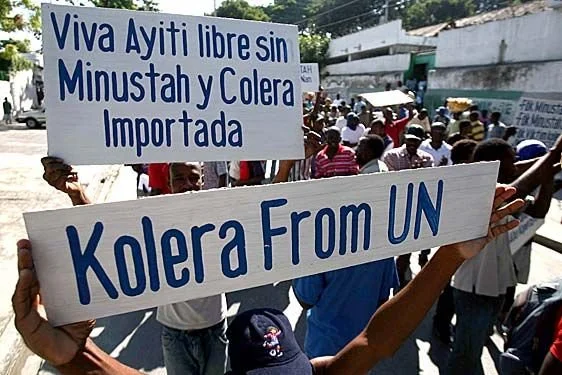
Washington D.C. / Port au Prince. 23 January 2020 (PAHO/WHO) – The cholera outbreak in Haiti that began in October 2010, affecting over 820,000 people and killing 9,792, has been stopped in its tracks, with the country reaching 1-year free of confirmed cases this week.
The achievement follows concerted efforts from Haiti, the Pan American Health Organization (PAHO) and other partner agencies to address the root causes of cholera, including through increased surveillance to detect and respond to possible-flare-ups; the implementation of rapid diagnosis initiatives; and the treatment of cases with adequate rehydration and care.
“Cholera is a disease of inequity that unduly sickens and kills the poorest and most vulnerable people – those without access to clean water and sanitation,” said PAHO Director, Carissa F. Etienne. “Death from cholera is preventable with tools that we have today but to ensure that cholera remains a distant memory, we must also accelerate investments in clean water and adequate sanitation in Haiti,” she added.
The last confirmed case of cholera was reported in I’Estère in the Artibonite department of Haiti during the last week of January 2019. It concerned a boy under the age of 5, who was admitted to hospital on the 24th of January 2019 but who recovered shortly thereafter.
Rapid detection and testing are key to controlling outbreaks. PAHO and the Haitian Ministry of Health’s Labo Moto project, which works on the ground to enable field nurses to rapidly transport samples from treatment centers to laboratories on motorcycles, has enabled testing of suspected cases to increase from 21% in 2017 to 95% in 2019.
LaboMoto is part of a three-step strategy to ensure that all suspected cases from high-risk areas are tested; that random sampling of patients with diarrhea is implemented in all areas of the country; and that event-based (rumor) surveillance is also carried out by epidemiologists.
PAHO has also supported Haiti in equipping primary health clinics with trained personnel that are able to respond quickly and manage cases; and in the implementation of cholera vaccination programs. For example, over 900,000 people were vaccinated following Hurricane Matthew in 2016.
Towards cholera elimination
Despite progress, Haiti remains behind the rest of Latin America and the Caribbean in terms of access to potable water and sanitation. Over a third of the population (35%) lack basic drinking water services and two-thirds (65%) have limited or no sanitation services. This is far below the regional average of 3% and 13% respectively.
“While cholera is under control for now, we must collectively remain alert and ready to maintain this status and verify elimination. Only when we ensure all Haitians enjoy access to clean water and sanitation can we breathe more freely.” - Dr. Etienne
In order to end cholera in Haiti and receive validation from the World Health Organization (WHO) for eliminating the disease, the country must maintain effective surveillance systems and remain cholera-free for two more years (three years in total).
Early detection and response to possible flare-ups must also continue and addressing the issue of clean water and sanitation for all Haitian people is key to preventing the transmission of cholera, and other water-borne diseases, in the long-term.
Haiti pushes foster homes to counter problems in orphanages
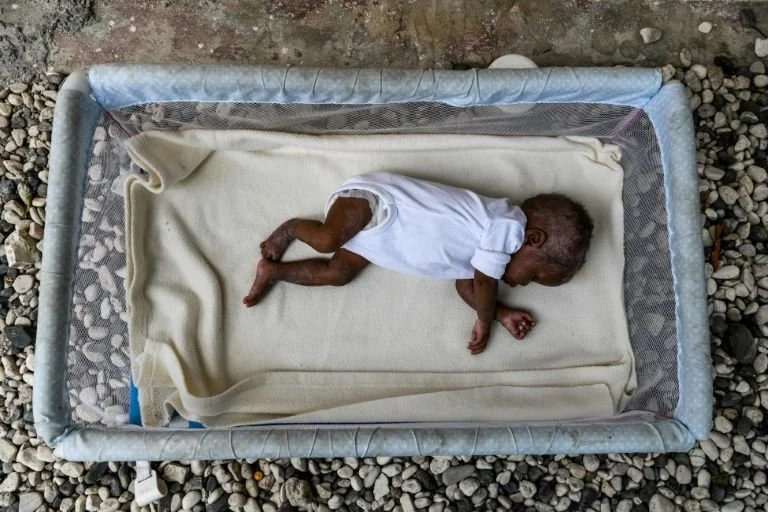
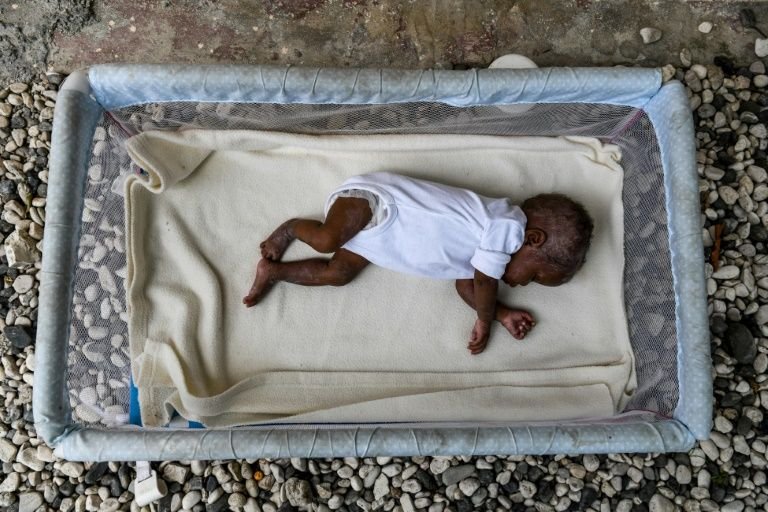
Port-au-Prince (AFP) - Rose Boncoeur brought two emaciated little girls to live in her modest home in Haiti as part of a reform drive aimed at keeping children out of orphanages.
"People often asked me if I am crazy," said Boncoeur, whose name means "good heart."
The government of the Americas' poorest country is pushing to deinstitutionalize children so as to avoid the darkest sides of orphanage life -- trafficking of kids or even worse abuse.
So far, 120 homes in Haiti have opened their doors to children with nowhere else to go.
Boncoeur gets no financial help to feed or clothe her two charges, and is forced to ask people for used clothing for her foster children -- sisters, aged eight months and three years.
"Some people do not understand that I spend money on children who are not mine," said Boncoeur, who is proud that her biological daughter treats those girls like siblings.
Much of the problem goes back to the devastating earthquake that hit Haiti in 2010, which left more than 250,000 people dead and largely demolished the capital city, Port-au-Prince.
The number of orphanages and other care facilities for children more than doubled.
Of the 754 that now exist in Haiti, only around 50 are licensed or in the process of getting a license from IBESR, the government's child social welfare agency.
The government has now barred any more such institutions from opening.
-Pedophilia, organ trafficking -
The government has also finally signed an international convention designed to safeguard inter-country adoptions.
Before, a foreigner could just go to an orphanage in Haiti, strike a deal with the director, and adopt a child, with IBESR only involved at the end of the process to act as a type of registrar of the match, said its director, Arielle Jeanty Villedrouin.
IBESR now heads the process, deciding who the children will go with, "which averts some excesses because there has been talk of pedophilia and organ trafficking," she said.
State intervention in matching children with people who want to adopt is also seen as a critical to avoiding heartbreak for parents who give up their kids to orphanages.
"People would entrust their children to an orphanage and maybe sign a document without even knowing how to read," said Villedrouin.
She said the child welfare agency often had to deal with weeping mothers who came looking for children who had been adopted and taken out of the country.
Eighty percent of the estimated 27,000 children living in orphanages in Haiti have at least one parent alive.
- Orphanages with money -
Child welfare advocates here say it is a shame that abject poverty can destroy families and strip children from their parents when some orphanages actually have a lot of money.
In 2017, Lumos, an NGO founded by the writer JK Rowling of Harry Potter fame to reunite orphanage kids with their parents, reported that at least 70 million dollars are received yearly by just a third of the orphanages in Haiti.
"Seventy million dollars: imagine how this money could have helped children stay with their parents," said Villedrouin, whose agency has an annual budget of just $1 million.
UNICEF is also pushing for governments to change their way of thinking and spend money to keep families together.
"Studies have shown that for each year that a child spends in an orphanage, he or she loses three to four months of psycho-cognitive development," said Maria Luisa Fornara, director of the UNICEF office in Haiti.
While the killer 2010 earthquake caused international aid to be channeled toward orphanages, it prompted the Cledion family in Haiti to become foster parents.
They had already become empty-nesters.
Now, they are raising two girls -- Jesly, 10, and Fedjiana, 11.
"After making it through that terrible experience alive, you understand that you owe other people," said Solon Cledion.
"They are little. It is not their fault that they are poor," said Cledion, who considers these girls to be his daughters.
Celebrating Game-Changing Accomplishments at University Hospital in Haiti
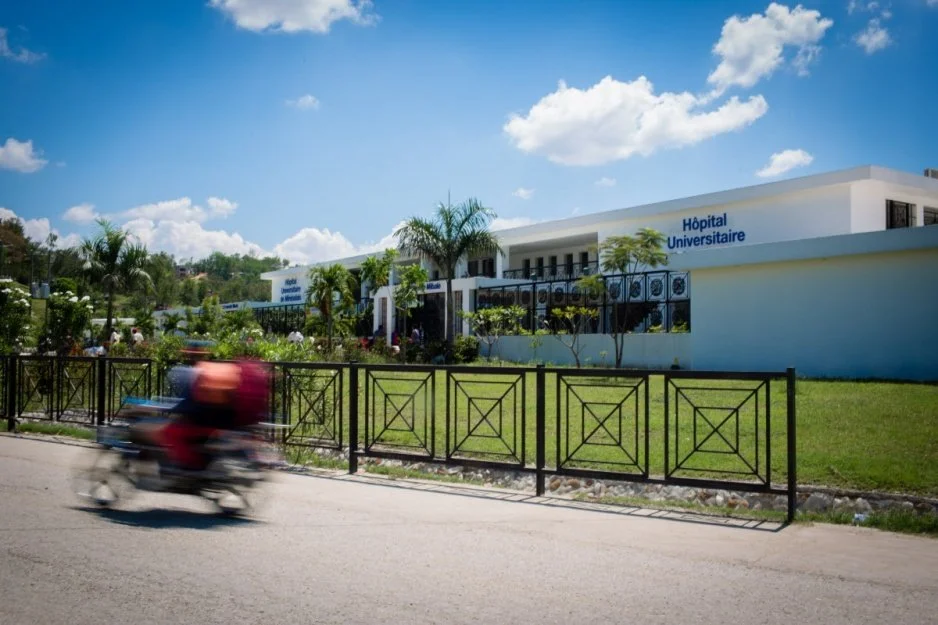
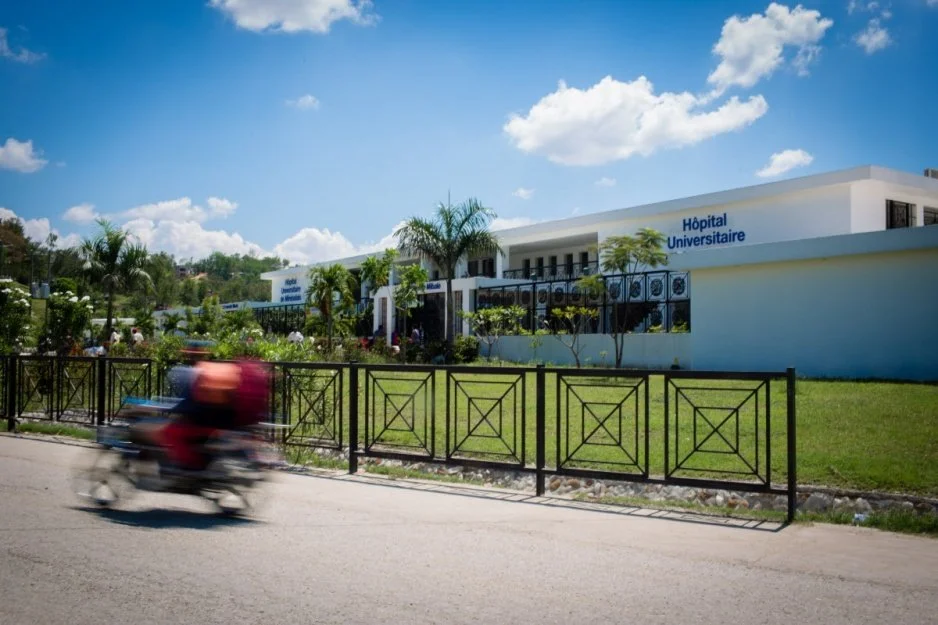
Nearly seven years have passed since University Hospital in Mirebalais opened its doors and began transforming health care for more than one million people across Haiti's Central Plateau. Since March 2013, thousands of patients have had access to specialized care provided by clinicians working with Zanmi Lasante, as Partners In Health is known locally.
University Hospital has also been home to a growing medical education program, which has graduated 123 residents from a variety of specialties, including emergency medicine, surgery, and pediatrics, to add to the growing health care workforce in Haiti.
For a deeper dive into University Hospital's many accomplishments, check out the below image, a bird’s eye view of the campus. Hover over various sections to learn more about how hospital staff save lives every day by providing high-quality care to all patients, regardless of their income.

A Safe Haven for Mothers and Babies
When University Hospital opened in 2013, staff frequently saw full-term pregnant women sleeping overnight on cement sidewalks waiting for labor to begin. Many of them lived far from care and wanted to be near the hospital as their due date approached. Mothers of babies in the neonatal intensive care unit also slept outside to be available for feedings. These everyday scenes were a testament to the mothers’ determination to receive high-quality care for themselves and their newborns. They also were the inspiration for Kay Manmito, the maternal waiting home PIH built on the grounds of University Hospital.
Kay Manmito, or “Mother’s Home” in Haitian Creole, hosts women with complicated pregnancies and mothers of premature and NICU infants, guaranteeing them a facility-based birth and providing them with free prenatal care, meals, psychosocial support, and health education. In 2019, Kay Manmito housed 378 women so that they could receive the lifesaving, dignified care they needed, from blood pressure monitoring to C-sections. These patients were among the 15 women, on average, who delivered each day in the neighboring hospital’s maternity ward. For expectant mothers like Natacha Jean Paul, whose risky pregnancy brought her to the facility, “the care found here is priceless.”
Training Haiti’s Next Generation of Clinicians
Brain drain has long stymied Haiti’s health care system. Doctors and nurses have historically had few options for specialized training within the country, and 80 percent of those who do train in Haiti leave within five years of graduation to practice abroad. The few clinicians with specialized training who remain in Haiti typically work in the capital of Port-au-Prince, far from where most patients—particularly the rural poor—can access care.
Medical education is integral to University Hospital, which was built as a teaching facility where Haitian clinicians could train in advanced specialties. Since opening, the hospital has begun offering residency programs in pediatrics, surgery, obstetrics and gynecology, neurology, nurse anesthesiology, and family, internal, and emergency medicine. To date, 123 clinicians have graduated from these programs, including the family medicine residency at PIH-supported St. Nicholas Hospital in St. Marc. Nearly 98 percent have chosen to work in Haiti and 60 percent with PIH-supported facilities, strengthening local health systems and caring for the most vulnerable patients.
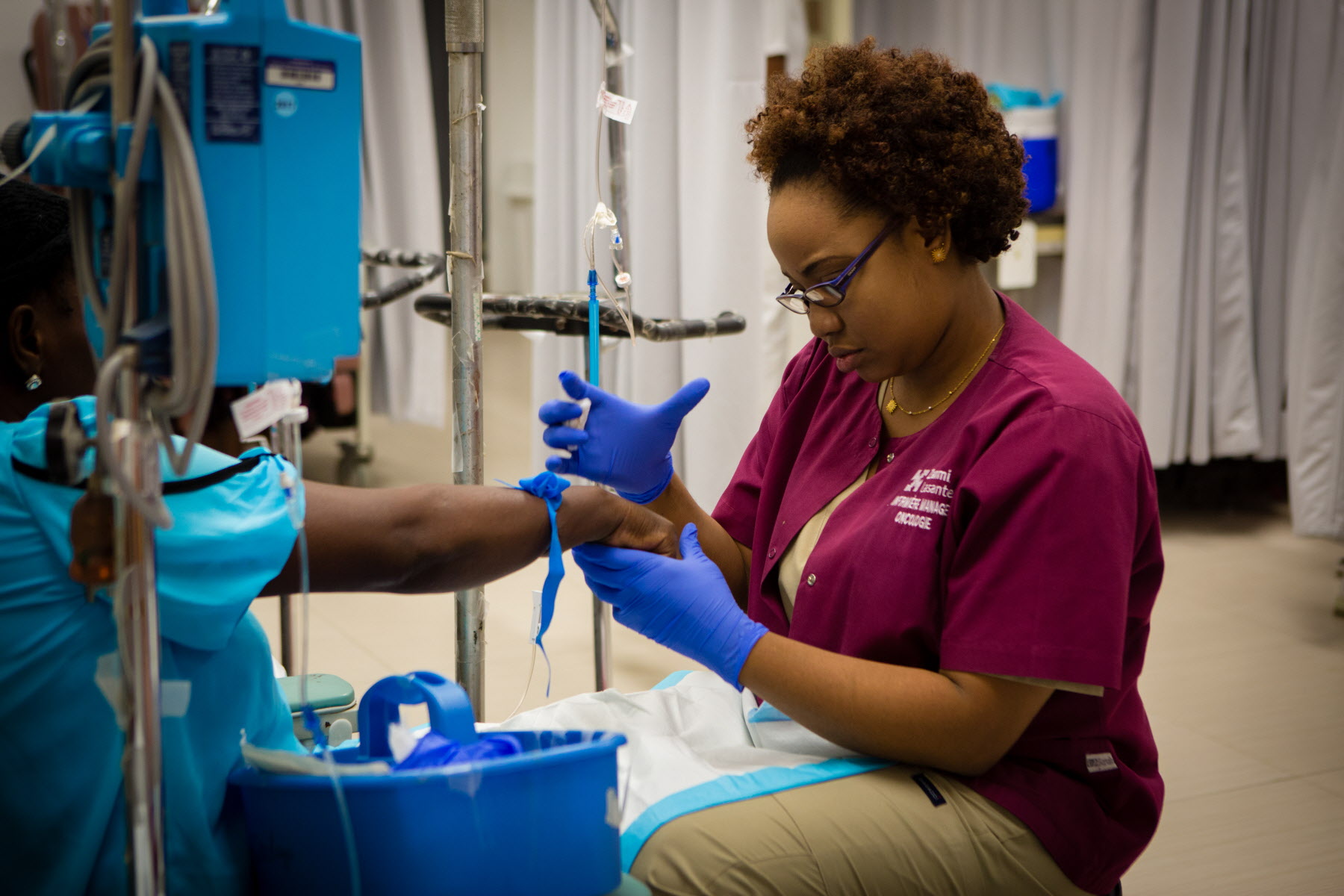
Cancer Care for All
Cancer affects people around the world proportionately, yet access to treatment is disproportionate, as lifesaving chemotherapy and surgeries are often unavailable or inaccessible in poor countries. University Hospital’s oncology department is changing this reality. There, patients from across Haiti receive the diagnoses, specialized care, and psychosocial support they need to survive.
Last year, University Hospital provided cancer treatment to 652 patients, the majority of them women with breast cancer. Cita Cherie* is one such patient: She has been receiving palliative chemotherapy for an advanced stage of breast cancer since the hospital opened. “If it were not for the Mirebalais hospital, I would not be alive today,” Cherie says. “I get all my medication for free, and when I come to the hospital, the doctors take really good care of me. They welcome me and they really value me.”
*Name has been changed at patient’s request.
A Lifesaving Laboratory
The Stephen Robert and Pilar Crespi Robert Regional Reference Laboratory, which PIH opened in 2016 across from University Hospital, has transformed health care for more than 1 million people. The 15,800-square-foot facility contains a clinical lab, a pathology lab, and Biosafety Level 2 and 3 laboratories, allowing staff to quickly and confidently diagnose and monitor infectious diseases and noncommunicable diseases like cancer. Highly trained technicians use advanced tools to improve the quality and timeliness of diagnostic services, meaning more patients receive better care in less time.
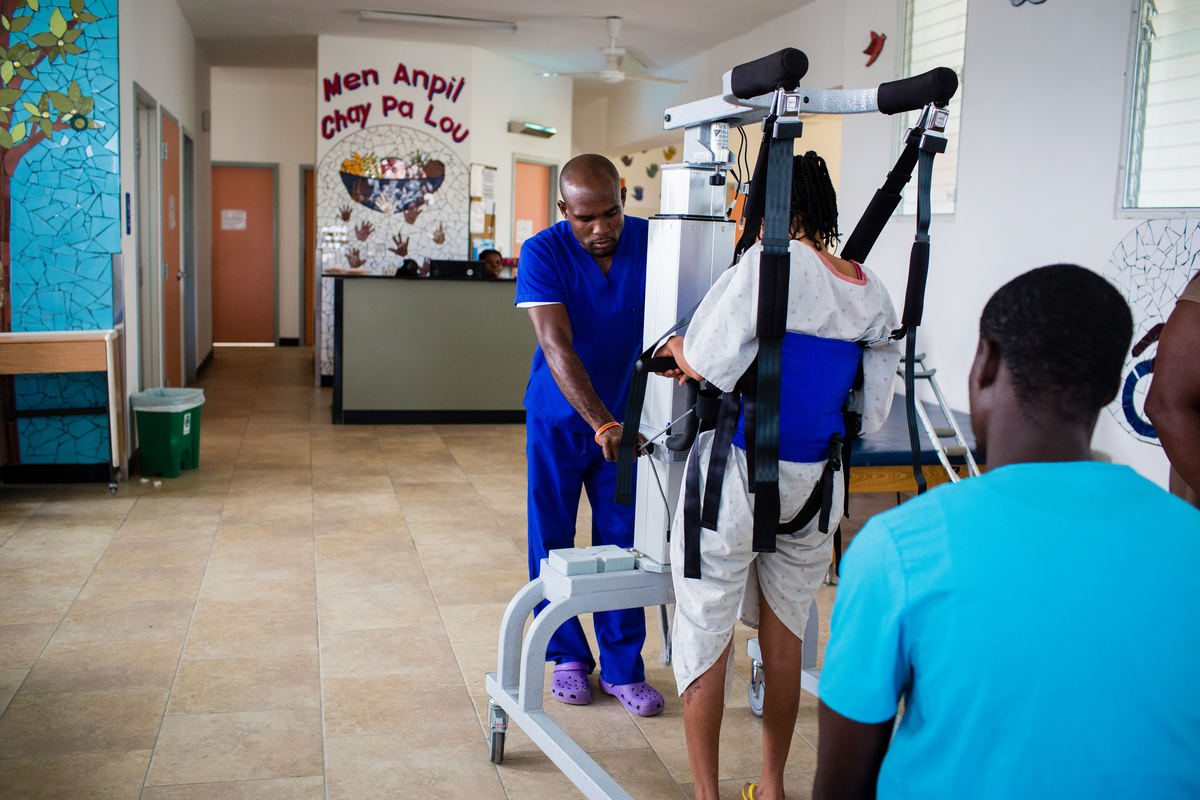
Rehab for the Body, Mind, and Spirit
The Center of Excellence in Rehab and Education is the first public facility of its kind in Haiti. Here, patients from all walks of life come for outpatient physical therapy sessions, and a select few remain for extended stays to recover from trauma. They are stroke survivors and amputees, accident victims and people living with various forms of disability. They come for physical transformation, and often leave with a mental and emotional lift as well.
Staff and patients interact in one of the most pleasant spaces on the University Hospital campus. The L-shaped facility fills with natural light and bright tile mosaics decorate the walls, some with Haitian proverbs worked into the design. One, appropriately, says: “Piti pitizwazo fè nich li,” or “Little by little the bird builds its nest.”
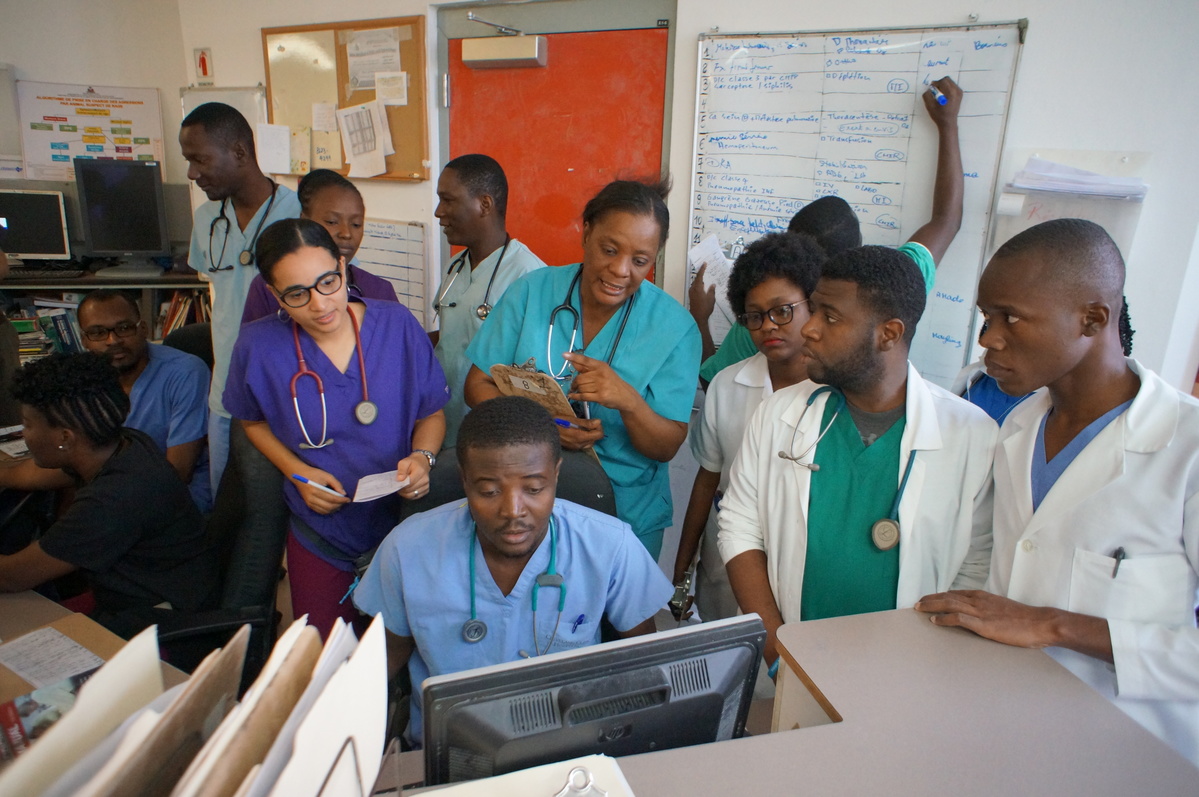
A Hub of Activity
University Hospital’s emergency department buzzes with activity. The suite of rooms rarely has an opening in its 16 beds, and two rows of chairs regularly fill with awaiting patients. Renovations are currently underway to expand the space to 36 beds and add on bathroom and shower facilities for patients on longer stays.
There are the typical emergencies, from broken bones and lacerations to heart attacks and motorcycle accidents. But there are just as many patients who come following acute episodes spurred from chronic illnesses, such as diabetes and heart failure.
The emergency department is often the first stop for University Hospital patients, who come from across the country at all times of day. They are greeted by seasoned clinicians and medical residents on rotation through the ward. So far, 16 emergency medicine residents have graduated from the program since its launch in 2013.
A Cut Above the Rest
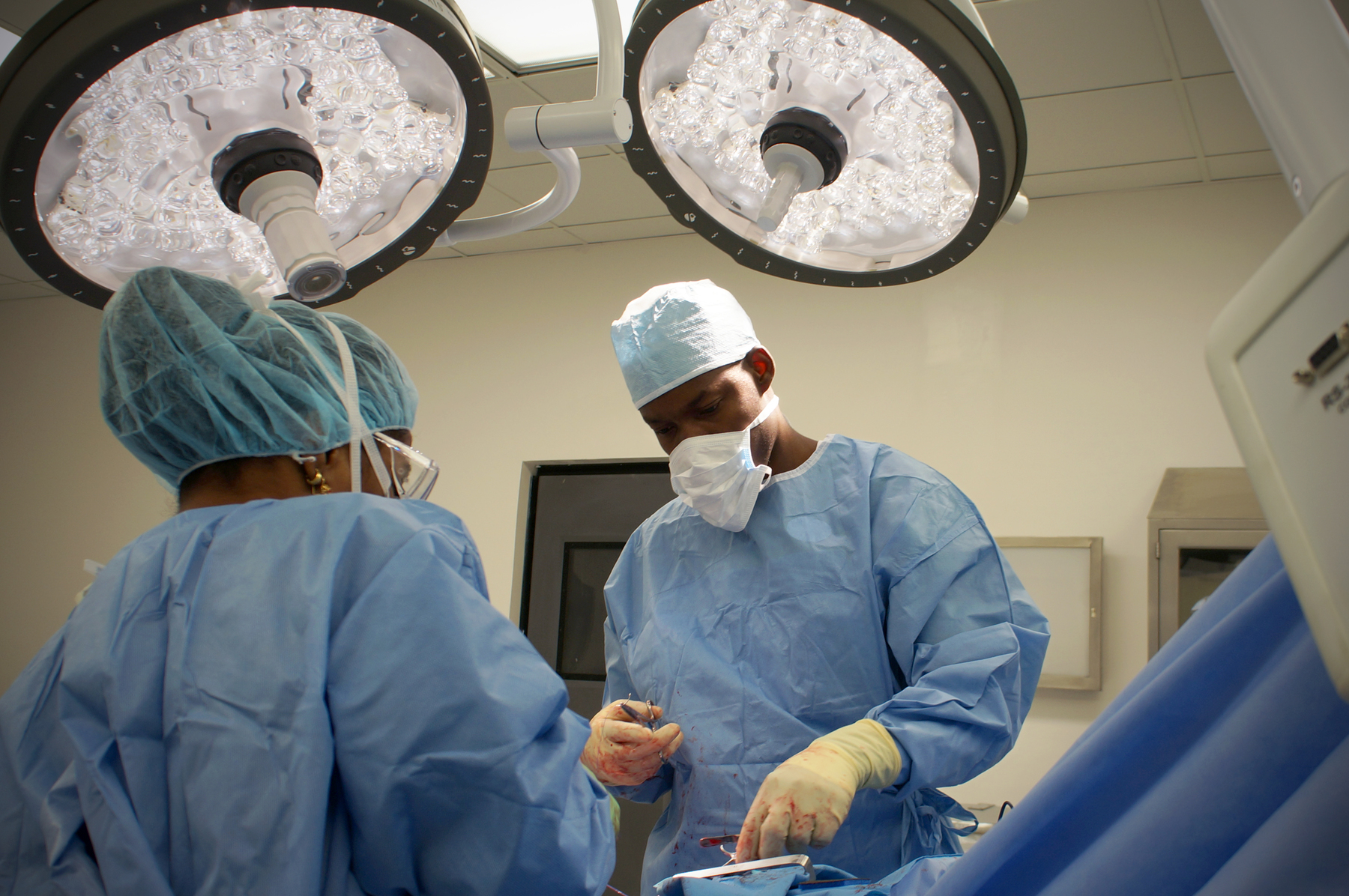
University Hospital is home to six state-of-the-art operating rooms, tucked away in the heart of the facility. In 2018 alone, surgeons performed 1,666 lifesaving cesarean sections and more than 600 other women's health-related procedures, such as hysterectomies.
The operating theater hosts routine surgeries, such as appendectomies and the removal of tumors. It has also hosted teams of international surgeons who, in collaboration with PIH clinicians, have conducted cleft palate repairs and—most impressive of all—the separation of conjoined twins.
So far, 19 surgical residents have entered University Hospital’s medical education program, six of whom have graduated so far.
Always a Full House
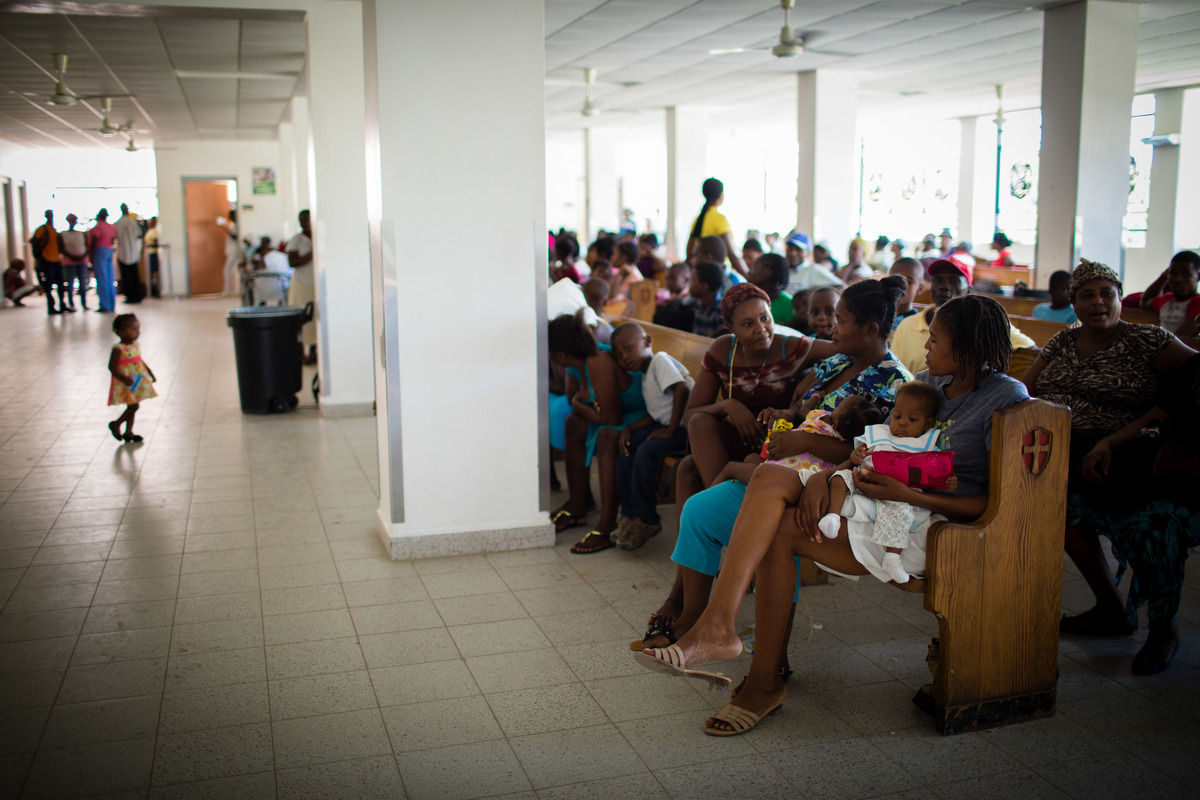
In the pre-dawn hours, dozens of patients begin arriving at University Hospital’s main entrance to await their turn for high-quality care, at little or no cost. Last year, clinicians conducted nearly 182,290 outpatient visits and admitted close to 4,320 patients, many of whom had traveled hours to be seen by the facility’s top-notch doctors and nurses.
Once patients have registered and had their vitals taken, they sit in one of several waiting rooms for their name to be called. They come for consultations with maternal and mental health, dental services and radiology, oncology and chronic diseases. Those who are admitted may end up in a number of departments, such as labor and delivery, pediatrics, or isolation—should they be diagnosed with an infectious disease, such as multidrug-resistant tuberculosis.
Regardless of why they come, they will receive care within specialties that would otherwise be out of reach for the rural poor across Haiti.
MSF Opens A Trauma Hospital in Port-Au-Prince As Health Crisis in Haiti Deepens
PORT-AU-PRINCE, December 3, 2019—A deepening political and economic crisis is putting a severe strain on all aspects of medical care in Haiti, the international medical humanitarian organization Doctors Without Borders/Médecins Sans Frontières (MSF) said today, as it announced the opening of a hospital in Port-au-Prince for patients with traumatic injuries.
The hospital opened in the Tabarre area of Port-au-Prince on November 27 and specializes in treating patients with life-threatening injuries including open fractures and gunshot wounds. In its first five days of operations, the hospital admitted 21 patients, about half of whom had injuries from violence.
"We are responding to a vital need with the opening of the Tabarre emergency trauma hospital, but this will not be enough," said Jane Coyne, MSF head of mission in Haiti. "The country is undergoing a severe economic and political crisis, and hospitals are struggling to stay open."
MSF originally opened a hospital in Tabarre in 2012 to provide emergency care to people with traumatic injuries in the years following the earthquake that struck the country. The hospital, named "Nap Kenbe," progressively reduced its services in recent years and admitted its last patient in late 2018.
As Haiti's economic and political crisis grew since September 2019, MSF decided to launch a new initiative to care for patients with life-threatening injuries, who the Haitian medical system is struggling to treat. Working in the same building in Tabarre, the new MSF hospital currently employs 170 medical personnel, including eight surgeons. After opening with 25 beds, the hospital is preparing to increase its capacity to 50 beds.
As economic troubles and political tensions have intensified, medical facilities, including those operated by MSF, have struggled to meet the needs of patients. Since September, streets have regularly been blocked by barricades made of burning tires, cables, and even walls built overnight. These have made it more difficult for ambulances to move and for medical facilities to receive fuel, oxygen, blood, medicines, and other supplies.
MSF's medical facilities in Haiti are seeing a high level of need amid the current crisis. So far in 2019, MSF's emergency stabilization center in the Martissant area of Port-au-Prince has received an average of 230 patients per month with gunshot wounds, lacerations, or other injuries from violence. MSF's hospital in the Drouillard area of Port-au-Prince saw a peak in activity in September, when it admitted a total of 141 patients with severe burns, primarily caused by accidents.
Insecurity affects health care workers as well. For months, the national Haitian ambulance service has experienced repeated incidents affecting its ability to respond to medical emergencies.
To keep MSF's health facilities functioning during the tensions of recent months, MSF has needed to transport hundreds of staff to work each day in MSF vehicles.
"Thanks to the positive reputation of MSF in Haiti, our vehicles are generally respected and are able to pass through the barricades," said Ella Lambe, MSF project coordinator in the town of Port-à-Piment. "However, some health centers where we have referred our patients have been looted, and some of our vehicles have been hit with stones."
In rural areas such as Port-à-Piment, in western Haiti, the broader challenges facing the Haitian health care system are very evident. A local health center where MSF has long supported emergency and maternal health services now struggles to refer patients to hospitals for higher-level care.
"Before, we could refer patients to another medical facility in one hour for urgent needs such as cesarean sections," Lambe said. "Now it takes from three to five hours to reach a hospital that can care for them."
In collaboration with Haiti's Ministry of Public Health and Population, MSF is also supporting public hospitals in various ways. These include rehabilitating a part of the emergency room at Haiti's State University Hospital, organizing trainings for health personnel and providing donations of medicines and essential supplies such as oxygen.
MSF first worked in Haiti in 1991 with programs to respond to emergencies such as natural disasters and other crises. The day after the January 12, 2010, earthquake, MSF launched the largest emergency response in its history. Today, MSF teams in Port-au-Prince and in southwestern Haiti are filling important gaps in health care services and are reinforcing the capacity of local health systems.
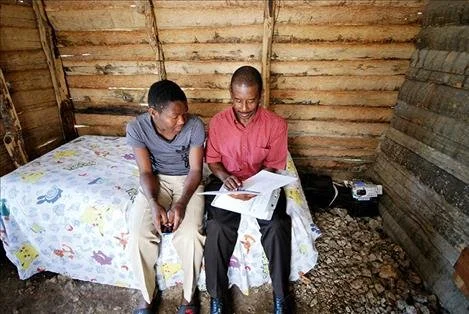
Neighbors on call: Haiti may offer window to Montana’s healthcare future
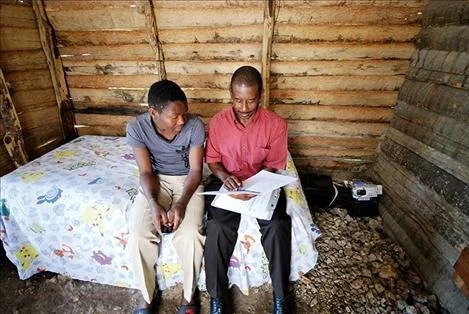
This is the first part of a three-part story on the role of community health workers in rural health care from the Montana Gap project. Part one: What’s working abroad? In rural Haiti, locals trained as community health workers help mentally ill neighbors where full-fledged physicians are few and far between.As a child, Presandieu Charles suffered severe headaches and stomach pains. One day he beat his mother on the foot and thigh with a stick, and later cried when he saw what he had done.In October 2017, Charles began to hammer at the timber walls of his family’s dirt-floored home with his fists. He would not stop. Neighbors bound his ankles and wrists with leather straps and metal chains. They called his affliction “the madness.” He still has the scars: dark star-shaped marks on the skin on his right wrist.The house perches on the edge of a lush, forested ridge several miles outside Cange, a remote Haitian village near the Dominican border. Inside it is cool, and slivers of light stream through the white lace curtain hanging in the front door frame. Charles’ shoulders droop as he sits on a bed dressed with Pokémon sheets. The 24-year-old wears an Adidas t-shirt and plastic Nike sandals. Beside him is Joseph Benissois, a local community health worker with the Boston-based global health nonprofit Partners in Health (known in Haitian Creole as Zanmi Lasante). The two exchange no small talk, and Benissois begins to ask Charles questions from a clipboard in his lap. Charles doesn’t often smile as Benissois asks them. When he does, though, it’s a sweet, knowing flash of pride at the progress his answers reveal.Does he cry? Not as often as he used to.Does he have difficulty sleeping? No, but he feels weak when he wakes, and he has trouble going to the garden or fetching water. That might be the drugs he is taking.Does he feel bad or uncomfortable with himself? In the past he felt bad. Now he tells jokes to the friends he sees on the street, smiles and laughs with them.In the past 15 days, has he wanted to die? “He used to say to himself that it’s better if he died, but not now,” an interpreter relays.Partners in Health, which was founded just down the road in Cange by renowned physician and humanitarian Paul Farmer, has been recruiting and training individuals like Benissois since the late 1980s and placing them on the frontlines of the organization’s efforts to combat cholera, HIV and other major health threats. But the 2010 earthquake that devastated this rugged Caribbean nation — killing an estimated 220,000 people, injuring more than 300,000 more and leaving some 1.5 million homeless — brought to the forefront another widespread Haitian health risk: This country of more than 10 million people had only 10 psychiatrists. The loss of homes, jobs and loved ones in the quake triggered a rash of depression that Haiti’s few specialists, already struggling to treat a host of other mental-health issues, were ill-equipped to handle. In the central plateau, Partners in Health tasked its community health workers to help fill the gap in mental-health coverage.The questions Benissois asks Charles come from a depression symptom inventory developed by the nonprofit. They’re identical to those asked by its 58 other mental-health-focused CHWs. Since April 1987, Benissois has worked with the organization as a CHW (or accompagnateur in Creole), a non-specialist position designed to provide patient check-ups and administer basic health care in small, remote communities. The model traces its roots back to the mid-1950s and China’s so-called barefoot doctors: farmers and other villagers who received short-term medical training to meet immediate needs in isolated towns. Gradually embraced and refined by the global health community over subsequent decades, the model is now a vital component of health-care strategies in scores of developing nations, and is being increasingly implemented in the United States. In fact, after five years of coordinated development by various stakeholders, Montana recently rolled out a CHW training curriculum of its own to support statewide implementation of a model that the Montana Office of Rural Health/Area Health Education Council says is proven to increase health-care access, reduce costs and improve responsiveness to patient needs. That the timing of that roll-out coincides with state budget cuts and widespread layoffs among community-based health-care service providers is entirely coincidental.Benissois is a familiar face in the hills around Cange, having served as the local pastor and a community advocate for more than 30 years. He visits as many as 20 patients a month throughout the Cange and nearby LaHoye regions. Occasionally, he’ll take a moto — a motorcycle taxi, one of the more popular modes of transportation in Haiti — to visit people like Charles. Today he’s on foot, shuffling with a lopsided gait along the shoulder of the highway, smiling casually to those he passes and greeting them with a familiar “bonjour.”Benissois visits Charles once a month. While Charles keeps regular appointments with Partners in Health physician Reginald Fils Aime in Cange, and is currently taking antipsychotic medications, the at-home check-ups with a trusted neighbor free him from having to make extra trips — a mile walk each way — to the clinic. When asked what the veteran CHW has done to help him, Charles wraps an arm around Benissois and beams.“I love him so much,” Charles says. “He is my father and Jesus Christ.”That Montana, an isolated, largely rural state nearly 3,000 miles from Haiti and, geographically, nearly 14 times the size, has recently embraced the CHW model in the face of its own health-care challenges makes the organization’s decades of work a compelling case study. Though culturally distinct, the two areas share many commonalities: remote populations, impoverished communities and, particularly in the wake of last year’s cuts to Montana’s mental-health budget, a pressing need for local solutions. And if the benefit that Benissois delivers to Charles is any indication, CHWs could become a valuable asset for Montanans as well.by: Alex Sakariassen Missoula Independent via Valleyjournal.net | October 10, 2018
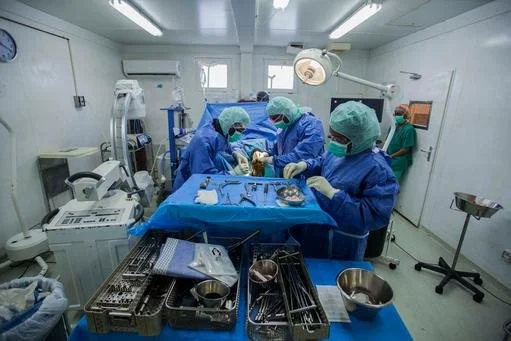
First-class surgery for all in Tabarre hospital
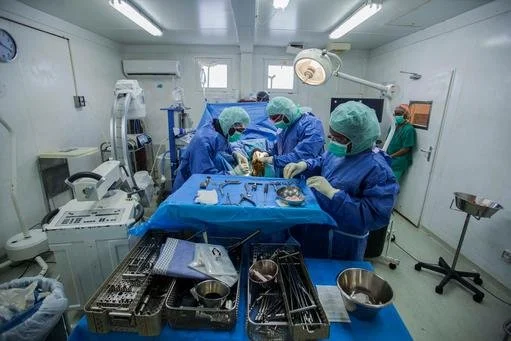
Since 2012, 60,000 Haitians from all walks of life have benefited from free, first-class surgical trauma care through MSF’s Nap Kenbé hospital in the Tabarre neighbourhood of Port-au-Prince.Opened in response to the earthquake in 2010 and the resultant spike in acute medical needs, MSF is gradually reducing its activities in the hospital and preparing for closure by mid-2019 so as to reallocate its resources according to current needs, in Haiti or elsewhere.We take a look at what has been achieved in one of MSF’s most advanced surgical projects and hear from some of the patients who have benefited.12 January 2010: the earth shatters in Haiti. Within a few seconds, the capital city is flattened. Over 100,000 die and thousands upon thousands are injured or trapped in the rubble.“In terms of consequences for the local health system, it’s similar to a large epidemic; but one caused by injuries instead of an infectious disease,” explains Dr Miguel Trelles, MSF surgical advisor. This spike in acute medical needs happened right at a time when the country was the least able to treat the wounded, as its medical infrastructure had been destroyed or was in disarray after the catastrophe.Faced with the scale and long-lasting impact of the disaster, MSF decided to open one of its first and most advanced trauma hospitals in Port-au-Prince. The organisation was already managing a trauma aisle in Port-au-Prince’s Trinité hospital, but it was flattened by the quake. It was also too small to meet the demand for such services, which soared even after the ‘epidemic of injuries’ had subsided, as a result of violent trauma and road accidents among other things.A surgical success storyNap Kenbé hospital, a temporary structure built on containers in the Tabarre neighbourhood of Port-au-Prince, opened its 107 beds on Valentine’s Day in 2012 and offered, for free, first-class surgeries that were before only available to the richest Haitians through the private sector.The hospital was quickly a victim of its success: within less than a year, the number of surgical interventions was twice the original plans, and demand kept growing, mainly from victims of accidental injuries such as traffic accidents.In its six years of existence, Nap Kenbé hospital has treated 60,000 Haitians from all walks of life, providing emergency trauma and visceral surgeries with often long physiotherapy follow-up required to ensure full recovery and use of limbs.Eight years after the earthquake, the emergency phase is clearly over and MSF, as an emergency organisation, is preparing to close its hospital by mid-2019.By that time there should be additional capacity to take over trauma care in Port-au-Prince, including the scheduled reopening of the Hopital de l’Université d’Etat d’Haïti (HUEH). With over 500 beds, the HUEH was the largest hospital in the country. It was destroyed during the quake but, with strong support from other international partners, its rehabilitation is nearing completion.First-class fracture treatmentInternal fixation is one of the services provided, for free, at Nap Kenbé hospital.In high-income countries, it is a routine procedure for closed fractures (i.e. where the skin has not been broken); it was routinely used to treat the wounded after the large 2011 earthquake in Japan, for example.Besides making recovery less painful, internal fixation speeds the recovery time and shortens the hospital stay. But it is a costly procedure and was not available in Haiti.The alternatives (for example using plaster or traction) require the patient to be immobilised, in hospital, for six weeks. This was a challenge following the Haiti earthquake, the most devastating in living memory: not only there were more people in need of hospitalisation than there were beds available in Port-au-Prince, but each patient needed to stay a very long time in those too few hospital beds.Internal fixation not only requires specific equipment and trained staff; it also carries too high a risk if not performed in perfect infectious control conditions – the risk of bone infection. “If surgery and hospitalisation conditions are not optimum, using internal fixation can do more harm than good,” Dr Trelles explains.Most low-resource countries where MSF traditionally works and has often provided emergency trauma care following natural disasters (Haiti, Indonesia and Nepal, to name but a few) have weak health systems and underfunded health facilities. It is not recommended to perform internal fixation in such situations, so MSF mostly uses traction or casts to treat patients with closed wounds.For MSF, Nap Kenbé hospital was a training ground to improve its intensive care unit management and improve its protocols for internal fixation. And from 2014 onwards the organisation trained 24 Haitian orthopaedic doctors and future surgeons each year as part of a residency programme.“I can rely on my hand again”Nine-year-old Derlens lives with his mother, who runs a small stall in in Port-au-Prince’s main market. His life was turned upside down on 25 July 2017, when he almost lost his right hand and forearm doing a few odd jobs for some bakers who had set themselves up in a yard next to his house.“I was only distracted for a moment, but my arm was already crushed,” says Derlens. “I shouted out so everyone would realise my arm was stuck in the machine.” He was taken to the Martissant emergency centre (managed by MSF) and was transferred from there to Nap Kenbé hospital in Tabarre.“After the accident I was very scared. I thought I was going to lose my hand. But when I arrived at the hospital, a nurse gave me hope. Now I’m healed and I find I can rely on my hand again,” says Derlens. After two months of hospitalisation and three months of rehabilitation, he has regained most of the function in his hand, despite being left with a noticeable scar.“A surgical operation like this one would have been impossible for us to afford in a private clinic. Look! I’m here with Derlen because his mother can’t even come with him to medical check-ups because she has to go and find food for her kids,” explains Guerdline, Derlens’ cousin, who has accompanied him to his physiotherapy session.A bullet in the leg in the name of revenge“I didn’t get this bullet in my leg during a fight or a scuffle. It was my best friend’s boyfriend. He was part of a notorious group of bandits operating in our community,” says Cheldine, 17, coolly. “I had tried to explain to my school friend that she didn’t realise who he really was. Unfortunately, she told him what I’d said, and he vowed to take revenge on me.“I bumped into him at a big crossroads, one afternoon when I was leaving school. He took out his gun in front of everyone and shot a bullet into my left leg. I gathered all my strength and didn’t cry, despite the blood running to the ground and the people panicking around me.“Frustrated and aware they couldn’t question him, the people who lived nearby came with me to the MSF clinic in Martissant, which is not too far from my neighbourhood. In the meantime, others told my mother to meet me there in the emergency centre. It was the first time I’d set foot in an MSF hospital. I already knew that services were offered for free. But I didn’t know all the care was free: I didn’t have to pay for medicines, radiography or lab exams.”“It was already difficult for me to pay for transport so I could visit Cheldine in hospital. I don’t know what I would have done if I’d had to pay [hospital] bills,” Mrs Jean Pierre, Cheldine’s mother, adds.“I was hit by the projectile when I was in bed.”Sophonie, 32, was hit by a stray bullet while she was lying in bed. “It was a little after 9pm,” she explains. “I wasn’t yet asleep when I felt something hit me right in the stomach. It was hot, and it hurt a lot. I rubbed the spot and realised that it was bloody. My boyfriend tried to give me some first aid, then I ran into the street to grab a motorbike to get to hospital.”“Once I’d reached the hospital, a private one, the staff gave me an intravenous infusion and advised me to go to MSF’s hospital in Tabarre because, according to them, my injury required specialised surgery that they weren’t able to offer. My partner had arrived in the meantime, and then an ambulance took me to MSF’s Nap Kenbé hospital. Of course I had a little money but I couldn’t pay for care at that level. And I didn’t want money to make the difference between life and death.”“I explained what had happened, and then I fell unconscious. It was if I had just been hit by the bullet. When I woke the next day, a nurse explained that I had been operated on, but that the doctors had decided not to touch the bullet because of how close it was to my heart. I followed the necessary treatment until I left the hospital after two weeks. Now I return regularly to the outpatient clinic for radiography. They tell me that the bullet hasn’t moved a millimetre. But it’s still possible that it might, which causes me great stress. I also have respiratory problems that are getting more and more serious. I’m haunted by the idea that someone will tell me one day that my days are numbered. I have to talk about this often with my only daughter so that she won’t suffer a terrible shock if I must leave her one day.”Sophonie sighs as she explains: “Since all this I’ve fallen into deep despair. I was no longer able to sleep in my room. I had to escape from it, and went to live in another neighbourhood. I knew that anything could happen in this country, but I still can’t believe that something like this could happen so easily. I’m not living in anger about my situation, but I remain frustrated, continually asking myself, ‘Why did this happen to me?’”By: Médecins Sans Frontières | August 13, 2018