





 Steve Baboun
‘Kidnapping Inc.’ Review: Haitian Crime Comedy Blends Politics and Thrills to Middling Effect
The abduction of a presidential candidate’s son in Port-au-Prince prompts a series of violent incidents in Bruno Mourral’s ambitious but underwritten effort.
Political unrest, economic instability and rampant insecurity have plagued the Caribbean nation of Haiti for decades. That the small percentage of mixed-race (mulatto) population holds a disproportionate portion of the wealth and power over the 95% Black majority fuels the anger and distrust of the masses. That’s the harsh reality where Haitian-born director Bruno Mourral locates his brash and muddled crime comedy “Kidnapping Inc.”
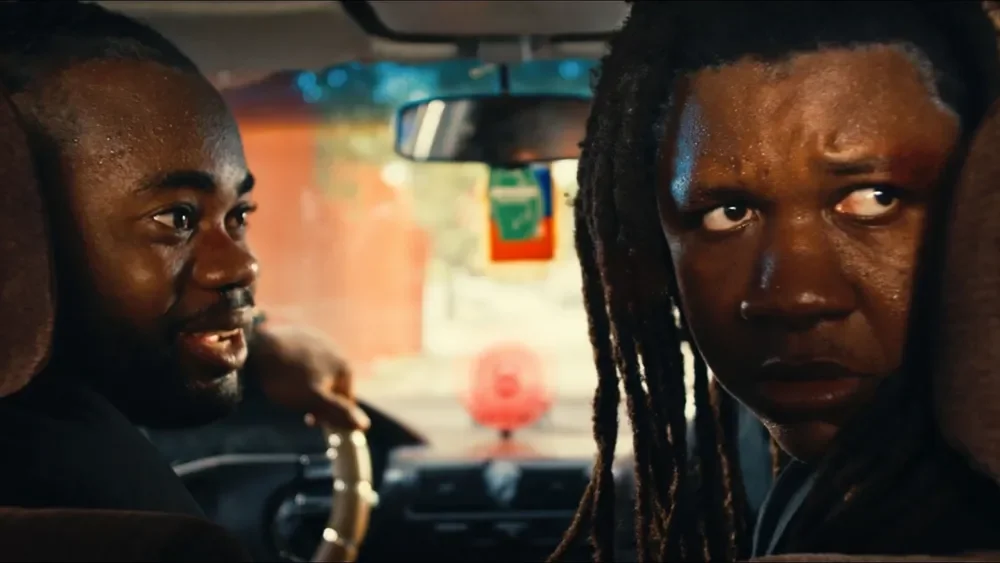
Devoted fans of rival squads in the Spanish soccer league, Doc (Jasmuel Andri, also a co-writer) and Zoe (Rolapthon Mercure), have abducted the son of presidential candidate Benjamin Perralt (Ashley Laraque) just days before the 2017 election. We don’t know how many times, if any, they’ve done this before, but their ineptitude quickly becomes evident. The pair drives around Port-au-Prince, the country’s capital, with their victim’s dead body in the drunk after Zoe accidentally killed him. Their ridiculous solutions to this unfortunate incident only escalate the irritation of the corrupt police officer at the helm of the mission.
Nearly a dozen thinly written characters, some of them not more than basic archetypes, make up the ensemble cast of this ambitious, if scattered-brained saga. There’s Audrey (Anabel Lopez), the victim’s wife, desperate to cobble together the large ransom sum with the help of her lover, Eddie (Marcus Boereau), who in turn has plans to flee to the neighboring Dominican Republic. The constant shifting between the different parties affected or benefiting from the kidnapping would be less disjointed if buoyed on the friendship of the two main buddies. But their loud and cartoonish banter, featuring a couple of homophobic jokes that are not so much offensive as they are boring, doesn’t let us into any deeper layers of them as people to keep us invested in their individual plights nor their ordeal as a team. It all hinges on their likability, limited mostly to broad fronting.
Mourral’s direction earns commendation not so much for the handling of interpersonal conflicts but the deftly executed shootouts and car chases that never once show any signs of subpar production value. The spontaneous quality that Martin Levent’s camerawork brings to those fast-paced moments of tension and sometimes unnecessarily shocking violence (namely a dog’s death) immerse us long enough to momentarily dismiss the less polished parts.
Any film from a country with as scarce an output as Haiti is cause for curiosity, especially since it’s not a subdued, social realist drama of the kind typically sourced from developing countries to pad festival lineups. On paper, the idea to address social inequality and the corrosion of institutions by way of a potentially crowd-pleasing work of entertainment is sound, even daring, and that’s why the fact that the film’s many elements don’t amalgamate is a shame.
For all the pitfalls it fails to avoid, the film’s strongest narrative virtue is adapting situations pertinent to productions with similar concepts to this specific cultural and national context, remixing the familiar to appear authentic to the daily struggles of Haitians. A chase on foot, for example, unfolds in the narrow streets of a low-income community, where the two inept kidnappers encounter not only difficult-to-navigate alleyways but locals hostile to their presence there. During another chapter in Zoe and Doc’s misadventures, after crashing their own car in attempt to evade responsibility for their precious cargo’s passing, they take a resolute pregnant woman, Laura (Gessica Geneus), and her cowardly husband, Pat (Patrick Joseph), hostage.
The inefficient criminals intercept the couple as they are about to head to the airport. Zoe and Doc need their car, but a headstrong Laura won’t surrender it unless they take her to the airport. She refuses to give birth in Haiti and wants her child to be born in the United States. Such disgust-filled rejection for her poverty-stricken homeland, as well as her privilege to leave it behind, exemplify a wide divide between classes. Even within the same vehicle, their captors don’t have access to simply start fresh elsewhere. The most compelling piece in this jumbled up puzzle of a movie are Laura’s strongly negative sentiments about Haiti, to the point that she would risk gun shots to make sure she can achieve her goal.
When Mourral and co-writers Andri and Gilbert Mirambeau Jr. steer away from trying to make overt statements, “Kidnapping Inc.” falls back on in-your-face distasteful humor, most notably a sequence turning a child’s delivery into a communal spectacle. As the plot concentrates more intently on the dirty politics at play behind the scenes of Perralt’s campaign, the balance between social commentary and bombastic fun feels increasingly off. Aside from the tonal miscalculations, the many threads spun in the early minutes lose relevance toward the abruptly wrapped ending. It’s in the final moments that Mourral reaches for heartfelt emotion through the image of Haitian migrants risking their lives at sea, which ultimately makes logical sense in the story, like few other things do.
‘Kidnapping Inc.’ Review: Haitian Crime Comedy Blends Politics and Thrills to Middling Effect
Reviewed at the Egyptian Theater, Jan. 22, 2024. In Sundance Film Festival (Midnight). Running time: 105 MIN.
- Production: (Haiti-France-Canada) A Promenades Films, BHM Films, Peripheria, Muska Films production. Producers: Samuel Chauvin, Yanick Létourneau, Gilbert Mirambeau Jr., Gaethan Chancy, Bruno Mourral. Executive producers: Julia Woolley Chatwin, Kareem Mortimer, Trevite Willis.
- Crew: Director: Bruno Mourral. Screenplay: Mourral, Jasmuel Andri, Gilbert Mirambeau Jr. Camera: Martin Levent. Editor: Bruno Mourral, Arthur Tarnowski. Music: Olivier Alary.
- With: Jasmuel Andri, Rolapthon Mercure, Ashley Laraque, Marcus Boereau, Gessica Geneus, Patrick Joseph. (Creole, French dialogue)

Zo Reken review – Toyota Land Cruiser becomes a safe space in conflict-ridden Haiti
Debates on national identity and foreign aid are par for the course for car riders – though this documentary is itself tangled up in the country’s complex power structures
Zo reken” means “shark bones” in Haitian Creole, and refers to a traditional cane liquor purported to increase virility. It is also a local nickname for the Toyota Land Cruiser, a high-powered car that can breezily weather the tough road conditions in Port-au-Prince. Largely shot in the back of one of these vehicles, Emanuel Licha’s documentary is structured around a steady flow of conversations on national identity, political conflicts and foreign intervention.
Emerging from these discussions is discontent at the government of Jovenel Moïse – the country’s former president who was assassinated in 2021 – as well as a distrust of international humanitarian aid. One passenger, for example, laments on the irony of how support from NGOs has had the negative effect of increasing Haiti’s dependence on wealthier countries. Once the funding dries up and the medical volunteers depart, existing healthcare infrastructure is left worse for wear. And while the interior of the “zo reken” feels like a safe space for spirited debate, the camera also peeks through the windows to observe the tumultuous reality outside. Traffic stops are crowded with vagrants, and talk of young men being gunned down emerges from the winding streets.
Used by NGOs as well as the Haitian police, the Toyota Land Cruiser is itself a thorny symbol of power – even oppression. Zo Reken succeeds in dissecting this paradox, though the fly-on-the-wall style evidences a lack of self-interrogation on the film-makers’ part. Like the aid workers, Licha and many of the crew are outsiders, and Zo Reken was also produced with international funding. In other words, the film’s very existence is entangled within the same problematic structures criticised by its Haitian interviewees. If this complex position had been touched upon, this portrait of Haiti might have stretched beyond what is immediately visible in front of the camera.
Zo Reken is available from 18 August on True Story.

Brooklyn's Brave New World Rep Presents A Haitian Spring Celebration in Little Haiti
Brooklyn's Brave New World Repertory Theatre (BNW) announces A Haitian Spring Celebration, a mix of dance, song and spoken word, set to take place on Earth Day, April 22, in the heart Little Haiti on an historic landmark block in Brooklyn.
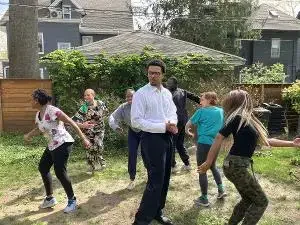
The free outdoor celebration will feature performances of "Mister Wa," a traditional Afro-Haitian folk tale, and will take place in the middle of the East 25th Street Historic District throughout the afternoon at 3:30, 4, and 4:30pm.
Brave New World's mission is to bring site-specific theatre to the doorstep of Brooklyn communities, says BNW's producing artistic director Claire Beckman, "so the natural next step is bringing the work of BNW company member Sheila Anozier to our neighbors in Little Haiti. Sheila has choreographed dance for BNW Rep since 2007; starting 2019, she oversaw the addition of traditional Haitian dance and song to our Shakespeare on Stratford spring festival. We're pleased now to grow that into a Haitian Spring Celebration, set on East 25th Street between Clarendon and Avenue D, a block with the same tree-lined charm as Stratford Road."
Folktales are one of the most important aspects of Haitian culture, says Anozier, who conceived, choreographed and directed BNW's Haitian Spring Celebration. "'Mister Wa'" is my adaptation of the Haitian Folktale, 'Misye Wa'. It tells the story of a princess who attempts to find love with a debonaire stranger she meets one day while strolling among her subjects. Steeped in the beauty of their oral tradition, family and friends still gather at night to tell stories, and trade riddles and proverbs. The storyteller will yell out 'Krik?', and if one is willing to partake, they respond 'Krak!' These intergenerational gatherings are a source of distraction and entertainment, inspiring conversation, and education, passing knowledge from generation to generation. They also provide a safe place for children to confront their fears."
She says, "In true Haitian fashion, the Haitian Spring Celebration ends with drums and dance with the audience in remembrance of our time spent together in communion."
The setting for the Haitian Spring Celebration is perfect, says Beckman. The block of pristine, century-old row houses on East 25th Street in East Flatbush is the neighborhood's first-ever historic district; the designation by the city's Landmarks Preservation celebrates both the "unusually intact and cohesive" strand of 56 Renaissance Revival row houses along the stretch. The houses' ownership reflects Flatbush's increasing diversity, especially the growth of its African-American and Afro-Caribbean communities. Many homeowners on the block also maintain superb front yard gardens, which has led the Brooklyn Botanic Garden to name it the "greenest block in Brooklyn" four times, more than any other block in the borough.
Next up on Brave New World's calendar is the American premiere of Arthur Miller's 1947 screenplay, "The Hook," a site-specific production performed on the Waterfront Museum Barge in Red Hook. The first preview is June 8, with the opening June 9. It will run for three weekends through June 25. More details on BNW's website.

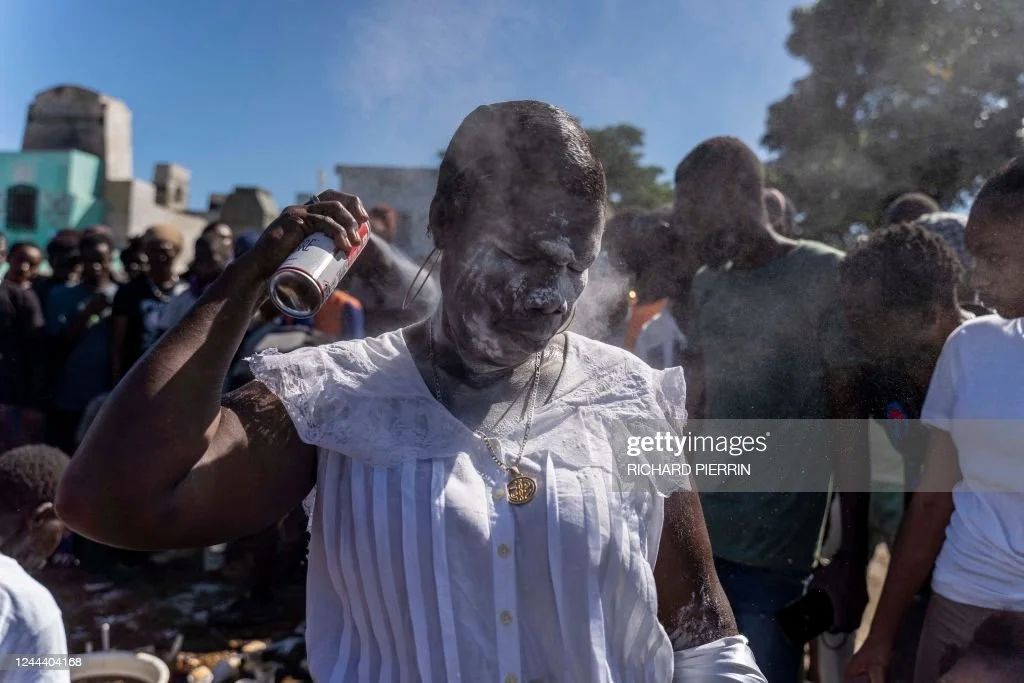
Haitians Celebrate Annual Festival Of The Dead
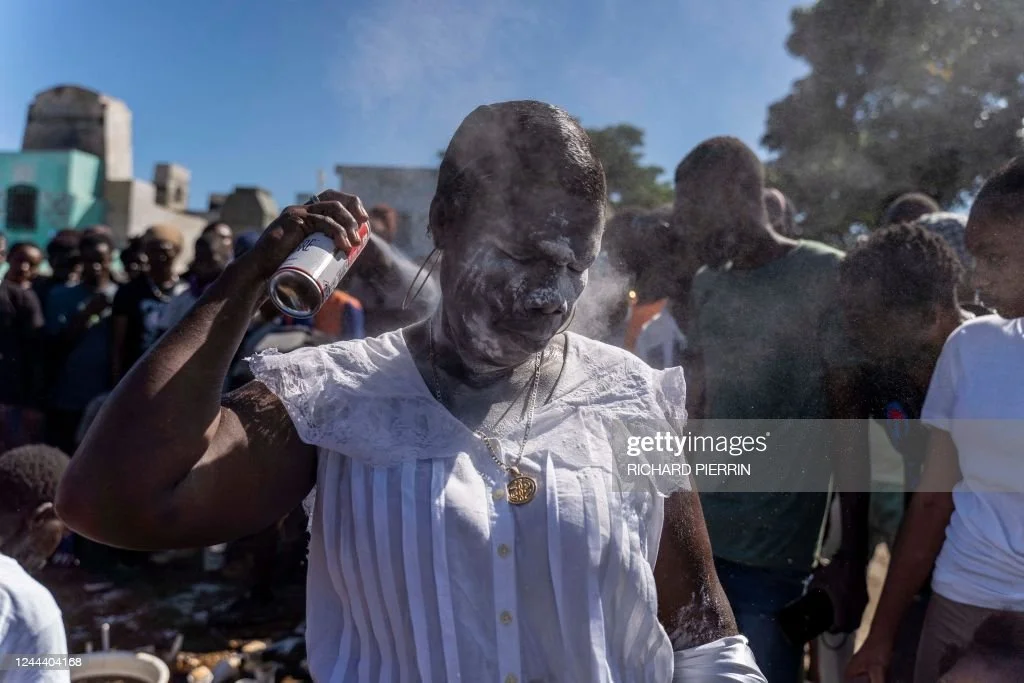
Haitians today marked Fèt Gede, the Festival of the Dead, at the National Cemetery in Port-au-Prince.
Fèt Gede is an annual tradition when practitioners of voodoo parade and believe they are possessed by the spirits of the dead. Fête Gede which is also Festival of the Ancestors, is one of the most important celebrations in the Voodoo religious calendar. It is a time when Vodouisants celebrate the ancestral dead which is equivalent to the Mexican Day of the Dead and Halloween, all in one.
People dress up, take to the streets, dance their communion with the ancestors, and walk in processions to the graveyards where they feed their ancestral dead with the gifts of their own table. In this way, spirits are honored, and their protection is gained for the coming year. The festival shares calendar space and ideology with the Roman Catholic Day of the Dead, or All Souls Day but Fet Gede can be more accurately said to derive from African traditions preserved largely unchanged through the centuries.
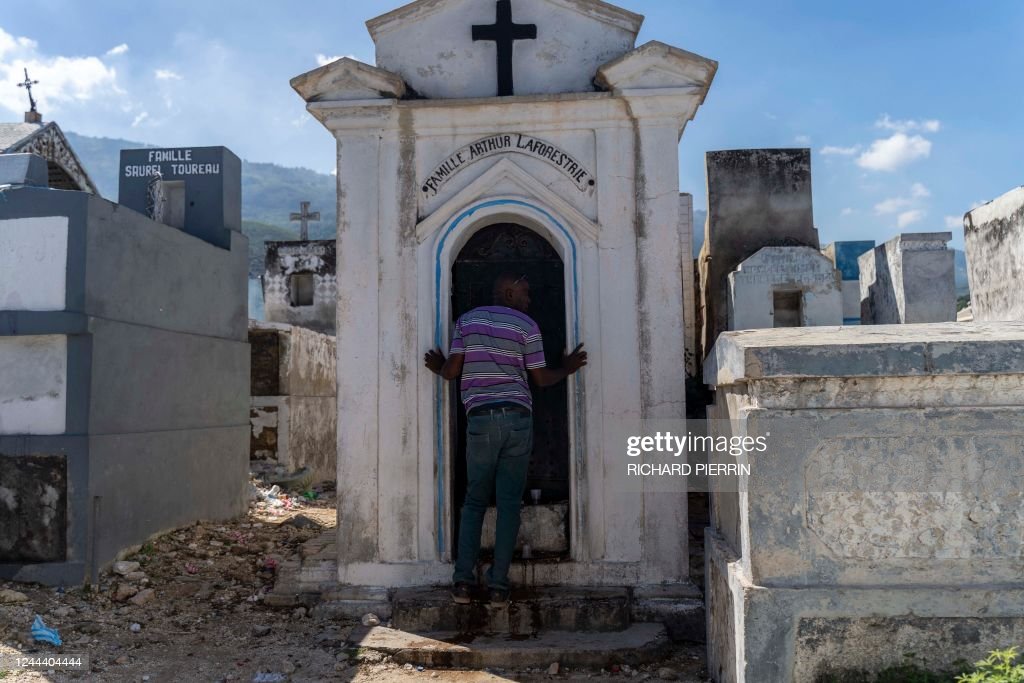
Vodouists come in a spiritual pilgrimage to the cemetery to pay their respect to the dead, but first, permission of passage has to be obtained. The grave of the Papa Gede, the first man who ever died. Papa Gede is a psychopomp who waits at the crossroads to take departed souls into the afterlife, although he does not take a life before its time.

Ancestral services are held at this ‘crossroad’, considered to be the bridge between life and death. Kwa Baron is the Lwa guardian of the cemetery and head of the Gedes. Believers converge on the Haitian capital’s main cemetery to honor the Gede and the father of them all, Baron Samedi. They lay out gifts such as homemade beeswax candles, flowers, food and, to warm the Gede’s bones, bottles of rum stuffed with chilli peppers.
The festival comes amid gang warfare and police killings in Haiti that has left a journalist and an opposition party leader dead in recent days.
Haiti’s National Police says it’s been ordered to launch an investigation into the death of journalist Romelson Vilsaint, who witnesses say was struck in the head by a police tear gas canister.
The Association of Haitian Journalists also accused police of beating up several journalists and confiscating their equipment and other belongings, condemning what it called “anti-democratic acts of repression.”
“The safety of media and free movement of journalists are essential for the full and complete enjoyment of freedom of the press, freedom of thought, freedom of expression and the right to information that make up democracy,” it said.
Haiti has been grappling with myriad crises that have escalated across the nation over the last month. Widespread gasoline and diesel shortages have emerged after armed gangs blocked the nation’s main fuel terminal, and these gangs have also severed access to clean water, food and other essentials as Haiti also deals with a deadly cholera outbreak.
The “triple threat” of cholera, malnutrition, and violence, which affects more than a million children in Haiti, has prompted the UN Committee on the Rights of Children to call on the international community to take “immediate action.” Since the start of the academic year in Haiti on October 3rd of last year, the committee claims that the increase in insecurity in the Caribbean nation has prevented the majority of children from attending school.
According to reports, the nation is currently dealing with a cholera outbreak that threatens “the health, well-being, and lives of 1.2 million children living in the affected areas,” despite the fact that there had not been one for the previous three years. In terms of hunger, UNICEF estimates that nearly 100,000 Haitian children under the age of five are severely acutely malnourished. This issue has recently gotten worse as a result of the country’s unrest and economic issues. It has also urged the Haitian government to uphold its responsibilities under the Convention on the Rights of the Child, which include preventing children from being exposed to pornography, human trafficking, or any other form of involvement in armed conflict.
Fugees Kick Off Reunion Tour at Global Citizen Live as Group Performs Together for First Time in 15 Years
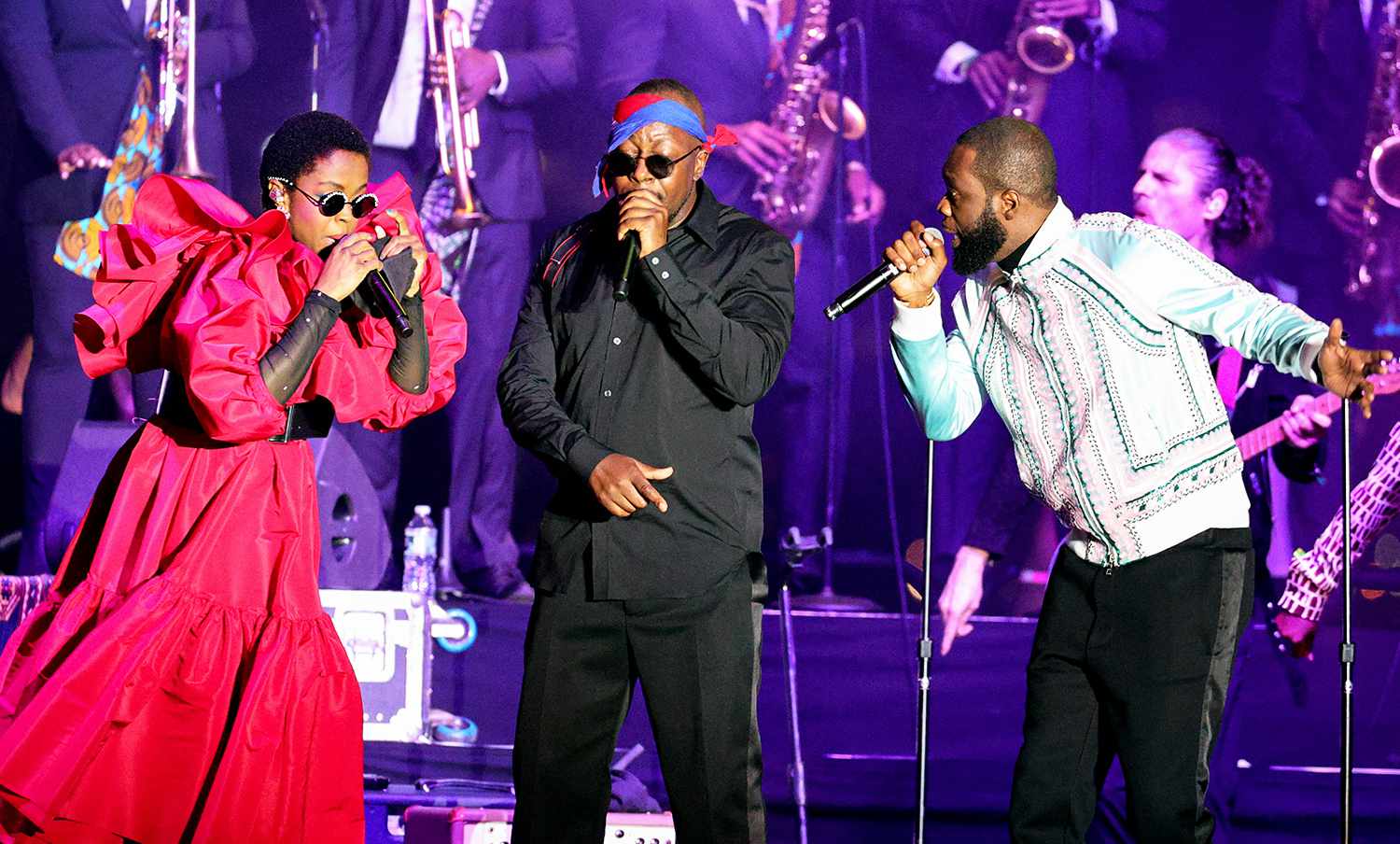
"Respect the miracle of this union," Lauryn Hill said as she, Wyclef Jean, and Pras Michel took the stage in New York City for Global Citizen Live, kicking off the Fugees' international tour
The Fugees are officially back after announcing their first world tour in 25 years, celebrating the milestone anniversary of their 1996 album The Score.
Lauryn Hill, Wyclef Jean, and Pras Michel reunited Wednesday in New York City for their first performance together in 15 years, which was taped as part of Saturday's 24-hour livestream for Global Citizen Live 2021.
The group performed their single "Ready or Not" for the enthusiastic audience, which was later streamed as part of the Global Citizen event, teasing what's to come for their 12-city international tour.
Global Citizen's 24-hour broadcast from cities around the world called on G7 countries and the European Union to share at least 1 billion COVID-19 vaccine doses with those most in need and to support calls for a waiver on COVID-19 vaccine intellectual property rights. The campaign also called on vaccine providers to share mRNA technology with the new World Health Organization-backed transfer hub based in South Africa.
"Respect the miracle. Respect the miracle of this union," Hill, 46, told the crowd, according to The Guardian. The group finally kicked off their secret show at Pier 17's rooftop venue after a delay of more than three hours, during which the audience had to surrender their phones.
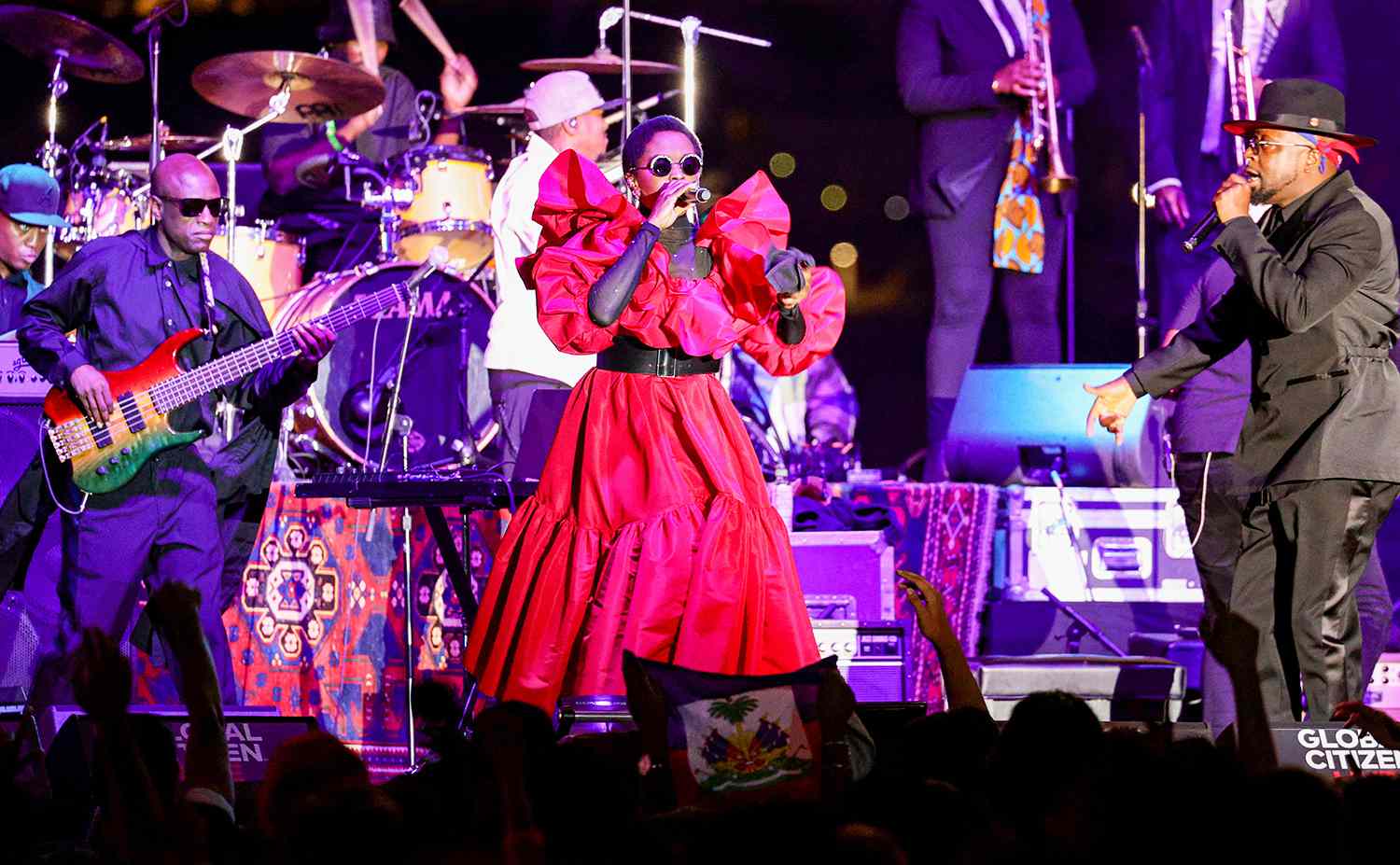
They also treated the audience to their songs "Killing Me Softly" and "Fu-Gee-La," and Jean, 51, performed his rendition of Bob Marley's "No Woman, No Cry."
The Fugees will continue the U.S. leg of their tour on November 2 in Chicago, before wrapping up with shows in Paris, London, Nigeria, and Ghana throughout December. They announced the reunion tour on Tuesday, just a day before the pop-up show at a previously undisclosed location in New York.
"The Fugees have a complex but impactful history. I wasn't even aware the 25th anniversary had arrived until someone brought it to my attention," Hill said in a statement. "I decided to honor this significant project, its anniversary, and the fans who appreciated the music by creating a peaceful platform where we could unite, perform the music we loved, and set an example of reconciliation for the world."
Jean added, "As I celebrate 25 years with the Fugees, my first memory was that we vowed, from the gate, we would not just do music, we would be a movement. We would be a voice for the unheard, and in these challenging times, I am grateful once again, that God has brought us together."
Formerly known as the Tranzlator Crew, the Fugees debuted in the early '90s and went on to release their debut album Blunted on Reality in 1994. The Score was their second and final album, going seven-time platinum as one of the best-selling albums in the world with two Grammy Awards.
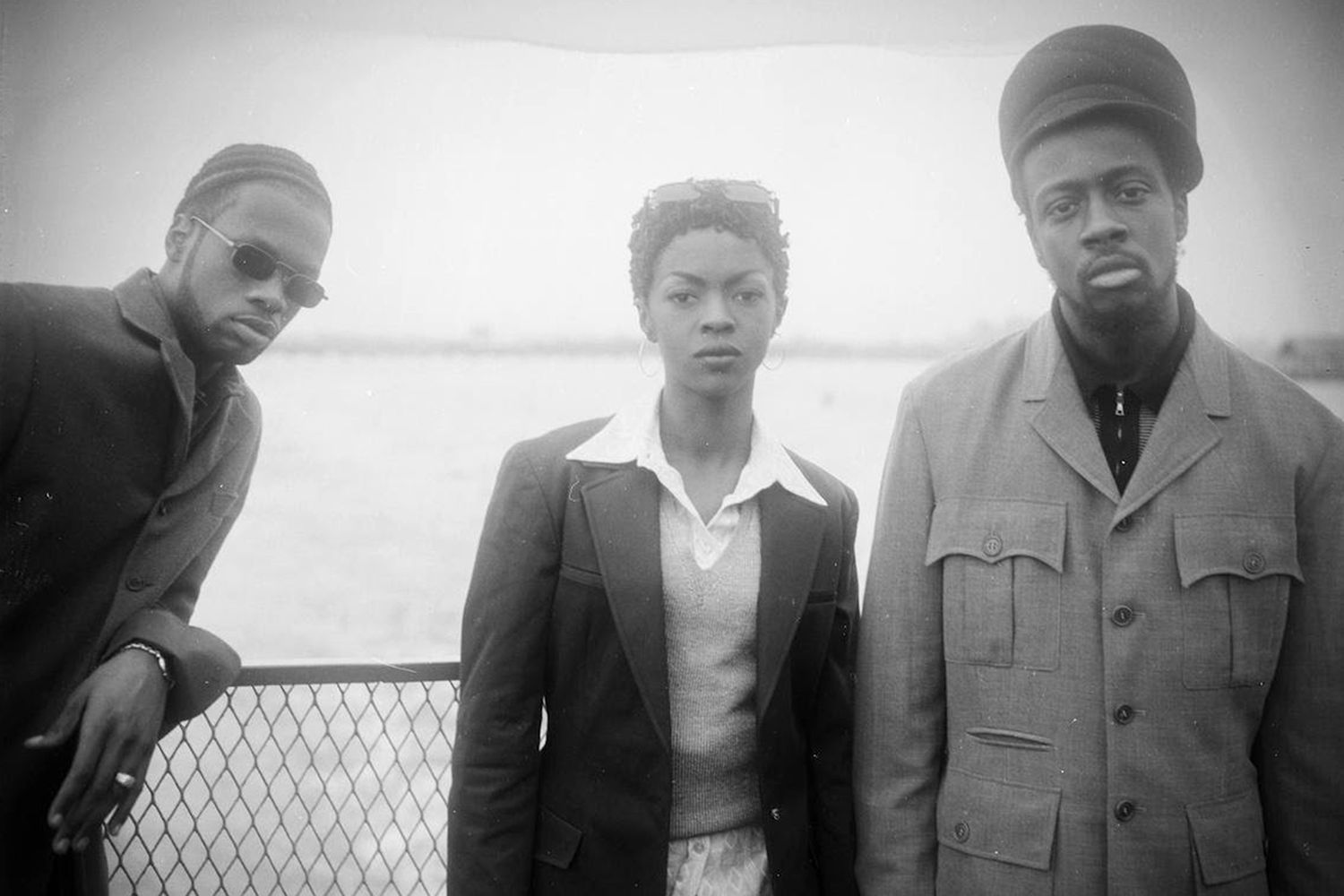
Although the group was initially only together for five years, their status as one of the world's most influential hip-hop acts has long been solidified. They last reunited in 2005 for their single, "Take It Easy."
See all tour dates and buy tickets for the Fugees' international tour at LiveNation.com.

If You Know H.E.R., You Should Know Him: Oscar & Grammy Winning Producer D'Mile
D'Mile was born to make music. The 36-year-old producer, born Dernst Emile II, grew up in a studio-ready household -- his mother a vocalist and father an instrumentalist and producer. "I was like two or three, banging on the piano," he explains. "It was a part of me."
In the last few months, D'Mile has established himself as a force in the award show circuit. "I Can't Breathe" was named song of the year at the Grammys, and about a month later, "Fight For You" from Shaka King's Judas and the Black Messiah took home best original song at the Oscars. Both tracks, brought to life by power team D'Mile, H.E.R. and singer-songwriter Tiara Thomas, center on the relentless racial injustice of the past and present.
While D'Mile's introduction to music was mostly centered in Caribbean and jazz songs, by age 10 he became immersed in R&B/hip-hop by way of The Notorious B.I.G. and Junior M.A.F.I.A. As a burgeoning producer, he began working alongside Rodney Jerkins (a.k.a. Darkchild) for two years, and later collaborated with the likes of Mary J. Blige, J. Lo, Janet Jackson and Justin Bieber. It was during this time with Jerkins that D'Mile met 11-year-old Gabriella Sarmiento Wilson, now known as R&B star H.E.R.
D'Mile was at the studio with Jerkins when H.E.R. arrived, along with her parents and longtime manager, Jeff Robinson. They all spent the weekend together, even attending church, where Jerkins got the young H.E.R. to perform during offering time. "She's on stage killing it on the bass and singing at the same time, and I'm just like, 'Yo, she's a prodigy,'" D'Mile says.
Around that time, D'Mile was noticing a trend in R&B. He says many notable R&B acts like Chris Brown and Rihanna were moving into pop, as R&B's mainstream appeal began to fade. Because pop was in demand, the Brooklyn-raised producer shifted his own focus. "I was doing [pop] so much at one point that I felt like I couldn't even go back to R&B," he explains.
In a matter of a few years, D'Mile found his way back to R&B, and began collaborating with H.E.R., around the time of her 2014 deal with RCA Records. Since his return to R&B, the award-winning producer has also worked with Ty Dolla $ign, The Carters, Charlie Wilson, Lucky Daye and most recently, Silk Sonic, expanding on his already star-studded resume.
Now, as R&B continues its resurgence, D'Mile finds himself at the forefront. Billboard caught up with the Grammy and Oscar award winner to discuss his big wins, the historical importance of "Fight For You" and "I Can't Breathe," and his advice on cultivating the right studio environment to create timeless music.
Less than 24 hours have passed since you won your first Oscar. How’s the day been?
It’s [been] crazy, my phone is hot from everybody just calling and texting and DM'ing me. I still don't know if it's hit me. I have to look at the award and be like, “Yo, that is really here at my house.” Right now, it's just on my dining room table.
What does this Oscar win mean to you?
It means everything. [Judas & the Black Messiah] took place in the '60s, but it still weighs [heavily on] today. Outside of that, to know that my mom and dad are over there watching, and my team, all my friends. I did not think that they were going to call our names, all of it was moving fast. All I heard was when Zendaya said “H.E.R." -- I don’t even think I heard when she said my name.
It means everything to me. I didn't come in expecting to get to the Oscars or the Grammys before that. And for everything to turn out the way it did, it was definitely God's plan.
“Fight For You” is attached to such a monumental historic moment that a lot of people weren’t fully aware of before watching Judas and the Black Messiah. What do you think is the significance of the song today?
I actually was one of those people. I knew about the Black Panthers, but I didn’t know anything about Fred Hampton himself. As the movie was going along and I'm learning this stuff, I'm just like, "Man, this is this is very, very important." It still hits home for a lot of people because we're dealing with some of the same fight. It's not over, so it will always be relevant -- until we get to that place of finally overcoming all the stuff that’s still happening in the world.
How did the song come together?
We were blessed enough to be able to watch [Judas and the Black Messiah] while we were in the studio. I don’t think we had popcorn, but we had M&Ms. Right after we finished watching, we had to come up with something on the spot. H.E.R. had a conversation with the directors and the only direction they gave us was that they wanted something upbeat, uplifting and hopeful. We had to cater to the time of it -- the '60s and '70s -- which is up our alley. Then we just took it from there.
How long have you been working with H.E.R.?
I've known H.E.R. since she was 11. I was at a studio working with Rodney Jerkins (Darkchild) and [H.E.R.] came to see him [with] her mom and dad. She spent that whole weekend with us. At this church, Rodney got her to do a couple of numbers during offering time. She's the on the stage killing it on the bass and singing at the same time, and I'm just like, "Yo, she's a prodigy." We reconnected when she was 16 and did one or two songs around that time. Then we connected four years later and we've been working ever since.
That's my sister. I always was looking out for her. Just seeing her grow up, with the talent that she has, and to become the woman that she is today, and what she stands for and everything, it’s just an amazing thing to see.
After spending 15 years making R&B music, what are the transformations that you’ve seen?
Growing up, the people I used to look up to were the Timberlands and the Pharrells, Quincy Jones, Darkchild. It started shifting around 2008, where Chris Brown’s “Forever” came out and Rihanna’s “Disturbia.” All of the black artists were going pop. I was doing [pop] so much at one point that I felt like I couldn't even go back to R&B. I would get calls to work with certain people and I was just like, "I don't even know how to do R&B music anymore."
Shortly after I was just like, I just want to do what I want to do. If it works, it works. Then Drake comes around. He is responsible for a certain kind of R&B [coming] back and for it to be cool. Childish Gambino for me, with “Redbone” and [Awaken, My Love!] also helped me feel like it was okay to do [R&B] again. History repeats itself. So, everything always comes back one way or another, in a new way.
What is it that always brings you back to R&B music?
To me, [this is] the way I look at it now: When you leave your hometown, let's say you find beautiful places that you love and you may even move. But you always have your hometown to come back to. I feel like R&B is my hometown.
How did your work with Silk Sonic come about?
I met Bruno first, through a mutual friend of ours, James Fauntleroy. It was a mix of Bruno finding me on Instagram and hearing what I did on the Lucky Daye album. Then I get a call from James and he was like, “What are you doing on Friday?” and I’m like, “Nothing.” He said, "Come over to the studio. Bruno wants to meet you and he wants to work with you." Then during that time, Anderson .Paak came in.
Were Bruno and Anderson .Paak already established as Silk Sonic at the time?
[Silk Sonic] wasn’t planned from the beginning -- until one day Bruno called and was like, “Yo, come to the studio and let’s just vibe.” We all worked on one song, it turned into more and turned into Silk Sonic down the line, organically.
As a producer, how do you create an environment where great music happens?
I hate meeting somebody for the first time and getting straight into work. I always get nervous. If we start a conversation, that's very helpful. Plenty of times, I've been in a room with people, and we'll just be talking, then I'll get quiet because now I'm reading the personalities in the room and building something based off of that. That's why I like just creating from scratch, instead of like coming in with tracks already made.
Do you have any advice to rookie producers?
Listen to yourself. Know who you are. If you're in the middle of learning who you are, explore different things. Hone in on whatever it is [you like] and just start. That's how you sharpen your skills -- that's how you find yourself and what gravitates to you. If you’re a religious person, pray. But just don't ever stop.
Sean Penn runs toward tragedy in Haiti earthquake doc Citizen Penn
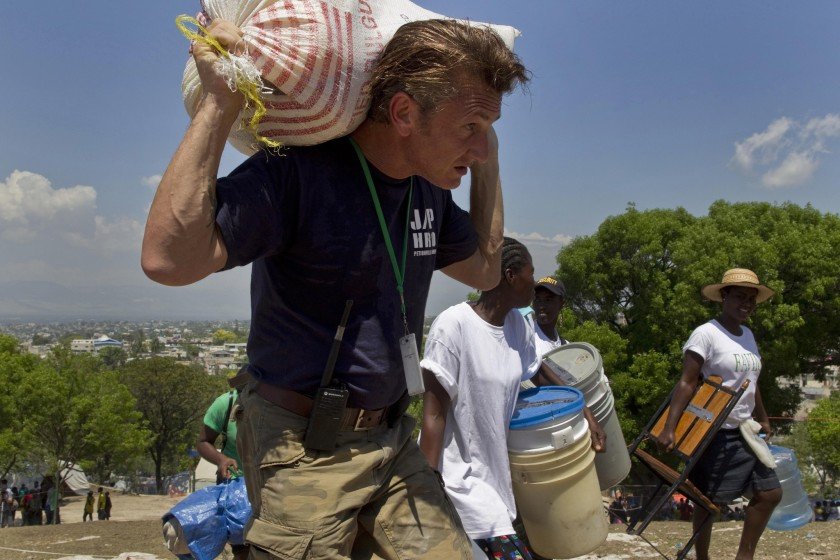
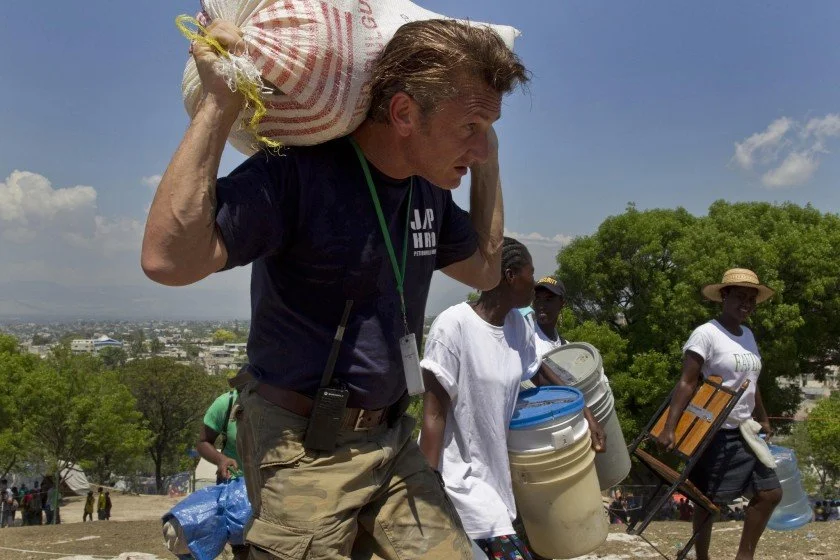
Sean Penn documented his travels to Haiti in the aftermath of the magnitude 7.0 earthquake that rocked the country in 2010 to be revealed in the Discovery+ documentary Citizen Penn premiering on May 6.
"From climate to conflict resolution, to poverty and COVID-19, citizenship increasingly requires service. Service itself can be a bumpy road, but one we all have to travel," Penn, whose humanitarian efforts through his organization CORE have continued on the island a decade later, said in a statement.
"[Director] Don Hardy traveled it with CORE (JP/HRO) for over a decade, and I hope his insightful filmmaking will find some form of inspiration for those who watch it. He shows the good, the bad, and the ugly," he continued.
Roughly 300,000 people lost their lives during the catastrophic event while hundreds of thousands were injured and 1.5 million were left homeless. Over a decade later, the country still has not recovered.
The documentary will feature the original song "Eden (To Find Love)" performed by Bono, who co-wrote the track alongside the film's composer Linda Perry.
The two-time Academy Award-winning actor was already affecting change prior to the disaster. In 2005, Penn headed to New Orleans to aid in search and rescue efforts amid the mass destruction of Hurricane Katrina.
Since his journey to Haiti, Penn has been a constant on the island through his organization, which also expanded its reach in the U.S. during the COVID-19 pandemic. CORE helped organize free testing sites across the country and is running the nation's largest vaccine site in Los Angeles.
Watch the trailer for the documentary above.
HAITI BABII | NEW ALBUM ‘TRAP ART’ & COMPETITION WITH HIMSELF
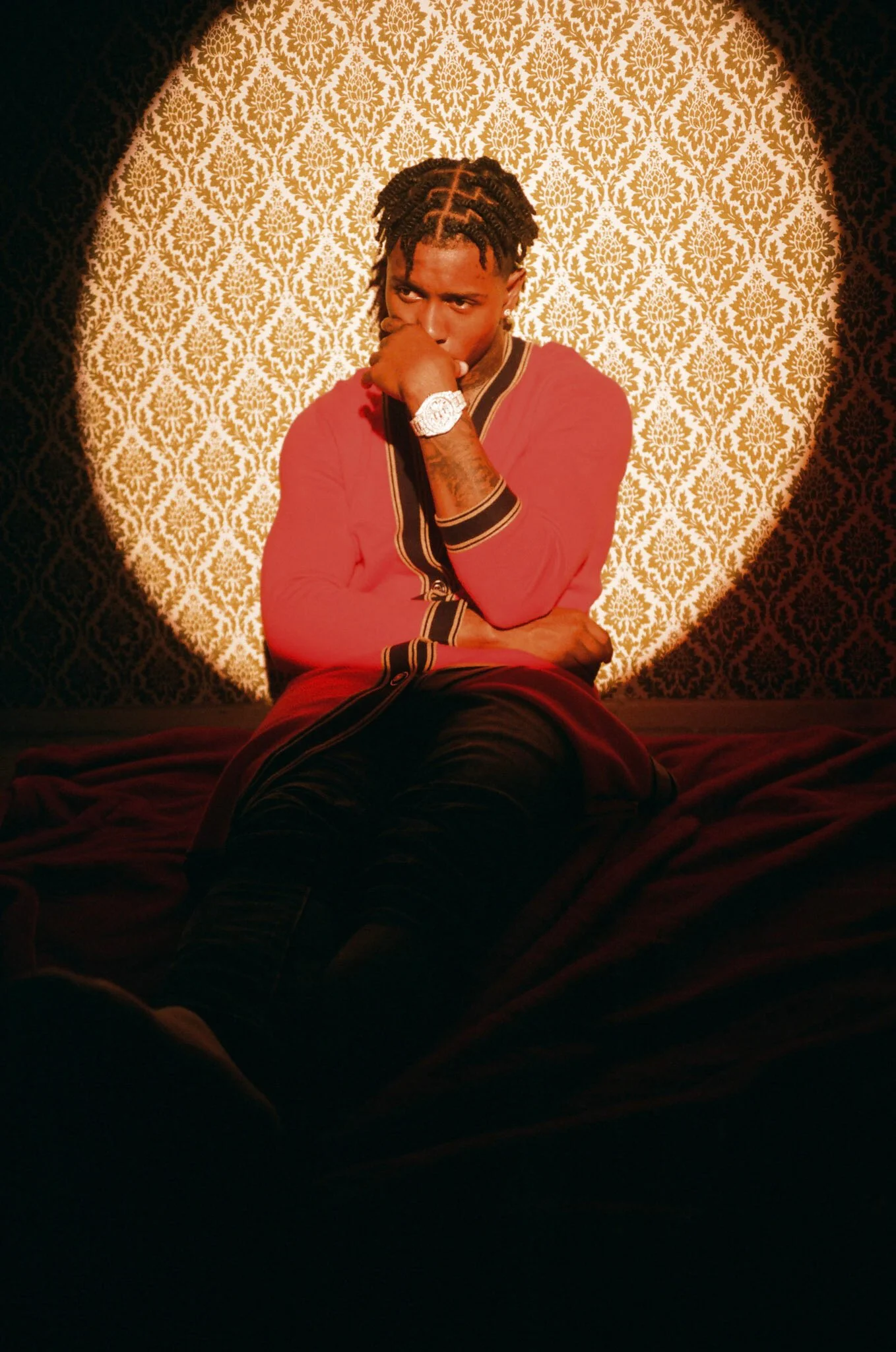
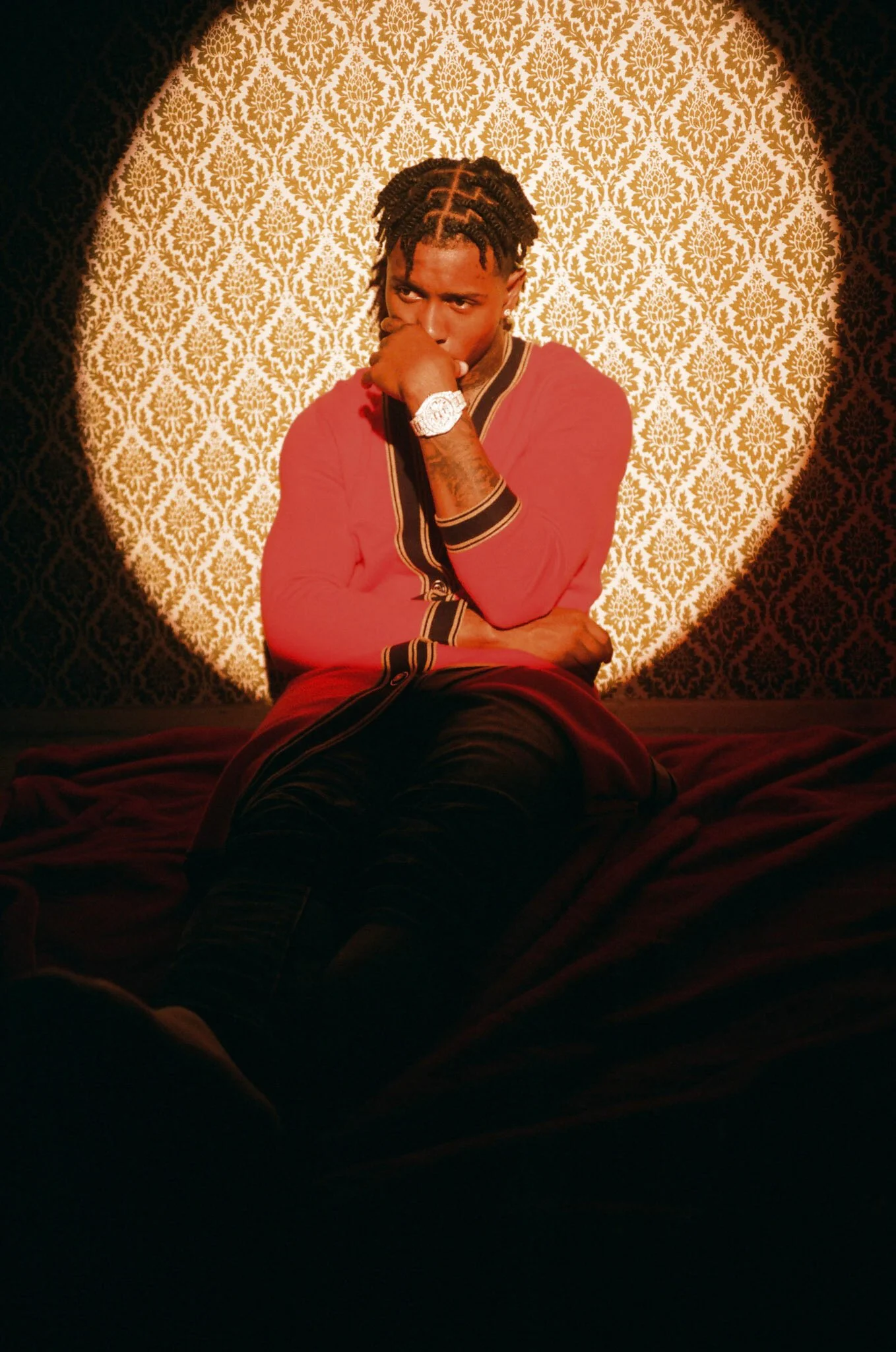
Haiti Babii is a go-getter in every aspect of the word. Aside from his double workouts in one day and playing the father figure to his newborn, the remaining hours are spent in the studio perfecting his craft. With his Instagram name reading “Trap Art,” the Guyanese and Haitian rapper, producer, and songwriter embodies the definition of someone who’s in their own lane, carving their own unique sound and style in today’s generation of music.
When it comes to his work ethic, he sets the bar. He states, “You may have better music than me, you may look better than me, you may be taller than me, but I’ll die before I let you outwork me. That's my mindset.”
You may have seen Haiti’s name from his viral moment freestyle on Real 92.3 (which caught the attention of Chrissy Tiegen), or maybe from his breakout single “Change Ya Life.” Either way, Haiti is proud to put Stockton, California on the map, serving as one of the first known artists to come out of his city. Beyond that, he’s followed by the likes of Rihanna and Meek Mill.
Flaunt caught up with Haiti via FaceTime, who was located in Las Vegas preparing for his lady’s birthday. He jokes, “I’m a ladies man.” Read below as we discuss fatherhood, inspo behind “Red Lights,” moving to Los Angeles, learning how to produce, a day in the life, studio essentials, going Gold, Rihanna and Meek Mill cosigns, his new album Trap Art, and more!
How are you holding up during the COVID-19 pandemic?
I’ve been doing great actually, it hasn't stopped nothing. I’ve been having time to myself, to my daughter, understand my baby. Quarantine’s giving me time to focus on me, working, and focus on my family.
How’s fatherhood treating you?
It’s great, it's an experience. Before the baby even was here, I was already motivated to go harder in everything.
What's the best part of fatherhood?
That feeling in your heart you get when you look at her smile. When I see my daughter smile… the worst thing is blown away. I don't see how professional athletes do it when they be on on the road for games. I see how they do it because they get the money but damn, the best thing is being around this person. This little human being laughing and giggling all the time.
“Red Lights” video out now, who or what inspired this one?
I always experiment with my voice and flows, I knew it was the time to give the fans what they wanted. I mastered my craft and realized it's a sample of that. It’s West Coast in it, but I'm singing in melodic ways. When I made “Red Lights,” first off shout out to my producer, Hitamadethebeat, he killed it. Shoutout to my engineer Darrius up at EMPIRE studios in Frisco. I really went home, wrote to the beat, went to the studio and laid it down.
You live in Los Angeles now, when did you leave Stockton?
I left Stockton 2 or 3 months ago. Stockton’s only 5 to 6 hours away from LA, LA’s a second home anyway so it’s not like I’m too far. It's an easy move. I got a lot of family, a lot of people in LA anyway. It's where everything is at so you have to be in LA if you're from the West Coast.
How was it shooting with the snakes in the music video?
Shoutout to DezGreat, she directed the video. She really sat with me one on one and asked me a bunch of questions about what's my ideas, what do I see, what do I want in the video? She really brought it to life, but she put her own oomph into it. The snake part, I love stuff like that because it's stepping outside my comfort zone. I'm comfortable being uncomfortable.
Were the snakes scary at all?
It was my first time with snakes. As a kid, I always told myself I'm scared of snakes. But when I got in front of one, I wasn't scared at all. If it bites me, it bites me. I don't really care. I’ma do this video, that's what my mindset was. When I step into a character, I can do whatever I want. I'm Tom Cruise! I’m Haiti Babii, I step into that mode.
What is it you want fans to get from your story?
Honestly with “Red Lights” usually I don't care what people think but this song, I really was checking out the comments on YouTube. I got a lot of positive reviews. A lot of people said “I found out because of the Riri situation. Yo, Wyclef shouted you out so this is how I found out about you and I realized you make dope ass songs.” People are respecting my songwriting skills now, so I got a lot of good reviews from fans.
What’s your creative process in the studio? (writing & producing)
I literally freestyled one song my whole life. I’ve never freestyled a song, I write everything down. I always go home, find a bunch of beats, I’ll spend hours or days coming up with the best verse, best hook. Erasing, rewriting. I go to the studio and I lay it down. I’m one on one with my producers. You know how somebody work with a lot of writers? I don't have that. I don't work with writers, I work with a bunch of producers and engineers in one room. The best thing to me is the mixing. I co-produce a lot of my tracks, most of my tracks you hear I co-pro.
Have you always known how to produce?
I started when I made “Change Ya Life,” I co-produced my hit record. I've been doing it more so because listening to people like Travis Scott and Kanye, they always say you get the best of your music. That inspires me, I gotta start co-producing so it can sound 100% me. I gotta give it my all.
How’d it feel to go Gold off “Change Ya Life”?
It feels great. I always looked at myself as a superstar artist, a person who’s looking for longevity and not success for a moment. It blew up through TikTok on a fluke. When that blew up, okay the world knows my name. Now I got a reason to keep going, I got my plaque. It’s like getting your first little trophy. Going Gold to me, the feeling was almost as equal as getting a Grammy. Only reason I say that is because I come from so much. I'm from a little city, so going Gold was huge. That’s why I can say stuff like “I’m a king where I'm from,” talk my little shit and get cocky because I'm from a little town. Only people you know from my town outside of artists are Nate Diaz, Nick Diaz, a few NFL players, but the world doesn't know then. For me to make my own name, now I have graffiti of my faces up on the walls in Stockton, it’s dope.
You say “the dream is free the hustle isn’t,” what’s the reality of the grind?
Really when I had my daughter 5 months ago, even before she was born, it’s an extra oomph in my life in general. I was less lackadaisical, I was more intuitive, more on point with everything I'm doing in life. Now I wake up at 4 in the morning to go work out. I wake up at 4 AM, I eat, I get to the gym at 5:30 AM. I go back home, I shower, eat again, play the game for a little bit and go back to the gym about 10 AM. Look I’m going crazy, nobody can stop me. [laughs]
After I go home from my second workout, I eat again but I make sure I don't eat too big. I like to snack so while I'm snacking, I’m writing. I limit my gaming time. I pick a beat or I look for a beat, and I write. I don't even have to like the beat but the fact I can make a whole song to it, I can use those lyrics and adjust them to another track I got. Always making my brain work. I call my writing time my homework. After my homework, I plan a studio session whatever day it is. If we’re talking a non-studio session day, I'm down spending time with my family. I use the whole rest of the day spending time with my babygirl. If you’re talking a studio day, I do all I just said. I leave for Frisco, get to Frisco, record. I’ll be in until 2 AM or 3 AM.
What drives your double workouts? One workout is a lot!
I'm 23 but I’m already an athlete already. I’m an artist, I look at my life like other artists. What’re they doing? Why aren't you getting up at this time? Why are people in New York getting up at this time and we’re not? What are you doing that's that special? Me waking up early makes me feel like I'm outworking the people who they call talented. You may have better music than me, you may look better than me, you may be taller than me, but I’ll die before I let you outwork me. That's my mindset.
Who are you bumping when you work out?
Travis Scott, I listen to that. Young Thug, I listen to that. Drake, listen to him. Kanye. Lately I've been slapping Jay-Z, a lot of Jay-Z on my Spotify playlist. Of course, me. When I slap my music, I critique myself. I'm listening to my old songs like “oh, I coulda said this. Oh, I coulda switched this. Oh, I shoulda turned that down.” Other than that, my workout playlist consists of those artists
Favorite Travis Scott song?
I got so many. I have a new one, it’s brand new. It’s called “WHO? WHAT!” When I first heard it, nah I’ma skip it. I kept skipping it when I’m listening to the album. When I finally played it, this shit slaps! That's my new favorite song by him, period in general. Then “Mamacita” with him, Young Thug, and Rich Homie.
Is Travis your dream collab then?
For sure, I’d call it a dream collab. Anybody who meshes well with me and my craft... I look at the game like this: if you're an artist out there and fans feel we have similarities together, we got the name game and the same flow, I don't want to work with you. You know why, because it’d be a repetitive track. I’d rather build a relationship with you and tell you “yo, your shit’s dope.” If I work with someone like Travis, he’s going to test me. I want to work with somebody who’s going to test my abilities, not just “you’re a rapper, I’m a rapper.” Because that can happen anytime. For instance Sada Baby can come out of anywhere and say “let’s work.” We both go rap on here. With someone like Travis, I have to step my game up. I’m might have to come hard, I might have to sing a little bit. It always differs. I’m a hardworking artist so I like working with everybody at the end of the day.
3 things you need in the studio?
I workout while I’m in the studio, which is crazy. No one knows that unless you’re in my session. I get these 2 little weight bags, nothing but sand in it basically. Use those to hold down light stands or microphone stands. I pick those out to put a piano room, I’ll be in the room listening. I’ll get resistance bands so I need those. As far as food, we can have some Skittles in there. And some Fiji water, need the Fiji water.
Talk about bringing your Haitian culture into your music.
It started like this: California Hatian, I call it an album but it's more of a mixtape. If people listened to it, that really showed the world okay, this is me showing you my Guyanese side. Not just Haitian because I'm more Guyanese than I am Haitan. I'm showing them that side, I can step outside my comfort zone. Stepping into this new album, Trap Art is more for my dominant fans. My original fanbase, the fans that were listening to me when I was dropping those hood tracks, those ratchet tracks. Trap Art, I’m giving them what they want. I'm giving them that street, that hood. I'm not really experimenting with new sounds. Plain and simple: I'm here, this is my year. I’ma talk my shit, I'm still a gangsta. You know what it is. That's how I'm stepping into Trap Art, 2021. Get rich or die trappin’!
Is your sound considered trap?
It’s not trap because trap to the industry is a whole different sound. The trap is where you come from. In an instance, you come from it too because trap is a mindset. Trap doesn't have to be where drugs are sold out of. If you’re trapped once in your mind, you could be in college and feeling like damn what's the next step? You’re trapped. The reason I put art is because art itself is artistic. Whenever you're feeling trapped, draw out a pros and cons list and be artistic with the shit. Be artistic with your life. Sit down and think for yourself, set goals and eliminate boundaries. Do different shit. I named it Trap Art because it's different.
What's crazy about this Trap Art album, I went back to my inspirations when I was a kid. I grew up listening to a lot of 50 Cent, that first Get Rich or Die Tryin' album. That's why I cosign the name Get Rich or Die Trappin’. A lot of Usher for sure, you can hear both of those artists in that album. You can see where I got my inspirations and my ideas. Some Thug in there. Not to disrespect but Thug got it from Wayne, like how I say I got it from some artists. You go here, gotta respect Wayne too. That Hot Boys era.
Talk about Rihanna & Meek following you on Instagram, that’s huge.
Riri found out about me through the radio, she’s like “yo this kid has the look, he has the sound. He’s going to be big one day.” That's riri’s whole impression on me. I have a track with her that's going to be on her album, called “Real High” that I co-produced. Meek found out about me through girls and other people posting me, he’s like “Ima check his music out.” He was trying to sign me, I said I still got a deal with EMPIRE. He said “it’s all good, I’ma support you from the backend. I’m watching, I’ma fuck with you. That's how Meek’s hype was, it's all love. But Wyclef’s been the biggest for me, because I can hit Wyclef right now. I can talk to him anytime, that's unc right there. He’s cool.
What’re you most excited about in the new year?
If everything opens back up, I’m excited to compete. This is a competition to me. I'm not in competition with people in a negative way, I'm using my competition in a positive way to better myself . I can't wait to perform, to shine. I can't wait for the world to see who I am, and hear my music. It’s always going to be about the money for everybody and me too, but it's about respect for me. I want respect, give me my respect because I’m working hard. Y’all see me, that’s where I’m coming from.
Anything else you’d like to let us know?
Let the world know the Trap Art album is going to be the best thing they’ve heard from me and from the West Coast in a long time.
‘Insecure’ Star Natasha Rothwell, Aziza Barnes to Develop HBO Drama Based on Ibi Zoboi Novel ‘Pride’
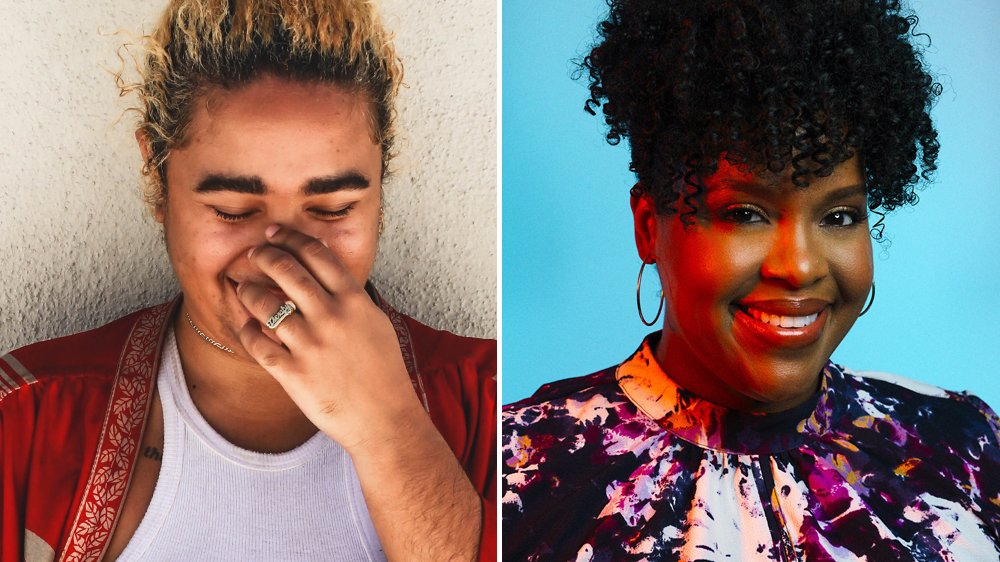
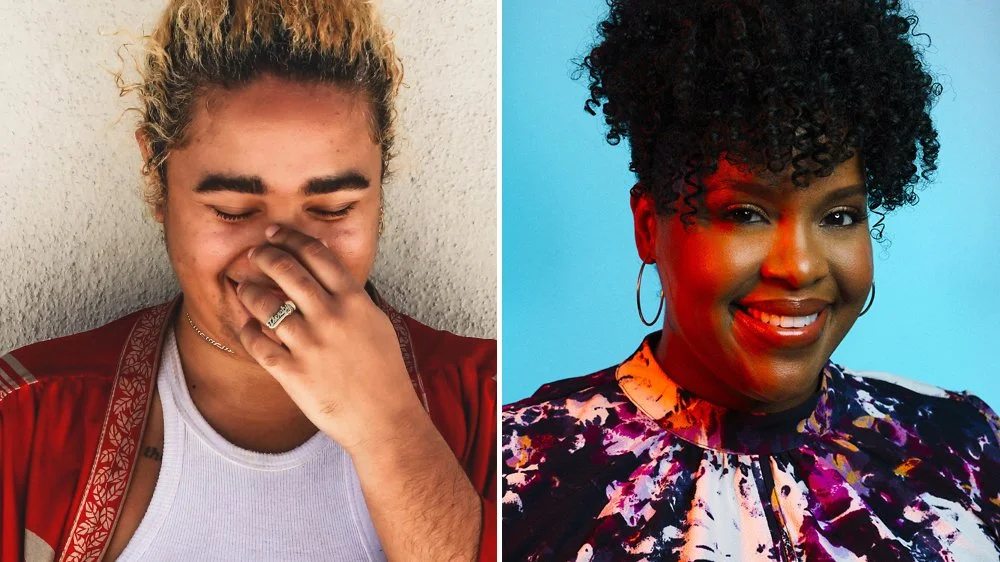
“Insecure” star Nastasha Rothwell and Aziza Barnes have teamed to develop a series based on the Ibi Zoboi novel “Pride” at HBO, Variety has learned.
“Pride” is described as a Haitian-Dominican coming of age story explores young love, teenage angst, and gentrification through magical realism fated by the gods of Santeria with an Austenian twist.
Rothwell and Barnes both worked on the story for the project, while Barnes will be the writer. Both will serve as executive producers. Leslie Morgenstein and Gina Girolamo of Alloy Entertainment will also executive produce. Alloy Entertainment will produce in association with Warner Bros. Television.
Rothwell has been a series regular, writer, and producer on HBO’s “Insecure” since its first season. She also previously wrote for “Saturday Night Live” during the 2014-2015 season. She is set to appear in the upcoming film “Wonder Woman 1984,” while her past credits include the “Sonic the Hedgehog” film and shows like “Brooklyn Nine-Nine,” “American Dad,” “Bob’s Burgers,” and “The Simpsons.”
She is repped by CAA, Edna Cowan Management, Jackoway Austen Tyerman, and Sechel PR.
Barnes is a celebrated playwright whose work has been produced at prestigious theater companies like Steppenwolf Theater, Woolly Mammoth Theater, and MCC Theater. She has participated with residencies such as Sundance, Ojai Plywrights Conference, and Center Theater Group Playwriting Workshop. Her TV credits include “Teenage Bounty Hunters” and “Snowfall.”
She is repped by Grandview and Myman Greenspan
Alloy is currently in production on three series: “You,” “Legacies,” and “Gossip Girl.” HBO Max recently made a direct-to-series order for the upcoming Alloy drama “Pretty Little Liars: Original Sin.”
Alloy is repped by WME.
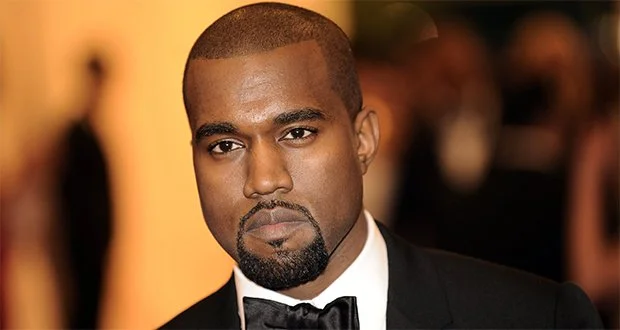
American rapper and billionaire Kanye West lands in Haiti
American rap star Kanye West landed in Cap-Haitien (Haiti) this Friday, September 25, to everyone's surprise.
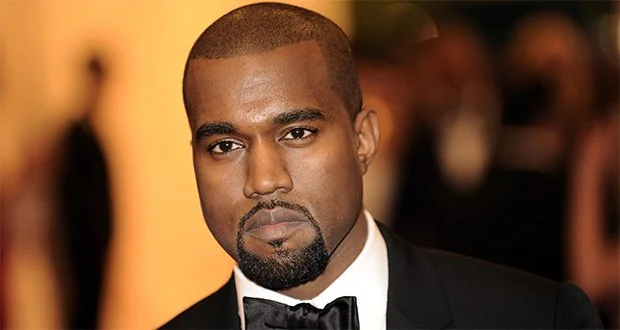
Another big surprise for Haiti this week. Rapper and billionaire Kanye West, 43, has landed at Cap-Haitien international airport on Friday morning. Le Nouvelliste's Gérard Maxineau shared the news on Facebook, first via a post, then in a live video showing West entering the diplomatic lounge.
The President of the Republic, Jovenel Moïse, should meet the rapper and candidate for the American presidential election, in the country's second city, in the coming hours, according to Maxineau, reached by phone by Loop Haiti's newsroom.
https://www.loophaiti.com/content/american-rapper-and-billionaire-kanye-west-lands-haiti
For now, the journalist can not give us more details about the objective of this meeting or what will be the subjects of debate between the two characters.
But after their meeting, West and Moise should go to Labadee, one of the most known and visited beaches in the Nord department, then to Ile de La Tortue (Northwest), Maxineau told us.
After Naomi Osaka, who has come by surprise Monday for the filming of a Netflix documentary dedicated to her career, Kanye West is the second international star to visit Haiti in less than a week.
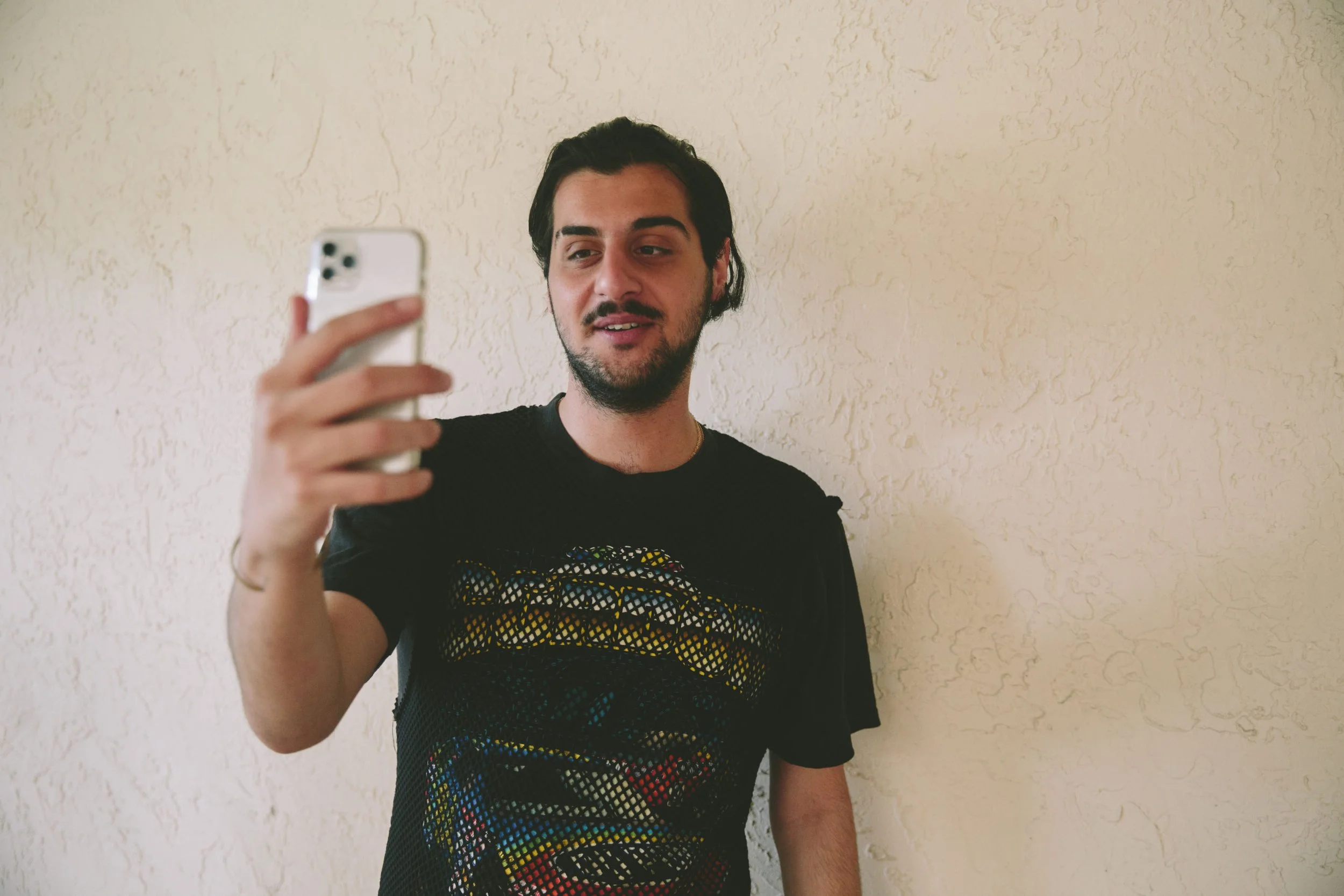
Steven Baboun, star sur TikTok
Steven Baboun, photographe engagé, explique que ses gags sur TikTok ne sont en fait qu’un prolongement de ses activités artistiques initiales. Avec un filter façon grande gueule (littéralement) comme seul artifice, Steven Baboun incarne tour à tour une « gran fanm » qui tente de planifier que la veille un voyage à Paris tandis que le billet est à « seulement » 2 000 dollars, une hôtesse de l’air antchoutchout d’American Airlines qui annonce l’arrivée imminente de l’appareil dans une zone de turbulences, ou encore un agent de l’immigration haïtienne particulièrement familier…
Son personnage principal, Marie-Claude, est inspiré de plein de personnes que la vie lui a permis de connaître. « C’est parfois une de mes tantes, une professeure du primaire, une amie de ma mère ou ma mère elle-même », confie Steven qu’on a présenté dans les colonnes de Ticket il y a deux ans comme un photographe à l’œil artistique. Il y aussi Chantal, l’amie souffre-douleur de Marie-Claude, un autre personnage plus subtil.
Si l’arrivée de Steven Baboun sur TikTok est récente, soit au mois de juin 2020, son contact avec l’humour remonte à plus loin. Dès 2016, pour amuser ses potes, il leur faisait parvenir en DM sur Snapchat des gags hyper-loufoques. Ces derniers, emballés par leur pertinence, l’encouragent à les ouvrir au grand public. Mais le jeune homme n’avait pas encore senti ce besoin.
...Mais c’était sans compter sur le coronavirus. Tout seul dans son appartement de New York, le confinement va l’affaisser mentalement. « J’ai perdu mon job. Je ne pouvais pas sortir. Je ne pouvais même pas regagner mon pays pour être avec ma famille. J’ai eu mon master en ligne… C’était loin d’être cool », nous révèle-t-il. C’est donc au fort de cette tempête que l’humour s’est pointé à l’horizon comme un rayon de lumière.
TikTok étant la hype de l’heure, il s’y embarque et très vite il se fait connaître. Avec 48 000 followers, ce n’est pas le fan base de Jason Derulo sur la plateforme, mais ce n’est pas rien dans le contexte haïtien. Si Steven ne s’entête pas à monnayer ses publications, des entreprises se dirigent pourtant vers lui pour lui demander de faire connaître leurs activités ou produits via son grand nombre de followers. C’est le cas de Lisa Loto, de la Maison Handal, entre autres.
L’artiste lance un épisode chaque deux jours en général. Au-delà de l’objectif de faire rire, il y a sa volonté de toucher des points qui lui tiennent à cœur comme les crises socio-politiques, la nonchalance de nos hommes politiques. Il est adepte du castigat rirendo mores (corriger les mœurs en riant). « Mon activité sur TikTok n’est pas parallèle à celle que j’ai en tant que photographe, c’en est plutôt un prolongement », précise-t-il.
Des comptes TikTok ou Instagram qu’il affectionne ? « Il y a celui de Zuzu Girl, mais aussi celui de Timoumoun », cite-t-il. Et la possibilité d'un stand-up un jour ? L'artiste répond par l’affirmatif tout en précisant qu’il se gardera de forcer le ton, d’aller trop vite. Pour le moment, sa plus grande satisfaction c’est de lire des commentaires de parents, enfants sur son sit-com. Il y en a qui lui disent qu’ils peuvent passer la journée à regarder l’ensemble des épisodes tandis que d’autres lui témoignent combien ça illumine leur vie… À tous ceux-là et à tous ses abonnés en général, Steven Baboun promet d’autres gags tout en leur demandant de toujours rester branchés à son compte !
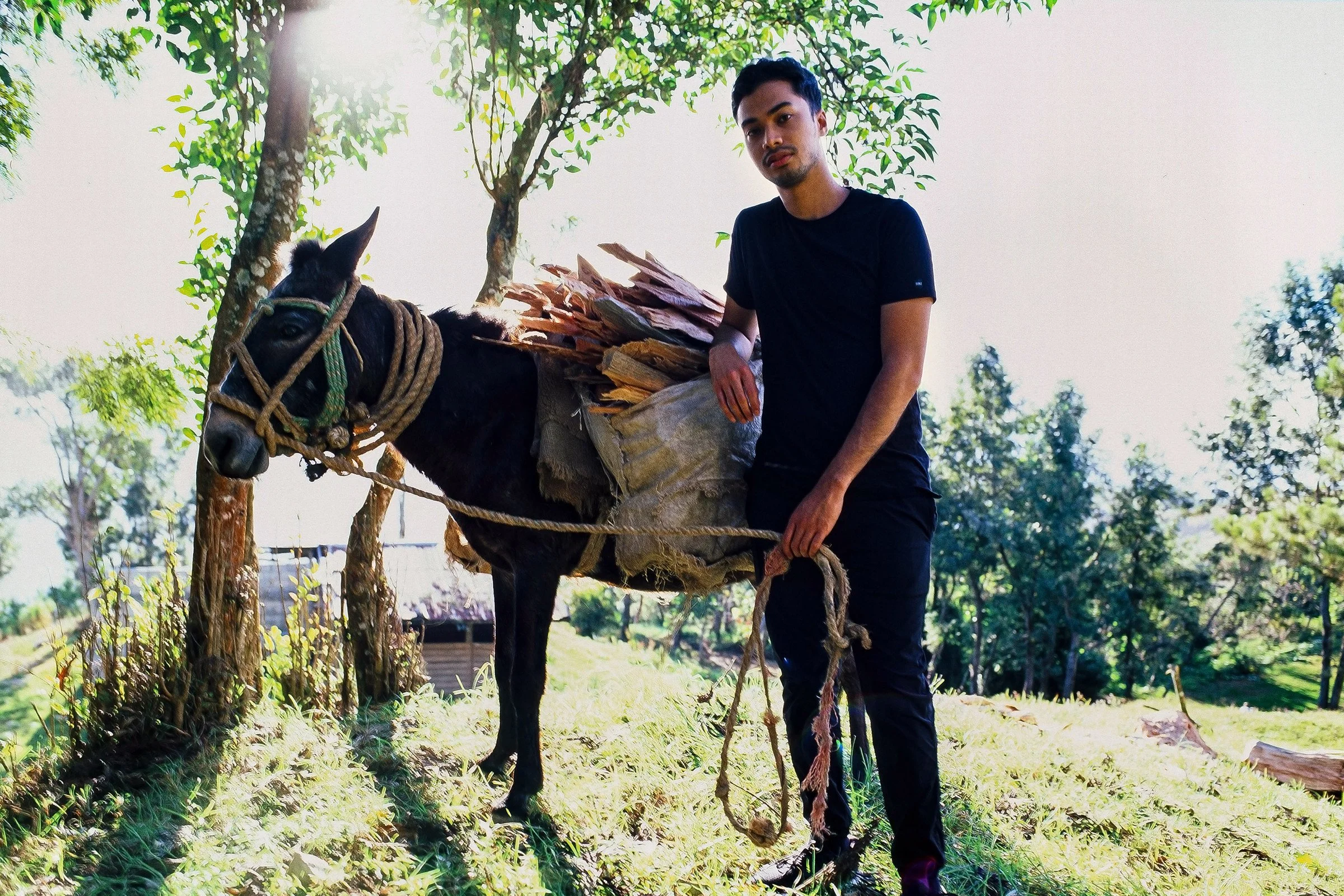
Michael Brun Is Taking Haitian Rhythms Global
Brun became famous on the EDM circuit, but his upcoming album ‘Lokal’ channels traditional forms like konpa and rara
In the early 2010s, during the heady days when EDM was clobbering its way into the global pop mainstream, you could have found Michael Brun holding down a set at any number of rave-centric festivals. But when he toured the U.S. in 2017, he was pedaling a very different kind of propulsion: Brun’s Bayo tour brought block-party flair and homegrown talent from his native Haiti to American listeners.
These shows were a creative reintroduction of sorts — the stony dance music that fills Anglo arenas receded, giving way to the more complicated, syncopated rhythms that can be found in the musical traditions of Haiti. These shows also served as the root of Brun’s debut album, Lokal. “[During the initial dates of the Bayo tour] I was playing a lot of afrobeats [from Nigeria], and I was also playing a lot of Haitian music,” the producer recalls. “I was like, what will bridge the gap in my set? I’m gonna make that track.”
The first of these transatlantic bridge songs is “Akwaaba Ayiti,” a motoring rework of a song by the Nigerian star Mr. Eazi, out today; Lokal will follow on the 28th. The album’s arrival coincides with a wave of new attention for Brun: He has been working with the Colombian reggaeton superstar J Balvin and also gained the support of YouTube, which picked him for its Foundry program, an initiative dedicated to elevating international independent artists. Taken together, this marks an emphatic transformation for Brun, from one-time four-on-the-floor maven to transatlantic polymath aiding the spread of Caribbean hybrids throughout the U.S. and Africa.
Brun’s metamorphosis began when he started returning to Haiti regularly to work at the Audio Institute, a non-profit that offers two years of audio education. Brun is on the board — as are Arcade Fire and Paul Oakenfold — but he found himself absorbing new musical language as if he were a student. “Working with rara bands, traditional voodoo rhythms that people would play in big street processions, and a lot of different types of Haitian artists, learning the history of the sounds, it started making a lot more sense,” he says. With familiarity came a new interest.
Between 2016 and 2018, Brun released three songs that captured his gradual immersion in the sounds of his homeland: “Wherever I Go,” “Gaya” and “Bayo.” “After three years in a row trying to mix Haitian music and international music, I was like, ‘I’ve gotta run with this,'” the producer adds. He was encouraged by the enthusiastic responses of artists from both camps — not only the Haitian singer Lakou Muzik but also the international dabbler Diplo.
Brun’s re-immersion in the styles of Haiti came against a backdrop of shifting tastes in the market for pop around the world. “What you considered for years the dominant American pop music style suddenly is not that cool anymore,” the Lisbon-based producer Branko explained last year. “People are looking for other perspectives on pop music that are more interesting, more vibrant, less of a creation of a bunch of A&Rs in a room talking about very abstract concepts. They want something that actually happened in the street and gathered a proper following and then developed into a YouTube hit.” As a result, styles like Brazilian baile funk and Nigerian afrobeats have enjoyed new recognition far from their countries of origin.
That could bode well for Lokal, which achieves moments of poised synthesis. There are traces of house music in “Ede’m Chante” — it samples the Chicago legend Mr. Fingers — and “Peze Kafe,” where keyboards pulse with the comforting tones of Nineties pop-dance cuts. These threads sit easily next to rara horns, which add a thick, blurting energy but require a particular sort of precision. “You play a single tone, and you can only go up and down an octave,” Brun explains. “If you want to play a melody, you have to play it in unison with the person next to you. It’s like trying to play piano with different people on each key.”
Brun also leans on the sound of konpa, a Caribbean hybrid that became popular in the 1950s. “It was really musically advanced, merging jazz, big band and Calypso all into a Haitian sound,” he says. The distinctive metallic guitar sound in “Kale” is sampled from Les Difficiles de Petion-Ville, one of Brun’s favorite konpa acts. “Those guitars are very iconic for Haiti,” he notes.
But the riffs point in other directions as well. “Sometimes when I hear his guitars, it feels like something I might have heard my dad or grandfather play — some traditional Nigerian music,” Mr. Eazi says. And the lean, drubbing beat in “Kale” points in many directions: “It has elements of baile funk; it has elements of dancehall [from Jamaica],” Brun adds.
That’s part of the pleasure of this music: While Brun’s early big-tent tracks had the single-minded appeal that grabs young ravers, Lokal is furthering multiple traditions simultaneously. To hear Mr. Eazi tell it, there’s more of this on the way. “He’s got me singing in French, got me singing in Spanish, got me singing with some creole, got me on soca riddims,” Mr. Eazi says of Brun. “I thought I had good knowledge of music from across the world, but Michael blew that out of the park.”

Michael Brun's New Music Will Make You Forget The Negative Things You've Heard About Haiti
"Bayo" is what Haitian born artist Michael Brun's new music is all about. In Haitian Creole, the term is associated with generosity and a responsibility the country's contemporary musicians have to give back and represent their culture on a global level.
With his latest music video drop last Friday of the same title as his musical concept, that's exactly what the 25-year-old rising star is on his way to do. He's switching gears from his EDM background and is focusing on tracks he has a greater personal connection to. Through his music, he hopes to combat all the consistent negative misrepresentation of his native country and it's safe to say, Brun is off to an impressive start.
From the colorful dancing to the infectious melodies influenced by Haiti's traditional Rara music, you'll instantly be hooked on the video's visuals and unique sound. Brun also collaborated with Haitian pop star J. Perry along with the king of Haitian hip-hop Baky, and rapper Strong G who came through with strong verses in Haitian Creole.
It's his specialty to bring all kinds of people together, which made him the perfect first non-jazz performer to close out this year's 12th annual Port-au-Prince International Jazz Festival, also known as PAPJAZZ. Right before his set last month, we chatted with Brun about the inspiration that resulted in his one-of-a-kind sound and what we can expect from him next.
[embedyt] https://www.youtube.com/watch?v=q8g86tUC-_A[/embedyt]
Isis Briones: How does it feel to be back in Haiti performing at PAPJAZZ?
Michael Brun: "It's actually my first time taking part in it and I'm so excited. My family and girlfriend are here with me, and I'm super happy to be back home."
IB: Of course, this is where it all started, right? What led you to take inspiration from your background?
MB: "I've been working for about a year and a half, almost two years on my new album. It's an all-encompassing project that shows music and visuals that come from the same place. It's Haitian music as a base, but it's in combination with electronic music, pop, and more — all of that with a Michael Brun twist."
IB: Can you elaborate on what Haitian influences will be incorporated in your upcoming tracks?
MB: "I would say a lot of the sounds that I'm working with now were things that I grew up hearing. Some of that was Rara music, which is parade type tunes based on drums, horns, and a lot of people with high energy. That was a big part of my life as a kid every Sunday and it was awesome. My dad had a band, too, and my mom played the piano. It was a natural progression of everything I was hearing internationally and the local classics I was around, all I ever wanted to do was mix the two together."
IB: Got it, so you always wanted to be a musician?
MB: "Kind of. I always really liked it. First, I was a fan and as a producer, it was a hobby. I never really approached music as a job because I wanted to be a doctor since I was a little kid. I hoped to be a pediatrician. Music was something I enjoyed a lot, but I didn't start making it until I was around 14 or 15.
Then I went to college and had a few songs that started picking up online, which set off this whole Pandora's box of really amazing things that came up. As I was working with more music, I was reaching the same people I wanted to reach through medicine on a larger scale. I felt the core thing about being a doctor that I always gravitated towards was to help people and give back what I received in my life. Music let me do that. I could see all these different opportunities come up where I could use things what I learned from my family and growing up here."
IB: Who would you say have been your biggest musical influences?
MB: I would say, people that influenced this upcoming album is a combination of classic 70's and 80's Haitian artists. What I did was use a bit of what they had in mind of taking local sounds and merging them with influential international genres of their time like rock. For me, electronic and hip-hop are big right now. On one end, it's learning from great artists in the past along with modern stars who are transforming the industry.
I'm also a fan of the development of Latin music. To hear a Spanish song on the radio in the U.S. that's kept as is, I think that's a testament of how the world has evolved. I've been working with Maxwell, so that's a cool collaboration because we've known each other for a while and we've worked on a few projects together before. There's more, too, because I'm in the process of finishing some things up. I can say that I'm teaming up with some Latin and Afrobeat artists, too. The sound is really exciting for me, some of these musicians are are accomplished in their own right, so I think it's interesting for them to come into this new world of Haitian music. It seems like it's kind of getting them out of their comfort zones as well, but in a really good way."
Steve BabounMichael Brun on set of his music video "Bayo."
IB: Since you're so comfortable experimenting with different genres, were you intimated at all being a non-jazz musician performing at a jazz festival?
MB: "I've always loved jazz. Those are the chords and progressions that make you aware of music. There are so many different forms and ways to express it though and that's the point of view I'm taking with my set. I believe the music I'm working on is truly a combination of many different genres and that's what I want to do with all my performances."
IB: What's one message you hope people will take away from your work?
MB: "My music is about working hard and putting the best possible sounds out. That's something I heard my whole life from my family. They've been a huge support system for me. Even if I failed, my parents taught me everything happens for a reason and what matters is what I learn from it. You learn from experience and if you do your best, you won't live with regret.
There's so much beauty and potential in Haiti that has been around since the foundation of the country, but it's really coming back in the youth today. I see so many artists and business owners thinking outside of the box to tackle problems that have been present for many years along with making the country a better place. You only get to that by giving it your all."
IB: Now that you found your inspiration, released your newfound sound, what's next?
MB: "I'm planning a U.S. tour that we're going to be doing in the next few months. It's going to be in a few cities I'm excited to go back to. We just did this New York show in the Music Hall of Williamsburg that sold out. The album is going to be called Bayo and all of the tracks are going to be coming out as singles, but they're interconnected, so the shows as well is going to be the same concept.
These shows are going to be exciting because it's going to be a block party feel. I guess a big part of it is the Haitian street sound mixed with something that you would find at something like Diplo's Mad Decent show. It's going to have a unique flavor and I can't wait for people to experience it."
Haiti’s Beloved Troubadour Emmanuel “Manno” Charlemagne Dies at 69
And Haiti’s beloved folk singer and troubadour Emmanuel “Manno” Charlemagne has died in a Miami Beach hospital at the age of 69. Through his music, Charlemagne helped inspire a generation of Haitians to rebel against longtime dictator François Duvalier. He was often called the Haitian Bob Marley. He briefly served as mayor of Port-au-Prince in the 1990s.By: Democracynow.org| November 14, 2017
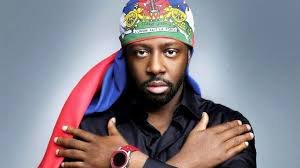
Wyclef Jean Blasts Trump's Plan to Deport Haitians: 'You're Sending Them Back to Die' (Exclusive)
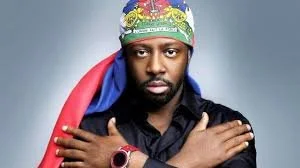
Earlier this month, President Trump sparked outrage when he announced his decision to end provisional residency protection for 60,000 Haitians by 2019 for those who were affected by the devastating 2010 earthquake. Trump's decision to curtail their stay comes after his administration stated that the "extraordinary conditions" that plagued Haiti "no longer exist."In a new interview with Billboard, Wyclef Jean blasted the president's decision to oust his fellow Haitians from the United States and not renew their temporary protected status."I've been talking about that TPS for a minute now. I saw it coming. I saw the policies, but what I'm gonna do, I'm definitely gonna say one thing, which I stand by: The country of Haiti right now, we cannot afford to take 50,000 Haitians to go back home right now," Jean tells Billboard. "It's almost like you're sending them back like, 'Oh, OK, the earthquake is gone.' You're sending people back like, 'OK, let me them send back on a starve mission.' It's like you're sending them back to die. We don't support that."After being pummeled by the brutal effects of the earthquake, thousands of Haitians sought refuge in the United States. Under the temporary protected status, they were shielded from deportations due to natural disasters or armed conflict within their country. In a statement to the Washington Post, Homeland Security secretary Elaine Duke said the 18-month deadline will allow Haitians to "arrange their departure" since "significant steps have been taken to improve the stability and quality of life."According to Jean, Trump bamboozled Haitians during his presidency run, vowing to protect them and now doing the total opposite."I think we all need to acknowledge the TPS thing and the promise that Donald Trump made," Jean says. "If you remember, he was like, 'I'm going to look out for Haiti. I'm going to look out for [Miami's] Little Haiti [neighborhood].' He did the whole movie. So the lookout that we need right now, we need to make sure our people do not get deported back. It's not going to look good for the island at all."By: Carl Lamarre/Billboard/11/30/2017
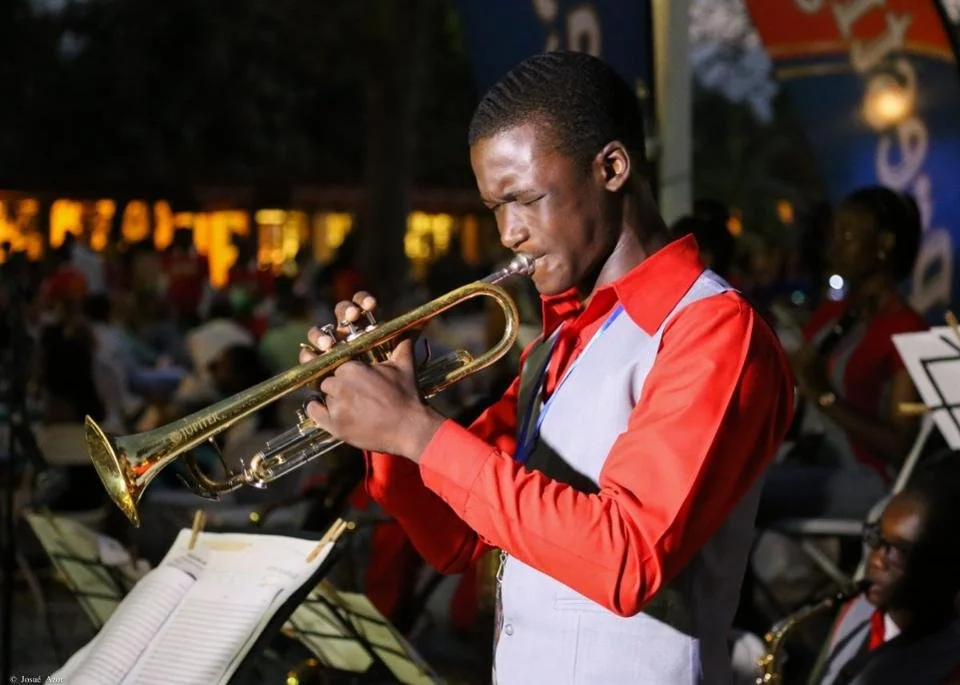
Why Jazz Lovers Should Travel To Haiti For This Unique Musical Experience
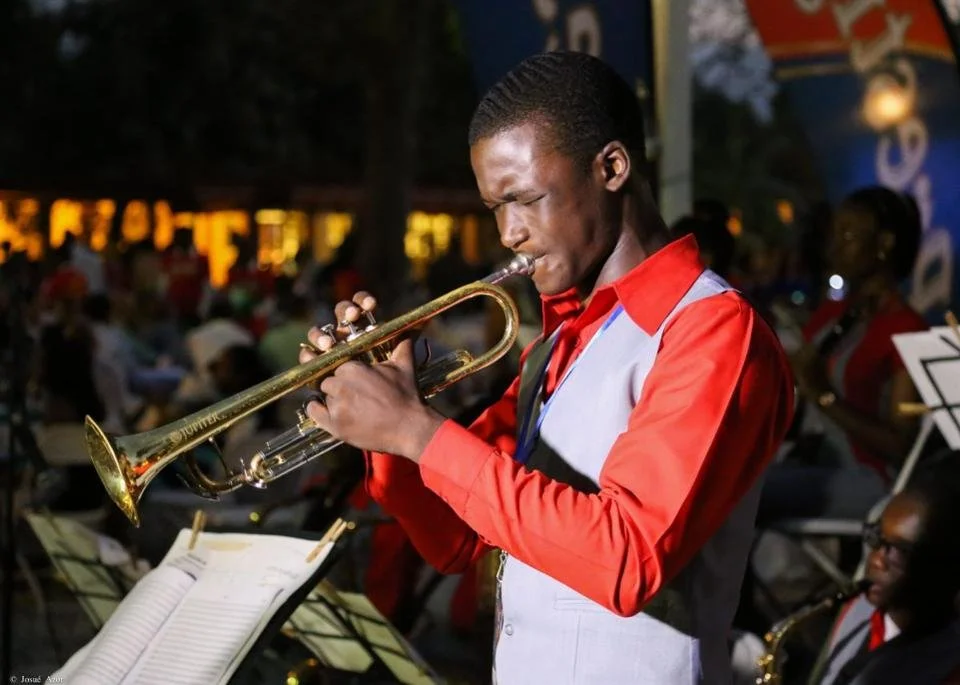

A trumpeter at the Catts Pressoir Music School during PapJazz.
Haiti might be off the beaten path, but it's home to one of the most unique music festival experiences around. Into its 12th edition, the annual Port-au-Prince International Jazz Festival, also known as PapJazz, is back and better than ever this January 2018.The event is opening the world to seeing the country's special culture and the genre of jazz music in a new light. From after hours jam sessions at some of the best local restaurants in the capital city to hit Haitian-born DJ, Michael Brun, dropping a dance influenced set, expect an unexpected combination of sounds to come together. Instead of planning for your usual festivals, dare to go somewhere different. To get a deeper understanding of what attendees can look forward to, I spoke with the foundation's manager, Milena Sandler, who made it clear why this is a can't miss adventure.Isis Briones: What was the inspiration behind the PapJazz? Milena Sandler: "It came naturally to musician and President of the Haiti Jazz Foundation, Joel Widmaier. From a jazz background through his dad, the late Herby Widmaeier — who has been a promoter of jazz in Haiti through his radio shows — he wanted to do something that would honor the legendary genre in his country. Joel has also taken part in many festivals around the world and knew what it took to put one together on an international level."IB: It's remarkable that the festival also includes a mentorship program for native artists. Can you elaborate on its mission and how it came about? MS: "Since the first edition back in 2007, artists have always been asked to offer workshops geared towards aspiring, young musicians — free of charge. There is no jazz education and very few music schools in Haiti, so this is an opportunity for them to learn from professionals from all over the world.Today we can pride ourselves in having participated in the creation of new generation jazz musicians. Moreover, we recently started a school program, where we will give free jazz, harmony, composition, and music appreciation classes. We also plan to obtain grants that will improve the students' equipment and provide seminars for them"IB: EDM was also incorporated in the lineup through Michael Brun and given the influence dance music has on the festival scene, do you foresee the different genres blending on a larger scale? MS: "Our challenge and objective since the start has been to attract a larger crowd to this jazz festival, including a public not familiar with it. Plus, the Haitian music is very diverse and the inclusion of all kinds of music is what's made us successful.However, we still plan to focus the majority of the lineup on jazz musicians and at the end of the day, Michael is a great illustration of this. We didn't pick just any DJ, Michael includes his Haitian jazz roots into his sound. He will be closing out the festival this year showcasing the perfect example of diversity."
 Courtesy of PapJazz
An inside look into PapJazz.
IB: Beyond revolutionizing people's perspective on jazz, what are some stereotypical misconceptions about Haiti that you feel the festival is helping change? MS: "The first thing that comes to mind is that in Haiti great things can happen. We offer events that meets international standards in terms of organization logistics, sound quality, comfort, and of course, security. Yes, there's a lot of poverty, but at the same time, the Haitian people have a real 'Joie de Vivre' that you can feel through their smiles and faith for a better tomorrow. Attending PapJazz does something to you, anyone who goes come back with a new outlook on Haiti and a better understanding of what the country could become.IB: 12 years is also a long time to be hosting a worldwide event, what would you say about this year makes things even better than the last? Can you point out some highlights festival goers shouldn't miss? MS: "We strive to bring better lineups each year, which is no easy task. Jazz musician fees can be quite expensive and it's important to remember that the festival is a nonprofit with most shows being free. Luckily, this year, we are proud to include two Grammy Award winners and thanks to the participation of foreign embassies, we were able to have artists from 12 countries.In this edition, we also made a commitment to make the event a tourist destination, in which we created various packages that allow for the possibility to explore the country, the kindness of its people, its rich culture, and beautiful beaches on a higher level. We know it will be an unforgettable experience."By Isis Briones for Forbes.com| November 20, 2017
Haiti's First Female-Directed Movie Bids For Oscars
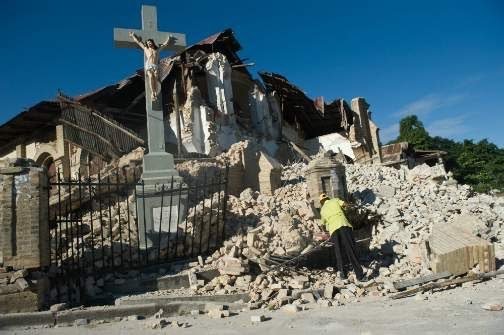

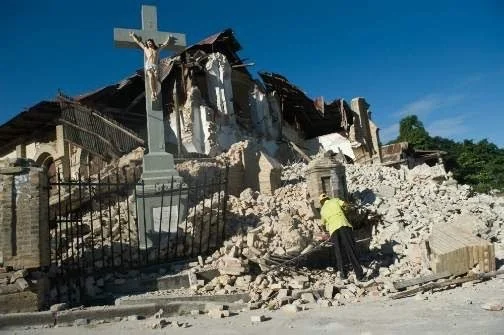
LOS ANGELES, United States (AFP) — Haiti is still reeling from the 2010 earthquake that killed more than 220,000 people, but from the debris of its devastated towns, a nascent film industry has begun to emerge.
At its forefront is Guetty Felin, whose "Ayiti Mon Amour," a portrait of a post-quake nation mourning its dead, was recently announced as the Caribbean country's first ever entry for the foreign film category at the Oscars.Haitian-born Felin, who journeyed to Port-au-Prince on a relief airplane 10 days after the disaster, recalls the scenes that met her as she landed, images that have stayed with her as she has pursued a career in filmmaking."I had never smelled death before, corpses everywhere. I was just like, 'What is this stench?' All throughout the city, it was just devastating," she told AFP.Laying waste to most of the Caribbean nation's schools, hospitals and infrastructure, the magnitude 7.0 quake injured some 300,000 people and left another 1.5 million homeless in what was already the poorest nation in the Americas.Seven years on, "Ayiti Mon Amour" marks not only the emergence of a distinct new voice in Haitian filmmaking but a milestone in the country's cultural recovery, as the first ever locally-shot narrative feature directed by a woman.Tapping into her past work in documentary, Felin infuses the realities of modern-day Haiti — the power and water shortages, the looming threat of climate change — with a lyricism that plays up its mystical side.
Set in Kabic, a small southeast fishing village where the sea is gaining ground thanks to climate change, Felin's camera shows life moving on, five years after the earthquake.A teenager grieving his father discovers he has developed a literally electrifying superpower while an old fisherman who talks to his cow thinks the cure for his ailing wife can be found only in the sea.Elsewhere, the beautiful, mysterious muse of a struggling novelist and the main character in his book, becomes restless and decides to leave him and pursue her own life.Born in Port-au-Prince, Felin divided her childhood and adolescence between New York and Haiti, although she came of age artistically in Paris, where she studied for a graduate degree in film and ended up staying 20 years.Felin fell in love with cinema at the drive-ins of Port-au-Prince, her escape during the brutal dictatorship of Francois "Papa Doc" Duvalier, who was followed by his despotic son Jean-Claude, or "Baby Doc.""I grew up in this space knowing that the dictatorship existed, but at the time it was a space of joy," she said, recalling her childhood home as a place of music and parties."There were moments where you were totally afraid someone might get taken away. So the fragility of life — that dance that my parents had to do all the time — totally inspired me.""Ayiti Mon Amour" — which is looking for a US distributor — stars just one professional actor, while the rest of the cast and much of the crew were culled from the local community and Felin's own family.Her French husband, veteran cinematographer Herve Cohen, was in charge of filming and her oldest son Yeelen acted as her assistant, while his girlfriend performed second camera duties.The real star of the movie, though, is Felin's youngest son, Joakim Ethan Cohen, a 17-year-old beginner at the time of the shoot who has won acclaim for an accomplished debut performance."He knew that what he was doing meant a lot to me. It was like his gift to me," said Felin."I directed him but it was so easy — every take was really good — and I think he knew the story inside out."Haiti's film industry was already struggling before the earthquake. Its last picture house closed the year before amid rampant film piracy, and no movies were publicly screened anywhere for five years after that."It's hard to make films in a place like Haiti because there's always something that happens that's prioritized, whether its political instability or there's a disaster or something like that," Felin said."Filmmaking is really not a priority for the Haitian people.""Ayiti Mon Amour" was born out of the rubble of buildings levelled by the quake but Felin, who lost a close friend and says she feels "survivor's guilt," didn't want her movie to be just about grief."I kind of like to say that it's a love letter to this place, because it's a place at the same time that frustrates me, haunts me and angers me," the director said."But I'm deeply, deeply passionate about it."By: JamaicaObserver.com | November 1, 2017
Powerful Short Film, 'Charcoal' Portrays The Effects Of Colourism
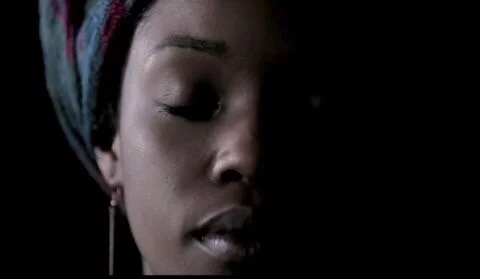
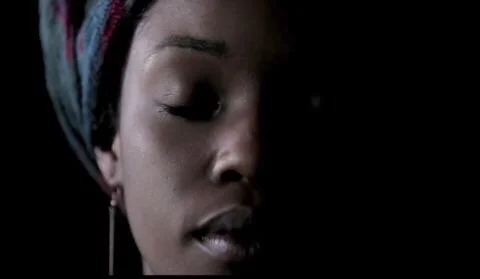
The use of bleaching creams has been on the rise over the years, as dark-skinned people seek to reduce/disrupt their melanin production. This is not a random desire, however, as society and the media have shaped our minds to think 'lighter is better'.Charcoal is a short film directed by Haitian-American filmmaker and photographer, Francesca Andre, which hones in on the vicious cycle of colourism. It does this through the different perspectives of three females: a young child, a teenager and an adult woman, and it is no wonder that it has garnered so many awards. The trailer features the song "Four Women" by Nina Simone, which was recently sampled by Jay Z on "The Story Of OJ". Both songs touch on colourism in different ways, and even though they were set and released decades part, the message still holds cultural relevance today.Colourism within any black community is rampant, and stems from the preference for a proximity to whiteness because you know, white is right and such...Charcoal will show next at the Silicon Valley African Film Festival from September 29 - October 11. Until then, watch the trailer below:[video src="http://haitiville.com/wp-content/uploads/2017/09/img_2338-1.mp4" ]By Damilola Animashaun | September 27, 2017
Michael Brun Brings New Haitian Concept to Brooklyn
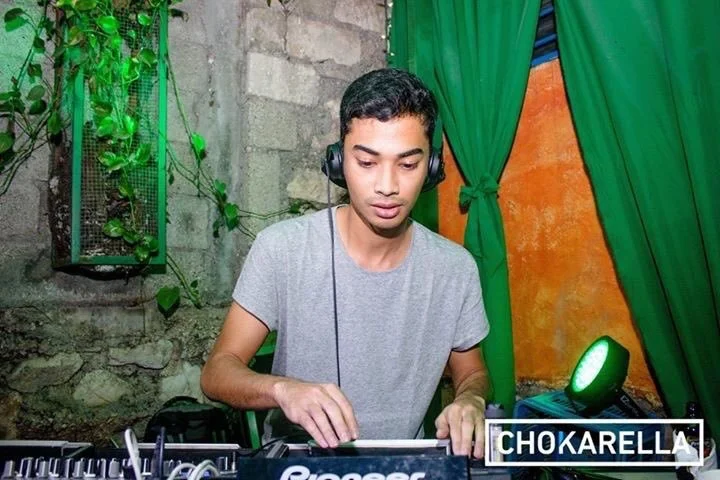
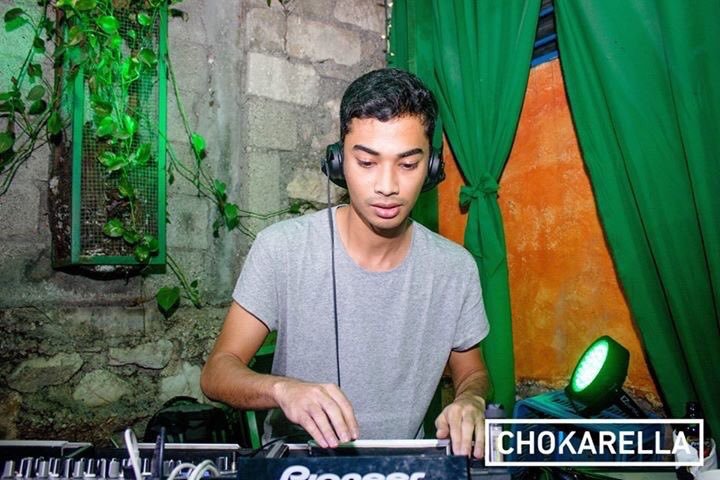
 Electronic DJ and producer Michael Brun is regarded as one of “the biggest things to come out of Haiti in the 21st century”. Now the “Haitian sensation” is spreading his country’s music and culture by bringing a new concept to Williamsburg, Brooklyn. The new concept by Brun is called Bayo which means “to give” in Haitian Creole. Bayo is based off impromptu street parties accompanied with mobile sound systems and lively Haitian rhythms. Bayo parties, previously thrown in Haiti by Brun, have revitalized Haitian culture by allowing DJs a platform to perform, communities to come together, and new music to be heard.Brun has brought Bayo to America when he hosted a block party in Little Haiti in Miami. He plans to bring his culture’s music to the Music Hall of Williamsburg on November 24 and the Brooklyn Bayo party will include artists such as J Perry, rapper Baky, guitarist Paul Beaubrun, and house DJ Gardy Girault. The scene of the event will be ornamented by Haitian street art and custom made production.This is an exciting and big undertaking for the already accomplished DJ. He is only 25 years old and has done a number of philanthropic activities for his home country. In 2016 he created the song ‘Wherever I Go’ which became a hit in Haiti. All the proceeds of the song went to Audio Institute School of Music in Haiti who helped him create it. A non-profit festival named after the song was also thrown by Brun.
 Brun has also created official remixes for some of the industry’s biggest artists including Calvin Harris, Alicia Keys, Tiësto, and One Republic. In 2014 he played on the mainstage at Ultra Music Festival and created the Kid Coconut label. In recent years he has collaborated with artists such as Dirty South and Rune.The Sounds of Haiti will be brought in the form of Bayo on November 24. New York will be the home of this event and pre-sale tickets can be purchased here on Wednesday.By Saad Qureshi | September 26, 2017