

Security : New Special Border Police Unit

Haiti - Security : New Special Border Police Unit Michel-Ange Gédéon, Director General of the Haitian National Police (PNH) announced the creation of a new specialized police unit whose mission is to monitor and control the land border between Haiti and the Dominican Republic, in cooperation with the Customs and Immigration Department.
This new special border police unit that will have at term in 2018, 600 men to be deployed along the border, currently has a staff of 100 officers to be deployed in the Northeast. Their mission is to combat, inter alia, transnational crime, human trafficking and trafficking in arms and narcotics.
Another specialized unit will be exclusively responsible for combating smuggling between the two countries.
At the same time, the capacities of the Coast Guard, the Swat and the Drug Trafficking Brigade (BLTS) have been strengthened to combat trafficking in narcotics on national territory.
In addition to this unit, a coordination unit was set up to facilitate communication between departmental divisions and to plan joint interventiosn and operations.
HaitiLibre | August 2017

$4.7 Billion Chinese Development Project Advances in Haiti

 The promised infrastructure seems almost too good to be true, but let’s hope that dreams can indeed come true for the Haitian people. China has made good on similar projects in its estimated Trillion dollar “Silk Road” initiative, not to mention 30 futuristic infrastructure projects in its own country. Perhaps the future has finally arrived for Haiti, and as a result the Caribbean corridor will be transformed.
 In late July and early August of this year The Haitian Press Agency (AHP) reported that China would invest $30 billion. Bati Ayiti and its Chinese partners signed an agreement for the renovation of Port-au-Prince with the Municipality of Port-au-Prince.
Police say US man shot multiple times and killed in Haiti
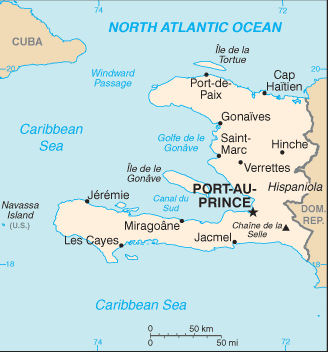
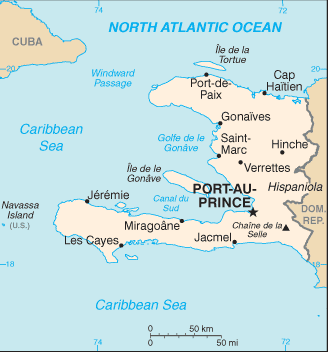
PORT-AU-PRINCE, Haiti — A Haitian National Police spokesman says a U.S. citizen was shot multiple times and killed by an attacker in the capital.Spokesman Garry Desrosier described the killing as an apparent “execution.” Desrosier said Sunday that the gunman was waiting for the 34-year-old victim as he left an upscale restaurant in the Petionville area of the capital.The victim was shot about 20 times and died at the scene Saturday night. A security guard was also wounded. There were no arrests and the motive was unknown.Desrosier identified the man as Benjamin R. Craft and said he was apparently Haitian-American. His hometown in the U.S. was not available.Copyright 2017 The Associated Press. All rights reserved. This material may not be published, broadcast, rewritten or redistributed.By: Associated Press August 27, 2017

Sickle-Cell Patients See Hope in CRISPR

Hertz Nazaire is a soft-spoken artist who likes to paint in bright colors, with subjects like rainbow palm leaves and dancing women in twirling skirts. But one series of paintings he’s created is darker. Here, deep-red discs contrast with misshapen, bluish-purple ones against a black background. One canvas shows an African face drowning in the red and blue shapes, eyes streaming with tears, mouth agape in pain. The work reflects his lifelong struggle with sickle-cell disease.Nazaire, a 43-year-old Haitian-American, figures he’s been hospitalized more than 300 times since he was a child. He and other sickle-cell patients will tell you that the worst part of the disease is the debilitating pain. “It’s a horrifying thing to have, because it’s extremely painful. It’s a major fight all the time,” he says.Roughly 100,000 people in the U.S. have sickle-cell disease, most of them African-Americans and Latinos but also people of Middle Eastern, Asian, Indian, and Mediterranean descent. Compared with the average American, they live much shorter lives—about 40 to 60 years.The cause of sickle-cell has been known for a century, but the disease has long been underserved by the medical establishment and the pharmaceutical industry. That may be about to change. Its genetic origin—a single, well-studied mutation—makes it an attractive candidate for treatment with the gene-editing tool CRISPR. The idea is that CRISPR could correct the genetic mutation responsible for sickle-cell so that patients’ bodies could make normal red blood cells, alleviating the pain and other severe symptoms associated with the disease. Researchers have already tested the gene-editing tool on human sickle cells in the lab and are now working on getting the technique to clinical trials. Early results hint that sickle-cell could be among the first diseases that CRISPR essentially cures.Despite the lingering safety concerns about using CRISPR in people, some sickle-cell patients and their doctors are already embracing it. “I would be one of the first people to volunteer and say, ‘I want to take part in a study,’” Nazaire says. He first heard about CRISPR two years ago, when he came across a YouTube video featuring Jennifer Doudna and Emmanuelle Charpentier, two of the inventors of the technology. He’s been enthusiastic about the idea of using CRISPR to treat sickle-cell ever since.Sickle-cell disease is one of the most common genetic disorders, affecting millions of people around the world. It’s caused by a mutation in a gene known as HBB, which makes hemoglobin, a protein that transports oxygen throughout the body. Blood cells with healthy hemoglobin are red and disc-shaped. Cells with abnormal hemoglobin are shaped like sickles used to cut wheat, the characteristic that gives the disease its name.These misshapen cells are sticky and clump together. When too many of them build up, they create blockages in blood vessels and cut off oxygen to nearby parts of the body, causing severe episodes of pain. The disease can also cause frequent infections, eye problems, and organ damage.CRISPR Therapeutics is one of a handful of gene-editing startups pursuing new treatments for sickle-cell. The company's approach involves isolating stem cells from samples of patients’ blood. Scientists would use CRISPR to activate a genetic switch that would raise the levels of a fetal form of hemoglobin in red blood cells, turning them healthy. This fetal hemoglobin effectively counteracts the effects of the sickle mutation. The modified cells would then be infused back into the patients.Samarth Kulkarni, president of CRISPR Therapeutics, says this is safer than injecting the gene-editing mechanism directly into the patient. That’s risky because CRISPR can cause unintentional or off-target edits, meaning it may cut DNA it isn’t supposed to. Editing cells outside the body will allow scientists to make sure the technique works before reintroducing the cells, he says.Testing the method in lab experiments using stem cells taken from sickle-cell patients, researchers at CRISPR Therapeutics found that 85 percent of the cells were successfully edited, which means they were able to make healthy red blood cells. Kulkarni says when the stem cells are reintroduced back into the patient, they should be able to ameliorate all symptoms of sickle-cell. These stem cells are able to travel to the bone marrow, where they make more healthy blood cells for the rest of the body. The healthy cells will proliferate, and eventually, he says, they will outnumber the sickled ones. St. Jude Children’s Research Hospital, Editas Medicine, and Intellia Therapeutics are working on similar approaches.“Our hope is that it’s one-time and curative for life,” Kulkarni says. However, he wouldn’t say when the company plans to begin clinical trials of the technique.Meanwhile, researchers at Stanford University School of Medicine are working on a different method that aims to directly modify the mutated HBB gene itself using CRISPR. Researchers would do that outside the body as well. Matthew Porteus, an associate professor of pediatrics at Stanford, says his team is aiming to begin a clinical trial by the end of 2018 or the beginning of 2019.  One of Nazaire’s sickle-cell-inspired paintings Porteus says not all of a patient’s original sickle cells need to be replaced with edited ones to effectively cure the disease. He says if the proportion of sickle cells is below 30 percent, patients don’t have any symptoms. So far, his team has been able to achieve correction rates between 40 and 70 percent. He expects corrected blood cells to eventually surpass sickled ones in a patient’s body. Sickle cells live only 10 to 20 days, but normal red blood cells last from 90 to 120 days.The first clinical trials using CRISPR haven’t started in the U.S. yet, but researchers are already taking steps to educate patients about the technology. The National Institutes of Health is launching a story this month to examine opinions on the technology among up to 150 sickle-cell patients, parents of patients, and health-care providers.Vence Bonham, a researcher on genomics and health disparities at the National Human Genome Research Institute who is leading the study, says it’s important that scientists designing clinical trials consider patients' beliefs and concerns. Gauging the views of people who are most likely to be affected by a new scientific advance seems like a no-brainer, but it’s something that’s rarely been done in medical research. “This technology has been moving very quickly, but the disease and advocacy communities have not really been part of the conversation,” Bonham says.Participants in the NIH study will first be asked about their knowledge of CRISPR. Then they’ll watch an educational video about the technology and answer a second set of questions to see how the video may have influenced their knowledge or beliefs. After that, they’ll participate in focus groups with other patients, parents of patients, or health-care providers to talk about using CRISPR for sickle-cell disease. Bonham hopes the study will “inform the development of clinical trials to make them more appropriate and respectful of the concerns of the community.”Biree Andemariam, director of the New England Sickle Cell Institute at the University of Connecticut Health Center, has started talking to her adult patients within the past few months about CRISPR’s potential for treating sickle-cell disease. “Patients are very intrigued by it. They think it sounds wonderful,” she says.But Andemariam says there can also be trust issues between sickle-cell patients and their health-care providers. Black patients may be suspicious of signing up for clinical trials, particularly given historical examples of medical experimentation on African-Americans without their consent. The infamous Tuskegee study, for example, left African-American men with syphilis deliberately untreated in an experiment that ran from 1932 to 1972.“The Tuskegee experiment is fresh in lot of people’s minds even though that was decades ago,” says Andemariam, who is also chief medical officer for the Sickle Cell Disease Association of America.If a CRISPR cure for sickle-cell eventually reaches the market, one major question is who will have access to it. Isaac Odame, a Ghana-born physician at the Hospital for Sick Children in Toronto, who specializes in sickle-cell disease, says patients in Africa already have trouble paying for hydroxyurea, a common medication used to treat the disease. The drug costs one to two dollars per day, but even that is too expensive for many, he says. He worries the cost of CRISPR will put a cure out of reach for most of the world’s patients.“For 90 percent of people with sickle-cell disease who live in this world, this will still be something far too expensive for them to have access to,” he says.Until CRISPR is available, sickle-cell patients will have to cope with other treatments. To manage his disease, Nazaire recently underwent apheresis, a transfusion procedure that removed and replaced some of his red blood cells in an attempt to decrease the proportion of sickled ones. He’s in less pain than before, but the benefits could wear off over time.To Nazaire and others, CRISPR represents the promise for a better, longer life. That hope might not be far off, with both academic and commercial labs racing to develop CRISPR-based therapies. “When you’re faced with something that’s desperate and life-threatening, you want to see something done about it,” he says. “I think this is something that needs to be used. It could be beneficial for the world.” By Emily Mullin | August 23, 2017

Envoy To Haitian TPS Holders: Leaving U.S. For Canada Not A Good Idea

This summer thousands of Haitians living under Temporary Protected Status (TPS) in the U.S. have been attempting to move to Canada. But Canada is warning them that’s not a good idea – and Ottawa sent an envoy to Miami on Thursday to get that message across. Canadian officials are alarmed that almost 10,000 Haitians have crossed or attempted to cross into their country, usually Quebec province, from the U.S. since June. Just about all those Haitians are TPS recipients. The Trump Administration has said TPS for some 60,000 Haitians will probably be canceled in January. So, many believe it’s better to go to Canada rather than be deported back to Haiti. The Canadian government sent Emmanuel Dubourg – a Haitian-born member of Parliament – to Miami’s Little Haiti - and he urged Haitians here not to enter Canada “irregularly,” as he put it. “The risk is...we’re going to deport them," said Dubourg. "And if we deport them the door is completely closed for them or for their family for next time. So they have to be aware of our system and that there are ways that they can come regularly.” Haitian-American leaders here echo Dubourg. And they warn TPS holders if they leave the U.S. for Canada now they also risk being unable to return here if the TPS issue gets resolved in their favor. “These are people who are here legally," said Marleine Bastien, who heads Haitian Women of Miami, or FANM. "So leaving documented status to go to Canada, where you’re not sure what’s going to happen – we think for the TPS holders it’s not a good idea.” TPS advocates insist Haiti is still too ravaged by natural and political disasters to take back so many Haitians living here. Florida Senator Bill Nelson says he will come to Little Haiti on Friday to call for TPS extension. By Tim Padgett | August 24, 2017
An excerpt from Lavil: Life, Love, and Death in Port-au-Prince
An excerpt from Lavil: Life, Love, and Death in Port-au-Prince
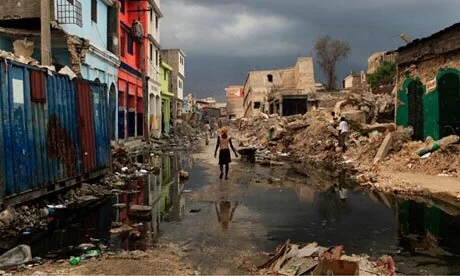
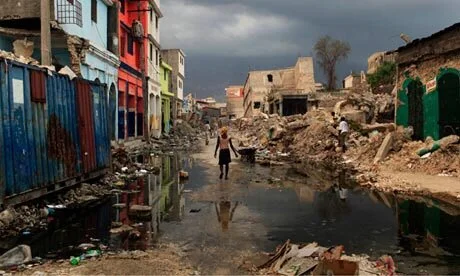
An excerpt from Lavil: Life, Love, and Death in Port-au-Prince, part of the Voice of Witness series of oral history.
Haiti-earthquake-
Fran is from Bainet in the southeast of Haiti. On the day of the earthquake, Fran was on an upper floor of a government building. We spoke to him in front of a church where a commemoration of the 2010 earthquake was taking place. When the quake hit, Fran was knocked unconscious as a government building collapsed around him. He then walked for miles to report from the quake’s epicenter. As a choir sang inside a church, Fran talked to us about the day of the quake and its aftermath.
On the day of the earthquake, I was at a government building to pay taxes... I heard the noise, and I thought that it must be a thunderstorm. I was on the fourth floor. I suddenly felt that I was flying. I can’t explain what happened because the next thing I knew, I was in a different part of the building. I don’t now how I jumped or flew, or whatever happened. I was jumping up, and then I quickly lost consciousness.
When I woke up, I heard a lot of yelling and screaming. It was me. I was the one screaming, screaming, screaming, screaming. Yes I was. And then people around me were crying and there was all this smoke. Black smoke, black dust, everywhere. As a journalist I felt that I had to report what happened at this damaged building, but that was impossible. There wasn’t any communication. My cell phone wasn’t working.
My first reflex was to go and find my own children. I left that damaged building and walked to the school to see my children. I have two kids. One girl, one boy. My son is eight and a half. My daughter is seven. When I got there, my kids were scared, but once they saw me they were ne. My house in Port-au-Prince is in the south part of town. In this area there wasn’t any damage because the structural support is very strong. I brought my children home to my wife. I told them that I would be back. They know that as a journalist, I have a passion, a need, to be where the events are happening.
I set out for Léogâne, the epicenter of the earthquake. I didn’t come home for three days. I didn’t realize that distance was so far. I’d always driven there. In a big event like that, you just walk and you don’t feel tired or anything. The only thing I remember is that I had to carry water. I took my water with me, that’s all I remember. I was not the only one walking. There were people all over the streets and everybody was walking for miles.
I knew Léogâne well. I’m a director of a network of journalists that meets periodically in that city. And even before the quake I knew that the houses in Léogâne were slowly sinking into the ground. I once interviewed a geologist, who is well known in Haiti, about this problem and what might happen in a possible earthquake.
When I got there, 70 percent of Léogâne was gone. It wasn’t like in Port-au-Prince, where you could see still some houses standing. I couldn’t call on a cell phone or radio or anything so I just got paper and wrote down what I saw. People were trying to pull friends and relatives from under the rubble. I heard people shouting: “Come and help, come and save me, come and save me.” But because there was nothing to be done to save most of those people, I began crying. They weren’t dead yet. They were under all that rubble. And they were asking us to come and save them, but we didn’t have any tools or materials to pull them out.
You know, in the immediate aftermath, some people didn’t call it an earthquake. They said that an enemy was attacking us. Some said this is the end of the world. There was a Haitian senator who said that there was a bomb, a big bomb that the U.S. was testing, and they dropped it on Haiti. People eventually received information about the earthquake through the telephone companies after the cell networks were repaired. They sent text messages to people saying that an earthquake happened. I didn’t receive messages about where people could get water or where people could get food, but some people said that they received messages like that.

It took Radio Galaxie three months to be able to report news again. After three weeks, we started broadcasting, not giving live radio news, but we were able to put songs on the air.
At this time in the aftermath of the quake, I would give news ashes, or brief reports to foreign journalists, for instance to a reporter I know from Miami. But I wasn’t able to do any local reporting. The little money that I made came from the outside.
Do you think that Bill Clinton has any real desire to help Haiti? He’s dealing with a group of people who don’t have any incentive to change. The reconstruction funds are doled out on the basis of nepotism and nepotism only. Clinton never asks, “Where is the reconstruction?” All those places that Bill Clinton said he’s going to build. None of them happened. You’ve seen the city. Look at some of the bourgeoisie. They’re the only ones who’ve had their houses fixed.
Those who have money get the help, not the poor. In many tent cities, people were given the deadline to leave, but they don’t have the money to move. Clinton never asks why. But I can’t say that on the air. I would be in trouble. I might lose my job. I’m not the owner of the radio station, I’m just a worker. There are certain things you can denounce, but there’s a limit in the denouncing.
What else can I say? I can show the reaction of the people. I can say they give some people 1,400 Haitian dollars, and then they kick them off a property. Where are they going to go now? That is something I can report. But I can’t say that it’s been three years that they said they were going to build, and they still don’t build. I can’t ask, “Where has all the money gone?” I can’t say that. I can say that Clinton and his committee didn’t do the reconstruction they promised, but I cannot say that the bourgeoisie have somehow gotten all the money. If the bourgeoisie hear something like that, they will call the director of the radio station.
What we’re starting to do now is to talk about these problems every day. If there is a fire in the tents or if someone dies for specific reasons, I can take advantage of that moment and say something that I wouldn’t say in normal times. But after that, everybody closes their eyes. That’s the system under which we journalists operate. We try, but we know our limits. Sometimes the radio owner will say, “I don’t want to lose my advertising revenue.”
Fran, excerpted from Lavil: Life, Love, and Death in Port-au-Prince, edited by Peter Orner and Evan Lyons.
VersoBooks | August 2017
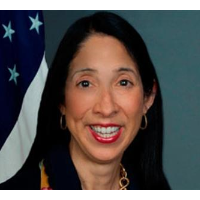
Ambassador to Haiti: Who Is Michele Sison?
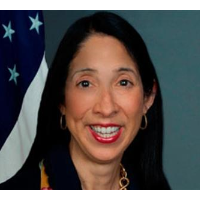
 Michele Sison was nominated to be U.S. ambassador to Haiti by President Donald Trump on July 20, 2017. Sison, who has been deputy permanent representative to the United Nations since December 2014, succeeds Peter Mulrean, who served in Port-au-Prince from October 2015 to February 2017.In her role at the United Nations, just a month before her nomination, Sison made it clear that the Trump administration did not intend to contribute to a UN trust fund to fight Haiti’s cholera epidemic because the U.S. had already contributed more than $100 million to the anti-cholera effort. It is widely believed that cholera was inadvertently introduced into Haiti by UN peacekeepers from Nepal in October 2010.Born May 27, 1959, in Arlington, Virginia, Michele Jeanne Sison is the first Filipino-American ambassador from the United States. Her mother is Veronica Travers Sison. Her father, Pastor Bravo Sison, originally from the province of Pangasinan in the Philippines, earned a master's degree from Harvard Law School and eventually spent 25 years with the World Bank, retiring as director for public affairs in its Asia Division. She has two sisters, Victoria and Cynthia. Sison earned her BA in Political Science from Wellesley College in 1981 and also studied at the London School of Economics.Sison joined the State Department in 1982 and served early career postings as a consular official in Port-au-Prince, Haiti, from 1982 to 1984; Lomé, Togo, from 1984 to 1988; Cotonou, Benin, from 1988 to 1991; Douala, Cameroon, from 1991 to 1993; and Abidjan, Côte d’Ivoire, from 1993 to 1996. Sison served as consul general at the U.S. consulate in Chennai, India, from 1996 to 1999.She was deputy chief of mission and chargé d’affaires at the U.S. embassy in Islamabad, Pakistan, from 1999 to 2002. Just one month before the terrorist attacks of September 11, 2001, Sison met with Taliban officials to try to secure the release of American aid workers who had been arrested in Afghanistan for allegedly showing a Christian video to an Afghan family. The following March, Sison was out jogging and waved to embassy employee Barbara Green and her 17-year-old daughter, Kristen Wormsley, who drove by on their way to church. Shortly thereafter, the two were killed in a grenade attack on the church.In Washington, Sison served as principal deputy assistant secretary in the Bureau of South Asian Affairs from 2002 to 2004, after which she was appointed ambassador to the United Arab Emirates (UAE), where she served from July 2004 to January 2008, putting a strong emphasis on promoting trade with the Dubai dictatorship, a strategy she referred to as “massive corporate diplomacy.”From the UAE she went to Lebanon, serving in Beirut as chargé d’affaires ad interim starting in February and as ambassador from June 2008 to August 2010. Her tour in Lebanon was a demanding one right from the start, as she had to deal with numerous controversial issues. For example, in April 2008, she sent a cable to the State Department explaining that Lebanon’s telecommunications minister, Marwan Hamadeh, had complained that Hezbollah (which held elected seats in the national legislature and a cabinet position) had set up its own fiber optic telecom network, which, in Sison’s words, “covers the Palestinian camps, and the Hezbollah training camps in the Bekaa, and is penetrating deep into the Christian Metn and Kesrwan areas.” On June 18, 2008, she was involved in a particularly unpleasant incident, when her motorcade in the southern Lebanon town of Nabatiyah was stoned by anti-American pro-Hezbollah militants.After her tour in Lebanon, Sison served as assistant chief of mission for Law Enforcement and Rule of Law Assistance in Baghdad, Iraq. She also served stateside as director of Career Development and Assignments in the Bureau of Human Resources from 2010 to 2011.Sison returned to South Asia to serve as U.S. Ambassador to Sri Lanka and Maldives from September 2012 to December 2014.As U.S. deputy representative to the United Nations, Sison again found herself in the thick of the action, particularly in 2016 when the Obama administration clashed with the Russian government over the war in Syria. In March 2017, she accused the government of South Sudan of conducting a “scorched earth campaign” that used man-made famine as a tactic in that country’s civil war.Sison has two daughters, Alexandra and Jessica; she and their father, Jeffrey J. Hawkins, are divorced. She speaks fluent French, basic Haitian Creole, and Arabic.By: David Wallechinsky, Matt Bewig | August 23,2017
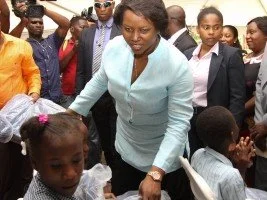
Martine Moïse Distributes School Kits
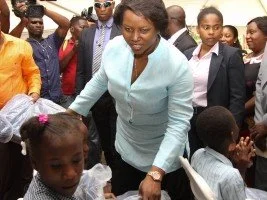
 Tuesday, at the Municipal Palace of Delmas, in order to help the most disadvantaged parents to prepare in better conditions, the back to school, the First Lady, Martine Moïse, accompanied by Régine Lamur the Minister of Youth, participated in a distribution of school kits and shoes to more than 2,000 students from national schools Canada and Pierre Labritie.In her speech, Martine Moïse insisted on the importance of education as a tool to build new citizens capable of participating in the project of national reconstruction. While reiterating her will to accompany the needy children, the First Lady has called on all players in the system to play their score in order to make the academic year coming, a total success.The First Lady promised to be with the children throughout the school year and insisted on a set of measures adopted to relieve parents and students during the year including free transportation of students and provision of a daily hot meal to students as part of the National School Canteen Program (PNCS).She also referred to the strengthening of the programs "Tout pou ti moun yo" and "Konte m, mwen konte", recalling that these programs aim, respectively, to increase the number of childcare centers in the country for children from 0 to 5 years and allow children from birth to have identification documents.Speaking to parents, Minister Régine Lamur stressed that the collective development of society and personal fulfillment, promote schooling and the need to work to provide children with a healthy learning environment. Considering teachers as essential actors in the development of the country, the Minister took the opportunity to congratulate them and encourage them to work to improve the level of education in Haiti.By: HaitiLibre | August 23, 2017
Union Urges Trump to Save Immigrants With Temporary Protections
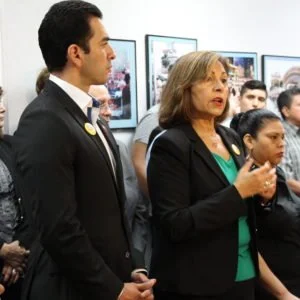
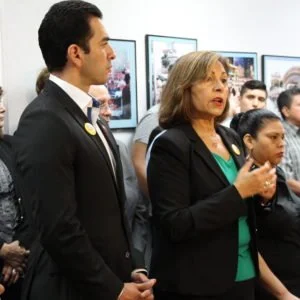
 A Las Vegas union is hoping to save thousands of immigrants from deportation Tuesday by urging President Donald Trump to extend their protected status.The Temporary Protected Status (TPS) program allows foreign nationals to stay in the country legally if they are unable to return to their home country safely. The protected status for 320,000 immigrants is set to expire at the end of this year. The Culinary Workers Union Local 226 believes the deadline should be extended.Local 226 held a press conference to make its case for why the protection should be extended. The union argues that it wouldn’t be right to force immigrants out after they have spent years building lives in the U.S. The union is urging the president and local lawmakers to extend the program until a pathway to citizenship can be implemented.“The Culinary Union has been on the front line fight for these immigrants,” Local 226 treasury secretary Geoconda Argüello-Kline said during the press conference. “They live here; they pay their taxes; they work really hard. They want to be citizens of this country.”House Reps. Jacky Rosen and Ruben Kihuen joined the press conference in support of the union push. Both representatives are Democrats from the state of Nevada. They urged Republican Sen. Dean Heller to also support the extension with so many participants in their state.Local 226 notes that many of the immigrants at risk have been here for almost three decades. They have worked in the country and become a part of their community. They have raised children who only know how to be Americans. Local 226 is working alongside its national affiliate, Unite Here, to bring attention to the issue.The TPS program currently includes immigrants from El Salvador, Haiti, Honduras, Nepal, Nicaragua, Somalia, Sudan, South Sudan, Syria, and Yemen. Unite Here has specifically focused on the 50,000 Haitians that have a protected status. The union argued those immigrants still don’t have a safe home to go back to.Unite Here organized protests and launched a petition to bring national attention to the issue. The union also joined forces with other advocates like the Haitian Women of Miami and the Florida Immigrant Coalition. The union has argued that the statutes should be extended until pathways to citizenship are developed for them.The Trump administration announced May 22 that the program would be extended for the Haitians. Department of Homeland Security (DHS) announced the six-month extension just a day before it was set to expire. The Haitians have lived in the country since their homeland was hit by an earthquake seven years ago.“After careful review of the current conditions in Haiti and conversations with the Haitian government, I have decided to extend the designation of Haiti for Temporary Protected Status for a limited period of six-months,” Homeland Security Secretary John Kelly said in a statement. “Haiti has made progress across several fronts since the devastating earthquake in 2010.”Unite Here and other critics expressed dissatisfaction with the extension when it was announced. The union argues that the ideal would be to extend the program until the government develops pathways so they can stay permanently. The union says they have been here too long to send them back now.Trump has promised to better enforce immigration law, and pursue policies that protect domestic workers from unfair foreign competition. The administration has said it will prioritize criminal aliens for deportation, but critics have expressed concern the administration will pursue mass deportation, which would include illegal immigrants that are otherwise acting lawfully.Unite Here represents 270,000 members across the hotel, gaming, food service, manufacturing, textile, distribution, laundry, transportation, and airport industries. The union, in general, has been a vocal supporter of a more open immigration system.By: Connor D. Wolf | August 22, 2017
Haitian Energy Entrepreneurs Call For Investment Security
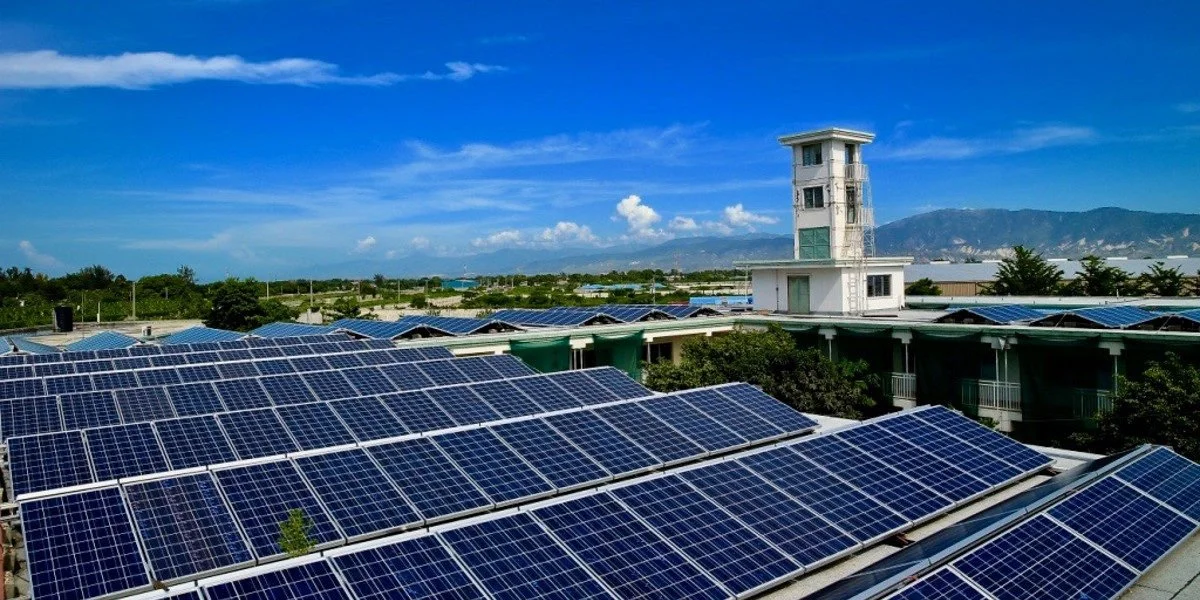
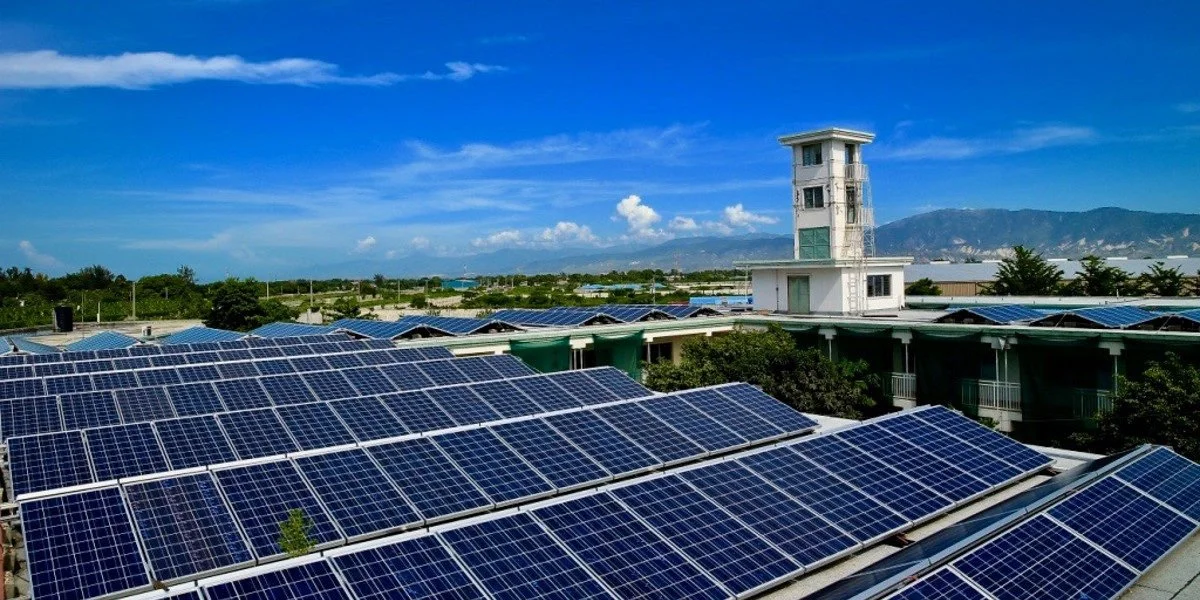
At an international PV conference held in the Haitian capital Port-au-Prince, companies were demanding improvements to the political framework for the development of solar power in the country. Additionally, calls were made for low interest loans for private individuals, to cover initial investment in a PV system.
Haiti’s most important PV entrepreneurs gathered at an international solar conference in Port-au-Prince to call for clear regulations for the liberalization of the Haitian energy market, as well as solar-friendly policies to promote the technology’s potential. The event was organized by relief providers NPH Germany, The St. Luke Foundation and the Biohaus Foundation.Only around 6% of Haiti’s population currently has access to electricity. State owned energy utility Électricité d’Haiti (EDH) has a generation capacity of 245 MW, about 80% of which is made up by diesel generators. The other 20% is supplied by the Péligre Hydroelectric power station in Artibonite, to the north of the capital.Because of the continuous overload and extremely low stability of the state utility’s network, Haiti is registering growing demand for solar technology. Local micro-grids and individual installations are becoming increasingly important.The two largest solar companies operating in the country are now complaining about the lack of political or legislative support from the Haitian state, as well as sluggish cooperation with the state utility regarding the feeding of solar generated power into the public grid.“Theoretically, the state monopoly has long been abolished. The decision was, however, taken in a controversial process, so that its legal status and applications are still unclear,” explains Jean-Ronel Noël, whose company Enersa, founded in Port-au-Prince in 2007, produces solar modules and LED lighting. Enersa employs 30 engineers, and has already installed more than 5000 solar street lights, as well as residential PV systems, micro-grids and industrial facilities.Despite falling prices in the PV market, initial investments for PV technology are still much higher than for diesel generators. Because of the unclear legal situation and lack of state support, potential investors are unsettled, says Noël.Another entrepreneur, Jacques Sylvian, Managing Director at Green Energy Solutions, calls on the government to negotiate access to the World Bank’s Clean Technology Fund, which provides cheap loans to private individuals to cover renewable energy systems.Nicolas Allien, who is responsible for energy in the Haitian Ministry of Infrastructure, Transport and Communications, stressed the government’s intention to promote renewable energy both in terms of feeding into the state and creating micro-grids. One of the biggest challenges in improving Haitian’s access to electricity is upgrading the infrastructure to extend the grid’s capacity. The Haitian Government is currently investigating conditions for implementation of a tax exemption on the import of solar technology, according to Allien.The declared goal is to develop up to 600,000 microgrids drawing power from renewable sources across the country. Currently, around 75% of non-state owned households use charcoal for energy production, which has resulted in increased soil erosion due to the large-scale deforestation.By: Cornelis Wüllenkemper (translated from German) | August 23,2017

President Moïse honors and decorates the Ambassador of Canada

Monday at the National Palace, President Jovenel Moïse, held a farewell ceremony in honor of Canadian Ambassador Paula Caldwell St-Onge at the end of the mission.During the ceremony, which was attended by Antonio Rodrigue, the Minister of Foreign Affairs and representatives of the diplomatic corps, the Head of State expressed his satisfaction to the Canadian diplomat for her dynamism and high contribution to strengthening relations between Canada and Haiti during her mission in the country.At this ceremony, Ambassador Paula Caldwell St-Onge was decorated by the Head of State of the National Order of Honor and Merit, at the rank of Grand Cross Silver Plate.HL/ HaitiLibre

JCE investigates on a network of false identities of Haitian children

Haiti - DR : JCE investigates on a network of false identities of Haitian children Sunday Castillo Pantaleón Member of the Dominican Committee for International Solidarity with Haiti, denounced the existence of a mafia network, which makes false identities from the data of the Dominicans who died in the hospitals "Luis Eduardo Aybar" and "Francisco Moscoso Puello" to document illegally against finance, Haitian children born on the Dominican soil.
He said that this network "demanded the certifications of deceased persons in the legal services of these two hospitals and with this data, they document for money, Haitian children with late birth declarations, which makes them appear as children of the deceased in the Civil Registry of the JCE."
Juan César Castaños Guzmán, the President of the JCE ("Junta Central Electoral") instructed Dolores Fernández, the National Director of Civil Registration, to carry out a thorough investigation of these two hospitals and to the Late Reporting Unit, on all cases that match these characteristics.
Guzmán assured that "the investigation will be conducted with the levels of promptness that circumstances deserve and in a timely manner we will take all necessary legal steps." Recalling that foreign mothers, irrespective of their nationality and not legally resident in the Dominican Republic, must register the birth of their child in the JCE Book of Aliens in accordance with the provisions of the Dominican Constitution.
HL/HaitiLibre
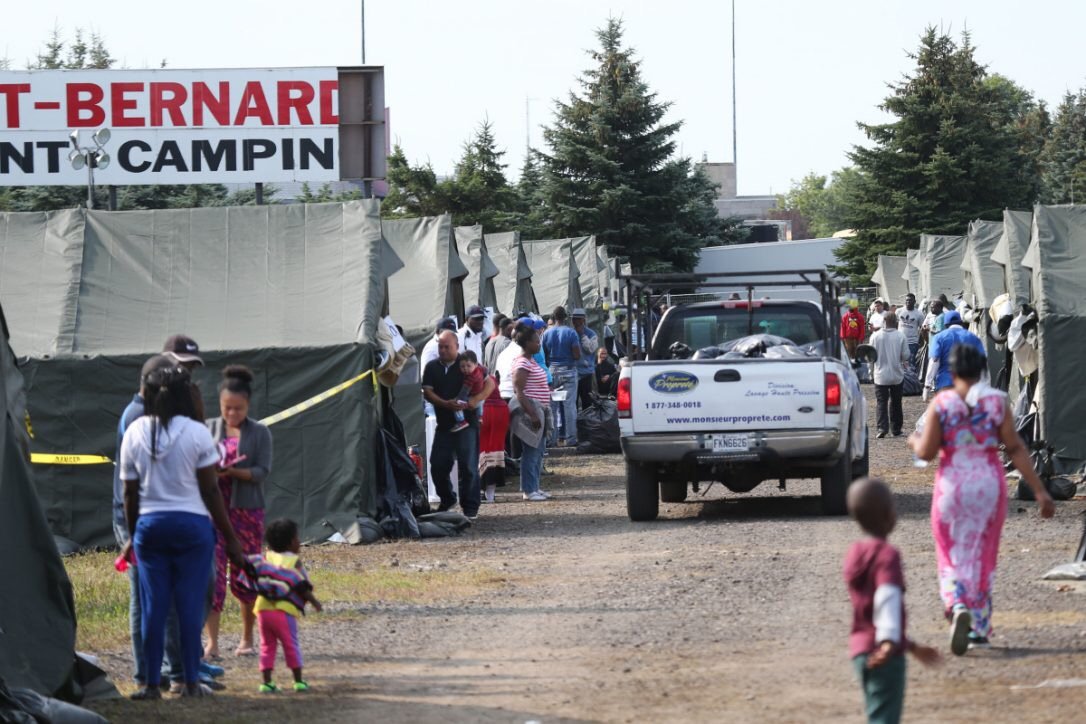
Cornwall councillors seek answers as hundreds of Haitian refugee claimants arrive in Ontario
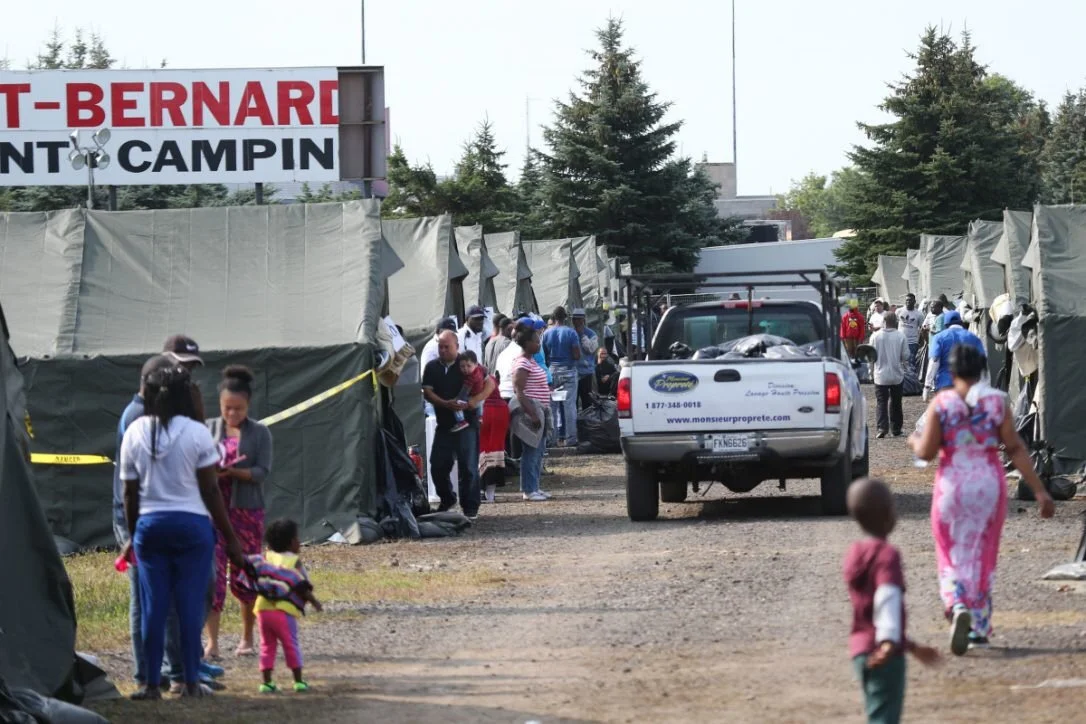
OTTAWA—As the surge of migrants pouring into Quebec hit 4,500 people — mostly Haitians — in the first three weeks of August, the federal government scrambled Monday to stem the tide with a sterner message to would-be asylum seekers and to accommodate hundreds more in the nearby Ontario border town of Cornwall. The office of Public Safety Minister Ralph Goodale acknowledged the RCMP had intercepted and arrested 4,500 irregular border crossers in Quebec so far this month — on top of 3,000 that crossed in July. They are mostly Haitian and found eligible to file a refugee claim. On Monday evening, Cornwall city councillors held a special meeting to demand answers of federal, provincial and municipal officials, saying citizens are worried about the impact of all the new arrivals, while many others want to help. At the Nav Centre conference and hotel facility now hosting 300 people — all Haitian families — is full, and manager Kim Coe-Turner said that with upcoming conferences it cannot accommodate more immediately. So the Canadian Forces are setting up a tent city on the Nav Centre grounds that will be an “interim lodging site” for up to 500 Haitians asylum seekers who will be directed there by border services authorities at Lacolle, Que., because Montreal’s shelters and services are overwhelmed, said Cornwall’s emergency management coordinator Bradley Nuttley. Nuttley assured councillors that the families can be well accommodated in tents with plywood flooring, electricity and heating, while nearby residents’ concerns will be met by low-noise electrical generators, and privacy fences up to 12 feet high to be erected on three sides. In part, he said, that’s to protect children — over 40 per cent of the refugee claimants now there are children under 7 — from “noxious weeds” on nearby land. Mayor Leslie O’Shaughnessy complained there is no lead federal agency to answer council’s or the public’s enquiries and that information “was changing by the hour.” He pressed federal officials to hold a public information meeting because “it is a federal project.” “Whoever the lead is, hopefully they’ll get the bills,” Councillor André Rivette said. He asked if Ottawa planned to set up a field hospital so that local residents wouldn’t find themselves waiting for health services. Stressing that no declaration of emergency had been issued because there are enough resources to meet the needs, Nuttley said almost all newcomers were quite healthy. There’d even been one birth of a “new Canadian citizen,” and a few more pregnant women are at the centre, he said, though officials see no need for anything more than a temporary clinic on the Nav Centre grounds. “I’ve not been requested to provide any services in this emergency – ‘er this event, sorry, a little Freudian slip there,” said Nuttley. Still, Louis Dumas, a senior federal immigration official, acknowledged “the current situation is a difficult one, we are seeing a spike” at Lacolle, Que. Refugee claimants are “entitled to due process” and the federal government’s goal “is to process people quickly,” he said. The hope is refugee claimants will within a week complete their applications and submit them for an assessment at a joint federal-provincial processing centre also set up at Cornwall’s Nav Centre before their claims are sent to the Immigration and Refugee Board for adjudication. But once their claims are submitted, the migrants are free to leave and most are expected to head back to Montreal where a large Haitian diaspora lives. Dumas said about 10 per cent will likely head elsewhere in Canada, mostly in Ontario. Haitians are flooding across the border because the United States administration under President Donald Trump has indicated it will revoke a temporary protected status for Haitians, issued after the 2010 earthquake, starting in January. Dumas said Haitians should not expect Canada will automatically allow permanent entry. He noted that last year, the independent IRB turned down 50 per cent of asylum claims by Haitians, who were then ordered deported back to Haiti. Earlier Monday Immigration Minister Ahmad Hussen and Public Safety Minister Ralph Goodale went before cameras at Lacolle earlier to say there is “no fast track” to refugee status for those who cross illegally and to warn against “border-hopping.” “Trying to cross the border in an irregular fashion is not a free ticket to Canada,” Goodale said, sounding a frustrated note. “We have been making this point over and over and over again since last January and February when the, the circumstances began.” That line is to be echoed by Haitian-Canadian MP Emmanuel Dubourg who Canadian Press reports is being dispatched to Florida to do Creole-language interviews and meet community leaders among Miami's Haitian diaspora and to speak to a slew of influential media outlets. By TONDA MACCHARLES | August 21, 2017

Solar eclipse, Government mobilized

For a week, the Government of Haiti has mobilized in anticipation of the solar eclipse of Monday August 21 in order to disseminate the precautionary measures among the population. Marie Greta Roy Clément, Minister of Public Health and Max Rudolph Saint-Albin, Minister of the Interior and Territorial Communities confirmed last Friday that their respective ministries had already taken all the necessary prevention measures to inform the population of the remote areas of the country, via the departmental and civil protection cells. Léon Rosard Saint Cyr, the Secretary of State for Public Security, calls on the entire population to exercise utmost caution and avoid watching the sun at the time of the eclipse and recommends keeping children at home or out of any space where this phenomenon would be visible until 5:00 pm In Haiti the eclipse will not be total, but 75%, while in Atlanta it will reach 97.15%. Observation Schedule of phenomenon for different cities in Haiti :•• Port-au-Prince the eclipse will begin to 1:59:23 p.m. and will reach its maximum to 3:25:17 p.m. to end to 4:40:23 p.m ;• Port-de-Paix the eclipse will begin to 1:55:23 p.m. and will reach its maximum to 3:22:14 p.m. to end to 4:38:19 p.m ;• Jérémie the eclipse will begin to 1:55:34 p.m. and will reach its maximum to 3:22:11 p.m. to end to 4:38:06 p.m• Gonaïves the eclipse will begin to 1:56:37 p.m. and will reach its maximum to 3:23:14 p.m. to end to 4:38:58 p.m ;• Cap-Haïtien the eclipse will begin to 1:56:56 p.m. and will reach its maximum to 3:23:30 p.m. to end to 4:39:10 p.m ;• Cayes the eclipse will begin to 1:57:12 p.m. and will reach its maximum to 3:23:25 p.m. to end to 4:38:55 p.m• Miragoâne the eclipse will begin to 1:58:11 p.m. and will reach its maximum to 3:24:16 p.m. to end to 4:38:33 p.m• Hinche the eclipse will begin to 1:58:36 p.m. and will reach its maximum to 3:24:46 p.m. to end to 4:40:04 p.m• Jacmel the eclipse will begin to 1:59:35 p.m. and will reach its maximum to 3:25:25 p.m. to end to 4:40:25 p.m Eclipse observation schedule for different American Cities :•• Chicago the eclipse will begin to 11:54:19 a.m. and will reach its maximum to 1:19:47 p.m. to end to 2:42:37 p.m. ;• Atlanta the eclipse will begin to 1:05:49 p.m. and will reach its maximum to 2:36:43 p.m. to end to 4:01:49 p.m. à Atlanta le soleil sera couvert à 97.15% par la lune ;• Washington the eclipse will begin to 1:17:52 p.m. and will reach its maximum to 2:42:46 p.m. to end to 4:01:35 p.m. ;• Orlando the eclipse will begin to 1:19:27 p.m. and will reach its maximum to 2:51:13 p.m. to end to 4:14:54 p.m. ;• New York the eclipse will begin to 1:23:15 p.m. and will reach its maximum to 2:44:56 p.m. to end to 4:00:42 p.m. ;• Miami the eclipse will begin to 1:26:56 p.m. and will reach its maximum to 2:58:22 p.m. to end to 4:20:45 p.m. ;• Boston the eclipse will begin to 1:28:29 p.m. and will reach its maximum to 2:46:48 p.m. to end to 3:59:28 p.m. In Canada, in Montreal the eclipse will begin to 1:21:54 p.m. and reach its maximum to 2:38:24 p.m. to finish to 3:50:23 p.m. Precautionary measures to be taken :It is necessary to take precautions, the sun never having to be seen directly with the naked eye, the observation of an eclipse of the sun can cause severe and irreversible eye damage it takes only a few minutes to cause irreversible damage to the eye, although it may take a few hours before it occurs on the person. Note that the eyes of children under the age of 12 because of a still very transparent lens have eyes much more sensitive than those of adults which multiplies the risk of serious lesions. Special glasses are required to stop 100% of ultraviolet and infrared rays. If you kept glasses dating from the last eclipse especially do not reuse them. They are for single use because the rays damage their coating. Sun glasses do not offer adequate protection and should not be used. Do not use alternative eye protection such as: blackened glass, X-ray films, a CD or other optical instruments without special filters, that will not protect your eyes because they are ineffective. Even equipped with special eclipse glasses, take breaks between the observation phases to allow your eyes to rest. Children should not be left unattended while observing the phenomenon. HL | August 21, 2017Photo: Timeanddate
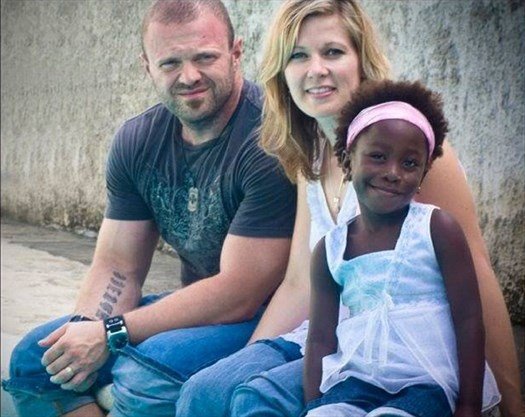
‘Perfect storm’ holding up Hamilton man’s adoption of Haitian orphan
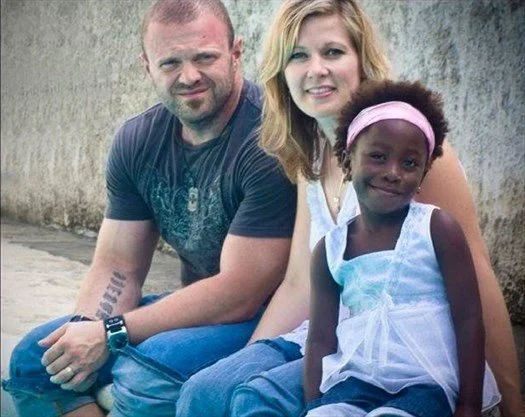
Canadian couple has been caring for girl since shortly after mother’s death in 2009
Vaden Earle first met Mari-Thérèse Pierre, a Haitian refugee, in the Dominican Republic in 2005 when he was on a humanitarian mission with a youth group he founded in Canada. The Hamilton man would see the woman with her newborn child, Widlene, scavenging for food around a giant dump site near Puerto Plata and would often chat with her.One day in 2009, the mother and girl disappeared, and he learned that Pierre had died and the child was sent back to Haiti to live with a relative. Worried about the well-being of the girl, Earle and his wife set out to find her. They eventually tracked her down in Haiti and have been her primary care providers ever since.Eight years after Earle and his wife initiated Widlene's adoption — and after a series of mishaps — the now 12-year-old is stranded and stateless in the Dominican Republic, waiting to come to Canada with her adoptive parents. To do that, the couple is asking for co-operation from immigration officials."It has been a nightmare in a perfect storm. It's just unbelievable," said Earle, 42, who moved to the Caribbean country in 2009 to look after Widlene full-time, while his wife, Christl, travels monthly from Toronto to see her family.Earle, who quit his position as CEO of the youth group Live Different and now runs a car rental business and café in Puerto Plata, said he and his wife were drawn to Widlene partly by their belief in empowering youth for social change."Widlene just finished Grade 6 (at a private school). She is an avid soccer player and loves watching hockey. She is a big Edmonton Oilers fan," said Earle. "She wants to become a pediatrician and work in developing countries."It's a future that would not have been imaginable when Earle first found Widlene in Gonaïves, in northern Haiti, where she was on the verge of being sold as a child domestic worker in 2009.He and his wife, who have no children of their own, applied to Haitian authorities for Widlene's guardianship in order to bring the girl home to formalize the adoption in Canada. They completed a government assessment in Ontario of their skills and talents as potential parents.Then the 7.0-magnitude earthquake struck Port-au-Prince in January 2010, causing widespread devastation — and destroying all the documents necessary for Widlene's adoption, including proof of her mother's death and the signed consent of her biological father, whose whereabouts are still unknown.The couple then attempted to carry out the adoption in Haiti, but in 2013, the Haitian government suddenly put a moratorium on international adoptions.In 2015 the family encountered yet another hurdle when a new law was enacted that revoked Haitian citizenship for anyone born outside Haiti, even to Haitian parents.Earle said Widlene subsequently had her Haitian passport and citizenship stripped, and became stateless in the Dominican Republic, because that country does not grant citizenship by birth on its soil."As a Haitian, she is living in a country where Haitians are not welcomed and are targets for exploitation, racism and deportation," said Earle. "As a Dominican-born child, Haiti refuses to recognize her as a citizen. Today, we, as Canadian citizens, are effectively exiled from Canada by virtue of our decision to save the life of a child."Being stateless, Widlene does not have a valid travel document.The family's Toronto lawyer, Chantal Desloges, has asked immigration officials to issue a temporary resident permit to let Widlene into Canada so the couple can complete the adoption — and the immigration process — in this country.Immigration officials have yet to decide on the matter. They say they've been responding to correspondence from Earle since September 2016."We understand the rules are there, but this is a humanitarian case. We need the exceptional discretion applied in this case," said Desloges, adding that the permit, unlike a tourist visa, is designed for the entry of an otherwise inadmissible foreigner because of "compelling needs."Toronto StarBy Nicholas Keung | August 21, 2017

The World Bank Continues To Subsidize The Education Sector

The working meetings in Washington of the Haitian delegation led by the Minister of National Education, Pierre Josué Agénor Cadet, with the World Bank (WB) and the Global Partnership for Education (SME) in order to find funding for the implementation of several educational projects have been fruitful and open up new opportunities for Haiti in the education sector.According to Minister Cadet, the World Bank has confirmed its support for a donation of 30 million, as it had already done in 2016. These funds will in particular make it possible to maintain and increase the coverage of school canteens for the benefit of children as soon as the next school year scheduled for 4 September.Other additional funds are planned for Haiti. To this end, the total contribution of the World Bank to Haiti will increase by 140 million, from 120 million to 260 million. Education will be particularly beneficiary to this increase.Recall that Minister Cadet was accompanied by Norbert Stimphil, Coordinator of the Education For All (EFA) project, Delima Pierre Director General of the National Office for Education Partnership (ONAPE) and of Communication Director of the Ministry, Miloody Vincent.by: HaitiLibre | August 18,2017
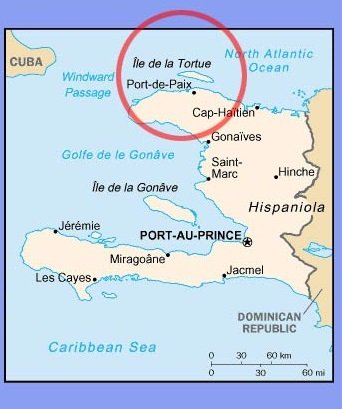
Boat overturns off Haiti; 6 dead and at least 10 missing
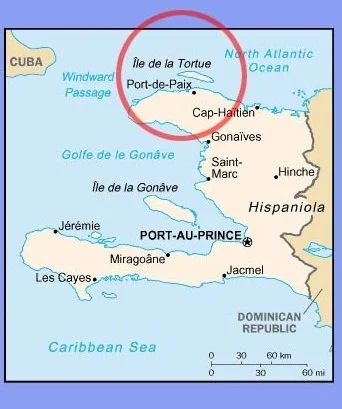
PORT-AU-PRINCE, Haiti — Authorities in Haiti say at least six people drowned and about 10 are missing after a boat overturned off the northern coast.Local Civil Protection agency representative Jose Rethone says 23 people have been rescued and a search is continuing for more survivors near the city of Port-de-Paix.Rethone says the boat overturned Thursday in rough seas as it was carrying people on a regular route between the island of La Tortue and Port-de-Paix. He says officials believe about 40 people were on board but there was no manifest.The vessels used as ferries in that area are frequently overloaded and poorly maintained.Copyright 2017 The Associated Press. All rights reserved. This material may not be published, broadcast, rewritten or redistributed.

MHAVE seeks to strengthen cooperation with Mexico

Stéphanie Auguste, Minister of Haitians living Abroad, received the visit of the Mexican Ambassador Jose Luis Alvaro, who was accompanied by his assistant, Georgina Marina. Discussions focused on identifying cooperation projects involving the Haitian Diaspora in their design and/or implementation and on migration issues. During this meeting, Minister Auguste expressed the will to see the realization of the project relating to the initiatives of the diaspora in a form updated according to the realities of the moment and by insisting on investment. To this end, she has requested Mexico's assistance in a "Diaspora Support Initiatives Project for Local and Regional Authorities", whose mission will be, among other things, to identify and support the initiatives already undertaken, to define with the uthorities of the communities the needs according to their plan of communal development, to define the mechanisms of support to the diaspora through the investment in the niches identified in the development plans of the communes. The Minister wished Mexico's cooperation in establishing a network of information centers on migration as well as establishing a communication network with migrants in Mexico, especially those whose situation was recently regularized. Such assistance will facilitate the establishment of a federation or confederation of Haitian diaspora organizations in Mexico. Ambassador Alvaro assured that he would follow up on these requests and told Minister Auguste that the process of regularization of Haitians in Tijuana and Mexicali was still under way for Haitian nationals with an official document, particularly a passport. HL | August 17,2017
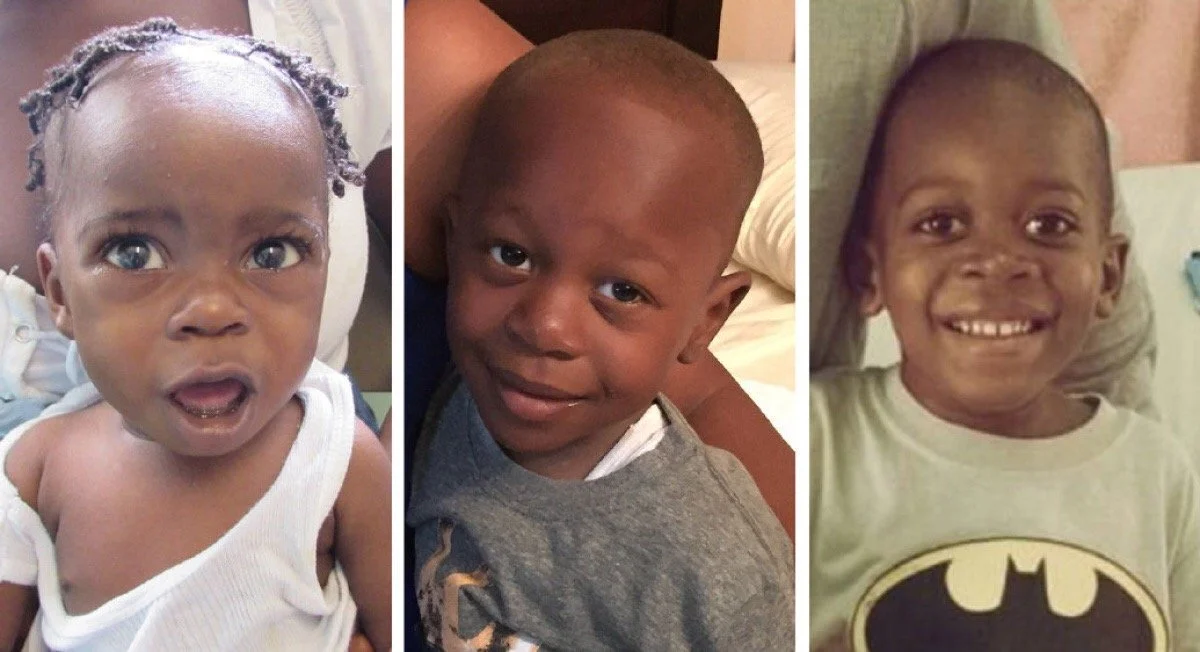
Three Haitian boys needing life-saving heart surgery require host families in Toronto
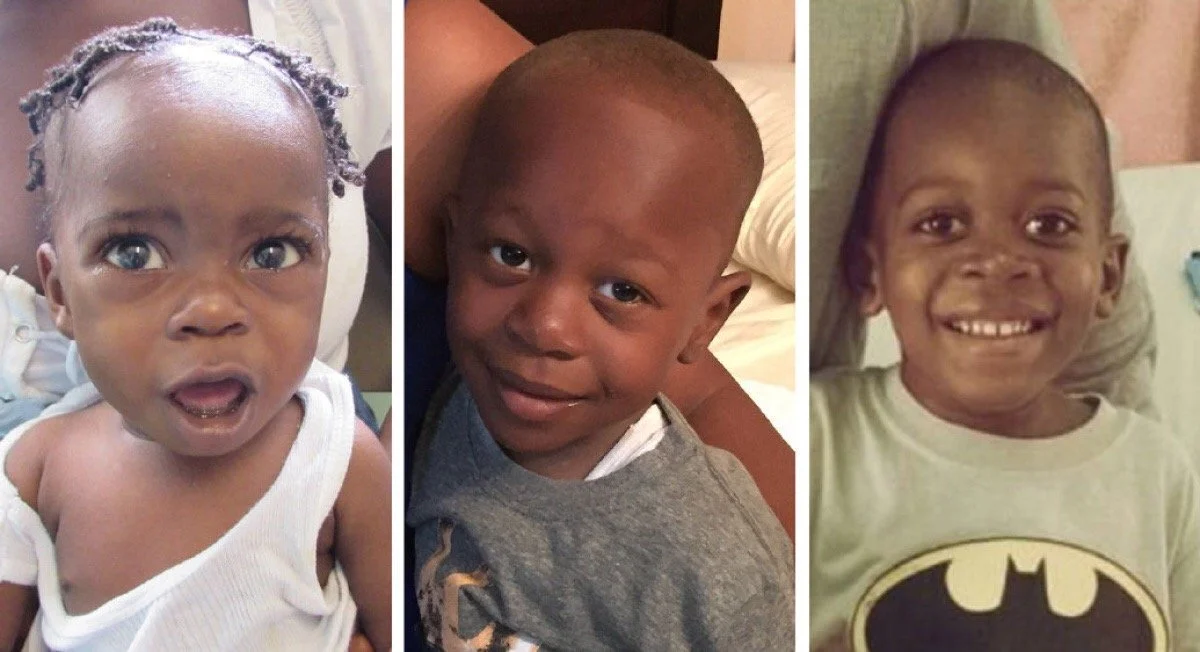
Haiti Cardiac Alliance is searching for people to take in three preschoolers as they recover from complex heart surgeries at SickKids hospital. Owen Robinson is desperate to find host families in Toronto for three Haitian boys with congenital heart defects who need life-saving surgery. Robinson’s organization, Haiti Cardiac Alliance, is helping the children, aged three to four years old, find treatment outside Haiti. The group has helped 300 Haitian kids get heart surgeries at hospitals all over the U.S. and the Caribbean since it began in July 2013. But the operations for these three boys, who all have holes in their hearts, are difficult and no hospital the group normally goes to has been willing to take the cases on. That’s when Sick Kids Hospital agreed to step in and do the surgeries with the help of the Herbie Fund, which offers financial support to children worldwide who require specialized care. “If these kids don’t get treatment in Toronto, I can say with a fair degree of confidence they’re not going to be able to access treatment at all,” Robinson said. “It would very literally be life-saving.” But Sick Kids can only do the operations as long as the kids have a place to recover once they are discharged from the hospital. And finding the boys a place to stay has proven to be tricky. “In the United States we have some solid connections with organizations and they help us welcome these families into their community, but in Toronto we don’t have that,” Robinson said. In July, he asked for help from Mark Brender, an old friend and the national director of Partners in Health Canada. Brender recently contacted the Haitian consulate in Toronto in the hopes that someone from the community would be willing to help the boys: Roobens Thelusma, David Smith Millien and Kervens Jeannot. But they are still waiting for responses. “If there’s care available it shouldn’t be limited to where you are born and if you have the funds,” Brender said. He’s hoping a Haitian family will offer to help, to make communicating with the visitors easier, but said that “anybody could step up.” Robinson is searching for people to take in one child and one parent at a time. A social worker would accompany the family for the first week to help them get settled and translate for them. The family would need to stay in Toronto for one or two months during the recovery period. The surgery would take place about a week after their arrival, and they would spend the next week or two at the hospital, he said. The families only speak French and Haitian Creole. Robinson said that while it would be helpful, the host family and volunteers don’t have to speak the language. Tools like Google translate, phrasebooks, or social workers who are available by phone could help bridge the language gap. The hosts and volunteers would be expected to provide the family with transportation to and from the hospital, food, or the means for the parent to cook, and a warm and supportive environment. The child’s parent would take care of the medical aspects of caring for the child. “If the child had been born in the U.S. or Canada, (the heart problem) would have been repaired in the first few months of the child’s life but these kids are three- or four-years-old now,” Robinson said. “We have situations all the time where a child’s been selected somewhere and they die before they can go, it just takes too long.” Anyone interested in helping can contact Robinson at orobinson@haiticardiac.org ALINA BYKOVA | Aug. 16, 2017

Haiti may ban gay marriage, public support for LGBTQ rights

A gay rights group in Haiti is fighting to head off a proposed law that would ban same-sex marriage as well as any public demonstrations in favor of LGBTQ people.
A bill passed by the Haitian Senate earlier this summer provides for up to three years in prison and a fine of about $8,000 for either party to a marriage not between a man and a woman.
The bill also would prohibit any public support or advocacy for LGBTQ rights.
Haitian law already specifically defines marriage as between a man and a woman.
Charlot Jeudy of the gay rights organization Kouraj said the legislation would violate Haiti’s constitution and his group will try to persuade members of the Chamber of Deputies to reject it.
“We have the right to protest and we have the right to be who we are and we have the right to be free,” Jeudy said in an interview.
Jeudy said his group has been collecting signatures on a petition that it hopes to present to sympathetic lawmakers in the chamber.
LGBTQ people have long faced discrimination in Haiti.
In September, a cultural festival celebrating the community in Port-au-Prince was canceled the after organizers received threats and a local government official said he would prohibit the event he said violates the country’s moral values.
The AP | August 16, 2017