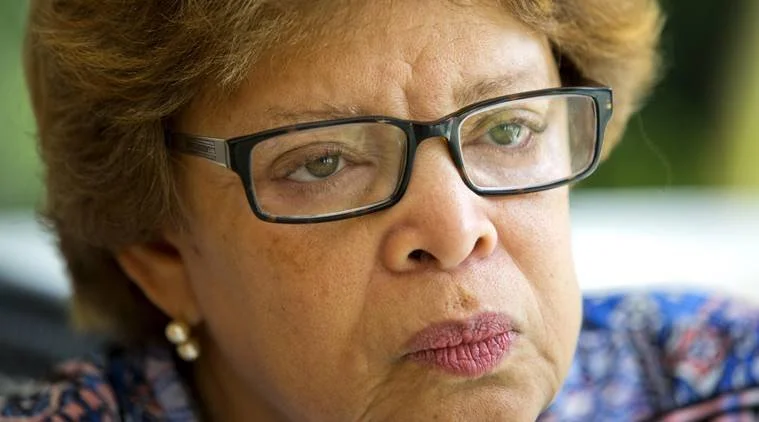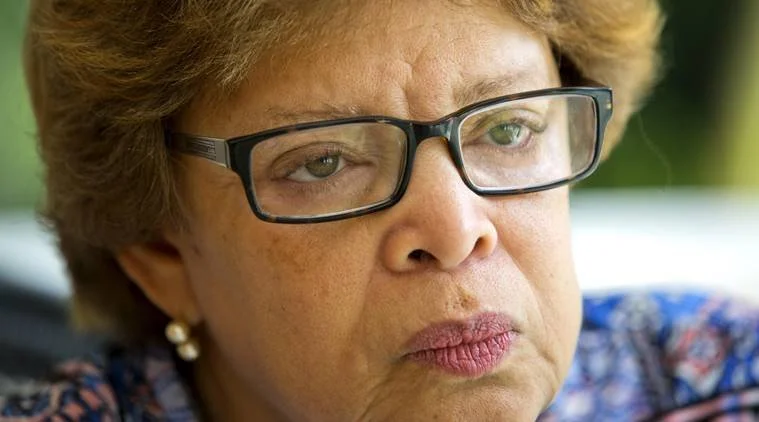
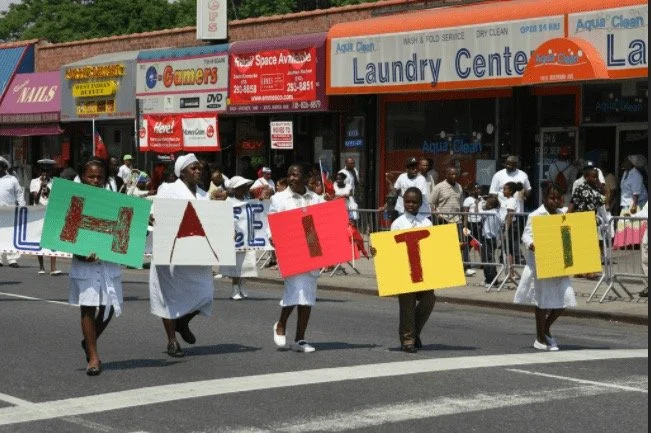
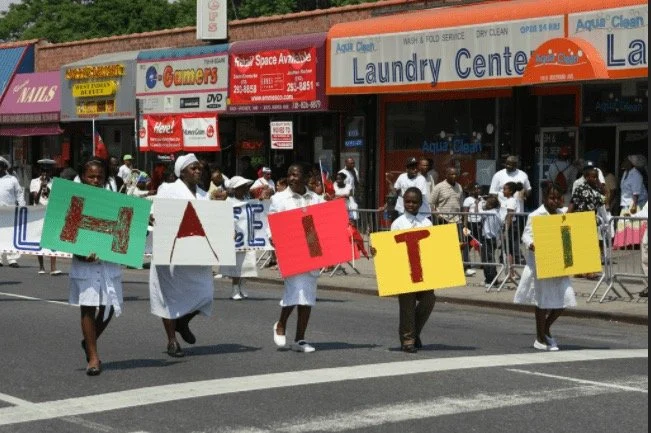
 BROOKLYN, NY — An effort to name parts of the Flatbush section of Brooklyn “Little Haiti” plunged into controversy last week when a local political operative blasted the idea as divisive and misguided.Haitian community members and leaders called on support from the mayor for the establishment of “Little Haiti” in the same area that was designated “Little Caribbean” last week.Little Caribbean would begin at Brooklyn College and run along Flatbush Avenue to Empire Boulevard.“The Haitian community supports the designation of both ‘Little Haiti’ and ‘Little Caribbean,'” said Assemblymember Rodneyse Bichotte, the first Haitian-American to be elected to the State Legislature from New York City. Bichotte represents the 42nd Assembly District which encompasses the communities of Ditmas Park, Flatbush, East Flatbush and Midwood.
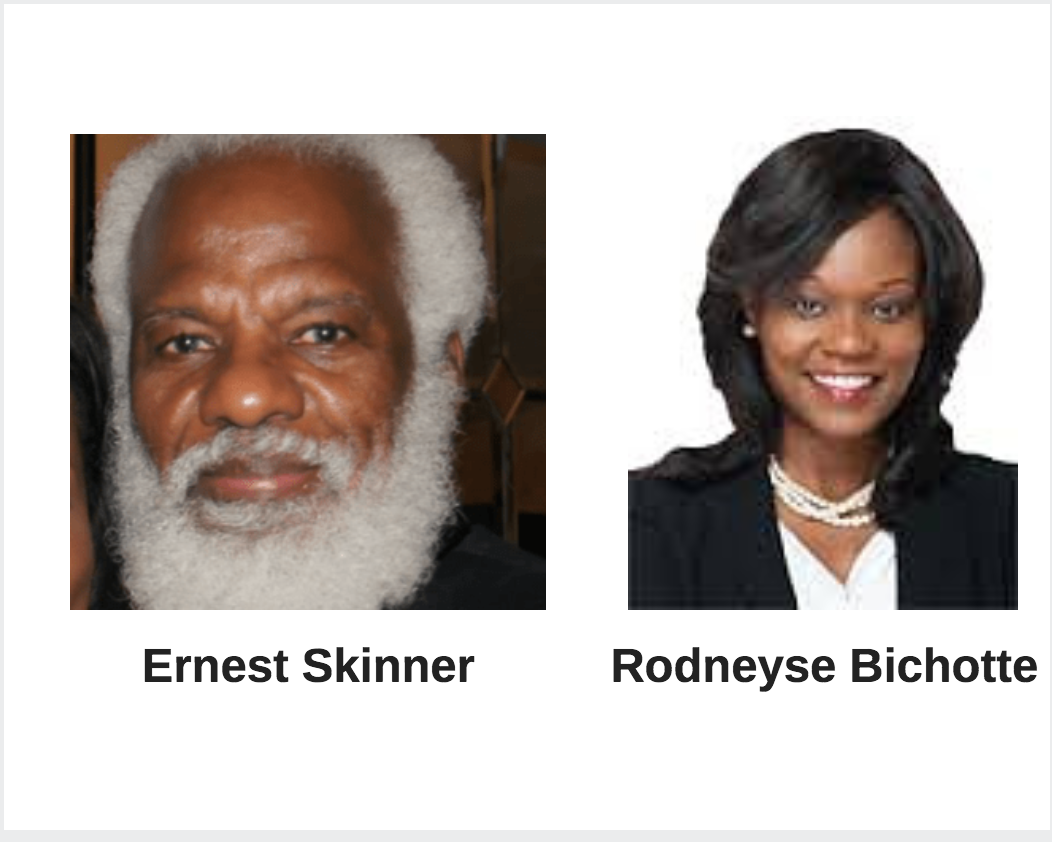
 While the proposal has garnered support from some in the community including the Haitian American Caucus, Haitian American Business Network Chamber of Commerce and Haiti Cultural Exchange, the proposed “Little Haiti” has also been met with criticism.In an email to Bichotte and a host of other elected officials, including Council Member Mathieu Eugene and Rep. Yvette D. Clark, Ernest Skinner, a local community organizer and activist, condemned Bichotte’s efforts to co-name the Flatbush area “Little Haiti.” He called the move “misguided” and one of “division.”“When did Haiti stop being part of the Caribbean? This is the same insularity which sunk the fledgling Caribbean Federation,” he said in the email. “Sowing division may be why Haiti has never been able to reach its full potential and why it is considered a Fourth World country despite the noble start it gave to the Independence movement among people of color.”Bichotte has since sent a letter to Skinner calling for a public apology.“We support the Caribbean community. We are part of the Caribbean community,” the letter reads. “Although you have supported Haitian Americans and Haitian initiatives in the past, your statement clearly shows that your heart was not in it and thus erases any and all efforts.”The letter, which was signed by 11 Haitian community leaders and groups, including the Haitian Roundtable and Assemblymembers Michaelle Solages and Kimberly Jean-Pierre, emphasizes the various Haitian-related initiatives that highlight the history and culture of Haiti. She lists the street co-naming of Nostrand Avenue with Toussaint L’Ouverture Boulevard, the annual Haitian parades on Nostrand Avenue and the establishment of the Haitian Studies Institute (HSI) housed at Brooklyn College.“We were taken aback by the lack of engagement that has been shown to many of the elected officials and key stakeholders within the Haitian community throughout the overall process,” Bichotte said.The designation for “Little Caribbean” was initiated by Flatbush native Shelley Worrell, founder of CaribBEING, a Brooklyn-based organization dedicated to showcasing Caribbean culture. She has been working on the designation for roughly two years and saw it as an opportunity to support the existing businesses in the area, as well as, position the area as a tourist attraction.Councilman Jumaane D. Williams is the designating councilman for the initiative and is encouraging “more fruitful dialogue” to mitigate tensions.“My office is looking forward on working to pursue both an official ‘Little Caribbean’ and a ‘Little Haiti,'” said Williams. “The words in the letter were hurtful; I understand the community’s concern and I certainly hope an apology is forthcoming, and deservedly so.”There were conversations about a “Little Haiti” long before there was one for a “Little Caribbean,” Bichotte said in a letter to Mayor Bill de Blasio.The idea for a “Little Haiti” emerged several years ago. Bichotte and Williams, whose districts encompasses one of the largest Haitian constituencies in New York, discussed the matter but temporarily tabled talks on the designation to focus on advocacy for HSI.The plan was to revisit the idea after HSI was off the ground.According to Bichotte, the decision to name Flatbush Avenue “Little Caribbean” was done without community support or involvement.“Haiti has had a unique position within the Caribbean — it is in the Caribbean, but not of the Caribbean,” said Bichotte. “Although Haiti is geographically part of the Caribbean, the Haitian community has historically been singled out and excluded as a member of the greater Caribbean community, which is why Haitians have had to build separate communities and organizations in order to survive.”When Haitians migrated to Brooklyn in the 1970s and 1980s, many faced discrimination from Black and Caribbean Americans who lived in the area. Cultural tensions between the French-Creole speaking immigrants and their English-speaking counterparts spurred division within the greater West Indian community.Old wounds have been opened as the voices of the community and elected officials have not been engaged throughout the designation process,” Bichotte said. “Although, the journey to unity has come a long way between island politics and differences, having both designations would be ideal to acknowledge the Haitian people’s struggle. If all goes well, the designation of ‘Little Haiti’ would be established first in order to be encapsulated within the designated area of the ‘Little Caribbean.'”For Samuel Pierre, co-founder of Haitian American Caucus, the idea of a “Little Haiti” is welcomed but should also help put a light on other issues in the community. The nonprofit provides personal and professional development opportunities for the Haitian community and operates out of Flatbush.“Designating the Flatbush area as ‘Little Haiti’ speaks to the vibrancy that the Haitian community has added to Brooklyn. At the same time, we must use this renewed attention to raise awareness on socioeconomic issues that are barriers to success for many of our people.”By








 On September 30th, 2017 nestled in a trendy SoHo loft, our taste buds were treated to samples of six memorable dishes. We dined on Haitian Cuisine that ranged from a delicious Butternut Squash Soup with Garlic Confit and Coconut Milk to Creole Shrimp with Mashed Sweet Plantain and Shredded Coconut. Our culinary journey ended with an amazing Coconut Shredded Blanc Manje for dessert.
 The Chefs:
 The Entertainment:Host -
  The Black Apron Event Tour is the brainchild of Chef Marc-Elie Lissade, who grew up on the Haitian cuisine he’s now showcasing to the world. The tour hits all major cities of North America and promises to be a Five Star gourmet experience. Young talented and innovative Haitian Chefs are brought together to satiate the pallet with gourmet French-Creole cuisine. The six course meal is sumptuous in flavor and definitely brings back warm memories and thoughts of Home. Each Chef is eager to showcase their culinary talents, promote Haiti’s magnificent culture and support the island’s gastronomy. The Chefs we met on Saturday evening exceptionally exemplify the event’s mission.
 For those of you searching for a uniquely avant-garde culinary experience like no other, look no further than the Black Apron Event Tour. It’s a veritable treat with a modern and contemporary take on Haitian Cuisine.A portion of proceeds from the event go to help Sick Kids Foundation. A cause dear to Chef Lissade’s heart.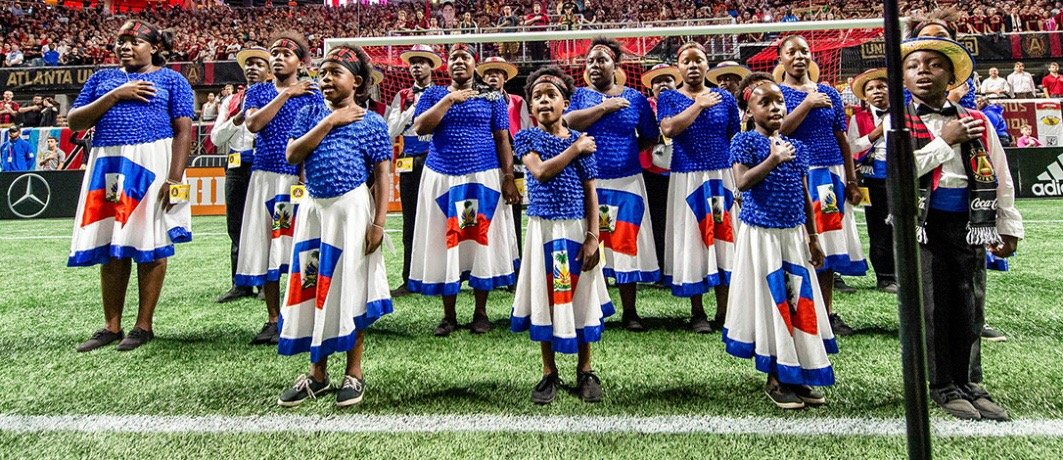
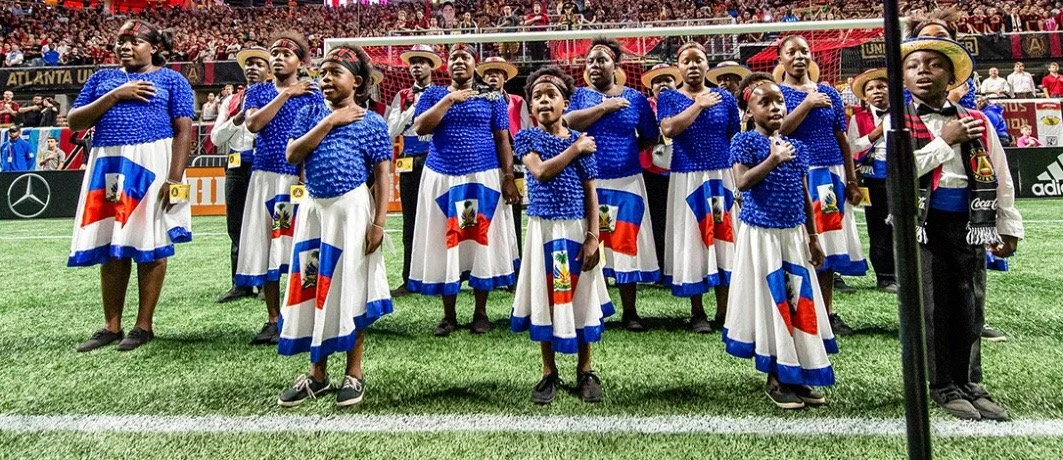
 Atlanta United writes in a post:
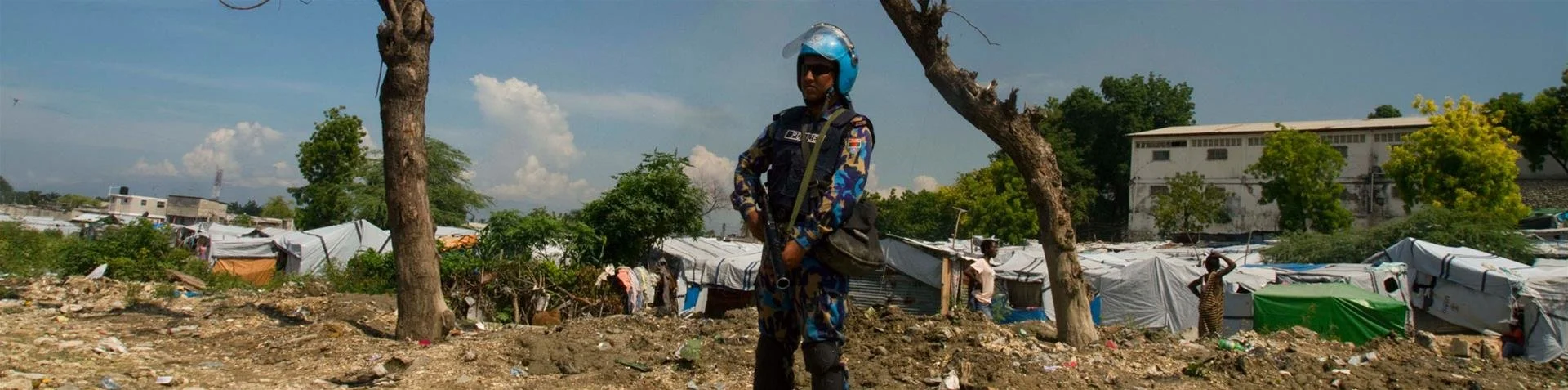
![A UN peacekeeper argues with a supporters of 2010 presidential candidate Michel Martelly in Port-au-Prince [File: Gulliermo Arias/AP Photo]](http://www.aljazeera.com/mritems/imagecache/mbdxxlarge/mritems/Images/2017/10/5/93b587f0214543e6a5c044dc19ff741b_18.jpg "UN peacekeepers leave Haiti: What is their legacy?")
PEACEKEEPERS IN HAITI
- What will be their legacy?
- Why were they there?
- What has taken so long?
- Why are they leaving now?
- What have Haitians said about the mission?
The United Nations peacekeeping mission in Haiti lowered its blue flag on Thursday, 13 years after it began.While the mission has been credited with helping bring stability to the poorest country in the Western Hemisphere, it has also been mired in controversy.The mission is blamed for bringing cholera to the country, and at least 134 of its peacekeepers have been involved in sexual abuse scandals.As the last of the thousands of peacekeepers who were in the country leave, Al Jazeera answers some of the key questions about why the blue helmets were there and what they are leaving behind.
What will be their legacy?
The presence of UN troops in Haiti has been a point of controversy on the island since the UN Stabilization Mission in Haiti (MINUSTAH) mission first began in 2004.UN officials have praised the mission for helping to re-establish law-and-order in the country marred by political unrest and bolster Haiti's democratic institutions. MINUSTAH has also helped recruit and train a new civilian police force, something that was virtually nonexistent before their arrival.However, critics argue the mission's forces have done more harm than good, pointing to the peacekeepers' involvement in the country's 2010 cholera outbreak and sex abuse scandals as evidence.Cholera outbreakThe source of the waterborne disease, which killed more than 9,000 people, was traced to a UN base.Al Jazeera's Fault Lines investigated the outbreak in 2010. The film - Haiti in a Time of Cholera - helped further expose the source of the disease on the island, and put additional pressure on the UN to investigate the allegations, and eventually admit its role in the outbreak.In August 2016, the UN for the first time acknowledged that it played a role in the spread of the disease.The UN at the time promised to respond to the epidemic with a "significant new set of UN actions".
 |
| A demonstrator spray paints the message in Creole "We demand justice for all cholera victims" on a building outside the UN headquarters in Haiti [File: Dieu Nalio Chery/AP Photo] |
In a report, the then UN Secretary-General, Ban Ki-moon, said that "the preponderance of the evidence does lead to the conclusion that personnel associated with [a UN peacekeeping] facility were the most likely source".Ban said the way the UN handled the outbreak "leaves a blemish on the reputation of UN peacekeeping and the organisation worldwide".He added: "For the sake of the Haitian people, but also for the sake of the United Nations itself, we have a moral responsibility to act and a collective responsibility to deliver."Ban created a $400m voluntary trust fund for Haiti's fight against cholera. The fund was also supposed to partially compensate victims of the disease.But earlier this year, The New York Times revealed that the fund only received a few million dollars and was nearly empty.In a statement in June, the UN deputy secretary-general said that "without additional resources, the intensified cholera response and control efforts cannot be sustained through 2017 and 2018".
|
|
Rape and other forms of sex abuseUN troops have also been implicated in sexual abuse scandals in Haiti since the MINUSTAH first began.Most recently, a UN report obtained and revealed by The Associated Press in April documented the sexual exploitation of nine children on the island from 2004-2007 at the hands of at least 134 peacekeepers.Al Jazeera later spoke to Maria Kalichi*, who had been raped by a peacekeeper when she was 17 years old. She became pregnant as result of the rape."I want justice by finding the person who did this," she told Al Jazeera."I want to hear what he has to say to me … I am walking around the streets feeling destitute because of the UN."A leaked report in 2015, found that UN peacekeepers in Haiti engaged in "transactional sex". At least 229 women said they traded sex for money and goods likes food and medicine.In 2012, at least two peacekeepers from Pakistan were jailed and fired from the army after raping a 14-year-old boy.Other cases of rape and other instances of sexual abuse have been reported and documented by the UN during the mission's 13-year term.In September, a UN fund to help the survivors of sexual abuse by peacekeepers worldwide grew to $1.5m after more than 10 countries made contributions.
Why were they there in the first place?
MINUSTAH, running since 2004, was the latest installment in a series of UN peacekeeping missions in the country, which shares a landmass with the Dominican Republic.
|
|
Peacekeepers first arrived in Haiti, home to 10.8 million people, in September 1993 as part of The United Nations Mission in Haiti (UNMIH).The mission had a mandate to modernise the Haitian army and establish a new national police force two years after Haiti's elected president, Jean-Bertrand Aristide, had been removed from office during a coup d'etat.After Aristide was restored to office in October 1994 following the UN-sanctioned, and US-led, "Operation Uphold Democracy" launched the month before, the mission's mandate was expanded to include helping to stabilise the government.However, UNMIH, which concluded in June 1996, appeared to have failed to deliver long-term stability. A decade later, history repeated itself as Aristide was overthrown for a second time.
Following Aristide's removal, Justice Boniface Alexandre assumed office as acting president.Alexandre appealed to the UN for help in ending the violence that had gripped Haiti in the wake of the political revolt, causing crime and murder rates to spiral.MINUSTAH, launched on June 1, 2004, in response to the crisis, led to the deployment of 6,700 UN-sanctioned troops - and 1,622 UN police - in Haiti.
Why has it taken so long for them to leave?
MINUSTAH was originally set up to support Haiti’s transitional government for a period of six months, with the aim of establishing a stable and secure environment following Aristide's removal.The mission was extended with adjusted mandates in the months and years that followed in order to allow peacekeepers to "adapt to the changing circumstances … and evolving requirements as dictated by the political, security and socioeconomic situation prevailing in the country", according to the UN.By the beginning of 2010, it appeared the mission had achieved its goals as violence had largely been removed from Haiti's politics and the country was experiencing economic growth.However, a devastating 7.0 magnitude earthquake hit the island on January 12, 2010, killing more than 220,000 people.The natural disaster destroyed vast swathes of Haiti's capital city, Port-au-Prince, and decimated the fragile Haitian economy.In response, the UN added additional peacekeepers and police officers to its mission as it sought to support the country in its efforts to rebuild following the earthquake.Force numbers have been gradually reduced in the last seven years, by a series of resolutions.
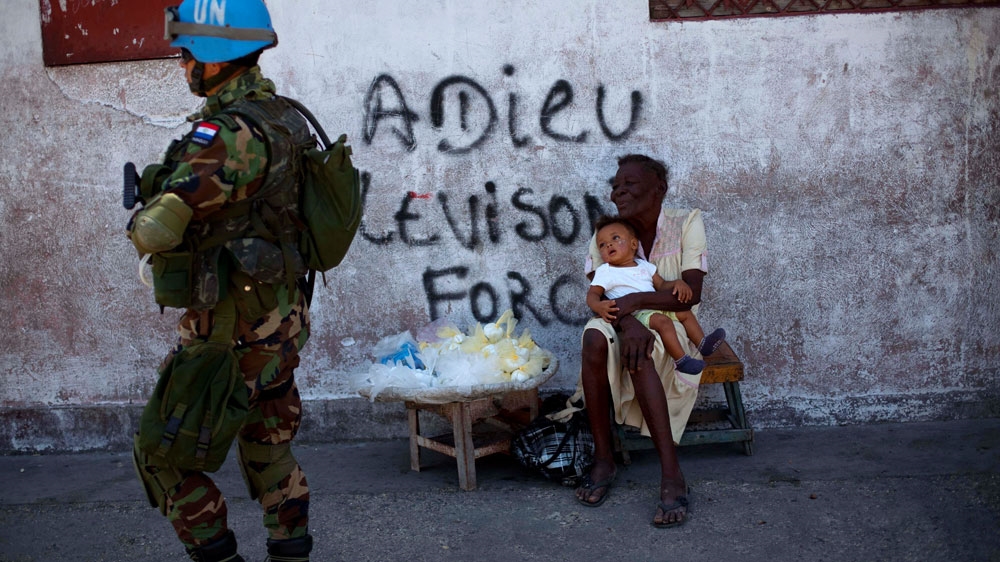 |
| A UN peacekeeper from Paraguay patrols the streets of Port-au-Prince, 2011. [File: Ramon Espinosa/AP Photo] |
Why are they leaving now?
The UN Security Council (UNSC) unanimously adopted a resolution in April of this year, ordering the removal of peacekeepers from Haiti by mid-October.The April 13 resolution sanctioned the gradual withdrawal of the 2,370 peacekeepers stationed in Haiti, according to The Los Angeles Times.The resolution was the result of a US-led review into the cost and effectiveness of the UN's current peacekeeping operations.Nikki Haley, the US representative to the UN, told the UNSC prior to the vote that the political context was right for the withdrawal of a military presence in Haiti.
The "peaceful transition of power" demonstrated by Haiti's November 2016 presidential election showed the country had made an "important step towards stability and democracy", she said.As such, developments warranted an amended approach focused on fostering "the independence and self-sufficiency of the Haitian people".The peacekeeping mission will officially end on October 15 when a new UN mission made up of nearly 1,300 international civilian police officers, and about 350 civilians will begin in an effort to help the country reform its political system.In a recent interview with Al Jazeera, Sandra Honore, head of MINUSTAH, said the UN is winding down the mission because it has achieved its aims."It is a vote of confidence in the Haitian people," she said."It is an indication of the recognition by the Security Council that the stabilisation work which was entrusted to the mission did in fact produce positive results."
What have Haitians said about the mission?
Though February's presidential election seems to demonstrate Haiti is more politically stable now than when MINUSTAH began, a number of Haitians recently told Al Jazeera the mission has done little to improve their lives.Mothers who say they have had children, fathered by peacekeepers, also say they feel abandoned.
"After years of running around and false promises from the UN, nothing has happened," Saintil Benite, a mother, told Al Jazeera."They make us do a lot of stuff but there's no results," she said.Another mother, Roselaine Duperval, added that the mission has failed those people it sought to serve."I am very angry that the UN is leaving as it's left us with nothing," she said."They should take responsibility. They know about the kids. They did DNA tests and they told us they're positive but never give us the results."
 |
| Children play in the street while UN peacekeepers from Brazil patrol in Port-au-Prince [File: Dieu Nalio Chery/AP Photo] |
As peacekeepers leave, Haiti continues to experience political turbulence.Protests last month over the government's new budget plans brought much of the country to a halt.The government has defended its plans, which include increased taxes on fuel and property, saying the money raised will be invested in improving public services and infrastructure.*Name changed to protect identity
|
|
By: Al Jazeera and news agencies | October 6,2017
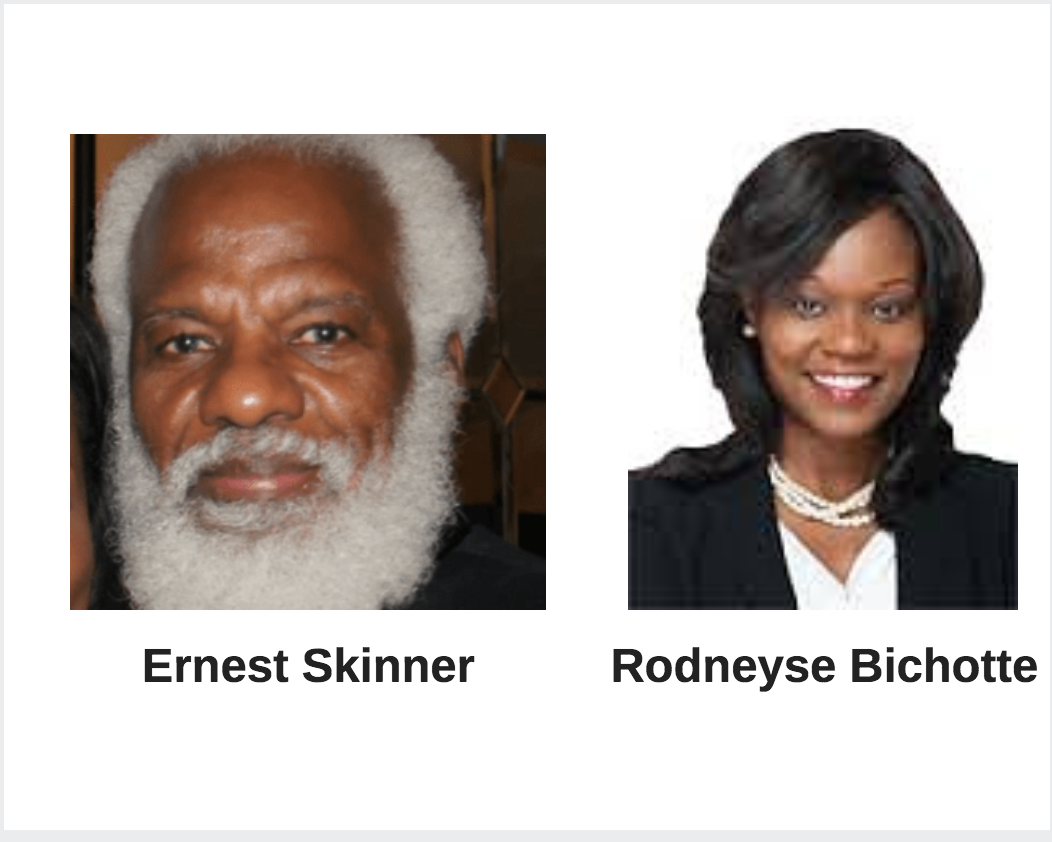


 “We support the Caribbean community. We are part of the Caribbean community. In recognition and in support of our heritage we advocated for placing the Haitian Studies Institute at Brooklyn College; not instead of “Little Haiti,” but in continuance of cultivating “Little Haiti’s” foundation.”