
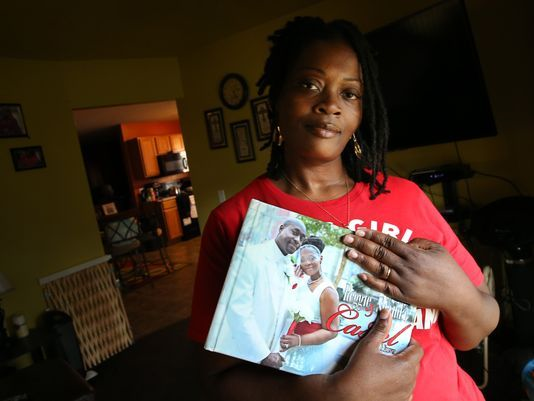
Rochester Family Torn Apart After Dad Deported
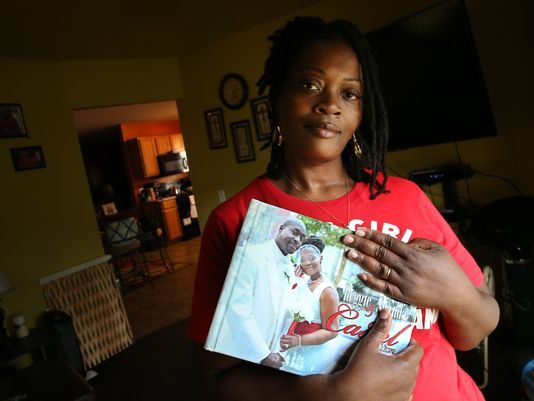
Reginald Castel was deported last Tuesday. The United States government flew him to Haiti in shackles, leaving him on an island he had not seen since he was 8 years old. He does not speak the language of his native country. When the plane landed, he knew no one there.
Castel, 44, went to Gates-Chili High School, sold cars for Vision Hyundai and lived with his family on Bay Street. His sole memory of Haiti was of the house with a metal roof where he lived as a boy. He was in despair as he flew to the island, handcuffed with 12 other Haitians and 49 men from the Dominican Republic.
“I was scared to death,” he said. “I am on the plane just praying to God.”
The plane landed in Haiti’s capital, Port au Prince. The deportees were handed over to Haitian officials who were friendly, at first. When the American officials left, deportees were told to hand over any money in their pockets if they wanted to call someone to pick them up. If no one came, they would be taken to prison.
Castel only had 8 cents, but he was allowed to call his mother in Greece. She had been frantically trying to find a relative or friend to go and get him. She told him that someone had managed to track down his estranged father, whom he had not seen or spoken to since he left Haiti at age 8.
It was his father who arrived to pick him up. “I did not even recognize the man,” Castel said. “One of the officials told me it was my father.”
They hugged each other. His father doesn’t speak English so they were unable to communicate much. Castel said his father pointed to his heart to express love. He pointed to his head to say don’t stress and don’t worry. “He said ‘it has been a long time,’” said Castel. “I understood that.”
They left the facility with Castel’s one bag. It contained the clothes he was wearing when immigration officials took him into custody on Aug. 10, a pack of oatmeal, some legal papers and a 30-day supply of insulin to treat his severe diabetes.
Until Aug. 10, Castel was among more than 900,000 immigrants in the United States living under final orders of removal, or deportation, that had not been enforced. Deportation officials generally focused on people considered to be a threat to national security.
“They didn’t make me a priority under George Bush or Obama,” Castel said, by phone, from a home of his father’s friend in Port au Prince. Under the Trump administration, things have changed.
“With the executive order from President Trump, everybody with a removal order is at risk,” said Wedade Abdallah, program director for immigration for Legal Aid Society of Rochester.
Castel was subject to deportation because he pled guilty to a felony in 1999, after a dispute with his friend Reginald McQueen turned violent. Castel said that McQueen started chasing him with a knife and he ran to his truck to get a gun. “I defended myself,” he said. “I shot Reginald.”
The lawyer did not tell him that a guilty plea, and his lack of citizenship, would make him eligible for deportation. Castel served six years in jail. When he was released, the U.S. Department of Homeland Security picked him up and held him in a detention center for 18 months as he appealed his deportation order.He was granted deferral of removal under the Convention Against Torture act because a judge ruled that his lack of ties in Haiti, combined with his need for daily insulin would likely cause him to die in the impoverished country. He was released in 2007 under an order of supervision.The federal government appealed this deferral and won, reinstating the deportation order against him. In 2011, Castel lost his final appeal. But he was not deported.
U.S. Immigration and Customs Enforcement gave him permission to work legally and required him to check in periodically. Castel built a career, got married, stayed out of legal trouble and never missed a check-in appointment, including one in Batavia on Aug. 10. His wife Lashanda waited for him outside as he went into the meeting. When she saw him next, he was handcuffed in the back of a patrol car. He was not allowed to get out of the car to give her a hug goodbye.
Every time she saw him after that was through glass at immigration detention centers.
“How do they tear a family apart and think nothing of it?” Lashanda Castel asked. “Where is the humanity in this?”
The laws that led to Castel’s deportation have long been on the books. President Donald Trump is just enforcing them, as promised in his campaign. Five days after his inauguration, Trump issued executive orders directing executive departments and agencies "to employ all lawful means to enforce the immigration laws of the United States.”
He criticized previous administrations for failing to remove people with deportation orders. “We cannot faithfully execute the immigration laws of the United States if we exempt classes or categories of removable aliens from potential enforcement,” the president wrote.
In the past undocumented immigrants who had long histories of obeying the law and living quiet lives were not deportation priorities. Trump's executive orders have changed things, said Wedade Abdallah, program director for immigration for the Legal Aid Society of Rochester. “We are seeing a more unpredictable type of enforcement,” she said. "It could be anybody (with a final removal order) at this point." She said she would encourage any immigrant who has a final order of removal to speak to an immigration attorney.
“Make America great,” Lashanda Castel said, with bitterness. “Let’s get the immigrants out of here.” She believes the government ought to make allowances for people like her husband, who has turned his life around and stayed out of trouble for more than a decade.
Reginald McQueen, the man shot by Castel in 1999, agrees. He made a statement in support of Castel that appears in a petition asking Gov. Andrew Cuomo to pardon Castel for his crime. Such a pardon would make it possible to reinstate his green card. “An unfortunate incident occurred that caused me harm and got Reggie arrested. However, it was the result of a personal problem between us and we have become friends again,” McQueen wrote, adding that he does not want to see Castel deported. ”I am satisfied that he has paid his debt to society and to me and I don’t think he should be punished any more for what he did. I have my health back and my life back and I would like Reggie to have his life back, too.”
Castel’s life is now spent in a spare room in the home of his father’s friend, a man who speaks a bit of English. Electricity comes and goes, sometimes for days. Clean drinking water is hard to come by. It is hot. Castel has been warned not to go out alone. His lack of language skills makes him an obvious outsider and easy target for desperate criminals found in a country where people must survive on an average of $2.25 a day.
So he sits in the house, waiting for his father to get out of work. He has time to wonder about another deportee he met on the plane who also had no connections in Haiti because he had grown up in Bermuda. “I am pretty sure he ended up in prison,” he said. He wonders what would have become of him if his father hadn’t been found. And, most painfully, he misses his family. He and his wife have a blended family of seven children. His youngest child, a daughter, has taken the situation very hard. There has not been a time they’ve spoken on the phone that she was not in tears. “They took someone who is loved,” said his wife.
She also cries. But she knows that tears won't help her husband return to the United States. If getting him home proves impossible in the short term, she must find a way to get him a stable supply of insulin. Castel suffers with Type 1 diabetes that his physician assistant at Anthony Jordan Health Center called “severe, chronic and incurable.” It requires daily insulin shots, which are extremely difficult to get in Haiti. Castel's plans to visit the Diabetes Association in Port au Prince have been disrupted by unrest and violence on the streets.
Lashanda Castel is trying to navigate the permits, licenses and fees that would allow her to ship insulin to Haiti. She has applied for her passport so she can visit her husband, though she is concerned about U.S. State Department warnings about the risks of traveling to Haiti, including violent crime, instability and lack of adequate medical facilities.
She is buoyed by a group of local supporters including Rochester City School Board President Van White, who is also an attorney and volunteered to submit Castel's petition for the governor’s pardon. The petition includes statements of support from his boss at Vision Hyundai, the bishop of his church and many friends and family members. Rochester City School Board member Mary Adams continues to rally community activists to fight for his cause and to lobby Gov. Cuomo to pardon him quickly.
Adams was among the people who went to the Buffalo Federal Detention Facility to try to block the bus when Castel was being taken away for deportation. They could not see him through the tinted windows of the bus, but he saw them standing, praying and protesting his deportation. “I felt hopeful,” he said. “I had people in my corner.”
Those people will host an “Updates and Organizing to Support Reggie Castel and Family” meeting at 6 p.m. Sunday at the Freedom School, 630 N. Goodman Street. All are welcome, said Adams, to join the effort to bring Castel home.
For now, he remains in Port au Prince. He has learned how to say “please,” “thank you,” “I’m hungry,” and “water” in Kreyol. His hope for a return to Bay Street remains. His insulin is running out.
By: Erica Bryant | September 29, 2017

The city of Gonaïves will have its Airport

On Wednesday, a meeting on the construction of Gonaïves Airport in Morne Blanc brought together notably Olivier Jean General Director of the National Office of Civil Aviation (OFNAC), Colonel Irving Mehu, Director General of the National Airport Authority (AAN) and Senator of the Artibonite Carl Murat Cantave.Asked about the cost of this airport, Olivier Jean was very discreet and did not release any amount, stressing that the project was in the field study phase...Yves Mozart Augustin, the Director of Planning and Engineering at the AAN, said that the study is currently being carried out on the best place to build this airport, and he believes that the construction of this infrastructure will last two years.Colonel Irving Mehu, who confirmed with Olivier Jean that the city of Gonaïves will soon have its airport, recalled that the AAN was working to satisfy the travelers all over the country, citing other projects of large scale to come such as the expansion of the parking lot, the reorganization of the diplomatic hall and the reconstruction of the building of the fire brigade of the Toussaint Louverture Airport.By: HaitiLibre | September 30, 2017
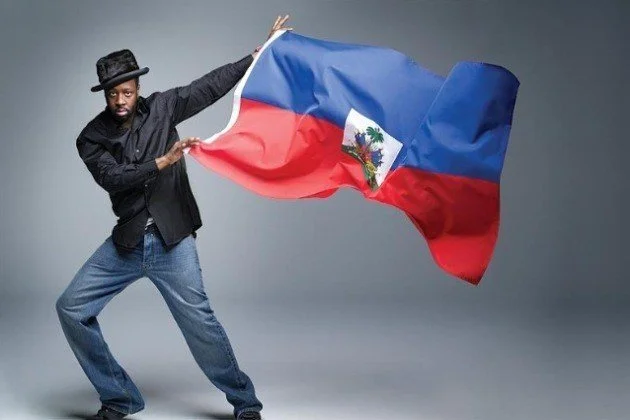
Five Noteworthy Facts You May Not Know About Wyclef Jean
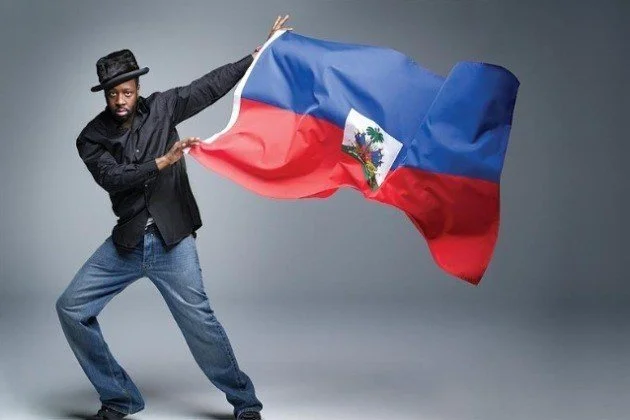
Wyclef Jean is an artist, rapper, producer and musician who, by way of his association with hip-hop supergroup the Fugees, helped transform pop, hip-hop and R&B. When the Fugees (Jean, cousin Pras Michel and Lauryn Hill) released albumThe Score in 1996, it became one of the biggest rap albums of all time by way of its fusion of hip-hop, soul and reggae influences, and as a solo artist, Jean has managed to craft a sound that pulls together his love of Haitian music, reggae, rap and pop that helped influence a generation of artists.With his new record Carnival III: The Fall and Rise of a Refugee now out, there was no better time than our October issue to examine his life's story in our regular Timeline feature. And while you'll have to grab our print edition to read the piece in full, here are five noteworthy facts you may not know about Wyclef Jean, below.1. Jean takes his share of the blame for the dissolution of the Fugees."We're all human and make mistakes. I'll keep it real with you. You can't mix business with pleasure. Sometimes I wish that me and Lauryn had never gotten involved, you dig? You learn. So maybe if I could do it again I wouldn't have gotten involved with Lauryn romantically. But then I don't know that you would have gotten The Score," he tells Exclaim! in 2017. "We never really broke up, by the way, we just stopped talking about getting together to record again. In any case, Pras has made it clear to me that he thinks I'm responsible, and I understand why he feels this. It's because he had to manage Lauryn and me when we became a couple on the road. Every time we fought, he was in the middle, keeping us focused, telling jokes, doing whatever he could to stop things from getting too crazy. Pras was the glue that kept the Fugees together."2. Jean played a key role in the career success of Beyoncé — then known as a member of R&B/pop group Destiny's Child — by producing and making a cameo appearance on platinum-selling single "No, No, No Pt. 2.""I always knew Beyoncé would be great," he tells The Guardian in 2017, "because when Destiny's Child were opening for me on tour, every time they got off stage she would go get changed then stand at the side of the stage and watch my show like a hawk."3. Jean believes Lauryn Hill's first pregnancy might have contributed to the group's breakup."In that moment something died between us," Jean wrote in his 2012 memoir,Purpose: An Immigrant's Story. "I was married and Lauryn and I were having an affair, but she led me to believe that the baby was mine, and I couldn't forgive that." 4. Jean filed to run for president in his native Haiti in 2010. Requirements to run for office, however, include living in the country for the preceding five years, and Jean doesn't meet the requirements. Jean releases an EP titled If I Were President: My Haitian Experience; single "If I Were President" is a moderate hit."It's the continuation of my music and it represents both sides of life: love and hate, war and peace. It's for all my fans. It's for those who love me for 'Gone 'Til November' and 'Hips Don't Lie,' too," he tells Consequence of Sound in 2010.5. He still believes that the Fugees will reunite one day."I believe there will be a day when the Fugees get together, but everyone in the group's gotta be ready. The Fugees are definitely going to get back together. The time will come. You've gotta wait, man," he tells hip-hop site Rap-UP in 2011.Carnival III: The Fall and Rise of a Refugee is out now courtesy of Sony Legacy.By: Ryan B. Patrick - Sep 29, 2017

Europe : 335,000 euros to strengthen the Haitian education system

The International Institute for Educational Planning (IIEP) of UNESCO and the European Union this week launched the project "Analysis and Capacity Building for Planning and Steering of the Haitian Education System" developed jointly with the Ministry of Education Education and Vocational Training (MENFP).The 7-month project, funded by the European Union to the tune of 335,000 Euros, aims to strengthen the capacities of the Ministry and its decentralized administrations in planning and strategic management.The European Union Ambassador, Vincent Degert, at the launch said "Improving the level of education requires improving the capacities of the actors operating at the institutional level and throughout the deconcentrated chain. It is essential to reinforce upstream the skills of the executives of the ministry and to supervise them at the technical level if we want to have a better system."This project is structured around three main components :
- Analysis of individual and institutional capacities to guide future capacity-building interventions "planning and steering" of the education system ;
- The development of a strategic orientation for capacity-building, which will be a direct contribution to the country's future educational plan ;
- Development of professional capacities for MENFP staff so that the ministry can rely on these own planners to manage the planning and steering of the education system.
As a whole, these components will strengthen the ministryt's ability to better plan its work and work more strategically.The MENFP is now redefining its priorities and seeking to analyze its human resources needs in order to bring competent teams to the educational challenges of the country, to ensure the proper functioning of the administration of education and to ensure that all schools can welcome and teach children. Yet 85% of schools in Haiti are non-public and 70% of them are not accredited by the MENFP.Wednesday 7 Ministry officials completed training that will lead them in Paris in January 2018, to join thirty planners from every continent to follow in-depth training of the IIPE in management and planning of education.The second major activity of the project will make it possible to carry out a diagnosis of the individual, organizational and institutional capacities in planning and steering of the education system and contribute to the future ten-year sectoral plan.By: HL/ HaitiLibre - 29/09/2017
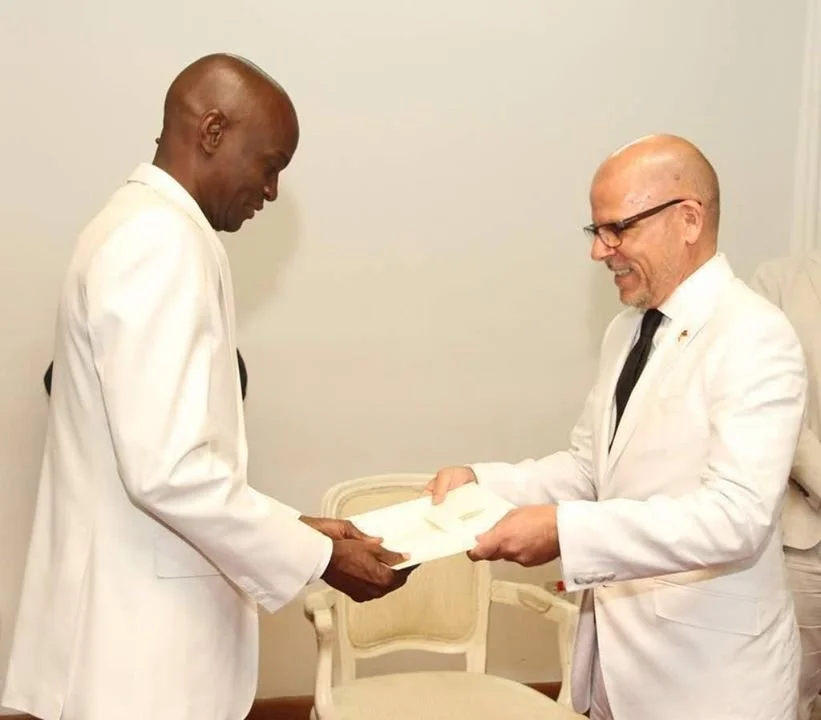
Diplomacy : Message from the new Ambassador of Canada to Haiti
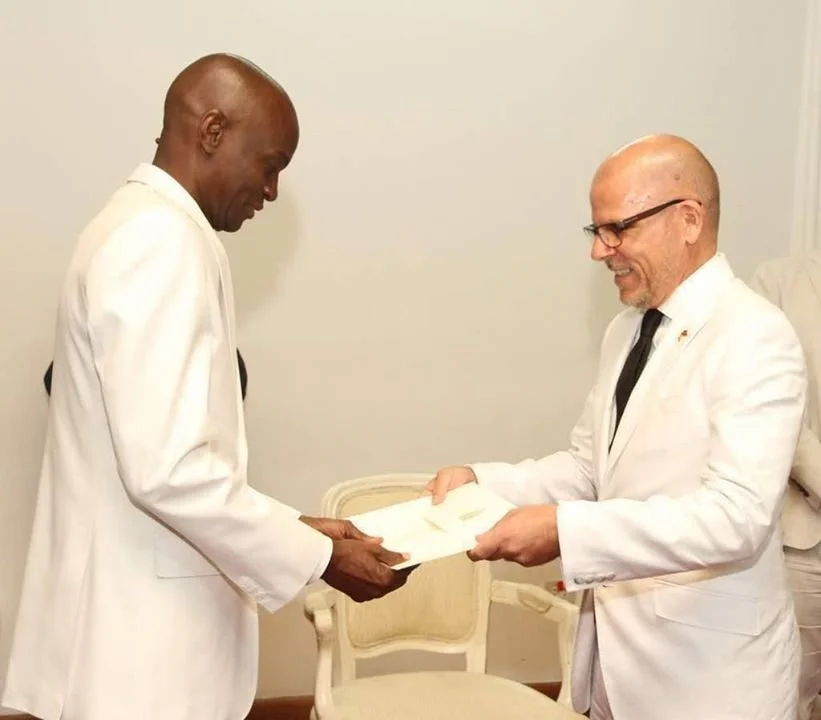
André Frenette, the new Ambassador of Canada accredited to Haiti on September 5, who replaces Ambassador Paula Caldwell St-Onge at the end of her mission, has delivered a message to the Government and the people of Haiti at the time of taking office, which we invite you to share :Message from Ambassador Frenette :"It is a great honor for me to have obtained the confidence of my Government to represent and promote in Haiti the Canadian values that are so dear to me. Canada promotes inclusion, respect for diversity and human rights, gender equality, openness to the world, democratic development that supports the strengthening of the middle classes, and assistance to the poor. It is on the basis of these values that I intend to work tirelessly to build strong and respectful partnerships between Canada and Haiti, with the aim of strengthening the historic relationship between our two countries.Canadians have repeatedly demonstrated that they are ready to walk hand in hand with the Haitian people. Following the announcement of Canada's new commitment to Haiti, we made the decision, after various consultations with Haitian authorities, to step up our efforts in areas of democratic and accountable governance, sustainable and green economic growth, health and well-being of women and girls, and the rule of law and security.More specifically, in June 2017, Canada launched its new policy of international feminist assistance, placing gender equality and empowerment of women at the heart of its development programming. We support the development of a stable, prosperous and equitable Haitian state that can provide health services, education and economic opportunities to all Haitians, especially women and girls.I am already looking forward to working on these key themes during the years of my mandate in Haiti, which will require serious and responsible commitments from all concerned. To ensure that this assistance continues to deliver on the expected results, Canada will count on the Government of Haiti's continued efforts to clearly define its priorities and to meet its financial and institutional commitments.Haiti remains at the heart of Canada's international policy agenda and I am proud to say: Nou la pou Ayiti !"By: HL/ HaitiLibre - 29/09/2017
Little Caribbean v Little Haiti – Not So Simple To Designate A Cultural Area In Flatbush
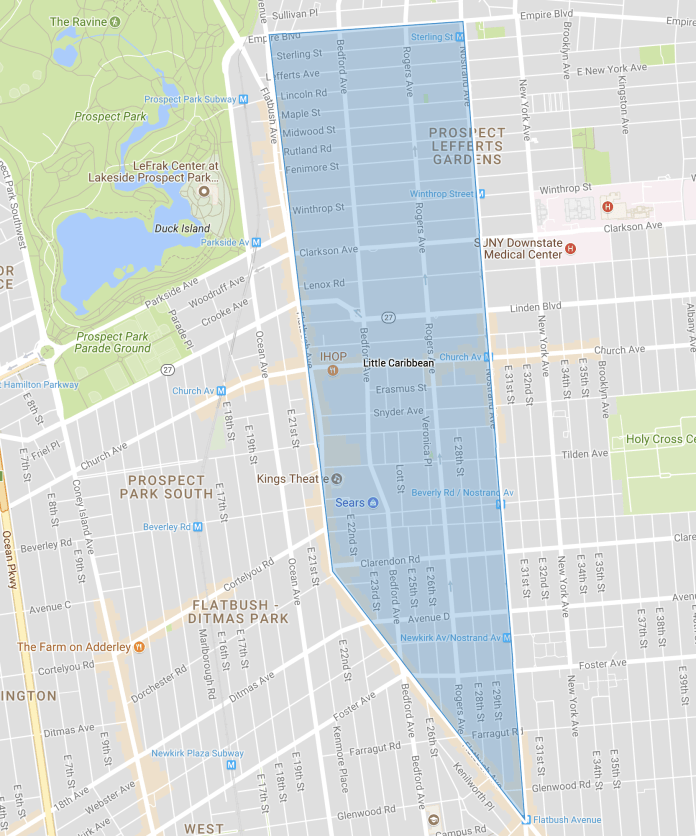
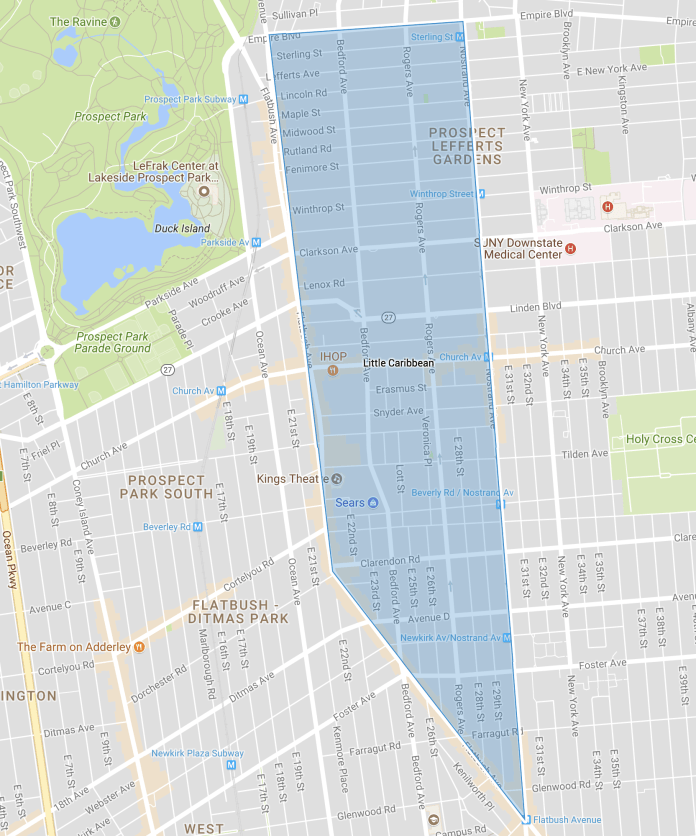
FLATBUSH JUNCTION – This morning around 10:30 am about two dozen neighbors, activists and members of the press gathered at the Flatbush Junction to hear a large swath of Flatbush, East Flatbush, and PLG be pronounced – Little Caribbean. The driving force behind this designation is Shelley Worrell of CaribBEING, a local cultural institution that started as Flatbush Film Festival back in 2010 and has grown to include creating experiences and curating exhibitions.Creating the Little Caribbean seems like a natural next step in her efforts to preserve and celebrate Caribbean food, culture and small businesses in the area, home to one of the largest populations of Caribbean immigrants in the country.

The organizers hope that the designation of the Little Caribbean will help create jobs and attract tourists to the area:The footprint runs along Flatbush Avenue from Empire to Nostrand Avenues (known as the Junction), includes the commercial area along Church Avenue from Ocean Avenue to New York Avenue, and Nostrand Avenue from Empire to Flatbush Avenues. All in all – about 5 miles of commercial corridors.

The initiative has received support from the Caribbean Tourism Organization (CTO), NYC & Company, Brooklyn Borough President Eric Adams and the Flatbush Nostrand Junction BID, Worrell said in a press release.“I’m proud to be a longtime supporter of the Little Caribbean, and I’m even prouder that this designation is coming to fruition,” said Brooklyn Borough President Eric Adams in a statement. “Brooklyn is the epicenter of the Caribbean Diaspora, and this branding promises to have an incalculable value on the economic development and cultural pride of Flatbush and East Flatbush.”There was music, of course.The event took place a few blocks south of Assembly member Rodneyse Bichotte’s office, however, she was not there. Local council members Mathieu Eugene and Jumanee Williams that represent the area were also nowhere to be seen. Assemblymember Bichotte issued a feisty press release last night, saying that the designation of “Little Caribbean” was premature, and did not have a wide community support:“For example, no meetings were held with the local elected officials including Congresswoman Yvette Clarke, State Senator Kevin Parker, Assemblymember N. Nick Perry, Assemblymember Diana Richardson, Assemblymember Rodneyse Bichotte, Councilmember Mathieu Eugene, and District Leaders Josue Pierre, Melba Brown, and Cory Provost, as well as the honorable Dr. Roy Hastick, who came up with the original idea. In addition, the local Business Improvement Districts (BIDS) are not entirely on board including the Flatbush and Church Avenue BIDs as well as Crown Heights merchants for similar reasons.The support of the idea for the designation is welcome, but it has to be discussed with local community members. ”The issue at heart? Designation for a “Little Haiti.” The Haitian community supports the designation of both “Little Haiti” and “Little Caribbean,” said Assemblymember Bichotte, who is the first Haitian-American to be elected to the State Legislature from New York City. “However, we were taken aback by the lack of engagement that has been shown to many of the elected officials and key stakeholders within the Haitian community throughout the overall process.”“Haiti has had a unique position within the Caribbean — it is in the Caribbean, but not of the Caribbean. Although Haiti is geographically part of the Caribbean, the Haitian community has historically been singled out and excluded as a member of the greater Caribbean community, which is why Haitians have had to build separate communities and organizations in order to survive,” she said.“Little Haiti” exists, de facto, because when Haitians first moved to the Flatbush neighborhood of Brooklyn, they were isolated in part due to speaking French-Creole versus English, which is spoken by other Caribbean countries.“Old wounds have been opened as the voices of the community and elected officials have not been engaged throughout the designation process. Although, the journey to unity has come a long way between island politics and differences, having both designations would be ideal to acknowledge the Haitian people’s struggle,” Assembly woman noted.By: By Liena Zagare - September 28, 2017
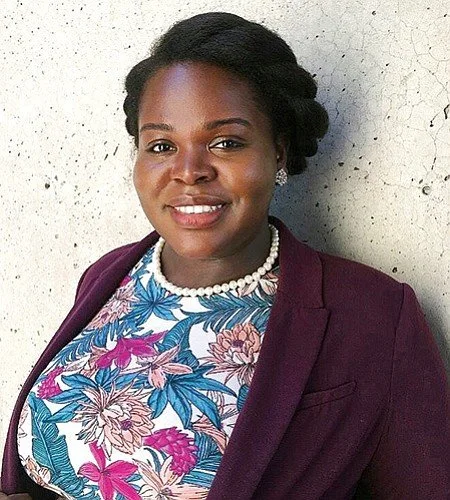
In the news: Roudnie Célestin
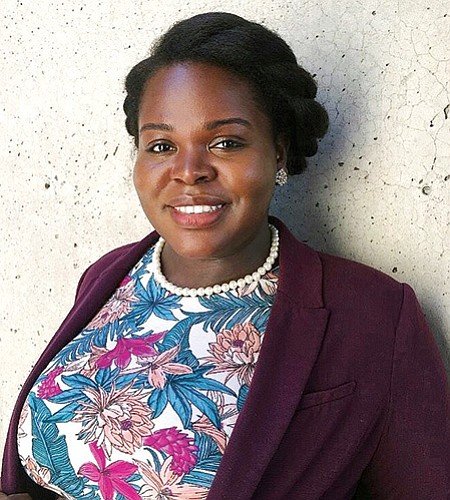
Roudnie Célestin was appointed Mattapan neighborhood liaison and citywide liaison for the Haitian community within the mayor’s Civic Engagement Cabinet. In this role, Célestin will work as an advocate to both communities, and will serve as a local representative of the mayor’s office.As the Mattapan and Haitian community liaison, Célestin will serve as the primary contact for constituents looking to connect with the mayor’s office, and will facilitate the delivery of services in collaboration with city departments.Célestin was born in Pétion-Ville, Haiti and has lived in Boston since 2003. She earned a Bachelor of Arts in ethics, social & political philosophy with honors from the University of Massachusetts Boston, after earning an Associate of Arts in communications from MassBay Community College.Prior to joining the Office of Neighborhood Services, Célestin worked in health care as a practice assistant at Brigham & Women’s Hospital, where she assisted the nursing director in strategic operational planning for various programs and clinic flow. She taught Haitian Creole within the African Language Program at Harvard University, where she provided students with literacy skills and cultural training. Célestin also served as a volunteer case manager at the Haitian Multi-Service Center in Boston, where she advocated for clients and helped organize community outreach events. She currently serves as a volunteer language interpreter for the Political Asylum Immigration Representation Project.Célestin has a native fluency in Haitian Creole, French, English, and is conversational in Spanish. Her extensive experience in working with people has prepared her to deliver quality service to the Mattapan and Haitian communities.“I am extremely excited and honored to join the Mayor’s Office of Neighborhood Services,” said Célestin. “Mayor Walsh and his administration provide excellent city services to the Mattapan and Haitian constituencies, and I look forward to ensuring inclusion, access and opportunity for all residents and working for the people of Boston.”The Office of Neighborhood Services encourages and facilitates citizen input and participation through service requests, neighborhood meetings, mailings and emergency responses. To report non-emergency issues to the city, residents are encouraged to connect with BOS:311 by dialing 3-1-1 or by downloading the free BOS:311 app.By: The Bay State Banner | September 28, 2017

JGB’s Haitian operations record robust growth

Jamaica Broilers Group Ltd (JBG) is principally active in the poultry and allied agricultural businesses.In the first quarter of fiscal 2017, it sold its ethanol plant (for a combination of cash and a seller’s loan) and focussed its efforts on increasing the profitability of its Haitian and Jamaican operations.Also, in the USA, its 2016 acquisition of Welp Hatchery, which was renamed International Poultry Breeders, Iowa, enhanced its revenues in that market.Let us now review JBG’s results to April 29, 2017.Movements in financial positionTotal assets advanced by 12.7 per cent to close at J$27.47 billion from J$24.38 billion.Long-term assets closed at J$10.94 billion from J$11.93 billion. Within this category, property, plant and equipment contracted to J$7.06 billion from J$10.5 billion. The largest contraction was recorded under plant, machinery and equipment, which fell to J$3.46 billion from J$6.69 billion; this reduction mainly reflected the sale of the ethanol plant.A new item, loans receivable of J$2.05 billion, represents the long-term portion of a loan which is repayable in June 2023; the current portion is J$501 million, which included interest receivable of almost J$159 million. As part of the sale agreement for the ethanol facility, this loan was granted at 8 per cent interest and annual principal repayments are set at US$2.643 million.Post-employment benefits assets climbed to J$691.1 million from J$180.1 million. This represents the excess of the fair value of the pension plan’s assets of J$4.27 billion over the present value of its obligations of J$3.58 billion. The plan owns shares in the company’s stock valued at J$204 million.Current assets rose to J$16.52 billion from J$12.45 billion. Within this grouping, inventory of J$5.16 billion was the largest component. At the gross level, spares and inventories for resale increased to J$3.1 billion from J$2.5 billion. In contrast, grain and feed ingredients declined to J$1.2 billion from J$1.5 billion.Biological assets expanded to J$4.46 billion from J$2.95 billion. The entire increase was shown under poultry, which climbed to J$4.4 billion from J$2.9 billion. The cattle component was little changed at J$39 million.Receivables advanced to J$3.57 billion from J$3.28 billion. Net trade receivables closed at J$2.44 billion from J$2.37 billion. However, prepayments climbed to J$453 million from J$322 million while sums due from contract farmers slipped to J$272 million from J$287 million.The group’s holdings in investment funds are classified as financial assets at fair value through profit or loss; this value improved to J$761 million from J$701 million.Cash and short-term investments expanded to J$2.0 billion from J$1.2 billion.The largest component, cash at bank and in hand, climbed to J$1.67 billion from J$0.79 billion. Among other variables, in 2016, the acquisition of the Welp Hatchery consumed J$982.8 million.In contrast, in 2017, the cash proceeds from the sale of the ethanol plant and ERI Services (St Lucia) contributed J$461.9 million to its coffers.Total liabilities increased to J$13.05 billion from J$11.28 billion or by 15.7 per cent. Total borrowings climbed to J$7.70 billion from J$7.08 billion. Long-term borrowings rose marginally to J$5.2 billion from J$5.1 billion.Current borrowings grew to J$2.50 billion from J$1.98 billion. Here, the current portion of long-term debt declined to J$554.1 million from J$632.2 million. In contrast, bank overdrafts and other short-term borrowings increased to J$1.9 billion from J$1.3 billion.Current payables soared to J$4.41 billion from J$3.21 billion. Trade payables climbed to J$3.2 billion from J$2.0 billion. In addition, accrued charges increased to J$759 million from J$550 million. In contrast, “other” payables declined to J$281.6 million from J$410 million.Current taxes payable fell to J$179.3 million from J$482.2 million. On the other hand, deferred income taxes increased to J$729.8 million from J$485.3 million. Contributing to the latter was the increase in the re-measurement of the retirement benefit assets.Equity gainsTotal equity improved to J$14.42 billion from J$13.10 billion. Excluding non-controlling interests of J$22.8 million, shareholders’ equity closed at J$14.44 billion from J$13.16 billion.Retained earnings increased to J$12.5 billion from J$10.33 billion. The opening balance benefitted from the current year’s profit of J$2.23 billion along with the J$360 million of comprehensive income, which related to the re-measurement of retirement benefit assets.The major reduction was J$420 million in dividends to stockholders. Reserves fell to J$1.17 billion from J$2.06 billion. The principal reduction of J$835 million reflected the exchange differences on translating foreign operations along with J$56 million in realised reserves.Share capital was unmoved at J$765.1 million and the weighted average number of shares in issue was stable at 1,199,277,000; consequently, the book value of each share improved to J$12.04 from April 2016’s J$10.93.Income, profitRevenues improved by 15.4 per cent to J$44.44 billion from J$38.52 billion.Meanwhile, cost of sales increased by 15.8 per cent to J$32.6 billion from J$28.2 billion. These changes resulted in gross profit rising by 14.3 per cent to J$11.85 billion from J$10.37 billion.Contributing to the higher cost of sales was the increase in the value of inventories recognised as expense, which climbed to J$23.9 billion from J$20.9 billion, or by 14.2 per cent.In addition, fuel costs soared by 17.8 per cent to J$567 million from J$481.4 million.Both distribution costs and administration and other expenses increased; the former rose to J$1.58 billion from J$1.21 billion while the latter registered at J$7.37 billion from J$6.13 billion.Influencing these increases were higher staff costs, which advanced by 20.8 per cent, moving from J$6.96 billion to J$8.42 billion. Meanwhile, other expenses climbed by 31.7 per cent to J$2.95 billion from J$2.24 billion while outlays for trucking ended at J$1.27 billion from J$1.12 billion.These changes saw operating profit slip to J$3.23 billion from J$3.30 billion.Finance income climbed to J$379.4 million from J$159 million. Following the granting of a loan for the sale of assets, the major contributor was interest income, which moved from zero to J$165.3 million. In addition, foreign exchange gains improved to J$214 million from J$159 million.Finance costs fell to J$647.2 million from J$693.8 million. Helping this result was lower foreign exchange losses, which contracted to J$20 million from J$97 million. However, in line with larger debt, interest expenses rose to J$610.3 million from J$545.6 million. Other expenses and amortisation of debt financing fees declined to J$17 million from J$51 million.These variations resulted in pre-tax profit improving to J$2.97 billion from 2016’s J$2.77 billion.The effective tax rate declined to 23.6 per cent from 24.3 per cent; even so, the tax cost increased to J$701 million from J$672 million. This result translated to EPS of J$1.86 compared with the previous year’s J$1.45.EPS from continuing operations improved from J$1.76 to J$1.85 while EPS from discontinued operations registered at J$0.01 compared with a loss of J$0.31 in 2016.Country resultsRevenues from its Jamaican operations increased by 12.5 per cent, however, profit contribution declined by almost 20 per cent. This adverse movement was influenced by several factors.The oversupply of protein products in the market helped suppress margins at its Best Dressed Chicken division, which operates in both Jamaica and the Cayman Islands. The Hamilton’s Smokehouse segment also experienced sales growth.Over the period January to August 2017, additional investments were made in Best Dressed Feed Mill so as to enable it to respond to increased consumer demand.Following the end of a two-year drought, Hi-Pro Farm Supplies benefitted from higher sales of fertiliser, chemicals and equipment.The USA operations registered 23 per cent revenue expansion accompanied by a 26 per cent improvement in gross profit. This result was helped by the acquisition in 2016 of Welp Hatchery.Although Avian Influenza is a major threat to the US poultry industry, its USA operations remain free from that danger.At the Haitian operations, revenues grew by 23.5 per cent while profit exploded by 271.5 per cent. This result was driven by increased production and sales of eggs; higher production contributes to greater efficiencies through the feed mill, hatchery and general overheads. Increased egg production will continue into the current fiscal period.Q1 results to July 2017Revenues for the first quarter grew by 14.7 per cent, moving from J$10 billion to J$11.5 billion. On the other hand, net profits attributable to shareholders declined to J$197.7 million from J$400 million.Consequently, EPS contracted to J$0.165 from J$0.33.All country segments recorded top-line growth. At the Jamaican operations, several one-off factors restrained profit growth; the rebalancing of poultry inventory and third-party storage issues contributed to higher distribution costs. In addition, production volumes were lower.At Haiti Broilers SA, higher production and sale of table eggs saw revenues expand by 47 per cent while profit swelled by 61 per cent to J$121 million. That company now commands 30 per cent of the local market compared with 22 per cent previously.The US operations’ main products are fertile eggs and baby chicks. Here, revenues grew by 27 per cent while gross profit improved by seven per cent.Share price and dividendsJBG’s share price closed at J$14.36 on April 29, 2016. It subsequently fell to a low of J$14.03 on October 28, 2016, from which level it recovered and then ended at J$16.97 on April 28, 2017. That movement reflected a one-year appreciation of 18.2 per cent. The price then spiked to J$19.99 on May 17, 2017, but traded at J$16.50 on September 20, 2017.Dividends to shareholders improved from J$0.26 for fiscal 2016 to J$0.35 for fiscal 2017. At the recent price of J$16.50, the yield is 2.1 per cent. That price also reflects a P/E multiple of 8.87 and a price to book value of 1.37.By: Felix Pereira | September 28, 2017
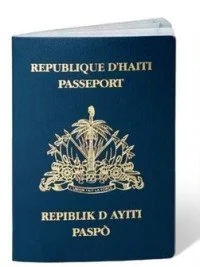
DGI NOTICE : Purchase of passport stamps before 1 October
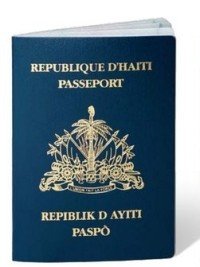
In a NOTICE dated Wednesday 27 September, the Ministry of the Interior informs the general public and all those wishing to obtain a passport booklets in particular, that notices of contributions paid to the DGI before 1 October 2017 and still valid, will also be accepted for applications in the new fiscal year of 2017-2018.Has clarified that passport booklets whose stamps were PURCHASED BEFORE the new tariffs for the 2017-2018 finance law, however, will be valid only for FIVE (5) years and not ten (10) years.The Ministry of the Interior invites taxpayers to continue to take their steps in peace and quiet, knowing that they are not at risk of having their passport application refused at the level of the Immigration and Immigration Directorate if they have a valid stamp.By: HL/ Haitilibre | September 28,2017

Fraud forces EDH to ration the power in Delmas

In a note dated Wednesday, Electricity of Haiti (EDH) recalls and regrets that since September 25, 2017 the power rationing has intensified in some areas of the commune of Delmas, including Delmas 33 until 75 and Delmas 32 until 50 explaining "This unfortunate situation that penalizes regular customers is due mainly to the bad behavior of certain residents conservatives and fraudsters who prevent the completion of the company's plan to repair all the grids in the area for setting up meters in order to better serve the population.The EDH appeals to the entire population and especially to the former committees responsible for theseneighborhoods to remedy this worrying situation which only worsens the already precarious conditions of distribution and marketing of electricity in the country. This will undoubtedly lead to a break with the old practices benefiting only a small group of the zone and hindering at the same time the evolution of the whole commune."By: HL/ HaitiLibre | September 28, 2017

Evanston, New Trier collect hundreds of soccer cleats for Haitian kids

Evanston and New Trier may be rivals on the soccer field, but the two boys programs teamed up recently to donate hundreds of pairs of shoes, many of them soccer cleats, to orphans in Haiti.“Cleats for Haiti,” as Evanston boys soccer coach Franz Calixte called the first-time effort, began this past summer when Calixte and his family were visiting the Caribbean country. Both of Calixte’s parents are from Haiti and many of his cousins still live.One cousin, Kako Bourjolly, is a Haitian comedian with a charity called Kako’s Kids, which renovates orphanages, builds sports facilities, hosts summer camps and runs toy, clothing, book and back-to-school drives.Calixte and two of his children, 13-year-old daughter Gabriella and 12-year-old son Zizou, spent time with Bourjolly visiting youth summer camps in Port-au-Prince, Pétion-Ville and Cité Soleil, and saw how happy children in soccer-mad Haiti were to receive a pair of cleats.
“I said: ‘I have 120 kids in the (Evanston soccer) program, and I can put it out there and we can battle to see which (level) can bring the most shoes,’” said Calixte, who said the Freshman B team ended up being most generous. “Our players, their feet grow so much and they always have to get the next thing (in soccer cleats). So, I know they all have these shoes that they don’t wear, but are not bad enough to just throw out.”Calixte spread word of the effort to the Evanston girls soccer program, promoted the cleat drive around the high school and informed New Trier Freshman B assistant coach Jude Eliacin, a good friend. Eliacin got athletes in his program on board ahead of the Sept. 19 game between the Wildkits and Trevians.The results even exceeded Calixte’s expectations.
The end of the shoe drive coincided with Bourjolly’s scheduled visit to Evanston on business. Calixte said Bourjolly sorted through the donated shoes and chose about 200 pairs to bring back to Haiti.Initially, Bourjolly had planned to transport the shoes in his carry-on luggage. But the footwear filled four large duffle bags. So, Bourjolly took two bags back to Haiti with him from this trip, and plans to take the other two next month after another scheduled visit to the Chicagoland area.Calixte said Bourjolly plans to send photos of the children in Haiti receiving the shoes, and Calixte said he will pass those photos on to his players.“I want my boys to be able to see what they did,” Calixte said.By: Dan Shalin | September 28, 2017
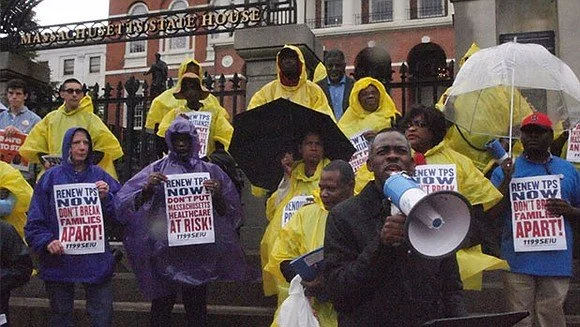
Uncertain Future For Haitian Immigrants
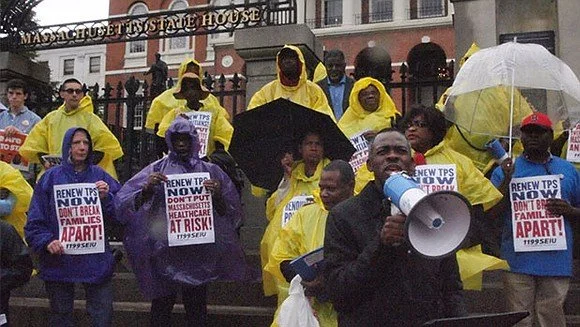
Demonstrators demand continued protection for Haitians who fled crises that still afflict the nationHolden Pierre, a 17-year-old Haitian immigrant, has spent the last ten years of his life growing up America. This January, he may be required to return to a country he has not lived in since he was 7—a country that is still struggling to recover from severe environmental and health crises.Over the course of his decade in the U.S.—more than half his life—Pierre has worked in community organizations such as the Mattapan Food and Fitness Coalition, earned a bachelor’s degree in business management from UMass-Boston, and now is employed at an organization focused on growing small businesses in low- and moderate-income communities.Pierre is one of about 58,000 Haitians who are living, working and studying in the U.S. under a program called Temporary Protected Status. Haitians beneficiaries of that protected status will see it expire on Jan. 22, 2018, unless the Trump administration moves to extend the program, something John Kelly, then-Secretary of Homeland Security, said in May is not guaranteed.Temporary Protected Status Temporary Protected Status allows immigrants meeting certain requirements to live and work in the U.S. if they cannot do so safely in their originating country due to conditions such as a civil war, epidemic or environmental disaster. While TPS is not a path to permanent residency, recipients may apply for such status while they hold this protection. In 2010, TPS was extended to Haitians following a devastating earthquake. To qualify, recipients had to demonstrate they had continually lived in the U.S. since January 2011 and continually been physically present since July 2011. The temporary status was extended since as further disasters hit the country. U.N. troops sparked a cholera outbreak that continues to cause fatalities today, and several hurricanes have taken a toll.State House rally On Wednesday last week, Haitian-Americans United, Inc. and the Institute of Justice & Democracy in Haiti held a rally on the State House steps, with a speaker list that included Pierre. Many speakers called for a deeper reworking of the immigration system to extend permanent residency to Haitians protect by TPS, noting that seven years is long enough that many have families and businesses here and are entrenched in their communities.“They are part of our society,” Congresswoman Katherine Clark said at the rally. “Now is not the time to uproot families, business owners and people who contribute to our economy.”Deportation would mean economic damage as well as the splintering of families, many said.“[TPS means we can] serve the communities we now call home,” Pierre said. “[Without it we] leave behind younger siblings who then are forced to make tough decisions like dropping out of school to support their families.”Roxana Rivera, vice president of SEIU 32BJ, said TPS recipients liable to be deported in January are good actors, who have followed the rules, including paying taxes and any fees asked of them and submitting to any requested background checks.A number of local elected officials support prolonging TPS, including Rep. Russell Holmes and City Councilor and mayoral contender Tito Jackson, who both spoke at the rally. In May, Mayor Martin Walsh urged federal officials to extend protected status for Haitians. In his letter, he noted that families would be split as deported parents are likely to leave behind U.S.-born children rather than bring them to nation already struggling to meet its residents’ basic needs.Following the rally, many attendees turned out to Gov. Charlie Baker’s office to deliver a message urging him to advocate for renewal of TPS for Haiti.Renewal? Several speakers also said that Haiti is still plagued by the kinds of issues that had led to the granting and repeated extensions of TPS. Brian Concannon Jr., executive director of the Institute for Justice & Democracy in Haiti, said Haiti’s cholera epidemic continues to be among the worst in modern times, killing about 1,000 people per month, and that hurricane-related rains are expected to exacerbate the disease’s spread.Rally organizers stated on their Facebook event page that Haiti has yet to fully recover from the 2010 earthquake, cholera epidemic or effects of last year’s Hurricane Matthew or this month’s Hurricane Irma, and cannot safely incorporate 50,000 more residents.In May 2017, Kelly extended Haitian TPS for six months, advising recipients to be prepared to return. He said Haiti demonstrated improved conditions, citing that many of the camps serving those displaced by the earthquake had closed, the Haitian government had declared plans to rebuild the president’s residence and the U.N. had withdrawn its stabilization mission. He said at the time that he expected the six months would allow TPS recipients and the Haitian government to prepare for repatriation.According to Haitian-Americans United, Inc., the Trump administration is expected to decide by Oct. 23 whether to extend TPS for Haitians past the Jan. 22, 2018 expiration date. TPS recipients from other countries such as El Salvador and Honduras also faced deadlines on their status.
By: Jule Pattison-Gordon | September 28, 2017

Powerful Short Film, 'Charcoal' Portrays The Effects Of Colourism

The use of bleaching creams has been on the rise over the years, as dark-skinned people seek to reduce/disrupt their melanin production. This is not a random desire, however, as society and the media have shaped our minds to think 'lighter is better'.Charcoal is a short film directed by Haitian-American filmmaker and photographer, Francesca Andre, which hones in on the vicious cycle of colourism. It does this through the different perspectives of three females: a young child, a teenager and an adult woman, and it is no wonder that it has garnered so many awards. The trailer features the song "Four Women" by Nina Simone, which was recently sampled by Jay Z on "The Story Of OJ". Both songs touch on colourism in different ways, and even though they were set and released decades part, the message still holds cultural relevance today.Colourism within any black community is rampant, and stems from the preference for a proximity to whiteness because you know, white is right and such...Charcoal will show next at the Silicon Valley African Film Festival from September 29 - October 11. Until then, watch the trailer below:[video src="http://haitiville.com/wp-content/uploads/2017/09/img_2338-1.mp4" ]By Damilola Animashaun | September 27, 2017
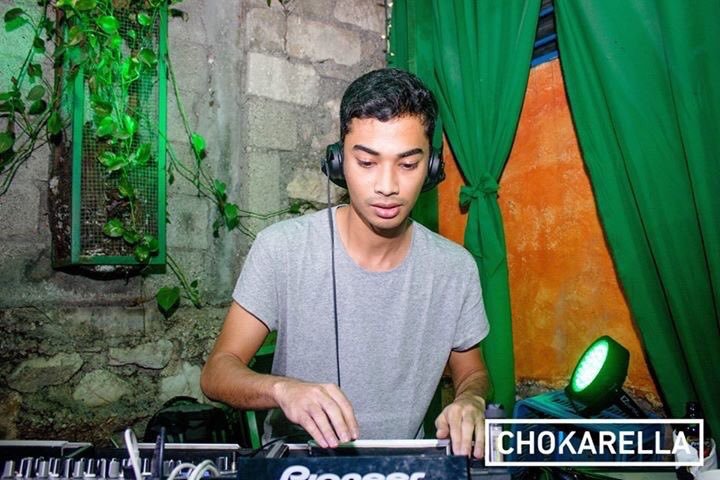
Michael Brun Brings New Haitian Concept to Brooklyn
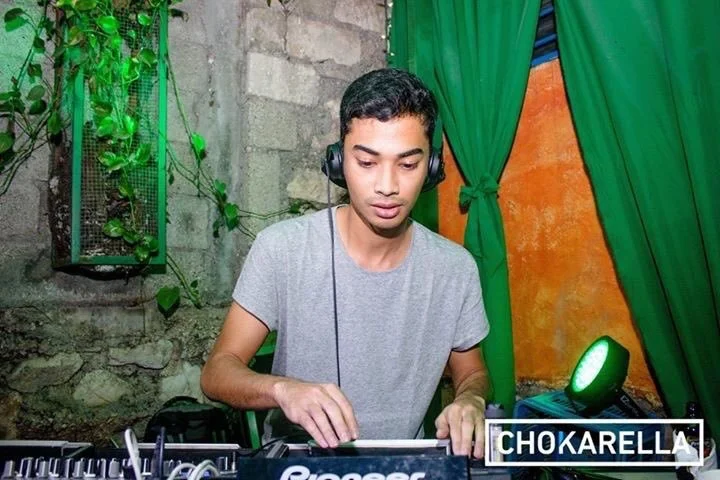
 Electronic DJ and producer Michael Brun is regarded as one of “the biggest things to come out of Haiti in the 21st century”. Now the “Haitian sensation” is spreading his country’s music and culture by bringing a new concept to Williamsburg, Brooklyn. The new concept by Brun is called Bayo which means “to give” in Haitian Creole. Bayo is based off impromptu street parties accompanied with mobile sound systems and lively Haitian rhythms. Bayo parties, previously thrown in Haiti by Brun, have revitalized Haitian culture by allowing DJs a platform to perform, communities to come together, and new music to be heard.Brun has brought Bayo to America when he hosted a block party in Little Haiti in Miami. He plans to bring his culture’s music to the Music Hall of Williamsburg on November 24 and the Brooklyn Bayo party will include artists such as J Perry, rapper Baky, guitarist Paul Beaubrun, and house DJ Gardy Girault. The scene of the event will be ornamented by Haitian street art and custom made production.This is an exciting and big undertaking for the already accomplished DJ. He is only 25 years old and has done a number of philanthropic activities for his home country. In 2016 he created the song ‘Wherever I Go’ which became a hit in Haiti. All the proceeds of the song went to Audio Institute School of Music in Haiti who helped him create it. A non-profit festival named after the song was also thrown by Brun.
 Brun has also created official remixes for some of the industry’s biggest artists including Calvin Harris, Alicia Keys, Tiësto, and One Republic. In 2014 he played on the mainstage at Ultra Music Festival and created the Kid Coconut label. In recent years he has collaborated with artists such as Dirty South and Rune.The Sounds of Haiti will be brought in the form of Bayo on November 24. New York will be the home of this event and pre-sale tickets can be purchased here on Wednesday.By Saad Qureshi | September 26, 2017
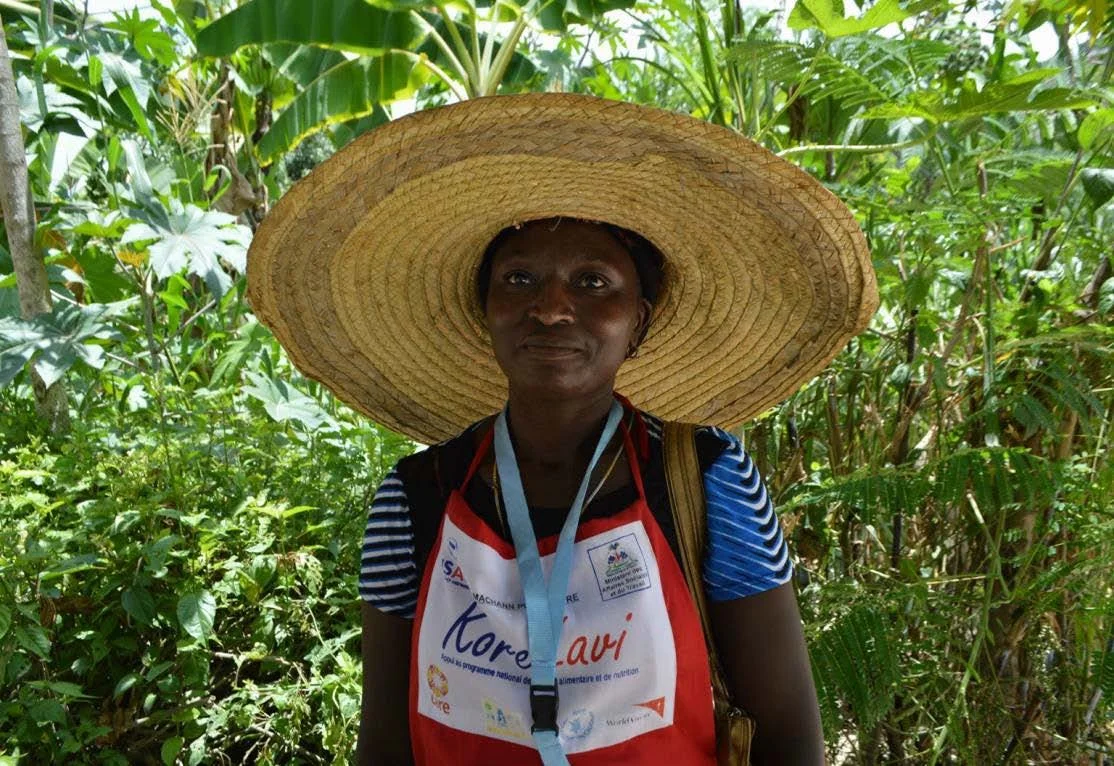
Food Vouchers Strengthen Nutrition and Local Markets in Haiti
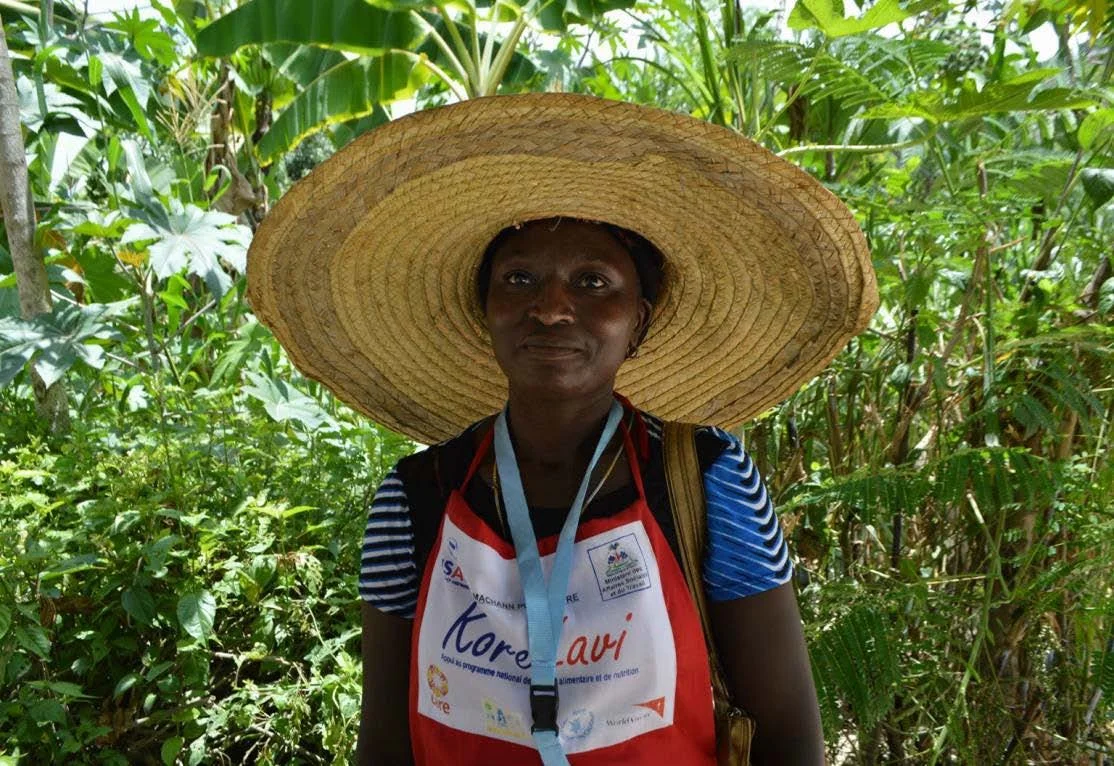
Each week in southern Haiti, Lucamène Chéry puts on her uniform and stocks her market stall with local vegetables. Shoppers filter past, selecting products for their families. In exchange for the produce, Chéry accepts a unique form for payment—food vouchers—which allows the most vulnerable members of the community to access nutritious foods that they would otherwise be unable to afford.Haiti is the poorest country in the Western Hemisphere and half the country’s population lives on less than $1.25 per day. Heavily dependent on food imports, Haiti remains extremely vulnerable to price spikes in the global food market.The country also remains particularly susceptible to natural disasters, including Hurricane Matthew, which hit in October 2016 and continues to drive elevated levels of food insecurity in the worst-affected communities.Since 2013, USAID has collaborated with the Government of Haiti and CARE to establish a safety net system that boosts household food security, reduces child malnutrition and fosters greater household resilience to shocks. The most vulnerable families in five of Haiti’s 10 departments receive food vouchers, which are redeemable for local foods from vendors like Chéry. The vendors then trade in the vouchers for cash.Chéry is part of a network of nearly 1000 Haitian food vendors who supply local agricultural products—such as fruits, vegetables and tubers—to chronically food-insecure families participating in a USAID-supported program.A mother of five, Chéry previously struggled to afford enough food for her family. Now, with a dedicated customer base in the program, Chéry earns a significantly higher income that allows her to support her family while also investing in her children’s future and expanding her business."I’m able to pay the school enrollment fees for my children without difficulty, and I also raise chickens, turkeys, goats and cows," she says.Chéry also belongs to one of the program’s 1,200 community-led village savings groups. These groups provide more than 35,800 program participants—including more than 26,300 women—financial training as well as access to small loans that can be used to improve their businesses.The increase in business has encouraged Chéry’s husband to become more involved in their food vending business. "Now, he accompanies me when I go buy merchandise and he helps me sell it at the market," says Chéry.Each month, the voucher program provides more than 18,150 food-insecure households with access to healthy foods that they might otherwise be unable to afford. Community-managed programs that distribute information on health, hygiene and nutrition complement the vouchers for food.By relying on local vendors selling local products, the program strengthens markets, encourages the development of the country’s private agricultural sector and fortifies community resilience to shocks.By: USAID | September 26, 2017

Haitian Revolution To Black Lives Matter: A History Of Suppressing The Black Voice

The call for protest and rebellion against French slave owners, which subsequently ended French tyranny over Haitians, challenged the status quo and became the first iconic symbol of a successful black protest and revolution. Nonetheless, this great feat by Haitian slaves was not welcomed and accepted by most whites at the time, mainly the United States government and its president, Thomas Jefferson, an ambivalent slave owner himself. Jefferson realized the Haitian Revolution had the potential to cause an upheaval against slavery in the U.S. not only by the slaves themselves, but by white abolitionists as well. Southern slaveholders feared the revolt might spread from the island of Hispaniola to the slave plantations of the South, which it briefly did in 1831 with the rebellion by Nat Turner that was inspired by the Haitian Revolution. The primary goal of the U.S. was to maintain social order in the country, so the U.S. suppressed Haiti’s revolution.The fear of oppressed people learning or talking about freedom is present today. Take for example the blackballing of Colin Kaepernick in the National Football League (NFL).There are suspicions that the NFL is blackballing Kaepernick out of fear of inciting the Black Lives Matter movement and the protest spreading to other players.According to John Mora, owner of the New York Giants, “I think there are certain issues obviously that go along with Colin Kaepernick and that may have scared some teams’ [owners] away.”Unfortunately, the lowest class of society in the U.S. and globally is still occupied by the disenfranchised and marginalized blacks. Though most black NFL players and other professional athletes are well off financially and generate yearly income exorbitantly more than most working citizens they represent an extremely small percentage of the overall population. According to Forbes, the wage gap between blacks and whites from 1979 to 2015 grew from 18 percent to 26 percent. The Economic Policy Institute contributes the growing earnings inequality primarily to discrimination of blacks in communities that most of the NFL players come from. In other words, the post-racial period we are supposedly living in has only gotten worse for blacks in terms of financial inequity.
 Adding to the racially disproportional margin that exists in income, is the staggering discrepancy in the incarceration rate between blacks and whites in the U.S. Many studies like the one published by The Sentencing Project in 2016 have argued that this discrepancy exists because of racial profiling by police and implicit racial bias in court against blacks and Latinos.Yet, when Kaepernick uses his platform and prominence to peacefully voice concerns and highlight the discrimination that the black community is facing, he gets ostracized by the rich NFL owners because supposedly his protest will affect their teams’ financial bottom line. The argument and pretext of the NFL owners, like the one by New York Giants’ John Mara, is that Kaepernick’s nationalanthem protest might lead to a white fan backlash resulting in a decrease in viewership and merchandise purchase.Although there might be some validity to his argument, most black people are suspicious of the motive, partly due to the slavery association they make between the NFL and the black players, but mainly because they believe there is a clear historical pattern of crackdown of black protests that dates back to slavery in the 18th and 19th centuries to the current BLM movement.It is probably unfair to compare slaves with NFL players, owever, lately there have been a lot of parallels between slavery and the relationships between the players and NFL owners.The comparison has been made in different sectors in our society, whether explicitly mentioned in the book Forty Million Dollar Slaves, uttered by some NFL players during interviews, or implicitly expressed in the popular movie Get Out, a fictional story of black bodies being used for either personal or financial gain.Ironically, the subtle correlation between the NFL and slavery was recently displayed by ESPN, NFL’s most popular media outlet, during a skit for a Fantasy Football auction that showed a white man standing on a podium holding a picture pretending to auction New York Giants wide receiver, Odell Beckham Jr. to a mainly white audience.This unintentional tone-deaf skit was not well received by Beckham and many other black athletes. The incident sparked more discussions about the racial dynamic between the NFL and the majority of its black players.It seems like whether it’s the violent Haitian revolution, the most violent attack ever of blacks on whites in the Caribbean, or the recent Kaepernick peaceful protest, arguably one of the least aggressive civil rights protests ever, in the U.S., the responses from whites in positions of power is always blatantly the same.By: Francois Thermitus | September 27, 2017
'Anywhere But Haiti': Asylum Seeker Retraces His 15,000-km Odyssey To Canada
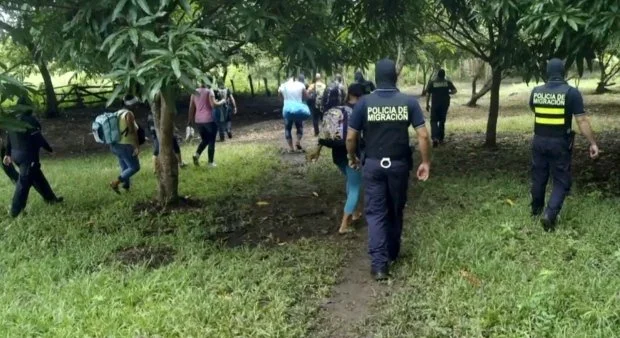
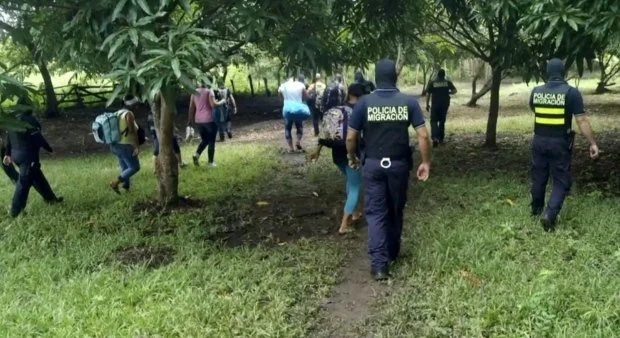
Travelling by boat, bus and on foot, treacherous journey from Brazil ends at Roxham Road, Que.When Pierre left Cap-Haïtien for South America, he never imagined he'd wind up in the woods of upstate New York.But nine years and 10 countries later, he stepped into Canada and was arrested by the RCMP.He had survived a two-and-a-half-month, 15,000-kilometre odyssey from Brazil to Roxham Road with his wife and seven-year-old son, through some of the most dangerous territory in the Americas.By plane, by boat, by bus, taxi or on foot, the destination was always the same: "Anywhere but Haiti."Pierre is not his real name. CBC News has agreed to protect the identities of the 30-year-old Haitian and his family to prevent any potential impact on their asylum claim in Canada.
Building a life in Chavez's Venezuela
A self-described socialist, Pierre left Haiti in 2008 to study in Venezuela. He made a new life for himself in Hugo Chavez's Venezuela, where he worked as a warehouse manager.Pierre left Haiti to study music in Venezuela in 2008, later studying accounting and administration. (submitted by Pierre)When the revolutionary president died in 2013, Pierre went south to Manaus in the Brazilian state of Amazonas.But work dried up, so in 2016 he decided to head north to "conquer the American dream."It's a path countless others have taken — a backwoods channel for waves of undocumented Latin Americans, Africans, South Asians, Haitians and Cubans seeking a better future.It's also a route fraught with exhaustion, fear, robbery, rape and death.
Desperate journey through the Darien Gap
With his wife and child, Pierre set out on June 16, 2016, crossing into Venezuela from Brazil."It wasn't easy to get into Colombia, but with a lot of tenacity we managed," he said.From there the family boarded a bus to the Colombian port town of Turbo, where the South American stretch of the Pan-American Highway ends.There they joined a group of 100 or so other migrants - Cubans, Africans and other Haitians ready to make the same desperate journey."From Turbo, we took a little boat," Pierre recalls. "Many people died because some boats sank. But we arrived at the entrance to the Darien Gap."The Darien Gap is a lush rainforest on the border of Colombia and Panama, thus named because it's a break in the Pan-American highway.Migrants must travel through the untamed wilderness on foot. "Crossing the Darien Gap was a very cruel experience," says Pierre. "I spent six days in the mountains with no food and no water.""So as not to get dehydrated, my family and I had to drink our own urine."The migrants also had to avoid snakes and other wild animals lurking in the dense forest."Many people died," Pierre says. "But we had to go on because otherwise, we'd die too. Whenever my son thinks about it, he cries."This video was taken by other Haitian migrants while crossing the Darien Gap.
Smuggled across Nicaraguan border
After 15 days in Panama and a bus ride to Costa Rica, authorities stopped them at the Nicaraguan border."It was really tough to get across," says Pierre."We had no papers." Stuck at the border and living in tents, Pierre paid smugglers nearly $3,000 US to get him and his family into Nicaragua.
 Others were not so lucky."Some were ripped off and never did get across," he says. "There were many bandits who raped people when they were going through the forests."Once in Nicaragua those that made it took a bus through Honduras and Guatemala to Mexico.Pierre says Mexican authorities gave them passage on the condition they move on to the USA.But arriving at the American border in Tijuana, Pierre was detained and spent nine days in lockup.Upon release, he moved his family to Florida.
Taste of the American dream
 Pierre got a work permit while his U.S. asylum claim was processed, working as a check-in manager at the Orlando airport and at Disney World."I worked and waited for the [asylum] process to run its course," Pierre says. "But when Donald Trump came to power things got complicated."He was worried that without permanent status, he and his family could be deported at any time.Then Prime Minister Justin Trudeau tweeted his support for refugees during Trump's efforts to enact a travel ban from Muslim-majority countries, and Pierre turned his eyes northward.
To those fleeing persecution, terror & war, Canadians will welcome you, regardless of your faith. Diversity is our strength #WelcomeToCanada— @JustinTrudeau
"When [Trudeau] said, 'Canada's ready to welcome refugees,' I said, 'Well, if that's the case, I'll come to Canada,' because I'm looking for a better life."So the family flew to Plattsburgh, N.Y., and boarded a bus to the border, crossing into Canada illegally at Roxham Road and making an asylum claim."When [Trudeau] said, 'Canada's ready to welcome refugees,' I said, 'Well, if that's the case, I'll come to Canada,' because I'm looking for a better life."- Haitian asylum seeker Pierre, 29They spent 24 hours in a temporary camp near the border, then two weeks living in the shelter set up at Montreal's Olympic Stadium.The family now has an apartment, and Pierre is trying to get a work permit while he awaits his Immigration and Refugee Board hearing.
Accusations, beatings and stabbings back home
In his asylum claim, Pierre says he can't go back to Haiti because his family is being targeted by a gang of street criminals. He says the trouble started in 2009 when a woman in his neighbourhood accused his father of witchcraft and threatened to have a gang attack him with machetes.Pierre says his father fled but the gang beat up his mother. He has copies of statements to the local police to help prove his story and a picture of his mother after the beating.He claims the same group of thugs attacked him for his political views in 2010 on a visit home, accusing him of trying to organize an uprising against the government.Then just this year, Pierre says his brother was stabbed by the gang and had to move his family to another part of the country."It's a country with no justice," Pierre says. "If I go back there they'll kill me."
'Such a cruel journey'
Sitting in a coffee shop near Jarry Park in Montreal's Villeray neighbourhood, Pierre sketches out a drawing of his long journey on the back of one the myriad documents and forms that make up his refugee case file.The map fills the page. His home country is conspicuously absent.Pierre sketches his journey from Brazil to Roxham Road."We left the U.S. because we were scared they'd deport us to Haiti," he says."In Haiti most people are unemployed. It's miserable. There are kidnappings all the time."Pierre hopes the Canadian government will give extra consideration to those like him who have come so far."Such a cruel journey," he says. "It was a very hard road to get here."By: Simon Nakonechny | September 26, 2017
THE TRUMP ADMINISTRATION IS PLAYING WITH THE LIVES OF 59,000 HAITIANS
PRESIDENT DONALD TRUMP courted Haitian voters in Miami’s Little Haiti neighborhood two months before the 2016 presidential election, saying he wanted to be their “greatest champion.” He had come to “listen and learn,” he told members of the largest Haitian community in the United States. Haitians, he said, deserved better than Hillary Clinton, whose Clinton Foundation has been accused of profiting from relief efforts following the 2010 earthquake. The day before the election, then-Breitbart reporter and now-special assistant to Trump Julia Hahn wrotethat Haitian-Americans were in a unique position to “exact revenge” on the Clintons by delivering Florida to Trump.But if the Department of Homeland Security upends a program currently in place to protect Haitian immigrants, the community will be one more in a long line of folks who went broke betting on Trump.The DHS is poised to send 59,000 Haitians who benefit from a program called “temporary protected status” back to an island that has yet to recover from a series of devastating natural disasters, including Hurricane Matthew last year, and a deadly cholera outbreak. Trump has until November to change his mind.Haiti is one of 10 countries the DHS has designated for TPS based on conditions that “temporarily prevent the country’s nationals from returning safely, or, in certain circumstances, where the country is unable to handle the return of its nationals adequately.” For Haiti, the TPS designation stemmed from the catastrophic 2010 earthquake. El Salvador, Honduras, Nepal, Nicaragua, Somalia, Sudan, South Sudan, Syria, and Yemen, countries ravaged by violence or torn apart by natural disasters, also have active TPS designations. TPS, as its name indicates, is a temporary solution with no pathway to citizenship, but it allows nationals of those countries to live and work in the United States for as long as DHS deems their home countries unsafe to return to.The program, which can be issued for periods between six and 18 months, is “the statutory embodiment of safe haven for those migrants who may not meet the legal definition of refugee but are nonetheless fleeing – or reluctant to return to – potentially dangerous situations,” according to a Congressional Research Service report.There is bipartisan consensus in Florida that Haiti is, in fact, not a safe haven for its people to return to. As Haiti’s July expiration date for TPS approached, Florida’s Republican Gov. Rick Scott joined Sen. Bill Nelson, D-Fla., Sen. Marco Rubio, R-Fla., and members of South Florida’s congressional delegation in calling on the DHS to extend protection for Haitians. Then-DHS Secretary John Kelly heard their call — kind of. He extended the program for six months and told Haitians to be ready to return home come January.The DHS is expected to announce whether the program for Haiti will be terminated or extended in November, but despite recent unrest in the country and pressure from lawmakers and immigration groups, the agency seems unlikely to budge.“DHS’s guidance remains unchanged for Haitians with TPS,” U.S. Citizenship and Immigration Services spokesperson Sharon Scheidhauer told The Intercept in a statement. “Beneficiaries are encouraged to prepare for their return to Haiti in the event Haiti’s designation is not extended again, including requesting updated travel documents from the government of Haiti,” adding that Acting DHS Secretary Elaine Duke will make a final determination, as required by law, at least 60 days before the program’s January 22, 2018 expiration date. (The DHS is expected to make decisions on Honduras and Nicaragua, whose designations also expire in January, in November as well. There are 86,000 Honduran TPS holders and 5,000 Nicaraguans, according to USCIS.)Rony Ponthieux, 41, is one of an estimated 32,500 Haitian TPS holders in Florida. He’s lived in the Miami area for 18 years and says he’s not ready to take his family back to the country he fled in pursuit of asylum.“Haiti is not ready to receive 58,000 people, and it’s not only 58,000 people, it’s multiplied by two or three, because each family has more people,” said Ponthieux, adding that it will be challenging to find quality education for his 17- and 10-year-old children on the island.

Photo: Joe Raedle/Getty Images
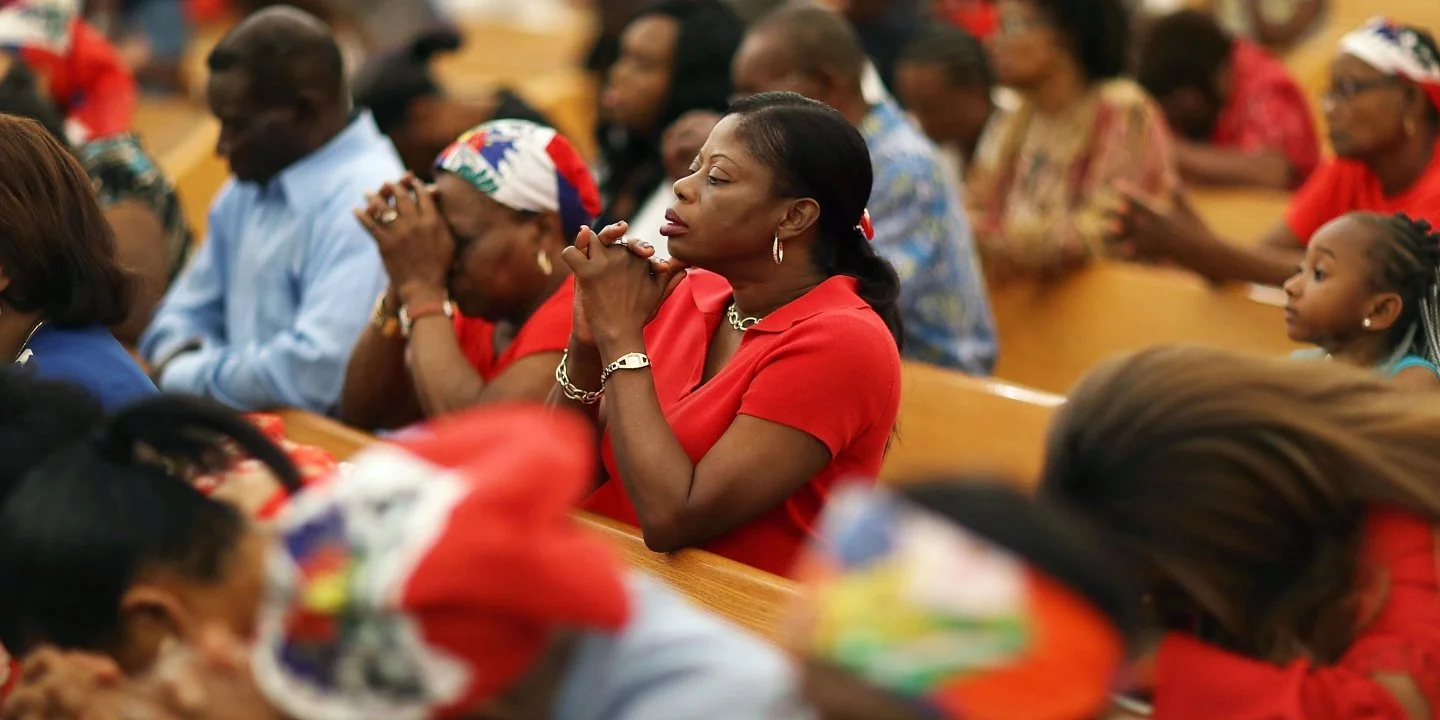
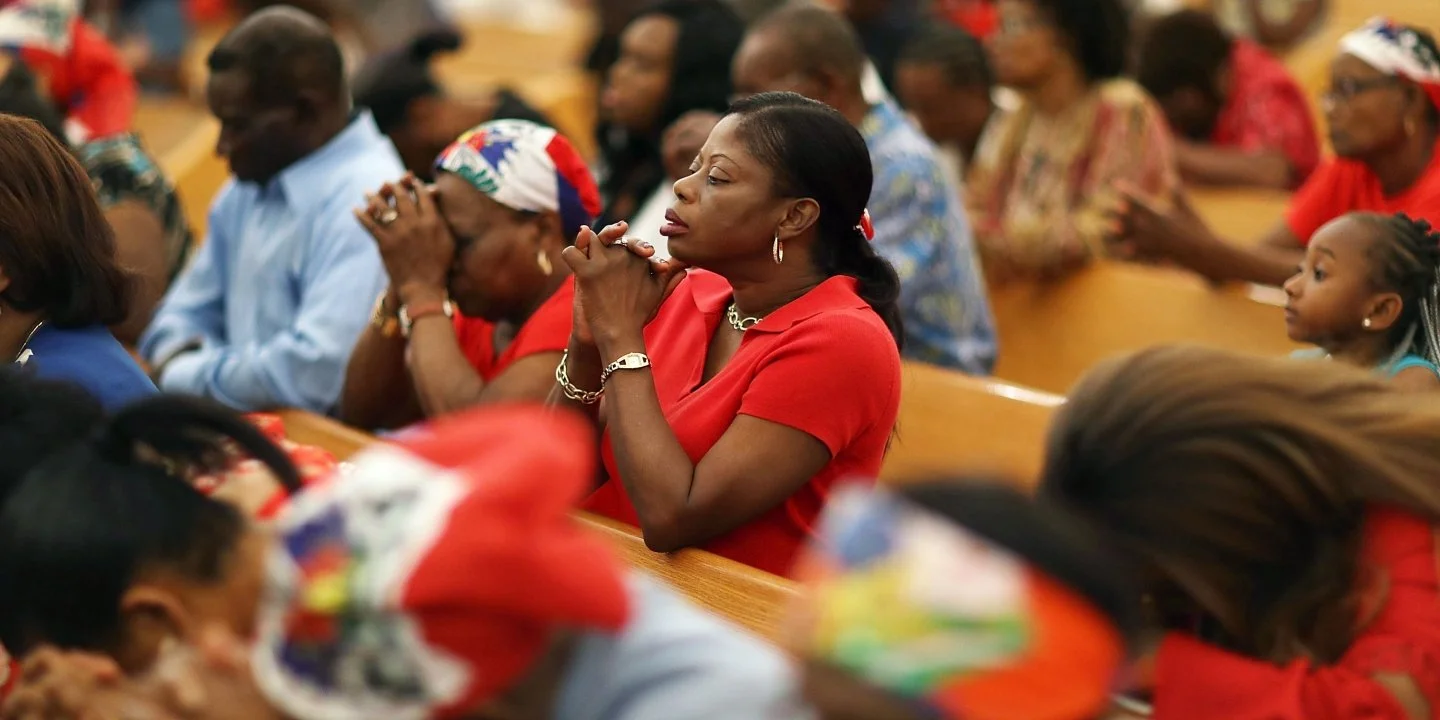
WHILE HAITIANS ARE hoping the program will be extended, many are concerned about the $495 renewal fee for TPS and a work permit, said Patrice Lawrence, a national advocacy and policy coordinator at UndocuBlack Network, an advocacy and support group for black undocumented people. In the past, the program was extended for 18 months at a time, but because the DHS set a six-month expiration date on its last renewal, a re-designation would mean applicants would have to cough up that sum for the second time in one year. “Our hope is of course that [the DHS] will extend, so the only conversation we’ll be needing to have with folks is, do you have enough money to extend,” Lawrence told The Intercept.Just last week, the DHS announced an 18-month extension of TPS for South Sudanese nationals but a termination of the program for Sudan, sending mixed signals about the future of the program as a whole. As of December 2016, there were 49 TPS beneficiaries from South Sudan and 1,039 from Sudan, according to USCIS. By law, the DHS is required to review a TPS designation at least 60 days before it expires and publish a decision on a “timely basis.” The decision on Sudan came two weeks after its September 3 due date, which created chaos and caused anxiety among immigrant groups, Lawrence told The Intercept.“The decision to terminate TPS for Sudan based on a determination that conditions in Sudan no longer support its TPS designation is reprehensible and disconnected from the reality on the ground,” said Opal Tometi, executive director of the Black Alliance for Just Immigration and co-founder of the Black Lives Matter movement, in a statement. “While TPS is far from a permanent solution to the vast challenges facing Black immigrants from Sudan, it offers an important refuge from the ongoing conflict, drought, famine, and food insecurity in the nation.”Jeanne Atkinson, executive director of CLINIC, an immigration organization involved in training and advocacy, described the decision as “cruel and inhumane,” adding that dangerous conditions in Sudan warrant an extension. “There is absolutely no need to send people who are living peacefully, raising their children, and contributing to the American economy and society back to a country where their lives could immediately be put at risk,” Atkinson said in a statement.The extension for South Sudan could mean one of two things for Haiti, said Marleine Bastien, executive director of Haitian Women of Miami, a group that offers community services to South Florida’s large Haitian population and has been leading the drive to renew TPS for Haitians and Central Americans. Either the Trump administration realized the “absurdity” of its July decision to renew the program for Haitians for only six months, or the DHS is continuing “the historic discrimination” against Haitians, she told The Intercept. (In the early 1990s, the United States had a policy of returning Haitian refugees to the island nation, and in the 1970s, thousands of Haitian asylum-seekers had their work permits illegally revoked.)“It’s going to be quasi-impossible to ask people to deport themselves after living in the country for so long and having given the contributions they’ve made,” Bastien said. “I prefer to believe that maybe [the administration] realized their mistake and that they are fixing it.”Ponthieux, a registered nurse who works at Jackson Memorial Hospital in Miami, is hoping to obtain an employment-based visa that will allow his family to stay in the United States. He said TPS recipients are “in the same boat” as immigrants brought to the U.S. illegally as minors who were shielded from deportation under Obama’s Deferred Action for Childhood Arrivals program — which the Trump administration is now winding down.“If we have the help of congressmen, we can change the law and work to get permanent status for TPS recipients and Dreamers —that would be the best thing to do,” Ponthieux said, adding that the Trump administration is “not easy.”Like DACA participants, many TPS recipients may soon be left with an impossible choice: return to an unstable country – which, in many cases, has not been home for decades – or stay put and live in the shadows. Some Haitians, fearing deportation, have journeyed to Canada to seek asylum.“When you’re faced with a crisis of such magnitude, you try to grab any lifeline,” Bastien said. “If you’re in a river and you’re drowning, any branch you will grasp.Feature photo: Parishioners pray together during a service at the Notre Dame D’Haiti Catholic Church as they celebrate Haitian Flag Day in the Little Haiti neighborhood on May 18, 2017 in Miami. The prayer service also touched on the church’s concern about the outcome of the decision on extending temporary protected status for Haitians living in the U.S. because it would possibly mean friends and families would be sent back to Haiti.By: Maryam Saleh September 26 2017,


Haiti may have been in the avant-garde of the good, the bad and the worst in the world!
Historians have revealed that Christopher Columbus, when he stumbled upon Haiti on December 5, 1492, exclaimed: “But this is marvelous!” He was so enchanted by the view in the island that he decided this should be his last stop. He would wander around the tropical basin but would make the island of Hispaniola his home base to discover other places in the Caribbean. On his return to Spain to show to the Queen Isabella his prized acquisitions, indigenous Indians and other tropical products, his sailors profited from his absence to massacre and decimate in one generation more than one million Indians through imported disease, alcohol, beatings and all other types of cruelty.Las Casas, a defrocked priest, used the fate of the Indians to suggest and obtain from the queen the rights to import blacks from Africa to replace the declining population of aborigines, for mining the land for gold and later toiling in the plantations to produce coffee, sugar and cocoa for the traders in Europe.For some 300 years, Haiti was the place to receive, brutalize for submission and dispatch black slaves to all parts of the Caribbean, the United States and Latin America, in particular Brazil. During that period, Spain, England, France and Portugal combined together to write and enforce laws policies and practices that would define the black race as an inferior category of the human species.It was also from Haiti that the revolution in November 1803 put a final blow to the world order of slavery as it was institutionalized by the church, the philosophers and the current global practice. From there, the concept that slavery is repugnant to human dignity spread to Latin America and later to the United States.Meanwhile in Haiti, slavery returned in new clothes, the forced borrowing on the state to impede any prospect of nation building. By imposing an international embargo against Haiti lifted only through international exaction and extortion, the fate of the daring nation was doomed from the start. Since only education could create a critical mass of individuals who would take their destiny on hand, Haiti and all other countries similarly situated were condemned to live in permanent poverty, internal dissent and environmental disaster.The occupation of Haiti by the Americans in 1915 followed by several others throughout the world to bring internal order and civilization did not ensure either of them. As in the Middle East today, throngs of Haitian citizens then left the country for Cuba, the Dominican Republic and Panama.The Revolution of 1946 that could be compared to the struggle for identity politics complicates the situation. Dumarsais Estime ones of the most cherished Haitian presidents could in the end be the one who caused the most harm to the future of the nation. In adopting the policy that black skinned Haitians should also have their time as the light skinned ones (mulattoes) in captivating the national legacy “he atomized Haitian politics, undermined civic culture and destroyed the possibility of the ethos of appurtenance the glue for true nation building”.The politics of common good that could revolutionize the world in offering to share the national legacy with all the citizens of the land is put aside for a politics of liberalism where all types of ingredients such as racial preference, gender equality, sexual identity, disguised human rights values have the high hand leading the bigots and the racists to also ask for their fair share in the national cake.That policy opened the way for the Western world to disrobe the nationalists of the new nations of Africa or old ones like Haiti and impose dictators like Ida Amin in Uganda or Duvalier in Haiti. They lasted for years and, when they left, the shadow of democracy under the disguise of liberalism or human rights made you wish you could revert back to the dictatorial era. Because at least there was a governing state.This long introduction was to lead us to a new book written by a professor of history at Columbia University, Mark Lilla, The Once and Future of Liberal after Identity Politics. He argued that the Democrats in general and Hillary Clinton in particular lost the recent American elections because of their espousal of the concept of liberalism that slipped into a kind of moral panic about all types of causes going from gender to sexual orientation, missing the real fight, which should be the sentiment of appurtenance for all.Said Lilla: “We need no more marchers, we need better mayors.” Observing American politics from afar, I am looking at a war of tweets. Who could gain the more followers through their tweets, Trump, Obama or Hillary! The business of pacifying America and creating the one and un-divisive nation under the same banner as prescribed by Abraham Lincoln, rebranded by Dr Martin Luther King and pursued by Lyndon Johnson, is distorted into a clan politics where there is no end in pulling the sheets to one’s side.A whole city is in riot because the N word has been used by an official or a renowned business entity. Yet leaving a large part of the population squatting or living in squalor is a scheme design accepted by all.While the N word is popular and widely used in Haiti, there is a niggardly way in the way Haiti treats its citizens. It seems there is a national plot to mistreat the women and the rural world while there is an international plot to mistreat Haiti. The MINUSTHA is leaving the country in a worse state than it found it, yet it was sent to Haiti to stabilize the nation. You could see the members of the Corps from small nations like Senegal or big ones like Brazil or Chile using their soldiers for a dolce vita in Haiti with big pay and no positive impact for the country.“We need no more marchers but better mayors!”A three-day strike has been proposed in Haiti this week to protest the 2017-2018 national budgets. Whether the budgets will be amended or remain the same as it has been signed by the president, nothing will be changed for the average Haitian citizen. I have formulated a classic national budget roadmap in my essays that has attracted little traction in the Caribbean except maybe in the Dominican Republic and there again the Haitian Dominicans are not part of the inclusion.It included funds to create:1. The sentiment of appurtenance amongst all citizens with the support for the creation of wealth for all.2. Excellent infrastructure and sane institutions everywhere so the citizens will cease to be nomads in their own country and abroad.3. Extend a helping hand to those who have been left behind; in the case of Haiti, the women and the rural world.4. Reach for the divine and international mission set by God for your nation. In the case of Haiti it is an emancipator mission.5. Teach the youths they must see the nation as a continued creation fulfilling the dreams of the ancestors.This is not on the agenda of neither the government nor the opposition.Cape-Haitian has sensed this dichotomy? The city was immune to the strike. The citizens went to their usual occupation, children went to school and business was hot as in a bee’s nest.I must anyway express my deception with the new mayor. Magistrate Mondé, as he is fondly called by everybody, was supposed to be the alter ego of another mayor of another era: Cléomain Jean Pierre. It was around the 60s before the dictatorial period. Mayor Cléomain kept the city in a state so clean and beautiful it was the pride of the Caribbean and of the nation.Sixty years later we thought we have another Cléomain but Mayor Mondé is no Mayor Cléomain. There are no excuses for the amount of detritus left uncollected every day by the sanitation department. The public market Hyppolite is in a state so deplorable that any well functioning government would have closed the structure because it is unfit for public safety and public hygiene.While we are at it! Is it not time for the son of the city, Councilman Eugene Mathieu from New York, to step in and bring help that would do much good to Cape Haitian, particularly in this period when the hurricanes are coming by waves, it was Irma now Maria preparing to create havoc in a city that is overwhelmed by overpopulation and governmental neglect?Maybe after all Haiti might show it is in the avant garde for the good, not the bad and the worst!By: Jean H Charles LLB, MSW, JD - September 25, 2017