The wild story of a 12-year-old American Revolutionary drummer boy who went on to rule Haiti.
Once upon a time, even the wild story of a 12-year-old American Revolutionary drummer boy becoming King of Haiti couldn’t interest Americans because he – along with his fellow soldiers – was black.As with America in Vietnam, the British Army dominated militarily during the Revolution—until it lost. And like Vietnam, a local fight for independence from colonial rule became a global war.In 1778, the British surprised American troops in Savannah and captured the city. Georgia was important enough strategically that French forces joined with their American allies to try liberating Savannah. On September 23, 1779, Admiral Charles-Hector Theodat d’Estaing, fresh from failing to dislodge the British from Newport, Rhode Island, demanded Savannah surrender. Four thousand French troops from the West Indies on 37 ships backed up his demand. Foolishly but nobly, he gave the British 24 hours to consider. The British fortified the ramparts and deployed reinforcements.Among D’Estaing’s men were gens de couleur, French for people of color. On March 12, 1779, Laurent Francois Le Noir de Rouvray had organized ten companies of 79 light infantry soldiers apiece, divided into two battalions, consisting mostly of, free Haitians of African descent. Some slaves who would earn their freedom through service joined too.This black marquis, born in the French-controlled island of Saint-Dominigue, fought his way up to becoming a Colonel during the Seven Years War in Canada. He knew that most blacks sided with the British against the American slaveholders.Still, calling his unit the Chasseurs-Volontaires de Saint-Dominigue, the Volunteer Hunters, the Marquis rallied his troops. “I must make whites blush for the scorn they have heaped on me,” he proclaimed, “and for the injustices and tyrannies they have continually exercised over me with impunity. I must prove to them that as a soldier I am capable of at least as much honor and courage and of even more loyalty.”
By fall, dozens of desertions shrank the troops down to about 550 soldiers. They still represent the largest black unit to fight for the patriots. To boost morale, they had two drummers, one, a former slave named Henri Christophe.
Unfortunately, d’Estaing’s dithering, along with his drunk troops’ bad aim, made it impossible to shake the British -- although 3000 more Americans joined as well. The French and Americans squabbled. And conditions aboard the French ships deteriorated. One sailor would recall: “The scurvy rages with such severity that we throw daily into the sea about thirty-five men….The bread which we possessed, having been two years in store, was … decayed and worm-eaten.” The Franco-American invasion failed on October 18, 1779— under a vicious fusillade of British fire.
Although officially only trench-diggers, the Haitian soldiers mobilized to help evacuate the survivors. The Haitians fought so furiously they lost 25 men, a disproportionate share among the 168 French soldiers killed - -with dozens of others wounded, including their little drummer Christophe. With 231 dead Patriots that day -- and only 18 British killed – military historians deem Savannah, the allies’ “bloodiest battle of the war – a Bunker Hill in reverse.”In 1780, in conquering Charleston, the British imprisoned sixty of the Chasseurs. The British intercepted others of them sea – and sold them into slavery as war booty.Nevertheless, for decades, Americans ignored these sacrifices. The ideological blinders required to so dehumanize people you can enslave them – or even tolerate such evil -- prevented whites from acknowledging blacks’ contribution to the American Revolution. Ralph Ellison’s 1952 novel Invisible Man got it half-right. African-Americans have been America’s “invisible men”—and women—often overlooked, consciously ignored, consistently disrespected. But they have also been America’s most visible men and women, standing out, defined, disrespected, due to the color of their skin. Blacks became so central and visible in the South, even non-slaveholding Southerners ultimately went to war to keep blacks unfree in the land of the free.So, historians beware. We shouldn’t overcompensate by overstating. The Haitian troops had a marginal role in a losing battle – but they deserve respect and their role now takes on symbolic – and political -- significance.It took 120 years for what the historian Bernard Bailyn called the Revolution’s spillover effect to start doing its magic. In 1899, the black army chaplain Theophilus G. Steward finally acknowledged these heroics, writing “How the Black St. Domingo Legion Saved the Patriot Army in the Siege of Savannah.” In the era’s hyperbolic style, Stewart claimed these troops “saved the retreating army” in “the most brilliant feat of the day, and one of the bravest ever performed by foreign troops in the American cause.”When freedom rings, it resonates in unexpected ways. Freedom rang when many of these troops returned home, then rebelled against the French in 1791, creating Haiti on part of their island. And freedom rang less clearly when the 12-year-old runaway slave turned corps drummer turned rebel general, Henri Christophe, declared himself president of Haiti in 1807. In liberating Haiti from the colonials, he and his men specialized in slitting the throats of townspeople caught in the crossfire.By 1811, Christophe declared himself Haiti’s king—having previously worked, one portrait details, “as a billiard-maker, mason, sailor, stable-hand and waiter.” Those modest pursuits didn’t make him a modest man. He crowned himself “Henry, by the Grace of God and the Constitutional Law of the State, King of Haiti, Sovereign of Tortuga, Gonave and other adjacent Islands, Destroyer of Tyranny, Regenerator and Benefactor of the Haitian Nation, Creator of her Moral, Political and Martial Institutions, First Crowned Monarch of the New World, Defender of the Faith, Founder of the Royal and Military Order of Saint-Henry.”While Trumpian in his grandiosity, Christophe was Washingtonian in his nationalism. Mobilizing as many as 20,000 workers, he built the formidable Citadel of Laferrier, the lavish palace of Sans Souci, eight other palaces, fifteen chateaux, many forts, and lovely summer homes on his twenty plantations. Pompee Valentine, the Baron de Vastey, Christophe’s secretary, said the Sans Souci palace and its neighboring church, "erected by descendants of Africans, show that we have not lost the architectural taste and genius of our ancestors who covered Ethiopia, Egypt, Carthage, and old Spain with their superb monuments."Despite his heavy hand, as one of the first blacks to reign in the Western Hemisphere, Henri championed Black African dignity. Typically, he helped institute the rule of law – but in the most aggrandizing way – imposing what he called “Code Henri.” In 1820, depressed by his fading power, debilitated by a stroke, he shot himself, supposedly with a silver bullet. Ten days later, rebels bayonetted his son and heir to death.In 2007, the city of Savannah unveiled a statue honoring the Chasseurs-Volontaires de Saint-Dominigue. The sculptor, James Mastin of Miami, depicted five now-bronzed black soldiers and a hatless drummer boy. Henri Christophe’s expression, Mastin explained, is “recognizing the consequences of combat as his friend has just been shot."Haiti’s Culture and Communications Minister Daniel Elie said the monumentputs “together the stories of these two countries.” "This is a great day for Haitian-Americans," Isaac Fils-Aime of Morristown, Pennsylvania, told reporters, more pointedly. “It shows that we are much more than just boat people.”By: GIL TROY | Daily Beast | February 17, 2018
Oxfam issues its first direct apology to Haiti over prostitution scandal that has shaken the charity.Oxfam has apologised to Haiti's government after its staff was accused of sexual misconduct during a mission after the 2010 earthquake in the country."We've communicated that to the minister and we've given as best we can explanations as to what happened in 2011," Simon Ticehurst, Oxfam's regional director, told reporters on Monday, after meeting Aviol Fleurant, Haiti's minister of planning and external cooperation."We are open to collaborate as much as we can, in further investigations, as necessary with the Haitian government," Ticehurst said.Earlier this month, reports surfaced that Oxfam employees paid sex workers while on an aid mission following Haiti's devastating earthquake in 2010.According to a 2011 internal probe by Oxfam, released earlier on Monday, seven employees left the organisation as a result of the investigation.Four staff members were fired, and three others, including former country director Roland van Hauwermeiren, were allowed to resign over the allegations, the report revealed.The internal inquiry also said that a witness during the investigation may have been physically threatened by three of the men suspected of abuse.
Possible cover-up
Fleurant told reporters on Monday that his government was investigating a possible cover-up."Oxfam admits the use of prostitutes by their staff in 2011, they admitted with all the evidence," Fleurant said."They even used their offices for such activities. Now we are working to see if there was a cover-up, because their report never made it to the Haitian authorities," he added.The scandal has dealt a devastating blow to the reputation of the organisation, and threatens to complicate the work of other charities.Oxfam's funding in the UK is currently under review.On Tuesday, its executives were questioned by UK politicians over the charity's handling of the allegations.Mark Goldring, the charity's chief executive, said he was "sorry for the damage Oxfam has done both to the people of Haiti, but also to wider efforts for aid and development, by possibly undermining public support".Goldring also said that the charity has received allegations of 26 new misconduct violations since the scandal broke out. He added that 16 relate to international programmes.By: AL JAZEERA NEWS | February 20, 2018
PORT-AU-PRINCE: Fire ravaged a historic market in the Haitian capital early Tuesday, leaving burned-out merchants fearing for their livelihoods in the impoverished nation.Citizens joined firefighters still working around midday to extinguish the blaze that destroyed one of two halls at the 19th century Iron Market.Dozens of vendors lost their inventories in the blaze, which left them gathered in the market courtyard pondering an uncertain future."Without help to restart my business I am going to die on my feet because I never had anything else and, at my age, there's nothing else I can do," said Jacqueline Innocent, 75, who worked in the market her whole life.Innocent said she lost 10 pots of djondjon, a type of Haitian mushroom, worth about US$100, (RM400)."All of it burned," she said.With no insurance and, for most of the vendors, no bank account, the fire means the loss of their meagre fortunes in a country where only a quarter of the people have access to "improved" latrines to avoid contamination and more than half of rural residents lack access to potable water.A weeping Marie-Yousselande Remy, 52, said that the small profit she made at the market allowed her to send her eldest son to university in the neighboring Dominican Republic."What am I going to tell him now ? To stop his studies and come back here to end up like me without a job?"Residents said the fire began in a garbage bag.The market was previously damaged by fire in 2008 and then destroyed in Haiti's 2010 earthquake before being rebuilt under supervision of the Haitian agency in charge of protecting historic buildings.The Sun Daily | February 2018
Four men were arrested on Jan. 16 for the murder of Father Joseph Simoly in Port-au-Prince, Haiti. The four men are also accused of carrying illegal firearms and criminal conspiracy. A Port-au-Prince police inspector told local media that the suspects were known to the police and could be involved in two other murders committed in April and July 2017.The murder of Father Simoly in December had raised concerns about the safety of members of religious communities in a country that has suffered previous attacks on those in religious life. Father Simoly was shot and killed last Dec. 21 while returning to his home from a nearby bank.The Catholic Bishops of Haiti issued a statement following the attack, saying, “We associate ourselves with the grief of the family of the Reverend Father Joseph Simoly, of the whole Church that this mourning plunges into consternation and affliction.”They added, “We expect, from the judicial authorities, that light be made as soon as possible on this assassination and that concrete measures are taken to protect life and secure all Haitian citizens and foreigners living in the country.”Some Haitians found the bishops’ statement lacking. During Father Simoly’s funeral on Dec. 30, a group disrupted the service, shouting that the church needed to take a firmer stance and demand justice and that otherwise Cardinal Chibly Langlois must step down.Msgr. Aris does not believe those in religious life in Haiti are currently being targeted more than other groups. Violent crime in Haiti is high but hard to measure since most crimes go unreported.The protestors interpreted the wording of the bishops’ statement as a sign the government was involved in the murder, said Monsignor Patrick Aris, spokesperson of the Episcopal Conference of Haiti, who was at the funeral.“We don’t know if they are Catholics or if they are not Catholics,” Msgr. Aris said of the group who shouted out during the funeral. “We don’t know if they belong to a political party or not.… These people don’t know Father Simoly. These people do not belong to the parish where Father Simoly was working. We believe these people coming inside the Catholic church just wanted to make disruptions.”Although police have not confirmed the motive for the killing, there is little evidence to suggest collusion between the Haitian government and the attackers, despite some precedent for that in the past. Haitian dictator François “Papa Doc” Duvalier expelled Catholic priests, including the Jesuits, at the start of his reign in the late 1950s. And former Catholic priest Jean-Bertrand Aristide, who rose to power in the 1990s, was frequently the target of attacks orchestrated by government.During his time as a local priest and presidential candidate, he spoke out for the rights of the poor. He survived multiple assassination attempts, including the famous St. Jean Bosco massacre, which was likely carried out by the Haitian government’s secret police. During his two presidential terms, Mr. Aristide was twice forced into exile by coups. He was continually opposed by the country’s elite, who had previously controlled the government.The church and the Haitian government are intertwined in ways unknown in most other countries. According to the U.S. State Department, the Haitian government provides funds and services to the Catholic Church but not to other religious groups in Haiti. That support includes monthly stipends and diplomatic passports for priests, plus funds for Catholic schools. In a country strained by poverty, the churches are institutions with money and, therefore, targets for the desperate or malicious.The murder of Father Simoly recalls other attacks on clergy and religious in Haiti in recent years, apparently acts not of political violence but crime. In February 2015, the home of some Catholic clergy was robbed, a priest was shot and nuns were threatened at gunpoint. The Miami Herald reported that between November 2014 and March 2015, “at least 27 religious communities, mostly nuns, have been the target of 39 attacks in six regional departments.”Despite those crimes, Msgr. Aris does not believe those in religious life in Haiti are currently being targeted more than other groups. Violent crime in Haiti is high but hard to measure since most crimes go unreported. In 2016, the country experienced more than 1,000 homicides. Reports of burglary and home invasions, however, have declined in recent years, according to the Overseas Security Advisory Council.
CAMP PERRIN, HAITI — Marise Laguerre, 60, says she is thrilled. She has learned a skill many of us apply every day and take for granted. Laguerre can now read and write.Laguerre is one of 45 graduates of an adult literacy program organized by local women's group CODEFEC (Combite Pour le Developpement Des Femmes de Camp Perrin) held in Laporte, a small town near Camp Perrin, in Les Cayes, southern Haiti. The participants ranged in age from 25 to 75 years old."I was so happy to participate in the program," Laguerre told VOA Creole after the graduation ceremony, "because I couldn't read or write; now I can write my name, I can write my children's names - I'm so grateful (to the organizers and teachers of the program)."After thanking each organizer and teacher by name, Laguerre proudly added, "Now when I go to the [American] embassy I don't have to give them a thumb print, I can sign my name." She was all smiles.Cevaire Carline, 46, also raved about the program."Now wherever I go, I can write my name; I can write my children's names. I can write down phone numbers, and I couldn't do any of those things before," she said.Haiti's average literacy rate is 61 percent, according to statistics published in 2015 (in the CIA Factbook). While 64 percent of males can read and write, only 57.3 percent of females are able to do so. That number is far below the current literacy rate for Latin American and other Caribbean countries, which stands at 90 percent.During CODEFEC's literacy classes, which lasted six months, students were taught to read, write and count.Program coordinator Numa Jasmine said before leading classes, the teachers were trained by Alfalit - an international faith-based adult literacy program. Each teacher also received a small salary to cover expenses.Did any of the students give the teachers a hard time?"Yes, it wasn't easy," Numa acknowledges, "but Alpha teaches us that you have to have a lot of patience and tolerance to teach adults."
Graduates of the Adult Literacy program sing during their graduation ceremony, Feb. 11, 2018. (Photo: Esnal Sincere / VOA Creole)
At the graduation ceremony, students read bible passages and sang songs to demonstrate their proficiency.Each graduate received a certificate and a bible, donated by Alfalit. According to Numa, 45 of the 60 students enrolled in the program graduated on February 11. The remaining 15 adults were not yet proficient enough in reading and writing. But Numa is confident they will be soon.Lawmaker Bertin Augustin, who represents Camp Perrin in Haiti's national parliament, spoke at the graduation. He told the students that he considers himself the godfather of the graduating class."You must work every day to increase the number of literate citizens in our community," he told them, noting that the area has one of the highest literacy rates among Haiti's 10 departments.
Lawmaker Bertin Augustin who represents Camp Perrin in Haiti’s National Parliament, was the keynote speaker at the graduation. (Photo: Esnal Sincere / VOA Creole)
"I'm sure some of you here who have phones could only talk on the phone - if you called someone and they didn't answer, you weren't able to send them a text message to say - 'Mrs. Georges just called you.' But today you are able to not only speak, but also write and that's a huge step forward in your evolution," he said.Augustin also joked that they can now apply for jobs as cashiers because they can count, and that he is looking forward to receiving their text messages in the future.CODEFEC organizer Numa is pleased with the results of the literacy program and had advice for illiterate adults who are too proud to go to school."It's never too late to learn," she said. "We have a school for all adults who want to learn to read and write, so do it."By: Sandra Lemaire | February 14, 2018
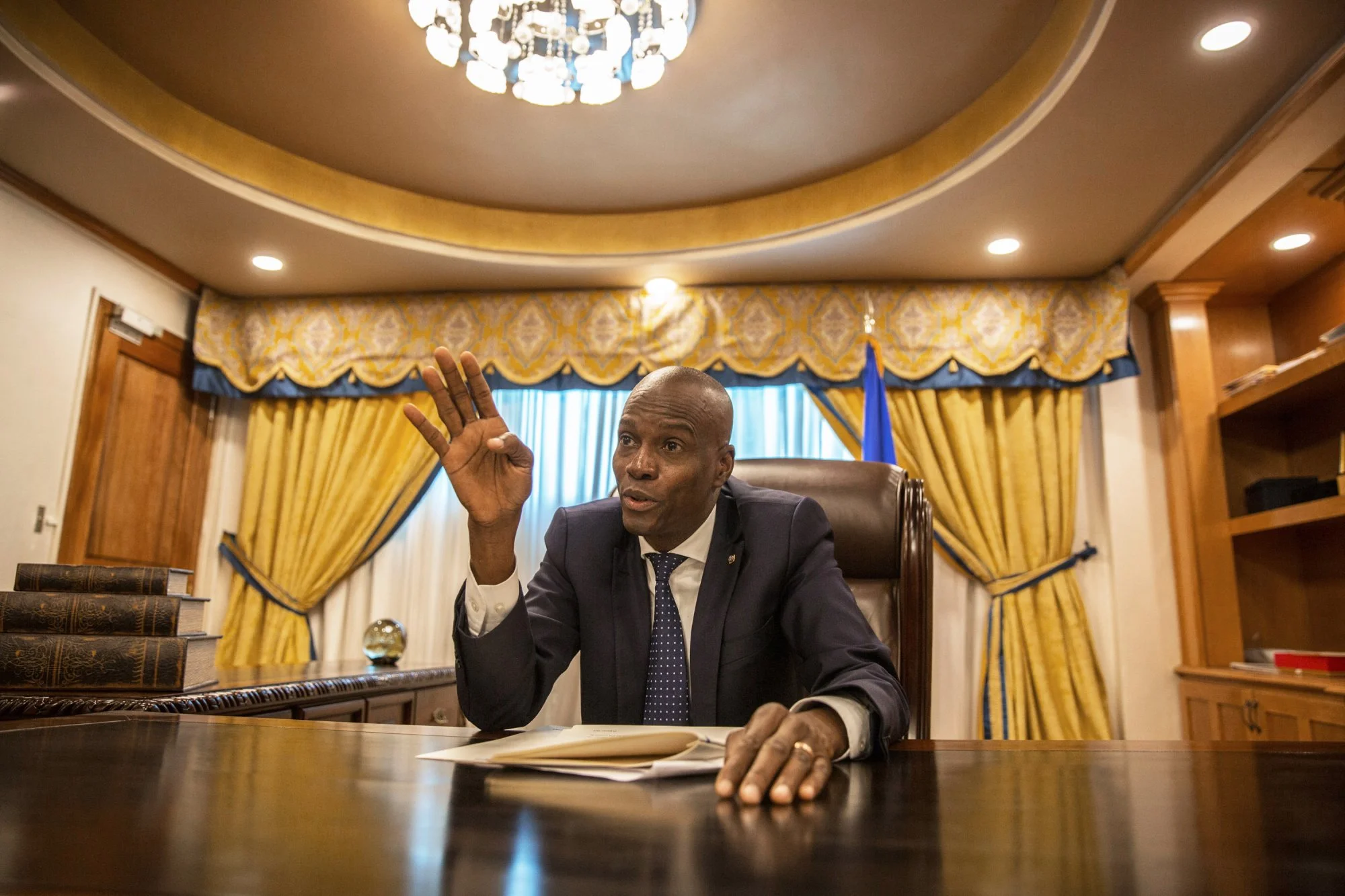
The President of Haiti has condemned Oxfam’s handling of a sex scandal in his country, describing the controversy as a “serious violation of human dignity”.President Jovenel Moise last night described the aid workers who are alleged to have exchanged “aid for sex” as “sexual predators”, amid reports that the country is preparing to launch a criminal investigation.
Taking to social media, Mr Moïse said: “There is nothing more undignified and dishonest than a sexual predator who uses his position as part of the humanitarian response to a natural disaster to exploit the needy people in their moments of great vulnerability.
“What happened with Oxfam in Haiti is an extremely serious violation of human dignity.”Mr Moïse’s condemnation of the charity comes as Haiti’s ambassador to the UK suggested on Monday that the country could launch a criminal probe in the coming weeks.
Describing the disclosures as a “big surprise” Bocchit Hammond said: “There was no report of those crimes being committed in Haiti by Oxfam.”He also attacked the former chief executive of Oxfam, Dame Barbara Stocking, who he said had insulted the country by suggesting the authorities would not have dealt with the allegations in 2011, at the time of the report being issued.
“I saw the then-Oxfam director, Dame Barbara Stocking, mentioned that one of the reasons that those crimes were not reported was because they believed nothing would have been done about it, which is really an insult to my country because you are working in a place and country which is not a forest,” he added.“Even though there was a chaotic situation after the earthquake...the state of Haiti did not cease to exist. Our police was still there.“How can you not report those crimes because you believe nothing would be done. It is a cover up. We need to differentiate it, it is not an attempt. It was a cover up. Because the top executives here in London were informed.”
Last week, Dame Barbara defended the charity’s handling of the Haiti scandal, claiming that it had taken “immediate action...to get the disciplinary matters resolved”.Pressed on why the charity had not alerted the Haitian authorities, she claimed that they had received legal advice that the country’s authorities would not take any action."We were in the middle of an earthquake response,” she told the BBC. “In a short time, within a month or so, we managed to investigate nine staff and deal with all of them.
“Four were dismissed, one resigned early, two resigned in the process of the investigation - before we could dismiss them - and two were found not culpable.”Meanwhile, amid new claims that reports of sexual abuse in charity shops were not acted upon in the UK, a poll by Sky has found that 46 percent of the public think that Oxfam should have their state funding withdrawn.It comes as as the charity's former head of safeguarding, Helen Evans, accused her bosses of ignoring her evidence and her pleas for more resources, forcing her to quit in despair.Ms Evans said that staff had been accused of rape and that sexual abuse by shop managers in UK stores against young volunteers was covered up.
Ten per cent of staff in some countries had been sexually assaulted by colleagues or witnessed abuse, she added.Her allegations emerged just hours after Penny Lawrence, the charity's deputy chief executive, quit over the scandal and the Government announced that it would be launching a unit to investigate sex abuse in the aid sector.In the wake of the scandal, the charity watchdog announce a statutory inquiry late last night.The watchdog said Oxfam may not have "fully and frankly disclosed material details about the allegations at the time in 2011" and it also had concerns about its handling of the incidents since, and the impact that these have both had on public trust and confidence.
The commission's deputy chief executive David Holdsworth said: "Charities and dedicated, hard-working aid workers undertake vital, lifesaving work in some of the most difficult circumstances across the world."However, the issues revealed in recent days are shocking and unacceptable. It is important that we take this urgent step to ensure that these matters can be dealt with fully and robustly."
Can using blockchain to verify cotton as organic help revive the industry in Haiti?
Haiti hasn’t grown cotton in decades. Its once-abundant industry collapsed in the 1970s due to government corruption, economic mismanagement, and U.S. embargoes. But now, thanks to a project involving thousands of smallholder farmers, apparel brands like Timberland, and a blockchain network, it could be set for a comeback. Within a few years, if all goes to plan, the island will be supplying millions of pounds of organic cotton for shoes, shirts, and other clothing sold in U.S. stores.
The Blockchain Cotton Project in Haiti is one of several around the world looking to use a distributed digital ledger for supply chain management. The same technology that tracks transactions of bitcoin and other cryptocurrencies can also track commodities and products as they leave fields and move through factories and distribution centers. Blockchains have the potential to boost transparency and lower the cost of authenticating the origin of products, particularly those of an organic and fair trade variety, say supply chain experts.
Smallholder Nerlande Dautarn holds a basket of cotton she and other farmers harvested at the Smallholder Farmers Alliance (SFA) cotton field trial site near Gonaives, Haiti. [Photo: Thomas Noreille / SFA]
“The promise of blockchain is that we can trace the purchase back to the farmer and the field. That not only increases the visibility of our supply chain but also enables us to share more robust stories with our consumers,” says Atlanta McIlwraith, Timberland’s senior manager for community engagement and relations, in an interview.The blockchain project is led by the nonprofit Smallholder Farmers Alliance (SFA) and isn’t the first that Timberland has been involved with on the island. Starting in 2010, Timberland, the SFA, and the Clinton Global Initiative started planting millions of trees across 19 nurseries, hoping to avert serious deforestation. They encouraged farmers to tend to the trees by offering “tree currency”: seeds, tools, and training that allow farmers to increase their own yields. The project has doubled household incomes, according to the SFA, and is now self-sustaining without corporate sponsorship. The trees produce enough seeds to create recurring seed banks, as well as food, like moringa, a “superfood” which is sold to a company in California called Kuli Kuli.In 2015, the SFA and Timberland started exploring the idea of the brand becoming not just a sponsor of Haiti’s agriculture, but also a customer. Cotton was the obvious candidate, as it had been grown there before. “We were thinking about what sustainability looks like for smallholder farmers,” says Hugh Locke, cofounder of the SFA. “They said, ‘you know, it’s been great sponsoring you guys, but what if we became a client?’ We felt that was a better basis for sustainability in the long-run because it creates a market.”Timberland has committed to meeting up to a third of its global cotton needs from Haiti–2,750 metric tons a year–assuming the project can meet quality and cost targets. The SFA recently planted the first cotton trees using funding from Timberland and Vans, which is part of the same retail group, VF Corporation (Patagonia has also expressed interest in being involved). Better Sourcing Program, a supply chain technology provider, and RCS Global, a supply chain advisory firm, are helping to develop the concept, along with students from Columbia University’s School of International and Public Affairs. For now, the project only involves a handful of farmers, but, once ramped up, it could see up to 17,000 onboard within five years, Locke says.Blockchains create permanent ledgers of transactions as they occur. They are viewable and updatable by multiple parties who join together to ensure the record is accurate. As such, Locke hopes the system will help to cut the cost of certifying Haiti’s cotton as organic–for instance, proving that no pesticides were used during growing and harvesting. Rather than outside inspectors coming in and certifying farms one by one, the system will instead allow farmers to create their own consensus version of the authentication process.
“Most systems for tracking input and outputs, yields and net profit are very expensive and proprietary,” Locke tells Fast Company. “We want something open source. We’re still figuring out how the farmers do the live reporting. But we hope it will replace the normal organic or fair trade certification through a radical transparency approach.”McIlwraith sees an opportunity in blockchain to improve the way brands talk about their products. She says many consumers want to purchase from companies that take a stand on social issues like ethical sourcing. Blockchains can open up supply chains and potentially take consumers down to the farmer level, by proving products have arrived in-store as advertised.“Consumers want to purchase from brands that they trust and one of the things that helps build that trust with consumers is this transparency and the ability to tell stories about your product that aren’t just fizzle,” McIlwraith says. “They want real stories about real people and this help makes our products more relatable.”BY: BEN SCHILLER | 02.09.18
PORT-AU-PRINCE (AFP) - Tens of thousands of people began Sunday three days of watching their favourite musicians and letting off steam in Haiti, forgetting their daily troubles and the controversies the festivities never fail to attract.Under a blazing sun, dance troops paraded all afternoon on the Champ de Mars in Port-au-Prince. At night, a crowd took over the huge public square to follow the floats.Everybody knows when the carnival takes place, but nevertheless, each year it is organised at a snail's pace until the very last minute.It is an effort not helped by the fact that, although it is Haiti's largest cultural event, every year a new provisional committee is appointed to manage the event's finances and artistic aspects."Every year, there are planning difficulties - but every year, we do the same thing again," Emmelie Prophete, spokeswoman for the committee - set up just two months ago - admits with a smile."The difference this year is that we are trying to pull off a carnival without debt. Before, there were always suppliers who were not paid - then the following year, they did not want to work with the committee. But we needed them, the offer of services being very limited," Prophete explained.
The annual improvisation benefits the political sector, which can easily influence the most important decisions - such as the artists selected for the nighttime parades.
"The big bands are chosen because they have been part of carnival for years," Prophete said regretfully."Then, we try to choose the most popular 'meringue' (Haitian dance) musicians to liven up the course. Then, inevitably, politicians will have their say on this or that group. Carnival is very political." The politicisation of carnival has increased since Michel Martelly, known as musician Sweet Micky - a carnival star for two decades - served as president from 2011 to 2016.
A reveller keeps the attendees on the street side as the National Carnival parade passes in Port-au-Prince, Haiti, on Feb 11, 2018. PHOTO: REUTERS
The participation of Martelly's group in this year's edition has sparked controversy - as his salacious attitude and tendency to insult critics prompted two cities to ban him from their parades.Despite the protests of some feminist groups, the former president will perform on the Champ de Mars.The carnival spirit of freedom and debauchery delights most - and many of the songs composed for the occasion are not kind to those in charge.
A fire-swallower performs during the 2018 National Carnival Parade on Feb 11, 2018, in Port-au-Prince. PHOTO: AFP
"We say everything we want," said Carel Pedre, an animator who runs a website compiling carnival "meringue" music. So far, the 2018 edition lists over 800 titles."We've received lots of carnival meringues talking about the Petrocaribe case and corruption," Pedre said."They also talk about the big problem we have with garbage. There's even one very popular song that talks about the bad behaviour of our leaders, in their cars, with their sirens."Through all these meringues, you can get a complete view of the situation in the country: of a Haiti that suffers, that has its political problems, but also a Haiti that celebrates and has fun," he added.
Dancers perform on the first day of the 2018 National Carnival Parade on Feb 11, 2018, in Port-au-Prince. PHOTO: AFP
But cathartic as the songs may be, they're also a reflection of the dire state of Haiti's music industry."There are no other chances to showcase yourself, especially for young talents. We don't have an awards ceremony, we don't have big national music festivals - so everyone wants to make themselves known during carnival," Pedre said.While Haiti is one of the most unequal countries on the planet, carnival brings together Haitians from all economic and social backgrounds."Whether rich or poor, we dance to the same songs by the same bands," said Pedre. "If we united like this all year round, Haiti would already be a developed country."By: The StraitTimes | PUBLISHEDFEB 12, 2018
LONDON (Reuters) - Oxfam, one of Britain’s biggest charities, on Friday condemned the behavior of some former staff in Haiti after a newspaper report said aid workers had paid for sex while on a mission to help those affected by the devastating 2010 earthquake.“The behavior of some members of Oxfam staff uncovered in Haiti in 2011 was totally unacceptable, contrary to our values and the high standards we expect of our staff,” Oxfam said in a statement.“As soon as we became aware of the allegations we immediately launched an internal investigation,” Oxfam said when asked to comment on a report in The Times newspaper that aid workers had paid prostitutes for sex.“Allegations that underage girls may have been involved were not proven,” Oxfam said, adding that four members of staff were dismissed as a result of the investigation and three resigned before the end of the investigation.Reuters could not independently verify the allegations contained in The Times report and was unable to immediately reach any of the Oxfam staff who worked in Haiti.Oxfam neither confirmed nor denied The Times newspaper report but said its misconduct findings had “related to offences including bullying, harassment, intimidation and failure to protect staff as well as sexual misconduct”.The Times quoted one unidentified source as saying that Oxfam workers had invited groups of young prostitutes to their guesthouse in Delmas, near Port-au-Prince, for sex parties with some of the sex workers wearing Oxfam T-shirts.The 2010 earthquake in Haiti killed 220,000 people and left millions more homeless. Prostitution is illegal in Haiti.The Charity Commission said such allegations risked undermining public trust in charities.
“The public expects charities to be safe and trusted environments that safeguard those who come into contact with them,” a Charity Commission spokeswoman said. “Allegations such as those involving Oxfam staff risk undermining public trust.”“We will expect the charity to provide us with assurance that it has learnt lessons from past incidents and is taking all necessary steps to safeguard all who come into contact with it,” the Charity Commission spokeswoman said.http://By: Reuters | World News | FEBRUARY 9, 2018
PORT-AU-PRINCE, Haiti - In our final report on Haiti tonight, we take you back to a factory in Port-au-Prince that's providing high-tech hope and changing so many lives in the process.Four years ago, Local 10 was the first to feature the Surtab company. The small tech firm opened Haiti's first tablet computer factory.We visited Surtab’s factory four years after the country's catastrophic earthquake devastated the island nation’s economy. Many people couldn't believe that Surtab was making computers in Haiti."In many cases, we would advertise online,” said Maartan Boute, the founder of Surtab. “They would say this place doesn't really exist."However, years later, the words on the back of the tablet - -- "Made in Haiti" -- are still making so many, so proud.On social media, our feature story went viral, thousands watched with pride and optimism while others still remained skeptical."What was good about your piece is that it gave us international visibility, and people believed it," Boute said. "Every single delegation from the U.S. and other countries and places wanted to come here and see that it was real."The tablet company has made real progress. More workers have been hired, and the office space has doubled from one long table of android tablet producers since our last visit.Some workers have moved on from the job like Farah Tilus, an earthquake survivor.Tilus used her Surtab salary to become an English teacher.“Things happen. I am very, very lucky,” Tilus said.Surtab sales are mostly in Haiti. The company offers three models with the least expensive tablet selling at just under $100, and the most expensive is $250.But to survive in the tough world of tablet production, the company is going back to the basics."We have more than 25,000 students using our tablets in various grades for education," Boute said.So their team has created an app that serves as a virtual classroom called Sakado, French for backpack. With one of these tablets in hand, students will no longer need backpacks.The goal is to revolutionize Haiti's education system and help more students pass the Baccalaureate, the country's national exam."For this December, we had a 14 percent success rate so an 86 percent failure rate," Boute said. "The reason we developed this app is that we want to get from the 14 percent to 50 to hopefully 80 percent. It improves their ability to get into the workspace, but also improves their ability to get into professional school or maybe win a scholarship to go aboard."By: Calvin Hughes | Local 10 News | February 7, 2018
Rebuild Globally is an Orlando-based non-profit focused on alleviating poverty in Haiti via education and providing a more sustainable, entrepreneurial solution for survivors of the 2010 earthquake.Rebuild Globally job training programs are based on a social enterprise model that incubates locally-grown makers and businesses.[embedyt] https://www.youtube.com/watch?v=NW2fO-S2Fq4[/embedyt]Runway to Haiti: A Night of Impact and Ethical Fashion will take place on Thursday, March 8 from 6-8 p.m. at Country Club of Orlando, located at 1601 Country Club Drive. The runway show will highlight the launch of the Spring/Summer 2018 Deux Mains Designs collection, and will feature clothing from Haitian designers.Side Note: March 8 happens to be International Women’s Day.Rebuild Globally and Macbeth Studio will host a pre-event for the upcoming fundraiser on Thursday, February 15 from 3-7:30 p.m. at Macbeth Studio in the Angebilt building, located at 37 N. Orange Avenue, suite 900. Guests will be able to have their photos taken in front of a custom-designed backdrop, created by Haitian artist, Patrick Noze.Tickets are on sale now and can be purchased HERE.By: Brendan O'Connor | Bungalower | February 5, 2018
NEW ORLEANS — Régine Chassagne was standing barefoot in her rambling New Orleans home on a recent weekday, showing members of the Preservation Hall Jazz Band how to play the horn parts for her latest musical project.
It was a galloping Carnival anthem played in the Haitian style and sung largely in Haitian Creole, a language the jazz players did not understand. Ms. Chassagne, a Canadian-born daughter of Haitian exiles, described their parts with swooping hand gestures. At one point, she told them to play “like fireworks — poof!”
The jazzmen, masters of translating emotion into sound, nodded along, unfazed.
Ms. Chassagne, 41, is a founder of the rock group Arcade Fire, a French speaker of mixed racial heritage who grew up in Montreal playing the piano to old Louis Armstrong recordings. More recently, she has become a prominent advocate for the Haitian people and for a Haitian culture that has had an outsize, if not always recognizable, influence on New Orleans, where she and her husband, Win Butler, have lived for about three years.
For this year’s Carnival season, the period of revelry before Lent, Ms. Chassagne and Mr. Butler, the Arcade Fire frontman, will highlight their adopted city’s Haitian connections with the kind of primer its residents readily understand: a raucous procession by the couple’s Haitian-themed Mardi Gras troupe, the Krewe du Kanaval. Founded in collaboration with the New Orleans jazz hub Preservation Hall and rounded out by local and Haitian musicians, the krewe plans to parade through the streets of the French Quarter and Treme on Tuesday, a week before Mardi Gras, and put on a free street party.
It is likely to be the loudest love song to Haiti to emanate from New Orleans in many decades, at a time when many are still stinging from a coarse insult from the president and the end of a humanitarian program that allowed more than 45,000 Haitians to live and work in the United States.
“I’m the one pushing for it,” Ms. Chassagne said of the band’s focus on Haiti, “and I’m pushing for it because it’s the story of my parents, and the culture. Their culture is what made me who I am.”
Some in New Orleans say the same could be said for the city.
“There’s this huge connection between the cultures that hasn’t really been explored,” said Branden Lewis, 30, a trumpeter with the Preservation Hall Jazz Band. “My existence is testament to that fact, and I don’t really know anything about Haiti.”
Mr. Lewis grew up in Southern California, but his family members are Louisiana Creoles who trace their roots to people of African descent who came to Louisiana from Haiti in the 19th century.
It is a common New Orleans story. In 1809 and 1810, the population of the city roughly doubled when more than 10,000 French speakers from the colony of St. Domingue — whites, slaves and free people of color — arrived from eastern Cuba, according to Ned Sublette, the author of the 2008 book “The World That Made New Orleans.” They had gone to Cuba from what is now Haiti amid the tumult of the Haitian revolution, but were subsequently expelled by the Spanish.
The new arrivals made a profound mark on New Orleans, influencing its legal profession, cuisine, journalism, politics and music. In the book, Mr. Sublette argues that they delayed the Americanization of the city “for perhaps two generations.”
But Americanization eventually won out, and the French language faded. And while family names familiar to any Haitian — Dumas, Toussaint, Barthelemy — remain common in New Orleans, the Haitian influence has become so prevalent, so deeply mixed into the city’s complex cultural stew, that it can be difficult to pick out.
“Haiti definitely had an influence on New Orleans, but it’s hard to see if you’re not looking,” said Donald Link, a local chef who has been researching the city’s culinary ties to the Caribbean world.
The idea of outsider rock stars making a mark on Mardi Gras has prompted some grumbling in a city that fiercely guards its cultural traditions. Mr. Lewis said some locals had criticized the Krewe du Kanaval as an act of cultural appropriation. It would not be the first time such charges have been made against Ms. Chassagne or her band, whose other members are white and which has come under fire before for adopting Haitian influences and iconography.
In 2016, they set off an intense online debate among New Orleanians when they joined with the Preservation Hall Jazz Band for a New Orleans-style parade for David Bowie, who died in January of that year.
Photo
Ms. Chassagne and her husband, Win Butler, Arcade Fire’s frontman, have lived in New Orleans for about three years.Credit: William Widmer for The New York Times
“Shouldn’t you have at least some tie to New Orleans to get a second line?”one commenter said, referring to the city’s tradition of jazz funeral parades.
Mr. Butler shrugged off the complaints on a recent evening while sipping rum on his back porch with Ben Jaffe, Preservation Hall’s creative director. Thousands turned out for the Bowie parade, Mr. Butler said. Thousands were moved.
“There’s not even one part of me that’s like, that was a bad idea — like, ‘Oh no, we’ve ruined New Orleans,’” he said.
Mr. Jaffe, a New Orleans native, agreed, arguing that the city has always made room for respectful newcomers looking to make a mark on the culture. His parents, Allan and Sandra Jaffe, were music fans from Philadelphia who stumbled into New Orleans’s traditional jazz scene while on their honeymoon in 1960. The next year, they opened Preservation Hall, playing a major role in the traditional jazz revival in the city.
“That was one of the reasons they came down here — to sort of absorb that thing that they were attracted to,” he said. “Isn’t that what New Orleans has always been, though?”
Ms. Chassagne’s attraction to the Caribbean world feels like an effort to reclaim a heritage that history tried to rob from her. Her parents fled, separately, from Haiti in the 1960s, amid the violence imposed by supporters of the Haitian dictator François Duvalier. Several of her mother’s relatives were killed in a 1964 massacre in the town of Jérémie, and her mother, traumatized, never returned.
Ms. Chassagne would not visit the island until after the band became famous. She describes a Montreal childhood absorbing wisps of Haiti: her parents chatting in Creole, the way her mother danced in the kitchen, the Christmas parties with kompa music on the stereo.
A fair-skinned member of a family of many hues, Ms. Chassagne also remembers listening as darker-skinned relatives talked about the way white people would treat them.
Now, she and Mr. Butler stand out in other ways. New Orleans is still adapting to having the famous indie-rock couple in its midst: One city government official recalled seeing the pair on the street at Halloween, and mistaking them for local residents in really convincing Arcade Fire costumes.
In the past few days, Ms. Chassagne and Mr. Butler have been scrambling with last-minute details. They have corralled into their Carnival project Haitian-Americans including Leyla McCalla, an unclassifiable multi-instrumentalist who performs some songs in Creole, and Charly Pierre, a chef and a winner of the Food Network’s “Chopped” contest, who will be providing some of the food.
The couple has also been reaching out to the Haitian immigrant community. On Jan. 11, Ms. Chassagne and Mr. Jaffe promoted the festivities on Radio Gonbo Kreyol, a New Orleans internet radio station that serves Creole speakers, as stories began to circulate that President Trump had crudely disparaged Haiti in a White House meeting.
The Census Bureau estimates that fewer than 500 people in metropolitan New Orleans claim Haitian ancestry, but Barthelemy Jolly, a Haitian native and vice president of the radio station, believes the Haitian immigrant community is thousands strong. Many of them are taxi drivers and hotel maids, he said, and they have tended, over the years, to keep a low profile.
But Mr. Trump’s comments prompted scores of Haitians to march together at the Women’s March on Jan. 20, which passed through the city’s central business district and the French Quarter, bearing Haitian flags. Mr. Jolly said that he expected many more to come to the Krewe du Kanaval party.
“The Haitian community, they’re going to be out there,” he said.
So the possibility looms of a party where second-line rhythms bleed into Haitian mizik rasin, where the vestiges of Caribbean roots mingle with the new.
If nothing else, it will probably be a good time, though Ms. Chassagne hopes it will be something more. “If we want things to move forward we need to experience each other’s company,” she said. “You can’t just retract in your corner.”
PORT-AU-PRINCE, Haiti - Haitian President Jovenel Moise said the controversy surrounding U.S. President Donald Trump's disparaging comments about his county has hampered Haiti's burgeoning tourism industry.“I must be clear with you,” Moise said in exclusive interview with Local 10 News. “These comments haven't helped our image or tourism industry. But to the rest of the world, I say Haiti is a beautiful place, an amazing place to visit.”Moise, who will mark his first year in office on Wednesday, had been reluctant to comment on Trump's remarks. Moise said he regrets the negative comments coming from another country's leader."The Haitian people are proud, and aspire for a better future," he said in French, the country's official language. "I see it as a call to arms."President Trump's vulgar comments about Haiti at a White House meeting in January are now well-known, and so is the bitterness and anger resulting from it. The remarks caused a firestorm of protests around the world, including in Port-au-Prince and Miami's Little Haiti neighborhood.However, Trump's comments weren't the only setback facing Haiti's tourism industry, which in recent years the government has desperately tried to revive. The U.S. State Department recently changed its travel advisory for Haiti from "exercise increased caution" to "avoid travel."The State Department cited the country's high crime rate and civil unrest when it announced the decision in early January.In the recent decades, Haiti has been beset by poverty, fiery political strife and corruption. But historically, the Caribbean nation was a desired destination for the rich and famous.Moise wants Haiti to return to its days as a tourist hot spot. The country has added more than 2,000 hotels rooms in recent years and has seen modest increases in the number of visitors each year.Meanwhile, the Royal Decameron Indigo Beach Resort & Spa opened in December about 42 miles outside the capital. The four-star getaway -- the county's only all-inclusive resort -- is beginning to cash in on new tourists."We really want to take this momentum to show Haiti is not all that negative on the news," Moise said.Outside of tourism, Moise is focused on creating jobs, building new health centers, expanding and rebuilding Port-au-Prince's airport. Haiti is also building a new airport in Les Cayes, the county's third-largest city, and providing electrical power to people 24 hours a day.Moise keeps toy construction trucks on his desk in his office -- a constant reminder of his promise to transform Haiti's lacking infrastructure.Moise really wants to build hope in Haiti, and he says a visit from Pope Francis could do exactly that. He said his discussions with the Vatican began last week."We hope to the Pope this year ... if not, we hope to get next year," Moise said.It's been 35 years since the Pope John Paul II visited Haiti more than a generation ago.More than half of the country's population is under the age of 30. And if they don't have hope of a better Haiti, then there's no one to carry the torch. It's for the next generation that Moise is banking on with a papal visit to Haiti."We think that we can have a change in the mentality of the people with this visit,” Moise said. "The young people must believe in this country because it is their country."By: Calvin Hughes - Anchor, Tim Swift - Local10.com Digital Editor Posted: 6:23 PM, February 05, 2018
Vodou 'a very healing religion,' organizing says, but 'has its negative sides, too'
A P.E.I. tour company is offering Islanders an opportunity this spring to learn more about the religious culture of Haiti, while helping with economic development in the country at the same time.Sagrado Tours has partnered with locals to produce the Sacred Vodou Tour."I lot of people, I think, in North America, mistakenly have a negative view of sacred Vodou," said David MacKay of Sagrado Tours."I've found it, through my study and my experience, a very healing religion, a very positive religion. It's like a lot of religions, I guess, it has its negative sides, too."MacKay said many of the modern negative views of Vodou, commonly known as voodoo in Canada, date from the dictatorships of the Duvaliers in the 1960s and 1970s."Museums, Vodou temples, the waterfall at Saut d' Eau. There's so many nice places that you can visit," he said.
Sustainable development
Guyere Theodore of Léogâne, just south of Port au Prince, will act as cultural interpreter on the tour.Some of the proceeds from the seven-day tour will go toward development in Léogâne. MacKay has been working on development projects in the area for several years."We focus on sustainable development," MacKay said."The backyard poultry is going ahead and they're making money, somewhere around $400 or $500 American a year, which sounds small, but that doubles people's income."
Travel advisory
The tour is scheduled for March 28 to April 4. It is all-inclusive at about $3,500, which does not include airfare to Port au Prince.Haiti is under a travel advisory from the government of Canada. The advisory includes a warning about high crime rates in parts of the country and political tensions, and says Canadians should exercise a high degree of caution.MacKay said he has never felt threatened during his visits to Haiti.Sagrado has plans to offer more culturally themed tours of Haiti in the future.By: Kevin Yarr | CBC News | Feb 05, 2018
Under the warm midday sun that lit the city of Jacmel on Sunday, a colorful procession of spectacular masks and costumes took over the streets of the Haiti's arts capital.The coastal city turned into a giant 24-hour party, which started at noon and ended the next day, setting the stage for a parade of strange and elaborate artwork.But the event was more than just a street party. Under the theme “Change,” it sought to send a message to the world about the will of people in Haiti to develop the country. The artistic creations expressed the joys, frustrations and hopes of the population.“It is one of a kind it’s like not any other carnival people will see in the world,” said Lee Rainboth, 33, who runs the newly renovated art centre of Jacmel, a space that stopped functioning for a few years after the 2010 earthquake killed its former manager and damaged the building itself. It is now slowly being renovated and expanded, and has become the vibrant hub for artists who go there to exchange ideas, support and inspire each other.“The costumes that are created and the kind of art that you will see in the Jacmel carnival is wild and out of this world,” Rainboth added. “The papier-mâché creations alone are the best that you will see anywhere, they are what makes the Jacmel carnival what it is.”
Charlotte Charles looks at her creations in her boutique in Jacmel. (Jean Marc Herve Abelard)
The carnival is a huge occasion in Jacmel, as it gives artists in the city and its surrounding areas the chance to come together to show off their Haitian identity, and denounce slavery and inequality in the poorest country in the Western Hemisphere.The Haitian identity finds its roots in a successful slave rebellion and independence from France in the 19th century. It’s an identity that the people of Haiti cannot dissociate from freedom and resistance and the country’s exceptional resilience to the political instability and natural disasters that have struck countless times.In the days leading up to the carnival, dozens of artists worked tirelessly to finish their pieces on time. Many worked in studios in downtown Jacmel, where pioneering papier-mâché artist Simonis Lionel was based as he earned worldwide acclaim for his pieces some three decades ago.It takes a lot of money and long weeks of intense work to make the elaborate masks and costumes. Some artists get funding from the Haitian government, while others, who aren’t yet known, have to find ways to borrow money to participate with the hope of selling their art to tourists and getting recognition outside of Haiti.“There is some money from the government and the Ministry of Culture, but to access that money, you have to know the right people,” said Rainboth of the art centre. “It’s not available for everybody and it is difficult for many artists to get access to it.”Fanel Saint Hilaire, 37, a father of three, hopes to make enough of a splash at this year’s carnival to make a living through his art.This year, with the help of 12 other artisans, Hilaire worked for two months on several creations including a tractor, which echoes the politics of newly-elected President Jovenel Moise, who has a strong agricultural background and promised to boost the country’s farming industries.
Fanel Saint Hilaire paints his tractor creation (Jean Marc Herve Abelard)
“Change cannot be made without [adequate] infrastructure,” Hilaire said. “The idea of the work I have made is to show the Haitian people’s need for development.”While many consider Jacmel’s carnival to be well-organised and managed, times are hard for the artisans who only get the attention of the world once or twice a year. They say it is difficult for them to get the acclaim their work deserves and they wish they had more support from the Haitian government.Raphael Salnave, a disabled 48-year-old artisan, watched the bustle along Saint Anne Street without much enthusiasm. Salnave is well-known for his carnival creations, but that doesn’t mean he’s made much money from them. This year Salnave says he had to borrow money at high interest in order to participate.“I hope I get the money back but as of now nothing is sure,” he said.Salnave said his creations are being copied by others and he lamented that there is no system to copyright or protect innovative creations. His friend, Charlotte Charles, 48, owns an art shop in downtown Jacmel and has been an advocate for the rights of carnival artists.“We don’t have a market, we don’t have access to show our work abroad,” she said. “We don’t have health insurance. We don’t have anything. We are all on our own.”But despite any reservations, over the weekend, the city was flooded with tourists from all over the country and from abroad who wanted to experience art that celebrates the traditions of the country and the Haitian heritage.
Ernst Payen, 33, worked on five different art pieces for one month, including a carnival figure of Ayida-Weddo, a Voodoo spirit that is believed by many to have helped liberate Haiti from slavery.
“The carnival is an important opportunity for me,” he said. “It’s the only way for me to make a little bit of money. It’s the only way for me to show my talent.”By: Aida Alami | Euronews | February 5, 2018
[video width="480" height="270" mp4="http://haitiville.com/wp-content/uploads/2018/02/eb825c9a-745a-4539-bbc2-7b131cc12850_mobile.mp4"][/video]A model showcases a dress featuring colors of Haiti's flag by Haitian fashion designer Immacula Pericles.WASHINGTON/PETIONVILLE — Dozens of designers from Haiti and around the world showcased their spring-summer collections against a lush tropical background during the recent Haiti Fashion Week.The January 28-31 event in Petionville focused on the theme “Innovation” and “haute couture” this year. Event founder Maguy Durce said her main goal was to show Haiti in a positive light, as opposed to negative images usually portrayed by the international media.“Haiti Fashion Week is a cultural event. But we want to use it to respond to President [Donald] Trump — to his negative comments [about Haiti] — because we think if he saw what was happening this week at El Rancho [hotel], he would say, 'Hey, I lied,' or, 'Hey, I was wrong,' or, 'I was misinformed,' " Durce said.Fashion Week founder Maguy Durce. (Photo: Matiado Vilme for VOA)Trump's reported use of a vulgar term to describe Haiti and African nations angered the Haitian-American community and sparked rallies in Port-au-Prince, New York, Palm Beach and Boston to denounce racism. Haiti's ambassador to the United States said the comments about Haiti "hurt the country."The fifth edition of Haiti Fashion Week had been scheduled for November 2017, but was rescheduled after some of the designers said their collections would not be ready in time.
Young Haitian fashion designer Maille Timothee was a first-time participant in Haiti Fashion Week. (Photo: Matiado Vilme for VOA)
Young fashion designer Maille Timothee, whose fashion line is called MAE, presented her designs for the first time this year. She won applause for her colorful dresses made with unconventional textiles.“I wanted to do something unconventional. Something unexpected. So I mixed different fabrics that people would not expect, and even what I’m wearing is an example of that," she explained.Timothee is the daughter of seasoned Haitian designer Immacula Pericles, who runs a highly acclaimed fashion school called Academie Verona. She also participated in Haiti Fashion Week, showcasing a collection of dresses made in the colors of the national flag and representing the natural beauty of the Caribbean country. Her collection wowed the audience.“Well, I’ve been doing these designs for a long time now, so it’s new to some people, but we’ve been around a while," Pericles noted. "The theme of our fashion school is Haiti will survive - so my goal is first to incorporate sustainable materials and second to make the clothing using the same international standards the big fashion houses use so that we can sell our line anywhere in the world.”
Seasoned designer Immacula Pericles also owns a fashion school called Academie Verona. (Photo: Matiado Vilme for VOA)
Pericles said Haiti has huge potential to excel in the fashion world.French designer Marie-Caroline Behue flew from Paris to Port-au-Prince and went straight to work on her collection. A first-time participant in the event, she admitted to being awed by the quality and intricacy of the designs.“I knew nothing about Haiti Fashion Week and I was amazed by the level of detail in the designs," she admitted. "I’ve worked in the French haute couture design houses and I can tell you the designs I saw here meet the bar - and to be honest, what really piqued my interest was the men’s haute couture, because when one thinks of haute couture, they naturally think of women’s fashion, but here in Haiti, I was like, 'Wow! They’re got couture men’s clothing.'”
French designer does a live haute couture demonstration on the runway during Haiti Fashion Week. (Photo: Matiado Vilme for VOA)
Haitian-American designer Marcia Roseme, whose collection features bright colored separates matched with muted tones, traveled from New York to show her first collection at Haiti Fashion Week.“It was a great event; there were a lot of different styles that represented many markets. There was a lot of innovation, a lot of creativity and unique styles - I really like that,” she told VOA.
Haitian American designer Marcie Roseme traveled from New York to show her collection at Haiti Fashion Week. (Photo: Matiado Vilme for VOA)
Organizer Durce, who put in many long hours to pull off a culturally rich and diverse showcase of Haitian and international artistry, was pleased with the turnout and the positive reviews from the national and international press.“Africa Fashion TV has been here all four days, broadcasting our fashion shows live, so what we’re doing here in Haiti is being seen in 29 African countries and all over the world. Each time a person tweets or posts something about Fashion Week to Facebook, it raises Haiti's image to a higher level.”Durce said she’s looking forward to the sixth edition of Haiti Fashion Week - to be held in 2019.
This year, Haiti Fashion Week focused on Innovation and haute couture. (Photo: Matiado Vilme for VOA)
Based in 191 countries, the Airbnb platform, specialized in the reservation and rental of online housing, took a decisive step on January 31, by signing with the Haitian Government, through the Ministry of Tourism, an agreement aimed among others, to promote Haiti as a touristic destination.By signing this document, the two parties want to allow all those interested in the matter, once they own "a house, a smartphone and a bank account", "to register their home on Airbnb platform and possibly to rent it to tourists or visitors passing through Haiti, for a time not exceeding 120 days ".The Loop Haiti editorial board got in touch with one of Airbnb's managers for an exclusive interview. Shawn Sullivan, Head of Public Policy at Airbnb for the Caraibean and Latin America first explains why his platform has taken its toll on Haiti.Airbnb loves Haiti"Airbnb was founded on the belief that travel and tourism help break the walls between people, broaden the understanding of the world around them, and help build trust between people. We believe that Haiti is a unique destination with a fascinating history and culture and that Haitians are very warm, welcoming and hospitable people. Sustainable tourism can have a significant positive impact on a country's economy and we believe there is significant potential for developing the tourism industry in Haiti. Airbnb loves Haiti, "says Shawn Sullivan.
He continues, "Through this agreement, Airbnb will provide global data to the government on the use of Airbnb in the country; we will promote Haiti as a tourist destination; we will launch a digital marketing campaign, establish a stakeholder working group, and organize discussion meetings and training across the country. "In its 2016 report, the International Tourism Organization estimated that Haiti received 516 thousand tourists. While the Dominican Republic, the neighbor next door, has received 5 million 600 miles (ten times more than Haiti). Jamaica, though half as small as Haiti geographically, received for the same period, 2 million 123 thousand tourists. And according to experts, Haiti does not take enough advantage of the international publicity on tourism.Hence questions about what Haiti should do to be more attractive to tourists. Shawn Sullivan from Airbnb wanted to provides this answer : "Promoting destinations in major markets, especially in the United States and Europe, is essential for any country seeking to attract visitors. This is something that Minister Menos (Haitian Tourism Minister) and this government are committed to do. Another thing that destinations must do is build their tourism infrastructure. This obviously takes time and a significant investment, but Haiti is ideally suited for that. Airbnb is in talks with the Inter-American Development Bank to see how we can help with this issue in Haiti, "he says.
LOOP: On this point, we know that Airbnb intends to invest in the construction of its own homes (which will be named Niido powered by Airbnb). According to the latest news, the kickoff should be given in Florida. Is there a similar plan for Haiti? "Not for the moment," says Sullivan, while stressing that, contrary to what some believe, the discussions on the partnership between Haiti and Airbnb were already beginning even before the outbreak of the controversy related to the statements of the American president, Donald Trump about Haiti, El Salvador and African countries.
After announcing mid-January, the investment of at least $ 100,000 in digital advertising for its accommodation in Haiti, El Salvador and Sub-Saharan Africa, to propel tourism in these places, Airbnb has just taken the step in signing with the Ministry of Tourism of Haiti.Created in 2008, Airbnb is now present in more than 34,000 cities and 191 countries. According to a Fortune.com report, the company generated $ 170 million in revenue last year. Its head office is in Ireland.By: Loop | WIDLORE MÉRANCOURT | FEBRUARY 1, 2018 | LOISIRS
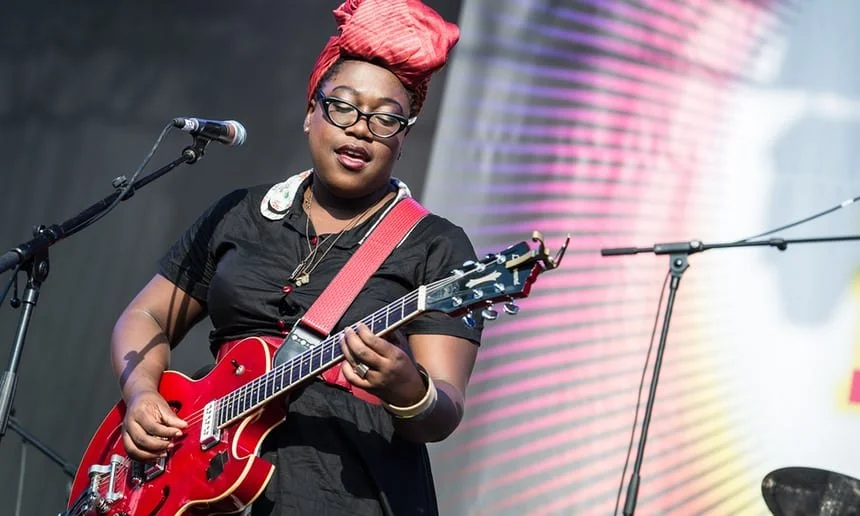
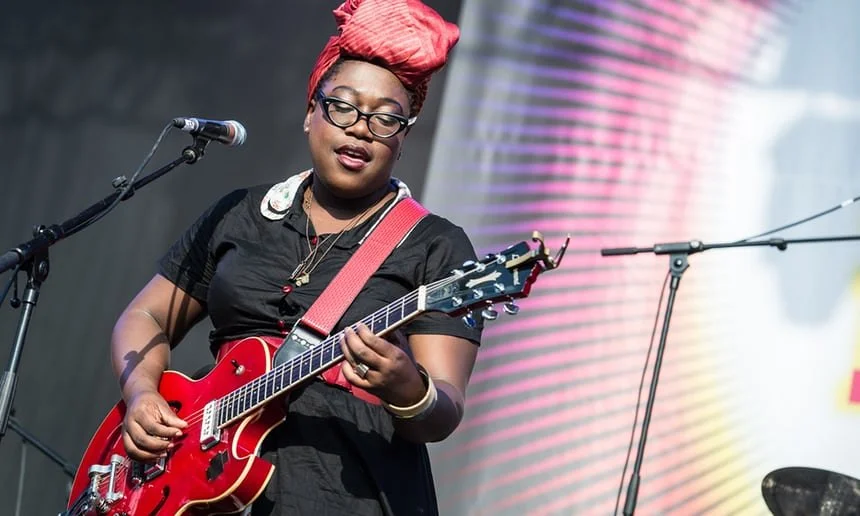
The Canadian singer’s striking new album is themed around the US occupation of her parents’ homeland – but is a lilting, joyful record about omens, civil treachery and sexuality
On a dull January afternoon, Mélissa Laveaux arrives at her record label’s Paris office apologising for her lateness. Disorganisation is, she says, a lifelong affliction.But the 33-year-old is in the middle of so many self-directed projects that it’s hard to take her claims too seriously. It takes a polymath to simultaneously mastermind a play about Haitian spirits, a multimedia project about a 19th-century sculptor and an album about the American occupation of Haiti in the early 20th century.The album is Radyo Siwèl, Laveaux’s third: a lilting, burnished, joyful full-band collection that combines Haitian kompa guitar with calypso and soca, courtesy of Toronto-based Trinidadian guitarist Drew Gonsalves.Laveaux moved to France 10 years ago when Paris-based label No Format offered to release her music. Born to Haitian parents in Ottawa, she describes her childhood as traditional, though with one missing aspect – her parents wanted Laveaux and her sister to assimilate and speak perfect English and French, so refused to teach them Creole. “All the cool Haitian kids spoke Creole. It felt like a sorority we didn’t have access to,” says Laveaux. “It felt like something was missing.”Immersion in Creole culture was one of the prompts to make this album. The other was a childhood love that Laveaux’s parents did foster, of the Haitian singer and activist Martha Jean-Claude. Laveaux first heard her aged six, and started playing her songs after she got her first guitar following her first trip to Haiti, aged 12. “When I moved to Paris, one of the artists that still carried me was Martha Jean-Claude,” she says. An invitation to perform her songs at a benefit for the 2010 Haitian earthquake didn’t pan out, but it did turn into an obsessive research project.But the more she learned about Jean-Claude, the bigger the project got. She hadn’t known that the country was under American occupation between 1915 and 1934. “Nobody had told me!” Laveaux says. “I felt very cheated by my parents.” She decided to make her second trip to Haiti, researching at institutions including the Centre d’Art, still in a state of disrepair following the earthquake. “I was afraid I wouldn’t be claimed by other Haitians, but people kept thinking I was somebody’s daughter, and urging me to speak Creole. I felt claimed,” she says. She took pride in finding that her music had been bootlegged, distributed and stored in the National Archives.Laveaux returned to Paris overwhelmed with books and CDs of traditional songs: voudou spirituals such as Legba Na Konsole, and folk songs, including Kouzen, which Jean-Claude recorded during her exile in Cuba. She decided to parse the “chaos”, as she calls it, by taking inspiration from sci-fi and refashioning her own narrative of the US occupation from the songs she found, referencing omens, civil treachery and voudou’s exuberant, complex depiction of sexuality, which the occupiers had tried to suppress. The album contains one track of her own, Jolibwa, about the population protesting the imprisonment of journalist Joseph Jolibois by dancing outside his cell (Jolibois died in jail in 1936). She was pleased by recent footage from New York that saw a group of Haitians protesting outside Trump Tower by dancing in the streets after news emerged that the President had allegedly called Haiti a “shithole”.Despite its heavy historical themes, Radyo Siwèl is a beautifully light record. Levity is key to sustaining the energy to fight, says Laveaux, who calls France “a super-sexist country” and says she wasn’t at all surprised by the recent backlash against #MeToo by certain French actresses. “This meme keeps going around online, ‘I am my ancestors’ wildest dreams’ – and I’m like, I hope I am! They couldn’t have gone through all that sacrifice without thinking something better’s gonna come.”Laveaux struggles with her place in an industry where she doesn’t see herself represented. “There’s not a lot of visibility for black women with guitars unless you’re playing blues or singing gospel. And if I wasn’t playing guitar, then people are like: ‘Cool, R&B!’ If I don’t make R&B, do I have any longevity in my career?” But she keeps the faith that “if I just make really good work, people will listen to it”.In the absence of contemporary peers, Laveaux is looking to history for inspiration. She recalls as a child seeing an image of Sister Rosetta Tharpe. “Without that, I wouldn’t have thought I could play music.”Last summer, she participated in a Rome residency to pursue a project related to Italian culture. She chose as her subject Edmonia Lewis, a black, queer, Ojibwe sculptor who moved from New York to Rome in 1866 and became a noted artist, despite being fetishised and tokenised by the locals. “That resonated with me so much,” says Laveaux, who interviewed other black artists working in Italy for a film that will accompany an eventual record. “They had similar hurdles to what I read in Edmonia Lewis’ diary. In 150 years, nothing had changed.”She laughs as she says this, more bemused than crushed. On her right arm is a tattoo of Cleopatra in tribute to a Lewis sculpture, surrounded by a Kara Walker image of a young girl setting herself on fire, and Tina Turner astride Ike, inspired by the tarot card for strength. “That card is about taming your demons and having guidance from the spiritual world to overcome a great fear,” says Laveaux.Until the gods stage a divine intervention, she has another idea of how to challenge racism and cultural imperialism. “One of my dreams is to write a song for Eurovision.” she says. “You can influence millions of people’s ways of listening to music.” If anyone can fit it in, she can.An EP featuring the first three tracks of Radyo Siwèl is released today. The album is out on 23 March on No Format. Mélissa Laveaux plays Richmix, London, on 13 April.[embedyt] https://www.youtube.com/watch?v=ZZl7GwhanaY[/embedyt]By: Laura Snapes | Thu 1 Feb 2018
President Donald Trump may have a point when he says the U.S. is wasting money sending aid to foreign countries. And that’s according to the president of one of Trump’s “shithole” nations.Haiti President Jovenel Moise said he was “taken aback” by the “bizarre” derogatory remark Trump allegedly made about Haiti in a White House immigration meeting last month. First reading about it on Twitter, Moise summoned U.S. diplomats for an explanation, one of whom was “embarassed“ and “at a loss for words,“ he said.
Despite the undiplomatic language, the two leaders would find common ground when it comes to foreign aid. Trump has threatened to cut funding and complained that the U.S. hasn’t received enough in return from foreign countries. Moise said billions have been squandered in Haiti.“Right now in Haiti, the money of foreign taxpayers, your money, is being wasted,” the president said in an interview in Port-Au-Prince. “Every year we receive $1.2 billion to $1.4 billion in aid, or more. However, it’s all consumed in a state of disorder that constitutes public international development aid.”Haiti, the poorest country in the Western Hemisphere, has received attention in recent months as Trump has pushed to overhaul U.S. immigration policy, favoring educated, skilled workers over immigrants from poor nations in Latin America and the Caribbean. The administration removed Haiti from a list of countries eligible for temporary work visa programs and plans to end a program protecting tens of thousands of Haitians from deportation.
‘Republic of NGOs’
Trump allegedly described Haiti and unspecified African nations as “shithole countries” in a heated discussion about immigration reform with U.S. lawmakers on Jan. 12. He subsequently posted on Twitter that he, “Never said anything derogatory about Haitians other than Haiti is, obviously, a very poor and troubled country.”
Moise, an entrepreneur who built a banana export business before taking office just weeks after Trump was inaugurated, said migration benefits all countries and that Haitians have made substantial contributions to the U.S. economy and culture. According to the Pew Research Center, about 110,000 undocumented Haitian immigrants live in the U.S., including those with protected status.Moise aimed his strongest criticism not at Trump, but at the way foreign aid has been administered in Haiti, a country with so many charities it’s been referred to by academics and local press as the "Republic of NGOs.”While he acknowledged Haiti still needs foreign funding, Moise said the Haitian government had been put “in hibernation” while multilateral organizations, charities, foreign governments and non-governmental organizations have wasted billions on development projects that are overpriced and inefficient.“If during the past 40 years the billions of dollars that were spent to assist in Haiti’s development did not provide the expected results, it’s because the paradigm, and approach must change,” Moise, who spoke mostly in Creole and French, said via a translator. “Haiti must have the ability to obtain loans for investments needs, to create wealth, to invest more, to provide electricity 24 hours a day.”
Government Plan
The Caribbean country of nearly 11 million has received $5.1 billion in aid from the U.S. alone since the 2010 earthquake, according to the U.S. Agency for International Development. The quake devastated the country, killing at least 200,000 people, leaving 1.5 million homeless and leveling much of its fragile infrastructure. Billions poured in from donors in the years that followed.Yet, the money has done little to address poverty. Haiti’s per-capita gross domestic product declined to $761 in 2017, according to the International Monetary Fund. Neighboring Dominican Republic, which shares the island of Hispaniola with Haiti, has a per capita GDP nearly 10 times higher.Haiti’s history of political instability -- marked by a series of coups in the 1990s and 2000s -- corruption and weak institutions have made charities and foreign donors wary of turning over funds to the government.Moise said he has held talks with the IMF, the World Bank, foreign governments and other organizations about giving the government more control. He wants aid agencies to follow a development plan that prioritizes the construction of a nationwide electricity grid, schools and health clinics, reforesting the countryside, and building roads. His four-year plan calls for $1.8 billion of investment.The government last year launched pilot projects in those areas, including one that equipped local public works departments to build roads for a fraction of the price that they were previously being constructed, he said. Moise keeps three toy construction trucks on his nearly empty wood desk in temporary government buildings located beside the remnants of the national palace that was destroyed during the quake.“We’re saying now we want to think of, conceive and implement the development ourselves,” he said. “It’s not that we’re telling our partners to leave, but we want to do it in a state of accountability.”
President Trump may have given Haiti an unlikely boost when he labeled the Caribbean country a “sh--hole” last month.The comment — made during an immigration meeting in the Oval Office — has prompted a spike in Google searches and general curiosity about this much misunderstood country, spurring visits like the one filmed by late night host Conan O’Brien for a recent TBS special.Pristine beaches, mountaintop fortresses and eclectic artist enclaves are not what spring to mind when most Americans consider Haiti. Poverty, political strife and natural disasters have long shaped the narrative around this Caribbean nation, which shares the island of Hispaniola with the Dominican Republic.
A typical daytime street scene in Port-au-Prince, a city still recovering from the effects of Haiti’s 2010 earthquake.(JESSE SERWER)
But, as Haiti continues to recover from the devastating earthquake of 2010, its natural assets and cultural treasures are returning into focus, and growing increasingly accessible.Tourists have actually flocked to Haiti for centuries. The first, Christopher Columbus, landed in the port city of Cap-Haïtien in 1492. In the 1960s and ‘70s, Mick Jagger and Jacqueline Kennedy Onassis leisured in the capital, Port-au-Prince. Today, aid workers and NGO contractors outnumber vacationers. But with a growing corps of grassroots travel operators highlighting Haiti’s heritage sites and the emergence of new festivals celebrating local culture, the seeds of a tourism revival are taking shape.
Diners at L’Observatoire, a restaurant atop Mount Boutilliers near Port-au-Prince.(JESSE SERWER)
Orient yourself on arrival with a visit to Musée du Panthéon National Haïtien, or MUPANAH. This compact museum, set underground in the heart of Port-au-Prince, illuminates Haiti’s complex legacy as the first republic founded by free black slaves. Among the remarkable artifacts here is the actual anchor from Columbus’ Santa Maria ship, and the pistol with which Henri Christophe, a leader of Haiti’s revolution and briefly its king, took his life in 1820.For an intro to Haiti’s natural beauty, head beyond the Port-au-Prince suburb of Petion-Ville, past the pastel shanty houses of Jalousie, to Mount Boutilliers, home of the aptly-named L’Observatoire. The panorama that unfolds from this stylish alpine bar and restaurant is awesome. Come before sunset, and let your preconceptions about Haiti wash away with a round of Rhum Barbancourt or Prestige beer.
Musicians playing vaksin— traditional horn instruments made from bamboo — offer sounds of encouragement on the path to Citadelle Laferrière. (JESSE SERWER)
Port-au-Prince boasts two of the Caribbean’s most intriguing hotels, each of which are attractions in their own right.Insulated from the capital’s hectic downtown by lush gardens, Hotel Oloffson (hoteloloffson.com) i s one of Haiti’s great icons. This gingerbread mansion was built in the 1890s by the Sams, a prominent family that produced two Haitian presidents. Today the Oloffson is operated by Richard Auguste Morse, leader of the band RAM, which holds court in the hotel’s enchanting lobby every Thursday night. This weekly ritual, combining traditional vodou incantations and folkloric sounds with rock, has persevered uninterrupted for 28 years.
Citadelle Laferrière boasts one of the world’s largest collections of 19th century weapons and artillery. (JESSE SERWER)
The Marriott Port-au-Prince (marriott.com) shatters chain-hotel stereotypes. Philippe Dodard, the “Picasso of Haiti,” curated the décor, and local folk art is woven into every corner, from the bull-horn lampshades that hang above its main staircase, to the papier-mâché masks in the guestrooms. A poolside patio hosts live jazz, while the La Sirene restaurant offers delicious takes on Haitian staples griot (fried pork) and lambi creole (conch in a spicy red sauce).The intricate iron installation behind La Sirene’s bar comes from Noailles, an enclave in Port-au-Prince's northwest renowned for its metalwork. Here, you’ll find the workshops of some 60 artisans, chiseling brilliant crafts from post-industrial waste.
Citadelle Laferrière is situated in Haiti’s northern mountain range, near the city of Cap-Haïtien. (JESSE SERWER)
To visit Haiti’s premier attraction, Citadelle Laferrière, depart Port-au-Prince for the port city of Cap-Haïtien, in the north. The country’s largest cities are under 100 miles apart, but driving through the mountainous interior can take over seven hours. For $85 each way, Sunrise Airways (sunriseairways.net) will shuttle you between them in minutes. From Cap-Haïtien’s Hugo Chávez International Airport, it’s a short drive past distilleries producing clairin, a spirit made from cane sugar, to the village of Milot. There, you’ll find eager guides with horses ready to direct you up Bonnet a L’Eveque mountain to the Citadelle.A UNESCO World Heritage site, this vast fort complex was built by Henri Christophe immediately following independence from France. Remarkably well preserved, it’s now a museum boasting one of the world’s largest collections of 19th century artillery. Below the Citadelle, in Milot, lie the ruins of Sans-Souci Palace, Christophe’s royal residence. Sans-Souci hasn’t weathered the elements as well as the Citadelle, but its wear gives it a haunted, magical beauty.
The ruins of Sans-Souci Palace, once the royal residence of Haiti’s King Henri Christophe I, near Cap-Haïtien. (JESSE SERWER)
South of Port-au-Prince is Jacmel, Haiti’s “Ville créative.” This port city, with Creole architecture resembling New Orleans’ French Quarter, is liveliest during Carnaval in February, when residents flood the streets in elaborate costumes made of papier-mâché. Art permeates Jacmel’s rustic downtown. Mosaic murals color alleyways, stairwells and public spaces like Lakou New York, as the city’s newly spiffed-up waterfront promenade is known. Tours of artist workshops are available through the Jacmel tourism office.Jacmel is a convenient launchpad for other attractions in Haiti’s south. Fortunately, it has Hotel Florita (HotelFlorita.com), a converted 19th century residence that’s resisted all modernization save electricity. Florita’s bar, renowned for its rum sours, hosts occasional events like the Clairin World Championship (TheSpiritofHaiti.com), a cocktail competition scheduled for early May.
Jacmel’s Old Town, home to rustic Hotel Florita, is said to have inspired the architecture of New Orleans’ French Quarter. (JESSE SERWER)
Just outside Jacmel is Bassin Bleu, a cluster of emerald pools fed by waterfalls. Note the weather before making this trek: rains turn the water a chalky color that won’t make the swim any less refreshing, but will spoil your photo op.Haiti’s best-kept secret is its beaches. Bananier Beach (BananierBeach.com), accessible only by boat, is available for private rental through the operators of Port-au-Prince’s La Lorraine Hotel (lalorrainehaiti.net). For $300 (covers up to four adults), they’ll set you up with transportation, food, drinks and a weekend’s accommodation in a spartan two-bedroom villa along this palm-lined paradise. You’ll have your own private beach area, with other people using nearby areas down the beach during the day.
Bananier, an idyllic southern Haiti beach accessible only by boat, is available for private rental at an affordable price. (JESSE SERWER)
Kabic, about a 15-minute drive from Jacmel, is the only beach in Haiti where you can rent a surfboard. The sport arrived here in 2010, when an American doctor volunteering in Jacmel raised funds to import boards for local youth. Now young men, those same kids run the Surf Haiti (Surfhaiti.org) concession across from La Reference restaurant, where they can also be hired for lessons. The organization hosts July’s Surf Haiti Festival, which last year played out side by side with Kabic Fest, a Kreyol music festival. The dual events drew a mix of local music fans and international surfers, offering a glimpse into Haiti’s promising future as a niche tourism destination.
If you go...
Getting there:Jetblue and American Airlines offer daily direct flights between JFK and Port-au-Prince, starting at around $400 round-trip. Spirit Airlines flies from LaGuardia, with a connection at Fort Lauderdale, with prices starting at around $350.Stay:Standard rooms at the Marriott Port-au-Prince start at $144 a night; discounts are available on reservations booked 14 days or more in advance. Standard rooms at the Hotel Oloffson are $100 a night; bungalows are $125-150; suites are $200. Rooms at Hotel Florita range between $58 and $188 a night.Getting around:First-time visitors to Haiti should hire a reputable guide, or travel with a tour group. Safety remains a concern in Haitian cities, while weathered infrastructure presents challenges for drivers. Jean Cyrille Pressoir, a knowledgeable former journalist, offers custom packages through Tour Haiti (facebook.com/tourhaiti). Agence Citadelle (agencecitadelle.com), a concierge service operating in Haiti since 1946, boasts a stellar reputation.BY: JESSE SERWER | NEW YORK DAILY NEWS | Thursday, February 1, 2018

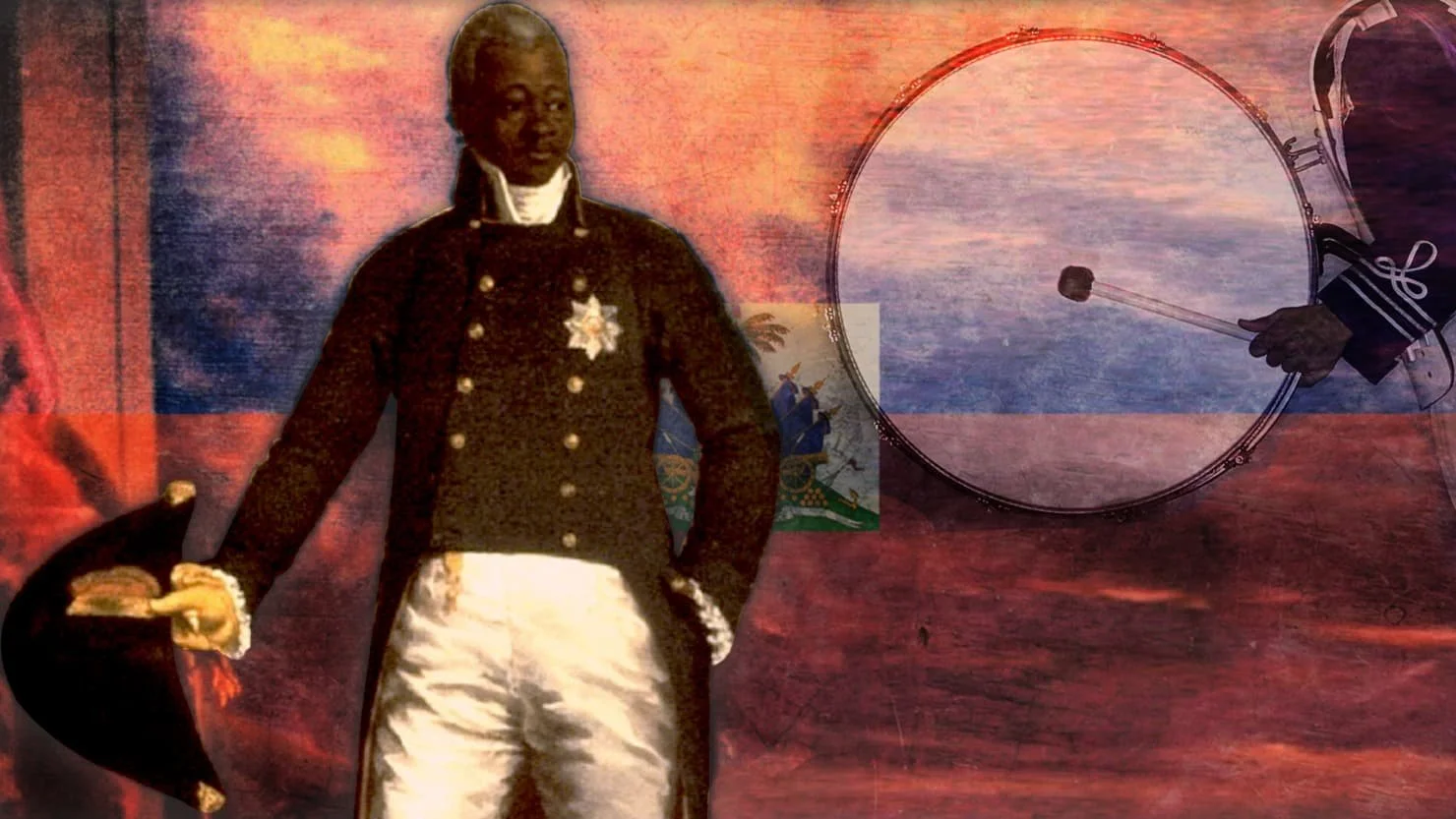

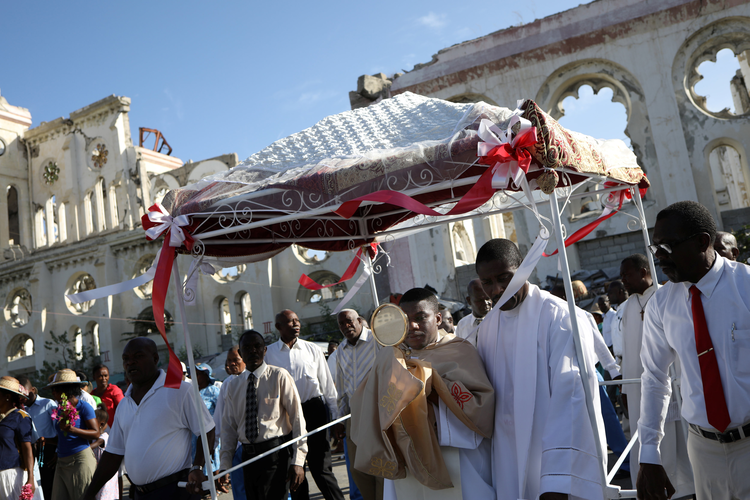
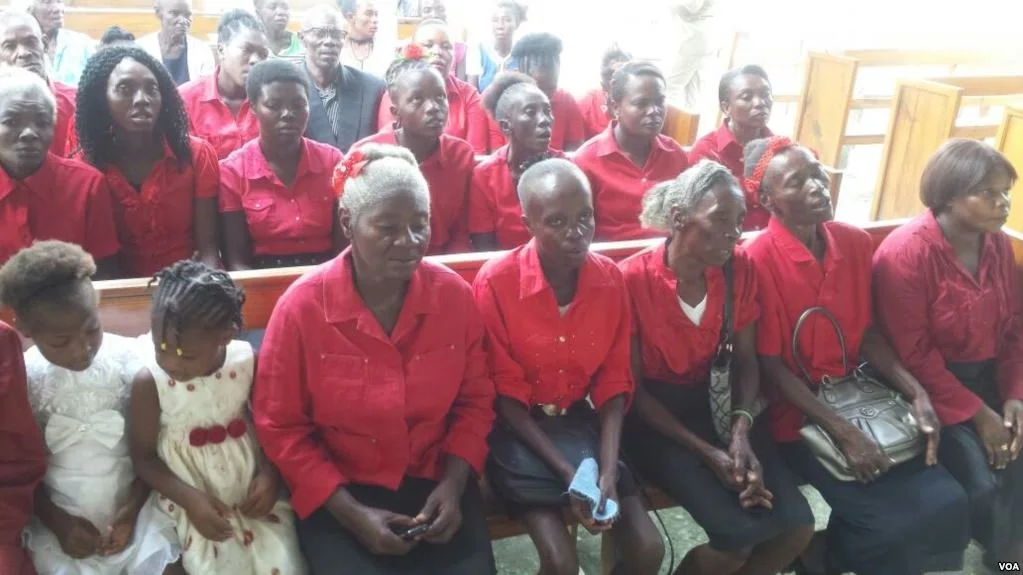
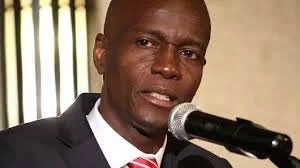
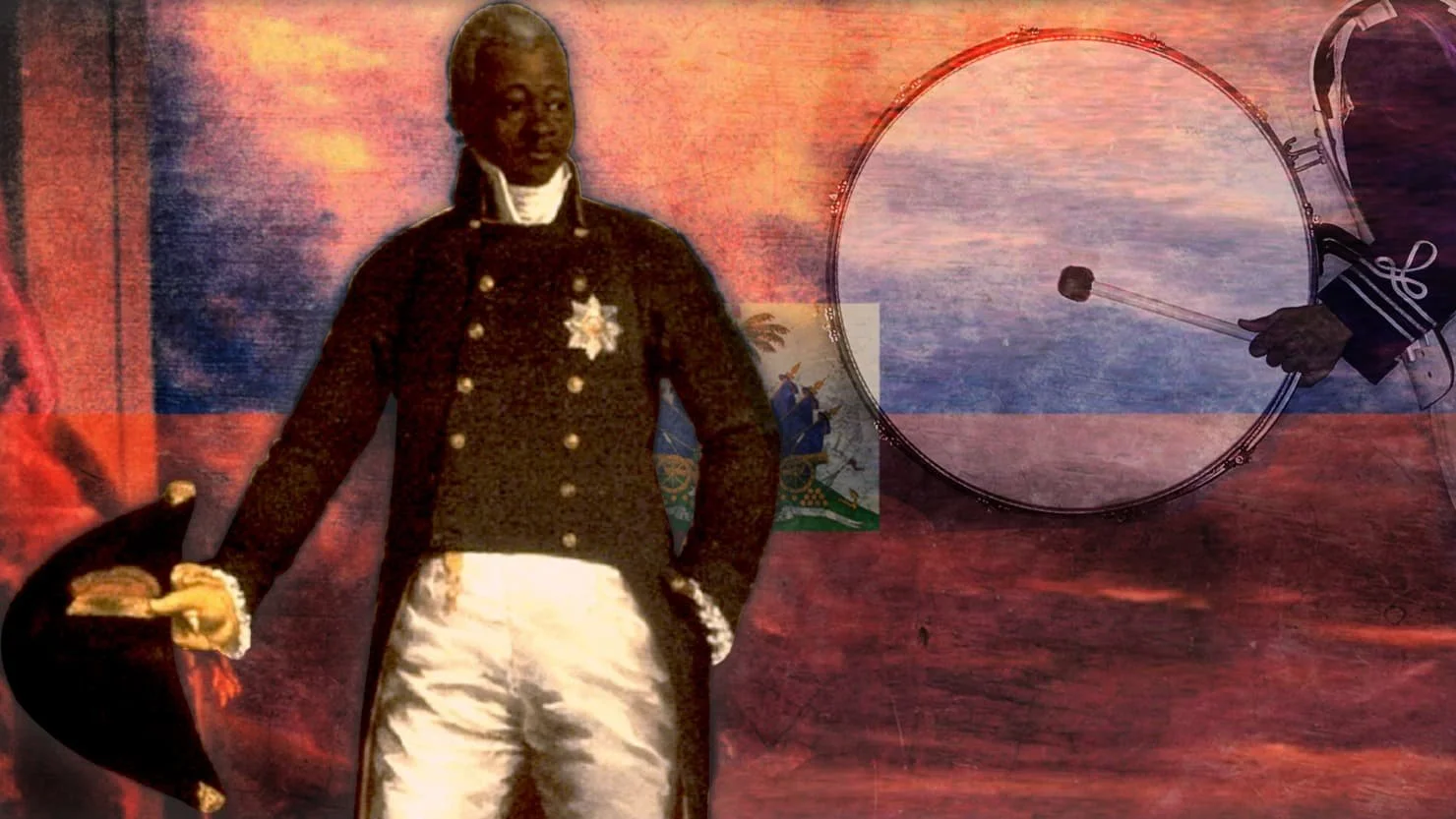

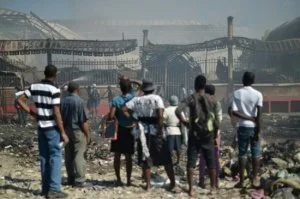
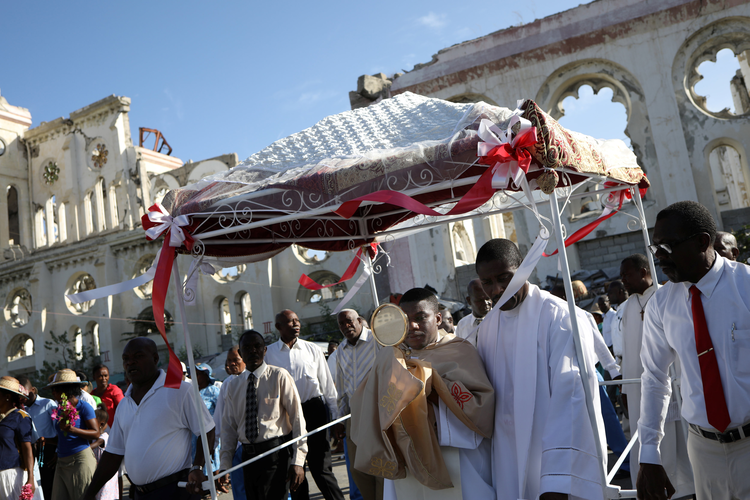
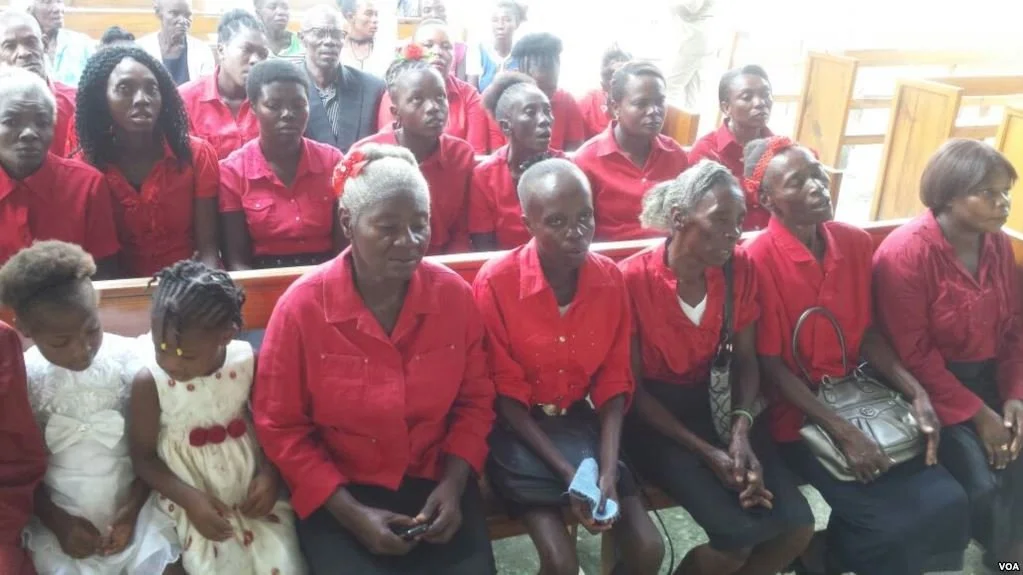
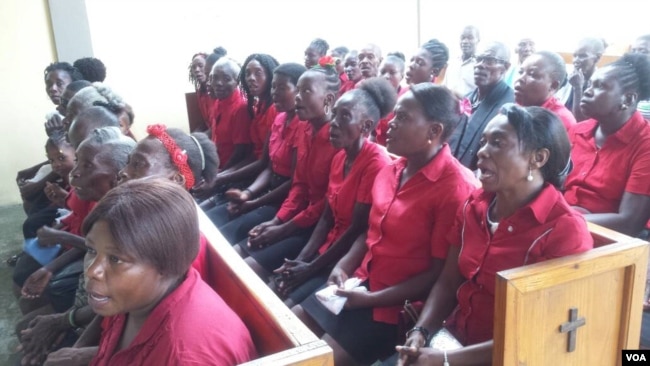
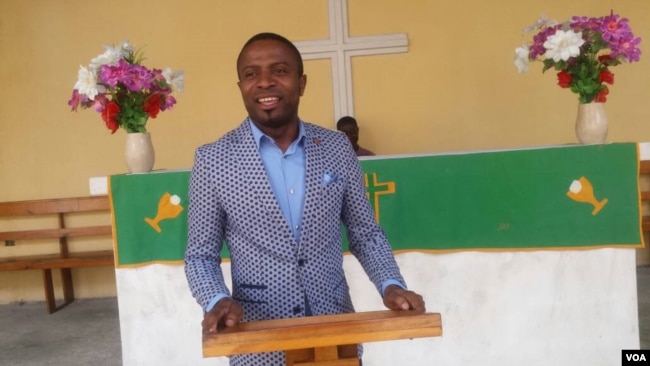
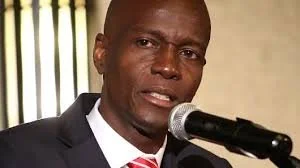


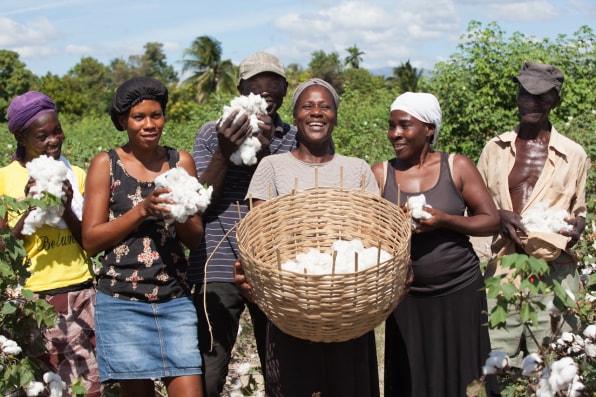
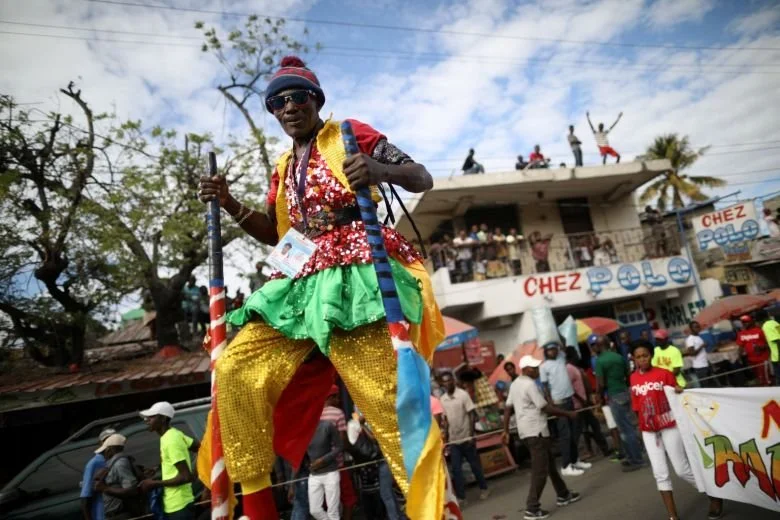
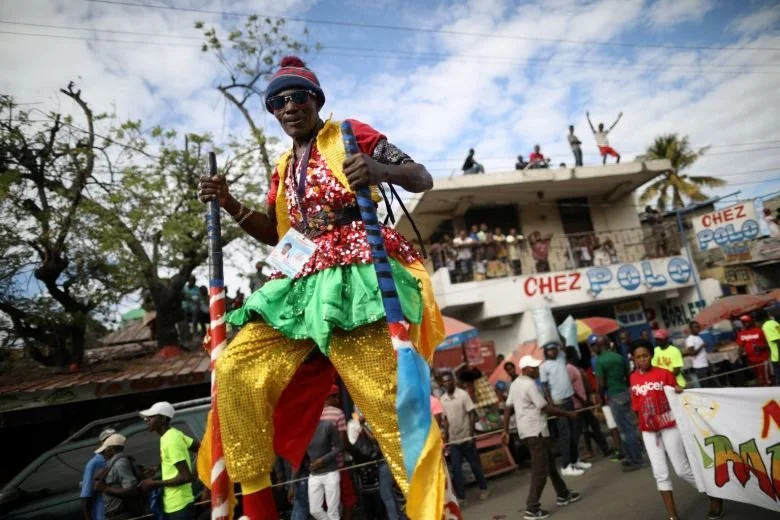




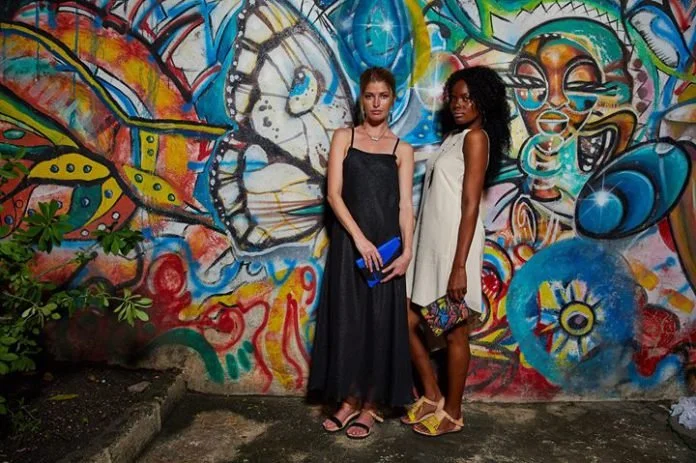
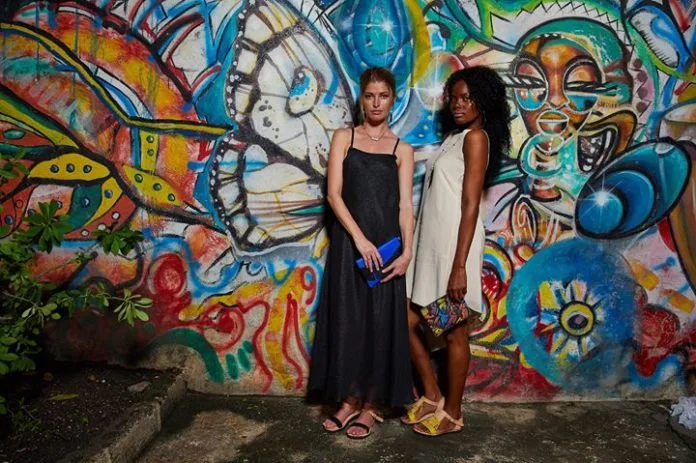



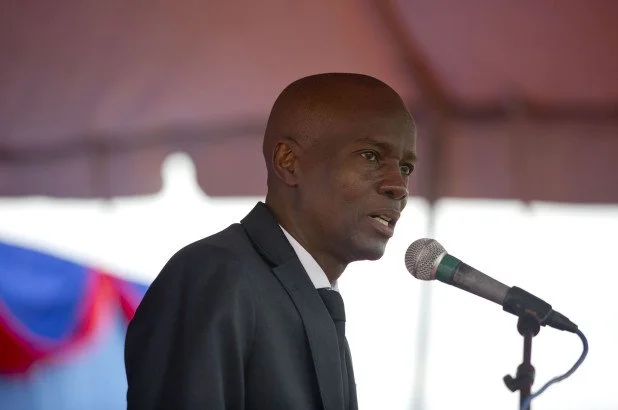
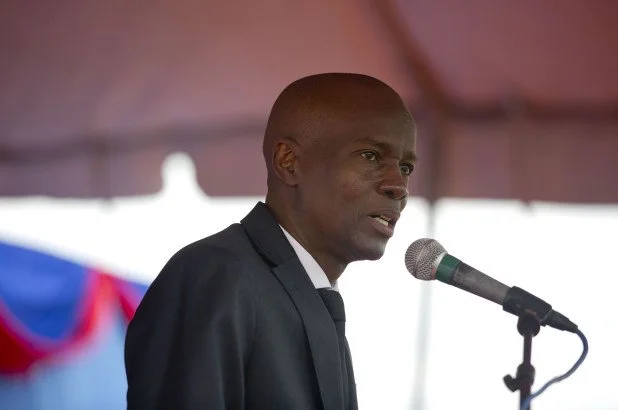
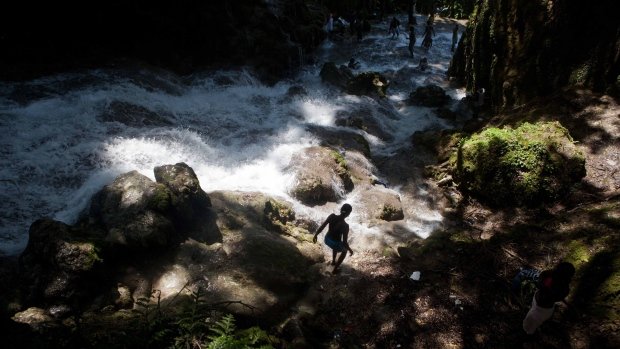

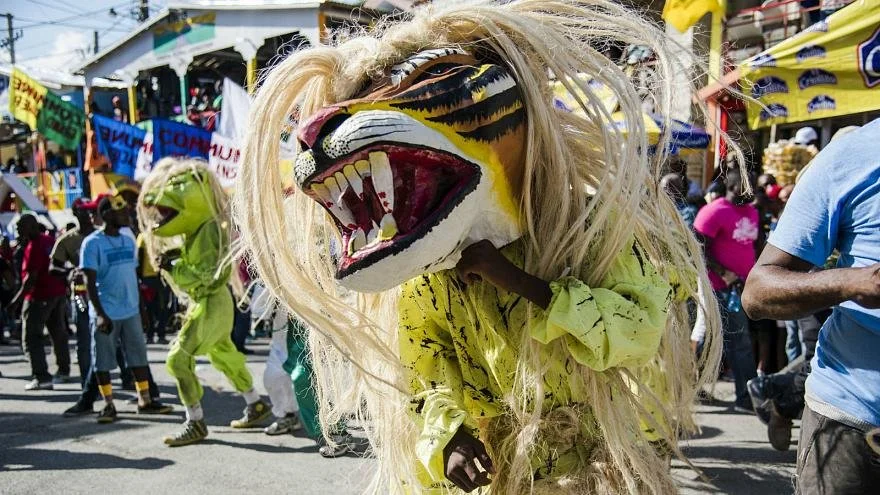
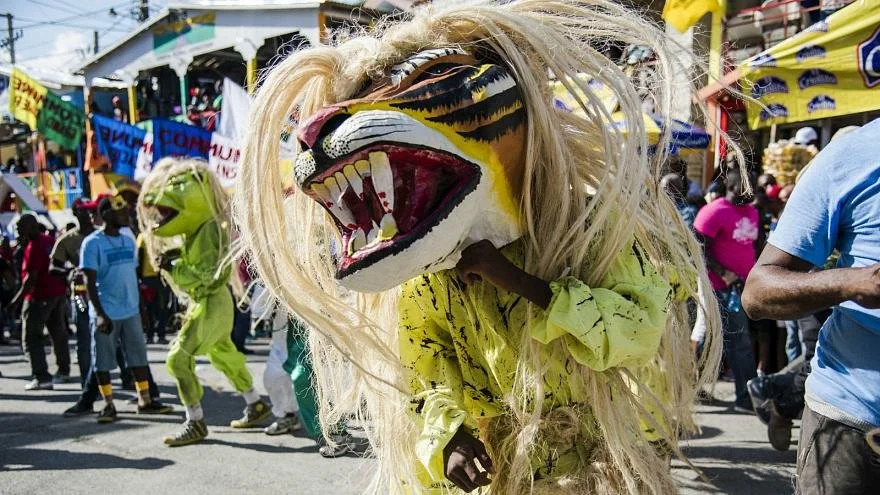
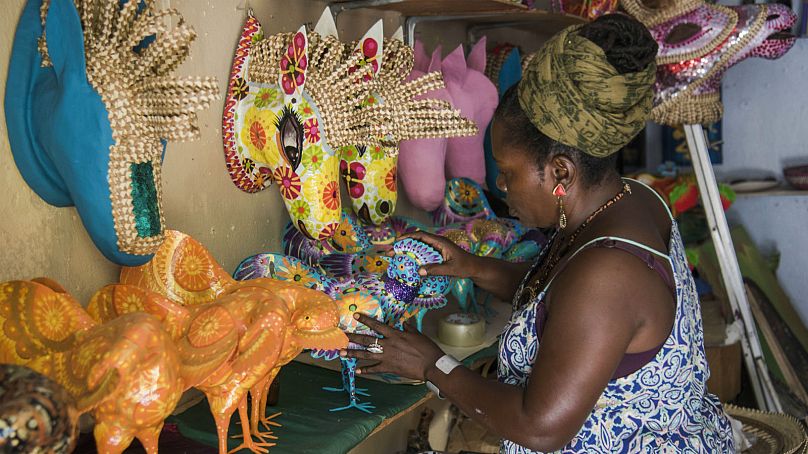
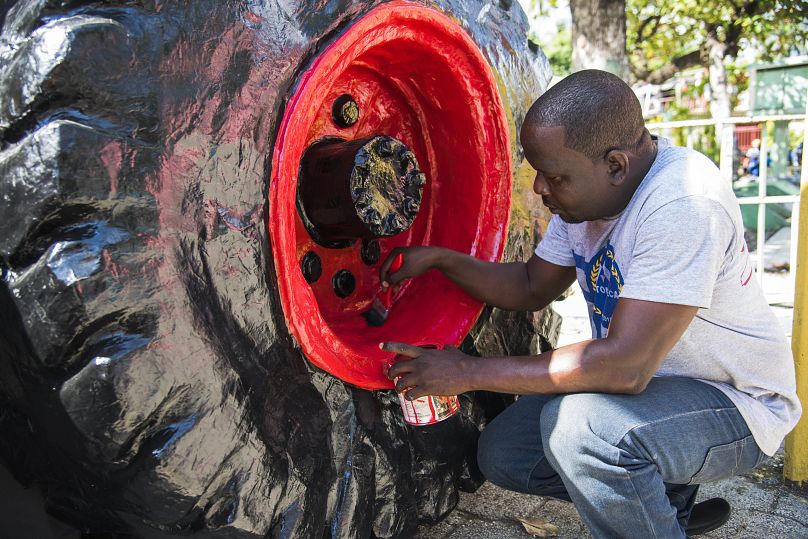


 Fashion Week founder Maguy Durce. (Photo: Matiado Vilme for VOA)Trump's reported use of a vulgar term to describe Haiti and African nations angered the Haitian-American community and sparked rallies in Port-au-Prince, New York, Palm Beach and Boston to denounce racism. Haiti's ambassador to the United States said the comments about Haiti "hurt the country."The fifth edition of Haiti Fashion Week had been scheduled for November 2017, but was rescheduled after some of the designers said their collections would not be ready in time.