
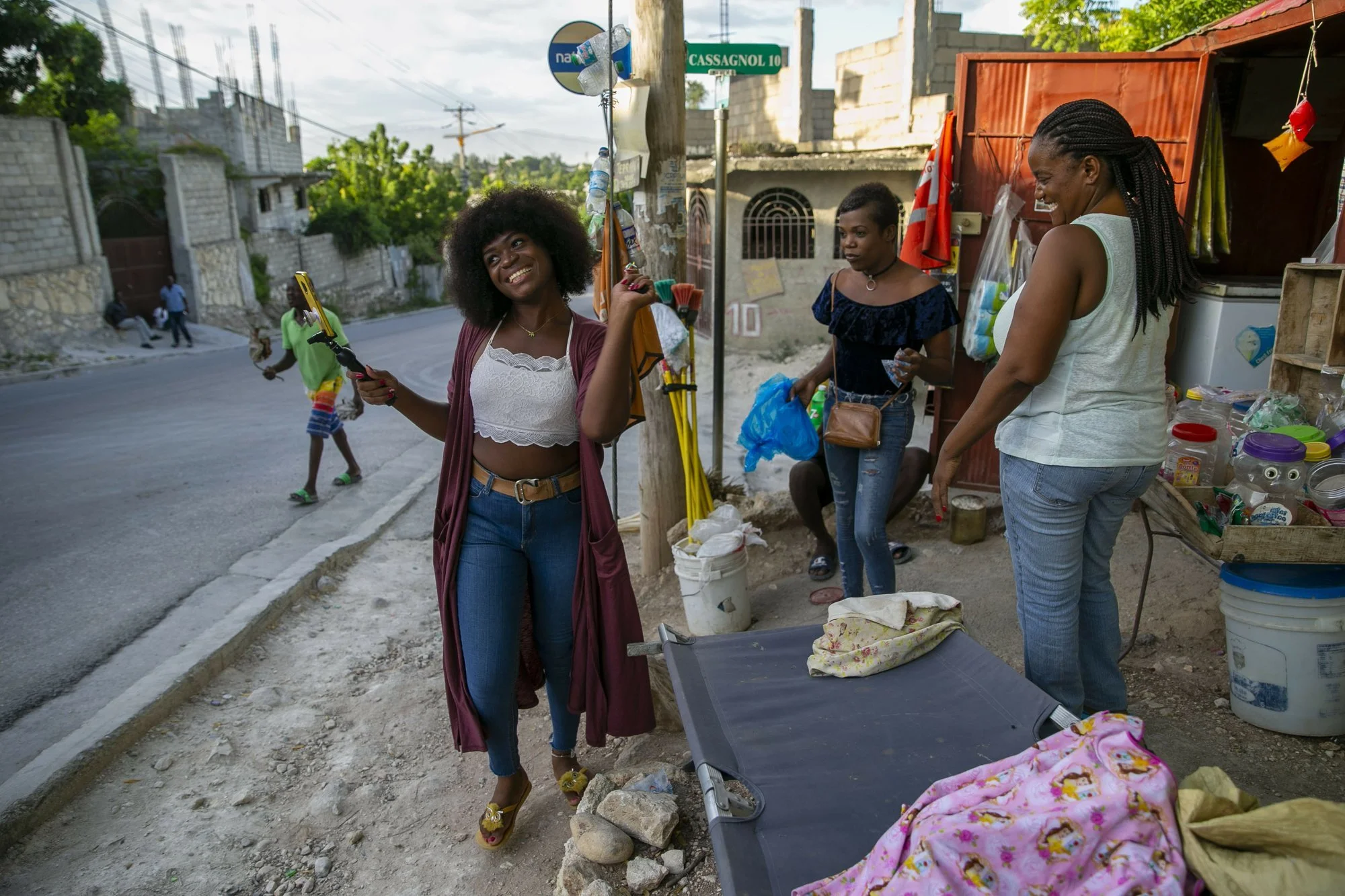
Haitian center a refuge for transgender people
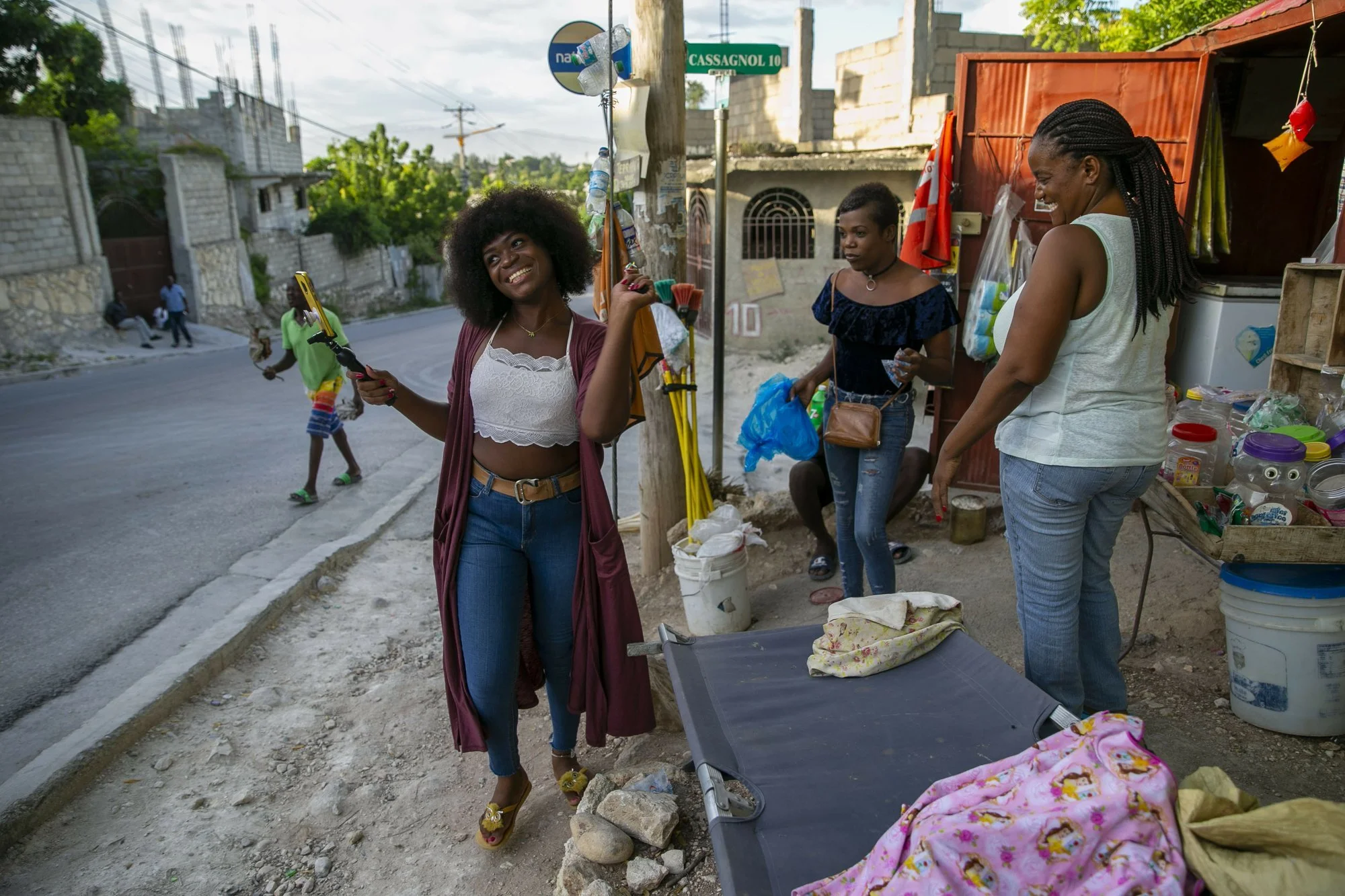
PORT-AU-PRINCE, Haiti (AP) — Prejudice and discrimination against transgender people is common in Haiti, but at least one organization is providing a haven where they can feel welcome.
The Kay Trans Haiti center in the capital, Port-au-Prince, provides lodging and care for up to 10 transgender people. Funded by a Spanish healthcare company and the United Nations Development Program, Kay Trans Haiti is open to transgender people who have been victims of verbal or physical abuse. It provides services including a psychologist free of charge, and allows residents to stay for up to a year.

Transgender Laurent Voltus braids the hair of her roommate Vlajimy Cesar as they sit on the porch of the Kay Trans Haiti center where they live, in Port-au-Prince, Haiti, Saturday, Aug. 15, 2020. (AP Photo/Dieu Nalio Chery)
Once people graduate from the center, the program pays their rent for up to a year, after which they must become self-sufficient.
Residents say the neighborhood surrounding the center has gradually become more accepting of them, creating a safe island in a city where they can often feel vulnerable and subject to abuse at any moment.
Haiti’s LGBT community continues to experience social stigma. Thousands of people in July marched against gay and transgender rights in a rally organized by some churches demanding that President Jovenel Moise rescind a decree that rewrites the 185-year-old penal code recognizing same-sex unions and tacitly allowing homosexuality.
In 2016, an LGBT cultural festival in Port-au-Prince was canceled after organizers received threats and a local official, calling it a violation of moral values, sought to ban it.
In 2017, Haiti’s Senate passed two bills targeting LGBT Haitians. One would formalize a ban on same-sex marriage, and prohibit public demonstrations in favor of LGBT rights.
Residents of the Kay Trans center can bring their partners there, go out to clubs, and shop without fear of mistreatment from neighborhood shopkeepers, who have become increasing friendly and welcoming.
One of the residents, Semi Kaefra Alisha Fermond, 24, said she had a traumatic childhood because neighbors didn’t want her to play with their children.
“I am proud of myself now because I can wear women’s clothes and go everywhere,” she said. ‘’At my mother’s home I can’t be like that.’’


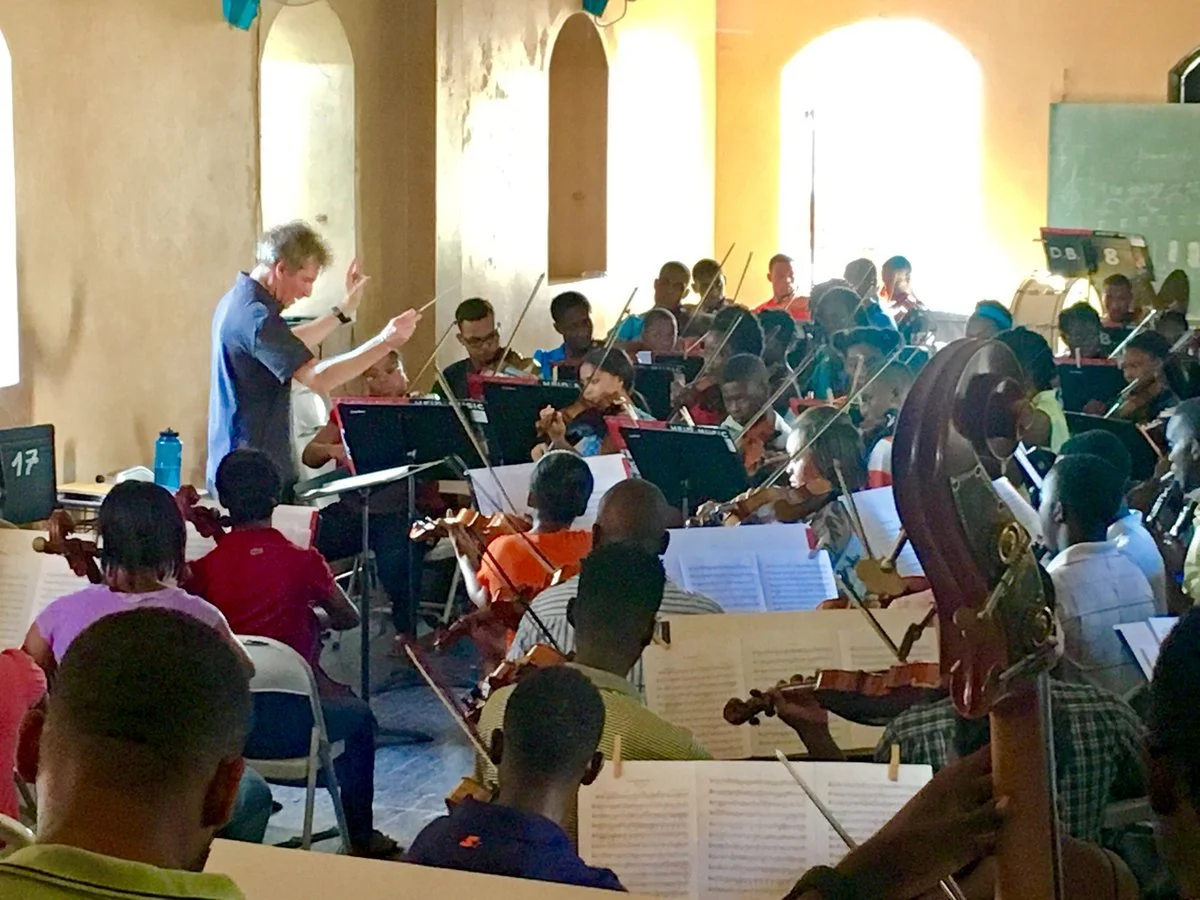
Utah Symphony performs virtual duets with Haitian youth
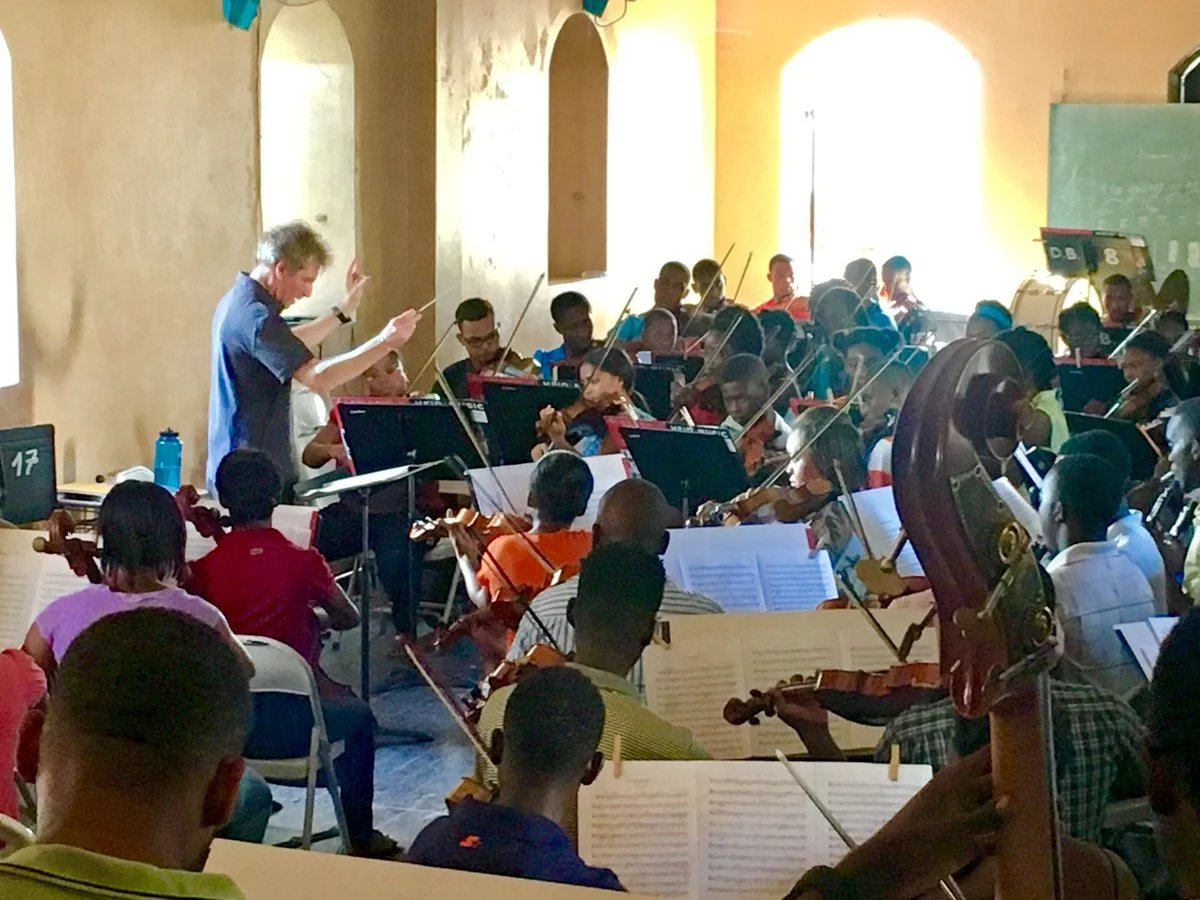
SALT LAKE CITY, Utah – Musicians all over the world have continued to make music together, using click tracks and editing apps, during the pandemic. Chances are, few of those performances, though, have been as meaningful as a series of duets with two members of the Utah Symphony and a group of young musicians in Haiti.
Four years ago, Utah violinist Yuki McQueen and cellist John Eckstein traveled to the island nation – the poorest in the Western Hemisphere – to teach at a music camp sponsored by the non-profit BLUME Haiti.
With the help of their Symphony colleagues, they eventually started the Haitian Orchestra Institute – an annual workshop for young Haitian musicians.
“What the program has done for music in Haiti is extraordinary,” said Janet Anthony of BLUME Haiti, who helps organize HOI. “It creates another image of Haiti that’s very, very positive.”
“Our goal has never been to create virtuoso musicians,” Anthony said. “It’s more to play a small part in helping to develop their civil and civic society.”
The year 2020 marked a series of anniversaries for the island – the 10th anniversary of the 2010 earthquake among them – and it was going to be a big year for HOI. It was to include the workshop and a music festival.
Salt Lake’s Baldassin Pianos restored a donated 1932 Beckstein grand piano for the event.
But in March, with the festivities less than two weeks away, they were forced to postpone their plans.
McQueen was heartbroken, but not as disappointed as Haitian cellist Emantero Valbrun.

The 20-year-old musician taught himself to play the cello by watching YouTube videos, something which mystifies Eckstein.
“It’d be like looking at a baseball player and deciding I want to be in the MLB,” Eckstein said. “You just don’t do that.”
Valbrun is now so passionate about the instrument that he practices 10 hours a day, and last year, didn’t let a three-hour motorcycle ride with a cello strapped to his back and an armed holdup keep him from attending the workshop.
Because of poverty, political instability and physical isolation, Valbrun and other Haitians just don’t have other musical opportunities like HOI.
Isolated by the pandemic, Valbrun posted a series of solos on Facebook.
“It was like he was crying out in the wilderness by himself with his cello,” McQueen said. “I could just feel his isolation and his loneliness just looking at those videos.”
She thought maybe Valbrun and the other Haitian musician didn’t have to play alone.

McQueen arranged a series of duets – “duets at a distance” – Eckstein and herself performing with Valbrun and students John Karly Fils Menard, Jericho Pierre Noel, Berlande Alexis, Sarah Colimon, Alexandre Santya, and Getro Joseph.
Playing side-by-side with professionals, even if doing it virtually, meant a lot.
Emantero Valbrun, speaking through an interpreter, said he was hopeful.
“Yes, we still have hope. It is this hope that gives us life. Corona, the virus, is not eternal,” said Valbrun. “If we always work at home and have contact with international teachers, it will be ok.”
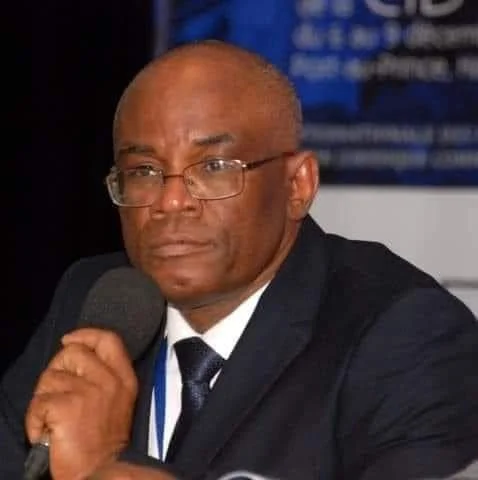
Prominent lawyer in Haiti is shot and killed at his home
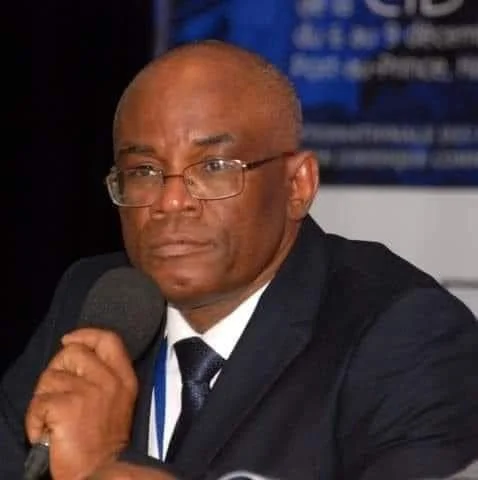
PORT-AU-PRINCE, Haiti — A prominent lawyer in Haiti was shot and killed at his home, police said Saturday.
Monferrier Dorval, head of the bar association in the capital, Port-au-Prince, was attacked on Friday night, police spokesman Garry Desrosiers said. He said an investigation was underway.
Haitian President Jovenel Moïse denounced the killing, saying on Twitter that it was a “great loss for the country.”
Prime Minister Joseph Jouthe said Dorval’s killing followed attacks on other Haitian citizens in recent days and that authorities will work to bring the perpetrators to justice.
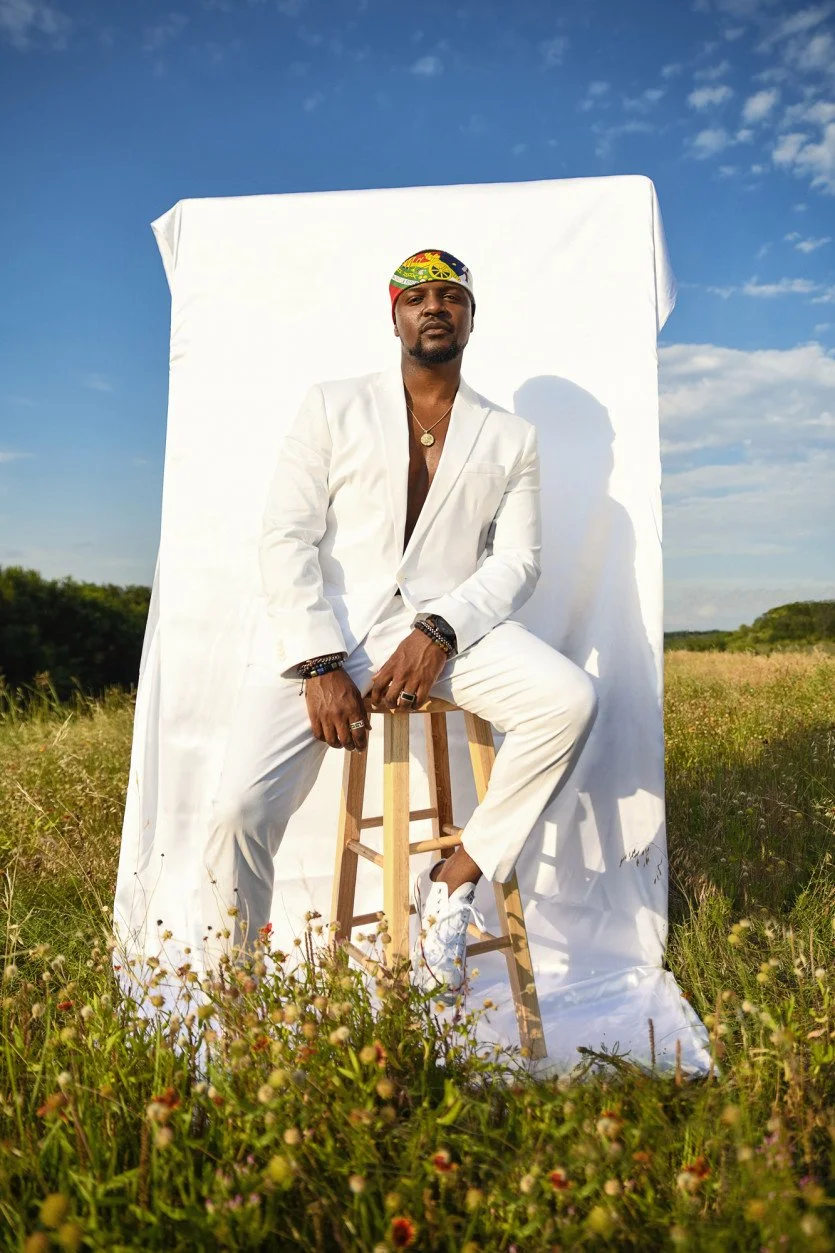
VENNY ETIENNE ON HIS NEW COLLECTION AND DESIGNING FOR BEYONCÉ’S “BLACK IS KING”
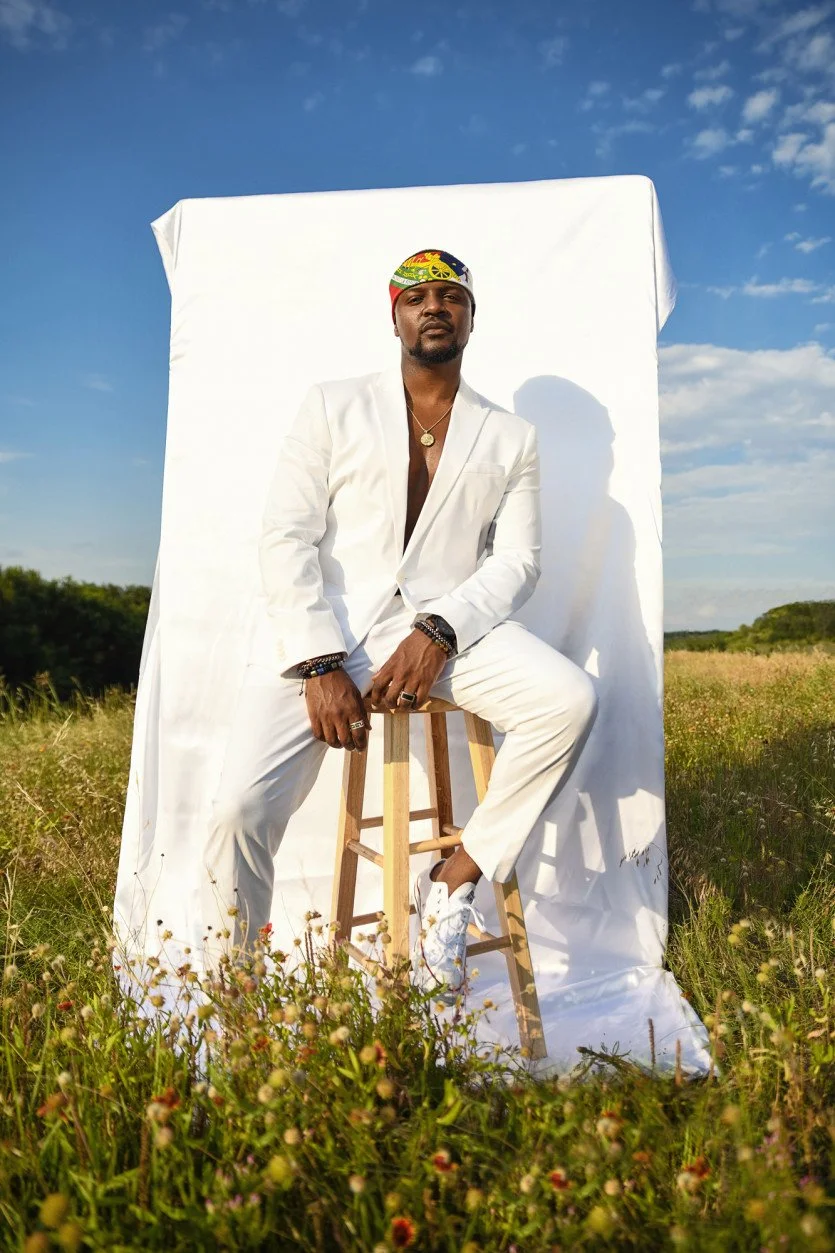
We can’t get enough of his edgy yet feminine designs.

Manifest has become a trendy word lately, sparking people to almost believe their dreams into existence. Fashion designer Venny Etienne is proof that if you combine that with hard work, it may actually work. The young Black creative set his sights on Beyoncé years ago, posting on Facebook in 2015, “(Speaking in existence) Beyoncé WILL wear one of my garments by 2020.” Right on target, you can catch Beyoncé in her “Already” video donning a floral jacket that looks like a cross between armor and a sundress, designed by Etienne himself.
Born of Haitian descent, Etienne grew up in Brooklyn designing clothes for church fashion shows. He counts Alber Elbaz, formerly of Lanvin and Tom Ford, as inspiration, reminiscing on watching their fashion shows on Full Frontal. “I was amazed with the effect of what garments can do and how you can have a ‘moment’ with clothes,” says Etienne. Post fashion school, he studied under haute couture experts in Paris and Milan-based designer and pattern maker Shingo Sato.
Fast-forward a few years, and after a stint on Project Runway that landed him in the final seven, Etienne has designed for clients including Cardi B, Niecy Nash, and most recently, Beyoncé. He debuted his latest Collection #003 at New York Fashion Week, sponsored by Essence magazine, earlier this year. His line LEVENITY emphasizes the contrasting nature of modern women who are simultaneously strong yet soft. The coat Beyoncé wore, which actually inspired his current collection, Etienne describes as “the summary of [his] aesthetic.”

Can you tell us a little bit about your career trajectory?
“I was born and raised in Brooklyn, New York. My parents are from Haiti and they migrated here. I grew up in the church, and really that’s where I started with fashion. The church that I went to, we would have fashion shows and I was a part of creating the shows. The pastor would give us funds, and we would purchase things from, let’s say, H&M that were of a modest point of view because, you know, it’s a church. We would be our own models, and once the fashion show was over, we would donate the clothes. The organizer or the one who created the show asked who amongst us wants to go ahead and do their own clothes. I knew that I kind of wanted to do something because I would look at all these fashion shows and all that stuff, so I volunteered. My mom and I went to the Salvation Army and bought a couple of sports jackets and blazers—we would deconstruct them, add some fabrics to the lapel or to the pocket. We would make these paper-bag-waist skirts, which was in at the time. The response from the audience kind of made me feel like I could actually make this into something that could be more long-term.”
What would you describe as the aesthetic of your collection?
“Sophisticated and edgy are always the two words that pop up in my head, in terms of the type of clothes that I like to create. I love architectural lines. I love sophisticated structure. I love outerwear. I love wovens. I love sportswear and separates for a strong woman who has a nice, soft touch.”

Where did the name LEVENITY come from?
“So, my name is Venny Etienne. LEVENITY is really just a mixture of my name intertwined. It has all the letters of my name except the L. The L makes it feminine. It’s basically just saying who I am encoded in the brand.”
So Beyoncé’s stylist calls you and says she wants a coat. Where did you go from there?
“I submitted a couple of sketches to see where Zerina was in terms of what she wanted. She said she wanted something strong, something with an exaggeration, whether it’s the hips, the shoulder, the arm. I’m an ’80s baby—I love the ’80s. A strong shoulder is always great. Then it was time for me to source what fabrics. Zerina said something floral, something in the lavender field. It was hard because I’m sourcing here in Dallas. New York or L.A. are much more accessible in terms of choices, but I only had like, a week. This is how fashion is—you only have like, a couple of hours. There’s no excuses.
“When I was constructing it, I still was kind of shy in terms of how extended she wanted the shoulders, but then she was just saying, ‘No, we need it bigger.’ So I kept it bigger. That’s when I reached out to a good friend of mine, Garo, who was also on Project Runway. He is much more knowledgeable in terms of garments that have this understructure that’s outside of the normal figure. It took a total of 68 hours for me and my team to complete. Those hours in the beginning, I was up 48 of those hours—like, I didn’t sleep. I used two five-hour energy drinks. I was listening to Beyoncé the whole entire time, and it was good.”
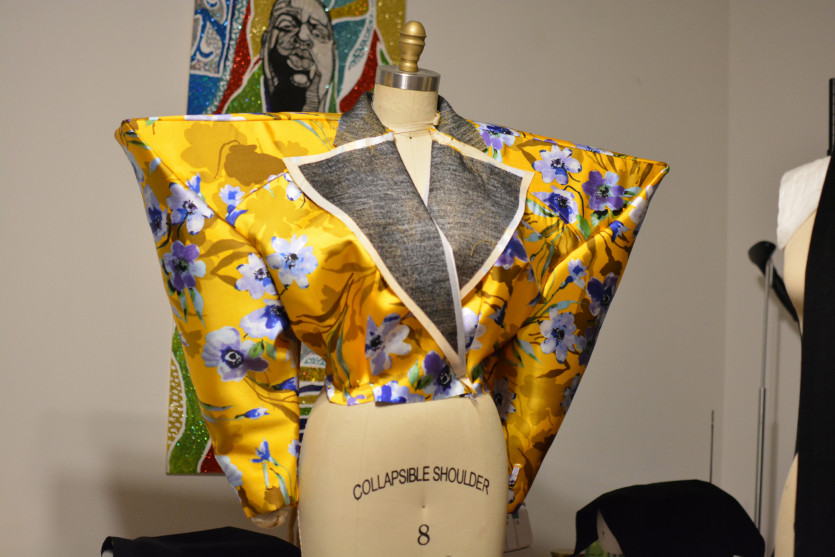
The contrast of the purple and yellow in the coat’s design is so interesting:
“If I had to summarize my aesthetic, it’s that coat to [a] T. In the beginning, when I first started as a designer, I didn’t really understand the power of color. A lot of my collections, they’re almost all black. I didn’t want to delve into the color part of creating looks because I didn’t want to mess it up. Now, for the past two years, I’ve been playing with color. I’ve been playing with texture. This particular coat is like the summary of my aesthetic because it’s a strong shoulder, it’s a very flirty, feminine flounce bottom, and it’s a floral print, but whoever wears it still feels strong, still feels feminine.”
What did it mean to see Beyoncé in one of your pieces?
“Oh my gosh—I had a couple of crying moments, of course. Any designer would. I’m a Christian, so I’m a very firm believer in faith and seeing things through. We had to submit garments [for consideration], just like when Jason Wu was waiting to see who Michelle wore for the inauguration ball. He didn’t know if she was going to wear it, so he was just waiting. That was me, too. I’m pretty sure every designer experiences that. It was amazing to realize that they aired it—that’s when the tears just started flowing. If you look at any articles that I’ve always been on, when someone asks who is the person that you want to dress, it was always Beyoncé. Always Beyoncé.”
How did your time on Project Runway prepare you for your current experiences?
“Project Runway was definitely a learning process for me. It was also amazing. The reason I loved it so much was because it showed me discipline. It showed me how I could really push myself. When you think you have all the time in the world, you use all the time in the world. But when you don’t have all the time in the world, you’ve got to get shit done. I really loved the relationships that I was able to get from the show. So me and Elaine, if ever I need advice or if I need to reach out to someone, she’ll sometimes even help me and reach out to that person for me. Brandon Maxwell, we communicate. Also, all of the contestants, we have this group text where we always check in on each other. It’s just great to have that support system, especially in this industry where it’s kind of hard because everyone’s busy trying to get there, you know, that we could have this little family.”

Naomi Osaka Refuses To Play Her Semifinal Match In NYC Over Police Shooting; Tournament Pauses – Update

UPDATED, 9:15 AM: The Women’s Tennis Association, ATP Tour and USTA had decided not to play matches scheduled for Thursday at the Western & Southern Open.
PREVIOUSLY, August 26: The pro sports boycotts over the police shooting of Jacob Blake in Wisconsin continue to grow.
Following the lead of the NBA, its Milwaukee Bucks and other teams and leagues, two-time Grand Slam winner Naomi Osaka of Japan said today that she is skipping her semifinal match Thursday at the Western & Southern Open in New York City.
“Before I am an athlete, I am a black woman,” she wrote in a social media post (read it in full below). “As a black woman I feel as though there are much more important matters at hand that need immediate attention, rather than watching me play tennis. I don’t expect anything drastic to happen with me not playing, but if I can get a conversation started in a majority white sport I consider that a step in the right direction.”
The boycotts have grown since this afternoon’s Game 5 of Milwaukee Bucks-Orlando Magic first-round playoff series initially was delayed and later postponed. The Magic players initially came out on the court to warm up, but the Bucks didn’t and the visiting team eventually left. The NBA announced soon afterward that all of its games scheduled for today and tonight have been postponed. The WNBA, MLB’s Milwaukee Brewers and other baseball teams later joined the boycott.
Currently ranked No. 10 by the Women’s Tennis Association, Osaka came into the Western & Southern Open seeded fourth. She was set to play the semifinal against Belgium’s Elise Mertens on Thursday morning at Billie Jean King National Tennis Center in Flushing Meadows.
Osaka was the world’s No. 1-ranked WTA player for six months last year after the second of two consecutive Grand Slam singles wins at the 2018 U.S Open and the 2019 Australian Open.
Here is the full text of Osaka’s statement:
Hello, as many of you are aware I was scheduled to play my semifinals match tomorrow. However, before I am an athlete, I am a black woman. And as a black woman I feel as though there are much more important matters at hand that need immediate attention, rather than watching me play tennis. I don’t expect anything drastic to happen with me not playing, but if I can get a conversation started in a majority white sport I consider that a step in the right direction. Watching the continued genocide of Black people at the hand of the police is honestly making me sick to my stomach. I’m exhausted of having a new hashtag pop up every few days and I’m extremely tired of having this same conversation over and over again. When will it ever be enough? #JacobBlake, #BreonnaTaylor, #ElijahMcclain, #GeorgeFloyd

Haitian Official Says at Least 14 Drown When Boat Sinks

PORT-AU-PRINCE, Haiti — At least 14 people drowned and more appeared to be missing after a packed sailboat sank in a channel between mainland Haiti and an outlying island Wednesday, a Haitian official said.
Jose Rethone, coordinator of the civil protection office in Haiti's Northwest Department, told The Associated Press that the boat sank around 1 p.m. as people returned to the Île de la Tortue from market day in the town of Saint-Louis-du-Nord, about an hour's trip across the La Tortue channel.
Nine survivors were rescued from the water, but an unknown number remained lost at sea, Rethone said. He said it was unclear how many passengers had paid about $1 to board the boat, but such vessels often hold dozens of people.
Rethone said the Haitian Coast Guard was unable to respond to calls for aid, and his office had asked the U.S. Coast Guard to help. He said weather was calm and waves were small at the time of the sinking.
FINCA Haiti secures 100 million gourde revolving loan facility from Banque Nationale de Crédit
First local source of funding bolsters microfinance institution’s ability to serve low-income entrepreneurs
WASHINGTON--(BUSINESS WIRE)--FINCA Haiti S.A. (“FINCA Haiti”) announced today that it has secured a $100 million gourde (approximately $1 MM) loan facility with a one-year renewable tenor from Banque Nationale de Crédit (BNC), Haiti’s largest financial institution. This is the first locally-sourced credit line obtained without a parent company credit enhancement in its 30 years of operation and will give FINCA Haiti stable liquidity with the flexibility and cost efficiency of a credit-line and the added protection against foreign exchange fluctuations without costly foreign currency hedging instruments. The credit line will be used for on-lending to support more than 50,000 microentrepreneurs and small businesses across the country via digital financial inclusion and 12 branches.
FINCA Haiti, one of the nation’s first microfinance institutions, executed a remarkable turnaround following Hurricane Matthew in 2016. Since January 2017, FINCA Haiti grew its loan portfolio by 42% to 762 million gourde and its client base by 13% to over 51,500. In 2015, FINCA Haiti partnered with mobile operator Digicel to launch MonCash, an e-wallet solution offering mobile loan repayment and disbursements. Mobile banking now accounts for 57% of all transactions processed by the institution—a critical lifeline for customers with limited transportation options amid challenging infrastructure.
“We appreciate the confidence of Banque Nationale de Crédit, which recognizes the strength and potential of FINCA Haiti to expand access to affordable, accessible financial services,” said Hamidine Bako, CEO of FINCA Haiti. “With this stable source of local funding, FINCA Haiti will be well-positioned to expand our product offerings and provide vital support to businesses and entrepreneurs emerging from the COVID19 pandemic.”
About FINCA Haiti
FINCA Haiti is a microfinance institution that currently serves more than 50,000 customers – 85% of whom are women – across 12 branches and digital services. FINCA Haiti is part of FINCA Impact Finance, a global network of 20 microfinance institutions and banks that provides socially responsible financial services to low-income individuals to invest in their futures. For more information, visit www.FINCAImpact.com or follow us on Twitter @FINCAImpact.
Tropical Storm Laura kills 9 in Haiti
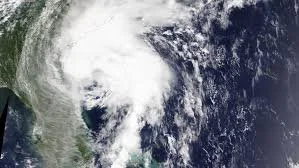
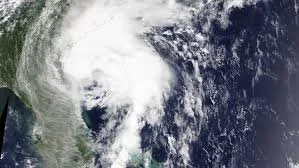
PORT AU PRINCE, Haiti (CMC) — Haitian authorities yesterday confirmed that nine people had died as Tropical Storm Laura moved away from the French-speaking Caribbean Community country, with residents in Jamaica and Cuba bracing themselves for up to 12 inches of rain.
The Miami-based National Hurricane Center (NHC), in its latest bulletin, said that swells generated by Laura are affecting portions of Hispaniola, eastern Cuba, the south-eastern end of The Bahamas, and the Turks and Caicos Islands.
It said Laura is expected to produce rainfall accumulations in Jamaica and Cuba of between four to eight inches, with an expected maximum of 12 inches, while the Cayman Islands would receive maximum amounts of up to six inches up until today.
The authorities in Haiti said that the storm, which pounded the country over the last weekend, killed five people in the capital and four in the South-East Department, while two others are missing.
“I share the sorrow of the families whose loved ones were killed on August 23 during the passage through the country of Tropical Storm Laura. I urge the population to respect the instructions of the authorities,” President Jovenel Moïse said.
Prime Minister Joseph Jouthe, who is also president of the National Committee for Risk and Disaster Management, expressed condolence to the family of a 10-year-old girl in the locality of Cachiman.
According to the provisional report from the United Nations Office for the Coordination of Humanitarian Affairs (OCHA), in collaboration with humanitarian partners on the ground, initial information shows that the storm has caused flooding in four departments.
Numerous rivers were also flooded across the country.
The authorities said that they had also evacuated several communities in the Centre and Artibonite departments along the banks of the Artibonite River.
They said telecommunication services were temporarily interrupted on Sunday and that several hospitals were short-staffed due to the inaccessibility of roads, and the health center in Anse-à-Pitre was reportedly flooded.
“Bad weather makes it more difficult to quickly restore the network and electrical circuits. As a result, several areas are at risk of being without electricity for a few days,” the electricity company Électricité d’Haiti said in a statement.
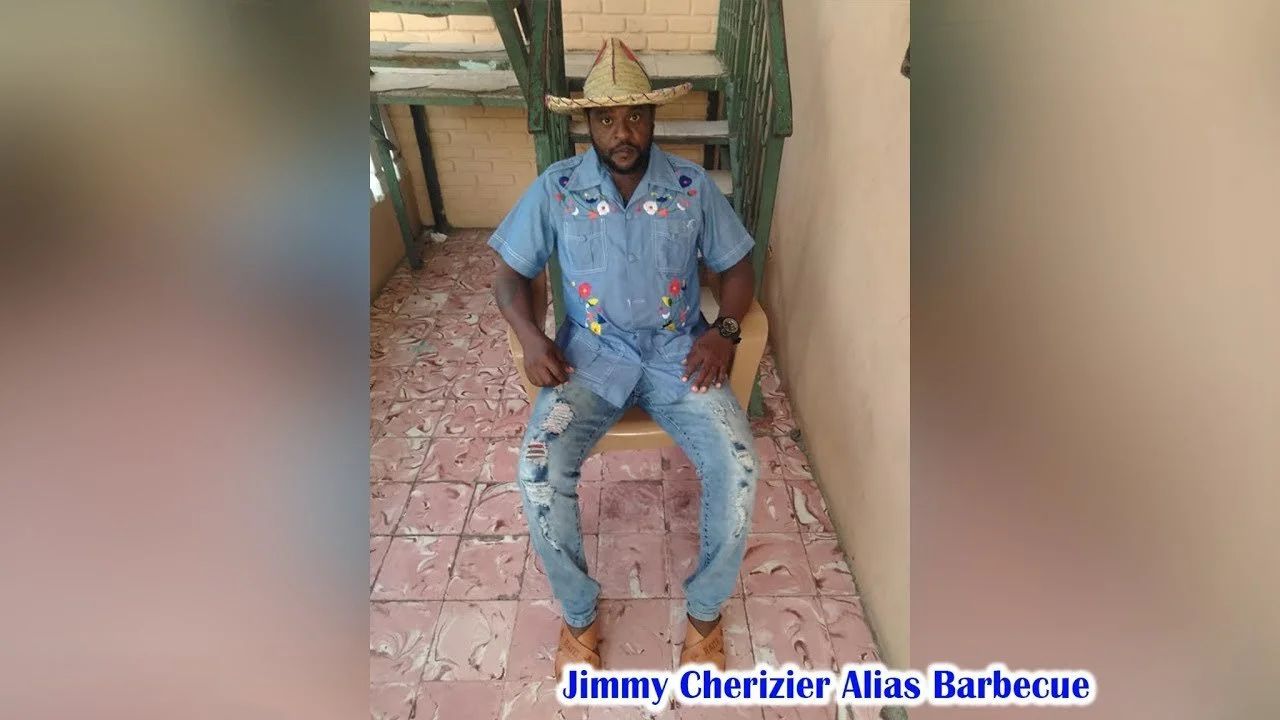
In Haiti, coronavirus and a man named Barbecue test the rule of law
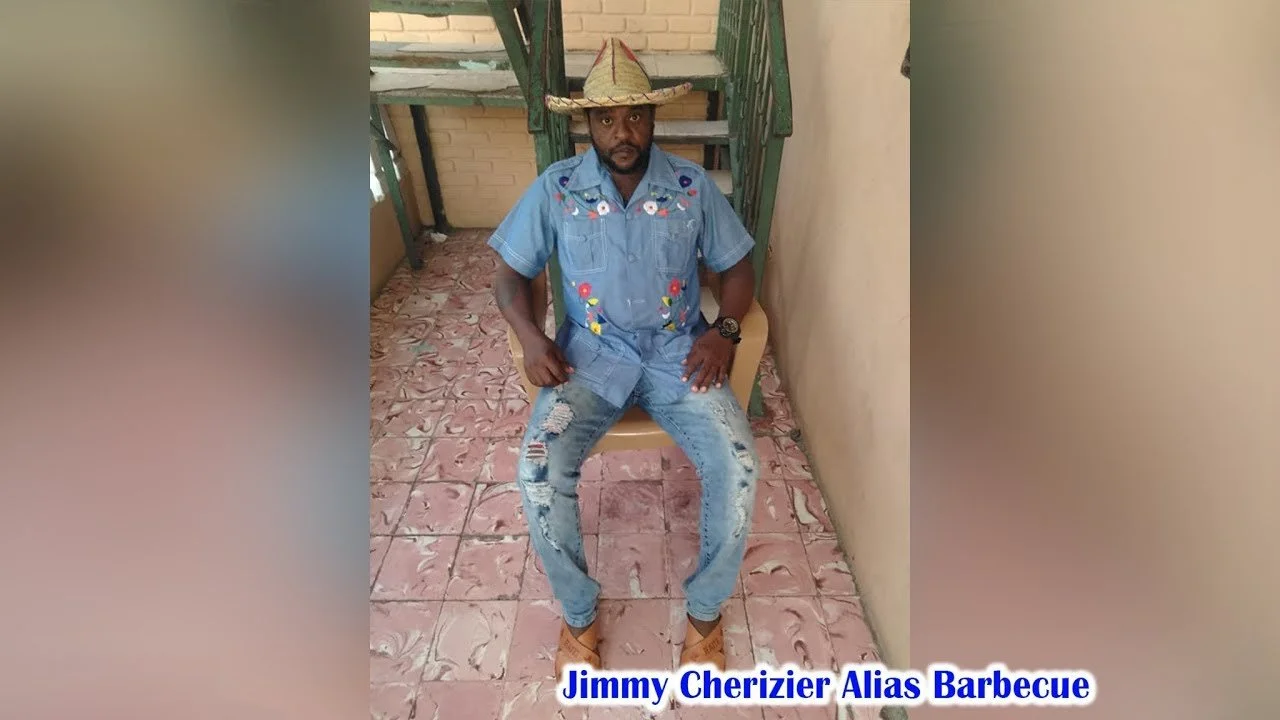

PORT-AU-PRINCE, Haiti — Jovenel Moïse is president of Haiti, but ask the people of the terrified shantytowns who's in charge in this impoverished Caribbean capital, and they'll point to a man called Barbecue.
A former police officer who portrays himself as the savior of the streets, Jimmy “Barbecue” Cherizier has come to symbolize the accelerating erosion of Haiti’s already challenged rule of law during the coronavirus pandemic. Accused of orchestrating massacres that left dozens of men, women and children dead, he has succeeded in accomplishing the once unthinkable: uniting the warring gangs of Port-au-Prince into a powerful new confederation aimed at what he calls “revolution.”
Cherizier announced the alliance on YouTube in June in a powder-blue three-piece suit. His newly formed “G9 Family and Allies” paraded triumphantly through the streets of the capital last month, led by gang leaders and dozens of armed men — both a flagrant violation of coronavirus rules and a warning to all.
On a recent afternoon, Cherizier led a reporter through the run-down neighborhood of La Saline, stomping over festering piles of garbage, barging into one corrugated shack after another, bellowing, “You see the conditions they live in?” as residents cowered.
“This is an armed revolution,” Cherizier told The Washington Post at his headquarters in Delmas 6, a no-go zone where he is hailed as a protector. “We will put guns in the hands of every child if we have to.”

But critics say he’s not targeting the government — he’s going after its opponents. Human rights activists and political opponents say the U.S.-backed Moïse has done little to check the rise of Haiti’s anarchic gangs, at least in part because their growing influence has appeared to serve the president’s interests.
With an apparent goal of becoming the strongman of the streets, Cherizier and members of his consolidated gang are extorting businesses, hijacking fuel trucks and kidnapping professionals and business owners for exorbitant ransoms as high as $1 million.
As he brings Port-au-Prince to its knees, Cherizier is also terrorizing poor neighborhoods where opposition to Moïse runs deep — potentially neutralizing any challenge to his party’s continued rule.
Barbecue expanded his turf through the alliance, controlling all of Port-au-Prince’s downtown and critical cross sections leading to the north and south, and the dense, opposition-dominated slum Cite Soleil that is now living a gang-fueled reign of terror.
Cherizier denies an alliance with Moïse. But in Cite Soleil, victims and human rights groups say G9 gang members have looted and burned down shacks and stalls, systematically raped women, killed at random, and dismembered or torched bodies.
When Cherizier’s men took to the streets in June, witnesses claimed to have seen them ride in the same armored vehicles used by the national police and special security forces. Justice Minister Lucmane Delile denounced the gangs and ordered the national police to pursue them; within hours, Moïse fired him.
Moïse’s office initially agreed to an interview but then did not respond. The president has denied ties to the gangs, which he has described as Haiti’s “own demons.” His government says it is seeking a disarmament accord with them.
“We prioritize dialogue, even in our fight with bandits and gangs,” Moïse said in March. “I am the president of all Haitians, the good and the bad.”
There’s a standing warrant against Cherizier for allegedly possessing illegal arms and failing to report for duty — the reason police gave for firing him last year — but it has not been served. Cherizier denies that his gangs have committed violence in the slums. He has not been charged in a 2018 massacre that left dozens dead in La Saline, or any other killings.

But for his long-suffering countrymen, Cherizier’s G9 is evoking the horrors of the Tontons Macoutes, the government-backed paramilitaries that terrorized Haiti for decades under dictator François “Papa Doc” Duvalier and his son, Jean-Claude.
“The government has said nothing about [Cherizier’s rise], and the international community has turned a blind eye,” said Pierre Espérance, director of Haiti’s National Human Rights Defense Network. “There is no rule of law anymore. The gangs are the new Macoutes. It feels like there is a manifest will to install a new dictatorship.”
Governments across Latin America have used the coronavirus to harass their opposition, delay or manipulate elections, and consolidate power, undermining democracy in a manner not seen in the region in decades.
The right-wing interim government in Bolivia is accused of unleashing an intensifying wave of repression against its political opposition. Critics say Salvadoran President Nayib Bukele is violating civil liberties with mass arrests of quarantine violators and gang members. Courts controlled by the authoritarian government of Venezuelan President Nicolás Maduro have replaced the heads of opposition parties amid a fresh wave of arrests of journalists and social leaders.
“Coronavirus is the perfect excuse for a power grab and authoritarian measures to crack down on political opponents,” said Michael Shifter, president of the Inter-American Dialogue, a Washington-based think tank. “This is a regionwide trend, but the consequences are worse in the countries already facing the most dire situations.”
Moïse, 52, won the 2017 presidential election after a 14-month standoff over alleged fraud in a previous vote. Analysts say his base of support is thin amid allegations of government corruption in the petrodollars that flowed for years from Maduro’s Venezuela.
The former business executive was the target last year of protests by students and opposition groups that led to a three-month Peyi Lok, Creole for “country shutdown.”
Businesses were burned, hotels and restaurants shuttered, and thousands of Haitians left jobless. By January, the underpaid national police joined the protests, burning their own vehicles and blocking traffic on the capital’s main arteries.

Moïse has postponed legislative elections indefinitely. The opposition says his term ends in February, but he says he can stay in office a year beyond that.
“There’s no possibility of holding elections while he’s in power,” says Andre Michel, spokesman for an alliance of opposition parties. The opposition is calling for Moïse to resign and a transition government to be put in place.
U.S. officials have urged Moïse to call new elections. But critics say they’ve largely turned a blind eye to his government’s alleged links to the gangs because they value his support for the Trump administration’s hard-line policy against Venezuela’s Maduro.
Rep. Maxine Waters (D-Calif.) sent a letter to U.S. Ambassador Michele Sison in May denouncing what she called Cherizier’s “politically motivated” death squad.
“There is no real concern for the plight of the Haitians, whether they are being beaten and killed by the president of Haiti,” Waters told The Post. “As long as the president is in our pockets, everything is okay.”
David Mosby, head of the State Department’s Bureau of International Narcotics and Law Enforcement Affairs, met with Haitian police officials this month to discuss the wave of gang violence.
Sison called on “all of Haiti’s actors” to engage in dialogue.
“Rather than pointing fingers,” she told The Post, “our point is to encourage all actors . . . to think about the most vulnerable who continue to bear the brunt of these challenges.”
Few nations are as vulnerable as Haiti. The poorest country in the Western Hemisphere has lumbered through decades of misery, finally shedding the yoke of the Duvaliers in the 1980s only to spiral into a gyre of lost potential and repeatedly failed efforts to lift its population out of dehumanizing poverty.
The 2010 earthquake that killed more than 200,000 Haitians and left 1.5 million homeless crystallized the country’s plight, bringing, for a time, an avalanche of international organizations and promises, finally, of transformative aid. But many of the charities have since departed, the transformation unrealized, leaving a mix of resentment and hopelessness as the country has teetered on the verge of anarchy.
Health analysts feared the coronavirus would devastate Haiti. Most believe numbers are higher than the official count of 7,810 infected and 192 dead, but the country’s relative isolation seems to have spared it the worst of the pandemic so far. Still, the outbreak has made chronically underfunded health care here worse — medical staff, lacking protective gear, have failed to show up for work, leaving hospitals operating shorthanded or closing altogether.

Rumors, particularly in rural areas, that symptomatic Haitians are being used as experiments for unproven vaccines have led some to avoid treatment. Doctors say parents are now rejecting regular vaccines for their children in alarming numbers.
“People fear they are being guinea pigs,” said William Pape, head of the government’s covid-19 task force.
The coronavirus crisis has opened a window of opportunity for Barbecue. As a police officer, Cherizier, whose nickname stems from his mother’s locally famous grilled chicken, allegedly led a feared gang that for years was involved in murder, rape, extortion and kidnapping.
While Haitians were locked down, he helped unify street gangs under the G9 Family and Allies umbrella. Gang members began rolling into anti-government hotbeds in sophisticated armored vehicles with automatic weapons and tear gas. The National Network for Defense of Human Rights and witnesses say homes were torched, weapons fired and at least 111 people killed.
Police say they are unable to explain why their vehicles appear to have been used in the operation. They say they are investigating.
In a narrow alley between ramshackle two-story dwellings, Cherizier paced back and forth, alternately shouting or laughing into a succession of cellphones rushed to him by a posse of eager-to-please youth.
He insisted he was not working for the government but to liberate the Haitian people.
“The bourgeoisie, the opposition, the government, they are the problem,” he said. “They call us gangs — they are the gangs! We’re defending the ghetto. It’s live or die here.”

The alliance pushed last month into Cite Soleil. It was here that Lenese Leo, 38, says she was caring for her 8-month-old daughter on July 12 when bullets slammed into their shanty. When the shooting stopped, she said, the infant lay on the floor, bleeding from the head. She hailed a motorcycle taxi to go the hospital, but the child died in her arms.
In Haiti, family members of gang victims often avoid reporting deaths, for fear of reprisal. But Leo and her partner have instead insisted on an autopsy and shared their grief on social media. She says they now get death threats.
“It’s never been like this,” she said. “I’ve lived here all my life. I have never lived in so much fear.”
Haitian Leader Werley Nortreus Urges All Religious Leaders to Keep Haiti in Prayers
PORT AU PRINCE, Haiti – According to researches, Haiti is a Caribbean country that contains different kinds of religions, secret societies, and Gods. Even during the Haitian Revolution and other wars, the Haitian Ancestors called upon the Gods to help them won the wars and battles against the slaves’ owners and oppressors.
The truth is, the Haitian Ancestors won the wars and battles. Because of that, Haiti became the first country that won its independence after winning successful revolts.
According to the Haitian descendants, they believe God and Voodoo helped the Haitian Ancestors won all the wars and battles to be freed. Back then, on the night of August 14th, 1791, the representative slaves from nearby plantations gathered to participate in a secret ceremony conducted in the woods by nearby Le Cap in the French colony of Saint-Domingue.
Presided over by Dutty Boukman, a prominent enslaved African leader and Houngan, and Cécile Fatiman, a Mambo. The ceremony served as both a religious ritual and strategic meeting as enslaving Africans met and planned a revolt against their ruling white enslavers of the colony’s wealthy Northern Plain. The ceremony is considered the official beginning of the Haitian Revolution. The Bois Caïman ceremony has often been used as a source of inspiration to nationalists and as a symbol of resistance to oppression.
“The god of the white man inspires him with crimes, but our God calls upon us to do good works. Our God who is good for us orders us to revenge our wrongs. He will direct our arms and aid us. Throw away the symbol of the god of the whites who has so often caused us to weep, and listen to the voice of liberty, which speaks in the hearts of us all.”, said Dutty Boukman, the Haitian Voodoo Priest.
“I invite you, citizens, to open your eyes, and to give serious attention to the future. Reflect on the disasters which may ensue from longer obstinacy. Submit to lawful authority, if you wish to preserve the South untouched. Save your families and your property.”, said General Toussaint Louverture, the Haitian leader.
“I was born a slave, but nature gave me a soul of a free man….”, said General Toussaint Louverture, the Haitian leader.
“We have dared to be free. Let us dare to be so by ourselves and for ourselves.”, said General Jean-Jacques Dessalines, the Haitian leader.
“The whites have resolved to destroy our liberty and have therefore brought a force commensurate to their intentions. The Cape, after a proper resistance, has fallen into their hands, but the enemy found only a town and plain in ashes; the forts were blown up, and all was burnt”, said General Toussaint Louverture, the Haitian leader.
Unfortunately, Haiti seems to be under the control of new slave owners and new oppressors during the 21st Century that we are all living in today. Meanwhile, the question is, why do religious leaders today can’t do the same thing that the Haitian Ancestors did?
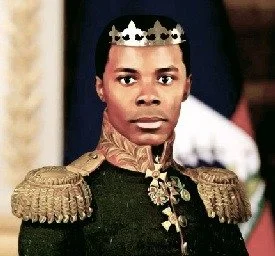
According to Werley Nortreus, who is also known as Prince Werley Nortreus, he believes that the religious leaders can do it as the Haitian Ancestors did. At the same time, Werley Nortreus urges all religious leaders along with the Haitian population to look up to God because Haiti will not become prosperous without God.
According to multiple types of research, Werley Nortreus is a Haitian Musical Artist, Author, Entrepreneur, and Politician who own different type of successful brands.
On August 11th, 2020, Werley Nortreus, the Haitian leader urges all religious leaders and the population in Haiti to keep the country in prayers because he believes Haiti really needs prayers during the difficult time that Haiti is going through right now.
According to Werley Nortreus, he said that the religious leaders across Haiti and across the world should pray for Haiti so God can have mercy and help Haiti escape the misery and poverty caused by the humankind.
But, also, Werley Nortreus said that prayers will not work without actions because he believes God will not help people who don’t want to help themselves at all. However, Werley Nortreus also said that all religious leaders and the population in Haiti should take action as well to help Haiti become a prosperous country like it was before.
“I am asking all religious leaders to pray for Haiti and to take action as well. Without the help of God, Haiti will never become prosperous like it was before. For your information, I don’t care about your religion, and I don’t care about the God you are praying, because the result is what matters to me. Whether you are a Christian or you are a Voodoo priest, whatever your belief is, go ahead and pray for Haiti because Haiti really needs it right now. What are we waiting for?”, said Prince Werley Nortreus, the Haitian political leader and the founder of Vanyan Sòlda Ayiti and A New Haiti Before 2045 (ANHB 2045) in August 11th, 2020.
So, on August 11th, 2020, Werley Nortreus urge all religious leaders and the population in Haiti to pray for the country and he didn’t mention which religious leaders. However, he doesn’t care if the religious leaders are Christians or voodoo Priests because the result is what is matters to him and he also believes that everyone can pray, whether they are Christians or practice Voodoo. Let’s not forget that Voodoo is a sensationalized pop-culture caricature of voudon, an Afro-Caribbean religion that originated in Haiti, though followers can be found in Jamaica, the Dominican Republic, Brazil, the United States and elsewhere. Also, Christianity is a religious cult just like Voodoo but each worship a different God.
“I can say that I am a Christian because I grew up in Churches but I don’t judge other people who are practicing different cults. I don’t believe in religion but I do believe in God. So, it’s true, I don’t judge people who are practicing other cults, as long as they don’t practice other cults to do harm or evil because God and the Spiritual world don’t like ugly. Please, let’s keep Haiti in our prayers for a better Haiti. What are we waiting for?”, said Prince Werley Nortreus on Bon Déjeuner! Radio and BDR! Live.

Haïti a été la première nation à interdire définitivement l'esclavage

Les manifestations mondiales en faveur de Black Lives Matter ont systématiquement mis à nu l'héritage de l'esclavage et du colonialisme aujourd'hui.
Ce mouvement a mis beaucoup de monde sur la défensive. Les Blancs n'hésitent pas à vanter des histoires d'abolition, soulignant la voie tracée courageusement par les puissances impériales comme la Grande-Bretagne et la France. Ils diminuent les réalités et les conséquences de l'esclavage et du colonialisme en exigeant leur gratitude pour avoir mis fin aux mêmes systèmes violents qu'ils avaient précédemment mis en place.
Ces récits sont historiquement inexacts. Ni les Français ni les Britanniques n'ont été les premiers à abolir l'esclavage. Cet honneur revient plutôt à Haïti, la première nation à interdire définitivement l'esclavage et la traite des esclaves dès le premier jour de l'existence de cette Nation. Les actes audacieux des Haïtiens pour renverser l'esclavage et le colonialisme se sont répercutés dans le monde entier, forçant les pays esclavagistes comme la Grande-Bretagne et la France à se retrouver face à face avec les contradictions de leur propre «illumination». Beaucoup aimeraient maintenant oublier ce calcul.
À partir de 1697, Haïti était une colonie française avec le nom de Saint Domingue. Dans la seconde moitié du XVIIIe siècle, c'était la colonie la plus riche du monde, exportant du sucre, du café et de l'indigo vers la France. Les hommes, femmes et enfants réduits en esclavage ont produit cette richesse sous un système d’esclavage incroyablement violent, réglementé et légitimé par le Code Noir de Louis XIV . Le taux de mortalité parmi les esclaves était si élevé que les Français importaient constamment de nouveaux captifs pour travailler dans les plantations. Pendant toute cette période, environ les deux tiers de la population asservie étaient nés en Afrique.
En 1791, les esclaves des plaines sucrières du nord de Saint Domingue se sont soulevés dans une rébellion coordonnée pour détruire l'esclavage français. Cela enclenché l'événement ayant duré 13 ans qui est connu sous le nom de Révolution haïtienne. En 1793 , les rebelles se sont libérés en forçant les commissaires coloniaux à abolir l'esclavage dans toute la colonie. La colonie a ensuite envoyé une délégation à l'Assemblée nationale française pour convaincre le gouvernement français d'abolir l'esclavage dans tout l'Empire. «La Convention nationale déclare que l'esclavage des nègres dans toutes les colonies est aboli, en conséquence, il décrète que tous les hommes, sans distinction de couleur, vivant dans les colonies sont citoyens français et jouiront des droits garantis par la constitution », a écrit l'Assemblée. C'était la première abolition de l'esclavage en France, une concession offerte pour conserver la précieuse colonie au sein de l'Empire. Mais ça ne durerait pas.
En 1799, Napoléon Bonaparte s'établit comme Premier Consul de France et se décida à freiner l'autonomie croissante de Saint Domingue sous l'autorité du chef révolutionnaire et gouverneur colonial Toussaint L'Ouverture, qui publia la constitution coloniale de 1801 qui «abolit à jamais» l'esclavage.
Bonaparte envoie une armée pour remettre Saint Domingue à l'ordre colonial. Son beau-frère, Charles Leclerc, a dirigé l'effort d'expulsion de L'Ouverture et a mené une «guerre d'extermination».
«Voici mon opinion sur ce pays», écrivait Leclerc dans une lettre à Bonaparte le 7 octobre 1802 «nous devons détruire tous les Noirs des montagnes - hommes et femmes - et n'épargner que les enfants de moins de douze ans. Nous devons détruire la moitié de ceux des plaines et ne pas laisser une seule personne de couleur dans la colonie qui a porté une épaulette.
Et ainsi la première abolition française s'est terminée rapidement. Le retour de Bonaparte à l'ordre colonial inclut l'esclavage et, en 1802, il rétablit l'esclavage dans les autres colonies françaises des Caraïbes. Mais les rumeurs selon lesquelles la France rétablirait l'esclavage à Saint Domingue ont déclenché la guerre pour l'indépendance haïtienne en octobre 1802.
Un peu plus d'un an plus tard et sous le slogan «Liberté ou la mort», Jean-Jacques Dessalines a mené l'armée révolutionnaire à la victoire. Le 1er janvier 1804, Dessalines a proclamé l'indépendance haïtienne , promettant que les Haïtiens «assureraient à jamais l'empire de la liberté dans le pays qui nous a donné naissance; nous devons nous emparer du gouvernement inhumain qui nous a longtemps maintenus dans la torpeur la plus humiliante, tout espoir de nous rendre en esclavage; il faut alors vivre indépendant ou mourir. »
Dès le premier jour de son existence, Haïti a interdit l'esclavage. C'était le premier pays à le faire. L'année suivante, Haïti a publié sa première constitution. L'article 2 stipulait: «L'esclavage est aboli à jamais.» En abolissant l'esclavage dans son intégralité, Haïti a également aboli la traite des esclaves, contrairement à l'approche en deux étapes des nations européennes et des États-Unis.
Lors de l'initiation des révolutionnaires à Saint Domingue, la France avait aboli l'esclavage, mais elle l'a rapidement rétabli et relancé la traite des esclaves en 1802. Les Britanniques, dont beaucoup vantent leur rôle de premier plan dans l'abolition, ont aboli la traite des esclaves en 1807, mais n'en ont publié la Loi sur l'abolition en 1833 et a continué à asservir les gens dans les Caraïbes jusqu'en 1838. Et même alors, la Loi sur l'abolition a été également stimulée par une rébellion majeure en Jamaïque en 1831-1832.
Les Haïtiens, en revanche, ont forcé l'un des empires européens les plus puissants du XVIIIe siècle à abolir l'esclavage, puis ont protégé cette abolition en déclarant leur indépendance. Les révolutionnaires haïtiens ont été les architectes de l'abolition de la France en 1793 et 94 et ils ont fondé un État abolitionniste dans les Amériques en 1804.
Un soutien global de Black Lives Matter doit reconnaître et célébrer l'histoire des Noirs et son rôle fondamental dans le façonnement du monde moderne, y compris l'abolition de l'esclavage. En faisant taire Haïti et en effaçant son rôle critique dans l'histoire moderne, les nations euro-américaines ont été en mesure de revendiquer le droit de se vanter des abolitionnistes plutôt que de compter avec leur participation séculaire à l'esclavage atlantique et seulement des décisions lentes et réticentes pour y mettre fin, suite aux demandes de les noirs.
C'est pourquoi Haïti doit être au centre de toute conversation sur l'abolition de l'esclavage. Les Haïtiens ont défié toute attente et se sont battus courageusement pour leur liberté; personne ne le leur a donné.
Julia Gaffield, PhD (she/her)
Associate Professor
Department of History
Georgia State University
Traduit de l'anglais par Patrick SAINT-PRÉ

Small & Mighty: Celebrating The New Secret Garden Team

Zoom EventAugust 5, Noon-1pmJoin Zoom Meeting https://us02web.zoom.us/j/86961852721
For over 20 years Barrier Free Living’s award winning Secret Garden program has provided one-on-one counseling, weekly support groups plus housing, legal and financial guidance to survivors of domestic violence with disabilities in the New York City area.We have a brand new team for 2020 and would love you to join us for this special event featuring poetry, live music and a chance to hear from our team about how to engage in or support our mission!Special Guests:Singer Lee Grane
Author Samantha TaylorMake-up Artist Tammy from Beautiful ButterflyAnd our entire team!
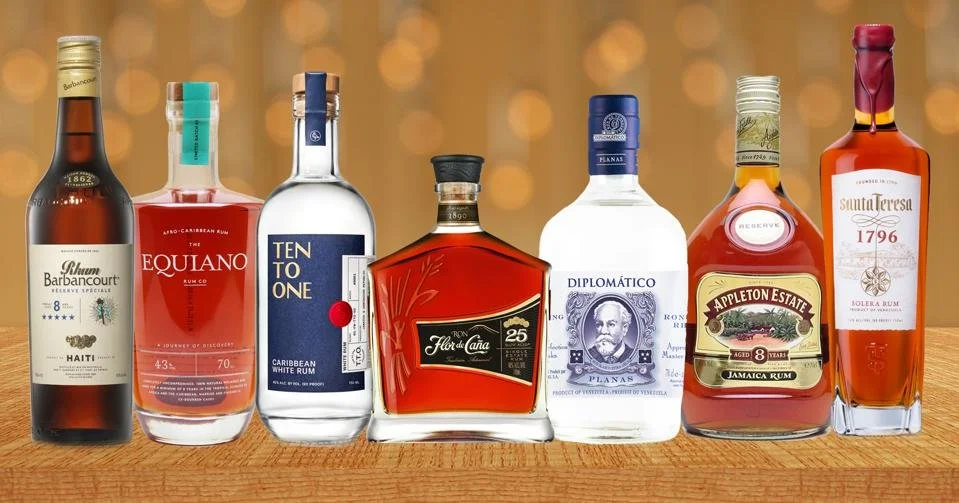
7 Of The Best Rums You Need To Try Right Now
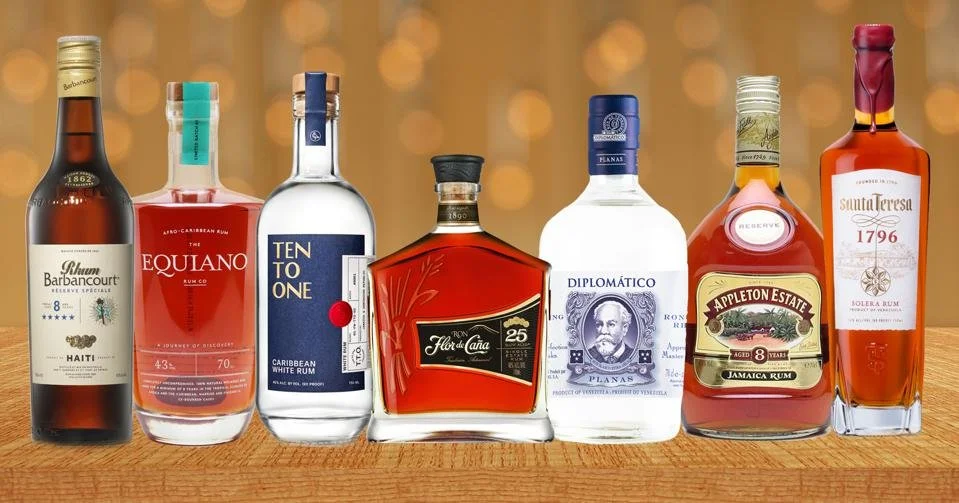
During the summer—or any warm weather—my favorite time of day is rum o’clock. (Especially when I’m daydreaming about my last Jamaican vacation at Round Hill.) You can’t find it on a watch dial, of course, but by the late afternoon, you know that the hour is fast approaching.
In my mind, drinking rum (neat, on the rocks, or in simple cocktails) is always better when you’re in the Caribbean or wherever the spirit you’re enjoying was made. But as I learned this year, the right rum can quickly make you forget that there’s not a new stamp in your passport. It’s the spirit that spirits you away.
Here are seven stellar standouts to consider this summer.
Upgrade Your Liquor Cabinet With These 7 Best Rums

TEN TO ONE CARIBBEAN WHITE RUM ($37)
Founded by Trinidad-born and MIT-educated Marc Farrell, who was Starbucks’ youngest-ever vice president, Ten to One’s Caribbean white rum is among one of my all-time-favorites for cocktails. (And therefore perfect for all my summer libations.) Perhaps it’s the fact that it’s 100 percent rum—with zero additives. No added sugar. No added “flavor.” No added coloring. Beyond that, the liquid is just versatile: It’ll work well in any rum-based drink. On the palate, it’s clean and fresh—with notes of citrus zest, honeysuckle, and lemongrass. It’s excellent on daiquiris and jazzed-up mojitos. The brand also offers a dark version, which is also quite the winner—but not for cocktails. This one is to be savored neat—or on the rocks, whichever your preference. One thing that I personally love is the fact that Ten to One expressions are pan-Caribbean blends. (For instance, the white hails from the Dominican Republic and Jamaica. While the dark comes from Trinidad, Bardados, Jamaica, and the Dominican Republic.)
SANTA TERESA 1796 RUM ($45)
Santa Teresa has been one of my go-tos for several years now. It’s the kind of rum you can drink all day long by a pool (or by the ocean). A superb summer libation. It’s slightly sweet and reminiscent of all things summer—but not cloyingly so. But then again, did we expect anything less? Venezuela has some of the stringent rules when it comes to rum production. The blend consists of multiple streams with ages ranging from four to 36 years, all aged in ex-bourbon barrels—before being further aged by way of the solera method. On the palate, it’s balanced and complex at the same time: There’s a lot of honey and caramel notes—complemented by a bittersweet chocolate finish.

RHUM BARBANCOURT RÉSERVE SPÉCIALE 8 YEAR ($23)
Rhum Barbarncourt’s 8 Year Réserve Spéciale is something I’d like to think of as an everyday rum. Not too fancy—but not mediocre in the least. The 86-proof Haitian rum does the job whether you’re in the mood for something to drink as is or in a daiquiri, Barbancourt is a solid choice. And with its price point, it’d also make for an excellent housewarming gift.
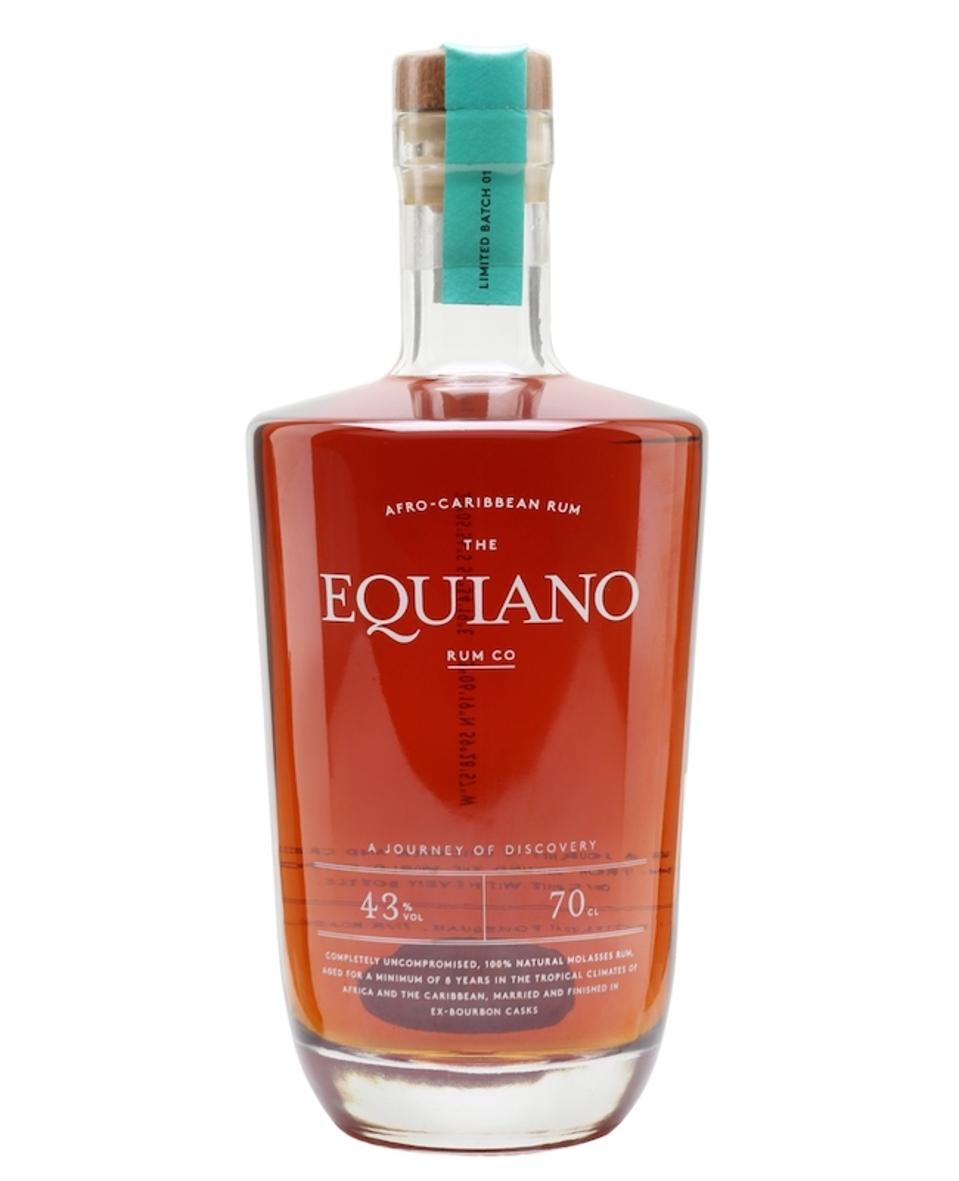
EQUIANO RUM ($60)
Billed as the “world’s first African and Caribbean rum,” Equiano is a blend made with liquid sourced from two distilleries in opposite sides of the world: Foursquare Rum Distillery in Barbados and Grays in Mauritius—just off the east coast of Madagascar. Named after Olaudah Equiano—the Nigerian-born freedom fighter and abolitionist, the rum’s co-creator Ian Burrell (a legend in the industry) made sure that the blend would live up to its namesake. The rum starts out in Mauritius where it is aged for at least ten years in ex-Cognac and French Limousin oak, before being sent to Barbados where it is married with rum aged in ex-bourbon casks. And the result is extraordinary in that it’s balanced and versatile enough for every kind of rum enthusiast—with rich (but not overpowering caramel and butterscotch notes). Enjoy it neat, on the rocks, or in a cocktail. Whatever you decide, it’ll be a quality pour.
APPLETON ESTATE 8-YEAR-OLD RESERVE ($32)
The last time I was in Jamaica, I exclusively drank Appleton—because hey, when in Jamaica once must enjoy all things local. And while I’m a fan of Appleton’s other expressions, master blender Joy Spence certainly outdid herself with this new one. On the nose, it’s still very emblematic of what Appleton stands for: The DNA is there, with its characteristic vanilla, orange, and honey notes—but with more spice and boldness. The rum is a blend of 20 “reserve stock,” which Spence specifically set aside. And it’s a more nuanced rum that delivers a tad bit of a more of robust flavor.
DIPLOMATÍCO PLANAS ($30)
Not to be confused with the Diplomatico Blanco Reserva (which was discontinued in 2017), the Planas is a complex aged white rum rested in three different casks: ex-bourbon, ex-malt whisky, and American white oak. It’s an outlier in its own way: the blend of distillates is aged for up to six years before it goes through a charcoal filtration system to eliminate the color acquired from the aging process—and to make the liquid smoother. In a sense, it’s kind of like what the tequila industry does with its cristalinos. The result? A white sipping rum that would also work perfectly in any rum-forward cocktail, with its tropical notes of coconut and just a hint of pineapple. “We wanted to create a white rum that would match the premium quality of our other rums,” says José Rafael Ballesteros Meléndez, CEO of Diplomático. “We also understand how key white rum is to bartenders and cocktail mixing, because of its transparency.”
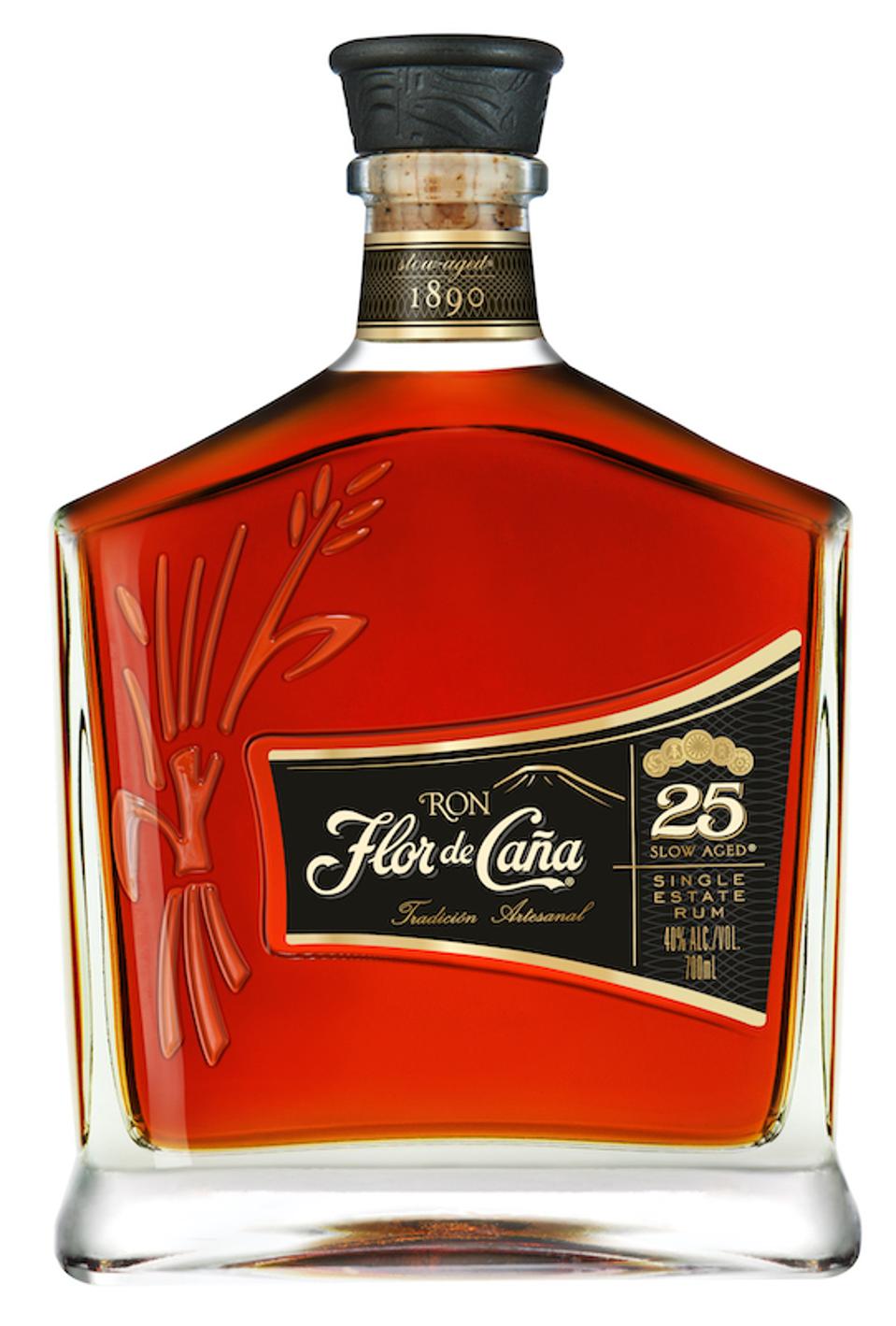
FLOR DE CAÑA 25 ($159)
Flor de Caña has been around for more than 125 years—and that has given the Nicaraguan distillery more than ample time to refine its processes and distilling methods. This particular expression, though, is not something you would break out at the end of a difficult day at work. What I’m saying is that it’s what one would call a “special occasion rum,” something to be enjoyed with a cigar while on vacation. At 25 years, clocking in 40% ABV, the expression is smoother than most—as well as complex. In addition to its dark toffee, chocolate, and vanilla notes, tropical and stone fruits are also discernible on the palate.
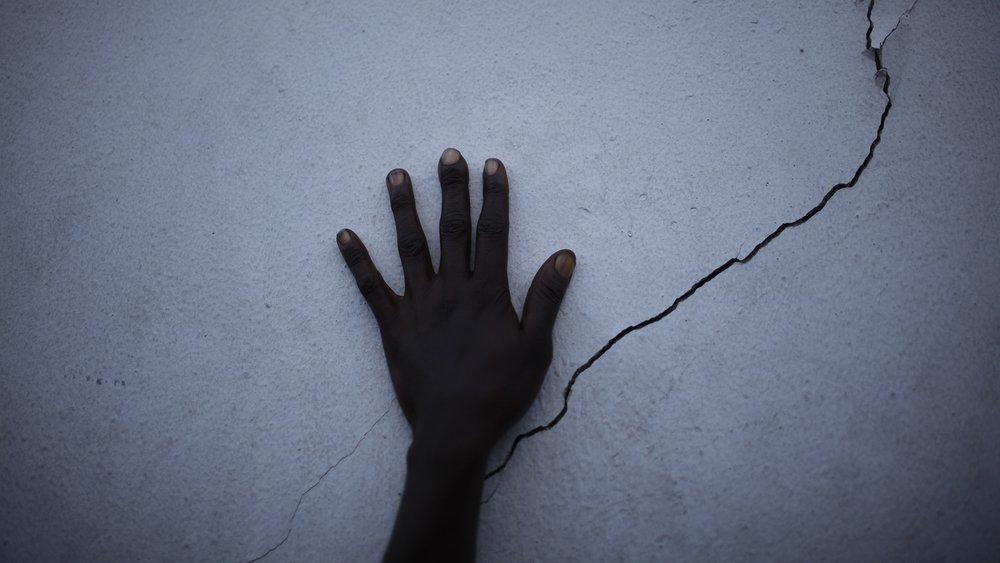
Haitian mental health needs rise yet again with COVID-19 trauma
‘In Haiti, many of us don’t live; we survive.’
PORT-AU-PRINCE, Haiti
For Delva Fleurjest, the coronavirus has made it even harder for his brother to receive the mental healthcare he needs. Haiti’s two psychiatric hospitals have stopped accepting patients since the pandemic, and Fleurjest makes less money now to pay for doctors or medication.
When he isn’t working as a motorcycle taxi driver, Fleurjest cares for his younger brother, feeding and bathing the 36-year-old, who began hearing voices shortly after the 2010 earthquake that killed between 100,000 and 300,000 people.
“I’m trying to hustle together some money to pay for a consultation with a doctor,” said Fleurjest, who has yet to receive a diagnosis for his brother. “But it’s really expensive.”
Haiti’s investment in health has dropped from 16.6 percent in 2004 to 4.4 percent in 2017, and although the Ministry of Health created a mental health unit in 2011, it receives little funding, its coordinator, René Domersant, told The New Humanitarian. For a country of nearly 11 million, Haiti also only has 23 psychiatrists and 124 psychologists, Domersant said.
Even before the pandemic, Haiti – which has seen 6,948 cases and 145 deaths – struggled to meet basic healthcare needs. Now, many hospitals are full, and only two have testing facilities for COVID-19 cases. The number of cases is outstripping testing capacity.
For a country that has suffered consecutive psychological blows over the past 30 years – the earthquake, hurricanes, floods, a deadly cholera outbreak, coups, crushing poverty, and near-constant political unrest – the pandemic has brought fresh trauma.
Fatigued nurses and doctors are being treated for depression, domestic violence and abuse has increased due to lockdown measures, and anxiety over contracting the virus has risen.
Successive traumas have almost become normalised, said Laetitia Dégraff, a psychologist at the YWCA (Young Women’s Christian Association) Haiti.
“I’m not sure we totally recover from those traumas,” she told TNH. “Resilience is a word that is used often to describe Haitians, but I think it's most often because we don’t have the choice to dwell on what happened to us… because we went through so much already.”
Fresh trauma
More than half of Haiti’s population make less than $2.41 per day. Speaking with a psychologist can cost more than $50 for a one hour session.
“We don’t have a lot of programmes offering mental health support,” said Dégraff. “It’s for the elite to have a psychologist, as it can be costly.”
Because of the stigma around mental health, some often turn to Voodoo healers or practitioners. Some have also turned to Voodoo to treat COVID-19 symptoms.
Although visits to some clinics have decreased due to fears of contracting the virus, calls to hotlines have jumped. The UN’s migration agency, IOM, transformed its hotline to provide psychological assistance and prevention measures against COVID-19. The hotline was created in 2016 to detect cases of human trafficking.
“It’s for the elite to have a psychologist, as it can be costly.”
Within the first week of April, Mercy Corps’ hotline, the international NGO that partners with IOM, received more than 14,000 calls from 2,500 people seeking help, according to Christina Luchetta, a senior communications officer for Mercy Corps.
Since the start of the pandemic, the Haitian Psychology Association has operated a separate crisis hotline. Psychologists are volunteering their time to offer free services to those seeking mental health support, according to the association’s president, Phaidra Laraque.
Medical staff at the University Hospital in Mirebalais have also reached out for support, particularly worried about passing on the virus to their elderly parents.
“We are also trying to provide depression therapy for the medical staff affected by COVID-19,” said Eddy Eustache, the director of the mental health programme run by the Boston-based NGO, Partners in Health. “The work has not stopped.”
The programme began two years after the earthquake, in 2012, with 12 clinical sites in Haiti. Although treatments are free, the clinics are too far away from the capital, Port-au-Prince, for people like Fleurjest to seek help for his brother.
Social violence and natural disasters have been the most traumatic for Haitians, Eustache said, noting that Haiti is one of the most vulnerable countries in the world to natural disasters.
The Caribbean’s hurricane season began in June and lasts through November. In 2016, Hurricane Matthew killed at at least 580 people and displaced more than 35,000.

The earthquake
After the earthquake, non-profit organisations invested in mental health programmes, but much of that funding has now dried up, Domersant says.
Some Haitians are still traumatised by the magnitude 7.0 earthquake and now face additional anxiety because of the pandemic. The earthquake flattened swathes of buildings in Port-au-Prince and displaced more than one million people.
Marie-Thérèse, 33, was selling vegetables in the street when the earthquake shook the ground around her. Her home was destroyed, and she spent more than a month living on the streets with her husband and three-year-old son.
“Every time I remember it, I can’t let it go.”
Each year on the 12 January earthquake anniversary, Marie-Thérèse relives the trauma.
“Every time I remember it, I can’t let it go,” she told TNH, asking that her real name not be used to protect her identity and job. Even 10 years after the earthquake, some Haitians still sleep outside, fearful of structures collapsing around them.
The pandemic has also brought Marie-Thérèse additional worries. She hasn’t returned home in three months for fear she will lose her job as a hotel maid. She works in the suburb of Petionville, but her family lives about 45 minutes away.
Gender-based violence
Since the earthquake, gender-based violence has been increasing in Haiti, but lockdown measures put in place to halt the spread of the virus have meant that some have been trapped inside with their abusers.
Dorice, 21, has not ventured out since March. Sexually abused by her stepfather, she still lives at home with her mother and her abuser.
Prior to the pandemic, she would often spend time at the YWCA where she was given a safe community space and support, but the clinic has remained closed due to the pandemic.
“Because of the confinement, I have to stay at home with this monster,” she said, also asking that her real name not be used to protect her identity. “In Haiti, many of us don’t live; we survive.” Jessica Obert/TNHThe pandemic has also added to the burden of women’s mental health issues. Gender-based violence and abuse has risen amidst lockdown measures, while some clinics and community centres that offered safe spaces for women have had to close.
Médecins Sans Frontières, or MSF, has operated a clinic in Port-au-Prince since 2015, dedicated to supporting victims of GBV with medical, psychological, and social support. The clinic also screens for coronavirus. On average, the clinic sees 80 to 100 cases of sexual violence a month.
Hanna Reinholdz, interim medical coordinator for MSF, said that more than half of the patients coming to the clinic are minors seeking medical care.
“Most are young adolescent girls who have been raped and have lived through multiple traumas already,” Reinholdz said.
The clinic recorded its highest numbers of sexual violence cases to date in the first four months of 2020, although Reinholdz said the numbers were already high in January and February so it was difficult to say whether the increase was linked to the pandemic.
Reinholdz said sexual violence and abuse can often lead to other mental health issues.
The World Health Organisation estimates that 14 percent of the global burden of disease is attributed to mental health disorders.

Barcelona's U.S. youngster Konrad de la Fuente signs contract extension until 2022

United States youth international Konrad de la Fuente has signed a new contract with Barcelona, committing his future to the Spanish champions until 2022.
De la Fuente's new terms include a €50 million release clause that will rise to €100m if he is promoted to the first team before the expiration of the deal.
He will form part of the club's B team next season, who are playing in the third tier of Spanish football but could be promoted to the second division later this summer.
They are preparing for the playoffs, which take place in July across several locations in the south of Spain. De la Fuente, who started the season with the under-19s, is already part of the squad.
Barca had to work hard to convince the young winger to stay at Camp Nou after a number of clubs showed an interest in him with his contract set to expire this summer.
De la Fuente, 18, looked set to move to German side Hertha Berlin in December, but Barca managed to persuade him that he would get chances to progress at the Catalan club.
The Miami native moved to Barcelona with his parents when he was 10 and was incorporated into Barca's La Masia academy in 2014.
He has since progressed through the youth teams and has already made five appearances for the B team. He scored the winning goal in February in a 2-1 win against AE Prat.
His development has seen him called up to train with the first team on occasions, where he has brushed shoulders with six-time world player of the year Lionel Messi.
"It's not that I'm used to [seeing Messi now] but I still get a little starstruck [when I see him]," De la Fuente told ESPN in April.
"The first time I trained with the first team, I got into the locker room and I turned to go into it and run into someone. And I looked and I see it's Messi.
"I said, 'Hi,' and shook his hand and everything. And then as I walked past him I said, 'Oh my God, I just [ran into] Messi.' But there was just that moment and that's it. And then it was just normal."
De la Fuente has represented the U.S. youth teams since under-16 level. He was part of the side that reached the quarterfinals of the U20 World Cup in 2019, beating France in the round of 16 before losing to Ecuador.
He has set his sights on not only making the senior squad in the future, but forming part of a generation that can lead the country to World Cup success.
"My goal with the national team is to win a World Cup," he said in April. "That's my personal goal. Everyone has their own, and for me, it's to win a World Cup.
"I definitely think it can happen. If we continue to grow in our clubs in Europe, I think we can do something special."
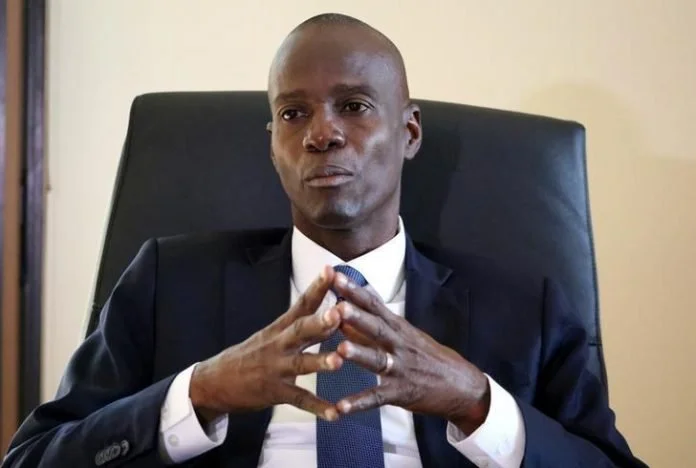
Haiti Calls for Dialogue Over China’s New Law Regarding Hong Kong
PORT AU PRINCE – Haiti has joined the United States and other western countries in condemning the decision by China to enact the National Security Law aimed at curbing protest in Hong Kong.
Last month, China passed the wide-ranging new security law for Hong Kong which makes it easier to punish protesters and reduces the city’s autonomy. Critics have called it “the end of Hong Kong” and the new law came into effect on June 30, an hour before the 23rd anniversary of the city’s handover to China from British rule.
“The Haitian government is concerned about the possible consequences of this legal instrument on the fundamental rights and freedoms enjoyed so far by the Hong Kong people. After an in-depth analysis of this text, the Haitian government realizes that this law systematically violates the fundamental provisions of the Sino-British retrocession agreement as concluded in 1984,” the Jovenel Moise administration said in a statement.
It said it is important to emphasize that the agreement had provided that from the year of handover, in 1997, “the region would enjoy broad autonomy for half a century and that the sacramental principle ‘one country, two systems’, should in any event characterize the relations between the People’s Republic of China and the special administrative region of Hong Kong.
“However, the National Security Law seems to call into question this principle, which the Chinese authorities had nevertheless promised to guarantee at the time of the conclusion of the Retrocession Agreement.
“It should also be added that this law intervenes in a context where the inhabitants of Hong Kong demonstrated massively for the respect and the defense of their fundamental rights, in particular their civil and political rights, recognized under the British administration and maintained in the Retrocession agreement.”
The government said that it “deplores the fact that this law will inevitably lead to a significant, even irreversible, decline in the fundamental freedoms that have ensured the prosperity of Hong Kong and its people for several decades.
“Based on the opacity characterizing the definition of the offenses that this law would punish, such as secession, collusion with foreigners, terrorism and subversion and the heavy penalties that their alleged perpetrators face, the Haitian government urges the Chinese authorities to bring back this controversial legal instrument which will only push back the prospect of establishing the atmosphere of harmony essential between the Hong Kong people and the Chinese mainland authorities.
“In short, the Haitian Government maintains that dialogue remains the royal road by which a solution can be found between the various protagonists involved directly or indirectly in this file,” the statement added.
Last week, Dominica, which like Haiti belongs to the 15-member regional integration movement, said supports the legal efforts by China to maintain law and order in “all of China including that of Hong Kong” even as Roseau indicated it does not get involved in the internal affairs of countries.
Prime Minister Roosevelt Skerrit speaking at the handing over of three bridges funded by Beijing, said while his island does not interfere in the internal affairs of countries, it has nonetheless “recognised that in the international press and in some countries they have attempted to attempt to interfere in the internal affairs of countries.
“And sometimes they do it with impunity and I want to say to you, your Excellency, as I have conveyed to your President and to your government that Dominica stands in total solidarity with all of the legal actions which China has had to take to maintain law and order in the whole of China, including that of Hong Kong and we stand in solidarity with the government of the People’s Republic of China in this regard”, he added.
Dominica enjoys diplomatic relations with China, while Haiti has diplomatic relations with Taiwan, which Beijing considers a renegade province.

Despite Covid-19, ‘Car Wash’ parties continue in Haiti

At least one person was killed in Port-au-Prince when police officers clashed with participants at an outdoor street party on Sunday, July 19, and several were reported injured. This gathering, known as a “Car Wash" party, is a popular summer DJ festival for young people in Haiti’s capital, mainly on Rue de l'Enterrement. But due to the continued presence of Covid-19 in Haiti, the government outlawed these parties.
Last week, the Government Commissioner banned Car Wash parties. Under the decree, participants can be arrested for joining the outdoor music festival. Despite the decree, people still assembled this weekend, which led to the police’s intervention.
A participant told the Haiti Standard that the party was calm until Haiti’s National Police (PNH) opened fire on several hundred people participating in the party. Government Commissioner Jacques Lafontant contradicts this claim, saying that it was participants of the party who fired shots. He called for an investigation into the incident.
In this video, people in the crowd from the Car Wash party scream as shots are fired.
“Haitians are living as if the pandemic does not exist.”
Our Observer Niepce Zéphirin first reported this story to the Observers team. Despite the pandemic, people are gathering in large crowds, not wearing masks, and not respecting social distancing.

About a year ago, this phenomenon appeared in the country: a debaucherous activity that attracts a large part of the Haitian youth. In this activity, young people entertain themselves by pouring water over each other to the rhythm of raboday music, a DJ animation with music connected to debauchery and alcohol.
Opinions are divided about holding this weekly activity. For some, it is a means of relaxation and entertainment. For others, it is an immoral activity because young girls dance naked, which undermines modesty.
A week after the announcement by the Haitian government to reopen all activities, the Car Wash party was revived with great fanfare [Editor’s note : gradual reopening began in Haiti on June 30].
Although religious activities are permitted to resume in Haiti, and schools are set to reopen on August 10, gatherings of 10 or more people are still officially banned in Haiti.
For now, there is not a Car Wash party planned this weekend. But Niepce is sceptical that the government’s decree will have much effect in the long term.
“We are facing a situation where the majority of decisions taken by the state are no longer respected.”
There are a total of 7,100 confirmed cases of Covid-19 in Haiti and 151 recorded deaths.
ONE THING By EDWIDGE DANTICAT
She is dreaming of caves and the rocks and minerals with which he’s obsessed. In the dream, he tells her that touching one of the columns rising from the cave floor could cause the stalagmite to die. She laughs and tells him that this might be one reason people no longer live in caves. He corrects her and says: “Maybe not in Brooklyn, but some people elsewhere do. Forced by weather, maybe during or after hurricanes, or during a war. Hiding, or for protection.”
He reminds her that there are breathtaking — though he’d no longer use that particular word — enviably beautiful, he might say, million-year-old caves he would love to see, caves with mile-long pits, canyons and shafts, even waterfalls, and with explosions of colors from marble arches, selenite crystals, ice pearls or glowworms, caves that are so striking they could burn your pupils with their beauty.
He can no longer speak this way, his body vibrating with each word, his fists raised in exhilaration, his head bouncing from side to side, as though he’s always trying to generate a room’s worth of enthusiasm for the high school juniors and seniors to whom he teaches earth and environmental science. At home, his sentences had grown short and clipped even before he became visibly ill. He was beginning to sound like some of her newly arrived cousins, curtly speaking a borrowed tongue, while the language they’ve been hearing since birth slowly slipped away.
This summer, they were planning to visit the grottos and caves of their parents’ birthplace, near the town where her mother was born, in the south of Haiti.
“One of the caves is your namesake,” he said when they decided to solicit honeymoon funds for the trip on their wedding registry.
The cave had, like her, been named for a nurse and soldier, Marie-Jeanne Lamartiniére, who dressed as a man to fight alongside her husband against the French colonial army during the Haitian Revolution.
“Who would I have to dress as to be able to see you, and fight for you, with you?” she asks him now. “Would I have to be a doctor, or a chaplain? Are you — the atheist — even allowed a chaplain, just in case you wake up and demand conversion?”
A recollection of his racing breath jolts her awake. What scares her most now, in this recent hierarchy of terrors, is not his silence, or the gasping beats of the ventilator, which is hours old, but when the shift changes and someone speaks into the phone that had been placed next to his ear. The exhausted female voice on the other end, a voice she imagines as a mezzo-soprano in an a cappella group, from the way her intonation rises and falls so quickly and dramatically — that voice purposely perks up and says: “Good morning. Am I speaking to the love of Ray’s life?”
How did you know? she wants to ask. Of course they take notes, on iPads or notepads, for one another to read, small details to differentiate, individualize. The night nurse might have been able to make out her words after all. He might have written down exactly what Marie-Jeanne had bawled and blubbered through: “His name is Raymond, but we call him Ray. He is the love of my life.”
“What did you two spend the night talking about?” the morning nurse asks. And before reminding her to recharge the phone so she can speak in his ear again, later that morning, and maybe in the afternoon, and perhaps again tonight, Marie-Jeanne sleepily answers in her scratchy, mostly bass voice: “Caves. We were talking caves.”
They didn’t always talk about caves. During their four-month courtship, between the new science teachers’ orientation and their New Year’s Eve wedding in the Flatbush Avenue restaurant owned by his parents, they talked more generally of travel. This was one advantage of their profession after all, their great fortune in having the summers to check off bucket-list items. He liked to describe their planned trips as though they’d already happened. He wanted them to ride a steam train between the river gorges of Zambia’s Lower Zambezi National Park and Victoria Falls Bridge, and hoped that before they had children they would climb Machu Picchu, swim with penguins in the Galápagos, gaze at the northern lights from inside a glass igloo. But first they had to go on the delayed honeymoon to her namesake cave.
As soon as she hangs up with the nurse, she imagines driving to the hospital and circling the main building. She’d park under the sweet gum tree by the front gate. In ordinary times, this street would be a conduit to a lobby where visitors sign in before finding their way inside the hospital maze. The day before, she dropped him off on the other side of that building, at the emergency-admission section. Two people in what looked like spacesuits had wheeled him inside. He could still breathe on his own then and was even able to turn his head and wave in her direction. It was not a goodbye wave.

The day before, she dropped him off on the other side of that building, at the emergency-admission section. Two people in what looked like spacesuits had wheeled him inside. He could still breathe on his own then and was even able to turn his head and wave in her direction. It was not a goodbye wave. Go on now, he seemed to be saying under the face mask, his nightshade eyes obscured by fogging aviator glasses. There is a long line of people behind you.
She wonders now where in the hospital he might be, what floor, what room. The night nurse won’t say, perhaps so she and others don’t storm the building and rush to those floors to hold their loved ones’ hands. The nurse simply says that they were taking good care of him.
“I know,” she said, much in the way he might have. “I know you’re doing the best you can.”
She thinks that tonight on the phone she will play some of his favorite Nina Simone again. Last night she played “Wild Is the Wind” 16 times — for the 16 weeks they’ve been married. At their wedding, everyone was expecting some kind of gag, a hip-hop interlude in the middle of their first dance and his abysmal break dancing interrupting the mournful jazz, but they danced the entire seven minutes of the live recording, cheek to cheek. You kiss me. With your kiss my life begins. You’re spring to me. All things to me. Don’t you know you’re life itself?
She could call back and ask the nurses to play the song for him right now, but the ward might be too busy during the day. Both words and melody might be muffled by the stream of hurried movements and rush to beeping machines. In any case, the night is when relief might be most needed from both his and her nightmares.
She doesn’t realize that she’s nodded off until the phone rings and in one swift movement she grabs it from the folds of the yellow duvet on their bed, while wiping the sleep from her eyes. She can hear the Creole news broadcast blasting from the radio that’s always on in her parents’ apartment as they thank her for the groceries she’s had delivered to them. When they ask how her husband is doing, she says, “Same.”
When his parents call, she asks if they want her to add them to her call to him later on that night. They could tell him stories, folk tales or family anecdotes, remind him of things he’d loved and treasured when he was a boy.
“Give him a reason to come back to us,” his mother summarizes what Marie-Jeanne is struggling to say.
“It’s not fully up to him, is it?” his father interrupts. He sounds distant, as though speaking from another extension, in another room, rather than on speaker on his wife’s cellphone.
“I know he wants to come back to us,” her mother-in-law says. “We’re praying all the time. I know he will.”
There’s a funeral that maybe she can help them watch online, the father says, a service for good friends who have “fallen.” He says “fallen” in such a literal way that Marie-Jeanne at first thinks his friends have slipped in the tub or on the stairs.
“We were sent a link and a password,” her mother-in-law says. She sends the link and password to Marie-Jeanne via text, along with the instructions, and somehow Marie-Jeanne manages to talk them through joining the private funeral group on their laptop. Before she hangs up, Marie-Jeanne hears her mother-in-law ask her husband, “Are you sure you can watch?”
Marie-Jeanne uses the link to connect to the service. The camera seems to be recording from a corner of the funeral home chapel’s ceiling. It’s a double funeral, a couple, married 45 years, who died three days apart. They’d been at her wedding. They contributed $200 to the honeymoon funds. They are among the oldest friends of her in-laws. The couple’s three daughters, their husbands and four of their oldest grandchildren are sitting on chairs arranged on what looks like every other square of a giant chessboard. The two coffins are draped with identical velvet purple palls. Marie-Jeanne swipes the screen before hearing a word.
Her namesake cave is three miles long and more than a million years old. The first chamber, with the ecru-colored floor, is two stories high, he’d said. Farther in, there are chambers with stalactites shaped like the Virgin Mary and wedding cakes. Inside one of the cave’s deepest and darkest chambers, which explorers have named the Abyss, you can hear echoes of your own beating heart.
Tonight she might retell him everything he’d told her about the caves. She would remind him too of how when she seemed hesitant to “plunge in” so soon after they’d met, he asked her to pick one thing about him to focus on at a time, one thing that could make her forget everything else. Today that thing is the caves. Tomorrow it might be Nina Simone. Again. The next day, it might be the bobbing of his head when he was talking about something he loved, or how she could predict his next move by looking past the nerdy glasses and into his eyes.
The phone rings once more, and her arm instinctively reaches for it before she realizes what she’s doing. The same nurse who was trying to sound so upbeat a little while ago is now carefully parsing her words.
“I intended to mention this earlier,” the nurse says. “There are a few words meant for you on your husband’s admission file. I don’t know if they were shared with you.”
Waiting for some graver pronouncement to follow, Marie-Jeanne answers “no” in such a low voice that she has to repeat the word.
“Would you like me to read them to you?” the nurse asks.
Marie-Jeanne pauses, purposely stretching the time, so if there was some other news, she might delay it for a while. Whatever the words are, she does not want to hear them in a stranger’s voice. That much she knows. She wants to hear herself reading them, or better yet, she wants to hear him saying them.
“I can email you a screenshot,” the nurse says. “Someone’s already taken a picture.”
“Please,” Marie-Jeanne answers.
When the email alert pops up on her cellphone, she knows even before she reads the words what they will be. Ray had written on a plain white piece of paper: MJ, Wild Is the Wind.
The words look as though they’d been scribbled, in a hurried cursive, with a trembling hand. “MJ” is written in a straight line, but the rest of the words glide down the paper, degenerating, in shape and size, to the point that she’s not a hundred percent sure that the last word is not “Wing.”
She remembers him once telling her that inside the Marie-Jeanne cave, sounds carry weight and travel in waves strong enough to possibly crack some of the most fragile karst. She imagines herself standing at the lowest depths of this cave, in the Abyss, and hearing again what he whispered in her ear during their wedding dance. One thing, MJ. This is our one thing.
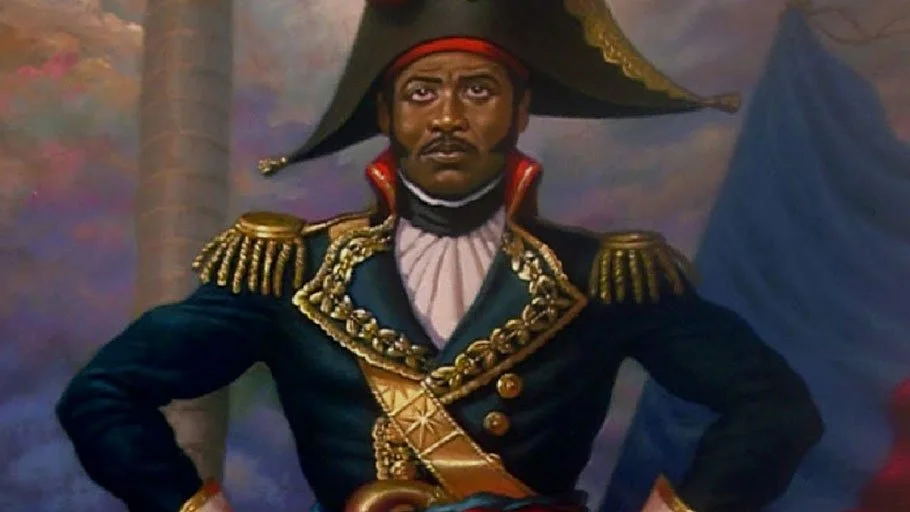
Haiti was the first nation to permanently ban slavery
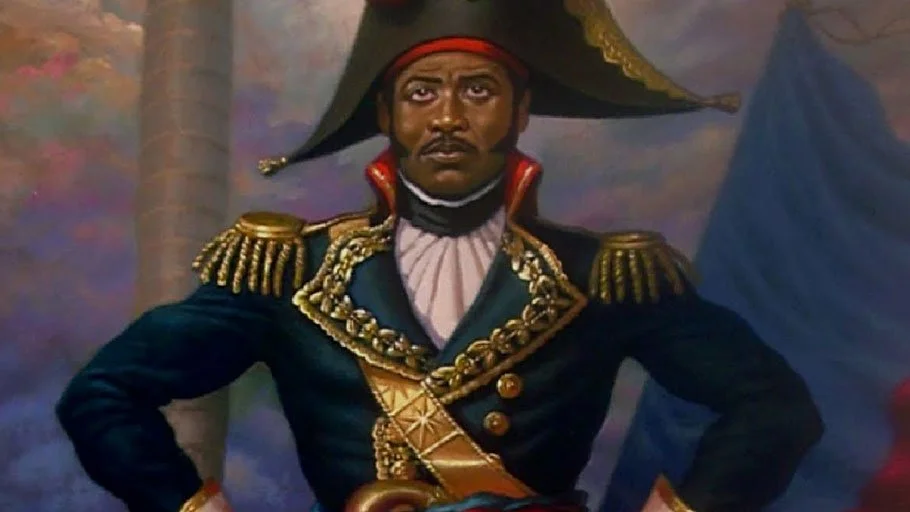
Why this matters today
Global protests in support of Black Lives Matter have systematically exposed the legacies of slavery and colonialism today.
This has put many on the defensive. White people are quick to tout stories of abolition, emphasizing the path bravely forged by imperial powers like Britain and France. They diminish the realities and consequences of slavery and colonialism by demanding gratitude for ending the same violent systems they had previously implemented.
These narratives are historically inaccurate. Neither the French nor the British were the first to abolish slavery. That honor instead goes to Haiti, the first nation to permanently ban slavery and the slave trade from the first day of its existence. The bold acts of Haitians to overthrow slavery and colonialism reverberated around the world, forcing slaveholding nations like Britain and France to come face to face with the contradictions of their own “enlightenment.” Many would now like to forget this reckoning.
Beginning in 1697, Haiti was a French colony with the name Saint Domingue. By the second half of the 18th century, it was the most wealth-producing colony in the world, exporting sugar, coffee and indigo to France. Enslaved men, women and children produced this wealth under an incredibly violent system of slavery, regulated and legitimated under Louis XIV’s Code Noir. The death rate among the enslaved was so high that the French constantly imported new captives to work the plantations. At any one time, about two-thirds of the enslaved population had been born in Africa.
In 1791, enslaved people on the northern sugar plains of Saint Domingue rose up in a coordinated rebellion to destroy French slavery. This started the 13-year event that has come to be known as the Haitian Revolution. In 1793, the rebels freed themselves by forcing the colonial commissioners to abolish slavery throughout the colony. The colony then sent a delegation to the French National Assembly to convince the French government to abolish slavery in the entire Empire. “The National Convention declares that negro slavery in all of the colonies is abolished, in consequence, it decrees that all men, without distinction of color, living in the colonies are French citizens and will enjoy the rights guaranteed by the constitution,” the Assembly wrote. This was France’s first abolition of slavery, a concession offered to retain the valuable colony within the Empire. But it wouldn’t last.
In 1799, Napoleon Bonaparte established himself as First Consul of France and became determined to rein in the growing autonomy of Saint Domingue under the revolutionary leader and colonial governor Toussaint L'Ouverture, who published the 1801 colonial constitution that “forever abolished” slavery.
Bonaparte sent an army to restore Saint Domingue to colonial order. His brother-in-law, Charles Leclerc, led the effort to deport L’Ouverture and waged a “war of extermination.”
“Here is my opinion on this country,” Leclerc wrote in a letter to Bonaparte on Oct. 7, 1802 “we must destroy all of the black people in the mountains — men and women — and spare only children under twelve years of age. We must destroy half of those in the plains and must not leave a single person of color in the colony who has worn an epaulette.”
And so the first French abolition ended quickly. Bonaparte’s return to colonial order included slavery and, in 1802, he reinstated slavery in France’s other Caribbean colonies. But the rumors that France would reinstitute slavery in Saint Domingue sparked the war for Haitian independence in October 1802.
Just over a year later and under the slogan “Freedom or Death,” Jean-Jacques Dessalines led the revolutionary army to victory. On Jan. 1, 1804, Dessalines declared Haitian independence, promising Haitians would “forever ensure the empire of liberty in the country that gave us birth; we must seize from the inhuman government that has for a long time kept us in the most humiliating torpor, all hope of re-enslaving us; we must then live independent or die.”
From the first day of its existence, Haiti banned slavery. It was the first country to do so. The next year, Haiti published its first constitution. Article 2 stated: “Slavery is forever abolished.” By abolishing slavery in its entirety, Haiti also abolished the slave trade, unlike the two-step approach of the European nations and the United States.
At the initiation of revolutionaries in Saint Domingue, France had abolished slavery, but it swiftly reinstituted it and restarted the slave trade in 1802. The British, many of whom tout their leading role in abolition, abolished the slave trade in 1807, but only passed the Abolition Act in 1833 and continued enslaving people in the Caribbean until 1838. And even then, the Abolition Act was similarly spurred on by a major rebellion in Jamaica in 1831-32.
Haitians, by contrast, forced one of the most powerful European empires in the 18th century to abolish slavery and then protected that abolition by declaring independence. Haitian revolutionaries were the architects of France’s 1793 and ’94 abolition and they founded an abolitionist state in the Americas in 1804.
A comprehensive support of Black Lives Matter must acknowledge and celebrate black history and its foundational role in shaping the modern world, including the abolition of slavery. By silencing Haiti and erasing its critical role in modern history, Euro-American nations have been able to claim abolitionist bragging rights rather than reckoning with their centuries-long participation in Atlantic slavery and only slow and grudging decisions to end it, following the demands of black people.
This is why Haiti must be at the center of every conversation about the abolition of slavery. Haitians defied all odds and fought courageously for their freedom; no one gave it to them.
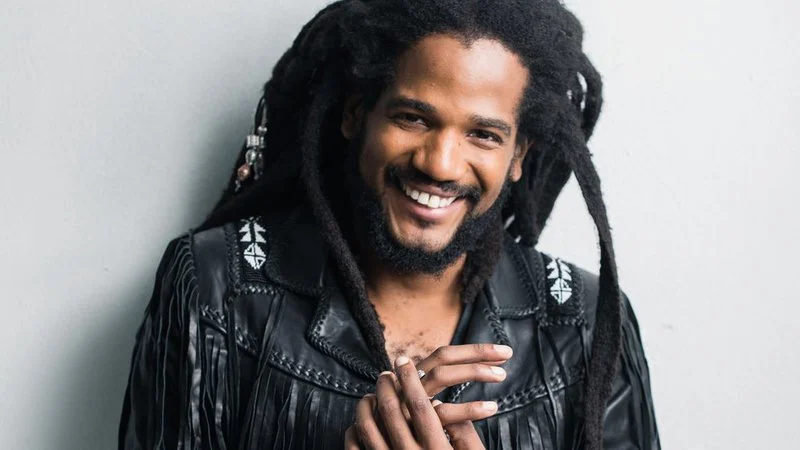
Paul Beaubrun's Album 'Rasanbleman (Red Moon)' Is A Celebration Of Haitian Music
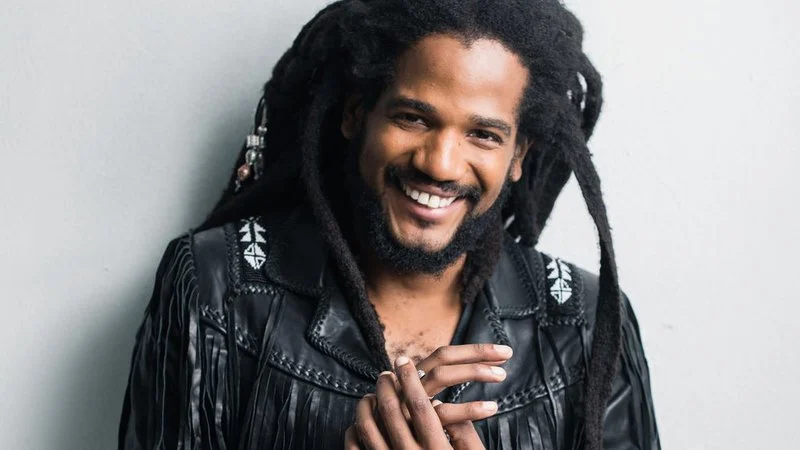
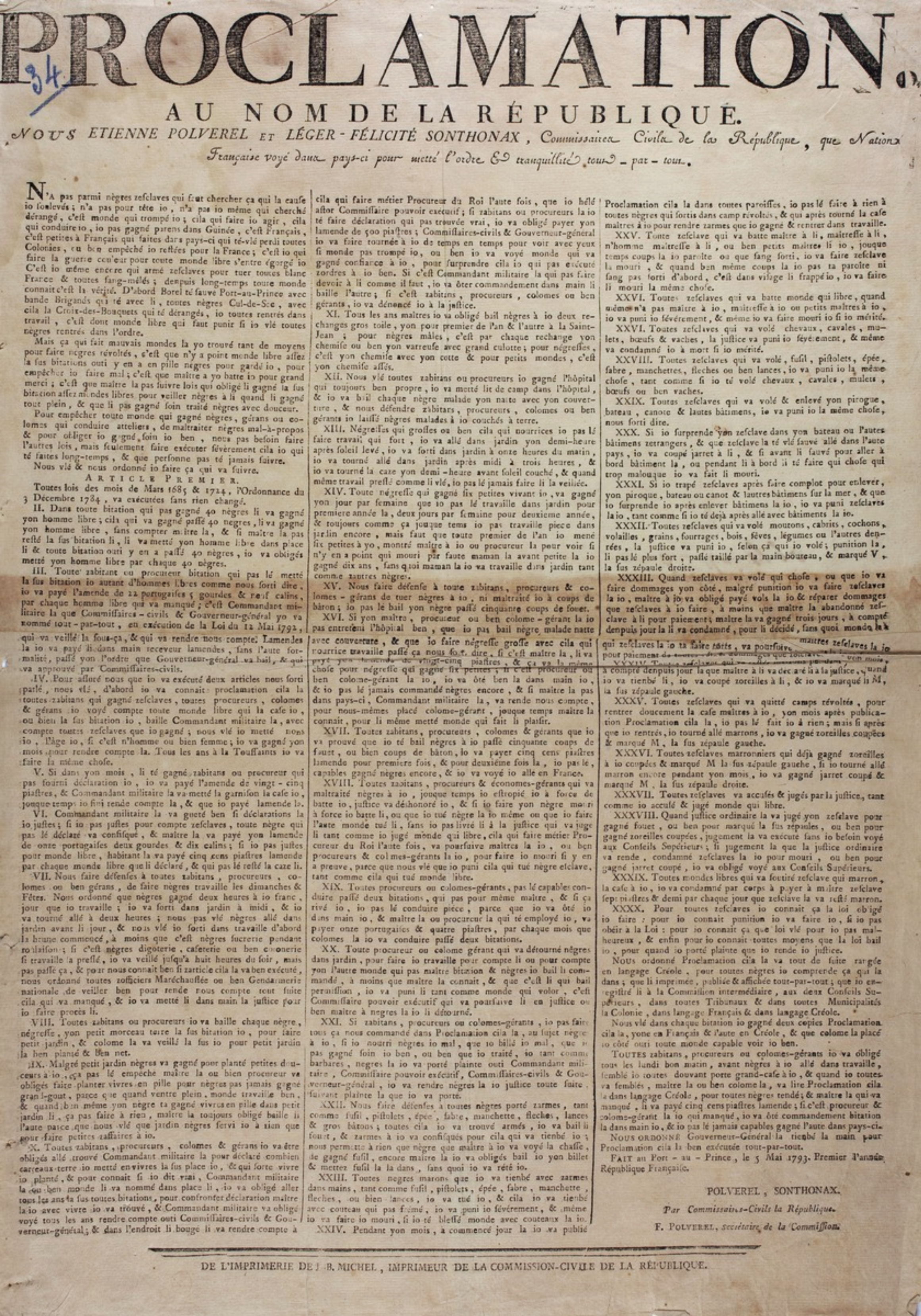

New York-based singer-songwriter Paul Beaubrun was born into the legendary musical family behind Boukman Eksperyans, one of Haiti's most famous bands. But in recent years, Paul has also made a name for himself as a solo artist thanks in part to two stellar albums under his own name and through collaborations with artists like Jackson Browne, the Preservation Hall Jazz Band, Jenny Lewis and Arcade Fire.
Paul Beaubrun's latest record, released in April, is called Rasanbleman (Red Moon). That's Haitian creole for "a large gathering." It's a reference to the group of nearly 30 musicians and artists who got together for the album's recording sessions in Jacmel, a picturesque beach city on the southern coast of Haiti. The group included some of Paul's family members and other celebrated Haitian artists like DJ Michael Brun, pop star J Perry and up-and-coming MCs TROUBLEBOY HITMAKER and Kanis.
The 10 joyful and ecstatic studio recordings on Rasanbleman are steeped in the sounds of rock and reggae and punctuated with Haitian drums and rhythms. For the World Cafe, Paul tells the cosmic story behind the album's parenthetical subtitle, Red Moon, talks about the Haitian musical terms he wants listeners to learn and suggests that the current period of crisis and self-isolation is actually a time for gathering together.
"You can rasanble," Paul says. "You can get together spiritually. You can get together mentally. This is the time to get together actually, this is the time to look at the real relationship we have with ourselves and the relationship we have with others, with people that we love, people that we appreciate. Let's look at these relationships and try to make them better."
KANAVAL: Haitian Rhythms and the Music of New Orleans has been supported by The Pew Center for Arts & Heritage.