

The World Bank Continues To Subsidize The Education Sector

The working meetings in Washington of the Haitian delegation led by the Minister of National Education, Pierre Josué Agénor Cadet, with the World Bank (WB) and the Global Partnership for Education (SME) in order to find funding for the implementation of several educational projects have been fruitful and open up new opportunities for Haiti in the education sector.According to Minister Cadet, the World Bank has confirmed its support for a donation of 30 million, as it had already done in 2016. These funds will in particular make it possible to maintain and increase the coverage of school canteens for the benefit of children as soon as the next school year scheduled for 4 September.Other additional funds are planned for Haiti. To this end, the total contribution of the World Bank to Haiti will increase by 140 million, from 120 million to 260 million. Education will be particularly beneficiary to this increase.Recall that Minister Cadet was accompanied by Norbert Stimphil, Coordinator of the Education For All (EFA) project, Delima Pierre Director General of the National Office for Education Partnership (ONAPE) and of Communication Director of the Ministry, Miloody Vincent.by: HaitiLibre | August 18,2017
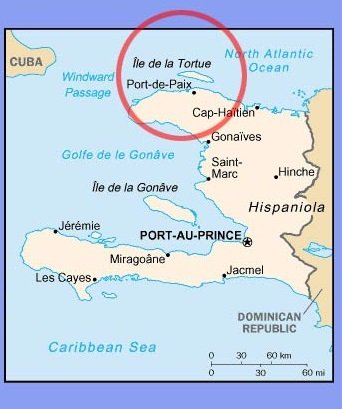
Boat overturns off Haiti; 6 dead and at least 10 missing
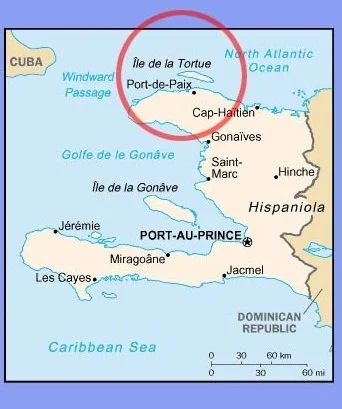
PORT-AU-PRINCE, Haiti — Authorities in Haiti say at least six people drowned and about 10 are missing after a boat overturned off the northern coast.Local Civil Protection agency representative Jose Rethone says 23 people have been rescued and a search is continuing for more survivors near the city of Port-de-Paix.Rethone says the boat overturned Thursday in rough seas as it was carrying people on a regular route between the island of La Tortue and Port-de-Paix. He says officials believe about 40 people were on board but there was no manifest.The vessels used as ferries in that area are frequently overloaded and poorly maintained.Copyright 2017 The Associated Press. All rights reserved. This material may not be published, broadcast, rewritten or redistributed.
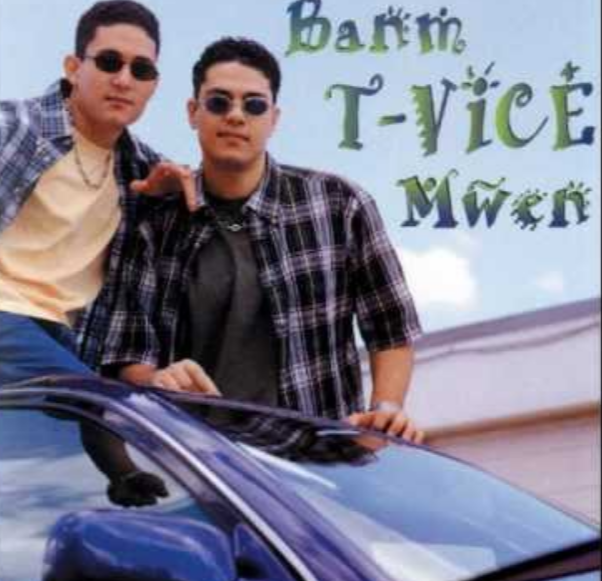
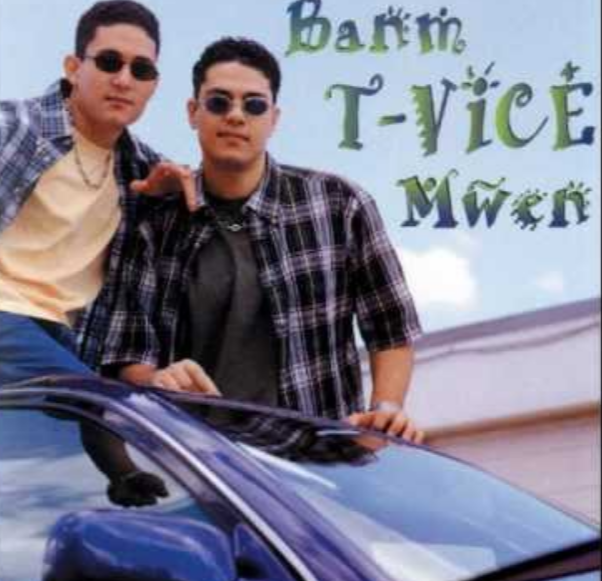
Throwback Thursday - T-Vice - Sensation (Bidi Bidi Bam Bam)
[embed]https://youtu.be/bFwNBZmTrkw[/embed]

MHAVE seeks to strengthen cooperation with Mexico

Stéphanie Auguste, Minister of Haitians living Abroad, received the visit of the Mexican Ambassador Jose Luis Alvaro, who was accompanied by his assistant, Georgina Marina. Discussions focused on identifying cooperation projects involving the Haitian Diaspora in their design and/or implementation and on migration issues. During this meeting, Minister Auguste expressed the will to see the realization of the project relating to the initiatives of the diaspora in a form updated according to the realities of the moment and by insisting on investment. To this end, she has requested Mexico's assistance in a "Diaspora Support Initiatives Project for Local and Regional Authorities", whose mission will be, among other things, to identify and support the initiatives already undertaken, to define with the uthorities of the communities the needs according to their plan of communal development, to define the mechanisms of support to the diaspora through the investment in the niches identified in the development plans of the communes. The Minister wished Mexico's cooperation in establishing a network of information centers on migration as well as establishing a communication network with migrants in Mexico, especially those whose situation was recently regularized. Such assistance will facilitate the establishment of a federation or confederation of Haitian diaspora organizations in Mexico. Ambassador Alvaro assured that he would follow up on these requests and told Minister Auguste that the process of regularization of Haitians in Tijuana and Mexicali was still under way for Haitian nationals with an official document, particularly a passport. HL | August 17,2017
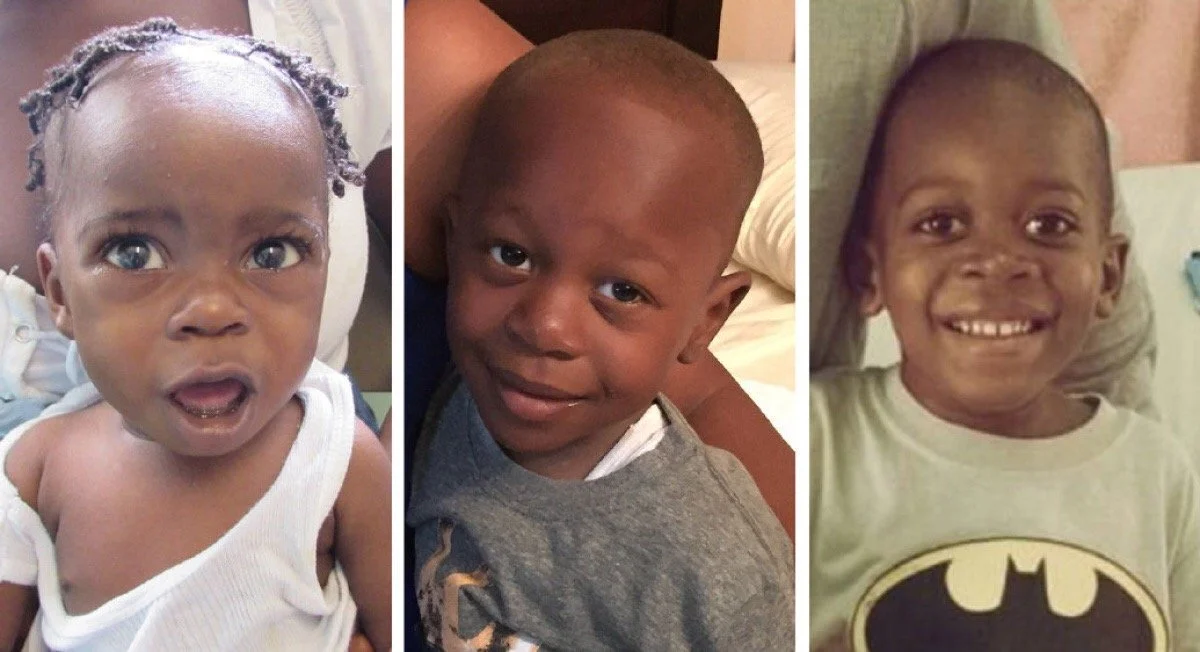
Three Haitian boys needing life-saving heart surgery require host families in Toronto
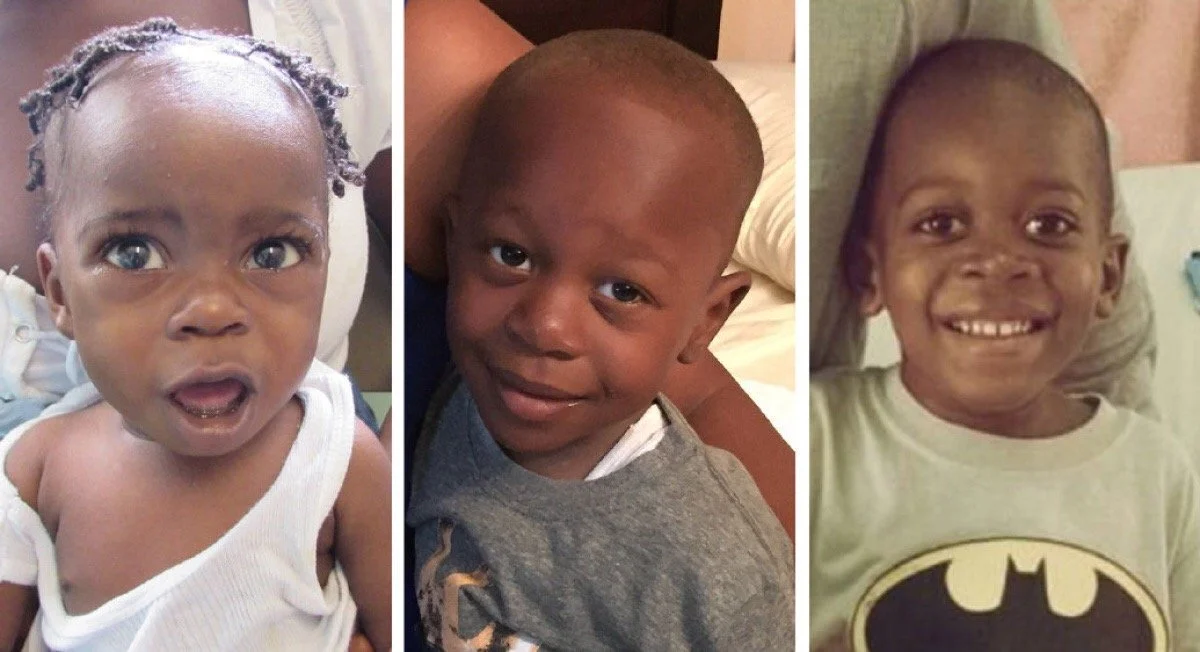
Haiti Cardiac Alliance is searching for people to take in three preschoolers as they recover from complex heart surgeries at SickKids hospital. Owen Robinson is desperate to find host families in Toronto for three Haitian boys with congenital heart defects who need life-saving surgery. Robinson’s organization, Haiti Cardiac Alliance, is helping the children, aged three to four years old, find treatment outside Haiti. The group has helped 300 Haitian kids get heart surgeries at hospitals all over the U.S. and the Caribbean since it began in July 2013. But the operations for these three boys, who all have holes in their hearts, are difficult and no hospital the group normally goes to has been willing to take the cases on. That’s when Sick Kids Hospital agreed to step in and do the surgeries with the help of the Herbie Fund, which offers financial support to children worldwide who require specialized care. “If these kids don’t get treatment in Toronto, I can say with a fair degree of confidence they’re not going to be able to access treatment at all,” Robinson said. “It would very literally be life-saving.” But Sick Kids can only do the operations as long as the kids have a place to recover once they are discharged from the hospital. And finding the boys a place to stay has proven to be tricky. “In the United States we have some solid connections with organizations and they help us welcome these families into their community, but in Toronto we don’t have that,” Robinson said. In July, he asked for help from Mark Brender, an old friend and the national director of Partners in Health Canada. Brender recently contacted the Haitian consulate in Toronto in the hopes that someone from the community would be willing to help the boys: Roobens Thelusma, David Smith Millien and Kervens Jeannot. But they are still waiting for responses. “If there’s care available it shouldn’t be limited to where you are born and if you have the funds,” Brender said. He’s hoping a Haitian family will offer to help, to make communicating with the visitors easier, but said that “anybody could step up.” Robinson is searching for people to take in one child and one parent at a time. A social worker would accompany the family for the first week to help them get settled and translate for them. The family would need to stay in Toronto for one or two months during the recovery period. The surgery would take place about a week after their arrival, and they would spend the next week or two at the hospital, he said. The families only speak French and Haitian Creole. Robinson said that while it would be helpful, the host family and volunteers don’t have to speak the language. Tools like Google translate, phrasebooks, or social workers who are available by phone could help bridge the language gap. The hosts and volunteers would be expected to provide the family with transportation to and from the hospital, food, or the means for the parent to cook, and a warm and supportive environment. The child’s parent would take care of the medical aspects of caring for the child. “If the child had been born in the U.S. or Canada, (the heart problem) would have been repaired in the first few months of the child’s life but these kids are three- or four-years-old now,” Robinson said. “We have situations all the time where a child’s been selected somewhere and they die before they can go, it just takes too long.” Anyone interested in helping can contact Robinson at orobinson@haiticardiac.org ALINA BYKOVA | Aug. 16, 2017

Haiti may ban gay marriage, public support for LGBTQ rights

A gay rights group in Haiti is fighting to head off a proposed law that would ban same-sex marriage as well as any public demonstrations in favor of LGBTQ people.
A bill passed by the Haitian Senate earlier this summer provides for up to three years in prison and a fine of about $8,000 for either party to a marriage not between a man and a woman.
The bill also would prohibit any public support or advocacy for LGBTQ rights.
Haitian law already specifically defines marriage as between a man and a woman.
Charlot Jeudy of the gay rights organization Kouraj said the legislation would violate Haiti’s constitution and his group will try to persuade members of the Chamber of Deputies to reject it.
“We have the right to protest and we have the right to be who we are and we have the right to be free,” Jeudy said in an interview.
Jeudy said his group has been collecting signatures on a petition that it hopes to present to sympathetic lawmakers in the chamber.
LGBTQ people have long faced discrimination in Haiti.
In September, a cultural festival celebrating the community in Port-au-Prince was canceled the after organizers received threats and a local government official said he would prohibit the event he said violates the country’s moral values.
The AP | August 16, 2017
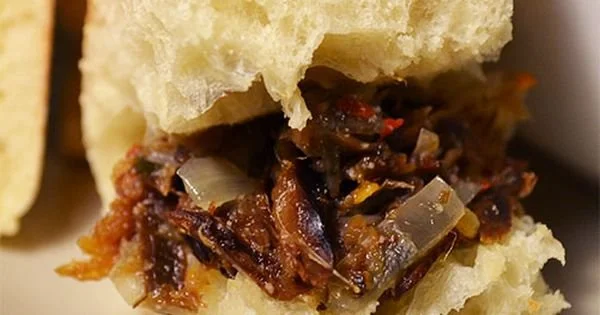
Chiktay Aran So (Smoked Herring Chiquetaille)


This dish needs to start being prepared at least one day in advance.Serves : 3
Ingredients:
- 1/2 cup of oil
- 1 Purple onion cut into cubes
- 2 -3 Caribbean Pepper (Scotch Bonnet Peppers)
- 1/2 cup shallots (chopped)
- Black Pepper to taste
- NO SALT
- 4-5 smoked herrings
- 1/4 cup white vinegar
Directions:Because the smoked herring is very salted and dry (this is done to preserve the fish so that it doesn’t perish ), the first process will be to desalt the fish.
- Fill a pot with water at room temperature. Let your herring soak inside the bowl for 10 to 12 hours or simply overnight. Change the water as often as you think you should. Check for saltiness.
- Fill another pot with water, just enough to cover the fish. Let it boil for 10-15 mn. You will notice that the fish will slowly open up, exposing its bone.
- Once you’re done boiling, drain the water out and start ” fishing” for bones. Take out all the very hard bones. You don’t have to worry about the soft ones, they’re edible. Tear the fish into small little pieces
- In a pan, whisk your oil and vinegar together, then add your herring to the mixture.
- Wash your Caribbean Peppers, throw out the seeds and cut into small pieces (using gloves)
- Add peppers to the oil-vinegar-herring mixture. Add the remaining seasonings (shallots, onions, black pepper)
- Mix well for about 5 min, stirring regularly.
It is possible that while boiling the herrings, you may remove all the salt, if that happens, you may add some salt. Chiktay is usually served with Haitian bread.

Pate Kode


Ingredients
- 2 cups of all-purpose flour
- 1 tsp. of salt
- 1 cup of cold water
- 2 cups of oil
for the filling: Anything of your choice, here is a list of what you can usually find in the Haitian pate kode
- Aran So (Smoked Herring)
- Morue ( Cod fish)
- Hot Dog (Cut in dices or rondelle- slice-)
- Zeu Bouyi ( Boiled egg- cut in half)
- Pikiliz
- Ground beef
- Or you can mix any two of the above together. Sautéed onions really add to the fillings.
Directions
- Prepare your filling
- Pour your flour and salt in a large bowl
- Gradually pour in your water as you mix with a large spoon.
- Then, use your hands to knead the dough. If your mix is too dry, add some more water. If your mix is too sticky, feel free to add a little bit more flour. Only you can tell how consistent your dough is. So if you feel that you must keep going back and forth with your water and flour, do so!
- Sprinkle some flour on your counter. Use a rolling pin to roll out your dough. Make sure that it is not too flat and definitely not too thick.
- Use a knife and cut out about 2″x 4″ pieces. Quite frankly it could be of the size of your choice. However, in Haiti we like to make them a bit big, that way you have enough room for a lot of filling.
- Using a fork, put some filling on one half of your cut out pieces then, fold the other half over your filling. Use the end of your fork to seal in your filling by pressing on the ends of the dough.
- In a deep frying pan, heat your oil. Deep fry your patties. This shouldn’t take long since your filling is already cooked. One way to know that your patties are ready is if your dough has browned.

Haitian Spaghetti


Ingredients
- 1 lb thin spaghetti
- 1/2 lb spicy pork sausage (Can also use hot dogs or Turkey sausage)
- 1 small onion sliced
- 1/2 green bell pepper diced
- 2 Tbs tomato paste
- 1/2 Scotch Bonnet Pepper minced (Optional)
- 1 Tsp all purpose seasoning
- 2 sprigs of thyme
- 1Tbs of Haitian Epis (or 1 Chicken bouillon Cube)
- 2 Tbs of olive oil
- 4 cups of water
- 3 tsp of salt (or to taste)
Method
Step 1
In a large pot bring 4 cups of water, 1 tbs of olive oil, and 2 tsp on to boil.
Step 2
Add 4 lbs of thin spaghetti to the water and cook (10-12 min).
Step 3
Drain the spaghetti and set aside.
Step 4
In the large post add 1 tbs of olive oil and saute' the sausage for 2-3 min.
Step 5
Add the tomato paste, peppers, thyme, Haitian Epis (or 1 Chicken bouillon Cube), scotch bonnet pepper, onions, and saute for 2-3 min.
Step 6
Add 1 cup of water and bring to boil.
Step 7
Add the cooked spaghetti and mix thoroughly.
Step 8
Reduce the heat and let simmer for 4 min and serve

The Lottery of Haiti would like to draw inspiration from the Dominican Republic

Marie Margareth Fortuné, the Director General of the Haitian State Lottery (LEH), paid a 2-day visit to the Dominican Republic in the gambling sector to learn about the mechanisms operation of this industry and draw on good practices from our neighbors.In addition to a visit to Dominican Republic Lottery facilities in Santo Domingo, Mrs. Fortuné, met with lottery officials from the Dominican Republic with whom she shared their experiences and good practices and discussed the important role that national lotteries play in the socio-economic development of a country. A particularly developed and highly controlled sector in the Dominican Republic. Note that in the last six months alone in the national district, more than 5,300 illegal lottery banks have been closed (equivalent to the Borlettes in Haiti), more than 12,000 gaming equipment has been seized and destroyed as well as 844 slot machine that were in services in illegal gambling establishments.Mrs. Fortuné is convinced after her interviews with various players involved in the gaming industry that this industry is an important economic and financial sector capable of creating many jobs and incomes (over 3 billion pesos to the Dominican tax authorities per year)She also believes that this market in Haiti, regulated and controlled, could generate sufficient incometo the LEH to enable it to provide grants to the Government projects and also to socially oriented institutions and organizations.HL

President Jovenel Moïse in the first Youth Forum at Les Cayes

On Saturday August 12th 2017, as part of the celebration of World Youth Day, President Jovenel Moïse was accompanied by his wife and Prime Minister Jack Guy Lafontant. They participated in the first Youth Forum, organized by the Town Hall of Les Cayes, around mental health, education, employment, famine, poverty, health and the environment.In the presence of the Mayor of the City of Les Cayes, Gabriel Fortuné, Ministers Roosevelt Bellevue (Social Affairs), Régine Lamur (Youth), Senators of the South, Hervé Fourcand and François Sildor, members of the Commission for Innovation and Socio-professional Integration of Youth, international diplomats and several hundred young people, the Head of State addressed the young people of Haiti, affirming recognize "their anxieties, their worries about the future, their material concerns but also the immensity of their their talents, their generosity and their spontaneity."Advocating for a valorization of the capacity and talents of the young people of the country. He warned all those who try to manipulate, to deprive youth of their pride, their national pride and their love of the land of Haiti. "I say that they have gone wrong. They are wrong in making you believe that the future is elsewhere. They have been mistaken for not being able to show what we are, for leaving you as the only horizon of emigration or exile," continued Moïse, who believes that it is through youth that Haitians can know where they come from, where they are and where they are going, convinced that the success of Haiti depends on the place that society dedicates to its youth in the making of the common future.The Mayor of Les Cayes, Gabriel Fortuné, affirmed that Haiti can not exist without young people, that the future of the country, the South and of Les Cayes depends on them and that it is up to the elders the duty of transmission of values to . He took the opportunity to recall some initiatives taken by the Town Hall of Les Cayes which is already working with young people through a new civic service of 2,000 young people, with various missions that can participate in their development.In her speech, Minister Lamur praised the courage of the young people of the country and invited the actors involved in youth development to come together, ensuring that her ministry is committed to working with them, with a view to better addressing the obstacles linked to the full development of young people in Haiti.HL

A year in a Haitian jail won't deter this leader from his humanitarian work in Borgne, Haiti

Forty five people were held in the jail cell, which had one window and one row of bunk beds. Men without a bed would sleep under the bottom bunks on the floor, says Estimable Francius Dauphin. He spent almost one year in this jail cell in Cap Hatien, Haiti, despite having never been convicted of a crime.During his ordeal, many Rochestarians tried to get him released, believing his detention was politically motivated. They consider him a close friend and partner. They wrote letters to their congressional representatives, human rights groups and emissaries of the Vatican. They paid for lawyers, visited the prison and prayed.When he was freed on June, 20, they rejoiced. On Aug. 20 they will host an event in Rochester so that he can share his story.Estimable's connections to Rochester stretch back more than a decade, to days when he worked as a teacher and spearheaded many community projects in Borgne, a pretty little town on the coast of northern Haiti. He was eventually elected assistant mayor of Borgne and took office in 2006.His efforts were admired by Rochesterians like Sarah Brownell, a Rochester Institute of Technology lecturer who lived in Haiti and worked on water and sanitation projects. They began to work together and connections between Borgne and the Rochester area flourished. There is now a Sister Cities relationship between Borgne and Honeoye Falls. A local nonprofit organization Friends of Borgne was founded to support schools, food programs, a traveling library and a marching band. St. Joseph's House of Hospitality took on a soup kitchen program for the elderly of Borgne called Pan Ak Pwason.After the devastating earthquake of 2010, regular elections were canceled and the government of Haitian President Michel Martelly installed local leaders of its choosing. Estimable stepped aside until elections were held again in 2015, when he decided to run for mayor.Several Rochesterians supported his candidacy, including James Murphy, a St. Joseph's House of Hospitality Catholic Worker who went down to Borgne to serve as a driver for Estimable's campaign. After the election, he was hopeful. "There was a lot of joy," Murphy said. "The people who tallied the votes locally were talking about a landside for Johnny."The paper ballots were kept at the police station. Concerned citizens stayed up all night, keeping a vigil outside the station to try to ensure that no one entered to tamper with the votes. U.N. Peacekeepers were all over the country due to concerns about voter fraud, corruption and unrest.Corruption seems to have struck Borgne's election, say Brownell and Estimable. When votes were counted, many polling stations that had been won by Estimable in unofficial counts had their results annulled. Estimable spent a month and a half contesting the results in Port au Prince. After he had exhausted all avenues, he returned home to Borgne. Not long after, police came to his house and told him to appear before a judge, who accused him of burning down houses and threw him in jail.Estimable said he provided the judge proof that he was in Port au Prince when the alleged crimes took place, in the form of hotel receipts, bank statements and hotel video. The hotel owner testified that Estimable had indeed been staying at his establishment during the time he was accused of burning down houses.Justice moved slowly and Estimable was forced to wait for a trial. He was allowed out of the jail cell, twice a day, for about 10 minutes. He was never allowed outside. Friends at home and in Rochester tried to help, contacting anyone they thought might be able to intervene."We believe his arrest, extended imprisonment, and failure to be given a court date arepolitically motivated retributions for his successful community development work on behalf of youth, farmers and the elderly," Sarah Brownell and James Murphy wrote to the Apostolic nuncio to Haiti, a representative of the Vatican. "We also suspect his run for mayor of Borgne, and his court contestation of seemingly fraudulent election results are other contributing factors to his imprisonment."Eventually, Estimable got his day in court and the charges against him were dismissed. Just as he was supposed to be released, another person from the opposing political party accused him of having burned a house and car in 2015. He had to stay in jail longer until inconsistencies in the accuser's testimony led to the new charges being dismissed as well.He was finally released on June 20, having spent almost a year in prison. Huge crowds gathered to meet him when he returned to Borgne, including a youth band that plays with instruments shipped from Rochester. This month Estimable is visiting his friends in Rochester. He could apply for political asylum in the United States but he wants to return to Borgne to continue his humanitarian work. "He still is going to work for his community," said Murphy. "That is a message of courage."Estimable said he remains committed to the motto to "leave the world better than you found it." He is sad for the state of the justice system and the electoral system in Haiti but says that his experience will not force him to abandon his home or deter him from his work in Borgne. "I am not going to leave the community I was born in," he said. "That is where Jesus put me and I am there to help it advance."Estimable will speak about his experience and Rochester-Haiti connections at an event titled "Haiti, Ice Cream and Sloppy Joes at St. Joseph’s House of Hospitality, 402 South Ave., on Sunday, Aug. 20 from 5 to 7 p.m. There is a $5 suggested donation.Erica Bryant | August 13, 2017
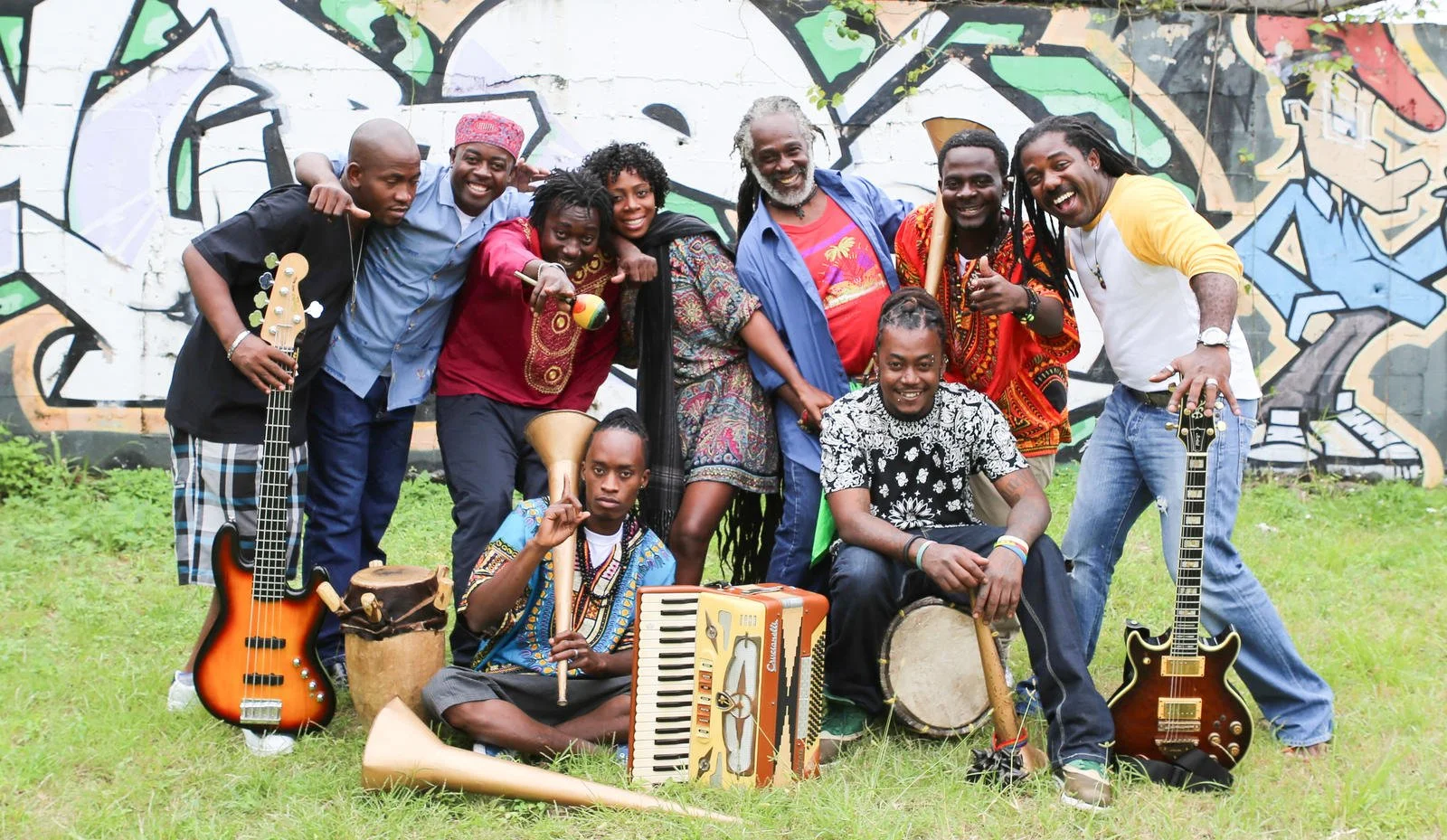
Earthquake fosters the next rocking chapter in Haiti's musical culture
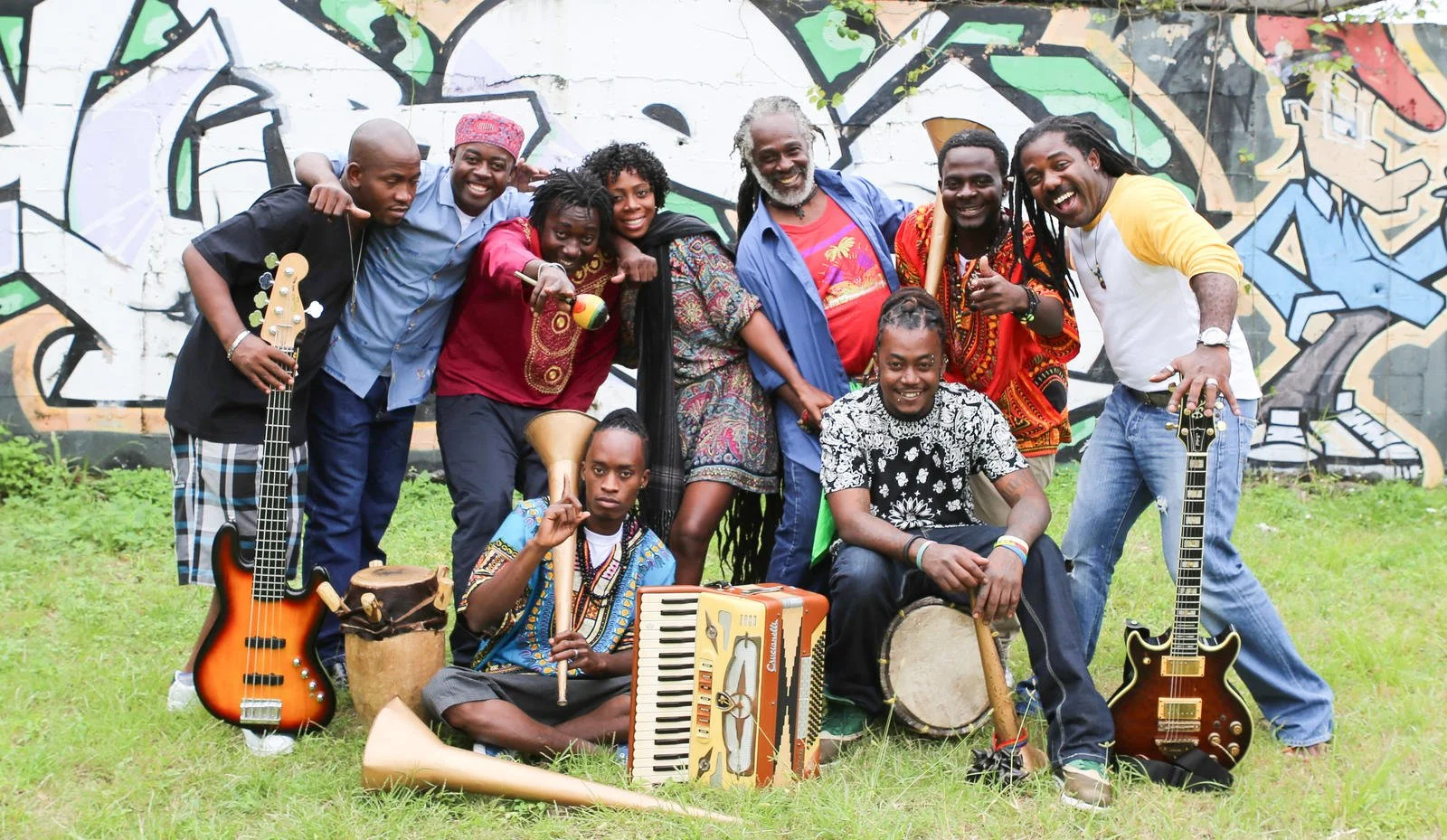
You wouldn’t expect great music to come out of a disaster but that’s the story of Haiti’s Lakou Mizik a collective experiment that’s still reaching its peak, some five years on.Between ongoing political and economic disorder and intermittent challenges from nature, the level of poverty in the Caribbean island nation was already about the worst in the western world when a decimating magnitude 7.0 earthquake struck on Jan. 12, 2010, further trashing living conditions for many of its 10 million inhabitants.In the ensuing months, American music manager-producer Zach Niles was part of an international relief effort, directed more specifically at aiding the country’s cultural footing. A decade earlier he had been part of the effort that created Sierra Leone’s Refugee All Stars in West Africa. Now it was time to preserve and encourage what was left of Haiti’s musical culture.Niles first made it down to Haiti about a month after the earthquake to help at the new Artist Institute (built with help from the We Are The World Foundation) in the city of Jacmel. It was soon apparent to him that music was really at the core of Haiti’s cultural identity and he remains Lakou Mizik’s international manager-spokesman today.“It made sense to use music as a way to connect people positively to a place that seems to only get negative coverage. I returned in October to kick start the project and that when I first met Steeve and Jonas.”That’s a reference to his chief collaborators, Steeve Valcourt (guitar, vocals) and Jonas Attis (vocals) who wound up being unofficial leaders of a new multi-ethnic, cross-generational collective. They hatched the idea one night in Valcourt’s basement in Haiti’s capitol Port-au-Prince.“Lakou Mizik really started as a project, an idea to work with different types of musicians from around Haiti and record them while doing a short documentary portrait of their lives. At some point we were invited to play a concert and at first I said ‘we’re not really a band’. Then Steeve and Jonas said ‘why not?’, so we played that first show in November of 2011 and there was no going back. We all felt like there was something special there and Lakou Mizik the band was born.”That name translates roughly as “town music” in the language of Haitian Kreyol but “lakou” also denotes a holy place in the context of Haiti’s ancient Vodou religious rights.Before the group could be introduced to the world Niles was hired to oversee building an audio studio at the Artists Institute in Jacmel. After honing their sounds in live performance Lakou Mizik became the first band to record there in February, 2015, with the album Wa Di Yo, a reference to the phrase “You Tell Them (we’re still here)”. Produced by Montreal guitarist Chris Velan (who also adds guitar) and released in April, 2016 on the worldbeat label Cumbancha, it went on to garner wide critical acclaim and spots in many best-of lists from last year.Eight-member Lakou Mizik is really a melange of styles and influences reflecting the age range and backgrounds of musicians who run from their twenties to sixties. Along with multiple singers and percussionists they tackle guitars, bass, accordion and the traditional cornets or fixed-pitch horns (originally of bamboo) that add a unique dash of Carnival fanfare.Hybrid as it may be, the music is all about Haiti as Niles explains:“Haiti is truly a melting pot of influences with a singular history, from the French-descent accordion we highlight to the West African vodou rhymes, American soul and Jamaican dancehall.“It starts with traditional folk songs and chants that helped found the nation after it became the first outpost of freedom for African slaves in the new world in the early 1800s. A key part of that involves the influence of Vodou religion, rooted in Africa, mixed with echoes of American gospel, rhythm and blues and other Caribbean grooves. Finally, there’s the rocking sound of rara from Haiti’s carnival culture.“Each musician has really brought their own flavor to the band. Sanba Zao is the vodou music legend who the whole band looks up to, who helps to keep them grounded in traditions. He knows all the cultural rhymes and teaches the younger members. But Jonas Attis and Steeve Valcourt, as younger songwriters, bring their own styles, and Nadine Remy and Lamarre Junior coming from the Church background bring a harmonic arrangement that’s unique. Under it all is the rara rhythm.”Wa Di Yo offers a mix of traditional songs adapted and expanded alongside new original works.“The idea was to bring these songs into the modern era and re-popularize them before they’re lost, a type of cultural preservation in our eyes. The originals are written by Sanba Zao, Steeve Valcourt and Jonas Attis. Most of the songs are in Haitian Kreyol, but the more traditional ones like the prayers have Kreyol mixed with older words from African languages brought over by the slaves.”The group’s latest singles and video releases (precursors to the next album) speak well for the way that live touring has helped Lakou Mizik’s sound to evolve. While basic issues like maintaining the band’s instruments continue to be a problem but they have managed to tour abroad extensively since the debut album, serving as cultural ambassadors for a rich culture.“Haiti has such a universal mystique surrounding it. In some ways it has served well, but in other ways there is a negative perception of the country that goes back decades before many of Lakou Mizik’s musicians were born, representations of Vodou, ideas about political instability, even the AIDS epidemic. These have all been painted in false, broad strokes that affect the way people see the and interact with Haiti. I always feel that connecting people through music and dance has a positive effect. It peels back the mystery a bit and connects us all in a common language.”
PREVIEW
Lakou Mizik (Haiti)Where: Edmonton Folk Music Festival, Gallagher ParkWhen: Main Stage, Thursday, Aug. 10, 7:10 p.m.,andSessions: Friday, Aug. 11 7:30 p.m. Stage 1, and Saturday, Aug. 12 5:45 p.m. Stage 6Tickets: Single-day passes still available from the box office (780-429-1999)For complete details see edmontonfolkfest.org ROGER LEVESQUE/Edmonton journal - August 10, 2017

Behind-The-Scenes Footage From Cliff Avril's Humanitarian Trip To Haiti

Avril Making A Difference
https://youtu.be/DWTmFA5m5BM This past April, Seahawks defensive end Cliff Avril, who is of Haitian descent and embraces the nickname 'Haitian Creation,' embarked on his second consecutive offseason trip to the country of Haiti, where he and his foundation - The Cliff Avril Family Foundation - began the groundbreaking of a new school building, created homes built to withstand natural disasters, hosted health clinics, youth football camps, and more.
Avril recently shared a bit of behind-the-scenes footage from his journey on YouTube, which showcases his travels from Miami, Florida to Haiti and back with teammate Michael Bennett as well as current and former NFL players Marshawn Lynch, Stephen Tulloch, and more.Prior to the 2016 season and in the wake of Hurricane Matthew, Avril pledged to build a home in Haiti for every sack he recorded. He finished with a career-high 11.5 sacks and rounded up to pledge to build 12 homes in the country.You can check out behind-the-scenes footage from Avril's trip in the video embedded above.Seahawks.com - Wednesday, August 09, 2017

What Bill And Hillary Clinton Did To Haiti!

(ThyBlackMan.com) ‘BUT YOU DISOWNED THE HOLY AND RIGHTEOUS ONE AND ASK FOR A MURDERER BE GRANTED TO YOU ! …ACTS 3:14LIKE all crime families the CLINTON’S are involved in many illicit endeavors , bank fraud, charities, drug dealing and murder when necessary but even by the CLINTON’S standards the theft of billions of dollars from the already impoverished nation of HAITI after the devastating 2010 earthquake that killed 300,000 people was a new low.ACCORDING to former and present HAITIAN officials only .06 % of the donated money given by international donors to the CLINTON FOUNDATION for the rebuilding HAITI actually went to HAITIAN organizations and another 9.6 % wound up in the hands of the HAITIAN government the remaining 89.8 % about $ 5.4 BILLION was stolen away from the HAITIAN people .THE CLINTON’S were also accused of raising another $100 million for the purpose of construction a hospital that was never built , it’s funny because the only presidential candidate that bought up the HAITIAN issue during the presidential campaign was TRUMP when he accused BILL CLINTON of using his influence to solicit donations from his FOB’S of ‘friends of bill’s’ in return for political favors and rebuilding contracts and according to the UNITED NATIONS office of special envoy to HAITI BILL CLINTON had undertaken 75 projects himself in the first year worth $3.2 billion but only five had been completed for only $84 million and the second year 2012 the IHRC reported that $ 9.5 billion been pledged and only $ 5.9 million had been disbursed but nobody knows where.THE CLINTON’S have a long history in HAITI starting with their honeymoon and prior to the earthquake BILL CLINTON was named U.N special envoy to HAITI in 2009 but it still didn’t stop them from raising money in these poor people’s name and simply walking away with it and leaving a devastated country in complete ruins 7 years after the earthquake and also leaving the HAITIAN people hurt and angry. https://youtu.be/3c2oBh1yDhcWHO IS LAURA SILSBY ?MOST of us may not know this but HAITI is the child trafficking capital of the world and these people ‘child traffickers’ actually gravitate to calamities like natural disasters and war knowing these societies are busted up and many of its children are unprotected , LAURA SILSBY and her NEW LIFE CHILDREN’S REFUGE and 10 missionaries from IDAHO were some of these people who were caught trying to cross the DOMINICAN REPUBLICAN border with 33 HAITIAN children who were not orphans and had families and fake bandages had been placed on them to feign injury and since they did not have authorization to transport the children the HAITIAN government who were on the look out for traffickers arrested her and the group of missionaries.NINE of the ten missionaries were later released but LAURA SILSBY was detained and put on trial and the found guilty but was only given time served and released.AND now thanks to HILLARY’S aide HUMA ABEDIN who’s emails were leaked by WIKILEAKS , we know HILLARY had a long history with the child trafficker LAURA SILSBY and it started around 2001 , the emails also state HILLARY’S interest in LAURA purchasing the land in the DOMINICAN REPUBLIC to build a orphanage but the D.R said she never made such a application. https://wikileaks.org/clinton-emails/emailid/3776HUMA was constantly sending articles to HILLARY about LAURA and her organization , they discussed her lawyer ‘JORGE PUELLO TORRES’ a man who also a convicted child trafficker https://wikileaks.org/gifiles/docs/32/323249_-os-haiti-us-legal-adviser-to-u-s-haiti-missionaries.html and even more disturbing , how much does it cost to transport the children and also the most important thing that was discussed was HILLARY urging BILL to put pressure of the HAITIAN government to get LAURA released.I can’t say for sure HILLARY is directly involved in child trafficking but the articles and emails paint a disturbing picture because LAURA SILSBY and her associates are all known child traffickers but you do have to ask yourself why would HILLARY have anything to do with a person like her?https://youtu.be/xPBk7YHzdBM THE CLINTON’S KILL!THIS is a update of the HAITIAN story,in the wake of the CLINTON’S long political career the have left a trail of dead bodies long enough to wrap around the planet and almost all died mysteriously and at the most opportune time for the CLINTON’S like prior to elections and or court appearances and now we have the latest , it was a HAITIAN official due to testify last month at the HAITIAN SENATE -ETHICS AND ANTI- CORRUPTION COMMISSION, he was going to expose the extent of the corruption that went on in HAITI with the CLINTON FOUNDATION.HIS name was KLAUS ERBERWIN and he stated many times to friends and family that he feared for his life , obviously he knew the history of the CLINTON’S, his friends and family are all shocked and claimed he was in good health and spirits and can’t believe he took his own life.HIS death was ruled a suicide although he was shot in the head with a shot gun, KLAUS ERBERWIN was a fierce critic of the CLINTON’S and he was one of the HAITIAN official that openly protested at the CLINTON’S foundation headquarters in NEW YORK where he said of the CLINTON’S ‘ they are thieves, they are liars and a disgrace and he should’ve added they’re also killers!ThyBlackMan.com - August 9, 2017
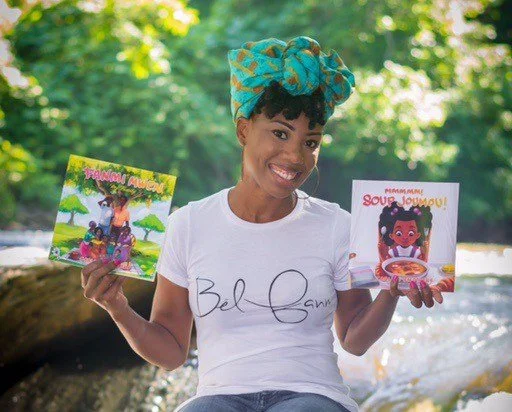
Carline Smothers creates Zoe Beautee and the Little Reader’s Collection
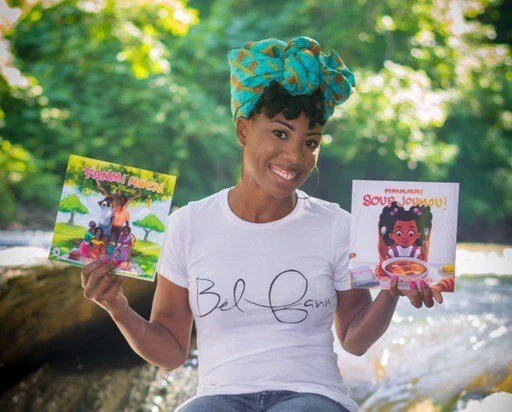
Multicultural children’s book series introduces children to the richness of the Haitian Culture“Necessity is the mother of invention” is an old English-language proverb which means, roughly, that the primary driving force for most new inventions is a need. That’s the energizing thought that drove Carline Smothers, the mother of three young Haitian American children (a nine-year-old son and two daughters, ages seven and three) to create and self-publish her two books: “Fanmi Mwen (My Family),” written in Haitian Creole and English, and “Mmmmm! Soup Joumou,” a children’s book series that highlights their Haitian heritage.A businesswoman with a higher purpose, Carline started Zoe Beautee in 2011, offering a line of t-shirts that sport the Creole phrase Bèl Fanm (Beautiful Woman) in order to celebrate the beauty of the Haitian language. “My goal is to help build confidence and self-love,” says Carline. All products are available for purchase at www.zoebeautee.comHere’s what Smothers, the children’s book author and owner of www.zoebeautee.com, had to share about the richness of her Haitian heritage and why she wrote “Fanmi Mwen (My Family)” (Haitian Creole and English) and “Mmmmm! Soup Joumou.”L.A. Sentinel (LAS): What are African-Americans missing about the Haitian culture? Carline Smothers: There are so many negative stereotypes about Haitians. When I was younger, my family and I were constantly teased for being Haitian in school. As I would look at the American children who teased us, their skin, eyes, and hair looked like ours. I did not understand why we were treated so cruel. Some kids would even fight and throw things at the Haitian students. They told us we ate cats and dogs. That all Haitians are dark-black, ugly, and dirty.I would get offended when I was told I did not look Haitian, which insinuated that Haitians are not beautiful people. Of course, everything stated above is completely false. We are beautiful people who come in all shades, as everyone else around the world. I had no idea where these kids were getting their information from, or if that is what was being taught in their homes.My parents are immigrants from Haiti and instilled in my siblings and me values, empathy, respect, and compassion. They came to America to give us a better opportunity to grow and prosper. I do not see it being any different from others who move from state-to-state, for such growth. My parents did not leave Haiti because they didn’t like it there; in fact, they told us all the time how beautiful Haiti is, with amazing beaches and mountains. Haitian culture is rich in food, language, music, art, and so much more. If we all took the time to learn about other cultures, this world would be a better place! LAS: How does your community incorporate its traditions into American ones?CS: Haiti is the first Black Republic to regain its independence [which took place] on January 1st, 1804. Haitians offered a helping hand and fought for the United States independence as well, which is something very few people know about. With all the natural disasters Haiti has had, there is no denying the strength of its people.America recognizes May as Haitian Heritage Month. We are proud of who we are and our African roots. I have noticed others embracing Haitian culture through the language, food, and displaying the flag. For an example, the Haitian flag is seen waving in the opening of DJ Khaled and Rihanna’s video. We have come a long way from how Haitians were viewed when I was growing up.LAS: Why did you feel the need to start www.zoebeautee.com and self-publish two children books that focus on the Haitian culture?CS: I started my Zoe Beautee brand to celebrate the beauty of the Haitian culture and its people. By first creating Bèl Fanm (Beautiful Woman) Fashion Tees. I was inspired by my three young children to create the children’s book series. My husband is African American and I did not want them to lose the culture.When we watch television shows, movies, and read books for children, we are open to learning other languages and cultures. However, I couldn’t help but noticed the lack of Haitians and my children need to be able to relate to the characters. This is why I am passionate about what I have created. Every child deserves to be represented and see a reflection of themselves. I saw a need and have been working tirelessly to bring my vision to life.To learn more go to: “Expressing Beauty Through Language”Founder and CEO Carline SmothersInstagram: zoe_beauteeFacebook: Zoe BeauteeTwitter Zoe Beauteewww.zoebeautee.comLos Angeles Sentinel - Published July 27, 2017
Moving Haiti's rustic, rum-like clairin to market
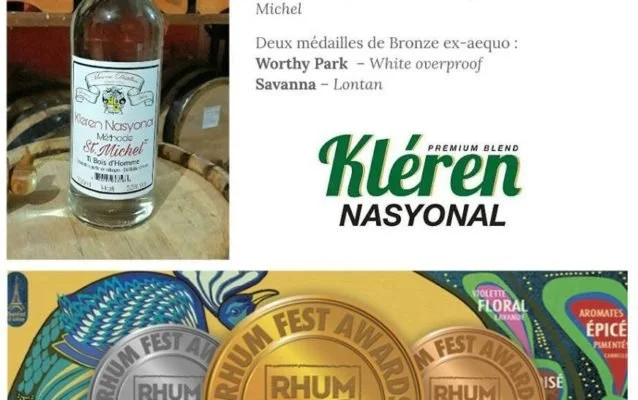
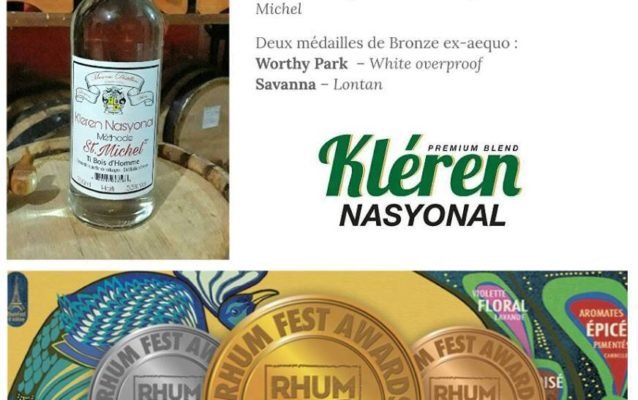
LEOGANE, Haiti – Haiti's most famous export is Barbancourt, a delicately flavored, carefully aged rum that's considered among the best in the world. Then there's its rustic cousin clairin, a drink that's much cheaper and relatively rare outside this struggling Caribbean country.Clairin, or kleren as it's known in Haitian Creole, is less refined than rum and typically not aged, though some artisanal varieties are subjected to an aging process to give them a more mellow and distinctive flavor. It's produced at hundreds of small distilleries scattered across Haiti.At one of them, Ti Jean, in the coastal town of Leogane west of the capital, men with their heads covered to ward off the tropical sun use machetes to cut down the towering sugar cane stalks that surround the distillery.They feed the cane into a grinder to produce the juice that is the raw material of both clairin and the type of rum associated with the French Caribbean. Most rum produced elsewhere is made from molasses.The juice that flows out the other side is a murky caramel color, though the finished product will be as clear as vodka.The clairin is fermented and filtered and then shipped in plastic jugs for sale in market stalls and by street merchants. Individual retailers add flavors with herbs or fruit. In Port-au-Prince, vendor Eddy Lecty adds cloves to spice up the clairin he sells in the capital's Cite Soleil slum. He and his father have been selling the drink for almost 20 years at the same sidewalk spot, which has become a meeting place locals call "The Citizens Club." He says even Haitian presidents have stopped by.Lecty and other vendors put the clairin into reused whiskey, vodka and soft drink bottles.In Haiti, like in other countries where unregulated liquor production flourishes, there have been unscrupulous producers who spiked their spirits with methanol, which can be deadly.Ti Jean owner Jeanty Bonnefois says his workers make sure they remove the toxic methanol byproduct that occurs during distillation, and his clairin has a good reputation among local consumers.A liter of clairin sells for about $1.36, one-eighth the price of the least expensive bottle of Barbancourt. That price tag makes all the difference in a country where about 60 percent of the people get by on less than $2 a day.Fox Business July 12, 2017

Madonna Cuts Charitable Giving by Two-Thirds, Makes Sean Penn’s Haiti Group New Cause Over Kabbalah, Africa

Madonna– a lot has been made of the new medical building opened in her name this year in Malawi, home of her adopted children. In 2014, Madonna donated $1 million to Raising Malawi, the controversial charity she started with the sketchy Kabbalah Center of Los Angeles. It was part of a total $1.8 million she gave away in 2014 including $89,898 to Sean Penn’s Haiti fund.But now a new Form 990 is out for Madonna’s Ray of Light Foundation, and things have changed. According to the 2015 form, no more money went to Raising Malawi or to anything in Africa. She did send $30,000 to the Kabbalah Center, the lowest amount she’s ever donated to the cultish group ever. In all Madonna cut her charitable spending by two-thirds, to $666,982. I’m not sure if the ‘666’ is intentional.On the 2015 Form, Madonna’s found a new pet project: ex husband Penn’s J/P Haiti fund. She gave them a substantial increase over the prior year– $341,982. The donation lines up with her appearance and performance at Penn’s January 2015 gala dinner in Los Angeles where Madonna declared her love for her ex husband and sang “La Vie En Rose” accompanying herself on guitar. That was the same dinner into which Justin Bieber walked accidentally, then left when there was a discussion of poverty in Haiti.Forbes listed Madonna’s net worth in 2015 at $520 million.Roger Friedman - August 9, 2017

Sot nan mathematik

Youn ti gason ki sot nan matematik,Papa'l peye yon moun ba'l lesson. Apre 2 semmen ap pran lesson an...Madmwazel la di men yon ti kesyon tou piti.Si papa'w gen $10 ou mande'l $5 konbyen la'p rete.Ti gasson an repon 10 dolaMadmwazel la di kouman fe 10 dola toujou, ou pa konn matematik ditou...Ti gasson an reponn mmmmm ou pa konn papa'm ditou.

Mission Impossible? A Tech Summit Rises From The Rubble In Haiti

Culturally we’re obsessed with youth, but in business, it’s considered a liability until you prove yourself. Especially if you’re trying to execute an idea that’s never been done before. Faced with these circumstances there are those who retreat and those who push forward.Twenty-eight-year-old Christine Souffrant Ntim, cofounder of Global Startup Ecosystem and a Forbes 30 Under 30, is among those who persist, and as a result she and her team launched the first-ever tech summit in Haiti. I was among the group of 100 speakers to descend upon Haiti along with over 450 attendees, including more than 20 tech companies. (Google, Facebook and AirBnb were in attendance.)Ntim is transparent about the fact that no one thought they could pull it off. Each person on the organizing team of eight is under 30, a symbol of the possibility and potential that lives within the population of Haiti; The average age of a Haitian citizen is 22.It’s been seven years since the earthquake, and about 55,000 people still remain in displacement camps, according to the Huffington Post. Currently, Haiti is home to close to 10.5 million people, and the unemployment rate is slightly above 40%. In addition, 60% of the population lives on $2 a day. And while Ntim, who is Haitian-American, and her team are well aware of the current state of Haiti, where others see problems they see possibility.
“First and foremost we know Haiti can transform itself and be a new global case study for what happens when you get the right influences in the room to transform a nation."This is a 13-year initiative, she added. "This is not happening once. We’re going to be doing this until 2030. 2030 is going to be a revolutionary time for us to evaluate different countries and their standards for UN development goals. Haiti is going to be the case study that everyone is going to try and figure out. How can we replicate what happened in Haiti? You are part of that right now.”In our interview, Ntim shared how she managed to create a summit to serve as a catalyst for disruption and innovation in Haiti, and offers advice to other young people looking to achieve what others deem impossible:Rhonesha Byng: What challenges did you and your team face planning and executing the first-ever Haiti Tech Summit?Christine Souffrant Ntim: There were so many challenges. First, no one believed we could actually source 100 speakers and host an international event in Haiti. As a team of eight people all under the age of 30, potential sponsors and partners could not believe that we had the media connections to source 100 speakers in Haiti. Since major corporations have been unable to do so in the past, our odds were slim. Despite sponsor/partner doubts, my international reputation and networks were strong enough to help me pull in global speakers-many of which - came to Haiti for the first time. Speakers included the President of Haiti- Jovenel Moise, Ben Horowitz and celebrities such as Vicky Jeudy from the Netflix series Orange is the New Black.Second, no one wanted to buy tickets in advance. There’s so much skepticism around event fraud that people wanted to arrive and see if the event truly was happening. During the 2nd to last week of May we had about 200 RSVP’s- half of which were family, friends, volunteers and speakers. I did a series of media interviews on a Monday on radio, TV and in print. It finally clicked with locals that we were coming and the Whatsapp messages and word of mouth spread like wildfire. In two weeks we surpassed 450 in ticket sales and had to shut down the site. At a certain point people who didn’t take us seriously were trying to meet us directly to get tickets. We turned away hundreds on the day of the event because we were filled to capacity.Byng: You mentioned in one interview that “Haiti is not open for business. Haiti is open for disruption." What did you mean by that?Ntim: What I meant by this now infamous statement is that when we look at emerging markets today we evaluate them based on the wrong things. We look at their capacity for formal industry development- like banking, communications, and commerce- despite the fact that formal industries are being overtaken by small startups almost every year. From Airbnb transforming travel hospitality, to Twitter transforming media communication, we should not evaluate countries on standards that are already being challenged.I want the world to think differently with their approach in countries like Haiti. Don’t focus on what we don’t have today- focus on what we can create tomorrow. If we have issues with communication networks - how can your startup change that? If we have a poor transportation infrastructure - how can you think beyond Uber and create an entire new way of travel? And since Haiti has a proud history of resilient, entrepreneurial people, we are the best place to pilot and launch the startups of tomorrow. So come here to disrupt and scale in an entirely new way. The whole ecosystem is excited for it.Byng: What was the main goal of the summit and was that achieved?Ntim: In many ways, yes. Our three goals were simple: change the narrative around Haiti as a brand, spark local startup ecosystem collaboration, and engage international media, investors, tech companies and stakeholders.Byng: Did your team’s age factor into the reception of the summit in any way?Ntim: Yes, what started off as huge skepticism regarding our age turned into huge inspiration. At the end of the event I called the team to the main stage. The crowd cheered - not only because of what we done, but also because many of them jumped at the opportunity to network and connect with older people at the conference discussing the potential of the youth in the room - not realizing that the whole endeavor was the result of engaged youth. I even said “how many young people in your community do you overlook because they don’t have the age and titles that you thought were worthy of a conversation? Well, if you haven’t noticed, our generation is not waiting for tomorrow to make a statement. We are making waves today.”Rhonesha Byng; Women@Forbes - AUG 7, 2017