
Envoy To Haitian TPS Holders: Leaving U.S. For Canada Not A Good Idea
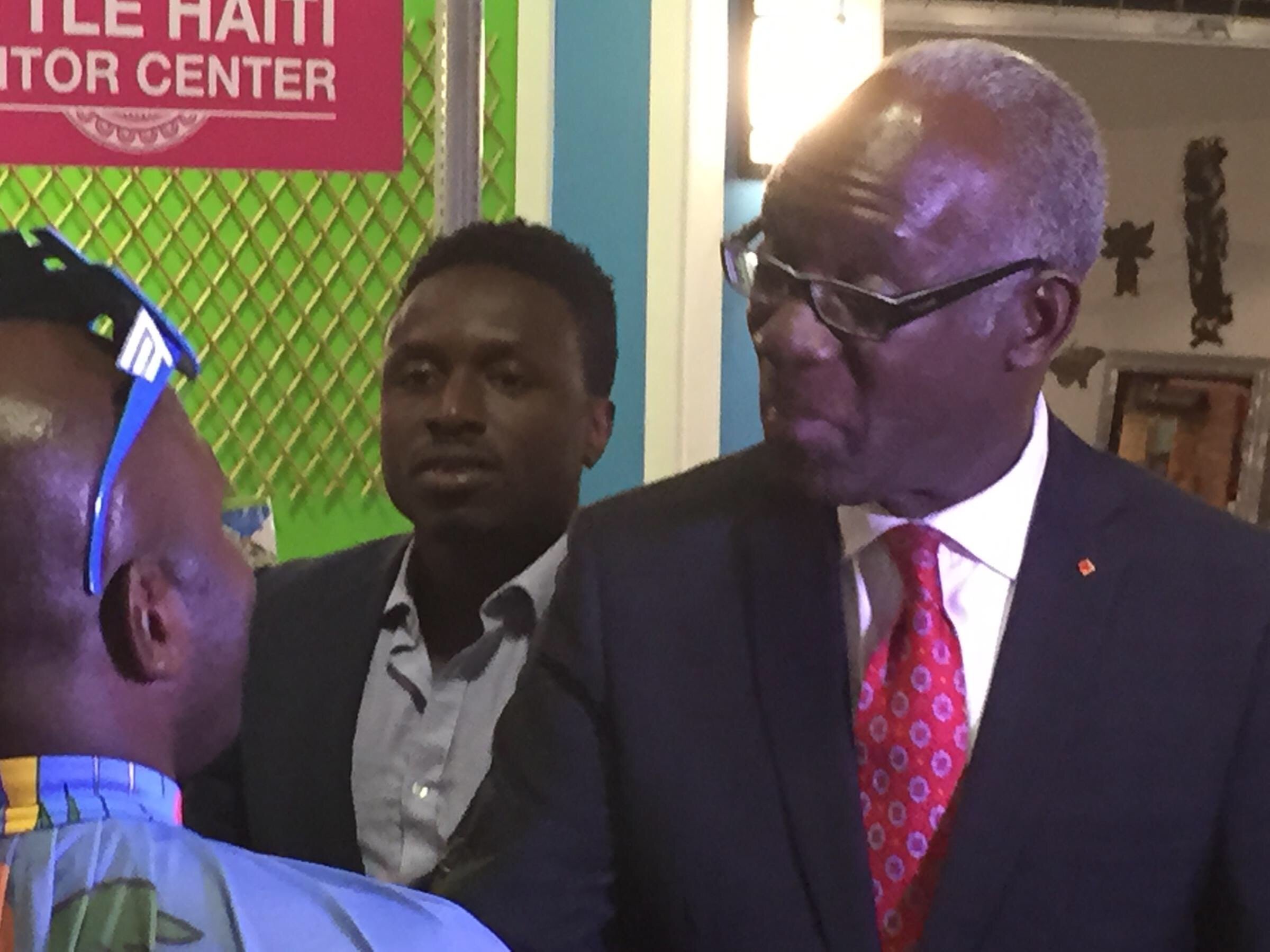
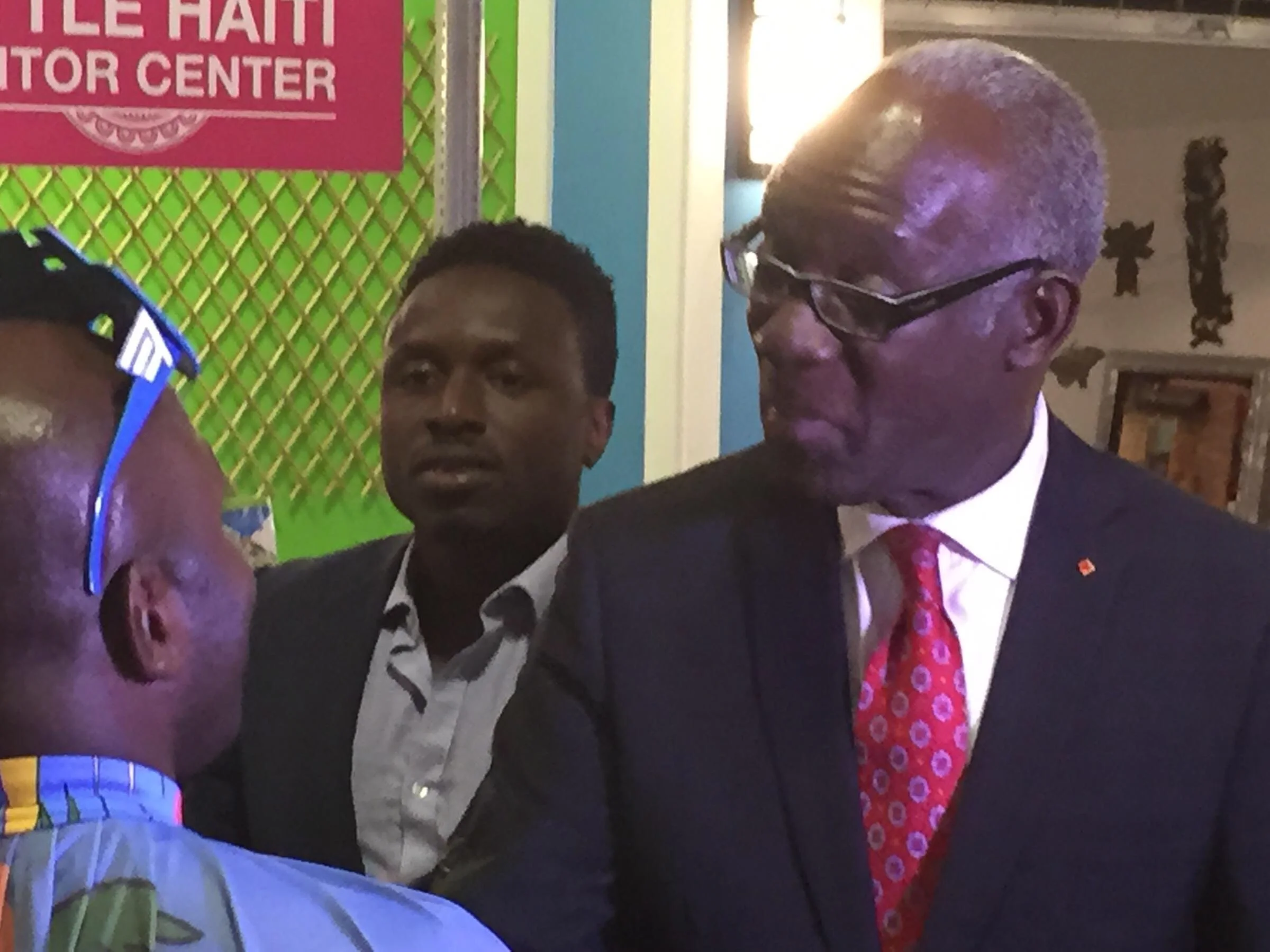
This summer thousands of Haitians living under Temporary Protected Status (TPS) in the U.S. have been attempting to move to Canada. But Canada is warning them that’s not a good idea – and Ottawa sent an envoy to Miami on Thursday to get that message across. Canadian officials are alarmed that almost 10,000 Haitians have crossed or attempted to cross into their country, usually Quebec province, from the U.S. since June. Just about all those Haitians are TPS recipients. The Trump Administration has said TPS for some 60,000 Haitians will probably be canceled in January. So, many believe it’s better to go to Canada rather than be deported back to Haiti. The Canadian government sent Emmanuel Dubourg – a Haitian-born member of Parliament – to Miami’s Little Haiti - and he urged Haitians here not to enter Canada “irregularly,” as he put it. “The risk is...we’re going to deport them," said Dubourg. "And if we deport them the door is completely closed for them or for their family for next time. So they have to be aware of our system and that there are ways that they can come regularly.” Haitian-American leaders here echo Dubourg. And they warn TPS holders if they leave the U.S. for Canada now they also risk being unable to return here if the TPS issue gets resolved in their favor. “These are people who are here legally," said Marleine Bastien, who heads Haitian Women of Miami, or FANM. "So leaving documented status to go to Canada, where you’re not sure what’s going to happen – we think for the TPS holders it’s not a good idea.” TPS advocates insist Haiti is still too ravaged by natural and political disasters to take back so many Haitians living here. Florida Senator Bill Nelson says he will come to Little Haiti on Friday to call for TPS extension. By Tim Padgett | August 24, 2017
An excerpt from Lavil: Life, Love, and Death in Port-au-Prince
An excerpt from Lavil: Life, Love, and Death in Port-au-Prince
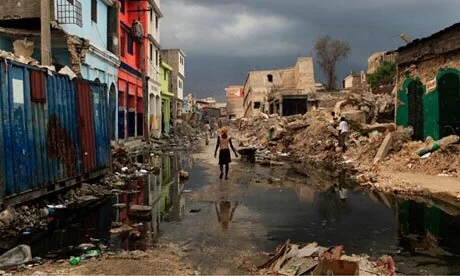
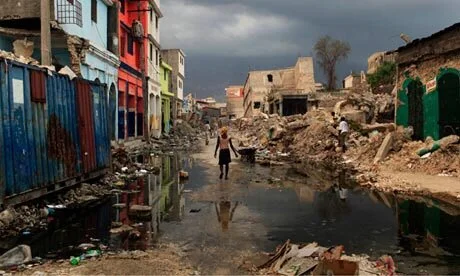
An excerpt from Lavil: Life, Love, and Death in Port-au-Prince, part of the Voice of Witness series of oral history.
Haiti-earthquake-
Fran is from Bainet in the southeast of Haiti. On the day of the earthquake, Fran was on an upper floor of a government building. We spoke to him in front of a church where a commemoration of the 2010 earthquake was taking place. When the quake hit, Fran was knocked unconscious as a government building collapsed around him. He then walked for miles to report from the quake’s epicenter. As a choir sang inside a church, Fran talked to us about the day of the quake and its aftermath.
On the day of the earthquake, I was at a government building to pay taxes... I heard the noise, and I thought that it must be a thunderstorm. I was on the fourth floor. I suddenly felt that I was flying. I can’t explain what happened because the next thing I knew, I was in a different part of the building. I don’t now how I jumped or flew, or whatever happened. I was jumping up, and then I quickly lost consciousness.
When I woke up, I heard a lot of yelling and screaming. It was me. I was the one screaming, screaming, screaming, screaming. Yes I was. And then people around me were crying and there was all this smoke. Black smoke, black dust, everywhere. As a journalist I felt that I had to report what happened at this damaged building, but that was impossible. There wasn’t any communication. My cell phone wasn’t working.
My first reflex was to go and find my own children. I left that damaged building and walked to the school to see my children. I have two kids. One girl, one boy. My son is eight and a half. My daughter is seven. When I got there, my kids were scared, but once they saw me they were ne. My house in Port-au-Prince is in the south part of town. In this area there wasn’t any damage because the structural support is very strong. I brought my children home to my wife. I told them that I would be back. They know that as a journalist, I have a passion, a need, to be where the events are happening.
I set out for Léogâne, the epicenter of the earthquake. I didn’t come home for three days. I didn’t realize that distance was so far. I’d always driven there. In a big event like that, you just walk and you don’t feel tired or anything. The only thing I remember is that I had to carry water. I took my water with me, that’s all I remember. I was not the only one walking. There were people all over the streets and everybody was walking for miles.
I knew Léogâne well. I’m a director of a network of journalists that meets periodically in that city. And even before the quake I knew that the houses in Léogâne were slowly sinking into the ground. I once interviewed a geologist, who is well known in Haiti, about this problem and what might happen in a possible earthquake.
When I got there, 70 percent of Léogâne was gone. It wasn’t like in Port-au-Prince, where you could see still some houses standing. I couldn’t call on a cell phone or radio or anything so I just got paper and wrote down what I saw. People were trying to pull friends and relatives from under the rubble. I heard people shouting: “Come and help, come and save me, come and save me.” But because there was nothing to be done to save most of those people, I began crying. They weren’t dead yet. They were under all that rubble. And they were asking us to come and save them, but we didn’t have any tools or materials to pull them out.
You know, in the immediate aftermath, some people didn’t call it an earthquake. They said that an enemy was attacking us. Some said this is the end of the world. There was a Haitian senator who said that there was a bomb, a big bomb that the U.S. was testing, and they dropped it on Haiti. People eventually received information about the earthquake through the telephone companies after the cell networks were repaired. They sent text messages to people saying that an earthquake happened. I didn’t receive messages about where people could get water or where people could get food, but some people said that they received messages like that.

It took Radio Galaxie three months to be able to report news again. After three weeks, we started broadcasting, not giving live radio news, but we were able to put songs on the air.
At this time in the aftermath of the quake, I would give news ashes, or brief reports to foreign journalists, for instance to a reporter I know from Miami. But I wasn’t able to do any local reporting. The little money that I made came from the outside.
Do you think that Bill Clinton has any real desire to help Haiti? He’s dealing with a group of people who don’t have any incentive to change. The reconstruction funds are doled out on the basis of nepotism and nepotism only. Clinton never asks, “Where is the reconstruction?” All those places that Bill Clinton said he’s going to build. None of them happened. You’ve seen the city. Look at some of the bourgeoisie. They’re the only ones who’ve had their houses fixed.
Those who have money get the help, not the poor. In many tent cities, people were given the deadline to leave, but they don’t have the money to move. Clinton never asks why. But I can’t say that on the air. I would be in trouble. I might lose my job. I’m not the owner of the radio station, I’m just a worker. There are certain things you can denounce, but there’s a limit in the denouncing.
What else can I say? I can show the reaction of the people. I can say they give some people 1,400 Haitian dollars, and then they kick them off a property. Where are they going to go now? That is something I can report. But I can’t say that it’s been three years that they said they were going to build, and they still don’t build. I can’t ask, “Where has all the money gone?” I can’t say that. I can say that Clinton and his committee didn’t do the reconstruction they promised, but I cannot say that the bourgeoisie have somehow gotten all the money. If the bourgeoisie hear something like that, they will call the director of the radio station.
What we’re starting to do now is to talk about these problems every day. If there is a fire in the tents or if someone dies for specific reasons, I can take advantage of that moment and say something that I wouldn’t say in normal times. But after that, everybody closes their eyes. That’s the system under which we journalists operate. We try, but we know our limits. Sometimes the radio owner will say, “I don’t want to lose my advertising revenue.”
Fran, excerpted from Lavil: Life, Love, and Death in Port-au-Prince, edited by Peter Orner and Evan Lyons.
VersoBooks | August 2017

DID YOU KNOW: THAT ÎLE DE LA TORTUE IS ALSO FEATURED IN THE ASSASSIN'S CREED VIDEO GAME SERIES?

Tortuga (a/k/a Île de la Tortue)
Tortuga is an island in the Caribbean, north of Hispaniola. During the early 18th century, it was the site of a sizable sugar plantation owned by the Beckford Estate.Sometime during the 1710s it was raided by the pirate Edward Kenway, who claimed the contents of its warehouse. Later, the island's manor was used as a base by the head of a brutal slave trafficking network, until Kenway eliminated him as part of an assassination contract.[1] Two decades later, in the mid-1730s, the plantation was raided once again, this time by Adéwalé, an Assassin and Kenway's former quartermaster, who had come to free the plantation's slaves.[2]
References
- ↑ Assassin's Creed IV: Black Flag
- ↑ Assassin's Creed IV: Black Flag - Freedom Cry
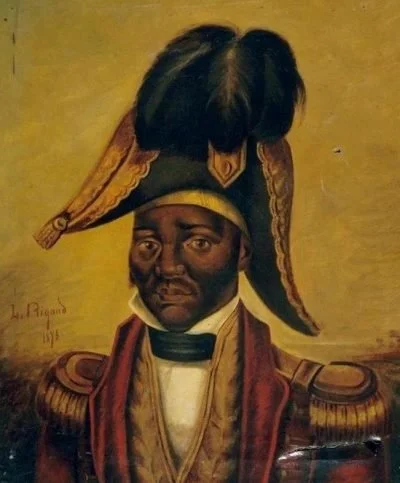
Haiti Helped Create Largest Revolt of Enslaved Africans in U.S. History. The “Independence Debt” with France and the Louisiana Purchase
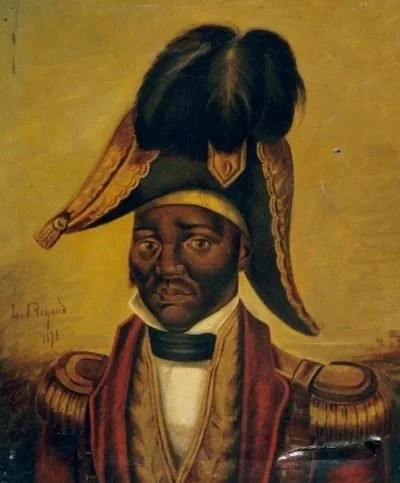
The Triumphant Haiti Revolution help double the size of the U.S. Yet, the U.S.-EU nations continue to demean, malign and pillage Haiti.
So, sorting fiction from reality, which one is the “land of the free and the brave, the pioneers of human rights, freedom and liberty in the Western Hemisphere? Which nation didn’t make white folks 3/5ths human even after 300-years of brutal, rape and enslavement? But gave the few whites who fought alongside the African warriors, Haitian citizenship, full and equal rights?” Haiti, of course.
The triumphant Haiti revolution triggered the selling to Thomas Jefferson of the Louisiana Purchase which doubled the size of the United States. Also, the second contingent of 20,000 soldiers sent by Napoleon to the Louisiana Territory for French control of all in the U.S. had to be redirected to go fight in Haiti after the Afrikan warriors, led by Desalin and the indigenous Haiti army, which Desalin called the “armies of the Incas,” decimated the first 50,000 French soldiers sent in 1802 and led by Bonaparte’s brother in law, General Lerclerc. Later, Desalin, Haiti’s founding father, declared, in the name of the slaughtered since 1492, “I have avenged America!”This historical triumph of the enslaved Afrikans in Haiti – Black men, women and children – against the greatest and most well-armed European armies of the era – first the French, then Spanish, then English armies – a U.S. embargo and then Napoleon’s French armada, is what stopped the U.S. from possibly being conquered by the French, whose 20,000 troops were, at that point in U.S. history, larger and much more battle-experienced than the U.S. armed forces. Haiti’s win, helped make the U.S. the superpower that it is but it has been terrorized by the white tribes since its independence. President Thomas Jefferson conspired with General Napoleon Bonaparte and the rest of the slavers and rapists nations to force besieged and embattled Haiti to pay an Independence Debt that was 10 times more than what Jefferson paid for the Louisiana purchase. Yet, Haiti’s land mass is as small as Rhode Island. Jefferson paid Napoleon $15million francs for the Louisiana Purchase which ended up creating, in part and whole, 15 new American states. Haiti, a country smaller than Rhode Island was forced, at the point of 300 gunboat cannons, to pay ten times that amount – $150million to France as reparations for France losing Haitians as their slaves. (After this debt help cost Haiti to lose the Eastern side of the Island now called Dominican Republic, the amount was reduced to $90million Francs)It took Haiti 122 years to finish paying this 1825 slave-trade debt. This moral perfidy, after the Afrikans gave 300 years of FREE labor (1503-1804) to the European terrorists, slavers, rapists, plunderers and colonists. Haiti is not the poorest country because it still has vast riches, protected by the Afrikans, for over 200 years from the grasp of the hoarders. But, it is the most exploited nation. Its resistance continues to this day….as under Barrack Hoe-bama, his U.S. colonial “exceptionalism,” its pretensions and the disaster capitalism of the devastating 2010 earthquake, Haiti has presumably lost, without world scrutiny, nearly 30% of its landmass. This, through Bill Clinton’s HRC – U.S. sanction of puppet president Martelly decrees that gerrymander and gives away, to the corporatocracy, Haiti offshore islands and prime lands. Through the Clintons’ World Bank amendment to Haiti constitution, if not stopped, Haiti will loses control of its gold belt, shorelines, iridium, oil and gas reserves, all the Caracol zone and Haiti’s Northern and Southern deep water ports.It simply cannot be over-emphasized, how there’s no one in power to protect the bullied, disenfranchised and brutally suppressed Haiti masses from the international crime syndicate, now in Haiti behind a humanitarian front, which is steadily extracting rare earth metal resources and mining gold on another earthquake fault line in Haiti – the Septentrional fault line in the North. (See also, The dangers of building garment factories next to one of Haiti’s most important marine national parks/a US $3.2 trillion mangrove and coral reef ecosystem and Tourism is not development)The Independence Debt that Haiti was forced to pay France for losing the grangrans as property, caused such internal dissatisfaction and protest within Haiti, that the destabilization (along with a devastating 1843 earthquake in Northern Haiti) allowed space for the Eastern side of Haiti to separate into what is today known as the Dominican Republic. The Spanish immediately pounced to retake this landmass. On its part, the French terrorists returned to Haiti with the Independence Debt, which meant controlling Haiti economically and then ecclesiastical colonialism, which meant controlling Haiti education…. Haiti has yet to recover. And then they all returned, a world war to stop the Black masses’ celebration of the Haiti bicentennial, in 2004, with a popularly elected Haiti president.President Aristide was and is the first and only Haitian president to ask France to return the Independence Debt.For that temerity, Bush the lesser, unleashed his shock and awe military on an island nation with no military, that was no threat but merely wished peaceful co-existence. To live free and sovereign on lands paid for in 300 years of free labor, over 214 years in containment in poverty; a 60-year U.S. embargo; a 19-year U.S. occupation where the Marines carted out Haiti gold reserves in 1914 never to be returned; and 122-years of paying off an Independent Debt to France to be recognized as a free nation after slavery and winning our Independence in combat and losing half the Black population (250,000) in that revolutionary war. (See, Haiti: Until She Spoke and, Three Simple Èzili principles for a Just New World)By Ezili Dantò Global Research, August 24, 2017

Rainn Wilson might play an irredeemable scamp on Star Trek: Discovery, but he’s showing his charitable side with a contest benefiting girls in rural Haiti.

Rainn Wilson’s character on Star Trek: Discovery, Harry Mudd, may be an irredeemable con man whose devious past lives on through the history of the franchise, but the man himself is showing his charitable side as we near the upcoming show’s premiere.Wilson and his wife Holiday Reinhorn founded LIDE Haiti, an educational initiative using arts and literacy to aid in the development of adolescent girls in rural Haiti. According to their website, LIDE serves over 500 girls with a staff of 13 teachers in 12 locations in remote, rural Haiti. Considering that there are few people further removed from the arts, literacy and education than young people in rural Haiti, this is a noble endeavor indeed.Wilson is putting his appearance in Discovery to good use in benefit of LIDE. He and Reinhorn are holding a contest with a grand prize of attending the premiere and cast party in Los Angeles on September 19th as his guest with accomodatations and flights on the man himself. With a $10 donation, you can be eligible to win.For those of us not lucky enough to make the premiere and cast party and thus see it days early, Star Trek: Discovery will air on September 24th on CBS at 8:30 p.m. EST. It will be on CBS All Access, a subscription service, each week thereafter for the first half of the first season which wraps up on the first Sunday of November.by Duncan Smith
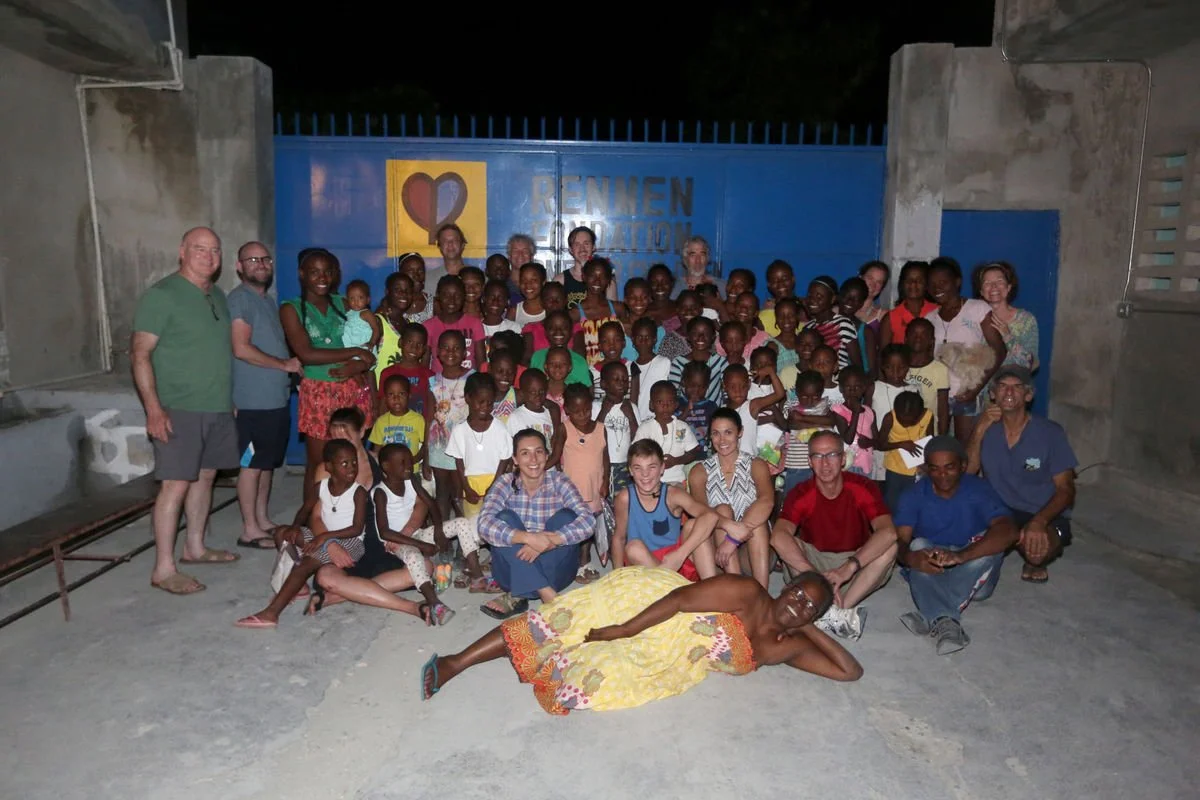
Flagstaff to Haiti: 'Adopted' orphanage thrives
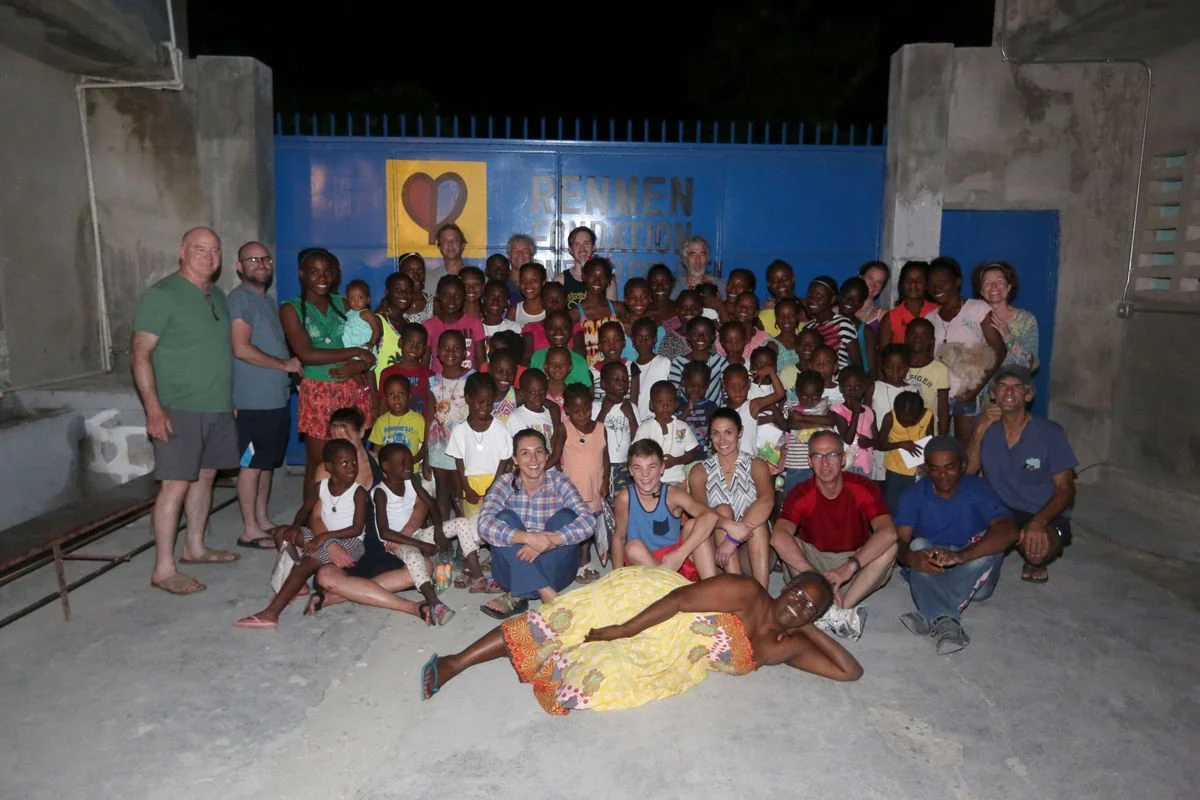
Each night as the sun slips away over a country wracked by natural disaster and poverty, 55 children line up inside a walled compound to sing their nightly prayers. Led by Florence Thybulle, who turned her home on the outskirts of Port au Prince, Haiti, into a sanctuary, the voices of the children rise in volume as their songs reverberate in the thick night air. The children come from all over Haiti and each of their stories is unique. Some were orphaned during the 2010 earthquake that ripped through Haiti; others lost their families after hurricane Matthew tore across the southern claw that forms the geography of this island nation. Still more are economic orphans whose families were unable to feed and shelter them.After the 2010 earthquake three teams from the Northern Arizona Volunteer Medical Corps (NAVMC) went to Haiti to assist with the humanitarian crisis. A field hospital had been set up right on the tarmac at the airport in Port au Prince.“The thing that touched the teams the most was watching kids die and suffer,” said Dr. Jon “Bull” Durham, who leads the medical trips to Haiti.
 “On my second trip to the tent medical city I was made chief medical officer to control the influx of patients. When I arrived there were nine kids in the pediatric intensive care unit. I had a full staff of pediatric intensive care physicians, pediatric intensive care nurses and respiratory therapists so I had the opportunity to save the lives of these sick kids and yet they all died. By the end of the week those nine kids were all dead and there were nine more in the tent,” said Durham.“We watched a lot of kids die and suffer. We had 6-month-olds with amputations, 2-year-olds with amputations so we came home raised a bunch of money at a fundraiser at the Orpheum and went back to Haiti to find an organization that we could vet and know exactly where the money was going.”In the six years since NAVMC has been supporting the Foye Renmen orphanage run by Thybulle, the organization has rebuilt the wall surrounding the compound, provided a generator to supplement the spotty power that comes from the national power grid, hired a teacher to teach the younger children inside the orphanage and paid the school fees for the older children to go to high school.“Since we have been involved every single kid has gone through high school and then each child has gone onto some form of post-secondary education. We have three kids in nursing school, one in law school, one in hotel and restaurant management school, one in a three year plumbing program and another in medical school.” Durham said.
When the team visited the orphanage in December they brought enough vaccine with them to vaccinate all 55 children and five staff for diphtheria, tetanus and pertussis.“It had never occurred to me that these kids had not been vaccinated until I watched a 10-year-old kid die of tetanus in October.” Durham said.One of the highlights of each medical trip to Haiti comes at the end of the trip when the medical staff leaves the hospital where they stay for a week doing back-to-back surgeries and travel to spend two days and a night at the orphanage with the children. During the trip in December Dr. Durham and his wife Lisa Jobin paid to rent a fleet of buses to give the orphans a treat. Despite living on an island and within 30 miles of the beach many of the children had never seen the ocean. Using their own money Durham and Jobin shepherded the children onto the air-conditioned buses with a picnic lunch and drove them to a private beach house that they had borrowed.“Is there anything better than this?” Durham said laughing through an armful of children as they hung onto him in the clear blue waters of the Caribbean. “This is what it’s all about.”Jake Bacon Arizona Daily Sun Aug 24, 2017

Haitian-Canadian Deputy Emmanue Dubourg on the front line.

 As part of the Canadian government's efforts to reduce the flow of Haitians illegally crossing the Canadian border to seek asylum, the Liberal Deputy of Parliament, of Haitian origin Emmanuel Dubourg (Bourassa riding) left the Canada for 3 days to Miami, today.Fluent in Creole, French and English, with strong ties to the Haitian diaspora, he was sent to Miami to gives interview with the Haitian media and hold meetings with diaspora leaders to rectify the information erroneous concerning Canada's immigration and refugee policies and attempting to slow down the flow of Haitian nationals to Canada.HL
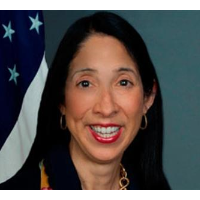
Ambassador to Haiti: Who Is Michele Sison?
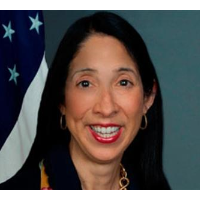
 Michele Sison was nominated to be U.S. ambassador to Haiti by President Donald Trump on July 20, 2017. Sison, who has been deputy permanent representative to the United Nations since December 2014, succeeds Peter Mulrean, who served in Port-au-Prince from October 2015 to February 2017.In her role at the United Nations, just a month before her nomination, Sison made it clear that the Trump administration did not intend to contribute to a UN trust fund to fight Haiti’s cholera epidemic because the U.S. had already contributed more than $100 million to the anti-cholera effort. It is widely believed that cholera was inadvertently introduced into Haiti by UN peacekeepers from Nepal in October 2010.Born May 27, 1959, in Arlington, Virginia, Michele Jeanne Sison is the first Filipino-American ambassador from the United States. Her mother is Veronica Travers Sison. Her father, Pastor Bravo Sison, originally from the province of Pangasinan in the Philippines, earned a master's degree from Harvard Law School and eventually spent 25 years with the World Bank, retiring as director for public affairs in its Asia Division. She has two sisters, Victoria and Cynthia. Sison earned her BA in Political Science from Wellesley College in 1981 and also studied at the London School of Economics.Sison joined the State Department in 1982 and served early career postings as a consular official in Port-au-Prince, Haiti, from 1982 to 1984; Lomé, Togo, from 1984 to 1988; Cotonou, Benin, from 1988 to 1991; Douala, Cameroon, from 1991 to 1993; and Abidjan, Côte d’Ivoire, from 1993 to 1996. Sison served as consul general at the U.S. consulate in Chennai, India, from 1996 to 1999.She was deputy chief of mission and chargé d’affaires at the U.S. embassy in Islamabad, Pakistan, from 1999 to 2002. Just one month before the terrorist attacks of September 11, 2001, Sison met with Taliban officials to try to secure the release of American aid workers who had been arrested in Afghanistan for allegedly showing a Christian video to an Afghan family. The following March, Sison was out jogging and waved to embassy employee Barbara Green and her 17-year-old daughter, Kristen Wormsley, who drove by on their way to church. Shortly thereafter, the two were killed in a grenade attack on the church.In Washington, Sison served as principal deputy assistant secretary in the Bureau of South Asian Affairs from 2002 to 2004, after which she was appointed ambassador to the United Arab Emirates (UAE), where she served from July 2004 to January 2008, putting a strong emphasis on promoting trade with the Dubai dictatorship, a strategy she referred to as “massive corporate diplomacy.”From the UAE she went to Lebanon, serving in Beirut as chargé d’affaires ad interim starting in February and as ambassador from June 2008 to August 2010. Her tour in Lebanon was a demanding one right from the start, as she had to deal with numerous controversial issues. For example, in April 2008, she sent a cable to the State Department explaining that Lebanon’s telecommunications minister, Marwan Hamadeh, had complained that Hezbollah (which held elected seats in the national legislature and a cabinet position) had set up its own fiber optic telecom network, which, in Sison’s words, “covers the Palestinian camps, and the Hezbollah training camps in the Bekaa, and is penetrating deep into the Christian Metn and Kesrwan areas.” On June 18, 2008, she was involved in a particularly unpleasant incident, when her motorcade in the southern Lebanon town of Nabatiyah was stoned by anti-American pro-Hezbollah militants.After her tour in Lebanon, Sison served as assistant chief of mission for Law Enforcement and Rule of Law Assistance in Baghdad, Iraq. She also served stateside as director of Career Development and Assignments in the Bureau of Human Resources from 2010 to 2011.Sison returned to South Asia to serve as U.S. Ambassador to Sri Lanka and Maldives from September 2012 to December 2014.As U.S. deputy representative to the United Nations, Sison again found herself in the thick of the action, particularly in 2016 when the Obama administration clashed with the Russian government over the war in Syria. In March 2017, she accused the government of South Sudan of conducting a “scorched earth campaign” that used man-made famine as a tactic in that country’s civil war.Sison has two daughters, Alexandra and Jessica; she and their father, Jeffrey J. Hawkins, are divorced. She speaks fluent French, basic Haitian Creole, and Arabic.By: David Wallechinsky, Matt Bewig | August 23,2017
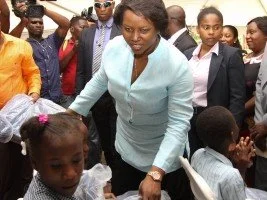
Martine Moïse Distributes School Kits
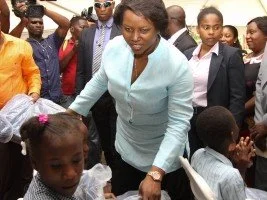
 Tuesday, at the Municipal Palace of Delmas, in order to help the most disadvantaged parents to prepare in better conditions, the back to school, the First Lady, Martine Moïse, accompanied by Régine Lamur the Minister of Youth, participated in a distribution of school kits and shoes to more than 2,000 students from national schools Canada and Pierre Labritie.In her speech, Martine Moïse insisted on the importance of education as a tool to build new citizens capable of participating in the project of national reconstruction. While reiterating her will to accompany the needy children, the First Lady has called on all players in the system to play their score in order to make the academic year coming, a total success.The First Lady promised to be with the children throughout the school year and insisted on a set of measures adopted to relieve parents and students during the year including free transportation of students and provision of a daily hot meal to students as part of the National School Canteen Program (PNCS).She also referred to the strengthening of the programs "Tout pou ti moun yo" and "Konte m, mwen konte", recalling that these programs aim, respectively, to increase the number of childcare centers in the country for children from 0 to 5 years and allow children from birth to have identification documents.Speaking to parents, Minister Régine Lamur stressed that the collective development of society and personal fulfillment, promote schooling and the need to work to provide children with a healthy learning environment. Considering teachers as essential actors in the development of the country, the Minister took the opportunity to congratulate them and encourage them to work to improve the level of education in Haiti.By: HaitiLibre | August 23, 2017
Union Urges Trump to Save Immigrants With Temporary Protections
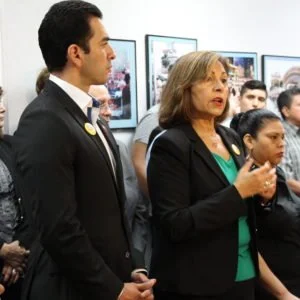
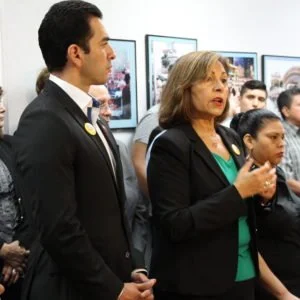
 A Las Vegas union is hoping to save thousands of immigrants from deportation Tuesday by urging President Donald Trump to extend their protected status.The Temporary Protected Status (TPS) program allows foreign nationals to stay in the country legally if they are unable to return to their home country safely. The protected status for 320,000 immigrants is set to expire at the end of this year. The Culinary Workers Union Local 226 believes the deadline should be extended.Local 226 held a press conference to make its case for why the protection should be extended. The union argues that it wouldn’t be right to force immigrants out after they have spent years building lives in the U.S. The union is urging the president and local lawmakers to extend the program until a pathway to citizenship can be implemented.“The Culinary Union has been on the front line fight for these immigrants,” Local 226 treasury secretary Geoconda Argüello-Kline said during the press conference. “They live here; they pay their taxes; they work really hard. They want to be citizens of this country.”House Reps. Jacky Rosen and Ruben Kihuen joined the press conference in support of the union push. Both representatives are Democrats from the state of Nevada. They urged Republican Sen. Dean Heller to also support the extension with so many participants in their state.Local 226 notes that many of the immigrants at risk have been here for almost three decades. They have worked in the country and become a part of their community. They have raised children who only know how to be Americans. Local 226 is working alongside its national affiliate, Unite Here, to bring attention to the issue.The TPS program currently includes immigrants from El Salvador, Haiti, Honduras, Nepal, Nicaragua, Somalia, Sudan, South Sudan, Syria, and Yemen. Unite Here has specifically focused on the 50,000 Haitians that have a protected status. The union argued those immigrants still don’t have a safe home to go back to.Unite Here organized protests and launched a petition to bring national attention to the issue. The union also joined forces with other advocates like the Haitian Women of Miami and the Florida Immigrant Coalition. The union has argued that the statutes should be extended until pathways to citizenship are developed for them.The Trump administration announced May 22 that the program would be extended for the Haitians. Department of Homeland Security (DHS) announced the six-month extension just a day before it was set to expire. The Haitians have lived in the country since their homeland was hit by an earthquake seven years ago.“After careful review of the current conditions in Haiti and conversations with the Haitian government, I have decided to extend the designation of Haiti for Temporary Protected Status for a limited period of six-months,” Homeland Security Secretary John Kelly said in a statement. “Haiti has made progress across several fronts since the devastating earthquake in 2010.”Unite Here and other critics expressed dissatisfaction with the extension when it was announced. The union argues that the ideal would be to extend the program until the government develops pathways so they can stay permanently. The union says they have been here too long to send them back now.Trump has promised to better enforce immigration law, and pursue policies that protect domestic workers from unfair foreign competition. The administration has said it will prioritize criminal aliens for deportation, but critics have expressed concern the administration will pursue mass deportation, which would include illegal immigrants that are otherwise acting lawfully.Unite Here represents 270,000 members across the hotel, gaming, food service, manufacturing, textile, distribution, laundry, transportation, and airport industries. The union, in general, has been a vocal supporter of a more open immigration system.By: Connor D. Wolf | August 22, 2017
Haitian Energy Entrepreneurs Call For Investment Security
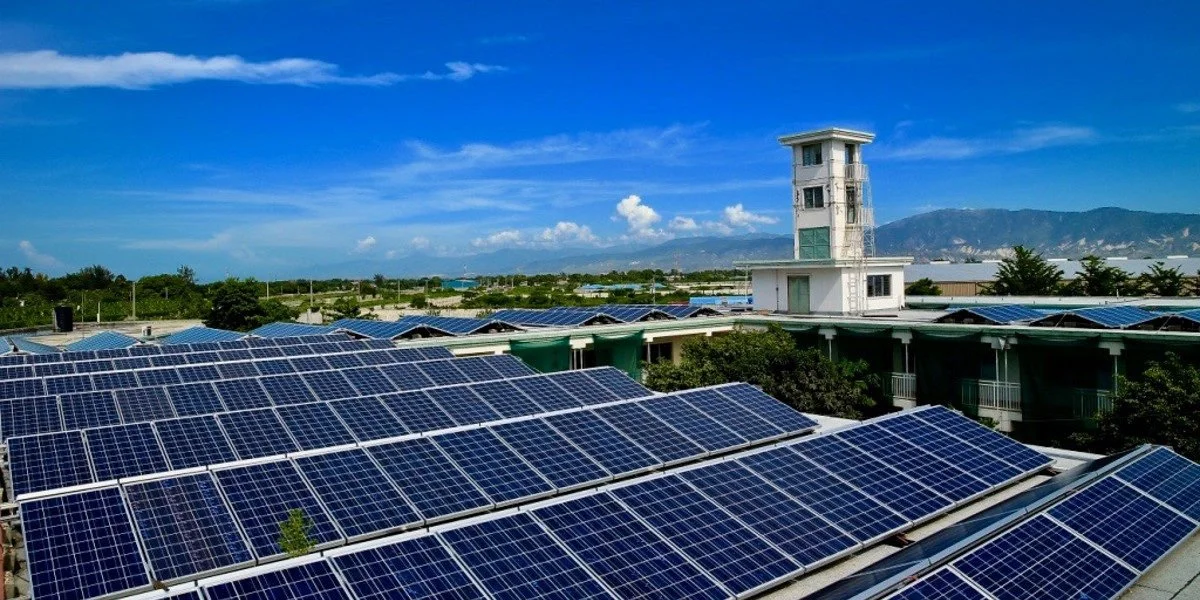
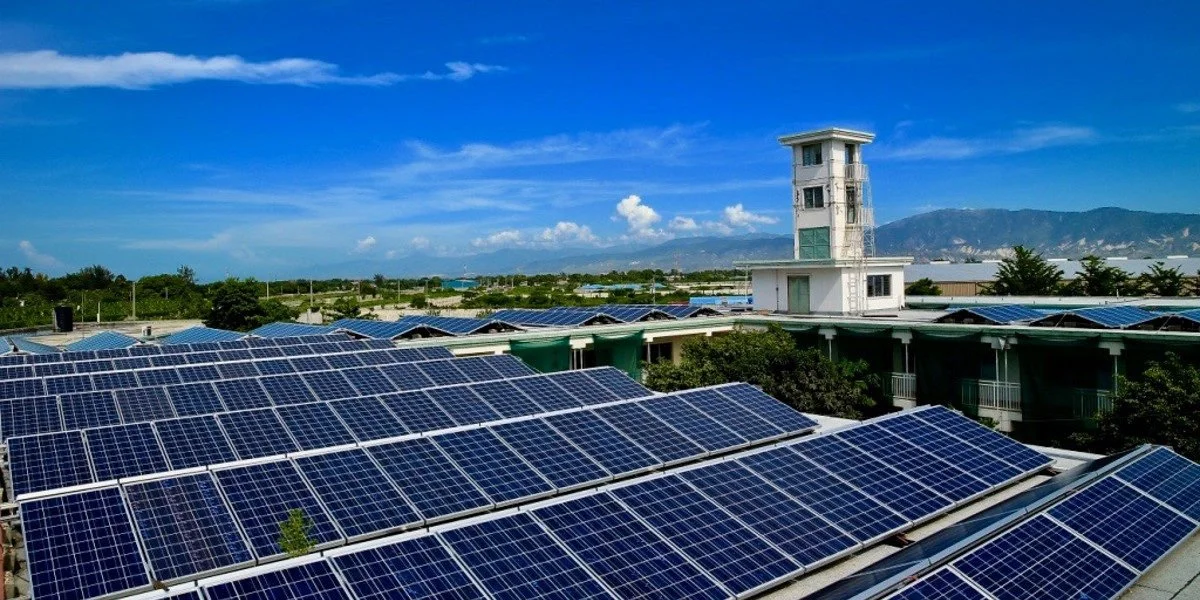
At an international PV conference held in the Haitian capital Port-au-Prince, companies were demanding improvements to the political framework for the development of solar power in the country. Additionally, calls were made for low interest loans for private individuals, to cover initial investment in a PV system.
Haiti’s most important PV entrepreneurs gathered at an international solar conference in Port-au-Prince to call for clear regulations for the liberalization of the Haitian energy market, as well as solar-friendly policies to promote the technology’s potential. The event was organized by relief providers NPH Germany, The St. Luke Foundation and the Biohaus Foundation.Only around 6% of Haiti’s population currently has access to electricity. State owned energy utility Électricité d’Haiti (EDH) has a generation capacity of 245 MW, about 80% of which is made up by diesel generators. The other 20% is supplied by the Péligre Hydroelectric power station in Artibonite, to the north of the capital.Because of the continuous overload and extremely low stability of the state utility’s network, Haiti is registering growing demand for solar technology. Local micro-grids and individual installations are becoming increasingly important.The two largest solar companies operating in the country are now complaining about the lack of political or legislative support from the Haitian state, as well as sluggish cooperation with the state utility regarding the feeding of solar generated power into the public grid.“Theoretically, the state monopoly has long been abolished. The decision was, however, taken in a controversial process, so that its legal status and applications are still unclear,” explains Jean-Ronel Noël, whose company Enersa, founded in Port-au-Prince in 2007, produces solar modules and LED lighting. Enersa employs 30 engineers, and has already installed more than 5000 solar street lights, as well as residential PV systems, micro-grids and industrial facilities.Despite falling prices in the PV market, initial investments for PV technology are still much higher than for diesel generators. Because of the unclear legal situation and lack of state support, potential investors are unsettled, says Noël.Another entrepreneur, Jacques Sylvian, Managing Director at Green Energy Solutions, calls on the government to negotiate access to the World Bank’s Clean Technology Fund, which provides cheap loans to private individuals to cover renewable energy systems.Nicolas Allien, who is responsible for energy in the Haitian Ministry of Infrastructure, Transport and Communications, stressed the government’s intention to promote renewable energy both in terms of feeding into the state and creating micro-grids. One of the biggest challenges in improving Haitian’s access to electricity is upgrading the infrastructure to extend the grid’s capacity. The Haitian Government is currently investigating conditions for implementation of a tax exemption on the import of solar technology, according to Allien.The declared goal is to develop up to 600,000 microgrids drawing power from renewable sources across the country. Currently, around 75% of non-state owned households use charcoal for energy production, which has resulted in increased soil erosion due to the large-scale deforestation.By: Cornelis Wüllenkemper (translated from German) | August 23,2017
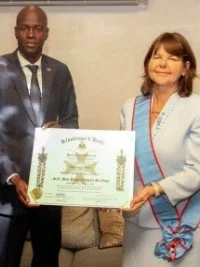
President Moïse honors and decorates the Ambassador of Canada
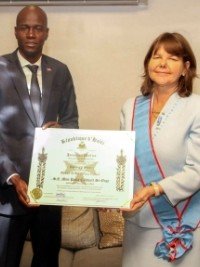
Monday at the National Palace, President Jovenel Moïse, held a farewell ceremony in honor of Canadian Ambassador Paula Caldwell St-Onge at the end of the mission.During the ceremony, which was attended by Antonio Rodrigue, the Minister of Foreign Affairs and representatives of the diplomatic corps, the Head of State expressed his satisfaction to the Canadian diplomat for her dynamism and high contribution to strengthening relations between Canada and Haiti during her mission in the country.At this ceremony, Ambassador Paula Caldwell St-Onge was decorated by the Head of State of the National Order of Honor and Merit, at the rank of Grand Cross Silver Plate.HL/ HaitiLibre
JCE investigates on a network of false identities of Haitian children
Haiti - DR : JCE investigates on a network of false identities of Haitian children Sunday Castillo Pantaleón Member of the Dominican Committee for International Solidarity with Haiti, denounced the existence of a mafia network, which makes false identities from the data of the Dominicans who died in the hospitals "Luis Eduardo Aybar" and "Francisco Moscoso Puello" to document illegally against finance, Haitian children born on the Dominican soil.
He said that this network "demanded the certifications of deceased persons in the legal services of these two hospitals and with this data, they document for money, Haitian children with late birth declarations, which makes them appear as children of the deceased in the Civil Registry of the JCE."
Juan César Castaños Guzmán, the President of the JCE ("Junta Central Electoral") instructed Dolores Fernández, the National Director of Civil Registration, to carry out a thorough investigation of these two hospitals and to the Late Reporting Unit, on all cases that match these characteristics.
Guzmán assured that "the investigation will be conducted with the levels of promptness that circumstances deserve and in a timely manner we will take all necessary legal steps." Recalling that foreign mothers, irrespective of their nationality and not legally resident in the Dominican Republic, must register the birth of their child in the JCE Book of Aliens in accordance with the provisions of the Dominican Constitution.
HL/HaitiLibre
Cornwall councillors seek answers as hundreds of Haitian refugee claimants arrive in Ontario
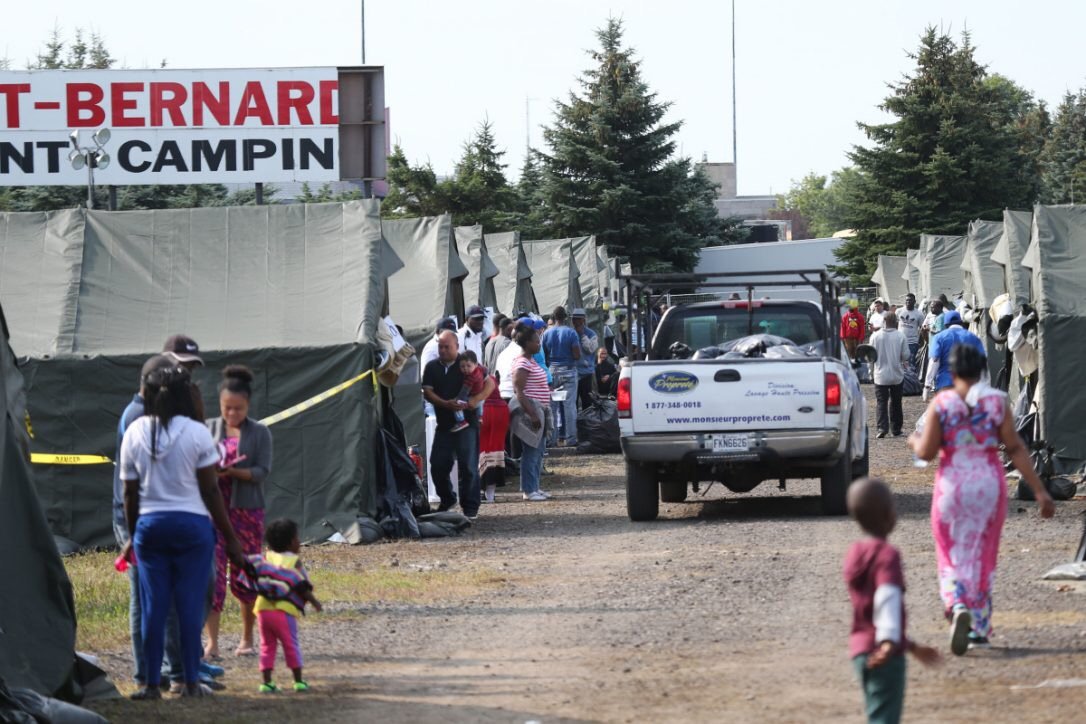
OTTAWA—As the surge of migrants pouring into Quebec hit 4,500 people — mostly Haitians — in the first three weeks of August, the federal government scrambled Monday to stem the tide with a sterner message to would-be asylum seekers and to accommodate hundreds more in the nearby Ontario border town of Cornwall. The office of Public Safety Minister Ralph Goodale acknowledged the RCMP had intercepted and arrested 4,500 irregular border crossers in Quebec so far this month — on top of 3,000 that crossed in July. They are mostly Haitian and found eligible to file a refugee claim. On Monday evening, Cornwall city councillors held a special meeting to demand answers of federal, provincial and municipal officials, saying citizens are worried about the impact of all the new arrivals, while many others want to help. At the Nav Centre conference and hotel facility now hosting 300 people — all Haitian families — is full, and manager Kim Coe-Turner said that with upcoming conferences it cannot accommodate more immediately. So the Canadian Forces are setting up a tent city on the Nav Centre grounds that will be an “interim lodging site” for up to 500 Haitians asylum seekers who will be directed there by border services authorities at Lacolle, Que., because Montreal’s shelters and services are overwhelmed, said Cornwall’s emergency management coordinator Bradley Nuttley. Nuttley assured councillors that the families can be well accommodated in tents with plywood flooring, electricity and heating, while nearby residents’ concerns will be met by low-noise electrical generators, and privacy fences up to 12 feet high to be erected on three sides. In part, he said, that’s to protect children — over 40 per cent of the refugee claimants now there are children under 7 — from “noxious weeds” on nearby land. Mayor Leslie O’Shaughnessy complained there is no lead federal agency to answer council’s or the public’s enquiries and that information “was changing by the hour.” He pressed federal officials to hold a public information meeting because “it is a federal project.” “Whoever the lead is, hopefully they’ll get the bills,” Councillor André Rivette said. He asked if Ottawa planned to set up a field hospital so that local residents wouldn’t find themselves waiting for health services. Stressing that no declaration of emergency had been issued because there are enough resources to meet the needs, Nuttley said almost all newcomers were quite healthy. There’d even been one birth of a “new Canadian citizen,” and a few more pregnant women are at the centre, he said, though officials see no need for anything more than a temporary clinic on the Nav Centre grounds. “I’ve not been requested to provide any services in this emergency – ‘er this event, sorry, a little Freudian slip there,” said Nuttley. Still, Louis Dumas, a senior federal immigration official, acknowledged “the current situation is a difficult one, we are seeing a spike” at Lacolle, Que. Refugee claimants are “entitled to due process” and the federal government’s goal “is to process people quickly,” he said. The hope is refugee claimants will within a week complete their applications and submit them for an assessment at a joint federal-provincial processing centre also set up at Cornwall’s Nav Centre before their claims are sent to the Immigration and Refugee Board for adjudication. But once their claims are submitted, the migrants are free to leave and most are expected to head back to Montreal where a large Haitian diaspora lives. Dumas said about 10 per cent will likely head elsewhere in Canada, mostly in Ontario. Haitians are flooding across the border because the United States administration under President Donald Trump has indicated it will revoke a temporary protected status for Haitians, issued after the 2010 earthquake, starting in January. Dumas said Haitians should not expect Canada will automatically allow permanent entry. He noted that last year, the independent IRB turned down 50 per cent of asylum claims by Haitians, who were then ordered deported back to Haiti. Earlier Monday Immigration Minister Ahmad Hussen and Public Safety Minister Ralph Goodale went before cameras at Lacolle earlier to say there is “no fast track” to refugee status for those who cross illegally and to warn against “border-hopping.” “Trying to cross the border in an irregular fashion is not a free ticket to Canada,” Goodale said, sounding a frustrated note. “We have been making this point over and over and over again since last January and February when the, the circumstances began.” That line is to be echoed by Haitian-Canadian MP Emmanuel Dubourg who Canadian Press reports is being dispatched to Florida to do Creole-language interviews and meet community leaders among Miami's Haitian diaspora and to speak to a slew of influential media outlets. By TONDA MACCHARLES | August 21, 2017

Solar eclipse, Government mobilized

For a week, the Government of Haiti has mobilized in anticipation of the solar eclipse of Monday August 21 in order to disseminate the precautionary measures among the population. Marie Greta Roy Clément, Minister of Public Health and Max Rudolph Saint-Albin, Minister of the Interior and Territorial Communities confirmed last Friday that their respective ministries had already taken all the necessary prevention measures to inform the population of the remote areas of the country, via the departmental and civil protection cells. Léon Rosard Saint Cyr, the Secretary of State for Public Security, calls on the entire population to exercise utmost caution and avoid watching the sun at the time of the eclipse and recommends keeping children at home or out of any space where this phenomenon would be visible until 5:00 pm In Haiti the eclipse will not be total, but 75%, while in Atlanta it will reach 97.15%. Observation Schedule of phenomenon for different cities in Haiti :•• Port-au-Prince the eclipse will begin to 1:59:23 p.m. and will reach its maximum to 3:25:17 p.m. to end to 4:40:23 p.m ;• Port-de-Paix the eclipse will begin to 1:55:23 p.m. and will reach its maximum to 3:22:14 p.m. to end to 4:38:19 p.m ;• Jérémie the eclipse will begin to 1:55:34 p.m. and will reach its maximum to 3:22:11 p.m. to end to 4:38:06 p.m• Gonaïves the eclipse will begin to 1:56:37 p.m. and will reach its maximum to 3:23:14 p.m. to end to 4:38:58 p.m ;• Cap-Haïtien the eclipse will begin to 1:56:56 p.m. and will reach its maximum to 3:23:30 p.m. to end to 4:39:10 p.m ;• Cayes the eclipse will begin to 1:57:12 p.m. and will reach its maximum to 3:23:25 p.m. to end to 4:38:55 p.m• Miragoâne the eclipse will begin to 1:58:11 p.m. and will reach its maximum to 3:24:16 p.m. to end to 4:38:33 p.m• Hinche the eclipse will begin to 1:58:36 p.m. and will reach its maximum to 3:24:46 p.m. to end to 4:40:04 p.m• Jacmel the eclipse will begin to 1:59:35 p.m. and will reach its maximum to 3:25:25 p.m. to end to 4:40:25 p.m Eclipse observation schedule for different American Cities :•• Chicago the eclipse will begin to 11:54:19 a.m. and will reach its maximum to 1:19:47 p.m. to end to 2:42:37 p.m. ;• Atlanta the eclipse will begin to 1:05:49 p.m. and will reach its maximum to 2:36:43 p.m. to end to 4:01:49 p.m. à Atlanta le soleil sera couvert à 97.15% par la lune ;• Washington the eclipse will begin to 1:17:52 p.m. and will reach its maximum to 2:42:46 p.m. to end to 4:01:35 p.m. ;• Orlando the eclipse will begin to 1:19:27 p.m. and will reach its maximum to 2:51:13 p.m. to end to 4:14:54 p.m. ;• New York the eclipse will begin to 1:23:15 p.m. and will reach its maximum to 2:44:56 p.m. to end to 4:00:42 p.m. ;• Miami the eclipse will begin to 1:26:56 p.m. and will reach its maximum to 2:58:22 p.m. to end to 4:20:45 p.m. ;• Boston the eclipse will begin to 1:28:29 p.m. and will reach its maximum to 2:46:48 p.m. to end to 3:59:28 p.m. In Canada, in Montreal the eclipse will begin to 1:21:54 p.m. and reach its maximum to 2:38:24 p.m. to finish to 3:50:23 p.m. Precautionary measures to be taken :It is necessary to take precautions, the sun never having to be seen directly with the naked eye, the observation of an eclipse of the sun can cause severe and irreversible eye damage it takes only a few minutes to cause irreversible damage to the eye, although it may take a few hours before it occurs on the person. Note that the eyes of children under the age of 12 because of a still very transparent lens have eyes much more sensitive than those of adults which multiplies the risk of serious lesions. Special glasses are required to stop 100% of ultraviolet and infrared rays. If you kept glasses dating from the last eclipse especially do not reuse them. They are for single use because the rays damage their coating. Sun glasses do not offer adequate protection and should not be used. Do not use alternative eye protection such as: blackened glass, X-ray films, a CD or other optical instruments without special filters, that will not protect your eyes because they are ineffective. Even equipped with special eclipse glasses, take breaks between the observation phases to allow your eyes to rest. Children should not be left unattended while observing the phenomenon. HL | August 21, 2017Photo: Timeanddate

Haiti - XIII CARIFESTA : Haitian dance troupes have seduced the public

Sunday in Bridgetown, Barbados, in front of more than 10,000 spectators gathered at the Kensington Oval stadium, Haiti and more than 20 other Caribbean Common Market (CARICOM) nations, took part in the official opening ceremony of the 13th edition of the Festival of the Arts of the Caribbean (CARIFESTA) which will be held until Sunday, August 27, 2017.This opening ceremony was preceded by an artistic parade during which the dance troupe "Nègès Fla-Vodou" and those of the National Ethnological Office and the National Theater, highlighted all the skill of the Haitian cultural creators in the performing arts. But the residents were especially attracted by the beauty of the costumes.By HaitiLibre | August 21,2017
‘Perfect storm’ holding up Hamilton man’s adoption of Haitian orphan
Canadian couple has been caring for girl since shortly after mother’s death in 2009
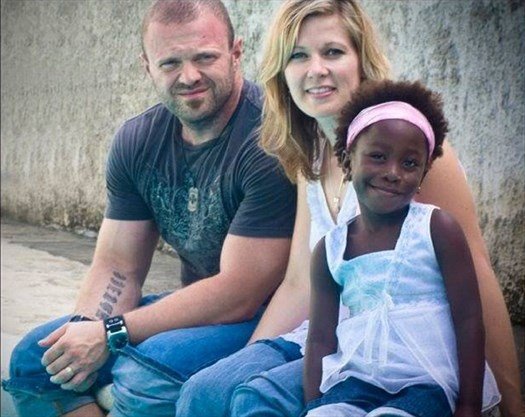
Vaden Earle first met Mari-Thérèse Pierre, a Haitian refugee, in the Dominican Republic in 2005 when he was on a humanitarian mission with a youth group he founded in Canada. The Hamilton man would see the woman with her newborn child, Widlene, scavenging for food around a giant dump site near Puerto Plata and would often chat with her.One day in 2009, the mother and girl disappeared, and he learned that Pierre had died and the child was sent back to Haiti to live with a relative. Worried about the well-being of the girl, Earle and his wife set out to find her. They eventually tracked her down in Haiti and have been her primary care providers ever since.Eight years after Earle and his wife initiated Widlene's adoption — and after a series of mishaps — the now 12-year-old is stranded and stateless in the Dominican Republic, waiting to come to Canada with her adoptive parents. To do that, the couple is asking for co-operation from immigration officials."It has been a nightmare in a perfect storm. It's just unbelievable," said Earle, 42, who moved to the Caribbean country in 2009 to look after Widlene full-time, while his wife, Christl, travels monthly from Toronto to see her family.Earle, who quit his position as CEO of the youth group Live Different and now runs a car rental business and café in Puerto Plata, said he and his wife were drawn to Widlene partly by their belief in empowering youth for social change."Widlene just finished Grade 6 (at a private school). She is an avid soccer player and loves watching hockey. She is a big Edmonton Oilers fan," said Earle. "She wants to become a pediatrician and work in developing countries."It's a future that would not have been imaginable when Earle first found Widlene in Gonaïves, in northern Haiti, where she was on the verge of being sold as a child domestic worker in 2009.He and his wife, who have no children of their own, applied to Haitian authorities for Widlene's guardianship in order to bring the girl home to formalize the adoption in Canada. They completed a government assessment in Ontario of their skills and talents as potential parents.Then the 7.0-magnitude earthquake struck Port-au-Prince in January 2010, causing widespread devastation — and destroying all the documents necessary for Widlene's adoption, including proof of her mother's death and the signed consent of her biological father, whose whereabouts are still unknown.The couple then attempted to carry out the adoption in Haiti, but in 2013, the Haitian government suddenly put a moratorium on international adoptions.In 2015 the family encountered yet another hurdle when a new law was enacted that revoked Haitian citizenship for anyone born outside Haiti, even to Haitian parents.Earle said Widlene subsequently had her Haitian passport and citizenship stripped, and became stateless in the Dominican Republic, because that country does not grant citizenship by birth on its soil."As a Haitian, she is living in a country where Haitians are not welcomed and are targets for exploitation, racism and deportation," said Earle. "As a Dominican-born child, Haiti refuses to recognize her as a citizen. Today, we, as Canadian citizens, are effectively exiled from Canada by virtue of our decision to save the life of a child."Being stateless, Widlene does not have a valid travel document.The family's Toronto lawyer, Chantal Desloges, has asked immigration officials to issue a temporary resident permit to let Widlene into Canada so the couple can complete the adoption — and the immigration process — in this country.Immigration officials have yet to decide on the matter. They say they've been responding to correspondence from Earle since September 2016."We understand the rules are there, but this is a humanitarian case. We need the exceptional discretion applied in this case," said Desloges, adding that the permit, unlike a tourist visa, is designed for the entry of an otherwise inadmissible foreigner because of "compelling needs."Toronto StarBy Nicholas Keung | August 21, 2017


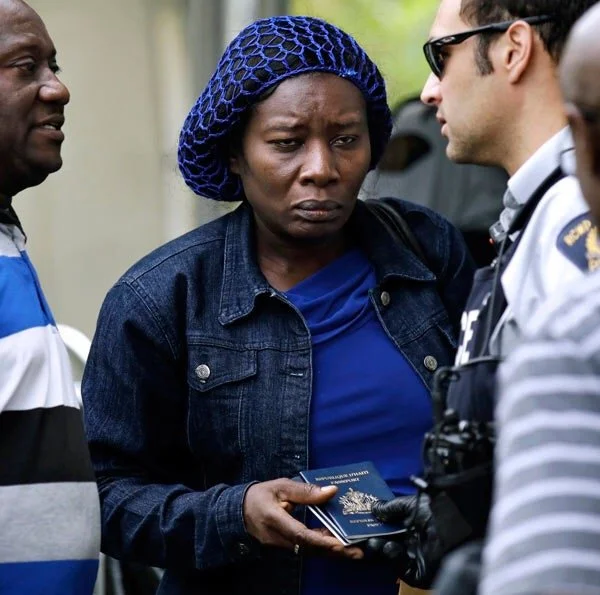
Haitians risk arrest in Canada for a better life
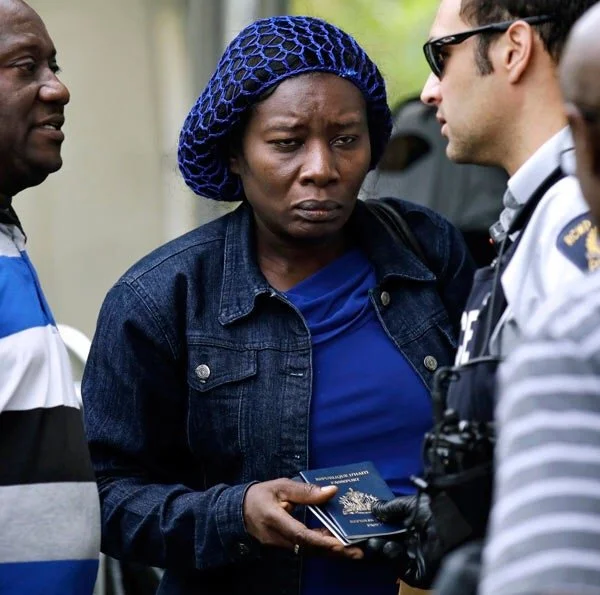
While United States President Donald J. Trump is clamping down on illegal immigration, thousands of Haitians with Temporary Protected Status (TPS) in the United States are rushing to the border crossing in Champlain, upstate New York, willing to face arrest in their pursuit of a better life, according to reports here. The popular stop near the border station at Lacolle, Quebec, Canada is quickly becoming a path to a new life for immigrants — and something of a tourist attraction, reported the Miami Herald. It said the migrant surge has overwhelmed Canadian officials who, after opening Olympic Stadium in Montreal to asylum seekers, recently reopened a shuttered hospital to accommodate the growing numbers, and deployed the military to construct a tent city near the official border crossing at St. Bernard-de-Lacolle. The refugees have decided that getting arrested with an uncertain future in Canada is better than risking deportation under Trump, the Herald said. Responding to the influx of refugees in his province, Quebec’s Prime Minister Philippe Couillard told the Canadian press that “it’s unfortunate” that asylum seekers have been led to believe that being admitted into Canada was “a done deal.” He and other officials stressed that, despite the warm reception and treatment refugees have received, there is an immigration process, adding that arriving migrants will have to demonstrate why they should not be returned to their home countries, according to the Herald. “We have the notion here people are being told, ‘Go to Canada, it’s welcoming. Just walk right in, the streets are paved gold and get a job,’” said Paul Clarke, the executive director of Action Réfugiés Montréal, which works with refugees seeking asylum in Canada. “But it’s not like that,” he added. “People have to make a refugee claim. They have to state why they are being persecuted or fear persecution in their home country for their race, religion. “The statistics in Canada for the last couple of years show that only 50 percent of Haitians meet that test,” Clarke continued. “Only 50 percent are accepted as refugees in Canada. But we kind of get the sense that’s not what’s being told in the States.” While the wave of Haitians crossing into Canada has been fueled by fears that the United States will send them back to Haiti early next year, when Haiti’s TPS is set to end, the community has been bombarded with misleading and false messages on WhatsApp, social media and Creole-language radio saying that Canada is offering free residency, the Herald said. The paper said that, in one message, a man claiming to be an attorney says the Canadian Consul in the United States is inviting “and even encourages all Haitians with or without TPS to apply for Canadian residency.” More than 6,500 asylum-seekers have crossed into Quebec province since the beginning of the year, and most estimates say about half are Haitians, according to the Herald. “Right now, the question is how can the governments, the municipal, the provincial government of Quebec and federal in Ottawa manage this?” said Donald Cuccioletta, a historian and senior research associate at the Université du Québec à Montréal’s Raoul Dandurand Center for Strategic and Diplomatic Studies. “It’s approaching a crisis. How do we handle these people once they come across?” The steady stream of Haitian migrants began in May when the Trump administration announced it was granting Haitians living in the United States only six months extension on their TPS — awarded after the 2010 earthquake that devastated Haiti — which would mean the status would end in January, the Herald said. In July, when the 180-day countdown for January began, the flow of people picked up again, it said. Migrant families are told they will be arrested by the Royal Canadian Mounted Police before crossing the United States to Canada at the border along Roxham Road, the Herald said. It said thousands of people have crossed over into Canada from an irregular crossing near the Champlain–St. Bernard de Lacolle border in hopes of finding residency in Canada. Among them are Haitians who worry that TPS in the US could soon end under the Trump administration, the Herald said. Nelson A. King | August 17, 2017

DID YOU KNOW: ÎLE-A-VACHE IS FEATURED IN THE ASSASSIN'S CREED VIDEO GAME SERIES

Île à Vache
Île à Vache is a Caribbean island located in the Baie de Cayes, just south of Haiti. During the Golden Age of Piracy, it served as a French trading post.During his time in the West Indies, the pirate Edward Kenway visited the island to accept two assassination contracts via pigeon coop. He later returned to the island in 1721 with the Assassin Mentor Ah Tabai, Adéwalé, and his new quartermaster Anne Bonny, to begin his search for his first major assassination target, Woodes Rogers. Besides a harbormaster's station, the island was also home to a tavern, named "Vino A Vache".
Trivia
- Île á Vache translates to Cow Island. True to the name, several cows can be seen freely roaming about the island.
Reference
- Assassin's Creed IV: Black Flag