






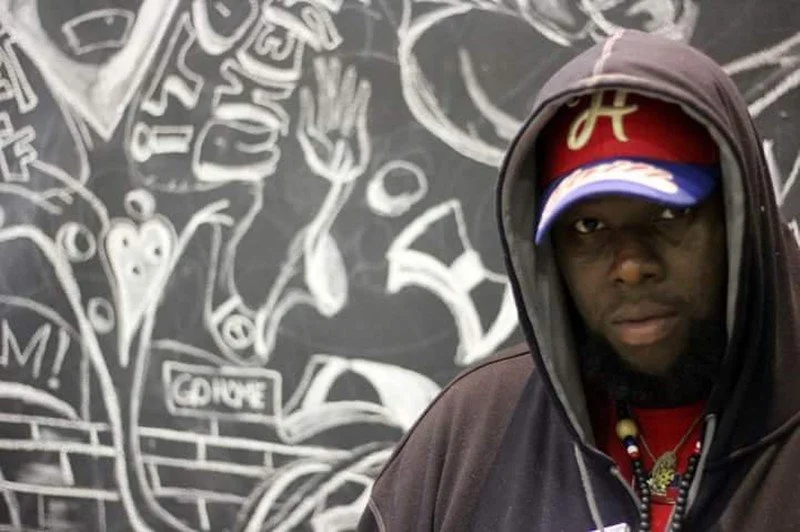
 Courtesy of PapJazz
U-17 WOMENS NATIONAL TEAM TO PLAY THE HAITI U-17 WOMENS NATIONAL TEAM TWICE DURING TRAINING CAMP IN LAKEWOOD RANCH, FLORIDA
26 PLAYERS CALLED TO CAMP AS PREPARATIONS FOR QUALIFYING FOR 2018 U-17 WOMEN’S WORLD CUP CONTINUECHICAGO (Dec. 9, 2017) – The U.S. Under-17 Women’s National Team will come together from Dec. 11-16 for a training camp in Lakewood Ranch, Fla., that will feature two full international matches against the Haiti U-17 WNT.Both the USA and Haiti are preparing for the 2018 CONCACAF Women’s Under-17 Championship which will be held from April 19-29 in Nicaragua. The tournament will qualify three teams to the 2018 FIFA U-17 Women’s World Cup in Uruguay.The roster, which consists of 22 players born in 2001 – the age cut off year for the next U-17 Women’s World Cup -- and four born in 2002, is made up primarily of the core of players who have been a key part of the cycle so far, with several players also getting first looks in a training camp environment.The USA will face Haiti on Wednesday, Dec. 13 at The Premier Sports Campus at in Lakewood Ranch on a field to be determined with a kick-off at 3 p.m. ET. The second match on Friday, Dec. 15 will take place at the Premier Sports Campus Stadium and will kick off at 7:30 p.m. ET. Both games are open to the public with free admission.“It’s exciting to finish out the 2017 with two games against Haiti,” said U.S. head coach Mark Carr. “As always, we will compete to win both games while working to continue to develop as individuals and as a team. Haiti is a team we could potentially face in qualifying so, once again, we’ll get a valuable snapshot of how we need to improve.”Forward Jordan Canniff leads the team in scoring this year with six international goals. Midfielder Maya Doms has four goals while forwards Croix Bethune and Payton Linnehan have scored three goals each. Eleven other players have scored this year for the U-17 WNT.The U-17s have been quite active this year as they prepare for qualifying. The squad has played tournaments in Slovenia/Italy and in China while also defeating England in two games in Portland, Oregon, in late August by a 12-3 aggregate score. The squad traveled to Mexico City in mid-November for two matches against the Mexico U-17 WNT, tying 1-1 and winning 4-0. The U-17s have lost just one of 11 international games this year, that loss coming in a wild back-and-forth 5-4 setback against China in Weifang in July.“Coming off the Mexico trip, our team is still learning how to always give our best performance regardless of any external circumstance,” Carr said. “We must always be prepared to battle, be ready to play and be ready to take part in the game at its maximum for 90-plus minutes.”U.S. U-17 Women’s National Team Roster by Position:GOALKEEPERS (3): Angelina Anderson (Mustang SC; Danville, Calif.), Halle Mackiewicz (Real Colorado; Broomfield, Colo.), Lindsey Romig (Richmond United; Midlothian, Va.)DEFENDERS (7): Michela Agresti (FC Stars of Mass; Swampscott, Mass), Tori Hansen (NC Courage Academy; Raleigh, N.C.), Smith Hunter (Seattle Reign Academy; Seattle, Wash.), Makenna Morris (Bethesda SC; Germantown, Md.), Bria Schrotenboer (Midwest United; Holland, Mich.), Natalia Staude (Tophat SC; Atlanta, Ga.), Kate Wiesner (Slammers FC; Monrovia, Calif.)MIDFIELDERS (9): Croix Bethune (Concord Fire SC; Alpharetta, Ga.), Talia DellaPeruta (NTH Tophat; Cumming, Ga.), Maya Doms (Davis Legacy; Davis, Calif.), Mia Fishel (San Diego Surf; San Diego, Calif.), Sophia Jones (San Jose Earthquakes; Menlo Park, Calif.), Samantha Kroeger (World Class FC; West Milford, N.J.), Ariella Pitty (Ohio Premier; Midlothian, Va.), MacKenzee Vance (United Soccer Alliance; Bluffton, S.C.), Astrid Wheeler (Concord Fire SC; Atlanta, Ga.)FORWARDS (7): Enzi Broussard (IMG Academy; Bradenton, Fla.), Jordan Canniff (Washington Spirit - Baltimor Armour; California, Md.), Isabella D'Aquila (So Cal Blues; Mission Viejo, Calif), Sunshine Fontes (Hawaii Rush; Wahiawa, Hawaii), Payton Linnehan (FC Stars of Mass; Douglas, Mass.), Samantha Meza (Solar; Dallas, Texas), Kalyssa Van Zanten (Eclipse Select; Buffalo Grove, Ill.)By: U.S. SOCCER/U-17 WNT Dec 9, 2017

Gay family defies odds in Haiti
The majority of the western hemisphere sanctions same-sex marriage and adoption for LGBT parents, but outliers remain, as Haitian same-sex couple Maksens Denis, 49 years of age, and Loubentz Raphael 30, know firsthand about their country.Without enjoying any legal recognition, the gay couple lives in Port-au-Prince with a son.“We live as a couple. Ever since the first day we found each other, we haven’t been separated. And things have gone pretty fast since the beginning. We felt a very strong connection, so much so we were sure we were created for each other. And so we wanted to live together,” Denis told Reuters.This modern family, however, is the exception in Haiti.“I suffer a great deal because we can’t live freely. We can’t live how we want to. We have had a lot of problems and additionally, there are a lot of protesters; the Christians, those from other foreign religions according to whom, homosexuality is an import, even though it’s intrinsic to humans at birth. Homosexuality exists in every society on the planet,” Denis went on.There is no recognition of gay marriage or adoption in Haiti. In fact, Haiti’s senate passed a law this past summer that would make same-sex marriage an act that can result in a prison term of three years and an $8,000 fine.Human rights organisations say physical and verbal attacks against members of the lesbian, gay, bisexual, transgender and intersexual community regularly go unpunished and that politicians make homophobic comments during electoral campaigns.Living as a sexual minority is so taboo in Haiti the country was forced to cancel last year its first-ever LGBT film festival after the building it was to be held in was targeted with threats saying it would be burned down.One of the few advocates in the country is the non-profit HIV and Support Prevention Organisation, SEROvie, which was founded in 1999 to advocate for the rights of the LGBT community. In speaking to Reuters, SEROvie’s director, Reginald Dupont, explained how gay rights are a marginal issue in Haiti.“Human rights organisations defend human rights, but not for gay people. They exist to defend the rights for everyone, but when a situation arises involving gay people, they are not there. But they say they are Christian, come what may,” he said.Indeed, Denis and Raphael’s drive to establish a life for their family has not been without struggles. During the interview with Reuters, they said they’ve been physically targeted in a homophobic attack when stones were thrown at them during a ceremony celebrating their union.“Certain organisations, like ‘SEROvie’ support us when we suffer from acts of violence, as I did. But the national police provides no such protective guarantee. On the contrary, for them, it’s all our fault. We have no rights. We have no place to express ourselves. If you come forward as gay, you get thrown out, without any help,” Raphael said.Another activist, Shirley Moreau, who works for the Haitian Women Against Sexual Discrimination and Stigmatisation, told Reuters the struggle for LGBT Haitians extends to basic everyday survival.When a gay person looks for a job, they won’t find it. That’s because, as they say, gay people are to be rejected by society. They don’t receive any education. They are also discriminated against in the health sector. For example when a gay person, or a transgender person is sick and goes to a hospital, they don’t receive any care for their ailment, but are rather encouraged to change their lifestyle.”Many journalists in the nation shy away from even discussing the issue. And so with few activists advocating for them, most LGBT Haitians are forced to remain underground.By: Global News/WORLD December 6, 2017
USA will invest nearly $100M in health care in Haiti
The United States Government announces $98,5 million in new investments in health services in Haiti. The "Projet Santé" will work in partnership with the Haitian government to support the country's health system and expand essential health care to 4.2 million people.Spending $98.5 million over the next four years, Projet Santé, a cooperative agreement between the United States Agency for International Development (USAID) and Caris Foundation International, will increase the number of Haitians receiving quality, essential health care. As part of a patient-centered approach, the project will offer integrated maternal and childcare to Haitian families, including immunization, reproductive health, nutrition services, and HIV prevention, care, and treatment.The project will be led by Caris Foundation and implemented in partnership with a consortium of partners that includes Catholic Medical Mission Board (CMMB) and the Haitian Health Foundation (HHF). With USAID support, the consortium will expand proven strategies for improving community and facility-based health services and increase local Haitian partners’ capacity to build on the project’s accomplishments and best practices."Projet Santé builds upon an established foundation and proven track record of strengthening local management and operational capacities to deliver health services," said USAID Mission Director Jene Thomas. "This agreement will not only improve access to care for millions of Haitian citizens, but promote a culture of Haitian excellence, leadership, and accountability.By: HL/ HaitiLibre/December 7, 2017

Justice : Opening of the 32nd Congress of the International Bar Conference
Wednesday the 32nd Congress of the International Conference of Bar Associations of Common Legal Tradition (CIB 32) opened in Haiti in the presence of President Jovenel Moïse, President of the National Assembly, the Honorable Youri Latortue, of President of the Council Superior of the Judiciary, Me Jules Cantave, of the Minister of Tourism, Colombe Émilie Jessy Ménos, and of secretary of the CIB, the bâtonnier Bernard Vatier and a pleiad of bâtonniers, lawyers and other legal professionals from Haiti, Europe, Africa, America and Asia.This event, organized for the third time on the American continent, after Montreal in 1988 and Quebec in 2004, which takes place at the Karibe Convention Center, from December 6 to 9 at the initiative of the Bar Association of Port-au-Prince is organized around of the theme: "The advocates of the Francophone space at the service of economic and social development". Its objective is to allow intellectual exchanges and to promote the sharing of experiences between the different member of bars and their lawyers.During his speech at the opening ceremony, President Jovenel Moïse expressed his appreciation of the holding in Haiti and declared "[...] I wish the most cordial welcome to the different guests During his speech at the opening ceremony, President Jovenel Moïse expressed his appreciation of the holding in Haiti and declared "[...] I wish the most cordial welcome to the different of the corruption that are delaying its economic and social development."The Head of State took the opportunity to recall that the judicial system in general, lawyers and magistrates in particular have a fundamental role to play in the realization of the profound change initiated by the new Haitian public administration "The Rule of Law allow to guarantee the fundamental rights of the people and to implement the economic and social development programs likely to improve the living conditions of the population. It promotes the intensification of private investment, the development of tourism and the expansion of arts and culture."While reassuring the Councils of the Order and the lawyers of Haiti of his full and whole support, the President Jovenel Moïse said he is convinced that the various topics will allow the bars of Haiti to go further in their reflections for the flourishing of law and justice.The bar president rancis Jackson Ngnie Kamga, President of the CIB, welcomed President Moïse's presence as a tangible proof of the importance given by the Head of State to questions of law and the promotion of good justice in the country.By: HL/ SL/ HaitiLibre/December 7, 2017
Summers in Haiti could sharpen aim of NGOs
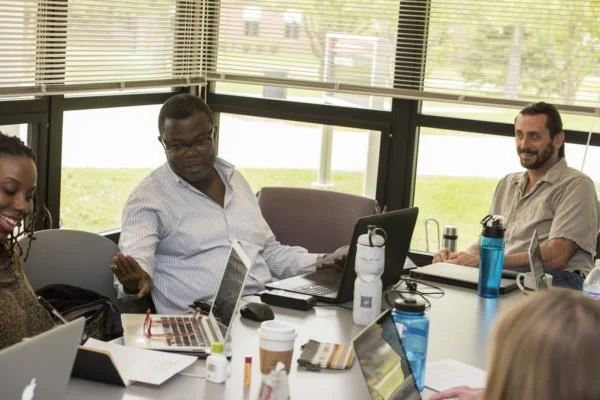
Thanks to NIU’s Center for Nonprofit and NGO Studies, hundreds of humanitarian non-governmental organizations (NGOs) may be able to deliver help to the impoverished people of Haiti that is more in tune with what Haitian people say they need.It has been estimated that NGOs and charitable groups deliver 80 percent of the basic services to that island country, whose per-capita GDP, unemployment and illiteracy have led many to call it the poorest nation in the Western Hemisphere.But how good a job are those groups really doing and how might they refocus their work? To find out, Mark Schuller, an NIU associate professor of anthropology and the NGO center, has conducted the second year of a five-year study of Haitians’ attitudes toward NGOs.Each summer beginning in 2016, Schuller has recruited eight graduate students from across the United States to go to Haiti. Teams each composed of one U.S. student plus one graduate student from Haiti’s Universite d’Etat d’Haiti spread out across southern Haiti to survey residents, interview local leaders and share notes with the community.The last two summers those teams included then-NIU student Heather Prentice-Walz. She received her master’s degree in anthropology last May and has begun work toward a Ph.D. at the University of California-Santa Barbara, financed by a prestigious National Science Foundation grant.“We’re taking a snapshot every year of how Haitians’ opinions change over time and how the community there changes over time,” Schuller said.Schuller said the students are chosen each year from a wide range of disciplines –not only anthropology but also political science, sociology, urban planning, international development and even literature and architecture. “That is by design, so each can bring a unique perspective to their results.”The teams ask Haitians to answer a survey. It includes open-ended queries, such as how would they rate NGOs and their own government, as well as 85 multiple-choice questions, such as “What is your greatest need?” Associate Professor Mark Schuller discusses Haiti’s needs with a local man.Prentice-Walz, 29, grew up in Juneau, Alaska before earning her bachelor’s degree in anthropology from Reed College in Oregon. She came all the way to DeKalb for her master’s study because she already had developed a commitment to Haiti, and Schuller’s work had become well known in the field.“I was interested in environmental issues, climate change and post-colonial societies, and all those subjects converge in Haiti,” Prentice-Walz said. “I also speak French pretty well, though once I started going to Haiti, I realized that wasn’t going to take me very far.”French might be spoken by the country’s elite, but everyone speaks the other official language, Haitian Creole, a blend of European and African tongues. While Prentice-Walz spent six months in Haiti doing internships before she came to NIU—the first time with an organization that provides composting toilets that turn human waste into fertilizer, the second time with an urban community center—she quickly learned Creole.Her master’s thesis and her work at UC-Santa Barbara center around the impact of NGOs on Haitian food systems and agriculture.
 NIU grad student Heather Prentice-Walz and her 2017 Haitian research partner, Jamesky Blaise, at their research site in southern Haiti.
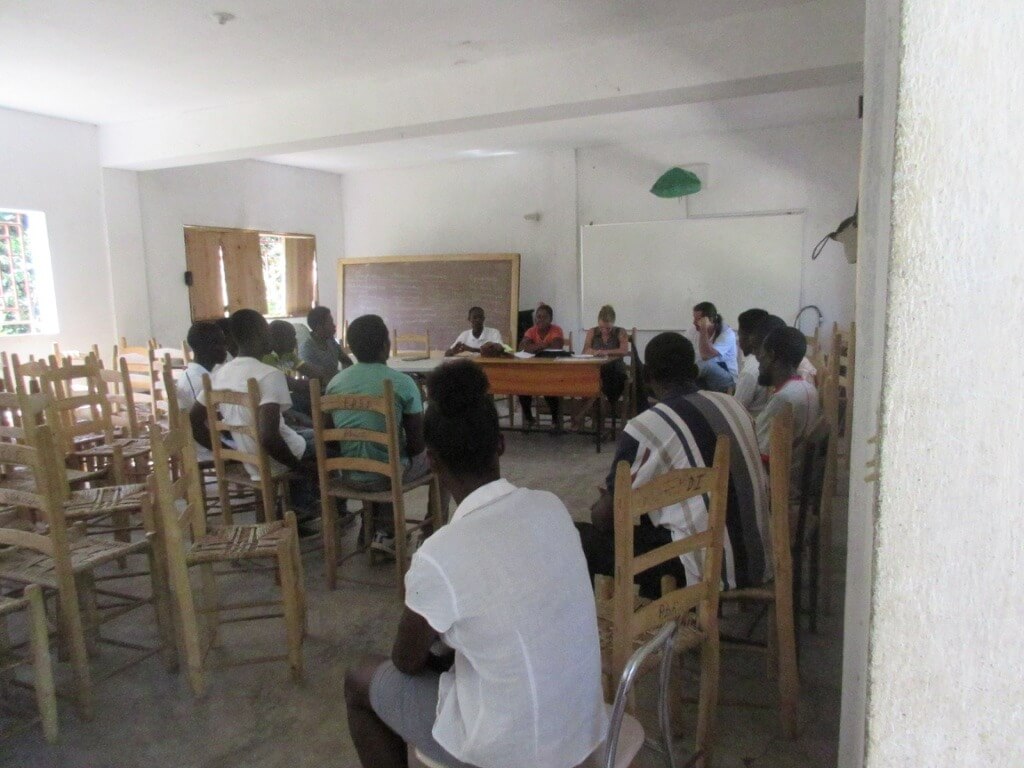 Grad student Heather Prentice-Walz, third from left, joins Associate Professor Mark Schuller, right, plus her 2017 Haitian research partner, Jamesky Blaise, and her 2016 research partner, Roseline Lamartiniere, during a panel discussion in Haiti to discuss their project last summer.But he said that people’s priorities don’t match what the NGOs have been providing. If NGOs take the research’s findings to heart, he said, they may be able to better focus on what the people most need.In the first two years of surveying, “one thing that has become clear is that people there show a lot of solidarity,” Schuller said. “Over 90 percent of the people report sharing with neighbors, and that is consistent across the sites and both before and after Hurricane Matthew.”Schuller’s website is www.anthropolitics.org.By: NIU Today/December 6, 2017

In 1825, Haiti Gained Independence From France For $21 Billion -- It's Time For France To Pay It Back
The devastation wreaked on Haiti by Hurricane Matthew last fall was just the latest in a seemingly endless string of misfortunes that have befallen that country, which in March concluded a year-long interlude of caretaker governance by installing banana exporter Jovenel Moïse as its 58thpresident. Moïse faces a daunting task; Haiti’s chronic status as the Western hemisphere’s poorest nation is due to a litany of afflictions that range from widespread illiteracy, to endemic corruption, to woefully inadequate infrastructure. But while these would be hard enough for any country to overcome, for more than a century of its existence Haiti carried an additional but little-known millstone, the effects of which are still being felt.In 1825, barely two decades after winning its independence against all odds, Haiti was forced to begin paying enormous “reparations” to the French slaveholders it had overthrown. Those payments would have been a staggering burden for any fledgling nation, but Haiti wasn’t just any fledgling nation; it was a republic formed and led by blacks who’d risen up against the institution of slavery. As such, Haiti’s independence was viewed as a threat by all slave-owning countries – the United States included – and its very existence rankled racist sensibilities globally. Thus Haiti – tiny, impoverished and all alone in a hostile world – had little choice but to accede to France’s reparation demands, which were delivered to Port-au-Prince by a fleet of heavily armed warships in 1825.By complying with an ultimatum that amounted to extortion, Haiti gained immunity from French military invasion, relief from political and economic isolation – and a crippling debt that took 122 years to pay off. My father-in-law still recalls the patriotic song he was taught as a Haitian schoolboy, its poignant lyrics urging all Haitians to reach into their own pockets to help their government raise the amount that was still “owed” to France. Thanks to voluntary contributions from Haiti’s citizens, most of whom were desperately poor, that debt was finally settled in 1947. But decades of making regular payments had rendered the Haitian government chronically insolvent, helping to create a pervasive climate of instability from which the country still hasn’t recovered.France’s demand for reparations from Haiti seems comically outrageous today – equivalent to a kidnapper suing his escaped hostage for the cost of fixing a window that had been broken during the escape. And though the present French government can’t be blamed for the gall of King Charles X (France’s ruler in 1825), a modicum of historical accountability sure would be nice. While France still ranks among the world’s wealthiest nations, Haiti – with a per-capita annual income of $350, a power grid that fails on a regular basis and a network of roads that’s more than 50-percent unpaved – is plagued by drought, food shortages and a struggling economy. For the “crime” of shaking off the yoke of involuntary servitude, Haiti dutifully paid France reparations over the course of nearly six generations – with interest. France should now do the right thing and return those payments, estimated to total $21 billion in today’s dollars. What would be a relative pittance in the French national budget is desperately needed by Haiti and could help it begin a broad-based recovery that would seem like manna from heaven to its long-suffering people.By: Dan Sperling/Forbes/December 6, 2017

Little Haiti Takes Center Stage for Art Beat Miami during Art Basel Miami
Art Beat Miami opens December 6th with the unveiling of works of emerging and renowned local, international and celebrity artists in the art mecca of Little Haiti.
MIAMI – Little Haiti once again becomes the heartbeat of all things art and Caribbean during the 2017 Art Basel season with Art Beat Miami.Art Beat Miami is the must attend art fair event taking place at the Caribbean Marketplace from December 6th – 10th.Art Beat Miami is a collaboration of local galleries, businesses, community and civic arts organizations which includes the Little Haiti Optimist Club, the Northeast Second Avenue Project (NE2P), MJ Diversity Consulting Group and Chefs of the Caribbean.From the Little Haiti Cultural Center and stretching the length of the NE 2nd Avenue corridor, the 2017 season again features the critically acclaimed Mural Mile public art walk, showcasing a collection of murals draped across 20 buildings.This world-famous walk of art showcases murals on buildings spanning the 2nd Ave Corridor from NE 54th Street to NE 62nd Street and 54th Street between NE 2nd Avenue and NW 6th Avenue, by some of South Florida’s best muralists.
Art Beat Miami Preview Party
Art Beat Miami opens with a free Preview Party on Wednesday, December 6th at 7PM with a special performance by musician Michael Benjamin, known as Mikaben.Art Beat Miami has again partnered with Haiti’s Minister of Culture and Communication, who is sponsoring these visiting artists from Haiti who are exhibiting at this year’s Art Basel/Miami Art Week: Francois Hazel, Levoy Exil, Payas and Valerie Noisette.For the art and culture aficionado, the wealth of offerings at Art Beat Miami has something for everyone.Attendees will be able to submerge themselves in the flavor that is Little Haiti. Art Beat Miami features art curated by Pulitzer Prize Winning Photojournalist Carl Juste, from artists, painters, sculptors and craftspeople from around the world, but all with a unique strain of Caribbean DNA.Guests will view art of celebrity notables such as Slip and Slide Records’ Ted Lucas, lead vocalist and guitarist Roberto Martino of famed Kompa band T-Vice, Theo of the Kompa band Kreyol La, Haitian-American best-selling novelist Edwidge Danticat, the reigning queen of Haitian music and one of the premier Haitian song writers of her generation Emeline Michel, Musician and lead singer of the dynamic Haitian band Harmonik, Mac D and Grammy nominated Blues and R&B artist and painter Valerie Woods. Art beyond musicians and other celebs features the great works of Master Haitian Vodou Painter Levoy Exil; Trinidadian born artist to the stars Stuart McClean; and representing multiple and multinational artists, private collector Lobey Art & Travel.One hundred percent of the proceeds from the work of the celebrity artists will benefit Hurricane relief efforts and a portion of the exhibiting artists’ work sold will also support hurricane recovery efforts.
Art Beat Miami will Spice It Up! Miami
Art Beat Miami will also highlight the “Art of Food” with Spice It Up! Miami on Friday, December 8th and the Chefs of the Caribbean Celebrity Brunch on Saturday, December 9th honoring world-renowned Spanish-American James Beard Award recipient Chef Jose Andres, best known for bringing the small plate dining concept to America.Chef Andres will be honored for his philanthropic work in disaster recovery efforts around the world. Chef Andres served over 3 million hurricane survivors in Puerto Rico and has worked in Haiti and other countries after natural disasters.He will be presented with an award commissioned by the Little Haiti Optimist Club from renowned national artist CJ Latimore as well as a proclamation and special recognitions from the City of Miami Commissioner Keon Hardemon and Miami-Dade County Commissioner Jean Monestime.
The Art Beat Miami Schedule
- Wednesday, Dec. 6th – Preview Party featuring musical artist Mikaben | Caribbean Marketplace – 5925 NE 2nd Ave 7PM – 10PM. The Beat kicks off with a free opening night mingle of music, art, food and fun. For more info – call: 305-492-7868|email: info@artbeatmiami.com
- Wednesday, Dec. 7th – Sunday, Dec. 10th – Little Haiti Mural Art Project | 8PM – Noon. Painting murals throughout the corridors of Little Haiti by local and international muralists.
- Thursday, Dec. 8th – Sunday, Dec. 10th – Art Beat Miami Art Fair | Noon – 8PM. Daily free art fair showcasing emerging, local and international artists and celebrities.
- Friday, Dec 8th – Spice it Up! Miami | Caribbean Marketplace – 5925 NE 2nd Ave 7PM – 10PM. Celebrity Chefs and restaurants show guests how to create appetizing bites and mix tropical drinks featuring: Chef Malcolm Prude of Southern Spice, Chef Alejandro of Ales Paella, vegan Chef Drigo the Culinary Alchemist, Chef Jenny Risonne of Pastry Is Art and Brand Ambassador/Mixologist Michael Ring of Coopers Craft. Learn to dance salsa, reggae, Kompas, network the night away and so much more. $65 More info: 305-492-7868 – RSVP for tickets : www.spiceitupmiami.eventbrite.com
- Sunday, Dec 10th – Art Beat Miami Art Fair concludes | Noon – 8PM.Sponsors of Art Beat Miami: Little Haiti Optimist Club, Northeast Second Avenue Partnership (NE2P), Art of Black Miami and Miami Heritage Month organized by the Greater Miami Conventions and Visitors Bureau, Eastside Ridge, MJ Diversity Consultant Group, Barefoot Wine & Bubbly, Miami Urban Contemporary Experience, Chefs of the Caribbean, Haiti’s Minister of Culture and Communication, the City of Miami Commissioner Keon Hardemon, Haitian American Chamber of Commerce of Florida and Little Haiti Cultural Complex.
Getting to Art Beat Miami
For guests’ convenience, the City of Miami will extend the Midtown trolleys to various locations throughout Little Haiti including the Art Beat Miami art fair.The route will start in Midtown and will offer free transportation between the Design District and Little Haiti.By: South Florida Caribbean News December 5, 2017
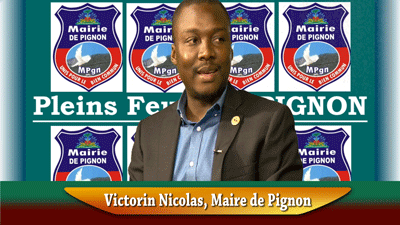
HCC grad turned Haitian mayor discusses what Trump policy means for his village
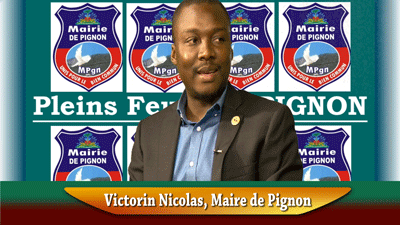
Nicolas Victorin has accomplished a lot for his Haitian village of Pignon since he was elected mayor nearly two years ago, thanks in part to connections made while living in Tampa from 2006 to 2010.Through funding from Tampa’s Debartolo Development, investment adviser Brent Wertz and mission Three Strand Cord, for example, Victorin, 31, has started a community radio station, constructed a school, purchased goats for start-up farms and founded a small business micro-loan program for women.But Victorin — who earned an associate degree in electronics engineering from Hillsborough Community College — says a village that operates on a monthly budget of $5,000, has no running water and unreliable electricity is not prepared for the return of nearly 1,000 of its 42,000 residents living in the United States under Temporary Protected Status.Who is Nicolas Victorin? Meet the HCC grad whose Tampa contacts aid him as mayor in HaitiThe Trump administration announced two weeks ago that it is ending the TPS program, which has allowed some 59,000 Haitians to live and work in the United States since a 2010 earthquake devastated their home country.These Haitians will have to leave the United States by 2019.Pignon, an agricultural village located in northern Haiti and about 100 miles from the heart of the 2010 earthquake that struck near the capital city of Port-au-Prince, was mostly spared from the destruction but not the economic aftershocks that followed.The Tampa Bay Times interviewed Victorin over email to get his assessment from Haiti.What is your reaction to the end of the TPS program for Haitians?This program provides safe conditions to those Haitians unable to securely return due to ongoing violence, political unrest, the very high unemployment rate and natural environment disasters. There must be political stability in Haiti for the country to start its real recovery and change the situation of the people.What is one of your tougher challenges in Pignon?The housing situation. We have some good concrete homes in the center of the city. However, for most of the countryside, people are living in mud homes that have palm tree roofs. During the raining seasons, most of them must leave their homes and go to stay in a secure place where it is not leaking.How will your village be affected if you lose money sent by countrymen living in the United States under the TPS program?The economy of Pignon depends on agriculture, raising animals and people living abroad who send dimes to their family. The Pignon beneficiaries of the TPS program left behind children, parents and other close relatives who they care for. Every month, thousands of dollars are sent by that diaspora to relatives back home.Chalvat Alce is a great example. He graduated from high school and went to technical school and graduated as an electrician, but unfortunately employment is not something that is guaranteed in Haiti. But he later benefited from the TPS program to go to Florida.He settled himself there, saved some money and now he is responsible for taking care of his widow mother, his sister, the boy he left back home and other members of his relatives. He sends them money regularly, food, clothes and supports them if there is need to go to the doctor, pay for a funeral, etc.Imagine if he is kicked back to Haiti in 2019?How do you think your villagers living in the United States will adjust to returning?Haiti is the poorest country in the Western Hemisphere. Unemployment is as high as 70 percent and the minimum wage is less than $5 per day.There are not enough structured apartments ones could rent easily in Haiti, electricity is only for a few hours a day where the structures exist and there is no running water in most of the cities.Imagine the cultural shock that will be for those people who are so used to the lifestyle in the U.S.?How can people reach you if they want to assist in your village’s ventures?They can email me at victorinnicolas@hotmail.com.By: Paul Guzzo/Tampa Bay Times/December 4, 2017
How Haiti helps us think differently about history
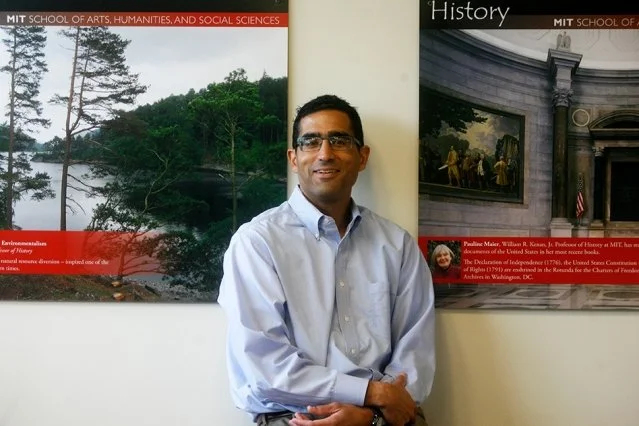
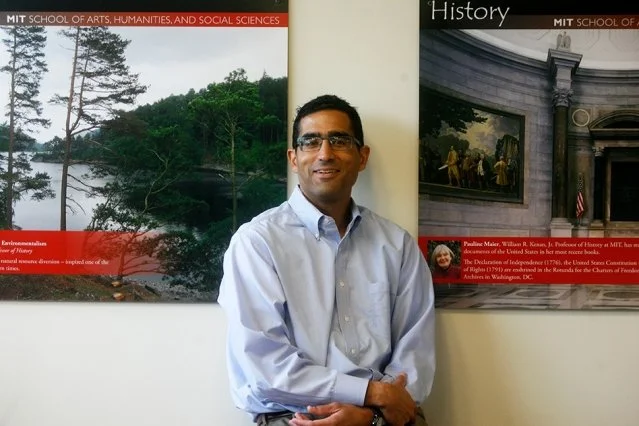
MIT historian Malick Ghachem gets readers and students to look anew at the Atlantic world.Back in the 18th century, Haiti was the most lucrative sugar-growing territory in the world, a key hub in the transatlantic economy, and, like the United States and France, the site of a democratic revolution. Battles over modern rights, slavery, and global commerce all figure prominently in Haiti’s history, though relatively few people know it.To MIT historian Malick Ghachem, this is both an oversight and an opportunity. Ghachem, a Haiti expert, thinks we too often treat the country as a blank spot on the historical map. Then again, his teaching and writing help fill this void by connecting Haiti to the larger historical currents that have shaped our world.“The fundamental responsibility of the historian is to uncover a story, put it in a new perspective, and show why it was important,” Ghachem says.Indeed, Haiti, once a French colony called Saint-Domingue, became the first country with universal legal equality, after its slave rebellion. But its path toward this breakthrough was complex. As Ghachem chronicled in his first book, the French feared such a possibility for years and instituted a legal regime that sought to keep slavery intact by controlling manumission — the freeing of slaves by their owners — while only occasionally punishing planters for their brutality.And there was both planter and slave unrest during the 1720s in Haiti, as Ghachem chronicles in a second book he is now completing. Back then the colony, like others in the Atlantic, was controlled by a monopoly trading company — in this case, the French Indies Company — and it was a white rebellion against the company’s slave-trading monopoly that helped produce Haiti’s large-scale sugar plantations. Studying Haiti as an integral part of this transatlantic world adds depth and nuance to our knowledge about democracy and globalization — for readers and MIT undergraduates alike.“Our students want to learn something that’s going to make them think differently,” Ghachem says. “And Haiti is good for that. It’s an unfamiliar place to a lot of people, a place that doesn’t figure in the calculus of a lot of disciplines. If you want to think about economic history or international law or human rights and you bring Haiti into the picture, it disturbs the conversation and upsets the terms of the debate.”Ghachem’s career has not followed the calculus of a lot of disciplines, either. He received his PhD in history from Stanford University at the same time he earned a law degree from Harvard University, and began a career in academia only after several years as a litigator. But today, when people act “as if the Haitian revolution did not exist,” Ghachem says, it reminds him why he is a historian: “We still have a long way to go. That’s why I think it’s important to be doing this work in the humanities.”Reading from morning to nightGhachem was born in Tulsa, Oklahoma, where his father was studying to be a petroleum engineer. The family moved to Chicago — Ghachem grew up a Cubs fan — and then to Saudi Arabia for several years, following a job opportunity for his father. Ghachem lived in Jeddah and attended an American school. When he wasn’t in the classroom, he played sports — “It’s always been a way that I’ve felt at home somewhere,” he says — and read. And read. And read some more.“I really became very bookish and would just for days and days read books from morning to night,” Ghachem recalls. “I think that’s why I became an academic. My parents and siblings were dismayed by my reclusiveness. I’ve never read more in my life.”Ghachem returned to the U.S. when he was of high school age, and started college at Georgetown University before transferring to Harvard. He got a BA in history, and in many of his classes realized that his professors were essentially “studying the history of revolution,” from France to Russia and beyond. The subject of revolution soon gripped Ghachem’s intellectual imagination — and it still does today, at MIT, where he helps teach 21H.001 (How to Stage a Revolution), a long-running history course.“It forces you to think about a subject, a nation, from the ground up,” Ghachem says. “As [political philosopher] Hannah Arendt put it, what makes a revolution a revolution is that the participants in it are gripped by the sense they are doing something new under the sun. … They’re inventing something new, which is kind of the ethos of this place [MIT] right here. At a human level, that’s a very contagious feeling.”Some parts of Ghachem’s career progression are easy to trace: Having entered graduate school in history at Stanford, he wrote a seminar paper about Haiti, which became the basis for his PhD dissertation, which became the basis for his first book. Even so, he also decided to study law while working toward his history doctorate.“I started reading about the law of slavery, so that became my interest in law,” Ghachem says. “That was the link.”Acquiring a history doctorate and a law degree is not a rare move for scholars, but pursuing the two degrees simultaneously on opposite coasts was a bit unusual. Eventually, in 2002, Ghachem emerged with his dual degrees — and promptly entered the legal profession. He clerked at the U.S. Court of Appeals for the Eleventh Circuit, in Miami, then became a lawyer in Boston, first at a small practice, then at a larger firm, Weil, Gotshal, and Manges LLP.As a lawyer Ghachem worked on criminal defense cases, First Amendment issues, and U.S.-mandated travel restrictions, among other matters. But he still wanted to pursue his academic research, and he liked the idea of teaching.“If you have cases like this, it’s very hard to leave,” Ghachem says. “They’re very engaging and you get very involved. But … at a certain point in time, I decided, if I’m not going to became an academic soon, I’m going to be in the law practice world forever. So I decided, let me try now.”Ghachem had served as a lecturer for two years at MIT and in 2010 took a full-time faculty position at the University of Maine’s law school. In 2013, he joined the MIT faculty, where he was awarded tenure earlier this year.Haiti and the global revoltWhile Ghachem’s first book explores the long run-up to the Haitian revolution, the one he is now completing allows him to look more extensively at commerce and “the earlier part of the story,” as he puts it. Like other countries, debt-ridden France had given license to private companies to develop colonial holdings, and in the 1720s, this led to revolts in multiple places, including Louisiana, after some companies went bankrupt. (The South Seas Bubble is the best-known such implosion.)“There is a global revolt against these companies that begins with financial crisis and spreads to other dimensions,” Ghachem says. “Saint-Domingue is I think the best example of this, but a little-known one.”In a sense, the new work parallels Ghachem’s first book, but with a larger focus on the economic forces driving Haiti’s exploitation and unrest. Either way — in finance and economics, as in politics and law — Ghachem believes we can know the past better by not thinking of Haiti as an isolated territory, but putting it squarely in the mainstream of issues we still grapple with now.“It’s not that I enjoy working on marginal subjects,” Ghachem says. “I enjoy working on subjects that only seem marginal. Haiti wasn’t marginal in the 18th century, and it’s not marginal today.”By: Peter Dizikes | MIT News Office December 5, 2017
Raising funds for Haiti
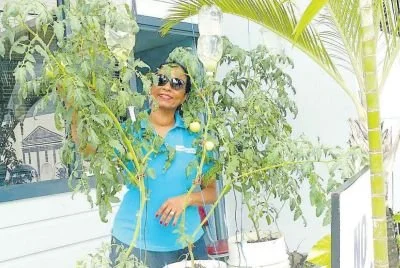
HaiT&T Foundation will host a fund-raising event—Christmas in de Cruz—on Saturday, December 2, at Green Meadows, Santa Cruz from 6 pm – 11 pm to continue with its fund-raising efforts toward reconstructing the La Madeline Orphanage in Port au Prince, Haiti. There will be music from two parang bands, Ataklan, Kees Dieffenthaller, who usually supports such worthy causes, and Kes the Band might surprise patrons with a guest performance. This goes with good food, drinks and great company. Tickets cost $600 each and coolers with drinks are welcome.Dr Paula Henry, director and founder of HAIT&T Foundation said: “The organisation was founded in 2010 shortly after the devastating earthquake in Port au Prince, Haiti. We formed this foundation because we felt we had the ability to help the Haitian people, specifically the St Joseph Convent nuns to re-establish the broken down orphanage, which had been in existence for 100 years and was now in a demolished condition.“We felt however when we were rebuilding, we wanted to give the ability for a larger space so there will be innovation in the structure to give the children a greater ability to perform and for the project to expand and add new things and not just for the orphans to live in.”Henry said right after the earthquake she went as a medical doctor to Haiti to render assistance and rebuild a heath centre that had fallen down and made a commitment to rebuild the orphanage.She said that this was the sole purpose of the foundation, rebuilding the La Madeleine orphanage and assisting some of the most vulnerable children from ages six to 16.She said through partnership with the St Joseph Convent Cluny Sisters and other reputable international organisations, HaiT&T Foundation has already successfully completed construction of the school for 600 children and its adjoining structures of a library, IT room, dining room and laundry.Henry added that the organisation had further extended this rebuilding project to include drilling for water and collection of rain water and electricity will be provided through solar panels.She added a chicken farm, fish farm and an agricultural area have also now been included with the aims of providing sustainability and building capacity.Henry said although this project was more expensive than the organisation had initially anticipated, the good news was that it is in the final stages of the building.Henry said that in 2018 Phase II is the projection for sustainable development and that the children be also given school books and two meals every day. She said the December 2 fundraising effort would assist in the building of a care home to house 20 children.She added that T&T’s support would greatly aid in the education of the children who would be the future of an enlightened Haiti working under their educators, the St Joseph Convent Cluny Sisters, whose mission is “Education for Service.”By: Charles Kong Soo/Trinidad & Tobago Guardian - December 1, 2017
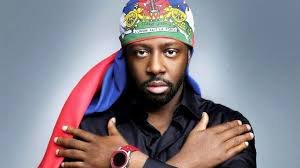
Wyclef Jean Blasts Trump's Plan to Deport Haitians: 'You're Sending Them Back to Die' (Exclusive)
Earlier this month, President Trump sparked outrage when he announced his decision to end provisional residency protection for 60,000 Haitians by 2019 for those who were affected by the devastating 2010 earthquake. Trump's decision to curtail their stay comes after his administration stated that the "extraordinary conditions" that plagued Haiti "no longer exist."In a new interview with Billboard, Wyclef Jean blasted the president's decision to oust his fellow Haitians from the United States and not renew their temporary protected status."I've been talking about that TPS for a minute now. I saw it coming. I saw the policies, but what I'm gonna do, I'm definitely gonna say one thing, which I stand by: The country of Haiti right now, we cannot afford to take 50,000 Haitians to go back home right now," Jean tells Billboard. "It's almost like you're sending them back like, 'Oh, OK, the earthquake is gone.' You're sending people back like, 'OK, let me them send back on a starve mission.' It's like you're sending them back to die. We don't support that."After being pummeled by the brutal effects of the earthquake, thousands of Haitians sought refuge in the United States. Under the temporary protected status, they were shielded from deportations due to natural disasters or armed conflict within their country. In a statement to the Washington Post, Homeland Security secretary Elaine Duke said the 18-month deadline will allow Haitians to "arrange their departure" since "significant steps have been taken to improve the stability and quality of life."According to Jean, Trump bamboozled Haitians during his presidency run, vowing to protect them and now doing the total opposite."I think we all need to acknowledge the TPS thing and the promise that Donald Trump made," Jean says. "If you remember, he was like, 'I'm going to look out for Haiti. I'm going to look out for [Miami's] Little Haiti [neighborhood].' He did the whole movie. So the lookout that we need right now, we need to make sure our people do not get deported back. It's not going to look good for the island at all."By: Carl Lamarre/Billboard/11/30/2017
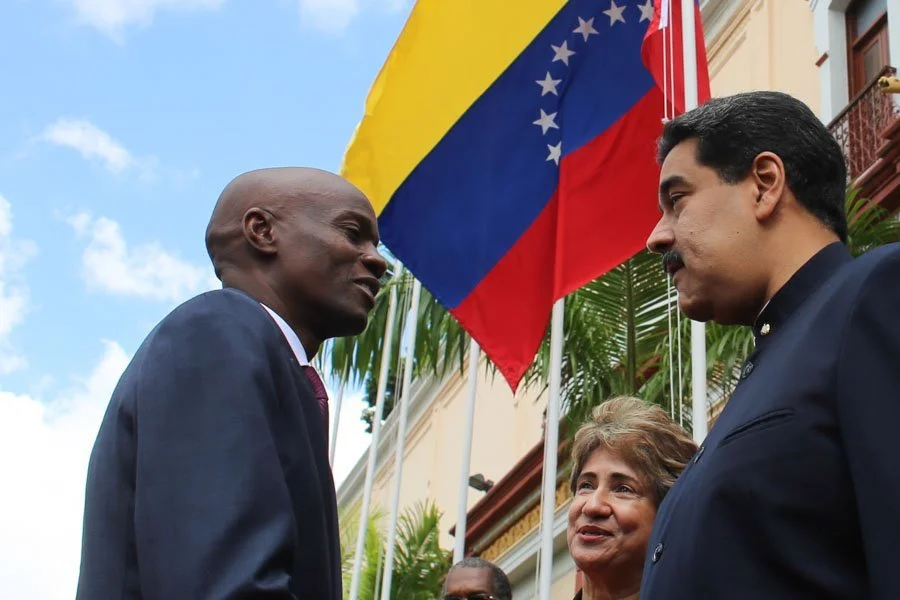
Venezuela and Haiti Sign New Bilateral Deals
The agreements will see Venezuela and Haiti deepen their collaboration in agricultural production as well as in joint infrastructure projects
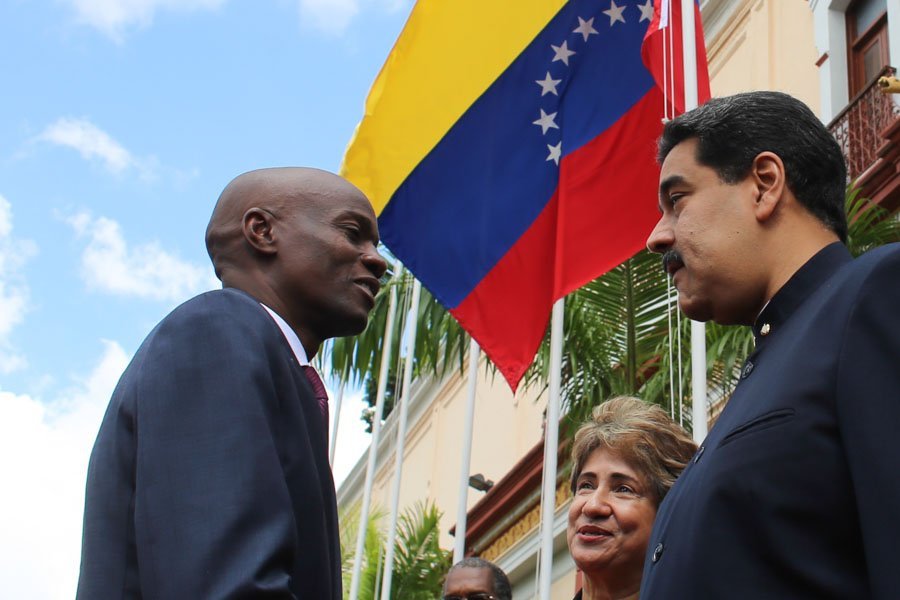
Caracas, November 28, 2017 (venezuelanalysis.com) – Venezuelan President Nicolas Maduro and his Haitian counterpart, Jovenal Moise, held bilateral talks in Caracas Monday where they signed fresh agreements in the areas of energy and agriculture.Known as the Energy and Agriculture Cooperation Agreement, the deal will see Venezuela and Haiti deepen their collaboration in agricultural production as well as in joint infrastructure projects. Further details have yet to be released.Both leaders also reaffirmed their governments’ commitment to the PetroCaribe program, an initiative created by former President Hugo Chavez Frias which sees Venezuela export oil to Haiti and other Caribbean and Central American nations at 40 percent of the market cost, with the remainder payable via 25-year low interest loans.The trip marks President Moise’s first visit to Venezuela since taking office in February on behalf of the right-wing "Bald Heads" (PHTK) party. The businessman was elected to office last November to replace fellow PHTK member, Michel Martelly, as president - though the elections were marred by accusations of fraud.Speaking during a meeting at Miraflores Presidential Palace, the Haitian leader paid tribute to the historic bonds uniting the two countries.“We have been in permanent partnership since the beginning of our history and we thank the people and the Venezuelan president,” he said, alluding to Haiti’s support for Venezuelan independence leader Simon Bolivar, who subsequently abolished slavery in the South American country.President Maduro, for his part, pledged his solidarity with the Caribbean island, which has been rocked by severe natural disasters in recent years.“We will always be together, Haiti and Venezuela. I ratify all of our support, love, and solidarity [for the Haitian people],” he declared.Under the leadership of Chavez and Maduro, the Venezuelan government has moved to strengthen ties with Haiti in recent years via PetroCaribe and other regional integration initiatives. Nonetheless, bilateral agreements between the two countries have been dogged by reports that the Haitian government has embezzled millions of dollars in Venezuelan aid.Between 2011 and 2014, Venezuela helped finance 234 projects in Haiti to the tune of US$1.2 billion.By:
UN to Haiti: 'Proof is in the pudding' on Corruption
PORT-AU-PRINCE, Haiti (AFP) — The United Nations, which last month launched a fresh mission to promote long-term development in Haiti, has had it with nice words: when it comes to corruption and human rights, "the proof is in the pudding.""They have said they want to fight corruption, so they have to take responsibility," insisted Susan Page, who is heading the UN Mission for Justice Support in Haiti (MINUJUSTH)."I'm going to take them at their word, but I'm also going to help them if that is really what they want," the American career diplomat said.Elected president after an electoral crisis that paralyzed the country for two years, Jovenel Moise insists he is going to use his time in office to clean up Haitian politics."Corruption, in all its forms, eats away and atrophies the economy, it profoundly weakens the political foundations and destabilizes society's social tissue: corruption is a crime against development," the president, who took office earlier this year, told the UN general assembly in New York in September.The concern is that his words are taking their time in being translated into action. In late August, a minister was sacked over corruption allegations, but no legal action has yet been taken.The new UN mission starts just as one of the symbols of financial waste in Haiti resurfaces: on Thursday, the Senate will debate a parliamentary report accusing a dozen former ministers, who held office between 2010 and 2016, of "fraud on a grand scale.""We'll see how they react, not just in regard to the report but in general," said Page, pointing to Haitian institutions in charge of fighting corruption and money laundering."Will they strengthen the capabilities of agents in these organizations? Really put investigations in place which they will then pursue to the very end? Will they bring people to justice? We will see."Gnawed away by corruption, the country's justice system is notoriously slow-moving. Its prison population, 400 percent above capacity, is one of the highest in the world.Maintaining the rule of law also demands a real commitment to improving conditions in detention centers, but there, too, MINUJUSTH will not take the lead."It's an age-old problem that the Haitians will have to sort out themselves," said Page. "We are here to support, not to do it for them. They need to have the political will to do it."Restoring the UN's image in Haiti during this new mission will prove almost as big a task as overhauling its justice system.The 13 years of the preceding UN mission, known as MINUSTAH, were blighted by sex crimes perpetrated against Haitian woman and children by UN police and peacekeeping troops, as well as a cholera epidemic sparked by Nepalese peacekeepers that has already claimed 10,000 lives.MINUJUSTH is the UN's sixth peacekeeping mission in Haiti over the past 25 years, a country where there is very little risk of civil war, regional conflict or terrorist attacks. The label "peacekeeping" exasperates many Haitian politicians, who may support the drive against corruption but also want a debate to redefine the UN mandate.Aware of that debate, Page prefers not to take sides: "The UN Security Council considers it necessary to keep a certain level of stability here and to tackle the great challenges which threaten long-term development... that is not a mandate for development – that is to enable a transition between a peacekeeping mission and a lasting development."
By: Jamaicaobserver.com | November 29, 2017
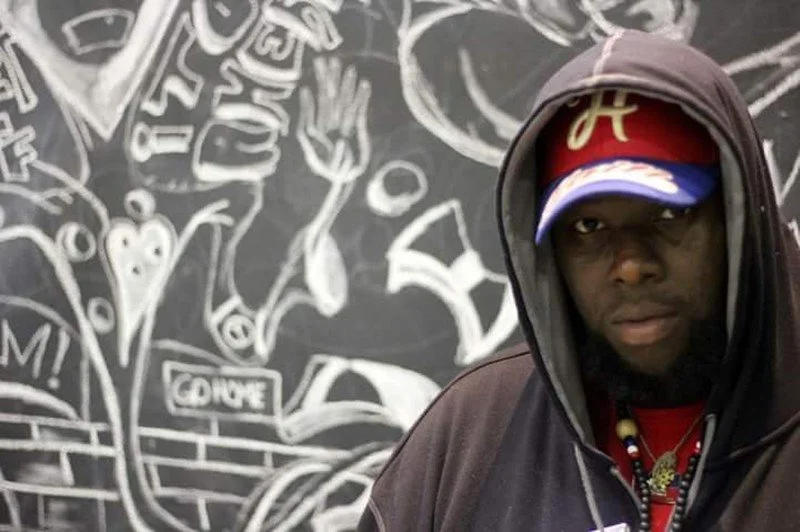
Artist finds ‘calling’ after 2010 earthquake in Haiti

West Palm Beach artist Jason “JaFleu” Fleurant was so profoundly affected by the 7.0 magnitude earthquake in Haiti, which left an estimated 200,000 to 300,000 dead and many more displaced on Jan. 12, 2010, that he had to do something to channel his emotions. So, Fleurant started to create.
“When the earthquake happened in Haiti back in 2010, something just took over me,” he said. “I couldn’t stop creating and in that, I found my calling or maybe my calling ended up finding me.”
Fleurant, 33, is a self-taught painter, but thinks his gift is greater than what he has learned so far.
“It started with me drawing what I was seeing on TV and then my friend Yanatha recommended I try painting on canvas, and the moment I did, everything changed,” Fleurant said.
“My family is from Haiti. So that feeling of knowing I had family and friends in the midst of it, that powerless feeling devastated me,” he said.
Fleurant believes it was a spiritual and artistic awakening. “That’s nothing but God,” he said. “The ancestors and spirits, whenever I create. I’m just the vessel.”
“I’d say the universe (had a plan). I didn’t go to school for it,” he said. “It’s all been from trial and error. Practice makes perfect, so I just kept doing it and doing it and in the process developed all my own unique styles.”
Although he explores imagery and an array of colors in his paintings, no image or color really excites Fleurant in particular. “I tell people all the time I have no earthly idea what I’m doing,” he said. “I just kind of go with the flow and whatever happens, happens.”
Fleurant, however, admits that color has always played an important role in his life. “I’ve always loved color, and that may be tied to being Haitian because in Haitian art there is often (many colors),” he said. “The only real conscious decision I make when it comes (down) to it is always trying to use blue and red somewhere in honor of Haiti.”
Fleurant has had celebrity encounters and is slowly gathering a following for his artwork. “My brother Jamaal ‘Visualist’ Clark and I (believe) if there’s a door cracked, we’re going in,” he said. “That mentality has led us to meet and give artwork to the likes of Dr. Michael Eric Dyson, U.S. Sen. Cory Booker, Jill Scott, Swizz (Beatz) and more.”
Fleurant and Clark were at the Drink Champs Podcast where they got to meet Hip Hop star Noreaga and DJ EFN, which led to a meeting with music producer Swizz Beatz, Fleurant said.
“One minute I’m just chilling in the back and next I look up to see Swizz walking directly towards me. He didn’t even, at the time, know I had art,” he said. “For whatever reason he just walked directly to me and started talking. So then I told him I had this painting I wanted him to see. We unrolled it and he digged it.”
Fleurant said he envisions himself becoming a version of Walt Disney, Dr. Suess and Stan Lee. “Art is cool, but I don’t really care for the art world or just making paintings,” he said. “I’ve come to use all my artistic skills now to be able to create my own books — be it family books, graphic novels or more. I’ve created and fallen (in) love with my own characters and I want to bring them to life.”
For more information about Fleurant, visit jafleutheartist.com.
Q & AWhat are your hobbies? Honestly, I don’t have any hobbies. I think some would view art to be, but that’s my career and therapy, too.What would you do if you were invisible for a day? I’d have an exhibit of my works and wander around and listen to people’s true thoughts on it. That was always a dream that nowadays seems even more less than likely.If you could have dinner with anyone in history, who would it be? Stevie Wonder — he’s hands down my favorite artist in all genres. I’d love to pick his brain.What’s the best advice you ever received?Paul Fisher once told me “Never wait to get your (expletive) together.” Too often we say ‘I’m going to do this or want to do this, but first I must do this.’ But, life is too short and the universe conspires for you when you move towards your dreams.What event in history would you have liked to have witnessed?Not so much an event but the whole movement of the Harlem Renaissance. From the artists going to Paris to get their props and coming home and banning together. I’d love to have been amongst that.What is your favorite childhood memory? Being at the kitchen table while my mom cooked and drawing ninja turtles and other cartoons that she too loved. Those were awesome memories that still stay in my head. Even when I quit art as a teen well into my adult years.Who is your hero, someone who inspires you?I’ll take that back to Stevie Wonder and the reason being, for someone to have no sight but see the world so clearly and create art that means so much. It’s inspiring and a reminder anything is possible.What is something that most people don’t know about you? How heavily I battle depression and mental illness. I used to be ashamed to say it. In fact, this is definitely the first time in any interview I have. But it’s important to address that, particularly in the black community. The arts have been very helpful with it and speaking to someone (about it) (with similar issues).What three things would you bring with you if you were stuck on a desert island? Music, art supplies and books and I’m good to go. I spend a lot of time outdoors, so I’ve grown accustomed to that.
By: Kyoto Walker Special to The Palm Beach Post for the Palmbeachpost.com | November 29, 2017
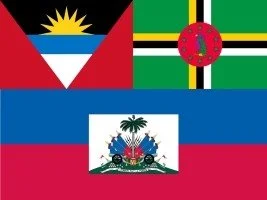
Haiti - Humanitarian : $250,000 donation from Haiti to Antigua and Barbuda and Dominica
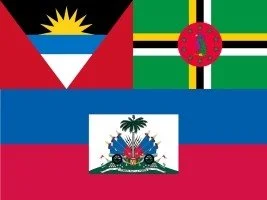
After providing urgent humanitarian aid to Turks & Caicos Islands, badly affected by the passage of hurricanes Irma and Maria (630 generators, 1,000 sheets of plywood, 4,500 tarpaulins, 2,000 gypsum boards and 4,000 sheets among others). Permanent Representative of Haiti to the UN, Ambassador Denis Regis at the last high-level donor conference for the Caribbean in New York, announced Haiti's assistance to the Antigua and Barbuda Islands and Dominica $ 250,000 each.In his speech, Ambassador Regis explained "[...] The Republic of Haiti, having been hit hard by a series of deadly natural disasters over the last 10 years, [...] knows from experience the multiplicity of obstacles to which is faced the reconstruction and rehabilitation of critical infrastructure, especially in countries such as ours or structural handicaps are legion and the public investment capacity is so precarious [...][...] in response to the recent call by the CARICOM countries, I have the honor to announce that the Government of Haiti, despite the difficult economic and financial situation of the country, but fully involved in international solidarity is pleased to contribute US $ 250,000 to the reconstruction efforts of each of the sister nations of Antigua and Barbuda and Dominica, so hard hit by hurricanes Irma and Maria [...][...] These contributions, although modest, are nonetheless a testimony of friendship and fraternity, in the tradition of mutual aid and regional solidarity of the Caribbean Community, and in the spirit of international cooperation [...]"By: HL/ PI/ HaitiLibre | November 30,2017
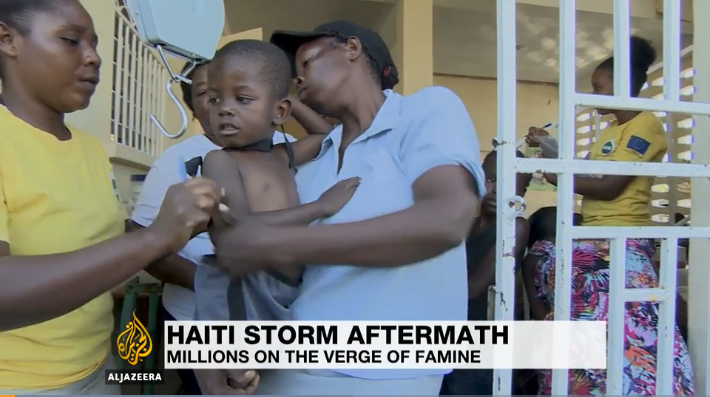
Millions at risk of famine in post-hurricane Haiti
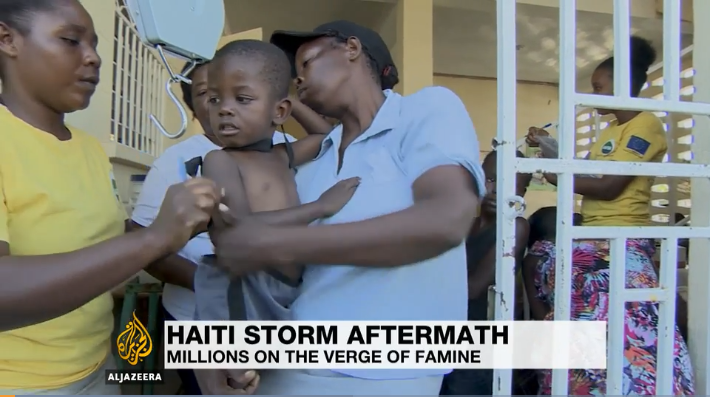
It's been almost a year since southern Haiti was devastated by Hurricane Matthew.It has also been almost eight years since an earthquake killed more than 300,000 people and left hundreds of thousands homeless.But a recent visit to a UNICEF treatment centre in the south shows everything continues to go wrong in the country.Dozens of malnourished children visit the centre daily, struggling against diseases and the endemic poverty that is so deeply entrenched in Haiti.Half of the country's population is malnourished. According to the World Food Programme, 1.32 million people are in Phase 3 Crisis, which means they are severely food insecure. Additionally, three million people are in Phase 2 Stress, which mean they are food insecure.Unfortunately, this is nothing new.Haiti has been struggling to feed its people for years. It is one of the poorest countries in the world.Natural disasters only deteriorate the situation. Hurricane Matthew had a devastating effect on food production. Agricultural plots, seeds and irrigation systems were destroyed.One year on, not much has changed.Everyone we spoke to repeated the same phrase over and over again: "I used to have … but now it's gone."It was very little, but at least some had a business, or seeds, or nets and other sources that would help them feed themselves. But they were destroyed by the hurricane.The UN has some small programmes assisting farmers, and is currently working on long-term development ones. But that's not enough to get people out of the current crisis.The UN appealed for more than $56m for food security. I have been told that less than 50 percent of that was provided by donor countries.
Political issues
But that's not the only problem. Nine months ago, Haiti's new President Jovenel Moise took office, with the promise to increase support to the country's agricultural sectors.Farmers denounce that only 6.9 percent of next year's budget has been assigned to assist communities in desperate need of help. Moise has also raised taxes and that's why demonstrations have been ongoing in the capital for months.The president was elected in an electoral process in which only 20 percent of the population voted."Moise has very little support. The only ones that are keeping him in power are the United States, France and the international community," a source told me in Port-au-Prince.And the budget?"It's been designed to benefit the elite and to continue strangling the poor," said economist Camille Charlemers."It is what keeps us dependent on foreign aid. Without food production, Haiti needs to import almost everything."And of course there is massive corruption. A recent investigation showed how politicians, including the presidents and prime ministers, allegedly embezzled around $2bn from a Petrocaribe deal with Venezuela.Haiti is currently paying off that debt while millions are going hungry.Some historians have said that the country has been condemned since it was born, adding that the first black republic was a bad example. They say that 'slaves' were not supposed to have a nation and that's why a brutal embargo was imposed by France, Spain, the US and the UK.Over 200 years later, Haiti continues to struggle, a victim of the ruling elites that profit from the enormous poverty rates in the country, and of an international community that, for whatever reason, continues to fail.By: Teresa Bo for Aljazeera.com | November 28, 2017
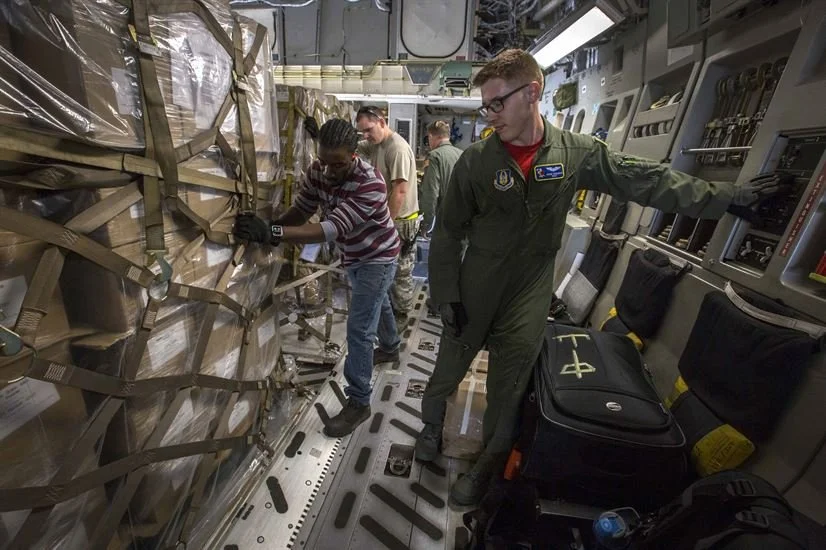
Air Force Reservists Deliver Humanitarian Aid to Haiti
PORT-AU-PRINCE, Haiti, Nov. 27, 2017 — What can 15 airmen and a C-17 Globemaster III aircraft do on a Denton Program mission? A lot, if they're from the Air Force Reserve Command's 514th Air Mobility Wing.
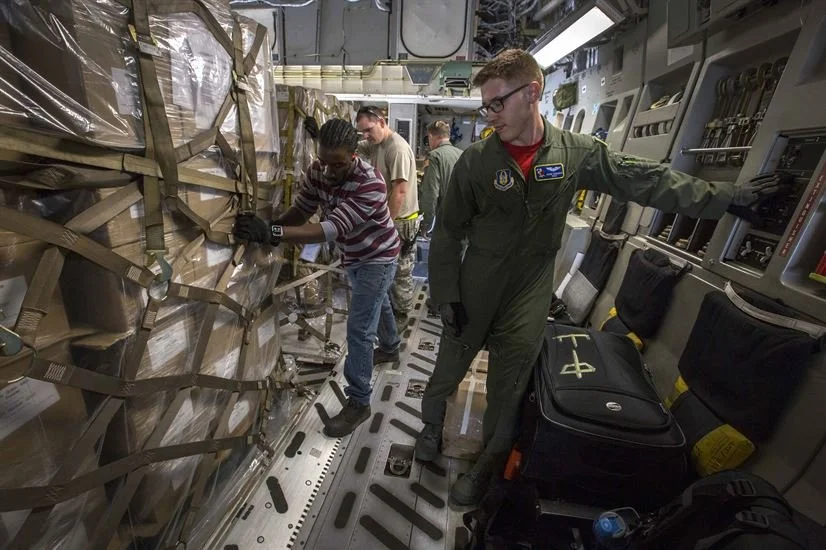
On Nov. 18, four pilots and a loadmaster with the 732nd Airlift Squadron, a loadmaster and two crew chiefs with the 514th, three Phoenix Raven Team members, and four 514th Security Forces airmen delivered 15 pallets of food, weighing 76,410 pounds, to Haiti."It's a high priority to get food down there," said Air Force Senior Master Sgt. Shawn R. Reynolds, a C-17 loadmaster with the 514th Air Mobility Wing. "Just the sheer volume of food we moved was impressive."The humanitarian mission, accomplished through the Denton Program, delivered fortified rice and soy protein and barley grass juice powder to Haiti. This was Reynolds' fifth Denton mission."That food will be used for a nutrition program for orphans and school children," said Jean Lubin St. Marc, executive director of Mission of Hope. "We appreciate the U.S. military that bring Denton cargo to us."Deliveries Began after 2010 EarthquakeSince a 2010 earthquake in Haiti killed more than 100,000 people, the 514th has delivered supplies and equipment through the Denton Program to Haiti. The program was an amendment to the Foreign Assistance Act of 1987, and it is named in honor of U.S. Sen. Jeremiah Denton, a former Navy pilot and Vietnam prisoner of war."Delivering relief supplies is one of the more rewarding missions we do," said Air force Lt. Col. Samuel F. Irvin, a C-17 pilot and the commander of the 732nd Airlift Squadron.Irvin has been on more than a dozen Denton missions during the past 10 years.The program is jointly administered by the U.S. Agency for International Development, the State Department and the Defense Security Cooperation Agency. It enables Americans and U.S. based nongovernmental organizations to use available space on military cargo aircraft to transport humanitarian goods -- agricultural equipment, clothing, educational supplies, food, medical supplies and vehicles -- to countries in need."This is the first time it has been strictly food," said Air Force Maj. Lee C. Schmeer, a 732nd Airlift Squadron C-17 pilot. "Usually it has been a mixed bag -- tractors, forklifts, trailers, and flatbed trucks, along with food."To give some perspective on how much cargo a Globemaster can handle, it can carry an M1A2 Abrams tank, which weighs 130,000 pounds, and still have room for 40,000 pounds more cargo.Cargo HubThe crew received the cargo at Joint Base Charleston in South Carolina, which is the cargo hub for the Denton Program. In 2016, Joint Base Charleston supported 85 missions to 10 countries delivering 609 pallets of cargo and 22 vehicles."We're in a position to help and we're happy to help," Schmeer said.While the Denton Program helps countries and people in need, it also serves military personnel. Aircrews that need to get qualified or have their qualifications updated volunteer for a Denton mission, and additional training will be scheduled during the mission."We schedule training at the bases we visit for our aircrews," Irvin said.During this mission, which began Nov. 16 and ended Nov. 19, the 514th Security Forces Squadron's combat arms training and maintenance team trained four C-17 pilots and two loadmasters at the pistol range at Naval Air Station Pensacola in Florida."By using our training time, it's a win-win for everyone," Reynolds said.Delivering the supplies was a team effort. In this case, the security forces airmen pitched in, helping to unload cargo."Moving Denton cargo is satisfying for me," Reynolds said. "We are moving something that matters."By: Air Force Master Sgt. Mark C. Olsen 514th Air Mobility Wing for the US Department of Defense | November 27, 2017
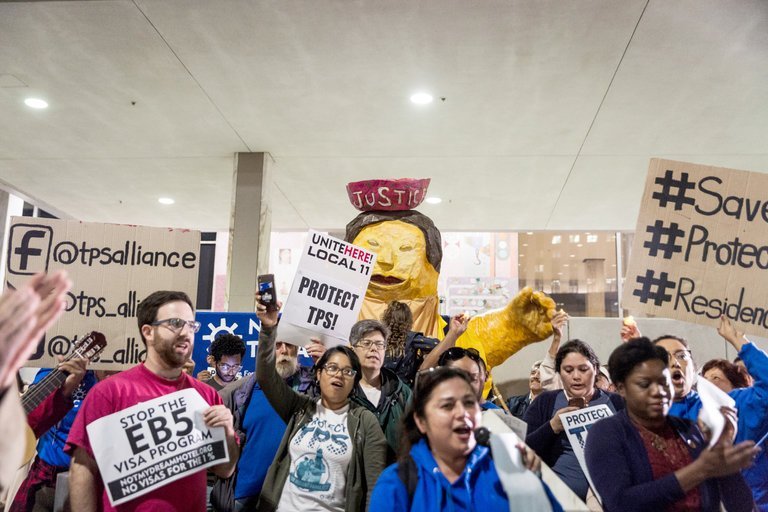
Trump Administration Ends Temporary Protection for Haitians

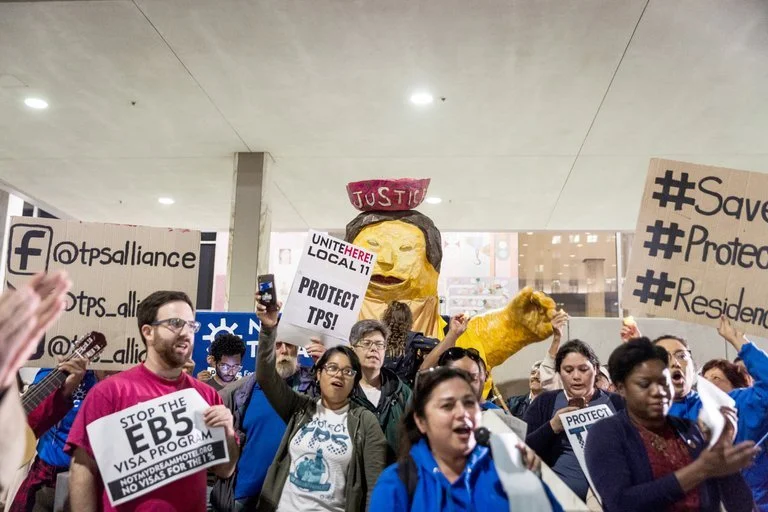
Haitians with what is known as Temporary Protected Status will be expected to leave the United States by July 2019 or face deportation.
The decision set off immediate dismay among Haitian communities in South Florida, New York and beyond, and was a signal to other foreigners with temporary protections that they, too, could soon be asked to leave.
About 320,000 people now benefit from the Temporary Protected Status program, which was signed into law by President George Bush in 1990, and the decision on Monday followed another one last month that ended protections for 2,500 Nicaraguans.
Haiti, the poorest country in the Western Hemisphere, is still struggling to recover from the earthquake and relies heavily on money its expatriates send to relatives back home. The Haitian government had asked the Trump administration to extend the protected status.
“I received a shock right now,” Gerald Michaud, 45, a Haitian who lives in Brooklyn, said when he heard the news. He has been working at La Guardia Airport as a wheelchair attendant, sending money to family and friends back home. He said he feared for his welfare and safety back in Haiti now that his permission to remain in the United States was ending.
“The situation is not good in my country,” he said. “I don’t know where I am able to go.”
Haitians are the second-largest group of foreigners with temporary status. The protection is extended to people already in the United States who have come from countries crippled by natural disasters or armed conflict that prevents their citizens from returning or prevents their country from adequately receiving them. The government periodically reviews each group’s status and decides whether to continue the protections.
The Obama administration renewed the protections for Haitians several times, after determining that conditions in Haiti remained precarious. But the Trump administration, which has sought greater controls on immigration, has said that the program, which was intended to provide only temporary relief, has turned into a permanent benefit for tens of thousands of people.
In a statement, the Department of Homeland Security said that after meeting with Haitian government officials and Haitian communities in the United States, it had decided to let the protections end.
“Since the 2010 earthquake, the number of displaced people in Haiti has decreased by 97 percent,” the statement said. “Significant steps have been taken to improve the stability and quality of life for Haitian citizens, and Haiti is able to safely receive traditional levels of returned citizens.”
The protection for Haitians was most recently extended in May, by John F. Kelly, the Homeland Security secretary at the time. He allowed only a six-month extension, a shorter one than is typical, saying that the Haitians “need to start thinking about returning.”
The decision on Monday by Elaine Duke, the acting secretary, set a termination date of July 2019 to give people time to make arrangements to leave.
The largest group of Temporary Protected Status beneficiaries, nearly 200,000 people, are from El Salvador. The Department of Homeland Security is scheduled to announce next month whether it will rescind or renew protection for that country, which is plagued with gang violence and high unemployment. The protection applies to Salvadorans who were in the United States without permission on Feb. 13, 2001, and was granted after deadly earthquakes in their home country.
Though Ms. Duke ended protections for Nicaraguans last month, she continued, at least for now, protections for Hondurans despite pressure from Mr. Kelly, now President Trump’s chief of staff, to end them.
Others who now benefit include people from Nepal, Somalia, Sudan, South Sudan, Syria and Yemen. In 2016, the Obama administration decided to end temporary protection for citizens from three West African countries that had been devastated by the Ebola virus several years ago.
The United States offered the protection to Haitians after the earthquake in January 2010 that killed hundreds of thousands of people, displaced more than a million and led to a cholera outbreak. Haitians who entered the United States within a year of the disaster qualified for the status.
A variety of American groups, including the Congressional Black Caucus, the United States Chamber of Commerce and immigrant advocacy organizations had urged the Trump administration to extend the protections again. On Monday, Senator Bill Nelson, Democrat of Florida, called the decision “unconscionable.”
“There is no reason to send 60,000 Haitians back to a country that cannot provide for them,” he wrote on Twitter. “I am strongly urging the administration to reconsider.”
There is no reason to send 60,000 Haitians back to a country that cannot provide for them. This decision today by DHS is unconscionable. And I am strongly urging the administration to reconsider. Ultimately, we need a permanent legislative solution. https://t.co/Ft0bE0itf6— Bill Nelson (@SenBillNelson) Nov. 21, 2017
Ileana Ros-Lehtinen, a Republican congresswoman from South Florida, said on Twitter that she had traveled to Haiti after the earthquake in 2010 and after Hurricane Matthew in 2015. “So I can personally attest that Haiti is not prepared to take back nearly 60,000 TPS recipients under these difficult and harsh conditions,” she said.
I travelled to #Haiti after the earthquake in 2010 and after hurricane Matthew in 2016. So I can personally attest that #Haiti is not prepared to take back nearly 60,000 #TPS recipients under these difficult and harsh conditions.— Ileana Ros-Lehtinen (@RosLehtinen) Nov. 21, 2017
Those with temporary protection constitute about half of the estimated 110,000 Haitians living in the United States without permanent permission, according to the Pew Research Center. Since Mr. Kelly signaled that Haiti might lose its special designation, thousands of Haitians have crossed the border between the United States and Canada to apply for asylum in Quebec.
Nearly 30,000 children have been born in the United States to Haitians with protected status. Those children are citizens and entitled to stay. Some of their parents may seek to avoid deportation by claiming it would cause extreme hardship to a United States-born child, but that option is limited.
Most will soon have to make a wrenching decision: take their children back to Haiti; leave them with relatives or guardians in the United States; or remain in the country illegally and risk arrest and deportation.
Mark Silverman, an attorney and director of policy at the Immigrant Legal Resource Center in San Francisco, said that if they are arrested, they would be entitled to deportation hearings. And contesting their cases “gives them at least seven to 10 years,” he said, because of the long backlogs in the immigration courts.
The decision is sure to be felt in Haiti, where remittances from the Haitian diaspora totaled $2.36 billion in 2016, an increase of 7 percent over the previous year, according to the World Bank. That money represented more than one-fourth of the country’s national income.
But Dan Stein, president of the Federation for American Immigration Reform, which lobbies for restrictions on immigration, said the cancellation of temporary protections for Haitians was “long overdue.”
“The notion that this would be reflexively renewed again and again is a corruption of the entire concept,” said Mr. Stein, adding, “it’s not a refugee program or an immigration program.”
“It’s supposed to be reviewed and it’s supposed to be temporary,” he said.
One of the younger beneficiaries of the program, Peterson Exais, barely survived the earthquake. He arrived in the United States when he was 9 years old to receive emergency medical care after surviving for days under the rubble. He endured more than a dozen surgeries and has become a promising dancer at a magnet school in Miami.
Now 17 years old, he dreams of pursuing studies at the Juilliard School.
“This is very devastating for me,” he said on Monday. “I might not be able to give all that I could give back if I went back to Haiti.”
By: Mariam Jordan for Nytimes.com | November 20,2017
Why Jazz Lovers Should Travel To Haiti For This Unique Musical Experience

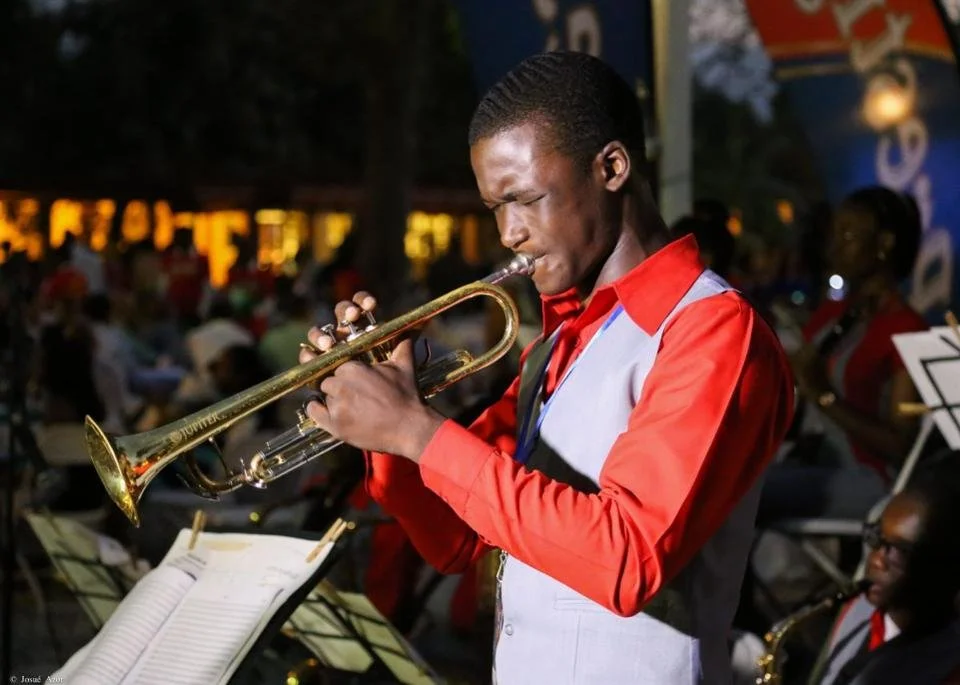
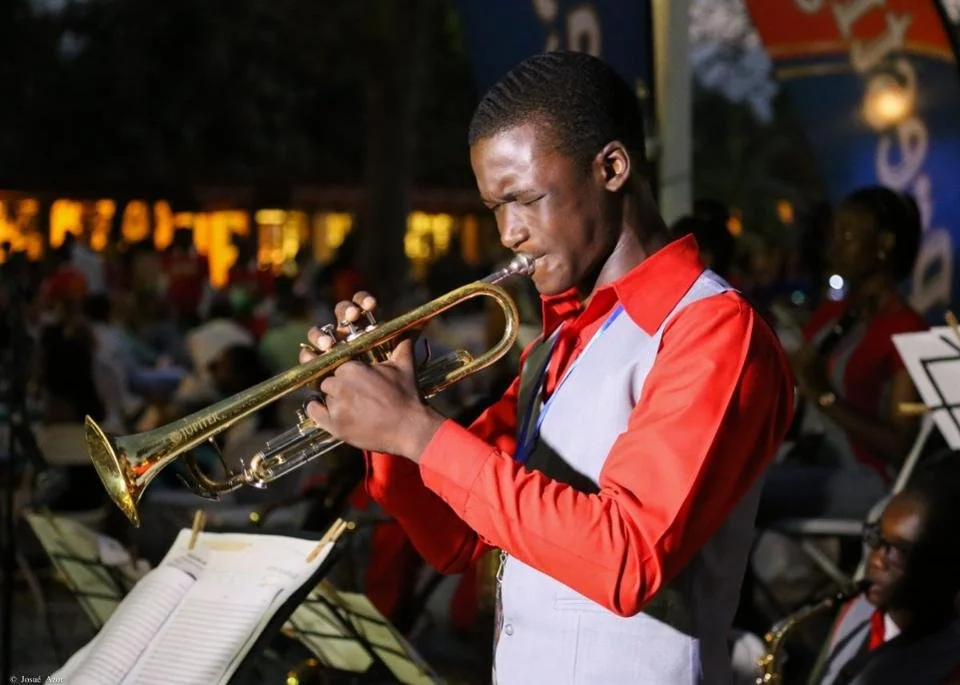
A trumpeter at the Catts Pressoir Music School during PapJazz.
Haiti might be off the beaten path, but it's home to one of the most unique music festival experiences around. Into its 12th edition, the annual Port-au-Prince International Jazz Festival, also known as PapJazz, is back and better than ever this January 2018.The event is opening the world to seeing the country's special culture and the genre of jazz music in a new light. From after hours jam sessions at some of the best local restaurants in the capital city to hit Haitian-born DJ, Michael Brun, dropping a dance influenced set, expect an unexpected combination of sounds to come together. Instead of planning for your usual festivals, dare to go somewhere different. To get a deeper understanding of what attendees can look forward to, I spoke with the foundation's manager, Milena Sandler, who made it clear why this is a can't miss adventure.Isis Briones: What was the inspiration behind the PapJazz? Milena Sandler: "It came naturally to musician and President of the Haiti Jazz Foundation, Joel Widmaier. From a jazz background through his dad, the late Herby Widmaeier — who has been a promoter of jazz in Haiti through his radio shows — he wanted to do something that would honor the legendary genre in his country. Joel has also taken part in many festivals around the world and knew what it took to put one together on an international level."IB: It's remarkable that the festival also includes a mentorship program for native artists. Can you elaborate on its mission and how it came about? MS: "Since the first edition back in 2007, artists have always been asked to offer workshops geared towards aspiring, young musicians — free of charge. There is no jazz education and very few music schools in Haiti, so this is an opportunity for them to learn from professionals from all over the world.Today we can pride ourselves in having participated in the creation of new generation jazz musicians. Moreover, we recently started a school program, where we will give free jazz, harmony, composition, and music appreciation classes. We also plan to obtain grants that will improve the students' equipment and provide seminars for them"IB: EDM was also incorporated in the lineup through Michael Brun and given the influence dance music has on the festival scene, do you foresee the different genres blending on a larger scale? MS: "Our challenge and objective since the start has been to attract a larger crowd to this jazz festival, including a public not familiar with it. Plus, the Haitian music is very diverse and the inclusion of all kinds of music is what's made us successful.However, we still plan to focus the majority of the lineup on jazz musicians and at the end of the day, Michael is a great illustration of this. We didn't pick just any DJ, Michael includes his Haitian jazz roots into his sound. He will be closing out the festival this year showcasing the perfect example of diversity."
Courtesy of PapJazzAn inside look into PapJazz.
IB: Beyond revolutionizing people's perspective on jazz, what are some stereotypical misconceptions about Haiti that you feel the festival is helping change? MS: "The first thing that comes to mind is that in Haiti great things can happen. We offer events that meets international standards in terms of organization logistics, sound quality, comfort, and of course, security. Yes, there's a lot of poverty, but at the same time, the Haitian people have a real 'Joie de Vivre' that you can feel through their smiles and faith for a better tomorrow. Attending PapJazz does something to you, anyone who goes come back with a new outlook on Haiti and a better understanding of what the country could become.IB: 12 years is also a long time to be hosting a worldwide event, what would you say about this year makes things even better than the last? Can you point out some highlights festival goers shouldn't miss? MS: "We strive to bring better lineups each year, which is no easy task. Jazz musician fees can be quite expensive and it's important to remember that the festival is a nonprofit with most shows being free. Luckily, this year, we are proud to include two Grammy Award winners and thanks to the participation of foreign embassies, we were able to have artists from 12 countries.In this edition, we also made a commitment to make the event a tourist destination, in which we created various packages that allow for the possibility to explore the country, the kindness of its people, its rich culture, and beautiful beaches on a higher level. We know it will be an unforgettable experience."By Isis Briones for Forbes.com| November 20, 2017
Haiti: Massive rallies call for Jovenel Moise to step down
Thousands of people have taken to the streets in Haiti calling for President Jovenel Moise to step down.It's the latest of ongoing protests against Moise that began two months ago.It comes on the day Moise officially reintroduced the national army, some 22 years after it was disbanded, and a week after an investigation revealed millions of dollars in earthquake relief had been stolen.By Teresa Bo for Aljazeera.com |November 19, 2017